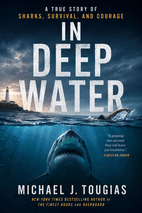
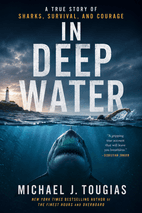
Michael J. Tougias's In Deep Water chronicles the harrowing true story of three Vietnamese-American friends adrift in shark-infested Gulf waters for twenty-eight hours, interweaving their desperate survival with the Coast Guard rescue mission and the anguished families on shore. Written for readers of survival narratives like The Perfect Storm, the book examines how split-second decisions and inherited resilience—shaped by each man's family legacy of escaping the fall of Saigon—determine the difference between life and death.
Feature
Insta.Page
Blinkist
Shortform
Summary Depth
Full Chapter-by-Chapter
15-min overview
Section-by-section guides
Audio Narration
✓
✓
✓
Visual Mindmaps
✓
✕
✕
AI Q&A
✓
✕
✕
Quizzes
✓
✕
✕
PDF Downloads
✓
✕
✓
Price
$89.99/yr
$146/yr (PRO)
$199/yr
*Competitor data last verified July 2026.
1 Page Summary
This is the harrowing true story of three Vietnamese-American friends—Paul, Sonny, and Lu—who set out for a day of fishing in the Gulf of Mexico, only to have their boat sink in less than a minute, leaving them adrift in shark-infested waters for over twenty-eight hours. Author Michael J. Tougias, drawing on three decades of investigating maritime disasters, chronicles how the trio's dream trip turned into a desperate fight for survival. The narrative is distinctive in its structure, weaving the men's immediate physical ordeal—hypothermia, jellyfish stings, dehydration, and a terrifying tiger shark attack—with the parallel story of the Coast Guard crews searching for them, and the anguished vigil of the families waiting on shore. Tougias emphasizes that the difference between life and death often comes down to split-second decisions and the grit forged by personal history, revealing how each man's survival instinct was shaped by his family's legacy of escaping the fall of Saigon.
The author's approach is journalistic and immersive, moving between the perspectives of the survivors, the Coast Guard rescue swimmers and pilots, and the command center coordinators. Tougias grounds the narrative in technical and historical context, explaining the unforgiving mechanics of the Gulf—the biology of tiger sharks, the lethality of hypothermia, the physics of ocean currents—and drawing grim parallels to World War II U-boat attacks and the USS Indianapolis disaster. What makes the book distinctive is its unflinching examination of how desperation can fracture even the strongest bonds, as when Paul makes the agonizing decision to swim alone toward a distant shrimp boat, breaking the vow that "no one gets left behind." The narrative culminates in a breathtakingly coordinated air-sea rescue, where a Coast Guard swimmer plunges into the water just feet from circling sharks to pull Paul to safety.
In Deep Water is written for readers who appreciate survival narratives that are as much about the human will as they are about the sea's brutality. Fans of The Perfect Storm or Adrift will find a familiar tension between technical detail and emotional intensity, but this book carves its own space by centering the bonds of friendship and inherited resilience. Readers will gain a sobering appreciation for the split-second margins that separate tragedy from rescue, and a profound respect for the Coast Guard crews who navigate those margins daily. The book ultimately leaves the reader with the haunting question that lingers long after the survivors reach shore: survival doesn't end when you hit dry land—it's just the beginning of the long road back.
Prologue
Overview
The prologue wastes no time establishing the brutal unpredictability of life at sea. Having spent three decades investigating boating disasters, the author lays out a sobering reality: disaster rarely announces itself. A sudden storm, a rogue wave, a mechanical failure, or even a whale can sink a vessel in moments. The difference between survival and tragedy often comes down to split-second decisions made under duress—whether the life jackets are within reach, whether the radio works, whether a Mayday correctly conveys location and passenger count. Even the most seasoned sailors can become complacent, forgetting a critical piece of gear or misjudging a route. The sea is an unforgiving adversary, and the prologue makes clear that while many factors lie beyond human control, one remains firmly in our hands: how we respond when everything falls apart.
The Unforgiving Nature of the Sea
The author emphasizes that boating accidents rarely give their victims time to prepare. A fast-moving storm can appear from nowhere; a GPS can fail while you’re racing toward an unfamiliar port; fuel can run out just as waves begin to build. The environment itself is a killer—hypothermia works twenty-five times faster than cold air, so even relatively warm waters eventually sap a person’s strength. And then there are the creatures. Overboard in shark-infested waters, you face a threat you can’t outswim. The prologue doesn’t shy away from the reality that survivability depends on a cascade of variables: the weather, the water temperature, the time of day, whether anyone back home knows your plans.
The One Thing You Can Control
Amid all this uncertainty, the prologue hones in on a single, crucial variable: your reaction. When you’re adrift, frightened, and exhausted, how you choose to respond can mean the difference between life and death. This theme is introduced directly before the story shifts to three men who are about to test that truth. Paul, Sonny, and Lu, all from Louisiana, set out from Empire to fish the oil rigs in the Gulf of Mexico. The prologue poses a sharp question: Will they work together or let stress and differing opinions tear them apart? Will they fight to the end, or will resignation speed their demise? The sea—and everything lurking within it—is already conspiring against them.
Key Takeaways
Boating disasters often strike without warning, leaving little time to react.
Survival depends on quick access to emergency gear, clear communication via Mayday, and having a float plan shared with someone onshore.
Environmental factors like water temperature, predators, and time of day dramatically influence survivability.
The only factor fully within a person’s control is their mental and emotional response under pressure.
The prologue sets the stage for Paul, Sonny, and Lu, whose ordeal will test whether they can cooperate and persevere when every element of the sea is stacked against them.
Key concepts: Prologue
1. Prologue
The Sea's Unpredictable Danger
Disaster rarely announces itself
Sudden storms, rogue waves, or whales can sink vessels
Survival depends on split-second decisions under duress
Environmental Factors That Kill
Hypothermia works 25 times faster than cold air
Predators like sharks pose an inescapable threat
Survivability depends on weather, water temp, and time of day
The One Thing You Can Control
Your reaction is the crucial variable in survival
Mental and emotional response can mean life or death
Fight or resignation determines your fate
Setting the Stage for the Ordeal
Three men from Louisiana: Paul, Sonny, and Lu
They set out to fish oil rigs in the Gulf of Mexico
Will they cooperate or let stress tear them apart?
Key Survival Essentials
Quick access to life jackets and working radio
Clear Mayday with location and passenger count
A float plan shared with someone onshore
💡 Try clicking the AI chat button to ask questions about this book!
Chapter One
Overview
Paul Lee is living out a long-held dream. On a Saturday morning in October 2022, he finally pilots his own twenty-four-foot Pro-Line boat out of the Delta Marina in Empire, Louisiana, headed for the offshore oil platforms where he hopes to land red snapper and other prized catches. The dawn sky is painted with streaks of red and haze, promising calm seas that will build into wind and waves by afternoon. His two childhood friends, Lu and Sonny, are with him, and the plan is simple: be back at the dock by noon with a cooler full of fish. Paul turned forty-one just three days earlier, and this boat—sleek, black-hulled, with a hardtop shade cover—is his birthday gift to himself. He bought it from the prior owner only the night before, and in the whirlwind hours since, he has gassed up the boat and his truck, inspected the trailer, tested the electronics, and loaded his gear. Five hours of sleep, then up at 4:40 AM. He’s eager, maybe more than eager—this is the moment he’s been working toward for years.
From the Mississippi to the Oil Platforms
Paul’s love for fishing started young. Born in Colorado to Vietnamese immigrants, he moved with his family to the New Orleans area when he was five. His first fishing trip was on the Mississippi River with his dad, and from there he graduated to Lake Pontchartrain with friends, then to a series of used boats for inshore ocean fishing. But the real prize—the best eating fish, like red snapper—lived offshore, around the oil platforms. To get there, you needed a bigger boat. And bigger boats cost money.
After high school, Paul tried college, but a bridge toll stopped him cold. He remembers driving to the community college, realizing he couldn’t afford the tolls, and turning around. I’m broke, he told himself. What am I doing going to college when I can’t afford tolls or gas? The next day, he applied to work on the oil platforms and got a job. He started onshore, sandblasting and painting equipment, then moved offshore, doing the same work while living on the platforms. The difference was the safety harness—a fall into the sea could be fatal.
Life on the Water, Dreams on the Horizon
Paul uses “oil rig” and “oil platform” interchangeably, though platforms are larger, with storage tanks, production activities, living quarters, and even refineries. The work is hard and dangerous, but the pay is better than most manual-labor jobs, and that’s why he signed on. Offshore, he worked eight-to-twelve-hour shifts, day and night, often for two or three weeks straight, then had a similar stretch of time off. He loved being on the water. Sometimes after his night shift, while others were heading to bed, he’d climb up to the helicopter port, gaze at the stars, then look down at the dark water and think about all the fish he could catch—if only he owned a big enough boat.
His company prioritized safety, so Paul took a water survival course where he learned tricks like using his pants as a flotation device by tying off the legs and trapping air in the trousers. He also practiced in a pool, strapped into a helicopter simulator that was submerged and flipped upside down. Trainers with scuba gear watched to see how calmly he could unfasten his seatbelt and escape. Paul was a strong swimmer and passed easily.
Katrina Changes Everything
Paul had plans to move up to higher-paying jobs on the rigs, but Hurricane Katrina upended everything. The storm ripped most of the roof off the family home where Paul lived with his parents and siblings. They evacuated to Texas, and Paul and his sister were the first to return. The repairs were massive, so when the oil company called him back to work, he declined—the house came first. He took a job at a pawnshop, spending his days there and his nights and weekends fixing the home. Eventually, he moved out with his fiancée, and after their son was born, they moved back into the family home, where his parents helped with childcare.
Over the years, Paul saved money and bought his first boat, an eighteen-foot Hydra-Sport, then a twenty-foot Grady-White. Both were great for inshore fishing, but too small for the open Gulf. For offshore trips, he relied on friends with bigger boats. He loved the chase—targeting pompano and red snapper, with surprises like grouper—and he soaked up every lesson in boating and fishing. But the desire for his own offshore vessel never faded.
The Boat of His Dreams
When Paul became a real-estate broker, he finally saved enough to buy the boat he’d dreamed of. Now, with Lu and Sonny beside him, he motors through the open locks at the Empire marina. The locks can close during storms or high tides to prevent flooding, but today they’re open—no storms predicted, and the men plan to be back before the wind kicks up. Red snapper season is short, and Paul feels he’s picked the perfect day. He’s ready to bring home dinner, laugh with his friends, and savor the freedom of being out at sea under sunny skies.
Soon, one of the most promising days of his life will turn into something quite different.
Key Takeaways
Paul Lee’s journey to owning an offshore fishing boat spans decades, from childhood fishing trips to working on oil platforms and rebuilding after Hurricane Katrina.
His decision to skip college and work on the rigs was driven by immediate financial need, not lack of ambition—he used those earnings to fuel his passion.
A water survival course taught him skills that might prove invaluable in the open Gulf.
The chapter sets a scene of anticipation and joy, but a stark shift is coming: Paul’s perfect day will not go as planned.
Key concepts: Chapter One
2. Chapter One
Paul's Dream Realized
Pilots his own boat for first time in October 2022
Birthday gift to himself at age 41
Plans offshore fishing for red snapper with friends
Eager after years of working toward this moment
From Mississippi to Oil Platforms
Fishing passion started young with father on Mississippi
Dropped out of college due to financial constraints
Took job on oil platforms for better pay
Worked dangerous shifts, loved being on water
Hurricane Katrina's Impact
Storm destroyed family home roof, forced evacuation
Chose home repairs over returning to oil work
Took pawnshop job to fund rebuilding
Delayed career and boat ownership plans
Boat Ownership Journey
Saved money, bought smaller inshore boats first
Relied on friends' boats for offshore trips
Learned boating and fishing from every experience
Became real-estate broker to afford dream boat
The Perfect Day's Ominous Setup
Calm morning seas, but wind expected by afternoon
Open locks and short red snapper season
Planned return by noon with full cooler
Hint that promising day will turn disastrous
Chapter Two
Overview
The Mississippi Delta reveals itself as a landscape of constant transformation, where fresh water and salt water engage in an eternal negotiation. At Empire Marina, situated on land barely three feet above sea level, the river approaches its grand finale. From above, the three passes—Pass A Loutre, South Pass, and Southwest Pass—spread outward like a bird's foot with three toes. The Head of the Passes, not the Gulf meeting point, is considered the true mouth of the Mississippi, though nature refuses to hold still long enough for cartographers to catch their breath.
Climate change has accelerated the Delta's land loss, while dams and levees upstream have choked off the sediment flow that once built and maintained these wetlands. Without that natural replenishment, salt water creeps into freshwater ecosystems, and hurricane surges swallow larger portions of land with each passing season. Yet the Delta remains a labyrinth of narrow channels, tidal flats, and shellfish beds—a place where an unfamiliar kayaker could disappear forever among the meandering passageways.
The Changing Waters
The transition from river-stained water to clear Gulf is surprisingly abrupt. One moment the water is brown with sediment, and the next it transforms into crystal clarity. The brown plumes of river sediment extend miles into the Gulf, while green swirls mark where phytoplankton have bloomed, sometimes creating toxic red tides. These algae blooms, fed by nutrient-rich fertilizers washing down from farmland, can create dead zones where oxygen levels drop so low that marine life cannot survive. In bad years, these hypoxic areas stretch almost the size of New Jersey.
Three Friends, One Boat
Paul, Sonny, and Lu launched from Empire that October morning, taking the quicker route through the locks to reach the Gulf on the western side of the Delta. Paul piloted his new boat through shallows marked by PVC pipes, past sandbars and oyster beds, reaching open water in about twenty minutes. The morning was ideal—low seventies air temperature, eighty-degree water, light winds from the northeast, and a cloudless sky promising a pleasant day for fishing.
Paul, at five-foot-six and two hundred pounds, carries himself with an open, positive demeanor that serves him well as a real-estate broker. He's a man who has trouble saying no, whose priorities center on his fiancée and their eight-year-old son. This morning, however, work pressures have faded, replaced by the thrill of opening up his new boat's motor toward the first oil rig ten miles away.
Sonny Nguyen arrived with only a few hours of sleep after a late-night party celebrating his brother-in-law's restaurant remodeling. Despite his exhaustion, the pull of a fishing day proved irresistible. At forty-one, he's the athlete of the group, still playing pickup baseball and occasionally sparring at a boxing gym—though he admits his first sparring session ended with a sixteen-year-old handing him his lunch. Sonny's connection to the water runs deep; his father ran a shrimp boat for forty years, and Sonny worked those decks from his teenage years through several full seasons. He learned to drag nets through darkness and dawn, sorting shrimp from bycatch on boats staffed by colorful characters who made the hard work worthwhile.
Lu Nguyen rounds out the trio, an avid fisherman always ready for adventure. He's known Paul since fifth grade and met Sonny a few years later. His path to this morning was winding—college courses that never quite clicked, restaurant work that taught him every role from cook to server, a brief stint on oil rigs that he despised, then Hurricane Katrina forcing closure of both rigs and restaurants. That downtime led him to earn a degree in civil engineering and find work as a residential home designer. A pit bull attack at age thirty-two nearly cost him his hand, but Lu's hand healed fully, and he moved forward without dwelling on what could have been.
Key Takeaways
The Mississippi Delta is rapidly changing due to climate change and reduced sedimentation from man-made structures, accelerating land loss
The Head of the Passes, not the Gulf meeting point, is the true mouth of the Mississippi River
Agricultural runoff creates dead zones in the Gulf that can grow to enormous sizes
Each of the three friends brings different experiences to the fishing trip: Paul's easygoing social nature, Sonny's deep history with the sea, and Lu's resilience through setbacks
Key concepts: Chapter Two
3. Chapter Two
The Mississippi Delta's Transformation
Fresh and salt water constantly negotiate
Land barely three feet above sea level
Three passes form a bird's foot shape
Head of the Passes is the true river mouth
Climate and Human Impact on Land Loss
Climate change accelerates delta land loss
Dams and levees block sediment flow
Salt water invades freshwater ecosystems
Hurricane surges swallow more land each season
The Changing Waters of the Gulf
River water abruptly turns clear at Gulf
Brown sediment plumes extend miles offshore
Nutrient runoff feeds toxic algae blooms
Dead zones can grow nearly size of New Jersey
Paul: The Easygoing Real-Estate Broker
Pilots new boat through shallows to Gulf
Open, positive demeanor as real-estate broker
Priorities center on fiancée and eight-year-old son
Work pressures fade with thrill of fishing
Sonny and Lu: Deep Ties to the Sea
Sonny's father ran a shrimp boat for 40 years
Sonny worked decks from teenage years through seasons
Lu survived pit bull attack and Hurricane Katrina
Lu earned civil engineering degree after setbacks
Chapter Three
Overview
Chapter Three follows the fishing trip of Paul, Sonny, and Lu as they navigate from one oil rig to another in the Gulf of Mexico. The chapter opens with the trio securely tying their boat to the first rig, taking advantage of the structure that attracts a rich ecosystem of fish. They’re after red snapper, and the conditions start off nearly perfect—light wind, small waves, and no competition. But beneath the surface of a relaxed angling morning, trouble quietly takes hold. After a slow start, they move to a second rig with better luck, catching keepers and feeling the exhilaration of a good haul. Then Paul notices water pooling near the transom. Their bilge pump is dead, and the boat is taking on water faster than they can manage. What began as a leisurely day becomes a desperate race back to shore, with the engines dying and the waves climbing to five feet.
The Oil Rig Ecosystem and Fishing Strategy
The chapter grounds itself in the practical knowledge of Gulf fishermen. Oil rigs act as artificial reefs, attracting everything from barnacles and coral to minnows and game fish like yellowfin tuna, amberjack, and red snapper. Paul positions the boat downwind and secures a line to the rig’s leg, preventing drift while keeping the vessel steady for fishing. They use heavy sinkers and shrimp bait to reach the bottom, targeting red snapper specifically—a fish prized for its mild, sweet flavor. The men work methodically, moving to another rig when the first spot yields only undersized fish. At the second rig, they tie to a hanging rope used by oil workers, and immediately start hauling in keepers.
The First Signs of Trouble
While absorbed in fishing, none of them notice the boat settling lower in the stern. Paul spots about three inches of water near the transom. He calls out, and they quickly investigate. The bilge pump appears to be dead—water is simply draining through the deck drain, not being pumped out. Sonny feels the weight of the hull filling up fast. With the wind rising and waves now around four feet, Paul decides to head in. They untie, start the engines, and point the bow toward shore. But the boat is sluggish, and pounding against the waves forces Paul to throttle back despite Sonny’s plea to speed up.
Chaos and the Mayday Call
Water continues to pour in. Lu scrambles forward for life jackets, tossing adult vests to the other two while squeezing into a child-sized one. Sonny tries bailing with a flare-gun container and starts throwing gear overboard. The boat can’t get back on plane. One big wave crashes over the stern, and both engines die. Now they’re adrift, with waves nearly five feet. Sonny grabs the radio: “Mayday, Mayday, Mayday!” There’s no response. Paul tries restarting the engines—nothing. The stern is dangerously low, and in the confusion, Sonny sets down the flare gun and forgets to retrieve it. The chapter ends with the three men still a mile from the rig, the boat sinking beneath them as the sea turns furious.
Key Takeaways
Structure attracts life, but also danger: Oil rigs create thriving fishing spots, but tying up can cause a boat to ride low in the stern, especially with engine weight and following seas.
Small leaks escalate fast: A dead bilge pump and unnoticed water intake can turn a good day into a life-threatening situation within minutes.
Preparation matters: The men had life jackets and a radio, but no bucket, no functioning bilge, and no backup plan for a sudden sinking.
Decision-making under pressure: Disagreements on speed and course highlight how critical clear judgment is when every second counts.
Key concepts: Chapter Three
4. Chapter Three
The Oil Rig Ecosystem and Fishing Strategy
Oil rigs act as artificial reefs attracting diverse fish
Targeting red snapper with heavy sinkers and shrimp bait
Tying downwind to rig legs for steady fishing position
Moving to second rig yields keepers after slow start
First Signs of Trouble
Paul notices water pooling near the transom
Bilge pump is dead, water not being pumped out
Hull filling fast with rising wind and four-foot waves
Decision to head in, but boat is sluggish and pounding
Chaos and the Mayday Call
Lu scrambles for life jackets, Sonny bails with container
Big wave crashes over stern, both engines die
Sonny issues Mayday call with no response
Flare gun set down and forgotten in confusion
Escalating Danger and Desperation
Boat adrift with waves nearly five feet
Stern dangerously low, engines won't restart
Men still a mile from rig as sea turns furious
No backup plan for sudden sinking situation
Key Takeaways on Preparedness
Structure attracts life but also creates danger
Small leaks escalate fast without functioning bilge
Life jackets and radio present, but no bucket or plan
Clear judgment critical under pressure and disagreement
You've reached the end of the free chapters
Next chapter: “Chapter Four” is locked
Keep reading In Deep Water — and unlock all 600+ book summaries with audio, mindmaps and AI Q&A.
$0.00 due today · 7 days free, then $89.99/year ($7.49/mo) · Cancel anytime before day 7
Michael J. Tougias is a New York Times bestselling author and speaker known for his expertise in historical nonfiction, particularly maritime disasters and survival stories. His notable works include *The Finest Hours* (co-authored), *A Storm Too Soon*, and *Ten Hours Until Dawn*, which detail heroic rescues and extreme weather events at sea. Tougias draws on extensive research and firsthand interviews to craft gripping, factual narratives that highlight human endurance and the power of nature.
Frequently Asked Questions about In Deep Water
What is In Deep Water about?
This book recounts the true story of three Vietnamese-American friends whose fishing boat sinks in the Gulf of Mexico, leaving them adrift for over 28 hours. It weaves together their desperate fight for survival with the Coast Guard's search-and-rescue operation, while also exploring historical maritime disasters and the men's family backgrounds as refugees. The narrative highlights the split-second decisions, physical endurance, and unbreakable bonds that determine life and death at sea.
Who is the author of In Deep Water?
Michael J. Tougias is an experienced author who has spent three decades investigating boating disasters and maritime survival stories. He has written numerous books on survival against nature's forces, known for his detailed research and gripping narrative style.
Is In Deep Water worth reading?
Absolutely—this is a gripping, heart-pounding true story that keeps you on the edge of your seat while offering profound insights into human resilience. The book masterfully alternates between the survivors' harrowing ordeal and the Coast Guard's rescue efforts, creating a multifaceted narrative that is both educational and deeply moving.
What are the key lessons from In Deep Water?
One key lesson is the critical importance of preparation: having functional life jackets, a reliable EPIRB, and a clear float plan can mean the difference between life and death. Another is that survival often depends on teamwork and the unwavering commitment to never leave a friend behind, as seen when the trio vows to stay together. The story also shows that hope, anchored by love for family, can sustain a person through unimaginable physical and mental torture. Finally, it underscores that even small, rational decisions—like conserving energy and sending a location screenshot—can be lifesaving.
📚 Explore Our Book Summary Library
Discover more insightful book summaries from our collection