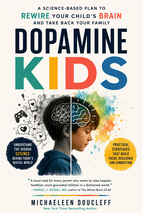
Kate Swenson's Autism Out Loud is a candid memoir detailing her family's journey raising an autistic son, sharing the challenges and joys to foster understanding. It offers support and advocacy insights for parents, caregivers, and anyone seeking a deeper, humanizing perspective on autism.
Feature
Insta.Page
Blinkist
Shortform
Summary Depth
Full Chapter-by-Chapter
15-min overview
Section-by-section guides
Audio Narration
✓
✓
✓
Visual Mindmaps
✓
✕
✕
AI Q&A
✓
✕
✕
Quizzes
✓
✕
✕
PDF Downloads
✓
✕
✓
Price
$89.99/yr
$146/yr (PRO)
$199/yr
*Competitor data last verified July 2026.
1 Page Summary
Autism Out Loud by Kate Swenson is a powerful memoir that offers an intimate look at life as a parent of an autistic child. Swenson, the founder of the popular blog Finding Cooper’s Voice, shares her family’s journey with raw honesty, detailing the challenges, joys, and misconceptions surrounding autism. The book emphasizes the importance of advocacy, acceptance, and understanding, while dismantling stereotypes about neurodiversity.
Set against the backdrop of a society often ill-equipped to support autistic individuals, the memoir highlights the historical lack of resources and awareness for families like Swenson’s. She reflects on the emotional toll of navigating medical systems, educational barriers, and societal stigma, while also celebrating the unique strengths of her son, Cooper. The narrative serves as both a personal story and a call to action for greater inclusion and representation.
The lasting impact of Autism Out Loud lies in its ability to humanize the autistic experience and foster empathy. Swenson’s candid storytelling resonates with parents, caregivers, and educators, offering practical insights and hope. By amplifying autistic voices and advocating for systemic change, the book contributes to a broader cultural shift toward acceptance and support for neurodivergent individuals.
Introduction
Overview
The introduction opens with three mothers from vastly different backgrounds—Midwestern, Southern, and New England—united by a shared journey: raising sons on the autism spectrum. Jack (19), Cooper (13), and Amos (10) represent distinct points on the autism bell curve, and their stories form the heart of this collaborative memoir. What began as a pandemic-era Facebook Live session in 2020, filled with chaotic laughter and cookie cake tangents, evolved into a profound connection. Through vulnerable late-night texts and candid conversations, the women discovered solidarity in the isolation of parenting children with autism.
The chapter sets the stage for a narrative that balances raw honesty with hope, blending personal struggles—like sibling "leapfrogging" and marital strain—with practical guidance on topics from sleep training to post-high school planning. It’s a promise to readers: no sugarcoating, just real life "out loud."
Unexpected Connections in a Fragmented World
The pandemic’s isolation forced the authors to seek community in unconventional ways. Their initial virtual meeting, meant to discuss autism and adoption, quickly revealed a deeper kinship. Despite geographic and cultural divides, they bonded over shared challenges: navigating nonverbal communication, high-functioning quirks, and the emotional toll of milestones that may never come. The digital space became a lifeline, transforming strangers into confidantes.
Life Beyond the Diagnosis
Autism isn’t a sidebar in these families—it’s woven into the fabric of daily life. The authors juxtapose mundane routines (hockey practice, orthodontist visits) with seismic emotional shifts, like watching younger siblings surpass their autistic brothers in development. Yet amid the chaos, there’s humor and tenderness: a child streaking through church, blunt questions to pregnant strangers, or the quiet triumph of a mastered life skill. The chapter rejects pity, framing autism as a catalyst for redefining joy.
Crafting a New Narrative
The search for a book title mirrored their journey—messy, iterative, and deeply personal. Autism Out Loud emerged as a declaration: their children (and by extension, their families) live unapologetically, refusing to mute their quirks or needs. The authors challenge stereotypes, arguing that autism isn’t a tragedy but a lens for seeing vibrancy in unexpected places. They invite readers—whether parents, teachers, or neighbors—to find resonance in their stories, emphasizing community over isolation.
Key Takeaways
Shared Struggles, Unique Stories: Autism manifests differently in each child, but parental fears and joys—like grief over missed milestones or pride in small victories—are universal.
Community in Chaos: Connection thrives even in fragmentation; the pandemic’s isolation birthed unexpected solidarity.
Redefining Joy: Autism demands a shift in perspective, finding color in life’s "gritty" moments rather than clinging to preconceived norms.
Out Loud Living: The book’s title encapsulates its mission: embracing authenticity, whether through laughter, meltdowns, or unscripted Little League dashes.
Key concepts: Introduction
1. Introduction
Three Mothers, Shared Journeys
Mothers from diverse backgrounds united by raising autistic sons
Jack (19), Cooper (13), and Amos (10) represent different points on the autism spectrum
Pandemic-era Facebook Live session evolved into deep connection
Solidarity found in the isolation of parenting children with autism
Narrative balances raw honesty with hope and practical guidance
Finding Community in Isolation
Pandemic forced unconventional ways of seeking community
Bonded over shared challenges like nonverbal communication and missed milestones
Digital space transformed strangers into confidantes
Connection thrived despite geographic and cultural divides
Autism as Daily Life
Autism is woven into the fabric of daily routines and experiences
Juxtaposes mundane activities with emotional developmental shifts
Highlights humor and tenderness in chaotic moments
Rejects pity, redefines joy through autism's lens
Examples: child streaking through church, blunt questions, mastered life skills
Embracing Authenticity
Book title 'Autism Out Loud' emerged from messy, iterative process
Declaration to live unapologetically with autism's quirks and needs
Challenges stereotypes of autism as tragedy
Invites readers to find resonance in their stories
Emphasizes community and vibrancy in unexpected places
Core Themes
Autism manifests uniquely but shares universal parental emotions
Isolation can birth unexpected solidarity
Joy is redefined through autism's perspective
Authentic living means embracing both laughter and struggles
Mission to normalize 'out loud' autism experiences
💡 Try clicking the AI chat button to ask questions about this book!
1. Who We Are
Overview
This chapter unfolds through the intertwined stories of three mothers—Kate, Adrian, and Carrie—whose lives pivot around parenting children with autism, revealing how isolation, resilience, and unlikely connections redefine their identities. Kate’s transformation from a fearful parent to a relentless advocate mirrors Carrie’s journey from loneliness to forging virtual communities, while Adrian’s embrace of imperfection challenges societal norms of motherhood. Their narratives collide in unexpected ways: a secret blog becomes a global lifeline, online friendships blossom into unconventional tribes, and shared vulnerabilities dismantle the myth of “having it all.”
At the heart of their stories lies the tension between grief and joy—the “paper cuts” of daily struggles against moments of pure light, like Cooper’s laughter or Jack’s fascination with license plates. Each woman grapples with systemic barriers, from fighting for a six-foot fence to navigating scarce resources in the early 2000s. Yet their battles ripple outward, proving that advocacy for one child sparks collective change. The pandemic amplifies this truth, as lockdowns push Kate’s candid Facebook Live sessions and Adrian’s raw writing into the spotlight, binding them closer through screens.
What emerges isn’t just a chronicle of autism parenting, but a testament to redefining identity amid chaos. Marital strains, sibling dynamics, and societal judgment weave through their lives, yet humor and honesty persist—Carrie’s chaotic household clashes with Instagram-perfect motherhood, while Adrian’s academic ideals crumble under Amos’s needs. Their bond, forged in digital spaces, underscores a radical idea: community thrives not in polished solidarity, but in shared messiness.
As seasons shift and children grow—Cooper lining chairs, Jack stepping into a dorm-like independence—the mothers cling to faith in renewal. Their stories reject pity or inspiration, instead celebrating the quiet rebellion of loving fiercely in a world built for “normal.” Here, autism isn’t a tragedy or superpower, but a lens revealing the beauty of fractured, evolving lives stitched together by hope.
Kate’s Journey: From Reluctance to Relentless Advocacy
Kate introduces herself as Cooper’s mother, a role that reshaped her identity. Initially overwhelmed by her son’s autism diagnosis, she transformed her fear into advocacy. Her blog, Finding Cooper’s Voice, began as a secret outlet but grew into a lifeline for others. She reflects on the duality of autism—its challenges (the “darkness” of societal cruelty and fear) and its gifts (Cooper’s light and resilience). A pivotal moment was her fight for a six-foot fence to protect Cooper, a battle that set a precedent for other families. Kate’s honesty about marital struggles, parenting four kids, and balancing advocacy with everyday chaos underscores her mantra: Advocating for one child changes lives for many.
Adrian’s Unconventional Tribe
Adrian paints her childhood as a “wild spirit” in the South, contrasting sharply with her later role as a mother to Amos, her youngest son with autism. Her academic background in education collided with the reality of raising a child whose needs defied convention. Amos’s arrival disrupted her “tidy ship” of three older children, forcing her to embrace imperfection. She credits online friendships with Kate and Carrie for breaking her isolation, calling their bond a “microcosm” of support. Adrian’s journey—marked by grief over losing her brother and navigating Amos’s unique needs—highlights her belief in authenticity over perfection and the power of virtual communities to heal.
Carrie’s Path from Loneliness to Connection
Carrie’s story begins with Jack’s autism diagnosis in 2004, a time when resources and understanding were scarce. Her early isolation mirrors Kate and Adrian’s experiences, but writing became her anchor. A chance suggestion from her husband led to her first book and eventually a blog, which connected her to a broader audience. She humorously contrasts her chaotic life (five kids, including a six-foot-five teenager with autism) with societal expectations of motherhood. Carrie’s candidness about Jack’s growth—from a toddler obsessed with vacuum cleaners to a young adult in a residential program—emphasizes her central theme: Autism reshapes families, but it doesn’t define their capacity for joy.
Narrative Threads
Advocacy as Legacy: All three women emphasize that fighting for their children’s needs creates systemic change.
Community Over Perfection: Their friendships and online tribes defy traditional support networks, offering raw, unfiltered solidarity.
Redefining Identity: Motherhood, marriage, and self-discovery are portrayed as messy, evolving journeys rather than static roles.
(Continued in Section 2...)
Finding Community in Shared Struggles
The author’s journey into blogging began as a reluctant experiment but evolved into a lifeline. Writing about her son Jack’s autism—capturing both his quirks, like memorizing license plates, and the emotional challenges of parenting a child with differences—resonated deeply with readers. She likened the daily grief of watching Jack struggle socially to “paper cuts,” a metaphor that struck a chord. While her real-life friends offered support, they couldn’t fully grasp the unique isolation of her world.
Virtual Bonds and Unexpected Connections
The emergence of Facebook groups for special needs parents introduced her to online communities like Autism Magic Happy Fun Time. Here, she discovered Kate, a mother whose story mirrored her own loneliness. Impulsively reaching out, the author invited Kate to New Hampshire, sparking an eight-year virtual friendship. Their bond grew through shared jokes, fears, and the stark contrasts between their sons’ autism experiences—Cooper’s chair-lining rituals versus Jack’s social struggles.
Pandemic Shifts and Expanding Networks
When COVID-19 lockdowns hit, Kate’s use of Facebook Live for candid discussions brought Adrian, another autism mom and writer, into the author’s circle. Despite differences in parenting styles and their sons’ needs, Adrian’s presence reinforced the power of shared vulnerability. These connections became a testament to the “power in numbers” and the necessity of community.
A Story Unfolding
Now writing again, the author reflects on how her narrative has expanded beyond Jack’s autism. It’s become a tapestry of marriage, loss, hope, and defiance against the limitations autism can impose. She grapples with fears for Jack’s future as he carves his own path in a dorm-like space, while clinging to faith in resilience and renewal—symbolized by seasons changing and the promise of spring.
Key Takeaways
Blogging as Catharsis: Sharing raw experiences with autism helped the author process emotions and connect with others facing similar challenges.
Virtual Communities: Online platforms bridged isolation, fostering deep, lasting friendships with parents like Kate and Adrian.
Shared but Unique Journeys: Autism manifests differently in every child, but common ground exists in the emotional landscapes of their caregivers.
Hope Amid Uncertainty: The author’s story transcends diagnosis, embracing themes of resilience, community, and the quiet courage to believe in a brighter future.
Key concepts: 1. Who We Are
2. 1. Who We Are
Intertwined Stories of Three Mothers
Isolation, resilience, and unlikely connections redefine identities
Shared struggles with systemic barriers and societal norms
Virtual communities and unconventional tribes form through vulnerability
Tension between grief and joy in parenting children with autism
Advocacy for one child sparks collective change
Kate’s Journey: From Reluctance to Relentless Advocacy
Transforms fear into advocacy through her blog Finding Cooper’s Voice
Highlights duality of autism—challenges (societal cruelty) and gifts (Cooper’s resilience)
Fights for systemic change (e.g., six-foot fence precedent)
Balances advocacy with marital struggles and parenting four kids
Mantra: Advocating for one child changes lives for many
Adrian’s Unconventional Tribe
Academic ideals clash with raising Amos, her son with autism
Embraces imperfection over her previous 'tidy ship' life
Finds healing in virtual communities with Kate and Carrie
Grief over losing her brother intersects with parenting challenges
Belief in authenticity over perfection
Carrie’s Path from Loneliness to Connection
Early isolation due to scarce autism resources (2004 diagnosis)
Writing and blogging anchor her and connect her to others
Humorously contrasts chaotic life with societal motherhood ideals
Tracks Jack’s growth—from toddler quirks to young adult independence
Theme: Autism reshapes families but doesn’t define their joy
Narrative Threads
Advocacy as legacy: Fighting for children’s needs creates systemic change
Community over perfection: Raw, unfiltered solidarity in virtual tribes
Redefining identity: Motherhood as messy, evolving journeys
Shared struggles bind them: Pandemic amplifies digital connections
Rejecting pity/inspiration tropes—celebrating fierce love in a 'normal'-centric world
Virtual Bonds and Unexpected Connections
Online communities like 'Autism Magic Happy Fun Time' provided solace and connection for the author.
An impulsive outreach to Kate, a mother with a similar story, led to an eight-year virtual friendship.
Shared experiences of loneliness and contrasting autism manifestations (Cooper's rituals vs. Jack's social struggles) deepened their bond.
Pandemic Shifts and Expanding Networks
COVID-19 lockdowns amplified the role of virtual platforms like Facebook Live for candid discussions.
Adrian, another autism mom and writer, joined the author's circle, highlighting diverse parenting styles and needs.
Shared vulnerability reinforced the strength of community and the 'power in numbers'.
A Story Unfolding
The author's narrative evolved beyond autism to encompass marriage, loss, hope, and defiance against limitations.
Fears for Jack's future coexist with faith in his resilience as he navigates independence.
Symbolism of seasons (e.g., spring) reflects themes of renewal and enduring hope.
Key Takeaways
Blogging served as emotional catharsis and a bridge to others in similar situations.
Virtual communities transformed isolation into meaningful, lasting connections.
Autism's unique manifestations in children share common emotional ground for caregivers.
The story transcends diagnosis, embracing resilience, community, and belief in a brighter future.
2. Diagnosis Day
Overview
This chapter traces the emotional odyssey of parents confronting their children’s neurodivergence, stitching together raw moments of doubt, resilience, and transformation. From parental instincts dismissed as overreaction to the visceral sting of medical gaslighting, each narrative orbits the tension between seeking answers and fearing what those answers might mean. Kate’s frantic research after recognizing autism signs in her son Cooper mirrors Adrian’s desperate hunt for clarity amid inconclusive tests for Amos—both stories underscoring how uncertainty becomes a silent companion long before any diagnosis arrives.
The crushing weight of validation comes not as a single blow but a mosaic of small heartbreaks: a child’s refusal to seek comfort during a meltdown, a doctor’s detached prognosis, the way a library full of toddlers suddenly becomes a measuring stick for “normal.” Yet within the grief of labels like Pervasive Developmental Disorder lies an unexpected alchemy. Diagnosis as duality emerges—a pivot point where relief collides with loss, where phrases like “uncertain future” slowly give way to recalibrated dreams. Carrie’s journey crystallizes this shift, her initial terror in the developmental pediatrician’s office later reframed by her son Jack’s adulthood—proof that strength often wears the guise of unpredictability.
What begins in isolation—navigating sleepless nights, public judgment, and the ache of unanswered what-ifs—gradually reveals threads of connection. Adrian finds purpose in her son’s resilience; Kate discovers solidarity where she once felt adrift. Even the doctor’s offhand advice to “give him a big family” becomes a quiet prophecy, as an unexpected pregnancy weaves new layers of support. Through it all, redefining hope anchors these journeys: not as a demand for solutions, but as a pact to embrace chaos and joy in equal measure. Years later, looking back, the parents grasp what fear once obscured—that love thrives not in spite of uncertainty, but within it.
Early Signs and Parental Intuition
Kate recalls Cooper’s differences from birth—his alertness, sensory-seeking behaviors, and struggles with eating and sleeping. Despite her instincts, she faced dismissive responses from doctors (“Some babies are just challenging”) and was advised to “wait and see.” Her breaking point came during a work presentation about autism signs, triggering a frantic search for answers. Hours of research and an encounter with toddlers at a library solidified her suspicions. Cooper’s eventual diagnosis at age four brought relief but also isolation, as Kate grappled with navigating a new reality without guidance.
Navigating Medical Gaslighting
Adrian’s journey began with Amos’s birth anomalies and developmental delays. Early interventions for motor and speech skills provided little clarity. She pursued countless specialists, enduring clinical assessments and inconclusive genetic tests. A neurologist’s autism diagnosis blindsided her, clashing with her expectations of a “solution.” Grief and guilt intertwined as she recalibrated her hopes, finding solace in Amos’s resilience and purpose.
The Weight of Uncertainty
Carrie’s story opens in a developmental pediatrician’s office with her son Jack, whose lack of speech, tantrums, and emotional detachment defied typical milestones. Flashbacks reveal her growing dread—Jack’s vacant infant stares, sleepless nights, and public meltdowns. A vivid memory of a worry-free family dinner contrasts sharply with her current anxiety. As the doctor reviews Jack’s case, Carrie confronts the possibility of a diagnosis that could explain—or complicate—their struggles.
Key Takeaways
Trust parental instincts: Persistent advocacy often uncovers truths dismissed by professionals.
Diagnosis as duality: Relief and grief coexist, reshaping identity and expectations.
Isolation and community: Early journeys feel solitary, but connection emerges through shared experiences.
Redefining hope: Acceptance replaces “fixing,” focusing on a child’s unique strengths and joy.
The Doctor’s Diagnosis
The conversation with the doctor crystallizes the unnamed fears the narrator has carried since Jack’s infancy. As she lists Jack’s challenges—his aversion to interactive games, struggles with swallowing food, sensory meltdowns, and lack of eye contact—the doctor quietly takes notes. Jack’s sudden outburst in the office, marked by chaotic movement and a violent collision with a filing cabinet, underscores his inability to regulate emotions or seek comfort. When the doctor asks if Jack ever turns to her for solace, the question pierces her deeply. Her silent admission—no—feels like a damning confirmation of her deepest anxieties.
A Mother’s Retrospection
The diagnosis of Pervasive Developmental Disorder—Not Otherwise Specified lands with clinical detachment. The doctor’s phrases—“uncertain future,” “trouble relating to people”—blur into a haze. The narrator’s mind races between fragmented fears: Will he ever need me? What will his life look like? Yet amid the numbness, a quiet resolve forms. Leaving the appointment, she grips Jack’s hand, already shifting from grief to tentative hope.
Looking Forward
Eighteen years later, the narrator reflects on how the diagnosis reshaped their lives. Jack, now a young man, defies the bleak projections with his tenacity, honesty, and determination. The memory of the doctor’s parting advice—“Give him a big family”—takes on new meaning when she discovers her pregnancy the next day. Though uncertainties linger, the narrator finds solace in hindsight: the journey, while imperfect, has been marked by growth, love, and unexpected strength.
Key Takeaways
A child’s diagnosis can evoke both grief and resolve, often coexisting in the same moment.
Small, defining moments—like a doctor’s question or a child’s outburst—carry profound emotional weight.
Time and perspective often reveal strengths and possibilities that initial fear obscures.
Hope isn’t about certainty but about learning to hold space for both struggle and joy.
Key concepts: 2. Diagnosis Day
3. 2. Diagnosis Day
Parental Intuition and Early Signs
Instincts often dismissed by professionals ('wait and see' responses)
Kate's realization through research and observation of Cooper's autism signs
Sensory-seeking behaviors and developmental delays as red flags
Breaking point: Isolation after diagnosis despite relief
Navigating Medical Gaslighting
Adrian's pursuit of answers amid inconclusive tests and specialists
Unexpected autism diagnosis clashing with hopes for a 'solution'
Grief and guilt transformed by Amos's resilience
Purpose found in advocating for neurodivergent needs
The Weight of Uncertainty
Carrie's dread over Jack's atypical milestones (speech, emotional detachment)
Flashbacks to early signs: vacant stares, public meltdowns
Diagnosis as a confrontation of unnamed fears
The paradox of craving clarity yet fearing its implications
The Diagnosis Moment
Clinical detachment vs. parental emotional turmoil
Jack's outburst in the office as a visceral confirmation
Heartbreak in admitting Jack's lack of seeking comfort
PDD-NOS label: A mix of relief and shattered expectations
Redefining Hope and Identity
Diagnosis as duality: Grief coexists with recalibrated dreams
From 'fixing' to embracing neurodivergent strengths
Unexpected support (e.g., pregnancy as a 'big family' prophecy)
Hindsight reveals growth and love within uncertainty
Long-Term Reflections
Jack's adulthood defying bleak projections
Parental resilience forged through unpredictability
Community and solidarity replacing initial isolation
Love thriving within uncertainty, not despite it
Emotional Duality of Diagnosis
A diagnosis can trigger simultaneous grief and determination in parents.
Initial reactions often mask deeper resilience that emerges over time.
Parents may oscillate between fear for the future and hope for progress.
Defining Moments in the Process
Seemingly small interactions (e.g., a doctor’s tone) can leave lasting emotional imprints.
A child’s unexpected behavior during evaluation may reveal hidden strengths.
The way professionals frame the diagnosis impacts parental perception.
The Evolution of Perspective
Early fears often overshadow unrecognized possibilities in the moment.
Time allows parents to reframe challenges as part of a larger journey.
What initially feels like loss may later be seen as a call to advocacy.
The Nature of Hope
Hope isn’t the absence of struggle but the capacity to hold both pain and joy.
Uncertainty doesn’t negate hope—it redefines its shape.
Parents learn to celebrate small victories without abandoning realism.
The Role of Professional Guidance
Doctors’ phrasing and demeanor can either amplify or alleviate parental anxiety.
Clear, compassionate communication helps families process the diagnosis.
A balanced approach (acknowledging challenges while highlighting potential) fosters resilience.
3. This New Normal
Overview
The shock of an autism diagnosis ripples through families in ways that reshape identities, priorities, and dreams. Grief collides with fierce love as parents like Kate grapple with shattered expectations—mourning imagined futures while battling societal stigma and logistical chaos. Her journey from terror to acceptance mirrors Adrian’s struggle to redefine family life after her youngest son’s diagnosis upends routines. Both women discover redefined success in unexpected places: a child’s ecstatic interaction with park chairs, a sibling’s quiet support during meltdowns, or the triumph of a pared-down ski trip that prioritizes joy over perfection.
Public spaces become battlegrounds for Carrie, whose son’s sensory overload at the Bronx Zoo forces her to confront judgment and her own shame. Yet in vocalizing his diagnosis—turning vulnerability into advocacy—she begins dismantling the myth of “normal” parenthood. This shift from isolation to connection echoes through stories of families learning to interpret their children’s needs without surrendering to societal labels. Rejecting quick fixes and rigid interventions, they embrace the messy reality of raising whole children, where progress isn’t measured in therapy milestones alone but in shared laughter at Sunday breakfasts or a sibling’s patience during grocery store meltdowns.
Autism becomes a lens through which these families rediscover resilience, stripping life down to its essentials. Family unity emerges not from grand gestures but from adapting together—whether chasing a toddler through soccer practice or reframing a diagnosis as intrinsic as freckles. Through fractured routines and public struggles, they learn to anchor themselves in storytelling, simplicity, and the quiet power of possibility. What begins as loss transforms into a collective awakening: that beauty often lives in the cracks between expectations and reality, where love grows wilder and more enduring than any planned future could hold.
Navigating Isolation and Adaptation
Kate’s journey begins with a visceral reaction to Cooper’s diagnosis. Terrified by bleak YouTube videos of nonverbal autistic adults, she vows to rewrite her son’s story. Her grief manifests as denial, anger, and bargaining—clinging to hope that Cooper might “outgrow” autism. Practical challenges upend their lives: relocating to access better services, transforming their home into a fortress to keep Cooper safe, and surviving sleepless nights filled with his relentless energy. The family’s world shrinks, marked by isolation and constant vigilance. Yet, a pivotal moment at a park—where Cooper joyfully interacts with rows of chairs—shifts Kate’s perspective. She begins to see his unique way of experiencing the world, finding beauty in his differences rather than fear.
Redefining Family Dynamics
Adrian’s unexpected pregnancy with Amos disrupts her family’s “normal.” Amos’s autism diagnosis amplifies challenges: medical appointments, meltdowns, and the collapse of routines. Family outings become logistical nightmares, and Adrian grieves the loss of her former life. However, her older children adapt with resilience, celebrating Amos’s small victories and stepping into caretaking roles. A humbling soccer practice—where Adrian chases Amos instead of cheering from the bleachers—becomes a lesson in redefining success. Years later, a ski trip to Jackson Hole symbolizes their acceptance of a “new normal,” where flexibility and lowered expectations lead to unexpected joy.
Public Struggles and Unspoken Realities
Carrie’s story opens with raw vulnerability: confessing Jack’s autism diagnosis to a stranger at the Bronx Zoo. Overwhelmed by Jack’s sensory overload and chaotic behavior, she grapples with how to share the news with loved ones. The zoo outing—a disaster of shrieking, garbage-picking, and fleeing crowds—highlights the chasm between her expectations of parenthood and reality. Carrie’s internal monologue oscillates between dark humor and despair, underscoring the loneliness of navigating judgmental stares and unspoken grief. Her struggle to articulate Jack’s diagnosis reflects a broader tension between societal norms and the messy, unscripted truth of raising an autistic child.
Key Takeaways
Grief and Adaptation: Autism diagnoses often trigger profound grief for the loss of imagined futures, but gradual acceptance can reveal unexpected resilience and joy.
Redefined Success: Small victories—like Amos kicking a soccer ball or Cooper conducting an “invisible orchestra”—become milestones in families embracing neurodiversity.
Isolation vs. Community: The stigma of autism can isolate families, yet shared moments of vulnerability (like Carrie’s zoo confession) underscore the universal need for empathy and understanding.
Shifting Perspectives: Living with autism challenges parents to see the world through their child’s eyes, transforming fear into appreciation for unique ways of being.
Breaking the Silence
The family’s chaotic visit to the Bronx Zoo on a crowded “free” day becomes a turning point. Jack’s sensory overload escalates—head-hitting, hand-flapping, and grabbing food from strangers—amplifying the mother’s anxiety under the weight of judgmental stares. After chasing Jack through the crowd repeatedly, she finally vocalizes his diagnosis to a stranger in line: “My son has autism.” The words, initially tentative, solidify into a mantra she carries into everyday life, from grocery stores to IEP meetings. This moment of vulnerability shifts her perspective from shame to advocacy, though she grapples with the tension between protecting Jack and fostering public understanding.
Advocacy as a Lifeline
The mother confronts the inevitability of being Jack’s voice. His speech delays and sensory needs force her into the role of interpreter, teaching others to pause, listen, and adapt. She rejects the “Mama Bear” stereotype of aggressive defensiveness, choosing instead to bridge gaps through storytelling. By framing Jack’s autism as an intrinsic part of him—like his freckles or blue eyes—she challenges others to see beyond labels like “naughty” or “rude.” This approach sparks a deeper reflection: Who are we now? Autism becomes a catalyst for the family to redefine their identity, stripping life down to simpler routines and shared moments.
The Myth of the “Perfect” Intervention
When asked for advice by another parent, the mother resists the urge to endorse a specific therapy or IEP strategy. She reflects on her early belief that formal plans or services would “fix” Jack, only to realize no single intervention could address the complexity of raising a “whole child.” Academic goals matter, but so do softer skills: empathy, patience, and the ability to navigate everyday moments like family dinners or sibling events. She emphasizes that progress isn’t linear—autism’s challenges and joys coexist, demanding flexibility over rigid formulas.
A Family Transformed
Autism reshapes the family’s priorities, anchoring them in rituals like Sunday breakfasts with Grandma and pared-down schedules. The diagnosis becomes a collective journey, not just Jack’s. The mother adopts a mantra: Tell. Discover. Decide. By sharing their story openly, the family uncovers resilience they didn’t know they had. While autism’s hardships remain, reframing it through “possibility rather than limitation” allows them to find meaning in unexpected places—even in the weary smile of a stranger at the zoo.
Key Takeaways
Embracing Vulnerability: Speaking openly about Jack’s autism becomes an act of empowerment, shifting shame into advocacy.
Redefining Advocacy: Effective support isn’t about defensiveness but fostering connection through relatable storytelling.
Family as a Unit: Autism impacts everyone, necessitating shared adaptation and simplified, intentional living.
Beyond Checklists: Raising a “whole child” requires balancing practical goals with emotional growth and everyday resilience.
Reframing the Narrative: Viewing autism through possibility—not just limitation—unlocks unexpected purpose and unity.
Key concepts: 3. This New Normal
4. 3. This New Normal
Grief and Acceptance in Diagnosis
Autism diagnosis triggers grief over lost expectations and imagined futures
Parents experience denial, anger, and bargaining before acceptance
Small moments (e.g., a child's joy with park chairs) shift perspectives
Gradual acceptance reveals resilience and unexpected beauty in differences
Redefining Family Life and Success
Autism upends routines, requiring complete family adaptation
Success is redefined through small victories and neurodiverse milestones
Siblings often step into supportive roles, demonstrating resilience
Lowered expectations and flexibility lead to unexpected joy (e.g., pared-down ski trips)
Public Struggles and Advocacy
Public spaces become battlegrounds due to sensory overload and judgment
Parents grapple with shame before turning vulnerability into advocacy
Vocalizing diagnoses (e.g., at the Bronx Zoo) breaks isolation
Tension exists between protecting children and fostering public understanding
From Isolation to Connection
Families initially shrink into isolation due to stigma and logistical chaos
Shared vulnerability (e.g., zoo confession) builds empathy and community
Storytelling becomes a tool to dismantle the myth of 'normal' parenthood
Connection emerges through embracing unscripted, messy realities
The New Normal as Collective Awakening
Autism becomes a lens to rediscover resilience and simplicity
Family unity forms through adaptation, not grand gestures
Beauty is found in the cracks between expectations and reality
Love grows wilder in unplanned futures than in rigidly imagined ones
Advocacy as a Lifeline
The mother becomes Jack's voice, teaching others to pause and adapt to his needs.
Rejects aggressive 'Mama Bear' stereotypes in favor of bridging gaps through storytelling.
Frames autism as intrinsic to Jack's identity, challenging reductive labels like 'naughty' or 'rude.'
Autism becomes a catalyst for the family to redefine their identity and simplify life.
Encourages reflection on identity: 'Who are we now?'
The Myth of the 'Perfect' Intervention
Rejects the idea of a single therapy or strategy 'fixing' autism.
Highlights the importance of balancing academic goals with emotional and social skills.
Emphasizes that progress is non-linear, with challenges and joys coexisting.
Advocates for flexibility over rigid formulas in raising a 'whole child.'
Focuses on everyday moments (e.g., family dinners) as equally important as formal interventions.
A Family Transformed
Autism reshapes family priorities, anchoring them in simple rituals and intentional living.
Diagnosis becomes a collective journey, not just Jack's individual experience.
Adopts the mantra 'Tell. Discover. Decide.' to navigate challenges openly.
Finds resilience and meaning in reframing autism through 'possibility rather than limitation.'
Connects with others through shared vulnerability, even in small moments like a smile at the zoo.
Key Takeaways
Openly discussing autism shifts shame into empowerment and advocacy.
Effective advocacy prioritizes connection over defensiveness through storytelling.
Autism impacts the entire family, requiring shared adaptation and intentional simplicity.
Raising a 'whole child' means valuing emotional growth alongside practical goals.
Viewing autism through possibility fosters unexpected unity and purpose.
You've reached the end of the free chapters
Chapter 5 is locked
Keep reading Autism Out Loud — and unlock all 600+ book summaries with audio, mindmaps and AI Q&A.
$0.00 due today · 7 days free, then $89.99/year ($7.49/mo) · Cancel anytime before day 7
Kate Swenson is a celebrated author whose insightful and heartfelt works have resonated with a wide readership. She is best known for her compelling narratives that explore profound human experiences with both sensitivity and depth. Her published books, available on Amazon, have garnered praise for their authentic voice and emotional resonance, establishing her as a significant voice in contemporary literature. Swenson's writing not only captivates but also contributes meaningfully to her chosen genre, earning her a dedicated following. Through her notable works, she continues to engage and inspire audiences, solidifying her reputation as a skilled and impactful storyteller.
📚 Explore Our Book Summary Library
Discover more insightful book summaries from our collection
![The Explosive Child [Sixth Edition] cover](/_next/image?url=https%3A%2F%2Fapi.insta.page%2Fstorage%2Fv1%2Fobject%2Fpublic%2Fsmall_bookcovers%2FB08NP52GTW.png&w=3840&q=75)