Chapter 1: Prologue
Overview
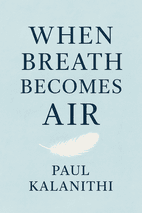
Paul Kalanithi’s world turns upside down when, as a neurosurgical resident on the verge of a promising career, he confronts his own CT scan revealing advanced cancer. This moment shatters his identity, thrusting him from healer to patient alongside his wife, Lucy. The journey unfolds through haunting echoes of his past—from an Arizona childhood steeped in literature and desert resilience to his dual passions for English and biology, which fueled a quest to understand meaning in human existence. His medical training, beginning with the stark humanity of cadavers and the emotional weight of first births and deaths, sharpens his sense of moral responsibility. In residency, the relentless pace and life-or-death decisions in neurosurgery expose the delicate balance between technical precision and compassion, as he grapples with cases where a millimeter’s error can alter a person’s very identity.
As his health declines, Paul’s marriage strains under the weight of unspoken fears and isolation, culminating in a temporary separation that forces both to reevaluate their bond. His symptoms—initially dismissed as exhaustion—worsen during a trip to New York, where denial crumbles upon a doctor’s call confirming ominous findings. Reunited with Lucy, they face the diagnosis together, her vow never to leave him anchoring him in the storm. Transitioning to patienthood, Paul meets oncologist Emma Hayward, navigating treatment decisions that prioritize quality of life over cold statistics. Chemotherapy begins, but a harrowing setback lands him in the ICU, where Lucy’s advocacy and Emma’s expertise become lifelines.
Amid this turmoil, Paul’s philosophical shifts deepen. He moves from clinging to surgical control to embracing a physician’s role as a guide through suffering, finding solace in literature and a renewed Christian faith that emphasizes mercy over justice. His identity fractures further as he attempts a return to neurosurgery, only to face physical limitations and the sobering reality that his illness has irrevocably altered his path. A job interview in Wisconsin highlights the impossibility of resuming his old life, prompting a pivot toward patient care and personal connections. The discovery of a new tumor forces acceptance, and his final day in the operating room is marked by poignant rituals and the symbolic removal of his white coat.
Through it all, the birth of his daughter, Cady, becomes a beacon of hope and renewal. Holding her for the first time, Paul envisions a future filled with her milestones, even as time contracts into a languid present where energy wanes and worldly ambitions fade. He reflects on leaving a legacy not of achievements but of love, assuring Cady that her joy gave profound meaning to his final days. This narrative weaves together the fragility of life, the resilience of the human spirit, and the enduring power of relationships in the face of mortality.
The Diagnosis
Paul Kalanithi, a neurosurgical resident on the cusp of completing his training, finds himself in a hospital gown, tethered to an IV pole, staring at his own CT scan. With his wife Lucy, an internist, by his side, he navigates the familiar images—lungs riddled with tumors, a deformed spine, a liver lobe obliterated. The diagnosis is undeniable: widely disseminated cancer. In a moment of raw intimacy, they hold each other tightly, confronting a truth they had suspected but avoided for months. Paul’s expertise as a surgeon clashes with his role as a patient, as he meticulously reviews the scan, hoping for a different outcome but finding none.
Symptoms and Medical Visits
Months earlier, Paul began experiencing unexplained weight loss and severe back pain, symptoms he initially attributed to the grueling demands of neurosurgical residency. During a visit to his primary care doctor (a classmate on maternity leave, replaced by a substitute), he downplays his fears, suggesting common causes like overwork or a spinal condition. Despite his knowledge that cancer is a possibility, he acquiesces to X-rays instead of pushing for an MRI, reflecting the tension between medical authority and patient vulnerability. The X-rays appear normal, allowing him to temporarily dismiss his concerns and focus on his career, where he’s receiving job offers and accolades, envisioning a future of academic success and family stability.
Strain on Marriage
As Paul’s health declines, his relationship with Lucy becomes increasingly fraught. She discovers his secret searches about cancer frequencies, revealing his isolation and refusal to confide in her. Their communication breaks down, culminating in Lucy’s decision to move out temporarily to reassess their marriage, citing feelings of disconnect and unfulfilled promises. Paul, overwhelmed by residency and now health worries, struggles to bridge the gap, offering reassurances that fall flat. The crisis peaks as he prepares for a trip to New York, with Lucy insisting on couples therapy upon his return, leaving their future uncertain.
Worsening Condition and Isolation
During the New York trip to visit friends, Paul’s symptoms intensify: debilitating back spasms, fatigue, and weight loss make it impossible to enjoy the reunion. He masks his suffering, lying on benches and hobbling through travel, yet refuses to voice the word "cancer" aloud, clinging to denial. Amid the joy of friends and children, he retreats inwardly, recalling earlier moments of incongruity—like reading about death while surrounded by life—foreshadowing the profound shift in his perspective as he faces mortality head-on.
The narrator confides in his friend Mike about his growing suspicion of cancer, marking the first time he voices this fear aloud. Mike's practical offer to mail his luggage home eases the journey back, and upon landing in San Francisco, a call from his doctor confirms ominous findings on his chest X-ray—blurry lungs that hint at the truth both already sense. Reunited with his wife Lucy, the shared moment on their couch dissolves any distance between them, her promise "I will never leave you" anchoring him in the storm. He is admitted to the hospital where he once worked, lying in the same room where he had delivered life-altering news to patients, now finding himself on the other side of the bed as his imagined future evaporates.
Echoes of the Past
A biblical passage from Ezekiel introduces a deep reflection on his youth, where he was certain he would never follow his family into medicine. Growing up in Kingman, Arizona, he witnessed his father's relentless dedication to his cardiology practice, which often meant absence from home, leading the narrator to view medicine as a thief of family time. His mother, fearing the limitations of the local school system, transformed their education by introducing a rigorous reading list that ignited his love for literature—from Orwell to Austen—and shaped his moral compass. Books became portals to new worlds, while the desert itself taught lessons in resilience and the blurred line between myth and reality, from black widow encounters to rattlesnake removals.
The Crossroads of Meaning
As he prepared for Stanford, his horizons expanded beyond the desert mountains, fueled by his mother's advocacy and his own intellectual curiosity. A chance read of Satan: His Psychotherapy and Cure sparked an interest in the brain as the source of meaning, leading him to pursue dual degrees in English literature and human biology. College became a quest to understand what makes life meaningful, balancing scholarly study with rich, lived experiences—from predawn hikes that revealed the sublime interplay of day and night to pranks that forged deep friendships. A pivotal visit to a brain injury home, where he witnessed the abandonment of patients, ignited a fury that underscored the gravity of human connection and the moral weight of care.
The Cadaver's Humanity
The narrator's first encounter with a cadaver reveals the complex relationship between medical training and human dignity. Initially, the dead body's humanity is undeniable - its blue, bloated form and total humanness make the impending dissection feel unconscionable. Yet medical protocol quickly intervenes, with professors advising students to cover the face to make the work easier. This emotional distancing is immediately tested when a surgeon casually leans on the corpse's covered head while lecturing about medical history visible on the torso.
As weeks pass, the initial drama dissipates, replaced by academic routine and even dark humor. The narrator finds himself telling grotesque cadaver stories to non-medical friends as if to prove his normality, while recognizing his undeniable kinship with classmates cheerfully disassembling human bodies. Yet humanity continually resurfaces - in discovering two undigested morphine pills in his cadaver's stomach, revealing the man died in pain, perhaps alone and fumbling with medication.
The language around cadavers shifts to "donors," acknowledging their gift while raising questions about true informed consent. The narrator realizes even doctors rarely donate their bodies, and the real discomfort comes from imagining one's own family members being dissected by joking medical students. Anatomy lab ultimately becomes less about sacred violation and more about academic exercise that interferes with happy hour - a realization that itself becomes discomforting.
Medical Kinships and Lessons
The emotional complexity of medicine manifests through various relationships. When the narrator makes a cavalier cut through his donor's diaphragm, his proctor's horrified reaction - an inability to vocalize sadness - teaches more about medical respect than any lecture. In another poignant moment, an anatomy professor realizes the pancreatic cancer victim was his own age and simply sets down his probe and walks away.
Medical school sharpens the understanding that human relationality finds its ultimate expression in doctor-patient relationships. The narrator's girlfriend Lucy demonstrates this when she cries over a "practice EKG" because she recognizes the patient didn't survive. Reading Shep Nuland's "How We Die" further illuminates how personal, medical and spiritual dimensions intertwine in facing mortality.
First Birth, First Death
The transition from classroom to hospital brings immediate confrontation with life's fragility. Assigned to obstetrics, the narrator meets resident Melissa and patient Elena Garcia, who's in preterm labor with twins at just twenty-three and a half weeks. The tension builds as monitors display indecipherable squiggles that suddenly indicate distress, triggering an emergency C-section.
In the operating room, the narrator follows the rapid sequence - the antiseptic painting of the swollen abdomen, the urgent hand cleansing, the attending's impatient "We don't have a lot of time." As the surgeon slices through skin, fascia, muscle and uterus, a small face appears briefly in the blood before disappearing, leaving the outcome uncertain and the narrator witnessing both the beginning and potential end of life simultaneously.
The Twins' Fate
The premature twins, extracted in a frantic C-section, were rushed to the NICU, their bodies frail and underdeveloped. Later, the narrator learned that both had died—one shortly after birth, the other within a day. The news arrived just as the narrator was celebrating a successful, routine delivery of a healthy baby, creating a stark juxtaposition between life and death. In that moment, Samuel Beckett's words echoed the brevity and fragility of existence, leaving the narrator to grapple with the weight of medical decisions where life and death hang in the balance.
A Routine Delivery
In contrast to the twins' tragedy, the narrator assisted in a straightforward birth where the mother reached full term. Guided by the attending physician, the narrator helped deliver a robust, crying baby, cutting the umbilical cord and sharing in the family's joy. The experience was messy and visceral, far removed from sterile medical diagrams, yet it ended in celebration. However, the euphoria was short-lived, as the news of the twins' deaths soon cast a shadow, reminding the narrator of medicine's unpredictable nature.
Judgment Calls in Medicine
The narrator questioned the ethics of performing an emergency C-section on the twins, wondering if it was the right choice. Melissa, the attending, affirmed that it was their only chance, explaining that abnormal fetal heart tracings indicated life-threatening conditions. She emphasized that such decisions are "judgment calls," requiring a balance between acting too early or too late. This left the narrator pondering the immense responsibility of making life-and-death decisions, realizing that intelligence alone isn't enough—moral clarity and wisdom are essential.
The Path to Neurosurgery
Inspired by a pediatric neurosurgeon's compassionate approach to a family facing a brain tumor diagnosis, the narrator chose neurosurgery as a specialty. This field appealed because it deals directly with identity, meaning, and death, forcing patients and doctors to confront what makes life worth living. The narrator was drawn to the intellectual and moral challenges, seeing neurosurgery as a calling that demands excellence across multiple domains—not just technical skill, but emotional and spiritual depth.
Early Residency Experiences
As a new resident at Stanford, the narrator faced a steep learning curve, working exhausting hours and handling overwhelming paperwork. Colleagues like Victoria and Jeff became close allies, and the narrator quickly adapted to the demands, transforming bureaucratic tasks into meaningful patient care. Early successes, such as helping a young boy named Matthew recover from a hypothalamic tumor, were balanced by sobering failures, including the death of Mrs. Harvey, an elderly patient whose decline taught the narrator to see every case as a human story, not just paperwork.
Confronting Mortality
The narrator witnessed numerous deaths during residency, from an alcoholic bleeding out to victims of trauma, each leaving a profound impact. These experiences highlighted the emotional toll of medicine, where stress and misery could feel suffocating. However, there were also moments of triumph, like saving a comatose patient through emergency surgery. The narrator learned that some mistakes—such as preserving a life that leads to unbearable suffering—were worse than death itself, underscoring the need for prognostic judgment and ethical courage.
The Toll of Training
The relentless schedule, often exceeding 100 hours per week, took a physical and emotional toll. Some residents cracked under pressure, unable to admit faults or opting for less demanding careers. The narrator reflected on the importance of accountability and resilience, recognizing that the path required not only skill but also the ability to bear the weight of others' lives. Through it all, the narrator resolved to focus on the human aspect of medicine, striving to blend knowledge with wisdom in the face of life's most critical questions.
Moral Reflections in Residency
The author confronts the harsh reality that prolonged exposure to trauma and death in neurosurgery residency had an unexpected effect: rather than fostering transcendence, it risked blinding him to the profound human experiences unfolding around him. He found himself becoming inured to suffering, adapting to the constant barrage of head injuries like a swimmer learning to float in bloody waters. This adaptation was symbolized by the dark humor shared with his colleague Jeff, where they used U.S. state populations as a shorthand for head-injury severity—joking about whether a patient could still be a "senator from a small state" to gauge cognitive function. Yet beneath the camaraderie lay a growing unease about the moral cost of such detachment.
The Ice Cream Sandwich Incident
A poignant moment crystallized this internal conflict during a trauma case involving a 22-year-old motorcycle accident victim. Despite frantic efforts to save him, the patient died from catastrophic brain injuries, and the author slipped away to retrieve his forgotten ice cream sandwich from behind a computer in the trauma bay. As he salvaged the treat from the sweltering heat, he stood in stark contrast to the grieving family saying their final goodbyes. This incident haunted him, raising questions about whether he was making "moral slides" rather than strides in his journey as a physician, highlighting the dissonance between clinical duty and human compassion.
Confronting Personal Loss
The author's struggles with empathy deepened when he learned that Laurie, a friend from medical school, had died after a car accident and neurosurgical intervention. Instead of seeking details, his mind involuntarily conjured vivid, traumatic images of the medical procedures she might have endured—shaving her scalp, the sound of the drill, the smell of burning bone. This triggered a flood of guilt over past failures: rushing through patient concerns, dismissing pain, and reducing suffering to neat diagnoses. He feared becoming like Tolstoy's stereotype of a doctor, obsessed with formalism while missing the human significance, and vowed to reconnect with the pastoral role he had originally sought.
Shifting Focus to Human Connections
Recognizing that technical excellence alone was insufficient, the author redefined his purpose: not just saving lives, but guiding patients and families through understanding death or illness. He emphasized that in neurosurgery, when a scalpel isn't the answer, words become the primary tool. This meant acting as "death's ambassador," helping families navigate the chasm between their memories of a loved one and the grim possible futures of prolonged suffering. He transformed informed consent from a legal ritual into a covenant, forging genuine connections with patients like a young woman terrified of brain surgery for a benign tumor. By involving her family and discussing options calmly, he helped her see the decision as manageable, leading to a successful outcome.
Breaking Bad News with Compassion
The author illustrates this renewed approach through Mrs. Lee's case, a patient with a brain tumor. Instead of avoiding the difficult conversation, he sat with her and her husband, gently introducing the possibility of cancer step by step, using the MRI as a visual aid. He learned to deliver such news in "spoonfuls," allowing time for digestion rather than overwhelming them with statistics. Key rules emerged: avoid detailed survival curves in emotional moments, prioritize accuracy while leaving room for hope, and recognize that silence often requires the comfort of a held hand. He acknowledged the varied reactions—from stoic acceptance to brittle optimism—and found solace in small, honest interactions.
Research and the Human Cost
Amid clinical duties, the author pursued research in a Stanford lab focused on neural prosthetics, aiming to "write signals into the brain" for conditions like paralysis or depression. His mentor, V, embodied integrity in science, but their relationship took a heartbreaking turn when V was diagnosed with pancreatic cancer. In a raw moment, V questioned whether his life had meaning, revealing that even moral exemplars grapple with mortality. After enduring grueling treatments, V eventually found the suffering "worth it," teaching the author a profound lesson about the unseen hells patients endure. This experience underscored the emotional toll of medicine, where bearing others' burdens could feel crushing, yet the sacred call to protect identity and soul remained undeniable.
The Grueling Pace of Residency
The relentless schedule of neurosurgical residency becomes starkly clear in conversations with colleagues, like the nurse who expressed shock at the 6 AM start time every day, including weekends. This unyielding rhythm means days stretch from dawn until the last operation is complete, with a resident's skill judged not just by precision but by speed. In the OR, clock-watching is constant—for the patient's safety under anesthesia and for everyone's hope of a timely departure. The pressure to be both fast and flawless is immense, with jokes from scrub techs about slow stitching serving as sharp reminders that efficiency is as critical as expertise.
Surgical Precision and Speed
Two contrasting approaches emerge in the OR: the "hare" who works in a blur of motion, sometimes requiring adjustments due to hasty placement, and the "tortoise" who moves deliberately, minimizing errors through careful planning. The balance between them dictates success; if the hare's speed leads to repeated corrections, the tortoise wins, but if the tortoise over-plans, the hare prevails. This dynamic underscores that surgical excellence isn't just about technique—it's about mastering the flow of work to protect patients and respect time.
Time Warp in the Operating Room
During surgery, time seems to warp, with hours feeling like minutes due to intense focus. This stands in stark contrast to the sudden return to normal time once the procedure ends, marked by a palpable shift as concerns about patient wake-up and the next case rush in. The drag of exhaustion hits only after the final task, turning administrative duties into heavy burdens before heading home.
The Weight of Moral Responsibility
As a chief resident, the stakes heighten, where technical skill becomes a moral imperative. Small errors can have devastating consequences, illustrated by cases like Matthew, whose hypothalamic damage during tumor removal transformed him from a charming child into a violent, institutionalized youth. Similarly, a Parkinson's patient experienced overwhelming sadness from an electrode placement just millimeters off target, highlighting how delicate brain structures dictate identity and emotion. In another instance, a brain-stem surgery risked locked-in syndrome with a two-millimeter misstep, a lesson learned from a colleague's past failure. These stories emphasize that neurosurgery isn't just about saving lives but preserving who patients are.
Awake Surgery and Brain Mapping
When tumors encroach on language areas like Broca's and Wernicke's, surgeons take extraordinary precautions, including awake surgeries where patients talk while the brain is mapped. Using electrical stimulation to identify critical regions, the team ensures safe resection by monitoring speech disruptions. One memorable case involved a patient whose tumor covered language areas, deemed too risky by experts, yet he insisted on surgery, cursing throughout the procedure. Miraculously, he retained speech post-operation, suggesting possible neural rewiring, a reminder of the brain's resilience and the complexities of human language.
A Personal Turn: From Doctor to Patient
The narrative shifts abruptly as the author faces his own cancer diagnosis, collapsing his identity as a neurosurgeon. Lying in a hospital bed with his wife, Lucy, he grapples with the shattering reality of illness, feeling like a "sheep lost and confused" rather than the pastoral figure he once was. Plans for the future evaporate, replaced by financial worries and physical debilitation, as he transitions from caregiver to patient, confronting the same existential questions he once guided others through.
First Encounters with Oncology
Meeting oncologist Emma Hayward marks a pivotal moment. She dismisses his request for survival curves, focusing instead on treatment options and the possibility of returning to work, leaving him reeling. Despite initial indignation, he learns she's a top expert known for compassion. In follow-up clinic visits, discussions delve into chemotherapy and targeted therapies, with Emma treating him as a colleague while acknowledging his new role. This interaction underscores the paradox of his situation: without the duty to care for others, he feels adrift, yet Emma's approach offers a glimmer of structure in the chaos.
Treatment Decisions and Medical Discussions
The narrator's oncologist, Emma, presented a clear treatment plan based on test results revealing a PI3K mutation, with pending EGFR results. If EGFR-positive, Tarceva—a targeted pill—would replace chemotherapy; if negative, chemo would start Monday. Emma advocated for carboplatin over cisplatin due to better tolerance and quality of life, especially since surgery remained important to the narrator. This mirrored his own approach to neurosurgery, emphasizing backup plans. Emma firmly avoided discussing Kaplan-Meier statistics, redirecting focus to values, and offered support for any health issues, reinforcing her role as his primary doctor. She also mentioned lung cancer fundraisers, leaving the decision to him.
Reflections on Mortality and Hope
Confronting his diagnosis shifted the narrator's awareness of mortality from abstract to acute. He grappled with the concept of hope, questioning whether it meant clinging to improbable outcomes or accepting statistical realities. As a doctor-turned-patient, he realized that medical statistics couldn't alleviate existential angst. The uncertainty of his future—whether he had two years or ten—complicated decisions about career and life goals. He recognized that facing death required finding personal meaning beyond data, a journey each individual must undertake alone.
Personal Relationships and Future Planning
With Lucy, the narrator visited a sperm bank to preserve fertility options, a practical step amid emotional turmoil. Tears flowed as they confronted legal forms addressing potential death, highlighting the fragility of their plans. They debated having a child, weighing the joy of parenthood against the pain of eventual separation. Both agreed that life isn't about avoiding suffering, and after family blessings, they decided to proceed with assisted reproduction. This decision symbolized choosing life over mere survival, even as it involved ethical dilemmas about embryo creation and destruction.
Physical Recovery and Identity
Physical therapy became a grueling yet transformative process. Initially struggling with basic leg lifts, the narrator pushed himself to the point of vomiting, gradually regaining strength. Small victories, like a wobbly six-mile bike ride, offered glimpses of his former self. However, his identity felt fractured—no longer the robust surgeon or active husband, but a patient defined by weakness and pain. Karen, his physical therapist, helped set goals like biking and running, fueling determination to rebuild his body and sense of self.
Career and Life Choices
The narrator's identity crisis extended to his career. He oscillated between returning to neurosurgery and pursuing writing, unsure how to allocate his limited time. Emma encouraged him to focus on his values rather than prognoses, but he felt adrift without a clear path. Attending a neurosurgery reunion heightened his sense of dislocation, as peers advanced while he faced an uncertain future. He questioned who he could become—scientist, teacher, writer, or father—struggling to reconcile his past ambitions with his new reality.
Coping Through Literature
Seeking solace, the narrator turned to literature, reading works by Solzhenitsyn, Tolstoy, and Beckett. These texts provided a vocabulary to navigate mortality, helping him process his experiences. A pivotal moment came with Beckett's words, "I can't go on. I'll go on," which inspired him to take actionable steps forward. This literary engagement rekindled a sense of purpose, bridging the gap between his medical knowledge and existential needs.
Decision to Return to Surgery
Empowered by incremental progress, the narrator decided to resume operating, altering his physical therapy to build surgery-specific skills like standing for long hours and fine motor control. A follow-up CT scan showed further tumor reduction, and Emma cautiously acknowledged the possibility of a decade-long survival. This validation, though not a firm prognosis, fueled his resolve to reclaim his professional identity, accepting that living with death meant continuing to pursue meaningful work until the end.
The Return to the Operating Room
The narrator grapples with the justification for returning to neurosurgery, feeling both exhilarated and burdened by the prospect of resuming such demanding work. Support from Lucy and the program director eases the transition, with a cautious plan to ease back into surgery—limited to one case daily, backed up by a fellow resident. The first operation, a temporal lobectomy, is met with intense preparation and anxiety. In the OR, familiar steps unfold: incising the skin, drilling the skull, and exposing the brain. But as the silvery dura is revealed, the narrator experiences a sudden faintness, forcing a retreat from the table. Diagnosing it as neurocardiogenic syncope, or simple nerves, they regroup, determined to improve.
Rebuilding Surgical Fluency
Over the following days, the narrator's skills gradually return, though not without hiccups. During a spinal disc removal, memory lapses lead to fumbling, but muscle memory eventually kicks in with tools like the Cobb instrument, allowing for swift, precise work. Within weeks, strength and technique improve, enabling a near-full surgical load. However, the joy once found in operating is absent, replaced by a grim focus on battling nausea, pain, and fatigue. Pain medications become a nightly routine, and the narrator's body bears the strain, even as they push to restore their precancer trajectory.
Confronting Professional Realities
A job interview in Wisconsin offers an idyllic opportunity—funding for a lab, clinical leadership, and flexibility for health needs. But during a lakeside view with the chairman, a stark realization hits: moving would isolate Lucy and their unborn child if the cancer recurs. This moment shatters the fantasy of resuming the old path, forcing acceptance that illness has irrevocably altered life's calculus. The narrator reflects on lost opportunities, like the Stanford professorship, and acknowledges that long-term scientific ambitions no longer fit a shortened timeline. Instead, they pivot to re-embracing patient care, taking on full responsibilities despite physical suffering, and finding renewed meaning in reconnecting with those they serve.
Philosophical Shifts and Existential Questions
Illness prompts deep reflection on values and the stages of grief, which the narrator experiences backward—from acceptance to denial. They wrestle with the uncertainty of time left, questioning how to spend each day. This leads to a profound exploration of science versus metaphysics, arguing that while science organizes empirical data, it cannot capture core human experiences like love, meaning, or faith. The narrator returns to Christian values, seeing mercy as paramount over justice, and critiques atheism as requiring its own "revelation." Ultimately, they conclude that human knowledge is fragmented and collective, with truth emerging from diverse perspectives, not any single worldview.
Forging a New Identity
Emma's role in protecting the narrator's ability to redefine themselves becomes clear. Instead of clinging to the hubris of surgical control, they embrace a physician's true duty: to support patients and families through disintegration and help them find meaning in their existence. This insight culminates in a church service where Scripture's metaphorical layers reinforce the narrator's renewed faith. They recognize that life's uncertainties demand a flexible, compassionate approach, moving beyond old ambitions to forge a path aligned with deeper values—fatherhood, teaching, and enduring connections.
The Discovery and Its Aftermath
A routine CT scan reveals a new, large tumor in the right middle lobe, described as looking like a full moon. There's no anger or fear, just acceptance of this new reality. The narrator and his wife, Lucy, immediately begin planning the next steps: biopsies, tests, and chemotherapy, acknowledging that this round of treatment will be tougher and the prospect of a long life more remote. They decide to delay fully confronting this reality until after the weekend, allowing one last day as a neurosurgery resident.
A Final Day in Neurosurgery
The narrator arrives at the hospital early, savoring familiar smells and routines. He participates in morning rounds, morbidity and mortality conference, and spends extra time with a patient recovering from Gerstmann’s syndrome. His final case—a spinal surgery—feels monumental, and he strives for perfection. Despite a dural tear complication that extends the procedure, he insists on closing the incision his way, with a nylon stitch. As he leaves the OR, interactions with colleagues underscore the potential finality of this day. He gathers his belongings but leaves his books behind for others' use, and drives home emotionally overwhelmed, symbolically removing his white coat and pager.
Medical Decisions and Chemotherapy Begins
Meetings with oncologist Emma confirm the treatment plan: bronchoscopic biopsy followed by chemotherapy, as no new targetable mutations are found. The narrator grapples with shifting from doctor to patient, seeking Emma's "oracular wisdom" for guidance. Chemotherapy infusions begin, bringing severe side effects like fatigue and altered taste, making daily joys feel "salted." A pattern emerges: brief periods of normalcy between grueling three-week cycles, preventing any return to work.
A Harrowing Setback
Just before his neurosurgery graduation, uncontrollable vomiting and diarrhea land the narrator in the emergency department. A conflict with a resident over his Tarceva medication leads to it being withheld, causing a rapid decline. He is transferred to the ICU with kidney failure, dehydration, and near-fatal sodium levels. Multiple specialists offer conflicting opinions, creating chaos. Lucy, heavily pregnant, advocates tirelessly. Emma's return brings stability, and the narrator relinquishes control of his care, finding relief in her expertise. After over a week in the ICU, he is discharged significantly weakened, having lost over forty pounds.
New Life Amidst Uncertainty
Two days after discharge, Lucy goes into labor. The narrator, pushed in a wheelchair, witnesses the birth of their daughter, Elizabeth Acadia (Cady). He reflects on the absences he may face in her life but cherishes this moment of presence. Post-birth, follow-ups with Emma reveal stable disease but emphasize the need to regain strength before any further treatment. When the narrator expresses doubts about the future, Emma's hopeful yet pleading words highlight the shared human need for hope in facing the abyss.
Key Takeaways
- The discovery of a new tumor forces a shift from active surgeon to patient, underscoring the fragility of control and identity.
- Medical crises reveal the importance of clear leadership in healthcare, as well as the emotional toll on both patients and caregivers.
- Moments of profound personal significance, like the birth of a child, can coexist with immense physical and emotional suffering.
- Hope becomes a collaborative effort between doctor and patient, transcending clinical data to address deeper human needs.
Holding Cady for the First Time
Despite shivering from the cold effects of treatment, the author insists on holding his newborn daughter, Cady, as she is placed in his arms while he grips his wife Lucy's hand. In that moment, the weight of his child and the touch of his partner open up a vista of life's possibilities, contrasting sharply with the uncertainty of his cancer—cells that might be dying or regrowing. He visualizes the future not as a barren landscape but as a blank page awaiting his story, filled with the simple, profound milestones of Cady's growth: her first grasp, smile, and laugh, each marked by her pediatrician's charts. Her presence brings an incandescent joy to the room, especially as she sits in his lap, captivated by his singing, illuminating the ordinary with a sense of renewal.
The Contraction of Time and Energy
Time becomes a dual force for the author: each day distances him from his last cancer relapse but draws him nearer to a potential recurrence and death. He reflects on two common responses to such a realization—a frantic rush to "live life to the fullest" versus a slower, more deliberate pace. Cancer not only shortens his timeline but saps his energy, making a hare-like frenzy impractical. Instead, he embraces a tortoise's approach, plodding and pondering through days that blend together, where time feels static and languid. This shift transforms time from a measured clock into a state of being, where the future's uncertainty muddles verb tenses and ambitions, leaving him in a "pluperfect state" where past achievements fade and the present stretches out indefinitely.
A Message to the Future
Amid this flattened timeline, the author finds that worldly pursuits like money and status lose their allure, echoing the futility described in Ecclesiastes. Yet, his daughter Cady represents an unassailable futurity, a beacon of hope that he might live long enough for her to remember him. While he considers leaving letters for her, he realizes he cannot predict who she will become. Instead, he distills a single, heartfelt message: that she should never undervalue the profound joy she brought to his final days—a sated, resting joy that filled a dying man's life with meaning. This sentiment, he emphasizes, is an enormous gift in the present moment, a legacy of love that transcends his own finitude.
Key Takeaways
- Embracing moments of connection, like holding a newborn child, can illuminate life's possibilities even in the face of mortality.
- Cancer reshapes one's perception of time, shifting it from a linear progression to a static, present-focused state where energy limitations favor thoughtful persistence over frantic activity.
- Worldly ambitions often lose significance when confronted with finitude, highlighting the enduring value of personal relationships and simple joys.
- A legacy of love and joy, especially through family, can provide profound meaning, offering a sense of fulfillment that transcends uncertain futures.
Key concepts: Prologue
1. Prologue
The Diagnosis Moment
- Paul confronts his own CT scan showing advanced cancer
- Transition from neurosurgeon to patient alongside wife Lucy
- Medical expertise clashes with patient vulnerability
- Raw intimacy of facing undeniable truth together
Early Symptoms and Denial
- Initial dismissal of weight loss and back pain as residency exhaustion
- Downplaying cancer fears during medical visits
- Choosing X-rays over MRI despite medical knowledge
- Temporary relief allowing focus on career success
Marital Strain and Isolation
- Communication breakdown with Lucy over health concerns
- Lucy discovers Paul's secret cancer research
- Temporary separation to reassess marriage
- Unspoken fears creating emotional distance
Physical and Emotional Decline
- Worsening symptoms during New York trip
- Masking suffering while internally confronting mortality
- Inability to enjoy social gatherings due to pain
- Progressive isolation despite being surrounded by friends
Identity Transformation
- Shattering of promising neurosurgical career
- Dual perspective as both doctor and patient
- Grappling with meaning and mortality
- Foreshadowing of philosophical shifts to come
The Twins' Fate
- Emergency C-section reveals twins at 23.5 weeks gestation with uncertain viability
- Brief appearance of a small face in the surgical field before disappearing back into blood
- Simultaneous witnessing of life's beginning and potential ending
- Medical urgency underscored by attending's warning 'We don't have a lot of time'
- Narrator's transition from classroom theory to raw hospital reality
Anatomy of Human Dignity
- Initial cadaver encounter reveals tension between medical training and human respect
- Emotional distancing through face-covering contrasts with discovered morphine pills revealing donor's suffering
- Language shift from 'cadaver' to 'donor' raises questions about true informed consent
- Medical professionals' own reluctance to donate bodies highlights the discomfort
- Routine transforms sacred violation into academic exercise
Medical Ethics Through Relationships
- Proctor's silent horror at cavalier diaphragm cut teaches more than lectures
- Anatomy professor's personal connection to cancer victim causes him to abandon dissection
- Lucy's emotional response to 'practice EKG' demonstrates patient humanity
- Shep Nuland's work illuminates intertwining of medical and spiritual dimensions
- Doctor-patient relationship as ultimate expression of human relationality
From Desert to Dissection
- Childhood resistance to medicine shaped by father's absence from family life
- Mother's rigorous reading list provided moral education through literature
- Desert environment taught resilience through encounters with black widows and rattlesnakes
- Intellectual journey from literature to neuroscience sparked by questions of meaning
- Brain injury home experience revealed moral weight of human connection and abandonment
Moral Reflections in Residency
- Prolonged exposure to trauma risked blinding the narrator to profound human experiences
- Adapted to suffering like a swimmer learning to float in bloody waters
- Used dark humor with colleagues to gauge cognitive function in head injury patients
- Felt growing unease about the moral cost of clinical detachment
The Ice Cream Sandwich Incident
- 22-year-old motorcycle accident victim died despite frantic resuscitation efforts
- Narrator retrieved forgotten ice cream sandwich while family said final goodbyes
- Incident highlighted stark contrast between clinical duty and human compassion
- Raised questions about making 'moral slides' rather than strides as a physician
Confronting Personal Loss
- This section appears to be incomplete in the provided text
- Likely explores how personal loss shapes medical perspective
- Would examine the intersection of professional detachment and personal grief
- Probably addresses how physicians process their own mortality through patient experiences
The Empathy Crisis and Medical Trauma
- Friend's death triggered involuntary traumatic images of medical procedures
- Flood of guilt over past failures in patient care and dismissive attitudes
- Fear of becoming like Tolstoy's stereotype of doctors obsessed with formalism
- Vowed to reconnect with the pastoral role originally sought in medicine
Redefining the Physician's Role
- Recognized technical excellence alone was insufficient for true healing
- Redefined purpose as guiding patients through understanding illness and death
- Words become primary tool when scalpel isn't the answer
- Transformed informed consent from legal ritual into genuine covenant
Compassionate Communication Strategies
- Delivering difficult news in "spoonfuls" rather than overwhelming patients
- Using visual aids like MRIs to facilitate understanding
- Avoiding detailed statistics during emotional moments
- Recognizing silence often requires physical comfort like holding hands
Research and Personal Mortality
- Pursued neural prosthetics research to "write signals into the brain"
- Mentor's cancer diagnosis revealed moral exemplars also grapple with mortality
- Learned about the unseen hells patients endure through treatment
- Emotional toll of bearing others' burdens while maintaining professional duty
The Relentless Demands of Residency
- Grueling schedule with 6 AM starts every day including weekends
- Skill judged by both precision and speed in the operating room
- Constant clock-watching for patient safety and team exhaustion
- Pressure to balance efficiency with flawless execution
Surgical Philosophy and Technique
- Contrast between "hare" (fast but potentially hasty) and "tortoise" (deliberate but slow) approaches
- Success depends on mastering flow between speed and precision
- Repeated corrections negate speed advantages
- Over-planning can sacrifice necessary efficiency
The Psychological Experience of Surgery
- Time distortion during procedures with hours feeling like minutes
- Sudden return to normal time consciousness after surgery completion
- Exhaustion only hits after final administrative tasks
- Palpable shift from focused intensity to practical concerns
Moral Dimensions of Neurosurgical Error
- Technical skill as moral imperative in brain surgery
- Millimeter-scale errors can transform patient identity and personality
- Cases demonstrate devastating consequences of small mistakes
- Preserving who patients are becomes as important as saving lives
A Personal Turn: From Doctor to Patient
- The narrative shifts abruptly as the author faces his own cancer diagnosis, collapsing his identity as a neurosurgeon.
- Lying in a hospital bed with his wife, Lucy, he grapples with the shattering reality of illness, feeling like a "sheep lost and confused" rather than the pastoral figure he once was.
- Plans for the future evaporate, replaced by financial worries and physical debilitation, as he transitions from caregiver to patient, confronting the same existential questions he once guided others through.
First Encounters with Oncology
- Meeting oncologist Emma Hayward marks a pivotal moment.
- She dismisses his request for survival curves, focusing instead on treatment options and the possibility of returning to work, leaving him reeling.
- Despite initial indignation, he learns she's a top expert known for compassion.
Treatment Decisions and Medical Discussions
- The narrator's oncologist, Emma, presented a clear treatment plan based on test results revealing a PI3K mutation, with pending EGFR results.
- If EGFR-positive, Tarceva—a targeted pill—would replace chemotherapy; if negative, chemo would start Monday.
- Emma advocated for carboplatin over cisplatin due to better tolerance and quality of life, especially since surgery remained important to the narrator.
Reflections on Mortality and Hope
- Confronting his diagnosis shifted the narrator's awareness of mortality from abstract to acute.
- He grappled with the concept of hope, questioning whether it meant clinging to improbable outcomes or accepting statistical realities.
- As a doctor-turned-patient, he realized that medical statistics couldn't alleviate existential angst.
Personal Relationships and Future Planning
- With Lucy, the narrator visited a sperm bank to preserve fertility options, a practical step amid emotional turmoil.
- Tears flowed as they confronted legal forms addressing potential death, highlighting the fragility of their plans.
- They debated having a child, weighing the joy of parenthood against the pain of eventual separation.
Physical Recovery and Identity
- Physical therapy became a grueling yet transformative process.
- Initially struggling with basic leg lifts, the narrator pushed himself to the point of vomiting, gradually regaining strength.
- Small victories, like a wobbly six-mile bike ride, offered glimpses of his former self.
Career and Life Choices
- The narrator's identity crisis extended to his career.
- He oscillated between returning to neurosurgery and pursuing writing, unsure how to allocate his limited time.
- Emma encouraged him to focus on his values rather than prognoses, but he felt adrift without a clear path.
Coping Through Literature
- Seeking solace, the narrator turned to literature, reading works by Solzhenitsyn, Tolstoy, and Beckett.
- These texts provided a vocabulary to navigate mortality, helping him process his experiences.
- A pivotal moment came with Beckett's words, "I can't go on.
The Return to the Operating Room
- Grapples with justification for returning to neurosurgery amid exhilaration and burden
- First operation triggers sudden faintness at critical moment, diagnosed as neurocardiogenic syncope
- Transition eased by support from Lucy and program director with cautious reentry plan
- Intense preparation for temporal lobectomy reveals physical and psychological challenges
Rebuilding Surgical Fluency
- Gradual skill return marked by memory lapses but eventual muscle memory recovery
- Physical strain manifests through nausea, pain, and fatigue during operations
- Pain medications become nightly routine as body bears surgical demands
- Technical proficiency returns but without previous joy in operating
Confronting Professional Realities
- Wisconsin job interview reveals impossibility of resuming old career path
- Realization that illness has irrevocably altered life's calculus and opportunities
- Abandons long-term scientific ambitions due to shortened timeline
- Pivots to embrace patient care as primary professional focus despite physical suffering
Philosophical Shifts and Existential Questions
- Experiences grief stages backward from acceptance to denial
- Explores limitations of science in capturing human experiences like love and meaning
- Returns to Christian values emphasizing mercy over justice
- Concludes human knowledge is fragmented and collective across diverse perspectives
Forging a New Identity
- Embraces physician's true duty as supporting patients through disintegration
- Moves beyond surgical hubris to find meaning in compassion and connection
- Church service reinforces renewed faith through metaphorical Scripture interpretation
- Realigns priorities around fatherhood, teaching, and enduring human connections
The Discovery and Its Aftermath
- Routine CT scan reveals new large tumor with moon-like appearance
- Responds with acceptance rather than anger or fear to new reality
- Immediately begins planning biopsies, tests, and tougher chemotherapy regimen
- Delays full confrontation of reality to experience one final day as neurosurgeon
A Final Day in Neurosurgery
- Savors familiar hospital routines and smells with heightened awareness
- Strives for perfection in final spinal surgery despite complication
- Symbolic actions include leaving books behind and removing white coat
- Interactions with colleagues underscore the day's potential finality
Medical Decisions and Chemotherapy Begins
- Shifts from doctor to patient role seeking Emma's 'oracular wisdom'
- Chemotherapy brings severe side effects including fatigue and altered taste
- Three-week treatment cycles prevent any return to work
- Brief periods of normalcy punctuate grueling treatment schedule
Medical Crisis and Relinquishing Control
- Severe vomiting and diarrhea lead to emergency hospitalization just before neurosurgery graduation
- Conflict with medical staff over medication results in rapid health decline requiring ICU transfer
- Conflicting specialist opinions create chaos in treatment approach
- Relinquishing control to Emma brings relief and stability in medical care
- ICU discharge leaves narrator significantly weakened with substantial weight loss
Birth Amidst Uncertainty
- Lucy gives birth to daughter Elizabeth Acadia (Cady) just two days after hospital discharge
- Narrator witnesses birth from wheelchair, physically weakened but emotionally present
- Reflects on potential absences in daughter's life while cherishing current moment
- Follow-up scans show stable disease but emphasize need for physical recovery
- Emma's hopeful words highlight shared human need for hope facing mortality
Holding Cady: A Moment of Transformation
- Insists on holding newborn daughter despite physical shivering from treatment effects
- Physical connection with child and wife opens vista of life's possibilities
- Contrasts cancer uncertainty with concrete milestones of Cady's development
- Cady's presence brings incandescent joy and sense of renewal to ordinary moments
- Visualizes future as blank page rather than barren landscape
Cancer's Reshaping of Time and Energy
- Time becomes dual force: distancing from last relapse while approaching potential recurrence
- Rejects frantic 'live life to fullest' approach in favor of tortoise-like persistence
- Energy limitations make slow, deliberate pace the only practical option
- Time transforms from measured clock to static state of being
- Enters 'pluperfect state' where past achievements fade and present stretches indefinitely
Legacy and Meaning in Finitude
- Worldly pursuits like money and status lose significance facing mortality
- Cady represents unassailable futurity and hope for being remembered
- Rejects predictive letters in favor of single heartfelt message about joy she brought
- Emphasizes gift of present moment joy that fills dying life with meaning
- Legacy becomes love and joy rather than material or professional achievements