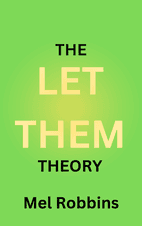
Mel Robbins's The Let Them Theory offers a practical mindset shift to reduce stress by focusing on your own responses instead of trying to control others' actions or opinions. It provides strategies for setting boundaries and building resilience, ideal for anyone feeling overwhelmed by external pressures and seeking greater personal peace.
Feature
Insta.Page
Blinkist
Shortform
Summary Depth
Full Chapter-by-Chapter
15-min overview
Detailed analysis
Audio Narration
✓ (AI narration)
✓
✓
Visual Mindmaps
✓
✕
✕
AI Q&A
✓ Voice AI
✕
✕
Quizzes
✓
✕
✕
PDF Downloads
✓
✕
✓
Price
$59.99/yr
$146/yr (PRO)
$199/yr
*Competitor data last verified February 2026.
About the Author
Mel Robbins
Mel Robbins is a renowned author, motivational speaker, and one of the most influential voices in personal development. She is celebrated for her groundbreaking work on behavior change and her signature "5 Second Rule," a simple yet powerful tool to combat hesitation and spark action. Her bestselling book, *The 5 Second Rule*, has been translated into dozens of languages and has inspired millions worldwide to transform their lives and careers. As a sought-after expert, she has delivered acclaimed TEDx talks and contributes her insights to major media platforms. Mel Robbins's empowering books, which provide practical strategies for confidence and productivity, are available on Amazon.
1 Page Summary
"The Let Them Theory" by Mel Robbins is a transformative self-help book that challenges readers to relinquish control over external circumstances and focus instead on their own responses and actions. Robbins introduces the concept of "letting them," which encourages individuals to stop trying to control others' behaviors, opinions, or outcomes. By adopting this mindset, readers can reduce stress, improve relationships, and reclaim their personal power. The book is grounded in practical strategies, such as setting boundaries, practicing self-compassion, and embracing uncertainty, all aimed at fostering emotional resilience and personal growth.
Historically, the book builds on principles from cognitive behavioral therapy (CBT) and mindfulness practices, emphasizing the importance of internal locus of control. Robbins draws from her own experiences and those of her clients to illustrate how the "let them" approach can be applied in various contexts, from workplace dynamics to family relationships. The book also critiques societal norms that pressure individuals to micromanage their lives and others' expectations, offering a refreshing alternative that prioritizes mental well-being over perfectionism.
The lasting impact of "The Let Them Theory" lies in its universal applicability and empowering message. By shifting the focus from external validation to internal peace, Robbins provides readers with a toolkit for navigating life's challenges with grace and confidence. The book has resonated with a wide audience, inspiring many to adopt a more mindful and self-directed approach to their personal and professional lives. Its emphasis on letting go of what cannot be controlled continues to influence discussions around mental health, productivity, and interpersonal relationships.
The chapter opens with Mel Robbins at her lowest point: $800,000 in debt, unemployed, and watching her husband’s restaurant business collapse. Consumed by anxiety and self-doubt, she describes a cycle of avoidance—hitting snooze, numbing with alcohol, blaming others, and procrastinating. Despite knowing what she needed to do (pay bills, network, budget), she felt paralyzed. This despair led to a pivotal moment: a NASA-inspired countdown (5-4-3-2-1) that propelled her out of bed. This “5 Second Rule” became her lifeline, interrupting overthinking and forcing action.
The Birth of the 5 Second Rule
Robbins explains how counting backward became her tool to bypass fear and procrastination. By moving within five seconds of an instinct to act, she prevented her brain from sabotaging progress. Small actions—opening bills, networking, facing marital issues—snowballed into momentum. She emphasizes that action, not motivation, drives change: “Thinking about your problems will never solve them. Waiting around to feel like doing something means you'll never do it.”
From Anxiety to Viral Breakthrough
A turning point came when Robbins reluctantly shared the Rule during a disastrous TEDx talk. Despite a panic attack onstage, the speech went viral, catapulting the 5 Second Rule into global awareness. Emails flooded in: people used the Rule to overcome addiction, launch businesses, and even prevent suicide. Robbins began researching the science behind it, discovering that small, consistent actions rewire habits. Yet, imposter syndrome lingered—she felt unqualified to advise others until she realized “the only permission you need is your own.”
Building a Legacy
Robbins details her grind to turn the Rule into a career—working full-time while speaking at unpaid gigs, eventually becoming a top-paid motivational speaker. By 2017, she self-published The 5 Second Rule, which became a global phenomenon. Her success wasn’t glamorous but built on daily discipline: “I just made myself do it.” She later expanded into media production, podcasts, and new books, proving that ordinary people achieve extraordinary things through relentless, incremental effort.
Key Takeaways
The 5 Second Rule: Action precedes motivation. Counting backward interrupts hesitation, creating momentum.
Small Moves Matter: Progress isn’t about grand gestures but consistent, daily steps—even when you feel stuck.
Permission to Start: No credentials or confidence are required. Begin before you feel “ready.”
Internal vs. External Battles: The Rule conquers self-doubt but doesn’t eliminate life’s challenges. Focus on what you can control.
Legacy Through Action: Robbins’ journey—from debt to global influence—shows that transformation is possible through persistence, not perfection.
“You’ll never feel ready. One day, you just get tired of your own excuses and force yourself to do it.”
Key concepts: Introduction: My Story
Introduction: My Story
Rock Bottom and the Turning Point
Mel Robbins was $800,000 in debt, unemployed, and facing business collapse
Stuck in a cycle of avoidance, anxiety, and self-doubt
Pivotal moment: NASA-inspired 5-4-3-2-1 countdown to force action
The birth of the '5 Second Rule' as a tool to interrupt hesitation
The Science of the 5 Second Rule
Counting backward bypasses fear and procrastination
Action must happen within 5 seconds to prevent self-sabotage
Small actions create momentum (e.g., opening bills, networking)
Key insight: Action drives change, not motivation
Viral Breakthrough and Validation
Disastrous TEDx talk led to viral spread of the 5 Second Rule
Global impact: Stories of overcoming addiction, launching businesses, preventing suicide
Robbins researched the neuroscience behind the Rule
Overcoming imposter syndrome: 'The only permission you need is your own'
From Concept to Global Movement
Grind of unpaid gigs to top-paid motivational speaker
Self-published 'The 5 Second Rule' became a phenomenon
Success built on daily discipline, not glamorous overnight wins
Expansion into media, podcasts, and books proving ordinary people can achieve extraordinary results
Core Principles of Transformation
Action precedes motivation - momentum is key
Progress comes from small, consistent steps, not grand gestures
No credentials or confidence required to start
Focus on what you can control, not external challenges
Legacy is built through persistence, not perfection
If you like this summary, you probably also like these summaries...
💡 Try clicking the AI chat button to ask questions about this book!
Chapter 2: The Let Them Theory
Overview
This chapter introduces The Let Them Theory, a transformative approach to reclaiming personal freedom by releasing the urge to control external outcomes. The book promises to guide readers through eight critical areas of life where attempts to control the uncontrollable often lead to frustration, stress, and unhappiness. Blending research, ancient wisdom, and relatable stories, the theory is framed as a practical toolkit—not just an abstract idea—to help readers refocus their energy on what they can influence: their own actions and responses.
The Let Them Mindset
At its core, the theory hinges on two phrases: “Let Them” and “Let Me.” Instead of exhausting yourself trying to manage others’ behaviors, opinions, or emotions, Let Them encourages acceptance of their autonomy. Simultaneously, Let Me shifts focus inward, asking, “What can I do to improve my own well-being in this situation?” This duality fosters resilience and emotional clarity by disentangling your happiness from external factors.
Roots in Timeless Wisdom
The theory isn’t new—it’s deeply rooted in Stoicism, spiritual teachings, and therapeutic practices like CBT (Cognitive Behavioral Therapy). For example, Stoic philosophers emphasized focusing on internal virtues over external chaos, while major religions teach surrender and acceptance. Modern psychology reinforces this by highlighting the dangers of tying self-worth to others’ validation. The book bridges these ideas into a cohesive, actionable strategy for contemporary life.
Designed for Real-World Use
Acknowledging that theory alone isn’t enough, the chapter stresses the book’s practicality. Each section includes story-driven examples (e.g., navigating family conflicts or workplace dynamics) and ends with concise summaries for quick reference. The author avoids academic jargon, opting for a relatable tone that feels like advice from a trusted friend. The goal? Immediate implementation. Readers are urged to test the theory in real time, promising that small shifts—like letting go of a grudge or resisting the urge to “fix” someone—yield compounding benefits.
Key Takeaways
Stop controlling the uncontrollable: Redirect energy from others’ actions to your own responses.
Ancient meets modern: The theory is backed by Stoicism, spirituality, and psychology, proving its timeless relevance.
Action over theory: The book prioritizes practical steps, with stories and summaries to accelerate real-world application.
Happiness is an inside job: Free yourself from outsourcing joy to others’ behavior—your peace becomes non-negotiable.
Start small: Immediate implementation of “Let Them” in daily interactions creates ripple effects toward lasting change.
Key concepts: The Let Them Theory
2. The Let Them Theory
Introduction to The Let Them Theory
A transformative approach to reclaiming personal freedom by releasing control over external outcomes
Focuses on eight critical areas of life where control attempts lead to frustration
Blends research, ancient wisdom, and relatable stories for practical application
Encourages refocusing energy on what one can influence: their own actions and responses
Core Principles: Let Them and Let Me
"Let Them" encourages acceptance of others' autonomy and behaviors
"Let Me" shifts focus inward to personal well-being and actionable steps
Fosters resilience by disentangling happiness from external factors
Dual approach promotes emotional clarity and self-empowerment
Historical and Philosophical Roots
Rooted in Stoicism, emphasizing internal virtues over external chaos
Connected to spiritual teachings of surrender and acceptance
Supported by modern psychology (e.g., CBT) on dangers of external validation
Bridges ancient wisdom with contemporary actionable strategies
Practical Application and Design
Includes story-driven examples (e.g., family conflicts, workplace dynamics)
Avoids academic jargon for a relatable, friend-like tone
Provides concise summaries for quick reference and implementation
Encourages immediate real-world testing for compounding benefits
Key Takeaways Summary
Redirect energy from others' actions to your own responses
Backed by timeless philosophies (Stoicism, spirituality) and modern psychology
Prioritizes actionable steps over abstract theory
Happiness stems from internal focus, not external validation
Small daily implementations create lasting change
⚡ You're 2 chapters in and clearly committed to learning
Why stop now? Finish this book today and explore our entire library. Try it free for 7 days.
Chapter 3: 1 Stop Wasting Your Life on Things You Can’t Control
Overview
This chapter challenges the exhausting cycle of trying to control others’ opinions, moods, and actions—a habit that drains energy and stifles personal happiness. Through a relatable story about her son’s chaotic prom night, the author introduces the Let Them Theory, a liberating mindset that shifts focus from managing others to reclaiming agency over one’s own life. The theory emphasizes freeing yourself from the burden of others’ expectations, revealing how surrendering control paradoxically empowers you to live more intentionally.
The High-Stakes Prom Night
The author recounts the stress of her son Oakley’s last-minute prom plans, from scrambling for a tuxedo to hosting a post-prom party. Despite her efforts to “fix” everything—like insisting on bringing a corsage her son’s date didn’t want or frantically searching for a dinner reservation—she realized her interventions only caused tension. A pivotal moment came when her daughter Kendall urged her to “Let Them” handle their own choices, even if it meant getting soaked in the rain or eating at a crowded taco shop. This simple advice dissolved her anxiety, highlighting how trying to control others often backfires.
Embracing the Let Them Mindset
After the prom, the author began applying “Let Them” to daily frustrations: family tardiness, critical relatives, or noisy neighbors. Releasing the need to manage others’ behavior freed her mental space, reduced stress, and improved relationships. She noticed a profound shift: by focusing on her own reactions rather than others’ actions, she regained peace and clarity. Her husband even remarked on her newfound calmness, proving that relinquishing control didn’t mean chaos—it meant trust.
A Theory Validated by Science and Stories
When the author shared the Let Them Theory online, it went viral overnight, resonating with millions. Psychologists and therapists validated its effectiveness, citing how aligning with human nature’s need for autonomy reduces conflict. The chapter underscores that while humans crave control, true power lies in directing energy inward. Research reveals that trying to change others is futile, but managing your responses transforms your life. The theory’s success isn’t just anecdotal—it’s rooted in behavioral science and universal human experiences.
Key Takeaways
Let Them Theory: Free yourself by allowing others to think, act, or feel as they choose—without your interference.
Focus on What’s Yours: Your energy is finite; invest it in your actions, not others’ reactions.
Liberation in Surrender: Releasing control over others reduces stress and deepens relationships.
The Let Me Shift: The theory’s next step (hinted for later chapters) involves reclaiming agency over your choices, creating a life aligned with your values.
Universal Impact: This mindset isn’t just personal—it’s a scientifically backed tool for global well-being.
Key concepts: 1 Stop Wasting Your Life on Things You Can’t Control
3. Stop Wasting Your Life on Things You Can’t Control
The Let Them Theory Introduction
Challenges the exhausting cycle of trying to control others' opinions, moods, and actions
Introduces the Let Them Theory as a mindset shift from managing others to reclaiming personal agency
Emphasizes freeing yourself from the burden of others' expectations
Reveals how surrendering control empowers intentional living
The High-Stakes Prom Night Story
Author's son's chaotic prom plans illustrate the futility of trying to control everything
Interventions (like unwanted corsage, frantic dinner reservations) created tension rather than solutions
Daughter's 'Let Them' advice became a pivotal moment in releasing control
Demonstrates how controlling others often backfires
Applying the Let Them Mindset
Author began applying 'Let Them' to daily frustrations (tardiness, criticism, noise)
Releasing control freed mental space and reduced stress
Focusing on personal reactions rather than others' actions brought peace and clarity
Improved relationships through trust rather than control
Scientific and Cultural Validation
Theory went viral, resonating with millions globally
Psychologists validated its alignment with human need for autonomy
Research shows trying to change others is futile while managing responses is transformative
Rooted in behavioral science and universal human experiences
Key Takeaways of the Let Them Theory
Allow others to think/act as they choose without interference
Focus finite energy on your own actions rather than others' reactions
Surrendering control reduces stress and deepens relationships
Next step: 'Let Me Shift' for reclaiming personal agency (teased for later chapters)
Scientifically backed tool for personal and global well-being
Chapter 4: 2 Getting Started: Let Them + Let Me
Overview
Chapter 2 begins with a raw, relatable moment: the author’s discovery of friends’ getaway photos she wasn’t part of. That sting of exclusion spirals into self-doubt, echoing a universal human experience where logic (“They’re not close friends anymore”) battles emotion (“Why don’t they like me?”). Here, the Let Them theory emerges as a lifeline—a mantra to interrupt anxiety by releasing the illusion of control. Instead of obsessing over others’ choices, the focus shifts inward: Let Them do what they do, but how will I respond? This isn’t passive resignation; it’s a conscious reclaiming of power.
The urge to control, the chapter argues, springs from fear—of rejection, irrelevance, or chaos. Yet clinging to control amplifies stress, as people (and life) stubbornly resist our grip. Drawing on Stoicism, Buddhism, and modern psychology, the author frames Let Them as timeless wisdom: accept what you can’t change, and channel energy into what you can—your actions, boundaries, and mindset. Real-world examples bring this to life: a colleague’s snub or a date’s ghosting becomes less about “why me?” and more about “what now?”
But Let Them isn’t a solo act. Enter the Let Me counterbalance, visualized through a seesaw analogy. While Let Them lifts you out of victimhood (“Their choices aren’t about me”), leaning too hard into detachment risks arrogance or isolation. Let Me grounds the theory in accountability: Let Me own my part, reach out, or rebuild neglected connections. The author confesses her own role in fading friendships—a humbling reminder that empowerment isn’t just releasing others, but stepping up for yourself.
The chapter pauses to address parenting, acknowledging that Let Them works differently with kids. Trusting a child’s autonomy (“Let Them try, fail, grow”) pairs with Let Me guide and support—a dance of boundaries and nurture detailed in an expert-backed Appendix. Finally, a warning: misusing Let Them as an excuse to disconnect breeds loneliness. True freedom comes when both mantras work in tandem—releasing control over others while taking responsibility for your happiness, goals, and relationships. It’s not about superiority or surrender, but finding power in the balance.
The Emotional Spiral of Exclusion
The chapter opens with a relatable moment of vulnerability: the author stumbles upon social media photos of close friends enjoying a girls’ weekend—one she wasn’t invited to. The initial sting of rejection spirals into self-doubt (“Why wasn’t I included?”) and irrational assumptions (“Maybe they’re mad at me”). Despite her husband’s logical reassurance that she’s no longer close with these friends, the emotional weight of exclusion lingers. This scenario mirrors universal experiences of feeling left out, where logic clashes with raw emotion.
Applying the Let Them Theory
Instead of spiraling for days, the author uses the Let Them mantra to interrupt her anxiety. Repeating “Let Them go on the trip” shifts her focus from trying to control others’ actions to releasing herself from the illusion of control. She realizes their choice to exclude her wasn’t personal—it was simply their choice. This practice loosens the grip of rejection, highlighting a core truth: We cannot control others, but we can control how we respond.
Understanding the Urge to Control
The author dissects the root of control: fear. Fear of rejection, irrelevance, or chaos drives attempts to micromanage relationships, work, and even others’ emotions. Psychologists link this behavior to a primal need for safety, but over time, controlling tendencies amplify anxiety. The author admits her own history as a “fixer,” believing she alone could prevent life from unraveling. Yet, clinging to control only deepens stress, as people inevitably act independently of our desires.
Philosophical Roots of Let Them
The theory ties to timeless philosophies:
Stoicism: Focus on what you control—your thoughts and actions.
Buddhism/Radical Acceptance: Suffering stems from resisting reality.
Detachment Theory: Emotional distance prevents being consumed by external triggers.
Martin Luther King III reinforces this, framing Let Them as a power move—choosing peace over bitterness, aligning with Dr. King’s legacy of nonviolent resilience.
Real-Life Applications
The theory isn’t abstract. Examples include:
Work: A colleague’s idea gets praised over yours? Let Them dismiss it—your worth isn’t tied to their validation.
Dating: Ghosted? Let Them show their character—your response defines your self-respect.
In both cases, Let Them redirects energy from frustration to empowerment, emphasizing that others’ actions reflect them, not you.
The Seesaw Analogy: Power Dynamics
The author visualizes relationships as a seesaw:
Without Let Them: Internalizing exclusion as personal failure (“I’m inferior”) weighs you down.
Saying Let Them: A temporary “high” of detachment creates false superiority (“I’m above this”).
But superiority alone isolates. The critical next step? Let Me—taking responsibility for your role and responses.
Introducing Let Me: The Counterbalance
Let Me shifts focus inward:
Let Me reach out to friends I’ve neglected.
Let Me prioritize social connections.
Let Me own my part in the dynamic.
The author admits she hadn’t invested in these friendships lately. Let Me isn’t blame—it’s agency. By balancing Let Them (releasing control) with Let Me (owning your power), you create healthier relationships and reclaim emotional freedom.
Parenting and the Let Them Theory
The chapter clarifies that while the Let Them Theory can apply to children, the book’s primary focus is adult relationships. Parenting requires a nuanced balance: “Let Them” acknowledges a child’s capability and autonomy, while “Let Me” emphasizes the parent’s role in guiding and supporting—not controlling—their growth. The author stresses that stepping in is still necessary at times, and to help readers navigate this balance, a supplemental parenting guide co-created with Dr. Stuart Ablon (a Harvard-affiliated psychologist and behavior-change expert) is included in the Appendix. This resource offers actionable strategies for caregivers to foster resilience in kids while maintaining healthy boundaries.
Avoiding Loneliness Through the Let Me Mindset
A common pitfall of the theory is loneliness, which arises when users fixate on “Let Them” and neglect “Let Me.” The author warns that “Let Them” alone risks disconnection—it’s not a free pass to avoid accountability, ghost others, or shut down difficult conversations. True empowerment comes from pairing “Let Them” with proactive “Let Me” steps: taking ownership of your happiness, boundaries, and goals. For example, blaming others for loneliness or unfulfilled dreams wastes energy; instead, readers are urged to respond by actively shaping their lives. The theory’s purpose is to deepen relationships, not isolate you—if it’s causing loneliness, you’re missing the “Let Me” half of the equation.
Key Takeaways
Parenting requires balance: Trust kids’ capabilities (“Let Them”) while providing guidance (“Let Me”). A detailed Appendix guide, informed by expert Dr. Ablon, helps caregivers apply this balance.
Loneliness signals misuse: Isolating yourself? You’re likely skipping “Let Me.” The theory thrives on paired action: release control of others and take responsibility for your choices.
Own your power: “Let Me” means prioritizing your needs, health, and goals without waiting for others to “rescue” you. True freedom lies in responding to life, not blaming it.
Key concepts: 2 Getting Started: Let Them + Let Me
4. Getting Started: Let Them + Let Me
The Emotional Spiral of Exclusion
Relatable moment of vulnerability: discovering exclusion from a friends' trip
Self-doubt and irrational assumptions clash with logical reassurance
Highlights universal experience of feeling left out
Core Principles of the Let Them Theory
Interrupts anxiety by releasing the illusion of control over others
Shifts focus from 'why me?' to 'what now?' in response to situations
Rooted in accepting what you can't change and focusing on what you can
The Urge to Control and Its Roots
Control stems from fear (rejection, irrelevance, chaos)
Attempting to micromanage relationships amplifies stress
Author's personal history as a 'fixer' who believed she could prevent life from unraveling
Philosophical Foundations
Stoicism: Focus on controlling your own thoughts and actions
Buddhism/Radical Acceptance: Suffering comes from resisting reality
Detachment Theory: Emotional distance prevents being consumed by external triggers
Practical Applications of Let Them
Workplace: Colleague's idea praised over yours - your worth isn't tied to their validation
Dating: Being ghosted - their actions reflect their character, not your worth
Redirects energy from frustration to empowerment
The Seesaw Analogy: Balancing Let Them and Let Me
Without Let Them: Internalizing exclusion as personal failure
Overusing Let Them: Risk of false superiority and isolation
Let Me serves as crucial counterbalance to maintain healthy relationships
The Let Me Counterbalance
Focuses on taking responsibility for your role and responses
Examples: Reaching out to neglected friends, owning your part in dynamics
Combined with Let Them, creates emotional freedom and healthier relationships
Special Considerations and Warnings
Parenting requires modified approach (Let Them try/fail + Let Me guide)
Warning against using Let Them as excuse for disconnection
True power comes from balance of both principles
Parenting and the Let Them Theory
The Let Them Theory applies to children but focuses primarily on adult relationships.