The Let Them Theory Key Takeaways
by Mel Robbins
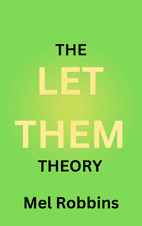
5 Main Takeaways from The Let Them Theory
Let Them: Stop Trying to Control Others
The core of the book: release your need to manage how others think, act, or feel. When you let people be themselves—even when they disappoint or judge you—you free up immense energy to invest in what you can actually control: your own responses and choices.
Let Me: Take Full Ownership of Your Life
Once you stop controlling others, the 'Let Me' shift empowers you to act on your values, set boundaries, and pursue your goals without waiting for permission or rescue. This paired action—release others, then reclaim yourself—is the engine of lasting change.
Stress Is a Reaction You Can Rewire
Chronic stress thrives on helplessness. By completing the stress cycle (through movement, creativity, or connection) and reframing thoughts as temporary, you can prevent external chaos from hijacking your peace. Your response determines the impact.
Comparison Is a Compass, Not a Verdict
Jealousy and envy are data points that reveal unmet desires. Instead of letting comparison erode self-worth, use it to identify what you truly want—then study others’ strategies and take aligned action. Your path is yours to play boldly.
Start Before You Feel Ready
Confidence comes from action, not the other way around. Robbins' own journey—from debt to global influence—proves that small, consistent steps, taken even when you're scared or unqualified, build momentum. The 'right' decision often feels wrong at first.
Executive Analysis
These five takeaways form a cohesive thesis: personal freedom and growth come from a two-step dance of acceptance and action. First, you must radically release your need to control others’ behaviors, opinions, and emotions (Let Them). Second, you take ownership of your own responses, boundaries, and choices (Let Me). This framework transforms every area of life—from stress and comparison to relationships and motivation—by redirecting energy from what you cannot change to what you can. The book’s central argument is that happiness is an inside job, and that true power lies not in external circumstances but in your moment-to-moment response to them.
The Let Them Theory matters because it translates ancient Stoic wisdom and modern psychology into an immediately usable toolkit. Unlike passive resignation or aggressive control, it offers a balanced path: you stop wasting energy on the uncontrollable while simultaneously reclaiming agency over your own life. In a field crowded with self-help platitudes, Robbins delivers a practical, story-driven system that readers can apply today—whether dealing with a difficult family member, a stressful job, or a stagnant friendship. It’s a book that doesn’t just tell you to let go; it shows you exactly how, and then dares you to build the life you truly want.
Chapter-by-Chapter Key Takeaways
My Story (Introduction)
The 5 Second Rule: Action precedes motivation. Counting backward interrupts hesitation, creating momentum.
Small Moves Matter: Progress isn’t about grand gestures but consistent, daily steps—even when you feel stuck.
Permission to Start: No credentials or confidence are required. Begin before you feel “ready.”
Internal vs. External Battles: The Rule conquers self-doubt but doesn’t eliminate life’s challenges. Focus on what you can control.
Legacy Through Action: Robbins’ journey—from debt to global influence—shows that transformation is possible through persistence, not perfection.
“You’ll never feel ready. One day, you just get tired of your own excuses and force yourself to do it.”
Try this: Count backward from 5 to 1 to interrupt hesitation and take one small step toward a goal you've been avoiding.
The Let Them Theory (Chapter 1)
Stop controlling the uncontrollable: Redirect energy from others’ actions to your own responses.
Ancient meets modern: The theory is backed by Stoicism, spirituality, and psychology, proving its timeless relevance.
Action over theory: The book prioritizes practical steps, with stories and summaries to accelerate real-world application.
Happiness is an inside job: Free yourself from outsourcing joy to others’ behavior—your peace becomes non-negotiable.
Start small: Immediate implementation of “Let Them” in daily interactions creates ripple effects toward lasting change.
Try this: Identify one situation today where you're trying to control someone else's behavior—then mentally say 'Let Them' and redirect that energy to your own response.
1 Stop Wasting Your Life on Things You Can’t Control (Chapter 2)
Let Them Theory: Free yourself by allowing others to think, act, or feel as they choose—without your interference.
Focus on What’s Yours: Your energy is finite; invest it in your actions, not others’ reactions.
Liberation in Surrender: Releasing control over others reduces stress and deepens relationships.
The Let Me Shift: The theory’s next step (hinted for later chapters) involves reclaiming agency over your choices, creating a life aligned with your values.
Universal Impact: This mindset isn’t just personal—it’s a scientifically backed tool for global well-being.
Try this: Write down one action you can take right now that aligns with your values, regardless of what anyone else thinks or does.
2 Getting Started: Let Them + Let Me (Chapter 3)
Parenting requires balance: Trust kids’ capabilities (“Let Them”) while providing guidance (“Let Me”). A detailed Appendix guide, informed by expert Dr. Ablon, helps caregivers apply this balance.
Loneliness signals misuse: Isolating yourself? You’re likely skipping “Let Me.” The theory thrives on paired action: release control of others and take responsibility for your choices.
Own your power: “Let Me” means prioritizing your needs, health, and goals without waiting for others to “rescue” you. True freedom lies in responding to life, not blaming it.
Try this: If you feel lonely or resentful, ask yourself where you've skipped 'Let Me'—then take one concrete step to meet your own need instead of waiting for rescue.
You and the Let Them Theory (Chapter 4)
Control less, live more: Focus on your reactions, not others’ actions.
Judgment is noise: Others’ opinions reflect their inner world, not your worth.
Emotions aren’t yours to fix: Support others without carrying their emotional load.
Compare = despair: Redirect energy from comparison to self-appreciation.
Freedom in release: Letting go of control creates space for joy and growth.
Try this: When judgment about yourself arises, pause and remind yourself that others' opinions reflect their inner world, not your worth.
Managing Stress (Chapter 5)
Complete the cycle: Use physical or creative activities to signal safety to your body.
Reframe thoughts: Shift from “I can’t handle this” to “This is temporary and manageable.”
Move daily: Even brief movement breaks counterbalance stress hormones.
Lean on community: Quality relationships act as a buffer against stress.
Set boundaries: Protect your energy by prioritizing what aligns with your goals.
Invest in prevention: Sleep and nutrition are non-negotiable for resilience.
Try this: Complete a stress cycle today by moving your body for 5 minutes, then reframe one anxious thought as temporary and manageable.
3 Shocker: Life Is Stressful (Chapter 6)
Stress is a reaction, not a mandate. Your response determines its impact.
The amygdala hijacks rational thinking under stress—recognize this to regain control.
“Let Them” + “Let Me” is a dual-action tool: Release what you can’t change, then act on what you can.
Chronic stress thrives on helplessness. Redirect focus to actionable solutions.
Protecting your peace is your responsibility. Others’ behavior is their choice; your response is yours.
Try this: When stress hits, ask: 'What can I actually control right now?' Then do one small thing in that circle of control.
4 Let Them Stress You Out (Chapter 7)
Problem: External stressors (unfair bosses, negligent strangers, political chaos) are inevitable. Letting them hijack your energy drains your power.
Truth: Stress triggers automatic emotional responses, but you control how long they linger.
Solution:
Let Them: Release attempts to control others’ choices.
Let Me: Redirect energy to actions within your control—job hunting, civic engagement, or aligning daily choices with your values.
Power in Choice: Every moment offers a decision: fuel frustration or invest in what matters. Your response defines your freedom.
Try this: If a frustrating external event (bad boss, political news) hijacks your mood, say 'Let Them' to the event and 'Let Me' to one action that aligns with your values.
Fearing Other People’s Opinions (Chapter 8)
Fear of judgment is rooted in biology but magnified by modern social dynamics.
Prioritizing others’ opinions often sacrifices authenticity and long-term fulfillment.
Building self-awareness and setting boundaries with critics can reduce emotional dependency.
True confidence grows when actions align with personal values, not external expectations.
Try this: Write down one fear of judgment that's stopping you from being authentic, then take a small risk that prioritizes your values over others' approval.
5 Let Them Think Bad Thoughts about You (Chapter 9)
Judgment is inevitable—even loved ones will think negative thoughts. Accepting this frees you from wasted energy.
Focus on what you control: Your actions, values, and self-pride. Let others’ opinions exist without granting them power.
Use the “Let Them” mindset to silence self-doubt: Post the idea, wear the outfit, take the risk.
Make decisions that align with your values—not to please others. When you’re proud of your choices, external noise fades.
Guilt and fear are poor motivators. Prioritize what makes you proud, not what avoids others’ disapproval.
By embracing the Let Them Theory, you transform from a prisoner of others’ opinions to the author of your own story.
Try this: Before making a decision, ask yourself: 'Will I be proud of this choice even if someone disagrees?' Then act on that pride.
6 How to Love Difficult People (Chapter 10)
Let Them Have Opinions: Family members’ critiques often reflect their fears, not your worth. Release the need to change their minds.
Frame of Reference: Understand others’ perspectives by considering their life experiences—this fosters empathy without requiring agreement.
Focus on “Let Me”: Control your reactions, set boundaries, and model the behavior you wish to see.
Acceptance ≠ Surrender: Acknowledge reality to reclaim power over your choices, whether that means deepening connections or creating distance.
You Are the Catalyst: Personal growth has the power to shift entire family dynamics, even if others don’t change.
By embracing these principles, you cultivate resilience in relationships and live authentically, free from the weight of others’ judgments.
Try this: When a difficult family member criticizes you, pause and consider their frame of reference—then set a boundary without needing them to change.
Dealing with Someone Else’s Emotional Reactions (Chapter 11)
Identify triggers: Awareness of emotional sparks helps de-escalate conflicts.
Stay calm: Your grounded presence can temper heightened emotions.
Listen empathetically: Validate without taking responsibility for their feelings.
Set clear boundaries: Protect your well-being while remaining supportive.
Collaborate on solutions: Transition from emotion to action with shared goals.
Try this: When someone overreacts emotionally, stay grounded in your own calm, validate their feelings without fixing them, and state your boundary clearly.
7 When Grown-Ups Throw Tantrums (Chapter 12)
You’re not responsible for others’ emotions: Let adults manage their own reactions—even if they act like children.
Boundaries liberate: Disengage from manipulative patterns (silent treatment, guilt trips) to reclaim autonomy.
Emotional maturity is learned: Practice observing your emotions without immediate reaction.
Compassion > judgment: Viewing others as emotionally stunted children reduces resentment.
Feelings are temporary: Ride the 90-second wave of emotion; don’t let it dictate your actions.
Change starts with you: Stop waiting for others to grow up—focus on your responses instead.
Try this: When an adult throws a tantrum, observe your own emotions for 90 seconds without reacting, then choose a response that protects your peace.
8 The Right Decision Often Feels Wrong (Chapter 13)
The right decision often feels selfish—but that’s a sign you’re prioritizing your well-being over others’ expectations.
You cannot control reactions, only your actions. The “Let Them Theory” empowers you to release the burden of managing others’ emotions.
Emotions are temporary. Like waves, they’ll subside—but avoiding hard choices prolongs the turmoil.
Courage requires discomfort. Acting on your values might hurt others now, but dishonesty hurts everyone (including yourself) more in the long run.
Growth means accepting conflict. Let others be angry; let yourself be free.
The chapter closes with a challenge: Stop letting emotional immaturity—yours or others’—dictate your life. As Robbins puts it, “Your job isn’t to make everyone happy. It’s to live a life you don’t need to escape from.”
Try this: Ask yourself: 'Is avoiding this hard decision causing more long-term pain than the discomfort of making it?' Then act on courage, not fear.
Overcoming Chronic Comparison (Chapter 14)
Comparison is data, not destiny: Use triggers as clues to unmet needs, not indictments of self-worth.
Curate your ecosystem: Surround yourself with influences that nurture growth, not competition.
Define your own metrics: Replace societal benchmarks with personal values to measure progress.
Embrace "enoughness": Shift from scarcity ("I’m lacking") to abundance ("I’m evolving").
Try this: When envy arises, write down one unmet desire it reveals, then commit to one small action toward that goal this week.
9 Yes, Life Isn’t Fair (Chapter 15)
Comparison is inevitable, but its impact isn’t. Recognize when it’s toxic (fixed traits) versus instructive (actionable habits).
Upward comparison erodes joy. Redirect focus to privileges you do have.
Your power lies in response. Accept unchangeable realities, then channel energy into controllable efforts.
Life’s “game” is collaborative, not competitive. Learn from others’ hands without resenting them.
The chapter’s blunt truth: Fairness is a myth, but your agency isn’t. Stop staring at others’ cards—play yours boldly.
Try this: Instead of resenting someone's advantage, ask what you can learn from their path and channel that energy into your own efforts.
10 How to Make Comparison Your Teacher (Chapter 16)
Comparison as a Compass: Jealousy highlights unmet desires. Use it to identify what you truly want.
Let Them Lead: Others’ successes aren’t obstacles—they’re proof that your goals are achievable. Study their strategies.
Embrace the Grind: Success requires daily, unglamorous effort. Consistency beats “natural talent” every time.
Own Your Ambitions: Anger at others’ wins often masks self-disappointment. Redirect that energy into action.
No Excuses: If someone with similar resources achieves your goal, your path is clearer than you think.
The chapter concludes by previewing the next focus: applying the Let Them Theory to relationships. By releasing control over others’ actions and focusing on personal growth, readers can build deeper, more authentic connections.
Try this: When jealousy strikes, ask: 'What does this person's success teach me about what's possible?' then take one unglamorous step toward your own goal.
Your Relationships and the Let Them Theory (Chapter 17)
Acceptance > Control: Relationships improve when you release the need to change others.
Lead by Example: Inspire growth through actions, not demands.
Boundaries Are Love: Protect your well-being by honoring your needs.
Authenticity Wins: The right relationships thrive when both people can be themselves.
Try this: Release the need to change a partner or friend—instead, model the behavior you want to see and set boundaries that honor your well-being.
Mastering Adult Friendship (Chapter 18)
Intentionality beats inertia: Schedule connection points and communicate needs directly.
Small consistency > grand gestures: Regular micro-interactions build trust more effectively than occasional over-the-top efforts.
Embrace fluidity: Allow friendships to evolve in form without equating change with failure.
Conflict is connective tissue: Address issues early with curiosity, not blame, to deepen understanding.
Try this: Schedule one low-pressure micro-interaction with a friend this week (a 5-minute call or text) instead of waiting for a grand reunion.
11 The Truth No One Told You about Adult Friendship (Chapter 19)
The Great Scattering is inevitable: Friendships change as lives diverge—this isn’t personal, just part of growing up.
Invest where pillars align: Prioritize friendships with shared proximity, timing, and energy.
Let Them Theory applies here: Release expectations. Friendships will fade, resurge, or transform—flexibility reduces heartache.
Ditch “best friend” labels: Depth matters more than permanence. Celebrate friendships for what they are, not what they once were.
Quality over quantity: A few meaningful bonds beat a dozen strained ones. Focus on connection, not obligation.
Try this: Accept that a fading friendship is not a failure—send a short, heartfelt message to reconnect without expecting anything in return.
12 Why Some Friendships Naturally Fade (Chapter 20)
Proximity dictates connection: Daily interactions strengthen bonds, but physical distance isn’t a betrayal.
Energy is contagious: Negativity can push people away; self-awareness is critical.
Flexibility saves friendships: Let go of rigid expectations and allow relationships to evolve.
Reconnection is possible: Silence doesn’t equal loss. A simple gesture can reignite old ties.
Focus on “Let Me”: Take initiative to rebuild or create new connections instead of waiting for others.
The chapter closes with hope: friendships aren’t finite, and some of your favorite people might still be ahead of you.
Try this: List your current friendships and identify which ones feel draining; invest more time where proximity, timing, and energy align.
13 How to Create the Best Friendships of Your Life (Chapter 21)
Time is non-negotiable: Building friendships requires a year of consistent effort. Don’t rush the process.
“Let Me” mindset: Initiate conversations, give compliments, and ask questions—even when it feels awkward.
Leverage weak ties: Baristas, neighbors, and classmates are potential gateways to deeper connections.
Shared activities are cheat codes: Join clubs, classes, or volunteer work to meet like-minded people.
Balance “Let Them” with action: Release expectations of how others should respond, but keep showing up.
Document details: Track names and interests to turn strangers into familiar faces.
Be the organizer: Start the group, plan the event, and invite others—friendship is a verb, not a coincidence.
The chapter closes with an empowering call to action: Stop waiting for friendship to “happen” and start creating it. By embracing flexibility, releasing outdated expectations, and prioritizing warmth over perfection, readers can build a community that reflects their values—one awkward, courageous “hello” at a time.
Try this: Reach out to one person you've lost touch with by sending a simple 'thinking of you' message—flexibility can reignite connection.
Motivating Other People to Change (Chapter 22)
Resistance is a signal, not a flaw—dig deeper into its roots.
Empathy builds trust; validate emotions before problem-solving.
Autonomy and alignment with personal values are non-negotiable for lasting change.
Progress thrives on incremental, celebratable steps.
Try this: This week, attend one group activity or class and introduce yourself to someone new—friendship is built through repeated, consistent effort.
14 People Only Change When They Feel Like It (Chapter 23)
Change is personal: Adults only act when they feel ready, not when pressured.
Fight biology, lose every time: The brain prioritizes immediate comfort over delayed rewards.
Control is an illusion: Pressuring others triggers defiance, not growth.
Compassion > Contempt: Acceptance builds trust, making change feel safe.
Focus on your agency: Redirect energy into your own responses, not others’ choices.
True change requires internal motivation; external pressure often backfires.
Influence works by aligning with a person’s existing desires and values.
The “Let Me” approach prioritizes collaboration over control, setting the stage for self-driven transformation.
Try this: When trying to motivate someone, first validate their feelings and resist the urge to pressure—change only happens when they feel safe and ready.
15 Unlock the Power of Your Influence (Chapter 24)
Pressure backfires: Resistance grows when people feel controlled.
Model, don’t mandate: Inspire through actions, not demands.
Celebrate small wins: Immediate rewards fuel motivation.
Patience is power: Change takes months; focus on your behavior first.
Know your limits: Accept what you can’t change without resentment.
Try this: Instead of telling someone what to do, ask a curious question about what they truly want, then gently link that desire to a small step.
Helping Someone Who Is Struggling (Chapter 25)
Observe thoughtfully: Look for consistent behavioral changes as potential signs of struggle.
Lead with validation: Prioritize listening over fixing in initial conversations.
Empower, don’t rescue: Collaborate on solutions that respect the person’s autonomy.
Protect your energy: Establish boundaries to avoid burnout while helping others.
Try this: Model the behavior you want to see in others by taking one visible action yourself, then celebrate their smallest progress.
16 The More You Rescue, The More They Sink (Chapter 26)
Rescuing ≠ loving. Enabling delays growth; support means offering tools while letting others face consequences.
Healing requires readiness. No one changes until they want to—no matter how much you want it for them.
Pain is a catalyst. Struggling (e.g., job loss, relational fallout) often motivates change more than compassion alone.
“With Them” over “For Them”. Validate emotions, but empower action: “I believe you can do this—I’m here while you try.”
Children vs. adults. Guide under-25s actively; for adults, focus on boundaries, not control.
Try this: If you're worried about someone, observe consistent behavioral changes, then lead with listening and ask: 'What do you need from me right now?'
17 How to Provide Support the Right Way (Chapter 27)
Enabling vs. Empowering: Unconditional financial support often prolongs dependency. Set clear terms (e.g., sobriety, therapy attendance) to align aid with accountability.
Rock Bottom as Catalyst: Allowing loved ones to face consequences—even if painful—can spark necessary change. Supporters must also recognize their own breaking points.
Action Over Words: Create environments that facilitate healing through tangible acts (meals, companionship, chores) rather than waiting for requests.
Let Them Theory: Trust others to solve their own problems. Offer tools and compassion, but avoid taking ownership of their struggles.
Independence Through Responsibility: Financial independence is tied to autonomy. If you rely on others’ money, their input comes with the territory—embrace it or earn your own way.
By shifting from rescuing to empowering, you help others reclaim agency while preserving your own well-being.
Try this: Stop rescuing an adult who repeatedly makes poor choices—offer support tools and let them face natural consequences to spark their own motivation.
Choosing the Love You Deserve (Chapter 28)
Your relationship choices reflect your internal self-worth; healing begins with valuing yourself.
Boundaries are essential for preserving dignity and attracting partners who respect your needs.
Healthy love requires reciprocity—consistent, mutual effort that nurtures both individuals.
Courage to walk away from mismatched connections creates space for relationships that align with your true worth.
Try this: If you're financially supporting a loved one, set clear conditions that promote accountability (e.g., therapy attendance) to empower rather than enable them.
18 Let Them Show You Who They Are (Chapter 29)
Behavior reveals truth: Prioritize actions over words. Inconsistency = disinterest.
Chasing repels; choosing attracts: Invest only in those who match your effort.
Confusion is clarity: Ambiguity means “no.” Trust your instincts.
Self-respect fuels love: Walking away from mismatches creates space for reciprocity.
Dating is self-discovery: Every interaction teaches you what you deserve.
By embracing the Let Them Theory, you reclaim power in your love life—replacing desperation with discernment and fantasy with self-honesty.
Try this: List three qualities you absolutely need in a partner, then commit to walking away from any connection that doesn't meet those standards.
19 How to Take Your Relationship to the Next Level (Chapter 30)
Break the cycle: If you chase unavailable partners, pause dating to heal with therapy.
Communicate clearly: Frame commitment conversations around your needs, not guilt or persuasion.
Walk away with grace: Reject half-hearted commitments; trust that valuing yourself attracts healthier love.
Embrace “Let Me”: Prioritize your worth—every “no” to the wrong person is a “yes” to your future.
Try this: When dating, prioritize actions over words—if someone's behavior is inconsistent, take it as clarity and invest your energy elsewhere.
20 How Every Ending Is a Beautiful Beginning (Chapter 31)
Heartbreak reshapes your nervous system—healing requires time and intentional action.
Avoid triggers, refresh your environment, and lean on community to accelerate recovery.
Self-love isn’t selfish; it’s the foundation for all healthy relationships.
The Let Me mindset empowers you to choose boundaries, growth, and joy on your terms.
Relationships thrive when you stop chasing validation and start valuing yourself.
Try this: If you're in a relationship that feels stuck, have a direct conversation about your needs using 'I' statements, then be willing to walk away with grace.
Your Let Me Era Is Here (Conclusion)
You Control Your Responses: External events are neutral—your interpretation gives them power.
Inaction Has Consequences: Every moment spent worrying about others’ opinions delays your dreams.
Extraordinary Lives Are Built Daily: Success comes from relentless focus on actionable goals, not luck.
Boundaries = Freedom: Protecting your energy and priorities isn’t selfish—it’s essential.
Start Now: The “Let Me Era” begins the moment you choose to act, not when conditions are perfect.
The chapter closes with a heartfelt charge: “If you don’t believe in you, Let Me believe in you.” It’s a reminder that self-doubt is universal, but action—not permission—unlocks possibility.
Try this: After a breakup, intentionally avoid triggers, refresh your environment, and spend time with supportive people to accelerate healing.
Appendix How to Apply Let Them to Parenting (Chapter 32)
Collaboration matters: Dr. Ablon’s research reinforces that behavior change begins with empathy and partnership, not authority.
Skills over discipline: Focus on teaching problem-solving and emotional regulation instead of punishing mistakes.
Accessible tools: The bonus guide offers immediate, science-backed strategies for applying the Let Them Theory.
Long-term impact: Prioritizing connection and skill-building strengthens relationships and protects children’s mental health.
Try this: Choose one goal that others' opinions have delayed, and take the first small step today—your 'Let Me' era starts with action, not perfection.
How to Apply Let Them to Teams (Chapter 33)
Leadership defines culture: A leader’s behavior sets the tone for trust, innovation, and engagement.
Empowerment > control: Micromanagement crushes potential; autonomy unlocks it.
Structure enables freedom: Clear goals and boundaries allow teams to thrive independently.
Coaching elevates leadership: Even experienced leaders grow through mentorship and self-reflection.
Let Them is a mindset shift: It’s not about abandoning responsibility—it’s about redistributing ownership.
By embracing Let Them Theory, leaders don’t just build stronger teams—they evolve into calmer, more confident versions of themselves.
Try this: When parenting, replace punishment with collaborative problem-solving by asking your child: 'What's hard right now? How can we work on it together?'
Continue Exploring
- Read the full chapter-by-chapter summary →
- Best quotes from The Let Them Theory → (coming soon)
- Explore more book summaries →