Super Agers Summary

Chapter 1: A Tale of Two Patients

1/11
0:00Click to play
Super Agers Summary book cover

What is the book Super Agers Summary about?

Eric Topol's Super Agers synthesizes cutting-edge research on the biological and lifestyle factors enabling exceptional health in later life, moving beyond generic advice to detail specific genetic, cellular, and neuroplastic mechanisms. It provides an actionable, evidence-based framework for extending vibrant healthspan.

FeatureBlinkistInsta.Page
Summary Depth15-min overviewFull Chapter-by-Chapter
Audio Narration✓ (AI narration)
Visual Mindmaps
AI Q&A✓ Voice AI
Quizzes
PDF Downloads
Price$146/yr (PRO)$33/yr
*Competitor data last verified February 2026.

1 Page Summary

Super Agers: An Evidence-Based Guide to Longevity by Dr. Eric Topol synthesizes cutting-edge scientific research to explore the biological and lifestyle factors that enable some individuals, known as "super agers," to maintain exceptional cognitive and physical health well into their later decades. The book moves beyond generic wellness advice, delving into the specific genetic profiles, cellular mechanisms (like telomere maintenance and reduced inflammation), and neuroplasticity that characterize this resilient group. Topol emphasizes that while genetics play a role, the trajectory of aging is not predetermined, setting the stage for a detailed examination of modifiable factors.

The work is grounded in the historical shift from viewing aging as a uniform, inevitable decline to understanding it as a malleable process influenced by personalized medicine and data. Topol contextualizes this by tracing the evolution of longevity science, from early observational studies of centenarian populations to contemporary breakthroughs in genomics and biometric monitoring. This evidence-based foundation allows the book to critically assess popular anti-aging trends, separating rigorous science from hype surrounding topics like senolytics, fasting mimetics, and gut microbiome interventions.

The lasting impact of Topol's analysis lies in its actionable, personalized framework for "healthspan." He argues that the goal is not merely to live longer but to extend the period of vibrant, disease-free life. The book provides a strategic blueprint encompassing precision nutrition, tailored exercise, sleep optimization, stress resilience, and the judicious use of technology and biomarkers for early intervention. Ultimately, Super Agers empowers readers with the knowledge that a proactive, science-informed approach can significantly influence one's own aging process, making exceptional health in later life an achievable target rather than a rare exception.

Super Agers Summary

Chapter 1: A Tale of Two Patients

Overview

The chapter opens by introducing two patients, both ninety-eight years old, who represent two very different pathways to advanced age. Their contrasting stories set the stage for exploring a transformative new era in medicine, one that promises to dramatically extend our healthy years, or "health span," through a convergence of five key scientific and technological dimensions.


Mrs. L.R. is a paradigm of natural, healthy aging. Living independently and driving herself to appointments, she has avoided the chronic diseases that claimed her parents and siblings decades earlier. After a temporary depression following her husband’s death, she revitalized her life through social connection and artistic pursuits. A brief episode of leg swelling led to a diagnosis of a manageable heart condition, but otherwise, she embodies resilience and vitality. Her exceptional health span appears to be a fortunate anomaly—what scientists might call a stochastic, or random, event—defying her genetic background.

In stark contrast, Mr. R.P. has navigated a long and complex medical journey. Surviving coronary bypass surgery, stent placements, heart rhythm procedures, a heart attack, and even COVID pneumonia, he represents the triumphs of modern interventional medicine. His longevity is not due to an innate resilience but is instead a testament to decades of aggressive treatment and secondary prevention for severe atherosclerotic cardiovascular disease. His story illustrates how medical science can successfully manage age-related diseases.

These two narratives highlight a crucial shift: while we may not yet fully understand or replicate the innate resilience of a Mrs. L.R., we are rapidly developing the tools to make the managed health journey of a Mr. R.P. far more common and to prevent diseases from manifesting in the first place. This leads to the core premise of the book: a revolution powered by five interconnected dimensions is resetting our expectations for human health span.

The Five Dimensions of the Health Span Revolution

  1. Lifestyle+ This expanded concept moves beyond traditional advice on diet and exercise. It now encompasses a broad range of environmental and social factors, including exposure to nature and pollution, the health impacts of loneliness, the specific importance of strength training, and precision nutrition strategies like time-restricted eating. The subtle details within this dimension are critically important.

  2. Cells A new frontier involves understanding and engineering our body's nearly thirty-seven trillion cells. Scientists can now reprogram a person’s own cells—for instance, supercharging immune T-cells to fight cancer or turning white blood cells into stem cells that can become insulin-producing pancreatic cells. Breakthroughs include growing miniature organoids (like hearts or brains) in labs for testing treatments and editing animal organs for potential human transplantation.

  3. Omics This term refers to the collective layers of biological data that define our individuality. It includes our genome (DNA), epigenome (how DNA is packaged), transcriptome (RNA), proteome (proteins), and microbiome. Advances here enable profound personalization, from assessing disease risk via DNA sequencing to detecting early cancer through "liquid biopsies" of blood, or even estimating the biological age of specific organs from a protein signature.

  4. Artificial Intelligence AI is becoming essential for synthesizing vast amounts of personal data—from medical records and omics to environmental exposures—to generate precise health forecasts and actionable prevention plans. The long-envisioned "virtual medical coach" for primary prevention is nearing reality, with initiatives underway to create interactive AI systems that provide personalized guidance.

  5. Drugs/Vaccines The pace of discovery is accelerating. AI helps design novel proteins for new medicines, while insights from human biology led to drugs like GLP-1 agonists (e.g., Ozempic), which show benefits far beyond weight loss. mRNA vaccine technology, proven with COVID-19, is being applied to cancer and heart disease. We are also seeing the first promising drugs for neurodegenerative conditions and advanced cancer immunotherapies that act as "living drugs."

These dimensions do not operate in isolation; they continuously interact and reinforce one another. Lifestyle choices affect our cells and microbiome, our genetics influence drug response, and AI accelerates discovery across all fields. This synergistic convergence, built on decades of foundational research, is the driving force behind a new capacity to extend healthy human life.

Key Takeaways

  • Aging is not a single pathway: Exceptional natural resilience (like Mrs. L.R.'s) exists, but modern medicine is increasingly able to create and support extended health spans through proactive management (as with Mr. R.P.).
  • A multidimensional revolution is underway: The extension of health span is being driven by the powerful convergence of five dimensions: Lifestyle+, Cells, Omics, Artificial Intelligence, and Drugs/Vaccines.
  • Integration is power: The greatest potential lies in the interaction of these dimensions. Our unique omic data can guide lifestyle choices and drug selection, while AI can analyze it all to create a personalized health forecast and plan.
  • The goal is proactive prevention: The future of medicine is shifting from treating advanced disease to predicting risk decades in advance and implementing precise, individualized strategies to delay or prevent illness altogether, promising a healthier second half of life for far more people.
Mindmap for Super Agers Summary - Chapter 1: A Tale of Two Patients
💡 Try clicking the AI chat button to ask questions about this book!

Super Agers Summary

Chapter 2: It’s in Your Genes?

Overview

The chapter explores the complex relationship between genetics and healthy aging, beginning with the Wellderly study—a multiyear research project that sequenced the genomes of exceptionally healthy individuals over eighty. Contrary to expectations, their DNA revealed little about their resilience, pointing instead to lifestyle and social factors. This leads into a broader discussion on health span versus lifespan, highlighting the prevalence of chronic diseases in the "Illderly" and setting the stage for a historic convergence of biomedical breakthroughs aimed at preventing age-related illnesses through immune system modulation and advanced technologies.

The Wellderly Study and Its Insights

In 2008, researchers launched the Wellderly project to study people aged eighty and older who had never experienced chronic disease. After six years, they enrolled 1,400 participants and sequenced their genomes, hypothesizing that genetic factors would explain their exceptional health span—the years lived in optimal health. Surprisingly, the genetic risk markers for diseases like Alzheimer's and heart disease were only slightly lower than average. Instead, the Wellderly group tended to be thinner, more physically active, better educated, and socially engaged, with many maintaining vibrant social lives and volunteer work well into their nineties. This underscored that genes alone don't dictate healthy aging, opening minds to other influential factors.

Contrasting the Illderly Reality

In contrast to the Wellderly, most older adults fall into what the chapter terms the "Illderly"—individuals with multiple chronic conditions. In the U.S., 80% of those over sixty-five have at least two chronic diseases, such as diabetes, heart disease, cancer, or neurodegeneration. The chapter emphasizes that while longevity is desired, the true goal is extending health span: living longer without debilitating illnesses. This sets up the central theme: shifting from an Illderly to a Wellderly path through disease prevention and slowing aging itself.

The Immune System as a Unifying Pathway

A pivotal insight is the immune system's role as a common thread underlying major chronic diseases and accelerated aging. Inflammation driven by immune response contributes to atherosclerosis, cancer progression, neurodegenerative diseases like Alzheimer's, and autoimmune conditions. The chapter describes this as a "Goldilocks" scenario where immune modulation must be precisely balanced—neither too little nor too much. Recent advances in science are making it possible to fine-tune this response, offering new avenues for prevention and treatment.

Emerging Breakthroughs and Technologies

The narrative highlights several promising developments:

  • Fecal Microbial Transplants: Once seen as unconventional, these are now FDA-approved for certain infections, with "crapsule" pills in trials for conditions like cancer and diabetes, and explorations into editing the gut microbiome.
  • T Cell Engineering: Techniques like CAR-T therapy are showing success in treating cancers and autoimmune diseases, even reversing fibrosis in organs and achieving remissions in lupus patients.
  • Personalized Nutrition: With significant NIH funding, AI-driven algorithms are paving the way for Diet 2.0, moving beyond one-size-fits-all dietary recommendations.
  • Vaccines and Screening: Advances include cancer vaccines targeting neoantigens and improved screening methods using AI to assess risk beyond age, addressing rising cancer rates in young people.
  • CRISPR and AI: Genome editing holds potential for preventing genetic predispositions to diseases like Alzheimer's, while AI accelerates drug discovery and diagnostic accuracy.

Obstacles to Expanding Health Span

Despite progress, significant barriers exist. Health inequities, particularly in the U.S. due to lack of universal healthcare, threaten to widen gaps if innovations like genome editing or GLP-1 drugs remain inaccessible. Cultural biases in AI models and lack of diversity in large studies—such as the UK Biobank—limit applicability. Regulatory delays, high costs, and resistance to change in medical practice further slow adoption. The chapter cites Operation Warp Speed as a model for accelerated progress, arguing that similar investment could transform health span.

A Future of Optimism and Action

The chapter concludes on a hopeful note, emphasizing that while systemic anti-aging drugs are still emerging, near-term advances in preventing age-related diseases are within reach. By leveraging tools like AI for personalized risk assessment and early intervention, individuals can take proactive steps. The author shares personal family history to relate to concerns about "bad genes," but stresses that with converging technologies, we can realistically aim to join the Wellderly, transforming health span for many.

Key Takeaways

  • Genetics play a smaller role in healthy aging than previously thought, with lifestyle and social factors being critical.
  • Health span—years lived disease-free—is a more meaningful goal than longevity alone.
  • The immune system is a central player in chronic diseases, and modulating it precisely offers new prevention strategies.
  • Breakthroughs in fecal transplants, T cell engineering, personalized diets, vaccines, AI, and CRISPR are rapidly advancing disease prevention.
  • Obstacles like health inequities, lack of diversity in research, and regulatory hurdles must be addressed to ensure broad access.
  • Individuals can already benefit from some innovations, such as updated cancer screening and AI diagnostics, while staying informed for future opportunities.
Mindmap for Super Agers Summary - Chapter 2: It’s in Your Genes?

⚡ You're 2 chapters in and clearly committed to learning

Why stop now? Finish this book today and explore our entire library. Try it free for 7 days.

Super Agers Summary

Chapter 3: Lifestyle+

Overview

This chapter explores the modern, expanded definition of a healthy lifestyle, moving far beyond basic advice to examine the powerful, interconnected forces that shape our health and longevity. It begins by framing lifestyle+ as a broad domain encompassing not just what we eat and how we move, but also the air we breathe, the toxins we encounter, and the strength of our social bonds—factors that collectively offer a potent and accessible path to adding healthy years.

At the heart of the discussion is diet, identified as the single largest global risk factor for death. The narrative cuts through confusion to pinpoint ultra-processed foods (UPFs) as a prime culprit, detailing the compelling evidence linking them to weight gain, inflammation, and dramatically increased risks for heart disease, diabetes, and cognitive decline. It navigates the complexities of sweeteners, salt, and macronutrients, emphasizing that the quality of carbohydrates, fats, and protein matters more than simplistic quotas. Striking research reveals that poor dietary choices, particularly high-fat diets, may even have transgenerational effects, impacting the health of future generations through biological mechanisms. While coffee emerges as a likely beneficial habit, the evidence for alcohol is largely negative, clarifying that any consumption carries risk. The analysis champions dietary patterns centered on whole, plant-based foods and highlights the Mediterranean diet as the gold standard, backed by robust clinical trials. It also casts a skeptical eye on trends like strict fasting regimens and dietary supplements, noting that for most people eating well, pills and powders lack proven benefits for major health outcomes.

The exploration then turns to personalized nutrition, explaining why there is no one-size-fits-all optimal diet. An individual’s unique response to food is dominated by their gut microbiome, a discovery that points toward a future of AI-guided eating, though this science is still in its infancy. In contrast, the benefits of exercise are immediate and unequivocal, presented as the closest thing to a miracle drug for aging. It details how both aerobic activity and, crucially, resistance training are essential for preserving muscle, brain health, and longevity, with simple metrics like grip strength serving as powerful predictors.

The foundation of sleep is examined next, explaining its vital role in cleansing the brain and the severe consequences of deprivation, including heightened risks for dementia and mortality. Practical strategies for improvement are balanced against the limitations of popular sleep technology. The chapter then confronts the pervasive threat of environmental toxins, from air pollution and microplastics—now linked to a quadrupled risk of cardiovascular events—to PFAS “forever chemicals” and noise pollution, illustrating how our surroundings create a constant, health-eroding burden.

This leads to a discussion of the profound social determinants of health. Social isolation is linked to a significantly higher risk of early death, while factors like socioeconomic status and food deserts—areas lacking access to nutritious food—are powerful, independent drivers of health inequities and premature mortality. The chapter culminates by measuring the staggering cumulative power of these lifestyle+ factors. Data shows that combining positive behaviors like a good diet, regular exercise, strong social connections, and restorative sleep can add decades to life expectancy and many more years free of chronic disease. Importantly, this healthy lifestyle+ package possesses the remarkable ability to mitigate genetic risk for conditions like dementia and heart disease. The overarching message is that while future high-tech advances may aid the quest for longevity, the refined, evidence-based application of these broad lifestyle principles remains an overwhelmingly powerful and foundational intervention.

The Expanded Scope of Lifestyle+

The chapter begins by redefining "lifestyle" for the modern age, adding a "+" to signify its broadened scope. It moves beyond the standard pillars of diet, exercise, and sleep to include critical environmental and socioeconomic factors like toxin exposure, air pollution, social isolation, and economic status. This foundational dimension is addressed first because it offers the most accessible pathway to adding healthy years, requiring no expensive technology.

The evidence for lifestyle's impact largely comes from large, long-term observational studies, as randomized controlled trials for lifestyle interventions are notoriously difficult to execute. While these observational studies can only show association—not causation—the consistent patterns across a massive body of research provide powerful, real-world insight, particularly when looking at impacts on "all-cause mortality."

The Complexities of Diet

Diet is presented as the single largest risk factor for death globally, linked to 22% of all mortality. However, defining a "healthy diet" is fraught with complexity, conflicting advice, and the overwhelming influence of the "Big Food" industry.

Ultra-Processed Foods (UPFs): The Prime Culprit UPFs are identified as industrially engineered substances, not traditional foods, and are central to the discussion. Their harm stems from both chemical additives (like emulsifiers, artificial sweeteners, and dyes) and physical processing (like extrusion) that alters food structure to maximize digestibility and cause harmful blood sugar spikes.

  • The Evidence of Harm: A pivotal NIH randomized trial showed people consuming an ultra-processed diet ate about 500 more calories per day and gained weight compared to those on an unprocessed diet. Epidemiological data links high UPF intake to dramatically increased risks:
    • 66% higher risk of cardiovascular death
    • 55% higher risk of obesity
    • 40% higher risk of type 2 diabetes
    • 16% increased risk of cognitive impairment (per 10% increase in UPF intake)
    • Associations with cancer, depression, dementia, and a 62% increase in all-cause mortality (for >4 servings daily).
  • A Personal Experiment: The chapter highlights a physician's self-experiment where shifting to an 80% UPF diet for a month led to significant weight gain, sky-high hunger hormones, doubled inflammation markers, and observable changes in brain connectivity related to habit and reward.
  • The Regulatory Landscape: The influence of Big Food lobbying in the U.S. is criticized for stifling regulation. While other countries have banned certain harmful additives common in UPFs, U.S. action is slow and piecemeal, likening the current situation to the historical suppression of cigarette dangers.

Sweeteners: Sugar and Its Substitutes

  • Sugar: The evidence against sugar-sweetened beverages (including fruit juices) is clear and consistent, linking high consumption to increased all-cause, cardiovascular, and cancer-related mortality, as well as a tripled risk of atrial fibrillation.
  • Artificial Sweeteners: The data is more conflicted but generally unfavorable. Some large studies link them to cardiovascular risk, while a randomized trial found saccharin and sucralose impaired glucose regulation and all tested sweeteners (including aspartame and stevia) altered the gut microbiome. Stevia may be less concerning, but no artificial sweetener is problem-free.

Salt: A Debated Necessity The link between sodium and hypertension is established, but the magnitude of its effect is debated. Very high intake (>5g sodium/day) increases cardiovascular risk, but the benefits of aggressive restriction may be small for many. Recommendations vary globally. The chapter suggests practical advice: limit added salt, read labels, and consider potassium chloride substitutes, which have been shown in trials to reduce hypertension risk by 40%.

Navigating Macronutrients: Carbs, Protein, and Fat

Carbohydrates: The key is the type of carb, not just the amount. High-quality carbs (dietary fiber from vegetables, legumes, fruits, and whole grains) are associated with a 15-30% reduction in mortality and disease risk. Low-quality carbs (sugars, refined grains, potato products) with a high glycemic load increase cardiovascular death risk.

Protein: The standard Recommended Dietary Allowance (0.8g/kg) is considered too low for older adults to prevent sarcopenia (age-related muscle loss). While increasing intake to ~1.2g/kg is reasonable, evidence for very high-protein diets (e.g., 1g per pound of body weight) is lacking and may promote inflammation and atherosclerosis, especially from leucine-rich animal proteins. A major knowledge gap exists due to the lack of detailed amino acid information on food labels and the difficulty of conducting long-term diet trials.

Fats: The old narrative of "fat as foe" has evolved. The quality of fat is paramount. Shifting from saturated fats to plant-based unsaturated fats reduces cardiovascular and diabetes risk. Whole-fat dairy products (especially yogurt and hard cheese) are associated with lower cardiovascular disease and mortality, contradicting decades-old low-fat guidance. Fad diets like keto, while popular for weight loss, can lead to increased calorie intake, higher cholesterol, and other side effects, as shown in a rigorous NIH trial comparing it to a plant-based, low-fat diet.

The Transgenerational Impact of Diet

The chapter presents a startling finding from animal research: male mice fed a high-fat diet developed mitochondrial dysfunction, and this metabolic disturbance was transmitted to their male offspring via mitochondrial RNA in sperm. This highlights a profound, intergenerational reason for caution regarding high-fat diets. The discussion of fat quality is supported by a landmark study (Wang et al., 2016) showing that replacing saturated and trans fats with unsaturated fats (mono- and polyunsaturated) is associated with a significant reduction in total mortality.

Coffee, Caffeine, and the Heart

A large body of observational data paints a favorable picture of coffee consumption. Multiple large studies, including those using the UK Biobank, associate drinking coffee—up to about four cups daily—with reduced all-cause and cardiovascular mortality, as well as lower risks of several cancers, Parkinson’s, and type 2 diabetes. Crucially, long-standing fears that caffeine provokes dangerous heart rhythms have been largely put to rest. Randomized trials and massive genetic studies found no link between coffee and increased risk of arrhythmias like atrial fibrillation; some data even suggest a protective effect. The mechanisms behind coffee's potential benefits (e.g., antioxidants, gut microbiome modulation) remain hypothetical, but the collective evidence strongly indicates a lack of harm and the possibility of significant benefit.

Alcohol: A Clearer, But Grimmer, Picture

In contrast to coffee, the evidence for alcohol is less ambiguous and largely negative. The purported "French Paradox" benefit of red wine has been refuted by large-scale analyses. Alcohol is a classified carcinogen, strongly linked to cancers of the mouth and esophagus. While some data show a J-shaped curve, suggesting a very small potential benefit at extremely low intake (e.g., two drinks per week), the risks for cardiovascular disease and hypertension rise steadily and significantly with increased consumption. Mendelian randomization studies support a causal role for alcohol in causing cardiovascular conditions. The overall conclusion is that light intake may not be problematic, but any level of consumption carries risk that escalates quickly.

The Red Meat and Plant-Based Spectrum

Processed meats (e.g., bacon, sausages) are classified as carcinogenic, and both processed and unprocessed red meat are consistently linked to small increases in all-cause mortality and cardiovascular risk in large prospective studies. The environmental impact is also substantial, with a shift from high meat to vegetarian diets dramatically reducing greenhouse gas emissions. On the opposite end, plant-based diets are associated with a significantly lower risk of type 2 diabetes, cardiovascular mortality, and cancer. Plant-based meat alternatives, however, come with caveats: they can be high in sodium, saturated fat, and heme iron, lacking the robust health data of whole plant foods like lentils and beans.

Defining "Good Food" and the Mediterranean Gold Standard

A healthy dietary pattern is consistently linked to a 15-20% lower cardiovascular risk and reduced mortality. This pattern includes fruits, vegetables, legumes, whole grains, nuts, seeds, healthy fats (like olive oil), and fatty fish. Dietary fiber (aiming for ~30g/day) is a key component, slowing digestion and reducing disease risk. The Mediterranean diet encapsulates this pattern and is uniquely supported by multiple randomized controlled trials. These trials show it reduces the risk of cardiovascular events, death, and neurodegenerative diseases in both primary prevention and in people with established heart disease. It also beneficially modulates the gut microbiome. While variations like the "green MED" diet show promise on biomarkers, the traditional Mediterranean diet remains the most robustly validated eating plan for longevity.

Nutrients of Interest: Taurine and Choline

The chapter highlights two specific nutrients. Taurine, a conditionally essential amino acid, declines with age and its deficiency is linked to multiple age-related conditions. Animal studies show supplementation can improve health-span metrics, but human trials are lacking. Choline, essential for brain function, is easily obtained from eggs, meat, and vegetables. While some observational data link it to cognitive health in older adults, randomized trial evidence is needed to confirm a benefit from supplementation.

Caloric Restriction and Time-Restricted Eating

Calorie restriction extends lifespan in many animal models, but evidence in primates is mixed, and it is difficult for humans to maintain. More palatable alternatives like time-restricted eating (e.g., confining meals to an 8-hour window) and intermittent fasting have been studied extensively. The results from human trials are contradictory: some show benefits for weight loss and metabolic health, while others find no advantage over simple calorie restriction. Potential downsides of severe restriction include loss of muscle and bone mass. The most practical, evidence-informed advice may be to eat an early dinner and avoid late-night snacking to align with the body's circadian rhythms, which heavily influence metabolism and gut health.

The Supplement Dilemma

Despite their widespread use, vitamins and dietary supplements generally lack high-quality evidence for benefit in people following a healthy diet. Large randomized trials have failed to confirm that Vitamin D or omega-3 fatty acid supplements prevent cardiovascular disease or cancer in the general population. The chapter strongly implies that nutrients should be sought from whole foods first.

Key Takeaways

  • Dietary choices can have intergenerational biological effects, and fat quality (prioritizing unsaturated over saturated) matters for longevity.
  • Coffee consumption is not harmful to heart rhythm and is consistently associated with potential health benefits in observational studies.
  • Alcohol consumption, at any level, carries tangible risks, particularly for cancer, with any potential benefits being minimal and uncertain.
  • A diet minimizing red/processed meat and emphasizing whole plant-based foods is linked to better health and a smaller environmental footprint.
  • The Mediterranean diet is the most rigorously tested eating pattern for reducing the risk of major chronic diseases and death.
  • While intriguing, the long-term human benefits of taurine, choline, and fasting regimens require more robust clinical trial data.
  • For individuals eating a healthy diet, vitamin and mineral supplements have not been proven to improve major health outcomes.

The Reality of Supplements

The evidence for most vitamins and supplements improving health or longevity is weak to non-existent. While one study suggested a modest slowing of cognitive aging with a daily multivitamin, this finding is an outlier; larger, more comprehensive trials have consistently failed to show benefits for preserving cognition or reducing mortality. Some supplements, like calcium plus vitamin D, may even increase the risk of stroke and cardiovascular mortality, while niacin can promote inflammation. The chapter advises a highly skeptical view, suggesting that while some "longevity vitamins" like taurine are intriguing, they remain largely unproven.

The AI Diet and Personalized Nutrition

The chapter firmly dismisses the idea of a universal optimal diet, emphasizing that each person's unique biology—genome, metabolism, and gut microbiome—dictates individual responses to food. Continuous Glucose Monitors (CGMs) have popularized the idea of tracking personal glucose spikes, which are a window into metabolic health. However, foundational research from Israel and the UK reveals that glucose response alone is insufficient; triglyceride response is also critical and is not correlated with glucose, requiring separate measurement.

A key discovery from these large studies is that the gut microbiome is the dominant predictor of an individual's nutritional response, outweighing even genetics, as shown by significant variations between identical twins. While a prospective trial using a microbiome-based algorithm improved glucose regulation in people with prediabetes, large-scale outcomes (like preventing heart attacks) are still unknown. Major initiatives like the NIH's Nutrition for Precision Health study are now collecting exhaustive personal data to advance this field, but creating a dynamic, accurate, and safe AI-driven dietary guide for individuals remains a complex, early-stage challenge.

The Paramount Importance of Exercise

The narrative then turns to exercise, presented as the single most effective intervention for healthy aging. It acts like a "miracle" drug, benefiting virtually every organ system. Benefits include improved cardiovascular and metabolic health, reduced systemic inflammation, enhanced immune function, and better brain health via increased neurogenesis. Evidence suggests that just one minute of high-intensity exercise may buy seven to eight minutes of extra life.

  • Dose and Debate: While a clear dose-response relationship exists—more activity brings more benefit—there is debate about a potential plateau. Some large studies suggest mortality reduction benefits peak at 300-600 minutes of moderate or 150-300 minutes of vigorous exercise per week.
  • Steps Count, But So Does Intensity: The arbitrary 10,000-step goal lacks validation; mortality benefits begin at much lower counts (2,500-2,700 steps/day) and plateau around 7,500-9,000. The speed or cadence of steps also independently contributes to benefit.
  • Cancer and Cognitive Protection: Higher physical activity is linked to a lower risk of at least seven cancer types. For brain health, exercise has a consistent, though modest, positive effect on cognition, linked to reduced inflammation and improved cardiovascular function.
  • The Critical Role of Resistance Training: The chapter corrects a common oversight: the necessity of strength training, especially with age-related muscle loss (sarcopenia). As little as 60 minutes of resistance training per week is associated with a ~25% reduction in all-cause mortality and benefits for bone density, balance, and metabolic health. Grip strength, a proxy for overall strength, shows a linear relationship with mortality risk, making it a simple metric to track and improve.
  • Balance, Sitting, and Timing: The simple one-leg stand test is a powerful prognostic tool; an inability to hold it for 10 seconds is associated with doubled all-cause mortality. Prolonged sitting, even at work, increases mortality risk, which exercise can only partially mitigate. While the optimal time of day to exercise is not definitive, consistency in timing appears beneficial.
  • Synergy and Mechanism: Exercise synergizes powerfully with diet; combining calorie restriction with exercise improves insulin sensitivity far more than diet alone. New science is uncovering specific exercise-induced metabolites that help suppress appetite.

Key Takeaways

  • Most vitamin and mineral supplements lack proven benefits for longevity and may carry risks.
  • Personalized nutrition, driven by AI and deep data (especially the gut microbiome), is the future but remains in its infancy; tracking only glucose is an incomplete picture.
  • Exercise is the most powerful broad-spectrum health intervention available, reducing mortality and disease risk across organ systems.
  • A complete exercise regimen must include both aerobic conditioning and resistance/strength training to combat sarcopenia and frailty.
  • Simple metrics like step count, grip strength, and the one-leg stand test are strongly linked to longevity and can be actively improved.

The Power of Sleep

The narrative shifts from physical activity to another cornerstone of health: sleep. A restful night provides a profound sense of restoration, and science now explains why. During sleep, particularly non-REM phases, the brain’s glymphatic system activates, flushing out metabolic waste like beta-amyloid protein—a key player in Alzheimer's disease—via waves of cerebrospinal fluid. Sleep deprivation rapidly impairs this essential cleaning process.

The health consequences of poor sleep are vast, impacting everything from mortality to mental health. Data from large cohorts like the UK Biobank show that sleep regularity and duration are strongly predictive of outcomes. The optimal sleep duration appears to be around seven hours; both insufficient sleep (less than seven hours) and excessive sleep (more than eight hours) are linked to higher risks of cardiovascular disease, cognitive decline, and increased mortality. For instance, sleeping six hours or less at age fifty to sixty is associated with a 30 percent higher risk of dementia.

Aging itself degrades sleep quality, reducing deep, restorative non-REM sleep and disrupting circadian rhythms. While promoting good sleep is essential for healthy aging, it becomes harder to achieve. Practical strategies can help:

  • Maintaining consistent sleep and wake times.
  • Ensuring a cool, dark, and quiet bedroom.
  • Avoiding blue light from devices before bed.
  • Separating exercise and meals from bedtime by several hours.

The role of napping is nuanced; brief, infrequent naps (one to two times weekly) may be beneficial, while longer daily naps appear risky.

Sleep Technology and Interventions The popularity of sleep trackers has soared, but their accuracy varies widely and they can sometimes increase sleep-related anxiety. For those with chronic insomnia, cognitive behavioral therapy (CBT) remains the gold-standard, evidence-based treatment. Digital CBT via smartphone apps now offers a scalable and effective alternative. In contrast, the evidence for supplements like melatonin or magnesium, specialized beds, or medications is generally weak.

The Critical Issue of Sleep Apnea A common but often undiagnosed disruptor, sleep apnea affects a significant portion of the population and doubles the risk for cardiovascular and metabolic diseases. Symptoms include loud snoring, witnessed breathing pauses, and daytime fatigue. Home testing kits offer a convenient diagnostic path, and effective treatments range from lifestyle changes and oral appliances to positive airway pressure devices.

The Ubiquitous Threat of Environmental Toxins

Our environment presents a constant, often invisible, assault on our health. Air pollution, particularly fine particulate matter (PM2.5), is a leading global contributor to disease, with no safe threshold identified. It is linked to millions of premature deaths annually and is implicated in cardiovascular and respiratory mortality, type 2 diabetes, cognitive decline, and weakened immune response. The mechanisms are body-wide, including systemic inflammation, oxidative stress, and disruption of the autonomic nervous system.

The threat extends far beyond the air we breathe:

  • Indoor Hazards: Secondhand smoke and radon gas significantly increase risks for heart disease, stroke, and cancers.
  • Pesticides: Associated with risks for various cancers, diabetes, Parkinson’s, and infertility, though more prospective data is needed.
  • Noise Pollution: Chronic exposure, especially at night, is linked to elevated stress hormones, inflammation, hypertension, and heart disease.
  • Microplastics and Nanoplastics: These particles are now ubiquitous, found in bottled water, food, and human tissues. Alarmingly, their presence in arterial plaque is correlated with a fourfold higher risk of heart attack, stroke, or death. They have also been found in brains, testes, and placentas, and are associated with a range of diseases from cancer to infertility.
  • PFAS (Forever Chemicals): These persistent compounds contaminate water and countless consumer products. They are linked to kidney cancer, thyroid disease, high cholesterol, and pregnancy complications. Despite their prevalence, regulation is minimal and lagging.

Additionally, overuse of medical imaging (ionizing radiation) and exposure to heavy metals like cadmium and copper are documented contributors to increased cancer and cardiovascular risk. The cumulative burden of these environmental toxins, combined with dietary factors like ultra-processed foods, may be driving the troubling rise of cancers in younger adults.

Social Connections and Mortality

The final piece of the lifestyle puzzle is social. A stark body of evidence, synthesizing data from millions of people, shows that loneliness and social isolation are associated with a significantly higher risk of early death from all causes, heart disease, and cancer. While causation is not yet proven, the correlation is powerful. Social isolation is also more common among individuals with obesity, creating a compounded health risk.

Emerging, though controversial, research is exploring whether generative AI tools could potentially help mitigate feelings of loneliness and associated mental health crises, presenting a complex frontier for public health intervention.

Key Takeaways

  • Sleep is non-negotiable. Aim for ~7 hours of regular, high-quality sleep per night. Both chronic short sleep and long sleep are associated with higher mortality and disease risk. Address sleep apnea if symptoms are present.
  • The environment is a major determinant of health. Air pollution, microplastics, PFAS, and other toxins contribute systemically to inflammation and disease. While individual avoidance strategies are limited, awareness and policy action are urgently needed.
  • Social isolation kills. Loneliness is linked to a markedly increased risk of early mortality, highlighting that human connection is a vital component of a healthy lifestyle.
  • Cumulative burden matters. The combined impact of poor sleep, toxin exposure, and social isolation creates a significant, often underestimated, headwind against healthy aging.

The Social Fabric of Health

The discussion of lifestyle inevitably intersects with the powerful social determinants of health, which are fundamental drivers of inequity. A pivotal 2017 study of 1.7 million people established socioeconomic status as an independent risk factor for premature mortality, on par with smoking or diabetes. Lower socioeconomic status is strongly linked to poorer diets, inadequate sleep, exposure to air pollution, and physical inactivity. Education itself shows a dose-response relationship with mortality, with each additional year of education reducing mortality risk by about 2%.

The reality of food deserts—areas where access to healthy, affordable food is limited—is a stark example. In the U.S., over 6,500 such deserts affect 24 million people. Research using GPS tracking reveals that the distance people must travel to reach retailers selling healthy food is a stronger predictor of obesity and cardiometabolic conditions than the number of retailers in their immediate area. Furthermore, food insecurity, affecting more than 50 million Americans, is linked to a roughly 50% increase in risk of all-cause premature death. While "food-as-medicine" programs are promising, randomized trials have yet to consistently show improved clinical outcomes, highlighting the need for more dedicated, systemic efforts to reduce these profound inequities.

The Measurable Power of Lifestyle+

The cumulative impact of a broad, healthy lifestyle is extraordinary. Modeling studies suggest that adopting an optimal diet from age twenty can add over ten years to life expectancy. Data from the UK Biobank indicates a healthy diet from age forty can add nine years.

The power of combining factors is even more striking:

  • A study of 14,000 Americans found that not smoking, avoiding obesity, and drinking in moderation added an average of seven years of life.
  • A more comprehensive study of over 700,000 U.S. veterans assessed eight factors: never smoking, physical activity, moderate alcohol, restorative sleep, good nutrition, stress management, social connection, and no opioid use disorder. The cumulative effect was associated with up to 24 additional years of life expectancy at age forty for men and 20.5 years for women.
  • A prospective study showed that a healthy lifestyle (never smoking, BMI <25, high-quality diet, regular exercise, moderate alcohol) at age fifty was associated with gaining 8-10 extra years free of cancer, cardiovascular disease, and type 2 diabetes.

Critically, lifestyle factors possess the power to mitigate genetic risk. A favorable lifestyle is linked to a lower risk of dementia regardless of genetic predisposition, and a UK Biobank study demonstrated lifestyle's capacity to favorably impact the risk for over forty diseases, even for those with a high polygenic risk score.

The broad, body-wide impact of these factors is a function of their interdependence. It is not any single element but the entire healthy lifestyle+ package—encompassing diet, exercise, sleep, social connection, and environmental exposures—that creates transformative results. While these may be considered "low-tech," their refined application, based on growing evidence, presents a powerful intervention. It will be challenging for any new drug or technology to match the overwhelming benefits of a well-guided healthy lifestyle, though the greatest advantage lies in combining all available tools.

Key Takeaways

  • Social and economic factors are powerful health determinants. Socioeconomic status, access to healthy food (food deserts), and food insecurity are critical, independent risk factors for premature mortality that must be addressed to achieve population-wide health span improvements.
  • The cumulative effect of multiple lifestyle factors is profound. Combining positive behaviors—including diet, exercise, sleep, social connection, and avoiding smoking—can add decades to life expectancy and significantly extend the period of life free from major chronic diseases.
  • Lifestyle can powerfully offset genetic risk. A healthy lifestyle+ package can mitigate a high genetic predisposition for numerous conditions, including dementia and cardiovascular disease.
  • The whole is greater than the sum of its parts. The greatest benefit comes from the interdependent "lifestyle+ package," making a compelling case for its central role in any strategy for longevity and health span, even alongside future high-tech advances.
Mindmap for Super Agers Summary - Chapter 3: Lifestyle+

Super Agers Summary

Chapter 4: Obesity and Diabetes

Overview

The journey of GLP-1 drugs from a curious gut hormone to a medical revolution is a tale of scientific persistence and missed opportunities. For over twenty years, their potential for treating obesity lay dormant after initial discovery, hindered by cautious dosing in early trials. It wasn't until higher-dose studies in people without diabetes revealed dramatic weight loss that drugs like semaglutide, repackaged as Wegovy, changed the game. This breakthrough, built on the work of overlooked researchers, paved the way for even more potent dual- and triple-receptor agonists that rival surgical outcomes.

These medications work through a clever combination of pathways, primarily by telling the brain you're full and slowing stomach emptying, while also calming cravings in the brain's reward system. Beyond appetite, they tackle the root inflammation driven by expansive white adipose tissue, improving insulin sensitivity and offering cardiovascular benefits that can appear even before the scale moves much. This is crucial because obesity affects over a billion people globally, a condition rooted in genetics and physiology far more than willpower.

The benefits of GLP-1 receptor agonists sprawl into unexpected territories. They significantly improve symptoms in heart failure, slash the risk of kidney failure, and show promise against fatty liver disease. Perhaps most astonishingly, they are linked to a markedly lower risk of Parkinson's disease and dementia, with ongoing trials exploring their potential in Alzheimer's. Improvements in sleep apnea, possible protection against certain cancers, and even reduced substance use highlight that these drugs are rewriting the rules of metabolic medicine.

However, this remarkable profile comes with significant caveats. Gastrointestinal side effects are common and lead many to stop treatment, while concerns about losing lean muscle mass alongside fat necessitate a focus on protein and strength training. Perhaps the biggest hurdles are practical: these appear to be lifelong medications, as stopping leads to weight regain, and their sky-high cost creates severe access issues that threaten to widen health inequities.

The chapter underscores that obesity and type 2 diabetes are deeply intertwined, captured by the term "diabesity," but their connection is clarified by genetics. A polygenic risk score can reveal a high genetic predisposition to diabetes regardless of body weight, offering a powerful tool for prevention. Once established, diabetes is severe, cutting life expectancy, but modern treatment now prioritizes GLP-1 drugs and SGLT-2 inhibitors, which are proven to save lives by preventing heart attacks and strokes.

This focus on internal metabolic health is vital, as conditions like metabolic syndrome and prediabetes are potent warning signs that often fly under the radar, affecting millions who are not obese. The chapter firmly dismisses the myth of "healthy obesity," showing that even without obvious metabolic issues, obesity carries a higher mortality risk. Similarly, prediabetes is a real and urgent "red flag" for cardiovascular disease, not an over-medicalization. Here, GLP-1 drugs emerge as a potential game-changer, offering a way to directly improve metabolic health and possibly treat these early warning states, moving more people toward a longer health span.

The story of these drugs draws a sobering parallel to statins. Both are blockbuster classes with pleiotropic, anti-inflammatory effects, and both faced initial over-optimism. The statin experience teaches that real-world impact is limited by cost, access, side effects, and slowly emerging long-term risks—a cautionary tale for the GLP-1 era. Looking forward, artificial intelligence could have dramatically accelerated this journey, and it now promises to supercharge the design of next-generation therapies, from more effective peptides to novel pills. Ultimately, tackling obesity and diabetes through this convergence of pharmacology and technology offers a hopeful blueprint for confronting some of medicine's most stubborn challenges.

A Twenty-Year Delay and the Science of GLP-1s

The transformative potential of glucagon-like peptide-1 (GLP-1) drugs for obesity lay dormant for over two decades after their initial discovery. These medications mimic natural gut hormones crucial for metabolism. The journey began with exenatide, approved for diabetes in 2005, but the breakthrough for obesity required longer-acting formulations, inspired by a peptide found in Gila monster venom.

A critical, missed opportunity was the delay in testing higher doses. Early trials in people with diabetes, like the 2016 liraglutide study, showed modest weight loss but significant cardiovascular benefits. It wasn't until 2021 that a higher-dose trial of semaglutide in people without diabetes revealed dramatic results—an average 15% body weight loss. This led to the repackaging of the same molecule as the obesity drug Wegovy. The subsequent development of dual- and triple-receptor agonists like tirzepatide and retatrutide pushed weight loss efficacy to 20% and beyond, rivaling surgical outcomes.

The story of this discovery is also one of overlooked contributors. Key figures like chemist Svetlana Mojsov, who proved a shortened form of GLP-1 triggered insulin secretion, fought for recognition. Later, the pivotal push into obesity trials is credited to scientists Lotte Bjerre Knudsen and Richard DiMarchi.

The Physiology and Impact of GLP-1 Drugs

While the precise mechanisms of GLP-1 drugs are not fully understood, their multifaceted effects are clear. They work through a combination of pathways:

  • Appetite Regulation: They activate distinct "fullness" circuits in the brain's hypothalamus, both before and after eating, and slow stomach emptying to promote satiety.
  • Brain Reward System: By modulating the limbic system, they reduce cravings not just for food, but also for substances like alcohol and tobacco.
  • Metabolic Improvement: They enhance insulin secretion and reduce insulin resistance in muscles, fat, and the liver.
  • Systemic Anti-Inflammatory Effects: A major benefit is the reduction of chronic, body-wide inflammation (meta-inflammation), a root cause of many obesity-related diseases. This effect appears to be significantly mediated through GLP-1 receptors in the brain.

This inflammation is fueled in large part by white adipose tissue. This tissue, while comprising a small fraction of the body's cell count, dominates cell mass and can expand enormously. It secretes pro-inflammatory signals (adipokines). In contrast, brown fat burns energy to generate heat, and its presence correlates with metabolic health. The potential to convert white fat into calorie-burning "beige" fat is an active area of research.

The public health impact is staggering, given that over a billion people worldwide live with obesity—a condition driven by genetics, environment, and physiology, not just willpower. The success of GLP-1 drugs is particularly notable against a history of failed or dangerous anti-obesity strategies, such as fen-phen (which caused heart valve damage) and rimonabant (linked to suicide risk).

Crucially, the cardiovascular benefits of drugs like semaglutide appear early, linked to reduced inflammation even before significant weight loss occurs. However, response varies; genetic differences in the GLP-1 receptor explain why some individuals lose less than 5% of their body weight, leading to the development of predictive genetic tests.

The Expanding Universe of GLP-1 Benefits

GLP-1 receptor agonists demonstrate profound effects that extend far beyond glucose control and weight management. In heart failure with preserved ejection fraction, these drugs significantly reduce symptoms and improve exercise capacity, even with modest weight loss in diabetic patients. The anti-inflammatory action, marked by early reductions in hs-CRP, is thought to contribute to a decreased risk of atrial fibrillation. For kidney health, a landmark trial in people with diabetes and impaired renal function was stopped early because semaglutide so dramatically reduced the risks of kidney failure, need for dialysis, and cardiovascular death.

These drugs are also making inroads against liver disease. With metabolic dysfunction-associated steatotic liver disease (MASLD, formerly NAFLD) affecting a quarter of the global population, GLP-1 therapies show promise in addressing the underlying metabolic dysfunction. The first specifically approved drug for MASH (metabolic dysfunction-associated steatohepatitis) is resmetirom, which works by improving liver cell mitochondria, but multiple GLP-1 drugs are in advanced trials.

Perhaps most remarkably, GLP-1 drugs are emerging as potential neuroprotective agents. Clinical trials and large real-world studies consistently link them to a 23-30% lower risk of developing Parkinson's disease or dementia in people with type 2 diabetes. Early trials in Alzheimer's disease show slowed cognitive decline and reduced brain shrinkage, with major studies on semaglutide expected in 2026.

Further benefits include a dramatic improvement in sleep apnea, with tirzepatide reducing apnea events by nearly 60% independent of CPAP use. Observational data also suggest a protective effect against several obesity-associated cancers, including colorectal cancer, potentially due to direct anti-inflammatory or immune-activating properties. Anecdotal and early reports point to other diverse effects, such as reduced alcohol and tobacco use, improved fertility in PCOS, and benefits for autoimmune conditions, underscoring that the mechanisms at play reach well beyond weight loss.

Navigating the Drawbacks and Dilemmas

The remarkable profile of GLP-1 drugs is tempered by significant side effects and practical challenges. Gastrointestinal issues—nausea, diarrhea, vomiting—are common, especially early on, and lead to a high discontinuation rate. Other concerns include increased resting heart rate, rare but serious risks like acute pancreatitis, and reports of optic neuropathy that require further study. Anesthesiologists recommend pausing medication before surgery to reduce aspiration risk.

A major concern is the loss of lean muscle mass alongside fat, potentially leading to sarcopenic obesity. While weight loss itself causes some muscle reduction, the drug may exacerbate it, prompting recommendations for increased protein intake and strength training. Pharmaceutical companies are actively developing companion drugs to preserve muscle mass.

The most daunting hurdles may be long-term commitment and cost. These appear to be "forever drugs," as stopping them leads to weight regain. Long-term side effects beyond four years are unknown. With a monthly cost in the U.S. exceeding $1,300, access is severely limited for low-income populations who bear the greatest burden of obesity. This threatens to exacerbate health inequities dramatically.

Diabesity and the Genetic Blueprint of Type 2 Diabetes

The term "diabesity" highlights the intertwined pandemics, but the relationship is not straightforward. Many obese individuals never develop diabetes, while many thin people do, a disparity explained by genetics. Type 2 diabetes is a mosaic of hundreds of genetic variants affecting insulin secretion, signaling, and more. A polygenic risk score aggregates these variants, revealing that individuals in the top 10% of genetic risk have a substantially increased likelihood of developing the disease, regardless of body weight.

This genetic insight is crucial for prevention. Knowing one's high polygenic risk can motivate proactive lifestyle changes or medication. Initiatives are already underway in health systems to integrate this scoring into care. Once established, type 2 diabetes is severe, cutting life expectancy by over a decade and driving numerous complications, from heart and kidney disease to Alzheimer's.

The Modern Arsenal for Treating Type 2 Diabetes

The treatment landscape for type 2 diabetes is crowded with over fifteen drug classes, but modern cardiology prioritizes two that save lives: SGLT-2 inhibitors and GLP-1 receptor agonists. Large randomized trials prove they protect against heart attacks, strokes, and death, extending health span. While metformin remains a first-line, low-cost option, recent analyses suggest these newer classes should be considered first-line for many due to superior outcomes.

Their mechanisms are complementary, and combining them appears synergistic for reducing cardiovascular and kidney disease. However, this optimal care comes at a high economic cost, with annual U.S. diabetes care expenditures exceeding $413 billion, highlighting the tension between advanced therapeutics and healthcare affordability.

Metabolic Syndrome and Prediabetes: A Weight-Neutral Warning

Metabolic syndrome and prediabetes are powerful, overlapping harbingers of diabetes and cardiovascular disease, and they are not exclusive to obesity. Prediabetes is defined by elevated blood glucose markers, affecting about 100 million Americans. Metabolic syndrome requires three of five criteria—including high blood pressure, abnormal waist circumference, and lipid abnormalities—and also affects roughly 100 million adults.

Strikingly, nearly half of those with metabolic syndrome are not obese. Data indicates that individuals of normal weight who have metabolic syndrome may face the highest mortality risk, underscoring that metabolic health cannot be assessed by the scale alone. This clarifies why a person's waist circumference and metabolic profile are critical diagnostic tools, emphasizing that internal dysfunction often precedes outward appearance.

The "Healthy Obesity" Myth and the Reality of Prediabetes

The chapter firmly dismisses the concept of "metabolically healthy, obese" as a dangerous misconception, supported by data showing that obese individuals without metabolic syndrome still face a significantly higher mortality risk than their normal-weight, metabolically healthy peers. Similarly, it confronts critiques of "prediabetes" as a diagnosis. While acknowledging valid concerns about over-medicalization and pharmaceutical influence, it upholds prediabetes as a clinically real and critical warning sign—a "red flag" strongly linked to increased risk of heart attacks, stroke, and death. The core public health message is clear: instead of downplaying these conditions, we should recognize them as urgent opportunities for intervention to prevent progression to full-blown chronic disease.

GLP-1 Drugs: A Potential Game-Changer for Metabolic Health

This intervention may no longer rely solely on difficult lifestyle changes. The emergence of GLP-1 receptor agonist drugs (like semaglutide and tirzepatide) represents a pivotal breakthrough. By improving glucose control, insulin sensitivity, lipid profiles, and inflammation, these drugs hold clear, though not yet fully tested, potential for treating metabolic syndrome and prediabetes itself. Their ability to modify behavior further expands their promise. The chapter posits that maintaining metabolic health—a state achieved by only 7% of Americans—is a major step toward maximizing "health span," and GLP-1 drugs could be a powerful tool in that endeavor.

Learning from the Statin Parallel

The development and trajectory of GLP-1 drugs draw a compelling parallel to another blockbuster class: statins. Both are taken by tens of millions, both have profound but incompletely understood "pleiotropic" effects (with reducing inflammation being a key shared benefit), and both faced initial waves of irrational exuberance about eradicating disease. The statin story offers sobering lessons: despite their transformative impact, adoption plateaued well below eligible populations due to cost, access, and side effects (like muscle aches), and heart disease remains the leading cause of death. Furthermore, unanticipated risks, such as the small but real increased incidence of type 2 diabetes with high-potency statins, took years to emerge. This history suggests that while GLP-1s are revolutionary, their long-term journey—especially with newer, more potent formulations—will involve managing similar challenges of access, tolerance, and unknown long-term effects.

The Accelerating Role of Artificial Intelligence

The narrative then explores a provocative "what if": What if artificial intelligence had been available two decades ago at the dawn of GLP-1 development? Tools like AlphaFold2, which can predict protein structures at an atomic level, and transformer-based large language models (like GPT-4) could have dramatically accelerated the design of longer-lasting, more potent peptide drugs and even conceived of entirely new small-molecule (pill) formulations. AI is already demonstrating this capability in other fields, such as discovering new structural classes of antibiotics for the first time in decades. Looking forward, AI is poised to rapidly refine the GLP-1 class, potentially creating drugs with fewer side effects or enhanced brain penetration to modulate behavior more effectively. This acceleration symbolizes a new era of biomedical discovery, where solving one daunting problem like obesity lights the path to conquering other refractory diseases.

Key Takeaways

  • The conditions of "metabolically healthy obesity" and prediabetes are serious risk states that warrant intervention, not complacency.
  • GLP-1 receptor agonist drugs represent a historic breakthrough for obesity and diabetes, with vast potential to improve metabolic health and possibly treat earlier stages of dysmetabolism.
  • The story of statins provides crucial parallels, teaching that real-world drug impact is limited by access, tolerance, and the slow emergence of long-term risks, tempering over-optimism.
  • Artificial intelligence, through protein-structure prediction and generative design, is set to dramatically accelerate the future refinement and discovery of next-generation GLP-1 drugs and other therapies.
  • The successful tackling of obesity through this convergence of pharmacology and technology offers a hopeful template for addressing medicine's greatest remaining challenges.
Mindmap for Super Agers Summary - Chapter 4: Obesity and Diabetes

Super Agers Summary

Chapter 5: Cardiovascular Disease

Overview

While cardiovascular disease remains the world's leading cause of death, its grim persistence is increasingly met with sophisticated strategies for prediction and prevention. The chapter explores this paradox, detailing why heart disease is resurgent despite being largely preventable, and charts the scientific revolution transforming our approach to it.

It begins by examining the foundational culprit: atherosclerosis. This lifelong process of artery hardening often starts by age 30 and is driven by factors like high LDL cholesterol, smoking, and inflammation. Critically, this dangerous plaque can build up silently for decades, meaning the absence of symptoms offers no guarantee of safety. Understanding this long timeline is key, as it creates a major window for early intervention.

To seize that opportunity, modern medicine is moving far beyond checking basic cholesterol levels. The chapter details an array of new forecasting tools, including polygenic risk scores that quantify genetic predisposition, protein-based proteomic scores, and advanced imaging like the coronary artery calcium (CAC) scan. Perhaps most promising is the ability to detect arterial inflammation—a central driver of heart attacks—directly via CT scans, or to predict risk using AI analysis of routine tests like retinal photos.

This deeper understanding has spurred advances in treatment. Beyond the ongoing "race to the bottom" for LDL cholesterol with potent new drugs, there is a major focus on tackling inflammation itself. Landmark trials have proven that anti-inflammatory drugs like colchicine can significantly reduce cardiac events, leading to the first FDA-approved therapy for cardiovascular inflammation. Furthermore, imaging can now identify "vulnerable" plaques prone to rupture, allowing doctors to intervene before a heart attack occurs.

The chapter also explores atrial fibrillation (AFib), a common heart rhythm disorder that shares the inflammatory thread with coronary disease. It outlines how AFib risk is influenced by factors from obesity to gum disease, and how it can now be predicted through genetics, biomarkers, and even AI analysis of a standard ECG. Promisingly, weight loss and certain new medications show great potential for AFib prevention.

Ultimately, the narrative reveals a powerful but underutilized truth: we now possess a multimodal forecasting toolkit—combining genetics, molecular data, advanced imaging, and AI—that can identify high risk for serious heart conditions years in advance. This allows for aggressive, personalized prevention targeting lipids, blood pressure, and crucially, inflammation. The core challenge is no longer a lack of knowledge, but the urgent need to translate these forecasting and anti-inflammatory strategies into everyday clinical practice.

The Persistent Reign of Heart Disease

Despite early 21st-century predictions that cancer would become the leading cause of death, cardiovascular disease retains that grim title, both in the United States and globally. While death rates from heart disease showed a marked decline from 1960 to 2010, that promising trend has reversed. Since 2019, there has been a steady increase, with heart disease now causing approximately 100,000 more deaths per year than cancer. Age-adjusted data shows the rate increased from 18 deaths per 10,000 people in 2010 to 21 per 10,000 in 2021, even as cancer death rates fell.

This reversal is striking given the past successes achieved through reduced cigarette smoking, widespread statin use, better blood pressure control, and advanced cardiac procedures. The reasons for the resurgence are complex, but the growing epidemic of "diabesity" (the combination of diabetes and obesity) and a broad deterioration in lifestyle factors are likely major contributors. Ironically, 80-90% of heart disease is preventable through attention to these very lifestyle factors, making it the most preventable of the major chronic killers.

Understanding Atherosclerosis: The Foundation of Heart Disease

The principal basis for cardiovascular disease is atherosclerosis—a hardening and narrowing of the arteries. The process begins when lipoproteins, like LDL ("bad") cholesterol, become trapped in the artery wall, triggering inflammation and forming fatty plaques. This accumulation can lead to sudden events, like a heart attack from a ruptured plaque, or chronic, progressive narrowing that limits blood flow.

Atherosclerosis is a lifelong process, often starting surprisingly early. Evidence shows that by age 30, the majority of people have at least some early plaque formation in their coronary arteries. It is driven by damaging factors like smoking, high blood pressure, diabetes, and abnormal blood lipids, and it shares underlying mechanisms, such as chronic inflammation, with cancer.

Screening is critical because coronary artery disease is frequently present in people without any symptoms. A major Danish study found that even non-obstructive but extensive atherosclerosis carried a threefold increased risk of heart attack. This highlights the importance of identifying risk long before symptoms appear.

Modern Tools for Assessing Cardiovascular Risk

Beyond traditional risk factors (diet, activity, weight, etc.), new tools are refining risk assessment:

  • Polygenic Risk Scores (PRS): These scores, derived from DNA analysis, quantify genetic predisposition to heart disease. Individuals with a high PRS can have a two- to fourfold increased risk, independent of other factors. Knowing one's PRS can guide early preventive actions, like starting statin therapy, and motivate behavioral change.
  • Proteomic and Other Biomarkers: Protein patterns in the blood ("proteomic scores") and the presence of age-related mutations in blood cells (clonal hematopoiesis of indeterminate potential, or CHIP) are strongly linked to cardiovascular risk.
  • The Gut Microbiome: The community of bacteria in our gut influences heart disease risk. Specific microbial profiles are associated with better cardiometabolic health, suggesting future potential for risk modulation through microbiome manipulation.
  • Coronary Artery Calcium (CAC) Score: This CT scan measures calcium buildup in heart arteries as an indirect marker of plaque. While heavily marketed, its utility is most clear for scores well above 300. A score of zero generally indicates very low near-term risk, and yearly repeat testing is unnecessary.

Advances in Drug Treatment: The Lipid Landscape

Managing blood lipids, particularly LDL cholesterol, remains a cornerstone of prevention.

  • The "Race to the Bottom" for LDL: Extensive trial data confirms that lower LDL levels translate to fewer cardiac events. A new generation of drugs—including more potent statins, ezetimibe, bempedoic acid, and PCSK9 inhibitors (administered by injection every 1-6 months)—now allows patients to achieve ultra-low LDL levels (below 50 mg/dL), which is especially beneficial for those who have already had a cardiac event.
  • Triglycerides and HDL: While high triglycerides correlate with risk, they often respond to lifestyle changes. For high-risk patients, the drug icosapent ethyl (a purified fish oil) may help. The role of HDL ("good cholesterol") is complex; very high levels may paradoxically be associated with increased risk, and low levels are best addressed through lifestyle.
  • Emerging Targets and Important Tests:
    • Lipoprotein(a) or Lp(a): A genetically influenced, high-risk lipoprotein that has long been untreatable. New drugs in trials can lower Lp(a) by over 65%.
    • Apolipoprotein B (apoB): This is a more direct and accurate measure of risk particles than LDL cholesterol alone. About 20% of people with normal LDL have high apoB, indicating elevated risk. It is recommended for those with metabolic syndrome or high genetic risk, though it is not yet standard on most lipid panels. A practical proxy is to calculate non-HDL cholesterol (Total Cholesterol minus HDL).

Anti-Inflammatory Trials and Imaging Breakthroughs

The recognition of inflammation as a central driver of atherosclerosis led to landmark clinical trials testing anti-inflammatory drugs. The CANTOS trial (2017) used the monoclonal antibody canakinumab in over 10,000 patients with prior heart attacks and elevated inflammation (hs-CRP). It successfully reduced cardiovascular events by 15% without affecting cholesterol, but carried a small increased risk of fatal infections. Intriguingly, it also reduced fatal cancer rates. Despite this, the drug was not pursued for heart disease.

Attention then turned to colchicine, an ancient, inexpensive oral anti-inflammatory. Trials showed it significantly reduced cardiovascular events in patients after a heart attack and in those with chronic coronary disease, though some studies noted an increase in pneumonia or non-cardiovascular deaths. A 2023 meta-analysis of five trials confirmed a 25% relative risk reduction for major cardiac events. Based on this evidence, the FDA approved a low-dose colchicine formulation (Lodoco) in 2023 as the first drug specifically indicated to treat cardiovascular inflammation, though its high cost has limited widespread use.

Imaging technology now allows doctors to visualize coronary artery inflammation directly. A CT scan can analyze the fat surrounding arteries, and research involving over 40,000 individuals found that arterial inflammation—even without significant blockages—was a powerful predictor of future heart events. Patients with inflammation in all three coronary arteries had a thirtyfold increased risk of cardiovascular death. Furthermore, intravascular imaging can identify "vulnerable" plaques that are prone to rupture. A trial found that proactively stenting these high-risk plaques, even if they weren't severely blocking blood flow, significantly reduced cardiac events, challenging the traditional practice of only treating severe narrowings.

Forecasting and Prevention: A New Multimodal Approach

The long timeline of atherosclerosis development creates a prime opportunity for early intervention. Modern risk assessment must now extend far beyond traditional factors like high cholesterol and diabetes. A comprehensive, AI-assisted strategy (Figure 5.8) integrates:

  • Genomic & Molecular Data: Polygenic risk scores, proteomic scores, heart aging clocks, and clonal hematopoiesis (CHIP).
  • Inflammation Biomarkers: Such as hs-CRP.
  • "Opportunistic" AI Imaging: Algorithms can now accurately predict heart artery calcium scores and cardiovascular risk from routine retinal photos or chest X-rays taken for other reasons.
  • Epigenetic Clocks: DNA methylation patterns indicating accelerated biological aging.

For individuals identified as high-risk, an aggressive prevention protocol is recommended. This includes intensive lifestyle modification, close monitoring of inflammatory markers, rigorous blood pressure control (targeting <120 mm Hg), high-intensity statins, and consideration of anti-inflammatory drugs like colchicine if inflammation persists. This proactive, forecasting model places the suppression of inflammation at the center of preventing clinical heart disease.

Atrial Fibrillation: A Parallel Preventable Epidemic

Atrial fibrillation (AFib), a common age-related heart rhythm disorder, shares many risk factors with coronary disease but has its own distinct profile. It is a leading cause of stroke and carries a significant reduction in life expectancy. While age is the strongest risk factor, other contributors include obesity, sleep apnea, hypertension, extreme endurance exercise, and notably, gum disease. Contrary to popular belief, caffeine intake is not a risk factor and may be protective.

Crucially, AFib is often asymptomatic, but new tools like AI algorithms in smartwatches have made detection easier. Prevention and risk stratification are advancing:

  • Polygenic Risk Scores: Can identify individuals with a genetically doubled risk across multiple ancestries.
  • Inflammatory Links: Biomarkers like hs-CRP and interleukin-6 are elevated, underscoring inflammation's role.
  • Promising Interventions: Weight loss trials show reduced AFib recurrence, and GLP-1 drugs have demonstrated substantial risk reduction in trials.
  • AI-Enhanced Diagnostics: A standard 12-lead ECG, analyzed by AI, can predict future AFib and stroke risk in people without current symptoms.

Despite these advances, omic-based tests and comprehensive risk stratification are not yet routine in clinical practice.

Key Takeaways

  • Inflammation is a Treatable Cause: Clinical trials with anti-inflammatory drugs (canakinumab, colchicine) prove that reducing inflammation directly reduces heart attacks and strokes, independent of cholesterol.
  • Imaging Reveals Hidden Risk: CT scans can detect dangerous arterial inflammation and vulnerable plaques long before they cause significant blockages, enabling earlier intervention.
  • Prevention is Multimodal: Modern risk assessment requires combining genetic, molecular, imaging, and AI-driven data from sources like retinal photos to forecast heart disease long before symptoms appear.
  • Atrial Fibrillation is Largely Preventable: AFib shares a common inflammatory thread with coronary disease. Its risk can be stratified using genetics and biomarkers, and potentially reduced through weight loss, management of specific risk factors like sleep apnea, and possibly newer medications like GLP-1 agonists.
  • The Gap Between Knowledge and Practice: The scientific community possesses the tools and knowledge to aggressively forecast and prevent the most serious age-related cardiovascular diseases, but this multimodal approach has not yet been translated into widespread clinical care.
Mindmap for Super Agers Summary - Chapter 5: Cardiovascular Disease

Super Agers Summary

Chapter 6: Cancer

Overview

For over fifty years, the fight against cancer has been stuck in an outdated paradigm, relying on blunt-force treatments and one-size-fits-all prevention even as deaths are projected to soar. The key to progress lies in a fundamental shift, integrating modern biology and technology to understand cancer's true nature and intercept it earlier and more intelligently. Cancer doesn't have a single cause; it arises through a combination of factors, including genetic mutations in driver genes, a permissive tumor microenvironment, and simple random chance during cell division.

Modern tools like spatial biology act as a cellular time machine, revealing that cancer evolves over decades, with precursor clones sometimes appearing long before diagnosis. This long latency period is a crucial window for intervention, especially since the spread of cancer, or metastasis, is responsible for most deaths. Metastasis is a stealthy, adaptive process where a handful of cells can hijack the body's own systems, like blood vessel growth and even neurons, to spread and thrive.

Alarmingly, cancers like colorectal and breast are rising sharply in younger adults, exposing the fatal flaw of age-based screening guidelines. This organ-based classification of cancer is itself archaic; we now know that a tumor's molecular profile is often more important than where it started for choosing effective treatment. Current mass screening is inefficient, causing many false alarms and unnecessary procedures while missing younger, at-risk people entirely.

The future lies in precisely identifying high-risk individuals using AI to integrate diverse data layers, from polygenic risk scores and whole genome sequencing to trends in electronic health records. While promising blood tests called Multicancer Early Detection (MCED) assays or liquid biopsies are emerging, they currently have limitations and are not yet proven to save lives in the general population. In contrast, AI has already proven its worth in improving the accuracy of diagnosing cancer from mammograms, colonoscopies, and pathology slides, reducing human error.

Once cancer is found, treatment is being revolutionized by intelligence over toxicity. Antibody-drug conjugates (ADCs) act like biological missiles, delivering potent drugs directly to cancer cells. This builds on the success of immunotherapies like checkpoint inhibitors, which unleash the body's T-cells. The next frontiers involve combining these approaches with engineered cancer vaccines tailored to a patient's unique tumor and CAR-T cell therapies, which are being aggressively developed for solid tumors. To navigate this complex new world of treatments, the concept of a digital twin—matching a patient to a vast database of similar cases—holds promise for predicting the best therapy, though it faces practical hurdles.

Ultimately, prevention must also move beyond broad recommendations. The goal is to use modern risk stratification to target interventions, from lifestyle changes to preemptive drugs, precisely to those who need them most, finally moving the war on cancer into a more strategic and effective era.

Our Stagnant War on Cancer

Despite being declared over fifty years ago, the "war on cancer" has left us stuck in an outdated, brute-force mindset. While cancer deaths are projected to nearly double by 2050, we have failed to integrate decades of biological breakthroughs into prevention and treatment. The key to changing this lies in moving beyond a one-size-fits-all approach and leveraging modern tools across lifestyle, omics, AI, cellular science, and pharmacology.

The Origins of Cancer: Three Pathways

Cancer doesn't have a single point of origin. Science points to three complementary theories:

  • The Somatic Mutation Theory: This cell-based theory suggests cancer starts when specific "driver genes" mutate, either becoming hyperactive oncogenes or losing their ability to suppress tumors. As we age, our cells accumulate mutations—fifteen to fifty per cell each year—and while most are harmless, mutations in over 500 known driver genes can initiate clones of cancerous cells.
  • The Tissue-Based Theory: This theory posits that cancer originates locally in tissues damaged by carcinogenic exposure, chronic disruption, or an abnormal immune response, creating a permissive environment for disease.
  • The "Bad Luck" Theory: Simply put, random errors during stem cell replication can, by chance, lead to cancer. Given the scale of cellular activity in the body, it's likely all three mechanisms contribute to cancer development in different individuals.

Spatial Biology: Mapping Cancer's Evolution

The field of spatial biology has revolutionized our understanding by creating detailed 3D maps of tumors and their surroundings. By sequencing the DNA, RNA, and proteins of millions of single cells within a tumor over time, we can now track its evolutionary history. This "cellular time machine" reveals:

  • How distinct clones and subclones of cancer cells emerge and compete.
  • The critical role of the tumor microenvironment—the ecosystem of immune cells, blood vessels, and structural molecules that surrounds the tumor.
  • The very long lead-time to cancer, with studies showing driver mutations can appear decades before diagnosis. For example, precursor clones for breast cancer have been detected in individuals as young as thirteen, with diagnosis coming nearly forty years later.

This long latency period is a powerful insight: it provides a critical window for early detection and intervention long before a cancer becomes aggressive or metastatic.

Metastasis: The True Killer

The spread of cancer, or metastasis, is responsible for over 90% of cancer deaths. We've learned that this process is remarkably opportunistic and adaptive:

  • Timing: Circulating tumor cells are most aggressive and prevalent during sleep, with one study finding 78% of them present in nighttime blood samples.
  • Efficiency: Shockingly, only about two cancer cells per ten thousand circulating in the bloodstream are needed to establish a new metastatic tumor.
  • Hijacking Systems: Cancer cells co-opt the body's own systems to spread. They can stimulate the growth of new blood vessels (angiogenesis), form direct connections with neurons to fuel their own growth (a field called cancer neuroscience), and even steal mitochondria from immune T cells, simultaneously energizing themselves and crippling the immune response.

An Alarming Rise in the Young

While overall cancer mortality has improved for some types like breast cancer, new cases are rising disturbingly among younger populations. Colorectal cancer is now a leading cause of cancer death in men under 50 and is increasing rapidly in teens and young adults. Similar rises are seen in breast, uterine, and other cancers. Potential drivers include dietary factors, environmental carcinogens, microbiome alterations from antibiotic overuse, and obesity, though the root causes are still being investigated. This trend exposes the fatal flaw of age-based screening guidelines, leaving younger, at-risk individuals without surveillance until it's too late.

Moving Beyond Organ-Based Classification

For over a century, cancers have been defined solely by their organ of origin (e.g., "breast cancer" or "lung cancer"). This is now a archaic practice that costs lives. Modern molecular profiling can categorize cancers by their driver mutations and other biomarkers, which often predict treatment response better than organ type does. Tragic delays occur when effective drugs approved for a cancer in one organ take years to be approved for the same molecular driver in a different organ, leading to hundreds of thousands of preventable deaths.

The Failure of One-Size-Fits-All Screening

Current mass screening programs for cancers like breast, colon, and prostate are based almost exclusively on age. This approach has a low yield, high cost (~$40 billion/year in the U.S.), and significant downsides:

  • Low Detection: Only about 14% of cancers for screened types are caught via screening.
  • High False Positives: About half of women will have a false-positive mammogram over ten years of screening.
  • Overdiagnosis: A significant number of detected "cancers" are non-threatening but lead to unnecessary treatment; for breast cancer, this affects about 1 in 7 women aged 50-74.
  • Missed Populations: They completely fail the growing population of younger adults developing aggressive cancers.

Identifying High-Risk Individuals: A Better Path

The future of cancer prevention lies in precisely identifying high-risk individuals for targeted surveillance, using multimodal data integrated by AI (see Fig. 6.4). This moves beyond simple factors like family history and includes:

  • Longitudinal Health Data: AI analysis of trends in electronic health records, lab results, and medical scans can spot subtle, early warnings.
  • Genetic Risk Scores: Polygenic Risk Scores (PRS), derived from gene chips, can stratify population risk. For example, health systems have found ~9% of people at high risk for breast cancer via PRS, warranting earlier or more intensive screening.
  • Whole Genome Sequencing (WGS): For about $200, WGS can detect rare, high-penetrance cancer predisposition genes (like BRCA). Population studies in Iceland found 4% of people carry such actionable mutations, and carriers died three years earlier on average.

This layered, AI-driven approach to risk assessment is the foundation for catching cancer at its earliest, most treatable, and often pre-cancerous stages.

Biomarkers and Population Screening

While whole-genome population sequencing reveals that about 5% of people carry a pathogenic cancer gene mutation, the clinical use of biomarkers for risk prediction remains limited. For instance, clonal hematopoiesis of indeterminate potential (CHIP)—a common age-related condition where blood stem cells acquire driver mutations—carries a significant risk for blood and other cancers but is not yet used in clinical risk assessment. Similarly, inflammatory markers like high-sensitivity C-reactive protein (hs-CRP) are not utilized for cancer risk, despite a major trial showing that an anti-inflammatory drug targeting interleukin-1B significantly reduced fatal cancers in people with elevated hs-CRP. This points to a major gap: a comprehensive assessment of a person’s immune status, or “immunome,” could identify individuals with impaired immunity (common with aging) and trigger preemptive strategies to bolster their defenses, moving beyond today’s rudimentary white blood cell counts.

AI and Early Detection: Pancreatic Cancer as a Case Study

Pancreatic cancer, with its notoriously late diagnosis and high fatality, exemplifies the urgent need for better early detection. Studies using artificial intelligence to analyze electronic health records of millions of people have proven highly accurate in predicting who will develop the disease. For example, one model identified that 32% of the highest-risk individuals aged 50 and older would be diagnosed. These models use a combination of time-sequenced data like lab results, symptoms, and medications. Integrating additional data layers—such as genomic sequencing to catch high-risk predisposition genes, or AI analysis of routine CT scans to detect subtle signs of cancer—could dramatically improve early diagnosis. Blood biomarkers like CA19-9 also show promise. The goal is to move from detecting cancer at stage 4, as in the author's brother-in-law's case, to identifying it at a preinvasive or early stage.

Revolutionizing Breast Cancer Screening with AI

Current age-based mammography screening leads to unnecessary procedures and anxiety for the majority of women who will never develop breast cancer. AI is transforming this landscape by providing prognostic information from mammograms themselves. Studies across Europe and the U.S. show that AI models can identify high-risk women even when their mammogram is read as normal, and can do so more efficiently than standard screening. However, the mammogram is just one data point. A future, multimodal risk assessment would integrate mammographic texture, polygenic risk scores, genomic data, lifestyle factors, and reproductive history to precisely stratify women into low, intermediate, and high-risk categories, enabling truly personalized screening schedules.

The Promise and Pitfalls of "Liquid Biopsies"

Tests that detect microscopic evidence of cancer in blood, known as Multicancer Early Detection (MCED) assays, are a major area of innovation. They look for signals like cell-free tumor DNA, methylation patterns, or proteins. The Galleri test, for example, uses AI to analyze DNA methylation and predict a cancer signal and its likely tissue of origin with high accuracy. However, current real-world performance reveals significant limitations: in a trial, only 0.5% of those tested were actually diagnosed with cancer following a positive signal, and most cancers detected were already at advanced stages. A "no cancer signal" result does not guarantee the absence of disease. These tests currently follow an outdated, age-based screening template rather than integrating individual risk data. Large randomized trials are underway to determine if they ultimately improve clinical outcomes, but for now, they remain unapproved and primarily accessible to the affluent.

The Macroscopic Alternative: Whole-Body MRI

Marketed directly to consumers, whole-body MRI scans like those offered by Prenuvo and Ezra represent a macroscopic approach to early detection. However, they can only find tumors once they reach a certain size and carry a high risk of discovering "incidentalomas"—benign findings that trigger unnecessary follow-up tests, biopsies, and patient anxiety. Without evidence from randomized trials proving a net benefit, and with official radiology bodies recommending against them, these scans exemplify how early detection technology can potentially cause more harm than good when deployed without rigorous validation.

AI's Proven Role in Enhancing Diagnostic Accuracy

In contrast to unproven screening tests, AI has already demonstrated concrete improvements in diagnosing cancer from standard medical images and pathology slides. Large randomized trials in mammography show that AI assistance increases cancer detection rates while reducing radiologists' workloads and false positives. Similarly, in colonoscopy, AI reduces the rate of missed precancerous polyps by more than 50%. This principle extends to imaging for lung, prostate, kidney, and pancreatic cancers. In pathology, AI analysis of digitized tissue slides can now identify driver mutations, predict drug response, and determine prognosis with accuracy beyond human capability, poised to become an indispensable tool for pathologists.

The New Frontier of Intelligent Cancer Treatments

Treatment is shifting from toxic, broad-spectrum chemotherapy to intelligent, targeted strategies. The molecular characterization of a tumor is now vital, with specific mutations guiding the use of approved drugs. A landmark advance is the development of antibody-drug conjugates (ADCs)—"biological missiles" like trastuzumab deruxtecan (T-Dxd) for HER2-low breast cancer. These drugs combine a targeted antibody with a potent chemotherapy drug, delivering the payload directly to cancer cells, which improves efficacy and reduces side effects. Over twenty ADCs have been approved, revolutionizing care for several tough cancers.

This builds on the success of immunotherapies, particularly checkpoint inhibitors, which work by "releasing the brakes" on the body's T-cells so they can attack cancer. Drugs like pembrolizumab (Keytruda) block proteins like PD-1, leading to a more robust immune response against tumors. Together, ADCs and immunotherapies represent a new era of treatments designed to precisely quash cancer while preserving a patient's health and quality of life.

Combination Immunotherapies

The text acknowledges that while checkpoint inhibitors have shown remarkable success in specific cases—like in mismatch repair-deficient colorectal cancer—most interventions yield only short-term benefits. This limitation has spurred the development of combination strategies to amplify the immune response. Beyond antibody-drug conjugates, new modalities include bispecific T cell engagers (BiTEs) for blood cancers and oncolytic viruses designed to turn immunologically "cold" tumors "hot." Furthermore, combining checkpoint inhibitors with drugs like Janus kinase (JAK) inhibitors has shown promise in blocking immunosuppressive signals and improving outcomes in refractory cancers. The gut microbiome's substantial influence on immunotherapy success is recognized, with clinical trials now exploring modulation through prebiotics, probiotics, or bacterial consortia.

Cancer Vaccines

A major parallel advancement is the development of cancer vaccines, designed to train the immune system to recognize and destroy tumor cells. These vaccines, often in DNA, mRNA, or peptide form and packaged in nanoparticles, target cancer-specific proteins (neoantigens) or common driver gene mutations like KRAS. The process for creating personalized mRNA vaccines is described as highly automated, with machines producing strands encoding up to thirty-four specific mutations for a single patient, which are then encapsulated in fatty nanoparticles. Early trials, such as one for melanoma (mRNA-4157 combined with pembrolizumab) and another for pancreatic cancer, show promising results in enhancing immune response and delaying recurrence.

Engineered Cell Therapies (CAR-T and Beyond)

Engineering a patient's own immune cells represents a quintessential form of individualized medicine. CAR-T therapy, which reprograms T cells to hunt cancer, is FDA-approved for several blood cancers, with over forty thousand patients treated in the U.S. Progress is now being aggressively pursued for solid tumors. Innovations include "armored" CAR-T cells, genome editing with CRISPR to enhance T cell fitness, and engineering other immune cells like macrophages and natural killer cells. Efforts are underway to reduce the laborious and costly process by developing "off-the-shelf" universal cells and even in vivo techniques, where a virus is infused to engineer a patient's T cells internally, as seen in a new Australian trial.

The Digital Twin Concept and Data Integration

To determine which patient benefits from which complex therapy, a data-driven future is envisioned through "digital twins." This concept involves creating a massive multimodal dataset—including genomic data, medical scans, treatment histories, and outcomes from hundreds of thousands of cancer patients. For a newly diagnosed individual, AI could then identify their nearest "digital twin" from this dataset to predict the most effective treatment. While this approach could complement clinical trials, significant barriers exist, including privacy concerns, funding, and the sheer scale of data infrastructure required, making its widespread implementation a distant prospect.

Reassessing Prevention Strategies

The section concludes by critiquing current broad-brush prevention strategies, arguing for more precise, risk-based approaches. The once-common recommendation of low-dose aspirin for colon cancer prevention is highlighted as flawed, given trials showing an increase in mortality and bleeding events without cardiovascular benefit. Similarly, drugs for breast (tamoxifen) and prostate (finasteride) cancer prevention are not widely used and are hampered by crude risk stratification (e.g., based mainly on age). The text contrasts this with highly successful, specific prevention methods like HPV vaccination and prophylactic surgery for BRCA carriers. It posits that we are ignoring clear opportunities, such as tackling air pollution or using anti-inflammatory drugs, and need to leverage modern tools like polygenic risk scores to target prevention effectively to those at highest risk.

Key Takeaways

  • Immunotherapy combinations are key: The future of treatment lies in combining checkpoint inhibitors with other tools like vaccines, oncolytic viruses, BiTEs, and microbiome modulation to overcome cancer's defenses.
  • Personalization is advancing rapidly: Bespoke treatments, from mRNA vaccines encoding a patient's unique tumor mutations to engineered CAR-T cells, represent the cutting edge of individualized cancer care.
  • Solid tumors are the next frontier: While CAR-T therapy has revolutionized blood cancer treatment, immense research is focused on adapting it for solid tumors, using engineering tricks to enhance T cell infiltration and potency.
  • Prevention needs precision: Mass recommendations based solely on age (like aspirin) are inadequate and sometimes harmful. Effective prevention requires precise risk stratification using modern genomic and clinical data to target interventions.
  • A data-driven future (digital twins) holds promise but is distant: Using AI to match patients to "digital twins" for treatment prediction is a compelling concept, but building the required massive, integrated datasets faces major practical and ethical hurdles.
Mindmap for Super Agers Summary - Chapter 6: Cancer

Super Agers Summary

Chapter 7: Neurodegeneration

Overview

The long-held idea of the brain as immune-privileged has been completely overturned, revealing a dynamic interface where microglia and other immune cells constantly patrol through the glymphatic system. This sets the stage for understanding how inflammation becomes a central player in neurodegeneration. Even in healthy aging, the brain undergoes predictable shrinkage and fluid increase, providing a crucial baseline for spotting pathology. At the heart of Alzheimer's disease lies a decades-long cascade driven by misfolded β-amyloid (Aβ) and Tau proteins, with genetics like the APOE4 allele massively elevating risk. However, the story isn't just about fate; resilience exists, and a revolutionary blood test for phosphorylated tau217 (p-tau217) now allows for remarkably accurate risk assessment years before symptoms appear.

Lifestyle exerts a powerful influence, with physical activity, seven hours of sleep, diet, and social engagement potentially preventing up to half of dementia cases by supporting brain clearance and reducing inflammation. This is intricately linked to the gut-brain axis, where distinct microbiomes can promote neuroinflammation. The long quest for Alzheimer's treatments has been rocky, marked by controversial approvals of anti-amyloid antibodies like aducanumab and lecanemab, which offer only modest slowdowns at best, come with serious safety risks, and highlight a troubling disconnect between clearing plaques and meaningful clinical improvement. This has fueled a decisive pivot toward primary prevention. By using multimodal AI to synthesize genetic, biomarker, and lifestyle data, the goal is to identify high-risk individuals early and deploy personalized strategies, from intensive lifestyle changes to pre-emptive therapies.

Similarly, Parkinson's disease is increasingly seen as a disorder of the gut-brain axis, often starting with gut inflammation decades before motor symptoms. Here too, new biomarkers and alpha-synuclein seed amplification assays (SAA) are paving the way for early detection, while treatments like GLP-1 receptor agonists and antibodies show promise in slowing progression for the first time. Beyond named diseases, the science of brain aging reveals that youthful blood factors like Klotho and Platelet Factor 4 (PF-4) can rejuvenate old brains in animals, reducing inflammation and boosting memory. This fuels exciting therapeutic frontiers now entering human trials, including senolytics to clear "zombie" cells, GLP-1 drugs for neuroinflammation, and non-invasive brain stimulation—all aiming to preserve cognitive function and make an extended healthspan truly valuable, in stark contrast to unproven over-the-counter nootropics.

The Brain's Immune System: From Privilege to Patrol

For over a century, science held that the brain was "immune-privileged," walled off from the body's defenses. This dogma was overturned in the 1990s with the discovery that T cells could enter healthy brain tissue. We now understand the brain is in constant communication with the immune system via a dedicated drainage network called the glymphatic system (colloquially, the brain's "plumbing" for waste clearance). Immune cells are stationed in the skull bone marrow, meninges, and choroid plexus, patrolling the brain's borders and traveling through vascular channels and cerebrospinal fluid.

A key player in this interface is the microglia, the brain's resident immune cells. They act as sentinels, but in neurodegenerative diseases, they can become dysfunctional—accumulating lipids, releasing inflammatory signals, and losing their protective "housekeeping" abilities. This microglial exhaustion contributes to a leaky blood-brain barrier, synapse loss, and inflammation, often in concert with reactive astrocyte cells.

The Aging Brain: Charting Normal Change

Even healthy brains undergo significant structural transformation over a lifetime. A landmark 2023 study of over 124,000 MRI scans created a "growth chart" for the human brain from infancy to age 100. It revealed that white matter, gray matter, and cortical thickness steadily shrink, while the volume of cerebrospinal fluid (particularly in the ventricles) increases sharply, beginning around age 40. These macro-level changes provide a new baseline for distinguishing normal aging from pathology.

The Alzheimer's Cascade: Proteins, Plaques, and Tangles

Alzheimer's disease pathology centers on two misfolded proteins: β-amyloid (Aβ) and Tau. Aβ aggregates into plaques outside neurons, while Tau forms neurofibrillary tangles (NFTs) inside them. The amyloid cascade hypothesis proposes Aβ misfolding as the initiating event, triggering immune activation and, years later, Tau pathology, synaptic dysfunction, and eventual cognitive decline. This process unfolds over decades before symptoms appear.

Late-onset Alzheimer's (95% of cases) is highly heritable and involves over fifty genetic loci, implicating not just amyloid and Tau but also immune response, cholesterol handling, and waste clearance pathways.

The Biomarker Breakthrough: Predicting Risk with Blood

A major advance is the discovery of phosphorylated tau217 (p-tau217) as a highly accurate blood biomarker. It outperforms cognitive tests and CT scans, with 91% accuracy in diagnosing Alzheimer's in people with memory problems, far surpassing primary care physicians' diagnostic accuracy. While controversial for screening asymptomatic individuals, p-tau217 is a powerful tool for comprehensive risk assessment and early intervention.

The APOE Genetic Spectrum: Risk and Resilience

The APOE4 allele is the strongest genetic risk factor for Alzheimer's. Having two copies confers a 15-fold higher risk in people of European ancestry. APOE4 disrupts cholesterol metabolism, impairing myelination and the blood-brain barrier. Recent research suggests having two APOE4 alleles may constitute a distinct genetic form of the disease.

Crucially, however, resilience exists. About 30% of people with heavy amyloid and Tau deposits never develop clinical symptoms. Protective genetic factors (like the APOE2 allele, Klotho, and Reelin-COLBOS) and epigenetic modifications help confer this resistance. Beyond APOE, polygenic risk scores that incorporate hundreds of variants—many involved in immune function—can predict doubled risk, framing Alzheimer's as a neuro-inflammatory condition.

Modifiable Risks: Lifestyle's Powerful Role

A substantial portion of dementia risk may be preventable through lifestyle factors:

  • Physical Activity: Up to 9,800 daily steps is linked to protection. Exercise improves amyloid clearance and rejuvenates microglia.
  • Sleep: Seven hours appears optimal for peak cognitive performance and lowest dementia risk. Sleep is critical for glymphatic waste clearance; even one sleepless night can increase amyloid.
  • Diet: While one trial of the MIND diet alone was negative, a comprehensive intervention combining Mediterranean diet, exercise, and cognitive training showed benefit. Ultra-processed foods increase risk.
  • Social & Sensory Health: Rich social connections, hearing aid use, and musical engagement (playing instruments, singing) are associated with preserved cognition.
  • Environmental Toxins: Air pollution (especially ozone and nitrogen dioxide), heavy metals, microplastics, and common chemicals (flame retardants, disinfectants) are implicated in inflammation and impaired brain cell development.

The 2024 Lancet Commission estimates that addressing these modifiable factors could prevent or significantly delay up to half of all dementia cases.

The Gut-Brain Axis: A Microbial Influence

The gut microbiome's role in Alzheimer's is becoming clearer. Studies show distinct microbial profiles in people at high risk for Alzheimer's. Transplanting gut microbes from Alzheimer's patients into rats induced cognitive impairment and reduced neurogenesis. Metabolites from gut bacteria can activate immune cells, promote neuroinflammation, and even disrupt the blood-brain barrier, positioning the gut microbiome as a pivotal, and potentially modifiable, player in disease development.

The Long Road to Treatment

The history of Alzheimer's treatment is marked by a "graveyard" of failed drugs targeting amyloid and other pathways. A shift seemed possible in 2016 with early reports on the antibody aducanumab, but the story of effective treatment remains complex and is still unfolding.

The Controversial Path of Alzheimer's Drug Approvals

The chapter details a turbulent period in Alzheimer's treatment, focusing on the development and approval of monoclonal antibody drugs designed to clear amyloid plaques. The narrative begins with aducanumab (Aduhelm), whose initial trials were stopped for lack of efficacy. Its subsequent approval by the FDA in 2021, despite unanimous opposition from its advisory committee and known risks of brain swelling and hemorrhage, is presented as a deeply controversial decision that ultimately failed in the marketplace.

The story continues with more recent antibodies, lecanemab (Leqembi) and donanemab, which reported modest slowing of cognitive decline in phase 3 trials—on the order of several months. However, this small benefit comes with significant safety concerns, including brain imaging abnormalities, accelerated brain shrinkage, and, in donanemab's case, treatment-associated deaths. The text underscores a critical dissociation: these drugs can dramatically reduce amyloid plaque but yield only minimal clinical improvement. Furthermore, the treatment protocol is burdensome, requiring frequent infusions, intensive MRI monitoring, and PET scans, at an annual cost exceeding $75,000 for Leqembi.

The Search for Better Therapeutic Directions

Given the limited success and high stakes of the anti-amyloid antibodies, the field is exploring several alternative avenues. One strategy is to administer these drugs much earlier, to asymptomatic individuals with biomarker-based risk (like elevated p-tau217), hoping for greater benefit before extensive brain damage occurs. Other approaches include:

  • Multipronged therapies targeting amyloid, tau, and brain inflammation simultaneously.
  • Tau-directed treatments, including antibodies, antisense oligonucleotides, and vaccines.
  • A promising oral drug that modulates the p75 neurotrophin receptor, which showed a 50% slowing of cognitive decline in an early trial without the safety risks of the antibodies.
  • Innovative delivery methods, like a nasally administered tau antibody that was effective in mice, offering a far simpler alternative to intravenous infusions.

Other experimental strategies range from gene therapy (introducing a protective APOE2 gene) and immune system rejuvenation to repurposing existing drugs and using technologies like focused ultrasound or transcranial magnetic stimulation. The overarching lesson is that clearing amyloid in already symptomatic patients may be "too late," shifting the paradigm firmly toward prevention in high-risk individuals.

Prevention: A New Paradigm for Alzheimer's Disease

The chapter posits that the true breakthrough lies not in late-stage treatment but in primary prevention, enabled by new capabilities to identify high-risk individuals decades before symptoms appear. This approach leverages a simple blood test for p-tau217 and a multimodal AI framework that integrates a wide array of data layers.

Identifying High Risk: An individual's risk is assessed by combining clinical factors (e.g., hearing loss), lifestyle+ factors, genetics (APOE, polygenic risk scores), biomarkers (p-tau217, inflammatory markers, epigenetic age), retinal imaging, and even speech analysis. Multimodal AI synthesizes this data to accurately categorize a person's risk level.

Active Surveillance and Intervention: Those deemed high-risk enter a phase of close monitoring using serial MRIs, PET scans, retinal exams, and biomarker tests. AI can then model the tempo of their disease progression. This detailed profile allows for aggressive, personalized preventive strategies, including intensive lifestyle+ modification, anti-inflammatory drugs (like GLP-1 agonists), and potentially pre-emptive anti-amyloid therapy. This comprehensive model, while not yet validated, represents a proactive blueprint for changing the disease's natural history.

The prevention discussion also highlights ongoing vaccine trials targeting amyloid and tau, and intriguing data linking the shingles vaccine to a reduced dementia risk, pointing to a potential role of viral infections in Alzheimer's pathology.

Parkinson's Disease: A Disorder of the Gut and Brain

Turning to the second most common neurodegenerative disease, the chapter explains that Parkinson's is driven by the accumulation of alpha-synuclein protein, with a pathogenesis that remains unclear and no disease-modifying treatments yet validated. A key insight is that Parkinson's is not solely a brain disorder; it involves chronic inflammation of the gastrointestinal tract, with gut symptoms often preceding motor symptoms by decades, supporting the hypothesis that the disease may originate in the enteric nervous system.

Risk Factors and Biomarkers: Age is the primary risk factor, with additional risks from neurotoxins (pesticides, air pollution) and protective links to physical activity and certain diets. The hunt for a predictive biomarker has advanced with alpha-synuclein seed amplification assays (SAA) from cerebrospinal fluid or skin biopsy, which can identify the disease pathology with high accuracy. Retinal imaging analyzed by AI can also predict Parkinson's up to nine years before diagnosis.

Emerging Treatments: Current treatments only manage symptoms. However, for the first time, therapies aiming to slow progression are showing promise. These include:

  • Prasinezumab, a monoclonal antibody against alpha-synuclein, which showed slowing of motor symptoms in a subgroup.
  • GLP-1 receptor agonists (lixisenatide, exenatide), which demonstrated significant benefit in slowing motor progression in multiple trials, with effects enduring after treatment stopped.
  • Fecal microbial transplant, which in a small trial slowed symptom progression, underscoring the critical role of the gut microbiome.

Key Takeaways

  • The approval and use of anti-amyloid monoclonal antibodies for Alzheimer's represent a fraught chapter, offering only modest cognitive delay at best, coupled with significant safety risks, complex logistics, and prohibitive cost, highlighting a stark disconnect between clearing plaque and achieving meaningful clinical improvement.
  • The future of combating Alzheimer's lies in primary prevention, utilizing multimodal AI to synthesize genetic, biomarker, imaging, and clinical data to identify high-risk individuals decades early, enabling personalized, pre-emptive interventions before irreversible brain damage occurs.
  • Parkinson's disease is increasingly understood as a disorder originating in the gut-brain axis, with promising progression-slowing therapies emerging, including GLP-1 drugs and alpha-synuclein antibodies, moving the field beyond purely symptomatic treatment for the first time.

Novel Interventions in Parkinson's Disease

This portion begins with the provocative example of a fecal transplant, underscoring the gut-brain connection's potential role in Parkinson's. It then outlines a rapidly accelerating landscape of therapeutic research, driven significantly by AI, which is aiding the discovery of small-molecule drugs designed to block toxic alpha-synuclein. Other promising avenues include personalized cell therapies using a patient’s own induced pluripotent stem cells and vaccine trials aimed at alpha-synuclein, similar to those in Alzheimer's research. The text emphasizes that the ultimate goal, as with Alzheimer's, is shifting from treatment to prevention. It proposes a parallel strategy of identifying high-risk individuals, close monitoring, and initiating early interventions to prevent the disease from taking hold.

The Science of Brain Aging and Rejuvenation

Moving beyond named diseases, the narrative explores the universal process of brain aging, characterized by neuronal dysfunction, neuroinflammation, vascular decline, and reduced neurogenesis. It notes that chronic bodily inflammation can accelerate this process. Intriguingly, it highlights "super agers"—individuals in their eighties with the memory capacity of much younger people—who show less brain atrophy despite no significant lifestyle differences from their peers.

The core of this exploration involves groundbreaking animal research. Experiments surgically joining the circulatory systems of old and young mice (parabiosis), or transfusing young blood factors into old mice, have demonstrated that youthful elements can rejuvenate aged brains, improving neuron function, reducing inflammation, and enhancing cognition. Conversely, old blood factors accelerate aging in young brains. Exercise and caloric restriction appear to mimic these pro-youthful effects.

Identifying Youthful Blood Factors

The text delves into specific blood-borne molecules identified as key mediators of this rejuvenation:

  • Klotho: A hormone linked to longevity that increases with exercise and decreases with age. Though it cannot cross the blood-brain barrier, higher levels are associated with better brain volume and cognition. Remarkably, a single low-dose infusion in rhesus monkeys improved cognitive function for two weeks.
  • Platelet Factor 4 (PF-4): A platelet-derived factor that can cross the blood-brain barrier. Levels are higher in youth and rise with exercise. Infusions of PF-4 in old mice reduce brain inflammation, enhance synaptic plasticity and neurogenesis, and improve memory. Research indicates PF-4 is a critical messenger, but not the only one, for klotho's brain benefits.
  • Gonadotropin-Releasing Hormone (GnRH): Pulsatile administration has shown cognitive benefits in both mouse models and men with Down syndrome.

Emerging Therapeutic Frontiers

The chapter surveys several innovative approaches now entering human testing:

  • GLP-1 Drugs: Already used for diabetes and obesity, these drugs reduce brain inflammation and are now in clinical trials for early Alzheimer's and Parkinson's disease.
  • Senolytics: A first small, uncontrolled trial in mild Alzheimer’s patients used a combination of dasatinib and quercetin to clear senescent ("zombie") cells. Early biomarker data suggested a reduction in these cells, paving the way for controlled trials.
  • Neuromodulation: Non-invasive brain stimulation using alternating current has shown promise in improving memory in older adults, with benefits lasting a month after just four days of treatment.
  • A Critique of Nootropics: The text offers a clear warning that over-the-counter "brain-boosting" supplements lack any meaningful clinical trial data to support their cognitive claims.

The conclusion frames the fight against neurodegeneration as a paramount challenge for extending healthspan, arguing that a longer life is undesirable without preserved cognitive function. It expresses cautious optimism that the convergence of biomarkers, AI, and the therapeutic approaches detailed may soon lead to breakthroughs allowing people to remain "cognitively crisp" in advanced age.

Key Takeaways

  • Parkinson's disease research is accelerating with AI-driven drug discovery, cell therapies, and vaccines, with a strategic pivot toward prevention in high-risk individuals.
  • Blood-borne factors like Klotho and Platelet Factor 4 (PF-4) have been identified as key mediators of brain rejuvenation in animal studies, reducing inflammation and enhancing neurogenesis and memory.
  • Multiple novel interventions—including GLP-1 drugs, senolytics, and non-invasive brain stimulation—are now in early human trials aimed at preserving cognitive function and slowing brain aging.
  • Over-the-counter nootropic supplements are not supported by rigorous clinical evidence, in stark contrast to the scientifically-grounded approaches under investigation.
  • The overarching goal is to develop effective means to preserve brain health and cognitive function with age, making an extended healthspan genuinely valuable.
Mindmap for Super Agers Summary - Chapter 7: Neurodegeneration

Super Agers Summary

Chapter 8: Curing Rare Diseases

Overview

It opens by highlighting a profound paradox: while each individual rare disease affects a small number of people, they collectively impact hundreds of millions worldwide. The pursuit of cures for these conditions is proving to be a powerful engine for medical innovation, with therapies initially developed for the few poised to transform care for the many. A striking example is the work on homozygous familial hypercholesterolemia, an ultra-rare condition. The quest for a one-time cure using CRISPR base editing to knock out the PCSK9 gene in the liver could ultimately lead to a treatment for the world's leading cause of death: coronary artery disease.

This potential is powered by the CRISPR revolution, which repurposed a bacterial defense system into a programmable genetic scalpel. The journey from the initial CRISPR 1.0 tools, which disrupt genes by creating breaks in DNA, to more precise CRISPR 2.0 technologies like base editing and prime editing represents a leap toward true genetic repair. The first regulatory approval for a CRISPR-based therapy, Casgevy for sickle cell disease, is a landmark, but it also exposes a major hurdle: its reliance on a grueling, risky, and expensive ex vivo process.

This underscores a critical distinction between gene therapy, which adds a new functional gene as a spare tire, and genome editing, which aims to fix the flat tire by correcting the native DNA. The clear goal is to move beyond complex lab procedures to "one-shot" in vivo editing—a simple infusion that delivers editors directly into the body. Early successes in animals, and now initial human trials, show this is possible, largely thanks to breakthroughs in delivery, especially lipid nanoparticles (LNPs). These microscopic couriers are the unsung heroes, protecting and navigating editors to target cells.

Delivery systems are rapidly advancing beyond LNPs to sophisticated enveloped delivery vehicles (EDVs) and virus-like particles (VLPs), which offer higher efficiency and shorter exposure times to reduce risks. As delivery improves, new frontiers are opening, with the lung, muscle, and spine seen as the next approachable targets. The vision extends to genome editing in utero and, someday, a simple therapeutic pill.

The editing toolkit is also expanding far beyond DNA. Scientists are pioneering RNA editing for temporary, reversible corrections; epigenetic editing to tune gene expression without altering the genetic code; microbiome editing to engineer our gut bacteria for health; and mitochondrial DNA (mtDNA) editing to treat inherited energy disorders. Each approach offers unique advantages for different therapeutic needs.

However, this transformative power brings serious ethical and practical challenges. The specter of germline editing, as tragically demonstrated by the He Jiankui case, remains unacceptable due to unresolved safety risks. Furthermore, the staggering cost of therapies—exemplified by Casgevy's $2.2 million price tag—creates a profound accessibility crisis that must be solved. An underutilized counterpart to editing is the power of reading the genome through affordable, rapid whole genome sequencing, which is already saving lives through rapid diagnosis, guiding cancer surgery, and expanding newborn screening. The future of curing disease hinges not only on our ability to edit the code of life but on our collective commitment to navigate the ethical landscape and ensure these miracles of science reach everyone who needs them.

The Collective Impact of Rare Diseases

While "rare" by individual definition, these conditions collectively affect a significant portion of humanity—an estimated 3.5 to 5.9 percent of the global population. The majority have a genetic origin. This section explores how advanced treatments developed for these uncommon disorders are poised to revolutionize care for some of the world's most prevalent illnesses.

A Bridge from Rare to Common: Familial Hypercholesterolemia

A powerful example is homozygous familial hypercholesterolemia, an ultra-rare genetic condition causing dangerously high LDL cholesterol from birth. While rare in its homozygous form, the heterozygous (carrier) state is relatively common, affecting about 1 in 250 people. Current treatments require lifelong drug regimens.

The prospect of a one-time, curative treatment using CRISPR base editing to knock out the PCSK9 gene has moved from success in primate studies to human clinical trials. This illustrates the potential trajectory: a therapy pioneered for an ultra-rare genetic disorder could ultimately be deployed to prevent coronary artery disease—the world's leading cause of death.

The CRISPR Revolution: From Bacterial Defense to Genetic Scalpel

The CRISPR editing system has its origins in a natural bacterial defense mechanism against viruses. The pivotal 2012 discovery was that this system could be programmed as a precise gene-editing tool using a guide RNA and the Cas9 enzyme to cut DNA.

CRISPR 1.0, utilizing tools like Cas9, creates double-stranded DNA breaks. The cell's repair process is error-prone, leading to random insertions or deletions that disrupt a gene. This is a "knockout" strategy, useful for silencing a problematic gene but not for correcting it.

CRISPR 2.0 represents a leap forward in precision. Base editing allows for the direct, targeted conversion of one DNA base pair into another without a double-strand break. Prime editing is even more versatile, capable of inserting, deleting, or rewriting longer DNA sequences. These are "fixing" strategies, moving the technology closer to a true genetic repair tool.

First Approvals and the Ex Vivo Hurdle

A major milestone was the 2023 regulatory approval of Casgevy for sickle cell disease. This treatment uses CRISPR 1.0 to disrupt the BCL11A gene, restoring production of fetal hemoglobin to alleviate symptoms. However, it relies on a complex, grueling ex vivo process: a patient's stem cells are extracted, edited in a lab, and then reinfused after harsh chemotherapy to wipe out the existing bone marrow. This process is costly, lengthy, and carries significant risks, including infertility and infection.

Gene Therapy vs. Genome Editing

It's crucial to distinguish these two approaches. Gene therapy involves adding a new, functional copy of a gene into a cell's genome, often using a viral vector. It doesn't correct the underlying defect but provides a workaround. Numerous gene therapies are already approved for conditions like spinal muscular atrophy and certain inherited blindness.

Genome editing, in contrast, aims to directly correct or disrupt the precise defective sequence within the native genome. As pioneer Fyodor Urnov analogizes, gene therapy is "sticking on a spare wheel," while genome editing is "fixing the flat."

The Promise of "One-Shot" In Vivo Editing

The future goal is in vivo editing: a single injection that delivers editors directly into the body. Early experimental successes are compelling:

  • Correcting the accelerated aging disease progeria in mice.
  • Restoring hearing in mouse models of genetic deafness.
  • Reducing amyloid in a mouse model of Alzheimer's.
  • The landmark primate study showing a durable >65% reduction in LDL cholesterol after a single base editor infusion.

This approach has now entered human trials for conditions like hereditary amyloidosis and angioedema, using lipid nanoparticles (LNPs) to deliver editors to the liver via a simple infusion.

Navigating the Hitches and Risks

The path forward is not without significant concerns:

  • Off-target effects: Unintended edits elsewhere in the genome, though far less frequent with base and prime editors.
  • Genotoxicity: Even precise editors can sometimes cause dangerous double-strand breaks.
  • Delivery challenges: Current methods effectively reach only the liver, blood, or directly injected sites (eye, ear). Reaching the heart, brain, or muscles requires better delivery vehicles.
  • Immune reactions: Responses to the viral vectors or nanoparticle packages used for delivery can be severe, and chemotherapy used in ex vivo editing carries its own long-term cancer risks.
  • Germline editing: Unintended edits in reproductive cells could be passed to future generations.

The Delivery Breakthrough: Lipid Nanoparticles

The unsung hero enabling in vivo therapy is the lipid nanoparticle (LNP). These microscopic fatty bubbles act as sophisticated couriers, protecting fragile mRNA or editing instructions and navigating them through the bloodstream to precisely deliver their cargo into target cells. Advances in LNP design—adding targeting antibodies or new lipid formulations—are the key to unlocking access to the brain, spleen, muscles, and beyond, making truly systemic genome editing a tangible future prospect.

Advancing Delivery Systems

Progress isn't limited to the editors themselves; it extends to the vehicles that carry them. Researchers are engineering advanced enveloped delivery vehicles (EDVs), particularly virus-like particles (VLPs), to hold more cargo and enhance release at the target site. VLPs are created by gutting a virus, making it non-infectious and freeing up space for therapeutic mRNA or proteins. Successes include highly efficient in vivo delivery of base editors to the liver and prime editors to the retina, with efficiency boosts of 65- to 170-fold. A key advantage of these high-efficiency VLPs is their short exposure time in the body, which reduces the risk of off-target editing. Innovations even extend to using proteins from bacteriophages—viruses that infect bacteria—to create improved artificial viral vectors with enhanced cargo capacity.

New Frontiers for Editing

According to pioneers like Fyodor Urnov, the next organ systems deemed approachable for genome editing are the lung, muscle, and spine. Editing the spine holds particular promise for treating chronic pain by blocking spinal neurons from transmitting pain signals. The frontiers are expanding rapidly: genome editing in utero has begun, and the future may include editing the brain to correct risk alleles like APOE4 for Alzheimer's disease. Furthermore, the ultimate delivery goal is shifting from injections to a simple pill, a transition dependent on continued innovation in drug delivery technologies.

Beyond DNA: Editing RNA, Epigenetics, and More

The principles of editing are being applied beyond nuclear DNA to other transformative areas:

  • RNA Editing: This approach offers advantages because it doesn’t permanently change the genome; its effects are short-lived, which may alleviate concerns about permanent off-target effects. An RNA editing therapy has already been FDA-approved for Stargardt disease (a rare eye condition), and others are in development for alpha-1 antitrypsin deficiency and liver cancer, showing how rare disease research can have broad applications.
  • Epigenetic Editing: Instead of changing the genetic code, this method tunes the epigenome—the chemical tags that regulate gene expression (turning genes on or off). It's a temporary "hit-and-run" approach, often called gene tuning, which allows for harmonizing the expression of multiple genes. Early animal studies show promise for lowering cholesterol, treating neurodegenerative diseases, modulating pain, and silencing harmful prions. While many studies still use AAV vectors (which can cause long-term expression), new delivery methods like intranasal exosomes and nanoparticles are being explored to ensure transient effects. New companies are forming with ambitious goals to edit methylation sites to treat chronic diseases and even modulate aging.
  • Microbiome Editing: Engineering the gut microbiome with gene editors holds enormous potential for modulating immunity and inflammation throughout the body. Early examples include designing bacterial strains to break down oxalate to prevent kidney stones. The first successful editing of gut bacteria in mice was achieved with over 90% efficiency using base editors delivered by an engineered bacteriophage. A major project led by Jennifer Doudna’s team aims to edit culprit bacteria in childhood asthma. An earlier application may be editing the gut microbiome of cows to reduce methane production and dramatically cut greenhouse gas emissions.
  • Mitochondrial DNA (mtDNA) Editing: Editing the DNA within mitochondria—the cell's powerhouses—is a growing field aimed at treating nearly one hundred known maternally inherited disorders. While delivery is challenging due to the mitochondria's double membrane, adapted editors are showing increasing success in the lab. This approach is considered preferable to mitochondrial replacement therapy, which creates a "three-parent baby."

The Ethical, Legal, and Equity Imperative

The chapter confronts the serious ethical and practical challenges accompanying this technology:

  • Germline Editing: The 2018 case of He Jiankui, who illegally created the first CRISPR-edited babies, highlighted the profound risks of heritable human genome editing. Issues like large DNA deletions, mosaicism, and off-target effects in embryos mean the technology is not yet safe for creating edited human beings who could pass those changes to future generations.
  • The Cost Crisis: The staggering price of therapies—$2.2 million for Casgevy (for sickle cell disease)—creates a profound accessibility chasm. While the lifetime cost of conventional care can be high, payors are reluctant to cover enormous upfront costs. There is an ethical obligation to provide these treatments, and solutions will require streamlined regulatory paths and collaborations between academia and industry to radically reduce manufacturing costs.
  • The Power of Sequencing: The underutilized counterpart to editing is reading the genome. The cost of whole genome sequencing has plummeted to around $200 and can be done in hours. This enables:
    • Rapid diagnosis for critically ill infants and adults, saving lives and organs.
    • "Molecular autopsies" after sudden unexplained death to identify hereditary risks in surviving family members.
    • Rapid genomic classification of tumors during surgery to guide treatment decisions.
    • Newborn sequencing programs are expanding globally to screen for hundreds of treatable genetic conditions and predict future health risks, guided by AI-powered data interpretation.

Key Takeaways

  • Delivery systems like virus-like particles (VLPs) are becoming more sophisticated, enabling efficient, targeted delivery with reduced off-target risks.
  • The frontiers of editing are expanding to include the spine, in utero applications, and ultimately, oral delivery via a pill.
  • Editing is moving beyond nuclear DNA to include temporary, tunable interventions like RNA and epigenetic editing, as well as modifications to the microbiome and mitochondrial DNA.
  • Major ethical and equity hurdles remain, including the unacceptability of current germline editing and the crippling high cost of therapies that limits patient access.
  • Whole genome sequencing is a powerful, underused diagnostic tool that is becoming faster and cheaper, enabling rapid diagnoses in critical care, guiding cancer surgery, and expanding newborn screening.
Mindmap for Super Agers Summary - Chapter 8: Curing Rare Diseases

Super Agers Summary

Chapter 9: Controlling Our Immune System

Overview

Our immune system is an astonishingly vast and intricate defense network, with even a single drop of blood containing hundreds of thousands of cells primed for protection. It operates on two main, interconnected levels: the rapid-response innate immune system and the specialized, memory-forming adaptive immune system. A delicate balance is maintained by key players like regulatory T cells (Tregs), which act as guardians against self-attack. When this balance fails, autoimmune disease can take hold, often triggered by a process called molecular mimicry, where the immune system confuses a foreign invader with the body's own tissues.

The risk and progression of autoimmunity are shaped by a fascinating web of factors. Nutrition plays a role, as caloric restriction can be anti-inflammatory while obesity promotes risk. A groundbreaking discovery revealed a direct brain-immune connection, a neural "rheostat" that can dial inflammation up or down. Genetics, environmental triggers like viruses, and sex also influence susceptibility, with the Xist molecule in women being a key factor in their higher incidence. As we age, declining immune function and chronic "inflammaging" set in, though the concept of immune resilience—the ability to fight infection without excessive inflammation—is linked to longevity.

Moving beyond broad immunosuppression, the new frontier aims to restore immune tolerance, the system's ability to ignore self-antigens. Pioneering strategies include antigen-specific "inverse vaccines", which use nanoparticles as "bait" to turn attacking cells into protective ones, and liver-targeted therapies that teach the body to delete problematic cells. Engineered cell therapies, like CAR-T cells that deplete B cells, have induced dramatic, drug-free remission in severe lupus, acting as a system "reboot." The ultimate reset, stem cell transplantation, is already used for some severe cases.

Central to this entire conversation is the gut microbiome, a command center of forty trillion microbes that directly educates and modulates our immune cells. The gut-associated lymphoid tissue is the body's largest immune organ, packed with cells that interact with microbial metabolites. A disrupted microbiome is a common thread in autoimmune conditions, and interventions like specific synbiotics have shown promise in improving diseases like Long COVID, pointing to diet and microbiome manipulation as powerful, low-risk tools.

This progress is crystallizing in specific diseases. In type 1 diabetes, the approval of teplizumab marked the first drug to delay autoimmune onset, a true prevention milestone. For rheumatoid arthritis, drugs like abatacept are being used to prevent disease in high-risk individuals. Across lupus, celiac disease, and inflammatory bowel disease, a new arsenal of targeted therapies, including tolerogenic vaccines and genetically engineered cells, is emerging. The therapeutic toolkit from cancer research, including bispecific antibodies, is now being repurposed to reprogram immunity in autoimmunity.

The chapter culminates with the ultimate form of control: direct genetic engineering. The feat of using genome editing to modify pig organs for human transplantation—overcoming immune rejection through dozens of precise edits—showcases a future where we can precisely engineer immune responses. From daily microbiome tweaks to cellular reprogramming and genetic editing, the collective goal is clear: shifting from lifelong suppression to proactive prevention and the restoration of lasting tolerance, fundamentally reshaping our health and health span.

BIOLOGY OF THE IMMUNE SYSTEM

The immune system is a staggeringly complex and vast defense network. A single drop of blood contains approximately 400,000 immune cells and 13 trillion antibodies, underscoring the body's immense priority on defense. This system operates on two primary, interconnected levels:

  • The Innate Immune System: This is the rapid-response first line of defense. It reliably distinguishes "self" from "other" (foreign invaders) and includes physical barriers like nasal mucosa, which release interferons during a viral attack. Key cellular players are nonspecialized white blood cells such as macrophages (resident in every organ), neutrophils, dendritic cells, and natural killer (NK) cells.
  • The Adaptive Immune System: This is the specialized, slower-acting second line. It features B cells (which mature in bone marrow and produce antibodies) and T cells (which mature in the thymus). T cells have several roles: helpers (CD4+), regulators (Tregs), and cytotoxic killers (CD8+). Both B and T cells develop "memory" lineages that provide long-lasting recognition of past invaders. Dendritic cells act as crucial liaisons between these systems; they sample antigens (foreign substances) and present them to T cells to either activate an attack or promote tolerance.

Despite its critical role, the total mass of all immune cells in the body is only about 1.2 kilograms. Macrophages, due to their large size, make up about half of this mass. A healthy immune system maintains a delicate balance, largely enforced by regulatory T cells (Tregs), which act as guardians to suppress autoimmune attacks and modulate inflammation.

THE MECHANISMS OF AUTOIMMUNE DISEASE

Autoimmunity occurs when this sophisticated system mistakenly attacks the body's own tissues. A common trigger is molecular mimicry, where a foreign antigen (e.g., from a virus) closely resembles a self-antigen. When dendritic cells activate T cells against the virus, those T cells may also attack the body's own similar cells. Simultaneously, helper T cells can activate B cells to produce "autoantibodies" that target self-proteins. This acute response can evolve into chronic disease as memory B and T cells are formed.

Several factors influence autoimmunity:

  • Nutrition and Metabolism: Caloric restriction and fasting promote anti-inflammatory states and inhibit autoimmunity. Conversely, obesity is a known risk factor (e.g., for multiple sclerosis and type 1 diabetes) because adipose tissue releases pro-inflammatory cytokines.
  • The Brain-Immune Connection: A landmark 2024 discovery identified a "rheostat" circuit in the brainstem (involving the vagus nerve) that can dial the immune response up or down. Activating specific neurons reduced inflammation in mice by ~70%, laying groundwork for future neuromodulation therapies.
  • Genetics and Environment: Autoimmune diseases often cluster in families. Over 90% of genetic risk variants are in regulatory regions of the genome, not protein-coding genes. Most conditions likely require a combination of genetic susceptibility and an environmental "second hit," such as a viral infection (Epstein-Barr, Coxsackie), smoking, or pollutants.
  • The Role of Sex: Women account for ~75% of autoimmune cases. A key factor involves the Xist molecule, which inactivates one of the two X chromosomes in women. When Xist or its associated proteins "leak," they can trigger an immune response, contributing to conditions like lupus.
  • Aging and Immune Resilience: With age, immunosenescence (declining immune function) and "inflammaging" (chronic, low-grade inflammation) set in. An individual's "immune age" is a powerful predictor of mortality. Notably, women often exhibit superior "immune resilience"—the Goldilocks balance of fighting infection without excessive inflammation—which is linked to longevity and survival from infections like COVID-19.

EMERGING THERAPIES TO RESTORE TOLERANCE

Current treatments for autoimmune diseases are broad immunosuppressants, which are lifelong, increase infection risk, and can lose efficacy. The new goal is to restore immune tolerance—the system's ability to ignore self-antigens. Exciting, targeted strategies are now in development:

  • Antigen-Specific "Inverse Vaccines": Unlike traditional vaccines that boost immunity, these aim to deactivate it against specific self-targets.
    • Nanoparticles as "Bait": Pioneered by Pere Santamaria, iron oxide nanoparticles loaded with "bait" antigens attract autoreactive T cells and convert them into legions of protective Tregs. This technology (now called "navacims") is in clinical trials for autoimmune hepatitis.
    • Liver-Targeted Therapy: By glycosylating antigens, researchers can deliver them to the liver, where antigen-presenting cells "teach" the immune system to delete autoreactive cells and expand Tregs. This approach has shown promise in mouse models of type 1 diabetes and multiple sclerosis.
  • Engineered Cell Therapies:
    • CAR-T for B Cell Depletion: Infusing engineered T cells that target the CD19 protein on all B cells has led to dramatic, drug-free remission in patients with severe lupus and other systemic autoimmune diseases. It acts like a "reboot," wiping out autoantibody-producing B cells.
    • Targeted B & T Cell Approaches: Newer strategies aim to target only the specific B cells driving a disease (e.g., in myasthenia gravis). Engineering Tregs themselves is also a promising avenue for conditions like type 1 diabetes and rheumatoid arthritis.
    • In Vivo Engineering: Companies are developing techniques to reprogram a patient's T cells inside the body using mRNA nanoparticles, avoiding the complex and expensive process of external cell manufacturing.
  • Stem Cell Transplantation: Autologous hematopoietic stem cell transplantation (AHSCT) is already used for severe multiple sclerosis, Crohn’s, and lupus. It involves wiping out a patient's lymphocytes and reinfusing their own blood stem cells, effectively "resetting" the immune system, though it is a complex and intensive procedure.

The Gut Microbiome: A Central Command for Tolerance

The chapter emphasizes the gut microbiome, with its roughly forty trillion microorganisms, as a critical hub for orchestrating our immune response. The gut-associated lymphoid tissue (GALT) is the body's largest immune organ, containing diverse compartments like Peyer's patches, the appendix, and lymphoid follicles. These areas are packed with B cells, T cells (including regulatory T cells or Tregs), and dendritic cells, all in direct contact with the gut's contents.

Microorganisms produce metabolites, such as short-chain fatty acids, that directly modulate the function and differentiation of these immune cells. Conversely, a pro-inflammatory microbiome can disrupt the intestinal barrier, allowing microbes and other substances to leak into the bloodstream. The intricate gut-brain axis further links this system to overall nervous system function.

Studies consistently show that the microbiome composition in people with autoimmune diseases differs from that of healthy individuals. Specific microbes have been implicated:

  • In lupus, Enterococcus gallinarum.
  • In rheumatoid arthritis, a strain of Subdoligranulum.
  • In type 1 diabetes, the onset is correlated with antibody responses to certain gut bacteria.
  • Patterns of alteration are also noted in multiple sclerosis.

Intervention and Promise The potential for manipulating the microbiome is exceptionally promising. A rigorous trial for Long COVID, a condition with autoimmune features, showed that a synbiotic preparation (specific Bifidobacteria strains and probiotic compounds) significantly improved symptoms. Other research highlights how:

  • Response to autoimmune drugs (like sulfasalazine or teplizumab) can be affected by an individual's microbiome.
  • Dietary interventions, such as caloric restriction or adding navy beans, can favorably shift microbiome composition and reduce inflammatory biomarkers.
  • Future strategies may include targeted probiotics, fecal transplantation, antibiotics, vaccines, and dietary plans to cultivate a tolerogenic microbiome.

Toward Tolerance in Specific Autoimmune Conditions

Type 1 Diabetes: A Prevention Milestone A landmark achievement was the 2022 FDA approval of teplizumab, the first drug proven to delay the onset of an autoimmune disease. This monoclonal antibody binds to T cells and, in high-risk individuals, significantly postponed the development of type 1 diabetes. Its mechanism appears to involve promoting "exhaustion" in attacking CD8+ T cells. This success has opened multiple complementary avenues:

  • More specific antibodies targeting only insulin-attacking T cells.
  • Antiviral approaches targeting Coxsackie virus.
  • Use of anti-inflammatories like baricitinib.
  • Intralymphatic autoantigen (GAD-Alum) therapy.
  • Oral insulin to promote Tregs.
  • Microbiome manipulation with strains like Bifidobacterium longum.
  • Stem cell-derived pancreatic islet cells (though currently requiring immunosuppression). Prevention relies on identifying high-risk individuals early, using tools like autoantibody screening, polygenic risk scores, or detecting islet-reactive T cells.

Rheumatoid Arthritis: Early Intervention For rheumatoid arthritis, the drug abatacept—which blocks T cell activation—has shown success not just for treatment but, in trials, for preventing the disease in high-risk individuals with early symptoms. This marks a move toward restoring tolerance. Other strategies in development include tolerogenic vaccines containing citrullinated peptides and addressing triggers like poor gum health.

Lupus and Beyond: Expanding the Arsenal Research into lupus is advancing on multiple fronts, including the use of engineered T cells and Tregs targeted to specific autoantigens. Genetic discoveries, like mutations in toll-like receptor pathways, are revealing novel, druggable targets. Similar progress is being made elsewhere:

  • Celiac disease: Clinical trials are underway using modified gluten proteins for antigen-specific therapy.
  • Inflammatory Bowel Disease (IBD): Genetic discoveries are revealing key inflammatory pathways, while strategies involving Tregs, microbiome intervention, and leveraging the liver's tolerogenic role are in the pipeline.
  • Asthma: Early mouse model research shows a single infusion of CAR-T cells provided durable protection against attacks.
  • New therapeutic formats, like antibody-drug conjugates and bispecific T cell engagers, originally developed for cancer, are now being tested for autoimmune diseases.

The Ultimate Control: Genome Editing and Xenotransplantation

The chapter concludes by looking at the ultimate form of immune control: using genome editing to overcome organ rejection. The idea of editing dozens of genes in pig organs to prevent hyperacute rejection and achieve tolerance—once thought far-fetched—is now a reality. Early transplants of pig hearts and kidneys with multiple genomic edits represent the initial steps toward solving the critical donor organ shortage. This exemplifies the pinnacle of "dialing" the immune response up or down on demand.

This progress across the spectrum—from microbiome tweaks to cellular engineering and genome editing—highlights the immune system's pivotal role in health and health span. The tools are rapidly evolving to not only fight external threats like cancer but to induce tolerance for autoimmune diseases, preventing them altogether and unlocking vast potential for longer, healthier lives.

Key Takeaways

  • The gut microbiome is a central immune orchestrator; its manipulation through diet, probiotics, or other means is a highly promising, low-risk avenue for promoting immune tolerance and treating autoimmune conditions.
  • Disease-specific tolerance strategies are emerging: Teplizumab delays type 1 diabetes, abatacept can prevent rheumatoid arthritis in high-risk individuals, and antigen-specific therapies are being developed for conditions like celiac disease.
  • The therapeutic toolkit is converging: Advanced technologies like CAR-T cells, bispecific antibodies, and genome editing, pioneered in oncology, are now being successfully applied to reprogram the immune system in autoimmune diseases.
  • Prevention is becoming possible: The focus is shifting from broad immunosuppression for advanced disease to identifying high-risk individuals early and using targeted biologics, vaccines, or cellular therapies to restore tolerance before irreversible damage occurs.
  • The ultimate goal of complete immune control is illustrated by xenotransplantation, where extensive genome editing of donor organs aims to eliminate rejection, showcasing the future potential to precisely engineer our immune responses.
Mindmap for Super Agers Summary - Chapter 9: Controlling Our Immune System

Super Agers Summary

Chapter 10: Defeating Infectious Agents

Overview

The astonishing speed of COVID-19 vaccine development shattered historical precedents, but this wasn't a miracle—it was the payoff from decades of foundational science. The pivotal breakthrough was messenger RNA (mRNA), modified to avoid inflammation, combined with lipid nanoparticles for delivery, turning the body into its own vaccine factory. Operation Warp Speed acted as a crucial catalyst, de-risking mass production and demonstrating a new model for emergency response. This platform has since turbocharged efforts against old foes, from respiratory syncytial virus (RSV) to the pursuit of a universal flu vaccine, and holds promise for HIV, tuberculosis, and malaria. However, challenges like viral variants and waning immunity sparked innovations such as self-amplifying RNA, mucosal vaccines, and pan-coronavirus vaccines, while genomic and wastewater surveillance revolutionized pathogen tracking.

Beyond COVID, vaccines like the one for human papillomavirus (HPV) showcase "superhuman immunity" that can prevent cancer, yet uptake remains frustratingly low. Similarly, the Epstein-Barr virus (EBV) is now linked to multiple sclerosis, spurring vaccine development and targeted prevention trials using AI and polygenic risk scores. Progress isn't limited to prevention; new treatments include antibodies for measles and epigenetic editors for prion diseases. However, the creeping crisis of antimicrobial resistance threatens millions, fueled by overuse and a stalled drug pipeline. Here, AI is reigniting discovery, identifying novel antibiotics and mining microbial data, while bacteriophage therapy offers a promising alternative by harnessing viruses to kill bacteria.

On the diagnostic front, sepsis detection is improving with AI models that cut mortality, but the real game-changer is metagenomic sequencing. This technique identifies pathogens and resistance profiles within hours, outperforming slow traditional cultures and offering a lifeline for precise treatment. The fight against infection thus unfolds on two fronts: spectacular scientific advancement, from rapid vaccines to smart diagnostics, and a damaging social regression. Organized anti-science movements are undermining vaccination rates, leading to resurgences of diseases like measles and polio, reminding us that the future of public health depends as much on confronting misinformation as on continuing innovation.

The Unprecedented Speed of COVID-19 Vaccine Development

The chapter opens by contrasting the dire early days of the COVID-19 pandemic with the astonishingly rapid development of vaccines. Historical precedent suggested a vaccine would take eight to ten years, with the fastest prior example being the mumps vaccine at four years. Expert projections at the time estimated a potential wait until 2033. The reality—safe, highly effective vaccines developed in just ten months—represented a seismic shift. This success was not a spontaneous miracle but the culmination of decades of foundational scientific work that converged at a moment of global crisis.

The mRNA Breakthrough

The pivotal technology enabling this speed was messenger RNA (mRNA). The concept of using mRNA to instruct human cells to produce viral proteins, effectively turning the body into its own vaccine factory, had been explored for over thirty years. A major roadblock was that introducing foreign mRNA triggered a severe inflammatory response. The critical breakthrough came in 2005 with the work of Katalin Karikó and Drew Weissman, who discovered that substituting the nucleotide uridine with pseudouridine in the mRNA sequence prevented this inflammation. This modification, later earning a Nobel Prize, made therapeutic mRNA viable.

With the genetic sequence of SARS-CoV-2 published in January 2020, scientists could immediately design an mRNA recipe for the virus’s spike protein. Decades of prior structural biology research, including work on other coronaviruses and respiratory syncytial virus, provided a crucial shortcut: scientists knew that stabilizing the spike protein in its "prefusion" shape using a 2-proline (2-P) amino acid substitution would generate a far more potent immune response. This insight was incorporated into the vaccine design within a single day of receiving the viral sequence.

The Delivery System: Lipid Nanoparticles

For mRNA to work, it needs a delivery vehicle to protect it and help it enter cells. This role is filled by lipid nanoparticles (LNPs)—tiny bubbles of fat that encapsulate the mRNA. Developed over sixty years, these nanoparticles also act as an adjuvant, boosting the immune system's response. Their components continue to be refined to reduce side effects and improve efficacy and durability.

The Catalyst: Operation Warp Speed

The U.S. government’s Operation Warp Speed program, announced in May 2020, was a decisive catalyst. This public-private partnership provided over $10 billion to de-risk vaccine development by funding mass production of candidate vaccines before clinical trial results were known. This ensured that hundreds of millions of doses would be ready immediately upon approval. The program is estimated to have saved 140,000 American lives and demonstrated a new model for accelerating biomedical innovation during an emergency.

Beyond COVID: A New Platform for Old Foes

The success of the mRNA/LNP platform has turbocharged vaccine development for numerous other infectious diseases:

  • Respiratory Syncytial Virus (RSV): After 67 years, a structure-based vaccine (using the same prefusion-stabilizing strategy as COVID vaccines) was approved in 2023, showing over 90% efficacy in older adults.
  • Influenza: Researchers are using the mRNA platform to encode antigens from all twenty known influenza A and B subtypes, pursuing the long-sought universal flu vaccine to overcome the virus's rapid mutation and the problem of "original antigenic sin."
  • HIV, Tuberculosis, and Malaria: mRNA vaccines are now in clinical trials for these historic killers. The challenges remain immense—particularly for HIV, which mutates at an extraordinary rate—but the new platform offers a powerful tool for rational, structure-based design.
  • Other Targets: The platform is being applied to improve vaccines for rabies, Zika, cytomegalovirus, and others, showcasing its versatility.

Initial Triumph and Emerging Challenges

The initial results of the mRNA COVID vaccines were spectacular, offering about 95% protection against infection and severe disease in early 2021. However, two key weaknesses emerged within months: the rise of new variants (like Delta and Omicron) with mutated spike proteins, and the waning of vaccine-induced immunity over time. This led to a cycle of boosters and revealed that the first-generation shots lacked durability in the face of a rapidly evolving virus.

Innovating for the Future

The chapter outlines several promising solutions in development to address these shortcomings:

  • Self-amplifying RNA vaccines, which use a low dose to instruct cells to produce more RNA, leading to longer-lasting immunity with fewer side effects.
  • Chemical modifications to mRNA, such as creating branched structures or "nanocages," to enhance its stability and potency.
  • Mucosal vaccines (nasal sprays or inhalers) designed to stimulate immunity in the respiratory tract, potentially blocking infection at its point of entry.
  • Pan-coronavirus vaccines that target parts of the virus conserved across all variants, moving beyond the endless chase of spike-protein mutations.

A Revolution in Surveillance

The pandemic also revolutionized how we track pathogens. New standards now include:

  • Genomic sequencing of virus samples to identify and monitor new variants in near real-time.
  • Wastewater surveillance to detect viral levels and variants in a community, often providing an early warning before clinical cases surge. These tools are now being applied to monitor influenza, RSV, mpox, and other pathogens.

The Gold Standard: HPV as a Vaccine Success Story

The chapter concludes this section by highlighting the human papillomavirus (HPV) vaccine as a paradigm of vaccine success. It induces "superhuman" or sterilizing immunity—superior to natural infection—that prevents the virus from even establishing itself, thereby virtually eliminating the risk of cervical cancer. This stands as a powerful example of what vaccines can achieve at their best: not just mitigating disease, but preventing it entirely.

HPV Vaccination: A Remarkable Yet Underutilized Tool

The HPV vaccine stands as a triumph of preventive medicine, with real-world data from Scotland—where vaccination became routine in 2008—showing no cases of cervical cancer in a cohort of 40,000 vaccinated women. Even in older girls, a full vaccination protocol led to a 62% reduction in cases. Despite this, vaccination rates in the United States hover around a concerning 60%, and globally, only one in five individuals have received the vaccine. This is particularly alarming given that HPV causes not only cervical cancer but also head and neck cancers, which are even more common. The vaccine is FDA-approved and effective for these malignancies, offering significant benefits for men as well, yet uptake among males aged 27-45 is less than a third of that in women. We are left with a superhuman immunity tool hamstrung by inadequate adoption, a barrier to eradicating these cancers.

Epstein-Barr Virus: From Cancer to Autoimmunity

The Epstein-Barr virus (EBV), discovered over sixty years ago, was the first virus directly linked to cancer, specifically Burkitt’s lymphoma. While it infects 95% of the world’s population, often without symptoms, it is implicated in about 1.5% of global cancers. However, its role has expanded dramatically with compelling evidence now identifying EBV as the leading cause of multiple sclerosis (MS). A landmark 2022 study of over ten million U.S. military personnel showed a thirty-two-fold increased risk of MS following EBV infection, supported by biomarkers and the presence of EBV antibodies in patients' cerebrospinal fluid. The proposed mechanism involves molecular mimicry, where the immune system’s attack on EBV mistakenly targets similar-looking proteins in nerve cells, sparking a self-perpetuating autoimmune loop that damages myelin. This understanding has spurred vaccine development, primarily targeting viral entry proteins like glycoprotein 350. Moderna and the NIH have vaccines in clinical trials aimed at blocking EBV’s ability to infect B cells, though preventing MS will require long-term studies. To accelerate this, researchers are using polygenic risk scores and multimodal AI to identify high-risk individuals—those with up to a 260-fold increased risk—who could be enrolled in targeted prevention trials. This paradigm shift mirrors the HPV story, offering hope that an EBV vaccine could not only prevent MS but potentially other EBV-linked conditions like lupus and certain cancers.

Beyond Vaccines: New Frontiers in Treatment

Progress against infectious agents isn’t limited to vaccines. For measles, which lacks a specific treatment, the discovery of a potent neutralizing antibody is a significant advance. Similarly, for fatal prion diseases like Creutzfeldt-Jakob, an epigenetic editor has shown promise in mouse models by silencing prion protein expression by over 80% in the brain, offering a glimmer of hope for these neurodegenerative conditions.

The Antimicrobial Resistance Crisis

Antimicrobial resistance now rivals HIV and malaria as a global health threat, causing over five million deaths annually. This crisis is fueled by antibiotic overuse, climate change, and microplastics that spread resistance genes. The pharmaceutical industry has largely retreated from antibiotic development due to financial disincentives, with the last new structural class discovered in the 1980s. While international action plans exist, few are funded or implemented. The AMR Action Fund, a $1 billion private-public partnership, aims to bring new antibiotics to market by 2030, but the WHO warns of ten million annual deaths by 2050 if trends continue.

AI to the Rescue: Discovering New Antibiotics

Academic labs are leveraging AI to reignite antibiotic discovery. Using deep neural networks, graph neural networks, and generative AI, researchers have sifted through millions of compounds to identify potent molecules against pathogens like Staphylococcus aureus, Escherichia coli, and Acinetobacter baumannii. For example, MIT’s Halicin and other AI-discovered compounds have shown efficacy in experimental models. AI has also enabled the mining of “extinct” proteomes and global microbiome databases to predict thousands of antimicrobial peptides. Beyond AI, structure-based drug design yielded cresomycin, a broad-spectrum antibiotic, and innovative approaches like “smart” antibiotics (e.g., lolamicin) that spare the gut microbiome are entering clinical trials.

Bacteriophage Therapy: Viruses as Allies

Bacteriophages—viruses that naturally prey on bacteria—offer a promising alternative. With about 10^37 phages in the biosphere, their diversity is immense. Although phage therapy has faced historical obstacles, recent case reports and clinical trials are demonstrating success against multidrug-resistant infections in conditions like diabetic foot ulcers, sepsis, and cystic fibrosis. A consortium of hospitals reported clinical improvement in over 70% of patients using personalized phage therapy, often in combination with antibiotics. The field is advancing toward engineered phage cocktails and synthetic phages, with potential applications extending to non-infectious diseases like inflammatory bowel disease and cancer immunotherapy.

Improving Sepsis Detection with Technology

Sepsis, causing 11 million deaths worldwide annually, remains a major challenge. Early AI tools for predicting sepsis faltered due to dataset shifts, but newer models have reduced antibiotic initiation time and mortality by 18% when alerts are heeded. In 2024, the FDA approved an AI model that uses 22 parameters to predict sepsis risk within 24 hours. Additionally, biomarkers and whole-blood gene expression profiles are being validated to enhance diagnosis and risk stratification, integrating with electronic health records for more accurate detection.

Metagenomics: A Diagnostic Revolution

Metagenomic, or “shotgun” sequencing, represents a transformative diagnostic approach. By sequencing all DNA in a sample—blood, spinal fluid, or other body fluids—it can identify pathogens (bacteria, viruses, fungi, parasites) within hours, along with resistance profiles. This contrasts with traditional cultures that take days and often lead to empiric, broad-spectrum antibiotic use. Despite its potential since a landmark case in 2014, metagenomics is underutilized. Studies, like one from UCSF in 2020, show high accuracy with a turnaround under six hours, promising to replace the slow “culture of cultures” and guide precise, timely therapy.

Rapid Diagnostics in Sepsis: A New Standard of Care

The text presents compelling evidence from clinical studies that demonstrate the superior performance of metagenomic sequencing for diagnosing sepsis. In a London ICU study, the technique identified pathogens in 92% of intubated patients within eight hours, successfully diagnosing many cases where traditional cultures showed no growth. A Shanghai trial comparing the methods head-to-head found metagenomics diagnosed 65 patients versus only 13 by blood culture. These findings, supported by a larger French study, underscore the technology's speed and accuracy, enabling clinicians to pinpoint the causative pathogen and begin precisely targeted treatment days faster than waiting for culture results. The author argues forcefully for its universal adoption, stating, "I can’t think of any reason why this technology hasn’t been universally adopted" and decrying the delay as a adherence to outdated "ritualistic culture" when a lifesaving tool is at hand.

The Dual Front in the Fight Against Infection

The chapter concludes by framing the battle against infectious disease on two simultaneous fronts: spectacular scientific advancement and a damaging social regression. Scientifically, the leap from a 48-year life expectancy in 1900 to 79 years today is largely credited to conquering infections. Current progress is accelerating through rapid vaccine development, understanding pathogens as root causes of chronic diseases (like HPV), and novel approaches to antimicrobial resistance.

However, this progress is being actively undermined. Organized anti-science and anti-vaccine movements, amplified during the COVID-19 pandemic, have led to decreased vaccination rates. This has directly resulted in the resurgence of nearly eradicated threats like polio and measles. The final, sobering point is that the greatest challenge to extending human life expectancy may no longer be scientific, but social and political: developing effective strategies to counter misinformation and protect public health advances from organized denialism.

Key Takeaways

  • Metagenomic sequencing for sepsis diagnosis is vastly faster and more sensitive than traditional blood cultures, offering a critical window to administer correct, life-saving treatment.
  • The historical increase in human lifespan is inextricably linked to victories over infectious disease, and current scientific advances (vaccines, phage therapy, AI diagnostics) promise to accelerate this trend.
  • A major societal threat now jeopardizes this progress: organized anti-science and anti-vaccine movements are causing vaccination rates to fall and once-controlled diseases to re-emerge.
  • The future of defeating infectious agents depends not only on continued scientific innovation but on successfully confronting the political and cultural challenge of misinformation.
Mindmap for Super Agers Summary - Chapter 10: Defeating Infectious Agents

Super Agers Summary

Chapter 11: Promoting Mental Health

Overview

Overview

The intricate dance between our mental and physical well-being forms the heart of this chapter, emphasizing that a longer, healthier life is inseparable from nurturing both. With mental health issues affecting millions and care access dwindling, the exploration turns to powerful, often overlooked lifestyle factors that can foster resilience and joy. From the restorative quiet of a forest to the shared rhythm of a song, and from the deep rest of sleep to the vitality of movement, we uncover practical, evidence-backed ways to fortify our minds alongside our bodies.

The Interdependence of Mind and Body

The chapter opens by firmly establishing that mental and physical health are deeply intertwined, with chronic stress, for example, shown to worsen conditions like cancer. The staggering burden of mental illness in the United States—affecting over 50 million people—is framed not just as a crisis of care, but as a fundamental barrier to health span. This sets the stage for seeking solutions beyond the traditional healthcare system, given the severe shortage of mental health professionals.

The Restorative Embrace of Nature

A compelling case is made for time spent in natural environments as a profound, underprescribed mental health intervention. The benefits are extensive, from lowering blood pressure and cortisol to reducing symptoms of depression and anxiety. Large-scale studies, including one from the UK Biobank, link residential green space with a significant decrease in depression risk. The introduction of the NatureScore—a tool quantifying environmental quality—reveals both the power of nature and a stark inequity: access is often lowest in socioeconomically disadvantaged areas. Research from Texas even correlates higher NatureScores with lower mental health service utilization. In response, "nature prescriptions" are emerging, and the author notes personally beginning to recommend nature walks to patients.

The Therapeutic Power of Music

Moving from nature's symphony to human-made melodies, the chapter details the rise of music-based interventions in medicine. Research presented at NIH workshops and conferences shows music's ability to alleviate anxiety, stress, and even chronic pain—with group singing proving especially potent. While the science is still evolving, neuroimaging reveals how music engages reward circuits and connects auditory processing with motor and emotional networks, offering promise for conditions from Parkinson's to cardiovascular disease. The message is clear: engaging with music, whether listening or performing, is a accessible and pleasurable tool for mental well-being.

Prioritizing Sleep for Mental Clarity

Sleep is reframed as a non-negotiable pillar of mental health, crucial for metabolic waste clearance in the brain and intricately linked to circadian rhythms. The discussion outlines how poor sleep fuels inflammation and is a risk factor for late-onset dementia, while also being a common feature in existing mental health conditions. A graphic summarizes key disruptors (like lack of activity and poor light management) and solutions. Practical strategies include maintaining a regular schedule, optimizing light exposure, and reducing evening screen time. The potential of digital cognitive behavioral therapy (dCBT) apps is highlighted as a scalable, evidence-supported alternative to in-person therapy for improving sleep patterns.

Movement as a Cornerstone of Mood

Perhaps one of the most impactful sections presents exercise as a potent, natural antidepressant. A landmark systematic review of over 200 trials demonstrates that activities like walking, yoga, strength training, and dancing significantly reduce symptoms of depression. Strikingly, their effect surpassed that of common SSRI medications in this analysis. The benefits extend beyond mood, with physical activity shown to reduce stress-related brain activity in the amygdala and lower cardiovascular risk, especially in individuals with depression. Even light activities like gardening confer mental health advantages, underscoring that every bit of movement counts.

Key Takeaways

  • Mental and physical health are inextricably linked; promoting one inherently supports the other.
  • Spending time in nature is a powerful, evidence-based strategy to reduce stress, anxiety, and depression, though access to green spaces remains unequal.
  • Music, particularly in social or active forms like group singing, has measurable therapeutic potential for improving mood and alleviating pain.
  • High-quality sleep is foundational for mental well-being, and digital tools like CBT-based apps offer practical ways to improve sleep hygiene.
  • Regular physical activity is one of the most effective interventions for depression, often outperforming medication in research, while also reducing cardiovascular risk.
Mindmap for Super Agers Summary - Chapter 11: Promoting Mental Health

📚 Explore Our Book Summary Library

Discover more insightful book summaries from our collection
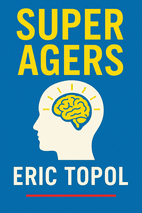
HealthRelated(41 books)

Business(57 books)

Business/Money(1 books)

Business/Entrepreneurship/Career/Success(1 books)

History(1 books)

Money/Finance(1 books)

Motivation/Entrepreneurship(1 books)

Lifestyle/Health/Career/Success(3 books)

Psychology/Health(1 books)

Career/Success/Communication(2 books)

Psychology/Other(1 books)

Career/Success/Self-Help(1 books)

Career/Success/Psychology(1 books)

0