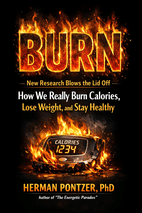
Herman Pontzer's Burn presents the constrained energy framework, debunking calorie myths by showing how our bodies tightly regulate total energy expenditure. It reframes weight management for health-conscious readers, shifting focus from exercise to diet quality.
Feature
Insta.Page
Blinkist
Shortform
Summary Depth
Full Chapter-by-Chapter
15-min overview
Detailed analysis
Audio Narration
✓ (AI narration)
✓
✓
Visual Mindmaps
✓
✕
✕
AI Q&A
✓ Voice AI
✕
✕
Quizzes
✓
✕
✕
PDF Downloads
✓
✕
✓
Price
$59.99/yr
$146/yr (PRO)
$199/yr
*Competitor data last verified February 2026.
About the Author
Herman Pontzer
Herman Pontzer is an evolutionary anthropologist and professor at Duke University known for his research on human metabolism and energetics. He is the author of the popular science book "Burn: New Research Blows the Lid Off How We Really Burn Calories, Stay Healthy, and Lose Weight," which challenges conventional wisdom about exercise and diet. His work often involves studying the metabolism of hunter-gatherer populations like the Hadza to understand human evolution and health.
1 Page Summary
In Burn, evolutionary biologist Herman Pontzer challenges the conventional wisdom around metabolism and weight management by presenting a new model he calls the "constrained energy framework." Drawing on his groundbreaking research with the Hadza hunter-gatherers in Tanzania, Pontzer demonstrates that daily energy expenditure is not a simple product of physical activity. Instead, the human body actively manages its total calorie burn, keeping it within a surprisingly narrow range regardless of lifestyle. This explains why increasing exercise often yields less weight loss than expected—the body compensates by reducing energy spent on other physiological processes.
The book is grounded in a rich historical and evolutionary context, tracing how our metabolism evolved to be remarkably efficient and stable. Pontzer argues that this system was forged over millions of years to survive in unpredictable environments, prioritizing essential functions like immune response and cellular repair. This evolutionary perspective reframes the modern obesity epidemic not as a personal failure of willpower, but as a mismatch between our ancient, thrifty physiology and today's calorie-dense, processed food environment. The real driver of weight gain, he contends, is primarily what we eat, not a lack of exercise.
Pontzer's work has a lasting impact by fundamentally shifting the scientific and public conversation about energy balance. By debunking the simplistic "calories in, calories out" model and highlighting the body's dynamic regulation, Burn provides a more nuanced understanding of human health. Its insights empower readers to focus on diet quality for weight control and to appreciate exercise primarily for its profound benefits to cardiovascular health, cognition, and longevity, rather than as a primary calorie-burning tool.
Chapter 1: Chapter 1: The Invisible Hand
Overview
Imagine waking up before dawn in the Tanzanian savanna to the guttural roars of a nearby lion pride—a visceral reminder that for the Hadza hunter-gatherers, life is a daily calculus of acquiring more energy from the environment than they burn. Their world frames energy not as an abstract concept but as the tangible currency of survival, secured through skill and sometimes great risk. This fundamental reality, which shaped humanity for over 99% of our history, stands in stark contrast to the modern world's deep confusion about how our metabolism actually works. We're plagued by misconceptions, from misleading food labels to the flawed "calories in, calories out" model, which treats the body as a simple machine rather than the dynamic, evolved system it truly is.
This quest for a clearer understanding led to a heretical hypothesis about mammalian metabolism. Skepticism about the old consensus—that all mammals burn energy at similar rates—was confirmed by groundbreaking research using a technique that measures total daily energy expenditure. Studies of orangutans revealed a shocking truth: these great apes burn calories at an exceptionally slow rate, an evolutionary adaptation to unpredictable food sources. This discovery unlocked a broader, staggering pattern: across the board, primates burn only half the calories of other similarly sized mammals. This profound metabolic slowdown explains the characteristically slow pace of life across the entire primate order.
Humans, however, break this mold. Contrary to the theory that we simply diverted energy from our guts to our brains, evidence shows we evolved a significantly faster daily metabolic rate than any other ape. This accelerated engine, combined with our greater capacity for fat storage, helped fuel our unique suite of costly traits: enormous brains, highly active lifestyles, and a distinctive life history. To explore how this powerful human metabolism operates, research turned to populations like the Hadza, seeking to understand its core evolutionary purpose for survival and reproduction.
Ultimately, this exploration reveals a dangerous modern mismatch. Our evolved physiology, designed for constant low-grade motion, now exists in a world of unprecedented comfort and convenience. This disconnect is the root cause of today's predominant health crises, from obesity and diabetes to heart disease. Solving them requires a fundamental shift: we must abandon simplistic models and understand our metabolism through an evolutionary lens, appreciating its intricate design to navigate the world we built.
The Hunter-Gatherer Reality
The author’s predawn awakening by a nearby lion pride in the Tanzanian savanna serves as a visceral introduction to the high-stakes reality of life with the Hadza hunter-gatherers. The initial romantic notion of “wild Africa” is quickly tempered by a jolt of primal fear, leading to a darkly humorous assessment of his odds of becoming a meal. This fear is ultimately soothed by trust in the Hadza’s profound competence within their environment.
The Hadza lifestyle is one of direct energy acquisition. With no agriculture or domesticated animals, they rely entirely on foraging and hunting using handcrafted tools. Their daily existence is governed by a fundamental equation: they must acquire more energy from their environment than they burn, or they will starve. This understanding is not academic but immediate and intuitive. A dramatic example occurs when Hadza men, hearing the same lions at night, track the pride and successfully steal their freshly killed kudu antelope, bringing the meat back to camp. This act underscores a core truth for the Hadza: energy is the essential currency of life, worth immense risk to obtain.
The author and his research team are there to study this exact principle—to measure daily energy expenditure in a population living a hunter-gatherer lifestyle, which was the human norm for over 99% of our history. Their presence is to collect data on metabolism in a context where energy dynamics are a matter of daily survival, not an abstraction.
The Fundamental Misconception
This direct, life-or-death understanding of energy contrasts sharply with the modern world’s confused and often erroneous view of metabolism. The text argues that energy expenditure is the invisible foundation of life, with the body’s 37 trillion cells collectively burning enough energy daily to boil eight gallons of ice water. Yet, despite its centrality to health and diseases like obesity and diabetes, metabolism is widely misunderstood.
Common misconceptions are highlighted: the standard “2,000 calorie” diet label is inaccurate for most adults; people (including most doctors) don’t know that fat lost through exercise is primarily exhaled as carbon dioxide. This ignorance is perpetuated by a lucrative industry of bad science and false promises about boosting metabolism.
The core error is a flawed model—the “armchair engineer’s view”—which simplistically sees the body as a passive engine: food in, exercise out, leftover fuel stored as fat. This model fails because human bodies are not engineered machines but evolved, dynamic systems. Evolution has crafted metabolisms that are adaptable and “crafty,” responding to changes in diet and activity in ways that can frustrate simple calorie-counting weight loss efforts. The book positions itself as a guide to this new, more nuanced science of metabolism, learned partly from studying populations like the Hadza.
Key Takeaways
For hunter-gatherers like the Hadza, energy is a tangible, daily currency of survival, acquired through skill and risk, framing life within a simple equation of acquisition versus expenditure.
Modern understanding of metabolism is plagued by widespread misinformation and an outdated, simplistic model of the body as a passive fuel-burning engine.
Human metabolism is actually a dynamic, evolved system that adapts actively to diet and activity, which explains why straightforward “calories in, calories out” strategies often fail.
Studying populations living traditional lifestyles provides crucial insights into human metabolic health and the roots of modern “diseases of civilization.”
A Heretical Hypothesis and a Lethargic Ape
The author’s skepticism about the long-held consensus—that all mammals share similar metabolic machinery—centered on a critical flaw: the reliance on Basal Metabolic Rate (BMR). BMR, measured at rest, captures only a fraction of daily energy use and is easily skewed by factors like stress or growth. The primate data underpinning the consensus often came from young, tractable animals, potentially inflating the numbers. This doubt coalesced around a sophisticated technique called the doubly labeled water method, which measures total daily energy expenditure. Pioneering work with this method in other species hinted that daily energy use varied widely and meaningfully across the mammal family tree.
A visit to the Great Ape Trust in Iowa presented an unexpected opportunity. Here, orangutans lived in enriching, ape-first facilities. The Trust’s director, Rob Shumaker, demonstrated an astonishing degree of cooperative communication with the apes, showing they could be asked to provide urine samples voluntarily. This made the safe, non-invasive doubly labeled water method a viable possibility for the first time in great apes.
Shocking Results from the Rain Forest Relatives
The data from the orangutans was unequivocal and startling. Their daily energy expenditure was remarkably low. A 250-pound male burned the same calories as a 65-pound human boy. Their metabolic engines ran at a pace that placed them in the bottom 1% of all placental mammals, alongside three-toed sloths and pandas. This wasn’t a captivity artifact; it was their evolved physiology.
This discovery acted as a key, unlocking a coherent explanation for orangutan biology. Their extremely slow life history—late maturity, incredibly long intervals between births—made sense in light of a slow metabolism. Living in Indonesian rain forests with unpredictable, scarce fruit supplies, a slow metabolism is an evolutionary adaptation to conserve energy and stave off starvation. The tragic trade-off, however, is that such a slow pace of life makes their populations exceptionally vulnerable and slow to recover from threats like habitat destruction.
The Primate Pattern: A Family-Wide Slowdown
Emboldened by the orangutan findings, the author launched a broader collaborative project across zoos, sanctuaries, and field sites to measure energy expenditure across the primate family tree. The collective results were staggering: primates burn only half the calories of other placental mammals of the same size. A human-sized typical mammal would burn over 5,000 calories a day—a rate comparable to an Olympic athlete in peak training. This profound metabolic slowdown, which began deep in primate evolutionary history some 60 million years ago, perfectly explains the hallmark slow life histories (extended growth, reproduction, and aging) seen across the entire primate order.
A puzzling detail emerged: while daily energy expenditures were drastically lower, primate BMRs were not noticeably different from other mammals. The author suggests this discrepancy may be due to primates’ large, energy-hungry brains consuming a bigger share of the baseline metabolic budget.
Re-examining Human Uniqueness: Trade-Offs or a Turbocharger?
This new understanding of primate metabolism forced a re-evaluation of human evolution. The prevailing "brains-for-guts" trade-off theory, championed by researchers like Aiello and Wheeler, argued that humans powered our big brains by diverting energy from smaller digestive systems, leaving total daily expenditure unchanged from other apes.
However, the author’s team saw a problem. Humans uniquely combine a suite of energetically expensive traits: huge brains, physically active lifestyles, slow growth, long lifespans, and faster reproduction than other apes. This suggested we didn’t just reallocate energy; we evolved to generate more of it. Comparing extensive new data from all great ape genera with humans confirmed this. Humans have the fastest metabolic engine of all, burning roughly 20-60% more daily calories than our ape cousins, after accounting for body size. Humans also carry substantially more body fat. These are evolved, species-level differences, not lifestyle artifacts.
Launching a New Metabolic Voyage
The discovery of a faster human metabolic rate, shaped by evolution, raised profound new questions. How does this engine operate across diverse human cultures and lifestyles? To find out, the author’s journey led them to live and work with the Hadza hunter-gatherers of Tanzania. This research promised to explore the ultimate purpose of our metabolism: not for fitness or leanness, but for survival and reproduction. This evolutionary legacy, which includes a propensity to store fat and appetites that once drove us to risk predation for food, now interacts problematically with our modern world of abundance, setting the stage for understanding today’s metabolic health crises.
Key Takeaways
The long-standing consensus that all mammals have similar metabolisms was flawed, based on limited BMR data.
Direct measurements revealed orangutans have extraordinarily low daily energy expenditure, an adaptation to food-scarce rain forests that also explains their slow life history and extinction vulnerability.
This finding expanded into a major discovery: all primates burn calories at about half the rate of other placental mammals.
Humans break the primate pattern, having evolved a significantly faster daily metabolic rate than any other ape.
This accelerated human metabolism, coupled with increased fat storage, helped fuel our unique suite of traits (big brains, active lifestyles, unique life history) and sets the stage for investigating metabolism across human cultures.
The Modern Mismatch and the Path Forward
The chapter’s final segment paints a stark picture of the profound mismatch between our evolved physiology and our engineered modern environment. Our bodies, forged by evolution to be in constant, low-grade motion, now exist in a world of supreme comfort and convenience. The text powerfully compares sedentary humans to “French fries under a heat lamp”—passively absorbing stimulation without active engagement. This disconnect isn't benign; it's the root cause of a cascade of modern plagues, from obesity and diabetes to heart disease and cognitive decline, all fundamentally linked to how we manage (or mismanage) energy.
The passage argues that reversing this tide requires a fundamental shift in perspective. We must abandon the simplistic, mechanical view of the body as a mere calorie-burning machine. Salvation lies not in another fad diet but in embracing a Darwinian perspective—understanding that our metabolism is not a flaw but a finely tuned, evolved system. To manage it effectively, we must first understand its original purpose and design. This sets the stage for the rest of the book, which promises to delve into the intricate gears of our metabolic engine, exploring how its moving parts—energy expenditure, exercise, and diet—are deeply and complexly interrelated.
Key Takeaways
Our sedentary, convenience-driven modern lifestyle creates a direct conflict with our bodies' evolved need for constant activity.
The major non-communicable diseases of our time (obesity, diabetes, heart disease, etc.) are direct consequences of this energy expenditure mismatch.
Effective solutions require moving beyond a simplistic "calories in, calories out" model to understand metabolism through an evolutionary lens.
True management of health demands a deep exploration of how our metabolic systems actually work, not how we wish they worked.
Key concepts: Chapter 1: The Invisible Hand
1. Chapter 1: The Invisible Hand
The Hunter-Gatherer Reality
Life for the Hadza is a daily calculus of acquiring more energy from the environment than they burn
Energy is the tangible currency of survival, secured through skill and sometimes great risk
This direct energy acquisition lifestyle was the human norm for over 99% of our history
Hunter-gatherers understand energy as an immediate, intuitive necessity rather than an abstract concept
The Fundamental Misconception
Modern society has deep confusion about how metabolism actually works
The 'calories in, calories out' model treats the body as a simple machine rather than a dynamic, evolved system
Common misconceptions include inaccurate food labels and misunderstanding how fat is lost through exercise
A lucrative industry perpetuates bad science and false promises about boosting metabolism
Primate Metabolic Discovery
Groundbreaking research revealed primates burn only half the calories of other similarly sized mammals
Orangutans burn calories at an exceptionally slow rate as an adaptation to unpredictable food sources
This profound metabolic slowdown explains the characteristically slow pace of life across the entire primate order
Total daily energy expenditure measurement techniques challenged old consensus about mammalian metabolism
Human Metabolic Exception
Humans evolved a significantly faster daily metabolic rate than any other ape
This accelerated engine combined with greater fat storage capacity fueled unique costly traits
Human metabolism supports enormous brains, highly active lifestyles, and distinctive life history
Contrary to earlier theories, humans didn't simply divert energy from guts to brains
The Modern Mismatch
Our evolved physiology is designed for constant low-grade motion but exists in a world of comfort and convenience
This disconnect is the root cause of today's predominant health crises (obesity, diabetes, heart disease)
Solving modern health problems requires understanding metabolism through an evolutionary lens
We must abandon simplistic models and appreciate metabolism's intricate design for the world we evolved in
Challenging the Metabolic Consensus
The author questioned the consensus that all mammals share similar metabolic machinery, identifying flaws in relying on Basal Metabolic Rate (BMR) measurements.
BMR captures only a fraction of daily energy use and can be skewed by factors like stress, growth, or the use of young, tractable animals in studies.
The doubly labeled water method, which measures total daily energy expenditure, hinted that energy use varied meaningfully across mammals.
Orangutans: A Metabolic Revelation
Orangutans at the Great Ape Trust were found to have remarkably low daily energy expenditure, comparable to a 65-pound human boy despite their large size.
Their metabolic rate placed them in the bottom 1% of placental mammals, an evolved adaptation to scarce, unpredictable fruit supplies in their rainforest habitat.
This slow metabolism explains their extremely slow life history (late maturity, long birth intervals) but makes populations vulnerable to threats like habitat destruction.
The Primate Metabolic Slowdown
A broader study revealed primates burn only half the calories of other placental mammals of the same size.
This profound metabolic slowdown began deep in primate evolutionary history (around 60 million years ago) and explains the order's hallmark slow life histories.
A puzzling detail: while daily expenditure is low, primate BMRs are not noticeably different, possibly due to their large brains consuming a bigger share of the baseline budget.
Re-evaluating Human Evolution and Metabolism
The discovery forced a re-evaluation of the 'brains-for-guts' trade-off theory, which argued humans powered big brains by diverting energy from digestion without increasing total expenditure.
Humans uniquely combine energetically expensive traits: huge brains, high activity, slow growth, long lifespans, and faster reproduction than other apes.
Data confirmed humans have the fastest metabolic engine among great apes, burning 20-60% more daily calories (size-adjusted) and carrying more body fat as evolved, species-level traits.
Launching a New Metabolic Inquiry
The discovery raised new questions about how the human metabolic engine operates across diverse cultures and lifestyles.
To explore these questions, the author's journey led to working with the Hadza hunter-gatherers of Tanzania.
This research aims to understand metabolism's ultimate purpose—survival and reproduction—and how this evolutionary legacy interacts problematically with modern abundance.
The Primate Metabolic Anomaly
Traditional consensus about uniform mammalian metabolism was flawed due to limited data.
Orangutans exhibit extremely low daily energy expenditure as an adaptation to food-scarce rainforests.
All primates burn calories at approximately half the rate of other placental mammals.
Humans uniquely break this primate pattern with a significantly faster daily metabolic rate.
Human Metabolic Evolution
Humans evolved a faster metabolic rate compared to other apes.
This accelerated metabolism was coupled with increased fat storage capabilities.
The enhanced energy system fueled unique human traits like large brains and active lifestyles.
This metabolic shift supports our distinctive life history patterns.
The Physiology-Environment Mismatch
Modern engineered environment conflicts with our evolved physiology designed for constant motion.
Sedentary lifestyles are compared to 'French fries under a heat lamp'—passive energy absorption.
This disconnect creates a fundamental energy expenditure imbalance.
The mismatch is the root cause of modern non-communicable disease epidemics.
Consequences of Metabolic Mismatch
Obesity, diabetes, and heart disease stem from energy management failures.
Cognitive decline is linked to mismanaged energy expenditure.
Modern plagues are fundamentally connected to how we process and use energy.
The problems extend beyond weight to overall systemic health deterioration.
Evolutionary Perspective on Metabolism
Must abandon simplistic 'calories in, calories out' mechanical models.
Metabolism should be understood as a finely tuned, evolved system rather than a flaw.
Effective health management requires understanding metabolism's original evolutionary purpose.
Solutions must be grounded in how metabolic systems actually work, not idealized models.
Path Forward for Metabolic Health
Requires fundamental shift from fad diets to evolutionary understanding.
Must explore the intricate interrelationships between energy expenditure, exercise, and diet.
True health management demands deep investigation of metabolic mechanisms.
Sets stage for examining metabolism across diverse human cultures and contexts.
Scroll to load interactive mindmap
If you like this summary, you probably also like these summaries...
💡 Try clicking the AI chat button to ask questions about this book!
Chapter 2: Chapter 2: What Is Metabolism Anyway?
Overview
This chapter begins with a revealing moment in Hadzaland, where a hunter's question about radios exposes how much of our knowledge is built on unexamined jargon. It becomes a launching point for building a genuine, intuitive grasp of metabolism, which is simply the sum of all the microscopic work your cells do—transporting and transforming molecules to keep you alive. All this work requires energy, measured in the calories on food labels, and your metabolic rate is just the speed at which your 37 trillion cells spend that energy.
This incredible system is a marvel of evolutionary engineering, a walking collaboration between human cells and ancient, symbiotic mitochondria with their own DNA, plus a vast gut microbiome essential for digestion. In fact, you literally are what you eat: every molecule in your body is assembled from your diet. That journey starts with the three macronutrients. Carbohydrates, from sugars and starches, are broken into simple sugars like glucose, with their glycemic index determining how fast they spike blood sugar. Fiber slows this absorption and feeds your microbiome. Glucose is either burned for immediate energy or stored as glycogen in limited reserves; any persistent excess is converted into fat.
Fats face a logistical challenge since they don't mix with water, so the body uses bile to emulsify them and the lymphatic system to transport them as triglycerides for storage in fat cells or for energy. Proteins are primarily building blocks, broken into amino acids—including nine essential ones from diet—to construct tissues and molecules; only after those needs are met are excesses burned for energy.
All these paths converge on the universal energy currency, ATP. Whether from carbs, fats, or proteins, fuel molecules are processed through glycolysis, the Krebs cycle, and oxidative phosphorylation in the mitochondria, harnessing oxygen to produce massive amounts of ATP. This reveals a key flexibility: the body can convert excess sugar into fat, and under low-carb conditions, it burns fat and produces ketones.
A fundamental truth emerges: the body doesn't see "good" or "bad" nutrients. Any calorie consumed in excess—from any source—is stored as fat. Understanding this requires a shift in perspective about nature itself, which isn't a benevolent force but a competitive struggle for energy, as illustrated by the Hadza's view of predators. Even plants are part of this amoral game; through photosynthesis, they originally polluted Earth with toxic oxygen, causing a mass extinction. The unlikely savior was bacterial symbiosis, where one bacterium learned to weaponize oxygen via oxidative phosphorylation and was engulfed to become the mitochondrion, an event that powered the evolution of all complex animal life. Thus, from humans to cockroaches, we all share the same core metabolic machinery, a testament to life's relentless, ingenious drive to capture and use energy.
A Question of Radio Waves
The chapter opens with an anthropologist in Hadzaland, Tanzania, stumped by a simple question from Hadza hunters: “How does music get inside the radio?” This seemingly basic query exposes the complex, often unexamined knowledge we take for granted. Attempting to explain radio waves with his limited Swahili and their lack of formal scientific context, the author realizes he doesn’t truly understand the concept himself—he only knows the jargon. A Hadza hunter provides a more intuitive analogy by plucking his bowstring, comparing the invisible travel of sound to that of radio signals. This experience becomes a metaphor for the chapter’s mission: to strip away empty jargon and build a genuine, intuitive understanding of metabolism.
Metabolism Defined: The Work of Life
Metabolism is broadly defined as the sum of all the work performed by the body’s cells. This work primarily involves two actions: transporting molecules across cell membranes and transforming one type of molecule into another. Our bodies are dynamic systems where thousands of molecules—enzymes, hormones, DNA—constantly interact. Cells import nutrients from the bloodstream, use them as fuel or construction material, assemble new products (like hormones), and export those products for use elsewhere. This endless, microscopic activity is what we call metabolism.
The Currency of Work: Energy
All metabolic work requires energy, and in physics, work and energy are two sides of the same coin, measured in the same units. Whether it’s the kinetic energy of a thrown ball or the heat from a microwave, energy consumed always equals the work done plus the heat produced. Energy can also be stored, such as the chemical energy in molecular bonds, which is released when those bonds break.
In nutrition, we measure this energy in calories, though this term is commonly misused. Scientifically, one calorie is a tiny unit. The "Calories" on a food label are actually kilocalories (1,000 calories). This linguistic confusion stems from a historical decision by American nutritionist Wilbur Atwater. Since a body’s total energy expenditure is precisely equal to the sum of all its cellular work, the terms "metabolism" and "energy expenditure" can be used interchangeably. Metabolic rate is simply the speed of this expenditure—the total energy used by all 37 trillion cells per minute.
A Marvel of Evolutionary Engineering
The sophisticated metabolic system we inherit is the product of billions of years of evolution. Life solved extraordinary chemical challenges: mixing oils with water, harnessing toxic oxygen for energy, and carefully burning energy-dense fats and sugars without catastrophic explosions. Astonishingly, much of this work is powered by mitochondria—ancient, symbiotic organisms living inside our cells with their own DNA. Furthermore, a vast ecosystem of gut bacteria, the microbiome, is essential for digesting our food. We are, in essence, walking collaborations between human and non-human cells.
"You Are What You Eat" Is Literal Truth
The chapter debunks the antiquated idea of spontaneous generation (life arising from non-life) only to replace it with a more astounding reality: living organisms are spontaneous generation machines. Every molecule in your body is assembled from the food, water, and air you consume. As the chapter puts it, we are all "reformatted" versions of our diets. This sets the stage for tracing the journey of a meal.
The Raw Materials: Macronutrients
The process begins with the three macronutrients in our food: carbohydrates, fats, and proteins. These are the raw materials for building and powering the body. Using the analogy of a hot slice of pepperoni pizza, the text introduces a "subway map" for metabolism, where each macronutrient follows a pathway with three major stops: Digest, Build, and Burn.
The Carbohydrate Pathway
Carbohydrates, typically our main source of calories, come in three forms: sugars, starches, and fiber. Sugars (like glucose and fructose) are small molecules; starches are long chains of sugar molecules (primarily glucose). Fiber, which feeds our gut microbiome, is handled differently.
Digest: Digestion starts in the mouth with the enzyme amylase in saliva, which begins breaking starches apart. After passing through the stomach, most digestion occurs in the small intestine, where pancreatic and intestinal enzymes break all carbohydrates down into their basic monosaccharide units: glucose, fructose, and galactose. About 80% of dietary carbs end up as glucose, which enters the bloodstream, causing a rise in blood sugar.
Genetic Influence: The production of specific digestive enzymes, like lactase for digesting milk sugar, is controlled by your genes. Their absence, as in lactose intolerance, dictates how food is processed.
Next Stops: Once absorbed, these simple sugars travel to the Build phase (e.g., stored as glycogen in liver and muscle) or the Burn phase (used for immediate energy).
Carbohydrates: From Spikes to Storage
The fate of carbohydrates hinges largely on their form. Simple sugars from foods like white bread or soda rush into the bloodstream, causing a sharp spike in blood sugar—a high glycemic index. In contrast, complex carbohydrates with fiber, like whole fruits, are digested slowly, resulting in a low glycemic index and a more gradual energy release. Dietary fiber is crucial here; it forms a lattice-like filter in the intestines that slows sugar absorption and serves as the primary food source for the gut microbiome. This internal ecosystem of trillions of bacteria is a four-pound superorganism essential for digestion, immune function, and overall health.
Once absorbed, blood sugar has two immediate destinations: it can be burned for energy or stored. The hormone insulin facilitates glucose entry into cells for burning. Surplus glucose is packed into glycogen, a bulky, water-heavy storage form kept in the liver and muscles. These glycogen stores have a strict capacity limit. Once they are full, any excess blood sugar is converted into fat, a much more energy-dense and limitless storage system.
The Complex Journey of Fats
Fat digestion is a logistical challenge because fats are hydrophobic and don't mix with water-based bodily fluids. The solution is bile, a green juice produced by the liver and stored in the gall bladder. Bile acts as a detergent, emulsifying large fat globules into tiny droplets. Pancreatic enzymes called lipases then break these down further into microscopic micelles, releasing individual fatty acids and glycerides for absorption.
Inside the intestinal wall, these components are reassembled into triglycerides. To travel in the watery bloodstream without forming dangerous clumps, they are packaged into spherical containers called chylomicrons. These are too large for blood capillaries, so they enter the body via the lymphatic system. Specialized intestinal lymph vessels called lacteals collect the chylomicrons and eventually dump them into the bloodstream near the heart. Enzymes in blood vessel walls then break the triglycerides apart again so the fatty acids can be taken up by cells for immediate use or, more commonly, for storage in fat cells (adipocytes) and muscle tissue. A small portion of dietary fats, particularly essential fatty acids like omega-3s, are used to build critical structures like cell membranes and nerve coatings.
Proteins: Builders First, Fuel Last
Proteins are primarily building materials, not a main fuel source. Digestion begins in the stomach with pepsin and continues in the small intestine, breaking proteins down into their basic building blocks: amino acids. Of the hundreds that exist, only twenty-one are used to build human proteins, nine of which are "essential" and must come from our diet.
Absorbed amino acids are used to construct new proteins for muscles and tissues, guided by our DNA. They also create important molecules like hormones and neurotransmitters. As these tissues and molecules break down daily, they are recycled back into amino acids. The liver plays a key role in disposing of the nitrogen-containing "head" of the amino acid, which is converted into toxic ammonia and then to urea for safe excretion in urine. We lose about two ounces of protein this way daily, which must be replaced through diet. Only after these construction and recycling needs are met are excess amino acids stripped of their nitrogen and their carbon "tails" burned for energy or converted into glucose, a minor but vital part of our energy budget.
The Universal Currency: ATP and Energy Production
All macronutrients ultimately feed into pathways that generate adenosine triphosphate (ATP), the universal energy currency of the cell. Each ATP molecule acts like a rechargeable battery, cycling between a charged (ATP) and discharged (ADP) state thousands of times per day.
Carbohydrate Metabolism: Burning a glucose molecule is a two-stage process. First, anaerobic glycolysis breaks glucose into pyruvate, yielding a small net gain of ATP quickly—this powers short, intense efforts. If oxygen is insufficient, pyruvate converts to lactate (lactic acid). With ample oxygen, aerobic metabolism takes over: pyruvate enters the mitochondria, is converted to acetyl CoA, and enters the Krebs cycle. This cycle strips away electrons, which are shuttled to the electron transport chain. Here, a beautiful choreography called oxidative phosphorylation uses the flow of electrons and hydrogen ions to produce the bulk of ATP. The original carbon and oxygen atoms from glucose are exhaled as CO₂, while the hydrogens form water.
Fat Metabolism: Fats follow the same aerobic pathway. Triglycerides are broken into fatty acids and glycerol, which are converted into acetyl CoA. This acetyl CoA feeds directly into the Krebs cycle and electron transport chain for massive ATP production. When carbohydrate intake is extremely low (as in ketogenic diets), the liver converts some acetyl CoA into ketones, which can travel in the blood to fuel organs like the brain. Excess dietary carbohydrates can also be converted into acetyl CoA and, if energy needs are low, be shunted into fat synthesis—the metabolic pathway runs both ways.
Key Takeaways
Carbohydrate Quality Matters: High-fiber, complex carbs lead to a slower, more stable release of blood sugar and nourish the critical gut microbiome, while simple sugars cause sharp spikes.
Storage is Hierarchical: The body first uses carbs for immediate energy, then tops off limited glycogen stores. Any persistent excess is efficiently converted and stored as body fat.
Fat Digestion is a Masterclass in Logistics: The body uses bile to emulsify fats and the lymphatic system to transport them, ultimately storing triglycerides in fat cells as a high-density energy reserve.
Proteins are for Building: Their primary role is constructing and repairing tissues; they are only a minor energy source, and excess intake is simply converted to urea and excreted.
All Paths Lead to ATP: Whether from carbs, fats, or proteins, the energy in food is ultimately harnessed to recharge ATP molecules through the coordinated processes of glycolysis, the Krebs cycle, and oxidative phosphorylation in the mitochondria.
Metabolic Pathways are Bidirectional: The body can convert excess sugar into fat for storage, and under low-carb conditions, it can burn fat and produce ketones for fuel, demonstrating the flexibility of our metabolic "transit system."
The Myth of "Good" and "Bad" Nutrients
The chapter establishes a fundamental, unromantic truth about energy balance: the body doesn't discriminate between "good" and "bad" calories. Any calorie consumed in excess of what is burned—whether from starch, sugar, fat, or protein—will be stored. For most people not actively building tissue (through pregnancy or muscle growth), that storage is fat. This basic principle is the necessary foundation for any real discussion of diet and metabolic health, which will be explored in later chapters.
Life is Not a Disney Movie
This understanding requires a profound shift in perspective about the natural world. The narrative illustrates this through an anecdote of watching a nature documentary with the Hadza people. While a Western viewer mourns a baby elephant killed by lions, the Hadza cheer for the predators. Their lived experience reveals nature not as a harmonious, benevolent force, but as a competitive and amoral ecosystem where every organism, from plants to animals, is engaged in a struggle for survival. There is no inherent "good" or "bad," only strategies for eating and avoiding being eaten.
The Original Polluters: Photosynthetic Plants
This competitive, survival-driven reality applies even to plants. The chapter reframes the story of life on Earth, revealing plants as the planet's original and most prolific polluters. Around 2.3 billion years ago, cyanobacteria evolved oxygenic photosynthesis, a process that uses sunlight to convert water and carbon dioxide into glucose, releasing oxygen as a toxic waste product. This oxygen was catastrophically destructive to the anaerobic life that dominated the early Earth, causing a mass extinction event known as the Great Oxygen Catastrophe. Oxygen, while essential for life like ours, is fundamentally a corrosive, electron-stealing molecule.
The Unlikely Savior: Bacterial Symbiosis
In the incomprehensible scale of evolutionary time and bacterial population numbers, improbable solutions emerge. As oxygen filled the world, some bacteria evolved a way to not just tolerate the poison, but to weaponize it: oxidative phosphorylation. This process uses oxygen to violently break apart glucose molecules, releasing far more stored energy than anaerobic methods.
The next evolutionary leap was even more unlikely. One of these oxygen-using bacteria was swallowed by a larger host cell but, instead of being digested, it survived inside. This endosymbiotic event created a powerhouse partnership. The internal bacterium—the progenitor of the mitochondrion—became a dedicated energy generator, allowing its host cell to outcompete all others. This theory, championed by Lynn Margulis, is now established fact; our mitochondria retain their own bacterial DNA, and our entire respiratory system exists to service them.
The Engine of Animal Life
Oxidative phosphorylation is the high-performance engine that made complex animal life possible. Oxygen's electron-stealing nature is precisely what makes it the perfect final ingredient in the mitochondrial electron transport chain, a process that generates vast amounts of ATP and produces water as a byproduct. At this most fundamental level, the metabolism of a human, a cockroach, and a cow operates on identical biochemical principles.
Key Takeaways
There are no metabolically "innocent" calories. All excess energy intake, regardless of source, is stored as fat.
Nature is not benevolent. Understanding metabolism and evolution requires abandoning romantic notions of nature. Life is a competitive struggle for energy, driven by amoral, evolutionary self-interest.
Our metabolic power is a gift from ancient bacteria. The mitochondria in every one of our cells are descended from symbiotic bacteria that learned to harness poisonous oxygen, an innovation that enabled the explosive evolution of complex animal life.
A universal framework. All animals share the same core metabolic machinery (glycolysis, the Krebs cycle, oxidative phosphorylation), which evolution has then tweaked and specialized over billions of years to create today's staggering biological diversity.
Key concepts: Chapter 2: What Is Metabolism Anyway?
2. Chapter 2: What Is Metabolism Anyway?
The Core Analogy: Beyond Jargon
The Hadza hunter's question about radios reveals our reliance on unexamined scientific jargon.
True understanding requires building an intuitive, non-technical grasp of complex concepts.
The chapter's mission is to strip away empty terminology and explain metabolism from first principles.
Metabolism Defined
Metabolism is the sum of all microscopic work performed by the body's 37 trillion cells.
Cellular work involves two main actions: transporting molecules and transforming molecules.
It is a dynamic, constant process of importing, using, assembling, and exporting molecules to sustain life.
Energy: The Currency of Metabolism
All metabolic work requires energy, measured in calories (kilocalories on food labels).
The body's total energy expenditure equals the sum of all cellular work; metabolism and energy expenditure are interchangeable.
Metabolic rate is the speed at which the body's cells spend energy.
The Metabolic System: A Collaborative Engine
Human metabolism is a marvel of evolutionary engineering involving human cells, mitochondria, and the gut microbiome.
Mitochondria are ancient symbiotic organelles with their own DNA, essential for energy production.
The gut microbiome is a vast community of microbes crucial for digestion and overall metabolic function.
You Are What You Eat: The Journey of Macronutrients
Every molecule in your body is assembled from dietary components.
The three macronutrients—carbohydrates, fats, and proteins—follow distinct metabolic pathways that ultimately converge.
Carbohydrate Metabolism
Carbohydrates (sugars, starches) are broken into simple sugars like glucose.
The glycemic index measures how quickly a food spikes blood sugar; fiber slows absorption and feeds the microbiome.
Glucose is either burned for immediate energy, stored as glycogen, or converted to fat if in persistent excess.
Fat Metabolism
Fats are insoluble in water, requiring bile for emulsification and the lymphatic system for transport.
They are transported as triglycerides for storage in fat cells or for energy use.
The body can efficiently convert excess dietary carbohydrates into fat for storage.
Protein Metabolism
Proteins are primarily building blocks, broken into amino acids.
Nine essential amino acids must come from the diet.
Excess amino acids are only burned for energy after the body's construction and repair needs are met.
The Universal Energy Pathway
ATP is the universal energy currency for all cellular work.
Fuel from carbs, fats, and proteins is processed through glycolysis, the Krebs cycle, and oxidative phosphorylation in mitochondria.
Oxidative phosphorylation uses oxygen to produce the vast majority of ATP, revealing metabolic flexibility (e.g., ketone production during low-carb conditions).
A Fundamental Truth About Calories and Storage
The body does not categorize nutrients as 'good' or 'bad'.
Any calorie consumed in excess—regardless of source—is stored as body fat.
This reflects a biological reality, not a moral judgment.
The Evolutionary Context: Nature's Amoral Struggle
Metabolism exists within nature's framework, which is a competitive struggle for energy, not a benevolent force.
Photosynthesis originally polluted Earth with toxic oxygen, causing a mass extinction.
The evolution of complex life was powered by symbiosis: a bacterium that weaponized oxygen via oxidative phosphorylation was engulfed, becoming the mitochondrion.
This shared core metabolic machinery unites all complex life, from humans to cockroaches.
The Evolutionary Foundation of Metabolism
Metabolism is the product of billions of years of evolution solving chemical challenges like mixing oils with water and harnessing toxic oxygen.
Mitochondria are ancient symbiotic organisms with their own DNA that power much of our metabolic work.
The gut microbiome, a vast ecosystem of bacteria, is essential for digestion, making humans a collaboration of human and non-human cells.
The Literal Truth of 'You Are What You Eat'
Living organisms are 'spontaneous generation machines' that assemble all body molecules from food, water, and air.
Every molecule in the body is a reformatted version of dietary intake, debunking antiquated ideas of spontaneous generation from non-life.
This concept sets the stage for tracing the metabolic journey of a meal from consumption to utilization.
Macronutrients as Metabolic Raw Materials
Carbohydrates, fats, and proteins are the three macronutrients that serve as raw materials for building and powering the body.
The metabolic pathway for each macronutrient follows a three-stage 'subway map': Digest, Build, and Burn.
Foods like pizza contain all three macronutrients, each entering distinct metabolic pathways for processing.
Carbohydrate Digestion and Absorption
Carbohydrates come in three forms: sugars (glucose, fructose), starches (glucose chains), and fiber (feeds microbiome).
Digestion begins with salivary amylase in the mouth and completes in the small intestine where enzymes break carbs into monosaccharides.
About 80% of dietary carbohydrates end up as glucose, entering the bloodstream and raising blood sugar levels.
Genetic Influence on Carbohydrate Processing
Production of digestive enzymes like lactase is genetically controlled, affecting food processing capabilities.
Lactose intolerance results from absence of lactase enzyme, dictating how milk sugar is metabolized.
Genetic variations determine individual differences in carbohydrate digestion efficiency and metabolic responses.
Carbohydrate Fate: Glycemic Response and Storage
Simple sugars cause sharp blood sugar spikes (high glycemic index), while fiber-rich complex carbs provide gradual release (low glycemic index).
Dietary fiber forms an intestinal filter that slows sugar absorption and serves as primary food for the gut microbiome.
Blood sugar is either burned immediately for energy or stored as glycogen in liver and muscles, with excess converted to fat.
Fat Digestion: A Hydrophobic Challenge
Fat digestion requires special mechanisms because fats are hydrophobic and don't mix with water-based bodily fluids.
Bile from the liver emulsifies fat globules into droplets, allowing pancreatic lipases to break them into fatty acids and glycerides.
Reassembled triglycerides are packaged into chylomicrons for transport through the lymphatic system before entering bloodstream.
Fat Transport and Utilization
Chylomicrons travel via lymphatic system to avoid clogging blood capillaries, entering bloodstream near the heart.
Enzymes in blood vessel walls break triglycerides apart for cellular uptake and storage in adipocytes and muscle tissue.
Essential fatty acids like omega-3s are used to build critical structures including cell membranes and nerve coatings.
Protein Digestion and Amino Acid Utilization
Proteins serve primarily as building materials rather than main fuel source, with digestion beginning in stomach with pepsin.
Proteins are broken into amino acids in small intestine, with only 21 used to build human proteins.
Nine 'essential' amino acids must come from diet as the body cannot synthesize them internally.
Protein Metabolism and Nitrogen Disposal
Amino acids are primarily used for constructing proteins, hormones, and neurotransmitters, guided by DNA.
The liver detoxifies the nitrogen 'head' of amino acids by converting it to ammonia and then urea for urinary excretion.
Only after construction and recycling needs are met are excess amino acids stripped of nitrogen and their carbon skeletons used for energy.
Daily protein loss through nitrogen excretion must be replaced by dietary intake.
ATP: The Universal Energy Currency
ATP acts as a rechargeable cellular battery, cycling between charged (ATP) and discharged (ADP) states.
All macronutrients ultimately feed into pathways that generate ATP to power cellular functions.
The majority of ATP is produced through oxidative phosphorylation in the mitochondria via the electron transport chain.
Carbohydrate Metabolism Pathways
Anaerobic glycolysis breaks glucose into pyruvate for quick, small ATP gains, powering short, intense efforts.
With sufficient oxygen, pyruvate enters mitochondria for aerobic metabolism via the Krebs cycle and electron transport chain.
The final products of complete glucose oxidation are carbon dioxide (exhaled) and water.
Fat Metabolism and Metabolic Flexibility
Fats are broken into fatty acids and glycerol, converted to acetyl CoA, and fed into the Krebs cycle for high-yield ATP production.
During low carbohydrate intake, the liver converts acetyl CoA into ketones to fuel organs like the brain.
Excess dietary carbohydrates can be converted into acetyl CoA and shunted into fat synthesis when energy needs are low.
Core Metabolic Principles
The body prioritizes macronutrients: carbs for immediate energy, proteins for building, and fats for dense energy storage.
Metabolic pathways are bidirectional, allowing conversion between fuel types (e.g., sugar to fat, fat to ketones).
The body does not discriminate between 'good' and 'bad' calories—any calorie consumed in excess of expenditure will be stored as fat.
The Amoral Reality of Nature
Nature operates as a competitive, survival-driven ecosystem without inherent moral categories of 'good' or 'bad'.
Every organism is engaged in strategies for consuming resources and avoiding being consumed.
Human perspectives on nature (e.g., mourning prey) often conflict with survival-based realities observed by hunter-gatherer societies.
Plants as Original Polluters
Oxygenic photosynthesis, evolved by cyanobacteria, releases oxygen as a toxic waste product.
This oxygen caused the Great Oxygen Catastrophe, a mass extinction of anaerobic life on early Earth.
Oxygen, while essential for aerobic life, is fundamentally a corrosive and electron-stealing molecule.
The Evolutionary Leap of Oxidative Phosphorylation
Bacteria evolved to weaponize oxygen through oxidative phosphorylation, releasing far more energy than anaerobic methods.
This process uses oxygen's electron-stealing nature to violently break apart glucose molecules.
Oxidative phosphorylation emerged as an improbable solution to Earth's oxygen-rich environment.
Endosymbiosis and the Origin of Mitochondria
A symbiotic event occurred where an oxygen-using bacterium was swallowed but not digested by a larger host cell.
This internal bacterium became the mitochondrion, creating a powerhouse partnership.
Mitochondria retain their own bacterial DNA as evidence of this evolutionary origin.
Our entire respiratory system exists to service these bacterial descendants.
The Universal Metabolic Engine
Oxidative phosphorylation is the high-performance engine that made complex animal life possible.
The mitochondrial electron transport chain uses oxygen as the final ingredient to generate vast ATP.
All animals share identical biochemical principles at this fundamental metabolic level.
The metabolism of humans, insects, and mammals operates on the same core machinery.
Fundamental Metabolic Principles
There are no metabolically 'innocent' calories—all excess energy intake is stored as fat.
Life is a competitive struggle for energy driven by amoral evolutionary self-interest.
Our metabolic power originates from ancient bacterial symbionts that learned to harness oxygen.
Evolution has tweaked and specialized universal metabolic frameworks to create biological diversity.
Scroll to load interactive mindmap
⚡ You're 2 chapters in and clearly committed to learning
Why stop now? Finish this book today and explore our entire library. Try it free for 7 days.
Chapter 3: Chapter 3: What Is This Going to Cost Me?
Overview
The story of energy expenditure begins with a quirky field station and a lifelong fascination with measuring life's costs, from treadmill-running dogs to the daily treks of Hadza hunter-gatherers. This pursuit is rooted in a fundamental truth: in the "economics of life," calories are the currency, and evolution is the accountant. To understand what our movement costs, we first explore the science behind it, tracing a path from the flawed phlogiston theory to the foundational work of Lavoisier, who proved that animal respiration is a form of combustion. This history established indirect calorimetry as the cornerstone of measuring energy use, the very principle behind the calorie counts on treadmills and in databases like the Compendium of Physical Activity.
Armed with this science, we can calculate the price tags of our actions. A simple formula—0.36 times your weight in pounds—reveals the calories burned walking a mile, a figure that remains the same for both a Hadza hunter and a weekend hiker. Running a mile, at about 0.69 calories per pound, costs nearly double, but with a crucial twist: our "gas mileage" for running is constant regardless of speed. You burn roughly the same calories per mile whether you sprint or jog; you just spend them faster. This differs from walking, cycling, or swimming, where speed dramatically increases cost per mile due to mechanics and drag. Surprisingly, getting fitter or tweaking your technique offers only minimal savings in energy efficiency; for the average person, losing a pound of body weight is a more effective way to reduce the cost of travel.
These numbers often come as a shock, putting our efforts in stark perspective. Walking five miles—roughly 10,000 steps—burns about the same calories as a bottle of soda. Offsetting a donut requires running 3.5 miles. The monumental effort of a marathon burns approximately 2,690 calories, yet this pales next to the background hum of existence: our basal metabolic rate (BMR). This is the energy burned simply to stay alive, accounting for about 60% of daily use and driven largely by the hidden work of our organs. While muscle, skin, and fat are large but quiet, the liver and brain are metabolic powerhouses, each burning around 300 calories a day just at rest. Life outside a lab adds further costs, from thermoregulation in the cold to the enormous, growth-stunting energy drain of constant immune function, as seen in populations facing high infection rates.
The ultimate energy investments, however, are growth and reproduction. Building a pound of new tissue costs about 2,200 kcal, while the total metabolic price of a pregnancy is a staggering 80,000 kcal. Nursing a baby costs a mother around 500 kcal per day. These aren't just expenses but evolutionary investments, linking an organism's metabolic rate to its entire life history—its pace of growth, reproduction, and aging. This relationship is quantified by Kleiber's law, which shows how metabolic rate scales with body size across species, setting a framework for the "pace of life." A striking correlation also exists between metabolic rate and lifespan, with species having slower per-cell metabolisms tending to live longer, an idea linked to the free radical theory of aging.
For decades, measuring a person's total daily energy expenditure (TDEE) accurately was nearly impossible, relying on flawed methods like the factorial method or unreliable dietary surveys. A breakthrough came with physiologist Nathan Lifson and the doubly labeled water method, a technique that tracks isotope loss to measure energy burn in free-living subjects. Initially too expensive for human use, technological advances in the 1980s slashed its cost, allowing Dale Schoeller to conduct the first human studies just as the obesity epidemic demanded better data. This method sparked a revolution, revealing that daily burn is driven primarily by body size and composition, not activity alone. Lean tissue is metabolically expensive; fat tissue is not. This creates a curved scaling law where smaller people burn more calories per pound than larger people.
The most profound revelation from decades of this data is the substantial individual variation that exists. Even after accounting for size and sex, one person's actual daily expenditure can easily be 300 calories more or less than another's of identical build. The idea of inherently "fast" or "slow" metabolisms is real. This new understanding—that daily energy expenditure is a complex, dynamic system, not a simple sum of parts—overturned old assumptions and set the stage for deeper questions about why we burn what we burn and what that means for our lives.
The Harvard Field Station and a Metabolic Obsession
The narrative opens at a remote Harvard field station, a blend of pastoral farm and eccentric laboratory where emus, wallabies, and instrument-wearing goats coexist. It was here, during his PhD, that the author began his deep immersion into measuring energy expenditure, starting with a pit bull named Oscar on a treadmill, a makeshift mask fashioned from a soda bottle smeared with hot dogs. This initial curiosity blossomed into a career-long pursuit, leading to projects measuring the costs of locomotion in chimpanzees, humans with restrained arms, and, significantly, the daily activities of Hadza hunter-gatherers in Tanzania.
This fixation is framed not as mere eccentricity but as a pursuit of fundamental biological currency. In the "economics of life," calories are the money, and evolution is the ruthless accountant. Organisms that allocate energy inefficiently leave fewer offspring, so tracking calories reveals how a species' physiology and behavior have been honed by natural selection.
A Brief History of Metabolic Science
The science of understanding these costs has a long history, beginning with fundamental misconceptions. In the 1600s, the prevailing "phlogiston" theory incorrectly explained combustion and respiration. The pivotal shift came in the late 1700s with the work of Joseph Priestley, who discovered oxygen, and Antoine Lavoisier, who named it. Lavoisier, with Pierre-Simon Laplace, conducted a clever experiment with a guinea pig in an ice-packed bucket, proving that animal respiration is a form of combustion—a foundational insight cut short by Lavoisier's execution during the French Revolution.
This established the two main methods for measuring energy expenditure: direct calorimetry (measuring heat produced) and indirect calorimetry (measuring oxygen consumed and carbon dioxide produced). The latter, being more practical, became the standard. While modern techniques still use this principle, the author notes important caveats: the body requires a few minutes to reach a "steady state," short bursts of anaerobic activity are hard to measure, and the fuel mix (carbs, fats, proteins) slightly alters the calculations. These meticulously gathered measurements underpin the calorie estimates on all fitness equipment and in resources like the Compendium of Physical Activity, which catalogs the Metabolic Equivalent (MET) costs of hundreds of specific activities.
Calculating the Costs of Movement
The chapter then transitions to practical equations derived from this science, using the author's fieldwork with the Hadza as a starting point. Despite a lifetime of walking extraordinary distances, the Hadza burn energy at the same rate per mile as anyone else. The text provides simple formulas for the net cost (above resting) of various activities, where cost is a function of body weight:
Walking: 0.36 x Weight (lbs) = kcal burned per mile.
Running: 0.69 x Weight (lbs) = kcal per mile.
Swimming: 1.98 x Weight (lbs) = kcal per mile (nearly three times the cost of running).
Cycling: 0.11 x Weight (lbs) = kcal per mile (at 15 mph).
Climbing: 0.0025 x Weight (lbs) = kcal per foot of elevation gain (making it the most expensive form of human travel per distance).
A key, counterintuitive point is clarified: while moving faster burns calories at a higher rate (kcal per hour), the total cost per distance (kcal per mile) for running remains roughly constant regardless of speed. Therefore, running a mile fast burns roughly the same total calories as jogging it slowly—you just expend them in a shorter, more intense burst.
Energy Costs of Locomotion and Speed
Our "gas mileage" for running remains constant regardless of speed—you burn the same calories per mile whether you jog or sprint. This isn't the case for walking, cycling, or swimming, where speed dramatically affects energy cost per mile. Walking has an energetically optimal pace around 2.5 mph, burning about 50 kcal per mile for a 150-pound person. Faster walking increases cost due to the up-and-down mechanics of our gait, and beyond 5 mph, it becomes more efficient to run. Cycling and swimming costs rise with speed because of fluid drag; in swimming, a small speed increase can spike energy use by 40%, while in cycling, drag becomes significant above 10 mph, with costs escalating quickly, especially against headwinds.
Training and Technique Effects
Surprisingly, training and technique have only modest impacts on energy efficiency. Studies on elite athletes show mixed results, with any improvements typically small—around 1 to 4%. For the average person, this is negligible. Technique variations, like arm positioning in running or different swimming strokes, yield minimal changes in calories burned. Even advanced equipment, such as high-tech running shoes, might save only about 4% per mile, equivalent to one M&M for a 150-pound runner. A more effective way to reduce energy cost per mile is to lose weight, as cost scales directly with body mass.
Putting Energy Expenditure in Perspective
Physical activity often burns fewer calories than we imagine. For a 150-pound adult, walking five miles (about 10,000 steps) burns roughly 250 kcal—similar to a bottle of soda. Climbing a flight of stairs uses less than 4 kcal, and running 3.5 miles is needed to offset a chocolate glazed donut. More extreme efforts, like a marathon (≈2,690 kcal) or an Ironman triathlon (≈8,000 kcal), represent substantial energy outputs, but daily activities pale in comparison to food intake. For instance, a Hadza woman walking five miles daily burns about 63,000 kcal yearly, yet this is still less than the energy required to build a baby.
Basal Metabolic Rate: The Background Energy
Beyond activity, our bodies burn energy simply to stay alive—this is basal metabolic rate (BMR), measured under strict resting conditions. BMR accounts for about 60% of daily energy use and varies by age, sex, and body composition. Equations estimate BMR based on weight: for infants, it's steep (27 x weight - 30), while for adults, women use BMR = 5 x weight + 607, and men use BMR = 7 x weight + 551. These are ballpark figures; individual variation is common, influenced by lean muscle mass versus fat, as muscle burns more energy at rest.
Organ-Specific Energy Expenditures
Our organs contribute unevenly to BMR, revealing a hidden metabolic hierarchy:
Muscle, Skin, Fat, and Bone: Large but quiet. Muscle makes up 42% of weight but only 16% of BMR, while fat burns about 2 kcal per pound daily.
Heart and Lungs: The heart, a diligent pump, costs about 2 calories per beat, totaling 8 kcal per hour at rest. Lungs burn roughly 80 kcal daily.
Kidneys: These tiny powerhouses, weighing half a pound, burn about 140 kcal daily filtering blood and managing waste.
Liver: A metabolic maestro, the 3.5-pound liver burns around 300 kcal daily, handling glucose storage, detoxification, and more.
Gastrointestinal Tract: On an empty stomach, it burns 12 kcal per hour; digestion adds 250-300 kcal daily, partly due to gut bacteria.
Brain: Matching the liver, the brain consumes about 300 kcal daily, with childhood development peaking at over 60% of BMR. Thinking is cheap, but learning is energetically expensive due to neural rewiring.
Factors Beyond BMR: Thermoregulation and Immune Function
Life isn't spent at rest; additional energy is devoted to staying alive in challenging environments.
Thermoregulation: Humans maintain a narrow body temperature range. In cold conditions, shivering or brown fat activation can boost metabolic rate by 25% or more. Clothing and fat insulation help shift our comfort zone, but extreme cold can triple resting energy use.
Immune Function: Fighting infections is energetically costly. Even mild illnesses raise BMR by about 8%, and in populations like the Tsimane of Bolivia, where infections are rampant, BMRs are 250-350 kcal higher daily due to constant immune activity. This burden can impact growth in children, highlighting the hidden tax of living in a pathogen-rich world.
The High Cost of Fighting Infection
The text details how high rates of infection in populations like the Shuar directly impact growth. Shuar children have basal metabolic rates (BMRs) about 20% higher than their Western counterparts, burning an extra 200 kcal per day. This energy is diverted to fuel the immune system's production of antibodies and other defensive molecules. Children with more markers of immune activity in their blood grow slower, illustrating a direct trade-off. This energetic cost of constant immune defense is presented as a key reason for the shorter average stature observed in many indigenous populations.
The Energy Investment of Growth and Reproduction
Building new human tissue is an expensive metabolic process. The energy content of a pound of newly added tissue—a mix of about 75% lean tissue and 25% fat—is roughly 1,500 kcal. Adding the energy required for the biochemical work of assembly brings the total cost of growth to about 2,200 kcal per pound. The type of tissue matters: adding fat is more costly per gram than adding muscle.
For mothers, the costs scale dramatically. Growing a baby itself requires about 17,000 kcal, but the total cost of a healthy pregnancy, including the mother's own added tissue and the metabolic cost of sustaining it all, is approximately 80,000 kcal. Nursing is even more expensive, costing a mother about 500 kcal per day, or roughly 180,000 kcal per year for exclusive breastfeeding.
Metabolism as the Engine of Life History
These caloric expenditures for growth and reproduction are not mere costs but evolutionary investments. The fundamental "game of life" is to convert energy into successful offspring. This perspective reveals a deep link between an organism's metabolic rate and its life history—the pace of growth, reproduction, and aging.
The evolution of turbocharged metabolisms in birds and mammals (compared to reptiles) was driven by the reproductive advantage of channeling more energy into faster growth and greater reproductive output. However, a slower strategy can also win; primates, for example, evolved a slower metabolism, which reduced short-term output but stretched out lifespan, improving lifetime reproductive success.
Kleiber's Law and the Pace of Life
This relationship is quantified by Kleiber's law, which shows that metabolic rate increases with body size across species, but not in a 1:1 ratio. The exponent is around 0.75, meaning smaller animals burn far more energy per pound than larger animals. A mouse cell works ten times harder than a caribou cell.
Crucially, rates of growth and reproduction follow similar curves. Small animals grow faster and produce far more offspring relative to their body size than large animals. A mouse may produce offspring equivalent to 500% of its body weight in a year, while a caribou produces about 6%. Metabolic rate seems to set the broad framework for this pace of life.
Metabolism and the Mystery of Lifespan
A striking pattern emerges between metabolism and longevity: species with slower per-cell metabolic rates tend to live longer. Early theories, like Max Rubner's "rate of living" theory, proposed cells have a fixed lifetime energy budget. A more nuanced explanation is the free radical theory of aging, which posits that toxic byproducts (free radicals) from energy production in mitochondria cause cumulative cellular damage. A higher metabolic rate could mean faster damage accumulation.
While exceptions exist (e.g., some high-metabolism birds live long lives), the broad correlation holds. Notably, because heart rate scales with metabolism, the total number of heartbeats in a lifetime is remarkably consistent across species—from shrews to whales, it averages around one billion heartbeats.
The Challenge of Measuring Total Daily Energy Expenditure
Despite knowing the costs of individual functions, calculating a person's total daily energy expenditure (TDEE) has proven devilishly difficult. The long-standing factorial method estimates TDEE by calculating BMR and then adding the estimated costs of daily activities using Physical Activity Ratios (PARs). While it gives a ballpark figure, it rests on the flawed assumption that daily expenditure is a simple sum of independent parts.
An even less reliable method is using dietary recall surveys, as people are notoriously bad at accurately reporting their food intake, typically underreporting by a large margin. The famous "2,000-calorie diet" standard on U.S. food labels originated from such survey data.
The narrative then introduces Nathan Lifson, a physiologist at the University of Minnesota, who in the 1950s began pioneering a radically different and more accurate method for measuring TDEE. His approach ingeniously leveraged the fact that the body is a dynamic pool of water, with constant inflow and outflow.
The Cost Breakthrough and Human Application
While Nathan Lifson's doubly labeled water method was scientifically elegant, its initial prohibitive cost—over $250,000 in modern terms for a single human study—confined its use for decades to small animals in the wild. The method's potential for human research remained locked away until the 1980s, when advancements in isotope production and measurement slashed the cost to a mere 1% of its original price. This coincided with the dawn of the global obesity epidemic, creating a pressing need for accurate field measurements of energy expenditure.
Dale Schoeller, encountering Lifson's work, recognized the moment was right. He adapted and published the first human doubly labeled water study in 1982, sparking a revolution. This new field quickly revealed that many long-held assumptions about human energy expenditure were incorrect. Lifson, though semiretired by then, lived to see his method gain widespread recognition and receive prestigious awards.
The Real Determinants of Daily Burn
Armed with decades of data from thousands of people worldwide, a clear picture of daily energy expenditure emerged. The primary drivers are not primarily activity levels or thyroid function, but the size and composition of your body.
Body Size: Larger bodies contain more cells, and more cells doing metabolic work burn more total calories. The relationship follows a curved, diminishing return pattern similar to Kleiber's law across species.
Body Composition: This is critical. Lean tissue (muscles and organs) is metabolically expensive, while fat tissue burns far fewer calories. Since women, on average, carry a higher proportion of body fat than men of the same weight, they tend to have a lower daily energy expenditure.
The provided equations and charts (Figure 3.4) allow for estimating an individual's daily burn based on weight and sex. For example, a 140-pound woman averages about 2,300 kcal/day, while a 160-pound man averages about 3,000 kcal/day.
The Profound Impact of Scale and Variation
The curved relationship between size and expenditure has a major implication: smaller people inherently burn more calories per pound than larger people. A young child may burn 35 kcal per pound each day, while an adult stabilizes around 15 kcal per pound. Comparing metabolism by simply dividing total expenditure by weight creates a misleading picture of difference; a better approach is to see where an individual falls relative to the expected trend line on the chart.
This leads to the "dirty little secret" revealed by the data: even after accounting for body size and gender, there is tremendous individual variation. It is common for a person's actual daily expenditure to deviate from the expected value by 300 kcal or more. The idea of "fast" and "slow" metabolisms is very real. Online calculators provide a rough average, but they cannot capture this substantial natural variability.
A New Metabolic Understanding
The doubly labeled water method delivered a paradigm shift. Daily energy expenditure is not a simple, additive grocery bill of physical activity, organ function, and digestion. Instead, these components interact in dynamic, complex ways. The established science, while foundational, could not explain the incredible metabolic diversity observed in real human populations. This sets the stage for the new era of discovery, prompting the fundamental questions that the rest of the book will explore: Why do we burn what we burn? Why do metabolic rates vary so much? And what does this mean for our health?
Key Takeaways
The Doubly Labeled Water Revolution: Technological advances in the 1980s made Lifson's method affordable for human studies, unlocking the ability to accurately measure daily energy expenditure during normal, free-living life and overturning many previous assumptions.
Size and Composition are King: Your total daily energy expenditure is primarily determined by your overall body size and your proportion of lean versus fat tissue, not by activity alone. Larger bodies burn more total calories, but lean tissue is far more metabolically active than fat.
Substantial Individual Variation Exists: Even after accounting for body size and sex, there is significant natural variation in metabolic rate between individuals. The concept of inherently "fast" or "slow" metabolisms is supported by data, meaning standard calculators provide only a rough estimate.
Key concepts: Chapter 3: What Is This Going to Cost Me?
3. Chapter 3: What Is This Going to Cost Me?
The Science of Measuring Energy Expenditure
Indirect calorimetry is the cornerstone method for measuring energy use, tracing back to Lavoisier's proof that animal respiration is combustion.
The flawed phlogiston theory was replaced by modern understanding of metabolism as a form of internal combustion.
The Compendium of Physical Activity and modern exercise equipment use these principles to calculate calorie costs.
The Cost of Human Movement
Walking a mile costs 0.36 calories per pound of body weight, a constant figure across different populations.
Running a mile costs about 0.69 calories per pound, with constant 'gas mileage' regardless of speed.
Unlike running, walking, cycling, and swimming see increased cost per mile with speed due to mechanics and drag.
Fitness and technique offer minimal efficiency gains; losing body weight is more effective for reducing movement costs.
The Background Costs of Existence
Basal Metabolic Rate (BMR) accounts for about 60% of daily energy use, driven by organ function.
The liver and brain are metabolic powerhouses, each burning ~300 calories daily at rest.
Thermoregulation and constant immune function add significant energy costs outside laboratory conditions.
Major Energy Investments: Growth and Reproduction
Building a pound of new tissue costs approximately 2,200 kcal.
Total metabolic cost of pregnancy is about 80,000 kcal.
Nursing a baby costs a mother around 500 kcal per day.
These are evolutionary investments linked to an organism's life history strategy.
Metabolic Scaling and Life History
Kleiber's law describes how metabolic rate scales with body size across species.
A correlation exists between metabolic rate and lifespan, with slower per-cell metabolism linked to longer life.
The free radical theory of aging connects metabolic rate to cellular damage and longevity.
The Revolution in Measuring Daily Energy Burn
Traditional methods like the factorial method and dietary surveys were flawed and unreliable.
The doubly labeled water method, pioneered by Nathan Lifson and advanced by Dale Schoeller, revolutionized measurement of total daily energy expenditure (TDEE).
This method revealed that daily burn is driven primarily by body size and composition, not just activity.
Lean tissue is metabolically expensive while fat tissue is not, creating a curved scaling law.
Individual Variation in Metabolism
Substantial individual variation exists—up to 300 calories difference between people of identical build.
The concept of inherently 'fast' or 'slow' metabolisms is scientifically valid.
Daily energy expenditure is a complex, dynamic system rather than a simple sum of parts.
Historical Foundations of Energy Cost Science
The 1600s phlogiston theory incorrectly explained combustion and respiration.
Joseph Priestley discovered oxygen and Antoine Lavoisier named it in the late 1700s.
Lavoisier and Laplace's guinea pig experiment proved animal respiration is a form of combustion.
This work established direct calorimetry (measuring heat) and indirect calorimetry (measuring gas exchange) as core methods.
Practical Measurement and Modern Applications
Indirect calorimetry became the standard practical method for measuring energy expenditure.
Important caveats include the body's need for a steady state and difficulty measuring anaerobic bursts.
These measurements underpin calorie estimates on fitness equipment and the Compendium of Physical Activity.
The Compendium catalogs Metabolic Equivalent (MET) costs for hundreds of specific activities.
Net Energy Cost Formulas for Common Activities
Walking costs 0.36 x Weight (lbs) in kcal per mile.
Running costs 0.69 x Weight (lbs) in kcal per mile.
Swimming costs 1.98 x Weight (lbs) in kcal per mile—nearly three times running's cost.
Cycling costs 0.11 x Weight (lbs) in kcal per mile at 15 mph.
Climbing costs 0.0025 x Weight (lbs) in kcal per foot of elevation gain.
The Speed-Distance Paradox in Running
Running's energy cost per mile remains roughly constant regardless of speed.
Moving faster burns calories at a higher rate (kcal/hour) but not a higher total per distance.
Running a mile fast burns roughly the same total calories as jogging it slowly.
Variable Energy Costs Across Locomotion Types
Walking has an energetically optimal pace around 2.5 mph.
Beyond 5 mph, it becomes more efficient to run than to walk.
Cycling and swimming costs rise with speed due to fluid drag.
In swimming, a small speed increase can spike energy use by 40%.
Limited Impact of Training and Technique
Training and technique yield only modest efficiency gains, typically 1-4%.
For the average person, these improvements are negligible in calorie terms.
Advanced equipment like high-tech running shoes might save only about 4% per mile.
Losing weight is a more effective way to reduce energy cost per mile.
The Modest Caloric Impact of Daily Activity
Walking five miles (≈10,000 steps) burns roughly 250 kcal for a 150-pound adult.
Climbing a flight of stairs uses less than 4 kcal.
Running 3.5 miles is needed to offset a chocolate glazed donut.
A Hadza woman's yearly walking energy (63,000 kcal) is less than the energy to build a baby.
Basal Metabolic Rate: The Foundation of Energy Use
BMR is the energy burned simply to stay alive under strict resting conditions.
It accounts for about 60% of daily energy expenditure.
BMR varies by age, sex, and body composition, with muscle burning more at rest than fat.
Equations provide ballpark estimates: for adult women, BMR = 5 x weight + 607; for men, BMR = 7 x weight + 551.
Organ-Specific Energy Expenditures
Organs contribute unevenly to BMR, with the liver and brain each burning about 300 kcal daily as metabolic powerhouses.
The heart is a diligent pump costing about 2 calories per beat, while kidneys are tiny powerhouses burning 140 kcal daily.
The gastrointestinal tract's energy use increases from 12 kcal/hour at rest to 250-300 kcal daily during digestion.
Muscle, skin, fat, and bone are large but quiet tissues; fat burns only about 2 kcal per pound daily.
Childhood brain development is energetically expensive, peaking at over 60% of BMR due to neural rewiring.
Thermoregulation and Environmental Challenges
Maintaining body temperature in cold conditions through shivering or brown fat can boost metabolic rate by 25% or more.
Extreme cold can triple resting energy use, though clothing and fat insulation help shift human comfort zones.
Thermoregulation represents a significant energy cost for surviving in challenging environments beyond basal needs.
The Energetic Cost of Immune Function
Fighting infections raises BMR by about 8% for mild illnesses, with constant immune activity increasing daily expenditure by 250-350 kcal.
In populations like the Tsimane and Shuar, high infection rates lead to BMRs 20% higher than Western counterparts.
Children with more immune activity markers grow slower, showing a direct trade-off between immune defense and growth.
The energetic burden of pathogen defense explains shorter average stature in many indigenous populations.
Energy Investment in Growth and Reproduction
Growing one pound of new tissue costs approximately 2,200 kcal when including biochemical assembly work.
A healthy pregnancy requires about 80,000 kcal total, including 17,000 kcal for the baby itself and the mother's added tissue.
Nursing is extremely expensive, costing about 500 kcal daily or 180,000 kcal annually for exclusive breastfeeding.
Adding fat tissue is more energetically costly per gram than adding muscle tissue.
Metabolism as Evolutionary Investment Strategy
The fundamental 'game of life' is converting energy into successful offspring, making caloric expenditures evolutionary investments.
Turbocharged metabolisms in birds and mammals evolved to channel energy into faster growth and greater reproductive output.
Primates evolved slower metabolisms to stretch lifespan, improving lifetime reproductive success through different strategy.
Metabolic rate establishes a deep link to an organism's life history—the pace of growth, reproduction, and aging.
Kleiber's Law and Metabolic Scaling
Kleiber's law shows metabolic rate increases with body size with an exponent of 0.75, not 1:1.
Smaller animals burn far more energy per pound than larger animals; a mouse cell works ten times harder than a caribou cell.
Rates of growth and reproduction follow similar scaling curves to metabolic rate across species.
Metabolic rate sets the broad framework for the 'pace of life,' with small animals producing far more offspring relative to body size.
Metabolism and Longevity Patterns
Species with slower per-cell metabolic rates tend to live longer, supporting early 'rate of living' theories.
The free radical theory of aging posits that toxic byproducts from energy production cause cumulative cellular damage.
Total lifetime heartbeats average around one billion across species from shrews to whales, despite vast differences in lifespan.
Exceptions exist (like long-lived birds with high metabolisms), but the broad correlation between metabolism and aging holds.
The Limitations of Traditional TDEE Calculation Methods
The factorial method estimates TDEE by summing BMR and activity costs using Physical Activity Ratios (PARs), but assumes expenditure is a simple sum of independent parts.
Dietary recall surveys are unreliable due to significant underreporting of food intake by participants.
The widely cited '2,000-calorie diet' standard originated from flawed survey data, highlighting the inaccuracy of these methods.
Nathan Lifson's Pioneering Doubly Labeled Water Method
In the 1950s, Nathan Lifson developed a novel method to measure TDEE by tracking isotopes in the body's dynamic water pool.
The method was initially prohibitively expensive (over $250,000 per human study), limiting its use to small animal research for decades.
Lifson's approach provided a scientifically elegant and accurate way to measure energy expenditure in free-living conditions.
The Human Application and Cost Breakthrough
In the 1980s, advancements in isotope production and measurement reduced the cost of the doubly labeled water method to about 1% of its original price.
Dale Schoeller adapted and published the first human study using this method in 1982, coinciding with the emerging global obesity epidemic.
The affordability and timing of the method sparked a revolution in human energy expenditure research, overturning long-held assumptions.
Primary Determinants of Daily Energy Expenditure
Body size is the main driver: larger bodies contain more cells and thus burn more total calories, following a curved relationship similar to Kleiber's law.
Body composition is critical: lean tissue (muscles and organs) is metabolically expensive, while fat tissue burns far fewer calories.
Sex differences exist because women, on average, carry a higher proportion of body fat than men of the same weight, leading to lower daily expenditure.
The Impact of Scale and Individual Variation
Smaller people burn more calories per pound than larger people (e.g., a child may burn 35 kcal/lb/day vs. an adult's 15 kcal/lb/day).
Significant individual variation exists: even after accounting for body size and sex, daily expenditure can deviate by 300 kcal or more from the expected value.
The concept of 'fast' and 'slow' metabolisms is real, and online calculators cannot capture this substantial natural variability.
The Paradigm Shift in Metabolic Understanding
The doubly labeled water method revealed that daily energy expenditure is not a simple additive sum but involves dynamic, complex interactions between components.
Established science could not explain the metabolic diversity observed in real human populations.
This new understanding prompts fundamental questions about why metabolic rates vary and what this means for health, setting the stage for further exploration.
Scroll to load interactive mindmap
Chapter 4: Chapter 4: How Humans Evolved to Be the Nicest, Fittest, and Fattest Apes
Overview
Picture a hungover morning at the Dmanisi dig site in Georgia, a place where 1.8 million years of history are layered in the soil. This site marks the moment our ancestors first stepped out of Africa, and a fascinating discovery here—a skull belonging to a toothless, frail individual—posed a critical question: how did he survive? The compelling answer is sharing. This early act of cooperation, where others likely processed his food, reveals a behavior that would become the bedrock of the human story.
This story begins deep in our primate past, where our ancestors evolved a uniquely slow metabolism, burning far fewer calories than other mammals. This energy-efficient "slow life" strategy allowed for longer childhoods and learning, setting the stage for bigger brains. But the true leap came with the shift from plant-based diets to big-game hunting around 2.5 million years ago. Hunting alone is risky, however. What made it possible was a radical departure from ape behavior: the ironclad social contract of sharing. Unlike chimpanzees, humans foraged with the explicit intention of bringing surplus food home to give away, creating a community safety net.
This commitment to sharing ignited a Metabolic Revolution. The reliable calorie surplus it provided was like fuel for evolution, which began investing in metabolically expensive traits. Brain size tripled, and our bodies evolved for exceptional endurance—long legs, springy feet, superior sweating—to travel vast distances. These traits formed a powerful, virtuous cycle: more brainpower led to better hunting and social coordination; greater stamina opened new territories; and sharing ensured the whole group benefited. This package made us the smartest, fittest, and, critically, the friendliest apes within our own groups.
This reliance on sharing became biologically entrenched, shaping our very life cycle. Human infants are born helpless and require years of care, a huge energetic investment from the community. The payoff is super-productive adults who generate large food surpluses, which are then shared to support the young and caregivers. This system allowed human mothers to have children more frequently than self-reliant ape mothers. While other hominins like the Neanderthals were likely just as smart and creative, some scientists argue that Homo sapiens may have undergone self-domestication, favoring hyper-cooperation and reduced aggression within groups, which gave our communities a cohesive, "superorganism" advantage.
Yet, this profound evolutionary gift has a dark twin. The same instinct that bonds us to our in-group with fierce loyalty can fuel deep suspicion and hostility toward outsiders. Our history of tribalism, dehumanization, and atrocity stems from this hardwired drive to define "us" versus "them." Furthermore, our high-energy hunter-gatherer metabolism is now mismatched with modern sedentary life. Primed to store fat as a buffer against famine and to fuel high activity, our bodies in today's world of constant plenty and low exertion lead to epidemic obesity and metabolic disease. Our past made us uniquely cooperative and capable, but it also left us grappling with the challenges of tribalism and living in a world our bodies are not built for.
The author opens with a visceral, hungover morning at the Dmanisi dig site in Georgia, a place that layers millennia of human history. The annual pilgrimage here offered a break from his graduate studies in human energetics, though the connection between the site and his research on metabolism was not immediately apparent. Dmanisi’s significance lies in its age and location: at 1.8 million years old, it is the earliest hominin site outside of Africa, capturing the moment our ancestors first became a global species.
The Significance of Dmanisi
Unlike the classic African fossil sites, Dmanisi is a lush, green landscape in the Caucasus. Its geography—a promontory between two ancient rivers—created a perfect preservation environment. The site was formed by volcanic activity that dammed a river, creating a lake. Ashfalls from subsequent eruptions blanketed the area, burying the remains of animals and hominins in a protective layer. The first discovery was accidental, made in 1983 by archaeologists excavating a medieval city who found a rhino tooth. Systematic excavation later revealed stone tools and, in 1991, a hominin jawbone, but the site exploded onto the world stage in 2000 with the discovery of two complete skulls.
Life at the Dig
The author describes the site as extraordinarily rich. Unlike typical digs where finding a fossil fragment is a triumph, Dmanisi regularly yielded complete skulls of massive extinct animals and, critically, multiple hominin remains. The excavation was meticulous, conducted within a one-meter grid. The team’s excitement was palpable, celebrated with raucous traditional Georgian feasts fueled by copious amounts of wine, vodka, and chacha (a potent grape moonshine), leading to the author’s recurring, penitent hangovers.
A Toothless Mystery and a Key Adaptation
A pivotal discovery was a fourth skull, belonging to a male who had lost all his teeth years before death, as evidenced by healed bone over the sockets. This raised a profound question: in a harsh Pleistocene environment, how did a toothless, frail individual survive? The author posits that the answer is a foundational human behavior: sharing. This hominin likely depended on others to process and provide food, an act of cooperation that revolutionized our lineage by buffering against individual frailty and enabling new dietary strategies.
Our Primate Metabolic Heritage
To understand the evolution that led to Homo erectus at Dmanisi, the narrative steps back to our deep primate roots. After the dinosaur extinction, early primates evolved alongside flowering plants, developing a taste for sugary fruits. Crucially, the author’s own research (referenced from Chapter 1) shows that primates, from the very beginning, evolved a slower metabolism—burning about half the calories of other mammals. This "slow life" strategy allowed for extended growth, longer learning periods, and greater resilience through bad seasons, setting the stage for larger brains and complex sociality.
The Hominin Lineage Emerges
The ape lineage flourished for millions of years before drastically declining. Around seven million years ago in Africa, the hominin line split from the lineage that would lead to chimpanzees and bonobos. The earliest hominins (like Ardipithecus) were chimpanzee-sized, brainy apes that walked on two legs. From four to two million years ago, the genus Australopithecus (including the famous "Lucy") became more terrestrial, with feet and pelves better suited for walking, slightly larger brains, and much larger, thicker teeth for chewing tough vegetation. Some even made rudimentary stone tools. Yet, they remained largely confined to specific African habitats. The fundamental leap—the one captured at Dmanisi—was still to come.
The Dietary Revolution: From Plants to Big Game
The chapter establishes that early hominins like Ardipithecus and Australopithecus were likely vegetarians with ape-like metabolisms, traveling only short distances each day. A significant shift occurred around 2.5 million years ago with the dawn of hunting and gathering. This wasn't about occasional small game; hominins began systematically targeting large animals like zebras. The widespread appearance of stone tools and butchered animal bones signals that meat became a staple, marking the emergence of our genus, Homo.
Human the Sharer: The Foundation of Cooperation
The narrative then pivots to a core, transformative behavior: sharing. Observations of the Hadza people reveal a culture where sharing is the fundamental, unspoken rule of social life, so ingrained that common "magic words" like "please" and "thank you" are often unnecessary. This stands in stark contrast to other apes. While chimpanzees or bonobos may reluctantly share scraps, adult ape life is largely one of "dietary solitude." They rarely share, as there is no guaranteed return on foraging for a surplus.
Human foraging, however, is intrinsically social and cooperative. We routinely bring home more than we need with the explicit intention of giving it away. This creates a community safety net, which in turn allows for risk-taking and specialization. Some individuals can pursue high-risk, high-reward hunting, while others provide dependable gathered foods. The entire, flexible strategy of hunting and gathering is made possible by the ironclad contract of sharing.
The Metabolic Revolution: Energy for Evolution
This shift to cooperative foraging ignited what the author terms the Metabolic Revolution. Sharing meant more total calories were reliably available to the group. This surplus energy could then be invested in other biological priorities. Evolution, acting as a ruthless accountant, began favoring traits that leveraged this new energetic abundance for greater reproductive success.
The fossil record shows the first clear sign of this revolution in increased brain size. Brains are metabolically expensive, and the fact that early Homo invested extra calories in them indicates cognitive prowess was critically valuable. Physical activity levels also soared, as hunting large game requires traveling great distances—modern hunter-gatherers like the Hadza walk far more than any ape. Sharing, intelligence, and stamina formed a powerful, synergistic package.
A Virtuous Cycle of Evolution
These traits fueled a positive feedback loop that shaped human evolution. More brainpower led to better foraging strategies and social coordination. Greater endurance allowed for exploiting larger territories. Sharing ensured the group benefited from these advances. This created an evolutionary arms race where the smartest, fittest, and friendliest individuals tended to be the most successful.
We can track the explosion in cognitive complexity through the fossil and archaeological record: tripling brain size, increasingly sophisticated tools from simple cobbles to hand axes and blades, the control of fire, and eventually art and trade networks. While harder to trace directly in fossils, our exceptional endurance physiology—long legs, springy foot arches, superior sweating—and our profound instinct to share were honed over millions of years, making us the "nicest, fittest" apes. The evidence of butchered large game at ancient sites like Dmanisi confirms that this sharing-based metabolic strategy was established at the very roots of our genus.
Evidence of an Ancient Sharing Economy
The chapter presents compelling clues that the commitment to sharing, which likely sparked the Homo genus, became deeply entrenched over time. Sophisticated toolmaking and big-game hunting by 400,000 years ago point to a possible division of labor, a system that can only function with a robust, reliable sharing network within a community.
Our unique life history offers another powerful testament to this reliance on sharing. Human infants are born exceptionally helpless, with massive brains that demand years of care and feeding from others. This extended childhood is an energetic investment. Children in societies like the Hadza don’t become net food producers until their late teens. The payoff, however, is immense: super-productive adults who can generate a large surplus of kilocalories. This surplus fuels our high-energy metabolism and, crucially, is shared to support children, mothers, and caregivers. This shared energetic burden allows human mothers to have children more frequently than self-reliant ape mothers, solving the "human life history paradox."
The Metabolic Revolution and Our Hominin Cousins
This pattern of big brains, long childhoods, and high productivity was likely established well before Homo sapiens, as seen in species like Homo heidelbergensis. Their hunter-gatherer lifestyle implies they had already evolved the accelerated metabolic rate characteristic of humans today. Yet, the story of human evolution is not one of inevitable progress. Other hominins like Homo erectus and Homo naledi remind us that evolution has no momentum or end goal; they maintained modest brain sizes for hundreds of thousands of years because their local environments did not favor further change.
Our encounter with other sophisticated species like the Neanderthals and Denisovans—with whom we even interbred—highlights that we were not uniquely special in intelligence or creativity. The mystery of why we persisted while they went extinct may not be due to superior brains. One compelling theory is that Homo sapiens underwent a process of "self-domestication," where natural selection favored friendliness, cooperation, and reduced aggression within groups. This hyper-sociality may have made our communities more cohesive "superorganisms," giving us a critical advantage as we spread across the globe.
The Dark Side of Hyper-Sociality
This profound evolutionary gift for cooperation and sharing within our group has a sinister counterpart: a deep-seated suspicion and hostility toward outsiders. Our survival historically depended on knowing who was in our "tribe" and sharing resources accordingly. This instinct now manifests in our powerful drive to belong and our tendency to divide the world into "us" and "them," whether along lines of sports teams, politics, ethnicity, or religion. This capacity to dehumanize the out-group underlies history's greatest atrocities, from genocide to slavery. The central moral argument of our time, therefore, is expanding our definition of "us" to include all of humanity.
The Modern Metabolic Mismatch
The other major downside of our evolved strategy is our susceptibility to "diseases of civilization." Our hunter-gatherer metabolism, honed for high activity and buffered against famine by fat storage, is ill-suited to modern, sedentary environments. Unlike apes in zoos, who use extra calories to build lean muscle, humans are evolutionarily primed to store excess energy as fat. In a world of constant plenty and minimal physical exertion, this leads to epidemic levels of obesity, type 2 diabetes, and heart disease. Our bodies literally require the high daily activity levels of our ancestral past to function properly; without it, we become sick in ways other apes do not.
Key Takeaways
The human commitment to sharing enabled the division of labor, our uniquely long and dependent childhood, and our high-productivity adult metabolism, allowing us to reproduce faster than other apes.
Evolution is not progressive; other hominin species thrived for millennia without developing our particular suite of traits. Our survival over species like Neanderthals may be due to hyper-cooperation ("self-domestication") rather than superior intelligence.
Our evolved in-group sociality has a dark side, fueling tribalism, dehumanization of outsiders, and history's great atrocities. Overcoming this instinct is a central moral challenge.
Our high-energy metabolism, adapted for an active hunter-gatherer lifestyle, is mismatched with modern sedentary environments, making us uniquely prone to obesity and metabolic diseases when physical activity is low.
Key concepts: Chapter 4: How Humans Evolved to Be the Nicest, Fittest, and Fattest Apes
4. Chapter 4: How Humans Evolved to Be the Nicest, Fittest, and Fattest Apes
The Dmanisi Discovery & Human Origins
Dmanisi is the earliest hominin site outside Africa (1.8 million years old), marking humanity's first global expansion.
The site's unique geology—volcanic ash over a lake—created exceptional fossil preservation.
A key find was a toothless hominin skull, posing the survival question answered by sharing.
The discovery connects physical anthropology to the study of human metabolism and social evolution.
The Evolutionary Foundation: Slow Metabolism & Energy Efficiency
Early human ancestors evolved a uniquely slow metabolism, burning fewer calories than other mammals.
This 'slow life' strategy enabled extended childhoods and learning periods.
Energy efficiency set the stage for the development of larger, more metabolically expensive brains.
The Hunting & Sharing Revolution
A dietary shift to big-game hunting around 2.5 million years ago provided high-quality calories.
Hunting's success depended on a radical social contract: the intentional sharing of surplus food.
Unlike chimpanzees, humans foraged with the explicit goal of bringing food home to give away.
Sharing created a community safety net, allowing survival of vulnerable individuals (like the toothless Dmanisi hominin).
The Metabolic Revolution & Its Virtuous Cycle
Reliable calorie surplus from sharing acted as evolutionary fuel for costly traits.
Brain size tripled, supported by the energy surplus.
Bodies evolved for exceptional endurance (long legs, springy feet, superior sweating) to traverse vast distances.
A feedback loop emerged: better brains improved hunting/social coordination; greater stamina opened new territories; sharing distributed the benefits.
The Human Life Cycle & Hyper-Cooperation
Helpless human infants require years of communal care, a massive energetic investment.
Super-productive adults generate food surpluses that are shared to support the young and caregivers.
This system allowed human mothers to have children more frequently than self-reliant ape mothers.
Homo sapiens may have undergone 'self-domestication,' favoring hyper-cooperation and reduced aggression within groups, creating a cohesive 'superorganism.'
The Evolutionary Legacy: Dual Edges of Adaptation
The same instincts for in-group loyalty and cooperation fuel tribalism, suspicion, and hostility toward outsiders.
Our hunter-gatherer metabolism, primed to store fat and fuel high activity, is mismatched with modern sedentary life and constant plenty.
This mismatch leads to epidemic obesity and metabolic disease.
Our evolutionary past made us uniquely capable and cooperative but also left us grappling with tribalism and bodies ill-suited for contemporary environments.
Our Primate Metabolic Heritage
Primates evolved a slower metabolism, burning about half the calories of other mammals.
This 'slow life' strategy enabled extended growth, longer learning periods, and resilience through seasonal scarcity.
The metabolic foundation set the stage for the evolution of larger brains and complex social structures.
The Hominin Lineage Emerges
The hominin line split from the chimpanzee/bonobo lineage around seven million years ago.
Early hominins like Ardipithecus and Australopithecus were chimpanzee-sized, bipedal, and had slightly larger brains.
Australopithecus adapted to terrestrial life with specialized feet, pelves, and large teeth for tough vegetation.
Despite some tool use, they remained ecologically confined, awaiting a fundamental evolutionary leap.
The Dietary Revolution: From Plants to Big Game
A major shift occurred around 2.5 million years ago with the systematic hunting of large animals.
The appearance of stone tools and butchered animal bones marks meat becoming a dietary staple.
This dietary revolution signals the emergence of our genus, Homo.
Human the Sharer: The Foundation of Cooperation
Human social life is fundamentally built on ingrained, unspoken sharing, unlike the 'dietary solitude' of other apes.
Foraging is intrinsically cooperative; humans routinely bring home surplus with the explicit intent to share.
Sharing creates a community safety net, enabling risk-taking, specialization, and the flexible hunting-and-gathering strategy.
The Metabolic Revolution: Energy for Evolution
Cooperative foraging and sharing created a reliable caloric surplus for the group.
This surplus energy was invested in metabolically expensive traits, primarily increased brain size.
Physical activity levels soared, as hunting large game required traveling great distances.
Sharing, intelligence, and stamina formed a synergistic evolutionary package.
A Virtuous Cycle of Evolution
Brainpower, endurance, and sharing created a positive feedback loop driving human evolution.
This led to an evolutionary arms race favoring the smartest, fittest, and friendliest individuals.
The cycle is evidenced by tripling brain size, sophisticated tools, control of fire, and specialized endurance physiology.
The strategy was established at the roots of our genus, as seen at ancient sites like Dmanisi.
Evidence of an Ancient Sharing Economy
Sophisticated toolmaking and big-game hunting by 400,000 years ago suggest a possible division of labor.
Such a complex system could only function with a robust and reliable sharing network within the community.
The commitment to sharing became deeply entrenched over time, shaping long-term social and economic structures.
The Human Life History Paradox and Sharing
Human infants are born exceptionally helpless with massive brains requiring years of care and feeding from others.
Extended childhood represents an energetic investment where children don't become net food producers until their late teens.
The payoff is super-productive adults who generate large calorie surpluses that are shared to support children, mothers, and caregivers.
This shared energetic burden allows human mothers to reproduce more frequently than self-reliant ape mothers.
Metabolic Evolution and Hominin Diversity
Big brains, long childhoods, and high productivity likely predated Homo sapiens, seen in species like Homo heidelbergensis.
Evolution has no momentum or end goal, as shown by Homo erectus and Homo naledi maintaining modest brain sizes for millennia.
Neanderthals and Denisovans demonstrate we weren't uniquely special in intelligence or creativity.
Homo sapiens' persistence may stem from 'self-domestication' favoring friendliness and cooperation within groups.
The Dark Side of Hyper-Sociality
Our evolved cooperation within groups is paired with deep-seated suspicion and hostility toward outsiders.
Survival historically depended on identifying who belonged to our 'tribe' for resource sharing.
This instinct manifests in dividing the world into 'us' and 'them' across various social categories.
The capacity to dehumanize out-groups underlies history's greatest atrocities like genocide and slavery.
A central moral challenge is expanding our definition of 'us' to include all of humanity.
The Modern Metabolic Mismatch
Our hunter-gatherer metabolism is ill-suited to modern sedentary environments with constant food availability.
Humans are evolutionarily primed to store excess energy as fat, unlike zoo apes who build lean muscle.
This mismatch leads to epidemic levels of obesity, type 2 diabetes, and heart disease.
Our bodies require the high daily activity levels of our ancestral past to function properly.
Scroll to load interactive mindmap
📚 Explore Our Book Summary Library
Discover more insightful book summaries from our collection