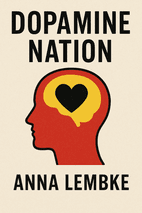
Anna Lembke's Dopamine Nation explores the neuroscience of addiction in an age of abundance, explaining how pleasure-seeking leads to compulsive cycles. It offers a practical path to reset through dopamine fasting, written for anyone struggling with overconsumption of substances, technology, or behaviors.
Feature
Insta.Page
Blinkist
Shortform
Summary Depth
Full Chapter-by-Chapter
15-min overview
Detailed analysis
Audio Narration
✓ (AI narration)
✓
✓
Visual Mindmaps
✓
✕
✕
AI Q&A
✓ Voice AI
✕
✕
Quizzes
✓
✕
✕
PDF Downloads
✓
✕
✓
Price
$59.99/yr
$146/yr (PRO)
$199/yr
*Competitor data last verified February 2026.
About the Author
Anna Lembke
Anna Lembke, M.D. is an American psychiatrist, professor at Stanford University School of Medicine, and Chief of the Stanford Addiction Medicine Dual Diagnosis Clinic, where she specializes in addiction medicine and behavioral health. She has published more than a hundred peer-reviewed papers, book chapters, and commentaries on addiction, pain management, and overconsumption, and frequently speaks to public audiences and policymakers on these topics. Her books include Drug Dealer, MD: How Doctors Were Duped, Patients Got Hooked, and Why It’s So Hard to Stop and the New York Times bestseller Dopamine Nation: Finding Balance in the Age of Indulgence, which explores the science of pleasure, pain, and compulsive behavior in the modern world. She also appeared in the Netflix documentary The Social Dilemma, discussing the addictive nature of digital media.
1 Page Summary
In Dopamine Nation, Dr. Anna Lembke explores the modern paradox of unprecedented access to high-reward, high-dopamine stimuli—from drugs and alcohol to social media, food, and shopping—and the resulting epidemic of addiction and compulsive overconsumption. The book's central thesis is that our brains operate on a pleasure-pain balance, where every hit of dopamine is followed by a compensatory drop, leading to a chronic state of dissatisfaction and craving. Lembke argues that in our "world of abundance," we have become trapped in a cycle of seeking immediate pleasure to alleviate the very pain that pleasure-seeking creates.
Drawing from her clinical experience as a psychiatrist and historical context, Lembke illustrates how the accelerating pace of technological innovation has engineered a landscape of hyper-palatable rewards for which our ancient brain circuitry is ill-prepared. She presents compelling patient stories alongside broader cultural analysis to show how this dynamic underlies not just substance use disorders but also behavioral addictions. A key historical throughline is the comparison to past opioid epidemics, emphasizing that while the delivery systems have changed, the fundamental neurobiology of addiction remains constant.
The book's lasting impact lies in its practical and counterintuitive prescription: radical self-binding and voluntary hardship. Lembke advocates for a deliberate "dopamine fast" or period of reset—abstaining from overconsumed rewards—to recalibrate the brain's pleasure-pain equilibrium. Her work provides a crucial framework for understanding compulsive behavior in the digital age, shifting the focus from moral failing to neurobiological adaptation, and offers a path toward balance through mindful moderation and embracing occasional discomfort to regain control and find deeper contentment.
Chapter 1: Introduction: The Problem
Overview
This opening chapter sets the stage by exploring the central dilemma of modern life: our relationship with pleasure and pain in a world saturated with instantly gratifying experiences. It argues that understanding this dynamic is no longer a luxury but a necessity for wellbeing, framing addiction not as a distant pathology but as a magnified mirror of our own everyday struggles.
The modern landscape is defined by an unprecedented abundance of rewarding stimuli. From endless streaming content and social media notifications to accessible fast food and online shopping, we are constantly bombarded with high-potency temptations. The author poignantly labels the smartphone "the modern-day hypodermic needle," a device engineered to deliver digital dopamine around the clock. This constant access has flipped the script from a world of scarcity to one where overconsumption is the default risk.
At the heart of this issue is a fundamental neurological principle. Our brains process both pleasure and pain in the same region, and they function like a balance scale. The very moment we crave more of something enjoyable—be it chocolate, a video game, or likes on a post—is the moment that balance has tipped, with pleasure inadvertently generating a sense of lack or pain. Dopamine, the key neurotransmitter in the brain's reward pathway, serves as a universal gauge for an experience's addictive potential.
To navigate this challenge, the book proposes a dual approach. Cold neuroscience alone is insufficient; it must be paired with the profound, lived wisdom of those who have faced these forces in their most extreme form: people in recovery from addiction. Their stories, shared with permission, serve as powerful parables. As the chapter notes, quoting philosopher Kent Dunnington, individuals with severe addictions act as contemporary prophets, revealing truths about human nature that we ignore at our own peril.
Ultimately, the introduction presents a hopeful path forward. The goal is not to eliminate pleasure but to find a sustainable balance. The secret lies in marrying the objective "science of desire" with the transformative "wisdom of recovery," offering practical strategies for anyone feeling tugged by compulsive behaviors in our consumption-driven world.
Key Takeaways
The core problem of modern life is managing pleasure and pain in an environment of overwhelming abundance, where addictive stimuli are constantly available.
Neurologically, pleasure and pain are co-processed in the brain like a balance; intense pleasure can inherently create a counterweight of craving or pain.
Dopamine is the primary chemical currency of addiction, and the potency of modern technology and media is designed to exploit this reward pathway.
Stories of addiction recovery are not just cautionary tales but essential sources of wisdom, reflecting amplified versions of universal human struggles.
The solution to compulsive overconsumption lies in integrating neuroscientific understanding with practical recovery principles to restore balance.
Key concepts: Introduction: The Problem
1. Introduction: The Problem
The Modern Dilemma: Pleasure and Pain in Abundance
The central problem is managing pleasure and pain in a world saturated with instantly gratifying experiences
Addiction is not a distant pathology but a magnified mirror of everyday struggles
We've shifted from a world of scarcity to one where overconsumption is the default risk
The smartphone represents 'the modern-day hypodermic needle' delivering digital dopamine constantly
The Neurological Balance: How Pleasure Creates Pain
Pleasure and pain are processed in the same brain region like a balance scale
The moment we crave more of something enjoyable is when the balance has tipped
Pleasure inadvertently generates a counterweight of lack or pain
Dopamine serves as the universal gauge for an experience's addictive potential
Sources of Wisdom: Neuroscience Meets Recovery Stories
Cold neuroscience alone is insufficient to address the problem
Lived wisdom from people in recovery serves as powerful parables
Individuals with severe addictions act as contemporary prophets revealing human truths
Their stories reflect amplified versions of universal human struggles
The Path Forward: Integrating Science and Recovery Principles
The goal is not to eliminate pleasure but to find sustainable balance
Solution lies in marrying the 'science of desire' with the 'wisdom of recovery'
Offers practical strategies for compulsive behaviors in consumption-driven world
Understanding this dynamic is a necessity for wellbeing, not a luxury
Scroll to load interactive mindmap
If you like this summary, you probably also like these summaries...
💡 Try clicking the AI chat button to ask questions about this book!
Chapter 2: Chapter 1: Our Masturbation Machines
Overview
It opens in the quiet sanctuary of a therapist’s office, where a patient named Jacob arrives, radiating anxiety. His therapist, reflecting on her own professional detachment, listens as he begins a startling confession about a lifelong struggle. He describes a childhood memory of guilt-free masturbation transformed by religious fear into a secretive double life. This escalates into an obsession with engineering, culminating in his invention, as a lonely young man, of a complex "masturbation machine" that allowed him to hover in a state of near-perpetual arousal. His story is one of profound shame and helplessness, dismantling the device only to rebuild it again and again.
In a revealing pivot, the therapist confesses her own parallel experience with compulsive behavior—a hidden addiction to romance and erotic novels consumed endlessly on a Kindle. This serves as a bridge, framing such compulsions not as rare pathologies but as symptoms of a much wider condition. Jacob’s adult life illustrates this shift, where the advent of the internet and ubiquitous pornography caused his controlled world to fall apart, leading to professional ruin and suicidal despair. The narrative argues this is not merely a personal failing but the result of limbic capitalism: a modern ecosystem where technology and markets exponentially increase the potency, variety, and availability of addictive experiences, from drugs and junk food to digital porn and gambling.
Jacob’s addiction then evolves beyond consumption into a dark fusion of technology and performance. He builds programmable machines, syncs them to media, and finally enters the social realm of the internet, performing in live chat rooms and even ceding remote control to strangers online. This digital life destroys his marriage, and his desperation deepens. His story exemplifies how the internet functions as a vector for social contagion, not just providing access but actively suggesting and normalizing extreme behaviors to vulnerable individuals, as tragically seen in cases of children exposed to harmful content.
Ultimately, the chapter frames Jacob’s personal tragedy—and the therapist’s milder habit—within a global crisis. Rising addiction rates and "deaths of despair" are fueled by social inequality and the dangerous availability of high-potency stimuli. This compulsive overconsumption, driven by our reward-seeking brains and amplified by our technology, threatens not just individual lives but the planet itself, as humanity engages in an unsustainable cycle of consumption. Jacob, hooked to his machine and a room of strangers, becomes a stark metaphor for a collective danger.
The Patient and the Setting
Jacob, a man in his early sixties with a kind, unremarkable appearance, arrives for his therapy session radiating anxiety. The narrator, his therapist, reflects on her own professional evolution from a more anxious clinician to a "battle-hardened," possibly more detached version of herself. Her office is a curated, intimate space filled with meaningful artifacts from patients and her own past—a cracked desk, a stained tapestry from China, melancholic art, and tokens of courage. This room is a sanctuary for secrets, but its relationships are bounded by professional walls, creating a poignant isolation. The therapist recalls the jarring experience of seeing her own training supervisor in a hat, realizing how the humanity of the healer must often remain hidden.
Jacob’s Story Begins
When asked why he’s come, Jacob expresses discomfort talking to a woman, hinting at his "sex addiction." He begins without prelude, sharing a vivid early memory of masturbating at age two or three, describing a sensation of being on "the moon" with a god-like presence. His childhood masturbation was guilt-free until his First Communion introduced the concept of "mortal sin." This began his "double life"—weekly confessions, failed resolutions, and secretive sessions in his teens with a hidden drawing of Aphrodite.
The story escalates when, as a lonely eighteen-year-old university student, he invented a "masturbation machine." He describes its mechanics in detail: a record player connected to a metal rod and a cloth-wrapped coil, allowing him to maintain a pre-orgasmic state for hours through micro-adjustments, aided by cigarettes. This experience was intensely addictive, leading to cycles of dismantling the machine in shame only to reassemble it days later.
A Therapist’s Confession: The Parallel Addiction
The narrative pivots as the therapist confesses her own experience with compulsive behavior. Around age forty, she became hooked on romance novels, starting with Twilight and escalating to increasingly graphic erotic fiction. The acquisition of a Kindle was a turning point, granting instant, private access to a bottomless supply of formulaic stories. Her reading became compulsive—neglecting family, sleep, and even sneaking it at work. She began seeking only the "fix" of the climactic scene, skipping to page three-quarters of any book. A late-night encounter with Fifty Shades of Grey prompted a moment of clarity about the emptiness of her retreat into fantasy. She frames this as a mild but telling example of how compulsive overconsumption can infiltrate even a stable, privileged life.
The Dark Side of Capitalism
Returning to Jacob, his story continues into adulthood. After marrying and starting a family, he left his machine behind. His life changed when he moved to Germany and discovered widespread pornography. The advent of the internet in 1995, when he was forty-two, caused his life to "fall apart." A pivotal moment came in 1999 when he stayed up all night watching porn in a hotel room instead of preparing for a major conference speech, nearly costing him his job. His futile attempts at self-control—posting "Don't do it" notes around hotel rooms—led him to contemplate suicide.
This personal crisis introduces a broader analysis. The text argues that easy access is a primary driver of addiction, citing the U.S. opioid epidemic and the historical example of Prohibition, which successfully reduced alcohol-related harm. Today, we live in an era of "limbic capitalism," where technology and market forces have exponentially increased the potency, variety, and availability of both substance-based and behavioral "drugs."
This includes mechanically produced cigarettes, ultra-potent opioids and cannabis, engineered hyper-palatable foods, and a suite of digital addictions like online porn, gambling, and gaming. The technology itself, with its variable rewards and endless scroll, is designed to be addictive. The therapist’s Kindle habit and her patient Chi’s online shopping addiction are presented as symptoms of this same ecosystem—a world where the very act of consumption has become a drug, setting the stage for deeper exploration.
The Escalation of an Addiction
Jacob's story takes a darker, more technologically entangled turn. Isolated from his wife while working in Silicon Valley, he returns to pornography and compulsive masturbation. His scientific curiosity leads him to a dangerous frontier: experimenting with electrical stimulation. He progresses from jury-rigging a system with his stereo to building a custom, programmable machine—a "masturbation machine"—that can sync sensations to music or pornographic videos. For Jacob, the addiction expands to encompass not just the physical act, but the entire cycle of engineering, programming, and sharing his creations online.
His behavior escalates further into the social sphere of the internet. He begins performing in live chat rooms, receiving tokens from viewers, and eventually cedes remote control of his machine to a dominant online acquaintance, performing for an audience. This digital life collapses his marriage when his wife discovers everything. Despite cycles of shame, promises to quit, and even destroying his machine, Jacob's compulsion is overwhelming; he retrieves the parts from the trash and rebuilds. His final plea is a desperate one: “I want to stop. I don’t want to die an addict.”
The Internet as a Behavioral Contagion
The narrative shifts to underscore how the internet doesn't just provide access, but actively suggests and normalizes extreme behaviors. A detective's account of a six-year-old boy who sexually assaulted his younger brother after watching inappropriate Japanese anime cartoons serves as a tragic, stark example. With no evidence of prior abuse, the case highlights how the internet can introduce and spread pathological scripts to vulnerable individuals who would otherwise never have encountered them. The author reflects that online, behaviors become socially contagious "memes," reshaping our perception of what is normal through sheer visibility.
The Broader Costs of Compulsive Consumption
Jacob’s personal tragedy is framed within a global epidemic of behavioral addiction. The author cites staggering statistics: 70% of global deaths stem from modifiable risks like poor diet and inactivity, while addiction rates climb worldwide. The problem is exacerbated by social inequality, where the poor in rich nations face a "dangerous nexus" of easy access to high-potency stimuli (drugs, technology, junk food) alongside a lack of opportunity and social stability. This fuels "deaths of despair"—rising mortality from drugs, alcohol, and suicide among less-educated middle-aged Americans.
Ultimately, the compulsive overconsumption driven by our reward-seeking brains and amplified by our technology threatens more than individual lives. It endangers the planet itself, as we devour natural resources and accelerate climate change in an unsustainable cycle. Jacob, hooked to his machine and a room of strangers, becomes a potent metaphor for a humanity dangerously titillating itself toward collective demise.
Key Takeaways
Addiction can evolve to encompass the entire process of creating and optimizing the means of gratification, becoming a self-reinforcing cycle of anticipation, creation, and fleeting reward.
The internet acts as a powerful vector for social contagion, not merely providing access but actively suggesting, normalizing, and spreading extreme behaviors to vulnerable individuals.
Compulsive overconsumption is a societal-scale crisis, fueled by inequality and manifesting in rising addiction rates, "deaths of despair," and the unsustainable depletion of natural resources.
Jacob arrives at therapy, a man in his early sixties radiating anxiety, to discuss his 'sex addiction'
The therapist's office is a curated sanctuary for secrets, yet bounded by professional isolation
Jacob begins with a childhood memory of guilt-free masturbation, shattered by religious fear of 'mortal sin'
This religious guilt initiates a lifelong 'double life' of secret indulgence and shameful confession
The Invention of the Masturbation Machine
As a lonely 18-year-old student, Jacob engineers a complex mechanical device for sustained arousal
The machine uses a record player, metal rod, and cloth-wrapped coil for micro-adjustable stimulation
It allows him to hover in a pre-orgasmic state for hours, creating an intensely addictive experience
Cycles of shame lead to repeated dismantling and reassembly of the device
The Therapist's Parallel Compulsion
The therapist confesses her own addiction to romance and erotic novels, escalated by Kindle technology
Her reading becomes compulsive, neglecting family and work, seeking only the 'fix' of climactic scenes
This serves as a bridge, framing such behaviors as symptoms of a widespread condition, not rare pathology
A moment of clarity with Fifty Shades of Grey reveals the emptiness of retreat into fantasy
Technological Escalation and Collapse
Jacob's controlled world falls apart with the advent of internet pornography in 1995
A pivotal 1999 incident: he stays up all night watching porn instead of preparing a major conference speech
Futile attempts at self-control lead to professional ruin and suicidal despair
This illustrates how technology exponentially increases the potency and availability of addictive experiences
Limbic Capitalism and Social Contagion
Jacob's story exemplifies 'limbic capitalism': markets exploiting reward-seeking brains through technology
His addiction evolves into performance: building programmable machines and entering live internet chat rooms
The internet acts as a vector for 'social contagion', suggesting and normalizing extreme behaviors
This digital life destroys his marriage as he cedes remote control to strangers online
The Global Crisis of Compulsive Consumption
Rising addiction rates and 'deaths of despair' are fueled by social inequality and high-potency stimuli
Jacob hooked to his machine becomes a metaphor for humanity's unsustainable cycle of consumption
Compulsive overconsumption threatens not just individual lives but the planet itself
The chapter frames personal tragedy within a systemic crisis amplified by technology and markets
The Era of Limbic Capitalism
Easy access is a primary driver of addiction, as demonstrated by the opioid epidemic and Prohibition's success in reducing alcohol harm.
Modern technology and market forces have exponentially increased the potency, variety, and availability of addictive substances and behaviors.
This includes engineered products like hyper-palatable foods, potent drugs, and digital platforms designed with addictive features like variable rewards.
Both substance-based and behavioral addictions (like Kindle use or online shopping) are symptoms of the same technological ecosystem.
Technological Escalation of Addiction
Addiction can expand beyond the core behavior to encompass the entire cycle of engineering and optimizing the means of gratification.
Jacob's progression from pornography to building a programmable 'masturbation machine' illustrates how the pursuit itself becomes addictive.
The addiction further escalates into social validation through live performances and ceding remote control to online audiences.
Despite cycles of shame, destruction of the machine, and promises to quit, the compulsive drive proves overwhelming, leading to rebuilding and despair.
Internet as Behavioral Contagion Vector
The internet doesn't just provide access but actively suggests, normalizes, and spreads extreme behaviors to vulnerable individuals.
Pathological scripts can be introduced to those who would otherwise never encounter them, as shown by the case of the six-year-old influenced by anime.
Online, behaviors become socially contagious 'memes' that reshape perceptions of normality through sheer visibility and repetition.
Societal and Planetary Costs of Addiction
Compulsive overconsumption is a global epidemic, with 70% of global deaths linked to modifiable risks like poor diet and inactivity.
Social inequality creates a 'dangerous nexus' where the poor face easy access to high-potency stimuli alongside a lack of opportunity and stability.
This fuels 'deaths of despair'—rising mortality from drugs, alcohol, and suicide among disadvantaged populations.
The cycle of reward-seeking, amplified by technology, threatens planetary sustainability through resource depletion and climate change.
Jacob's isolation with his machine serves as a metaphor for humanity's dangerous trajectory toward collective demise.
Scroll to load interactive mindmap
⚡ You're 2 chapters in and clearly committed to learning
Why stop now? Finish this book today and explore our entire library. Try it free for 7 days.
Chapter 3: Chapter 2: Running from Pain
Overview
This chapter introduces David, a patient whose journey from college anxiety to polypharmacy addiction illustrates a broader cultural obsession with avoiding discomfort. Through his story and others—like Kevin’s entitled hedonism and Sophie’s fear of boredom—the narrative explores how the relentless pursuit of happiness and pain-free existence, enabled by modern psychiatry, parenting, and technology, may be paradoxically fueling an epidemic of anxiety, depression, and physical pain.
David’s Prescription for Escape
David’s problems began in college with social anxiety. After a brief assessment, he was quickly diagnosed with ADD and GAD and prescribed Paxil and Adderall without any psychotherapy. He found the medications offered limited relief but created a cycle of dependence. The Adderall, initially used for focus, became a crutch for procrastination, requiring escalating doses he easily obtained by manipulating his prescribers. He reflects that the pills ultimately offered “comfort”—an easier path than facing the underlying pain of his anxiety and academic struggles. This medicalization of his distress led him away from his passion for engineering to a less interactive history major.
The Cultural Mandate for Happiness
A wall of brochures at a Stanford clinic, all promising formulas for happiness, symbolizes a societal shift. The author connects this to Philip Rieff’s idea of “psychological man” born to be pleased, and Ross Douthat’s critique of a “God Within” theology that prioritizes self-fulfillment over moral struggle. The pursuit of personal happiness has become a paramount goal, even reframing altruism as a strategy for self-improvement rather than a good in itself.
The Fragility of the Modern Self
This mindset extends to parenting, as seen with Kevin, a teenager whose parents fear imposing rules will “traumatize” him. The chapter traces how Freud’s insight about childhood trauma evolved into a widespread belief that children are psychologically fragile and must be shielded from all adversity. While efforts to create safe, empathetic environments are positive, the author argues we have “oversanitized and overpathologized childhood,” raising children in “the equivalent of a padded cell” ill-equipped for real-world challenges.
The Medicalization of Discomfort
The aversion to pain is institutionalized in medicine. Historically, some pain was seen as biologically useful, but today’s doctors are expected to eliminate it entirely. This paradigm fuels massive prescription rates: over a quarter of US adults take a psychiatric drug, antidepressant use soars globally, and stimulant prescriptions have doubled. David’s story exemplifies this, as he progresses from Adderall to adding Ambien and Ativan, creating a full cycle of uppers and downers to manage a life of overwork and poor self-care.
The Addiction to Distraction
Avoidance isn’t limited to pills. The chapter cites Huxley and Postman on our societal “appetite for distractions” and preference for entertainment over exchange of ideas. Patient Sophie’s initial horror at the idea of walking without digital stimulation highlights our terror of boredom and the unmediated self. The author suggests that constant distraction is exhausting and severs our connection to our own experience.
The Unraveling and a Revealing Paradox
David’s chemical coping mechanism unravels over a decade. He attributes his fatigue and inattention to mental illness rather than the consequences of sleep deprivation and stimulant overuse—a common paradox where drugs taken to compensate for poor self-care create symptoms that justify further drug use. His hidden addiction only surfaces when suicidal thoughts emerge, leading to hospitalization for stimulant and sedative addiction.
The Painful Price of Avoidance
Despite unprecedented efforts to insulate ourselves from suffering, data shows we are becoming unhappier and experiencing more pain. US happiness scores have declined, anxiety disorders are more prevalent in wealthy countries, and depression rates have soared. Crucially, Americans report physical pain more often than people in other nations. The chapter concludes that our misery may be directly linked to our frantic efforts to avoid misery, leaving us less resilient and more isolated from the authentic, often difficult, human experience.
Key Takeaways
Quick Fixes Foster Dependence: David’s story demonstrates how readily available pharmaceutical solutions can create long-term addiction while failing to address root causes.
Cultural Shifts Amplify Fragility: A societal focus on happiness, coupled with parenting and educational models that overprotect from adversity, may weaken psychological resilience.
Avoidance Breeds More Pain: The data presented suggests that the relentless pursuit of a pain-free life through medication, distraction, and comfort is correlated with rising levels of anxiety, depression, and physical pain.
Discomfort Has Value: Boredom and emotional pain, while uncomfortable, are framed as necessary spaces for self-discovery, creativity, and building tolerance for life’s inevitable challenges.
Key concepts: Chapter 2: Running from Pain
3. Chapter 2: Running from Pain
David's Story: From Anxiety to Polypharmacy Addiction
Social anxiety in college led to quick diagnoses of ADD/GAD and prescriptions for Paxil and Adderall
Medications created a cycle of dependence, with Adderall becoming a crutch for procrastination
Medicalization of distress diverted him from his passion (engineering) to a less demanding path
Pills offered 'comfort' as an easier alternative to facing underlying pain and struggles
The Cultural Mandate for Happiness
Society promotes formulas for happiness as paramount goals
Philip Rieff's 'psychological man' concept: humans born to be pleased
Ross Douthat's critique of 'God Within' theology prioritizing self-fulfillment over moral struggle
Altruism reframed as self-improvement strategy rather than intrinsic good
Fragility of the Modern Self: Parenting and Childhood
Parents fear imposing rules will 'traumatize' children (Kevin's example)
Freud's trauma insight evolved into belief that children are psychologically fragile
Oversanitized and overpathologized childhood environments
Children raised in 'padded cell' equivalents, ill-equipped for real-world challenges
Medicalization of Discomfort
Historical view of pain as biologically useful replaced by expectation of complete elimination
Massive prescription rates: over 25% of US adults take psychiatric drugs
Global antidepressant use soaring, stimulant prescriptions doubled
David's progression to full cycle of uppers (Adderall) and downers (Ambien, Ativan)
Addiction to Distraction
Societal 'appetite for distractions' (Huxley and Postman)
Preference for entertainment over exchange of ideas
Terror of boredom and the unmediated self (Sophie's example)
Constant distraction severs connection to personal experience
The Unraveling: Paradox of Chemical Coping
David's decade-long chemical coping mechanism eventually unravels
Attributes fatigue/inattention to mental illness rather than drug consequences
Common paradox: drugs compensating for poor self-care create symptoms justifying more drugs
Hidden addiction surfaces with suicidal thoughts, leading to hospitalization
The Painful Price of Avoidance
Despite insulation efforts, society is becoming unhappier with more pain
US happiness scores declining, anxiety more prevalent in wealthy countries
Americans report physical pain more often than people in other nations
Misery linked to frantic avoidance efforts, reducing resilience and authentic experience
Core Insights and Implications
Quick pharmaceutical fixes foster dependence while ignoring root causes
Cultural focus on happiness and overprotection weakens psychological resilience
Relentless pursuit of pain-free life correlates with rising anxiety, depression, and pain
Discomfort has value for self-discovery, creativity, and building life tolerance
Scroll to load interactive mindmap
Chapter 4: Chapter 3: The Pleasure-Pain Balance
Overview
This chapter explores the fundamental neuroscience behind reward and addiction, framing it through the elegant metaphor of a pleasure-pain balance. It explains how our brains are wired to seek equilibrium, and how the very mechanisms that drive us toward pleasure can, when overstimulated, trap us in a cycle of craving and pain. The narrative weaves together the discovery of dopamine, the concept of neuroadaptation (tolerance), and the powerful role of environmental cues, ultimately arguing that understanding addiction provides crucial wisdom for navigating a modern world of overwhelming abundance.
Dopamine: The Molecule of Wanting
The chapter identifies dopamine as a key neurotransmitter in the brain's reward circuitry. It's crucial for motivation—the wanting of a reward—often more than the liking or pleasure of the reward itself. The addictive potential of any substance or behavior is directly linked to how much and how quickly it releases dopamine in the reward pathway (connecting the ventral tegmental area, nucleus accumbens, and prefrontal cortex). Examples given show a hierarchy: chocolate increases dopamine by 55%, sex by 100%, nicotine by 150%, cocaine by 225%, and amphetamine by a staggering 1,000%.
The Opponent-Process Mechanism: A Balancing Act
Pleasure and pain are processed in overlapping brain regions through an opponent-process system, visualized as a balance. When pleasure is experienced (e.g., dopamine is released), the balance tips to the pleasure side. Homeostatic mechanisms—imagined as "gremlins"—automatically work to restore equilibrium by tipping the balance back toward pain. This creates a reciprocal relationship: for every pleasure, there is a subsequent, opposing experience of pain or craving. This is a fundamental, reflexive process in the brain.
Tolerance and the Shifting Set Point
With repeated exposure to the same pleasure stimulus, neuroadaptation occurs. The initial pleasure response becomes weaker and shorter, while the opposing pain response grows stronger and longer. This is tolerance: needing more to get the same effect. Over time, with prolonged overconsumption, the entire balance can become weighted toward pain, lowering one's hedonic set point. The brain's capacity for pleasure diminishes, and vulnerability to pain increases. This is starkly illustrated by conditions like opioid-induced hyperalgesia, where long-term opioid use actually worsens pain sensitivity, and by the dopamine deficit state seen in addiction, where the brain's reward circuitry becomes unresponsive.
Cues, Craving, and Lasting Change
The pleasure-pain balance is activated not just by the substance or behavior itself, but by associated cues—"people, places, and things." Through classical conditioning, cues trigger dopamine release in anticipation of the reward. If the expected reward doesn't arrive, dopamine plunges below baseline, creating intense craving. This cycle can operate subconsciously. The chapter highlights how unpredictability (as in gambling or social media notifications) powerfully fuels this cycle. Critically, high-dopamine experiences create long-lasting structural changes in the brain (experience-dependent plasticity), which can lead to instant reinstatement of addictive behavior even after long abstinence. While some changes may be permanent, the brain can form new, healthy neural pathways in recovery.
Individual Experience and Broader Implications
The balance is a metaphor; reality is more complex. Individual differences mean everyone has a unique "drug of choice." Pleasure and pain can co-occur, and those starting with a pain-tipped balance (e.g., from depression or chronic pain) are more vulnerable to addiction. Perception is also shaped by meaning, as demonstrated by wounded soldiers feeling less pain due to the relief of survival. The chapter concludes by arguing that our ancient reward circuitry is maladapted for today's world of abundant, high-dopamine stimuli. We have become "cacti in the rainforest," drowning in dopamine, which requires us to need more to feel pleasure and less to feel pain. The wisdom developed by those in recovery from addiction, therefore, holds vital lessons for everyone in the 21st century on how to manage compulsive overconsumption.
Key Takeaways
The brain manages pleasure and pain through an opponent-process system, akin to a balance that constantly seeks equilibrium.
Dopamine is central to motivation and wanting, and the intensity of a dopamine release determines addictive potential.
Repeated stimulation leads to tolerance (neuroadaptation), weakening pleasure and strengthening subsequent pain, ultimately lowering one's capacity for joy.
Cues in our environment can trigger the reward cycle subconsciously, and the unpredictability of a reward is highly reinforcing.
Addictive behaviors cause lasting physical changes in the brain's wiring, but recovery is possible through the creation of new neural pathways.
Our brains are evolutionarily designed for scarcity, making us particularly vulnerable in a modern world of abundant, high-dopamine rewards.
Key concepts: Chapter 3: The Pleasure-Pain Balance
4. Chapter 3: The Pleasure-Pain Balance
Dopamine: The Molecule of Wanting
Dopamine is a key neurotransmitter for motivation and wanting, not just pleasure or liking.
Addictive potential is linked to the intensity and speed of dopamine release in the brain's reward pathway.
Examples show a hierarchy of dopamine release: from chocolate (55%) to amphetamine (1,000%).
The Opponent-Process Mechanism
Pleasure and pain are processed in overlapping brain regions through a balancing system.
Homeostatic mechanisms automatically work to restore equilibrium after pleasure, creating an opposing pain or craving.
This creates a fundamental, reflexive relationship: for every pleasure, there is subsequent opposing pain.