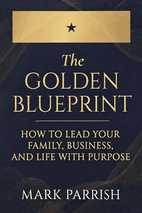
Mark Parrish's The Golden Blueprint presents a leadership philosophy rooted in timeless principles, drawing from ancient wisdom to address modern challenges in family, business, and personal life. It provides a framework for leaders seeking to build a meaningful legacy through integrity, service, and purpose.
Feature
Insta.Page
Blinkist
Shortform
Summary Depth
Full Chapter-by-Chapter
15-min overview
Detailed analysis
Audio Narration
✓ (AI narration)
✓
✓
Visual Mindmaps
✓
✕
✕
AI Q&A
✓ Voice AI
✕
✕
Quizzes
✓
✕
✕
PDF Downloads
✓
✕
✓
Price
$59.99/yr
$146/yr (PRO)
$199/yr
*Competitor data last verified February 2026.
About the Author
Mark Parrish
Mark Parrish is an American author and former professional ice hockey player best known for his memoir *Journeyman: The Many Triumphs (and Even More Defeats) of a Guy Who’s Seen Just About Everything in the Game of Hockey*. His writing draws from his 14-season NHL career, offering insider perspectives on the sport's culture and challenges.
1 Page Summary
The Golden Blueprint by Mark Parrish presents a leadership philosophy rooted in timeless principles, drawing a direct line from the wisdom of ancient civilizations to the challenges of modern family, business, and personal life. Parrish argues that true, enduring success is built not on fleeting tactics but on a foundational "blueprint" of core values such as integrity, service, and purpose. He uses the metaphor of gold—a historically universal symbol of value and permanence—to represent these immutable truths that leaders must discover and implement to create a meaningful legacy.
The book's historical context is central to its argument, as Parrish meticulously explores leadership lessons from ancient Egypt, Greece, and Rome, as well as more recent historical figures. He extracts consistent patterns of successful leadership across millennia, suggesting that while technology and circumstances change, the essential qualities that inspire people and build lasting institutions do not. This long-view perspective is applied to the three key domains of the title, providing a unified framework for leading with character in one's household, one's company, and one's own personal development.
The lasting impact of The Golden Blueprint lies in its integrative and principle-based approach. It moves beyond compartmentalized advice for work or home, insisting that authentic leadership is a holistic practice. By providing a structured system to define one's purpose and align actions with core values, the book aims to equip readers to build organizations and families that are resilient, purposeful, and capable of thriving across generations. It ultimately positions leadership as a daily practice of living with intentionality, guided by a personal "golden" standard.
The author opens by defining true branding power using McDonald's as a primary example, contrasting simple recognition with the deeper phenomenon where a product category becomes synonymous with a single brand. He then pivots to his lifelong, deeply personal connection to the McDonald's ecosystem, tracing his journey from a rebellious teenage son of a franchisee to a multi-unit franchise owner and national brand ambassador. This personal history frames the book's central premise: that the principles of leadership, discipline, and legacy-building learned in business are fundamentally about more than profit—they are about answering a calling to transform one's family line.
The Power and Complexity of Branding
The chapter begins with an analysis of world-class branding, using Nike, Tesla, and McDonald's as examples. It distinguishes between a good brand (you know what it provides) and a great brand (it’s the first and only place you think of for a specific product). The author uses the phrase “cheap cheeseburger” to illustrate the nuanced duality of such branding, acknowledging that instant recognition contains both positive associations (affordability, availability) and potential negatives (perceptions of quality).
A Personal Journey Within the Arches
The narrative shifts to the author’s intimate history with McDonald's. He reveals he grew up inside the business from age 12, as his father owned multiple franchises. He shares a candid memory of angrily quitting as a teenager, but emphasizes a recurring pull back to the restaurants, where he felt a call to leadership. This path led him to eventually operate 18 franchises and serve as a national brand ambassador. He credits this “McDonald's ecosystem” with providing a real-world education in business, branding, and people management that was so comprehensive it allowed him to earn his MBA in only six weeks.
The Core Calling: You Are the Chosen One
The author transitions from business lessons to the book's spiritual and philosophical heart. He directly addresses the reader, positing that they are “the chosen one” in their family line—the person destined to break negative cycles, create lasting change, and build a legacy. He acknowledges readers may come from backgrounds of struggle or empty privilege, but asserts that holding this book is a sign of this calling. This burden of leadership is framed not as a random hardship, but as a divine gift and responsibility.
Leadership as the Antidote to Decline
The argument is supported by stark realities: without intentional leadership, decline is inevitable. The author cites statistics on the rapid dissipation of generational wealth (80% lost by the second generation) and parallels this erosion to faith, character, and family legacy. He references research from Harvard economist Raj Chetty on how one individual's choices can alter a family's trajectory for generations. This idea is reinforced with quotes from Confucius about a “second life” and from the Bible (1 Peter 2:9, John 15:16) about being chosen and appointed to bear lasting fruit.
The Integrated Blueprint for Legacy
The author outlines the book’s practical purpose: to provide a usable framework connecting vision, goals, routines, and discipline. He promises to draw on principles from the military, sports, and business and apply them directly to family and personal life. His conviction in the reader’s readiness is based on his experience witnessing transformative leadership in people from all backgrounds—from teenagers to immigrants in his restaurants. The goal is not merely quantifiable financial success, but the “un-quantifiable” strength in marriage, confident children, and a balanced life. The ultimate aim is to build a legacy “other people will one day live inside.”
Key Takeaways
True branding mastery occurs when a brand becomes the default synonym for a product category, a position filled with both power and nuanced complexity.
The author’s expertise is rooted in a decades-long, multigenerational journey within the McDonald's franchise system, moving from entry-level work to multi-unit ownership.
The book’s central thesis is that you are “the chosen one” in your family lineage, called to break cycles and build a positive, lasting legacy.
Intentional leadership is non-optional; without it, families and wealth naturally decline within generations, but with it, a single person can alter a family's destiny.
Leadership is holistic, starting in the home and extending to business and community, and requires a blend of practical discipline and deeper purpose.
The promised “golden blueprint” is a practical framework for achieving success that is measured in both financial freedom and strong, faith-centered family life.
Key concepts: INTRODUCTION
1. INTRODUCTION
The Power and Complexity of Branding
Distinguishes between good brands (recognizable) and great brands (synonymous with a product category)
Uses McDonald's, Nike, and Tesla as examples of world-class branding
Illustrates the duality of branding with the 'cheap cheeseburger' example—positive associations mixed with potential negatives
A Personal Journey Within the Arches
Author grew up in the McDonald's ecosystem from age 12 as the son of a franchisee
Shares a rebellious teenage quitting story but emphasizes a recurring pull toward leadership
Progressed to operating 18 franchises and serving as a national brand ambassador
Credits McDonald's with providing a comprehensive real-world business education
The Core Calling: You Are the Chosen One
Posits that the reader is the chosen one in their family line, destined to break negative cycles
Asserts that holding the book is a sign of this calling, regardless of background
Frames leadership as a divine gift and responsibility, not a random hardship
Leadership as the Antidote to Decline
Without intentional leadership, decline in wealth, faith, and family is inevitable
Cites statistics: 80% of generational wealth is lost by the second generation
References Harvard research showing one person's choices can alter a family's multi-generational trajectory
Supports with quotes from Confucius and the Bible about being chosen and bearing lasting fruit
The Integrated Blueprint for Legacy
Promises a practical framework connecting vision, goals, routines, and discipline
Draws on principles from military, sports, and business applied to family and personal life
Success is measured not just financially but in strong marriage, confident children, and balanced life
Ultimate aim is to build a legacy 'other people will one day live inside'
If you like this summary, you probably also like these summaries...
💡 Try clicking the AI chat button to ask questions about this book!
Chapter 2: CHAPTER 1: My McCareer
Overview
The author’s journey with McDonald’s began not out of passion, but necessity. As the son of a franchisee, he worked in his father’s restaurants from a young age, often resenting the role and the perception of being the owner’s kid. He witnessed his father’s relentless, hands-on work ethic—a dedication that involved personally solving every problem, from supply runs to daily operations across five locations. Despite this immense effort, financial stability remained elusive, casting a shadow over the business and requiring the entire family to pitch in. This early exposure instilled a complex mix of disdain and a begrudging respect for the demanding, all-consuming nature of the work.
Learning Rigor and the Power of "No"
His path temporarily diverged from the golden arches as he sought "grander" aspirations. He served in the Army National Guard, completed a religious mission in Brazil, and was deployed to Iraq shortly after a whirlwind marriage. To his surprise, he discovered he was uniquely prepared for the extreme disciplines of military and missionary life. The reason, he realized, wasn't innate toughness but the unintentional training ground of McDonald’s. Its fast pace, high standards, and systems had forged a mental fortitude that served him well in high-stress environments far from home. This revelation began to reshape his view of the family business.
Returning from deployment, he embraced a mindset of intentionality, driven by a lesson on opportunity cost learned in childhood. He and his new wife invested carefully, starting with real estate, while he reluctantly returned to work at his father’s restaurants, now with a new perspective. He partnered with his father to learn the business, but their philosophies clashed dramatically. His father micromanaged, called him relentlessly to track his movements, and personally handled every minor crisis, embodying a perpetual "yes" to every task. The author, however, was struck by the foundational story of Ray Kroc, who built the global empire by steadfastly saying "no" to distractions, menu changes, and franchisee whims to protect a core, replicable system. He saw his father’s inability to say "no" as a major limiting factor.
Forging a New Leadership Path
This ideological conflict led to fierce arguments, demotions, and pay cuts. Determined to succeed or fail on his own terms, the author eventually took over his own restaurant. He immediately began applying his philosophy: saying "no" to constant hands-on intervention and "yes" to delegating and developing people. He shifted his role from solving every problem personally to cultivating leaders within his management teams. He focused on the messages he sent—through his attire, his car, and his demeanor—to ensure he was seen as an invested partner in his employees' success, not a distant boss. By trusting his managers to own their roles and learn from their mistakes (which he reframed as investments in their growth), he fostered a culture of ownership. Quality and morale improved, and the business grew from 5 to 18 locations.
Key Takeaways
Strategic "No": Effective leadership requires the discipline to say "no" to tasks that dilute your focus, enabling you to say "yes" to high-impact priorities like developing people and strategy. This mirrors Ray Kroc’s foundational principle for scalable success.
Invest in People, Not Just Tasks: View your primary role as building other leaders. Trust them with responsibility, allow them room to make and learn from mistakes (framing the cost as a training investment), and empower them to own their outcomes.
Lead by Conscious Example: Every action, word, and symbol (like your car or clothes) communicates your values and shapes company culture. Lead with the intention of inspiring those who will then lead others.
Ownership Mindset: Transition from acting like an employee who executes tasks to an owner who shapes culture and builds systems. This applies regardless of your formal title.
Foundation in Unlikely Places: The skills and discipline learned in demanding, systematic environments (even seemingly unglamorous ones) can provide a formidable foundation for success in entirely different fields and life challenges.
Key concepts: CHAPTER 1: My McCareer
2. CHAPTER 1: My McCareer
Early Exposure to the Family Business
Began working out of necessity as the franchisee's son, not passion
Witnessed father's hands-on, all-consuming work ethic across five locations
Financial instability required entire family involvement despite immense effort
Developed complex mix of disdain and begrudging respect for the work
McDonald's as Unintentional Training Ground
Discovered McDonald's systems prepared him for military and missionary life
Fast pace and high standards forged mental fortitude for high-stress environments
Revelation reshaped his view of the family business's value
Skills transferred to completely different fields and challenges
Clash of Leadership Philosophies
Father's approach: micromanagement, saying 'yes' to every task, personal crisis handling
Author's approach: inspired by Ray Kroc's strategic 'no' to protect core systems
Recognized inability to say 'no' as major limiting factor for growth
Conflict led to arguments, demotions, and eventual separation from father's business
Implementing New Leadership Principles
Shifted from solving problems personally to developing leaders
Said 'no' to constant intervention, 'yes' to delegation and trust
Focused on symbolic leadership through attire, car, and demeanor
Reframed mistakes as investments in employee growth and learning
Results of Transformational Leadership
Fostered culture of ownership among management teams
Improved quality and morale through empowered leadership
Business expanded from 5 to 18 locations under new approach
Transitioned from employee mindset to owner mindset regardless of title
⚡ You're 2 chapters in and clearly committed to learning
Why stop now? Finish this book today and explore our entire library. Try it free for 7 days.
Chapter 3: CHAPTER 2: The Foundation
Overview
The chapter establishes that true success, in any arena, is built upon a foundation of clear principles and a personal code of honor. Using the transformative crucible of U.S. Army basic training as a central narrative, it illustrates how extreme pressure forges identity and reveals character. The story progresses from learning a collective, life-saving military code to internalizing a deeply personal standard of conduct, ultimately demonstrating how these same frameworks bring clarity, alignment, and endurance to business and family life.
The Crucible of Basic Training
The narrator describes the deliberate intensity of basic training, where the Army strips away external identity to reveal—and build—inner character. The first three weeks are highlighted as the most mentally grueling, filled with exhausting physical training (PT) and long classroom sessions dedicated to memorizing and internalizing the seven Army Core Values: Loyalty, Duty, Respect, Selfless-Service, Honor, Integrity, and Personal Courage. This process has a significant attrition rate (over 10% in his unit), as the training is designed to weed out those who cannot function under the extreme stress meant to simulate combat. The goal is to make these values instinctive, so a soldier acts with honor and courage without hesitation when lives are on the line.
A Lesson in Trust and Disappointment
A pivotal moment occurs when the narrator, frustrated during a private meeting with his drill sergeant, mimics the sergeant’s profane language. The drill sergeant’s reaction is not anger, but profound disappointment. This moment provides several revelations: the sergeant held him to a higher standard than others, the constant use of the nickname "Brigham" and extra tasks were signs of greater trust, and he had violated his own emerging sense of honor. The experience transforms his perspective; he embraces the nickname and the extra responsibility as badges of earned trust. He makes a lifelong personal vow to never swear again, establishing this as a cornerstone of his personal code—a standard he keeps for himself, not for others.
Principles for Business and Family
The chapter argues that the clarity provided by principles and codes is not just for armies but for any organization, including businesses and families. The narrator shares his adapted framework, inspired by mentors like Patrick Bet-David, presenting five core principles:
Focus on the Process, Not Just Results: Success stems from daily systems and consistent behaviors, whether in restaurant operations or family routines.
Discipline Over Feeling: Outcomes require action regardless of motivation, in business, parenting, or personal habits.
Always Be Improving: Stagnation is failure; seek progress in all areas.
Play the Long Game: Build for sustainability and legacy, not short-term wins.
Lead with Vision: People sacrifice for a compelling future, whether they are team members or family.
The Code of Honor
If principles are the philosophy, the Code of Honor is the actionable standard that creates culture. The Parrish Organization Code of Honor is presented as eight non-negotiable tenets:
Accountability
Measurable Expectations
Urgency
Improvement
Peer Challenge
Respect
Financial Stewardship
Unity
The chapter explains how each tenet applies in both professional and personal contexts, arguing that such codes are liberating, not restrictive. They eliminate confusion, define success, and provide the structural clarity needed for people to flourish.
Key Takeaways
Character is forged under pressure. Extreme challenges, like basic training, reveal and solidify one’s core values, transforming them from concepts into identity.
A personal code of honor begins with self-imposed standards. The most powerful commitments are those you make to yourself, often born from moments of personal failure or insight.
Clarity is the foundation of leadership. Principles provide clarity of direction; a code of honor provides clarity of culture. Together, they create alignment across all areas of life.
Systems built on honor create lasting legacies. Consistent application of simple, clear principles in business and family builds organizations and relationships that can endure challenges and span generations.
You are your own ultimate accountability partner. Real honor is living by your personal values consistently, even when no one is watching.
Key concepts: CHAPTER 2: The Foundation
3. CHAPTER 2: The Foundation
The Crucible of Basic Training
Extreme pressure strips away external identity to forge inner character and reveal core values.
The Army's seven Core Values (Loyalty, Duty, Respect, Selfless-Service, Honor, Integrity, Personal Courage) are drilled to become instinctive under stress.
The process has a high attrition rate, designed to simulate combat conditions and weed out those who cannot function.
The goal is to make honorable action automatic when lives are on the line.
A Lesson in Trust and Disappointment
A moment of personal failure (mimicking profanity) led to profound disappointment from a trusted mentor, revealing a higher standard.
Extra responsibility and a unique nickname were signs of earned trust, not punishment.
The experience sparked the creation of a lifelong personal vow (to never swear) as a cornerstone of a self-imposed code.
True honor involves keeping standards for oneself, not just for others.
Principles for Business and Family
Clarity from principles is essential for any organization, including businesses and families.
Five adapted core principles: 1) Focus on the Process, Not Just Results; 2) Discipline Over Feeling; 3) Always Be Improving; 4) Play the Long Game; 5) Lead with Vision.
These principles apply universally, governing daily systems in operations, parenting, and personal habits.
They provide a philosophical framework for building sustainable success and compelling futures.
The Code of Honor
A Code of Honor translates principles into actionable, non-negotiable standards that create culture.
The Parrish Organization Code includes eight tenets: Accountability, Measurable Expectations, Urgency, Improvement, Peer Challenge, Respect, Financial Stewardship, Unity.
Such codes are liberating—they eliminate confusion, define success, and provide structural clarity for people to flourish.
Each tenet has direct application in both professional and personal contexts.
Core Chapter Insights
Character is forged and core values are solidified under extreme pressure and challenge.
A powerful personal code begins with self-imposed standards born from personal insight or failure.
Clarity from principles and a code creates the foundation for leadership and alignment across all areas of life.
Systems built on honor and consistent application of simple principles build legacies that endure.
The ultimate accountability partner is oneself; real honor is living by values consistently when unwatched.
Chapter 4: CHAPTER 3: The Power of Vision
Overview
This chapter makes the compelling case that vision is not a vague, corporate buzzword but the foundational force that transforms how we lead others, build our lives, and run our businesses. It opens with a powerful story about a young McDonald's employee who sees her job as a dead end. Instead of accepting high turnover, author Mark Parrish reframes these roles as vital bridges. His vision is to leave every person better than he found them, asking his team directly, "Where do you see yourself in ten years, and how can I help?" He argues that true leadership isn’t threatened by others' ambitions but is fulfilled by them, creating a stronger foundation for collective success.
The concept of vision is personally demystified through a lesson from his father, who described it as the ability to see the view from 40,000 feet before you ever board the plane. For Parrish, this meant learning to see beyond the daily grind of burgers and fries to perceive McDonald's as a vast, global ecosystem. This shift highlights a crucial truth: most people lose the ability to dream as they age. Vision is the stubborn belief in a possibility before it exists, and it must be actively applied across every domain of life. This means leading with vision for your family’s legacy, using it as a filter for every business decision, and, most importantly, defining a personal vision so the world doesn’t define it for you. The chain is simple: Vision creates goals, goals create routines, and routines create results.
To move from abstract idea to practical engine, a vision must be distilled into a clear, repeatable system. Iconic achievers are known for their "one big thing," and for Parrish’s business, that became "Fast, Accurate, Friendly." He contrasts this purposeful focus with the modern trap of chasing attention and external validation, warning that a life led by clicks lacks the steady, internal direction that vision provides. The practical work begins by answering two core questions: "Who do I want to be?" and "How do I want to make money?" Tools like vision boards for both identity and value creation help make the future tangible.
However, a vision is only theoretical until it's pressure-tested in reality. It must be shared with your team or family and subjected to one critical question: "Does this actually drive our daily decisions?" If not, it needs to be simplified until it does. This refining process connects vision directly to identity and legacy by asking, "Who do I want to be remembered as?" and ensuring the way you generate income aligns with that answer. Finally, a true vision is protected by non-negotiables—the unwavering boundaries on integrity, relationships, and values that ensure the pursuit of the goal never corrupts the person you are becoming.
Vision as a Bridge for Employees
The chapter opens with a conversation between the author, Mark Parrish, and a young McDonald's employee who expresses a common sentiment: she doesn’t want to work there forever but has no vision for what comes next. Parrish reframes the typical managerial frustration over high turnover. Instead of seeing these jobs as disposable, he views them as vital stepping stones or bridges. His vision for his workforce is to leave people better than he found them, equipping them with skills and confidence for their future, whether at McDonald's or elsewhere. This perspective transforms hiring and training from a chore into a purpose-driven investment in people.
This philosophy extends to his leadership conversations. He asks managers two direct questions: “Where do you see yourself in 10 years?” and “How can I help you achieve it?” He argues that many leaders fear these questions, operating from a scarcity mindset worried about being "left behind." True visionary leadership, however, understands that helping others succeed is a core component of one's own success. When an employee moves on to pursue their vision, it creates an opportunity to promote and develop another, strengthening the leadership foundation necessary for his own vision of expanding from 18 to 30 restaurants.
A Father’s Lesson: Seeing from 40,000 Feet
Parrish admits he initially struggled to grasp the concept of vision. His father taught him a pivotal lesson while they waited for a flight to a global McDonald's convention. Pointing to the plane, his father explained that 150 years ago, people couldn't imagine the view from 40,000 feet or crossing a country in five hours. Vision, he said, is the ability to picture that reality before you experience it. He urged Mark to apply this to his life and to McDonald's, to see the vast system beyond the daily grind of burgers and fries.
This lesson crystallized upon entering the massive convention hall, surrounded by thousands of franchise owners and a global network of suppliers. Parrish’s vision expanded instantly; he saw McDonald's not just as a restaurant, but as a worldwide ecosystem. He realized that most people lose the ability to dream as they age, battered by life and limiting beliefs. Vision is the belief in possibility before it’s manifest. His own journey—achieving heights he once thought would take 40 years—fuels his belief that a clear, bold vision is the starting point for extraordinary achievement.
The Three Spheres of Visionary Life
The narrative emphasizes that vision must be applied holistically across the three main aspects of life:
Lead Your Family: Here, vision is about building a shared identity and legacy, not just setting rules. It asks what your family will be known for and what values will define your children's memories.
Lead Your Business: A clear business vision acts as a filter for every decision. It provides clarity for employees, empowers action, and maintains cultural alignment. Without it, teams drift into mere busywork.
Lead Yourself: Your personal vision is the essential anchor. If you don't consciously define who you want to become, the world will define it for you, influencing your routines, relationships, and habits.
The text stresses that skipping the vision step is why many people build lives and businesses they end up resenting. Research is cited showing that people with written goals are three times more likely to succeed, and those with a clear life vision better align daily decisions with long-term priorities. The chain is simple: Vision creates goals, goals create routines, and routines create results.
From "One Big Thing" to a Clear, Repeatable System
Parrish observes that iconic figures like Michael Jordan or Tom Brady became known for "one big thing." A University of Minnesota study noting that only 25% of adults have a clear sense of purpose highlights a widespread vision deficit. For his business, Parrish defined his "one big thing" as being the fastest, most accurate, and friendliest franchisee. This vision was simple enough for every team member to grasp and powerful enough to drive decisions.
He contrasts this with the modern pitfall of chasing attention over vision, citing surveys where children now overwhelmingly dream of being YouTubers or influencers—drawn to instant recognition and validation. He warns that tying your worth to clicks leads to a perpetual chase for approval, while vision provides steady, internal direction that doesn't require the world's applause.
The process begins by answering two foundational questions: 1. Who do I want to be? and 2. How do I want to make money? For personal clarity, Parrish uses a framework of seven life areas (Career, Financial, Spiritual, Family, Intellectual, Social, Physical) to set goals. The patterns that emerge from these goals point toward a cohesive vision.
Crafting a Vision That Actually Works
In the McDonald's context, customer expectations naturally distill into three words: Fast, Accurate, Friendly. Parrish made these his official vision statement, transforming it from corporate fluff into an daily operating system. He learned a critical lesson, however: initial versions were too wordy. True clarity came when he streamlined it to the three core words and repeated them relentlessly. He notes that, according to studies, most employees don't understand their company's strategy, which is a failure of leadership communication. A vision must pass the "30-second test"—can every team member explain it quickly and consistently?
To make vision tangible, he recommends creating two vision boards: one for "Who do I want to be?" (featuring role models and aspirational traits) and one for "How do I want to make money?" (focused on career and value creation, not just material dreams). He cautions that the "who" must come before the "how," and for stay-at-home parents, the second question shifts to creating and multiplying value for the household.
Finally, a vision must be protected by non-negotiables—the unwavering boundaries that safeguard your values. Examples from Parrish's life include never compromising integrity for a shortcut, never letting debt trap his family, and never allowing his career to supersede his marriage. These non-negotiables ensure the pursuit of the vision doesn't corrupt the core self it's meant to build.
Testing and Refining the Vision
This portion of the chapter moves from conceptualizing a vision to the practical work of pressure-testing and refining it. The process is presented as iterative and communal, not a solitary exercise. The text emphasizes that a true vision must be stress-tested in reality. This involves writing your core vision statements down and sharing them with key people in your circle—be it a professional team or your family. The critical question to pose is: "Does this vision actually drive our daily decisions?" If the answer is unclear or no, the vision requires simplification and greater clarity. It must be a filter for choices, big and small.
Connecting Vision to Identity and Action
The refinement process then turns inward with two profound, guiding questions. First, "Who do I want to be remembered as?" This connects the vision to legacy and personal character, ensuring it’s rooted in deeper values beyond mere accomplishment. Second, and crucially, "How do I want to make money in a way that aligns with that identity?" This question forces a direct alignment between vision, values, and economics. It challenges the assumption that revenue generation is separate from one's core identity, advocating for a business or career model where financial success is an expression of the vision itself, not a compromise to it.
Key Takeaways
A vision is only powerful if it is actionable and decision-guiding; it must be tested with others and reflected in daily choices.
Refining a vision requires answering deep questions about legacy and identity ("Who do I want to be remembered as?").
True alignment occurs when your method of generating income is congruent with your core vision and desired identity.
Key concepts: CHAPTER 3: The Power of Vision
4. CHAPTER 3: The Power of Vision
The Nature and Power of Vision
Vision is the foundational force for leadership, life-building, and business, not a vague buzzword.
It is the stubborn belief in a possibility before it exists, countering the loss of dreaming that comes with age.
The chain of creation: Vision creates goals, goals create routines, and routines create results.
A vision must be distilled into a clear, repeatable system (e.g., 'Fast, Accurate, Friendly') to become a practical engine.
Vision as a Bridge for Employees and Leadership
Reframe entry-level jobs as vital bridges or stepping stones, not disposable positions.
Core leadership vision: To leave every person better than you found them.
Ask empowering questions: 'Where do you see yourself in ten years, and how can I help?'
True leadership is fulfilled by others' ambitions, strengthening the foundation for collective success.
Developing a Vision: The 40,000-Foot View
Vision is the ability to see the reality (the view from 40,000 feet) before you experience it.
See beyond the daily grind to perceive the larger, interconnected system (e.g., a global ecosystem).
A personal journey of expanded vision fuels belief in achieving extraordinary goals.
Applying Vision Holistically: The Three Spheres
Lead with vision for your family's legacy.
Use vision as a filter for every business decision.
Define a personal vision so the world doesn't define it for you.
From Vision to Action: Practical Tools and Tests
Start by answering two core questions: 'Who do I want to be?' and 'How do I want to make money?'
Use tools like vision boards to make future identity and value creation tangible.
Pressure-test the vision: Share it and ask, 'Does this actually drive our daily decisions?'
Simplify the vision until it directly influences daily action.
Protecting Vision: Identity, Legacy, and Non-Negotiables
Connect vision to identity by asking, 'Who do I want to be remembered as?'
Ensure the way you generate income aligns with your desired identity and legacy.
Establish non-negotiable boundaries on integrity, relationships, and values.
Protect the person you are becoming from being corrupted by the pursuit of the goal.
The Foundational Role of Vision in Leadership
Vision provides direction and purpose across personal, family, and business leadership domains.
In family leadership, vision builds a shared identity and legacy rather than just enforcing rules.
In business, a clear vision acts as a decision filter, provides employee clarity, and prevents aimless busywork.
For self-leadership, a personal vision is essential to consciously define one's identity and prevent external definition.
Skipping vision leads to building lives and businesses that foster resentment, while written goals significantly increase success likelihood.
Defining Your 'One Big Thing'
Iconic success is often built around a singular, clear focus or 'one big thing'.
A widespread 'vision deficit' exists, with only 25% of adults having a clear sense of purpose.
A business vision should be simple enough for all to grasp and powerful enough to drive daily decisions (e.g., Fast, Accurate, Friendly).
Modern culture often chases attention and validation (e.g., becoming an influencer) over a steady, internally-driven vision.
The process starts with two core questions: 'Who do I want to be?' and 'How do I want to make money?'
Crafting an Actionable Vision Statement
An effective vision must be distilled to its simplest, clearest form (e.g., three core words).
It must pass the '30-second test'—every team member should be able to explain it quickly and consistently.
Most employees don't understand their company's strategy, highlighting a failure of leadership communication.
Create two vision boards: one for personal identity ('Who') and one for value creation ('How').
The 'who' (identity) must come before the 'how' (method of value/money creation).
Protecting Vision with Non-Negotiables
Non-negotiables are unwavering boundaries that safeguard core values during the pursuit of a vision.
They prevent the vision from corrupting the core self it is meant to build.
Examples include never compromising integrity, avoiding debt traps, and prioritizing marriage over career.
For stay-at-home parents, the 'how' question shifts to creating and multiplying value for the household.
Testing, Refining, and Aligning Vision
A vision must be stress-tested in reality through an iterative and communal process.
The key test: 'Does this vision actually drive our daily decisions?' If not, it requires simplification.
Refinement involves answering deep questions about legacy: 'Who do I want to be remembered as?'
True alignment requires that your method of generating income be congruent with your core vision and identity.
Vision must be a practical filter for choices, connecting long-term identity to immediate action.
📚 Explore Our Book Summary Library
Discover more insightful book summaries from our collection