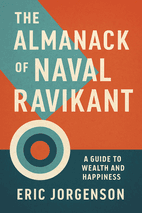
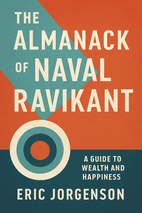
What is the book The Almanack of Naval Ravikant about?
Eric Jorgenson's The Almanack of Naval Ravikant distills the investor's philosophy on building wealth through assets and specific knowledge, and cultivating happiness through mental models. This guide is essential for entrepreneurs and anyone seeking a practical framework for freedom in the modern economy.
Feature
Insta.Page
Blinkist
Shortform
Summary Depth
Full Chapter-by-Chapter
15-min overview
Detailed analysis
Audio Narration
✓ (AI narration)
✓
✓
Visual Mindmaps
✓
✕
✕
AI Q&A
✓ Voice AI
✕
✕
Quizzes
✓
✕
✕
PDF Downloads
✓
✕
✓
Price
$59.99/yr
$146/yr (PRO)
$199/yr
*Competitor data last verified February 2026.
About the Author
Eric Jorgenson
Eric Jorgenson is a writer and curator of powerful ideas, best known for his work in distilling complex concepts into accessible and actionable wisdom. He gained widespread recognition for his book "The Almanack of Naval Ravikant," a curated compilation of the insights from entrepreneur and philosopher Naval Ravikant. This work has become an essential read for those seeking guidance on wealth and happiness. Jorgenson's expertise lies in synthesizing the principles of great thinkers and builders, making timeless lessons relevant for a modern audience. His published works are available on Amazon, where they continue to inspire readers worldwide.
1 Page Summary
The Almanack of Naval Ravikant by Eric Jorgenson is a curated compilation of wisdom from entrepreneur and investor Naval Ravikant. It distills his philosophy on achieving wealth and happiness, which he argues are learned skills, not luck. The book is structured around his core principle that wealth is created by owning assets—businesses, equities, or intellectual property—that work for you while you sleep, rather than trading your time for money. Key concepts include the importance of specific knowledge, leverage (through labor, capital, or code/media with zero marginal cost), and judgment. It emphasizes building a personal brand and productizing yourself to achieve financial freedom through ownership and accountability.
The book's historical context is rooted in the modern digital age, particularly the internet and software revolution, which Ravikant sees as a fundamental lever for creating unprecedented wealth and global reach. It reflects a shift from 20th-century industrial models to a knowledge and creator economy, where individuals can build fortunes with minimal capital by leveraging technology. Ravikant's insights are informed by his experiences as a founder of AngelList and an early investor in companies like Uber and Twitter, positioning his advice within the real-world successes of the tech startup ecosystem.
Its lasting impact lies in providing a practical, philosophical guide for navigating the information economy. The book has become a modern classic for entrepreneurs and seekers of personal growth, offering a timeless framework for building wealth sustainably and cultivating happiness through mental models like desire minimization, meditation, and the importance of present-moment awareness. By separating the pursuits of wealth and happiness while showing how to master both, it empowers readers to design a life of freedom and fulfillment, making it a enduring resource for anyone looking to thrive in the 21st century.
More ways to explore The Almanack of Naval Ravikant
Chapter 1: Important Notes On This Book (Disclaimer)
Overview
This chapter opens with a heartfelt acknowledgment of the book's origins, revealing that it's a carefully curated collection drawn entirely from Naval's public shares—transcripts, tweets, and talks. While every effort has been made to preserve his authentic voice, the compiler emphasizes that this is a reconstructed work, shaped by editing and interpretation across various mediums. It sets the stage for a transparent dialogue with readers, inviting them to approach the content with curiosity and generosity, while highlighting the fluid nature of ideas as they travel through time and context.
Source Material and Compilation
The foundation of this book lies in Naval's spoken and written words, but the process involved multiple layers of refinement. Transcripts were edited repeatedly for clarity and brevity, and not all sources are direct from Naval—some passages come from others quoting him. This means the compiler can't guarantee absolute authenticity for every excerpt, and readers are encouraged to verify key phrases with primary sources. The narrative gently reminds us that ideas evolve, and what we read here might carry subtle shifts from the original intent due to the journey through transcription and rearrangement.
Cautions on Interpretation
A central theme here is the importance of reading with an open mind. Since everything in the book is lifted from its original context, interpretations can vary widely over time and format. The compiler humbly admits that mistakes in re-contextualization are possible, and any errors in presentation are their own, not Naval's. This section fosters a sense of shared discovery, urging readers to engage generously and recognize that the brilliance within these pages belongs to Naval, while any missteps are a natural part of curating such a dynamic body of work.
Formatting and Structural Elements
To enhance readability, the book employs distinct formatting styles. Tweets are presented as pull quotes to highlight key ideas, while tweetstorms—connected series of tweets—are formatted sequentially to resemble blog posts. Interview excerpts feature bolded questions from hosts like Shane Parrish or Tim Ferriss, though interviewers aren't distinguished for simplicity. This approach creates a cohesive flow, allowing the content to shine without unnecessary distractions.
Reader Guidance and Navigation
Designed as a non-linear, choose-your-own-adventure experience, the book encourages jumping to topics that spark interest and skipping others. If unfamiliar terms arise, readers are prompted to look them up or find context later in the text. Citations are consolidated in an appendix for reference, though they may not follow a strict order, emphasizing ease of use over rigid structure.
Key Takeaways
The book is a compiled work from Naval's public content, edited for clarity but with potential shifts in context.
Readers should verify phrasing with primary sources and interpret ideas generously, acknowledging that concepts change over time.
Formatting elements like tweets and bolded questions are used to organize content, while the non-narrative style allows for flexible exploration.
Any errors in presentation are the compiler's responsibility, highlighting the collaborative and evolving nature of sharing wisdom.
Key concepts: Important Notes On This Book (Disclaimer)
1. Important Notes On This Book (Disclaimer)
Book Origins and Compilation Process
Curated collection from Naval's public shares (transcripts, tweets, talks)
Reconstructed work shaped by editing and interpretation across mediums
Multiple layers of refinement for clarity and brevity
Not all sources direct from Naval - some passages from others quoting him
Cannot guarantee absolute authenticity for every excerpt
Interpretation and Context Considerations
Content lifted from original context may shift in meaning
Ideas evolve and may carry subtle shifts from original intent
Mistakes in re-contextualization are compiler's responsibility
Readers encouraged to verify key phrases with primary sources
Approach with open mind and generous interpretation
Content Formatting and Presentation
Tweets presented as pull quotes to highlight key ideas
Tweetstorms formatted sequentially to resemble blog posts
Interview excerpts feature bolded questions from hosts
Interviewers not distinguished for simplicity
Formatting creates cohesive flow without distractions
Reading Experience and Navigation
Non-linear, choose-your-own-adventure structure
Encourages jumping to topics of interest and skipping others
Citations consolidated in appendix for reference
Emphasis on ease of use over rigid structure
Readers prompted to look up unfamiliar terms as needed
Reader Responsibilities and Expectations
Approach content with curiosity and generosity
Recognize fluid nature of ideas across time and context
Brilliance belongs to Naval, missteps to compiler
Shared discovery mindset encouraged
Collaborative and evolving nature of wisdom sharing
If you like this summary, you probably also like these summaries...
💡 Try clicking the AI chat button to ask questions about this book!
Chapter 2: Foreword
Overview
Tim Ferriss begins by confessing that he's breaking a long-standing personal rule against writing forewords, making a rare exception for this book. He cites three heartfelt reasons: the free digital availability of the book, his deep friendship with Naval spanning over a decade, and a playful hope that Naval might name his next child "Tim" or "Timbo." Ferriss sets the stage by portraying Naval as a uniquely intelligent and courageous individual, not in a conventional sense, but through his willingness to challenge consensus and speak with unwavering honesty. This foreword serves as both a personal endorsement and a guide to approaching Naval's insights with an open yet critical mind.
A Decade of Observation and Respect
Ferriss reflects on his extensive history with Naval, noting shared experiences from meals and global travels to business ventures. He emphasizes that Naval's success—from co-founding AngelList and other companies to angel investing in giants like Twitter and Uber—stems from conscious, unconventional choices. However, Ferriss stresses that it's not Naval's business achievements that earn his respect, but his character: Naval is blunt, transparent, and never leaves others guessing about his thoughts or feelings. This reliability is a rare comfort in a world often filled with ambiguity and double-talk.
The Mind Behind the Maxim
Delving into Naval's intellectual approach, Ferriss highlights traits that make his perspectives invaluable. Naval consistently questions assumptions, thinks from first principles, and rigorously tests ideas without falling into self-deception. He is adaptable, changing his mind when evidence warrants, and maintains a holistic, long-term view while never taking himself too seriously. Ferriss points out that this blend of rigor and levity is what separates Naval from many "successful" but unhappy individuals, making his advice worth heeding—but only after personal scrutiny.
A Call to Active Engagement
Ferriss concludes with practical advice for readers, urging them not to passively accept Naval's words but to engage as "friendly but highly competent sparring partners." He encourages testing every idea in one's own life, bringing intellectual rigor to challenges, and avoiding blind adherence. The goal is personal growth through dynamic interaction with the book's content, embodying the same critical thinking that defines Naval's philosophy.
Key Takeaways
Tim Ferriss breaks his no-foreword rule due to the book's free access, his long-term friendship with Naval, and a humorous personal hope.
Naval is celebrated for his intelligence, courage in challenging norms, and blunt honesty, which Ferriss values over mere business success.
Naval's thinking is characterized by questioning everything, first-principles reasoning, self-awareness, and a balance of seriousness and humor.
Readers are advised to approach the book critically, testing ideas in their own contexts rather than parroting them, to foster genuine personal transformation.
Key concepts: Foreword
2. Foreword
Breaking the No-Foreword Rule
Book is freely available digitally
Deep friendship with Naval spanning over a decade
Playful hope for Naval to name his next child 'Tim' or 'Timbo'
Naval portrayed as uniquely intelligent and courageous
A Decade of Friendship and Character
Shared experiences from meals to global travels and business ventures
Success stems from conscious, unconventional choices
Respect earned through character, not business achievements
Blunt, transparent communication style provides rare reliability
Naval's Intellectual Approach
Consistently questions assumptions and thinks from first principles
Rigorously tests ideas without self-deception
Adaptable and changes mind when evidence warrants
Maintains holistic, long-term view with appropriate levity
Reader Engagement Philosophy
Approach as 'friendly but highly competent sparring partners'
Test every idea in one's own life context
Bring intellectual rigor to challenges
Avoid blind adherence to foster genuine personal transformation
⚡ You're 2 chapters in and clearly committed to learning
Why stop now? Finish this book today and explore our entire library. Try it free for 7 days.
Chapter 3: Eric’s Note (About This Book)
Overview
This opening note sets the stage by introducing Naval Ravikant as a influential figure whose unique blend of success in business and personal happiness has captivated a global audience. Eric shares his personal admiration for Naval, highlighting how Naval's principles have shaped his own life and inspired the creation of this book. The note emphasizes that this collection distills Naval's decade of wisdom into an accessible guide, designed to help readers achieve similar clarity and fulfillment in their own journeys.
Naval's Enduring Impact
Naval Ravikant stands out not just for his financial achievements—founding companies like Epinions and AngelList, and investing in giants like Uber and Twitter—but for his profound insights into living a balanced, joyful life. His ability to merge philosophical depth with practical advice has made him a beacon in Silicon Valley and beyond. Eric points out that Naval's first-principles thinking and fearless truth-telling offer a refreshing perspective that cuts through life's complexities, making his ideas both timeless and transformative.
The Creation of a Guide
Driven by a desire to preserve and share Naval's scattered insights from tweets, podcasts, and interviews, Eric compiled this book as a public service. He notes how easily valuable knowledge can get lost in the digital noise, and his mission was to organize these gems into a cohesive, reference-friendly format. The book is structured to serve as a practical toolkit, with sections that readers can turn to for specific guidance, whether they're seeking investment strategies or personal happiness tips.
Personal Transformation and Global Reach
Eric reflects on how immersing himself in Naval's teachings brought him greater clarity, confidence, and peace, and he hopes the same for readers. The book's word-of-mouth success, with over a million copies sold, underscores its universal appeal and real-world impact. Eric invites readers to delve deeper through additional resources like Navalmanack.com and his newsletter, emphasizing that this almanack is a living document meant to evolve with its audience.
Key Takeaways
Naval Ravikant's life exemplifies how wealth and happiness can coexist through principled living and continuous learning.
This book serves as a curated compilation of Naval's most impactful ideas, designed for easy access and practical application.
Eric's personal journey shows that engaging with these principles can lead to profound personal growth and a more intentional life.
The widespread adoption of the book highlights the enduring value of Naval's wisdom in helping people navigate modern challenges.
Key concepts: Eric’s Note (About This Book)
3. Eric’s Note (About This Book)
Naval Ravikant's Unique Influence
Blends business success with personal happiness philosophy
First-principles thinking and fearless truth-telling
Financial achievements include founding Epinions, AngelList and investing in Uber, Twitter
Philosophical depth combined with practical advice
Timeless and transformative perspective on life's complexities
Book Creation and Purpose
Compiled from scattered insights across tweets, podcasts, and interviews
Designed as public service to preserve valuable knowledge
Organized gems into cohesive, reference-friendly format
Serves as practical toolkit for specific guidance needs
Distills decade of wisdom into accessible guide
Personal and Global Impact
Eric's personal transformation through Naval's teachings
Over a million copies sold demonstrating universal appeal
Provides clarity, confidence, and peace to readers
Living document that evolves with audience through additional resources
Helps people navigate modern challenges with enduring wisdom
Core Principles and Takeaways
Wealth and happiness coexist through principled living
Continuous learning as foundation for growth
Curated compilation of most impactful ideas
Practical application for intentional living
Real-world success stories validate the approach
Chapter 4: Timeline of Naval Ravikant
Overview
Naval Ravikant's life unfolds as a remarkable journey from humble beginnings in India to becoming a towering figure in Silicon Valley. This timeline captures key milestones that shaped his path, highlighting how his early experiences, education, and relentless innovation paved the way for transformative contributions to technology and investing. Through moments of struggle and triumph, his story embodies the essence of entrepreneurial resilience and visionary thinking.
Early Life and Immigration
Born in Delhi, India in 1974, Naval's childhood was rooted in a vibrant cultural backdrop before his family embarked on a life-changing move to Queens, New York when he was just 11 years old. This transition exposed him to new opportunities and challenges, setting the stage for his future endeavors. By age 14, he enrolled at Stuyvesant High School, a prestigious institution known for nurturing bright minds, where he likely began honing the analytical skills that would later define his career.
Education and Formative Years
His academic pursuits led him to Dartmouth College, where he graduated in 1995 at age 21 with degrees in computer science and economics. This combination of technical and business knowledge provided a solid foundation, equipping him to navigate the complexities of the tech industry. During these years, he developed a keen interest in startups and innovation, foreshadowing his eventual impact as a thought leader.
Entrepreneurial Ventures and Early Career
In 1999, at age 25, Naval took his first major leap into entrepreneurship as the founder and CEO of Epinions, a consumer review platform that reflected his early grasp of community-driven business models. By 2003, he founded Vast.com, a classified ad marketplace, demonstrating his ability to identify and capitalize on emerging market needs. Around this time, he also faced setbacks, such as being labeled "Radioactive Mud" in Silicon Valley in 2005—a period that tested his perseverance but ultimately fueled his growth.
Venture Capital and Blogging Initiatives
Naval's influence expanded as he became a venture partner at August Capital in 2001, where he began shaping investment strategies and mentoring startups. In 2007, he founded Hit Forge, a small venture fund initially conceived as an incubator, and launched the VentureHacks blog. This platform became a valuable resource for entrepreneurs, offering practical advice on fundraising and startup dynamics, and cementing his role as a trusted voice in the ecosystem.
AngelList and Legislative Impact
A pivotal moment came in 2010 when Naval co-founded AngelList at age 34, revolutionizing how startups connect with investors and democratizing access to capital. That same year, his early investment in Uber showcased his foresight in backing disruptive technologies. By 2012, he leveraged his influence to lobby Congress for the JOBS Act, a legislative victory that eased fundraising regulations and empowered a new generation of innovators. His efforts culminated in 2018 when he was honored as "Angel Investor of the Year," recognizing his enduring contributions to the venture landscape.
Key Takeaways
Naval's journey from immigrant to industry leader underscores the power of education and cross-disciplinary knowledge in driving innovation.
His entrepreneurial ventures, like Epinions and Vast.com, highlight the importance of adapting to market trends and learning from failures.
Through AngelList and advocacy for the JOBS Act, he democratized startup investing, leaving a legacy of accessibility and community building.
Early investments in companies like Uber demonstrate the value of visionary risk-taking and long-term thinking in venture capital.
Key concepts: Timeline of Naval Ravikant
4. Timeline of Naval Ravikant
Early Life and Immigration
Born in Delhi, India in 1974 with humble beginnings
Immigrated to Queens, New York at age 11 for new opportunities
Attended prestigious Stuyvesant High School from age 14
Cultural transition shaped analytical skills and future outlook
Education and Foundation Building
Graduated Dartmouth College in 1995 at age 21
Dual degrees in computer science and economics
Combined technical and business knowledge foundation
Developed early interest in startups and innovation
Entrepreneurial Ventures and Resilience
Founded Epinions in 1999 at age 25 as first major venture
Launched Vast.com in 2003 as classified ad marketplace
Faced 'Radioactive Mud' setback in Silicon Valley in 2005
Demonstrated perseverance through early career challenges
Venture Capital and Thought Leadership
Became venture partner at August Capital in 2001
Founded Hit Forge venture fund in 2007
Launched VentureHacks blog for entrepreneur education
Established role as mentor and trusted industry voice
AngelList and Industry Transformation
Co-founded AngelList in 2010 at age 34
Early investment in Uber demonstrated foresight
Lobbied for JOBS Act in 2012 to ease fundraising regulations
Named 'Angel Investor of the Year' in 2018
Legacy and Impact
Democratized startup investing through AngelList platform
Pioneered community-driven business models
Advocated for legislative changes benefiting entrepreneurs
Embodied immigrant success story through resilience and innovation
📚 Explore Our Book Summary Library
Discover more insightful book summaries from our collection