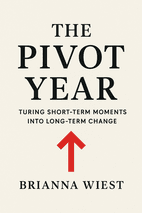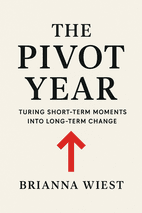
The Pivot Year

About the Author

Brianna Wiest

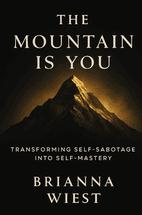
Brianna Wiest is a bestselling author and thought leader whose work explores the intersection of self-discovery, personal growth, and purposeful living. She is celebrated for her profound insights into the human psyche, offering readers practical wisdom for navigating life's complexities. Wiest is the acclaimed author of the international bestseller "The Mountain Is You," a transformative guide to self-sabotage and building a better life, along with other influential titles such as "101 Essays That Will Change The Way You Think." Her writing has resonated with a global audience, establishing her as a leading voice in modern mindfulness and introspection. All of her published works are available for purchase on Amazon.

The Pivot Year

Day 1

Overview

The chapter opens not with instruction, but with a direct and poignant question. It challenges the reader to choose between being held captive by the past or stepping courageously into the present moment. This courage, it asserts, is the very seed from which tomorrow's fate grows. The core philosophy presented is one of receptive engagement—not of controlling life to force a predetermined story, but of arriving fully into each experience as it comes. The goal is not to craft a neat, linear narrative of a life, but to participate in creating a rich and ever-changing mosaic. This mosaic is the unique expression of one's inner world unfolding into reality, making each person a vital fragment of the universe expressing itself at a specific time and place. The chapter culminates in a powerful affirmation: you are exactly where you need to be, and today is the perfect day to begin again.

Presence Over Narrative

The text actively discourages the human tendency to craft a "clean, one-line story" of our lives. Instead, it advocates for releasing that need for a coherent plot in favor of raw, unfiltered presence. The emphasis is on "meet[ing] the moment" and making the most of "what is in front of you now." This is framed not as a passive state, but as an active and courageous arrival into one's current experience, free from the weight of yesterday's memories.

The Unfolding Mosaic

In place of a linear story, the chapter proposes the beautiful metaphor of a mosaic. A life lived with presence becomes an "ever-forming, ever-evolving, ever-unfolding" artwork composed of countless individual moments and experiences. The process is described as an unraveling, where "what's within unravels into reality." This suggests that by being fully present, we allow our authentic inner self to gradually take form in the external world, revealing the unique contribution only we can make.

Key Takeaways

  • Your present courage shapes your future: The attitude with which you approach today directly influences the outcomes of tomorrow.
  • Choose presence over the past: Liberation and agency are found in releasing the grip of yesterday's memories to fully engage with the current moment.
  • Embrace the mosaic, not the story: A meaningful life is not a predetermined, linear narrative, but a collective and evolving work of art built from authentic experiences.
  • You are the universe expressing itself: Your life is the specific means through which a fragment of the universe comes to be known in a particular time and form.
  • Every day is a new beginning: Regardless of past circumstances, the present moment always holds the perfect opportunity to start your life again.
💡 Try clicking the AI chat button to ask questions about this book!

The Pivot Year

Day 2

Overview

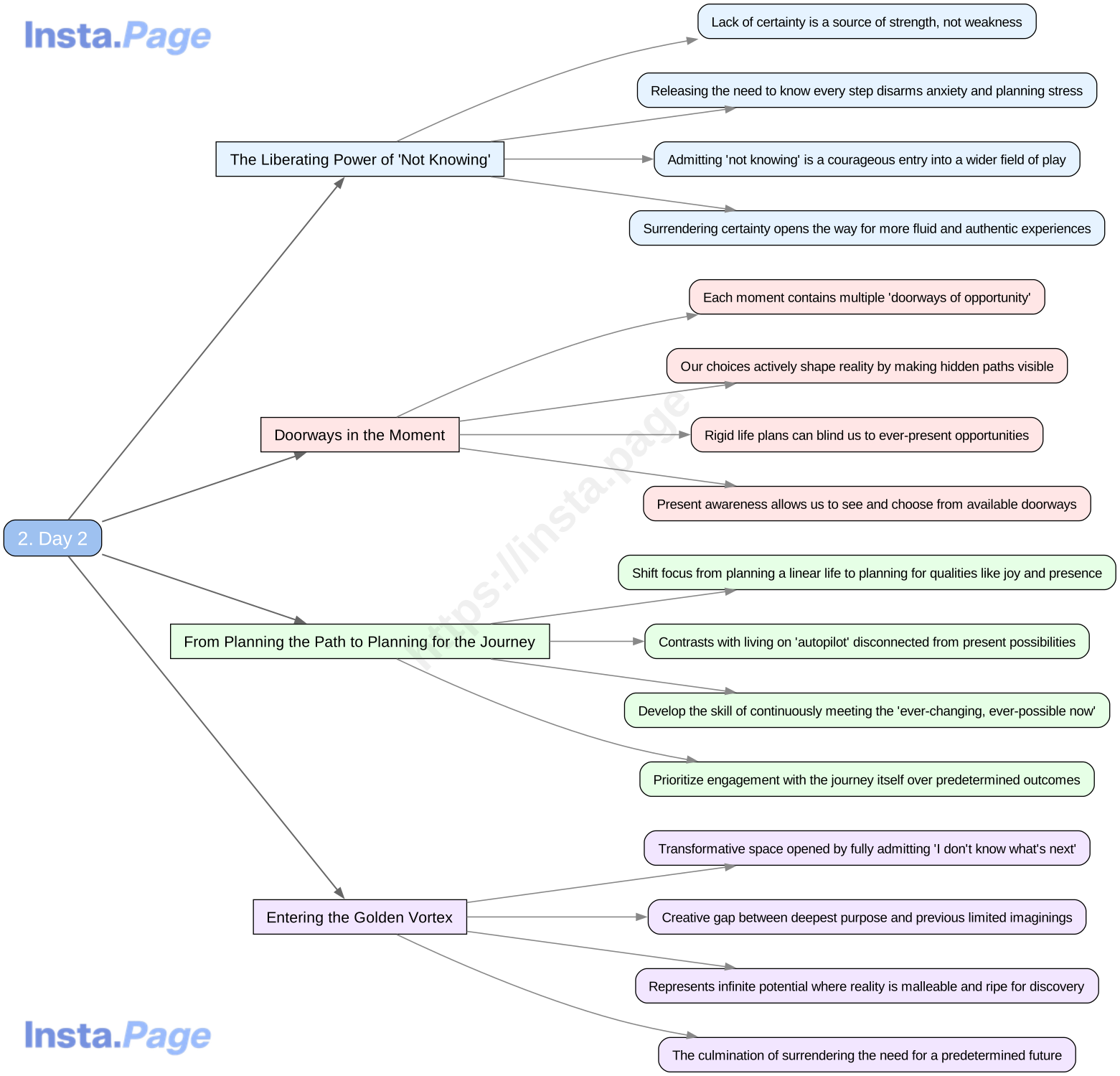
Day 2 explores the profound liberation and creative potential found in surrendering the need for certainty. It reframes uncertainty not as a state of lack, but as a fertile ground brimming with unseen possibilities and paths.

The Liberating Power of "Not Knowing"

The chapter positions a lack of certainty as a source of strength rather than weakness. It argues that when we release our grip on needing to know every next step, we disarm the anxiety of planning and open ourselves to a more fluid and authentic experience. This admission of not knowing is portrayed not as failure, but as a courageous entry into a wider field of play.

Doorways in the Moment

Each moment is described as containing multiple "doorways of opportunity." Our choices—which doorway we walk through—actively shape our reality, making visible paths and outcomes that were previously hidden. The text suggests that a rigid life plan can blind us to these ever-present doorways, while a more present awareness allows us to see and choose them.

From Planning the Path to Planning for the Journey

A shift in focus is recommended: from trying to meticulously plan a safe, linear life to planning for qualities like joy, presence, and engagement with the journey itself. This is contrasted with living on "autopilot," where we are disconnected from the dynamic possibilities of the present. The skill to be developed is continuously meeting the "ever-changing, ever-possible now."

Entering the Golden Vortex

The chapter culminates with the concept of the "golden vortex." This is the transformative space we enter when we fully admit we don't know what's next. It is the creative gap between our deepest sense of purpose ("everything you know you're meant for") and the limited scope of our previous imaginings. This vortex represents infinite potential, where reality is not fixed but malleable and ripe for discovery.

Key Takeaways

  • Uncertainty is a gateway to potential, not a problem to be solved.
  • Every moment holds multiple opportunities; our choices activate realities that were once invisible.
  • Prioritize planning for the quality of your journey (joy, presence) over rigidly planning every step of the path.
  • The "golden vortex" of creative possibility opens when you release the need for a predetermined future.

⚡ You're 2 chapters in and clearly committed to learning

Why stop now? Finish this book today and explore our entire library. Try it free for 7 days.

The Pivot Year

Day 3

Overview

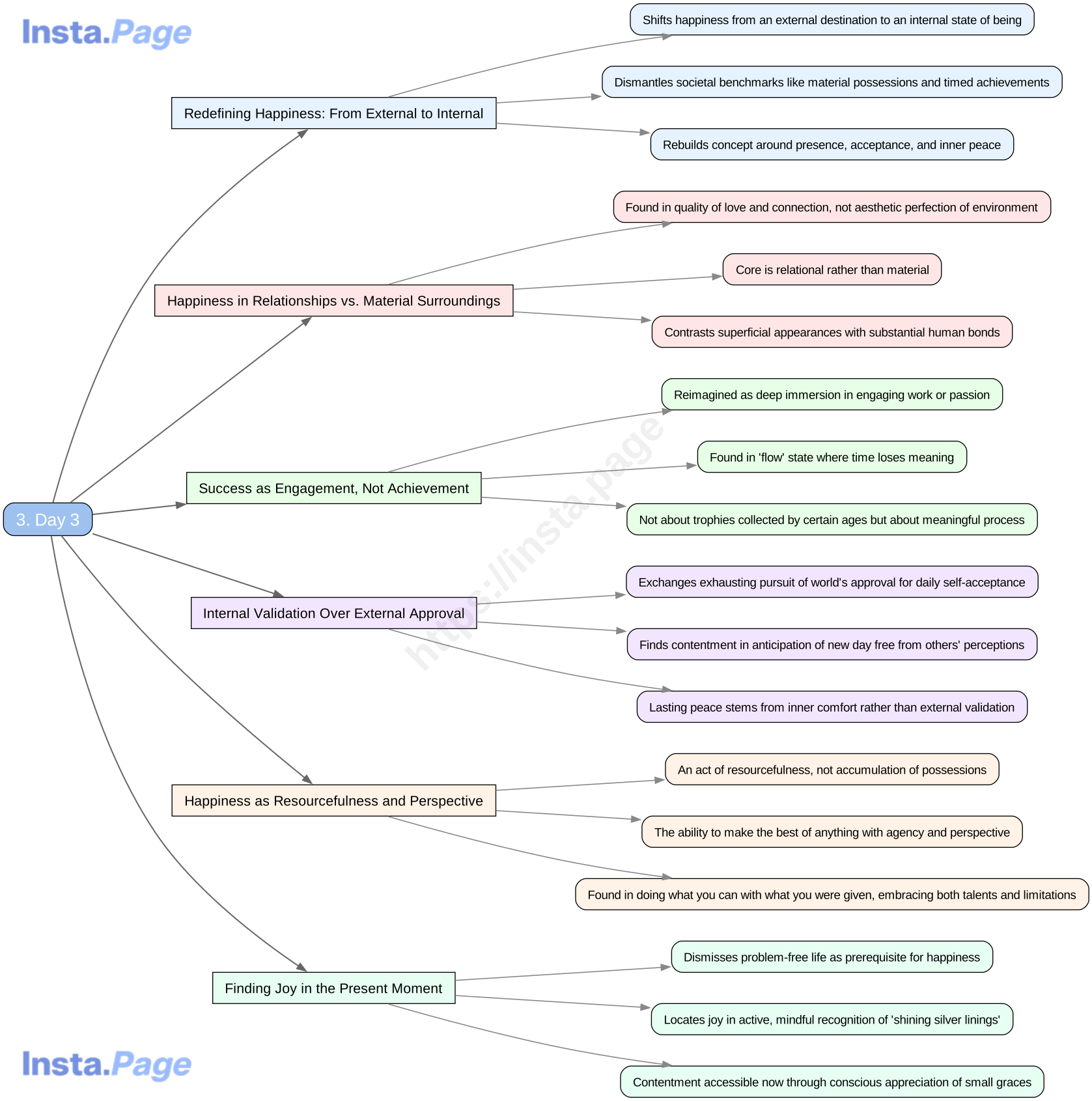
The chapter presents a profound redefinition of happiness, shifting it from an external destination to an internal state of being. It dismantles common societal benchmarks—material possessions, timed achievements, and external validation—and rebuilds the concept around presence, acceptance, and inner peace.

Detailed Insights

The narrative begins by contrasting the superficial with the substantial. It argues that happiness isn't found in the aesthetic perfection of a home, but in the quality of love and connection shared with the people who inhabit it. This sets the tone for a series of reevaluations, where each common goal is replaced with a more personal, process-oriented truth.

Success is reimagined not as a trophy collected by a certain age, but as the deep immersion found in engaging work or passion, where one enters a state of "flow" and loses track of time. The exhausting pursuit of the world's approval is exchanged for the quiet, daily contentment of self-acceptance and the simple anticipation of a new day, free from the weight of others' perceptions.

A central theme emerges: happiness is an act of resourcefulness, not accumulation. It is framed as "the ability to make the best of anything," highlighting agency and perspective over passive receipt. This culminates in the idea that happiness is found in the active process of "doing what you can with what you were given," embracing both one's talents and limitations.

Finally, the chapter dismisses the fantasy of a problem-free life as a prerequisite for joy. Instead, it locates happiness in the active, mindful recognition of "shining silver linings." It suggests that contentment is always accessible in the present moment, available to anyone who chooses to slow down and notice the enduring light amidst life's inevitable clouds.

Key Takeaways

  • Happiness is relational, not material: Its core is the love and connection within your relationships, not the appearance of your surroundings.
  • It is found in engagement, not arrival: True fulfillment comes from immersion in meaningful activities, not from reaching arbitrary deadlines or milestones.
  • It requires internal, not external, validation: Lasting peace stems from self-acceptance and inner comfort, not from the approval of others.
  • It is a skill of perspective, not a prize of possession: Happiness is the practiced ability to work creatively with what you have, not the accumulation of the "best" things.
  • It exists in the present, not a perfect future: Joy is not conditional on solving all problems, but is available now in the conscious appreciation of small graces and positives.

The Pivot Year

Day 4

Overview

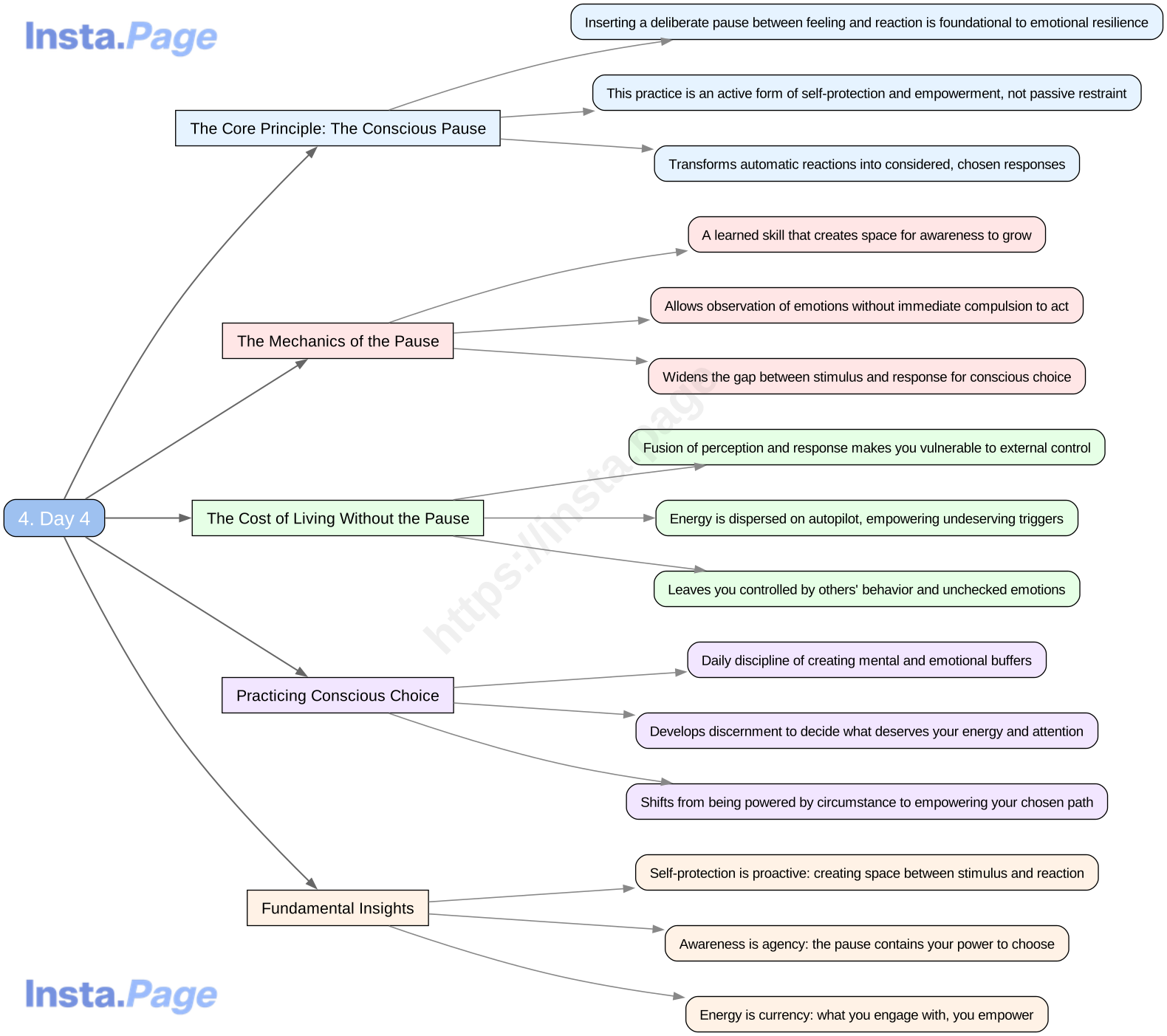
The chapter explores a fundamental principle of emotional resilience and personal agency: the conscious choice to insert a deliberate pause between an internal feeling and an external reaction. It frames this practice not as a passive act of restraint, but as the very foundation of self-protection and empowerment.

The Mechanics of the Pause

The text introduces the concept of the pause as a learned skill, a space for awareness to grow. It’s in this widened gap that you have the opportunity to observe what you’re feeling—anger, hurt, excitement, anxiety—without being immediately compelled to act on it. This space transforms a reaction, which is often automatic and defensive, into a response, which is considered and chosen.

The Cost of Autopilot

A stark warning is presented about the consequence of living without this pause. When perception and response are fused, you become vulnerable to control by external events, other people’s behavior, or your own unchecked emotions. Your energy is dispersed on autopilot, empowering things that may not deserve your focus or align with your true intentions.

Practicing Conscious Choice

The call to action is to actively “practice the pause.” This is the daily discipline of creating that mental and emotional buffer. The ultimate goal of this practice is to develop the discernment to decide, consciously, what is truly worthy of your finite energy and attention. By choosing your engagements wisely, you shift from being powered by circumstance to empowering your own chosen path.

Key Takeaways

  • Self-protection is proactive: It is the conscious act of creating space between a stimulus and your reaction.
  • Awareness is agency: The pause is where your power to choose is located; without it, you are controlled by habit and impulse.
  • Energy is currency: What you engage with, you empower. The practice of the pause allows you to spend your emotional and mental energy wisely, investing it only in what truly matters to you.

📚 Explore Our Book Summary Library

Discover more insightful book summaries from our collection