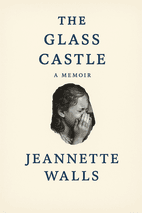
Jeannette Walls's The Glass Castle chronicles her unconventional, impoverished childhood with brilliant but flawed parents, moving from nomadic Southwest life to Appalachian squalor. This memoir resonates with readers exploring resilience, complex family bonds, and journeys from hardship to understanding.
Feature
Insta.Page
Blinkist
Shortform
Summary Depth
Full Chapter-by-Chapter
15-min overview
Detailed analysis
Audio Narration
✓ (AI narration)
✓
✓
Visual Mindmaps
✓
✕
✕
AI Q&A
✓ Voice AI
✕
✕
Quizzes
✓
✕
✕
PDF Downloads
✓
✕
✓
Price
$59.99/yr
$146/yr (PRO)
$199/yr
*Competitor data last verified February 2026.
About the Author
Jeannette Walls
Jeannette Walls is an American author and journalist best known for her memoir The Glass Castle, a powerful account of her unconventional, often chaotic childhood and her journey toward independence. Before becoming a bestselling author, Walls worked as a reporter and columnist for outlets such as MSNBC and New York magazine. Her writing is celebrated for its honesty, resilience, and ability to find beauty and meaning in adversity.
1 Page Summary
The Glass Castle is a memoir by Jeannette Walls that chronicles her deeply unconventional and impoverished childhood, led by her brilliant but deeply flawed parents, Rex and Rose Mary Walls. The narrative moves from a life of chaotic, nomadic existence in the Southwest to a shocking descent into squalor in the depressed mining town of Welch, West Virginia. Central to the story is Rex's grand, unfulfilled promise to build his family a magnificent "Glass Castle"—a symbol of both his inventive dreams and his failures as a provider. Walls recounts scenes of profound neglect and danger with startling candor and without self-pity, framing them alongside moments of real, if erratic, love and her father's charismatic, if destructive, lessons in self-reliance.
Published in 2005, the memoir resonated within a cultural moment fascinated by narratives of resilience and complex family legacies. It offers a stark, personal window into the realities of poverty, homelessness, and parental addiction in late 20th-century America, challenging simplistic judgments about those living on society's margins. The historical context is not one of major events, but of the enduring, quiet struggle of the rural and urban poor, and the psychological impact of a childhood spent without stability or basic security.
The book's lasting impact lies in its profound ambiguity and its challenge to readers' perceptions. Walls refuses to vilify her parents outright, presenting them instead as complicated figures who, despite their failings, instilled in her a fierce independence, a love of learning, and the determination to escape. The Glass Castle sparked widespread discussion about family, forgiveness, and the definition of a successful life, becoming a modern classic of memoir for its unflinching honesty and its powerful, nuanced exploration of how we carry—and ultimately make sense of—our past.
The chapter opens with a jarring moment of recognition and dissonance. A woman, dressed for a party and en route in a taxi, spots her mother scavenging through a dumpster on a cold New York City street. This stark, unexpected sight triggers a flood of panic, shame, and painful memories, setting up the central conflict between the life the narrator has built for herself and the unorthodox, impoverished existence her parents have chosen.
A Life of Hidden Shame
Paralyzed by the fear of being connected to her homeless mother in front of her sophisticated peers, the narrator instructs the driver to turn around and take her back to her Park Avenue apartment. The silence and opulence of her home—filled with curated antiques, books, and Persian rugs—offers no comfort. Instead, it amplifies her guilt. She describes it as an apartment for "the person I wanted to be," but she can never enjoy it, haunted by the mental image of her parents huddled on a sidewalk grate. Her material possessions become symbols of her betrayal, making her hate her own life in the wake of the encounter.
A Fragile Connection
Driven by a need to "do something," the narrator reaches out through an established, indirect system: leaving a message with a friend of her mother's. When they meet days later at a Chinese restaurant, her mother is cheerfully unchanged. She has made a slight effort to clean up but still wears stained clothes and casually empties condiment packets and dry noodles into her purse for later. She is engaged, opinionated (critiquing Picasso's later work), and entirely unashamed of her lifestyle, viewing dumpster diving as a form of "recycling."
Conflicting Realities
Their lunch conversation reveals the profound and irreconcilable gap in their perspectives. The narrator, tense and desperate, offers financial help to "change" her mother's life. Her mother deflects with a request for an electrolysis treatment, insisting she is fine and happy. She turns the critique back on her daughter, stating, "You're the one who needs help. Your values are all confused." When the narrator confesses she hid out of shame, her mother seizes on it as proof of her point, advising her to simply accept them and "tell the truth."
Key Takeaways
The Burden of Secret Shame: The narrator lives in constant tension between her love for her parents and her profound embarrassment by their homelessness, which forces her to lead a compartmentalized life.
The Paradox of "Help": The chapter explores the frustration of wanting to help someone who does not want, or even recognize, the kind of help being offered. The parents see their lifestyle as a choice, not a problem to be solved.
Clashing Values: A core conflict is established between the narrator's desire for security, stability, and social acceptance, and her parents' apparent prioritization of independence, intellectual freedom, and a rejection of conventional materialism.
Key concepts: Chapter 1
1. Chapter 1
The Jarring Encounter
Narrator spots her mother scavenging a dumpster while en route to a party
Triggering moment of recognition, panic, and shame
Sets up central conflict between narrator's life and parents' existence
The Weight of a Double Life
Narrator retreats to her opulent Park Avenue apartment
Material possessions symbolize betrayal rather than comfort
Haunted by mental images of parents on sidewalk grates
Home represents 'the person I wanted to be' but brings no peace
The Indirect Reconnection
Communication occurs through established indirect system
💡 Try clicking the AI chat button to ask questions about this book!
Chapter 2: Chapter 2
Overview
The chapter opens with a vivid and traumatic memory from when the narrator was three years old. While attempting to cook hot dogs alone in her family's trailer, her pink dress catches fire, leading to severe burns. Her mother's swift action saves her life, but the subsequent hospital stay reveals stark contrasts between the orderly, caring medical environment and her chaotic, unconventional family life. Through detailed recollections of her recovery, interactions with hospital staff, and tense family visits, the narrative lays bare the complexities of her childhood—marked by parental neglect, resilience, and a deep-seated loyalty to her family's erratic ways.
The Accident and Immediate Aftermath
A three-year-old girl stands on a chair by the stove in her family's trailer, wearing a favorite pink dress and boiling hot dogs while her mother paints in the next room. After offering a hot dog to the family dog, Juju, she suddenly feels heat and realizes her dress is on fire. Frozen, she watches flames climb her body, singing her hair and eyelashes before her mother smothers the fire with a scratchy army blanket. With her father absent, her mother rushes her and her younger brother, Brian, to a neighbor who drives them to the hospital. There, nurses cut away her dress, place her on a bed of ice, and discuss the seriousness of her condition. Despite the pain, she remains quiet, even reassuring a nurse with a startling maturity, saying, "if I'm not, that's okay, too." Her brother Brian adds a moment of dark humor by eating ice cubes from her bed.
Hospitalization and Contrasting Worlds
The hospital becomes a sanctuary of calm and care. The narrator undergoes skin grafts, with patches taken from her thigh to cover burns on her stomach, ribs, and chest, leaving her wrapped in bandages like a "half-mummy." She delights in the quiet, clean environment, her own room, and television shows like Red Buttons and Lucille Ball. Nurses bring her meals with desserts, praise her reading skills, and introduce her to chewing gum—a novel luxury. This orderly world starkly contrasts with her home life, where resources are scarce and noise is constant. Her interactions with medical staff are warm, though they subtly question her parents' care, noting her bruises and the fact that a three-year-old was cooking alone.
Family Visits and Underlying Tensions
When her family visits, their loud, chaotic presence disrupts the hospital's quiet. Her father, Rex, charms and intimidates with his boisterous demeanor, promising to "kick some asses" if she's mistreated. Her mother, Rose Mary, disapproves of the chewing gum, calling it "vulgar." During visits, anecdotes highlight the family's disregard for conventional medicine: Dad recounts using a Navajo witch doctor for her sister's scorpion sting, and Mom mentions Brian cracking his head open but not taking him to the hospital. Tensions peak when Dad argues with a doctor over bandages, threatening violence and leading to the family being escorted out. These episodes underscore a deep distrust of authority and a preference for improvised, often risky, solutions.
The Rex Walls-Style Escape
After about six weeks, the narrator's father appears alone and announces they're checking out "Rex Walls-style." He unhooks her from the sling, carries her down the hall despite a nurse's protests, and sprints through an emergency exit to their idling car, the Blue Goose. With her mother and siblings inside, Dad drives off, assuring her, "You're safe now." This abrupt departure reinforces the family's pattern of fleeing institutions and norms, prioritizing their own rules over medical advice, and leaving the narrator with mixed feelings of loyalty and uncertainty.
Key Takeaways
The narrator's early self-reliance and maturity are shaped by necessity, as seen in her cooking at age three and her stoic response to trauma.
The hospital serves as a temporary refuge of stability and care, highlighting the deprivation and chaos of her home environment.
Parental neglect is evident through the lack of supervision, dismissal of medical advice, and prioritization of personal beliefs over child safety.
The family's charismatic but reckless dynamics, led by Rex's anti-authority stance, create a cycle of crisis and escape that defines the narrator's childhood.
This chapter establishes foundational themes of resilience, loyalty, and the tension between societal norms and familial bonds.
Key concepts: Chapter 2
2. Chapter 2
The Traumatic Accident
Three-year-old narrator catches fire while cooking hot dogs alone in the family trailer
Mother saves her by smothering the flames with an army blanket
Neighbor drives them to the hospital where nurses place her on ice for treatment
Narrator displays startling maturity by reassuring a nurse about her potential death
Brother Brian adds dark humor by eating ice cubes from her hospital bed
Hospital as Sanctuary
Orderly, clean environment provides stark contrast to chaotic home life
Undergoes skin grafts, leaving her wrapped in bandages like a 'half-mummy'
Receives praise from nurses for reading skills and quiet demeanor
Medical staff note bruises and express concern about parental supervision
Family Dynamics and Anti-Authority Stance
Family visits disrupt hospital quiet with loud, chaotic presence
Father Rex charms and intimidates staff, threatening violence if daughter mistreated
Parents display distrust of conventional medicine through anecdotes of alternative treatments
Mother Rose Mary disapproves of hospital 'luxuries' like chewing gum
Tension peaks when father argues with doctor over bandages, leading to family being escorted out
The Reckless Escape
After six weeks, father executes 'Rex Walls-style' hospital escape
Unhooks narrator from medical equipment and carries her through emergency exit
Defies nurse's protests and flees in family car, the Blue Goose
Escape reinforces family pattern of fleeing institutions and norms
Father's assurance 'You're safe now' creates mixed feelings of loyalty and uncertainty
Foundational Themes Established
Early self-reliance shaped by necessity and parental neglect
Contrast between societal stability and familial chaos
Parental prioritization of personal beliefs over child safety
Cycle of crisis and escape driven by anti-authority stance
Tension between resilience and loyalty to dysfunctional family bonds
⚡ You're 2 chapters in and clearly committed to learning
Why stop now? Finish this book today and explore our entire library. Try it free for 7 days.
Chapter 3: Chapter 3
Overview
In the aftermath of a serious burn incident, this chapter reveals how the narrator's family encourages a fearless confrontation with fire, transforming trauma into a curious obsession. Through vivid anecdotes, we see the narrator's journey from a child cautiously cooking hot dogs to becoming entranced by the very element that caused harm, all under the watchful, approving eyes of parents who believe in facing demons head-on.
The First Step Back
Just days after returning home, the narrator takes initiative by cooking hot dogs while Mom is absorbed in painting. Rather than expressing concern, Mom praises this act as a way to "get right back in the saddle," emphasizing that fear shouldn't govern basic interactions with fire. This moment sets the tone for a narrative where resilience is nurtured through everyday actions.
Playing with the Enemy
Dad furthers this philosophy by teaching a hands-on lesson: passing a finger through a candle flame. The narrator practices repeatedly, slowing the motion to study how the flame splits and testing personal thresholds for heat. This transforms fire from a threat into a subject of fascination, a dynamic to be understood and mastered.
Chasing Bigger Blazes
This fascination escalates as the narrator seeks out larger fires, like neighbors burning trash. The ritual involves inching closer to the heat, pushing until it becomes unbearable, then retreating just enough to endure. When a neighbor expresses surprise at this boldness, Dad roars with pride, declaring the child a victor who has already "fought the fire once and won."
The Allure of Matches
The curiosity turns clandestine with the theft of matches. Behind the trailer, the narrator revels in the sensory details—the scratch of ignition, the pop and hiss of the flame, the warmth near fingertips. Small controlled fires are set to paper and brush, with the thrill lying in stomping them out at the brink of chaos, accompanied by Dad's colorful curses.
Tinkerbell's Transformation
The experiments become personal when the narrator involves a favorite toy, a plastic Tinkerbell figurine. Enchanted by how the flame illuminates her confident pose, the narrator holds a match too close, causing the face to melt. Horror sets in as the features distort irreparably; even attempts to smooth or bandage the damage fail. Yet, in a poignant twist, the melted Tinkerbell remains a cherished companion, highlighting the complex bond formed through this destructive fascination.
Key Takeaways
Trauma can be reframed through confrontation, leading to unexpected curiosity rather than fear.
Parental influence plays a crucial role in shaping resilience, often through unconventional or hands-on methods.
Fascination with danger can arise from a desire to master what once caused harm, blending control with risk.
Small, personal rituals—like playing with matches—can symbolize larger struggles with power and vulnerability.
Even in destruction, there can be enduring attachment, as seen with the narrator's continued love for the melted toy.
Key concepts: Chapter 3
3. Chapter 3
Confronting Trauma Through Fire
Family encourages direct confrontation with fire to overcome trauma
Transforms fear into curiosity and obsession
Resilience is nurtured through everyday actions with fire
Initial Re-engagement with Fire
Cooking hot dogs shortly after returning home demonstrates initiative
Mother praises the act as 'getting back in the saddle'
Establishes that fear shouldn't govern basic interactions with fire
Hands-on Mastery of Flame
Father teaches lesson by passing finger through candle flame
Practice transforms fire from threat to subject of fascination
Focus on understanding heat dynamics and personal thresholds
Escalating Fascination with Larger Fires
Seeks out larger fires like neighbors' trash burns
Ritual involves testing heat tolerance through approach and retreat
Father expresses pride, framing child as victor over fire
Clandestine Experiments with Matches
Theft of matches leads to secret fire experiments
Focus on sensory details of ignition and flame
Thrill comes from controlling small fires at brink of chaos
Personal Consequences of Fascination
Experiment melts favorite Tinkerbell toy's face
Horror at irreversible damage despite attempts to repair
Melted toy remains cherished companion, showing complex bond with destruction
Chapter 4: Chapter 4
Overview
Overview
The chapter depicts a sudden, chaotic nighttime evacuation of the family from their trailer park home, orchestrated by the father. It’s a jarring transition marked by urgency, loss, and the father's charismatic yet unsettling justification of their nomadic life.
A Jarring Midnight Departure
The family is roused from sleep by their father, who gives them only fifteen minutes to prepare to leave. His declaration that they’re leaving "this shit-hole behind" sets a tone of escape and resentment. When the narrator, Jeannette, expresses fear that someone is after them, her father deflects with a confident, paternalistic reassurance that he will always take care of them, establishing the dynamic of blind trust he demands.
The Frantic Packing Process
The packing priorities reveal the family's unstable lifestyle. The father focuses on survival essentials: cooking implements, a pistol, and a bow and arrow set. Meanwhile, the mother’s frantic, hour-long search in the yard for a buried jar of cash underscores their precarious finances and disorganization. The final loading of the car is haphazard, with belongings tied to the roof and overflowing the interior.
Loss and Harsh Pragmatism
The journey begins with immediate personal losses that highlight the father's harsh pragmatism. Jeannette is forced to abandon her doll, Tinkerbell, and her father cruelly ejects the family cat, Quixote, from the moving car, declaring that those who don’t like travel aren't welcome on the "adventure." The mother’s attempt to reframe this cruelty as the cat becoming "wild" and "free" shows her complicity in spinning their trauma into a narrative of resilience.
Distraction and Destiny on the Road
To manage the children's distress, the parents lead them in singing folk and spiritual songs, creating a surreal, almost celebratory atmosphere that quickly overshadows the grief of leaving pets and friends behind. The father further captivates them with vague promises of future riches and adventure. His answer to their destination—"Wherever we end up"—perfectly encapsulates the rootless and unpredictable nature of their life.
A New "Normal" Under the Stars
The chapter concludes with the family bedding down in the desert without pillows, which the father reframes as a lesson in posture from Native Americans. This moment crystallizes the father's ability to present deprivation as a chosen, noble lifestyle. Jeannette’s enthusiastic comment to her sister about their luck in sleeping under the stars meets with Lori’s grimly prescient reply: "I think we're going to." This exchange underscores the children's growing, if unspoken, awareness that this instability is not a temporary adventure, but their permanent reality.
Key Takeaways
The father exerts total control, framing sudden, traumatic upheavals as necessary adventures and tests of family loyalty and toughness.
The family’s possessions and attachments are treated as disposable in service of the father's impulsive plans.
Music and grandiose promises are used as tools to distract the children from loss and fear, effectively rewriting a narrative of chaos into one of pioneering spirit.
The children begin to display a complex mix of adopted optimism and a dawning realization that their transient, impoverished life is not a fleeting phase but their enduring condition.
Key concepts: Chapter 4
4. Chapter 4
The Midnight Evacuation
Father abruptly wakes family, giving only 15 minutes to prepare
Declares they are leaving 'this shit-hole behind', framing escape as necessary
Deflects Jeannette's fears with paternalistic reassurance, demanding blind trust
Chaotic Packing and Priorities
Father focuses on survival essentials: cooking gear, pistol, bow and arrow
Mother's frantic search for buried cash reveals precarious finances
Haphazard loading with belongings tied to roof and overflowing interior
Forced Abandonment and Pragmatic Cruelty
Jeannette forced to abandon her doll Tinkerbell
Father ejects the family cat Quixote from moving car, declaring non-travelers unwelcome
Mother reframes cruelty as the cat becoming 'wild' and 'free', spinning trauma into resilience
Distraction Through Song and Promise
Parents lead singing of folk/spiritual songs to manage children's distress
Creates surreal, celebratory atmosphere that overshadows grief
Father captivates with vague promises of future riches and adventure
Rootless Destination and New Reality
Father's answer to destination: 'Wherever we end up' encapsulates rootless life
Family beds down in desert without pillows, reframed as Native American posture lesson
Lori's grim reply to Jeannette's optimism reveals dawning awareness of permanent instability
📚 Explore Our Book Summary Library
Discover more insightful book summaries from our collection