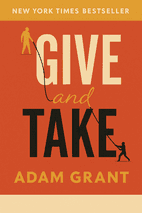
Adam Grant's Give and Take explores how givers, takers, and matchers achieve success, using research to show that generous professionals often build the most sustainable and rewarding careers. It is for anyone looking to improve their collaborative impact.
Feature
Insta.Page
Blinkist
Shortform
Summary Depth
Full Chapter-by-Chapter
15-min overview
Section-by-section guides
Audio Narration
✓
✓
✓
Visual Mindmaps
✓
✕
✕
AI Q&A
✓
✕
✕
Quizzes
✓
✕
✕
PDF Downloads
✓
✕
✓
Price
$89.99/yr
$146/yr (PRO)
$199/yr
*Competitor data last verified July 2026.
1 Page Summary
In Give and Take, organizational psychologist Adam Grant presents a compelling case that success in today's interconnected world is less about individual talent and more about our interaction styles, which he categorizes as givers, takers, and matchers. Takers strive to get as much as possible from others, matchers aim for an even exchange, and givers are those who contribute to others without expecting anything in return. Counterintuitively, Grant argues that while givers are often at risk of being exploited and can land at the bottom of the success ladder, they also, with the right strategies, consistently climb to the top, achieving more sustainable and meaningful success than their peers.
The book's key concepts revolve around debunking the myth that nice people finish last. Grant provides extensive research and real-world examples from fields like business, sports, and academia to show that givers build powerful networks and reputations that create a ripple effect of goodwill and collaboration. He distinguishes between selfless givers, who burn out, and other-focused givers, who are highly productive by also setting boundaries and leveraging their networks for greater collective impact. This framework challenges the traditional, zero-sum view of professional advancement.
The lasting impact of Give and Take has been to popularize a more collaborative and generous approach to work and leadership. It has influenced corporate cultures and individual mindsets by providing a data-driven argument that helping others is not just a moral imperative but a powerful strategy for personal and organizational achievement. The book serves as a practical guide for fostering psychological safety, building resilient teams, and creating environments where generosity becomes a sustainable engine for innovation and success.
1 — Good Returns
Overview
On a sunny Silicon Valley soccer field, serial entrepreneur Danny Shader pitched his new startup idea to venture capitalist David Hornik, who responded with an unusually generous offer—no deadlines and a list of references to build trust. Despite this, Shader chose another investor, fearing Hornik’s giver approach might lack the necessary edge. This encounter highlights how people’s reciprocity styles—whether they’re takers who prioritize themselves, givers who focus on others, or matchers who seek fair exchanges—shape their professional paths. Interestingly, givers often land at the bottom of the success ladder, sacrificing their own goals to help others, yet they also dominate the top tiers in fields like engineering and sales, creating a U-shaped curve of achievement. Hornik’s story illustrates this paradox: after the initial setback, his generosity led to an 89% acceptance rate on term sheets and a network of advocates, proving that giver success can ripple outward, benefiting everyone involved.
This theme extends to politics, where figures like Sampson withdrew from a Senate race to support a rival, sacrificing personal ambition for principle. His selfless act built goodwill that later propelled him to national office, mirroring how modern professionals like Hornik thrive by giving without expectation. In careers from medicine to finance, givers initially struggle in independent tasks but excel in collaborative environments, where empathy and support pay off long-term. As the economy shifts toward service jobs, building relationships and reputations becomes crucial, giving givers a natural edge. Across cultures, people value helpfulness and compassion, yet many fear being exploited at work, leading only 8% to identify as givers professionally. This fear stems from competitive environments where takers seem to have the advantage, but Hornik’s unconventional strategies—like blogging insights and inviting rivals to conferences—show that generosity can foster trust and success without sacrificing integrity. The chapter sets the stage for exploring how givers can network, collaborate, and influence effectively while avoiding burnout, ultimately reshaping success as a journey of contribution rather than self-interest.
A Soccer Field Encounter
On a sunny Saturday in Silicon Valley, two fathers—serial entrepreneur Danny Shader and venture capitalist David Hornik—struck up a conversation during their daughters' soccer game. Shader, with a track record of successful exits like Accept.com and Good Technology, was launching his fourth startup. Hornik, an eclectic investor with a background in law and criminology, specialized in internet companies. Intrigued, Shader pitched his idea for PayNearMe, a solution for Americans without bank accounts to make online purchases. Hornik loved the concept and quickly offered a term sheet, but unlike many VCs, he refused to set a deadline, putting Shader's need to explore options ahead of his own desire to close the deal. He even provided a list of 40 references to showcase his competence and trustworthiness. However, Shader ultimately chose another investor, fearing Hornik's affable nature might lack the necessary challenge in the boardroom. Hornik was left questioning if his giver approach had cost him the deal.
The Three Reciprocity Styles
This story introduces a fundamental concept: success isn't just about hard work, talent, and luck—it's also shaped by how we interact with others. People fall into three primary reciprocity styles: takers, who prioritize their own interests and aim to get more than they give; givers, who focus on others' needs and contribute generously without expecting immediate returns; and matchers, who seek fair, tit-for-tat exchanges. While everyone may shift styles in different situations, most develop a dominant approach that profoundly impacts their professional outcomes. Givers, in particular, are rare in the workplace, often acting selflessly by sharing time, knowledge, and connections, even when it doesn't directly benefit them.
Givers: Chumps or Champs?
Research reveals a surprising paradox: givers are most likely to end up at the bottom of the success ladder, yet they also dominate the top. In studies across engineering, medical school, and sales, givers who sacrifice their own work to help others often perform poorly—missing deadlines, earning lower grades, or generating less revenue. However, the highest achievers in these fields are also givers. For instance, the most productive engineers and top-selling salespeople are those who give more than they receive, creating a U-shaped curve where givers cluster at both extremes. This pattern suggests that while generosity can be costly, it also holds the key to extraordinary success.
The Ripple Effect of Giver Success
David Hornik's story illustrates how givers can turn initial setbacks into long-term wins. After Shader's startup took off with Hornik's involvement, Shader not only benefited from Hornik's challenging advice but also became a vocal advocate, referring other entrepreneurs to him. Hornik's giver approach—prioritizing others' interests—led to a remarkable 89% acceptance rate on his term sheets, far above the industry average. His success didn't come at others' expense; instead, it created a cascade of value, helping multiple startups thrive and fostering a network of trust. This highlights a core insight: giver success spreads, benefiting everyone involved, unlike takers who often inspire envy and resistance.
A Political Case Study
The chapter shifts to politics, where takers might seem to have an edge, but givers can still make their mark. Consider the story of Sampson, a farmer-turned-politician with humble beginnings. Despite early failures in business and politics, he persevered, eventually running for the Senate against more privileged opponents. In a tight race, Sampson's "pathological giving"—likely putting others' needs ahead of his own ambitions—led to a dramatic drop in support, allowing underdog Lyman Trumbull to surge ahead. This example underscores the risks givers face in competitive environments, setting the stage for exploring how they can avoid being exploited while still achieving greatness.
A Selfless Sacrifice in Politics
Sampson’s decision to withdraw from the Senate race in favor of Lyman Trumbull was a defining moment of principle over ambition. He recognized that Matteson’s questionable tactics, including alleged bribery, posed a threat to their shared cause. Instead of fighting for personal gain, Sampson directed his supporters to back Trumbull, a move that cost him the election but advanced their mutual goals. This act of generosity wasn’t an isolated incident; it reflected a lifelong pattern of putting others first, even in his legal career, where he refused to defend clients he believed were guilty, walking away from lucrative fees to uphold his integrity.
The Ripple Effects of Generosity
Sampson’s sacrifice didn’t go unnoticed. Years later, when he ran for the Senate again, Trumbull and other former adversaries became his staunchest supporters. This goodwill, built through selfless acts, eventually helped him secure a national position. In a modern parallel, figures like David Hornik demonstrate that giving—such as personally responding to unsolicited pitches from entrepreneurs—fosters trust and long-term success. Hornik’s 89 percent success rate stems from his reputation as a venture capitalist who prioritizes others’ interests, proving that generosity can be a powerful professional asset.
Givers in Contemporary Careers
The advantages of giving extend across various fields. In medical school, givers initially struggle in independent coursework but excel in clinical rotations and patient care, where collaboration and empathy are crucial. By their final years, givers outperform peers, showing that interdependence amplifies their strengths. Similarly, in finance, advisers like Peter Audet thrive by prioritizing clients’ needs, even when it seems inefficient. Audet’s story of helping a seemingly small client who turned out to be a high-net-worth individual illustrates how givers access opportunities that takers and matchers overlook.
The Service Sector and Giver Success
As the economy shifts toward service jobs, givers gain a natural edge. With over 80 percent of Americans in service roles, success increasingly depends on building relationships and reputations. Team-based environments, from healthcare to consulting, reward those who share knowledge and support colleagues. Lincoln’s cabinet, filled with rivals he won over through generosity, exemplifies how givers can transform adversarial relationships into collaborative alliances. In today’s interconnected world, where reputations are highly visible, givers like Peter Audet can accelerate their impact, turning short-term sacrifices into long-term gains.
Universal Values of Giving
Across cultures, from Australia to Sweden, people consistently rate giver values—like helpfulness and compassion—as their most important guiding principles. Shalom Schwartz’s global surveys reveal that a majority prioritize these over power, pleasure, or winning. This innate preference for giving is often nurtured in personal life, yet many compartmentalize it in professional settings, fearing that kindness might be perceived as weakness.
The Fear of Being a Giver at Work
Despite widespread endorsement of giver values, only 8 percent of people identify as givers in the workplace. Many, like executive Sherryann Plesse, hide their compassionate strengths to avoid being seen as less serious or results-oriented. This hesitation stems from a misconception that business is a zero-sum game, where giving could lead to exploitation. However, as Lincoln’s legacy and modern examples show, when givers learn to balance generosity with self-protection, they can achieve remarkable success without sacrificing their core values.
The Psychology of Fear in Competitive Environments
In highly competitive settings like law firms vying for clients or schools with strict grading curves, there's a pervasive assumption that peers will prioritize taking over giving. Stanford psychologist Dale Miller explains that when people expect self-interested behavior from others, they fear exploitation and adopt a competitive mindset as a rational response. This dynamic is amplified by environmental cues—even wearing a business suit and analyzing a Harvard Business School case can reduce people's focus on relationships and others' interests. Cornell economist Robert Frank notes that this fear of being taken advantage of often brings out the worst in us, causing us to suppress our nobler instincts to avoid being seen as a "chump." This risk is particularly acute when dealing with takers, such as some venture capitalists who demand excessive shares of start-ups or claim undue credit for successes.
David Hornik's Unconventional Giving Strategy
David Hornik, a venture capitalist, challenges these norms by embodying a giver approach, aiming to prove that success doesn't require exploiting others. He broke two sacred rules in venture capital: first, by starting a blog in 2004 to openly share insights with entrepreneurs, despite warnings from partners about giving away trade secrets. His blog, maintained for over eight years, made deal-making more competitive but aligned with his goal of creating value for entrepreneurs. Second, he launched The Lobby conference in 2007, focusing on conversations and relationships rather than content, and even invited rival venture capitalists—a move criticized as giving away competitive advantages. Hornik faced skepticism and risks, including potential damage to his firm's reputation, but he prioritized benefiting everyone over personal gain. For instance, when a competitor copied his conference format without reciprocating, Hornik didn't seek payback, reflecting his commitment to giving without expectation of return.
The Broader Framework of Give and Take
This section transitions into outlining the book's structure, which explores how givers can achieve success without falling prey to exploitation. The first part delves into principles of giver success across four domains: networking, collaborating, evaluating, and influencing. It promises insights from real-world examples, such as how top networkers build connections, why talented individuals work in obscurity before breakthroughs, and how to spot takers through subtle cues like Facebook profiles. The second part addresses the costs of giving, including burnout and vulnerability, and offers strategies for givers to protect themselves while maintaining their generosity. Examples include a teacher reducing burnout through giving, a billionaire profiting from philanthropy, and the optimal volunteering hours for happiness and longevity. The book aims to reshape readers' views on success, encouraging a shift from self-interest to contribution, with the caveat that genuine giving, not strategic manipulation, drives lasting achievement.
Key Takeaways
Fear of exploitation in competitive environments often pushes people toward taking behaviors, but givers like David Hornik demonstrate that success can be achieved through generosity and creating mutual value.
Giving involves risks, such as increased competition or lack of reciprocity, but it can lead to professional rewards, including respect, meaningful relationships, and a more fulfilling career.
The book "Give and Take" will explore how givers excel in networking, collaboration, evaluation, and influence, while also addressing how to manage the downsides of giving to avoid burnout and exploitation.
Embracing a giver mindset can transform success paradigms, suggesting that helping others first may be a more sustainable path to achievement than prioritizing self-interest.
Key concepts: 1 — Good Returns
1 — Good Returns
The Three Reciprocity Styles
Takers prioritize their own interests and aim to get more than they give
Givers focus on others' needs and contribute generously without expecting returns
Matchers seek fair, tit-for-tat exchanges in relationships
Most people develop a dominant reciprocity style that shapes professional outcomes
Givers are rare in workplace settings, comprising only about 8% of professionals
The Giver Paradox
Givers often land at the bottom of success ladder due to self-sacrifice
Highest achievers in fields like engineering and sales are also givers
Creates a U-shaped curve of achievement with givers at both extremes
Givers struggle in independent tasks but excel in collaborative environments
Initial performance costs can lead to long-term success advantages
Giver Success Strategies
Building trust through generosity without immediate expectations
Creating networks of advocates through selfless support
Fostering collaborative environments where empathy pays off
Developing reputations that attract opportunities and referrals
Success spreads through ripple effects benefiting entire networks
Case Studies in Giver Success
David Hornik's 89% term sheet acceptance rate through giver approach
Sampson's political success after withdrawing to support a rival
Fear of being seen as a 'chump' causes suppression of noble instincts
Psychology of Competitive Environments
Expectation of self-interested behavior triggers defensive competitive mindset
Stanford research shows fear of exploitation drives rational self-protection
Dealing with takers (VCs demanding excessive shares) amplifies risk perception
Robert Frank notes fear brings out worst instincts, suppressing generosity
David Hornik's Giver Approach in Venture Capital
Started a blog in 2004 to openly share insights with entrepreneurs despite warnings about giving away trade secrets
Launched The Lobby conference in 2007 focusing on relationships rather than content and inviting rival venture capitalists
Faced skepticism and risks including potential damage to his firm's reputation but prioritized benefiting everyone
Maintained commitment to giving without expectation of return even when competitors copied his format without reciprocating
Principles of Giver Success Across Domains
Explores four key domains where givers excel: networking, collaborating, evaluating, and influencing
Reveals how top networkers build meaningful connections and why talented people work in obscurity before breakthroughs
Provides insights on identifying takers through subtle behavioral cues like Facebook profiles
Uses real-world examples to demonstrate giver success patterns across different contexts
Managing the Costs and Risks of Giving
Addresses common challenges givers face including burnout and vulnerability to exploitation
Offers practical strategies for protecting oneself while maintaining generosity
Shows how specific approaches can reduce burnout, as demonstrated by a teacher's experience
Reveals optimal volunteering hours for maximizing happiness and longevity benefits
Transforming Success Paradigms Through Giving
Challenges the assumption that success requires exploiting others in competitive environments
Demonstrates that helping others first can be a more sustainable path to achievement
Emphasizes that genuine giving, not strategic manipulation, drives lasting success
Shows how givers can achieve professional rewards including respect and meaningful relationships
💡 Try clicking the AI chat button to ask questions about this book!
2 — The Peacock and the Panda
Overview
This chapter explores the fundamental dynamics of how people interact in professional networks, contrasting those who take with those who give. It begins with the cautionary tale of Kenneth Lay, who embodied the taker—someone who climbs the ladder by charming superiors while exploiting subordinates, ultimately leading to Enron's collapse. His story reveals how takers often engage in lekking, or self-glorifying behaviors like using excessive first-person pronouns and demanding high pay, which serve as early warnings of unethical tendencies.
As networks become more transparent through platforms like LinkedIn and Facebook, it's easier to spot these takers. Social media acts as a detector, exposing self-promoting profiles and allowing peers to share reputational insights. This shift highlights the importance of recognizing takers who build networks strategically, only to damage them through self-serving actions.
In stark contrast, the chapter introduces Adam Rifkin, a giver whose success stems from genuine generosity. Rifkin’s approach—offering help without expecting immediate returns—demonstrates the power of weak ties and dormant ties. These connections, though not actively maintained, provide novel opportunities when reactivated, as trust from past kindness makes reconnection effortless. Rifkin’s story illustrates pronoia, where his belief that others are conspiring to help him becomes a self-fulfilling prophecy, fueled by matchers in his network who reward his generosity.
The narrative delves into reciprocity, showing how takers and matchers often limit themselves by focusing on quid pro quo, while givers like Rifkin avoid these pitfalls by consistently adding value. His five-minute favor philosophy—doing small acts of kindness—creates an energizing effect, transforming networks into vibrant ecosystems where everyone benefits. This approach expands the pie of resources, as giving inspires others to contribute, leading to higher productivity and trust. Ultimately, the chapter underscores that givers build enduring success by fostering mutual support, while takers risk isolation through their exploitative habits.
The Enron Scandal and Kenneth Lay
The chapter opens with the compelling story of Kenneth Lay, who appeared to be a classic American success story—rising from poverty to become a respected CEO and philanthropist. However, this facade crumbled when Lay was indicted for his role in the Enron scandal, which led to massive financial losses, joblessness for thousands, and widespread deception. Lay exemplified a "taker" in disguise: someone who exploited resources and relationships for personal gain, despite projecting an image of generosity. His behavior included using company funds for personal luxuries, favoring family members in business dealings, and selling stock before Enron's collapse to secure his own wealth. This duality—charming powerful contacts while exploiting subordinates—highlights the "kissing up, kicking down" dynamic common among takers.
Recognizing Takers in Networks
Takers often build networks by leveraging influential contacts, as Lay did throughout his career. He climbed the corporate ladder by impressing mentors like Professor Pinkney Walker and cultivating relationships with political figures, from the Bush family to Bill Clinton. Research shows that networks provide advantages like private information, diverse skills, and power, but takers approach networking with self-serving motives. They may act generously to gain entry into networks, but their true colors emerge in how they treat those with less influence. For instance, Lay's obsession with impressing Wall Street analysts led him to orchestrate a fake trading floor, exploiting employees to maintain a false image. This behavior ultimately damages their reputations, as matchers—who value fairness—seek to punish unfairness through gossip and social sanctions.
Lekking Behavior and Clues
Takers often reveal themselves through "lekking"—a term borrowed from animal behavior, where individuals show off to attract attention. In the corporate world, this manifests in self-glorifying actions. Studies of CEOs, like those by Chatterjee and Hambrick, identify key signals:
Language: Takers use more first-person singular pronouns (e.g., "I," "me") instead of collective terms.
Compensation: They demand disproportionately high pay compared to peers, reflecting a sense of entitlement.
Visual prominence: In annual reports, takers like Lay featured large, solo photos, emphasizing their centrality. For example, Enron's 1997 report showcased full-page images of Lay, signaling his self-absorbed leadership. Analysts correlated such displays with arrogance and a need for admiration, providing early warnings of unethical tendencies long before Enron's downfall.
The Impact of Transparent Networks
With the rise of online social networks like Facebook and LinkedIn, it has become easier to spot takers. These platforms increase transparency, allowing people to access reputational information and observe lekking behaviors more readily. As networks evolve, the cues that once hid takers—like Lay's charitable donations—are now balanced by visible patterns in how they interact and present themselves. This shift empowers individuals to protect their networks by recognizing and avoiding those with taker tendencies, fostering more authentic connections built on mutual benefit rather than exploitation.
Social Media as a Taker Detector
In today's interconnected world, social networks have become powerful tools for uncovering takers—those who prioritize self-interest over mutual benefit. Howard Lee, former head of South China at Groupon, exemplifies this shift. While hiring salespeople, he found that aggressive candidates could easily fake generosity in interviews or handpick glowing references. To dig deeper, Lee turned to LinkedIn and Facebook, where he discovered mutual connections who revealed a candidate's true taker tendencies. This transparency allows peers to share reputational insights quickly, making it harder for takers to sustain deceptive personas. Research supports this: studies show strangers can accurately identify takers from their Facebook profiles, which often feature self-promoting quotes, flattering photos, and an abundance of superficial friends—all red flags of self-absorption.
The Giver's Advantage: Adam Rifkin's Story
Adam Rifkin, a shy, introverted programmer dubbed the "giant panda of programming," built an extraordinary network not through self-promotion but through genuine giving. With a background that includes developing applications for NASA and co-founding successful startups like KnowNow, Rifkin retired young but returned to launch PandaWhale, aiming to create transparent records of knowledge exchange. His network, which includes tech luminaries like the founders of Twitter and Facebook, earned him the title of Fortune's best networker. Rifkin attributes this to daily acts of kindness, such as offering free advice to entrepreneurs and co-founding 106 Miles, a professional network that educates thousands. His LinkedIn profile reflects this ethos: he has written 265 detailed recommendations for others while receiving only 49, demonstrating a giving ratio that far exceeds the norm.
Reciprocity and Its Pitfalls
Networking often revolves around the norm of reciprocity—the expectation that favors will be returned. However, takers and matchers approach this strategically, focusing on relationships that promise immediate returns. For instance, Ken Lay of Enron donated to George W. Bush's campaign only when it seemed advantageous, which ultimately damaged their relationship due to perceived manipulation. This transactional mindset can backfire: recipients may feel used, and networks become narrower. Matchers, who insist on quid pro quo, limit their connections to those who can reciprocate directly, missing out on broader opportunities. In contrast, givers like Rifkin help without strings attached, fostering trust and expanding their networks organically.
Leveraging Weak Ties
Adam Rifkin's success highlights the power of "weak ties"—acquaintances rather than close contacts. Drawing on Mark Granovetter's research, weak ties act as bridges to new information and opportunities, unlike strong ties that often share similar circles. Rifkin experienced this firsthand when he reconnected with Graham Spencer, founder of Excite, five years after initially helping him by adding punk rock links to a Green Day fan site. Rifkin's unprompted generosity in 1994 led Spencer to offer crucial advice and venture capital connections in 1999, illustrating how givers can reactivate dormant relationships. This reconnecting loophole allows givers to combine the novelty of weak ties with the trust typically reserved for strong ties, creating serendipitous pathways to success.
The Power of Pronoia
Givers often benefit from what psychologist Brian Little calls "pronoia"—the belief that others are conspiring to help them. In Rifkin's case, this wasn't delusional; matchers in his network actively plotted his well-being. For example, a colleague introduced him to LinkedIn's Reid Hoffman, who provided free office space, placing Rifkin alongside emerging companies like YouTube. This karmic cycle stems from matchers' desire to reward generosity, as seen when Rifkin used his LinkedIn access to refer engineers for jobs. At a 106 Miles event, Rifkin's patient listening and thoughtful questions further cemented his role as a hub of support, showing that givers cultivate environments where luck becomes a predictable outcome of sustained kindness.
The Power of Dormant Ties
Adam Rifkin's networking approach involves maintaining connections even with people he hasn't spoken to in years. These dormant ties—relationships that have fallen out of active contact—prove surprisingly valuable. Research by management professors shows that when executives reactivated dormant ties (after at least three years of no contact), they received more novel and useful advice than from current contacts. Dormant ties had been exposed to new perspectives during the separation, whereas current contacts often shared similar knowledge bases. Reactivating these relationships was easier than starting new ones because trust already existed, making conversations more efficient and comfortable.
Interestingly, executives benefited equally from all dormant ties they reactivated—their tenth choice was just as helpful as their first. This value increases with age, as people accumulate more dormant ties over time. Givers like Rifkin have a unique advantage here: their past generosity means people are delighted to hear from them, whereas takers face suspicion and matchers feel constrained by reciprocity norms.
Energizing Networks Through Giving
When researchers mapped energy flows in organizations, they found takers act like black holes—draining energy from those around them—while givers function as suns, injecting light and vitality. Rifkin exemplifies this: his generosity creates energizing interactions that ripple through his network. He helped struggling entrepreneur Raymond Rouf with crucial feedback and introductions, which ultimately led to Rouf's company becoming a top Facebook analytics firm. Similarly, Rifkin assisted a Hollywood director by organizing meetings with Twitter and YouTube executives, resulting in record-breaking ratings for a Showtime series—all without any personal stake.
This consistent giving builds extraordinary goodwill, making reconnection an uplifting experience. Rifkin's network becomes a web of mutual support where people are eager to help him—and more importantly, to help others through him.
The Five-Minute Favor and Expanding the Pie
Rifkin operates by the "five-minute favor" principle: being willing to do anything that takes five minutes or less for anybody. This approach transforms traditional reciprocity. Instead of trading value back and forth (like matchers) or claiming value (like takers), Rifkin focuses on adding value for everyone. When people like Stephanie—who credited Rifkin as a major career influence after just one meeting—receive his help, they often pay it forward by assisting other entrepreneurs in his 106 Miles network.
Research shows this approach creates a contagion effect. In studies where participants could choose to keep money or contribute to a group, the presence of just one consistent giver inspired others to give more, ultimately expanding the total resources available to everyone. Givers who give frequently actually achieve higher productivity and status than those who give less often, because they build deep trust and attract valuable help from across their networks.
Rifkin's reputation as a generous giver has become his greatest asset—he can quickly raise funding for startups because people know he's "a good guy." His network operates on the principle that "if you do something for somebody in the group, then when you need it, someone in the group will do something for you," creating an expanding pie of value rather than a fixed resource to be claimed.
Key Takeaways
Dormant ties provide unexpected value through novel perspectives and require less investment than new relationships
Givers create energizing networks that function like solar systems, with themselves as the sun
The five-minute favor transforms networking from value-claiming to value-creation
Consistent giving establishes norms that inspire others to contribute, expanding resources for everyone
Frequent givers achieve both high status and high productivity by building deep trust across their networks
Key concepts: 2 — The Peacock and the Panda
2 — The Peacock and the Panda
Taker Behavior Patterns
Kissing up, kicking down dynamic with superiors vs subordinates
Self-serving networking with strategic relationship building
Lekking behaviors: self-glorification and excessive self-promotion
Exploitative actions that ultimately damage networks and reputations
Kenneth Lay and Enron Case Study
Taker disguised as philanthropist and successful CEO
Used company funds for personal luxuries and family favors
Sold stock before collapse while encouraging others to buy
Orchestrated fake trading floor to deceive Wall Street analysts
Identifying Taker Warning Signs
Excessive use of first-person singular pronouns in language
Demanding disproportionately high compensation
Visual prominence in corporate materials (solo photos, centrality)
Early indicators of arrogance and unethical tendencies
Giver Success Strategy
Adam Rifkin's approach: help without expecting immediate returns
Five-minute favor philosophy for small acts of kindness
Leveraging weak ties and dormant ties for novel opportunities
Pronoia: belief that others are conspiring to help becomes self-fulfilling
Network Transparency Effects
Social media platforms expose self-promoting profiles
Enables peer sharing of reputational insights
Makes lekking behaviors more visible and detectable
Empowers individuals to recognize and avoid takers
Reciprocity Dynamics
Takers and matchers limit themselves with quid pro quo thinking
Givers avoid reciprocity pitfalls by consistently adding value
Matchers reward generosity and punish unfairness
Giving expands resource pie through mutual support and trust
The Power of Dormant Ties
Dormant ties provide more novel and useful advice than current contacts due to exposure to different perspectives during separation
Reactivating dormant ties is easier than starting new relationships because existing trust makes conversations more efficient
All reactivated dormant ties provide equal value - the tenth choice is as helpful as the first
Givers have a significant advantage in reactivating dormant ties as people are delighted to hear from them due to past generosity
Energizing Networks Through Giving
Givers create networks where others actively conspire to help them succeed (pronoia)
Matchers in givers' networks actively plot the giver's well-being as a way to reward generosity
Givers cultivate environments where luck becomes a predictable outcome of sustained kindness
Patient listening and thoughtful questions cement givers' roles as hubs of support in their networks
Energy Flows in Organizations
Takers act like black holes draining energy from those around them
Givers function as suns injecting light and vitality into networks
Generosity creates energizing interactions that ripple through networks
Rifkin's help transformed struggling entrepreneurs into successful businesses
The Five-Minute Favor Principle
Being willing to do anything that takes five minutes or less for anybody
Transforms networking from value-claiming to value-creation
Focuses on adding value for everyone rather than direct reciprocity
Creates a pay-it-forward effect where recipients help others in the network
The Contagion Effect of Giving
Presence of one consistent giver inspires others to give more
Expands total resources available to everyone in the network
Frequent givers achieve higher productivity and status than infrequent givers
Builds deep trust that attracts valuable help across networks
Reputation as a Strategic Asset
Generosity becomes a giver's greatest professional asset
Enables quick fundraising and resource mobilization through trust
Creates networks where help flows freely among members
Transforms relationships from fixed-resource competition to expanding-pie collaboration
3 — The Ripple Effect
Overview
George Meyer’s remarkable career serves as a powerful testament to how generosity and collaboration can fuel extraordinary success. Behind the scenes of cultural touchstones like The Simpsons, Meyer operated not as a spotlight-seeking star but as a giver who consistently elevated those around him. His early acts of sharing his humor magazine Army Man for free and his selfless contributions in writers' rooms laid the foundation for his influence, proving that a focus on collective achievement often yields greater rewards than individual ambition. This approach starkly contrasts with the taker mindset, where self-interest can lead to isolation, as seen in Frank Lloyd Wright’s career slump when he cut ties with collaborators, or in Jonas Salk’s downfall after claiming sole credit for the polio vaccine and alienating his team.
Research into creativity reveals a fascinating paradox: while highly original thinkers sometimes display aggressive, self-centered traits, Meyer’s story shows that givers can achieve equal innovation without the ego. His ability to thrive in collaborative environments highlights the importance of interdependence, a theme reinforced by studies of cardiac surgeons and security analysts, where success hinges on trusted relationships rather than solo expertise. Meyer’s philosophy, rooted in what mountaineers call expedition behavior—prioritizing the group’s mission—enabled him to build immense trust and accumulate idiosyncrasy credits, granting him the freedom to pitch unconventional ideas without resistance.
However, collaboration isn’t without its pitfalls, such as the responsibility bias, where people overestimate their own contributions. Meyer naturally countered this by focusing on team efforts, a practice that research shows can correct skewed perceptions and foster harmony. By creating psychological safety in the writers' room, he ensured that colleagues felt secure to innovate, embracing failures as shared learning opportunities. He also bridged the perspective gap by empathizing with others’ experiences, delivering feedback with care that strengthened rather than strained relationships.
Ultimately, Meyer’s generosity created a ripple effect that extended far beyond his own work, empowering others to achieve their dreams and leaving a lasting legacy on projects like The Simpsons. His journey illustrates that in a world often celebrating individual genius, the quiet power of giving not only enhances personal success but multiplies it across entire networks, proving that the most impactful innovations often spring from a foundation of mutual support and shared credit.
The Unseen Genius of George Meyer
George Meyer's journey from a mischievous Harvard student to a comedy powerhouse illustrates how collaboration shapes success. Despite his early antics—like nearly being suspended for selling a nonexistent refrigerator or shattering a dorm window—Meyer's talent for humor shone through. He rose to prominence not by seeking the spotlight, but by contributing behind the scenes, most notably on The Simpsons. Colleagues describe him as the "behind-the-scenes genius" whose fingerprints are on nearly every script, yet he remains largely unknown to the public. His generosity in sharing ideas and uplifting others, such as giving away his self-published humor magazine Army Man for free, paved the way for his big break when it caught the eye of The Simpsons producers. Meyer's approach contrasts with the cutthroat competitiveness he witnessed in premed students, reflecting a commitment to making the world "a little better" through comedy and environmental advocacy.
Creativity and the Giver-Taker Dynamic
Research into highly creative individuals, like Donald MacKinnon's study of architects, reveals a paradox: those deemed most creative often exhibit taker traits, such as aggression and self-centeredness. Creative architects were found to be more demanding and hostile, while their less creative counterparts scored higher in responsibility and concern for others. This suggests that takers might generate groundbreaking ideas due to their confidence and independence from social approval. However, Meyer's career challenges this notion; though he shares a cynical humor and rebellious streak, he operates as a giver, using his creativity to support teammates and promote social causes. His ability to thrive in collaborative settings, like The Simpsons writers' room, where he's praised for his integrity and generosity, shows that givers can achieve equal creative impact without the ego-driven pitfalls.
The Downside of Independence: Frank Lloyd Wright's Slump
Frank Lloyd Wright's career exemplifies how taker tendencies can lead to isolation and stagnation. As one of America's most celebrated architects, Wright's confidence allowed him to push boundaries, as seen in the Fallingwater design, where he convinced a client to accept a radical vision and charged extra for it. Yet, his self-reliance backfired when he moved to the remote Taliesin estate, cutting himself off from the craftspeople and apprentices who had fueled his productivity. For nine years, his output plummeted, and he struggled financially until his wife persuaded him to start a fellowship program. By collaborating with apprentices again, Wright reignited his career, underscoring that even geniuses depend on others. His story highlights the gap between individual acclaim and the collaborative efforts that enable great work, reminding us that interdependence often trumps solo brilliance.
Interdependence in Knowledge Work
Studies of cardiac surgeons and security analysts demonstrate that success in seemingly independent fields relies heavily on relationships. Surgeons performing coronary artery bypass grafts only improved at specific hospitals where they built familiarity with their teams, reducing patient mortality through trusted collaborations. Similarly, star analysts who switched firms saw their performance drop, unless they moved with their teams, showing that expertise isn't fully portable without the support network. These findings challenge the myth of the lone expert, revealing that givers who foster strong connections tend to sustain success, while takers who overlook teamwork risk decline. In both cases, the ripple effect of collaboration proves that giving credit and building bonds are essential for long-term achievement.
How Givers and Takers Collaborate
The contrast between Frank Lloyd Wright and George Meyer illuminates two fundamentally different approaches to collaboration. While Wright’s insistence on sole credit and independence led to a decline, Meyer’s generous, team-oriented approach created lasting success and admiration. Meyer’s philosophy was built on the principle that the group’s success ultimately elevates everyone within it.
The Power of Expedition Behavior
Meyer operated with what mountaineers call “expedition behavior”—prioritizing the group’s mission above personal ambition. On Saturday Night Live, instead of competing for high-profile sketches featuring stars like Madonna, he focused on crafting brilliant material for less glamorous guests. This selfless act signaled that his primary goal was the show’s quality, not his own status. On The Simpsons, he consistently volunteered for the thankless task of rewriting, believing his skills were most needed there to polish each episode to perfection. This giving mindset, research shows, boosts both the quality and quantity of a group’s output and, paradoxically, often leads to more raises and promotions for the giver.
Earning Trust Through Giving
By consistently putting the group first, Meyer built immense goodwill and trust. His actions disarmed potential competitors: takers no longer saw him as a threat, matchers felt indebted to him, and fellow givers recognized him as an ally. This protected him from the jealousy that often plagues highly talented people. Research confirms that when talented people are also givers, they are appreciated rather than resented. Meyer’s code—“(1) Show up. (2) Work hard. (3) Be kind. (4) Take the high road”—allowed him to demonstrate his comedic genius without making colleagues feel insecure.
Accumulating Idiosyncrasy Credits
Psychologist Edwin Hollander argued that generous acts in a group earn “idiosyncrasy credits”—a reservoir of goodwill that grants a member the latitude to challenge norms. Meyer amassed these credits, which meant that when he proposed a strange or unconventional idea, his colleagues were willing to listen. They trusted that his motivations were pure and that he was driven by a desire to make the show better, not to advance his own status. This trust was so profound that when he tried to leave The Simpsons, the writing team banded together to recruit him back, realizing he was irreplaceable.
The High Cost of Claiming Credit
While Meyer’s giving strengthened his internal reputation, it initially cost him external fame. In defiance of Hollywood norms, he is credited as a writer on only twelve of the more than three hundred Simpsons episodes he helped shape, freely giving away ideas and jokes for others to claim. This stands in stark contrast to Frank Lloyd Wright, who insisted on having his name on every project, and to a more tragic example: Jonas Salk.
Jonas Salk's Fatal Mistake
After the successful announcement of the polio vaccine, Jonas Salk delivered a speech that failed to acknowledge the six key researchers in his own lab or the Nobel Prize-winning scientists whose foundational work made the vaccine possible. His team felt betrayed and snubbed, with one member describing the moment as a "big shock." This single act of taking sole credit haunted Salk for the rest of his career; he was shunned by colleagues, never won a Nobel Prize, and was never elected to the National Academy of Sciences. His relationships were fractured, and his own productivity waned.
The Psychology of the Responsibility Bias
Why would Salk commit such a damaging oversight? The answer lies in the responsibility bias—our tendency to overestimate our own contributions to a shared endeavor. We have more vivid access to our own efforts, struggles, and late nights than we do to those of our collaborators. Salk, immersed in his own work, likely genuinely felt he deserved the lion’s share of the credit. He simply didn’t have the same intimate knowledge of his colleagues’ indispensable contributions. This bias is a major cause of collaboration breakdowns across industries, from science to Hollywood, where countless screenplays go to credit arbitration because partners cannot agree on who did what.
Takers are especially prone to this bias, as their core motivation is to ensure they get more than they give. This leads them to carefully count their own contributions while undervaluing others', ultimately sabotaging the very relationships their success depends on.
Overcoming the Responsibility Bias
George Meyer’s approach to collaboration highlights a common cognitive trap: the responsibility bias, where individuals overestimate their own contributions while underestimating others'. Meyer, a prolific writer for The Simpsons, famously coined words like "yoink" and played a role in popularizing "meh," yet he often couldn't recall his own input. This wasn't due to forgetfulness but a giver's mindset—he focused on the collective outcome rather than personal credit. Research shows that simply reflecting on others' contributions before assessing our own can balance these skewed perceptions. For instance, when group members list each person's efforts before estimating their own, the total perceived contribution drops from over 140% to 123%. Meyer embodied this by naturally attributing success to the team, saying, "I was saying when we did this and that," which fostered a more accurate and humble view of collaboration.
Fostering Psychological Safety
In the high-stakes environment of The Simpsons writers' room, Meyer cultivated psychological safety—a space where people felt secure to pitch ideas without fear of ridicule. Unlike takers who blame others for failures, givers like Meyer shoulder responsibility for setbacks and celebrate others' successes. He described his role as providing "emotional support," consoling writers when their jokes were cut and ensuring they felt valued as individuals. This approach, supported by studies from Harvard's Amy Edmondson, shows that such environments boost learning and innovation. Writers like Don Payne noted that Meyer's encouragement made it easy for newcomers to contribute, as he "listened and asked for our opinions," reinforcing that criticism was about the work, not the person.
Bridging the Perspective Gap
A key challenge in collaborations is the perspective gap—the inability to fully grasp others' emotional states when we're not in them ourselves. Meyer overcame this by recalling his own experiences, such as the frustration when his dream sequence was cut early in his career. This empathy allowed him to deliver feedback more gently, helping colleagues "simmer down" and accept revisions. Research illustrates this gap vividly: in experiments, people underestimated others' pain once they were no longer in discomfort, similar to how physicians misjudge patients' suffering. By asking, "How will the recipient feel?" rather than "How would I feel?", givers like Meyer align their actions with others' needs, a skill that even toddlers develop by age 18 months when they learn to share based on others' preferences.
The Ripple Effect in Action
Meyer's giving nature created a cascade of success beyond his own achievements. Unlike Frank Lloyd Wright, who hoarded credit and stifled apprentices, Meyer multiplied the impact of those around him. His support helped writers like Tim Long achieve dreams, such as publishing in The New Yorker, and his legacy persists in The Simpsons' DNA long after his departure. Colleagues like Carolyn Omine and Don Payne attest that Meyer's comedic sense and collaborative spirit elevated everyone's work, proving that generosity isn't zero-sum. Through initiatives like Army Man, Meyer provided a platform for contributors like Bob Odenkirk and Andy Borowitz, whose careers flourished, demonstrating how givers create networks of mutual success.
Key Takeaways
Responsibility Bias Adjustment: Givers naturally focus on collective achievements, reducing overestimation of personal contributions by prioritizing others' efforts.
Psychological Safety: Creating environments where risks are encouraged without penalty fosters innovation and loyalty, as seen in Meyer's supportive writers' room.
Empathy Through Perspective-Taking: Successfully bridging the perspective gap involves recalling personal experiences of feedback to deliver constructive criticism with care.
Multiplicative Impact: Generosity in collaboration ripples outward, elevating others' careers and sustaining long-term influence, as Meyer's legacy shows with The Simpsons and beyond.
Key concepts: 3 — The Ripple Effect
3 — The Ripple Effect
The Generosity Paradigm
George Meyer's career demonstrates how giving fuels extraordinary success
Contrast between giver mindset (collective achievement) vs taker mindset (self-interest)
Early acts of generosity like sharing Army Man magazine laid foundation for influence
Givers achieve innovation without ego through collaborative approaches
Collaboration Mechanics
Expedition behavior: prioritizing group mission over individual glory
Building trust and accumulating idiosyncrasy credits for creative freedom
Creating psychological safety for innovation and shared learning
Bridging perspective gap through empathy and careful feedback
The Giver-Taker Creativity Paradox
Research shows highly creative individuals often exhibit taker traits
Meyer challenges this pattern as a creative giver in collaborative settings
Givers can achieve equal creative impact without ego-driven pitfalls
Success in knowledge work depends on trusted relationships over solo expertise
Case Studies in Interdependence
George Meyer: Behind-the-scenes genius thriving through team elevation
Frank Lloyd Wright: Career slump from isolation vs revival through collaboration
Jonas Salk: Downfall after claiming sole credit and alienating team
Cardiac surgeons and security analysts: Success hinges on trusted networks
The Ripple Effect Legacy
Generosity multiplies success across entire networks
Most impactful innovations spring from mutual support and shared credit
Correcting responsibility bias through focus on team contributions
How Givers and Takers Collaborate
Frank Lloyd Wright's insistence on sole credit led to decline while George Meyer's team-oriented approach created lasting success
Meyer's philosophy centered on group success elevating everyone within it
The contrast reveals fundamentally different approaches to collaboration with long-term consequences
The Power of Expedition Behavior
Prioritizing group mission above personal ambition, as demonstrated by Meyer's work on SNL and The Simpsons
Focusing on less glamorous tasks and thankless rewriting to improve overall quality
Research shows giving mindset boosts both quality and quantity of group output
Paradoxically leads to more raises and promotions for the giver
Earning Trust Through Giving
Consistently putting group first builds immense goodwill and trust
Disarms competitors: takers see no threat, matchers feel indebted, givers recognize as ally
Protects talented people from the jealousy that often plagues them
Meyer's code allowed demonstrating genius without making colleagues insecure
Accumulating Idiosyncrasy Credits
Generous acts earn 'idiosyncrasy credits' - goodwill that grants latitude to challenge norms
Meyer's accumulated credits meant colleagues trusted his unconventional ideas
Trust was so profound that writing team recruited him back when he tried to leave
Credits create permission to innovate while maintaining group harmony
The High Cost of Claiming Credit
Meyer's giving cost him external fame but strengthened internal reputation
Credited on only 12 of 300+ Simpsons episodes despite shaping many more
Stark contrast to Frank Lloyd Wright's insistence on name recognition
Demonstrates trade-off between personal recognition and collaborative effectiveness
Jonas Salk's Fatal Mistake
Failed to acknowledge six key researchers and foundational scientists in polio vaccine announcement
Team felt betrayed with one member describing it as a 'big shock'
Haunted his career: shunned by colleagues, no Nobel Prize, no National Academy election
Relationships fractured and his own productivity waned as a result
The Psychology of the Responsibility Bias
Tendency to overestimate our own contributions to shared endeavors
We have more vivid access to our own efforts than collaborators' contributions
Major cause of collaboration breakdowns across industries from science to Hollywood
Takers especially prone due to motivation to ensure they get more than they give
Overcoming Responsibility Bias
George Meyer demonstrated the giver's mindset by focusing on collective outcomes rather than personal credit
Research shows reflecting on others' contributions before assessing our own balances skewed perceptions
When group members list each person's efforts first, total perceived contribution drops from over 140% to 123%
Meyer naturally attributed success to the team using 'we' language rather than 'I'
Cultivating Psychological Safety
Meyer created an environment where writers felt secure pitching ideas without fear of ridicule
Givers shoulder responsibility for setbacks while celebrating others' successes
Meyer provided emotional support by consoling writers when jokes were cut and ensuring they felt valued
Psychological safety boosts learning and innovation, as shown in Amy Edmondson's research
Newcomers felt comfortable contributing because Meyer listened and asked for opinions
Bridging the Perspective Gap
Meyer overcame the perspective gap by recalling his own experiences with feedback and rejection
Empathy allowed him to deliver feedback gently and help colleagues accept revisions
Research shows people underestimate others' pain once they're no longer in discomfort themselves
Effective givers ask 'How will the recipient feel?' rather than 'How would I feel?'
This perspective-taking skill develops early, with toddlers learning to share based on others' preferences by 18 months
The Multiplicative Impact of Generosity
Meyer's giving nature created cascading success beyond his own achievements
Unlike credit-hoarders like Frank Lloyd Wright, Meyer multiplied the impact of those around him
His support helped writers achieve dreams like publishing in The New Yorker
Meyer's comedic sense and collaborative spirit elevated everyone's work, proving generosity isn't zero-sum
Through initiatives like Army Man, he provided platforms that launched successful careers
4 — Finding the Diamond in the Rough
Overview
This chapter explores how some individuals possess a remarkable ability to see hidden potential in others, transforming lives through belief and support. It begins with inspiring stories like Reggie Love, who went from a Duke athlete to President Obama’s aide after a professor saw his capabilities in an accounting class, and Beth Traynham, who overcame math struggles to ace the CPA exam with unwavering encouragement. These examples highlight the profound impact of mentors who treat everyone as a diamond in the rough, fostering growth where others might see limits.
At the heart of this approach is the self-fulfilling prophecy, where expectations shape reality. Research shows that when teachers or leaders believe in someone’s potential—even if it’s initially unfounded—they unconsciously provide more support, leading to significant improvements. This is often driven by givers, who naturally invest in others from the start, unlike takers who withhold trust or matchers who wait for proof. Givers create virtuous cycles by setting high expectations and offering consistent encouragement, which helps people develop grit—the passion and perseverance that fuels long-term success.
Early mentors play a crucial role here, as seen with world-class musicians and athletes whose first instructors prioritized fun and motivation over strict correctness. By making learning engaging—through methods like incorporating music or rewards—they spark interest that builds dedication. This focus on inner drive over raw talent allows givers to identify potential in unlikely places, as demonstrated by accounting professor C. J. Skender, who consistently recognized students for their work ethic rather than innate ability.
In professional settings, this giver mindset extends to decision-making. Stu Inman, an NBA executive, exemplified this by valuing players’ character and motivation, even if it meant admitting mistakes. He avoided escalation of commitment—the tendency to overinvest in failing projects due to ego threat—by prioritizing collective success over personal pride. Givers like Inman are more receptive to negative feedback, allowing them to adapt and make rational choices, such as cutting losses on underperforming players and uncovering hidden gems through thorough evaluations.
Contrastingly, takers like Michael Jordan often escalate poor decisions to protect their reputation, leading to failures. Inman’s collaboration with experts for psychological profiling helped him spot overlooked talents by assessing traits like selflessness and perseverance. This approach not only built successful teams but also left a lasting legacy, showing that the most impactful leaders focus on developing others’ potential without seeking credit, ultimately revealing how belief and empathy can unlock excellence in every corner of life.
The Power of Belief in Uncovering Potential
Reggie Love’s journey from Duke athlete to President Obama’s trusted aide began in an unlikely place: a summer accounting class. Despite his background in sports, Professor C. J. Skender saw beyond the surface, engaging Love in ways that unlocked hidden capabilities. Love credits Skender’s teaching with providing the foundational knowledge that helped him streamline Obama’s mailroom operations, a move that caught the attention of senior staff and propelled his career forward. Years later, Love’s gratitude was evident when he thanked Skender from a train to Wharton, where accounting principles once again played a role in his education.
Similarly, Beth Traynham’s story defied expectations. Struggling with math since childhood and balancing work with parenting, she approached the CPA exam with dread. After what she assumed was a failure, Skender’s unwavering confidence in her—even offering to pay her mortgage if she didn’t pass—proved prophetic. Not only did Beth earn the top score in North Carolina, but she also received a national award, beating out over 136,000 candidates. Today, she’s a recognized leader in her field, a testament to how belief can transform self-doubt into excellence.
C. J. Skender’s Unique Approach
Skender’s ability to spot talent isn’t magic; it’s rooted in a deliberate mindset. He treats every student as a “diamond in the rough,” assuming they have untapped potential waiting to be polished. This approach has led to extraordinary outcomes, like the time his students swept the top three spots on North Carolina’s CPA exam—all women in a male-dominated field. Skender’s methods include personalized encouragement, such as letters to students who failed exams, emphasizing that effort, not just results, defines character. His impact extends beyond accounting, with dozens of his protégés becoming educators themselves, perpetuating his philosophy.
The Science of Self-Fulfilling Prophecies
Research in psychology supports Skender’s intuitive methods. In a classic study by Robert Rosenthal and Lenore Jacobson, teachers were told that randomly selected students were “bloomers” with high intellectual potential. Even though these labels were arbitrary, the students showed significant IQ gains over time because teachers unconsciously provided more support, challenges, and feedback. This phenomenon, known as the self-fulfilling prophecy, was replicated in adult settings by Dov Eden in the Israel Defense Forces. Platoon leaders who believed their trainees had high potential saw those trainees outperform others in weapons and expertise tests, simply because the leaders invested more in their development.
How Reciprocity Styles Shape Potential Recognition
Givers, like Skender, naturally see potential in others from the start, leading them to offer support without waiting for proof of talent. This contrasts with takers, who often distrust others and withhold encouragement, and matchers, who only invest after seeing demonstrated ability. Givers’ optimism and trust trigger virtuous cycles: by setting high expectations and providing consistent support, they help people rise to meet those expectations. This approach is particularly effective in fostering growth, as seen in studies where employees randomly assigned to be viewed as “bloomers” by their managers consistently outperformed their peers.
The Role of Early Mentors
World-class pianists and tennis players often credit their initial success to teachers and coaches who prioritized fun and encouragement over strict correctness. Bloom's research highlights that these first instructors were typically givers—warm, supportive individuals who made lessons enjoyable, sparking a lasting interest that fueled the intense practice needed for expertise. For pianists, lessons became a positive interaction with a caring adult outside the home, while tennis players were drawn in by coaches who focused on motivation rather than innate ability. This approach allowed children to explore possibilities without fear of failure, laying a foundation for long-term dedication.
Focusing on Motivation and Grit
Givers excel at identifying potential by looking beyond raw talent to factors like motivation and work ethic. In Bloom's studies, top tennis players were chosen by coaches who valued their drive and willingness to work hard, not just physical skills. Similarly, accounting professor C. J. Skender built his reputation on recognizing students like Beth Traynham, Reggie Love, and Marie Arcuri for their persistence and diligence rather than intellectual gifts. Psychologist Angela Duckworth's concept of grit—passion and perseverance toward long-term goals—underscores this, showing that gritty individuals often outperform others due to their focus and effort. Skender actively cultivates grit by setting high expectations and making learning engaging, believing that pushing students to stretch beyond their limits leads to better outcomes.
Making Learning Engaging
To foster grit, givers like Skender make tasks interesting and rewarding. He incorporates music trivia, candy rewards, and pop culture references into his accounting classes, transforming a dry subject into something captivating. This approach mirrors the early teachers in Bloom's study who used praise and enthusiasm to make initial learning pleasant. Skender's methods, such as playing songs at the start of class and quoting modern artists, help students connect with the material, increasing their investment in mastering it. Former students, including Reggie Love and David Moltz, attest that this engagement made them work harder and achieve success, with Love earning an A in Skender's class.
Stu Inman's Giver Traits
In professional sports, Stu Inman, a former NBA executive, exemplified giver tendencies by prioritizing players' well-being over organizational success. At San Jose State, he supported Tommie Smith's decision to quit basketball for track, even though it weakened his team, and he retained players like Terry Murphy for their enthusiasm despite limited talent. Inman's love for teaching and development drove him to invest time in anyone showing motivation, but this sometimes led to poor draft choices, such as selecting LaRue Martin and Sam Bowie over future legends like Michael Jordan. However, his giver nature meant he didn't escalate commitment blindly; he admitted mistakes and adjusted strategies based on performance.
Escalation of Commitment and Ego Threat
Research by Barry Staw and others reveals that people often overinvest in failing projects due to ego threat—the fear of looking foolish if they abandon an initial decision. In studies of NBA drafts, teams gave more playing time to early picks regardless of performance, driven by sunk costs and a desire to justify their choices. Takers are particularly vulnerable, as they focus on protecting their reputation, while givers, concerned with others' welfare, are more willing to cut losses. For example, in banking, managers who originally funded bad loans hesitated to write them off, whereas new managers without personal stake acted more rationally.
Givers' Rational Decision-Making
Givers avoid escalation of commitment because they prioritize the bigger picture over personal ego. Studies show that when making decisions for others, people are more objective and creative, reducing bias from ego threat. Inman demonstrated this by not overinvesting in underperforming players like Martin; instead, he reduced their playing time and moved on when necessary. This contrasts with takers, who might double down on bad bets to save face. Givers' empathy and focus on collective success enable them to make wiser, more adaptive choices, even when it means admitting earlier errors.
Receptivity to Negative Feedback
The chapter illustrates how givers and takers respond differently to criticism through a study where participants were told they were either above or below average in decision-making. Takers, when feeling criticized, delegated only 15% more often, protecting their pride by discounting negative feedback. In contrast, givers delegated 30% more even after receiving criticism, focusing on long-term benefits over short-term ego. This openness allowed Stu Inman to acknowledge his mistake with LaRue Martin and pivot to drafting Bill Walton, who led the Blazers to an NBA championship. Inman’s willingness to accept feedback, described by peers as patient and generous, was key to his success in talent evaluation.
Uncovering Hidden Potential
Inman’s approach mirrored that of a giver, seeking players others overlooked by valuing inner attributes like work ethic and character over mere physical talent. He conducted thorough evaluations, interviewing coaches, family, and teachers to assess motivation and integrity. This method led him to draft Bob Gross, a player who doubled his scoring average through sheer hustle and was pivotal in the 1977 Finals. Similarly, Inman selected Jerome Kersey and Terry Porter in later drafts, both known for their grit and community contributions, demonstrating that givers often excel in roles that require selflessness and dedication.
The Power of Psychological Profiling
Inman collaborated with sports psychologist Bruce Ogilvie to assess players on traits like selflessness, perseverance, and coachability—areas many teams ignored due to skepticism. This giver-oriented mindset allowed him to embrace external expertise, leading to the discovery of Clyde Drexler. Despite Drexler’s perceived weaknesses as a shooter, his psychological profile highlighted his team-first attitude and will to win. Inman’s trust in these assessments helped him identify players who would exceed expectations, contrasting with takers who often resist outside input to maintain their sense of superiority.
Contrasting Leadership: Inman vs. Jordan
The chapter draws a sharp comparison between Inman’s giver approach and Michael Jordan’s taker tendencies. Jordan, known for selfishness on and off the court, escalated his commitment to Kwame Brown despite poor performance, berating him yet doubling his playing time to salvage his own ego. This led to historic failures, such as the Bobcats’ worst season. Inman, however, admitted mistakes and moved on, building teams that flourished with undervalued players. His legacy includes grooming Kevin Love in his later years, showcasing how givers prioritize long-term growth over personal validation.
Key Takeaways
Givers excel by accepting criticism and adapting, while takers often escalate poor decisions to protect their pride.
Valuing psychological traits like grit and selflessness can uncover hidden talent that physical metrics miss.
Embracing external expertise and feedback leads to better talent evaluation and team success.
Letting go of bad investments quickly, as givers do, prevents long-term failures and fosters resilience.
The most impactful leaders focus on developing others’ potential, often without seeking credit, creating lasting legacies.
Key concepts: 4 — Finding the Diamond in the Rough
4 — Finding the Diamond in the Rough
The Diamond in the Rough Philosophy
Seeing hidden potential in others where others see limits
Treating everyone as having untapped capabilities waiting to be polished
Transforming lives through belief and support rather than judging current ability
Real-World Transformations Through Belief
Reggie Love: From Duke athlete to Obama's aide via accounting foundation
Beth Traynham: Overcoming math struggles to top CPA exam scorer
Extraordinary outcomes like students sweeping top CPA exam spots
The Science of Self-Fulfilling Prophecies
Expectations shape reality through unconscious support and feedback
Rosenthal-Jacobson study: 'Bloomer' students showed IQ gains from teacher belief
Israel Defense Forces replication: Believed-in trainees outperformed in weapons tests
Reciprocity Styles in Potential Recognition
Givers: Invest in others from start, create virtuous cycles of growth
Takers: Withhold trust, escalate poor decisions to protect reputation
Matchers: Wait for proof of potential before investing support
Mentorship Approaches That Unlock Potential
Early mentors prioritize fun and motivation over strict correctness
Focus on inner drive and work ethic rather than raw talent
Personalized encouragement that emphasizes effort over results
Professional Decision-Making Without Ego
Avoiding escalation of commitment by prioritizing collective success
Stu Inman's approach: Valuing character over ego, admitting mistakes
Psychological profiling to spot overlooked talents through traits like selflessness
Building Grit and Long-Term Success
High expectations combined with consistent encouragement
Developing passion and perseverance through engaging learning methods
Creating lasting legacies by developing others without seeking credit
The Role of Early Mentors
Giver mentors prioritize fun and encouragement over strict correctness in early instruction
Warm, supportive teachers spark lasting interest that fuels the practice needed for expertise
Positive interactions with caring adults create safe environments for exploration without fear of failure
Bloom's research shows initial instructors for world-class performers were typically givers who made learning enjoyable
Focusing on Motivation and Grit
Givers identify potential by looking beyond raw talent to motivation and work ethic
Angela Duckworth's grit concept shows passion and perseverance often outperform natural ability
Coaches and teachers like Skender value drive and willingness to work hard over physical or intellectual gifts
Givers actively cultivate grit by setting high expectations and pushing students beyond their limits
Making Learning Engaging
Givers transform dry subjects into captivating experiences through creative methods
Skender incorporates music trivia, candy rewards, and pop culture to increase student investment
Engagement strategies mirror early teachers who used praise and enthusiasm to make learning pleasant
Former students attest that engaging methods made them work harder and achieve greater success
Stu Inman's Giver Traits
Inman prioritized players' well-being over organizational success, supporting their personal decisions
His love for teaching drove him to invest time in anyone showing motivation, regardless of talent
Giver nature sometimes led to poor draft choices but prevented blind commitment escalation
He retained enthusiastic players and admitted mistakes rather than doubling down on bad decisions
Escalation of Commitment and Ego Threat
People overinvest in failing projects due to ego threat - fear of looking foolish for abandoning decisions
NBA teams gave more playing time to early picks regardless of performance to justify sunk costs
Takers are particularly vulnerable to escalation as they focus on protecting their reputation
Banking examples show managers hesitate to write off bad loans they originally funded
Givers' Rational Decision-Making
Givers avoid escalation by prioritizing bigger picture over personal ego
Studies show people make more objective decisions when acting for others rather than themselves
Empathy and focus on collective success enable wiser, more adaptive choices
Givers willingly admit errors and cut losses rather than doubling down to save face
Receptivity to Negative Feedback
Givers delegate 30% more after criticism while takers only delegate 15% more, protecting their pride
Givers focus on long-term benefits over short-term ego when receiving negative feedback
Stu Inman's openness to criticism allowed him to pivot from LaRue Martin to Bill Walton successfully
Willingness to accept feedback was key to Inman's success in talent evaluation and adaptation
Uncovering Hidden Potential
Giver approach values inner attributes like work ethic and character over physical talent alone
Thorough evaluations include interviews with coaches, family, and teachers to assess motivation and integrity
Successfully identified undervalued players like Bob Gross who doubled scoring through hustle
Later drafted Jerome Kersey and Terry Porter for their grit and community contributions
Demonstrates givers excel in roles requiring selflessness and dedication
The Power of Psychological Profiling
Collaborated with sports psychologist to assess selflessness, perseverance, and coachability
Embraced external expertise despite industry skepticism about psychological assessment
Adam Grant is an organizational psychologist and bestselling author renowned for his groundbreaking insights into motivation, generosity, and rethinking assumptions. A top-rated professor at the Wharton School, his research has reshaped how people and organizations operate. He is the author of multiple influential books, including "Give and Take," "Originals," and "Think Again," which have sold millions of copies and been translated into dozens of languages. His work has been recognized by the World Economic Forum and he has been named one of the world’s top management thinkers. His acclaimed and thought-provoking books are available for purchase on Amazon.
📚 Explore Our Book Summary Library
Discover more insightful book summaries from our collection