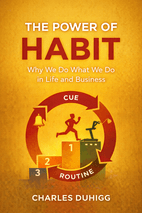
Charles Duhigg's The Power of Habit explores the science of habit formation through the cue-routine-reward loop, offering a framework for reshaping personal behaviors and organizational practices. It's for anyone seeking to understand and change their habits for greater personal or professional success.
Feature
Insta.Page
Blinkist
Shortform
Summary Depth
Full Chapter-by-Chapter
15-min overview
Detailed analysis
Audio Narration
✓ (AI narration)
✓
✓
Visual Mindmaps
✓
✕
✕
AI Q&A
✓ Voice AI
✕
✕
Quizzes
✓
✕
✕
PDF Downloads
✓
✕
✓
Price
$59.99/yr
$146/yr (PRO)
$199/yr
*Competitor data last verified February 2026.
About the Author
Charles Duhigg
Charles Duhigg is a Pulitzer Prize-winning reporter and author, best known for his books on habits and productivity, including *The Power of Habit* and *Smarter Faster Better*. His expertise lies in examining the science of productivity and the patterns that shape human and organizational behavior. He previously worked as a reporter for *The New York Times*.
1 Page Summary
The Power of Habit by Charles Duhigg explores the science behind habit formation and change, arguing that understanding the "habit loop" is key to transforming individual behaviors, organizational practices, and societal movements. Duhigg introduces a core neurological model consisting of a three-step loop: a cue (the trigger for an automatic behavior), a routine (the behavior itself), and a reward (the benefit gained from the behavior). He posits that by identifying and manipulating these components—specifically by diagnosing the cue and reward while keeping the reward but changing the routine—individuals can effectively reshape entrenched habits. This framework is illustrated through compelling narratives, from a man rebuilding his memory after brain damage to the successful turnaround of a major corporation like Alcoa by focusing on a single keystone habit of worker safety.
The book grounds its arguments in historical and scientific context, tracing the discovery of the habit loop to MIT researchers and highlighting pivotal case studies. Duhigg examines how corporations like Target use predictive analytics to identify customer purchasing habits, and how the civil rights movement in Montgomery was sustained by the social habits of its community. A central theme is the concept of "keystone habits"—small, significant changes that can trigger widespread shifts in other areas of life or within an organization. The narrative demonstrates that willpower is not merely a trait but a muscle that can be strengthened through habitual practice, and that organizational habits often succeed or fail based on ingrained institutional routines and crises that create opportunities for change.
Duhigg's work has had a lasting impact by democratizing neuroscience and psychology for a general audience, providing a practical and actionable blueprint for personal and professional development. Its influence extends to business management, public health campaigns, and self-help methodologies, emphasizing that habit change is possible through self-awareness and structured experimentation. By concluding that belief—in one's ability to change, often fostered within a community—is the essential ingredient for lasting transformation, The Power of Habit moves beyond mere mechanics to address the foundational role habits play in shaping identity, success, and societal progress.
This chapter begins with the remarkable story of Lisa Allen, whose life was transformed by a single, small decision that unlocked a cascade of positive changes. Her journey from disarray to becoming a marathon runner provided scientists with a real-world map of how deep behavioral patterns, or habits, can be completely remapped in the brain, even as old neural pathways remain.
The neurological secrets of this process are revealed through the extraordinary case of Eugene Pauly, a man with profound amnesia. Despite being unable to form new conscious memories, Eugene could learn new habits perfectly. This proved that habit formation resides in a different part of the brain—the basal ganglia—and operates independently of the memory centers. His life, guided by automatic routines, demonstrated a powerful paradox: we can act on learned behaviors without any conscious awareness of having learned them.
At the core of this automatic system is a simple but powerful neurological loop. Every habit consists of a three-part cycle: a cue that triggers the behavior, the routine of the behavior itself, and a reward that satisfies the brain. This habit loop—cue, routine, reward—becomes more automatic with repetition as the brain begins to crave the reward upon experiencing the cue. Through a process called "chunking," the brain compresses a sequence of actions into an automatic routine, saving immense mental effort and allowing us to perform complex tasks, like driving, while our conscious mind is elsewhere.
The chapter explores a crucial duality: habits are incredibly durable, yet surprisingly fragile. Once encoded in the basal ganglia, they never truly disappear; they lie dormant, waiting for the right cue and reward. This is why old, unwanted habits can resurface so easily. However, because they are so dependent on specific contextual cues, even a small change in the environment or routine can break the loop entirely. Eugene's life illustrated this fragility—a change in his walking route could leave him lost, and altering a pre-departure ritual could short-circuit a habitual emotional response.
Ultimately, this understanding provides a blueprint for change. By learning to identify the cues and rewards that drive our routines, we gain the power to "fiddle with the gears" of the habit loop. Whether it's Lisa's keystone habit or caregivers reshaping Eugene's behaviors by manipulating his environment, the principle is the same: habits shape our lives, but with insight into their mechanics, we can reshape them in return.
The Science of Transformation: Lisa Allen’s Story
The chapter opens with the compelling case of Lisa Allen, a woman studied by National Institutes of Health researchers. Her file painted a picture of a life in disarray: a history of smoking, drinking, debt, and job instability. Yet, when she walked into the lab, she was a vibrant, marathon-running graphic designer who had been smoke-free for nearly four years.
Her transformation began not with a grand plan, but in a moment of desperate sadness during a trip to Cairo following her divorce. Overwhelmed, she made a seemingly small decision: to give up smoking to prepare for a goal of trekking through the desert. This single shift acted as a "keystone habit." Quitting smoking created a ripple effect, leading her to take up jogging, which then altered her eating, sleeping, work, and financial habits. Brain scans revealed her old neural pathways were still present, but they were now overridden by new patterns. Her story provided scientists with a powerful map of how behavioral patterns—habits—reside and can be remapped within our minds.
The Neurology of Automatic Behavior: Eugene Pauly
The narrative then shifts to the neurological heart of habit formation, introduced through the case of Eugene Pauly (E.P.). After a devastating bout of viral encephalitis destroyed an oval of tissue in his medial temporal lobe, Eugene suffered profound amnesia. He could not form new memories or recognize his own son. However, despite being unable to consciously recall any part of his day, he retained the ability to learn new habits.
In a seminal experiment, researchers gave Eugene a puzzle where he had to identify a hidden pattern on different cards. Each day, they would explain the task as if for the first time, and he would insist he had never done it before. Yet, over dozens of sessions, his accuracy improved to perfection. His brain was learning the pattern, even though his conscious mind was completely unaware. This demonstrated a critical separation in the brain: the conscious, memory-forming medial temporal lobe was damaged, but the basal ganglia—the region where habits are rooted—was intact. Eugene could develop new automatic behaviors without any conscious recollection of the practice.
The Architecture of the Habit Loop
Eugene’s case allowed scientists to deconstruct the neurological loop that drives all habits. This loop consists of three parts:
The Cue: A trigger that tells your brain to go into automatic mode and which habit to use.
The Routine: The physical, mental, or emotional behavior itself.
The Reward: A positive stimulus that helps your brain figure out if this particular loop is worth remembering for the future.
In Eugene’s card experiment, the cue was the presentation of the cards. The routine was his guess based on an unconsciously learned pattern. The reward was the researcher saying “Correct!” (and, in other tests, a chocolate milkshake). Over time, this loop—cue, routine, reward; cue, routine, reward—becomes more and more automatic as the brain creates a craving for the reward at the sight of the cue. The habit is formed when the brain fully delegates the behavior to the basal ganglia, freeing the conscious mind to focus on other tasks. This explains how we perform complex sequences like backing a car out of the driveway or navigating a familiar route while our thoughts are entirely elsewhere.
Eugene's Profound Memory Loss
Eugene's life was forever changed by a virus that ravaged his medial temporal lobe, leaving him unable to form new memories. Despite this, he could chat amiably about satellites or the weather, and perform everyday tasks like thanking someone for a compliment. His wife, Beverly, noticed he could even take walks alone, returning with pinecones or a lost wallet, yet he had no recollection of where he'd been. This paradox—a man who couldn't draw a map of his own home but could navigate his neighborhood—caught the attention of researcher Larry Squire.
The Puzzle of Habitual Behavior
Squire, who had studied the famous amnesia patient H.M., recognized similarities in their brain scans but key differences in behavior. While H.M. was debilitated and institutionalized, Eugene lived at home and maintained social habits, like introducing himself to visitors. Through experiments, Squire found Eugene could sketch details from his youth but not memorize new numbers or recognize photos of his grandchildren. Yet, when hungry, Eugene would effortlessly walk to the kitchen and open a cabinet for snacks. This hinted that habits were operating on autopilot, separate from conscious memory.
Insights from Rat Experiments
Meanwhile, at MIT, neuroscientists were probing the brains of rats to unravel habit formation. They implanted sensors in the rats' basal ganglia—a primitive, golf ball-sized brain region—and observed them navigating a T-shaped maze for chocolate. Initially, the rats' brains worked furiously, analyzing every scent and sound. But as they learned the route, mental activity plummeted. The basal ganglia took over, storing the maze-running pattern so efficiently that the rats could zip through without thinking.
The Role of the Basal Ganglia
This research revealed the basal ganglia as a habit hub, crucial for converting deliberate actions into automatic routines. When a behavior becomes habitual, like backing a car out of the driveway, the basal ganglia kicks in, freeing the rest of the brain to focus on other thoughts—like remembering a forgotten lunchbox. This efficiency is an evolutionary advantage, conserving mental energy for complex tasks, but it requires a precise system to avoid dangers.
The Habit Loop: Cue, Routine, Reward
The brain's system for habits is a three-step loop. It starts with a cue—a trigger like a click or a meow that tells the brain which habit to use. Next comes the routine—the behavior itself, whether physical, mental, or emotional. Finally, the reward—like chocolate for a rat—reinforces the loop, helping the brain decide if it's worth remembering. Over time, this loop becomes so automatic that craving emerges, cementing the habit.
Chunking and Automaticity
At the heart of habit formation is "chunking," where the brain compresses a sequence of actions into a seamless routine. From brushing teeth to driving, countless behaviors are chunked, allowing us to perform them unconsciously. The brain spikes activity at the start and end of a habit—identifying the cue and confirming the reward—but quietens during the routine, showcasing how habits save effort.
Implications for Habit Change
This understanding underscores that habits are powerful but not unchangeable. The mechanics of the habit loop—cue, routine, reward—provide a blueprint for how habits form, setting the stage for exploring how they can be reshaped in daily life.
The Persistence and Plasticity of Habits
This section crystallizes a crucial paradox: habits are simultaneously durable and fragile. They become encoded into the structures of our brain, lying in wait for the right cue and reward, which is why bad habits are so difficult to eradicate permanently. As MIT scientist Ann Graybiel notes, habits never truly disappear; this is advantageous for essential skills like driving, but problematic when the habit is detrimental. The brain does not distinguish between good and bad routines—it simply automates repeated behaviors. This automation allows us to function without being overwhelmed by daily minutiae, as evidenced by the paralysis experienced by those with basal ganglia injuries, who struggle with basic decisions.
Proof Through Loss: The Case of Eugene
The story of Eugene, the amnesic patient, provides profound evidence of how habits operate independently of conscious memory. Despite being unable to recall the experiments from one moment to the next, Eugene learned through the habit loop. In Larry Squire's card experiment, Eugene’s performance improved dramatically over weeks because a loop was established: the cue (the paired objects), the routine (choosing one and turning it over), and the reward (the satisfaction of seeing "correct"). His bewildered statement, "the hand goes for it," perfectly captures the unconscious nature of habit execution.
This learning explained his daily life: consistent cues like trees and mailboxes guided his walks home, and environmental triggers led him to eat multiple breakfasts. It also revealed an emotional habit loop—his unexplained anger after his daughter's visits was a habitual emotional response triggered by her departure routine, persisting even after the cause was forgotten.
The Fragility of Habits
Squire's work with Eugene also demonstrated the delicate nature of these loops. Habits are context-dependent. A slight change in cues—street repairs on his walk, or his daughter pausing to chat before leaving—could completely disrupt the automatic pattern, leaving Eugene lost or short-circuiting his anger. This fragility is a lever for change: altering the cue can break the loop.
The Habit Loop in the Wider World
Subsequent research has shown this loop is universal. Cues and rewards can be vast and varied, from a time of day to a specific emotion. The power of the loop can override conscious knowledge, as shown in experiments where mice, knowing food was poisoned, would still automatically press a lever when presented with the familiar cue.
This has direct real-world parallels, such as the habit-forming architecture of fast-food chains. Standardized restaurant designs act as consistent cues, and food engineered for immediate sensory reward (like quickly dissolving fries) tightens the habit loop, encouraging increased consumption without conscious intention. Yet, as with Eugene, these patterns are delicate—closing a specific restaurant can break the routine entirely.
Living and Dying by Habit
Eugene's later life showed habits as a double-edged sword. While they gave his life structure, they also entrenched unhealthy behaviors like overeating and sedentariness. His wife, Beverly, learned to reshape his routines by manipulating cues (removing bacon, placing salad nearby), proving that even deeply ingrained habits can be influenced. In the hospital, caregivers successfully replaced the routine of pulling off sensors by introducing a new reward: consistent praise and doting attention, which he craved.
Eugene’s story ends with a poignant demonstration that a life rich in habit can still be a life of contentment, even without memory. His final, sweet comment to his daughter emerged from a lifetime of emotional patterns, a fleeting moment of clarity within the automated script.
Key Takeaways
Habits are permanent but malleable: Once encoded in the basal ganglia, habits never truly vanish. They lie dormant, waiting for the correct cue and reward. However, by deconstructing the loop, we can override and suppress unwanted patterns.
Habits operate outside of memory: Conscious recollection is not required for habit formation or execution. We can learn and act through automatic cues and rewards without any understanding of why, as Eugene's case definitively proved.
Habits are powerful yet delicate: Their power lies in their automaticity, which can override common sense. Their fragility lies in their dependence on specific contextual cues; even a small change in the environment or routine can disrupt the entire loop.
Control comes from observation and design: By learning to identify the cues and rewards that drive our routines, we gain the ability to "fiddle with the gears" and reshape our habits. Change is achieved by deliberately engineering new loops.
Key concepts: 1. The Habit Loop: How Habits Work
1. The Habit Loop: How Habits Work
The Habit Loop: Core Architecture
Every habit consists of a three-part neurological cycle: Cue, Routine, Reward
The Cue triggers the brain to enter automatic mode and select a specific habit
The Routine is the physical, mental, or emotional behavior performed
The Reward helps the brain determine if the loop is worth remembering for future use
Repetition strengthens the loop, making the brain crave the reward upon experiencing the cue
Neurological Basis of Habits
Habit formation resides in the basal ganglia, separate from memory centers
The process of 'chunking' compresses action sequences into automatic routines
Habits can form and operate without conscious awareness or memory
Old neural pathways remain dormant but can be overridden by new patterns
The basal ganglia allows complex behaviors to become automatic, freeing conscious mental effort
The Paradox of Habit Durability and Fragility
Once encoded in the basal ganglia, habits never truly disappear
Habits are incredibly durable and can resurface with the right cue and reward
They are simultaneously fragile and dependent on specific contextual cues
Small changes in environment or routine can break the habit loop entirely
This duality explains why old habits can return easily yet can also be disrupted
Transformation Through Keystone Habits
Small behavioral changes can trigger cascading positive transformations
Keystone habits create ripple effects that reshape multiple areas of life
Lisa Allen's decision to quit smoking unlocked changes in exercise, diet, work, and finances
Brain scans show new patterns can override old neural pathways while leaving them intact
Transformation begins with a single shift that acts as a catalyst for broader change
The Power of Habit Insight
Identifying cues and rewards provides power to modify routines
Understanding the habit loop allows us to 'fiddle with the gears' of behavior
Environmental manipulation can reshape habitual responses
Habits shape our lives, but with insight into their mechanics, we can reshape them
The habit loop provides a blueprint for intentional behavioral change
The Habit Loop in Action: Eugene's Card Experiment
The cue was the presentation of paired cards, the routine was his unconscious guess, and the reward was the researcher's affirmation.
The loop (cue, routine, reward) becomes automatic as the brain develops a craving for the reward upon seeing the cue.
Once formed, the habit is fully delegated to the basal ganglia, freeing the conscious mind for other tasks.
Eugene's statement, 'the hand goes for it,' illustrates the unconscious, automatic execution of a learned habit.
The Paradox of Habit Without Memory
Eugene's profound amnesia prevented new conscious memories but left his ability to form habits intact.
He could perform complex routines like navigating his neighborhood or finding snacks, despite no recollection of learning them.
This demonstrated that habits operate on a separate, unconscious autopilot system independent of declarative memory.
Neuroscientific Foundations: The Basal Ganglia and Chunking
The basal ganglia, a primitive brain region, is identified as the central hub for storing and executing habits.
Through 'chunking,' the brain compresses sequences of actions into automatic routines, conserving mental effort.
Brain activity spikes at the start (cue) and end (reward) of a habit but is quiet during the routine itself.
This efficiency is an evolutionary advantage but does not distinguish between beneficial and detrimental behaviors.
The Durability and Fragility of Habits
Habits are encoded into neural structures, making them durable and lying in wait for the right cue and reward.
They never truly disappear, which is advantageous for vital skills but problematic for bad habits.
The automation of routine allows normal functioning, while basal ganglia damage can cause decision-making paralysis.
This creates a paradox: habits are both powerfully persistent and potentially malleable through their loop structure.
Implications for Understanding and Changing Behavior
The habit loop (cue, routine, reward) provides a clear blueprint for how all habits form.
Understanding this mechanics sets the stage for strategically reshaping habits in daily life.
The research underscores that habit change is possible by manipulating components of the loop, not by sheer willpower alone.
The Emotional Habit Loop
Habitual emotional responses can form distinct loops, triggered by specific cues and routines.
These emotional patterns can persist long after the original cause or memory has faded.
Eugene's unexplained anger after his daughter's visits was a clear example of an automated emotional habit.
The Fragility and Context-Dependence of Habits
Habits are highly dependent on consistent contextual cues from the environment.
Even minor changes to the cue or routine can completely disrupt the automatic pattern.
This inherent fragility provides a critical lever for breaking or changing unwanted habits.
The Universal and Overriding Power of the Habit Loop
The cue-routine-reward loop operates universally across behaviors and species.
The power of a triggered habit can override conscious knowledge and common sense.
External systems, like fast-food chain design, are engineered to exploit this loop by providing consistent cues and immediate rewards.
Habits as a Double-Edged Sword
Habits provide essential structure but can also entrench unhealthy or undesirable behaviors.
Influencing habits is possible by strategically manipulating their cues and rewards.
Even deeply ingrained routines can be reshaped by introducing new rewards that satisfy the same craving.
Core Principles of Habit Function
Habits, once formed, are permanent in the brain but can be overridden or suppressed.
Habit execution operates independently of conscious memory or understanding.
Gaining control requires observing and deconstructing the loop to deliberately engineer new patterns.
If you like this summary, you probably also like these summaries...
💡 Try clicking the AI chat button to ask questions about this book!
Chapter 2: 2. The Craving Brain: How to Create New Habits
Overview
The story of habit formation often begins with a clever advertiser, but its real secret lies in the wiring of the brain itself. It opens with the legendary Claude Hopkins and his campaign for Pepsodent toothpaste. At a time when hardly anyone brushed their teeth, he discovered a universal cue—the filmy feeling on teeth—and paired it with the reward of a beautiful smile. His campaign was a historic success, creating a national habit from nothing and cementing his belief in a simple formula: find a clear cue and define a clear reward.
Yet this formula proved incomplete, as shown by the dramatic failure of Febreze. Marketed as a solution for strong, bad odors, the product languished on shelves. The problem was that the people who needed it most had become desensitized to the smells in their homes; the cue was invisible to them. Without a perceptible cue to trigger action, the reward of a fresh-smelling room was never experienced, and the habit loop couldn't start. This fiasco highlighted a missing ingredient, a force powerful enough to bridge the gap between cue and action.
That force is craving. The crucial breakthrough came from the meticulous work of neuroscientist Wolfram Schultz, who studied monkeys receiving juice rewards. He observed that as a habit formed, the brain's activity shifted. Instead of lighting up for the reward itself, it began firing with anticipation at the very sight of the cue. The monkey wasn't just working for juice; it was craving the neurochemical pleasure it expected. This craving is the hidden engine that drives the habit loop, making behaviors automatic and compulsive. When the expected reward was withheld, the craving intensified, demonstrating its power to override other desires.
This principle explains everything from the irresistible smell of Cinnabon in a mall to the powerful pull of a smartphone notification. A cue becomes effective not by prompting an action, but by sparking an anticipation of the reward's feeling. To build a new habit, therefore, you must engineer this craving. A runner sticks with it by cultivating a desire for the endorphin rush or the sense of accomplishment, not just by lacing up their shoes.
Armed with this insight, the Febreze team engineered a turnaround. They stopped marketing it as a solution for bad smells and repositioned it as a rewarding finish to a cleaning routine. The cue became a tidy room, and the reward was the fresh scent—a "mini-celebration" of a job well done. They created a craving for that specific sensory satisfaction, weaving Febreze into a positive habit loop and transforming it into a billion-dollar product. Even Hopkins's Pepsodent success is clarified by this lens. Its secret wasn't just white teeth; it was the cool, tingling sensation from its mint oils and citric acid. People didn't just want clean teeth; they craved that specific tingle, a manufactured craving that made the habit stick.
The ultimate lesson is that a habit forms when a consistent cue reliably predicts a reward, creating a neurological craving for that reward. The power lies in the anticipation. To create a new routine, you must identify a simple cue, define a genuinely desirable reward, and, most critically, cultivate a craving for the feeling that reward delivers. This is the invisible mechanism that companies tap into and that we can use to rewire our own behaviors, making the actions we want as automatic as brushing our teeth.
Claude Hopkins and the Creation of a Craving
The section opens not with theory, but with a business proposition. Claude C. Hopkins, a legendary and ruthlessly effective advertiser, was initially skeptical when a friend asked him to market a new toothpaste called Pepsodent. At the time, toothbrushing was not a common habit, and the market for toothpaste was tiny. Hopkins saw no obvious "cue" to trigger daily use. However, after being badgered into taking the job in exchange for stock, he embarked on a campaign that would not only make him rich but also create a national toothbrushing habit.
His breakthrough came from a dental textbook, where he latched onto the concept of "mucin plaques" or the natural "film" on teeth. He brilliantly transformed this universal, tangible cue—something you could feel by running your tongue over your teeth—into a problem. His ads provocatively instructed people to perform this action, feel the film, and then offered the reward: a beautiful, "Pepsodent smile" that would remove it. He paired a simple, undeniable cue with a desirable social and aesthetic reward. The campaign was a staggering success, moving toothpaste from a niche product to a bathroom staple.
Hopkins codified his method into two rules for habit formation: find a simple and obvious cue, and clearly define the rewards. He believed this was a scientific formula for creating routines. Yet, as the next case study reveals, his two rules were incomplete.
The Febreze Fiasco: When the Cue is Invisible
Decades later, the consumer goods giant Procter & Gamble applied Hopkins's principles to a revolutionary new product: Febreze, a spray that eliminated odors rather than masking them. Led by marketer Drake Stimson, the team identified clear cues (the smell of smoke on a jacket, pet odors) and a clear reward (odor-free fabrics). They ran heartfelt testimonial ads, like one featuring a park ranger whose life was transformed after Febreze eradicated the persistent skunk smell from her home and clothing.
Despite this seemingly perfect setup, the product flopped in test markets. Bottles sat unused on shelves or were forgotten in the backs of closets. The crisis led P&G researchers to conduct deeper interviews, where they discovered a fatal flaw: people who lived with persistent bad smells—like a woman with nine cats—became desensitized to them. The cue (the bad odor) was literally invisible to the people who needed the product most. Without a noticeable cue to trigger the habit, the reward was never experienced, and the habit loop never formed. Stimson's team was left baffled, facing professional ruin while clinging to a product that solved a problem its target customers couldn't consistently perceive.
The Neurological Bridge: Wolfram Schultz's Research
The narrative then introduces Wolfram Schultz, a neuroscientist at the University of Cambridge, whose messy laboratory belied the clarity of his groundbreaking work. His experiments in the 1980s and 1990s, monitoring the brains of monkeys as they received rewards like juice, began to uncover what Hopkins had missed and what the Febreze team didn't yet understand.
Schultz’s research moved beyond external cues and rewards to the internal neurochemical processes they trigger. He was particularly interested in how the brain processes anticipation of a reward versus the reward itself. His work laid the scientific foundation for understanding that the power of a habit loop lies not just in the reward, but in the craving for that reward that the cue begins to trigger. This craving is the crucial, hidden force that powers the loop and makes behaviors automatic. His research promises to explain why Pepsodent worked, why Febreze initially failed, and the true "third rule" required to create a lasting habit.
The Julio Experiment and the Neurological Basis of Craving
Building on the discovery of the habit loop, neuroscientist Wolfram Schultz's research with a macaque named Julio revealed the critical engine that powers it: craving. By monitoring Julio's brain activity as he learned to press a lever for a blackberry juice reward, Schultz observed a shift. Initially, the "I got a reward!" neurological pattern spiked only when the juice arrived. As the habit solidified, however, this pattern began firing the instant Julio saw the visual cue on the screen, before the juice was dispensed. The monkey’s brain had started anticipating the reward.
When Schultz then withheld or diluted the juice, Julio became frustrated or mopey. His brain exhibited a new pattern: craving. The anticipation of joy, if unmet, became a powerful neurological desire. This craving made the habit compulsive. In follow-up experiments, monkeys who had developed this craving ignored potent distractions like food or the chance to play with friends, remaining glued to the lever in anticipation of their reward. This demonstrated that habits gain power because they create neurological cravings that drive the loop automatically.
Craving in the Real World: From Cinnabon to Cigarettes
This principle explains many daily behaviors. The scent of Cinnabon rolls is strategically dispersed in malls to trigger a subconscious craving for sugar, driving customers to the store. For a smoker, the sight of a cigarette pack cues a craving for nicotine. The ping of a smartphone notification sparks a craving for the distraction a new message provides. In each case, the cue triggers not just a routine, but a craving for the anticipated reward. This craving is what makes resisting the habit so difficult. As research on addiction shows, strong habits can produce cravings that force the brain into autopilot, even in the face of severe negative consequences.
Engineering New Habits: The Role of Craving
Understanding craving is the key to building new habits. A study on exercise habits found people stuck with workouts not just because of a cue and reward, but because they craved the resulting feeling—either the endorphin rush ("feeling good") or the sense of accomplishment. To establish a running habit, therefore, you must consciously cultivate a craving for the reward, making your brain anticipate it. The cue must trigger both a routine and a craving for the reward to come.
This principle is humblingly universal, as Schultz noted with the example of unconsciously eating a child's chicken nuggets: the sight of the food triggers a craving, and eating it satisfies that urge with a rush of pleasure.
The Febreze Breakthrough: Creating a Craving
Procter & Gamble’s team applied this insight to rescue the failing air freshener Febreze. Initially marketed as a solution for bad odors—a reward few people craved admitting they needed—it languished. Their breakthrough came from observing a woman who used Febreze not as a cleaning tool, but as a "mini-celebration," a final spritz to make a clean room smell nice. P&G repositioned the product entirely. New ads linked Febreze to the completion of cleaning routines (the cue) with the reward of a fresh scent. They calibrated the advertising to cultivate a new craving: the desire for a room to smell as clean as it looked. Once housewives began to crave that scent, Febreze use became habitual, transforming it into a billion-dollar product line.
Pepsodent's Secret: Selling a Sensation
The chapter revisits Claude Hopkins's Pepsodent campaign with this new understanding. While Hopkins claimed his genius was in selling the cue of tooth film and the reward of beautiful teeth, many past toothpastes had used that same pitch and failed. Pepsodent’s secret ingredient was citric acid and mint oils that created a cool, tingling sensation. Consumers didn't just crave white teeth; they craved that specific tingling feeling in their mouths. If they forgot to brush, they missed the tingle. Hopkins had inadvertently sold a craving. This is now an industry standard—the tingling sensation in toothpaste is a manufactured craving that convinces people the product is working.
The Formula for Habit Creation
The lesson is clear: to create a new habit, you must identify a simple cue, clearly define a reward, and, most critically, cultivate a craving for that reward. Whether it's anticipating a smoothie after a workout, focusing on the pride of weight loss, or expecting the tingling of toothpaste, the craving is what powers the loop. Companies use this science constantly, adding foaming agents to shampoo or tingling to sunscreen to create expected sensations that consumers learn to crave.
Key Takeaways
Habits are driven by cravings. The neurological anticipation of a reward—not the reward itself—is what makes a habit compelling and automatic.
Cravings are learned through repetition, as the brain begins to associate a specific cue with an expected reward.
To build a new habit, you must foster a craving. A cue and reward alone are insufficient; you must consciously cultivate a desire for the reward to make the behavior stick.
This principle explains both personal and commercial success. From exercise routines to product design, understanding how to trigger a specific craving is the key to establishing lasting habits.
The section builds on the neurological loop of cue, craving, response, and reward by exploring the powerful role craving plays in making habits automatic. It argues that the craving for the reward—not the reward itself—is the true engine of habit formation. A habit only becomes ingrained when the cue reliably predicts a satisfying reward, creating an anticipatory craving that compels action.
The Mechanics of Desire
Craving is the feeling of desire that emerges from anticipating the reward. The brain begins associating a specific cue (like the smell of coffee) not just with the reward (the caffeine buzz), but with the feeling of relief or pleasure that reward provides. This anticipation is what transforms a neutral cue into a compelling trigger. The process is less about achieving the goal and more about satisfying the craving that the cue initiates.
Case Study: Febreze's Pivot
The text highlights the product Febreze as a pivotal example. Initially marketed as a revolutionary odor-eliminator for homes with strong, bad smells, it failed. The problem was that people in smelly environments often grew accustomed to the odor—it wasn't a noticeable cue triggering a craving for freshness. The product only succeeded when marketers repositioned it not as a solution to a problem, but as a reward itself—a pleasant sensory capstone to a cleaning ritual. By making the act of spraying Febreze the final, gratifying step after tidying a room, they created a new craving. The cue (a clean room) now triggered a craving for that fresh scent as a marker of accomplishment, weaving the product into a positive habit loop.
Embedding New Cravings into Routine
The examples extend to common rituals. The morning alarm (cue) triggers a craving for alertness and comfort, satisfied by the response of brewing coffee. The sight of running shoes by the door (cue) sparks a craving for the endorphin rush and sense of vitality that follows a run. In each case, habits stick because the brain learns to crave the internal reward before the action even begins, making the behavior almost involuntary.
Key Takeaways
Habits are driven by craving. The anticipation of the reward (the craving) is more critical to habit formation than the reward itself.
Successful products and routines tap into existing or create new cravings. They become embedded not by solving obvious problems, but by inserting themselves as the satisfying conclusion to a cue.
To build a new habit, make the cue obvious and the reward genuinely desirable. The goal is to create a craving for the feeling the reward delivers, which will power the habit loop automatically.
Key concepts: 2. The Craving Brain: How to Create New Habits
Make desired actions automatic by engineering craving for the reward's feeling
The Febreze Failure: The Problem of Invisible Cues
Febreze initially failed because its target customers with persistent bad smells became desensitized to the odor cue.
Without a noticeable cue to trigger the habit loop, the reward was never experienced and the habit never formed.
The product solved a problem its users couldn't consistently perceive, demonstrating that cues must be noticeable to initiate habit formation.
The Neurological Basis of Craving: Wolfram Schultz's Research
Schultz's research moved beyond external cues and rewards to study the internal neurochemical processes of anticipation.
His work revealed that the power of a habit loop lies not just in the reward, but in the craving for that reward.
Craving is the crucial, hidden force that powers the habit loop and makes behaviors automatic.
The Julio Experiment: Observing Craving in the Brain
As the monkey Julio learned the lever-pressing habit, brain activity shifted from firing at reward delivery to firing at the visual cue.
This shift demonstrated that the brain begins anticipating the reward before it arrives, creating a neurological pattern of craving.
When the reward was withheld, the craving became evident through frustration, showing that unmet anticipation drives compulsive behavior.
Craving in Everyday Life: From Marketing to Addiction
Commercial strategies like Cinnabon's scent dispersion work by triggering subconscious cravings for specific rewards.
For smokers, the sight of cigarettes cues a craving for nicotine; for smartphone users, notifications spark craving for distraction.
Strong habits produce cravings that can force the brain into autopilot, even against conscious will or in face of negative consequences.
Engineering Habits Through Craving
To build lasting habits, one must consciously cultivate a craving for the reward, making the brain anticipate it.
Studies show people stick with exercise not just for the reward, but because they crave the resulting feeling (endorphins or accomplishment).
The cue must trigger both a routine and a craving for the forthcoming reward to establish a strong habit loop.
The Febreze Breakthrough: Repositioning to Create Craving
P&G repositioned Febreze from a cleaning solution for bad odors to a 'mini-celebration' marking the completion of cleaning.
New ads linked the cue (finishing cleaning) with the reward (fresh scent) to cultivate a new craving for a room to smell clean.
By creating this craving, Febreze use became habitual, transforming the product into a billion-dollar success.
Pepsodent's True Innovation: Manufacturing a Craving
Pepsodent's success was not due to selling white teeth, but to creating a craving for the tingling sensation from its citric acid and mint oils.
Consumers began to miss the specific tingling feeling if they skipped brushing, making the habit self-reinforcing.
This established an industry standard where manufactured sensory cues (like tingling) convince users a product is working.
The Formula for Habit Creation
Creating a habit requires a simple cue, a clear reward, and most critically, a cultivated craving for that reward.
The craving—the neurological anticipation of the reward—is what powers the habit loop and makes behavior automatic.
This formula is widely applied commercially (e.g., foaming agents in shampoo) and personally (e.g., anticipating post-workout pride).
The Mechanics of Craving
Craving is the feeling of desire that arises from anticipating the reward, not just from receiving it.
The brain associates a cue with the feeling of relief or pleasure the reward provides, transforming the cue into a compelling trigger.
Habit formation is less about achieving an end goal and more about satisfying the craving initiated by the cue.
Case Study: Febreze's Pivot from Problem-Solver to Ritual Reward
Febreze initially failed as an odor-eliminator because people in smelly environments often lacked a cue (they were desensitized to the bad smell).
It succeeded only when repositioned as a pleasant sensory reward—the final, gratifying step in a cleaning ritual.
This created a new craving: a clean room (cue) triggered a desire for the fresh scent as a marker of accomplishment.
Embedding Cravings into Daily Routines
Effective habits embed cravings into existing routines (e.g., morning alarm cues a craving for coffee's alertness).
The brain learns to crave the internal reward (like endorphins after a run) before the action begins, making the behavior feel automatic.
Habits stick when the cue reliably predicts a satisfying reward, generating an anticipatory craving that compels action.
Core Principles of Craving-Driven Habits
Habits are driven by the craving for a reward, not the reward itself.
Cravings are learned through repetition as the brain links cues with expected rewards.
To build a new habit, you must consciously cultivate a craving for the reward; cue and reward alone are insufficient.
This principle explains success in both personal habit formation and commercial product design.
⚡ You're 2 chapters in and clearly committed to learning
Why stop now? Finish this book today and explore our entire library. Try it free for 7 days.
Chapter 3: 3. The Golden Rule of Habit Change: Why Transformation Occurs
Overview
The chapter explores how lasting habit change relies on a core principle: you can't simply erase unwanted behaviors, but you can transform them by working with the brain's existing wiring. This is captured in the Golden Rule of Habit Change, which states that to modify a habit, you must identify and keep the old cue and the old reward, but insert a new routine. This model is illustrated through football coach Tony Dungy's philosophy of drilling players to react automatically to specific cues on the field, replacing hesitation with precise action. Similarly, Alcoholics Anonymous inadvertently uses this rule by helping members find new routines, like attending meetings, to address the cues and rewards previously linked to drinking.
Applying this rule starts with awareness—diagnosing the true craving behind a habit, as seen with a chronic nail-biter who learned to swap biting for a different physical stimulation. Yet, merely swapping routines isn't enough, especially under stress. Dungy's teams initially faltered in high-pressure games because players lacked belief in the system, a pattern echoed in addiction recovery where those who sustain sobriety often cite a belief in something greater, whether a higher power or group support. This belief isn't about divinity but about the conviction that change is possible and that one can cope without the old habit.
Crucially, such belief is most effectively nurtured within a community. Research shows that people often change after joining new social groups or witnessing others' transformations, which makes new identities feel attainable. For Dungy, a personal tragedy forged a profound collective belief in his team, allowing their retrained habits to hold under extreme pressure and culminating in a Super Bowl victory. Ultimately, the chapter emphasizes that successful habit change requires both the mechanical process of the Golden Rule and the belief fostered through communal support, whether from a walking partner, a therapy group, or a team united by shared purpose. This combination turns new routines into sustainable transformations, highlighting that change is a social endeavor as much as a personal one.
Tony Dungy's Habit-Based Philosophy
The narrative opens in a crucial moment for the embattled new coach of the Tampa Bay Buccaneers, Tony Dungy. With minutes left in a 1996 game, he sees his team executing not with frantic improvisation, but with automatic precision. This moment validates his unconventional coaching philosophy, developed over years of being passed over for head coaching positions.
Dungy believed winning wasn't about extraordinary plays, but about players making ordinary plays habitually and faster than the opponent could react. His core insight was that you cannot simply erase the bad habits that brought athletes to the professional level. Instead, you must change them by working with the existing mental architecture.
The Golden Rule of Habit Change
This insight crystallizes into a fundamental principle: You can't extinguish a bad habit; you can only change it. The method is to identify and keep the old cue and the old reward, but insert a new routine.
This Golden Rule states that almost any behavior can be transformed if the cue and reward remain constant. It’s a model that has influenced treatments for a vast array of destructive behaviors, from smoking to overeating. Dungy applied this by simplifying his team's defensive playbook to a handful of formations. He drilled his players to react automatically to specific cues (like a lineman's foot placement) without thinking, replacing the routine of hesitation with one of instantaneous, correct action. The winning play against San Diego, culminating in a key interception, was a direct result of this retrained habit loop.
Alcoholics Anonymous and the Science of Habit Change
The chapter then draws a parallel to a vastly different arena: addiction recovery. It recounts the founding of Alcoholics Anonymous (AA) by Bill Wilson. While AA is not scientifically designed and emphasizes spirituality, researchers have found that its effectiveness stems from its inadvertent use of the Golden Rule.
AA works by helping members identify the cues that trigger their urge to drink (through steps like making a "fearless moral inventory") and understand the rewards they truly crave—often not intoxication itself, but escape, relaxation, or emotional release. The program then inserts a new routine: attending meetings and talking with a sponsor. This new behavior leverages the same cues and provides a similar reward (camaraderie, catharsis, relief from anxiety), effectively rewriting the habit loop.
Neurological studies, like one where electrical implants blocked cravings in alcoholics, confirmed the rule. Even with cravings overridden, patients relapsed because the old cue-reward connection remained. Lasting change only occurred when they learned new routines (like AA or therapy) to address those old triggers.
The section concludes by noting that the principles derived from AA and Dungy's coaching are now being applied to reshape all kinds of routines, setting the stage for understanding how to reprogram patterns in anyone's life.
The Mechanics of Change: Cue, Routine, Reward
The case of Mandy, a chronic nail-biter, perfectly illustrates the practical application of the Golden Rule. Referred to a psychologist for "habit reversal training," Mandy's treatment began with awareness training—identifying the cue that triggered her habit. She realized a specific tension in her fingertips preceded the biting. Next, they isolated the reward: a brief sense of physical stimulation and completeness she craved, often linked to boredom. With the cue (finger tension) and reward (stimulation) identified, the therapist helped her insert a new routine. Whenever she felt the cue, Mandy was to perform a "competing response" like gripping a pencil and then seek a different source of physical stimulation, like rubbing her arm. The cue and reward remained identical; only the routine changed. Within a month, the new habit loop was automatic.
This principle extends far beyond nail-biting. To change a habit, you must diagnose the craving driving the behavior. For instance, someone snacking at work might crave not food, but a break from boredom—a reward better served by a quick walk. A smoker might crave nicotine, or the social ritual and stimulation a cigarette provides. By identifying the true cue and reward, you can experiment with new routines that deliver the same satisfaction, making change more likely.
The Missing Ingredient: Belief
However, this mechanical process of habit replacement has limits, especially under stress. This is demonstrated by the story of Tony Dungy, the football coach who transformed the Tampa Bay Buccaneers by drilling players to convert complex decisions into automatic habits triggered by specific cues ("keys"). While his system led to consistent regular-season success, the team repeatedly collapsed in high-pressure playoff games. Players would abandon their trained habits, reverting to old instincts. Dungy realized they lacked belief in the system when everything was on the line. Despite being fired, his foundational work led the Bucs to a Super Bowl victory the very next year.
The critical role of belief is further underscored by the experiences of Alcoholics Anonymous. Researchers found that while habit replacement (using meetings as a new routine for the cue of craving) worked for many, it often failed during major life stresses. Interviews revealed that those who achieved lasting sobriety frequently cited a belief in a higher power as key. Academics concluded it wasn't God per se, but belief itself—the capacity to believe that change is possible and that one can cope with stress without the old habit. AA provides a community where this belief is practiced and reinforced. As one alcoholic named John explained, his success came only when he was ready to "believe in something," surrendering to the group and a power greater than himself.
Dungy’s own journey reaffirmed this. After moving to the Indianapolis Colts and implementing his system, the same playoff failures recurred until a personal tragedy—the suicide of his son, Jamie—forged a deeper change. In the wake of shared grief, a profound belief in Dungy, his system, and each other coalesced within the team. Players described a new level of unity and commitment. This forged belief, born from adversity, became the final ingredient that allowed their retrained habits to hold under the utmost pressure, setting the stage for their ultimate success.
The Power of Belief and Community
The chapter explains that while personal tragedy can spark the belief necessary for change, it is not the only catalyst. A Harvard study on life transformations found that people often changed after witnessing a friend’s adversity or, just as frequently, after simply becoming part of a new social group that made change feel possible. One woman credited a psychology class and its community for a core shift in her identity, while a man overcame shyness by practicing new social behaviors with new friends until they became authentic. The research underscores that for most people, radical change is not preceded by a dramatic event but is nurtured within a community—sometimes as small as two people—that makes the new reality believable. As researcher Todd Heatherton noted, “Change occurs among other people. It seems real when we can see it in other people's eyes.”
A Championship Season Forged in Belief
This principle was vividly demonstrated in the culmination of Tony Dungy’s journey with the Indianapolis Colts. After the tragedy of his son’s death, the 2006 season became a testament to collective belief. Despite a disastrous first half in the AFC Championship game, where players overthought and abandoned their habits, Dungy rallied them at halftime. He invoked past near-victories and insisted, “This is our game. It's our time.” Returning to the field, the team meticulously executed their automatic routines. In the final minute, cornerback Marlin Jackson’s game-winning interception was a product of ingrained habit, executed under extreme pressure. The players attributed their ultimate Super Bowl victory to a belief that solidified all their practiced routines, allowing them to perform when it mattered most.
Applying the Golden Rule with Support
The chapter crystallizes the lesson: habit change requires more than just substituting a new routine for an old one while keeping the same cue and reward. For change to last, people must believe change is possible, and this belief is most effectively fostered within a group. Whether quitting smoking, losing weight, or altering any behavior, success rates increase dramatically when the effort is communal. One must find an alternative routine and a supportive community—a walking partner, a weight-loss group, or a fellow former smoker—to reinforce the new identity and provide strength during moments of temptation.
Key Takeaways
Lasting habit change hinges on belief, which often emerges from communal support, not just personal willpower.
The Golden Rule of Habit Change—using the same cue and reward to insert a new routine—must be coupled with this belief to be sustainable.
Real-world examples, from support groups to championship sports teams, show that shared belief makes new identities and behaviors feel attainable and real.
Additional Insights: On Addiction and the Work of Change
The chapter includes important footnotes clarifying that many behaviors termed "addictions" are driven by powerful habit loops. While some substances create physical dependencies (like nicotine, whose chemical craving lasts about 100 hours), the persistent urges are often behavioral habits. Modifying the routines surrounding addiction is a clinically effective treatment.
It also stresses that understanding the habit loop is a tool, not a magic solution. Genuine change requires hard work, self-understanding of underlying cravings, and often professional help. However, examining the cues and rewards driving behavior provides a critical blueprint for replacing destructive patterns with healthier ones.
Key concepts: 3. The Golden Rule of Habit Change: Why Transformation Occurs
3. The Golden Rule of Habit Change: Why Transformation Occurs
The Golden Rule of Habit Change
You cannot extinguish a bad habit, only change it by working with the brain's existing wiring
Keep the old cue and old reward, but insert a new routine
This principle applies to behaviors from smoking to overeating to athletic performance
Tony Dungy applied this by simplifying playbooks and drilling automatic responses to specific cues
Tony Dungy's Habit-Based Coaching Philosophy
Winning comes from making ordinary plays habitually and faster than opponents
Replace hesitation with automatic, precise action through repetition
Simplify complex systems to create reliable habit loops
Success demonstrated in key game moments where trained habits prevailed
Alcoholics Anonymous and Habit Transformation
AA inadvertently uses the Golden Rule despite its spiritual framework
Helps members identify cues (through moral inventory) and understand true rewards
Inserts new routine of meetings and sponsor calls for same cue-reward connection
Neurological studies confirm cravings alone aren't enough - new routines must address old triggers
The Critical Role of Belief
Mere routine swapping isn't enough under extreme stress or pressure
Belief that change is possible is essential for habit transformation to hold
Dungy's teams initially faltered until they developed belief in the system
In addiction recovery, belief in something greater (higher power, group support) sustains change
Community as Catalyst for Sustainable Change
Belief is most effectively nurtured within a community or social group
Witnessing others' transformations makes new identities feel attainable
Personal tragedy forged collective belief in Dungy's team, leading to Super Bowl victory
Change is a social endeavor requiring communal support alongside mechanical habit alteration
Practical Application of Habit Change
Start with awareness - diagnose the true craving behind a habit
Example: Chronic nail-biter swapped biting for different physical stimulation
Combine mechanical process (Golden Rule) with belief fostered through support
Sustainable transformation requires both individual effort and social reinforcement
Practical Application of the Golden Rule
Habit reversal training begins with awareness training to identify the specific cue triggering the habit.
Isolating the true reward (e.g., stimulation, relief from boredom) is crucial for effective change.
A new routine is inserted that responds to the same cue and delivers the same reward.
The case of Mandy the nail-biter shows the cue (finger tension) and reward (stimulation) remained identical while the routine changed.
This principle applies broadly: changing a habit requires diagnosing the underlying craving driving the behavior.
The Missing Ingredient: Belief
Habit replacement alone has limits, especially under high stress or pressure.
Tony Dungy's football teams showed trained habits would collapse in playoffs when belief in the system was lacking.
In Alcoholics Anonymous, lasting change often required belief in a higher power or simply belief that change was possible.
Belief is the capacity to trust that one can cope without the old habit.
Personal tragedy (like Dungy's son's suicide) can forge the deeper belief necessary for transformation.
The Power of Belief and Community
Belief can be sparked not only by personal crisis but by witnessing a friend's adversity or joining a new social group.
Change is often nurtured within a community that makes the new identity and reality feel believable.
A Harvard study found radical change is frequently preceded by integration into a supportive group, not a dramatic event.
Practicing new behaviors within a community helps make them authentic and sustainable.
As researcher Todd Heatherton noted: 'Change occurs among other people. It seems real when we can see it in other people's eyes.'
A Championship Season Forged in Belief
The 2006 Indianapolis Colts season demonstrated how collective belief solidifies trained habits under pressure.
After a disastrous first half in the AFC Championship, Dungy rallied the team by invoking past near-victories and affirming 'This is our time.'
Players returned to executing their automatic routines meticulously, leading to a game-winning interception by Marlin Jackson.
The Super Bowl victory was attributed to a solidified belief that allowed practiced habits to hold when it mattered most.
Adversity-forged belief became the final ingredient enabling retrained habits to withstand extreme pressure.
Applying the Golden Rule with Support
Lasting habit change requires more than routine substitution; it requires belief that change is possible.
Belief is most effectively fostered and reinforced within a group or community.
Success rates for quitting smoking, losing weight, etc., increase dramatically when the effort is communal.
One must find both an alternative routine and a supportive community to reinforce the new identity.
A supportive community provides strength during moments of temptation and helps make the new behavior sustainable.
The Golden Rule of Habit Change
Habit change requires keeping the same cue and reward while inserting a new routine into the loop.
This rule provides a structured framework for modifying behavior patterns at their core.
The rule alone is insufficient for lasting transformation without the critical component of belief.
The Role of Belief in Sustaining Change
Belief is the essential catalyst that makes habit change durable and sustainable.
Belief often emerges from communal support, crisis, or group experience rather than individual willpower.
Shared belief in a group makes new identities and behaviors feel attainable and real.
Belief transforms the new routine from a conscious effort into an automatic, self-reinforcing behavior.
Communal Support as a Catalyst
Support groups and team environments provide the social framework necessary for belief to develop.
Examples from AA to championship sports teams demonstrate how collective belief enables transformation.
The community helps individuals navigate the difficult period before new habits become automatic.
External support creates accountability and reinforces the new identity being formed.
Addiction and Habit Loops
Many behaviors termed 'addictions' are driven by powerful habit loops rather than purely chemical dependencies.
While substances like nicotine create physical dependencies, persistent urges are often behavioral habits.
Modifying the routines surrounding addiction is a clinically effective treatment approach.
The habit loop framework helps identify and address the behavioral patterns sustaining addictive behaviors.
The Work of Genuine Change
Understanding habit loops is a tool, not a magic solution for behavior modification.
Genuine change requires hard work, self-understanding of underlying cravings, and often professional help.
Examining cues and rewards provides a critical blueprint for replacing destructive patterns with healthier ones.
Transformation occurs through deliberate practice of new routines coupled with sustained belief in the possibility of change.
Chapter 4: 4. Keystone Habits, or The Ballad of Paul O’Neill: Which Habits Matter Most
Overview
When Paul O’Neill became CEO of Alcoa, he stunned investors by declaring that worker safety, not profits, was his number one goal. This single, unwavering focus—aiming for zero injuries—seemed like corporate madness. Yet, it became the powerful lever that transformed the entire company, sending profits and market value soaring while making Alcoa a global safety leader. O’Neill’s story illustrates the concept of keystone habits: certain patterns that, when changed, set off a chain reaction that disrupts and remakes other behaviors.
O’Neill’s method was deliberate. He installed a clear habit loop for safety: any injury required a report and a prevention plan to reach his desk within 24 hours. This simple rule forced an unprecedented flow of information, flattened hierarchies, and empowered every worker to stop a production line if something was unsafe. The focus on preventing injuries led to the examination and optimization of every process, which in turn reduced waste, improved product quality, and strengthened labor relations. The safety habit created a series of small wins, modest victories that built momentum and made further positive changes easier to adopt.
This phenomenon isn’t confined to corporations. When people start a keystone habit like regular exercise, they often find themselves eating better and becoming more productive at work without a conscious decision. Studies show that family dinners correlate with better homework and emotional control in children. For Olympic champion Michael Phelps, his coach instilled the keystone habit of mental visualization. By nightly imagining the perfect race, Phelps created a mental “videotape” that turned anxiety into a familiar routine, allowing him to adapt and win even when his goggles failed during a race.
The power of these small wins can spark social movements, as seen when a minor bureaucratic change for the Library of Congress ignited the momentum for gay rights. At Alcoa, O’Neill’s focus on safety led to the early creation of a company-wide email system for sharing safety data, which organically evolved into a vibrant network for exchanging all kinds of business insights. This shows how keystone habits work by creating structures—like a food journal for dieters—that support and nurture other good behaviors.
Ultimately, keystone habits forge strong organizational cultures that make values non-negotiable. This was tested when O’Neill fired a top executive for hiding safety incidents. Within Alcoa’s culture, this difficult decision was straightforward; the executive had violated the sacred principle of transparency and collective learning. Such cultures develop their own language and rituals, reinforcing new norms. This principle extends to institutions like West Point, where cadets form groups with daily habits that build grit—a shared resilience more predictive of success than talent alone.
O’Neill’s legacy lived on long after his tenure. The safety culture became so ingrained that most Alcoa locations eventually achieved perfect safety records. The principles even manifested in small, symbolic acts, like a manager removing titles from premium parking spots to reinforce that every person matters. The chapter reveals that success doesn't require changing everything at once. Instead, it often depends on identifying the right keystone habit and using its transformative ripple effect to build a self-reinforcing culture of excellence.
A Shocking Priority: Safety Over Profits
In October 1987, Wall Street investors gathered to meet Alcoa's new CEO, Paul O'Neill. Expecting the usual promises of profit and synergy, they were stunned when O'Neill declared his top priority: making Alcoa the safest company in America, aiming for zero worker injuries. The audience, confused and alarmed, saw this as a sign of a "crazy hippie" who would ruin the company. Many advised clients to sell their stock immediately. This advice proved disastrously wrong.
Under O'Neill, Alcoa's profits soared to record highs, its market value increased by $27 billion, and its worker injury rate plummeted to one-twentieth of the national average. Some facilities went years without a lost-time accident. The initial focus on safety, far from killing the company, had transformed it into a profit machine and a global safety leader.
The Origins of a Keystone Thinker
O'Neill's approach was rooted in his methodical nature and government experience. A lifelong list-maker, he rose through the ranks of the Veterans Administration and the Office of Management and Budget by analyzing why projects succeeded or failed. In Washington, he observed that entire government agencies operated on automatic institutional "routines"—the organizational equivalent of habits. He saw that successful agencies, like certain divisions at NASA or the EPA, consciously engineered routines that rewarded desired behaviors, like risk-taking or regulatory aggression.
Launching the Safety Habit Loop
When approached for the Alcoa job, O'Neill knew he couldn't simply order change. He needed a keystone habit—a single priority that everyone, unions and executives alike, could agree upon. That unifying focus was worker safety. His goal of "zero injuries" was non-negotiable.
He implemented a company-wide habit loop modeled on the cue-routine-reward framework:
Cue: An employee injury.
Routine: The unit president must report the injury to O'Neill within 24 hours with a prevention plan.
Reward: Career advancement was tied to embracing this safety system.
This simple loop forced a radical restructuring of communication. To meet the 24-hour deadline, information had to flow instantly from the factory floor to the executive suite, dismantling rigid hierarchies. Workers were empowered to suggest fixes and stop production lines if necessary.
The Ripple Effect of a Keystone Habit
As the safety habit took hold, it triggered a cascade of positive changes across Alcoa. To prevent injuries, every manufacturing process had to be examined and optimized. This led to:
Reduced waste and lower costs (e.g., fixing a splash problem saved raw materials).
Higher product quality (e.g., replacing faulty equipment eliminated a safety hazard and a cause of defects).
Increased productivity and better labor relations, as both workers and managers united around the common goal of safety.
The habit became so ingrained that employees began applying it outside of work, like chastising city workers for unsafe trench digging. O'Neill had proven that by focusing on one powerful keystone habit—safety—he could create a chain reaction that reformed the entire organization.
The Science of Small Wins
The chapter posits that keystone habits like O'Neill's safety program create "small wins" that make other habits easier to adopt. This phenomenon is evident beyond corporations. Research shows that introducing a keystone habit like regular exercise often leads people to unknowingly improve their diets, increase work productivity, and reduce stress. Similarly, family dinners correlate with better child outcomes, and making your bed is linked to greater productivity and financial discipline.
These initial shifts start chain reactions, creating structures and cultures where positive change becomes contagious. The power lies not in the individual habit itself, but in its ability to dislodge and remake other patterns, proving that success often depends on finding the right lever.
Michael Phelps's Mental Triggers
Bob Bowman, Michael Phelps's coach, understood that physical prowess alone wasn't enough for Olympic success. He introduced Phelps to relaxation scripts and, more importantly, the habit of mental visualization. Each night and morning, Phelps would lie in bed and imagine the perfect race, etching every stroke, turn, and finish into his mind. This "videotape" became a powerful trigger, transforming pre-race anxiety into a familiar routine of small wins. During the 2008 Beijing Olympics, when his goggles filled with water mid-race, Phelps stayed calm because he had mentally rehearsed such setbacks. Blindly counting strokes, he touched the wall to set a world record, his habits carrying him through.
The Ripple Effect of Small Wins
Small wins are modest victories that unlock disproportionate influence, acting as catalysts for broader change. In the early 1970s, the gay rights movement secured a small win by persuading the Library of Congress to reclassify books on homosexuality from a derogatory category to a neutral one. This minor bureaucratic shift ignited momentum, leading to increased fundraising, political campaigns, and eventually, the American Psychiatric Association removing homosexuality from its list of mental illnesses. As researcher Karl Weick observed, small wins scatter like experiments, revealing hidden resources and barriers that fuel transformative patterns.
Paul O'Neill's Safety-Led Transformation
Upon becoming CEO of Alcoa, Paul O'Neill made worker safety his unwavering priority. After a fatal accident in an Arizona plant, he called an emergency meeting, bluntly stating, "We killed this man," and took personal responsibility. His intense focus led to immediate safety upgrades, resulting in a short-term drop in injuries. O'Neill framed this as a life-saving achievement, not just a statistical win, which galvanized employees. Soon, workers felt empowered to suggest improvements beyond safety, like a process change that doubled profits on aluminum siding. O'Neill's habit of digging for root causes, refined during his government work on infant mortality, helped uncover deeper systemic issues.
Building Habit-Enabling Structures
Keystone habits often succeed by creating frameworks that nurture other behaviors. In a weight loss study, participants asked to keep a weekly food journal began noticing patterns and spontaneously adopted healthier eating habits, losing twice as much weight as others. Similarly, O'Neill's safety push at Alcoa led to the early adoption of a worldwide email network for sharing safety data. This system quickly evolved into a vibrant platform for exchanging all sorts of business insights, from market conditions to sales strategies, giving Alcoa a competitive advantage years before such communication became standard.
Accountability and Unreported Incidents
O'Neill's commitment to transparency was challenged when Sister Mary Margaret, a Benedictine nun, accused him of covering up dangers at an Alcoa plant in Mexico. O'Neill presented the plant's strong safety records but ordered an investigation. It revealed that while minor fume-related illnesses had occurred and were quickly resolved, the plant manager, Robert Barton, had failed to report them to headquarters. This incident highlighted how even within a culture focused on safety, lapses in reporting could occur, reinforcing the need for vigilant systems and accountability rooted in keystone habits.
The Firing That Defined a Culture
The incident with Bob Barton served as a stark demonstration of Paul O’Neill’s ingrained safety culture in action. When executives discovered that workers at a subsidiary had fallen ill due to chemical exposure and that Barton, a top executive, had known but not reported it, O’Neill faced a critical decision. Despite Barton’s value to the company and his role in key joint ventures, O’Neill fired him without hesitation. Within Alcoa, this was seen not as a shock, but as an inevitable outcome. As one colleague put it, “Barton fired himself.” The safety habit had created such a clear set of values that violating them—by hiding an opportunity for collective learning—made his departure unavoidable.
How Keystone Habits Forge Organizational Culture
This event highlights the profound, final way keystone habits drive change: by building self-reinforcing cultures that cement new values. These cultures make difficult decisions straightforward because the shared principles are unambiguous. Often, this manifests in a unique vocabulary—phrases like Alcoa’s “Core Programs” or “Safety Philosophies” act as containers for entire philosophies about priorities and conduct. O’Neill reflected that in another company, firing a long-tenured executive might have been difficult, but at Alcoa, the values dictated the action. The habit of safety had bred a culture where transparency and collective learning were sacred.
Cultivating Grit Through Shared Habit
The power of such culturally embedded habits extends beyond corporations. Researchers studying West Point cadets found that a quality they called “grit”—the sustained passion and perseverance toward long-term goals—was a better predictor of success than grades, athletic skill, or even self-discipline. Interestingly, grit often emerges from the micro-cultures cadets create for themselves, supported by keystone habits. One cadet described a self-formed group called “the musketeers” that met every morning to bolster each other’s morale. This daily habit created a supportive culture that provided the strength to overcome the intense challenges of West Point, illustrating how individual habits can coalesce into a collective resilience.
O’Neill’s Legacy and the Ripple Effect
After retiring from Alcoa and a subsequent stint as Treasury Secretary, Paul O’Neill devoted himself to promoting keystone habits in healthcare and other sectors. His impact, however, had already inspired a broader movement. Companies like IBM, McKinsey & Company, and Goldman Sachs each identified and leveraged their own keystone habits—whether in research routines, internal critiques, or risk assessment—to reshape their cultures. At Alcoa, the safety culture endured and deepened. By 2010, 82% of Alcoa locations had perfect safety records, making the aluminum giant safer than many office-based professions. A telling anecdote from executive Jeff Shockey underscores this: upon becoming a plant manager, he immediately had titles removed from premium parking spots, ensuring the earliest arriver got the best space. This small act, an extension of the safety habit’s principle that every person matters, electrified the plant and reinforced a culture of equality and mutual respect.
Key Takeaways
Keystone habits enable widespread change by creating strong organizational cultures where core values become clear and non-negotiable, guiding even the toughest decisions.
These cultures often develop their own vocabularies and rituals, which reinforce the desired behaviors and mindsets.
The principle extends beyond business; in settings like West Point, keystone habits foster micro-cultures that cultivate essential traits like grit through mutual support and shared routine.
The legacy of a keystone habit can outlast its initial champion, embedding itself so deeply that it continues to drive performance and shape daily practices across an organization.
Small, symbolic actions—like rethinking who gets the best parking spot—can powerfully communicate and reinforce the values born from a keystone habit.
Key concepts: 4. Keystone Habits, or The Ballad of Paul O’Neill: Which Habits Matter Most
4. Keystone Habits, or The Ballad of Paul O’Neill: Which Habits Matter Most
The Power of Keystone Habits
Keystone habits are specific patterns that, when changed, trigger a chain reaction that transforms other behaviors and routines.
They create structures that support and nurture other positive behaviors, often leading to widespread organizational or personal transformation.
Examples include regular exercise (leading to better diet and productivity), family dinners (improving children's homework and emotional control), and mental visualization (turning anxiety into routine).
Paul O'Neill's Shocking Priority: Safety Over Profits
O'Neill stunned investors by declaring worker safety, not profits, as Alcoa's number one goal, aiming for zero injuries.
This focus was initially seen as corporate madness, leading to advice to sell stock.
The result was record profits, a $27 billion increase in market value, and an injury rate plummeting to one-twentieth of the national average.
Designing the Safety Habit Loop
O'Neill implemented a clear company-wide habit loop: any injury required a report and prevention plan to reach his desk within 24 hours.
This loop forced unprecedented information flow, flattened hierarchies, and empowered workers to stop production for safety.
Career advancement was tied to embracing this safety system, reinforcing the new routine.
The Ripple Effect and Small Wins
The safety focus led to examination and optimization of all processes, reducing waste and improving product quality.
It created a series of small wins—modest victories that built momentum and made further positive changes easier.
The early company-wide email system for safety data organically evolved into a vibrant network for exchanging all business insights.
Forging a Non-Negotiable Culture
Keystone habits forge strong organizational cultures where core values become sacred and non-negotiable.
This was tested when O'Neill fired a top executive for hiding safety incidents, reinforcing transparency and collective learning.
Such cultures develop their own language and rituals, similar to institutions like West Point where daily habits build shared grit and resilience.
Lasting Legacy and Broader Principle
The safety culture became so ingrained that most Alcoa locations achieved perfect safety records.
Success doesn't require changing everything at once, but identifying the right keystone habit to create a self-reinforcing culture of excellence.
The principle extends beyond corporations, showing how a single focused change can spark widespread transformation in various contexts.
The Cascade Effect of a Keystone Habit
Focusing on the keystone habit of safety triggered a chain reaction of positive changes across Alcoa.
Examining processes for safety led to reduced waste, lower costs, and higher product quality.
The common goal of safety improved labor relations and increased productivity.
The habit became so ingrained it extended beyond work, influencing employee behavior in their communities.
The Science and Power of Small Wins
Keystone habits create 'small wins' that make adopting other positive habits easier.
Examples include exercise leading to better diet and productivity, and family dinners correlating with improved child outcomes.
Small wins act as catalysts, creating momentum and structures where positive change becomes contagious.
Success depends on finding the right lever—a habit that dislodges and remakes other patterns.
Mental Habits and Preparedness
Michael Phelps's coach instilled the keystone habit of mental visualization (imagining the 'perfect race').
This routine transformed pre-race anxiety into a familiar sequence of small wins.
The habit provided a mental trigger that allowed Phelps to stay calm and perform under unexpected adversity, as seen in the 2008 Olympics.
The Transformative Ripple of Small Wins
Small wins are modest victories that unlock disproportionate influence and act as catalysts for broader change.
The example of the gay rights movement's reclassification victory at the Library of Congress ignited momentum for larger political and social changes.
As observed by Karl Weick, small wins act like experiments, revealing resources and barriers that fuel transformative patterns.
Safety as a Transformational Lever
Paul O'Neill made worker safety his unwavering, non-negotiable priority as CEO of Alcoa.
He framed safety incidents in human terms (e.g., 'We killed this man'), taking personal responsibility to galvanize action.
This focus led to immediate safety upgrades and empowered workers to suggest broader process improvements that boosted profits.
O'Neill applied his habit of digging for root causes, refined in government work, to uncover systemic issues.
Creating Structures That Enable Habits
Keystone habits succeed by creating frameworks that nurture other positive behaviors.
The example of food journaling in a weight loss study led participants to spontaneously adopt healthier habits.
At Alcoa, the safety push led to a worldwide email network for sharing data, which evolved into a platform for broader business insights, providing a competitive advantage.
Accountability and Cultural Enforcement
O'Neill's commitment to transparency was tested by an incident of unreported illnesses at a Mexican plant.
The investigation revealed a lapse in reporting by plant manager Robert Barton, highlighting that systems require constant vigilance.
O'Neill's decision to fire Barton, a valuable executive, was seen within Alcoa as inevitable—Barton had 'fired himself' by violating the core safety values.
This action demonstrated that the keystone habit had created a clear, non-negotiable cultural standard.
How Keystone Habits Forge Culture
Keystone habits, like safety at Alcoa, establish a foundational set of values and priorities for an organization.
They create self-reinforcing systems where positive behaviors are encouraged and violations become culturally unacceptable.
The habits provide a common language and goal that unite disparate parts of an organization, driving comprehensive transformation.
Building Self-Reinforcing Cultures Through Keystone Habits
Keystone habits drive change by creating organizational cultures where core values become unambiguous and non-negotiable.
These cultures make difficult decisions straightforward because shared principles provide clear guidance for action.
Unique organizational vocabularies (like 'Core Programs' or 'Safety Philosophies') emerge as containers for entire philosophies about priorities and conduct.
The habit of safety at Alcoa bred a culture that valued transparency and collective learning as sacred principles.
Cultivating Grit Through Shared Habit and Micro-Cultures
Research shows 'grit'—sustained passion and perseverance toward long-term goals—is a better predictor of success than grades, athletic skill, or self-discipline.
Grit often emerges from micro-cultures that individuals create for themselves, supported by keystone habits.
Examples like West Point's 'musketeers' group demonstrate how daily habits of mutual support build collective resilience.
Individual habits can coalesce into shared routines that provide strength to overcome intense challenges.
Enduring Legacy and Ripple Effects of Keystone Habits
Paul O'Neill's work inspired a broader movement, with companies like IBM, McKinsey, and Goldman Sachs identifying their own keystone habits to reshape cultures.
Alcoa's safety culture endured and deepened—by 2010, 82% of Alcoa locations had perfect safety records.
The legacy of a keystone habit can outlast its initial champion, embedding itself deeply into organizational practices.
Small symbolic actions (like removing titles from premium parking spots) powerfully communicate and reinforce values born from keystone habits.
These actions extend core principles (like 'every person matters') into daily practices that electrify organizational culture.
📚 Explore Our Book Summary Library
Discover more insightful book summaries from our collection