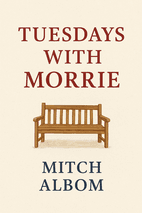
Mitch Albom's Tuesdays with Morrie shares profound life lessons on love, work, and forgiveness through a series of final conversations with a dying professor, offering heartfelt wisdom for anyone reflecting on what matters most.
Feature
Insta.Page
Blinkist
Shortform
Summary Depth
Full Chapter-by-Chapter
15-min overview
Detailed analysis
Audio Narration
✓ (AI narration)
✓
✓
Visual Mindmaps
✓
✕
✕
AI Q&A
✓ Voice AI
✕
✕
Quizzes
✓
✕
✕
PDF Downloads
✓
✕
✓
Price
$59.99/yr
$146/yr (PRO)
$199/yr
*Competitor data last verified February 2026.
About the Author
Mitch Albom
Mitch Albom is an American author, journalist, and broadcaster best known for his inspirational books that explore life, death, and human connection. His breakout bestseller, Tuesdays with Morrie, has touched millions worldwide. Albom’s works often blend memoir, philosophy, and fiction, and he is also a recognized speaker and philanthropist, supporting programs for children and the elderly.
1 Page Summary
Tuesdays with Morrie by Mitch Albom is a memoir documenting the author's reconnection with his former college sociology professor, Morrie Schwartz, who is in the final stages of ALS (Lou Gehrig's disease. The book's central narrative unfolds through a series of fourteen Tuesday visits, during which Morrie imparts his final "course" on the meaning of life. These conversations cover profound and universal themes, including love, work, family, aging, forgiveness, and the importance of embracing emotion and community over the cultural pursuit of wealth and fame. The book serves as a poignant vehicle for Morrie's philosophy, emphasizing that developing one's own loving culture is essential to a life well-lived, especially in the face of mortality.
Published in 1997, the book emerged during a period of economic optimism but also growing cultural anxiety about materialism and spiritual emptiness. It resonated deeply by offering a counter-narrative to the fast-paced, success-driven ethos of the time, presenting a simple, heartfelt manual for living derived from the wisdom of a dying man. The context of Morrie's physical decline—his increasing dependence and deliberate reflection on his death—lends an urgent authenticity to his lessons, framing them not as abstract ideas but as hard-won truths.
The lasting impact of Tuesdays with Morrie is immense. It became a global phenomenon, spending over four years on The New York Times bestseller list and sparking a renewed public conversation about death, dignity, and palliative care. Its enduring popularity stems from its accessible, emotionally direct approach to life's biggest questions, making philosophical and spiritual guidance feel personal and attainable. The book cemented Albom's career and continues to be a staple in school curricula and grief counseling, reminding generations of readers to prioritize human connection and to "learn how to die in order to learn how to live."
This chapter introduces the unique, final "class" the narrator, Mitch, attended with his former sociology professor, Morrie Schwartz. Set in Morrie's home study, the course had no textbooks or grades, but was instead a series of weekly conversations on the most essential human topics—from love and work to forgiveness and death. The teaching was experiential, rooted in Morrie's own life as he faced a terminal illness. Mitch reveals that he was the sole student in this profound seminar on living, and that the book itself is his final "paper" for the course.
A Promise at Graduation
The narrative then flashes back to Mitch's college graduation from Brandeis University in 1979. He describes the communal ceremony and his eager introduction of Professor Morrie Schwartz to his parents. Mitch paints a vivid, affectionate portrait of Morrie: a small, lively man with a luminous smile who offered Mitch high praise. In a moment charged with emotion, Mitch gives Morrie a monogrammed briefcase as a parting gift, a token to cement their bond. Morrie, moved to tears, hugs him and asks if Mitch will stay in touch. Mitch promises without hesitation, "Of course."
The Unkept Promise
The chapter implicitly contrasts the heartfelt promise of that day with the opening scene set years later. The final, ongoing class in Morrie's house occurs because that graduation-day promise was not kept. Life, work, and the passage of time intervened, and Mitch lost touch with his beloved professor. The "curriculum" begins only when they are reunited by chance near the end of Morrie's life, making the lessons that follow not just philosophical explorations, but also a journey toward fulfilling a long-lost commitment.
Key Takeaways
The most important lessons in life are often taught outside traditional classrooms, through shared experience and vulnerable conversation.
The chapter establishes a central irony: the deep mentor-student connection formed in youth was severed by life's distractions, only to be urgently reclaimed in the face of mortality.
Morrie’s "class" is framed as a conscious, purposeful project to pass on wisdom, transforming his dying into his final thesis.
The briefcase symbolizes a young man's desire for remembrance, foreshadowing the book's role as the ultimate gift of remembrance years later.
Key concepts: The Curriculum
1. The Curriculum
The Final Class
Weekly conversations in Morrie's home study on essential human topics
No textbooks or grades, teaching rooted in Morrie's experience with terminal illness
Mitch is the sole student; the book serves as his final paper for the course
Graduation Day Promise
Flashback to 1979 Brandeis University graduation ceremony
Mitch introduces Professor Morrie Schwartz to his parents with affection
Mitch gives Morrie a monogrammed briefcase as a parting gift
Morrie asks Mitch to stay in touch, and Mitch promises "Of course"
The Broken Connection
Life, work, and time caused Mitch to lose touch with Morrie
The final class occurs only after chance reunion near end of Morrie's life
Lessons serve as both philosophical exploration and fulfillment of long-lost commitment
Core Themes Established
Most important life lessons occur outside traditional classrooms through shared experience
Irony: deep mentor-student connection severed by distractions, reclaimed through mortality
Morrie transforms his dying into his final thesis through conscious wisdom-sharing
Briefcase symbolizes desire for remembrance, foreshadowing book as ultimate gift
If you like this summary, you probably also like these summaries...
💡 Try clicking the AI chat button to ask questions about this book!
Chapter 2: The Syllabus
Overview
Overview
This chapter chronicles the moment Morrie Schwartz receives his diagnosis of Amyotrophic Lateral Sclerosis (ALS) and charts his immediate, profound response to this terminal prognosis. It begins with the subtle, early warnings in his body, moves through the shocking clinical confirmation, and details how he consciously chooses to approach his remaining time, transforming his impending death into a final, meaningful project. The narrative establishes the central theme of the book: a conscious, open-hearted engagement with mortality.
The End of Dancing
The chapter opens not with the diagnosis, but with its earliest harbinger: Morrie’s loss of his beloved, solitary dancing. A vivid picture is painted of him as a regular at a "Dance Free" event, a joyful, uninhibited presence moving with blissful abandon to any music. This freedom ended with the onset of asthma in his sixties, followed by unexplained stumbles and falls. While others dismissed it as old age, Morrie sensed a deeper problem, a fundamental wrongness within his own body that preceded any medical label.
The Diagnosis
After a series of inconclusive and invasive tests, the answer comes on a humid August day in 1994. In a neurologist's office, Morrie and his wife, Charlotte, learn he has ALS, a brutal and incurable disease that attacks the neurological system. The doctor’s delivery is blunt: the disease is terminal. Morrie's immediate reaction is one of surreal dislocation. Leaving the office, he is stunned by the normalcy of the world—people feeding parking meters, carrying groceries—while his own life has just been irrevocably shattered. He feels himself falling into a hole.
A Decision and a Final Course
The disease begins its swift work, ending his ability to drive, then walk freely, then maintain his privacy. Yet, when the fall semester arrives, Morrie decides to teach his final social psychology course at Brandeis. Walking slowly into the classroom with a cane, he openly tells his students about his fatal illness, giving them a chance to drop the class without penalty. This moment marks "the end of his secret," initiating his public journey with dying. He then makes a conscious, profound decision: rather than withering away in shame, he will make dying his "final project," a human textbook on the transition from life to death.
The Physical Decline and Philosophical Shift
The narrative details the relentless progression of ALS, likening it to a candle melting wax, paralyzing the body from the legs upward while the mind remains vividly alert. As Morrie's body fails—requiring a walker, then a wheelchair, and assistance with the most basic human functions—his spirit and intellect intensify. He sheds embarrassment, openly asking friends for help with tasks like urination. He hosts discussions on dying, urging visitors to share their own problems rather than offer mere sympathy. He focuses on proving that "dying" is not synonymous with "useless."
The Living Funeral
A pivotal moment occurs after a colleague's death, which saddens Morrie because the man never heard the tributes paid to him. In response, Morrie organizes a "living funeral" at his home. Friends and family gather to share their love, stories, and appreciation for him while he is still alive to hear it. The event is filled with both tears and laughter, allowing for the heartfelt communication that so often comes too late. This successful gathering underscores Morrie's unique approach and sets the stage for the most unusual part of his life—the series of Tuesday visits with the narrator, Mitch—which is about to begin.
Key Takeaways
Awareness Precedes Diagnosis: Morrie was intimately attuned to his body, sensing a profound change long before medical science provided a name for it, beginning with the loss of his joyous dancing.
The Choice in Response: Faced with a terminal sentence, Morrie actively chooses his response: to engage with his dying openly, making it a meaningful "final project" rather than retreating in fear.
Dying is Not Useless: A central thesis emerges that a dying person can be of great value as a teacher and a source of research on life's ultimate transition, challenging the societal instinct to hide from death.
The Power of Communication: Morrie's "living funeral" highlights his belief in expressing love and appreciation for people while they are still alive, transforming a normally somber post-death ritual into a celebration of connection.
Key concepts: The Syllabus
2. The Syllabus
Early Warning Signs
Loss of solitary dancing as the first harbinger of illness
Unexplained stumbles and falls dismissed as old age
Morrie's intuitive sense of a deeper problem within his body
Receiving the Diagnosis
Blunt delivery of ALS diagnosis as terminal illness
Morrie's surreal dislocation from normal world activities
Feeling of life irrevocably shattered while others carry on
Choosing a Response
Decision to teach final course despite physical decline
Public announcement of illness to students
Conscious choice to make dying his 'final project'
Physical Decline vs. Spiritual Growth
ALS progression likened to a melting candle
Shedding embarrassment and openly asking for help
Focus on proving dying is not synonymous with uselessness
The Living Funeral
Response to colleague's death without hearing tributes
Gathering of friends and family to share appreciation
Transformation of post-death ritual into celebration of connection
Core Philosophical Framework
Awareness of bodily changes preceding medical diagnosis
Active engagement with mortality as meaningful project
Dying person as valuable teacher about life's ultimate transition
⚡ You're 2 chapters in and clearly committed to learning
Why stop now? Finish this book today and explore our entire library. Try it free for 7 days.
Chapter 3: The Student
Overview
This chapter traces the narrator's journey from a hopeful college graduate to a driven, yet disconnected, professional, revealing how personal loss and the fear of mortality shaped his choices. It sets the stage for his eventual reawakening by contrasting his earlier values with the hardened persona he developed over the years.
The Broken Promise and a Hardened Self
The narrator confesses that he failed to keep his promise to stay in touch with his beloved professor, Morrie. In the years after graduation, he lost contact with most of his college circle. The world wasn't as interested in his talents as he had hoped, leading him through a period of wandering and disillusionment in his early twenties.
The Death of a Dream and an Uncle
His aspiration to become a famous musician faded after years of playing to empty nightclubs, broken bands, and indifferent producers. This first real failure coincided with the devastating illness and death of his favorite uncle, who succumbed to pancreatic cancer at forty-four. Witnessing his uncle's suffering and helpless decline left an indelible mark, creating a profound sense of life's fragility.
A Life Reoriented by Loss
In the raw grief following the funeral, the narrator felt time slipping away like water down a drain. This urgency prompted a drastic shift: he abandoned his musical pursuits, returned to school for journalism, and launched into a career as a sports writer. He worked relentlessly, driven by a fear of ending up trapped in a mundane existence like his uncle had been.
The Thrill and Trap of Success
Moving to Detroit, his ambition found a perfect match in the city's insatiable sports culture. He rapidly expanded his role from columnist to author, radio voice, and TV personality, becoming a part of the "media thunderstorm." This success translated into material wealth—a house, cars, stocks—and a life perpetually cranked into fifth gear, everything done on a deadline.
The Personal Cost of Ambition
Despite marrying a woman named Janine after a long courtship, his work remained the central priority. He postponed starting a family, burying himself in accomplishments. He believed this relentless drive allowed him to control his happiness and outrun the fate he saw in his uncle's early death.
Morrie's Fading Echo
Throughout these years, thoughts of Morrie and the lessons on "being human" surfaced only as distant memories from another life. He routinely discarded mail from Brandeis University, unaware of his old professor's circumstances, and had lost touch with anyone who might have notified him.
The Spark of Reconnection
This state of willful isolation might have continued indefinitely had it not been for a late-night moment of channel surfing. Something flickering across the television screen suddenly caught his ear, hinting at a change about to unfold.
Key concepts: The Student
3. The Student
The Broken Promise and Disillusionment
Failed to keep promise to stay in touch with Professor Morrie
Lost contact with college circle after graduation
Faced wandering and disillusionment in early twenties
World less interested in his talents than expected
The Death of Dreams and Mortality
Musical aspirations faded after empty nightclubs and broken bands
Favorite uncle died of pancreatic cancer at age forty-four
Witnessed uncle's suffering and helpless decline
Created profound awareness of life's fragility
Driven by Fear and Urgency
Felt time slipping away after uncle's funeral
Abandoned music to pursue journalism career
Became relentless sports writer driven by fear
Sought to avoid mundane existence like his uncle's
The Thrill of Professional Success
Found perfect match in Detroit's sports culture
Expanded from columnist to author, radio, and TV personality
Became part of the 'media thunderstorm'
Achieved material wealth: house, cars, stocks
The Personal Cost of Ambition
Work remained central priority despite marriage
Postponed starting a family for career accomplishments
Believed relentless drive controlled happiness
Attempted to outrun fate of early death
Forgotten Values and Isolation
Morrie's lessons became distant memories
Routinely discarded mail from Brandeis University
Lost touch with anyone who might update him on Morrie
Lived in state of willful isolation from past
The Spark of Reawakening
Continued isolation interrupted by late-night channel surfing
Something on television suddenly caught his attention
Hinted at impending change and reconnection
Set stage for transformation to come
Chapter 4: The Audiovisual
Overview
Overview
This chapter captures the moment Morrie Schwartz's private philosophy on living with a terminal illness becomes a public, televised lesson for millions. It juxtaposes his intimate, transformative encounter with famed journalist Ted Koppel during a "Nightline" interview with a poignant flashback to the first meeting between Morrie and his future student, the author Mitch.
Morrie's Public Philosophy
Confined to a wheelchair and losing physical abilities, Morrie channels his energy into thought. He fills scraps of paper with aphorisms about acceptance, forgiveness, and engagement. When these notes spark a Boston Globe article titled "A Professor’s Final Course: His Own Death," they attract national television attention. Despite his frailty, Morrie greets Ted Koppel not as a fan but as an equal, demanding a personal connection before the cameras roll.
The "Nightline" Interview
In a private moment, Morrie disarms Koppel by asking about matters close to his heart and his faith, establishing an immediate, genuine dialogue. On camera, Morrie’s wit and clarity shine. He admits to mornings filled with tears and anger but emphasizes his conscious choice to live with dignity, courage, and humor. The interview reaches a raw, profound climax when Morrie answers a question about his greatest dread: the impending loss of all privacy and autonomy, bluntly stating, “one day soon, someone's gonna have to wipe my ass.”
A Distant Student Remembers
The broadcast of this interview serves as a narrative trigger. A thousand miles away, Mitch Albom hears Koppel ask, “Who is Morrie Schwartz?” and is instantly transported back to 1976. He vividly recalls his first class with Professor Schwartz, a man who instantly asked about his preferred name and expressed a hope that they would become friends—a stark contrast to the distant, dying man now on the television screen.
Key Takeaways
Facing death, Morrie actively chose to live, authoring a philosophy focused on acceptance, forgiveness, and continued engagement with life.
His authenticity and willingness to discuss the undignified realities of dying created a powerful, human connection that transcended a typical interview.
The national broadcast of his story acts as the catalyst that reconnects Mitch, a former student, with the profound teacher he had left behind.
Key concepts: The Audiovisual
4. The Audiovisual
Morrie's Public Philosophy Emerges
Channels energy into thought, writing aphorisms on acceptance and engagement
Notes spark Boston Globe article 'A Professor’s Final Course: His Own Death'
Attracts national television attention despite physical frailty
Greets Ted Koppel as an equal, demanding personal connection before cameras
The Transformative Nightline Interview
Morrie disarms Koppel with personal questions about heart and faith
Admits to mornings of tears but chooses dignity, courage, and humor
Reaches raw climax discussing loss of privacy and autonomy
Authenticity creates human connection transcending typical interview
Mitch's Reconnection Trigger
Broadcast serves as narrative trigger for Mitch Albom
Transports Mitch back to 1976 first class with Professor Schwartz
Recalls Morrie's immediate personal connection and hope for friendship
Juxtaposes vibrant teacher with dying man on television screen
Core Philosophical Themes
Active choice to live fully while facing death
Focus on acceptance, forgiveness, and continued engagement
Willingness to discuss undignified realities of dying
Public sharing of private philosophy creates national impact
📚 Explore Our Book Summary Library
Discover more insightful book summaries from our collection