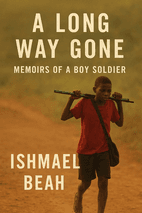
Ishmael Beah's A Long Way Gone is a harrowing memoir of his experience as a child soldier in Sierra Leone, tracing his loss of innocence, forced conscription, and eventual rehabilitation. It serves as a crucial firsthand account for readers seeking to understand the human cost of war and the resilience of the human spirit.
Feature
Insta.Page
Blinkist
Shortform
Summary Depth
Full Chapter-by-Chapter
15-min overview
Detailed analysis
Audio Narration
✓ (AI narration)
✓
✓
Visual Mindmaps
✓
✕
✕
AI Q&A
✓ Voice AI
✕
✕
Quizzes
✓
✕
✕
PDF Downloads
✓
✕
✓
Price
$59.99/yr
$146/yr (PRO)
$199/yr
*Competitor data last verified February 2026.
1 Page Summary
A Long Way Gone is a harrowing memoir of Ishmael Beah's experience as a child soldier during the Sierra Leone Civil War in the 1990s. The narrative traces his abrupt loss of innocence, beginning with the violent rebel attack that separated him from his family and forced him into a nomadic, terrifying flight. As he journeys through a war-ravaged landscape, Beah depicts the gradual erosion of his humanity, culminating in his forced conscription into the government army at the age of thirteen, where he is fed drugs, handed an AK-47, and conditioned to commit acts of extreme violence.
The book provides crucial historical context, detailing the brutal internal conflict fueled by the illicit diamond trade and the deliberate targeting of children by all factions. Beah's account is not only a personal story of survival but also a stark examination of the psychological mechanisms—including drug addiction, indoctrination, and peer pressure—that enable the transformation of a child into a soldier. A pivotal turn occurs when UNICEF workers extract him from the army and place him in a rehabilitation center, where the long, painful process of healing and reclaiming his identity begins.
The lasting impact of Beah's testimony lies in its unflinching, firsthand perspective on a global humanitarian crisis. It stands as one of the most powerful and accessible accounts of the child soldier experience, personalizing staggering statistics and fostering international awareness. Ultimately, the memoir is a profound meditation on the universal capacity for both brutality and redemption, ending with Beah's hard-won escape to a new life and his enduring commitment to advocacy for war-affected children.
At twelve, the narrator's understanding of the far-off civil war is abstract, filtered through action movies and news reports, but that detachment vanishes when refugees pour into his town, their jumpy children and hollow-eyed adults bearing a trauma he can't fully comprehend. His daily life in Mogbwemo centers on hip-hop, with his brother and friends passionately forming a rap group, a creative outlet that provides joy despite gentle family tensions. A planned trip to Mattru Jong for a talent show begins as an innocent adventure, filled with swimming, jokes, and a visit to his grandmother. However, this normalcy is brutally interrupted by terrifying news: rebels have attacked their hometown. Rushing back, they encounter the war's grim reality—bloodied bodies, shattered families, and visceral loss that makes the violence painfully concrete. Forced to flee, the narrator grapples with psychological fracture, his mind haunted by horrific images as he clings to hip-hop and fragile hope. In this chaos, he returns to a childhood ritual of observing the moon, where his imagination once crafted lasting scenes, a personal inquiry that now offers comfort and reveals how early lessons become a permanent part of his identity.
Distant Wars and Local Realities
The narrator’s initial understanding of the ongoing civil war is abstract, shaped by movies and distant news reports. This detachment shatters when refugees begin streaming through his town. He observes their profound trauma—the jumpy, silent children and the hollow-eyed adults haunted by unspeakable experiences. Though sympathetic, his twelve-year-old mind, steeped in the action films of Rambo, cannot yet comprehend the true nature of the violence that has displaced them.
A World of Hip-Hop and Family
Life in Mogbwemo is centered on family, friendship, and a deep passion for American hip-hop music. The narrator, his older brother Junior, and their friends Talloi and Mohamed form a rap group, meticulously studying music videos to learn lyrics and dances like the "running man." This hobby is a point of gentle ridicule from his father, who prefers BBC news, but it represents a vibrant creative outlet and a connection to a wider world. A visit to their mother in a nearby town highlights the complicated but loving family dynamics, particularly the strained relationship with their father due to a difficult stepmother.
An Innocent Journey Interrupted
The boys embark on a short trip to Mattru Jong for a talent show, packed with their lyrics and dressed in the layered, baggy hip-hop fashion of the time. Their walk is playful, filled with swimming and joking. They stop at Kabati to see their grandmother, who fusses over their thinness before waving them off. In Mattru Jong, they reunite with friends, full of anticipation for the next day’s events.
The War Arrives
The normalcy evaporates when their friends return from school with terrifying news: rebels have attacked their home town of Mogbwemo. Panic and confusion grip the mining area as families are scattered. Hoping to find their parents, the narrator, Junior, and Talloi rush back toward home, but the tide of refugees flowing from the violence tells a grim story. At their grandmother’s deserted village, Kabati, they witness the war’s brutal aftermath firsthand: a man vomiting blood beside a van containing his murdered family; a father clutching his dead son; a woman carrying her bullet-riddled baby. The visceral horror of these images—the blood, the shock, the absolute loss—finally makes the war a concrete and terrifying reality.
Flight and Fractured Reality
Understanding that home is gone and their families are lost, the boys return to Mattru Jong. The narrator is psychologically unmoored, his mind plagued by the horrific scenes. That night, a violent dream blurs the line between nightmare and waking fear. As government troops fortify the town, the boys cling to normalcy through hip-hop and fragile hope, telling themselves the war will be short. The narrator tries to combat the intrusive memories of Kabati’s bloodshed by recalling its former, peaceful beauty—the morning sun through the forest, the evening sounds of pounding rice—and a local adage about the moon, which symbolizes an ideal of harmony now utterly destroyed.
Personal Observation and Lasting Impressions
Acting on his grandmother’s lesson, the narrator begins a nightly ritual of his own. He lies on the ground, quietly studying the moon to understand its appeal for himself. This personal investigation leads him to a childhood discovery: the shapes within the moon’s surface. His young mind interprets the lunar patterns as vivid, familiar scenes—a man with a medium beard in a sailor’s hat, a man chopping wood with an ax, a woman nursing a baby.
These images, first formed at age six, have proven enduring. The narrator reveals that even now, when he looks at the moon, he sees those same figures. This continuity brings him a quiet joy, as it signifies that this foundational part of his childhood—the wonder, the imagination, and his grandmother’s teaching—remains permanently embedded within him.
Key Takeaways
True understanding comes from personal inquiry and observation.
A child’s imagination can find profound, lasting narratives in the natural world.
The lessons and perspectives of childhood can become a permanent, comforting part of one’s identity.
Key concepts: Chapter 1
1. Chapter 1
Initial Perception of War
Abstract understanding shaped by movies and distant news reports
Detachment shatters when refugees arrive in town
Observes trauma in children and adults but cannot fully comprehend it
Daily Life and Creative Outlet
Life centered on family, friendship, and American hip-hop
Forms a rap group with brother and friends as creative escape
Gentle family tensions exist, particularly with father's preferences
Journey to Mattru Jong
Innocent trip for talent show filled with playfulness and anticipation
Visit to grandmother highlights family connections and concern
Normalcy maintained through hip-hop fashion and camaraderie
Confrontation with War's Reality
News of rebel attack on hometown shatters normalcy
Witnesses brutal aftermath at grandmother's village
Visceral images of violence make war concrete and terrifying
Psychological Impact and Coping
Experiences psychological fracture and haunting memories
Clings to hip-hop and fragile hope as coping mechanisms
Attempts to combat horror by recalling peaceful memories
Childhood Ritual and Lasting Identity
Returns to personal observation of the moon for comfort
Childhood imagination created enduring lunar narratives
Early lessons become permanent, comforting part of identity
If you like this summary, you probably also like these summaries...
💡 Try clicking the AI chat button to ask questions about this book!
Chapter 2: Chapter 2
Overview
Chapter 2 plunges us into the fractured psyche of the narrator, where the boundaries between nightmare, memory, and waking life blur. It opens with a visceral, harrowing dream set in a war-ravaged landscape before shifting to his new reality in New York City, only to be pulled back into traumatic recollections of his time as a child soldier in Sierra Leone. This chapter masterfully explores the enduring weight of past violence on the present, illustrating how trauma echoes across time and distance.
The Wheelbarrow and the White Shroud
In a dream so vivid it feels more real than waking, the narrator finds himself pushing a rusty wheelbarrow through a town reeking of death. The air is thick with the scent of blood and burnt flesh, and the ground is littered with the mutilated and dying. Flies swarm over pools of blood, and the agony of the wounded is palpable in their red eyes and taut faces. Focused on his task, he navigates this horror with a numb detachment, his tattered shoes soaked in blood, unsure if he himself is wounded. The weight on his back is his AK-47, its barrel still warm, though he cannot recall firing it. The wheelbarrow carries a single corpse wrapped in white bedsheets, a mysterious burden he feels compelled to deliver to the cemetery.
A Revelation in the Dirt
At the cemetery, the body becomes impossibly heavy, resisting his efforts to lift it. A sudden, sharp pain shoots through his body, and he collapses, cradling the corpse. As blood begins to stain the white sheets, he unwraps it, revealing bullet-riddled limbs and a throat destroyed by a gunshot. When he finally pulls back the cloth from the face, he is met with his own lifeless eyes. This moment of shocking self-recognition jolts him from the dream.
Waking to a Different Pain
He awakens on the cool wooden floor of his room in New York City, sweating and with a piercing pain in his spine. The red brick wall and the sound of passing rap music anchor him in his new reality, a place he has called home for just over a month. Yet, the shudder that racks his body is a physical testament to the dream's power, and his mind refuses to stay in the present. Against his will, it catapults him back across the ocean to Sierra Leone.
The Soccer Field Attack
The memory is crisp and brutal. He is a boy again, holding an AK-47, moving with a squad of mostly children through a coffee farm on a raid for supplies. They stumble upon another armed group on a soccer field near a ruined village. A frantic firefight ensues until every member of the other group is dead. The recollection holds no remorse; he describes high-fiving his comrades, looting ammunition, and sitting on the corpses to eat the food the dead boys had been carrying. The casual horror of the scene—eating amidst leaking blood—is presented with a chilling matter-of-factness.
The Unwashable Past
Unable to sleep and afraid of what closing his eyes might bring, he spends the night awake, wrapping a damp towel around his head. He confronts the paradox of his memories: while he wishes he could scrub them away, he acknowledges they are inextricably woven into the fabric of his identity. The chapter closes with his poignant realization that he now inhabits three coexisting worlds: the terrifying realm of his dreams, the experiences of his new life in New York, and the triggered memories of a past that refuses to stay buried. Each world constantly intrudes upon the others, making a simple return to childhood joy a complex and anxious journey.
Key Takeaways
Trauma manifests physically and psychically, blurring the lines between past and present through nightmares and involuntary flashbacks.
The chapter portrays the dehumanizing nature of war, particularly for children, where violence becomes normalized and empathy is severed.
Identity is presented as a mosaic of experience; the narrator understands that his painful memories, however burdensome, are fundamental to who he is.
Healing or building a new life is not a linear escape from the past, but a constant navigation between multiple, often conflicting, realities.
Key concepts: Chapter 2
2. Chapter 2
The Harrowing Dream Sequence
Vivid nightmare set in a war-ravaged landscape filled with death and mutilation
Narrator pushes a wheelbarrow carrying a white-shrouded corpse with numb detachment
Shocking self-recognition upon unwrapping the corpse to reveal his own face
Dream blurs nightmare, memory, and reality, establishing trauma's visceral power
Awakening to New York Reality
Jolts awake on his floor in NYC, physically affected by the dream's pain
Sensory details (red brick wall, rap music) anchor him in present reality
Mind involuntarily catapults back to Sierra Leone despite conscious effort
Illustrates the constant intrusion of past trauma into present safety
Traumatic Memory: The Soccer Field Attack
Crisp recollection of childhood soldier experience during a raid
Frantic firefight with another armed group of children on a soccer field
Chilling matter-of-fact description of looting and eating amidst corpses
Portrays normalization of violence and severing of empathy in war
The Psychological Aftermath
Unable to sleep, wraps head in towel to avoid returning nightmares
Confronts paradox: wishes to erase memories but acknowledges they define him
Realizes he inhabits three coexisting worlds (dreams, NYC present, triggered past)
Healing involves constant navigation between conflicting realities rather than escape
Core Themes of Trauma and Identity
Trauma manifests physically and psychically, blurring temporal boundaries
War's dehumanizing effect, particularly on child soldiers
Identity as mosaic of experience where painful memories are fundamental
Past violence echoes across time and distance, preventing simple return to innocence
⚡ You're 2 chapters in and clearly committed to learning
Why stop now? Finish this book today and explore our entire library. Try it free for 7 days.
Chapter 3: Chapter 3
Overview
The chapter details the tense and fearful period Ishmael and his friends spend waiting in Mattru Jong as rumors of the approaching rebels intensify. What begins as an anxious vigil shatters into a chaotic and violent nightmare when the rebels finally attack, forcing the boys into a desperate, life-or-death escape through a warzone.
The Ominous Buildup
Life in Mattru Jong becomes a cycle of panic and uneasy calm. Terrifying messengers arrive, mutilated by the rebels who send warnings to the town. Each time, the population flees into the forest, only to return days later when the rebels fail to appear. Ishmael, Junior, and their friends are repeatedly left behind to guard their hosts' property. During a brief period of normalcy, Ishmael's evening walks stir poignant memories of his mother and a peaceful past, highlighting the profound loss he is already experiencing. The psychological toll is immense; Ishmael observes how the absence of people strips the town of its life, making the nights darker and the silence threatening.
The Storm Breaks
The long-dreaded attack begins abruptly while Ishmael is cooking. A single gunshot is followed by a deceptive lull, then an overwhelming barrage of fire. The town erupts into pure terror. People flee blindly, families are torn apart in the stampede, and the rebels enter the town joyously, firing into the air and forcing civilians toward the river. The government soldiers, expected to be a line of defense, have already deserted their posts. Ishmael and his group find themselves utterly abandoned, with no safe direction to run. The rebels’ tactic becomes clear: they aim to corral civilians, using them as human shields against any military counterattack.
A Desperate Escape
The only route out of town leads through a muddy swamp and a deadly clearing atop a hill. The boys witness horrific scenes of people trapped and left behind. Once they reach the clearing, the rebels’ intent shifts from herding to slaughter, firing every weapon they have directly into the fleeing crowd to prevent their escape. The boys understand that for young men, capture means forced conscription and brutal branding with the RUF initials. In a harrowing sequence, they dodge explosions and machine-gun fire, witnessing the gruesome death of those behind them. Fueled by adrenaline and fear, they run for over an hour without stopping, keeping contact through worried calls, until the rebels finally abandon the chase. Their flight marks not just an escape from a town, but a violent severance from their former lives.
Key concepts: Chapter 3
3. Chapter 3
The Ominous Buildup in Mattru Jong
Cycle of panic and uneasy calm as terrifying, mutilated messengers arrive
Repeated population exodus to the forest, leaving Ishmael and friends behind as guards
Poignant memories of peaceful past during brief normalcy, highlighting profound loss
Psychological toll: absence of people strips town of life, making nights darker and silence threatening
The Rebel Attack and Town's Collapse
Attack begins abruptly with a single gunshot, followed by overwhelming barrage of fire
Pure terror as people flee blindly, families torn apart in the stampede
Rebels enter joyously, firing into air and corralling civilians toward the river as human shields
Government soldiers have deserted, leaving civilians utterly abandoned with no safe direction
Desperate Escape Through the Warzone
Only escape route leads through muddy swamp and deadly hilltop clearing
Rebels shift from herding to slaughter, firing directly into fleeing crowd to prevent escape
Young men face forced conscription and brutal branding with RUF initials if captured
Harrowing flight: dodging explosions and gunfire, witnessing gruesome deaths, running over an hour without stopping
Consequences of the Escape
Violent severance from former lives and identities
Physical survival comes at cost of psychological trauma and complete displacement
Group solidarity maintained through worried calls during desperate run
Rebels eventually abandon chase, but safety remains uncertain
Chapter 4: Chapter 4
Overview
This chapter chronicles a desperate and harrowing journey as Ishmael and his companions, driven by starvation, risk a return to their occupied hometown. The narrative is a visceral exploration of the war's immediate brutality and the erosion of normalcy, where a simple quest for food becomes a life-or-death ordeal that forces the boys to confront unimaginable violence and make impossible choices.
The Relentless March and Hunger
The group's journey is defined by a pervasive, weakening hunger. They walk in a haunted silence along narrow paths, their physical deterioration mirrored in Junior’s unnaturally still hands. Forced to sleep on bare ground in abandoned villages, their diet consists of scavenged, unripe fruit boiled over abandoned fires—a meager and unsatisfying sustenance that fails to stop their stomachs from aching and their vision from blurring. This acute need is what compels their dangerous decision.
The Desperate Foray into Mattru Jong
The return to Mattru Jong reveals a town utterly transformed by violence. What was once familiar is now a silent, corpse-strewn ruin. The horror is made specific and intimate: an old man sits murdered in his chair; nearby, mutilated bodies are piled with the machete that hacked them apart. Ishmael’s physical reaction—vomiting and fever—highlights the shock of this firsthand exposure to atrocity. Their movement through town becomes a tense game of survival, hiding from rebels and navigating like thieves through their own home, which has been looted and defiled with the debris of the invaders.
A Narrow Escape
The retrieval of the hidden money offers a fleeting hope, but leaving town proves even more perilous than entering. The crossing of the swamp clearing becomes a protracted nightmare, requiring them to crawl among fly-covered corpses while evading rebel sentries. The tension peaks as a metallic clang alerts the guards, forcing Junior to play dead among the actual dead. The group’s survival hinges on a distraction and their own swift silence, a stark contrast to one boy’s fatal decision to prioritize his heavy bag over speed, which draws gunfire and forces the others to flee without him.
The Bitter Currency of War
The chapter’s cruel irony is revealed upon their return to a village market. The money they risked their lives to obtain is now useless; the economy of kindness and commerce has collapsed, with people hoarding food out of fear or uncertainty. This moment drives home a devastating lesson of the conflict: logical plans are meaningless in a reality where conditions change violently by the second. Control is an illusion. This harsh education culminates in their final, degraded act—stealing food from sleeping villagers—a necessary betrayal that underscores how the war has stripped away their former morality to bare survival instinct.
Key Takeaways
War Transforms the Familiar into a Nightmare: Home is no longer a place of safety but a landscape of death and looted memories, requiring the same stealth one would use in enemy territory.
Survival Demands Impossible Choices: The boys are repeatedly forced to choose between terrible options: risk starvation or risk execution; save a companion or save themselves; maintain their ethics or succumb to theft.
Logic is a Casualty of Conflict: Well-reasoned plans, like obtaining money to buy food, are rendered futile by the chaotic and unpredictable nature of war, teaching a swift lesson in helplessness.
Violence is Both Spectacular and Mundane: Horror is presented in both sudden, graphic acts (mutilated bodies) and in quiet, chilling tableaus (the old man in the chair), making the terror inescapable.
Morality is Redefined by Necessity: The act of stealing food, while condemned in peacetime, is framed as the "only way" to survive, illustrating how war corrupts and simplifies moral frameworks.
Key concepts: Chapter 4
4. Chapter 4
The Relentless March and Hunger
The journey is defined by pervasive, weakening hunger and physical deterioration
They survive on scavenged, unripe fruit that fails to satisfy their aching stomachs
Acute starvation compels their dangerous decision to return to their occupied hometown
The Desperate Foray into Mattru Jong
The once-familiar town is transformed into a silent, corpse-strewn ruin
Intimate horrors include a murdered old man in his chair and mutilated bodies with the murder weapon nearby
Movement through town becomes a tense survival game, hiding from rebels and navigating like thieves
A Narrow Escape
Crossing the swamp clearing becomes a nightmare of crawling among fly-covered corpses
Tension peaks when a metallic clang alerts rebel sentries, forcing Junior to play dead among the dead
Survival hinges on distraction and swift silence, contrasted with one boy's fatal decision to prioritize his bag over speed
The Bitter Currency of War
The money they risked their lives for is useless as the economy of kindness and commerce has collapsed
Logical plans are meaningless in a reality where conditions change violently by the second
Their final act of stealing food from sleeping villagers underscores how war strips away morality to bare survival instinct
Key Takeaways: War's Transformations and Choices
War transforms the familiar into a nightmare, making home a landscape of death requiring enemy stealth
Survival demands impossible choices between starvation or execution, ethics or theft
Logic becomes a casualty of conflict as well-reasoned plans are rendered futile by chaos
Morality is redefined by necessity, with condemned acts becoming the 'only way' to survive
📚 Explore Our Book Summary Library
Discover more insightful book summaries from our collection