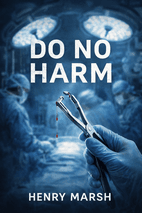
Henry Marsh's Do No Harm is a candid neurosurgeon's memoir exploring the emotional weight and moral complexities of his profession, detailing both triumphs and errors. It resonates with medical professionals and anyone interested in the human realities behind life-and-death decisions.
Feature
Insta.Page
Blinkist
Shortform
Summary Depth
Full Chapter-by-Chapter
15-min overview
Detailed analysis
Audio Narration
✓ (AI narration)
✓
✓
Visual Mindmaps
✓
✕
✕
AI Q&A
✓ Voice AI
✕
✕
Quizzes
✓
✕
✕
PDF Downloads
✓
✕
✓
Price
$59.99/yr
$146/yr (PRO)
$199/yr
*Competitor data last verified February 2026.
About the Author
Henry Marsh
Henry Marsh is a pioneering British neurosurgeon and author, renowned for his critically acclaimed memoir "Do No Harm: Stories of Life, Death, and Brain Surgery," which offers a candid and reflective account of his career. His expertise lies in the field of neurosurgery, where he helped advance surgical techniques in England and Ukraine.
1 Page Summary
Do No Harm is a candid and introspective memoir by renowned British neurosurgeon Henry Marsh, structured as a series of chapters each named for a different neurological condition or complication. Rather than a triumphalist narrative, the book delves into the profound moral and emotional complexities of a profession where the line between healing and harming is perilously thin. Marsh recounts both his celebrated successes and, with unflinching honesty, his devastating failures and errors in judgment, revealing the immense psychological burden carried by surgeons. The work serves as a powerful meditation on the limits of medical science, the necessity of accepting uncertainty, and the very human vulnerability that exists on both sides of the scalpel.
The historical and professional context is Marsh's decades-long career within the UK's National Health Service (NHS), a system he portrays with both affection and frustration. His reflections capture a period of significant change in medicine, marked by increasing litigation, bureaucratic management, and the tension between paternalistic authority and patient autonomy. Furthermore, his parallel experiences operating in under-resourced hospitals in Ukraine and Nepal provide a stark contrast, highlighting the vast inequalities in global healthcare and the raw, improvisational surgery practiced where advanced technology is absent. This backdrop amplifies the book's central themes, illustrating how institutional and cultural environments fundamentally shape medical practice and ethical dilemmas.
The lasting impact of Do No Harm lies in its revolutionary honesty, which shattered the traditional, god-like image of the surgeon. By openly discussing fear, regret, and the traumatic weight of responsibility, Marsh offered an unprecedented look behind the operating room doors that resonated deeply with both medical professionals and the general public. The book has become a modern classic in medical literature, fostering greater public understanding of neurosurgery's realities and contributing to more open conversations about medical error, consent, and the fallibility of doctors. Ultimately, it is a profound human document that finds poetry and meaning not in omnipotence, but in the struggle to maintain compassion and wisdom amid life-and-death decisions.
This chapter opens a window into the high-stakes world of neurosurgery through the lens of a single, delicate operation: the removal of a pineal gland tumor. It explores the profound intersection of science and soul, detailing not just the technical ballet of brain surgery but the heavy emotional weight carried by the surgeon. We are guided through the preparation, execution, and aftermath of the procedure, all while grappling with the haunting memory of a recent surgical disaster that left a young woman paralyzed.
The Rare and Deep-Seated Tumor
A pineocytoma is an uncommon, slow-growing tumor located in the pineal gland, a tiny structure buried deep in the brain's center. Historically, this area was philosophically significant—Descartes once speculated it housed the human soul. For a neurosurgeon, reaching it is a formidable challenge, akin to a mountaineer facing a great peak. These tumors range from benign to malignant, and while modern techniques have made them operable, the decision to intervene is never taken lightly, balancing the risks of surgery against the threat of the disease itself.
A Patient in Crisis
The patient is a high-powered executive who initially mistook his symptoms for stress-related headaches. The reality was far graver: a pineal tumor causing obstructive hydrocephalus, a life-threatening buildup of fluid in his brain. Faced with losing control, he anxiously typed every medical term into his smartphone, a futile attempt to command his fate. His wife's palpable fear added to the tension, as the surgeon navigated difficult pre-operative conversations, offering cautious hope while outlining the very real dangers of death or major stroke.
The Weight of Previous Failure
The surgeon approaches this operation burdened by a recent catastrophe. A week earlier, a routine-seeming surgery on a spinal cord tumor left a young mother paralyzed on one side. This failure casts a long shadow, fueling dread and shattering the usual confident facade. The memory is a raw wound, a stark reminder that despite technology and skill, outcomes are never guaranteed, and every surgeon carries an internal cemetery of regrets.
In the Theatre: Fear and Focus
The operation begins under a cloud of anxiety. The surgeon, usually calm, experiences severe stage fright. Assisted by Mike, a trusted trainee, they position the patient and begin the meticulous process of opening the skull. The procedure to access the pineal region is described with poetic anatomical reverence—it involves navigating a natural crevice in the brain, a tunnel leading to the central core where vital structures like the Great Vein of Galen and the brainstem reside. Injury here means death or permanent coma.
A Moment of Truth
As the surgeon carefully advances, each decision feels magnified. Dividing blood vessels is fraught with tension. Upon reaching the granular red tumor, a fragment is sent for immediate pathological analysis—a frozen section. The forty-five-minute wait is agonizing, filled with hope for a benign diagnosis. The news finally comes: it's a straightforward benign pineocytoma. This transforms the operation's trajectory, allowing for a less aggressive and safer removal.
The Cooperative Tumor
Fortune favors the procedure. The tumor proves "cooperative," with a clear plane separating it from the surrounding brain. The surgeon cores it out over hours, a tense but successful excavation. A visiting colleague’s offhand comment—“Things only go wrong when you're not expecting them”—hangs in the air, a reminder of perpetual vigilance. The tumor is fully removed without damaging the eloquent brain.
Confronting the Past and Present
After the operation, the surgeon must face the paralyzed young woman from the previous week. The encounter is painfully awkward, charged with guilt and broken trust. Yet, a fragile thread of hope is offered. In stark contrast, the pineal patient wakes well, and the atmosphere in recovery is light and celebratory. The surgeon finds his wife in the corridor, and in a raw, unguarded moment, they share a tearful relief that transcends professional detachment. The chapter closes on this tentative victory, a balm for the soul but not an erasure of past mistakes.
Key Takeaways
Neurosurgery is a discipline where advanced technology coexists with profound uncertainty, and a surgeon's skill must be tempered by humility and the wisdom to know when not to operate.
The brain is not just intricate matter; operating on it is an intervention into the very seat of identity, memory, and consciousness, a concept that remains fundamentally strange.
Every surgeon operates under the weight of past outcomes, where success and failure are deeply personal and shape future confidence and decisions.
The patient-surgeon relationship is a complex human bond, fraught with fear, trust, and shared vulnerability, especially in moments of crisis and recovery.
Even in a field driven by science, luck and the unpredictable nature of disease play significant roles, underscoring the art within the science of medicine.
Key concepts: 1. Pineocytoma
1. Pineocytoma
The Nature of Pineocytoma
A rare, slow-growing tumor located deep in the pineal gland at the brain's center
Historically significant area, once speculated by Descartes to house the human soul
Represents a formidable surgical challenge, balancing risks of intervention against disease progression
Tumors range from benign to malignant, with modern techniques making them operable
The Patient's Crisis
High-powered executive initially mistook tumor symptoms for stress-related headaches
Pineal tumor caused obstructive hydrocephalus, a life-threatening fluid buildup in the brain
Patient's futile attempt to control fate through researching medical terms on smartphone
Surgeon navigates difficult pre-operative conversations with patient and fearful wife
Surgeon's Emotional Burden
Haunted by recent surgical catastrophe that left a young mother paralyzed
Failure shatters confident facade and fuels dread before current operation
Every surgeon carries an internal cemetery of regrets despite technology and skill
Memory serves as stark reminder that outcomes are never guaranteed
Surgical Procedure and Challenges
Operation begins with severe anxiety and stage fright despite surgeon's usual calm
Meticulous process of opening skull and navigating natural brain crevice to reach pineal region
Procedure involves delicate navigation near vital structures like Great Vein of Galen and brainstem
Injury in this region risks death or permanent coma
💡 Try clicking the AI chat button to ask questions about this book!
Chapter 2: 2. Aneurysm
Overview
The chapter opens with a formative memory of neurosurgery as an awe-inspiring, almost mythical craft, witnessed through a theatre porthole. Years later, as a junior doctor, a chance to observe the delicate clipping of a ruptured cerebral aneurysm cemented the author's career path. The narrative then contrasts this with the present day, where he is now the seasoned surgeon, reflecting on how his hard-won skills have been made largely obsolete by less invasive techniques, leaving only the most complex cases for his expertise.
This sets the stage for a detailed account of one such case. The ritual of the morning scan meeting, with its dark humor, reveals an incidental aneurysm in a young woman. We then see the profound weight of the surgical decision, explored first in the statistical balancing act explained to the patient and later in the surgeon's private pre-operative dread. Despite his candid advice, the patient chooses surgery to relieve the psychological burden of living with what she perceives as a time bomb in her head.
The operation itself becomes a story of two realms. There is the microscope's magical realm, a hyper-real, intensely private world of pristine anatomy where the surgeon works in focused isolation. The initial dissection is smooth, but the procedure is nearly undone by a simple equipment failure—a jammed clip applicator that leaves him frozen in a moment of extreme peril. This crisis forces him to confront the surgeon's eternal dilemma: accepting a good enough result or risking everything for perfection. His choice to reposition the clip, haunted by memories of past disasters, underscores the high-wire act of microsurgery.
In the aftermath, the surgeon's reflection is tempered. The youthful exhilaration of success has been replaced by a quiet, solitary knowledge of the catastrophe narrowly avoided. A good recovery is met with a family's anger over the ordeal, highlighting how the ideal outcome—a patient who returns to normal life and forgets the surgeon—leaves the professional alone with the memory of having briefly touched both heaven and hell.
A Chance Encounter with Neurosurgery
As a medical student, neurosurgery was an impenetrable, forbidden world. The author’s only glimpse was through a theatre door’s porthole, witnessing a scene that seemed more like a horror film than medicine: a shaven-headed patient, an imposing surgeon, and the ritualistic application of iodine.
Years later, as a disillusioned junior doctor, he was invited into that same theatre. He observed an operation to clip a ruptured cerebral aneurysm—a delicate, high-stakes procedure performed under a microscope. The atmosphere was tense and silent, compared to bomb disposal. The surgeon worked deep within the brain, manipulating fragile blood vessels where a single error could cause fatal hemorrhage. Witnessing the elegant, dangerous capture of the aneurysm with a tiny titanium clip was a revelation. It involved the brain, the "mysterious substrate of all thought and feeling." In that moment, he knew with certainty he wanted to be a neurosurgeon.
The Surgeon’s Craft and Its Obsolescence
The narrative jumps forward thirty years. The author, now an experienced neurosurgeon nearing retirement, cycles to work on a rainy Monday to perform a clipping. He reflects on how his hard-won skills have been largely made obsolete by endovascular coiling—a less invasive procedure performed by radiologists. While this is better for patients, it represents a professional loss for surgeons like him. He now focuses mostly on brain tumors, with only the occasional complex aneurysm requiring his surgical expertise.
The Morning Ritual: Scans and Sardonic Humor
The day begins with the departmental morning meeting, a practice inspired by Hill Street Blues to foster team spirit. In a dark, windowless room, consultants and junior doctors gather to review the brain scans of emergency admissions from the last 24 hours. With a blend of black humor and clinical detachment, they examine images of catastrophe—hemorrhages, injuries, tumors—looking for "interesting" operative cases.
During this meeting, a scan of a 32-year-old woman is presented. The author quizzes the juniors, guiding them to identify an incidental, unruptured aneurysm. He leads a discussion on the dilemma it presents: the lifelong risk of rupture versus the immediate risk of surgical complication. The statistics are chilling and the decision is unclear.
The Weight of the Decision
The story backtracks to the author's initial outpatient consultation with the woman. She was referred for headaches, but the scan had revealed an unrelated aneurysm, turning her into an anxious patient convinced she had a "time bomb" in her head. He carefully explains the balanced risks: a 4-5% chance of stroke or death from surgery versus a similar cumulative lifetime risk of a fatal bleed if left alone. Despite his honesty and his personal admission that he would not choose surgery for himself, the woman is adamant. She cannot bear the psychological burden of living with the aneurysm and chooses the operation.
Prelude to Surgery
On the Sunday evening before the operation, the author visits the woman in the hospital, battling his own habitual sense of foreboding. He obtains her final consent, buoyed somewhat by the trust his patients place in him. The next morning, after the meeting, he finds her calm in the anaesthetic room.
In the theatre, preparations begin. The author works with his American registrar, Jeff. They use a minimal head shave, a departure from the dehumanizing full shaves of the past. Gowned and gloved, the author begins the procedure, opening the skull with drills. Finally, he calls for the microscope.
The Microscope’s Magical Realm
The moment the author settles into his chair and looks through the operating microscope is described with profound reverence. The £100,000 machine provides a view of the brain that is clearer and more brilliant than the outside world—a private, intense, and magical realm. Despite modern talk of "team-working," he describes the experience as "single combat." With the brain exposed, a retractor in place, and his assistant beside him, he is ready to begin the hunt for the aneurysm.
The Microscopic Journey
The surgeon elevates the frontal lobe, meticulously creating a space to advance toward the aneurysm. Using the microscope feels like a physical descent into the patient's head, the instruments becoming extensions of his own fingers. He carefully dissects the delicate, web-like arachnoid membrane around the carotid artery, revealing a pristine surgical field free from the ravages of a rupture. Cerebrospinal fluid glistens, and the brain's surface—etched with minute blood vessels—is laid bare.
Following the pulsing middle cerebral artery deep into the Sylvian fissure is surprisingly straightforward in this case; the brain parts easily, "unzipping" itself to reveal the aneurysm, fully exposed and ready for clipping. The mood lightens, as the greatest risk—a rupture before securing the aneurysm—seems past. The surgeon describes the nightmare of a premature rupture: a catastrophic whirlpool of blood where the surgeon feels he is drowning, with few patients surviving.
A Crisis with the Clip
The surgeon initially lets his assistant, Jeff, take over to place the clip, but watches nervously as he fumbles. Taking back control, he encounters a critical equipment failure: the first clip applicator jams, refusing to open. A second applicator allows him to clip the aneurysm, but then refuses to release the clip, leaving him frozen, unable to move for fear of tearing the aneurysm from the artery. Forced to reopen the clip—risking a rupture—he then angrily hurls the faulty instrument across the room.
With his nerves frayed, he uses a third applicator to successfully clip the aneurysm, though the placement isn't perfect. A small portion of the aneurysm's neck remains exposed. He wrestles with the surgeon's eternal dilemma: accept a "good enough" result or risk repositioning the clip and provoking a catastrophic hemorrhage. Haunted by memories of past disasters, he chooses precision over haste, repositions the clip twice more until he is satisfied.
The Surgeon's Reflection
Post-operation, the surgeon reflects on the randomness of fate and the diminished joy he now feels compared to his younger years. The intense exhilaration of past successes has been tempered by experience, disaster, and mistakes. He visits the patient, who is recovering with typical post-operative discomforts, and is met with anger from her husband, who likely didn't fully appreciate the risks. The surgeon muses that the greatest success is when a patient recovers completely and forgets the surgeon, returning to normal life. The surgeon, however, is left with the profound, solitary knowledge of having briefly touched both heaven and hell.
Key Takeaways
Precision Under Pressure: Aneurysm surgery is a high-stakes balance between technical skill and the courage to make critical decisions in milliseconds, where perfection is pursued but often negotiated against risk.
The Human Element in Technology: Even with advanced microsurgical skill, the operation remains vulnerable to simple mechanical failure, highlighting the intense, hands-on craft of surgery.
The Surgeon's Burden: Successful outcomes bring a deep but quiet satisfaction, heavily tempered by the memory of past failures. The surgeon carries the hidden emotional weight of the catastrophe narrowly avoided, a knowledge the fully recovered patient will never share.
Defining Success: The ideal surgical outcome is one where the patient returns to life without needing the surgeon again, while the surgeon alone holds the memory of how close the journey came to disaster.
Key concepts: 2. Aneurysm
2. Aneurysm
The Allure of Neurosurgery
Initial awe as a student witnessing neurosurgery through a theatre porthole
Revelatory experience observing delicate aneurysm clipping as a junior doctor
Decision to pursue neurosurgery inspired by working on the brain as the 'substrate of thought'
The Surgeon's Evolving Role
Hard-won surgical skills made largely obsolete by less invasive techniques like coiling
Shift to handling only the most complex aneurysm cases
Professional loss tempered by recognition that new methods are better for patients
Clinical Decision-Making
Discovery of incidental aneurysm during routine scan review
Balancing statistical risks: surgical complications vs. lifetime rupture risk
Patient's psychological burden leads to choosing surgery despite surgeon's personal reservations
The Surgical High-Wire Act
Microscope creates an intense, private realm of hyper-real anatomy
Crisis caused by equipment failure (jammed clip applicator) during critical moment
Surgeon's dilemma: accept 'good enough' result or risk everything for perfection
Aftermath and Reflection
Youthful exhilaration replaced by solitary knowledge of narrowly avoided catastrophe
Good recovery met with family's anger over the ordeal
Ideal outcome leaves surgeon alone with memories of touching 'both heaven and hell'
The Microscopic Realm
The operating microscope creates a hyper-real, private world clearer than reality, transforming the surgery into an experience of 'single combat'.
The surgeon physically descends into the patient's head, with instruments becoming extensions of his own fingers in this intense, magical space.
Meticulous dissection reveals a pristine surgical field—glistening cerebrospinal fluid and the brain's delicate vascular surface—untouched by rupture.
The Hunt and the Nightmare Scenario
Following the middle cerebral artery deep into the Sylvian fissure is described as straightforward, with the brain 'unzipping' to fully expose the aneurysm.
This exposure brings relief, as the greatest intraoperative risk is a catastrophic rupture before the aneurysm can be secured.
A premature rupture is depicted as a surgeon's nightmare: a drowning sensation in a whirlpool of blood with low survival rates.
Equipment Failure and the Clip Crisis
A critical equipment failure occurs: a clip applicator jams, and a second one fails to release the clip, freezing the surgeon in a perilous position.
The surgeon is forced to risk rupture by reopening the clip, reacting with furious frustration by hurling the faulty instrument.
This crisis underscores the vulnerability of high-stakes surgery to simple mechanical failure, heightening the tension.
The Dilemma of 'Good Enough'
Even after a successful clip, imperfect placement leaves a portion of the aneurysm's neck exposed, presenting a critical choice.
The surgeon faces the eternal surgical dilemma: accept a suboptimal but safe result or risk repositioning and provoking a hemorrhage.
Haunted by past disasters, he chooses precision, repositioning the clip twice until satisfied, prioritizing perfection over haste.
The Weight of Experience and Success
Post-operation reflection reveals a diminished joy compared to youthful exhilaration, tempered by experience, disaster, and mistakes.
The ideal success is defined as a patient who recovers completely, forgets the surgeon, and returns to a normal life.
The surgeon bears the solitary, profound knowledge of the catastrophe narrowly avoided—a burden and memory the patient will never share.
⚡ You're 2 chapters in and clearly committed to learning
Why stop now? Finish this book today and explore our entire library. Try it free for 7 days.
Chapter 3: 3. Haemangioblastoma
Overview
The chapter opens with the neurosurgeon’s anticipation of operating on a rare, benign but dangerous cerebellar haemangioblastoma—a tumor comprised of a mass of blood vessels. The narrative follows the journey of his patient, a forty-year-old accountant, from a tense preoperative consultation through the intricate surgery, while simultaneously weaving in the chaotic backdrop of hospital IT failures and other emergency cases that define the surgeon’s demanding day. It is a story that contrasts technical precision with systemic fragility, and professional detachment with profound human connection.
The Consultation: Informed Consent and Its Illusions
The surgeon meets his patient, a man suffering from severe headaches whose polycythaemia (excess red blood cells) gives him a permanently red face. Showing the man his brain scan, the surgeon points out the “flow voids” that look like black snakes, indicating the rapid blood flow through the tumor. He explains the necessity of surgery: while benign and curable, the tumor will be fatal if left untreated. The process of obtaining “informed consent” is portrayed as deeply flawed. The patient, terrified and reliant on the surgeon’s authority, signs the lengthy form without reading it. The surgeon reflects on the ethical weight of this moment—how a patient’s trust is placed in him without them ever asking about his experience or success rate, and how he must balance honesty with avoiding unnecessary terror.
Theatre Delays and Systemic Chaos
On the morning of surgery, a critical delay occurs because the hospital’s new computer system, iCLIP, has malfunctioned. The patient’s blood test results are lost in the digital transition, symbolized by a hapless “Floorwalker” tasked with fixing the system. The surgeon’s initial irritation gives way to “fatalistic despair” at the bureaucracy. This interruption disrupts the careful ritual of preparation that usually calms his “surgical stage fright.” The delay highlights the clash between the high-stakes, orderly world of surgery and the chaotic, impersonal machinery of the modern hospital.
Metamorphosis in Theatre
Once the patient is finally anaesthetized and positioned, a psychological shift occurs for the surgeon. The living person becomes an “object” of work, and his dread transforms into “fierce and happy concentration.” The patient is placed in the risky “sitting position” to reduce blood loss and improve access, which carries the danger of air being sucked into the heart if a vein is torn. The operation itself is a meticulous exercise in microsurgery: the tumor must be removed in one piece (“en bloc”) to avoid catastrophic bleeding. The surgeon carefully develops a plane between the tumor and the brain, coagulating the tiny bridging blood vessels. The successful removal of the small, thumb-sized tumor is an anticlimactic triumph.
Parallel Emergencies and Evening Interruptions
Post-surgery, the surgeon’s day is far from over. He is called about an emergency case—a man with a catastrophic brain bleed from an arterio-venous malformation (AVM). He delegates this to his capable registrar, James. Later, while grocery shopping, he receives an irritating call from an A&E doctor about a non-urgent case, which turns out to be a misinterpreted scan. This episode underscores the constant intrusions and the friction between departments. Finally, James calls from theatre struggling with bleeding in the AVM case; the surgeon advises him to take a break, humorously noting that “tea is the best haemostatic agent.” Returning to the hospital, he finds James has finished successfully.
Contrasting Realities: ITU and a Parking Notice
The surgeon checks on his haemangioblastoma patient in the Intensive Therapy Unit (ITU), a “war zone” of critically ill patients and technology. His patient, awake and well, is a rare success story amidst the surrounding devastation. Leaving in a “contented frame of mind,” this satisfaction is shattered in the hospital basement when he finds a threatening clamp notice on his car—which turns out to be only a warning (“Next time!!”). The chapter ends with him torn between “impotent rage and gratitude,” a fitting summation of a day filled with professional mastery set against relentless institutional absurdity.
Key Takeaways
Haemangioblastomas are rare, benign brain tumors composed of blood vessels; they are curable with surgery but fatal if untreated, and their removal requires highly skilled technique to avoid massive hemorrhage.
The concept of informed consent is deeply problematic in practice, relying more on patient trust and surgeon integrity than on a truly rational, informed decision-making process.
Surgical focus requires a psychological metamorphosis, where the patient becomes the object of concentrated technical skill, separating the surgeon’s emotion from the task.
The surgeon’s work exists in a constant tension between human skill and systemic failure, exemplified by chaotic IT systems, bureaucratic inefficiencies, and inter-departmental miscommunications.
A neurosurgeon’s day is a juggling act of planned operations, genuine emergencies, and false alarms, extending far beyond the operating theatre into all hours.
The emotional landscape is one of extreme contrasts, swinging between the profound gratitude of a saved life and the petty frustrations of institutional life.
Key concepts: 3. Haemangioblastoma
3. Haemangioblastoma
The Consultation and Informed Consent
The surgeon explains the haemangioblastoma using brain scan imagery (flow voids like black snakes) to a terrified patient.
Informed consent is portrayed as a flawed ritual; patients sign forms without reading due to fear and trust in authority.
The surgeon bears ethical weight, balancing honesty about risks with avoiding unnecessary terror for the patient.
Systemic Chaos and Theatre Delays
Hospital IT failure (iCLIP system) causes critical delays, losing blood test results and disrupting surgical preparation.
Bureaucratic inefficiency clashes with the high-stakes, orderly world of neurosurgery.
The delay exacerbates the surgeon's 'surgical stage fright,' highlighting the fragility of modern hospital systems.
Surgical Metamorphosis and Technique
The surgeon undergoes a psychological shift: the patient becomes an 'object' of work, and dread turns into 'fierce and happy concentration.'
The risky 'sitting position' is used to reduce blood loss but carries danger of air embolism if a vein is torn.
Microsurgical removal requires en bloc excision to avoid catastrophic bleeding, involving meticulous coagulation of bridging vessels.
Parallel Emergencies and Constant Interruptions
Post-surgery, the surgeon juggles an emergency AVM case (delegated to his registrar) and a non-urgent false alarm from A&E.
Friction between departments is shown through miscommunications and irritating interruptions.
Advice to the struggling registrar—'tea is the best haemostatic agent'—underscores the need for breaks during intense operations.
Contrasting Realities: Success vs. Absurdity
The haemangioblastoma patient's successful outcome in ITU contrasts with the surrounding 'war zone' of critical care.
Professional satisfaction is shattered by a petty parking clamp notice in the hospital basement.
The chapter ends with the surgeon torn between 'impotent rage and gratitude,' summarizing the clash of skill and institutional absurdity.
Medical and Professional Insights
Haemangioblastomas are benign, vascular, and curable with surgery but fatal if untreated.
Neurosurgery requires extreme technical precision and emotional detachment during operations.
A neurosurgeon's day extends beyond planned surgeries into constant emergencies and administrative frustrations.
Chapter 4: 4. Melodrama
Overview
The Operation on Melanie
The narrative follows the intricate, high-stakes surgery to remove Melanie's suprasellar meningioma. The procedure begins with a festive, almost carnival-like atmosphere in the operating theatre, filled with obstetric and paediatric teams eager for the impending birth. The author and his senior registrar, Patrik, perform a meticulous craniotomy, using specialized tools like a Gigli saw to create a small, cosmetically neat opening above her eye. A lumbar drain successfully creates space by removing cerebrospinal fluid, allowing the brain to sit "slack" and providing crucial working room.
Under the microscope, the sight is concerning: the right optic nerve is visibly stretched over the reddish tumour. The author takes over from Patrik, and to his relief, finds the tumour soft and not adherent to the nerves. He carefully debulks and removes it, revealing a clear view of both optic nerves and the critical surrounding structures. With the tumour removed, they close quickly so the obstetric team can perform the Caesarean section. The immediate uncertainty hangs over whether her vision will return, compounded later by Patrik's report that her pupils are reacting slowly—a potential sign of permanent damage.
A Devastating Complication
The chapter then shifts to the second patient, a woman in her fifties with a malignant glioma who had feared a slow death like her father's. Her surgery, performed mostly by Patrik, appears technically successful despite the tumour's aggressive spread. However, shortly after arriving in the Intensive Care Unit, she fails to wake up. A rushed CT scan reveals a massive, inoperable haemorrhage deep in her brain—a fatal postoperative complication.
The author must deliver the tragic news to her husband and daughter. In a poignant scene in the ITU interview room, they grapple with the suddenness of the loss. The husband expresses a tortured mix of trust and devastation, while the daughter asks if her mother can hear them. The author reflects that, inadvertently, he has granted the patient's wish to avoid a protracted, miserable decline, though the outcome is no less brutal for the family.
A Final Case and a Joyful Resolution
Amidst this tragedy, the routine work continues. The author must scrub in to assist Patrik with controlling bleeding in the third case, a routine disc operation. Afterwards, he returns to the ITU to check on Melanie. He is met by her elated husband, who reports that Melanie has woken up and her eyesight has returned almost to normal. She has seen their healthy newborn son. This joyful outcome stands in stark contrast to the death of the second patient, encapsulating the extreme highs and lows of a single day in neurosurgery.
Key Takeaways
Neurosurgery operates within a spectrum of high-stakes outcomes, where a single day can hold both miraculous success and devastating loss.
The technical precision of surgery is always shadowed by uncertainty and risk, even when procedures appear to go perfectly.
Patient narratives are central; the same role—the surgeon—grants one patient her greatest wish (sight and a child) and inadvertently grants another her feared, yet swift, release.
The emotional reality of surgical practice is a rollercoaster, demanding resilience in the face of profound grief and allowing celebration of profound joy.
Key concepts: 4. Melodrama
4. Melodrama
The Operation on Melanie
High-stakes surgery to remove a suprasellar meningioma, beginning in a festive atmosphere due to the impending birth
Meticulous craniotomy using specialized tools and a lumbar drain to create working space
Discovery of the optic nerve stretched over the tumour, followed by careful debulking and removal
Immediate uncertainty about vision recovery, compounded by signs of potential permanent nerve damage
Quick closure to allow for the Caesarean section, intertwining two critical medical events
A Devastating Complication
Second patient with a malignant glioma fears a slow decline, but surgery appears technically successful
Sudden failure to wake post-operation reveals a massive, inoperable deep brain haemorrhage
Surgeon delivers tragic news to the family, navigating their shock, trust, and devastation
Ironically grants the patient's wish to avoid a protracted death, though the outcome is brutally sudden for the family
Highlights the unpredictable and catastrophic risks inherent in neurosurgery, even after a seemingly flawless procedure
A Final Case and a Joyful Resolution
Surgeon assists with a routine case, demonstrating the relentless continuity of surgical work amidst tragedy
Return to Melanie reveals a miraculous recovery: she has woken with restored eyesight and seen her newborn son
Joyful outcome for Melanie and her family stands in stark contrast to the death of the second patient
Encapsulates the extreme emotional spectrum—from profound loss to profound joy—within a single day of neurosurgery
Underscores the coexistence of routine, catastrophe, and miracle in surgical practice
Core Themes of the Chapter
Neurosurgery operates on a spectrum of high-stakes outcomes, where miraculous success and devastating loss can occur in the same day
Technical precision is always shadowed by uncertainty and risk, even in apparently perfect procedures
Patient narratives are central; the surgeon's role can fulfill a patient's greatest wish or inadvertently grant a feared, swift release
The emotional reality of surgical practice is a rollercoaster, demanding resilience in the face of profound grief and allowing celebration of profound joy
📚 Explore Our Book Summary Library
Discover more insightful book summaries from our collection