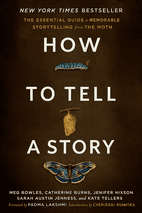
Catherine Burns's How to Tell a Story distills The Moth's expertise into a practical guide for crafting and delivering compelling true stories, teaching structure, authenticity, and emotional connection for anyone seeking to share personal narratives aloud.
Feature
Insta.Page
Blinkist
Shortform
Summary Depth
Full Chapter-by-Chapter
15-min overview
Detailed analysis
Audio Narration
✓ (AI narration)
✓
✓
Visual Mindmaps
✓
✕
✕
AI Q&A
✓ Voice AI
✕
✕
Quizzes
✓
✕
✕
PDF Downloads
✓
✕
✓
Price
$59.99/yr
$146/yr (PRO)
$199/yr
*Competitor data last verified February 2026.
About the Author
Catherine Burns
Catherine Burns is a celebrated author and masterful storyteller whose work delves into the complexities of human relationships and the nuances of modern life. She is best known for her acclaimed short story collection, *The Visitors*, which showcases her sharp observational wit and profound emotional insight. Her writing has earned her a dedicated readership and critical praise for its clarity and depth. As a published author, her books are readily available for purchase on Amazon, inviting readers into her thoughtfully crafted literary worlds. Catherine Burns continues to contribute significantly to contemporary fiction, establishing herself as a distinctive and compelling voice in the literary landscape.
1 Page Summary
How to Tell a Story: The Moth and the Art of Empathy is a practical guide distilled from the twenty-five-year history of The Moth, a non-profit organization dedicated to the art and craft of true, personal storytelling. The book breaks down the process of crafting and delivering a compelling narrative, emphasizing that everyone has a story worth telling. Its core principles revolve around authenticity, structure, and emotional connection, guiding the reader from finding a story within their own life to shaping it with a clear arc—complete with stakes, a pivotal moment, and a resolution—and finally, delivering it with presence and vulnerability to an audience.
The Moth itself emerged from small, informal gatherings on a porch in Georgia, founded by poet and novelist George Dawes Green, who sought to recreate the Southern tradition of spellbinding, true stories told aloud. This simple idea grew into a global phenomenon with live shows, a popular podcast, and a Peabody Award-winning radio show, creating a powerful counter-culture to the digital age by reaffirming the primal human need for direct, unmediated narrative. The organization’s success provides the historical context and the living laboratory from which the book’s advice is drawn, showcasing a modern revival of an ancient oral tradition.
The lasting impact of the book, and The Moth's work as a whole, lies in its democratization of storytelling. It has empowered countless individuals—from celebrities to everyday people—to see the drama and universality in their own experiences, fostering profound empathy and human connection. By providing a clear, accessible framework, it has cemented the idea that storytelling is not an innate gift for a select few but a learnable skill, strengthening communities and reminding us of the transformative power of sharing our truths.
Storytelling has always been a fundamental part of human existence, evolving from primal exchanges around fires into a universal language that forges deep connections and makes sense of our world. It transforms fleeting moments into shared experiences, building communities by highlighting our common humanity. This innate power inspired the creation of The Moth, which began in 1997 when founder George Dawes Green sought to recreate the intimate magic of porch-side tales from his Georgia memories. Starting in a New York City apartment with themes like "Finding a Place," it grew into a global movement by emphasizing uninterrupted listening and authentic voices, proving that everyone has a story worth hearing.
True personal stories resonate powerfully because they allow listeners to step into another's shoes, whether recounting historic events or everyday mishaps. From Freedom Riders to family dinners, these narratives break down complex episodes into relatable, emotional scenes that evoke empathy and reflection. The success of The Moth revealed how authentic storytelling can captivate audiences, fostering a palpable unity where hearts seem to beat as one. Scientifically, this connection is rooted in neural synchronization, where brain activity mirrors between teller and listener during compelling tales, as shown in Uri Hasson's research. Personal journeys, like Fatou Wurie's experience of her mother sharing stories in exile, illustrate how narratives sustain hope and identity amid adversity. Ultimately, shared storytelling builds empathy and community by challenging assumptions and weaving diverse individuals into a cohesive whole, reminding us that every life holds tales capable of uniting and inspiring.
The Universal Language of Stories
From the very first human interactions, storytelling has been an essential thread weaving through our existence. Imagine early ancestors using screeches, howls, and gestures to share vital information—where to find water, how to avoid bears, or the simple comfort of sitting by a fire. These primal exchanges evolved beyond mere survival, becoming the foundation for how we make sense of our world. Stories are not just recollections; they are living pieces of ourselves that explain our hearts, decode our histories, and reveal who we are. They transform fleeting experiences into eternal connections, building families, friendships, and communities by tearing down walls and highlighting our shared humanity. When you craft a story, you're not just recounting events—you're inviting others to feel your heartbeat, laugh with you, or see the world through your eyes, creating a magical clarity that can stir emotions and inspire action.
The Birth of The Moth
The Moth emerged from a simple yet profound idea: to recreate the intimate, spellbinding atmosphere of storytelling on a porch in Georgia, where moths circled the light as tales unfolded. Founder George Dawes Green was inspired by moments like his aunt Alice sharing family memories or his father captivating friends with a boyhood adventure, noticing how stories dissolved the barrier between teller and listener. In 1997, he hosted the first Moth event in his New York City apartment, centered on the theme "Finding a Place." Despite initial bumps—like running out of wine and overly long stories—the evening felt transformative. Attendees were asked to listen without interruption, no one-upping or distractions, allowing storytellers to hold the floor and transport the audience. This raw, unfiltered format quickly grew from a living room experiment into a global movement, with early events featuring diverse voices, from teachers to Pulitzer winners, all guided by the belief that everyone has a story worth hearing.
Why True Stories Resonate
True personal stories possess a unique power to forge deep connections, whether they recount historic events or everyday moments. Hearing firsthand accounts—like Sala Udin's experiences as a Freedom Rider or Dr. Mary-Claire King's journey to discovering the BRCA gene—allows listeners to step into someone else's shoes and witness history through their eyes. But you don't need headlines to captivate; stories like Eva Santiago's love blossoming during incarceration or Gabrielle Shea's Thanksgiving mac and cheese mishap reveal the extraordinary in the ordinary. These narratives break down sweeping episodes into intimate scenes, making them relatable and emotionally charged. By sharing true experiences, storytellers not only preserve their legacy but also evoke empathy, reflection, and a sense of shared humanity, reminding us that every life holds tales that can illuminate, unite, and inspire.
The evolution of The Moth from intimate gatherings to global stages revealed a profound truth: authentic stories have the power to captivate and connect. The team behind the scenes, having witnessed tens of thousands of tales, identified the elements that evoke raw emotion—whether laughter, anger, or wonder. On the most memorable nights, a palpable unity emerges, where storytellers and audiences seem to breathe in sync, hearts beating as one.
The Neuroscience of Connection
This shared experience isn't just poetic; it's scientifically validated. Neuroscientist Uri Hasson's research demonstrated "speaker-listener neural coupling," where brain activity synchronizes between storyteller and engaged listener. MRI scans show that as the teller's brain "lights up" with activity, the listener's brain mirrors it—but only if the story is compelling and comprehensible. This neural alignment underscores that a well-told story can literally spark connections across minds.
A Storyteller's Journey
Fatou Wurie's account illustrates this dynamic beautifully. Displaced by civil war, her mother coped by sharing childhood stories in their native Mende language. Though the details weren't always clear, the emotional transmission was undeniable: her mother's joy or sorrow became their own, forging a bond that sustained them through immense loss. This personal testimony highlights how storytelling isn't just entertainment—it's a lifeline that preserves identity and fosters resilience.
Building Empathy and Community
When strangers gather in darkened theaters or tune in remotely, stories become bridges. Listening to diverse voices—from familiar faces to those we might never encounter—challenges preconceptions and deepens understanding. Shared narratives crack open assumptions, cement new truths, and weave individuals into a cohesive community. The ultimate goal is empathy: out of many stories, we find common ground, transforming isolation into belonging.
Key Takeaways
Authentic storytelling creates neural synchronization between teller and listener, enhancing emotional connection.
Personal narratives, like Fatou Wurie's, demonstrate how stories can sustain hope and identity in adversity.
💡 Try clicking the AI chat button to ask questions about this book!
Chapter 2: Chapter 2: No Notes, No Net
Overview
Chenjerai Kumanyika's initial trepidation about sharing personal stories on The Moth stage reveals a universal truth: storytelling isn't just about performance, but a journey of self-discovery. His experience, from doubting his anecdotes to crafting a resonant tale about identity and resilience, highlights how Moth-style storytelling transforms vulnerability into strength. This approach hinges on a few simple yet powerful rules—stories must be true, told without notes, and packed with stakes and personal change, all within a tight time frame that forces tellers to distill their essence. It’s a format that strips away pretense, making room for raw, authentic connections.
Behind every polished narrative is a collaborative process with a director who helps unearth the heart of the story. By asking probing questions and listening for emotional nuances, directors guide tellers in structuring their arcs, trimming excess, and focusing on vivid details that resonate. This refinement isn't just about technique; it's about building confidence and ensuring the story fits the teller like a second skin. In events like StorySLAMs, this preparation meets the spontaneity of open mic nights, where diverse voices share five-minute tales on themed prompts. The result is an electric sense of community, where laughter, tears, and shared humanity turn strangers into kin, though not every story lands perfectly—some stumble into insensitivity or discomfort.
Recognizing that empowerment must come with responsibility, The Moth introduced guidelines to curb harmful narratives, emphasizing empathy and respect. Stories that reduce others to punchlines or perpetuate biases are gently steered away, reinforcing that storytelling should honor, not harm, the human experience. This ethos extends beyond the stage through community workshops, where people from all walks of life—nurses, veterans, everyday individuals—discover that they, too, have tales worth telling. Judith Stone beautifully frames this as an act of generosity, where sharing one's journey gifts listeners with insight and connection, weaving a tapestry of compassion that enriches everyday interactions.
Ultimately, the chapter invites readers to view their own memories as a pantry of potential stories, waiting to be unlocked with patience and curiosity. Whether for a toast, a speech, or a simple conversation, the methods here prove that storytelling is a universal skill, rooted in the belief that everyone's experiences matter. Embracing the non-linear, often surprising process of finding your voice can lead to profound personal growth and deeper community bonds, reminding us that sometimes, the most ordinary moments hold the most extraordinary lessons.
The Author's Moth Journey
Chenjerai Kumanyika's journey with The Moth began with a mix of excitement and terror when invited to pitch a story. As a professor, organizer, and former hip-hop artist, he initially doubted whether his personal anecdotes could resonate with a broader audience. His fear stemmed from past experiences where stage performances felt stripped down and vulnerable. After reaching out to Jay Allison for guidance, he was encouraged to embrace stories of failure and learning, which shifted his perspective. This led him to recall a pivotal moment from his music career with the Spooks, where he transitioned from fame to a humbler life, including an awkward encounter with Laurence Fishburne while working as a security guard. Through conversations with Moth artistic director Catherine Burns, he realized the story wasn't about fame or Fishburne but about self-discovery and resilience. The rehearsal process, though intimidating, built his confidence as he connected with fellow storytellers and refined his narrative, ultimately landing on a powerful ending: "Sometimes you have to figure out who you're not before you can become who you are." This experience taught him that storytelling is a transformative act, offering "medicine" for both teller and listener, and affirming that everyone has unique stories worth sharing.
Embracing Moth-Style Storytelling
Moth-style storytelling is defined by a few key parameters that foster creativity and connection. Stories must be true, told aloud in the first person without notes, and involve stakes and transformation within a specific time frame. This approach strips away artifice, allowing tellers to share authentic experiences that resonate across cultural and personal boundaries. The time limit, whether five minutes at StorySLAMs or ten to twelve minutes on the Mainstage, forces tellers to distill their stories to their essence, much like Mark Twain's advice on writing concisely. A musician timekeeper on stage adds a playful yet serious element, ensuring stories remain focused and engaging. These rules aren't restrictive but instead empower storytellers to craft narratives that are compelling, relatable, and impactful, turning personal moments into universal lessons.
The Director's Role in Shaping Stories
Every Moth storyteller collaborates with a director who acts as a guide, helping to uncover and refine their narrative. The process starts with mining for story ideas by asking probing questions about memorable life moments, backstory, and emotional significance. Directors listen for hesitations and stumbles, seeing them as opportunities to dig deeper into the story's heart. They help tellers identify the core message, structure the arc with vivid scenes and details, and eliminate unnecessary elements. For instance, in Amy Biancolli's story about her husband's death, focusing on her wedding ring added depth and relatability. Directors provide honest feedback, acting as a first audience to gauge emotional impact and clarity. This collaborative effort ensures the story fits the teller authentically, building confidence through rehearsal and refinement.
Insights from StorySLAM Experiences
StorySLAMs, inspired by poetry slams, bring unpredictability and community to storytelling. These open mic events allow anyone to share a five-minute story based on a theme, judged by the audience. Over the years, they've revealed both breathtaking moments and common pitfalls, from tender vulnerability to awkward confessions. Stories like Boris Timanovsky's search for his grandfather's headstone or Sherry Weaver's motorcycle romance highlight the diversity of human experience. The electricity between tellers and listeners fosters a sense of family, turning strangers into a supportive community. However, not every story hits the mark—some veer into uncomfortable territory, like incontinence tales—but the rapid pace and shared laughter or tears keep the energy alive. These events underscore that storytelling is about connection, with each tale offering a glimpse into another's world.
Addressing Insensitive Stories in StorySLAM
The Moth team quickly realized that an open mic format, while empowering, could sometimes lead to stories that crossed ethical lines. Beyond the initial bathroom tales, they encountered narratives where individuals were reduced to mere props—like one where a person named Julie was portrayed as a source of pity to make the teller feel better. This highlighted a deeper issue: stories that lacked empathy and respect for others' dignity. More troubling were instances of racism, sexism, ableism, and homophobia, which prompted the creation of a second poster to guide storytellers. This new set of "Don'ts" emphasized avoiding harmful stereotypes, using others as punchlines, or appropriating experiences outside one's own. It served as a reminder that storytelling isn't just about self-expression; it's about honoring the shared human experience and practicing empathy before taking the stage.
The Moth Workshops: Uncovering Hidden Narratives
In 1999, The Moth expanded its reach through community workshops, engaging groups like nursing associations and veterans' halls. Many participants initially doubted they had stories worth telling, but through guided sessions, they discovered a cascade of personal tales. This reinforced The Moth's core belief: everyone has a story, and it's often a matter of unlocking memories with patience and support. These workshops transformed uncertainty into confidence, showing that storytelling is a universal human capacity, not reserved for the extraordinary.
Judith Stone on the Generosity of Storytelling
Judith Stone, a founding board member, beautifully captures the essence of storytelling as both an act of courage and generosity. She notes that when storytellers share their experiences, they gift listeners with moments of self-discovery and connection. This generosity opens hearts and minds, fostering compassion and a sense of community that extends beyond the stage. It's a practice that enriches everyday interactions, making storytelling a powerful tool for bridging divides.
Embracing Your Storytelling Journey
The chapter shifts toward practical guidance, encouraging readers to see their memories as a "pantry" full of ingredients for stories. Whether for a casual chat, a toast, or a formal speech, The Moth's methods can help unearth and refine narratives. It's normal to feel stuck or believe your story isn't important—but the process is non-linear and full of surprises. Even forgotten moments, like that "eleven-year-old can of sardines," might spark your most compelling tale. The key is to start exploring without pressure, trusting that your experiences matter.
Key Takeaways
Empathy is essential: Avoid using others as props or perpetuating harmful biases in your stories.
Everyone has a story: Through workshops and reflection, hidden narratives emerge, proving storytelling is for all.
Storytelling builds community: Sharing stories fosters connection, compassion, and personal growth.
Embrace the process: Finding your story isn't linear; be open to trial and error as you develop your voice.
Key concepts: Chapter 2: No Notes, No Net
2. Chapter 2: No Notes, No Net
The Transformative Power of Storytelling
Storytelling as journey of self-discovery and vulnerability turned strength
True personal stories create raw, authentic connections between people
Process builds confidence and helps tellers discover their authentic voice
Sharing personal journeys acts as 'medicine' for both teller and listener
Core Principles of Moth-Style Storytelling
Stories must be true and told in first person without notes
Narratives require stakes and personal transformation
Time limits force distillation to essential elements
Rules empower rather than restrict creative expression
The Director's Collaborative Process
Directors help uncover story heart through probing questions
Mining emotional significance from hesitations and stumbles
Structuring narrative arcs with vivid scenes and details
Providing honest feedback as first audience for emotional impact
StorySLAMs and Community Building
Open mic format with themed prompts and five-minute stories
Electric sense of community through shared laughter and tears
Diverse voices from all walks of life sharing experiences
Not every story lands perfectly - some create discomfort
Ethical Storytelling Guidelines
Emphasis on empathy and respect in narrative choices
Avoiding stories that reduce others to punchlines
Honoring rather than harming the human experience
Community workshops extend storytelling empowerment
Personal Story Unlocking Process
Viewing memories as pantry of potential stories
Embracing non-linear process of finding your voice
Ordinary moments often hold extraordinary lessons
Universal skill applicable to speeches and everyday conversations
StorySLAMs: Community Through Spontaneous Storytelling
Open mic format allows anyone to share five-minute stories based on themes
Audience-judged events create electricity between tellers and listeners
Reveals both breathtaking vulnerability and common storytelling pitfalls
Transforms strangers into supportive community through shared experience
Demonstrates storytelling's power to connect diverse human experiences
Ethical Storytelling: The Moth's Response to Harmful Narratives
Open mic format sometimes led to stories crossing ethical boundaries
Issues included reducing people to props and perpetuating harmful stereotypes
Encountered racism, sexism, ableism, and homophobia in some narratives
Created 'Don'ts' poster emphasizing empathy and respect for others' dignity
Established that storytelling requires honoring shared human experience
Community Workshops: Unlocking Universal Storytelling Potential
Expanded reach through workshops with diverse community groups
Participants often doubted they had stories worth telling initially
Guided sessions revealed cascades of hidden personal narratives
Reinforced core belief that everyone has meaningful stories to share
Transformed uncertainty into confidence through patient support
The Generous Act of Storytelling
Storytelling described as both courageous and generous act
Sharing experiences gifts listeners with self-discovery and connection
Fosters compassion and community beyond the stage
Enriches everyday interactions and bridges divides
Creates lasting impact through shared human understanding
Practical Storytelling: Embracing Your Narrative Journey
Memories serve as 'pantry' of ingredients for stories
Methods applicable to casual chats, toasts, and formal speeches
Process is non-linear and often full of surprising discoveries
Even forgotten moments can spark compelling narratives
Encourages exploration without pressure, trusting experiences matter
⚡ You're 2 chapters in and clearly committed to learning
Why stop now? Finish this book today and explore our entire library. Try it free for 7 days.
Chapter 3: Chapter 3: Mining for Memories
Overview
This chapter reveals how personal memories serve as a treasure trove for crafting compelling stories, encouraging storytellers to sift through life's turning points and sensory details to uncover hidden truths about themselves. It emphasizes that vague ideas gain clarity when spoken aloud, transforming into tangible narratives centered on emotions or discoveries that resonate with others. By honing in on specific moments—like a single afternoon or week—storytellers can avoid rambling and instead paint vivid scenes rich with sensory elements, making shared themes a bridge to connection.
At the heart of personal storytelling is the storyteller as the main character, where experiences must focus on how events impacted them directly, even when involving others. Stories often ignite from inciting incidents—unexpected disruptions to routine, such as a wrong turn or bold decision—that set the narrative in motion. These moments can lead to epiphanies or gradual shifts in perspective, whether from a humbling experience or a sudden realization, highlighting how change fuels engagement. Critical decisions, or the lack thereof, shape the narrative arc, with inaction sometimes carrying as much weight as active choices, as seen in tales of regret over missed conversations.
Embracing mistakes and embarrassment is framed not as failure but as a gateway to authenticity, where blunders humanize achievements and foster relatability. Vulnerability emerges as a superpower, building trust by sharing struggles or imperfections, from parenting frustrations to professional missteps, reminding listeners that imperfection is universal. Practical guidance encourages reflection on unforgettable moments, the consequences of choices, and how to use trauma as context rather than the core, ensuring stories balance hardship with growth. Ultimately, the chapter underscores that leaning into discomfort uncovers deeper truths, turning personal journeys into universal lessons on connection and resilience.
Finding Stories in Memories
Your unique life experiences are a treasure trove for storytelling, waiting to be unearthed. Imagine flipping through a mental photo album—whether real or imagined—where each memory, from a postcard of a family vacation to the smell of your grandmother's meatballs, holds clues to who you are. These moments, especially the turning points that altered your path, reveal glimpses of your true self. As Moth storyteller Neshama Franklin suggests, we're like Russian nesting dolls, with every experience still inside us, ready to be uncovered.
Testing and Refining Ideas
When a memory sparks an idea, don't hesitate to explore it. Say it out loud—this simple act can transform a vague thought into a tangible story, making it feel less intimidating. Rejecting an idea is part of the process, but only after giving it proper consideration. Look for emotions, secrets, or moments of discovery that resonated deeply, and remember, someone else might relate to your experience, saying, "Hey, me too."
Focusing on Specific Moments
Avoid the trap of "and then, and then, and then" by zooming in on a single time frame, like an afternoon or a week. In Moth workshops, participants start by describing a vivid scene—such as moving day in sixth grade—and expanding it with sensory details: what they saw, smelled, or felt. This exercise helps memories resurface and story seeds emerge. For example, at a themed cocktail party, asking "What's your connection to Arkansas?" turned introductions into engaging mini-stories, showing how shared themes can spark connection.
You Are the Main Character
Personal stories must center on your own experiences and how they impacted you. It's fine to include others, like a loved one who passed away, but tie it back to your journey. Avoid mere observations—instead, focus on a specific event with a plot. Trauma or struggle shouldn't be the whole story; use it as context. As the Moth proverb warns, "All ouch and no yay? Hard to make the listener stay." Balance hardship with insight or growth to keep the audience engaged.
The Kickoff: Inciting Incidents
Stories often begin with an unexpected event that breaks routine—a wrong turn, a chance encounter, or a bold decision. These "kickoffs" set the narrative in motion, like Aaron Pang's frustration with broken elevators or R. Eric Thomas's reaction to a poorly worded Black History Month sign. Think of moments that interrupted your normal life: missing a bus, receiving a surprising diagnosis, or saying "yes" to something you'd always avoided. These incidents create the foundation for a compelling tale.
Moments of Change and Epiphany
Reflect on times that shifted your perspective, whether suddenly or gradually. A eureka moment, a humbling experience, or a kindness that changed you—all can fuel a story. For instance, Sister Mary Navarre realizing her sister's polio diagnosis or John Elder Robison learning about Asperger's syndrome at age forty. Even Dame Wilburn's humorous take on a psychic's curse shows how change can be empowering. In job interviews, sharing such stories—like Tim Bartlett's pizza delivery adventure—highlights character and problem-solving skills.
Decisions That Shape Your Narrative
Turning points often hinge on choices you made, from quitting a job to redefining relationships. Moth stories thrive on agency—what you did or didn't do in response to events. George Dawes Green emphasizes that the core of any story is a key decision, especially a tough one. Consider decisions in work, friendships, or family that altered your course, and remember to capture your mindset at the time. Even small choices, like a child's daredevil act, can reveal profound truths when told from both past and present perspectives.
The Choice of Inaction
The chapter opens with a poignant reflection on returning to a high school reunion twenty years later, driven by a need to see if anything had changed from a time marked by isolation as the only Black student. This sets the stage for exploring how inaction—the decisions we don't make—can shape our lives just as powerfully as active choices. Sarah highlights that stories built around moments of hesitation or silence often carry deep emotional weight, as seen in Megan McNally's heart-wrenching account of never discussing her adoption decision with her grandmother until it was too late. Megan's regret underscores how avoiding difficult conversations can lead to irreversible changes, transforming personal grief into a universal lesson on the cost of fear and procrastination.
Embracing Mistakes and Embarrassment
Mistakes, blunders, and embarrassing moments are framed not as failures but as fertile ground for compelling stories. The text encourages readers to lean into discomfort, noting that incidents that evoke shame or worry often hold the key to authentic connection. Mike Birbiglia's insight reinforces this: if a story makes you deeply uncomfortable, you're likely on the right path. Instead of boasting about successes, the focus should be on the stumbles and vulnerabilities that make achievements relatable. For instance, Chenjerai Kumanyika's story begins with him failing at a temp job, making his later success as a hip-hop star more engaging, while Rosanne Cash shares the humiliation of an album rejection rather than her hits, highlighting how setbacks humanize our narratives.
Vulnerability as a Storytelling Tool
Vulnerability emerges as a superpower in storytelling, creating trust and empathy between the teller and audience. Kate's experience with new motherhood illustrates how brutal honesty about struggles—like rage-kicking the air over parenting frustrations—forges genuine bonds. Similarly, astronaut Michael Massimino's tale of nearly derailing a Hubble Telescope repair by stripping a screw reveals how even heroes' small mistakes resonate deeply, reminding listeners that imperfection is universal. By sharing "not-so-pretty" sides, storytellers invite others to relax and connect, turning potential shame into shared humanity.
Director's Notes for Story Mining
Reflect on unforgettable moments, big or small, and why they linger in your memory.
Examine decisions made or avoided, and their consequences.
Center stories on personal impact; if involving others, ensure it directly affects you.
Dive into mistakes and recoveries, as these often reveal growth and humor.
Use trauma as context, not the core—focus on how events changed you.
Identify inciting incidents that disrupted routines or pushed you in new directions.
Key Takeaways
Inaction is a deliberate choice that can lead to profound regret or insight, making it a powerful story element.
Mistakes and embarrassing moments are universal connectors; sharing them builds empathy and relatability.
Vulnerability transforms stories from bragging to bonding, encouraging listeners to see their own flaws reflected.
Authentic storytelling thrives on discomfort—lean into the "ouch" to uncover deeper truths and connections.
Key concepts: Chapter 3: Mining for Memories
3. Chapter 3: Mining for Memories
Finding Stories in Memories
Life experiences serve as treasure troves for storytelling material
Turning points and sensory details reveal glimpses of true self
Memories function like Russian nesting dolls - all experiences remain accessible
Personal moments contain clues to identity and universal themes
Testing and Refining Story Ideas
Speaking ideas aloud transforms vague thoughts into tangible narratives
Rejection is part of the process after proper consideration
Focus on emotions, secrets, and moments of discovery that resonate
Personal experiences often connect with others through shared understanding
Focusing on Specific Moments
Zoom in on single time frames to avoid rambling narratives
Use sensory details to paint vivid scenes and resurface memories
Shared themes transform personal experiences into connection points
Specific scenes serve as foundations for expanding into full stories
You Are the Main Character
Center stories on personal experiences and direct impact
Include others but tie back to your own journey and growth
Use trauma as context rather than the entire story focus
Balance hardship with insight and growth to maintain engagement
Inciting Incidents as Story Kickoffs
Unexpected events that break routine set narratives in motion
Wrong turns, chance encounters, or bold decisions create foundations
Interruptions to normal life provide compelling starting points
These moments create immediate engagement and narrative direction
Moments of Change and Epiphany
Perspective shifts fuel compelling storytelling
Change can occur suddenly or gradually through various experiences
Humbling moments, realizations, and kindness can transform narratives
Epiphanies reveal character development and personal growth
Decisions That Shape Narratives
Turning points hinge on choices made or avoided
Agency - what you did or didn't do - drives story momentum
Key decisions, especially difficult ones, form story cores
Small choices can reveal profound truths when properly framed
Embracing Vulnerability and Authenticity
Mistakes and embarrassment humanize stories and foster relatability
Vulnerability builds trust by sharing struggles and imperfections
Imperfection is universal and creates connection with audiences
Discomfort uncovers deeper truths and universal lessons
The Choice of Inaction
Inaction and decisions not made can shape lives as powerfully as active choices
Stories built around hesitation or silence carry deep emotional weight
Avoiding difficult conversations can lead to irreversible consequences and regret
Personal examples like Megan McNally's adoption decision illustrate the cost of procrastination
Embracing Mistakes and Embarrassment
Mistakes and embarrassing moments serve as fertile ground for compelling stories
Discomfort and shame often indicate the path to authentic connection
Vulnerabilities and stumbles make achievements more relatable than successes
Examples include Chenjerai Kumanyika's temp job failure and Rosanne Cash's album rejection
Vulnerability as a Storytelling Tool
Vulnerability creates trust and empathy between storyteller and audience
Brutal honesty about struggles forges genuine bonds and connections
Sharing imperfections and small mistakes makes even heroes relatable
Examples include Kate's parenting frustrations and astronaut Michael Massimino's Hubble repair mishap
Story Mining Techniques
Reflect on unforgettable moments and examine why they linger in memory
Analyze both decisions made and avoided, focusing on their consequences
Center stories on personal impact rather than external events
Focus on mistakes and recoveries that reveal growth and humor
Use trauma as context rather than the core of the story
Authentic Storytelling Principles
Lean into discomfort to uncover deeper truths and connections
Transform potential shame into shared humanity through vulnerability
Use personal stories to build empathy and relatability with audiences
Focus on how events changed you rather than just what happened
Chapter 4: Chapter 4: The Foundation
Overview
At the heart of every compelling narrative lie the stakes, which infuse stories with urgency and personal significance, whether in life-or-death scenarios or everyday struggles. These stakes often blend internal emotional battles with external tangible obstacles, as seen in tales where professional pressures intersect with personal identity. To deepen a story, it's crucial to clarify what was desired and why it was challenged, highlighting how moments jeopardize cherished values or relationships. This elevates simple anecdotes into full-fledged stories that evolve and leave a lasting impact, unlike brief, amusing accounts reserved for casual settings. Some narratives, known as Big Little Stories, may seem minor on the surface—like a school contest win—but carry profound weight by sparking personal transformation, as illustrated by Mmaki's encounter with Nelson Mandela, which reshaped her self-worth and identity. Central to this is the story arc, which tracks change and evolution, answering who you were at the start versus the end and why that shift matters. By focusing on the emotional core beyond plot details, storytellers uncover deeper themes, such as reconnecting with memories or forming unexpected bonds. To maintain clarity, distilling the narrative into one sentence acts as a roadmap, capturing the essence of the plot and arc without stating it outright. Guiding questions help refine the story by emphasizing stakes, transformation, and lasting impact, ensuring it resonates with authenticity and depth. Ultimately, transformation is essential, depth triumphs over detail, and a focused blueprint keeps the narrative engaging and meaningful.
Stakes: The Heart of Your Story
Stakes are what give your story its pulse and urgency. They emerge from moments where you feel everything is on the line—whether it's a life-or-death situation or something as seemingly trivial as retrieving a bag of pretzels from a stubborn vending machine. What makes stakes powerful is their deeply personal nature. For instance, in Jonathan Ames' story "The Duel," his desire to beat a rival fencer isn't just about sports; it's intertwined with his coach's personal vendetta, amplifying the emotional weight. Similarly, Nathan Englander's "Unhooked" hinges on the stakes of survival in a foreign land, compelling the audience to root for him. Stakes transform a sequence of events into a compelling narrative by answering the question: Why does this matter to you?
Internal and External Stakes
Stakes can be internal, focusing on emotional or psychological battles, or external, dealing with tangible obstacles. Many memorable stories blend both. For example, Morgan Givens in "Police Academy" faces external pressures to excel as the first trans person in the academy, while internally grappling with the weight of representing his community. Karen Duffin's "The Speechwriter's Lament" masterfully builds stakes by detailing how a simple oversight—oversleeping—threatens her professional reputation and a hard-earned relationship of trust. By showing what was at risk emotionally and professionally, she pulls listeners into her anxiety and makes them care about the outcome.
The What and the Why
A story gains depth when it clarifies what you wanted and why it was challenged. Dr. Wendy Suzuki's reflection on her expertise in memory contrasting with her inability to help her father illustrates this tension. Stakes often arise from problems needing solutions, tough choices, or unexpected events that test your values. In Samuel James' "Jenny," the stakes involve the shattering of innocence when he learns of his mother's death in a devastating way. To engage your audience, highlight how the moment jeopardized something you held dear—your safety, beliefs, or relationships—and why that loss or potential gain resonated with you.
Anecdotes Versus Stories
While anecdotes are brief, amusing accounts, stories evolve and leave a lasting impact. Ellie Lee's initial anecdote about her father's store fire included dramatic details like exploding fireworks, but it became a full story when she explored how the event changed her perception of her father and his role in the community. Digging into why you repeat certain anecdotes can uncover deeper themes, such as family bonds or personal growth. However, anecdotes have their place in casual settings, where they can spark connections without needing a full narrative arc.
Big Little Stories
Some tales might seem minor on the surface but carry profound emotional weight, known as "Big Little Stories." Jay Martel's "Head of Clay" uses a cumbersome statue to explore feelings of familial neglect, while Ishmael Beah's "Unusual Normality" contrasts paintball games with his traumatic past as a child soldier. Mmaki Jantjies' essay contest win, as shared by Suzanne Rust, starts as a small achievement but blossoms into a story about self-confidence and the impact of meeting Nelson Mandela. These stories show how everyday moments can reveal larger truths about identity, resilience, or transformation.
Mmaki's Transformative Encounter
The narrative opens with Mmaki's exhilarating journey to Pretoria, where she and her mother are whisked away to a luxurious five-star hotel for an award ceremony. What began as an essay-writing competition prize unfolds into a life-altering experience when she learns she'll meet Queen Elizabeth and President Nelson Mandela. Amid the excitement, Mmaki stands in line with other finalists, all in baggy school uniforms and traditional hair plaits, feeling a mix of anticipation and humility. As Queen Elizabeth engages her in a conversation about leadership, Mmaki's emotions swell, but it's Nelson Mandela's approach that truly shifts her perspective. Hearing his voice—a symbol of freedom—and seeing his towering presence, she recalls her mother's empowering words: "I believe in you. One day, all of this will make sense. Focus on your education." In that moment, Mmaki realizes her own worth and potential, understanding that her ideas, not her appearance, earned her this honor. This personal revelation transforms her self-view, illustrating how a single event can redefine one's identity.
The Concept of Big Little Stories
Mmaki's account exemplifies what The Moth calls a "Big Little Story"—a narrative that might seem minor on the surface, like a school contest win, but gains profound significance by connecting to broader themes that spark personal growth. It's not just about meeting icons; it's about how that encounter reshapes the storyteller's outlook. This concept emphasizes that for a story to qualify, it must involve genuine transformation, not merely a celebrity encounter. For instance, casually meeting Beyoncé wouldn't count unless it fundamentally altered the storyteller's life path, underscoring the need for depth beyond surface-level excitement.
Crafting Your Story's Arc
At the heart of every Moth story is change and evolution, forming the structural arc that guides the narrative. An arc answers key questions: Who were you at the start versus the end? How did the events alter your life, and why does that change matter? This transformation can manifest in various ways—physical, situational, emotional, behavioral, or attitudinal—such as going from out of shape to marathon-ready or overcoming a fear of dogs to adopting three. The stakes of the story hinge on this shift; it's what makes the audience care. For example, if you dropped your keys down an elevator shaft, the arc might show how you started keeping them secure, highlighting a behavioral change that reflects broader personal growth. Without change, a story risks being a mere recap or toast, which can be celebratory but lacks the transformative element essential for a Moth narrative.
Examples of Emotional Cores
To illustrate how stories transcend plot details, consider Faith Salie's account of selecting a dress for her divorce proceedings. On the surface, it's about fashion, but the emotional core revolves around her desire to be fully seen by her ex-husband one last time. Similarly, Nikesh Shukla's tale of cooking his mother's recipes after her death isn't just about food; it's a poignant way to reconnect with her memory and find solace. Noriko Rosted's story about choosing a pet sitter for her cat, Spencer, subtly explores forming an unexpected bond with a young neighbor. These examples show that by revisiting past experiences, storytellers uncover deeper themes and patterns, often leading to personal revelations like, "I never realized this about myself." This process of reflection helps connect dots and infuse meaning into the narrative.
Distilling to One Sentence
Before building a full story, it's crucial to condense it into a single sentence that acts as a roadmap. This "one sentence" captures the essence of the plot and arc without being stated in the story itself. For instance, Ellie Lee's story about a community fire can be summarized as: "It took a disaster for me to appreciate the important role my father played in our community." This sentence implies the event, the father's significance, and Ellie's emotional shift. Changing even one word alters the focus—if it were about confronting fear instead of familial respect, the details would differ. To define your story's angle, ask whether it's an internal struggle, a relationship evolution, or a conflict with the world. This clarity helps select supporting details and guides editing, ensuring the narrative stays focused on its core message.
Director's Insights
When refining your story, consider these guiding questions: What are the stakes—what did you stand to lose or gain, and why did it matter to you? Ensure your story moves beyond anecdote by exploring why the moment left a lasting impact, transforming it into a meaningful narrative. Identify the arc by reflecting on who you were at the beginning and end, and how the events changed you. Finally, distill it into one sentence to maintain focus, as this step consistently enhances the story's clarity and emotional resonance.
Key Takeaways
Transformation is Essential: Every compelling Moth story hinges on personal change, whether emotional, behavioral, or situational, to create stakes and engage the audience.
Depth Over Detail: Focus on the emotional core of your story, not just the plot, to uncover deeper meanings and connections.
Use a One-Sentence Blueprint: Distilling your story into a single sentence helps maintain focus, guide narrative choices, and highlight the central arc.
Reflect on Stakes and Arc: Regularly ask what you stood to lose or gain and how you evolved to ensure your story resonates beyond mere anecdote.
Key concepts: Chapter 4: The Foundation
4. Chapter 4: The Foundation
Stakes: The Narrative Pulse
Stakes create urgency and personal significance in stories
They answer why events matter to the storyteller
Stakes transform sequences into compelling narratives
Can range from life-or-death to seemingly trivial moments
Internal vs External Stakes
Internal stakes focus on emotional/psychological battles
External stakes deal with tangible obstacles and pressures
Most powerful stories blend both types of stakes
Examples include professional reputation vs personal identity
The What and Why Framework
Clarify what you wanted and why it was challenged
Stakes arise from problems, choices, or unexpected events
Highlight how moments jeopardize cherished values or relationships
Show why potential loss or gain resonated personally
Anecdotes vs Full Stories
Anecdotes are brief, amusing accounts for casual settings
Stories evolve and leave lasting impact through transformation
Full stories explore how events changed perceptions or relationships
Digging into why you repeat anecdotes reveals deeper themes
Big Little Stories
Seemingly minor events carrying profound emotional weight
Use everyday moments to reveal larger truths about identity
Examples include contests, objects, or routine activities
Show how small achievements can spark major transformations
Story Arc and Transformation
Tracks change from beginning to end of narrative
Answers who you were versus who you became
Focuses on emotional core beyond plot details
Essential for creating lasting impact and resonance
Storytelling Blueprint
Distill narrative into one sentence as roadmap
Capture essence of plot and arc without stating outright
Use guiding questions to refine stakes and transformation
Maintain clarity while ensuring depth and authenticity
The Concept of Big Little Stories
Stories that appear minor on the surface but connect to profound personal transformation
Requires genuine life-altering impact beyond surface-level excitement or celebrity encounters
Illustrated by Mmaki's award ceremony experience reshaping her self-perception and identity
Emphasizes depth of meaning over the scale of external events
Crafting Your Story's Arc
Every Moth story centers on change and evolution from beginning to end
Arc defines who you were versus who you became through the experience
Transformation can be physical, situational, emotional, behavioral, or attitudinal
Stakes depend on the significance of the change to engage audience investment
Without transformation, stories risk being mere recaps lacking emotional impact
Examples of Emotional Cores
Faith Salie's divorce dress selection reveals deeper need to be seen and acknowledged
Nikesh Shukla's cooking story transforms into connection with his mother's memory
Noriko Rosted's pet sitter narrative explores unexpected human connection
Revisiting past experiences uncovers patterns and personal revelations
Emotional depth transforms plot details into meaningful personal discovery
Distilling to One Sentence
Single-sentence summary acts as narrative roadmap and focus tool
Captures essence of plot and arc without being stated in the story itself
Changing one word can shift the entire story's focus and meaning
Helps define story angle: internal struggle, relationship evolution, or external conflict
Guides selection of supporting details and editing decisions
Director's Insights for Refinement
Identify stakes: what was lost or gained and why it mattered personally
Move beyond anecdote by exploring why the moment created lasting impact
Clearly define the transformation arc from beginning to end state
Use the one-sentence distillation to maintain narrative focus and clarity
Focus on emotional resonance rather than chronological event listing
📚 Explore Our Book Summary Library
Discover more insightful book summaries from our collection