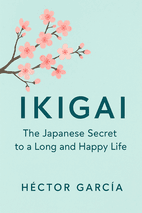
Héctor García's Ikigai explores the Japanese concept of finding purpose at the intersection of passion, mission, vocation, and profession. It offers a practical framework for anyone seeking a more meaningful, engaged, and long life.
Feature
Insta.Page
Blinkist
Shortform
Summary Depth
Full Chapter-by-Chapter
15-min overview
Section-by-section guides
Audio Narration
✓
✓
✓
Visual Mindmaps
✓
✕
✕
AI Q&A
✓
✕
✕
Quizzes
✓
✕
✕
PDF Downloads
✓
✕
✓
Price
$89.99/yr
$146/yr (PRO)
$199/yr
*Competitor data last verified July 2026.
1 Page Summary
In Ikigai: The Japanese Secret to a Long and Happy Life by Héctor García and Francesc Miralles, the central concept explored is "ikigai," a Japanese term translating roughly to "a reason for being." The book posits that ikigai lies at the intersection of four fundamental elements: what you love, what you are good at, what the world needs, and what you can be paid for. Finding this personal convergence is presented as the key to a life filled with purpose, vitality, and satisfaction, moving beyond mere existence to a state of joyful engagement.
The authors ground their exploration in the historical and cultural context of Japan, particularly drawing from the practices of the residents of Okinawa, a region known for its extraordinary longevity. They connect the philosophy of ikigai to other Japanese concepts like "moai" (social support groups) and advocate for an "anti-fragile" approach to life's challenges. The work synthesizes these Eastern philosophies with Western psychological insights, creating a practical framework for identifying one's passion and mission.
The lasting impact of Ikigai lies in its global popularity as an accessible guide to well-being. It has introduced a wider international audience to a holistic approach to life that integrates purpose, community, and mindful living. By offering a simple yet profound Venn diagram for self-discovery, the book has inspired many to re-evaluate their daily routines, careers, and personal goals, cementing its place as a modern classic in the self-help and personal development genre.
PROLOGUE: Ikigai: A mysterious word
Overview
Overview
The prologue opens with a vivid scene of the authors' first meeting in a cozy Tokyo bar, where a rainy night sets the stage for a lifelong friendship and the birth of this book. Their conversation quickly turns to the human quest for purpose, touching on Western psychology's logotherapy and its fading relevance, while highlighting a universal yearning for meaning in life. This leads them to uncover ikigai, a Japanese philosophy that not only addresses finding one's passion but also ties into the remarkable longevity seen in places like Okinawa.
The Genesis of a Friendship and Project
Héctor Garcia and Francesc Miralles recount how a mutual connection bridged the distance between Barcelona and Tokyo, sparking a collaboration that felt destined from the start. Their initial discussions revolved around the limitations of modern therapies in addressing life's big questions, such as why some people radiate passion while others feel adrift. This shared curiosity laid the groundwork for exploring ikigai, a concept that felt both ancient and urgently relevant.
Unpacking the Mystery of Ikigai
Ikigai is introduced as a nuanced idea that roughly translates to "the happiness of always being busy," but it goes deeper by intertwining personal fulfillment with community and longevity. The authors draw parallels to Viktor Frankl's logotherapy, yet emphasize how ikigai adds a layer of practical joy and activity. They note its role in Okinawa, where an astonishing number of centenarians—24.55 per 100,000 people—suggest that this philosophy is a key ingredient in their extended, vibrant lives.
Journey to the Village of Longevity
Driven by curiosity, the authors embark on a research trip to Ogimi, a rural town in Okinawa known as the Village of Longevity. They describe the lush, green landscape fed by pure waters and the immediate warmth of the residents, who greet them with constant laughter and jokes. Through interviews with elders, they uncover that beyond factors like a healthful diet, shikuwasa fruit, and Moringa tea, it's the profound sense of community and joy that fuels longevity.
Community Principles in Action
In Ogimi, the authors observe how local customs like ichariba chode—treating everyone as family—and yuimaaru, or teamwork, foster a supportive environment from childhood. These practices, combined with light eating, adequate rest, and moderate exercise, create a holistic approach to well-being. The centenarians' unwavering zest for life, celebrated through each new day, is portrayed as a direct result of living with ikigai at their core.
The Purpose Behind the Book
The prologue concludes by framing the book as a guide to uncovering these secrets for readers everywhere. It positions ikigai as a transformative tool for navigating life's journey with joy and purpose, inviting everyone to embark on their own path of discovery.
Key Takeaways
Ikigai is a Japanese concept that blends personal passion with community and longevity, offering a fresh perspective on finding meaning in life.
Okinawa, especially Ogimi, serves as a living example of ikigai in practice, with centenarians thriving due to a combination of diet, environment, and strong social bonds.
Principles like ichariba chode and yuimaaru highlight the importance of treating others as family and working together, which contribute to overall happiness and health.
The authors' personal journey underscores that discovering one's ikigai can lead to a fulfilling, long life, and this book aims to make those insights accessible to a global audience.
Key concepts: PROLOGUE: Ikigai: A mysterious word
1. PROLOGUE: Ikigai: A mysterious word
The Genesis of a Friendship and Project
Authors' first meeting in Tokyo sparked a destined collaboration
Shared curiosity about limitations of modern therapies in addressing life's purpose
Mutual interest in why some people radiate passion while others feel adrift
Initial discussions laid groundwork for exploring ikigai concept
Unpacking the Mystery of Ikigai
Roughly translates to 'the happiness of always being busy'
Intertwines personal fulfillment with community and longevity
Adds practical joy and activity layer compared to Western logotherapy
Linked to Okinawa's remarkable longevity statistics (24.55 centenarians per 100,000)
Journey to the Village of Longevity
Research trip to Ogimi, Okinawa - known as Village of Longevity
Lush landscape with pure waters and warm, joyful residents
Beyond diet and environment, profound sense of community fuels longevity
Elders' interviews reveal joy and community as key longevity factors
Community Principles in Action
Ichariba chode - treating everyone as family from childhood
Yuimaaru - teamwork and mutual support practices
Holistic approach combining light eating, rest, and moderate exercise
Centenarians' zest for life celebrated through each new day
The Purpose Behind the Book
Guide to uncovering ikigai secrets for global readers
Transformative tool for navigating life with joy and purpose
Makes Okinawan longevity insights accessible worldwide
Invites readers to embark on their own path of discovery
💡 Try clicking the AI chat button to ask questions about this book!
I: IKIGAI
Overview
Overview
This chapter opens with the beautiful Japanese concept of ikigai, described as the reason we wake up each morning—a deeply personal purpose that brings satisfaction, happiness, and meaning to life. It draws on insights from Okinawa, a region famed for its centenarians, to explore how ikigai intertwines with longevity, community, and daily habits. The narrative weaves together cultural wisdom and scientific findings, highlighting how a clear sense of purpose can keep people vibrant and active well into old age, challenging Western notions of retirement. Through stories of the Blue Zones—longevity hotspots like Okinawa, Sardinia, and Ikaria—the chapter reveals how diet, social connections, and mindful living contribute to a life filled with vitality.
The Heart of Ikigai
At its core, ikigai is about finding what makes life worth living, often hidden within us and uncovered through patient self-discovery. The Japanese characters for ikigai—生活—combine "life" with elements meaning "to be worthwhile," "initiative," and "beauty," reflecting a balance of purpose and elegance. This concept is so ingrained that in Japan, the idea of permanent retirement doesn't exist; instead, people continue pursuing their passions as long as health allows. This relentless engagement with life is portrayed not as a duty but as a joyful pursuit, where each day is infused with meaning, whether through work, hobbies, or serving others.
Blue Zones and the Secrets of Longevity
The chapter delves into the five Blue Zones identified by researcher Dan Buettner, where people live exceptionally long, healthy lives. Okinawa leads the list, with its women enjoying the longest lifespans globally, followed by Sardinia, Loma Linda, the Nicoya Peninsula, and Ikaria. Common threads include diets rich in vegetables, tofu, and fish; moderate alcohol consumption; and daily physical activity like walking and gardening. Crucially, these communities prioritize strong social bonds and a clear ikigai, which studies link to lower rates of chronic diseases, dementia, and cellular aging. The emphasis is on how these factors create a supportive environment where purpose and health reinforce each other.
Everyday Practices for a Fulfilling Life
Practical wisdom from Okinawa includes the "Hara hachi bu" principle—eating until 80 percent full—which helps maintain a healthy weight and reduces oxidative stress. Meals are served on multiple small plates, encouraging mindful eating and portion control. Another key element is the moai, informal social groups that provide emotional and practical support, rooted in a history of community cooperation. These practices aren't about rigorous routines but sustainable habits that integrate movement, connection, and moderation into daily life, showing how small, consistent choices can lead to profound well-being.
Key Takeaways
Ikigai is a personal purpose that brings daily motivation and is central to happiness and longevity.
Active engagement in life replaces retirement in cultures with strong ikigai, promoting mental and physical health.
Blue Zones highlight common longevity factors: plant-based diets, daily movement, social ties, and stress management.
Mindful eating practices, like the 80 percent rule, support health by preventing overconsumption and cellular damage.
Community bonds through moai foster resilience and a sense of belonging, often becoming part of one's ikigai.
Key concepts: I: IKIGAI
2. I: IKIGAI
Understanding Ikigai
Japanese concept meaning the reason we wake up each morning
Brings satisfaction, happiness and meaning to life
Combines purpose, initiative and beauty in its meaning
Deeply personal purpose uncovered through self-discovery
Replaces Western notion of permanent retirement
Blue Zones and Longevity Secrets
Okinawa leads with longest lifespans globally
Five identified zones: Okinawa, Sardinia, Loma Linda, Nicoya, Ikaria
Common factors: plant-based diets, daily movement, social bonds
Linked to lower rates of chronic diseases and dementia
Purpose and health reinforce each other in supportive environments
Daily Practices for Fulfillment
Hara hachi bu principle: eating until 80% full
Mindful eating with multiple small plates for portion control
Moai social groups for emotional and practical support
Sustainable habits integrating movement and connection
Small consistent choices leading to profound well-being
Cultural Wisdom and Active Engagement
People pursue passions as long as health allows
Relentless engagement with life as joyful pursuit
Each day infused with meaning through various activities
Community cooperation and social bonds as foundation
Purpose keeps people vibrant and active into old age
II: ANTIAGING SECRETS
Overview
This chapter explores the multifaceted approach to slowing the aging process, blending scientific insights with practical lifestyle adjustments. It delves into how mental stimulation, stress management, physical activity, and positive attitudes collectively contribute to longevity, drawing on research and real-world examples to illustrate how small, daily habits can significantly impact how we age.
The Concept of Aging's Escape Velocity
Imagine a future where advancing technology could theoretically allow humans to achieve biological immortality by adding a year to life expectancy for every year lived. This idea, known as aging's escape velocity, is likened to a rabbit holding a sign representing one's death age—if the rabbit moves faster than we age, we never catch it. While futurists like Ray Kurzweil predict this could happen within decades, other scientists caution that cellular limits around 120 years might cap human lifespan, highlighting the ongoing debate between technological optimism and biological constraints.
Keeping the Mind Active
A youthful mind is a cornerstone of antiaging, as intellectual engagement helps maintain neural health and slows cognitive decline. When we challenge our brains with new information or activities, we create fresh neural connections, revitalizing our mental faculties. Simple actions like learning a skill, playing games, or socializing can combat the depression and stagnation that often accompany solitude, fostering a resilient and adaptable mindset that supports overall well-being.
The Impact of Stress on Aging
Chronic stress accelerates aging by damaging cells and weakening the immune system. Studies, such as one from Heidelberg University, show that stress triggers inflammatory responses similar to those against pathogens, harming healthy cells and shortening telomeres—the protective caps on chromosomes that influence cellular regeneration. This degenerative process can lead to issues like memory loss, insomnia, and high blood pressure, emphasizing how modern, high-pressure lifestyles contribute to premature aging.
Mindfulness and Meditation
To counter stress, practices like mindfulness and meditation help us stay present and break automatic habits. By focusing on breathing or body scans, we can reduce anxiety and improve mental clarity, as seen in the experiences of individuals who've adopted these techniques to manage daily pressures. This conscious awareness not only alleviates stress but also promotes emotional balance, making it a powerful tool for longevity.
The Positive Side of Stress
Not all stress is harmful; low levels can be beneficial by motivating healthier habits and engagement in life. Research from Dr. Howard S. Friedman indicates that people with mild stress, who actively pursue challenges, tend to live longer than those who avoid them. This "good stress" encourages resilience and can be a driving force behind maintaining an active, purpose-driven life well into old age.
Avoiding a Sedentary Lifestyle
A sedentary life is a major aging culprit, linked to diseases like hypertension and obesity. Simple changes, such as walking daily, taking stairs, or engaging in social activities, can boost physical fitness and mental health. These habits not only improve posture and respiratory function but also protect telomeres from distortion, slowing cellular aging and enhancing overall vitality.
The Role of Sleep and Melatonin
Quality sleep is a secret weapon against aging, as it stimulates melatonin production—a hormone with antioxidant properties that supports immune function and fights diseases like cancer and Alzheimer's. Since melatonin declines after age thirty, prioritizing rest, avoiding stimulants, and maintaining a balanced diet can help sustain its benefits, underscoring sleep's critical role in preserving youth.
Cultivating Antiaging Attitudes
A positive outlook and emotional awareness are key to longevity, as studies from Yeshiva University reveal. Embracing challenges with serenity and a stoic attitude reduces stress and promotes mental stability. Centenarians often exemplify this, showing that resilience and a joyful approach to life's ups and downs can significantly extend one's years.
Lessons from Long-Lived Cultures
In places like Ogimi, Japan, longevity is celebrated through community and simple pleasures. A local ode to aging highlights the importance of enjoying each season, staying active, and nurturing friendships. This cultural wisdom reminds us that aging gracefully isn't just about individual habits but also about connecting with others and finding joy in everyday moments.
Key Takeaways
Engage your mind regularly with new challenges to maintain cognitive youth.
Manage stress through mindfulness and meditation to protect cellular health.
Incorporate daily physical activity to combat sedentary risks and boost longevity.
Prioritize sleep and a balanced diet to support melatonin production and overall well-being.
Cultivate a positive, resilient attitude to navigate life's challenges and extend your lifespan.
Key concepts: II: ANTIAGING SECRETS
3. II: ANTIAGING SECRETS
Aging's Escape Velocity Concept
Theoretical future where technology adds a year to life expectancy for every year lived
Ray Kurzweil predicts this could happen within decades
Other scientists suggest cellular limits around 120 years might cap human lifespan
Represents debate between technological optimism and biological constraints
Mental Activity and Cognitive Health
Intellectual engagement maintains neural health and slows cognitive decline
Challenging the brain creates fresh neural connections
Learning skills, playing games, and socializing combat depression and stagnation
Fosters resilient and adaptable mindset for overall well-being
Stress Management and Aging
Chronic stress accelerates aging by damaging cells and weakening immune system
Stress triggers inflammatory responses that harm healthy cells and shorten telomeres
Can lead to memory loss, insomnia, and high blood pressure
Mindfulness and meditation help reduce anxiety and improve mental clarity
Positive Stress Benefits
Low levels of stress can be beneficial by motivating healthier habits
People with mild stress who pursue challenges tend to live longer
Good stress encourages resilience and purpose-driven living
Active engagement with challenges supports longevity
Physical Activity and Lifestyle
Sedentary lifestyle linked to hypertension, obesity, and accelerated aging
Daily walking, taking stairs, and social activities boost physical and mental health
Physical activity protects telomeres from distortion
Improves posture, respiratory function, and overall vitality
Sleep and Hormonal Health
Quality sleep stimulates melatonin production with antioxidant properties
Melatonin supports immune function and fights diseases like cancer and Alzheimer's
Melatonin declines after age thirty, making sleep prioritization crucial
Avoiding stimulants and balanced diet help sustain melatonin benefits
Psychological Attitudes and Longevity
Positive outlook and emotional awareness are key to longevity
Embracing challenges with serenity and stoic attitude reduces stress
Centenarians exemplify resilience and joyful approach to life
Mental stability and emotional balance significantly extend lifespan
Cultural Wisdom on Aging
Ogimi, Japan exemplifies longevity through community and simple pleasures
Enjoying each season and staying active supports graceful aging
Nurturing friendships and social connections enhances longevity
Aging gracefully involves connecting with others and finding daily joy
III: FROM LOGOTHERAPY TO IKIGAI
Overview
This chapter explores the journey from Viktor Frankl's logotherapy to the Japanese concept of ikigai, illustrating how discovering one's purpose can transform life. It begins with Frankl's powerful approach to psychology, which emphasizes finding meaning even in suffering, and then introduces Shoma Morita's complementary therapy from Japan. Through real-life case studies and practical steps, the narrative shows how these methods help individuals overcome existential crises by aligning actions with a deeper sense of purpose, ultimately paving the way for a fulfilling life centered on ikigai.
The Essence of Logotherapy
Viktor Frankl's logotherapy centers on helping people uncover their life's purpose to combat feelings of emptiness and anxiety. Unlike traditional psychoanalysis, which often delves into past traumas, logotherapy is forward-looking and action-oriented. Frankl famously asked patients, "Why do you not commit suicide?" to prompt them to identify reasons to live. The process involves five key steps: recognizing existential frustration, understanding it as a desire for meaning, discovering one's purpose, making a conscious decision to pursue it, and using that passion to overcome life's challenges. Frankl's own experiences in Auschwitz reinforced his belief that we always have the freedom to choose our attitude, no matter the circumstances.
Contrasting Therapeutic Approaches
Logotherapy differs significantly from Freudian psychoanalysis. While psychoanalysis focuses on introspection and resolving unconscious conflicts from the past, logotherapy encourages patients to look toward the future and find spiritual meaning. It doesn't treat existential frustration as a mental illness but as a natural, even beneficial, catalyst for personal growth. This approach is compatible with faith and emphasizes moral instincts over primal drives, helping individuals transform their destiny by embracing purpose rather than merely seeking pleasure.
Real-Life Applications Through Case Studies
Frankl's methods come to life through compelling stories. In one case, a diplomat stuck in a hated career realized his frustration stemmed from a misaligned purpose, not unresolved father issues, and found happiness in a new profession after just a few sessions. Another involved a suicidal mother who, by imagining herself on her deathbed, recognized the profound meaning in caring for her disabled son. Frankl's own survival in concentration camps was driven by his goal to reconstruct a lost manuscript, demonstrating how a clear "why" empowers resilience. These examples highlight how logotherapy quickly addresses core issues by redirecting focus to future possibilities.
Introduction to Morita Therapy
Shoma Morita's therapy, developed in Japan around the same time as logotherapy, offers a Zen-inspired approach to handling emotions. Instead of trying to control or analyze feelings, Morita therapy teaches acceptance and action. It posits that emotions are like weather—unpredictable and uncontrollable—and that change comes from engaging in purposeful activities. The therapy is particularly effective for anxiety, OCD, and PTSD, emphasizing that we can't eliminate symptoms but can learn to live fully despite them by focusing on what we need to do in the present moment.
Core Principles of Morita Therapy
Morita therapy rests on three foundational ideas: first, accept your feelings without resistance, as fighting them only intensifies them. Second, do what you should be doing right now, shifting attention from symptoms to actions. Third, discover your life's purpose through experience, using the mantra, "What action should we be taking?" This approach avoids intellectualizing problems and instead builds character through repetitive tasks and mindfulness, helping individuals break free from obsessive cycles by embracing their emotions as part of the human experience.
The Four Phases of Treatment
Morita's original therapy unfolds over 15 to 21 days in structured stages. It starts with isolation and rest, where patients lie quietly without distractions to observe their emotions. Next, light occupational therapy introduces silent, repetitive tasks like gardening or journaling. The third phase involves more physical activities, such as wood-chopping, while allowing limited communication. Finally, patients reenter society with a renewed sense of purpose, equipped with meditation and action-based practices to maintain emotional balance. This gradual reintegration ensures lasting change by grounding individuals in daily rituals that support their ikigai.
Naikan Meditation and Self-Reflection
Integral to Morita therapy is Naikan meditation, which fosters responsibility and gratitude through three reflective questions: What have I received from others? What have I given? What problems have I caused? This practice shifts blame inward, promoting humility and deeper connections. Morita illustrated this with the analogy of a donkey tied to a post—struggling only tightens the rope, much like how resisting emotions worsens suffering. By pausing and reflecting, individuals can dissolve anger and find peace, aligning with the broader goal of discovering purpose.
Bridging to Ikigai
Logotherapy and Morita therapy both serve as pathways to ikigai, the Japanese concept of a reason for being. They teach that meaning isn't created but discovered through introspection and action. Once you identify your ikigai, it becomes a compass for navigating life's imperfections, encouraging courage and effort to stay on course. The chapter sets the stage for practical tools in subsequent sections, such as finding flow, mindful eating, and resilience, reminding us that a passionate pursuit of purpose can turn everyday challenges into opportunities for growth.
Key Takeaways
Logotherapy helps individuals find meaning by focusing on future purpose rather than past traumas, empowering them to overcome obstacles through conscious choice.
Morita therapy complements this by teaching acceptance of emotions and emphasis on present actions, using structured phases to build resilience and character.
Both approaches highlight that discovering your ikigai—your unique reason for living—is essential for longevity and fulfillment, transforming existential crises into catalysts for positive change.
Key concepts: III: FROM LOGOTHERAPY TO IKIGAI
4. III: FROM LOGOTHERAPY TO IKIGAI
The Essence of Logotherapy
Forward-looking approach focused on finding life's purpose rather than analyzing past traumas
Five-step process: recognize existential frustration, understand as desire for meaning, discover purpose, decide to pursue it, use passion to overcome challenges
Freedom to choose attitude regardless of circumstances, reinforced by Frankl's Auschwitz experience
Uses provocative questions like 'Why do you not commit suicide?' to prompt purpose discovery
Contrasting Therapeutic Approaches
Logotherapy focuses on future meaning vs. psychoanalysis' focus on past unconscious conflicts
Treats existential frustration as natural catalyst for growth, not mental illness
Emphasizes moral instincts and spiritual meaning over primal drives
Compatible with faith and emphasizes purpose over pleasure-seeking
Real-Life Applications Through Case Studies
Diplomat case: career frustration resolved by aligning with true purpose, not father issues
Suicidal mother case: found meaning in caring for disabled son through deathbed perspective
Frankl's own survival: driven by goal to reconstruct lost manuscript in concentration camps
Demonstrates how clear purpose enables rapid transformation and resilience
Introduction to Morita Therapy
Zen-inspired Japanese approach developed around same time as logotherapy
Teaches acceptance of emotions rather than control or analysis
Views emotions as unpredictable weather - focus on purposeful action instead
Effective for anxiety, OCD, PTSD by emphasizing living fully despite symptoms
Core Principles of Morita Therapy
Accept feelings without resistance - fighting intensifies them
Do what you should be doing now - shift focus from symptoms to actions
Discover purpose through experience using 'What action should we be taking?'
Builds character through repetitive tasks and mindfulness, avoiding intellectualization
The Four Phases of Treatment
Isolation and rest: quiet observation of emotions without distractions
Light occupational therapy: silent repetitive tasks like gardening or journaling
Physical activities: wood-chopping with limited communication
Social reintegration: equipped with meditation and action-based practices for emotional balance
Naikan Meditation and Self-Reflection
Three reflective questions: What have I received? What have I given? What problems have I caused?
Promotes responsibility, gratitude, humility and deeper connections
Donkey analogy: struggling tightens rope like resisting emotions worsens suffering
Dissolves anger and finds peace through pausing and reflection
Bridging to Ikigai
Both therapies serve as pathways to discovering ikigai (reason for being)
Meaning is discovered through introspection and action, not created
Ikigai becomes compass for navigating life's imperfections
Sets stage for practical tools: finding flow, mindful eating, resilience
Logotherapy's Future-Oriented Approach
Focuses on discovering meaning through future purpose rather than analyzing past traumas
Empowers individuals to overcome obstacles through conscious choice and responsibility
Transforms suffering into meaningful experiences by finding purpose in adversity
Morita Therapy's Present-Focused Methodology
Teaches acceptance of emotions without judgment while emphasizing constructive action
Uses structured phases to build resilience and develop character through practical engagement
Separates emotional experience from behavioral response, allowing purposeful action regardless of feelings
Integration Toward Ikigai Discovery
Combines future-oriented meaning with present-moment action for holistic fulfillment
Transforms existential crises into catalysts for positive personal transformation
Reveals that discovering one's unique reason for living is essential for both longevity and deep satisfaction
You've reached the end of the free chapters
Next chapter: “FIND FLOW IN EVERYTHING YOU DO” is locked
Keep reading Ikigai — and unlock all 600+ book summaries with audio, mindmaps and AI Q&A.
$0.00 due today · 7 days free, then $89.99/year ($7.49/mo) · Cancel anytime before day 7
Héctor García is a Spanish author, engineer, and entrepreneur best known for his book *Ikigai: The Japanese Secret to a Long and Happy Life*, which he co-wrote with Francesc Miralles. His work explores Japanese culture, longevity, and the pursuit of purpose, blending personal experience with research to inspire readers worldwide.
📚 Explore Our Book Summary Library
Discover more insightful book summaries from our collection