— Chapter 1 — My Doctor Wants Me to Take a Statin — What Questions Do I Need to Ask ?
Chapter 1/4
Lang
1x
Voice
PDF
0:00
0:00
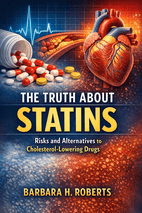
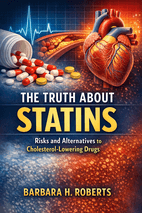
The Truth About Statins
by Barbara H. Roberts · Summary updated
What is the book The Truth About Statins about?
Barbara H. Roberts's The Truth About Statins critically examines the risks and overstated benefits of cholesterol-lowering drugs, advocating for a more cautious, individualized approach to heart disease prevention for patients and healthcare consumers.
Feature
Insta.Page
Blinkist
Shortform
Summary Depth
Full Chapter-by-Chapter
15-min overview
Detailed analysis
Audio Narration
✓ (AI narration)
✓
✓
Visual Mindmaps
✓
✕
✕
AI Q&A
✓ Voice AI
✕
✕
Quizzes
✓
✕
✕
PDF Downloads
✓
✕
✓
Price
$59.99/yr
$146/yr (PRO)
$199/yr
*Competitor data last verified February 2026.
About the Author
Barbara H. Roberts
Barbara H. Roberts is a cardiologist and author known for her expertise in women's heart health. She served as the director of the Women's Cardiac Center at The Miriam Hospital and is the author of "How to Keep from Breaking Your Heart: What Every Woman Needs to Know About Cardiovascular Disease." Her work focuses on gender-specific differences in cardiovascular disease prevention and treatment.
1 Page Summary
In "The Truth About Statins," cardiologist Barbara H. Roberts presents a critical examination of the widely prescribed cholesterol-lowering drugs known as statins. Writing from her clinical experience, she argues that the benefits of these medications for primary prevention (treating otherwise healthy individuals with high cholesterol) have been overstated by pharmaceutical companies and some in the medical establishment, while the risks and side effects are often minimized. The book details potential adverse effects beyond commonly known muscle pain, including memory loss, diabetes, and liver damage, urging a more cautious and individualized approach to prescribing.
The work is situated within a growing historical debate that began in the late 20th century, following the widespread adoption of the "cholesterol hypothesis" of heart disease. Roberts challenges what she sees as the over-medicalization of cardiovascular risk and the influence of industry-funded research on clinical guidelines. She provides context by discussing alternative views on heart disease causation, including the role of inflammation, and advocates for lifestyle interventions—such as diet, exercise, and stress management—as foundational prevention strategies with fewer risks than long-term drug therapy.
The lasting impact of Roberts' book lies in its role as a counter-narrative that empowers patients to engage in informed discussions with their doctors. It contributed to public skepticism about blanket prescription practices and encouraged scrutiny of the financial ties in medical research. While statins remain a cornerstone of treatment for high-risk patients, the book reflects and fuels an ongoing conversation about personalized medicine, the balance of risk versus benefit, and the importance of considering non-pharmacological approaches to long-term health.
Chapter 1: — Chapter 1 — My Doctor Wants Me to Take a Statin — What Questions Do I Need to Ask ?
Overview
This chapter introduces the critical and often rushed conversation surrounding statin prescriptions. Through the composite story of a patient experiencing troubling side effects, it establishes the need for patients to become informed partners in their cardiovascular health. The narrative provides a foundational understanding of cholesterol, atherosclerosis, and the official treatment guidelines, while simultaneously questioning their blanket application and highlighting significant gaps, particularly for women.
The Patient Scenario: Mrs. R.G.
We meet a forty-five-year-old woman in generally good health but with demanding life responsibilities. Her recent bloodwork shows elevated cholesterol and triglycerides. Her doctor prescribes a statin and advises a low-fat diet. Shortly after starting the medication, she experiences severe muscle pain and cognitive issues ("brain fog"). Despite a normal test for muscle damage, her symptoms resolve only after she stops taking the drug on her own. Her story illustrates the very real dilemma of potential side effects and the sometimes-dismissive response from the medical establishment.
Understanding Cholesterol: A Vital Substance
The text clarifies that cholesterol is not a poison but an essential molecule for life, integral to cell membranes, hormone production, and digestion. It travels in the blood via lipoproteins: LDL (low-density, often termed "bad"), HDL (high-density, "good"), and VLDL (carrying triglycerides). The problem arises not from cholesterol itself, but from imbalances—high levels of certain lipoproteins and low HDL—that contribute to plaque buildup in arteries (atherosclerosis), the root cause of most heart attacks and strokes.
How Cholesterol is Measured
Levels are measured from a fasting blood sample. Total cholesterol, triglycerides, and HDL are directly measured, while LDL is typically calculated using a formula. Results are reported in milligrams per deciliter (mg/dl), a tiny but significant concentration in the blood. The chapter notes that direct LDL measurement is reserved for cases with very high triglycerides, where the standard calculation becomes unreliable.
The Principle and Problem of "Evidence-Based" Guidelines
Doctors are instructed to follow evidence-based guidelines, primarily the Adult Treatment Panel III from the National Cholesterol Education Program. These lengthy documents establish "optimal" lipid levels and treatment thresholds based on risk categories. However, a central critique emerges: many busy physicians simplify the guidelines to "LDL under 100," leading to unnecessary prescriptions for patients who don't meet the full criteria for drug therapy. This exposes people to potential harm without proven benefit.
How Statins Work and Their Systemic Impact
Statins lower cholesterol by inhibiting a key enzyme (HMG-CoA reductase) in the liver's cholesterol production pathway. A crucial point is that this enzyme is also involved in producing other vital substances, most notably coenzyme Q10. Inhibiting this pathway can deplete CoQ10, which is believed to contribute to common statin side effects like muscle pain and weakness.
Atherosclerosis and Heart Disease Explained
The chapter details the disease process statins aim to prevent. Atherosclerosis involves plaque accumulation in artery walls, which can narrow the vessel (causing ischemia and angina) or rupture (triggering a clot that causes a heart attack or stroke). Understanding this process underscores why managing risk factors is important.
Assessing Your Personal Risk
Risk for atherosclerotic cardiovascular disease (ASCVD) is determined by a combination of factors. Non-modifiable factors are age and family history. Modifiable factors include smoking, high blood pressure, abnormal blood lipids, diabetes, inflammation, a sedentary lifestyle, and obesity. The guidelines use these to place patients into low, intermediate, or high-risk categories, each with a different LDL cholesterol goal. A critical detail is that a high HDL level (60 or above) is considered a "negative" risk factor and can offset another risk.
The Critical Flaws in the Guidelines
The author identifies several major problems:
Over-prescription: Doctors often prescribe based on an "optimal" LDL number alone, ignoring the full risk assessment protocol.
Conflict of Interest: Many guideline authors are researchers funded by, or speakers for, pharmaceutical companies that make statins.
The Gender Gap: Most major statin trials enrolled predominantly men. Evidence for primary prevention (preventing a first heart attack) in healthy women is weak to non-existent, yet women are frequently prescribed these drugs.
Residual Risk: Statins primarily lower LDL but have little positive effect on triglycerides or HDL—key components of the common "metabolic syndrome." Therefore, significant risk remains even for those on medication.
Essential Questions for Your Doctor
The chapter culminates with a list of informed questions a patient should ask before accepting a statin prescription:
Can I try dietary changes first, and what diet do you recommend?
Can you explain how my numbers and risk factors specifically meet the guideline criteria for a statin?
Can you calculate my 10-year Framingham risk score?
If I need medication, are there safer alternatives to statins?
Is the statin dose you're prescribing considered high, low, or average?
(If applicable) My CRP is high but I have no other risk factors and am a healthy woman—do I truly meet the criteria for treatment?
Key Takeaways
A statin prescription should follow a detailed risk assessment, not just a single cholesterol number.
Healthy women with no existing heart disease derive little to no proven benefit from statins for primary prevention.
Statin side effects are real and common, even with "normal" blood tests for muscle damage.
Therapeutic lifestyle changes are the recommended first line of treatment for everyone.
Patients must be proactive, asking their doctor specific questions to ensure a statin is truly necessary for their individual situation.
Key concepts: — Chapter 1 — My Doctor Wants Me to Take a Statin — What Questions Do I Need to Ask ?
1. — Chapter 1 — My Doctor Wants Me to Take a Statin — What Questions Do I Need to Ask ?
The Patient Dilemma: Statin Side Effects
Real-world scenario of a patient experiencing severe muscle pain and cognitive issues from statins
Symptoms resolved only after self-discontinuing medication despite normal test results
Illustrates the gap between clinical guidelines and individual patient experience
Cholesterol Fundamentals
Cholesterol is essential for cell membranes, hormones, and digestion - not a poison
Lipoproteins (LDL, HDL, VLDL) transport cholesterol in blood
Problem arises from imbalances: high LDL/triglycerides and low HDL contributing to atherosclerosis
Cholesterol Measurement Methods
Fasting blood sample measures total cholesterol, triglycerides, and HDL directly
LDL is typically calculated using formula, not directly measured
Direct LDL measurement reserved for cases with very high triglycerides
Flaws in Evidence-Based Guidelines
Doctors often simplify guidelines to 'LDL under 100' leading to over-prescription
Guideline authors frequently have pharmaceutical industry conflicts of interest
Most statin trials enrolled predominantly men, creating a gender evidence gap
Guidelines ignore full risk assessment protocol in practice
Statin Mechanism and Systemic Effects
Statins inhibit HMG-CoA reductase enzyme in liver's cholesterol production
Same enzyme pathway produces coenzyme Q10 (CoQ10)
CoQ10 depletion believed to contribute to common statin side effects
Atherosclerosis Disease Process
Plaque accumulation in artery walls narrows vessels (causing ischemia/angina)
Plaque rupture triggers clots causing heart attacks or strokes
Understanding process underscores importance of managing multiple risk factors
💡 Try clicking the AI chat button to ask questions about this book!
Chapter 2: — Chapter 2 — When Statins Help Most , and When They May Not Help at All
Overview
This chapter begins by contrasting two real patient cases to illustrate the spectrum of statin utility. B.J., a healthy 50-year-old woman with high cholesterol but no other risk factors, experienced side effects from a statin and successfully managed her levels with diet alone. T.C., a 62-year-old man with diabetes, a history of smoking, and existing severe heart disease, tolerated a statin well and it formed a crucial part of his long-term management. These cases set the stage for a critical examination of the clinical trials that underpin statin use, explaining how to interpret their results and highlighting significant limitations and risks that are often overshadowed by pharmaceutical marketing.
The Science Behind the Claims: Clinical Trial Fundamentals
The chapter explains that when statins were first approved, the "cholesterol hypothesis"—that lowering LDL cholesterol reduces cardiovascular disease—still needed proof. This proof comes from specific types of randomized, placebo-controlled, double-blind trials. It clarifies the crucial difference between primary prevention trials (in people without known heart disease) and secondary prevention trials (in people with established heart disease). The results of these trials are measured in "end points," such as heart attack or death ("hard" end points) or the need for a procedure like a stent ("soft" end points, which are more subjective).
A key point is how trial results are reported. They can be presented as an absolute risk reduction (the simple difference in event rates between groups) or a relative risk reduction (the percentage decrease from the placebo group's rate). The latter number is always much larger and is the figure most commonly highlighted in advertisements and summaries.
What the Trials Actually Show: A Closer Look at the Data
The summary of trial data reveals a significant gap between the impressive-sounding relative risk reductions and the modest real-world benefits, especially for certain groups.
For Secondary Prevention (people with existing heart disease): In a combined analysis of several major trials, statins provided an absolute risk reduction of 7% for men and 4.5% for women. This means that for every 100 men with heart disease taking a statin for several years, 7 fewer had a cardiac event compared to those on placebo. The benefit for women was even smaller.
For Primary Prevention (people without known heart disease): The benefits are far more marginal. Across three major trials, the absolute risk reduction was only 1-2%. For women specifically, the data is striking: the risk of a heart attack or cardiac death was 0.8% for those on statins and 0.9% for those on placebo—a trivial difference of 0.1%. This means over 1,000 healthy women would need to take a statin to prevent one such event.
The Flaws in the System: Why Trials Don't Tell the Whole Story
The chapter details important caveats that limit how applicable clinical trial results are to the general population.
Intention-to-Treat Analysis: Participants who stop taking the study drug are still counted in their original group's results, which can skew the final data.
Exclusion of Real-World Patients: Trials typically exclude the elderly, those with other chronic illnesses, or people on multiple medications. This means the studied population is healthier than the patients who will eventually be prescribed the drug.
Short Duration: Most trials last only 3-5 years, missing long-term side effects that may develop later.
Poor Side Effect Detection: Trials are not designed to detect rare but serious side effects, which only become apparent once millions of people use the drug.
A Cautionary Tale: The Baycol Debacle
The story of the statin drug cerivastatin (Baycol) serves as a powerful case study in these systemic flaws. Despite internal warnings from its own scientists about a narrow safety margin, Bayer Pharmaceuticals pursued and obtained approval for a higher 0.8mg dose. After release, a dangerous interaction with another drug (gemfibrozil) and the high dose itself led to numerous cases of fatal muscle damage (rhabdomyolysis). The drug was withdrawn in 2001 amid scandal, revealing how commercial pressures can override safety concerns and how post-market surveillance, not clinical trials, often uncovers the gravest risks.
Key Takeaways
Statins provide a clear, though modest, benefit for secondary prevention—helping prevent future events in people who already have heart disease.
For primary prevention in people without heart disease, the benefit is very small (1-2% absolute risk reduction for men) and statistically nonexistent for women.
Clinical trial results are often reported using misleading relative risk reduction percentages, making benefits appear far more significant than the absolute risk reduction.
Clinical trials have significant limitations; they often exclude complex patients and are too short to detect all long-term side effects, as tragically demonstrated by the Baycol case.
The decision to use a statin, especially for primary prevention, requires a careful, individualized risk-benefit analysis, considering that diet and lifestyle changes can be highly effective for many.
Key concepts: — Chapter 2 — When Statins Help Most , and When They May Not Help at All
2. — Chapter 2 — When Statins Help Most , and When They May Not Help at All
Introduction: The Spectrum of Statin Utility
Contrasts two patient cases: B.J. (healthy, managed cholesterol with diet) vs. T.C. (high-risk, benefited from statin)
Illustrates that statin benefit depends heavily on individual risk profile
Sets stage for critical examination of clinical trial evidence and marketing claims
Clinical Trial Fundamentals: How Statin Evidence is Generated
Proof required for 'cholesterol hypothesis' came from randomized, placebo-controlled, double-blind trials
Crucial distinction between primary prevention (no known heart disease) and secondary prevention (established heart disease) trials
Results measured using 'end points' - hard (death, heart attack) vs. soft (procedures like stents)
Reporting methods: absolute risk reduction (simple difference) vs. relative risk reduction (percentage decrease) - latter often misleadingly emphasized
Trial Results: The Actual Benefits Revealed
Secondary prevention: 7% absolute risk reduction for men, 4.5% for women over several years
Primary prevention: Only 1-2% absolute risk reduction across major trials
For healthy women in primary prevention: trivial 0.1% difference (0.8% vs 0.9%)
Number needed to treat: Over 1,000 healthy women must take statins to prevent one cardiac event
Limitations of Clinical Trials: Systemic Flaws
Intention-to-treat analysis skews data when participants stop taking study drugs
Exclusion of elderly, chronically ill, and multi-medication patients makes trials unrepresentative
Short duration (3-5 years) misses long-term side effects
Poor detection of rare but serious side effects due to trial design limitations
Case Study: The Baycol Debacle
Cerivastatin (Baycol) withdrawn in 2001 after fatal muscle damage (rhabdomyolysis) cases
Clinical trial limitations mean real-world risks may be higher than studies suggest
Scroll to load interactive mindmap
⚡ You're 2 chapters in and clearly committed to learning
Why stop now? Finish this book today and explore our entire library. Try it free for 7 days.
Chapter 3: — Chapter 3 — Common Side Effects of Statins : Cautionary Tales
Overview
This chapter presents a sobering examination of the potential harms associated with statin drugs, moving beyond abstract data to share the powerful, life-altering experiences of individuals like a businesswoman crippled by panic and muscle pain, an attorney whose career ended after a single high dose, and a surgeon who solved his own mysterious burning pain. These stories set the stage for a deep exploration of why these widely prescribed medications can cause such widespread damage.
The core issue lies in the drugs' fundamental mechanism. While statins effectively lower LDL cholesterol and reduce inflammation, they inhibit a crucial enzyme pathway that also produces coenzyme Q10 (CoQ10), a compound vital for cellular energy. This depletion is believed to be a root cause of many side effects, particularly in energy-hungry tissues. The most recognized problem is myopathy, or muscle toxicity, which ranges from common aches to the rare, deadly rhabdomyolysis. Importantly, normal blood tests can miss this damage, and risk is amplified by high doses, drug interactions, and even common foods like grapefruit and pomegranate juice, which can cause dangerous spikes in statin levels.
The harm extends far beyond muscles. Statins can damage connective tissues, increasing the risk of tendonitis and rupture, especially in women, and are linked to joint pain and accelerated osteoarthritis. They can trigger liver enzyme abnormalities and, in rare cases, liver failure. Neurologically, they are associated with cognitive impairment or "brain fog", a dramatically higher risk of peripheral neuropathy, and a concerning possible link to ALS-like syndromes. Systemically, statin use is connected to an elevated risk of developing diabetes and presents a complex, drug-dependent relationship with cancer risk.
Other serious documented risks include acute kidney failure and cataracts. A critical paradox exists with stroke: while statins prevent clot-based strokes, they increase the risk of a second hemorrhagic stroke from brain bleeding. The chapter sounds a strong alarm against use in vulnerable populations, noting statins are known teratogens that cause severe birth defects and arguing that expanding their use to children is unethical when lifestyle interventions exist.
Underpinning all this is a theme of systemic bias. The influence of pharmaceutical funding and the enormous profits at stake may lead to the downplaying of these dangers and the hyping of benefits in research, raising urgent questions about the full transparency regarding the safety profile of these drugs.
Real-Life Experiences with Statin Side Effects
The chapter opens with three detailed patient narratives that illustrate the severe and often life-altering side effects some individuals experience with statin therapy.
The Case of C.F.
A healthy, active businesswoman in her forties was prescribed simvastatin due to a moderate rise in LDL cholesterol and a family history of heart disease. Shortly after starting the medication, she developed severe panic attacks and progressive muscle weakness. Over several years, her doctor tried multiple statins (atorvastatin, rosuvastatin, lovastatin, fluvastatin, and pravastatin), but each caused debilitating symptoms including chest pressure, tremors, exhaustion, and crippling muscle pain. Only after stopping statins entirely did her symptoms improve. She successfully managed her cholesterol with alternative, non-statin medications (cholestyramine and niacin), regained her energy, and eliminated the anxiety attacks.
The Case of A.G.
An attorney with a low calculated heart disease risk was inappropriately placed on a high 40mg dose of simvastatin based on a guideline error. Within 24 hours of his first dose, he developed severe back pain, dark urine, muscle spasms, and cognitive difficulties. Despite stopping the drug, he suffered lasting damage: abnormal nerve conduction tests, chronic muscle pain and twitching, cognitive issues, and profound fatigue that ended his legal career. His story highlights the potential permanence of statin-induced injury and a concerning lack of follow-up from his prescribing physician.
The Case of L.M.
A cardiothoracic surgeon developed severe, unexplained burning pain and numbness in his leg and chest after his dose of lovastatin was doubled. Despite consulting specialists and being misdiagnosed with shingles, the cause remained elusive until he stopped the statin on his own. The pain resolved completely within days, confirming the drug as the culprit.
The Dual Nature of Statin Therapy
Statins possess both beneficial ("Yang") and harmful ("Yin") properties. Their positive effects include lowering LDL cholesterol, reducing inflammation, improving blood vessel function, and stabilizing arterial plaque. However, they work by inhibiting a crucial enzyme pathway (HMG-CoA reductase) that not only produces cholesterol but also coenzyme Q10 (CoQ10), a vital compound for cellular energy production in mitochondria. This depletion of CoQ10 is believed to underlie many of their negative side effects, particularly those affecting energy-intensive tissues like nerves and muscles.
Muscle Toxicity: From Mild Pain to Life-Threatening Injury
Muscle-related side effects, or myopathy, are the most common adverse reactions to statins. The spectrum ranges from common myalgia (aches and pains) to the rare but deadly rhabdomyolysis, where massive muscle breakdown can lead to kidney failure and death.
Risk Factors: The risk escalates with higher statin doses and when combined with other medications, including certain antibiotics, antifungals, and heart drugs. The FDA has specifically issued warnings against high-dose (80mg) simvastatin due to this increased danger.
The Diagnostic Challenge: A normal blood test for muscle damage (CPK) does not rule out statin-induced myopathy. Research, including muscle biopsy studies, has confirmed that patients can have genuine muscle injury and weakness from statins while their CPK levels remain normal.
Ongoing Research: Scientists like Dr. Paul Thompson are conducting NIH-funded studies to understand the metabolic causes of statin myopathy and to test whether CoQ10 supplementation can effectively treat it.
Unmasking Hidden Diseases
Statins can also act as a trigger, revealing underlying genetic muscle or nerve conditions that were previously silent. These include diseases like McArdle's disease, myotonic dystrophy, and mitochondrial myopathies. For some patients, the onset of statin side effects becomes the diagnostic clue that leads to the discovery of these primary disorders.
Juice Interactions Amplify Risk
The section details how grapefruit and pomegranate juice significantly increase the risk of muscle-related adverse events, including rhabdomyolysis. These juices inhibit the enzymes responsible for metabolizing statins, leading to a dangerous buildup of the drug in the bloodstream. This effect can occur even with modest consumption—less than a cup of grapefruit juice daily caused a ninefold spike in simvastatin levels. A case study highlights a patient who developed rhabdomyolysis within three weeks of adding minimal pomegranate juice to his statin and ezetimibe regimen, which resolved only after discontinuing all three.
Statin-Induced Tendon and Joint Damage
Beyond muscles, statins can damage the musculoskeletal system’s connective tissues. Tendonitis, tendon disorders, and rupture—often affecting the Achilles tendon—have been reported, typically within eight months of starting therapy. A notable case-control study found that women taking statins had an almost fourfold increased risk of tendon rupture compared to women not on the drugs, though this increased risk was not observed in men.
Joint problems are also common. A Japanese study on low-dose statins found a high prevalence of shoulder stiffness, particularly in women (58% of female participants). Clinical observations and a 2005 study further link statin use in older women to a near-doubling of the risk for osteoarthritis of the hip, and many patients report generalized joint pain that resolves upon stopping the medication.
Hepatic and Neurological Consequences
Liver Injury: Statins can cause liver enzyme abnormalities in 0.5% to 3% of users, with risk increasing with higher doses. While usually reversible, rare cases of fatal liver failure have been documented. The text notes a potential for greater susceptibility in women and warns against statin use in people who drink excessively or have pre-existing liver disease.
Cognitive Impairment and "Brain Fog": Cognitive side effects—problems with memory, concentration, and mental speed—are a major concern, hypothesized to be linked to statin-induced depletion of CoQ10, which is critical for brain mitochondrial function. Early controlled trials showed small but significant declines in attention and psychomotor speed with statin use. Pioneering research using functional MRI suggests that individuals on statins may encode memory less efficiently and require more brain activation to perform mental tasks, providing a potential biological basis for reported "brain fog."
Peripheral Neuropathy and ALS Risk: Statin therapy is associated with damage to peripheral nerves (neuropathy). A Danish registry study found that people on statins were fourteen times more likely to develop polyneuropathy, with the risk soaring to 26.4 times higher for those treated for two or more years. Furthermore, post-marketing surveillance has raised a disturbing, though rare, possible link between statins and the development of amyotrophic lateral sclerosis (ALS) or ALS-like syndromes.
Systemic Risks: Cancer and Diabetes
Cancer: Some trial data, particularly from the PROSPER study in the elderly, indicate a potential increased risk of cancer and cancer deaths associated with statin use. While not seen in all trials, a 2010 study also found that long-term statin use (3+ years) was associated with a nearly 40% higher risk of developing precancerous colon polyps.
Diabetes: Statin therapy is linked to elevated blood sugar and an increased risk of new-onset diabetes. In major trials, high-dose statins led to significant rises in hemoglobin A1c. A meta-analysis concluded that statins increase diabetes risk by 9% over four years, which could translate to an estimated 156,000 additional cases in the U.S. population.
Large-Scale Observational Findings
A massive 2010 observational study of over 2 million people in England and Wales provided a broad safety profile. While it reported that statins did not increase the risk of several conditions (like Parkinson's, dementia, and several cancers), this type of study is designed to detect associations, not prove causation for the specific adverse effects detailed throughout the chapter.
Key Takeaways
Common foods like grapefruit and pomegranate juice can dangerously increase statin blood levels by inhibiting their metabolism.
Statins can cause significant musculoskeletal damage, including tendonitis, tendon rupture (especially in women), joint pain, and may accelerate osteoarthritis.
Liver enzyme abnormalities are a known risk, with rare instances of irreversible liver failure.
Neurological effects are a serious concern, encompassing cognitive impairment ("brain fog"), a substantially increased risk of peripheral neuropathy, and a possible link to ALS.
Long-term use may be associated with an elevated risk of developing diabetes and, in some studies, cancer.
The likelihood and severity of many side effects appear to increase with higher doses, longer duration of use, and female sex.
Cancer Risks: A Complex Picture
The relationship between statins and cancer risk is not straightforward and appears to depend heavily on the specific drug. Research indicates that pravastatin use was associated with a lower risk of colon cancer, while rosuvastatin was linked to double the risk. Simvastatin and atorvastatin showed a potential protective effect against esophageal cancer, particularly in men. However, these potential benefits are overshadowed by other significant risks associated with statin use.
Other Documented Serious Risks
Beyond muscle pain, statin use is significantly associated with increased risks of moderate or severe liver dysfunction, acute kidney failure, and cataracts. The risk of moderate or severe myopathy (muscle disease) is also notably higher.
The Paradox of Statins and Stroke
While statins can reduce the risk of clot-based (thrombotic) strokes, they present a serious danger concerning hemorrhagic strokes, which are caused by bleeding in the brain. A 2011 study found that statins actually increase the risk of a second stroke in individuals who have already suffered a hemorrhagic stroke. Researchers theorize that lowering cholesterol too much or the drug's anti-clotting properties may increase vulnerability to brain bleeds.
Dangers in Pregnancy and Childhood
The chapter sounds a strong alarm about statin use in vulnerable populations. Cholesterol is crucial for fetal development, and statins are known to cause severe congenital defects, including central nervous system malformations like spina bifida, limb abnormalities, and cleft palate. Despite this, the treatment of diabetes (a condition often managed with statins) in women of childbearing age creates a dangerous conflict.
Furthermore, the pharmaceutical industry is pushing for statin use in children over ten, prompted by childhood obesity and metabolic issues. The author argues this is unconscionable when diet and exercise can provide the same benefits without the risks of a drug known to cause serious long-term harm.
Systemic Bias in Reporting Dangers
A major theme is the systematic downplaying of statin harms and the hyping of their benefits by study authors and their pharmaceutical sponsors. Short-term clinical trials often miss long-term adverse effects, and the enormous profits at stake—billions of dollars—create a powerful incentive to obscure the full truth. This calls into question the objectivity of industry-funded research and sets the stage for a later examination of the relationship between Big Pharma and the medical establishment.
Key Takeaways
Statin effects on cancer risk vary dramatically by drug type, with some increasing and others decreasing risk for specific cancers.
The drugs carry documented increased risks for liver dysfunction, kidney failure, severe myopathy, and cataracts.
Statins increase the risk of a second hemorrhagic stroke, revealing a critical trade-off in stroke prevention.
Statins are teratogens (cause birth defects) and their use in pregnancy can lead to severe fetal abnormalities.
Expanding statin prescriptions to children is presented as an unethical practice when lifestyle interventions are safer and equally effective.
The influence of pharmaceutical funding and profits potentially biases research, leading to minimized reporting of side effects.
Key concepts: — Chapter 3 — Common Side Effects of Statins : Cautionary Tales
3. — Chapter 3 — Common Side Effects of Statins : Cautionary Tales
Introduction: The Human Cost of Statin Side Effects
Presents real-life stories of severe, life-altering side effects in patients
Highlights a core paradox: beneficial effects vs. widespread potential harm
Introduces systemic bias in research due to pharmaceutical influence and profits
Real-Life Patient Narratives
C.F.: Multiple statins caused panic attacks, muscle weakness, and pain; resolved with alternative medications
A.G.: Single high dose led to permanent nerve/muscle damage and career-ending disability
L.M.: Surgeon self-diagnosed statin-induced burning pain after dose increase
Core Mechanism of Harm: Coenzyme Q10 Depletion
Statins inhibit HMG-CoA reductase, blocking cholesterol and CoQ10 production
CoQ10 is vital for mitochondrial energy production in cells
Depletion is a root cause of side effects in energy-hungry tissues (muscles, nerves)
Muscle Toxicity (Myopathy)
Most common adverse reaction, ranging from mild myalgia to fatal rhabdomyolysis
Normal blood tests can miss muscle damage
Risk amplified by high doses, drug interactions, and foods like grapefruit juice
Connective Tissue and Joint Damage
Increased risk of tendonitis and tendon rupture, especially in women
Linked to joint pain and accelerated osteoarthritis
Neurological Side Effects
Cognitive impairment ('brain fog')
Dramatically higher risk of peripheral neuropathy
Possible link to ALS-like syndromes
Systemic and Metabolic Risks
Elevated risk of developing diabetes
Complex, drug-dependent relationship with cancer risk
Liver enzyme abnormalities and rare liver failure
Other Serious Documented Risks
Acute kidney failure and cataracts
Stroke paradox: prevents clot-based strokes but increases hemorrhagic stroke risk
Known teratogens causing severe birth defects; ethical concerns about use in children
Muscle Damage: Myopathy and Rhabdomyolysis
Risk of severe muscle damage (rhabdomyolysis) escalates with higher statin doses and when combined with certain medications like antibiotics and antifungals.
A normal blood test for muscle damage (CPK) does not rule out statin-induced myopathy, as confirmed by muscle biopsy studies.
Ongoing NIH-funded research aims to understand the metabolic causes and test potential treatments like CoQ10 supplementation.
Unmasking Hidden Genetic Diseases
Statins can act as a trigger, revealing previously silent underlying genetic muscle or nerve conditions.
Conditions unmasked include McArdle's disease, myotonic dystrophy, and mitochondrial myopathies.
For some patients, statin side effects become the diagnostic clue leading to the discovery of these primary disorders.
Juice Interactions and Amplified Risk
Grapefruit and pomegranate juice significantly increase the risk of muscle damage, including rhabdomyolysis.
These juices inhibit the enzymes that metabolize statins, leading to a dangerous buildup of the drug in the bloodstream.
A case study showed rhabdomyolysis developing within three weeks of adding minimal pomegranate juice to a statin regimen.
Tendon and Joint Damage
Statins can cause tendonitis, tendon disorders, and rupture, often affecting the Achilles tendon within eight months of starting therapy.
A study found women taking statins had an almost fourfold increased risk of tendon rupture compared to women not on the drugs.
Joint problems are common, with studies linking statin use to high rates of shoulder stiffness and an increased risk of osteoarthritis of the hip in older women.
Hepatic and Neurological Consequences
Statins can cause liver enzyme abnormalities in 0.5% to 3% of users, with rare cases of fatal liver failure documented.
Cognitive side effects ('brain fog') are linked to statin-induced depletion of CoQ10, critical for brain mitochondrial function.
Statin therapy is strongly associated with peripheral neuropathy, with risk increasing dramatically with longer treatment duration.
Post-marketing surveillance has raised a possible, though rare, link between statins and the development of ALS or ALS-like syndromes.
Systemic Risks: Cancer and Diabetes
Some trial data, like the PROSPER study, indicate a potential increased risk of cancer and cancer deaths associated with statin use.
Long-term statin use (3+ years) has been associated with a nearly 40% higher risk of developing precancerous colon polyps.
Statin therapy is linked to elevated blood sugar and an increased risk of new-onset diabetes, with high-dose statins leading to significant rises in hemoglobin A1c.
A meta-analysis concluded statins increase diabetes risk by 9% over four years, potentially translating to hundreds of thousands of additional cases.
Large-Scale Observational Safety Profile
A massive 2010 study of over 2 million people provided a broad safety profile for statins.
This type of observational study is designed to detect associations, not prove causation for specific adverse effects.
The study reported that statins did not increase the risk of several conditions like Parkinson's, dementia, and several cancers.
Drug-Food Interactions and Metabolism
Grapefruit and pomegranate juice dangerously increase statin blood levels by inhibiting their metabolism in the liver.
This interaction highlights the importance of dietary awareness when taking statin medications.
The effect is due to inhibition of the CYP3A4 enzyme system responsible for breaking down many statins.
Musculoskeletal and Connective Tissue Damage
Statins cause significant musculoskeletal problems including tendonitis and tendon rupture, especially in women.
Joint pain is a common complaint among statin users.
There is evidence suggesting statins may accelerate the progression of osteoarthritis.
The risk of moderate or severe myopathy (muscle disease) is notably increased with statin use.
Hepatic and Renal System Risks
Liver enzyme abnormalities are a known risk of statin therapy.
Rare instances of irreversible liver failure have been documented.
Statin use is significantly associated with increased risk of moderate or severe liver dysfunction.
Acute kidney failure represents another serious documented risk of statin medications.
Neurological and Cognitive Effects
Cognitive impairment often described as 'brain fog' is a serious concern with statin use.
There is a substantially increased risk of peripheral neuropathy associated with statins.
Research suggests a possible link between statin use and ALS (amyotrophic lateral sclerosis).
These neurological effects represent significant quality-of-life impacts for patients.
Metabolic and Endocrine Consequences
Long-term statin use is associated with an elevated risk of developing type 2 diabetes.
This creates a concerning paradox where a medication intended to prevent cardiovascular disease may contribute to another serious metabolic condition.
The risk appears to increase with higher doses and longer duration of statin therapy.
Cancer Risk Variations by Statin Type
The relationship between statins and cancer risk varies dramatically by specific drug.
Pravastatin use was associated with lower risk of colon cancer in research studies.
Rosuvastatin was linked to double the risk of certain cancers.
Simvastatin and atorvastatin showed potential protective effects against esophageal cancer, particularly in men.
These variations highlight the complexity of statin effects on cancer development.
Ocular and Other Systemic Risks
Statin use is associated with increased risk of cataract development.
This represents another significant quality-of-life impact beyond cardiovascular considerations.
The mechanism may involve interference with cholesterol synthesis in the lens of the eye.
Stroke Risk Paradox
While statins reduce risk of clot-based (thrombotic) strokes, they increase risk of hemorrhagic strokes.
A 2011 study found statins increase the risk of a second stroke in individuals who have already suffered a hemorrhagic stroke.
Researchers theorize that lowering cholesterol too much or the drug's anti-clotting properties may increase vulnerability to brain bleeds.
This reveals a critical trade-off in stroke prevention strategies.
Teratogenic Effects and Pregnancy Dangers
Statins are known teratogens that cause severe congenital defects when taken during pregnancy.
Documented birth defects include central nervous system malformations like spina bifida.
Limb abnormalities and cleft palate are also associated with statin exposure during fetal development.
Cholesterol is crucial for fetal development, making statin interference particularly dangerous.
There is a dangerous conflict between treating diabetes in women of childbearing age and avoiding statin-related birth defects.
Ethical Concerns in Pediatric Prescribing
The pharmaceutical industry is pushing for statin use in children over ten years old.
This push is prompted by childhood obesity and metabolic issues.
The author argues this is unconscionable when diet and exercise can provide similar benefits without drug risks.
Prescribing statins to children exposes them to drugs known to cause serious long-term harm when safer alternatives exist.
Risk Factors and Demographic Variations
The likelihood and severity of many side effects increase with higher statin doses.
Longer duration of statin use correlates with increased risk of adverse effects.
Female sex appears to be a significant risk factor for certain statin side effects, particularly musculoskeletal issues.
These patterns suggest the need for personalized risk assessment in statin prescribing.
Systemic Bias in Research and Reporting
There is systematic downplaying of statin harms and hyping of benefits by study authors and pharmaceutical sponsors.
Short-term clinical trials often miss long-term adverse effects of statin therapy.
Enormous profits—billions of dollars—create powerful incentives to obscure the full truth about statin risks.
Industry-funded research may lack objectivity regarding statin safety profiles.
This bias sets the stage for examining the relationship between Big Pharma and the medical establishment.
Scroll to load interactive mindmap
Chapter 4: — Chapter 4 — Why Can’t a Woman Be More Like a Man ? Gender Differences and Statin Use
Overview
It begins with the stark, personal toll of statins through the eyes of women whose lives were upended by side effects, from debilitating muscle pain and cognitive fog to a loss of independence. These aren't just isolated anecdotes; they are emblematic of a broader, systemic issue rooted in a long history of medical gender bias. For decades, a "bikini approach" to women's health meant medical research was conducted almost exclusively on men, with results blindly applied to women. This foundational flaw sets the stage for a critical examination of the very evidence used to prescribe these drugs.
When the major primary prevention trials for statins—those studying healthy people—are scrutinized, a troubling pattern emerges for women. Early landmark studies either excluded women entirely or failed to show a statistically significant benefit for them. The heralded JUPITER trial, often cited as proof statins help healthy women, reveals profound nuances upon closer inspection. While it claimed benefit, the reduction for women came only in softer, subjective endpoints like revascularization procedures, not in hard outcomes like heart attack or stroke. Furthermore, the number needed to treat for women was much higher than for men, meaning far more women must take the drug for one to see any advantage, all while facing a heightened risk of serious side effects like new-onset diabetes.
Doubts about JUPITER's findings are amplified by significant questions about its methodology and the financial conflicts of interest of its authors. The trial was stopped early, a practice known to inflate perceived benefits, and independent analyses have uncovered puzzling data omissions and implausible mortality rates. This scrutiny suggests the evidence for prescribing statins to healthy women is far weaker than it appears. The physiological explanation for this disparity lies in how cholesterol affects risk differently by gender; for women, high LDL cholesterol is a less potent threat, which is precisely what statins target. Consequently, for healthy women under 65 without existing heart disease, statins offer no proven reduction in cardiac risk but expose them to unnecessary potential harm. The chapter ultimately frames the push to medicate healthy women as a issue influenced more by profit than patient-centric science, pointing toward safer, non-drug alternatives for prevention.
Patient Stories: The Human Cost of Statins
The chapter opens with three powerful case studies of women who experienced significant adverse effects from statin medications, highlighting the very real and often devastating human impact of these drugs.
B.P.: A Life Altered
B.P., a 52-year-old television writer with high cholesterol and blood pressure but no other major risk factors, was prescribed simvastatin (Zocor). Within six months, she developed severe leg pain, fatigue, tinnitus, confusion, memory loss, jaundice, shoulder pain, frequent falls, and lost her libido. Despite a hospital visit revealing elevated muscle enzymes (a sign of statin toxicity), she was not told to stop the drug. After 28 months, she was disabled: she caused a kitchen fire, could no longer sew, and was diagnosed with cognitive impairment at 69% of normal and neuropathy. A muscle biopsy later confirmed mitochondrial myopathy. While stopping the statin resolved her neuropathy, the cognitive and muscle damage persisted. She describes the drug as having destroyed her career, social life, and sense of self.
F.E.: Navigating Recurring Side Effects
F.E., a patient with established coronary artery disease, was started on pravastatin (Pravachol) nine years after a small heart attack. Her LDL cholesterol dropped significantly, but after 11 months she developed constipation, headaches, and abdominal pain that resolved upon stopping the drug. Attempts to switch to atorvastatin (Lipitor) and later resume pravastatin both triggered a return of symptoms, including diffuse muscle pain. She discontinued statins permanently in 1998. A decade later, despite not being on a statin, she required stents for progressive blockages but has since remained stable, living independently into her nineties.
D.D.: Choosing a Different Path at 92
D.D., a healthy 92-year-old with high cholesterol (LDL of 165) but no other risk factors and a family history of longevity, was prescribed a statin by her primary care doctor. Unwilling to take it, she sought a second opinion. The author, reviewing her case, reassured her that given her age, overall health, and lack of heart disease symptoms, she did not need the medication. D.D., now 102, continues to live independently with no signs of heart disease.
The Historical "Bikini Approach" to Women's Health
The narrative then contextualizes these stories within a history of medical gender bias. For much of the 20th century, medical science largely assumed women were physiologically identical to men aside from their reproductive organs—a "bikini approach" to women's health. Clinical trials were conducted predominantly on men, and the results were broadly applied to women. This began to change with the 1993 NIH Revitalization Act, which mandated the inclusion of women in research. However, enrollment in cardiac trials remained low, and a critical knowledge gap persisted: if men and women respond differently to therapies, excluding women from trials leaves doctors without the information needed to treat them properly. Statins are presented as a prime example of this problem.
Analyzing Primary Prevention Trials: Where's the Benefit for Women?
The core of the section critically examines the major primary prevention statin trials—those studying healthy people—to see if they actually demonstrated benefit for women.
Early Trials: WOSCOPS, AFCAPS/TexCAPS, and ASCOT-LLA
WOSCOPS (1995): Included no women. It showed a 31% relative risk reduction in men, but only a 2.2% absolute risk reduction.
AFCAPS/TexCAPS: The first to include women (997 participants). While the overall trial showed a benefit, the result in women alone was not statistically significant. There were actually more hard cardiac events (death/heart attack) in the women taking the statin (5) than in those on placebo (6).
ASCOT-LLA: This trial enrolled 1,942 high-risk women. The reported 36% relative risk reduction was driven entirely by men. Women saw no benefit: 19 events occurred on atorvastatin versus 17 on placebo.
The author notes that when the data from AFCAPS/TexCAPS and ASCOT-LLA are combined, there is no statistically significant benefit for statins in primary prevention for women. Despite this, a presumption that male data applied to women led to widespread, potentially unnecessary prescribing.
The JUPITER Trial: A Closer Look at the "Breakthrough"
The JUPITER trial was hailed as the first to show primary prevention benefit in healthy women. It enrolled a robust 38% women (all aged 60+). The trial was stopped early for "benefit," claiming a consistent effect across subgroups, including women.
However, a deeper analysis reveals crucial nuances:
Lower Baseline Risk: Women in the trial, despite being older and having more metabolic risk factors, had strikingly lower event rates than men, whether on a statin or placebo.
Dissecting the Composite Endpoint: The trial's primary "benefit" was a composite of heart attack, stroke, revascularization, hospitalization for unstable angina, or cardiac death. When broken down, women on rosuvastatin showed no statistically significant reduction in the hard endpoints of heart attack or stroke. The only significant reduction was in the "softer" endpoints of revascularization and unstable angina—which are physician decisions, not objective biological events.
A Case for Caution: The author illustrates how "unstable angina" and "revascularization" can be subjective diagnoses with an anecdote about a patient whose chest pain was from acid reflux, not her heart, yet she still received an unnecessary stent. This calls into question the reliability of these softer endpoints.
The section concludes by introducing the physiological reason for this gender discrepancy: statins can cause arterial smooth muscle to relax, which might influence decisions for revascularization, further muddying the interpretation of the JUPITER results for women.
Gender Disparities in JUPITER Trial Outcomes
The JUPITER trial revealed stark differences in how women and men benefit from rosuvastatin. For women, the number needed to treat for five years to prevent one primary cardiovascular event was thirty-six, compared to twenty-two for men. This means thirty-five out of thirty-six women treated would see no measurable benefit, at a cost of over $223,000 per event prevented based on a $3.50 per pill estimate. While serious adverse events like muscle pain and kidney issues were similar across genders, men on rosuvastatin had a significant increase in liver function abnormalities—a risk not observed in women. More concerning was the higher incidence of new-onset diabetes in women taking the drug (1.53 versus 1.03 per hundred person-years) compared to men (1.36 versus 1.20). Since diabetes elevates cardiovascular risk more in women, this side effect warrants greater attention. Additionally, no significant benefit was found for women under sixty-five in the trial, yet the FDA approved rosuvastatin for women as young as sixty with elevated inflammation markers, expanding its use to millions.
Scrutiny of the FDA's Approval
The decision to broaden rosuvastatin’s indications sparked controversy among experts. Dr. Mark Hlatky urged skepticism about long-term harms, while Dr. Rita Redberg highlighted the lack of proven benefit for women amidst potential risks. Dr. Marcia Angell’s insights into pharmaceutical profits—where the top ten drug companies once outearned the rest of the Fortune 500 combined—raise questions about financial influences. The lead author of JUPITER, Dr. Paul Ridker, and most coauthors disclosed extensive financial ties to AstraZeneca and other firms, with Ridker holding the patent for the CRP test used in the trial. These conflicts cast doubt on the trial’s objectivity, especially as the sponsor managed data collection, despite claims to the contrary.
Uncovering Flaws in the JUPITER Study
A critical analysis by Michel de Lorgeril and colleagues exposed several methodological issues. The trial was halted early for “benefit” after a median follow-up of just 1.9 years, a practice known to inflate perceived advantages. Graphs of all-cause mortality suggested converging trends that were omitted in later reports, implying benefits might have diminished with longer study. Notably, cardiovascular mortality data was absent from the original publication; when derived from available figures, it showed no difference between groups (12 deaths each). Anomalies included an implausibly low fatality rate for heart attacks in the placebo group (8.8% versus an expected ~50%) and no mention of sudden cardiac death, which typically accounts for most cardiac fatalities. These inconsistencies, coupled with the sponsor’s pervasive role, indicate potential bias, leading critics to question the trial’s validity.
Understanding Statin Inefficacy in Women
The reduced benefit of statins in women may stem from how cholesterol impacts cardiovascular risk differently by gender. A long-term study found that in men, high LDL cholesterol significantly increased the risk of cardiovascular death, but in women, only low HDL and high non-HDL cholesterol (reflecting triglycerides) were strongly linked to risk. Even markedly elevated LDL in women posed only a minor, non-significant threat. This explains why statins, which primarily lower LDL, offer less protection for women. In secondary prevention trials involving thousands, statins did reduce event rates in women with established vascular disease, but the effect was smaller than in men—with women on placebo having lower event rates than men on statins. For healthy women under sixty-five without vascular disease, there is no evidence statins lower cardiac risk, and they face more side effects. Expanding statin use to healthy women based on flawed data seems driven more by profit than health, especially when non-drug alternatives exist.
Key Takeaways
Women derive less benefit from statins than men, with a higher number needed to treat and increased diabetes risk.
The JUPITER trial’s early termination, data inconsistencies, and authors’ financial conflicts undermine its reliability.
Cholesterol risk profiles differ by gender; elevated LDL is less harmful to women, explaining statins’ reduced efficacy.
For healthy women under 65 without vascular disease, statins lack proven benefit and carry unnecessary risks.
Non-drug approaches to heart disease prevention offer safer, effective alternatives, as explored in the next chapter.
Key concepts: — Chapter 4 — Why Can’t a Woman Be More Like a Man ? Gender Differences and Statin Use
4. — Chapter 4 — Why Can’t a Woman Be More Like a Man ? Gender Differences and Statin Use
Patient Stories: The Human Cost of Statins
B.P.: Severe, multi-system side effects (muscle pain, cognitive decline, neuropathy) led to permanent disability despite stopping statins.
F.E.: Recurring adverse effects (GI issues, muscle pain) with multiple statins, yet remained stable off medication for decades.
D.D.: At 92, refused statin prescription; thrived to 102 without medication, illustrating alternative paths for low-risk individuals.
Highlights the disconnect between clinical prescribing and real-world, debilitating side effects experienced by women.
Historical Gender Bias in Medicine
"Bikini approach": Women's health research limited to reproductive organs; medical studies predominantly used male subjects.
Results from male-only trials were broadly applied to women, ignoring potential physiological differences.
1993 NIH Revitalization Act mandated inclusion of women, but cardiac trial enrollment remained low, perpetuating knowledge gaps.
Statins exemplify the risk of applying male-derived data to female patients without sufficient evidence.
Scrutiny of Primary Prevention Trials for Women
Early landmark statin trials either excluded women or failed to show statistically significant benefit for them.
JUPITER trial: Claimed benefit for women but only in soft endpoints (revascularization), not hard outcomes (heart attack, stroke).
Higher Number Needed to Treat (NNT) for women means more must take the drug for one to benefit, increasing exposure to side effects.
Methodological concerns: Trial stopped early (inflates benefits), data omissions, and authors' financial conflicts of interest.
Physiological basis: High LDL cholesterol is a less potent cardiac risk factor for women than for men.
Conclusion: Rethinking Statin Use for Healthy Women
For healthy women under 65 without existing heart disease, statins show no proven reduction in cardiac risk.
Prescribing exposes women to unnecessary harm (e.g., diabetes, muscle damage) with minimal benefit.
Systemic issue influenced more by profit than patient-centric science.
Points toward safer, non-drug alternatives for prevention in low-risk populations.
Early Statin Trials and the Exclusion of Women
WOSCOPS (1995) included no women, establishing a male-centric evidence base for statin efficacy.
AFCAPS/TexCAPS included women but showed no statistically significant benefit for them, with more hard cardiac events in the statin group.
ASCOT-LLA enrolled high-risk women but found no benefit: 19 events on atorvastatin vs. 17 on placebo.
Combined data from early trials show no statistically significant primary prevention benefit for women, yet prescribing based on male data became widespread.
JUPITER Trial: Questionable Benefits for Women
Hailed as showing primary prevention benefit in women, but women had strikingly lower baseline event rates than men.
Women showed no statistically significant reduction in hard endpoints (heart attack or stroke); only 'softer' endpoints like revascularization were reduced.
Softer endpoints (revascularization, unstable angina) are subjective physician decisions, not objective biological events, making them unreliable.
Physiological effect of statins relaxing arterial smooth muscle may influence revascularization decisions, further muddying interpretation for women.
Gender Disparities in Efficacy and Risk
Number Needed to Treat (NNT) for women was 36 vs. 22 for men, meaning 35/36 women treated saw no measurable benefit.
Women on rosuvastatin had a higher incidence of new-onset diabetes (1.53 vs. 1.03 per 100 person-years), a significant concern as diabetes elevates CV risk more in women.
No significant benefit was found for women under 65 in JUPITER, yet FDA approval expanded use to women as young as 60.
Cost per event prevented in women was over $223,000, highlighting poor cost-effectiveness for female primary prevention.
Conflicts of Interest and FDA Approval Scrutiny
Lead author Dr. Paul Ridker and most coauthors had extensive financial ties to AstraZeneca (the sponsor) and other firms.
Dr. Ridker held the patent for the CRP test used in the trial, creating a direct financial conflict.
Experts like Dr. Rita Redberg highlighted the lack of proven benefit for women amidst potential risks.
The sponsor managed data collection despite claims of independent oversight, casting doubt on trial objectivity.
Methodological Flaws and Critical Analysis
Trial was stopped early for 'benefit' after median 1.9 years, a practice known to inflate perceived treatment effects.
Critical analysis revealed omitted data showing converging mortality trends, suggesting benefits might diminish with longer follow-up.
Cardiovascular mortality data was absent from the original publication; derived figures showed no difference between groups.
Implausibly low heart attack fatality rate in placebo group (8.8% vs. expected ~50%) and omission of sudden cardiac death data raise serious questions about data reporting.
Gender Differences in Cholesterol and Cardiovascular Risk
High LDL cholesterol is a significant risk factor for cardiovascular death in men, but not in women.
For women, low HDL cholesterol and high non-HDL cholesterol (reflecting triglycerides) are the primary lipid risk factors.
Markedly elevated LDL cholesterol poses only a minor, non-significant threat to women's cardiovascular health.
Statin Efficacy in Women vs. Men
Statins, which primarily lower LDL, offer less cardiovascular protection for women compared to men.
In secondary prevention (women with established vascular disease), statins reduce event rates, but the effect is smaller than in men.
For primary prevention (healthy women under 65 without vascular disease), there is no evidence statins lower cardiac risk.
Risks and Criticisms of Statin Use in Women
Healthy women face more side effects (e.g., increased diabetes risk) from statins without proven benefit.
Expanding statin use to healthy women is criticized as being driven more by profit than health, given flawed supporting data.
The JUPITER trial's reliability is undermined by its early termination, data inconsistencies, and authors' financial conflicts.
Alternative Approaches and Conclusions
Non-drug alternatives for heart disease prevention are presented as safer and effective options for women.
The chapter concludes by emphasizing the need for gender-specific risk assessment and treatment strategies.
Scroll to load interactive mindmap
📚 Explore Our Book Summary Library
Discover more insightful book summaries from our collection