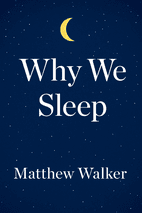
Matthew Walker's Why We Sleep explains the vital biological functions of NREM and REM sleep, detailing how sleep deprivation harms cognition, health, and safety. This essential guide is for anyone seeking to understand and improve their well-being by prioritizing rest.
Feature
Insta.Page
Blinkist
Shortform
Summary Depth
Full Chapter-by-Chapter
15-min overview
Section-by-section guides
Audio Narration
✓
✓
✓
Visual Mindmaps
✓
✕
✕
AI Q&A
✓
✕
✕
Quizzes
✓
✕
✕
PDF Downloads
✓
✕
✓
Price
$89.99/yr
$146/yr (PRO)
$199/yr
*Competitor data last verified July 2026.
1 Page Summary
In "Why We Sleep," Matthew Walker presents a compelling case for sleep as a fundamental biological necessity, arguing that every major system in the human body is critically dependent on adequate rest. He explains the two primary types of sleep—NREM (non-rapid eye movement) and REM (rapid eye movement)—and their distinct roles. NREM sleep is shown to be crucial for memory consolidation and physical restoration, while REM sleep facilitates emotional processing and creative problem-solving. Walker meticulously details how sleep deprivation impairs cognitive function, weakens the immune system, and increases the risk of numerous diseases, from Alzheimer's to cancer.
The book places the modern sleep crisis in a historical context, tracing how the invention of the light bulb and the rise of industrialized, 24/7 society have systematically eroded our natural sleep patterns. Walker debunks common myths, such as the idea that people can adapt to getting less sleep, and highlights the particular dangers of societal pressures that glorify sleeplessness as a badge of honor. He provides a stark warning about the public health consequences of widespread sleep loss, linking it to increased accident rates, reduced workplace productivity, and poorer mental health outcomes on a global scale.
The lasting impact of Walker's work lies in its powerful, evidence-based call to action, repositioning sleep from a negotiable luxury to a non-negotiable pillar of health alongside diet and exercise. By translating complex neuroscience into accessible prose, the book has significantly raised public awareness about the critical importance of sleep. It serves as a foundational text that continues to influence individuals, corporate wellness policies, and public health discussions, urging a societal shift to prioritize and protect this vital biological function for a healthier, safer, and more cognitively sharp population.
Chapter 1: To Sleep…
Overview
Overview
Matthew Walker opens with a relatable inquiry into our collective sleep habits, immediately drawing attention to a pervasive issue in modern life: widespread sleep deprivation. He reveals that over a third of adults in developed nations fail to get the recommended seven to nine hours of sleep, setting the stage for a compelling exploration of the hidden costs. The chapter swiftly transitions from this alarming statistic to a cascade of health repercussions, framing sleep not as a passive state but as an active, essential pillar of well-being. Walker's narrative is both a wake-up call and an invitation, blending scientific rigor with personal passion to challenge deeply ingrained cultural attitudes toward rest.
The Alarming Consequences of Sleep Loss
Walker meticulously outlines how insufficient sleep acts as a silent saboteur of health. Routinely sleeping less than six hours a night compromises the immune system, elevating the risk of certain cancers and linking strongly to the development of Alzheimer's disease. It disrupts blood sugar regulation to the point of pre-diabetic conditions and undermines cardiovascular health, paving the way for heart disease and stroke. Sleep deprivation also wreaks havoc on mental well-being, intensifying conditions like depression and anxiety, while hijacking appetite hormones to encourage overeating and weight gain. He underscores the futility of dieting without adequate sleep, as the body loses lean muscle instead of fat, turning well-intentioned efforts into counterproductive struggles.
Sleep's Deadly Implications
In a sobering segment, Walker highlights two scenarios where sleep deficiency can prove fatal. He describes a rare genetic disorder that leads to progressive insomnia and eventual death within months of total sleep loss, illustrating the body's absolute dependence on rest. More commonly, drowsy driving emerges as a public health crisis, responsible for countless traffic accidents and fatalities each year. Here, sleep neglect transcends personal risk, endangering entire communities and revealing the broader societal stakes of individual sleep habits.
The Historical Mystery of Sleep
Walker delves into the long-standing scientific bafflement surrounding sleep, noting that it remained one of biology's last great unsolved mysteries. Despite advances in genetics and molecular biology, luminaries like Francis Crick and Sigmund Freud could not crack its code. He paints a vivid picture of this ignorance by imagining a doctor confessing helplessness over why a newborn will spend years in a coma-like state, emphasizing how recently sleep's true purposes began to unfold. This historical context sets up a dramatic contrast with the revelations to come.
Evolutionary Insights into Sleep
From an evolutionary perspective, sleep appears nonsensical—it leaves organisms vulnerable, unable to eat, socialize, or reproduce. Yet, as Walker points out, every animal species studied sleeps, suggesting that the benefits must profoundly outweigh the risks. This persistence hints at sleep's ancient origins and indispensable role, transforming it from a biological puzzle into a testament to life's ingenuity. He quotes a sleep scientist's remark that if sleep weren't vital, it would be evolution's biggest mistake, underscoring the imperative to understand its functions.
The Multitude of Sleep's Benefits
Walker shifts the question from "why" we sleep to "what" sleep does, revealing a tapestry of functions that service both mind and body. In the brain, sleep enhances learning, memory consolidation, and emotional resilience, acting as a nightly reset for cognitive and psychological health. Dreams, he suggests, offer unique advantages like easing painful memories and fostering creativity. Physically, sleep bolsters the immune system, fine-tunes metabolic balance, supports cardiovascular function, and nurtures gut health. Positioning sleep as a cornerstone in the health trinity alongside diet and exercise, he argues that its impact surpasses even food and activity in immediacy and scope.
A Personal Connection to Sleep Science
Walker shares his accidental entry into sleep research, beginning with a PhD project on dementia where sleep brainwaves revealed disease subtypes that waking measurements could not. This discovery ignited a lifelong passion, leading him to abandon initial plans and dedicate two decades to unraveling sleep's secrets. His journey from naive curiosity to seasoned expertise adds a human touch, framing the scientific pursuit as a deeply personal mission to reclaim sleep's rightful place in health and society.
Navigating the Book's Structure
The chapter concludes with a roadmap of the book's four-part narrative, which will explore the nature of sleep, its benefits and dangers, the world of dreams, and practical strategies for improving sleep in daily life. Walker encourages a flexible reading approach, welcoming readers to consume the content in any order. He even whimsically endorses dozing off while reading, viewing it as a testament to sleep's power to reinforce memory and learning.
Key Takeaways
Sleep deprivation is linked to serious health issues, including cancer, Alzheimer's disease, diabetes, and mental health disorders.
Insufficient sleep can be fatal, through rare conditions or common causes like drowsy driving.
Sleep was a long-standing scientific mystery, but research now shows it serves multiple essential functions for brain and body.
Evolutionarily, sleep's universal presence across species underscores its critical role in survival and health.
Matthew Walker's personal journey highlights the transformative potential of sleep science.
The book aims to reshape cultural attitudes toward sleep, emphasizing its irreplaceable value in modern life.
Key concepts: Chapter 1: To Sleep…
1. Chapter 1: To Sleep…
The Alarming Consequences of Sleep Loss
Compromises immune system and elevates cancer risk
Strongly linked to Alzheimer's disease development
Transformed from naive curiosity to lifelong passion
Two decades dedicated to unraveling sleep's secrets
💡 Try clicking the AI chat button to ask questions about this book!
Chapter 2: Caffeine, Jet Lag, and Melatonin
Overview
Our sleep-wake cycle is orchestrated by two fundamental biological forces: the circadian rhythm, an internal twenty-four-hour clock that dictates daily patterns of alertness and fatigue, and sleep pressure, a chemical buildup that increases the longer we're awake, making us progressively sleepier. The discovery of this endogenous rhythm dates back to 1729 with a simple plant experiment, and later confirmed by humans living in darkness, revealing that our internal clock naturally runs slightly longer than twenty-four hours without external cues. Sunlight acts as the primary timekeeper, resetting this imprecise clock daily through a tiny brain region called the suprachiasmatic nucleus, which coordinates everything from body temperature to hormone release.
Individual differences in circadian timing create distinct chronotypes, such as morning larks and night owls, which are genetically determined and influence everything from productivity to health risks. As darkness falls, the suprachiasmatic nucleus triggers the release of melatonin, a chemical that signals the timing of sleep but doesn't induce it directly. This system is thrown into disarray by jet travel, where crossing time zones causes jet lag—a mismatch between local time and your internal clock that can take days to resolve. Melatonin supplements can help realign sleep by mimicking natural darkness signals, especially for frequent travelers facing health risks from chronic disruption.
Simultaneously, sleep pressure builds through the accumulation of adenosine, a compound that makes us feel tired after hours awake and is cleared during rest. Caffeine masks this sleepiness by blocking adenosine receptors in the brain, but its effects vary widely based on genetics and metabolism, and it can lead to a crash once it wears off. The delicate dance between the steady circadian rhythm and rising sleep pressure explains why we feel alert in the morning or experience a "second wind" during all-nighters, while chronic sleep deprivation leaves us reliant on stimulants and struggling with memory lapses.
Beyond daily life, variations in circadian rhythms exist across species, and even on cloudy days, sunlight remains a powerful reset button for our internal clocks. When sleep issues arise, tools like the SATED questionnaire offer a natural assessment alternative to sleeping pills, emphasizing the importance of understanding individual factors like caffeine sensitivity, which is shaped by age, sleep quality, and liver function. Ultimately, recognizing the interplay of these elements helps navigate sleep challenges, from jet lag to daily fatigue, highlighting that good sleep isn't just about duration but alignment with our biological rhythms.
The Two Forces Governing Sleep
Two powerful biological factors work in concert to regulate our sleep-wake cycle. The first is our internal twenty-four-hour circadian clock, which creates a daily rhythm of alertness and tiredness. The second is a chemical sleep pressure that builds up the longer we stay awake, making us progressively sleepier. The delicate balance between these two systems dictates our daily alertness, our bedtime readiness, and the quality of our sleep.
GOT RHYTHM?
The circadian rhythm is a fundamental biological force present in most living creatures. This internal pacemaker, located deep within the brain, sends timing signals to every organ and brain region, governing not just sleep and wakefulness but also eating patterns, mood, body temperature, metabolic rate, and hormone release.
The discovery of this endogenous (self-generated) rhythm began in 1729 with French geophysicist Jean-Jacques d'Ortous de Mairan. He placed a Mimosa pudica plant—known for its leaves that open during the day and close at night—in constant darkness. The plant continued its leaf-opening-and-closing cycle despite the absence of sunlight, proving it maintained its own internal timing.
Two centuries later, Professor Nathaniel Kleitman and his assistant Bruce Richardson conducted a radical experiment on themselves, living for thirty-two days in the perpetual darkness of Kentucky's Mammoth Cave. They discovered that humans also possess an endogenous circadian rhythm that, when removed from sunlight, runs longer than twenty-four hours—approximately twenty-four hours and fifteen minutes for the average adult.
Sunlight acts as the primary "zeitgeber" (German for "time giver"), resetting our imprecise internal clock each day to a precise twenty-four-hour cycle. Other reliable cues like food, exercise, and social interaction can also serve as secondary zeitgebers.
The Suprachiasmatic Nucleus
The master circadian clock is a tiny cluster of 20,000 neurons called the suprachiasmatic nucleus, located above the spot where the optic nerves cross. Despite its small size, this conductor of the body's rhythmic symphony samples light information from the eyes to correct timing errors and coordinates countless bodily rhythms, including the predictable rise and fall of core body temperature that occurs regardless of whether we are asleep or awake.
MY RHYTHM IS NOT YOUR RHYTHM
While all humans follow a twenty-four-hour pattern, individual circadian timing varies dramatically, creating distinct chronotypes. "Morning larks" (about 40% of people) peak in alertness early and prefer dawn wake-ups. "Night owls" (about 30%) naturally prefer late bedtimes and late wake times, with their prefrontal cortex—the brain's rational control center—remaining offline and impaired during early morning hours.
This variation is genetically determined, not a choice. Society's bias toward early schedules unfairly punishes night owls, leading to chronic sleep deprivation and higher rates of health problems including depression, diabetes, and heart disease. From an evolutionary perspective, this variation provided a survival advantage—in tribal settings, different sleep schedules meant the group was collectively vulnerable for only four hours instead of eight.
MELATONIN
The suprachiasmatic nucleus uses melatonin as its chemical messenger of darkness. Released by the pineal gland after dusk, melatonin signals "It's dark!" throughout the body, initiating the timing of sleep onset. However, melatonin doesn't generate sleep itself—it's like the official who starts the race but doesn't run in it.
Melatonin levels decrease with morning light exposure, signaling the end of sleep. As an unregulated supplement, melatonin pills vary widely in actual concentration and primarily work through placebo effects for non-jet-lagged individuals.
HAVE RHYTHM, WON'T TRAVEL
Jet travel created the modern phenomenon of jet lag by moving people across time zones faster than their circadian clocks can adjust. This mismatch causes daytime fatigue (when the internal clock thinks it's night) and nighttime insomnia (when the clock believes it's day), as illustrated by the eight-hour time difference between San Francisco and London.
Jet Lag and Biological Clocks
The disorienting experience of jet lag unfolds when your internal circadian clock remains tethered to your home time zone, creating a mismatch with local time. For instance, arriving in London from San Francisco means your brain believes it's 4 p.m. when it's actually midnight, leaving you wide awake when you should be asleep. This misalignment causes daytime lethargy and nighttime insomnia, as your body resists the new schedule. Acclimatization is slow—your suprachiasmatic nucleus adjusts by only about one hour per day, so an eight-hour time difference requires roughly eight days to reset. Eastward travel feels more challenging because it demands falling asleep earlier, which conflicts with your innate circadian rhythm that naturally runs slightly longer than 24 hours. This directional bias makes westward travel somewhat easier, as staying up later aligns better with your body's tendencies.
Melatonin: A Chemical Aid
To combat jet lag, melatonin can be used to trick your brain into aligning with the new time zone. By taking a pill around 7–8 p.m. local time, you simulate the natural melatonin spike that signals nighttime, encouraging sleep even if your body isn't ready. While it doesn't guarantee instant sleep, it significantly boosts the likelihood by resetting the timing of sleep signals. This approach is particularly valuable for frequent travelers like pilots and cabin crews, who face heightened risks from chronic jet lag, including brain shrinkage and memory impairment.
Sleep Pressure and the Role of Adenosine
Beyond the circadian rhythm, sleep is governed by sleep pressure, driven by the chemical adenosine. This compound accumulates in your brain with every waking minute, acting like a barometer of elapsed time. High adenosine levels turn down wake-promoting brain regions and amplify sleep-inducing areas, creating an irresistible urge to sleep after 12–16 hours of wakefulness. This buildup is cleared during sleep, allowing you to wake refreshed, but if sleep is insufficient, adenosine debt carries over, leading to chronic fatigue.
Caffeine: The Masking Agent
Caffeine, the world's most popular psychoactive stimulant, works by blocking adenosine receptors in the brain, preventing the sleepiness signal from getting through. It peaks in your system about 30 minutes after consumption but has a long half-life of 5–7 hours, meaning evening coffee can disrupt sleep well into the night. Decaffeinated drinks aren't fully caffeine-free—they can contain up to 10% of a regular cup's dose. Genetics and age affect how quickly your liver breaks down caffeine; slower metabolism leads to greater sensitivity and prolonged effects. When caffeine wears off, the pent-up adenosine floods back, causing a "caffeine crash" that highlights the drug's addictive cycle. Notably, caffeine's impact is so profound that it impairs basic functions, as seen in NASA studies where caffeine-exposed spiders built chaotic, useless webs.
The Dance of Circadian Rhythm and Sleep Pressure
Your wake-sleep cycle is shaped by two independent forces: the steady rhythm of the circadian clock (Process-C) and the accumulating sleep pressure from adenosine (Process-S). They don't communicate but typically align. For example, in the morning, low adenosine and a rising circadian rhythm create alertness, while by late evening, high adenosine and a declining rhythm drive sleepiness. The gap between these lines in graphical models represents your sleep desire—widening as the day progresses. This separation explains why, during an all-nighter, you might feel a "second wind" in the morning due to the circadian peak temporarily offsetting soaring adenosine levels.
Navigating Sleep Deprivation
Pulling an all-nighter reveals the stark independence of these systems. Adenosine builds relentlessly without sleep to clear it, yet the circadian rhythm cycles on unaffected. This leads to peaks and troughs in alertness: a low point around 5–6 a.m. when both forces align for sleepiness, followed by a brief respite as the circadian rhythm surges in the morning. However, by late afternoon, the overwhelming adenosine pressure dominates, making wakefulness nearly impossible without stimulants.
Recognizing Sleep Deficiency
Simple questions can reveal if you're getting enough sleep: Could you fall back asleep mid-morning? Do you rely on caffeine to function before noon? If yes, you're likely self-medicating sleep deprivation. Other red flags include sleeping past your alarm if unchecked, rereading text repeatedly, or forgetting recent details like traffic light colors. Chronic sleep debt accumulates like a financial obligation, contributing to widespread fatigue and health issues. Undiagnosed sleep disorders, such as insomnia or apnea, can also underpin daytime struggles, emphasizing the need for professional evaluation if symptoms persist.
Sleeping Pills and Self-Assessment Tools
The author gently cautions against reaching for sleeping pills as a first resort, hinting at deeper insights in chapter 14 for those currently using or considering them. For immediate guidance, he points to the SATED questionnaire—a quick, five-question tool developed by sleep researchers to gauge sleep fulfillment. With a touch of humor, he shares that dropping this fact at social gatherings might earn you a reputation for eccentricity, ensuring you're left in peace for the evening.
Variations in Circadian Rhythms
Across the animal kingdom, internal biological clocks don't always align neatly with a 24-hour day. While humans tend to have an endogenous rhythm slightly longer than 24 hours in darkness, species like hamsters or squirrels experience shorter cycles. This natural imprecision highlights how circadian timing is tailored to each creature's needs, with nocturnal animals like bats or foxes receiving their wake-up calls in the morning hours.
Sunlight's Reset Button
Even on overcast, rainy days, sunlight filters through with enough strength to help recalibrate our biological clocks. This subtle yet powerful influence underscores light's role as a primary cue for maintaining sleep-wake cycles, offering a simple, accessible way to stay in sync without relying on artificial aids.
Caffeine's Personal Impact
Sensitivity to caffeine isn't one-size-fits-all; it's shaped by a mix of age, concurrent medications, and the quality of recent sleep. Behind the scenes, the liver enzyme cytochrome P450 1A2 works to metabolize caffeine, but individual differences mean that your afternoon coffee might affect you differently than your neighbor. Research citations, such as those on genetics and spider-web toxicity studies, reinforce the complexity of these interactions, though the core message remains: understanding your body's unique response is key to managing caffeine intake effectively.
Key Takeaways
Sleeping pills aren't always the best initial solution; tools like the SATED questionnaire can help assess sleep needs naturally.
Circadian rhythms vary by species, with humans typically having a cycle longer than 24 hours in isolation.
Daylight, even through clouds, plays a crucial role in resetting our internal clocks.
Caffeine effects are highly individual, influenced by factors like age, sleep history, and liver metabolism.
Key concepts: Chapter 2: Caffeine, Jet Lag, and Melatonin
Has long half-life of 5-7 hours, meaning evening consumption disrupts nighttime sleep
Decaffeinated drinks contain up to 10% of regular coffee's caffeine dose
When caffeine wears off, pent-up adenosine causes 'caffeine crash'
Genetic and age differences affect caffeine metabolism and sensitivity
Dual Process Sleep Regulation
Sleep-wake cycle governed by two independent systems: circadian rhythm (Process-C) and sleep pressure (Process-S)
The systems don't communicate but typically align throughout the day
Gap between circadian rhythm and sleep pressure lines represents sleep desire
Explains 'second wind' phenomenon during all-nighters when circadian peak offsets adenosine
Sleep Deprivation Dynamics
All-nighters reveal the independence of circadian rhythm and sleep pressure systems
Alertness follows predictable peaks and troughs despite sleep deprivation
Lowest alertness around 5-6 a.m. when both systems align for sleepiness
Overwhelming adenosine pressure dominates by late afternoon without sleep
Recognizing Sleep Deficiency
Simple self-assessment questions can reveal sleep deprivation, such as needing caffeine before noon or falling asleep mid-morning
Chronic sleep debt accumulates like financial debt and contributes to widespread fatigue and health issues
Red flags include oversleeping past alarms, difficulty concentrating, and memory lapses
Undiagnosed sleep disorders like insomnia or apnea may underlie daytime struggles requiring professional evaluation
Sleeping Pills and Self-Assessment Tools
Sleeping pills should not be the first resort for sleep issues, with deeper discussion reserved for later chapters
The SATED questionnaire provides a quick, five-question tool developed by researchers to assess sleep fulfillment
Self-assessment tools offer natural alternatives to medication for understanding sleep needs
Variations in Circadian Rhythms
Biological clocks vary across species and don't always align with a 24-hour day
Humans typically have endogenous rhythms slightly longer than 24 hours in darkness
Different animals like hamsters and squirrels experience shorter circadian cycles tailored to their needs
Nocturnal animals receive their biological wake-up calls during morning hours
Sunlight's Reset Button
Even on overcast, rainy days, sunlight provides sufficient strength to recalibrate biological clocks
Light serves as the primary cue for maintaining sleep-wake cycles
Natural daylight offers an accessible, non-artificial method to stay synchronized with circadian rhythms
Caffeine's Personal Impact
Caffeine sensitivity varies significantly between individuals based on multiple factors
Age, medications, and recent sleep quality all influence how caffeine affects the body
Liver enzyme cytochrome P450 1A2 metabolizes caffeine, with individual differences in enzyme activity
Understanding personal caffeine response is crucial for effective intake management
Chapter 3: Defining and Generating Sleep
Overview
We all instinctively know when someone is asleep, like spotting Jessica lying still on the couch, thanks to telltale signs: a horizontal posture, relaxed muscles, unresponsiveness, easy reversibility, and alignment with our body's daily rhythms. Similarly, each morning, we gauge our own sleep through two key experiences—losing touch with the outside world as the thalamus blocks sensory input, and feeling time warp, where minutes in dreams stretch into hours while the brain secretly keeps precise track. This self-awareness ties into a groundbreaking discovery from the 1950s, when researchers using polysomnography observed infants and identified two distinct sleep stages: non-rapid eye movement (NREM) sleep, with its calm, slow brainwaves, and rapid eye movement (REM) sleep, marked by active brain activity and eye movements linked to dreaming.
Sleep unfolds in a rhythmic 90-minute cycle, where NREM sleep dominates the early night, especially its deep stages 3 and 4, while REM sleep takes over later, creating a pattern that optimizes memory—first pruning unnecessary details in NREM, then integrating and strengthening them in REM. Disrupting this balance can harm health, much like skipping essential nutrients. As you drift off, your brain shifts from the chaotic, fast-paced activity of wakefulness to the ordered, slow brainwaves of NREM sleep, with stages progressing from light to deep. These waves often include sleep spindles that shield rest from disturbances, revealing a brain actively orchestrating recovery rather than idling.
The epicenter of this deep sleep lies just behind your forehead, where brainwaves travel in a one-way path from front to back, fading as they go. Far from being dormant, this stage showcases neural synchrony—thousands of cells firing in unison like a coordinated chant, debunking the myth of a passive brain. This harmony, guided by the thalamus blocking external stimuli, explains the loss of consciousness and allows for intense internal collaboration, akin to nocturnal meditation. One of its prime benefits is memory consolidation, where slow, synchronous waves act like long-range AM radio signals, transferring fragile memories to secure storage across distant brain regions.
Transitioning into REM sleep, the brain reignites with activity mirroring wakefulness, yet the body enters paralysis—a safety mechanism called atonia that prevents dream enactment. Here, the thalamus reopens to flood the cortex with internal signals, weaving emotions and memories into vivid dreams that enhance problem-solving and world-modeling. The rapid eye movements characteristic of this stage aren't just tracking dream imagery but reflect deeper physiological processes, underscoring REM sleep's role as an integrator that ties together the mind's raw materials into a cohesive whole.
Recognizing Sleep in Others
We've all had moments where we instantly recognize someone is asleep, like seeing Jessica lying still on the couch. This quick judgment relies on a set of observable clues that scientists agree define sleep. First, sleeping organisms adopt a stereotypical horizontal position. Second, they exhibit lowered muscle tone, especially in postural muscles, leading to a relaxed, slouching posture—evident in Jessica's listing head. Third, there's no communication or responsivity; Jessica didn't orient to your entrance. Fourth, sleep is easily reversible, unlike coma or death, as shown when Jessica woke from a noise. Fifth, sleep follows a circadian rhythm, with humans naturally diurnal, preferring wakefulness during the day and sleep at night.
Self-Assessment of Sleep
Beyond judging others, we constantly assess our own sleep each morning. Two universal indicators confirm this self-awareness. First is the loss of external awareness: while sensory organs like ears and eyes still function, the thalamus—a lemon-sized sensory gate in the brain—blocks signals from reaching the cortex, creating a perceptual blackout. This cutoff from the outside world signals sleep. Second is time distortion: consciously, we lose track of time, like needing to check a clock after a nap. Yet, non-consciously, the brain tracks time with precision, such as waking just before an alarm. In dreams, time feels elongated; five real minutes might seem like an hour, possibly due to slowed neural replay of memories during REM sleep, as seen in rat studies where brain cells fired at half-speed.
An Infant Revelation—Two Types of Sleep
The scientific gold standard for verifying sleep is polysomnography (PSG), which records brainwaves, eye movements, and muscle activity. In 1952, Eugene Aserinsky and Nathaniel Kleitman made a pivotal discovery using this method. Observing infants, Aserinsky noted periods of rapid eye movement during sleep, accompanied by active brainwaves similar to wakefulness, alternating with calm phases of no eye movements and slow brainwaves. Skeptical, Kleitman replicated this on his daughter Ester, confirming two distinct sleep stages: non-rapid eye movement (NREM) sleep and rapid eye movement (REM) sleep. Later, with William Dement, they linked REM sleep to dreaming. NREM sleep was further divided into four stages, with stages 3 and 4 being the deepest, defined by increasing difficulty to awaken.
The Sleep Cycle
Sleep isn't uniform; it cycles between NREM and REM in a recurring 90-minute battle for brain dominance throughout the night. This architecture, depicted in a hypnogram, shows NREM sleep dominating the first half, with deep stages 3 and 4 prevalent, while REM sleep takes over in the second half. This lopsided pattern isn't random; it may serve to manage memory storage. Early NREM sleep weeds out unnecessary neural connections, while later REM sleep strengthens and integrates memories, akin to sculpting clay—first removing excess material, then refining details. Disrupting this cycle, like waking early, can disproportionately reduce REM sleep, leading to imbalances that harm health, similar to an unbalanced diet.
How Your Brain Generates Sleep
In a sleep lab, electrodes reveal distinct brainwave patterns. While awake, brain activity is fast (30-40 cycles per second), chaotic, and asynchronous, like a stadium full of people talking at once—reflecting varied information processing. As you fall asleep, you enter light NREM stages 1 and 2, then deep slow-wave sleep (stages 3 and 4), where brainwaves slow to 2-4 cycles per second, becoming rhythmic and synchronous, like a steady drumbeat. Sleep spindles—brief, purr-like bursts—often accompany these waves, protecting sleep from external noises. This shift from frenetic wakefulness to ordered NREM sleep underscores the brain's transition into restorative states, setting the stage for the dream-rich REM phases that follow.
The Epicenter of Deep Sleep
Most of your deep-sleep brainwaves originate from a specific spot between your eyes, about two inches up your forehead, in the middle of your frontal lobes. These waves don't spread out evenly; instead, they travel in a one-way direction from the front of your brain to the back, much like sound waves from a speaker that are louder in front than behind. As they journey toward the rear of the brain, their strength gradually fades without bouncing back, creating a unique pattern of electrical activity that defines this restorative phase.
Debunking the Dormant Brain Myth
Early scientists observing these slow, rhythmic brainwaves assumed the brain was in a passive, idle state during deep NREM sleep, similar to anesthesia or coma. But this couldn't be further from reality. What's actually happening is a breathtaking display of neural teamwork: thousands of brain cells synchronize perfectly, firing together in a unified chant. This coordinated activity—where cells collectively surge and then fall silent—reveals deep sleep as an active, highly organized state, not a period of dull hibernation. Witnessing this neural harmony in the lab is a humbling reminder of sleep's profound complexity.
Neural Synchrony and Consciousness
This electrical unity during deep NREM sleep explains why you lose awareness of the outside world. Deep within your brain, the thalamus acts as a sensory gate, blocking signals like sound and sight from reaching the cortex. By cutting off external input, your brain can shift into its default mode of deep slow-wave sleep, a state akin to nocturnal meditation. This inward focus allows for intense cerebral collaboration, setting the stage for critical brain functions without the distraction of conscious perception.
Memory Benefits and the Radio Wave Analogy
One of the standout advantages of deep sleep is its role in memory consolidation, elegantly illustrated by comparing brainwaves to radio transmissions. FM radio waves, with their fast frequencies, carry rich information but fade quickly over distance, much like the rapid brain activity of wakefulness. In contrast, AM radio waves use slower, longer frequencies that travel farther with less fade. Similarly, the slow, synchronous waves of deep NREM sleep enable long-range communication between distant brain regions. These waves act as couriers, transferring recent memories from fragile short-term storage to more secure long-term sites. While wakefulness focuses on receiving new information, deep sleep provides a reflective state that strengthens and stores those experiences.
Transitioning to REM Sleep
As you move from deep NREM sleep into REM sleep, the brain's electrical activity undergoes a dramatic shift. REM sleep brainwaves closely resemble those of alert wakefulness, with fast, desynchronized patterns that make it hard to distinguish from being awake using brainwave data alone. This "paradoxical sleep" features a brain that's highly active while the body remains asleep, processing internal signals of emotions, memories, and motivations instead of external sensory input.
Brain Activity and Integration in REM
During REM sleep, the thalamus reopens, but instead of letting in outside sensations, it allows a flood of internal signals to play out across sensory cortices, creating the vivid, often bizarre dreams you experience. This phase is all about integration: it connects new memories with past experiences, helping build a more accurate model of the world and fostering problem-solving abilities. If wakefulness is about reception and NREM sleep about reflection, REM sleep serves as the integrator, weaving together the raw materials of your mind into a cohesive whole.
Muscle Paralysis: The Body's Safety Mechanism
A key feature of REM sleep is complete muscle paralysis, known as atonia. Seconds before dreaming begins, a signal from your brain stem disables voluntary muscles throughout your body, leaving you limp and unable to move. This paralysis prevents you from acting out your dreams, which is crucial for safety—imagine the dangers of physically responding to a dream chase or fight while unaware of your surroundings. This mechanism ensures that the brain's intense motor commands during dreams don't translate into real-world actions, though in some cases, this system can fail with serious consequences.
Rapid Eye Movements and Their Significance
The "rapid" in REM sleep comes from the distinctive eye movements that occur during this phase. Electrodes detect these quick, side-to-side jerks of the eyes, which were initially thought to track visual elements in dreams. However, they're actually tied to the physiological processes of REM sleep itself and may reflect deeper brain functions related to memory or emotional processing, rather than simply following dream imagery.
Key Takeaways
Deep NREM sleep involves synchronized brainwaves traveling from the front to the back of the brain, facilitating long-range communication and memory consolidation.
REM sleep features brain activity similar to wakefulness, focusing on integrating memories and emotions, while the body is paralyzed to prevent dream enactment.
The thalamus plays a critical role in blocking external stimuli during deep sleep and allowing internal processing during REM sleep.
Eye movements in REM sleep are linked to its underlying physiology, not just dream content, highlighting the complexity of this sleep stage.
Key concepts: Chapter 3: Defining and Generating Sleep
3. Chapter 3: Defining and Generating Sleep
Observable Signs of Sleep
Stereotypical horizontal posture during sleep
Lowered muscle tone and relaxed posture
Absence of communication and responsivity to environment
Easy reversibility distinguishing sleep from coma
Alignment with circadian rhythms and diurnal patterns
Self-Awareness of Sleep Experience
Loss of external awareness due to thalamus blocking sensory input
Conscious time distortion with subjective elongation of dream time
Non-conscious precise time tracking by the brain
Thalamus acts as sensory gate creating perceptual blackout
Neural replay at half-speed during REM may explain time warping
Discovery of Sleep Stages
Polysomnography (PSG) as scientific gold standard for sleep verification
1952 discovery by Aserinsky and Kleitman observing infants
Identification of two distinct sleep types: NREM and REM
REM sleep characterized by rapid eye movements and active brainwaves
NREM sleep divided into stages with 3-4 being deepest sleep
NREM Sleep Characteristics
Ordered, slow brainwaves progressing from light to deep stages
Sleep spindles protect rest from environmental disturbances
Neural synchrony with thousands of cells firing in unison
Front-to-back brainwave travel pattern fading as it progresses
Critical role in memory consolidation and pruning unnecessary details
REM Sleep Characteristics
Brain activity mirrors wakefulness despite being asleep
Body paralysis (atonia) prevents dream enactment for safety
Thalamus reopens to flood cortex with internal signals
Vivid dreaming integrates emotions, memories, and problem-solving
90-minute rhythmic cycle repeating throughout night
NREM sleep dominates early night, especially deep stages 3-4
REM sleep predominates later in the sleep period
Memory optimization through NREM pruning and REM integration
Disruption of cycle balance can harm overall health
Sleep Architecture and Memory Processing
Sleep cycles between NREM and REM in recurring 90-minute patterns throughout the night
NREM dominates early sleep with deep stages 3-4, while REM increases in later cycles
Early NREM weeds out unnecessary neural connections, later REM strengthens and integrates memories
Disrupting this cycle disproportionately reduces REM sleep, creating harmful imbalances
Brainwave Patterns Across Sleep Stages
Wakefulness shows fast (30-40 Hz), chaotic brainwaves like a noisy stadium crowd
NREM sleep transitions to slow (2-4 Hz), rhythmic, synchronous waves like a steady drumbeat
Sleep spindles protect sleep from external disturbances during NREM stages
The shift from frenetic wakefulness to ordered NREM enables restorative brain states
Deep Sleep Wave Generation and Propagation
Deep-sleep brainwaves originate from a specific spot in the middle frontal lobes
Waves travel one-way from front to back, fading gradually without bouncing back
This directional propagation creates unique electrical patterns defining restorative sleep
The pattern resembles sound waves louder in front of a speaker than behind
Active Nature of Deep Sleep
Deep NREM sleep involves thousands of brain cells firing in perfect synchrony
Neural teamwork creates coordinated surges and silences, not passive hibernation
This organized state contrasts with early misconceptions of sleep as brain idleness
The synchronized chanting of neurons reveals sleep's profound complexity
Consciousness Loss and Sensory Gating
Electrical unity during deep NREM sleep causes loss of external awareness
The thalamus blocks sensory signals from reaching the cortex during deep sleep
This sensory cutoff enables the brain's default mode of nocturnal meditation
Inward focus allows intense cerebral collaboration without conscious distraction
Memory Consolidation Through Brainwave Communication
Deep sleep enables long-range communication between distant brain regions
Slow waves act as couriers transferring memories from short-term to long-term storage
The radio wave analogy compares NREM waves to AM radio (long-distance, less fade)
While wakefulness receives information, deep sleep reflects and strengthens memories
REM Sleep Transition and Characteristics
REM brainwaves resemble alert wakefulness with fast, desynchronized patterns
This 'paradoxical sleep' features active brain while body remains asleep
The brain processes internal emotions, memories, and motivations instead of external input
Brainwave data alone makes REM sleep hard to distinguish from wakefulness
REM Sleep Integration Functions
The thalamus reopens during REM but allows internal signals rather than external sensations
REM connects new memories with past experiences to build accurate world models
This integration phase fosters problem-solving abilities and creative connections
REM serves as the integrator weaving mind materials into a cohesive whole
REM Sleep Paralysis Mechanism
Complete muscle paralysis (atonia) occurs seconds before dreaming begins
Brain stem signals disable voluntary muscles throughout the body
This safety mechanism prevents physical acting out of dream content
System failures can lead to dangerous real-world responses to dream scenarios
REM Sleep Eye Movements
Rapid eye movements are detected by electrodes and give REM sleep its name
Originally thought to track visual elements in dreams, but now understood differently
Linked to physiological processes of REM sleep itself rather than dream content
May reflect deeper brain functions related to memory or emotional processing
Deep NREM Sleep Characteristics
Features synchronized brainwaves traveling front to back of brain
Facilitates long-range communication between brain regions
Plays crucial role in memory consolidation processes
REM Sleep Brain and Body States
Brain activity resembles wakefulness despite being asleep
Focuses on integrating memories and emotional content
Body experiences paralysis to prevent dream enactment
Thalamus Functions in Sleep
Blocks external sensory stimuli during deep sleep stages
Allows internal processing to occur during REM sleep
Serves as critical gateway regulating sensory information flow
Chapter 4: Ape Beds, Dinosaurs, and Napping with Half a Brain
Overview
Sleep is an ancient biological phenomenon that dates back over 500 million years, observed in everything from simple worms to complex mammals, suggesting it's a fundamental necessity for life itself. Across the animal kingdom, sleep duration varies wildly, with elephants managing on just four hours while brown bats snooze for nineteen, yet no single factor like size or diet fully explains these differences. REM sleep, associated with dreaming, is mostly found in birds and mammals, but recent discoveries in lizards hint at its deeper evolutionary roots, while aquatic species like dolphins often skip it to avoid drowning risks. Some animals have developed clever adaptations, such as unihemispheric sleep, where one half of the brain rests while the other stays alert, allowing dolphins to swim and birds to watch for predators mid-flight. Under extreme conditions, sleep can be suppressed—like in migrating birds taking seconds-long naps or killer whales forgoing rest after birth—but this deprivation is temporary and often leads to a sleep rebound where the body demands extra rest to recover. Humans, in particular, have strayed from their natural biphasic sleep pattern of a longer night rest and an afternoon nap, a shift linked to higher heart disease risks and reduced longevity in modern societies. Unlike other primates, humans sleep less overall but spend more time in REM sleep, a trait that may have fueled emotional intelligence and creativity, propelling our species' success. Even sharks, once thought to never sleep, experience restful phases despite lacking eyelids, showing how evolution tailors sleep to each creature's needs. Ultimately, sleep's universal presence and adaptability underscore its irreplaceable role in health and survival, with deprivation triggering compensatory mechanisms that highlight its biological imperative.
The Universality of Sleep
Sleep is an ancient phenomenon that predates even the dinosaurs, emerging at least 500 million years ago with primitive worms during the Cambrian explosion. Every animal species studied—from insects like flies and bees to fish, amphibians, reptiles, birds, and mammals—engages in some form of sleep or a similar restorative state. Even unicellular organisms like bacteria exhibit active and passive phases aligned with light-dark cycles, hinting at the precursors to our circadian rhythms. This widespread presence suggests sleep may be a fundamental biological necessity, perhaps even the original state of life, from which wakefulness evolved to handle the demands of survival.
Mysteries of Sleep Duration
The total amount of sleep varies dramatically across species, defying simple explanations. Elephants sleep just four hours a day, while lions enjoy fifteen hours, and brown bats top the chart at nineteen hours. Surprisingly, factors like body size, predator status, or diurnal habits don't reliably predict sleep needs. For instance, squirrels sleep twice as long as their rodent cousins, degus, yet guinea pigs and baboons—from entirely different orders—sleep identical amounts. Weak correlations suggest that nervous system complexity relative to body size might play a role, with more complex brains demanding more sleep for maintenance. However, outliers like opossums (sleeping eighteen hours) and giraffes (managing on four to five) remain puzzles, pointing to a blend of dietary, social, metabolic, and environmental influences that evolution has balanced over millennia.
The Dream Sleep Enigma
Not all sleep stages are universal. While every animal with measurable sleep experiences NREM (non-rapid eye movement) sleep, REM sleep—associated with dreaming—is largely confined to birds and mammals. This suggests REM sleep evolved later to support functions like emotional regulation and memory. Intriguingly, aquatic mammals like dolphins and whales challenge this pattern; they show little to no REM sleep, possibly due to the risk of paralysis while swimming. However, evidence from fur seals—who have REM on land but minimal amounts in water—hints that REM sleep might be present in atypical forms. Recent findings in Australian lizards even suggest a proto-REM sleep existing 100 million years earlier than thought, indicating its deep evolutionary roots.
Innovative Sleep Techniques
Some animals have developed remarkable sleep strategies to adapt to their environments. Dolphins and whales practice unihemispheric sleep, where one brain hemisphere rests in deep NREM sleep while the other remains awake to control swimming and breathing. Birds employ a similar tactic, with flock members taking turns to sleep with one brain hemisphere vigilant for threats, allowing the group to maximize safety. Humans, though less adept, show a mild version in unfamiliar settings—like hotel rooms—where one hemisphere sleeps lighter, acting as a guard. Notably, REM sleep always involves both brain hemispheres simultaneously, underscoring its unique requirements for full-brain engagement.
Sleep Under Duress
In extreme circumstances, sleep can be temporarily suppressed, though never eliminated. Severe starvation, for example, pushes organisms to prioritize foraging over rest, as seen in flies and humans who stay awake longer to seek food. This adaptability highlights sleep's flexibility under pressure, but it's not sustainable long-term. Such responses are rare and often studied for applications in fields like emergency services, where understanding sleep resilience could inform strategies for predictable deprivation. Despite these adaptations, sleep remains a non-negotiable biological imperative, essential for survival across the animal kingdom.
Sleep Deprivation in Extreme Circumstances
Certain animals exhibit remarkable adaptations to sleep deprivation during critical survival moments. When humans fast deliberately, their sleep decreases as the brain interprets this as a food scarcity signal. Female killer whales and their newborn calves demonstrate another rare case: during the perilous journey back to the pod after birth, neither mother nor calf shows signs of robust sleep, defying the typical high sleep needs of infants. This highlights the extreme dangers of ocean travel, where up to half of new calves may be lost.
Migrating birds take sleep deprivation to another level, flying for extended periods with minimal stationary sleep. They compensate with ultra-brief in-flight naps lasting mere seconds, preventing the severe deficits of total sleep deprivation. The white-crowned sparrow stands out for its time-limited resilience during migration, suffering no ill effects from sleep deprivation in that window—a trait that has attracted military research interest for potential human applications.
The Natural Rhythm of Human Sleep
Modern sleep habits have diverged sharply from our evolutionary blueprint. While many adults now follow a monophasic pattern—a single, often insufficient nightly block—hunter-gatherer societies like the Gabra and San people maintain a biphasic rhythm: a longer nighttime sleep (around seven hours) paired with an afternoon nap. Seasonal variations exist, with some tribes switching to monophasic sleep in cooler months, but the core pattern remains rooted in biology, not culture.
Our innate circadian biology includes a post-prandial alertness dip in the midafternoon, a hardwired lull that favors napping. This natural drive is often suppressed in contemporary life, where late bedtimes and early wake-ups clash with our physiological needs. Historical accounts of segmented "first and second sleep" in Western Europe appear to be a cultural anomaly rather than a biological norm, as no pre-industrial cultures exhibit this pattern.
Health Impacts of Abandoning Biphasic Sleep
The consequences of ignoring our biphasic sleep heritage are starkly evident in health outcomes. A study of over 23,000 Greek adults revealed that those who gave up regular siestas faced a 37 percent higher risk of heart disease-related death over six years, with workingmen experiencing over a 60 percent increase. Communities that preserve afternoon napping, like Ikaria, boast remarkable longevity, with men nearly four times more likely to reach age ninety than their American counterparts. This underscores how biphasic sleep, combined with healthy lifestyles, supports a longer, healthier life.
The Uniqueness of Human Sleep
Humans occupy a special place in the sleep landscape of primates. We sleep less in total—about eight hours compared to ten to fifteen in other primates—but dedicate a disproportionate 20-25 percent of that time to REM sleep, nearly triple the average for other species. This anomaly stems from our evolutionary shift from arboreal to terrestrial sleeping. While tree-dwelling primates risked falls during the muscle paralysis of REM sleep, ground sleeping—aided by fire for safety—allowed hominids like Homo erectus to embrace longer, more intense REM periods without danger.
This "concentrated" sleep, rich in REM, likely fueled key human traits. REM sleep fine-tunes emotional circuits, enhancing emotional intelligence and social bonding, which scaled into complex societies. It also fosters creativity by connecting new memories with existing knowledge, sparking insights and innovations. These benefits created a positive feedback loop: more REM sleep supported greater cognitive and emotional sophistication, which in turn demanded more REM sleep for recalibration. This cycle may have been pivotal in propelling Homo sapiens to dominance, blending emotional connectivity with creative problem-solving in ways that define our species' success.
Sleep Rebound Phenomenon
When sleep is forcibly taken away, the body doesn't just accept the loss quietly—it fights back with a powerful urge to reclaim what was missed. This "sleep rebound" effect means that after a period of deprivation, you'll feel an intensified drive to sleep longer or more deeply than usual. It's as if your brain is settling a debt, ensuring that essential restorative processes aren't skipped. This isn't just a human quirk; it's observed across many species, highlighting how fundamental sleep is to biological function.
Shark Sleep Secrets
For years, the mystery of whether sharks sleep puzzled scientists, largely because these creatures never close their eyes. Early assumptions linked open eyes to perpetual wakefulness, but research has overturned this idea. Sharks do experience distinct active and passive phases that mirror waking and sleeping states in other animals. The real reason they don't shut their eyes? They lack eyelids entirely! This adaptation doesn't prevent sleep; instead, it shows how evolution tailors rest to environmental needs, with some shark species even exhibiting unihemispheric sleep—where one half of the brain rests while the other remains alert.
Key Takeaways
Sleep rebound is a compensatory mechanism where the body demands extra sleep after deprivation to restore balance.
Sharks do sleep, despite not closing their eyes, due to the absence of eyelids, and their sleep involves alternating active and passive phases.
Understanding these patterns across species underscores sleep's universal importance and the diverse ways it manifests in the animal kingdom.
Key concepts: Chapter 4: Ape Beds, Dinosaurs, and Napping with Half a Brain
4. Chapter 4: Ape Beds, Dinosaurs, and Napping with Half a Brain
Evolutionary Origins of Sleep
Sleep dates back over 500 million years to primitive worms
Every animal species engages in some form of sleep or restorative state
Even unicellular organisms show light-dark cycle precursors to circadian rhythms
Sleep may be the original state of life from which wakefulness evolved
Matthew Walker is a renowned neuroscientist and sleep expert, celebrated for his groundbreaking research on the impact of sleep on human health and performance. He is the author of the international bestseller "Why We Sleep: Unlocking the Power of Sleep and Dreams," a seminal work that has transformed public understanding of this vital biological function. As a professor of neuroscience and psychology, his work has been published in leading scientific journals, and he is a frequent speaker at global conferences. His contributions have made him a leading voice in advocating for the critical importance of sleep in society. His influential books are available for purchase on Amazon.
📚 Explore Our Book Summary Library
Discover more insightful book summaries from our collection