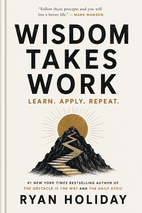
Ryan Holiday's The Obstacle is the Way applies ancient Stoic philosophy to modern challenges, providing a three-step framework for transforming adversity into advantage. It is for leaders, entrepreneurs, and anyone seeking resilience and proactive action in high-pressure environments.
Feature
Insta.Page
Blinkist
Shortform
Summary Depth
Full Chapter-by-Chapter
15-min overview
Detailed analysis
Audio Narration
✓ (AI narration)
✓
✓
Visual Mindmaps
✓
✕
✕
AI Q&A
✓ Voice AI
✕
✕
Quizzes
✓
✕
✕
PDF Downloads
✓
✕
✓
Price
$59.99/yr
$146/yr (PRO)
$199/yr
*Competitor data last verified February 2026.
About the Author
Ryan Holiday
Ryan Holiday is a modern Stoic philosopher and bestselling author known for books like "The Obstacle Is the Way" and "The Daily Stoic," which apply ancient Stoic principles to contemporary life and business. A former marketing director for American Apparel, he is a prominent media strategist and writes extensively on strategy, perception, and resilience.
1 Page Summary
The Obstacle is the Way by Ryan Holiday draws upon the ancient philosophy of Stoicism, particularly the wisdom of Roman Emperor Marcus Aurelius, to present a timeless framework for turning adversity into advantage. The book's core thesis is that our perception of obstacles, our ability to take disciplined action, and our will to persist in the face of challenges are the three interdependent disciplines for overcoming any hardship. Holiday argues that the impediment itself is not the problem; rather, it is the raw material for growth and success, a concept he encapsulates with the mantra, "The obstacle is the way."
The book is grounded in historical context, using vivid examples from figures like John D. Rockefeller, Abraham Lincoln, and Thomas Edison to illustrate how this Stoic principle has been applied to achieve greatness. Holiday demonstrates that this is not a new idea but a perennial truth rediscovered by leaders, entrepreneurs, and athletes throughout history. By reframing failure, criticism, and unexpected setbacks as opportunities, individuals can cultivate resilience and a proactive mindset.
The lasting impact of the book, especially in its expanded anniversary edition, lies in its role as a cornerstone of the modern Stoicism movement. It has become an essential manual for anyone in high-pressure environments, from the boardroom to the sports field, offering a practical and actionable philosophy for navigating an unpredictable world. Its enduring appeal confirms that the Stoic art of transforming obstacles into fuel is as relevant and powerful today as it was in ancient Rome.
This chapter offers a poignant look back at the tumultuous decade following the book's initial publication, blending personal anecdotes with deepened philosophical insights. The author reflects on a period marked by both profound challenges and unexpected blessings, revealing how life's raw experiences have reshaped his understanding of Stoicism beyond mere opportunism to a call for virtuous living.
Personal Trials and Triumphs
The past ten years brought a cascade of difficulties, from natural disasters and a global pandemic to business setbacks and personal losses. Yet, intertwined with these hardships were moments of joy—a lasting marriage, the birth of children, and the slow-burn success of ventures like an independent bookstore. This duality underscores that life's "interesting times," as the ancient curse goes, are not solely defined by suffering but also by growth and connection.
Deepening Stoic Insights
Initially, the book emphasized finding hidden advantages in obstacles, but time and experience have refined this view. The author now grasps that Stoicism's core is not about silver linings but about cultivating arete—excellence of character. Whether facing cancer, grief, or success, the true opportunity lies in practicing virtues like courage, kindness, and humility. This shift from tactical advantage to moral fortitude reveals Stoicism as a guide for enduring life's extremes with decency.
The Book's Humble Ascent
"The Obstacle is the Way" began with low expectations, met with skepticism from publishers and peers. Its slow start, aided by Amazon's algorithms and serendipitous endorsements from sports teams, eventually led to global reach—selling millions and translating into forty languages. This journey mirrors the Stoic principle that being underestimated can be a hidden strength, transforming initial doubt into lasting impact.
Life as Creative Fuel
Every experience, no matter how painful, becomes raw material for growth. The author shares how personal struggles—from heartbreak to professional failures—have informed his writing, echoing Borges' idea that all events are resources for art. This perspective turns even the darkest moments into opportunities for creation, ensuring nothing is wasted in the pursuit of meaning.
The Enduring Stoic Framework
Revisiting the book's core structure, the chapter reaffirms the three-step process of Perception, Action, and Will. Through historical examples like John D. Rockefeller's calm amid crises, it illustrates how disciplined perception allows one to see chaos as a classroom. This framework remains a practical tool for navigating modern upheavals, from economic turmoil to personal setbacks.
Key Takeaways
Embrace Adversity as a Teacher: Life's challenges are inevitable, but they offer chances to practice virtue and build resilience.
Success Demands Virtue: Abundance and fame test character as much as hardship, requiring humility and discipline.
Transform Experiences into Growth: Every event, good or bad, can be repurposed as fuel for creativity and personal evolution.
Cultivate Calm Perception: Like Rockefeller, maintaining objectivity in chaos reveals opportunities others miss.
Join a Timeless Conversation: Stoicism is a living philosophy, inviting each person to contribute their story to its enduring wisdom.
Key concepts: Reflections, Ten Years Later
1. Reflections, Ten Years Later
Personal Trials and Triumphs
Life's duality of hardships and joys defines the 'interesting times'
Natural disasters, pandemic, and business setbacks contrasted with marriage and children
💡 Try clicking the AI chat button to ask questions about this book!
Chapter 2: Part I: Perception
Overview
This chapter opens with a reflection on how the timeless nature of life's challenges connects us to ancient thinkers like Zeno and Marcus Aurelius. At its heart, the discussion centers on the Stoic belief that every situation, no matter how dire, holds hidden advantages—not just for gaining an edge in business or personal success, but as a chance to practice virtue. The author shares how this philosophy transformed from a personal anchor during uncertain times into a guiding force for his writing career, ultimately leading to the unexpected success of The Obstacle is the Way. Through this lens, perception emerges as the foundational skill for navigating obstacles, emphasizing clarity and emotional control over reactive impulses.
A Personal Discovery
The author recounts stumbling upon Stoicism in his late teens, a period marked by a desperate search for direction. This philosophy became a compass, intertwining with his budding passion for writing. When he pitched the idea for The Obstacle is the Way in 2012, the response was tepid—publishers were skeptical of a book on ancient philosophy from a young college dropout. Initial offers were modest, and even close acquaintances doubted its potential, predicting minimal sales. Yet, being underestimated proved advantageous; the book's unconventional angle sparked curiosity, and after a slow start, it gained momentum through unexpected endorsements, like NFL teams reading it, leading to global success and revitalizing interest in Stoic thought.
The Stoic View of Perception
Perception, as defined here, is the mental framework we use to interpret events and assign meaning to them. The Stoics argued that this isn't a passive process but an active discipline. When we approach life with emotion, bias, or shortsightedness, we amplify our struggles. Instead, by learning to filter out distractions like fear and prejudice, we can uncover truth—seeing situations as they are, without labeling them inherently good or bad. This clarity becomes a powerful tool, allowing us to remain calm and focused while others are swept away by excitement or anxiety, turning perception into a source of resilience.
Practical Applications
To harness perception effectively, the chapter stresses the need for skill and discipline in managing our "passions"—the intense emotions that cloud judgment. By practicing detachment and focusing on reliable signals over deceptive ones, we can avoid becoming overwhelmed. This isn't about suppressing feelings but refining them to serve us better. For instance, in facing adversity or success, the goal is to respond with virtues like courage or humility, transforming obstacles into opportunities for growth. The result is a steadier, more imperturbable approach to life's ups and downs, providing a distinct advantage in overcoming challenges.
Key Takeaways
Perception is the lens through which we interpret events, and mastering it requires emotional discipline to see reality clearly, without added drama.
Every obstacle, whether in hardship or success, offers a chance to practice virtues like kindness, courage, and humility, aligning with the Stoic ideal of arete (excellence).
Personal anecdotes illustrate how low expectations and skepticism can be turned into advantages, highlighting the power of persistence and an open mind.
By limiting the influence of passions and biases, we gain strength and clarity, enabling us to navigate life's complexities with calm and purpose.
Key concepts: Part I: Perception
2. Part I: Perception
The Foundation of Perception
Perception is the foundational skill for navigating obstacles through clarity and emotional control
Stoic philosophy transforms challenges into opportunities to practice virtue
Personal experience demonstrates how perception can turn obstacles into unexpected success
Emphasis on seeing reality clearly without reactive impulses or added drama
Personal Stoic Journey
Discovered Stoicism during directionless late teens as a guiding philosophy
Initial skepticism and low expectations for The Obstacle is the Way proved advantageous
Unconventional angle sparked curiosity leading to global success
Being underestimated created opportunities for momentum and unexpected endorsements
Stoic Definition of Perception
Perception is an active mental framework for interpreting events and assigning meaning
Not passive observation but an active discipline requiring filtering of distractions
Seeing situations as they are without labeling them inherently good or bad
Clarity becomes a tool for resilience when others are swept by emotion
Practical Perception Skills
Managing passions (intense emotions) through detachment and discipline
Focusing on reliable signals over deceptive emotional responses
Refining emotions to serve us rather than suppressing them
Responding to adversity and success with virtues like courage and humility
Core Stoic Principles
Every obstacle offers opportunity to practice virtue and achieve arete (excellence)
Low expectations and skepticism can be transformed into advantages
Limiting passions and biases provides strength and clarity for life's complexities
Perception mastery enables calm, purposeful navigation of challenges
⚡ You're 2 chapters in and clearly committed to learning
Why stop now? Finish this book today and explore our entire library. Try it free for 7 days.
Chapter 3: The Discipline of Perception
Overview
Overview
This section explores the core Stoic principle that our perceptions shape our reality, transforming obstacles into opportunities through disciplined thinking. It weaves together personal reflections, historical wisdom from Marcus Aurelius, and the practical example of John D. Rockefeller to illustrate how mastering perception empowers us to thrive in adversity.
The Author's Reflective Journey
Drawing from his own life, the author emphasizes that every experience—whether humiliations, misfortunes, or heartbreaks—serves as raw material for growth and creativity. Inspired by Jorge Luis Borges, he views setbacks as resources to be molded into something valuable, ensuring nothing is ever wasted. This personal lens informs his writing, rooted in Stoic philosophy, and underscores the idea that our reactions to life's challenges define their ultimate value.
Marcus Aurelius's Timeless Wisdom
In the quiet of his tent or palace, Marcus Aurelius penned meditations that distilled Stoic thought into a powerful formula: "The impediment to action advances action. What stands in the way becomes the way." Despite facing wars, plagues, and betrayal, he consistently turned obstacles into virtues like patience and courage. His writings reveal that adversity is not a barrier but a path to excellence, a concept that has resonated through centuries and across cultures.
Rockefeller's Mastery of Perception
John D. Rockefeller's response to the Panic of 1857 exemplifies perceptual discipline. Instead of succumbing to fear, he saw economic chaos as a "school of adversity," learning to remain calm and rational amid turmoil. His ability to resist impulsive decisions—like returning investor funds unspent—allowed him to build an empire by perceiving disasters as opportunities. This cool-headed approach, echoed in Warren Buffett's investing philosophy, highlights how controlling emotions and maintaining objectivity can lead to unparalleled success.
Cultivating a Disciplined Mindset
The text outlines practical steps to harness perceptual discipline: staying objective, managing emotions, finding the good in situations, and focusing on what's controllable. By rejecting primal fears and societal pressures, we can see beyond surface-level problems. Rockefeller's story, while flawed, teaches that true power lies in self-command—a Stoic ideal that enables us to navigate crises with clarity and turn negatives into forward momentum.
Key Takeaways
Perception is power: How we view obstacles determines our ability to overcome or thrive from them.
Emotional control is crucial: Remaining calm and rational in chaos allows for clearer decision-making.
Every experience holds value: Setbacks can be transformed into learning opportunities or creative fuel.
Self-discipline enables growth: By focusing on what we can control, we turn adversity into advantage.
Key concepts: The Discipline of Perception
3. The Discipline of Perception
The Power of Perception
Our perceptions shape our reality and transform obstacles into opportunities
Disciplined thinking empowers us to thrive in adversity
How we view challenges determines our ability to overcome them
Transforming Setbacks into Resources
All experiences serve as raw material for growth and creativity
Setbacks can be molded into something valuable
Our reactions to challenges define their ultimate value
Nothing in life needs to be wasted
Stoic Wisdom on Obstacles
"The impediment to action advances action" - obstacles become the path
Adversity is not a barrier but a path to excellence
What stands in the way becomes the way forward
Obstacles can be transformed into virtues like patience and courage
Practical Application in Crisis
View economic chaos as "school of adversity" for learning
Remain calm and rational amid turmoil
Resist impulsive decisions during challenging times
Perceive disasters as opportunities for growth
Developing Perceptual Discipline
Stay objective and manage emotions effectively
Find the good in every situation
Focus on what's controllable rather than external factors
Reject primal fears and societal pressures
True power lies in self-command and emotional control
Chapter 4: Recognize Your Power
Overview
This chapter explores the profound idea that our true strength lies not in avoiding obstacles, but in how we perceive and respond to them. It reveals that even in the most constrained circumstances—like wrongful imprisonment—we retain an innate power over our attitudes, beliefs, and choices. Through vivid stories and timeless wisdom, the chapter demonstrates that shifting our perspective can transform setbacks into opportunities for growth, resilience, and self-mastery.
The Unyielding Choice in Adversity
Rubin "Hurricane" Carter's experience serves as a powerful testament to maintaining inner freedom despite external chains. Wrongfully convicted and sentenced to life in prison, Carter refused to see himself as a victim. Instead, he consciously preserved his autonomy by rejecting prison norms—declining uniforms, meals, and parole hearings—and channeling all his energy into self-education and legal battles. His story illustrates that while we might lose physical liberty, our mindset remains ours to command, turning a prison cell into a place of personal evolution.
Perception: The Architect of Reality
At the heart of this chapter is the Stoic insight that events themselves are neutral; it is our perceptions that label them as good or bad. Shakespeare's words, "There is nothing either good or bad, but thinking makes it so," echo here, reminding us that we actively shape our obstacles through the stories we tell ourselves. For instance, a business mistake can be viewed as a catastrophic failure or a valuable training moment—the event is unchanged, but our interpretation dictates the outcome. This perspective empowers us to reframe challenges as hidden advantages.
Historical Echoes of Inner Strength
Figures like Nelson Mandela, James Stockdale, and Malcolm X exemplify how perceived powerlessness can become a catalyst for transformation. Each used imprisonment not as a defeat, but as a "workshop" for self-improvement and a "schoolhouse" for inspiring others. Their lives reinforce that the distinction between having little power and being powerless is crucial—it’s the space where resilience and purpose can flourish, even in the bleakest conditions.
Everyday Applications of Empowered Perception
Laura Ingalls Wilder’s pioneer spirit shows how embracing hardship as adventure can lead to a fulfilling life. Facing harsh environments with optimism, she chose to see each challenge as a chance for growth, not a burden. Similarly, in modern contexts like workplace errors, we can choose to react with fear or use the situation to teach and learn. This section emphasizes that our daily struggles are opportunities to practice this mindset, ensuring we don’t succumb to paralysis but instead act with intention and clarity.
Key Takeaways
Your mindset is your greatest asset: Even in extreme adversity, you control your perceptions, attitudes, and choices.
Obstacles are neutral: Events gain meaning from how you interpret them; reframing challenges can reveal hidden benefits.
History offers proof: Inspirational figures like Rubin Carter and Nelson Mandela demonstrate that inner freedom can thrive in external confinement.
Practice makes progress: Apply this perspective daily to transform frustrations into opportunities for growth and learning.