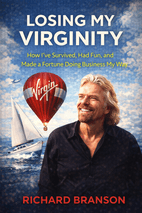
Richard Branson's Losing My Virginity chronicles his journey from dropout to billionaire, framing entrepreneurship as an adventurous game of calculated risks and brand-building. This unconventional autobiography inspires aspiring entrepreneurs and business readers with its philosophy of leading with intuition, fun, and boldness.
Feature
Insta.Page
Blinkist
Shortform
Summary Depth
Full Chapter-by-Chapter
15-min overview
Detailed analysis
Audio Narration
✓ (AI narration)
✓
✓
Visual Mindmaps
✓
✕
✕
AI Q&A
✓ Voice AI
✕
✕
Quizzes
✓
✕
✕
PDF Downloads
✓
✕
✓
Price
$59.99/yr
$146/yr (PRO)
$199/yr
*Competitor data last verified February 2026.
About the Author
Richard Branson
Richard Branson is a British entrepreneur and business magnate best known for founding the Virgin Group, which comprises over 400 companies in sectors like travel, entertainment, and telecommunications. His expertise lies in brand-building and disruptive entrepreneurship, with notable ventures including Virgin Records, Virgin Atlantic, and Virgin Galactic. He is also a prominent author and philanthropist, advocating for various social and environmental causes.
1 Page Summary
Losing My Virginity is the unconventional autobiography of Sir Richard Branson, chronicling his journey from a dyslexic school dropout to the founder of the global Virgin Group. The book's core concept is Branson's philosophy of entrepreneurialism as a grand, adventurous game, driven by intuition, a sense of fun, and a willingness to take calculated risks. He frames his business ventures—from a student magazine and a mail-order record retailer to the iconic Virgin Records, Virgin Atlantic airline, and hundreds of other companies—not as cold financial pursuits, but as personal challenges and opportunities to disrupt staid industries. The narrative is less a traditional business manual and more a testament to brand-building through charismatic leadership and a relentless focus on customer experience and employee morale.
Set against the backdrop of the 1960s counterculture through the global expansion of the 1990s, the book provides historical context for the birth of the Virgin empire. Branson details how he capitalized on the spirit of the times, using the success of Virgin Records to sign controversial acts like the Sex Pistols and champion new waves of music, thereby embedding the Virgin name with a rebellious, youthful image. This brand equity was then daringly leveraged to enter completely different sectors, most notably in his highly publicized and personal battle with British Airways. The memoir is filled with parallel tales of death-defying adventures in hot-air balloons and speedboats, underscoring his belief that the same boldness required for these feats is essential in business.
The lasting impact of Branson's story lies in its redefinition of the entrepreneur as a charismatic, people-centric adventurer. His approach demonstrated that a strong, lifestyle-oriented brand could successfully transcend industry boundaries. Furthermore, his highly publicized battles with large monopolies cemented his public persona as the relatable underdog and champion of the consumer, which became a priceless asset for the Virgin brand. The book endures as an inspirational, if uniquely personal, blueprint for building a business empire on personality, instinct, and the principle that if an endeavor isn't fun, it's probably not worth doing.
We meet Richard Branson not as a tycoon, but as a man staring into the abyss, writing a heartfelt letter to his children from a Moroccan hotel room. He is moments away from attempting a deadly balloon circumnavigation of the globe—a risk so great it forces him to ask why he does such things. The ensuing flight is a cascade of near-catastrophes: a co-pilot too ill to fly, a fatal error with the fuel tanks, and a terrifying, uncontrolled plunge over the Atlas Mountains that forces an engineer to risk his life on the capsule’s roof. Surviving this brush with death in the Algerian desert, Branson realizes the drive for such challenges is now an inseparable part of him, framing the central questions of his life: why take these risks, and what vision fuels the Virgin empire?
The answers, he suggests, are woven into the very fabric of his childhood. It begins with raw determination, as a young boy teaches himself to swim in a fast-flowing river to win a ten-shilling bet, an act witnessed by a panicked father who dived in to save him. This moment of unconditional family love and personal grit set a pattern. His parents, Eve and Ted, were unconventional forces. His mother was a former gliding instructor and glamorous air hostess, while his quiet father harbored archaeological passions. They created a home full of debate, entrepreneurial spirit—his mother ran a cottage industry from a garden shed—and a powerful sense of teamwork.
Yet his path was far from smooth. Sent to a harsh boarding school, he faced trauma, cruelty, and the immense, hidden struggle of undiagnosed dyslexia. Branded stupid and beaten for his poor academic performance, this adversity forged a fierce resilience and a deep aversion to rigid authority. A severe knee injury that ended his athletic dreams further isolated him, forcing a reckoning with his identity. Even early, failed business ventures—growing Christmas trees and breeding budgies—taught him practical lessons in numbers and planning, proving he could engage when a project captured his imagination.
His frustration with the archaic rules of his next school, Stowe, ignited a transformative idea. With a friend, he channeled his rebellious energy into creating Student magazine, a national publication for youth. This project became his real education. He operated from a phone box, developing a brazen, fast-talking sales technique to bluff advertisers, learning relentless hustle and creative problem-solving. While he neglected his formal studies—culminating in an elaborate scheme to cheat on his A-levels—he was building a real-world enterprise.
None of this would have been possible without his parents' unconditional support. They treated his magazine dream as a legitimate career, offering practical help, scarce funds, and crucial social connections. Their belief was vindicated with the first advertising cheque and the arrival of the magazine's inaugural copy. As he prepared to leave school for good, his headmaster delivered a prophetic verdict: “I predict that you will either go to prison or become a millionaire.” Just months later, that same headmaster was congratulating him on Student’s successful first issue. The boy who fought the current, battled dyslexia, and cheated the system had officially launched himself into the world, his character—forged in love, adversity, and audacious enterprise—fully formed and ready for whatever came next.
A Letter and a Liftoff
Richard Branson wakes in a Marrakech hotel room before dawn, writing a heartfelt letter to his children, Holly and Sam, as a precaution before embarking on a perilous attempt to circumnavigate the globe by balloon. He expresses his love, pride, and his lifelong urge to live to the fullest, while admitting the risks of this adventure have proven greater than anticipated.
After sharing a final family embrace, he receives mixed news: perfect weather, but his friend and co-pilot Rory McCarthy is too ill to fly. Over a somber breakfast, Rory promises to carry on Branson’s work if he doesn’t return. The team is completed by Per Lindstrand, the veteran balloonist, and Alex Ritchie, the capsule's brilliant but untested engineer.
The Launch and a Fatal Error
The sight of the massive, gleaming white balloon at the Moroccan air base is breathtaking, surrounded by a ceremonial crowd. Following emotional goodbyes—including a particularly anguished hug from his son, Sam—Branson, Lindstrand, and Ritchie board the capsule. They lift off smoothly and silently, soaring over Marrakech.
Their serene ascent is shattered by a critical fax: the connectors on their external fuel tanks, meant to be jettisonable in an emergency, are mistakenly locked on. This dangerous error casts a pall over the flight, sending Per into a depressed silence. They decide to wait for nightfall to attempt a fix.
A Descent into Peril
As night falls, their theory for maintaining altitude fails. The helium contracts, and the balloon begins a terrifying, uncontrolled descent over the Atlas Mountains. In a desperate fight for survival, they dump their reserve lead weights, then all non-essential supplies. The fall continues. With the ground rushing up in the darkness, Alex Ritchie climbs onto the roof of the capsule to manually unlock the fuel tanks as they plummet.
With altitude vanishing—down to just 2,400 feet—Ritchie succeeds. They jettison a tank, and the balloon jerks to a halt before rising again. In those moments of near-certain death, Branson vows never to do this again.
Landing and Reflection
After a harrowing night battling more problems, including a leaking fuel tank, they land the balloon in the stark, rocky Algerian desert. They are swiftly met by Berber tribesmen and then by Algerian military helicopters. Looking at the capsule plastered with Virgin branding standing in the desolate landscape, Branson’s immediate post-crash vow wavers. He knows the challenge is now buried too deeply within him; he will inevitably want to try again.
This experience frames the two questions central to his life: why take such risks, and what is the vision for the Virgin Group? He suggests the answers are intertwined and rooted in a lifetime of embracing challenges, dating back to his childhood, where his parents actively encouraged independence and endurance through physical tests.
A Fearful Bet and a Triumphant Swim
The young Branson waded into the river, frightened by the fast current. Despite immediately sinking and being dragged downstream, his determination to win the ten-shilling bet from his aunt spurred him on. Finding his footing, he pushed to the surface, took a steadying breath, and taught himself to swim in that moment. As his family cheered from the bank, he swam a lopsided circle back to shore, cold and stung by nettles but victorious. The crisp ten-shilling note felt like a fortune. He then discovered his father, Ted, was also soaked—having lost his nerve and dived in to rescue him. The moment culminated in a massive hug, cementing Branson’s lifelong feeling of unconditional family love.
The Adventurous Branson Family Lineage
Branson describes his parents, Eve and Ted, as a devoted couple who fostered a home full of debate and equality. His father, pressured into law by family tradition, was a quiet, inventive man whose true passion was archaeology. He served with distinction in WWII, even using a clever code to communicate his location to his parents. The family had its share of eccentrics, like Great-uncle Jim, who advocated eating grass and later advised the SAS on survival.
His mother, Eve, was a dynamo of energy. She inherited a zest for life from her record-breaking mother and pursued a series of daring pre-war and wartime jobs: she nearly became a West End showgirl (avoiding stripping after her father’s objection), secretly worked as a gliding instructor while pretending to be a man, and later became a glamorous “Star Girl” air hostess on perilous, non-pressurized flights over the Atlantic. Ted proposed to her on his motorbike, and they married in 1949.
A Childhood of Enterprise, Mischief, and Mavericks
The Branson children were treated as equals, included in adult conversations and encouraged to form their own opinions. Money was tight in their Surrey village home; meals often featured bread and dripping, and young Richard famously hid hated onions in a dusty table drawer. To make ends meet, Eve ran a small cottage industry from a garden shed, making and selling painted wooden boxes to Harrods, with Ted designing tools to help. The household was always busy, with a firm emphasis on putting others first and contributing to the family team.
The spirit of irreverence and enterprise extended to other relatives. Branson’s mother once smuggled a condemned magpie from the county show, which became a mischievous family pet. His Aunt Clare was a cigar-smoking, sheep-breeding entrepreneur who later convinced Branson to record her “singing sheep,” resulting in a surprise chart hit. Branson’s intense friendship with Nik Powell was rooted in fierce competition, leading to the disastrous loss of Nik’s new bike in the river during a dangerous game.
The Cruelties of Boarding School and Undiagnosed Dyslexia
At age eight, Branson was sent to boarding school, an experience he immediately resented and found traumatic. On his first night, a sick child was scolded by the matron instead of comforted. He soon faced sexual exploration from an older boy and harsh corporal punishment for minor infractions, including being caned and forced to thank the headmaster for it.
His greatest struggle was with undiagnosed dyslexia and poor eyesight. Unable to read the blackboard or make sense of letters, he was branded stupid or lazy and beaten weekly for poor academic performance. This adversity, however, began to forge the resilience and self-reliance that would later define him, as he started training himself to overcome his difficulties through sheer concentration.
Key Takeaways
Core resilience and a willingness to take on challenges were forged in childhood, exemplified by the raw determination of his first swim.
An unconventional, supportive, and entrepreneurial family background—filled with strong personalities, mavericks, and a deep sense of teamwork—provided a foundational worldview that celebrated initiative and questioned authority.
Early experiences of hardship, competition, and perceived unfairness, particularly the struggles with dyslexia and the harsh boarding school environment, built a fierce independence and a lifelong aversion to traditional, punitive structures.
The serious knee injury he suffered during a football match became a pivotal moment, stripping away his primary source of confidence and social standing. Confined to bed, he was confronted by the silver cups on his mantelpiece—symbols of a past life—and a doctor’s prognosis that he would not play sports for a very long time. His mother, ever pragmatic, briskly advised him to think of the legless war hero Douglas Bader as an example of overcoming adversity.
Without sports as a shield, his academic difficulties were thrown into stark relief. He was sent to Cliff View House, a harsh coastal crammer school where discipline was enforced through frequent beatings. It was a brutal, joyless environment with no sports to provide an outlet. His only consolation was a clandestine romantic liaison with the headmaster’s eighteen-year-old daughter, Charlotte, which led to his expulsion after he was caught. In a desperate, theatrical bid to avoid his parents’ wrath, he faked a suicide attempt, walking slowly toward the cliffs until staff caught him, a stunt that ultimately led to the expulsion being overturned.
A New School and New Struggles
Moving to the large public school Stowe, he found himself in a daunting position. Still unable to play sports due to his knee and struggling academically, he was socially sidelined. He found refuge in the school library, where he began writing—first indulging in erotic fiction, and later, more seriously, entering and winning a school essay prize judged by author Gavin Maxwell. This small victory improved his standing in English class, though he remained at the bottom in most other subjects.
His entrepreneurial spirit, undeterred by academic reports, began to manifest in practical ventures. With his friend Nik, he attempted to grow Christmas trees, only for the seedlings to be devoured by rabbits. Undaunted, he then launched a budgerigar breeding business, convincing his father to build a large aviary. While the venture taught him about real-world numbers and business plans, it ultimately failed due to a lack of local demand and, as he later learned, his mother deliberately setting the birds free.
The Birth of Student Magazine
Frustrated by what he and his friend Jonathan Holland-Gems saw as archaic and pointless school rules—compulsory games attendance, fagging, and the Cadet Force—they sought to create change. This evolved from writing reform-minded letters to the headmaster into a far more ambitious project: creating a national magazine for youth. They settled on the name Student and began crafting a detailed business plan, identifying contributors, advertisers, and distributors.
Working from a telephone box at school, he honed a persuasive, fast-talking sales technique, bluffing major companies like Coca-Cola and banks by claiming their rivals had already booked space. He operated with a brazen confidence that only youthful ignorance of failure could provide. For over a year, he and Jonny worked tirelessly, sending out hundreds of letters and making calls, sustained by little more than promises and their own conviction. Even as his formal education faltered, with his A-levels approaching, he prioritized the magazine, seeing it as his true calling and a practical education in itself.
Key Takeaways
A severe knee injury ended his athletic prowess, forcing him to confront his academic weaknesses and seek new avenues for achievement and identity.
Early, failed business ventures with Christmas trees and budgies provided practical lessons in numeracy and planning, proving he could engage with numbers when they served a real-world purpose.
Frustration with the rigid traditions of his school ignited a desire for reform, which crystallized into the ambitious, hands-on project of launching Student magazine.
The development of the magazine taught him relentless salesmanship, creative problem-solving, and the power of youthful audacity, as he learned to operate with confidence far beyond his years.
Family Support and First Breakthroughs
Branson reflects on the immense value of his parents' open-minded support during this period. Rather than dismissing his ambitions for Student magazine, they treated it as a legitimate career path. His father quietly helped with practical tasks, while his mother invested her time, scarce pocket money, and social networks to open doors for him. This unwavering belief coincided with the magazine's first tangible successes: a £250 advertising cheque, a commitment from renowned cartoonist Gerald Scarfe, and the arrival of the first hard copy. The dream was becoming real.
A Humorous Romantic Awakening
Parallel to his professional beginnings, Branson recounts his clumsy and comedic sexual awakening. A much-anticipated first encounter turns farcical when his partner's passionate moans are revealed to be the onset of an asthma attack, requiring an inhaler and an ambulance. This is contrasted with his first steady relationship with Rudi, a Dutch "revolutionary" who became Student's overseas correspondent. Their time together, secretly camping in the Stowe woods, was filled with earnest conversations about changing the world, blending youthful idealism with romance.
Cheating the System and Leaving School
With his focus entirely on Student, Branson neglected his academic studies. For his Ancient History A-Level exam, he resorted to an elaborate cheating scheme, writing facts on small cards hidden in his clothes and even under his watch strap. He recalls the bizarre challenge of locating the correct "fact pocket" during the test. This act of rebellion underscored his single-minded determination to leave school and begin his life as a journalist in London.
His headmaster’s parting words perfectly captured the dichotomy of his character: "I predict that you will either go to prison or become a millionaire." This prophecy was followed just six months later by a congratulatory letter from the same headmaster upon the successful publication of Student's first issue in January 1968, marking Branson's official departure from the educational system and his entry into the world of business.
Key Takeaways
Unconditional support is invaluable: Branson’s early success was heavily enabled by his parents’ willingness to treat his unconventional ambition seriously and offer practical, emotional, and financial backing.
Resilience is forged in humor and humility: The ability to laugh at personal misadventures, like the asthma incident, and to learn from them is part of a resilient entrepreneurial spirit.
Focus can justify unconventional means: Branson’s blatant exam cheating illustrates his prioritization of his real-world project over institutional requirements, a risky trait that defines his maverick approach.
The launch is just the beginning: The headmaster’s ironic dual prediction and subsequent congratulatory note highlight how Branson’s journey was always poised between failure and spectacular success from its very first step.
Key concepts: Prologue: ‘Screw it. Let’s do it.’
1. Prologue: ‘Screw it. Let’s do it.’
The Balloon Crisis: A Defining Moment
Branson writes a heartfelt letter to his children before a deadly balloon circumnavigation attempt
The flight is plagued by near-catastrophes: ill co-pilot, fatal fuel tank error, uncontrolled plunge
Engineer Alex Ritchie risks his life on the capsule roof to fix the fuel tank issue
Surviving the brush with death in the Algerian desert solidifies Branson's drive for challenges
Childhood Foundations: Grit and Unconventional Upbringing
Teaches himself to swim in a fast-flowing river to win a ten-shilling bet
Parents Eve and Ted provided unconditional love and fostered entrepreneurial spirit
Home environment full of debate, teamwork, and his mother's cottage industry business
Adversity and Resilience: School Years
Faced trauma and cruelty at harsh boarding school
Struggled with undiagnosed dyslexia, branded stupid and beaten for poor performance
Severe knee injury ended athletic dreams, forcing identity reckoning
Early failed business ventures (Christmas trees, budgies) taught practical lessons
Entrepreneurial Spark: Student Magazine
Frustration with school rules ignited creation of Student magazine
Operated from a phone box, developed brazen sales techniques to bluff advertisers
Neglected formal studies but built real-world enterprise through relentless hustle
Headmaster's prediction: "you will either go to prison or become a millionaire"
Parental Support and Launch into Adulthood
Parents treated his magazine dream as legitimate career, offering practical help and funds
Their belief vindicated with first advertising cheque and magazine's inaugural copy
Character forged in love, adversity, and audacious enterprise fully formed by school's end
The Balloon Crash and Its Aftermath
The balloon lands in the Algerian desert after a harrowing journey, met by Berber tribesmen and military helicopters.
Despite the failure, Branson's immediate post-crash vow to quit wavers as the challenge is now deeply ingrained in him.
The experience frames two central life questions: why take such risks, and what is the vision for the Virgin Group?
A Foundational Childhood Challenge
A young Branson teaches himself to swim in a fast river to win a ten-shilling bet from his aunt, driven by raw determination.
His father, Ted, dives in to rescue him, resulting in a soaked father and a massive hug that cements unconditional family love.
The victory, despite being cold and stung by nettles, provides an early lesson in overcoming fear through action.
The Influence of Unconventional Parents
Ted Branson was a quiet, inventive man pressured into law but passionate about archaeology, who served with distinction in WWII.
Eve Branson was a dynamic force with a zest for life, having been a near-showgirl, a gliding instructor (pretending to be a man), and a glamorous 'Star Girl' air hostess.
Their marriage created a home full of debate, equality, and a firm emphasis on putting others first and contributing as a team.
A Household of Enterprise and Eccentricity
Money was tight; Eve ran a cottage industry from a garden shed, making and selling painted wooden boxes to Harrods, with Ted designing tools to help.
The family spirit included irreverent acts like smuggling a condemned magpie and relatives like Aunt Clare, a cigar-smoking entrepreneur.
Children were treated as equals, encouraged to form opinions, and immersed in a culture that celebrated initiative and questioned authority.
Adversity at Boarding School
Sent to boarding school at age eight, Branson found it traumatic, facing harsh punishment and a lack of compassion from staff.
He struggled with undiagnosed dyslexia and poor eyesight, being branded stupid or lazy and beaten weekly for poor academic performance.
This adversity forged resilience and self-reliance, training him to overcome difficulties through sheer concentration.
A Pivotal Injury and a New Mindset
A serious knee injury during football stripped away his primary source of confidence and social standing.
Confronted by past trophies and a bleak medical prognosis, he was forced to reconsider his identity and future.
His mother's pragmatic advice—to think of legless war hero Douglas Bader—reinforced the family ethos of overcoming adversity.
Academic and Social Struggles at Stowe
Socially sidelined due to inability to play sports and academic difficulties
Found refuge in the school library where he began writing seriously
Won a school essay prize judged by author Gavin Maxwell, boosting his English standing
Early Entrepreneurial Ventures and Lessons
Attempted Christmas tree farming with friend Nik, foiled by rabbits
Launched budgerigar breeding business with father-built aviary
Learned practical numeracy and business planning despite venture's failure
Mother deliberately freed the birds, contributing to business collapse
Conception and Launch of Student Magazine
Born from frustration with archaic school rules and desire for reform
Developed detailed business plan with contributors, advertisers, and distributors
Honed persuasive sales technique using bluff tactics from school telephone box
Operated with youthful audacity, prioritizing magazine over A-level studies
Parental Support and Initial Successes
Parents treated magazine ambitions as legitimate career path
Father provided practical help while mother invested money and social connections
First tangible successes included £250 advertising cheque and Gerald Scarfe's commitment
Arrival of first hard copy made the dream tangible
Youthful Relationships and Idealism
Comedic sexual awakening involving mistaken asthma attack
First steady relationship with Dutch 'revolutionary' Rudi
Blended youthful romance with earnest conversations about changing the world
Rudi became Student's overseas correspondent during secret camping at Stowe
Academic Rebellion and School Departure
Resorted to elaborate cheating scheme for Ancient History A-Level
Used hidden fact cards in clothes and under watch strap during exam
Headmaster's prophecy: 'either go to prison or become a millionaire'
Successfully published first issue of Student six months after leaving school
The Foundation of Unconventional Ambition
Branson's parents provided a critical foundation by taking his teenage business ideas seriously rather than dismissing them as childish fantasies.
Their support was multifaceted, encompassing emotional encouragement, practical advice, and crucial financial backing for his first venture.
This early validation taught Branson that unconventional paths could be viable, fostering the confidence to pursue them.
Learning Resilience Through Misadventure
The childhood asthma incident, where he was left to find his own way home, became a formative lesson in self-reliance and problem-solving.
Branson frames such early setbacks with humor, viewing them not as traumas but as character-building exercises.
This ability to reframe failure as a learning experience became a cornerstone of his entrepreneurial resilience.
Prioritizing Real-World Action Over Convention
His decision to cheat on exams was a deliberate, if extreme, choice to prioritize the launch of Student magazine over institutional requirements.
This act symbolizes his core philosophy: tangible progress on a passion project outweighs adherence to traditional, prescribed paths.
It demonstrates a high-risk, maverick mindset where the end goal justifies unconventional, and sometimes ethically questionable, means.
The Prophecy of Contradictory Outcomes
The headmaster's parting words—predicting Branson would either go to prison or become a millionaire—encapsulated the binary risk of his unconventional path.
The subsequent congratulatory note for the magazine's success acknowledged that the gamble had initially paid off.
This duality highlights how Branson's journey was perceived from the start as poised between spectacular failure and spectacular success.
Embracing the 'Screw It' Philosophy
The chapter's title phrase represents a decisive mindset to overcome analysis paralysis and fear of failure.
It is not a call to reckless action, but a trigger for committed execution after identifying a worthwhile opportunity.
This philosophy is presented as the catalytic force that transforms ideas, support, and resilience into launched ventures.
If you like this summary, you probably also like these summaries...
💡 Try clicking the AI chat button to ask questions about this book!
Chapter 2: 3: Virgins at business: 1967–1970
Overview
From a cluttered basement launching Student magazine, Richard Branson’s journey begins with chaotic energy and bold ambition. Securing interviews with icons like Vanessa Redgrave and John Lennon brought credibility, but also near-catastrophe when a promised Lennon recording turned out to be a deeply private art piece, forcing the scrapping of a huge print run and pushing the venture toward financial ruin. The operation grew into a communal squat, where Branson discovered his knack for relentless persuasion and business survival, forging a philosophy that saw commerce itself as a creative act. A humiliating public speaking failure, however, cemented a lifelong aversion to the podium, teaching him to value slow, honest communication over performance.
Financially strapped, the magazine leveraged its name to fund reporting on major conflicts, while Branson grappled with defining its identity, feeling less ideological than his peers. The constant scramble for ads from "Big Business Boys" was exhausting and unprofitable, leading him to start thinking of "Student" as a brand for future ventures. The team’s playful genius for media manipulation, including an elaborate phone-booth ruse that fooled visiting journalists, generated priceless publicity. After a move to a new house and a painful split with co-founder Jonny Gems, Branson’s brother Nik brought crucial order, though their chaotic commune drew constant neighbor complaints and hilarious, staged inspections.
A personal crisis—helping a girlfriend secure an illegal abortion—sparked a new mission: the Student Advisory Centre, a helpline that quickly became a vital resource. This work soon put Branson on the wrong side of archaic laws, leading to a sensational court case and a symbolic £7 fine that sparked a media outcry and eventual legal reform. A devastating betrayal followed when he discovered a memo from Nik plotting a coup to oust him; after confronting his brother and forcing him out, the magazine floundered. Spotting how much his peers spent on music, Branson pivoted, advertising discounted mail-order records. The response was overwhelming, and from a joke about being "virgins at business," the Virgin brand was born.
When a postal strike threatened to kill the mail-order business, panic fueled a desperate, brilliant pivot: opening a physical record shop within a week. The first Virgin shop rejected sterile retail norms, creating a communal hub with sofas, headphones, and low prices, which proved instantly successful. This frontline view revealed the real power in the industry lay with labels and studios, planting the seed for Branson’s next move. With a patchwork of loans—including a deeply personal one from his Auntie Joyce—he purchased a country manor to create a residential recording studio, a huge leap of faith. Personally, a serene period living on a houseboat ended after a bad LSD experience, closing a romantic chapter as the business ambitiously expanded from a crypt to a warehouse, laying the foundational ethos of an empire.
The Basement and Early Breakthroughs
The chapter opens with Richard Branson and his friend Jonny Gems launching Student magazine from the dark, chaotic basement of Gems' parents' house in London. Their first major coup was securing an interview with Vanessa Redgrave, which lent them credibility to attract other high-profile contributors like David Hockney, Jean-Paul Sartre, and Peter Blake. Blake, famed for The Beatles' Sgt. Pepper cover, provided both artwork and a controversially dismissive opinion on student power. Interviews were often strikingly candid, with figures like Gerald Scarfe and Dudley Moore offering unfiltered, personal remarks.
The Lennon Flexidisc Saga
A significant and nearly disastrous episode involved an interview with John Lennon. Emboldened, Branson proposed that Lennon and Yoko Ono provide an original recording as a promotional flexidisc. Apple agreed, and Student invested heavily in a special 100,000-copy print run. The recording never arrived on time, pushing the magazine toward bankruptcy. After legal threats, Branson was finally given a tape at Apple. It contained only the sound of a fetal heartbeat followed by silence—a conceptual art piece representing the Lennons' recent miscarriage. Branson, unable to use such a private tragedy as a promotional tool, was forced to scrap the expensive covers, incurring major losses.
Building a Team and an Accidental Entrepreneur
The Student operation grew organically into a communal "squat," with volunteers, including old friends and recruited girlfriends, working for no pay. Branson reflects on his complementary partnership with Gems: Gems handled editorial vision while Branson used relentless persuasion to secure interviews and advertising. He found himself increasingly focused on business survival—selling ads, arguing with printers, and managing cash flow—rather than journalism. He began to see business itself as a creative enterprise, a philosophy centered on creating something original and purposeful, not just making money.
A Painful Public Speaking LessonStudent’s profile led to an invitation for Branson to speak alongside activist firebrands Tariq Ali and Danny Cohn-Bendit. Haunted by memories of being humiliatingly "gonged" off stage at school for his dyslexia, Branson froze completely at the podium. After mumbling incoherently, he dropped the microphone and fled. This traumatic experience instilled a lifelong trepidation about public speaking, leading him to prefer slow, truthful answers over glib, polished ones.
Financial Struggles and Defining Student's Identity
To report on major issues like the Vietnam War and the Biafra conflict with no budget, Branson leveraged the Student name by making deals with newspapers like the Daily Mirror to fund young reporters' trips in exchange for exclusive stories. While passionate about certain causes, like the anti-Vietnam march where he was famously photographed fleeing police, Branson felt less ideologically aligned with the radical left than his peers. He aimed for editorial balance, which some, like poet Robert Graves, saw as cowardice toward advertisers. Securing ads from "Big Business Boys" was a constant, difficult grind, and the magazine was not profitable. This pressure led Branson to start thinking of "Student" as a brand adjective for future ventures beyond publishing, setting him apart from his more purely editorial colleagues.
Media Manipulation and a New Home
The team's playful energy extended to expertly manipulating the press. They orchestrated a elaborate ruse for visiting journalists, with friends like Tony and Jonny pretending to be secretaries fielding fake calls from celebrities like Ted Heath, David Bailey, and Mick Jagger from a phone booth across the street. The act was completely convincing, leading to glowing national press that celebrated Student’s impressive contributors and vast distribution network.
By late 1968, the commune was asked to leave Jonny’s basement. They moved to a house at 44 Albion Street, but Jonny left to return to school, causing the magazine to nearly collapse. Richard convinced his brother Nik to postpone university and help. Nik brought crucial financial order, terrifying debt collectors with his unkempt appearance, and stabilized operations. The new house became a sprawling, aromatic commune filled with mattresses, joss sticks, and the active practice of "free love."
Personal Crises and a New Mission
Richard’s sister Lindi visited often, and he had a brief relationship with a girl named Debbie living in the house. When Debbie became pregnant, they faced the traumatic and nearly impossible task of securing an abortion, which was illegal and expensive. After finally arranging it with a doctor in Birmingham for £50, they realized how many young people faced similar crises with nowhere to turn.
This experience was the catalyst for the Student Advisory Centre. They advertised a helpline with the slogan "GIVE US YOUR HEADACHES," offering referrals for everything from pregnancy and venereal disease to psychological help and homelessness. It quickly became a vital resource, particularly for the gay community seeking connection, and began consuming more time than the magazine itself.
Farcical Inspections and a Crypt Office
The chaotic, 24-hour activity at Albion Street drew constant complaints from neighbors, prompting regular inspections by the Church Commissioners. The team, with help from Richard’s mother, staged elaborate farces—hiding all evidence of business, donning painter’s overalls, and posing as a normal family playing Monopoly. This worked until a fateful visit when forgotten telephones rang inside a cupboard, exposing the ruse and getting them evicted.
They relocated to the crypt of St John’s Church, offered rent-free by a sympathetic vicar. Richard used a marble slab atop two tombs as his desk, and the team adapted to working among the effigies.
Confronting Archaic Laws and the Police
The Advisory Centre’s work soon drew police attention. After successfully prosecuting a policeman for planting drugs on a client, Richard was visited by officers citing obscure 19th-century laws that made it illegal to advertise help for venereal disease. He initially changed the wording in their leaflets, but after seeing a drastic drop in people seeking help, he defiantly reinstated it.
He was arrested in December 1969. With famed barrister John Mortimer defending him, the case became a public spectacle. The magistrate dismissed one charge but, bound by the archaic law, reluctantly found Richard guilty on the other, imposing a mere £7 fine. The absurd prosecution sparked a media outcry and led directly to a change in the law, with the Home Secretary later sending a personal apology. The experience taught Richard not to be intimidated by authority.
Betrayal, a Hard Decision, and a New Direction
In 1970, Richard discovered a memo from his best friend and brother, Nik, plotting a coup to turn Student into a cooperative and remove him as editor. Devastated but decisive, Richard confronted Nik, bluffed that the rest of the team opposed the plan, and asked him to leave. It was a painful rupture, though they later reconciled. The remaining staff stayed loyal.
Without Nik, Student floundered. Observing how much his peers spent on music, Richard spotted a business opportunity. In the magazine’s final issue, they advertised mail-order records at a discount. The response was overwhelming. Needing a catchy name for the new venture, the team brainstormed in the crypt. After rejecting "Slipped Disc," a joke about being "virgins at business" led to the birth of Virgin.
Student magazine soon folded after a failed sale, but Virgin Mail Order thrived, generating unprecedented cash flow as customers paid upfront. Richard’s attention fully shifted to this exciting new enterprise.
A Crisis Becomes an Opportunity
The 1971 postal strike threatened to destroy the nascent Virgin Mail Order business. With no way to send or receive records and payments, Richard Branson and Nik Powell faced imminent collapse. Their urgent solution was to open a physical record shop within a week to generate cash flow and survive. This panic-driven decision forced them to rapidly learn about retail, with no prior experience.
The First Virgin Shop: A New Retail Philosophy
Branson and Powell envisioned a record shop that was the antithesis of the sterile, formal outlets run by chains like W.H. Smith. They wanted to create a community hub—an extension of Student magazine—where customers felt welcome to linger, listen to music on headphones, chat with knowledgeable staff, and soak in the atmosphere on sofas and beanbags. They committed to lower prices and a focus on customer experience over rapid turnover, believing loyalty and higher volume would compensate. After counting foot traffic, they secured a rent-free first-floor space on Oxford Street from a skeptical Greek shoe shop owner, Mr. Alachouzos, by promising to drive customers past his window. The shop was fitted out with makeshift shelves and second-hand furniture, and its opening day saw a queue over a hundred yards long, proving the concept instantly.
Building a Brand and Spotting the Next Move
The Oxford Street shop’s success, built on word-of-mouth and a loyal customer base, gave Branson immense pride. He observed that while retail was safe from the fickleness of any single band, the real power and profit in the music industry lay with record labels. Simultaneously, he identified another gap in the market: recording studios were impersonal and inconveniently booked. He dreamed of creating a residential studio in a country house where bands could live and work creatively on their own schedule.
Securing the Manor Studio
The search for a property led Branson and his associate Tom Newman to Shipton-on-Cherwell Manor, a perfect but financially daunting 17th-century house priced at £30,000. A combination of a £20,000 loan from Coutts Bank (secured while wearing an uncharacteristic suit), drawing early on his parents' savings, and a crucial £7,500 loan from his Auntie Joyce—who remortgaged her own house—allowed the purchase. This patchwork of faith and finance marked a major step, with the bank’s trust being a significant milestone. The team converted an outbuilding into a state-of-the-art studio, with everyone pitching in on weekends to renovate the main house.
Personal Life: The Houseboat and a Turning Point
As the business expanded from the crypt to a warehouse, Branson sought a home closer to nature. After his car broke down in Little Venice, he met Mundy Ellis, who lived on a houseboat named Alberta. He moved in with her, beginning a romantic, idyllic period where she also helped with the business. However, their relationship ended abruptly after a bad LSD experience Branson had on the boat. Uncomfortable with being out of control and disturbed by the drug’s hallucinogenic effects on his perception of Mundy, he broke things off. She subsequently began a relationship with Tom Newman at the Manor, closing this personal chapter.
Key Takeaways
Necessity Drives Innovation: An existential threat (the postal strike) directly led to Virgin's successful foray into physical retail, demonstrating how crisis can force transformative action.
Customer Experience as a Differentiator: The first Virgin shop succeeded by rejecting industry norms, prioritizing atmosphere, community, and value, which built fierce customer loyalty and brand identity.
Vision Fuels Vertical Expansion: Observing the industry from the retail front line allowed Branson to identify strategic weaknesses (impersonal studios) and opportunities (record labels), setting the course for Virgin's future.
Faith is a Currency: Major growth was funded not just by banks, but by the profound trust and financial sacrifice of family, highlighting the personal network behind early entrepreneurial leaps.
Personal and Business Lives Intertwine: The founding team's personal relationships, living situations, and even drug experiences directly impacted the business's dynamics and evolution during this formative period.
Key concepts: 3: Virgins at business: 1967–1970
2. 3: Virgins at business: 1967–1970
Launching Student Magazine
Began in a chaotic basement with Jonny Gems, securing early credibility through interviews with figures like Vanessa Redgrave
Grew into a communal squat where Branson developed his skills in relentless persuasion and business survival
Branson began to view commerce itself as a creative act, distinct from his peers' ideological focus
The John Lennon Flexidisc Crisis
Secured a promise from John Lennon and Yoko Ono for an original promotional recording
Invested heavily in a 100,000-copy print run, pushing the magazine toward financial ruin
Received only a deeply private conceptual art piece (a fetal heartbeat) related to the Lennons' miscarriage
Forced to scrap the entire print run, incurring major losses but honoring the tragedy's privacy
Business Philosophy and Personal Setbacks
A humiliating public speaking failure cemented a lifelong aversion to podiums, valuing honest communication over performance
Constant, exhausting scramble for advertising from 'Big Business Boys' proved unprofitable
The team demonstrated genius for media manipulation, including staged stunts that generated free publicity
A painful split with co-founder Jonny Gems, followed by his brother Nik bringing order amid ongoing chaos
The Student Advisory Centre and Legal Battle
Helping a girlfriend secure an illegal abortion sparked the creation of a vital helpline service
Branson faced a sensational court case for violating archaic laws, receiving a symbolic £7 fine
The case sparked media outcry and contributed to eventual legal reform on the issue
Betrayal and the Pivot to Music
Discovered a memo from his brother Nik plotting a coup to oust him from the magazine
Confronted and forced his brother out, after which the magazine floundered
Spotting peers' spending on music, he launched a mail-order record discount service as a joke
Overwhelming response led to the birth of the Virgin brand from the phrase 'virgins at business'
Creating the First Virgin Shop
A postal strike threatened the mail-order business, forcing a desperate pivot
Opened a physical record shop within a week as a survival move
Rejected sterile retail norms, creating a communal hub with sofas, headphones, and low prices
Instant success revealed the real industry power lay with labels, planting the seed for future expansion
Foundational Expansion and Personal Transition
Purchased a country manor to create a residential recording studio using patchwork loans, including from family
A serene period living on a houseboat ended after a bad LSD experience, closing a romantic chapter
Business ambitiously expanded from a crypt to a warehouse, laying the foundational ethos of the Virgin empire
Financial Struggles and Defining Student's Identity
Leveraged the Student name to fund reporting by trading exclusive stories to newspapers like the Daily Mirror.
Aimed for editorial balance, which critics saw as cowardice toward advertisers, setting him apart from more ideological peers.
Faced constant difficulty securing ads from 'Big Business Boys,' keeping the magazine unprofitable.
Began thinking of 'Student' as a brand adjective for future ventures, shifting focus from pure publishing.
Media Manipulation and Communal Instability
Orchestrated elaborate press ruses, using friends to fake celebrity calls, generating glowing national coverage.
Faced near-collapse after moving to Albion Street and losing key member Jonny, who returned to school.
Nik Branson joined, bringing crucial financial order and stabilizing operations with an intimidating demeanor.
The new house became a chaotic, aromatic commune centered around 'free love' and communal living.
Personal Crisis and Founding the Student Advisory Centre
A traumatic, illegal abortion experience with a housemate revealed a lack of resources for young people in crisis.
Launched the helpline 'GIVE US YOUR HEADACHES' to offer referrals for pregnancy, disease, psychology, and homelessness.
The Centre quickly became a vital resource, especially for the isolated gay community seeking connection.
Soon consumed more time and energy than the Student magazine itself.
Evasion and Eviction from Albion Street
Staged elaborate farces for Church Commissioners' inspections, posing as a normal family to hide business activity.
The ruse worked until forgotten telephones rang inside a cupboard during an inspection, exposing the operation.
Resulting eviction led to a relocation to the crypt of St John's Church, offered rent-free by a sympathetic vicar.
Adapted to working among tombs, using a marble slab atop two effigies as a desk.
Legal Confrontation and Victory Over Archaic Law
Police targeted the Advisory Centre using obscure 19th-century laws against advertising help for venereal disease.
Branson was arrested and defended by famed barrister John Mortimer, turning the case into a public spectacle.
Though found guilty on a technicality, he received only a £7 fine, sparking a media outcry.
The absurd prosecution led directly to a change in the law and a personal apology from the Home Secretary.
Betrayal and the Pivot to Virgin
Discovered a memo from his brother Nik plotting a coup to turn Student into a cooperative and remove him.
Confronted Nik, bluffed about team loyalty, and asked him to leave, causing a painful but temporary rupture.
Observing peers' spending on music, tested mail-order records in the final issue, receiving an overwhelming response.
Brainstorming in the crypt, the name 'Virgin' was chosen, reflecting their status as 'virgins at business.'
From Magazine to Mail-Order Business
Student magazine folded after a failed sale, while Virgin Mail Order thrived with upfront customer payments.
The 1971 postal strike threatened to destroy the mail-order business by halting all deliveries and payments.
Faced with collapse, Branson and Powell made a panic-driven decision to open a physical record shop within a week.
This crisis forced rapid, hands-on learning about retail, setting the stage for Virgin's future expansion.
The First Virgin Shop: A New Retail Philosophy
Envisioned as an antithesis to sterile chain stores, focusing on creating a community hub where customers could linger.
Prioritized customer experience with headphones, sofas, knowledgeable staff, and lower prices to build loyalty over rapid turnover.
Secured a rent-free first-floor location on Oxford Street by promising to drive foot traffic to the landlord's shoe shop.
Achieved instant success with an opening day queue over a hundred yards long, validating the innovative retail concept.
Strategic Industry Observation and Expansion Vision
Recognized that while retail was stable, true power and profit in music resided with record labels.
Identified a market gap for recording studios, finding existing ones impersonal and inconveniently booked.
Conceived the idea for a residential country house studio where bands could live and work creatively on their own schedule.
Financing and Establishing The Manor Studio
Purchased Shipton-on-Cherwell Manor for £30,000 through a patchwork of personal and institutional financing.
Secured a crucial £20,000 loan from Coutts Bank, marking a significant milestone of institutional trust.
Relied on family support, including a £7,500 loan from his Auntie Joyce, who remortgaged her house.
The team personally renovated the property, converting an outbuilding into a state-of-the-art studio.
Personal Life Dynamics and Business Impact
Moved to a houseboat in Little Venice, beginning a romantic and idyllic period with Mundy Ellis, who also assisted the business.
A bad LSD experience on the boat led Branson to end the relationship, driven by discomfort with losing control.
The personal rift had business repercussions as Mundy later began a relationship with Tom Newman at the Manor.
Foundational Business Principles and Lessons
Crisis as catalyst: An external threat (postal strike) forced the innovative pivot into physical retail.
Differentiation through experience: Success came from rejecting norms and building a brand around community and customer loyalty.
Strategic vertical integration: Front-line observation informed the vision to expand into recording and later, a record label.
The role of personal trust: Early growth was funded by a mix of bank faith and profound financial sacrifices from family.
Intertwined personal and professional spheres: Relationships and personal experiences directly shaped the business's early evolution.
⚡ You're 2 chapters in and clearly committed to learning
Why stop now? Finish this book today and explore our entire library. Try it free for 7 days.
Chapter 3: 5: Learning a lesson: 1971
Overview
The chapter opens with a business on the brink. Virgin's mail-order operation was hemorrhaging money, pushing Richard Branson into a desperate, illegal scheme to avoid purchase tax. After a few successful runs, his final attempt ended in a dramatic customs raid and a night in a Dover prison cell—a sobering experience that led to a lifelong vow never to risk his freedom or reputation again. To avoid a criminal record, he agreed to a crushing £60,000 settlement, a debt that became a burning motivator for his entire team.
This financial desperation forged a new, relentless focus on their record shops. Here, Simon Draper’s impeccable taste wasn't just about music; it was the strategic engine. He curated an exclusive, album-focused selection that turned the shops into cultural hubs, deliberately cultivating a hip, hedonistic identity that rejected mainstream pop. Beneath this countercultural veneer, a disciplined expansion machine kicked into gear. Branson and Nik Powell perfected a formula, opening shops at a breakneck pace by securing rent-free initial periods, using sales from each new location to pay the rent on the last.
Growth brought chaos. Major labels boycotted them, leading to a farcical operation using a tiny middleman shop to secure stock. Their relaxed, club-like atmosphere backfired in places like Liverpool, where stoned patrons lounged so thickly that sales plummeted, forcing a pragmatic recalibration. A crisis was averted when Simon Draper, whose curatorial genius had become indispensable, abandoned plans to leave and instead agreed to helm the new Virgin Music label, completing their three-part vision of studio, shops, and label.
Their first artist was the shy, gifted Mike Oldfield. Nurtured at their Manor studio, he crafted the complex instrumental masterpiece Tubular Bells. Launching it, however, was a struggle. Radio ignored it until the influential DJ John Peel played it in full, offering a priceless endorsement. The promotional push culminated in a major London concert, which almost didn't happen due to Oldfield's paralyzing stage fright. Branson cleverly bribed him with the gift of his own Bentley to get him on stage. The performance was a triumph, catapulting the album towards its eventual status as a multi-million-selling phenomenon.
Faced with this sudden success, Branson and Draper made a pivotal, high-stakes decision. They turned down a safe, lucrative licensing deal from a major label. Instead, they gambled on a risky Pressing and Distribution deal, which meant carrying all the costs and risk themselves but keeping the lion's share of the profits. This audacious bet paid off astronomically. The flood of revenue from Tubular Bells didn't just save the company; it provided the foundational capital that transformed Virgin from a precarious startup into a major industry force, building Branson's first fortune from the lessons of near-disaster.
Financial Struggles and a Desperate Scheme
Despite attracting more customers, Virgin Mail Order was losing money due to deep discounts, operational costs, and customer fraud. This led to a £15,000 overdraft. Burdened by this and the costs of the Manor studio, Richard devised a plan to avoid purchase tax. He would buy records tax-free for "export," get his paperwork stamped at Dover, then turn around and sell the "bonded" stock in the UK for pure profit. After three successful trips netting £12,000, he planned one final run to clear the debt.
A Fateful Encounter at the Manor
During this period, Richard met Kristen Tomassi, an American visitor at the Manor, in a spontaneous and charmingly audacious manner. After a whirlwind beginning, he orchestrated her move from her musician boyfriend's flat to his houseboat, Alberta, on the morning of his final planned tax run. Anxious to return to her, he conducted the scam hastily, not even boarding the ferry at Dover before driving back to London.
The Raid and a Sobering Arrest
That evening, an anonymous phone caller, likely a customs officer with a grudge, warned Richard of an imminent raid and revealed that the export records were secretly marked with a fluorescent "E." Richard, Nik, and Tony worked through the night moving the incriminating stock from the warehouse to the Oxford Street shop, mistakenly believing only the warehouse would be searched. The next morning, Customs and Excise officers raided all Virgin locations simultaneously. Finding the marked records in the shops, they arrested Richard.
His night in a Dover prison cell was a profound shock, forcing him to confront the reality of his criminal actions and the loss of his freedom and reputation. He made a lifelong vow never to do anything again that could land him in prison or cause personal embarrassment.
Facing Consequences and a New Resolve
Released on bail after his mother risked the family home as security, Richard was deeply moved by her trust. He negotiated an out-of-court settlement with Customs and Excise, agreeing to repay £60,000 (three times the illegal profit) over three years to avoid a criminal record. This debt became a powerful motivator. The Virgin team, united by the crisis, focused obsessively on expanding the record shop chain to generate cash, managing every penny to pay off the settlement and eventually repay his family.
The Cultural Engine: Simon's Taste and the Virgin Ethos
Simon Draper's impeccable taste wasn't just a personal quirk; it was Virgin's strategic foundation. His decisions on which records to stock transformed the shops into cultural hubs and arbiters of cool. He bypassed mainstream channels, importing rare American and European albums directly, creating an aura of exclusivity. This focus was on serious albums—seen as artistic statements—rather than crass singles. The shops fostered a lifestyle: customers and staff lounged on cushions, smoked, debated music, and enjoyed a hedonistic atmosphere. This cultivated an elite, "hip" identity, deliberately refusing to stock chart-topping glam rock acts like Gary Glitter or The Osmonds, a policy Branson initially worried about but which ultimately cemented their credibility.
Scaling the Business: The Shop Expansion Formula
Beneath the countercultural veneer, a rigorous expansion plan was underway. To generate real profit, Branson and partner Nik Powell embarked on opening a new shop nearly every month. They developed a shrewd real estate tactic: negotiating a rent-free first three months as an absolute condition for any lease. This allowed sales from a new shop to pay the rent on the previous one and proved the location's viability without long-term risk. Site selection was equally calculated, targeting cheaper ends of high streets and areas where teenagers naturally congregated, guided by local youth on invisible neighborhood boundaries.
Operational Hustles and Growing Pains
Rapid growth presented major challenges. Mainstream record labels like PolyGram refused to supply Virgin due to their discounting, doubting both their ethics and solvency. The ingenious, if farcical, solution was Raymond Laren’s tiny "Pop In" shop in South Woodford. He acted as a middleman, using his account to order Virgin’s stock, adding a 5% fee. As Virgin grew, this led to the absurd spectacle of vans unloading and reloading thousands of records through a small shopfront, forcing labels to finally deal with Virgin directly.
The shop-as-club model also backfired in Liverpool, where the Bold Street location became so packed with lounging, stoned patrons that no one could reach the till, causing sales to plummet. Branson had to recalibrate, adding staff to manage the door and brightening the lights to reassert the space as a commercial retailer.
A Pivotal Departure and a Foundational Return
In 1972, Simon Draper announced plans to leave for Chile, forcing Branson to confront how vital his curatorial genius was to the brand. Virgin’s reputation as a taste-maker was now firmly established, with the music press discussing their promotions. Fate intervened when Simon's move fell through, and his return coincided with the maturation of their original three-part vision: they now had a studio (The Manor) and a retail chain. The final piece was launching their own record label, Virgin Music. Simon agreed to run it with a 20% stake.
The First Artist: Mike Oldfield and Tubular Bells
Their first target was the gifted but overlooked multi-instrumentalist Mike Oldfield. After being rejected by every major label, Oldfield was invited to live and work at The Manor. Branson financed his required instruments (notably £20 for tubular bells), and they signed him using a contract copied verbatim from Sandy Denny's Island Records deal. Oldfield received a £20 weekly wage against future royalties. Over months, he and engineer Tom Newman painstakingly crafted the epic, instrumental Tubular Bells, a complex masterpiece of overdubs.
Launching the Label into a Crowded Market
Virgin Music launched in May 1973 with four albums, including Tubular Bells. Initial trade reception was euphoric—Island Records salesmen gave a rare standing ovation—but breaking it to the public was difficult. Radio stations rejected it for being neither classical nor pop. Despite a rave review in the NME, sales were "stillborn" for the first two weeks. The challenge was clear: they had a groundbreaking product, but needed a breakthrough to get the public to take that first listen.
The tide began to turn when John Peel, the influential BBC Radio 1 DJ, visited Branson for lunch at his houseboat, Alberta. After hearing Tubular Bells, Peel was astonished, proclaiming he’d never heard anything like it. He later devoted a significant portion of his show to playing the album in full, offering a glowing, laconic endorsement to his vast audience.
A Tense Listening Party
Branson, Oldfield, and the Virgin team gathered on the houseboat to listen to the broadcast. While everyone else was spellbound by the music, Branson’s mind churned with anxiety over sales, distribution, and the company’s financial survival. He watched Mike Oldfield, who sat silently staring at the album sleeve, and wondered if the composer was already dreaming of his next project.
The Concert Crisis and a Bentley Bargain
The promotional campaign culminated in a grand concert at the Queen Elizabeth Hall on 25 June, featuring notable guest musicians. Hours before the show, a paralyzed Mike Oldfield told Branson he could not go on stage. Knowing rational arguments would fail, Branson employed cunning psychology. He took Mike for a drive in his cherished, battleship-grey Bentley. Seeing Mike’s admiration for the car, Branson offered it to him as a gift on one condition: that he perform that night. After a tense silence, Mike agreed to the deal.
Triumph and Aftermath
The concert was a spectacular success, ending with a standing ovation. Hundreds of copies of Tubular Bells were sold that night. Mike, however, was emotionally shattered, telling Branson he felt “rapid” and driving off in his new Bentley, refusing to return to the stage for years. The album entered the charts in July and reached number one by August, eventually selling over 13 million copies in Britain alone. Virgin Music was irrevocably on the map.
The Gamble That Built a Fortune
Despite this success, Virgin was still a tiny company with no national distribution network. Faced with a choice, Branson and Simon decided against the safe, traditional path of licensing the album to a major label for an advance and royalties. Instead, they boldly opted for a riskier “Pressing and Distribution” (P&D) deal with Island Records. This meant Virgin carried all the promotional costs and risk, but would keep the vast majority of the profits if the album succeeded.
Against all advice, they turned down Island’s lucrative licensing offer and secured the P&D deal. The gamble paid off astronomically. As Tubular Bells soared past gold, platinum, and multi-platinum status, the revenue flowed directly to Virgin, providing the capital that transformed the company from a fledgling outfit into a major industry force and the foundation of Branson’s first fortune.
Key Takeaways
The power of authentic endorsement: John Peel’s genuine, influential support was a priceless catalyst that no amount of paid advertising could buy.
Pragmatic psychology over brute force: Branson solved Mike Oldfield’s stage fright not with pressure, but by understanding his desire and offering the Bentley—a calculated sacrifice for a greater goal.
Embrace calculated, big risks: The decision to forgo a safe licensing deal for a high-risk, high-reward distribution model was the pivotal business choice that allowed Virgin to capture the enormous profits from Tubular Bells and build lasting wealth.
Protect the creative asset: Branson viewed the intellectual copyright of Tubular Bells as Virgin’s “birthright,” a core asset to be owned and leveraged, not merely licensed away.
Key concepts: 5: Learning a lesson: 1971
3. 5: Learning a lesson: 1971
Financial Desperation and Illegal Scheme
Virgin Mail Order losing money despite customer growth due to discounts and fraud
Richard Branson devises plan to avoid purchase tax via fake export scheme
Initial success with three runs netting £12,000 before final attempt
Customs raid exposes marked 'E' records across all Virgin locations
Branson arrested and spends night in Dover prison cell
Sobering Consequences and Lifelong Vow
Prison experience forces confrontation with criminal actions
Makes lifelong vow never to risk freedom or reputation again
Negotiates £60,000 settlement to avoid criminal record
Debt becomes powerful motivator for entire Virgin team
Mother risks family home as bail security, deepening Branson's resolve
Record Shop Expansion Strategy
Team focuses obsessively on shop expansion to generate cash
Perfect rent-free opening formula using sales from new shops
Breakneck pace of openings despite major label boycotts
Use of tiny middleman shop to circumvent supply blockade
Pragmatic recalibration after Liverpool shop's stoned patrons hurt sales
Simon Draper's Cultural Curation
Draper's impeccable taste becomes strategic business engine
Curates exclusive, album-focused selection rejecting mainstream pop
Transforms shops into cultural hubs with hip, hedonistic identity
Abandons plans to leave, agrees to helm new Virgin Music label
Completes three-part vision: studio, shops, and label
Mike Oldfield and Tubular Bells Breakthrough
Shy, gifted Mike Oldfield becomes first Virgin Music artist
Nurtured at Manor studio to create complex instrumental masterpiece
John Peel's full-album radio play provides priceless endorsement
Branson bribes Oldfield with Bentley to overcome stage fright
London concert triumph catapults album to multi-million-selling phenomenon
Pivotal Business Decision and Transformation
Reject safe licensing deal from major label
Gamble on risky Pressing and Distribution deal instead
Carry all costs and risk but keep lion's share of profits
Tubular Bells revenue provides foundational capital
Transforms Virgin from precarious startup to major industry force
Simon Draper's Curatorial Strategy
Draper's taste was Virgin's strategic foundation, transforming shops into cultural hubs.
He imported rare albums directly, creating exclusivity and focusing on serious artistic statements.
Shops fostered a hedonistic lifestyle with lounging, debate, and deliberate exclusion of mainstream chart acts.
This policy cultivated an elite, 'hip' identity that cemented Virgin's credibility.
The Shop Expansion Formula
Branson and Powell opened nearly one new shop per month to generate real profit.
They negotiated a rent-free first three months as an absolute lease condition.
Sales from a new shop paid the rent on the previous one, proving viability without long-term risk.
Site selection targeted cheaper high street ends and areas where teenagers naturally congregated.
Overcoming Supply Challenges
Mainstream labels refused to supply Virgin due to discounting and doubts about their ethics and solvency.
The solution was using Raymond Laren's 'Pop In' shop as a middleman, adding a 5% fee.
This led to the absurd spectacle of vans unloading and reloading thousands of records through a tiny shopfront.
The scale of this operation eventually forced labels to deal with Virgin directly.
Operational Recalibration
The shop-as-club model backfired in Liverpool when lounging patrons blocked access to the till.
Sales plummeted as the space became too packed with stoned customers.
Branson had to recalibrate by adding staff to manage the door and brightening the lights.
This reasserted the space as a commercial retailer rather than just a cultural hangout.
The Foundation of Virgin Music
Simon Draper's planned departure forced Branson to confront his vital role as taste-maker.
When Draper's move fell through, his return coincided with the maturation of their three-part vision.
They now had a studio (The Manor) and a retail chain; the final piece was their own record label.
Draper agreed to run Virgin Music with a 20% stake, securing his curatorial leadership.
Signing and Developing Mike Oldfield
Mike Oldfield was their first target—a gifted multi-instrumentalist rejected by every major label.
Oldfield was invited to live and work at The Manor, with Branson financing required instruments.
They signed him using a contract copied from Sandy Denny's Island Records deal.
Oldfield and engineer Tom Newman painstakingly crafted the epic instrumental Tubular Bells over months.
Launching Virgin Music and Initial Struggles
Virgin Music launched in May 1973 with four albums, including Tubular Bells.
Initial trade reception was euphoric, but breaking it to the public was difficult.
Radio stations rejected it for being neither classical nor pop.
Despite a rave NME review, sales were 'stillborn' for the first two weeks.
The John Peel Breakthrough
Influential DJ John Peel visited Branson's houseboat and was astonished by Tubular Bells.
Peel devoted a significant portion of his BBC Radio 1 show to playing the album in full.
He offered a glowing, laconic endorsement to his vast audience.
This broadcast was a pivotal moment in gaining public attention for the album.
The Concert Crisis and Psychological Bargain
Hours before a grand promotional concert, Mike Oldfield told Branson he could not perform.
Branson employed cunning psychology, taking Oldfield for a drive in his cherished Bentley.
He offered Oldfield the car as a gift on one condition: that he perform that night.
After a tense silence, Oldfield agreed to the deal.
Triumph and Aftermath of Tubular Bells
The concert was a spectacular success, ending with a standing ovation and hundreds of albums sold.
Oldfield was emotionally shattered, feeling 'rapid' and driving off in his new Bentley.
He refused to return to the stage for years following the performance.
The album entered the charts in July, reached number one by August, and sold over 13 million copies in Britain.
The Gamble That Built a Fortune
Virgin rejected the safe, traditional licensing deal with a major label in favor of a high-risk, high-reward Pressing and Distribution (P&D) deal with Island Records.
The P&D deal meant Virgin carried all promotional costs and risk but would retain the vast majority of profits if the album succeeded.
This pivotal gamble paid off astronomically as 'Tubular Bells' achieved multi-platinum status, with revenue flowing directly to Virgin.
The profits transformed Virgin from a fledgling company into a major industry force and provided the foundation for Branson's first fortune.
Key Takeaways
Authentic endorsement from influential figures like John Peel proved more valuable than paid advertising.
Solving creative problems through pragmatic psychology (e.g., offering the Bentley to overcome stage fright) was more effective than applying pressure.
Embracing calculated, big risks—such as the P&D deal—was essential for capturing disproportionate rewards and building lasting wealth.
Protecting intellectual copyright as a core asset ('birthright') to be owned and leveraged was prioritized over short-term licensing gains.
Chapter 4: 9: Never mind the bollocks: 1976–1977
Overview
The chapter paints a vivid picture of Virgin Records at a crossroads, teetering on the edge of financial collapse while navigating the seismic cultural shift from progressive rock to punk. It all begins with Mike Oldfield, whose monumental success with Tubular Bells ironically led to a decade of reclusiveness, leaving the label dangerously reliant on his royalties. To cope, Richard Branson and his team crafted shrewd negotiation principles—retaining copyrights, securing worldwide rights, and controlling band members' rights—but by 1976, Virgin was bleeding cash, forcing a desperate gamble: find the next big thing or go under.
This hunt coincided with the explosive rise of punk, which initially left Virgin, seen as a "hippie label," on the sidelines. However, fate intervened with The Sex Pistols, whose chaotic journey from EMI to A&M and finally to Virgin became a rollercoaster of scandal and opportunity. Their infamy peaked with the release of Never Mind The Bollocks, leading to a landmark court case where Virgin turned a censorship charge into a public relations triumph by proving "bollocks" meant "nonsense."
Amid this professional turmoil, Branson's personal life found its anchor through a secret and patient courtship of Joan Templeman, which culminated in her moving in with him, offering a private respite from the public chaos. As The Sex Pistols imploded, Branson traveled to Jamaica to diversify Virgin's roster with reggae acts, confirming the band's end through Johnny Rotten's own admission. Yet, this closure wasn't a defeat; the Pistols' notoriety had rebranded Virgin as the "smart label" for the new wave, paving the way for acts like XTC and The Human League to secure its future. Through legal battles, cultural revolutions, and personal commitments, Virgin emerged not just surviving but transformed, ready for whatever came next.
Mike Oldfield's Retreat and Its Consequences
The chapter opens with Mike Oldfield's psychological unraveling following the massive success of Tubular Bells. Overwhelmed by the fame he had dreamed of, he retreated to a remote cottage in Wales, cutting off contact with almost everyone except Richard Branson. This reclusiveness, lasting a decade, meant Virgin's first superstar refused all promotion. Branson leveraged a film of Oldfield playing, intercut with abstract sculptures, which the BBC broadcast repeatedly, each time sending sales soaring. Internationally, Ahmet Ertegun ingeniously marketed the album as the soundtrack to The Exorcist, cementing its U.S. success. While Oldfield continued to produce beautiful music like Ommadawn, he never matched his initial fame, and Virgin became dangerously viewed as "just Mike Oldfield’s label."
Virgin's Negotiating Principles and Financial Strain
From the Oldfield experience, Branson and Simon Draper developed three core, unspoken negotiation principles for signing artists:
Retain copyright for as long as possible, offering high advances in exchange for long-term commitments (e.g., eight albums).
Secure worldwide rights to incentivize global promotion.
Own the copyrights of individual band members as well as the group itself, to protect against solo breakaways.
Despite these strategies, Virgin faced a severe cash crisis by 1976. Having reinvested Oldfield's royalties into new, unprofitable artists, the company was kept afloat almost solely by him. At a crisis meeting, Ken Berry (the quietly indispensable numbers man) suggested the radical option of dropping all other acts and downsizing. Branson argued the opposite: to expand out of trouble by finding "the next big thing." The team, reluctantly, chose to gamble the entire company on one last breakthrough, implementing severe cost-cutting measures in the meantime.
The Hunt for a Breakthrough and the Punk Shift
Virgin's attempts to sign established giants like 10cc, The Who, Pink Floyd, and The Rolling Stones repeatedly failed, leaving them as "forever the second choice." Their catalogue was full of credible but unprofitable progressive rock. The rise of punk presented both a challenge and an opportunity. Virgin initially missed out on bands like the Boomtown Rats and was perceived as a "hippie label," an image crystallized when peaceful, kaftan-wearing Gong protesters visited their offices. The sight of a mohawked punk walking past these hippies on Portobello Road symbolized the cultural shift; Branson immediately got a drastic haircut in response.
The Sex Pistols Saga Begins
The hunt intensified when Branson first heard The Sex Pistols' "Anarchy in the UK" from Simon Draper's office. Draper had previously turned them down, and they were now signed to EMI. After the band's infamous swearing incident on live TV, EMI's managing director called Branson at dawn, desperate to offload them. A handshake deal was struck to transfer the band to Virgin, contingent on manager Malcolm McLaren's agreement. McLaren, however, proved elusive and untrustworthy, stringing Branson along before signing the band to A&M in a staged ceremony outside Buckingham Palace. That deal collapsed within days when Sid Vicious vandalized A&M's offices, earning the band another hefty pay-off and leaving them famously label-less once more.
The "Bollocks" Trial and a Legal Victory
The release of Never Mind The Bollocks led to a direct confrontation with the authorities. The manager of Virgin's Nottingham shop was arrested under the 1889 Indecent Advertisements Act for displaying the album's promotional poster. Branson called on his old lawyer, John Mortimer, for defense. Their strategy was to challenge the very meaning of the word "bollocks." A linguistics professor from Nottingham University, James Kinsley, was enlisted as an expert witness. He testified that "bollocks" was an 18th-century nickname for priests and, by extension, came to mean "nonsense" or "rubbish." The prosecution's case unraveled completely when Professor Kinsley revealed he was also a reverend by folding down his polo neck to show a dog collar. The magistrate promptly dismissed the case, handing Virgin a public relations victory that underscored the absurdity of the censorship attempt.
A Private Romance Amid Public Chaos
Alongside the professional turmoil, Branson's personal life reached a critical point. He details the slow, deliberate courtship of Joan Templeman, a married Scots woman he met in 1976. Their affair was conducted in secret within a tiny geographical triangle in London, complicated by the fact they were both technically still married to other people (Branson to Kristen, Joan to Ronnie Leahy). The situation became a painful tangle of five people until a friend of Joan's forced Branson to declare his feelings. The tension finally broke when Joan arrived at his houseboat one rainy night and simply stated, "Well, I thought I’d move in."
Jamaica, Reggae, and the End of The Sex Pistols
In early 1978, seeking sunshine and new musical talent, Branson traveled to Kingston, Jamaica, with accountant Ken Berry and a disillusioned Johnny Rotten (Lydon). Their mission was to sign reggae and "toaster" (early rap) acts, using a briefcase of $30,000 in cash to secure deals. They signed nearly twenty artists, including Prince Far I and Tappa Zukie. During the trip, Johnny Rotten confirmed The Sex Pistols' disintegration, telling Branson of the band's internal strife, Sid Vicious's drug spiral, and his desire to form a new band, Public Image Ltd. (PiL). Branson tried unsuccessfully to convince him to stay, realizing that despite their massive cultural impact and the doors they had opened for Virgin's punk credibility, The Sex Pistols would not be a ongoing financial success for the label. He returned to London having accepted this reality, but comforted by the fact that Virgin was now the "smart label" for a new wave of bands like XTC, Magazine, and The Human League. The section ends with a hopeful message from Joan, suggesting they meet in New York.
Key Takeaways
Virgin successfully fought back against censorship in the "Bollocks" trial, using expert testimony to turn a legal threat into a comedic victory that reinforced their rebellious image.
Branson's relationship with Joan Templeman began as a complex and secret affair, marked by patience and persistence, ultimately leading to a decisive commitment that would become a lifelong partnership.
A business trip to Jamaica highlighted Virgin's diversification into reggae and, more importantly, confirmed the end of The Sex Pistols as a functional band.
Despite the Sex Pistols' implosion, their notoriety had cemented Virgin's reputation, enabling the label to attract and build a successful roster of new wave and post-punk acts, ensuring the company's future beyond punk rock.
Key concepts: 9: Never mind the bollocks: 1976–1977
4. 9: Never mind the bollocks: 1976–1977
Mike Oldfield's Retreat and Financial Reliance
Oldfield's psychological withdrawal after Tubular Bells success leads to decade-long reclusiveness
Virgin becomes dangerously dependent on Oldfield's royalties as its primary income source
Creative marketing (BBC broadcasts, Exorcist association) sustains sales despite no artist promotion
Virgin's identity becomes narrowly tied to Oldfield, limiting growth perception
Virgin's Negotiation Strategy and Financial Crisis
Three core principles: retain copyrights long-term, secure worldwide rights, control individual member rights
1976 cash crisis despite strategic deals due to reinvestment in unprofitable artists
Internal debate: Ken Berry advocates downsizing vs. Branson's gamble on expansion
Company decides to risk everything on finding 'the next big thing' with severe cost-cutting
Cultural Shift and Virgin's Identity Crisis
Failed attempts to sign established rock giants leave Virgin as 'forever second choice'
Punk's rise challenges Virgin's 'hippie label' image while progressive rock becomes unprofitable
Visual clash: mohawked punk vs. kaftan-wearing Gong protesters symbolizes industry transformation
Branson's drastic haircut signals recognition of necessary image change
The Sex Pistols' Chaotic Journey to Virgin
Initial rejection by Simon Draper before band signs with EMI
EMI's panic after TV swearing incident leads to handshake deal with Branson
Malcolm McLaren's unreliable negotiations and brief A&M signing ceremony
Sid Vicious' vandalism destroys A&M deal, leaving Pistols label-less again
Never Mind The Bollocks and Legal Battle
Album release triggers obscenity charges and landmark censorship case
Virgin's legal strategy: prove 'bollocks' means 'nonsense' through expert testimony
Court victory transforms potential scandal into public relations triumph
Case establishes Virgin as defender of artistic expression against establishment
Branson's Personal Stabilization Amid Chaos
Secret courtship of Joan Templeman provides private anchor during professional turmoil
Templeman's move-in offers respite from public chaos of business struggles
Personal relationship development parallels company's transformation period
Sex Pistols' Implosion and Strategic Pivot
Branson learns of band's end directly from Johnny Rotten during Jamaica trip
Jamaica recording sessions diversify Virgin's roster with reggae acts
Pistols' notoriety successfully rebrands Virgin as 'smart label' for new wave
Opens door for future signings like XTC and The Human League
Virgin's Transformation Outcome
Survives financial brink through calculated risk on controversial act
Emerges with reinvented identity: from hippie progressive to cutting-edge label
Legal victory establishes brand as culturally relevant and resilient
Positioned for future success with diversified roster and transformed image
The 'Bollocks' Trial: A Legal and PR Victory
Virgin's Nottingham shop manager was arrested for displaying the album's promotional poster under an 1889 indecency law.
Branson's defense, led by lawyer John Mortimer, focused on challenging the meaning of the word 'bollocks'.
Expert witness Professor James Kinsley testified that 'bollocks' historically meant priests and later came to mean 'nonsense'.
The prosecution's case collapsed when Kinsley revealed he was also a reverend, displaying his dog collar.
The magistrate dismissed the case, giving Virgin a major PR win that highlighted the absurdity of censorship attempts.
A Secret and Deliberate Romance
Branson pursued a slow, secret courtship with Joan Templeman, a married woman he met in 1976.
Their affair was confined to a small triangle in London, complicated by both being married to other people.
The situation involved five people until a friend forced Branson to declare his feelings.
The tension resolved when Joan arrived at Branson's houseboat in the rain and announced she was moving in.
This decisive moment marked the beginning of their lifelong partnership amid professional chaos.
Jamaican Mission and the End of an Era
Branson traveled to Kingston in 1978 with Ken Berry and Johnny Rotten to sign reggae and toaster acts.
They used $30,000 in cash to secure deals with nearly twenty artists, including Prince Far I and Tappa Zukie.
During the trip, Johnny Rotten confirmed The Sex Pistols' disintegration, citing internal strife and Sid Vicious's drug spiral.
Branson failed to convince Rotten to stay, accepting that the band would not be a long-term financial success.
The trip underscored Virgin's musical diversification while marking the symbolic end of the punk era for the label.
Legacy and Transition Beyond Punk
The Sex Pistols' notoriety had cemented Virgin's reputation as a rebellious and credible label.
Despite the band's implosion, Virgin successfully attracted a new wave of post-punk and alternative acts.
The label's roster expanded to include bands like XTC, Magazine, and The Human League, ensuring its future.
Branson returned from Jamaica accepting the end of one era but optimistic about the next.
The chapter closes with a personal note of hope as Joan suggests meeting in New York, signaling new beginnings.
📚 Explore Our Book Summary Library
Discover more insightful book summaries from our collection