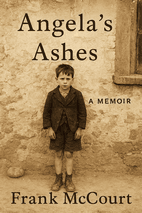
Frank McCourt's Angela's Ashes recounts his impoverished childhood in 1930s Limerick, blending stark hardship with resilient humor. This Pulitzer-winning memoir offers readers a profound, unflinching portrait of survival and the complex social fabric of pre-war Ireland.
Feature
Insta.Page
Blinkist
Shortform
Summary Depth
Full Chapter-by-Chapter
15-min overview
Section-by-section guides
Audio Narration
✓
✓
✓
Visual Mindmaps
✓
✕
✕
AI Q&A
✓
✕
✕
Quizzes
✓
✕
✕
PDF Downloads
✓
✕
✓
Price
$89.99/yr
$146/yr (PRO)
$199/yr
*Competitor data last verified July 2026.
1 Page Summary
Angela's Ashes is Frank McCourt's Pulitzer Prize-winning memoir of an impoverished childhood in Limerick, Ireland, during the 1930s and 40s. The narrative, told from the perspective of the author as a boy, chronicles the relentless hardships faced by his family after they return from America. His father, Malachy, is a charming but alcoholic storyteller who drinks away any meager wages, while his mother, Angela, struggles desperately to keep her children from starvation and disease in the face of systemic poverty, damp housing, and societal shame. The memoir's central tension lies in the contrast between the crushing weight of this "miserable Irish Catholic childhood" and the resilient, observant voice of young Frank, who finds moments of humor, wonder, and possibility amidst the bleakness.
Set against the backdrop of a depressed, devoutly Catholic Ireland, the book provides a visceral historical context for the era's endemic poverty and the complex role of the Church, which offered both stern judgment and rare charity. McCourt details the family's reliance on public assistance and the stigma attached to it, the devastating impact of typhoid and tuberculosis, and the rigid class and religious divisions that defined Limerick life. This unflinching portrait is not just a personal story but a social history of a time and place where survival itself was a daily achievement, capturing the mass emigration that marked a generation seeking escape.
The lasting impact of Angela's Ashes stems from its profound humanity and its revolutionary voice. McCourt's masterful use of the present tense and the authentic, evolving syntax of a child creates an immersive and uniquely compelling narrative. While depicting unrelenting adversity, the memoir avoids self-pity, instead achieving a tragicomic tone that acknowledges both the cruelty and the peculiar beauty of his upbringing. It stands as a seminal work in the genre of memoir, celebrated for giving eloquent voice to the experiences of the poor and for its testament to the enduring power of storytelling and hope as tools for survival and, ultimately, liberation.
Introduction
Overview
The introduction establishes Angela's Ashes as a masterful work of tragicomedy, exploring how Frank McCourt transformed a childhood of profound deprivation in Limerick into a story that is both heartbreaking and uproariously funny. It examines the uniquely Irish sensibility of finding humor in suffering, McCourt's long journey to finding his narrative voice, and the book's ultimate resonance as a universal immigrant story.
From Phenomenon to Personal Connection
The memoir was an immediate and unlikely phenomenon upon its 1996 publication, catapulting the sixty-six-year-old retired schoolteacher to fame. For the author, Patrick Radden Keefe, receiving a copy as a Columbia sophomore because of his Irish name sparked a personal connection to the material. McCourt’s central revelation—finding “the significance of my own insignificant life”—frames the book’s power to transform personal history into art.
The High-Wire Act of Tone
McCourt’s childhood in the slums of Limerick was a catalog of miseries: extreme poverty, sibling deaths, an alcoholic father, and a desperate mother. The genius of the memoir lies in its tonal balance. Writing from the perspective of his childhood self, McCourt avoids both “poverty porn” and sentimental nostalgia. The child’s viewpoint naturally renders adult failings, religious dogma, and grim circumstances absurd. The humor was not a later addition but a vital coping mechanism for survival, a form of defiance that Keefe notes is a staple of the Irish experience.
A Storyteller Forged in the Oral Tradition
Long before he was an author, Frank McCourt was a legendary raconteur in New York City circles, particularly at bars like the Lion’s Head Tavern. He honed the stories of his life the way a stand-up comic refines a routine. This oral tradition is felt in the book’s lyrical, repetitive, almost musical prose, making it feel like “an epic poem” preserved on the page. His live performances, including the revue A Couple of Blaguards with his brother Malachy, were the crucible where his written voice was formed.
Generosity of Spirit Amid Unsparing Portrayals
Initially, the people of Limerick were hostile to McCourt’s unflinching portrait of their city as a place of cruelty and hypocrisy. However, the book’s enduring power stems from its profound generosity of spirit. Despite his anger toward his feckless father and defeated mother, McCourt treats them with deep humanity, finding narrative rhythm in their predictable flaws and tender moments in small pleasures. This generosity extends to his rhapsodic descriptions of simple joys like buttered toast or a warm egg, highlighting how deprivation sharpened the appreciation for life’s smallest comforts.
The Universal Immigrant Odyssey
At its heart, Angela’s Ashes is an immigrant story. It begins and ends in America, framing the Limerick years as a painful origin story that the protagonist must escape. Keefe draws a direct line between McCourt and his students at Stuyvesant High School, many of whom were immigrants themselves. When McCourt urged them to “write what you know,” they, in turn, encouraged him to write his own story, recognizing their shared tremors of history. The memoir thus transcends its specific setting to speak to the universal experience of leaving one home to build another.
Key Takeaways
Angela’s Ashes excels as a work of tragicomedy, using humor not to soften hardship but as an authentic survival tool and a hallmark of Irish storytelling.
McCourt’s pivotal choice to narrate from his childhood perspective allows him to balance brutal honesty with lyrical beauty without tipping into sentimentality or exploitation.
The book is the product of a lifelong oral tradition, refined through decades of storytelling among friends and in performance, which gives its prose a musical, living quality.
Its lasting impact lies in McCourt’s generous humanity toward the flawed people and harsh conditions of his youth, coupled with an immigrant’s perspective that makes his specific story universally resonant.
Key concepts: Introduction
1. Introduction
The Nature of Tragicomedy in Angela's Ashes
Transforms childhood deprivation into a story both heartbreaking and funny
Explores the Irish sensibility of finding humor in suffering
Balances profound misery with uproarious humor as a form of defiance
From Personal History to Universal Phenomenon
McCourt's revelation: finding significance in his 'insignificant life'
The memoir's unlikely success, catapulting a retired teacher to fame
Its power to create personal connections across different readers' backgrounds
The Genius of Narrative Voice and Tone
Uses childhood perspective to avoid 'poverty porn' and sentimental nostalgia
Renders adult failings and grim circumstances as naturally absurd
Humor was an authentic coping mechanism, not a later literary addition
Roots in Oral Storytelling Tradition
McCourt honed stories as a legendary raconteur before becoming an author
Prose has lyrical, repetitive, musical quality like 'an epic poem'
Written voice was forged through live performances and barroom storytelling
Humanity and Generosity of Spirit
Treats flawed parents and harsh conditions with deep humanity
Finds narrative rhythm in predictable flaws and tender moments
Highlights how deprivation sharpens appreciation for life's smallest comforts
The Universal Immigrant Story
Frames Limerick years as a painful origin story that must be escaped
Connects McCourt's experience to his immigrant students at Stuyvesant High
Transcends specific setting to speak to universal experience of leaving home
💡 Try clicking the AI chat button to ask questions about this book!
Chapter I
Overview
The story opens with the author’s rueful declaration that his parents never should have left New York, introducing the theme of a miserable Irish Catholic childhood made worse by poverty, a drunken father, and the rain of Limerick. We learn of his parents' difficult origins: his father, Malachy, was a wild former IRA man with a head injury, forced to flee to America, while his mother, Angela, came from a Limerick slum and was sent to New York as a girl. Their match in Brooklyn was hardly romantic—a quick encounter led to pregnancy and a forced marriage orchestrated by Angela’s severe cousins.
Life with the young family in Brooklyn is defined by a brutal cycle of wages and want. When Malachy Sr. brings home his pay, there is food, song, and stories. But when he drinks it away, the family is left to beg for credit, searching bars in desperation. A fleeting reprieve comes with the birth of baby Margaret, who charms her father into temporary sobriety and fills the home with hope. Meanwhile, the older boys, Frank and Malachy, navigate their own world of poverty and confusion, culminating in Frank’s guilty theft of bananas—an act met with unexpected charity from their Italian grocer.
This fragile world is destroyed when Margaret dies. Angela collapses into catatonic grief, while Malachy Sr. abandons himself to whiskey and loud Irish patriotism, leaving the young boys to fend for themselves and rely on the kindness of neighbors like Mrs. Leibowitz. This neglect triggers an intervention from Angela’s judgmental cousins, who voice a cruel suspicion that Malachy sold the baby’s body for drink money. They write to Ireland, arranging for the family’s expulsion. The chapter ends with the McCourts on a ship, vomit blowing back on them as they leave the Statue of Liberty behind, cast out from America and headed into an uncertain future.
The McCourt Family Origins
The narrative begins with the author’s reflection that his parents never should have left New York. He outlines the family’s return to Ireland: Frank at four, Malachy at three, the infant twins, and a sister, Margaret, already deceased. He establishes a defining thesis for his story: an ordinary miserable childhood is bad, but a miserable Irish childhood is worse, and a miserable Irish Catholic childhood is worst of all. This misery is compounded by poverty, a drunken father, a defeated mother, oppressive religion, and, above all, the relentless, health-destroying rain of Limerick.
Malachy McCourt: A Father’s Troubled Past
Frank’s father, Malachy, was a wild man from County Antrim, a former IRA fugitive with a price on his head. Frank’s grandmother later revealed a secret: Malachy was accidentally dropped on his head as a child, which made him “a bit peculiar.” Forced to flee Ireland, he discovered speakeasies in Prohibition-era New York. After a life of wandering and drinking, he returned to Belfast seeking peace, only to find conflict. He died in a hospital, having given up smoking and drink.
Angela Sheehan: A Mother’s Difficult Beginning
Frank’s mother, Angela, entered the world dramatically in a Limerick slum on New Year’s Eve. Her father, a drunkard, had accidentally dropped her infant brother, Patrick, leaving him brain-damaged before fleeing to Australia. Angela’s birth was overseen by a frustrated midwife more concerned with her New Year’s dress. Named for the Angelus bells, Angela’s schooling ended at nine. Deemed “pure useless” by her mother, she was sent to America, arriving at the start of the Great Depression.
A Brooklyn Match and a Forced Marriage
In New York, Angela met Malachy at a party. Drawn to his “hangdog look” (resulting from a recent jail stint for hijacking a button truck), they had a “knee-trembler” against a wall. This left Angela pregnant and prompted the intervention of her formidable cousins, the MacNamara sisters. They stormed a speakeasy, confronted Malachy about his “odd manner” and suspected Presbyterian roots, and forcibly marched him to the altar.
A Baptismal Fiasco
The marriage was unhappy from the start. Their first son’s birth certificate was mistakenly registered as “Male.” At the chaotic baptism, a drunk godfather was replaced, Malachy argued with the priest, and Angela accidentally dropped the baby into the font. Afterward, Malachy fled to a speakeasy, leaving Angela to be lectured by her cousins about her poor life choices and warned to have no more children. A year later, she had another son anyway.
Early Childhood in Brooklyn
Frank recalls early, fragmented memories: accidentally injuring Malachy on a seesaw, the death of a neighborhood dog, and his father comforting him with the Irish legend of Cuchulain. Soon, the twin brothers, Oliver and Eugene, arrived, shifting all attention away from Frank and Malachy. Frank internalizes a comment that he has his father’s “odd manner,” while Malachy is seen as the golden, happy child. The section closes with the young brothers in a playground, their mother exhausted and their father often out looking for work—or drinking.
The Cycle of Wages and Want
A palpable rhythm emerges in the McCourt household, dictated entirely by the arrival—or failure to arrive—of the father’s wages. When Malachy Sr. brings home his pay, the apartment is transformed. Mam pays debts, cleans vigorously, and sings cheerful songs. The family enjoys hot baths, cocoa, and fantastical stories invented by their father. Weekends promise lavish breakfasts and dinners. In fine weather, Mam takes the children to the playground, where she shares laughter and sad songs with her neighbor Minnie MacAdorey. These periods are brief oases of stability and comfort.
This fragile normalcy shatters when the drinking begins. On payday, the father often fails to come home, spending his wages in the bars around the Long Island Railroad Station. The family’s desperate search for him through the noisy, smoky establishments yields nothing but humiliation and hunger. Mam is forced to once again beg credit from the kind Italian grocer, who gives her food out of pity. The father returns late, roaring patriotic Irish ballads, dismissing his family’s needs with grand, drunken sorrow for Ireland.
A New Baby and a Fleeting Hope
Amid this turmoil, a new baby, Margaret, is born. She instantly becomes the radiant center of the family. Her father, sober and transfixed, is utterly charmed by her. He sings to her, dances with her in his arms, and dreams aloud of a future where he will buy her silk dresses. This period marks a miraculous hiatus from drinking; he is devoted and tearfully affectionate. Mam observes with bittersweet relief that she should have had a girl long ago. Neighbors dote on Margaret, and for a time, the apartment is filled with a rare, hopeful light.
Struggles and Transgressions
While Margaret is cherished, the older boys, Frank and Malachy, are tasked with managing the twins in the playground. Their poverty is acute; their gloves are nonexistent, a fact Frank finds funny in his literal childhood logic. Kind neighbors like the MacAdoreys offer warmth and food. Tensions flare when Malachy begins to tell Frank’s cherished Cuchulain story to another boy, Freddie Leibowitz, leading to a fistfight.
Driven by the twins’ hunger cries and the impossibility of going home, Frank, in a moment of desperation, steals a bunch of bananas from outside the Italian grocer. The act is immediately shrouded in guilt and the fear of his mother’s “hard look.” In a twist of fortune, the grocer himself appears, not to accuse, but to bestow a whole bag of fruit, acknowledging the family’s plight and the father’s “Irish thing.” This act of charity complicates the act of theft, leaving Frank with a confusing mix of relief and shame.
Consequences and New Stories
The aftermath of both events converges at home. Mam interrogates Frank about the fruit and the fight with Freddie. The father, now distracted by Margaret’s slightest whimper, gently persuades Frank to apologize. He introduces a new concept: that Jewish people, like Freddie, have their own powerful stories, like those of Moses and Samson. This sparks Frank’s curiosity, overriding his anger.
Frank’s apology visit to the Leibowitz apartment is a lesson in cultural difference and kindness. Mrs. Leibowitz fusses over the boys’ thinness, feeds them cake, and speaks with ominous certainty about baby Margaret being sick—a foreshadowing the children don’t yet understand. Frank is immersed in a different world of strange language (Yiddish), radio news, and quiet domesticity, a stark contrast to the volatile environment of his own home.
The household is plunged into a new, silent darkness after Margaret’s death. Malachy Senior returns with the smell of whiskey, and a doctor declares the baby gone. Angela retreats into a nearly catatonic state, lying in bed facing the wall for days, leaving the children to fend for themselves. Frankie tries to care for the hungry twins with sour milk, bread, and sugar water, while the kind neighbors, Mrs. Leibowitz and Minnie MacAdorey, become essential lifelines, bringing soup, bread, and practical help.
A Father's Grief and Neglect
The father’s grief manifests not in comfort but in chaotic, drunken patriotism. He wakes Frankie and Malachy in the middle of the night to stand at attention and sing rebel songs about dying for Ireland, promising them nickels for ice cream they never receive. His anguish is public and destructive; he is thrown out of bars for his behavior following the death. He is physically present but emotionally absent, unable to offer solace to his wife or proper care to his sons. The children’s world becomes one of survival, dependent on the charity of others.
Intervention and Accusations
The situation forces a crisis. Mr. Dimino, the Italian grocer, alerts the neighbors that the children are “runnin’ wild.” Soon after, Angela’s formidable Brooklyn cousins, Philomena Flynn and Delia Fortune, arrive. They are appalled by the squalor and neglect. In a meeting with Mrs. Leibowitz and Minnie, they voice a cruel suspicion: that Malachy Senior sold Margaret’s body to doctors for experimentation to get money for drink. They decide to write to Angela’s mother, Grandma Sheehan in Ireland, declaring the family a disgrace and insisting they would be “better off in her native land.”
The Letter and Departure
Philomena dictates a brutally frank letter to Aunt Margaret, blaming the tragedy on marrying “someone from the North” and detailing the father’s unemployment and drinking. Money is sent from Ireland, tickets and a trunk are procured, and the family is swiftly dispatched. With a curt “Good-bye and good riddance,” the cousins send them off. The chapter ends on the ship, with Angela pointing out the Statue of Liberty before leaning over the rail to vomit, the wind blowing it back on her children as they sail toward an uncertain future in Ireland.
Key Takeaways
The baby Margaret’s death shatters the family structure, leaving Angela incapacitated by grief and Malachy Senior lost to alcoholic despair and nationalist fervor.
The children’s survival hinges entirely on the compassion of their immigrant neighbors, highlighting the failure of their own parents in this crisis.
The intervention by the judgmental, pragmatic cousins from Brooklyn sets the plot in motion, leading to the family’s forced return to Ireland.
The chapter closes on a note of bitter expulsion and physical sickness, symbolizing the end of their American dream and the beginning of a harsh new struggle.
Key concepts: Chapter I
2. Chapter I
The McCourt Family Origins
Author's thesis: A miserable Irish Catholic childhood is defined by poverty, drunken father, and oppressive religion
Malachy McCourt: A wild former IRA man with a head injury, forced to flee to America
Angela Sheehan: Born into Limerick slum poverty, sent to America as a girl
Forced marriage in Brooklyn after a quick encounter led to pregnancy
Unhappy marriage marked by baptismal chaos and early struggles
Life in Brooklyn: Poverty and Family Dynamics
Early childhood memories of injury, death, and Irish legends
Birth of twin brothers shifts attention from Frank and Malachy
Frank internalizes being labeled with his father's 'odd manner'
Mother exhausted, father often absent seeking work or drinking
Fragmented family structure with minimal parental support
The Cycle of Wages and Want
Family rhythm dictated by father's payday arrival or failure
Payday brings debt repayment, cleaning, singing, and family comfort
Father's stories and weekend meals create brief oases of stability
Mother finds community and shared sadness with neighbor Minnie MacAdorey
Contrast between temporary abundance and chronic insecurity
Margaret's Birth and Temporary Hope
Baby Margaret's arrival charms father into temporary sobriety
Family experiences fleeting period of hope and domestic peace
Older boys navigate their own world of poverty and confusion
Frank's guilty theft of bananas met with unexpected grocer charity
Fragile family stability built around the infant's presence
Tragedy and Family Collapse
Margaret's death destroys the fragile family world
Mother collapses into catatonic grief, father abandons to whiskey
Young boys left to fend for themselves, relying on neighbor kindness
Judgmental cousins intervene with cruel suspicion about baby's body
Cousins arrange family's expulsion from America back to Ireland
Exile from America
Family cast out from America on a ship to uncertain future
Vomit blowing back on them as Statue of Liberty disappears
Complete reversal from American dreams to Irish uncertainty
Symbolic rejection and failure of the American immigrant experience
Transition from Brooklyn poverty to anticipated Limerick misery
The Shattering of Normalcy
The father's payday drinking binges destroy the family's fragile stability, leaving them hungry and humiliated.
Mam is forced to beg credit from the Italian grocer, who provides food out of pity.
The father returns drunk, singing Irish ballads and prioritizing sorrow for Ireland over his family's immediate needs.
Margaret: A Fleeting Beacon of Hope
The birth of baby Margaret creates a miraculous hiatus from the father's drinking.
He is sober, devoted, and dreams of a prosperous future for her, filling the home with rare hope.
Mam observes bittersweetly that she should have had a girl long ago to curb his behavior.
Childhood Struggles and a Desperate Theft
Older boys Frank and Malachy manage the hungry twins in poverty, lacking basic necessities like gloves.
Frank steals bananas out of desperation for his brothers, immediately burdened by guilt.
The grocer's charitable gift of a bag of fruit complicates the theft, mixing relief with shame for Frank.
Cultural Lessons and Ominous Foreshadowing
The father introduces Frank to Jewish stories (Moses, Samson) to mend a fight, sparking Frank's curiosity.
At the Leibowitz home, Frank experiences kindness, cultural difference, and a well-fed, quiet domesticity.
Mrs. Leibowitz feeds the boys but speaks with ominous certainty about baby Margaret being sick.
The Descent After Margaret's Death
Angela retreats into a catatonic state, leaving the children to fend for themselves with sour milk and bread.
The father's grief manifests in chaotic, drunken patriotism, waking the boys to sing rebel songs for false promises.
The children's survival depends entirely on the charity of neighbors like Mrs. Leibowitz and Minnie MacAdorey.
External Intervention and Forced Exile
Angela's Brooklyn cousins, Philomena and Delia, intervene, appalled by the squalor and neglect.
They voice a cruel suspicion that the father sold Margaret's body for drink money.
They orchestrate the family's expulsion to Ireland, sending them off with 'Good-bye and good riddance.'
Departure from America
The chapter ends on the ship, with Angela vomiting over the rail as they pass the Statue of Liberty.
The wind blows her sickness back on the children, symbolizing the bitter end of their American dream.
The family sails toward an uncertain and harsh future in their 'native land.'
Chapter II
Overview
The family's story kicks off with a grueling trek from Donegal to Antrim on Easter Sunday, where a reserved welcome from Grandpa McCourt quickly turns into a blunt dismissal—there's no place for them in the north. This sends them on a hopeless journey to Dublin, with Dad clinging to tales of Irish legend while Mam withdraws into silence. In the city, his appeal to the IRA for help is coldly rejected, leaving them stranded until kind guards at a police barracks offer food and shelter, eventually arranging their passage to Limerick. A detour to see the statue of Cuchulain becomes a fleeting moment of inspiration amid the chaos.
Limerick brings no reprieve, as they're greeted by a sour grandmother and plunged into a damp, flea-ridden room on Windmill Street. Crises pile up: Mam's medical emergency, the humiliating quest for aid from the St. Vincent de Paul Society, and a desperate scramble for coal and food led by a pragmatic Angela, who sheds dignity to keep her children alive. The poverty is relentless, underscored by the tragic decline and death of young Oliver, which sends Dad into a spiral of drunken grief and leaves the family haunted. Mam's determination forces a move to Hartstonge Street, a slight upgrade that places the boys near Leamy's National School, where they're immediately branded as outsiders and subjected to a culture of fear enforced by harsh masters wielding straps and canes.
Just as they grapple with schoolyard brutality, another blow strikes: Eugene, Oliver's twin, succumbs to pneumonia, exposing the neglect bred by destitution. The wake that follows mixes sorrow with dark humor, highlighting how community rituals both comfort and strain the family, while Dad's addiction leads to a shocking incident where pints rest on Eugene's white coffin. The funeral itself is a raw affair, from Uncle Pat's tender gesture to gravediggers demanding payment, reducing grief to transaction. In the aftermath, Mam insists on fish and chips for Frank and Malachy, a small act of care as they return to a room haunted by the hollow in Eugene's pillow, stumbling forward in a cycle of loss and fragile resilience.
Arrival in Donegal and Antrim
The family’s journey begins in the dark early hours of an Easter Sunday in Moville, County Donegal. Exhausted and hungry, they travel by bus to Toome in County Antrim, where they set out on foot for Grandpa McCourt’s house. The walk is difficult; Malachy asks constant questions about the unfamiliar farm animals, provoking a rare, sharp outburst from his overburdened father. A passing priest, surprised to see them on the road, gives them a lift in his motor car, remarking on the "little Yankees" who don’t know what a priest is.
At the McCourt house, they enter through the kitchen door, as the front is reserved for special occasions. The welcome is reserved. Grandpa is taciturn but offers tea and a festive Easter breakfast of boxty (potato pancakes) and eggs. Grandma is largely silent. The children encounter new domestic realities, like using a chamber pot and an outdoor toilet with newspaper for wiping. They meet their stern, unsmiling aunts.
Over a quiet meal, the family’s dire situation is laid bare. Grandma states plainly there is no room or work for them in the north and advises they’d be better off in the Irish Free State. Grandpa suggests Dad seek financial aid from the IRA for his past service. The decision is made: they will take a loan for bus fare to Dublin.
A Hopeless Journey to Dublin
On the bus south, Dad tries to maintain spirits by pointing out the landscape of Irish legend, like Lough Neagh, where the hero Cuchulain once swam. Mam remains detached, staring at the floor. The bustling city of Dublin overwhelms the boys, who look in vain for their old New York playground.
Leaving the family at the bus station, Dad takes Frankie on a long walk to the suburb of Terenure to find IRA man Charles Heggarty. His claim for assistance is coldly rejected due to a lack of paperwork. A bitter, defeated Dad denounces "the new Ireland" as he is turned away with only bus fare, which he unsuccessfully tries to increase for the price of a pint.
Shelter in the Police Barracks
Returning empty-handed to his hungry family as night falls, Dad’s despair triggers Mam’s sobs. A kind guard (policeman) takes pity and brings them to the police barracks. They are given food and allowed to sleep on the floor and benches, as the cells are full of Thursday-night drunks. The children’s American accents amuse the guards and prisoners. One drunken woman offers Frankie a piece of chewed butterscotch, which a guard swiftly intercepts. The guard from Ballymena bonds with Dad over northern towns and a shared dream of fishing Lough Neagh.
In the morning, the guards, having taken up a collection, arrange for a motor car to take the family and their trunk to Kingsbridge Railway Station, with train tickets to Limerick paid for.
A Final Pilgrimage and Arrival in Limerick
At Dad’s request, the driver detours past the General Post Office (G.P.O.) to see the new statue of Cuchulain, erected to honor the 1916 Easter Rising rebels. Frankie is moved to tears seeing his hero, though the driver is baffled by the mythical symbolism.
In Limerick, they are met on the platform by Grandma—a woman with a permanent sour expression and no warmth for her daughter-in-law or grandchildren. They follow barefoot, shaven-headed boys carrying their trunk through the city to her small, terraced house in a lane. The kitchen features a picture of the Sacred Heart and a statue of the Infant of Prague. As Grandma serves bread and tea, she bluntly states she doesn’t know what she will do with them, as there is no room. The children, nerves frayed, begin helplessly giggling at her repeated use of "ye," unable to stop despite Dad’s commands.
A Temporary Refuge and New Hardships
The family’s first night in their new rented room on Windmill Street brings a semblance of peace, as they are finally together and away from critical relatives. The initial comfort is shattered, however, by a brutal infestation of fleas that sends them all into a frantic, sleepless panic. Frank helps his father drag the mattress into the street, where they attempt to drown and pound the pests out of it. A passing cyclist, Uncle Pa Keating (though unrecognized at the time), offers humorous, rambling advice about confusing the fleas and shares a cigarette with Malachy Sr., commenting on Limerick’s reputation for weak chests and consumption.
A Medical Crisis and Seeking Aid
The family’s fragile stability is broken again when Angela falls severely ill in the night, losing a pregnancy. Frank is sent to fetch Aunt Aggie, and an ambulance takes his mother away, leaving the children frightened by the sight of blood on the floor. Upon her return, the reality of their poverty deepens. Malachy Sr.’s Northern accent bars him from work, and the family is forced to survive on a meager nineteen shillings a week in dole money. Angela, recognizing the impossibility of their situation, takes Frank and Malachy to seek charity from the St. Vincent de Paul Society.
There, they wait in a queue with local women, including the brash and kind Nora Molloy, who shares snuff and cigarettes. Nora defiantly challenges the sanctimonious Mr. Quinlivan, an official of the Society, threatening to go to the Quakers for aid—a threat that proves effective. When Angela pleads her case to the committee, her grief over baby Margaret moves them to provide a docket for groceries and coal. Nora then accompanies them to McGrath’s shop to ensure the pious but cheating shopkeeper gives them their full due.
Deepening Desperation
Back home, young Oliver falls ill with a fever. Without coal for a fire to boil a curative onion and milk, Malachy Sr. is sent with the docket to the coal yard, but it is closed. He refuses to join the women and children picking scattered coal from the road, declaring, “We’re not beggars.” In a stark role reversal, Angela, pragmatic and desperate, takes matters into her own hands. She hands the baby to her husband, grabs a bag, and sets out with Frank and Malachy Jr. for the Dock Road to gather what they need to survive.
Key Takeaways
The family’s poverty is relentless, moving from one crisis (fleas, illness) immediately to the next (starvation, no fuel).
Community among the poor is vital; the tough but compassionate Nora Molloy becomes a crucial guide and ally in navigating the humiliating charity system.
A stark contrast emerges between the parents: Malachy Sr. is paralyzed by pride and impracticality, while Angela’s maternal drive forces her to shed dignity to ensure her children’s survival.
The narrative highlights the bureaucratic and often hypocritical nature of institutional charity, where the needy must perform desperation to receive aid.
The Search for Coal and the Onion
Mam leads Frank and Malachy along the Dock Road, pointing out the River Shannon, which she says sings—a sound only she can hear in her homesick heart. Their mission is to gather anything that burns: coal, wood, cardboard. Mam draws a line at horse droppings, declaring, “We’re not gone that low yet.” With a bag nearly full, she decides they need an onion for Oliver’s remedy—onion boiled in milk. Malachy’s innocent attempt to shoplift one leads them into a small shop, where the kind shopkeeper, charmed by his American accent and golden curls, gifts them the onion, along with pepper, salt, and sweets. Back home, Mam prepares the concoction, but Oliver turns away, refusing to eat. The family shares fried bread and sweet tea by the fire’s glow, a fleeting moment of warmth before worry sets in.
Oliver's Decline and Death
At dawn, Dad lights the fire and announces Oliver is sick; they’re taking him to the hospital. Frank is left in charge of his brothers. Grandma arrives, scolds their ignorance of porridge, and takes them to Aunt Aggie’s for a meal. There, Uncle Pa Keating, blackened from work at the gas works, comforts a withdrawn Eugene, sparking Aunt Aggie’s tearful envy over her childlessness. When Dad returns alone, his face tells the story: Oliver has died. Mam slumps on the bed with bird-like cries, Dad beats his thighs in anguish, and Grandma leaves to arrange the funeral. In a desperate attempt to feed the family, Dad carries Frank through Limerick, begging shopkeepers for food, only to end up in a pub with Uncle Pa, drinking pints and weeping over his lost children.
Grief and the Funeral
The next day, the family rides in a horse-drawn carriage to the graveyard, Oliver’s small white coffin beside them. After the burial, Frank throws a rock at a jackdaw, hatred boiling over for the birds Dad says might be souls. Back home, Dad promises to use the dole money for a memorial meal but disappears, returning drunk long after the pubs close, singing patriotic songs, the money gone. Mam confronts him, and in the scuffle, his tears and snot mix with Frank’s hunger and confusion. The room on Windmill Street is now haunted by Oliver’s memory, and Mam insists they must leave.
Moving to Hartstonge Street
Determined to escape the grief-drenched room, Mam follows Dad to the Labour Exchange on dole day, publicly taking the money to his shame. She secures a new room on Hartstonge Street, which boasts two beds and a lavatory down the hall—a step up from their previous damp, flea-ridden home. It’s also near Leamy’s National School, meaning Frank and Malachy can come home at noon for tea and fried bread. The move is a pragmatic act of survival, fueled by Mam’s resolve to protect Eugene, who suffers deeply as Oliver’s twin.
Starting School at Leamy's
Mam enrolls the boys at Leamy’s National School, where the headmaster, Mr. Scallan, instructs them to bring supplies and warns against ringworm, lice, and improper nose-blowing. On their first day, they’re immediately singled out as Yanks. A big boy named Heffernan provokes Frank, leading to a fight that ends with Mr. Benson caning Frank’s legs and hands, forcing him to apologize as a “bad Yank.” Malachy bravely defends his brother, highlighting the quick bonds and tensions in their new environment.
School Life and Punishments
Leamy’s proves to be a place of harsh discipline. The masters wield straps, canes, and blackthorn sticks, doling out punishment for any infraction: lateness, leaky pens, laughter, or academic failure. Boys learn to navigate the masters’ biases—some revere De Valera, others Michael Collins—and to memorize prayers in Irish, geography, and arithmetic under threat of pain. The schoolyard hierarchy is clear, and Frank and Malachy, with their American accents, remain outsiders, constantly reminded of their difference in a world where conformity is enforced with violence.
The Culture of Fear in School
The masters, Mr. Benson and Mr. O'Dea, rule through intimidation, demanding that boys parrot hatred for America or England under threat of beatings. Crying is a sign of weakness, yet masters like O'Dea take perverse pleasure in pulling boys up by their sideburns until tears flow. This brutal education teaches a harsh lesson: survival means hiding pain, sticking with other boys, and never giving the masters satisfaction. Complaints to parents are met with dismissal—"You deserve it"—reinforcing a world where children must endure silently.
Eugene's Tragic Death and Family Grief
Eugene's death from pneumonia follows Oliver's, leaving the family shattered. Dr. Troy's blunt question—"why wasn't he in the hospital long ago?"—highlights the neglect born of poverty. Grandma and Aunt Aggie prepare the body with a white gown and rosary beads, while Mam, in her grief, pulls a blanket over his legs to keep him warm. Dad's lament that the River Shannon's dampness took his children echoes with helpless anger. Eugene's habit of looking for Oliver from the window becomes a poignant memory, emphasizing the twins' inseparable bond even in death.
The Wake and Community Support
The wake mixes sorrow with dark humor. Pa Keating's absurd war story about using gas from his body to boil water in the trenches provides fleeting laughter, while Uncle Pat Sheehan, dropped on his head as a child, guards his stout and sings a garbled "Road to Rasheen." Grandma manages the chaos, sending Frank with his father to prevent drinking, but Dad's tears later reveal his despair. The gathering shows how community rituals offer comfort, yet underlying tensions—like Uncle Tom Sheehan's prejudice against Northerners—simmer beneath the surface.
Funeral Preparations and the Pub Incident
At the Labour Exchange, men offer condolences and pennies, but Dad slips into a pub, leaving Frank outside with toffee. Aunt Aggie's fury catches Frank indulging, and she sends him inside to find Dad and a companion resting their pints on Eugene's white coffin. This image horrifies Frank, symbolizing how grief is cheapened by addiction. The driver's casual remark about coffin thefts underscores the desperation of the times, and Frank's insistence on respect—"That's Eugene's coffin"—marks a child's defiant stand against adult failings.
The Funeral and Burial
At home, the final viewing unfolds with raw emotion. Uncle Pat, despite his limitations, tenderly lifts Eugene into the coffin, a moment of pure kindness that moves Mam. The drunk driver adds indignity, stumbling with the coffin, so Mam insists Dad carry it. In the graveyard, jackdaws croak as earth is shoveled over the small white box, and Mam's cry pierces the dusk. The gravediggers' request for payment—"a little something for the thirst"—reduces the sacred to the transactional, leaving the family to walk home abandoned.
Aftermath and Return to Normalcy
Mam insists on fish and chips at Naughton's, a small act of care for Frank and Malachy amidst the darkness. Back in the empty room, the hollow in Eugene's pillow haunts them, a silent reminder of loss. Dad's urge to visit the pub is checked by Mam, and they settle into a bleak normalcy, with Frank and Malachy returning to the bed where Eugene died. This closing image captures the relentless cycle of grief and resilience, as life stumbles forward despite the shadows.
Key Takeaways
The narrative exposes the brutalizing effects of authority, where children learn to mask pain and conform to imposed hatreds, reflecting broader societal conflicts in Ireland.
Grief is portrayed as a communal yet isolating experience, with wake rituals offering temporary solace but underscoring deep family strains and the scourge of alcoholism.
Frank's child-eye view highlights the confusion and moral outrage felt when adult worlds—of neglect, disrespect, and addiction—intrude on the sacredness of death.
Symbols like the white coffin, the River Shannon, and the hollow pillow weave together themes of memory, loss, and the harsh struggle for dignity in poverty-stricken Limerick.
Key concepts: Chapter II
3. Chapter II
Rejection in the North
Easter Sunday arrival at Grandpa McCourt's house in Antrim after a difficult journey
Reserved welcome with basic hospitality but no long-term solution offered
Grandma's blunt declaration that there is no room or work for them in the north
Decision to seek help from the IRA in Dublin, funded by a loan for bus fare
Failed Appeal in Dublin
Dad's attempt to maintain spirits by narrating Irish legends during the bus journey
Mam's withdrawal into silent despair as their situation worsens
Cold rejection by the IRA in Terenure due to lack of paperwork
Dad's bitter denunciation of 'the new Ireland' after being turned away with only bus fare
Unexpected Sanctuary
Family's despair at the bus station triggers pity from a kind guard
Shelter and food provided in a police barracks alongside Thursday-night drunks
Children's American accents providing momentary amusement in the grim setting
Guards' collection funding train tickets to Limerick, offering a path forward
Arrival in Limerick
Detour to see the Cuchulain statue as a fleeting moment of inspiration
Greeted by a sour, unwelcoming grandmother on the platform
Walk through the city to a small terraced house in a lane
Grandma's immediate declaration that she doesn't know what to do with them, as there is no room
Descent into Destitution
Confinement to a damp, flea-ridden room on Windmill Street
Mam's medical emergency and humiliating quest for aid from St. Vincent de Paul
Angela's pragmatic, dignity-shedding scramble for coal and food to keep children alive
Relentless poverty underscored by the tragic decline and death of young Oliver
School and Further Loss
Move to Hartstonge Street places boys near Leamy's National School
Immediate branding as outsiders and subjection to a culture of fear with harsh masters
Eugene's death from pneumonia, exposing the neglect bred by destitution
Wake and funeral mixing sorrow, dark humor, and the raw transaction of grief
Fragile Resilience
Mam's small act of care—fish and chips for Frank and Malachy after the funeral
Return to a room haunted by the hollow in Eugene's pillow
Family stumbling forward in a cycle of loss and fragile resilience
A Medical Crisis and Seeking Aid
Angela's severe illness and miscarriage shatter the family's fragile stability, forcing them to confront their extreme poverty.
Malachy Sr.'s Northern accent prevents him from finding work, reducing the family to surviving on nineteen shillings a week in dole money.
The family is forced to seek charity from the St. Vincent de Paul Society, navigating a humiliating and bureaucratic system.
Nora Molloy emerges as a vital, defiant ally, challenging the sanctimonious officials and ensuring the family receives their due aid.
The charity committee is moved by Angela's grief over baby Margaret, granting a docket for groceries and coal.
Deepening Desperation and Role Reversal
Young Oliver falls ill, but the family lacks coal to boil the curative onion and milk remedy.
Malachy Sr.'s pride prevents him from gathering coal from the road, declaring, 'We're not beggars.'
In a stark role reversal, a pragmatic and desperate Angela takes charge, leading her sons to scavenge for fuel along the Dock Road.
Angela draws a line at scavenging horse droppings, a symbolic limit to their degradation.
A kind shopkeeper gifts them an onion and other items, charmed by Malachy's innocence, providing a rare moment of human kindness.
Oliver's Decline and Death
Oliver refuses the curative onion and milk, and his condition worsens, leading to a hospital visit.
Malachy Sr. returns alone, his face conveying the devastating news of Oliver's death.
The parents' grief is raw and visceral: Angela emits bird-like cries, while Malachy beats his thighs in anguish.
In his despair, Malachy Sr. abandons his duty, taking Frank on a futile begging trip that ends in a pub, drinking and weeping.
The death of a second child deepens the family's trauma and highlights the lethal consequences of their poverty.
Grief, Dysfunction, and a Haunted Home
Oliver's funeral is a somber affair, with Frank's anger manifesting as hatred for the jackdaws his father calls souls.
Malachy Sr. breaks his promise to use the dole money for a memorial meal, instead drinking it away and returning drunk.
A physical confrontation between the parents mixes adult anguish with Frank's childhood hunger and confusion.
The room on Windmill Street becomes psychologically unbearable, haunted by Oliver's memory.
Angela's resolve hardens; she insists they must leave to protect the surviving children, especially the grieving twin, Eugene.
Pragmatic Survival: Moving to Hartstonge Street
Angela takes decisive action by publicly claiming the dole money at the Labour Exchange, shaming Malachy but securing funds.
The move to a new room on Hartstonge Street is a pragmatic escape from a place saturated with grief.
The new room represents a slight improvement, with two beds and access to a lavatory, and is strategically located near Leamy's School.
The move is primarily motivated by Angela's drive to protect Eugene and provide a semblance of normalcy.
This act underscores Angela's evolving role as the family's primary agent of survival, in contrast to Malachy's paralyzing grief and irresponsibility.
School Initiation and Outsider Status
Frank and Malachy are immediately identified as 'Yanks' at Leamy's National School, marking them as outsiders.
A fight provoked by a boy named Heffernan leads to Frank being caned and forced to apologize as a 'bad Yank.'
Malachy's defense of Frank demonstrates the brothers' loyalty in a hostile new environment.
Harsh Discipline and Political Indoctrination
Masters use straps, canes, and blackthorn sticks to punish minor infractions like lateness or laughter.
Boys must navigate the masters' political biases, some favoring De Valera and others Michael Collins.
Education is enforced through fear, with memorization of prayers and lessons under threat of pain.
A culture of intimidation demands boys parrot hatred for America or England to avoid beatings.
Eugene's Death and Family Devastation
Eugene dies of pneumonia shortly after his twin Oliver, shattering the family.
Dr. Troy's question highlights the neglect stemming from poverty that prevented earlier hospital care.
Mam's act of pulling a blanket over Eugene's legs shows her enduring maternal instinct in grief.
Eugene's habit of looking out the window for Oliver symbolizes the twins' inseparable bond.
Wake Rituals and Community Dynamics
The wake mixes sorrow with dark humor, as in Pa Keating's absurd war story.
Uncle Pat Sheehan, with his limitations, guards his stout and sings a garbled song, adding chaotic warmth.
Community rituals offer comfort but reveal underlying tensions, such as prejudice against Northerners.
Grandma manages the chaos, trying to prevent Dad from drinking by sending Frank with him.
Father's Failure and Frank's Moral Outrage
Dad slips into a pub after collecting condolences at the Labour Exchange, abandoning Frank outside.
Frank is horrified to find his father and a companion resting their pints on Eugene's white coffin.
Frank's defiant statement, 'That's Eugene's coffin,' marks a child's stand against adult disrespect.
The driver's casual remark about coffin thefts underscores the desperation of the times.
Funeral Indignities and Burial
Uncle Pat's tender act of lifting Eugene into the coffin is a moment of pure kindness that moves Mam.
The drunk driver stumbles with the coffin, leading Mam to insist Dad carry it instead.
At the graveside, jackdaws croak as earth covers the small white box, and Mam's cry pierces the dusk.
The gravediggers' request for payment reduces the sacred moment to a transactional one.
Aftermath of Loss and Bleak Resilience
Mam insists on fish and chips after the funeral, a small act of care amidst the darkness.
The hollow in Eugene's pillow serves as a haunting, silent reminder of the loss.
Dad's urge to visit the pub is checked by Mam, forcing a tense return to normalcy.
Frank and Malachy return to the bed where Eugene died, capturing the cycle of grief and resilience.
Chapter III
Overview
Driven by grief, the family leaves their old room for a small house on Roden Lane, where their fragile hope is immediately tested by a foul shared lavatory. Malachy Sr. clings to a dignified appearance, dressing well to collect the dole, but his pride and alcoholism prevent him from keeping work, leaving the family in poverty. When a flood of rainwater and sewage invades their kitchen, they retreat upstairs, creating an imagined refuge the father calls Italy, a small fantasy against their grim reality. This struggle deepens at Christmas, where a scavenged pig’s head and rescued coal lead to a quiet, grateful meal in their upstairs haven.
Their poverty brings public shame, highlighted by a humiliating inspection from the St. Vincent de Paul Society. In a desperate act of ingenuity, the father crafts disastrous shoes for the boys from an old bicycle tire, making them targets for mockery at school until a compassionate teacher defends them. Amidst this, young Frank seeks private solace, confiding his fears to the Angel on the Seventh Step, a comforting presence his parents dismiss. A fleeting sense of hope arrives when the father gets a job at the cement factory, sparking dreams of paying debts and the promise of the Friday Penny. But this hope is obliterated when he returns drunk, having spent his entire wages, singing patriotic songs and offering empty promises to his heartbroken sons. The chapter closes with the sound of his turned-out empty pockets, a devastating symbol of shattered trust and deepened despair.
The Move to Roden Lane
The mother, Angela, insists the family must leave their room on Hartstonge Street. The constant reminders of her deceased son, Eugene, are unbearable, threatening her sanity. They relocate to a small, basic "two up, two down" house at the end of Roden Lane. Their new home is furnished with secondhand items obtained through a docket from the St. Vincent de Paul Society, which Angela and the boys must transport across Limerick using a wobbly pram. The family’s initial happiness with their new space is immediately marred by the discovery that the single, foul-smelling lavatory in the lane is shared by all eleven families and is never cleaned.
A Father's Pride and Poverty
Malachy Sr. maintains a strict personal dignity despite crushing unemployment. He dresses in a shirt, collar, and tie to sign for the dole at the Labour Exchange, believing a man's appearance commands respect. This same pride, coupled with his Northern Irish accent, often costs him manual labor jobs in Limerick. When he does find occasional work on farms, he drinks the earnings instead of bringing them home, returning drunk to sing patriotic songs about Ireland. He imposes a strict, spartan routine on his sons, Frank and Malachy, emphasizing cold morning washes and obedience, framed by the constant threat of divine punishment.
The Flood and "Italy"
Heavy rain floods the ground-floor kitchen with a mixture of rainwater and sewage from the lane. In response, the family moves all their furniture upstairs to the two small bedrooms. They decide to live entirely in this "upstairs," which the father whimsically renames "Italy," imagining it as a warm, foreign holiday destination. The only item left downstairs is the picture of Pope Leo XIII, which Angela refuses to have glaring at her from the bedroom wall.
A Struggling Christmas
With the dole reduced after the twins' deaths, the family faces a meager Christmas. Angela obtains a docket for a Christmas dinner, but the only available meat is a pig’s head. Frank is forced to carry it home through the streets, enduring mockery from other children. On Christmas morning, the fire dies while cooking the dinner. Frank and Malachy are sent to scavenge for coal on the deserted Dock Road, where they are rescued by a kind neighbor, Pa Keating, who secures real coal from a pub. The boys return home soaked, blackened, and exhausted. The family eats their Christmas dinner—the pig's head, cabbage, and potatoes—in their upstairs refuge, "Italy," finding a small measure of warmth and contentment together despite their hardships.
Poverty and Practical Struggles
The visit from the St. Vincent de Paul Society men is a humiliating ordeal. They inspect the flooded kitchen and the shared outdoor lavatory, tut-tutting at the conditions, and ask probing questions about the family’s finances. When Mam asks for boots for the boys, they tell her she must queue at their offices like everyone else. This ignites a quarrel between the parents. Dad, proud and defensive, insists he will not have his wife beg. In a fit of misguided ingenuity, he procures an old bicycle tire and uses pieces of it to sole and heel Frank and Malachy’s worn-out shoes. The resulting footwear is comically bulky and awkward, causing the boys to trip and making them a target for ridicule at school.
A Teacher’s Intervention
The mockery at Leamy’s National School is harsh until their schoolmaster forcefully intervenes. He lectures the class on poverty and shame, pointing out that even Christ died shoeless. He forbids any further jeering under threat of his stick, an order that effectively ends the torment. The boys wear their patched shoes until Easter, when the Society finally provides them with proper boots.
Seeking Solace on the Seventh Step
Frank continues to be captivated by the idea of the Angel on the Seventh Step. He sits there in the quiet of the night, confiding his fears and troubles—his difficulty with Irish at school, his fear of the master—to the silent, imagined presence, finding a comfort he cannot get from his parents, who dismiss him as a dreamer.
The False Hope of a Payday
With the arrival of better weather, the family moves back downstairs to “Ireland,” and a surge of hope arrives when Dad gets a job at a cement factory. Mam is elated, planning to pay off debts and dreaming of cups and saucers. The boys eagerly anticipate the legendary “Friday Penny” for sweets. However, as payday evening wears on, Dad does not return. Mam’s hopeful singing turns to anxious waiting, then to tearful resignation as the sounds of other families enjoying their Friday nights fill the lane. She puts the boys to bed, knowing what is coming.
A Drunken, Devastating Return
Dad finally staggers home late, drunk and singing patriotic Republican ballads, having drunk his entire week’s wages. He disturbs the entire lane, offers the now-meaningless Friday Penny to the boys if they will “promise to die for Ireland,” and is refused by his angry, heartbroken sons. Mam bans him from the bed, and the chapter ends with the devastating echo of his empty pockets being turned out, confirming that he has returned with nothing, shattering the family’s fragile economic hope and leaving them in a despair deeper than before.
Key Takeaways
The family’s poverty is a source of both public humiliation and private ingenuity, as seen in the tire-shoes.
Institutional charity is portrayed as bureaucratic and conditional, offering aid only after rigorous, demeaning scrutiny.
Small moments of childhood magic and belief, like Frank’s faith in the angel, provide emotional escape from harsh reality.
The father’s alcoholism and irresponsible behavior systematically destroy the family’s stability, transforming hope into a deeper, more familiar despair.
The mother’s resilience is constantly tested, her brief flashes of optimism inevitably crushed by her husband’s failings.
Key concepts: Chapter III
4. Chapter III
The Move to Roden Lane
Family relocates to escape grief over Eugene's death
House is a basic 'two up, two down' with secondhand furniture
Shared, foul lavatory for eleven families mars initial happiness
Malachy Sr.'s Pride and Destructive Habits
Maintains dignified appearance to collect dole despite poverty
Pride and Northern accent cost him employment opportunities
Drinks earnings instead of providing for family
Creating Refuge in Adversity
Flood forces family to live entirely upstairs
Father renames upstairs 'Italy' as imaginative escape
Christmas meal in 'Italy' provides temporary warmth and unity
Public Humiliation and Ingenuity
St. Vincent de Paul inspection highlights shame of poverty
Father crafts disastrous shoes from bicycle tires
Boys become targets of mockery at school
Moments of Compassion and Solace
Teacher defends boys, lecturing class on poverty and dignity
Frank confides fears to imagined 'Angel on the Seventh Step'
Neighbor Pa Keating helps secure coal on Christmas
Shattered Hope and Deepened Despair
Father gets cement factory job, promising Friday Penny
Returns drunk having spent entire wages on alcohol
Empty pockets symbolize broken trust and economic betrayal
Seasonal Migration and False Hope
The family moves back downstairs to 'Ireland' with improved weather, symbolizing a return to normalcy
Dad's job at the cement factory sparks optimism and financial planning in Mam
The boys anticipate the legendary 'Friday Penny' tradition for sweets
The evening's anxious waiting contrasts with neighboring families' Friday night enjoyment
Mam's emotional journey from hopeful singing to tearful resignation foreshadows disappointment
The Shattered Payday
Dad returns late, drunk, having spent his entire week's wages
His patriotic Republican ballads disturb the lane, adding public humiliation to private failure
The empty offer of the Friday Penny conditional on dying for Ireland shows misplaced priorities
The boys' refusal represents their growing awareness and anger at his betrayal
The symbolic turning out of empty pockets confirms the total loss of economic hope
Family Dynamics Under Strain
Mam's authority asserts itself as she bans Dad from the bed in punishment
The father's alcoholism directly converts family hope into deeper despair
Children's innocence is eroded as they witness repeated cycles of promise and failure
The episode deepens the emotional rift between father and sons
The family's fragile stability is systematically destroyed by irresponsible behavior
Social Context and Contrast
The sounds of other families enjoying Friday night highlight the McCourts' isolation
Public disturbance adds community shame to private economic devastation
The father's drunken patriotism contrasts with his failure to provide basic family needs
The lane serves as a witness to both poverty and occasional community enjoyment
The episode reinforces the family's position at the bottom of the social hierarchy
You've reached the end of the free chapters
Next chapter: “Chapter V” is locked
Keep reading Angela's Ashes — and unlock all 600+ book summaries with audio, mindmaps and AI Q&A.
$0.00 due today · 7 days free, then $89.99/year ($7.49/mo) · Cancel anytime before day 7