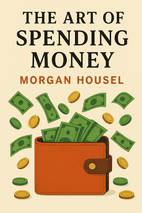
Morgan Housel's The Art of Spending Money examines the psychology behind financial decisions, reframing success as personal contentment. It helps readers align spending with their values for security and meaningful experiences, moving beyond traditional wealth-building metrics.
Feature
Insta.Page
Blinkist
Shortform
Summary Depth
Full Chapter-by-Chapter
15-min overview
Section-by-section guides
Audio Narration
✓
✓
✓
Visual Mindmaps
✓
✕
✕
AI Q&A
✓
✕
✕
Quizzes
✓
✕
✕
PDF Downloads
✓
✕
✓
Price
$89.99/yr
$146/yr (PRO)
$199/yr
*Competitor data last verified July 2026.
1 Page Summary
The Art of Spending Money by Morgan Housel examines the psychology behind financial decisions, arguing that how we spend money reveals more about our values and happiness than traditional wealth-building strategies suggest. Housel challenges conventional financial advice by exploring why rational economic behavior often conflicts with human emotion and personal fulfillment. The book emphasizes that money's true value lies not in accumulation but in its ability to provide security, freedom, and meaningful experiences.
Drawing from historical examples and behavioral economics, Housel contextualizes spending habits within broader societal shifts, showing how cultural norms and personal backgrounds shape financial choices. He illustrates that what appears wasteful to one person might represent profound value to another, highlighting the subjective nature of financial "wisdom." This perspective encourages readers to move beyond judging others' spending and instead focus on aligning their own expenditures with deeply held personal goals.
The book's lasting impact comes from its reframing of financial success as personal contentment rather than numerical net worth. Housel's insights help readers develop a more intentional approach to spending, where money serves as a tool for crafting a desired lifestyle rather than an end in itself. By blending practical wisdom with psychological depth, The Art of Spending Money offers a timeless guide to using financial resources in ways that genuinely enhance well-being.
Author’s Note
Overview
This chapter serves as a heartfelt introduction to the book's core premise: spending money is a deeply personal and emotional endeavor, far removed from rigid formulas or universal truths. Building on the foundation laid in "The Psychology of Money," the author shifts the focus from wealth accumulation to its utilization, emphasizing that our financial choices are shaped by the stories we tell ourselves about happiness, success, and what truly matters. Through relatable anecdotes and psychological insights, the note invites readers to explore how their own backgrounds and biases influence spending habits, framing money not as a cold calculation but as a reflection of individual values and lived experiences.
The Human Stories Behind Financial Choices
The author illustrates how socioeconomic circumstances profoundly alter our relationship with money and time. For instance, the discussion on drug legalization reveals a stark divide: affluent individuals may view substances as recreational, while those from disadvantaged backgrounds often see them as pathways to ruin, highlighting how privilege shapes risk perception. Similarly, the poignant account of a social worker interacting with a couple facing eviction underscores that for some, survival hinges on the present moment—"future thinking" is a luxury they cannot afford. This theme is echoed in the story of a man using Monopoly money to pay for a meal, demonstrating that immediate hunger can override conventional logic. These narratives collectively reveal that our spending preferences are not irrational but deeply rooted in the need to reconcile past hardships with present realities.
Key Takeaways
Money as Narrative: Financial decisions are driven by personal stories and emotions, not just logic or numbers.
Context Matters: Spending habits vary widely based on individual circumstances, such as socioeconomic status and past experiences.
The Art of Spending: There is no universal right way to spend money; it's a subjective art that reflects one's values and current needs.
Empathy in Finance: Understanding others' perspectives—like the divide between "future thinkers" and those focused on immediate survival—can foster wiser, more compassionate financial choices.
Key concepts: Author’s Note
1. Author’s Note
Money as Emotional Narrative
Financial decisions driven by personal stories and emotions
Spending reflects individual values and lived experiences
Money choices shaped by stories about happiness and success
Far removed from rigid formulas or universal truths
Socioeconomic Context and Spending
Circumstances profoundly alter relationship with money and time
Privilege shapes risk perception and financial outlook
Future thinking is a luxury not available to everyone
Immediate survival needs can override conventional logic
The Art of Subjective Spending
No universal right way to spend money
Spending habits vary based on individual circumstances
Financial choices reconcile past hardships with present realities
Reflects personal values and current needs rather than cold calculation
Recognizing divide between future thinkers and immediate survival focus
Compassionate approach to financial decision-making
Acknowledging how backgrounds and biases influence spending habits
💡 Try clicking the AI chat button to ask questions about this book!
Introduction: The Quest of the Simple Life
Overview
The chapter opens with a poignant story about a LASIK patient who, despite gaining perfect vision, felt devastated because her deeper hopes for increased affection and respect went unfulfilled. This mirrors how many people chase money and success, only to discover they don't bring the happiness they expected. It's not that money is unimportant—it can provide comfort and opportunities—but its relationship with well-being is complex, often failing to address core needs like family, health, or purpose. Instead, financial decisions are heavily influenced by psychology, such as envy, social aspirations, and identity, rather than pure logic.
Real-world examples illustrate this, like the young adult buying an expensive car for peer approval or the saver who can't enjoy retirement, showing that finance is more art than science. The discussion shifts to the art of spending money, where individuality, greed, status, and regret play key roles. Money can be a tool for a better life or a status yardstick, but if misused, it can hijack your identity. Happiness from spending is often indirect; for instance, a nice house might bring joy by enabling time with loved ones, not from the property itself. Contentment comes from not obsessing over money, using it as leverage without letting it define you.
This leads to the idea of the simple life, which isn't about austerity but ensuring money serves you, not the other way around. Echoing Benjamin Franklin's wisdom, the pursuit of pleasure through spending can enslave, while aligning lifestyle with values fosters true fulfillment. Personal finance is deeply personal, with no one-size-fits-all approach; it's about resisting external judgments and finding your own path, much like varied food preferences.
Underlying many financial choices is a deeper craving for respect and admiration, not just material goods. As Adam Smith noted, vanity often drives us more than comfort. Spending on flashy items might grab temporary attention, but it's superficial and fleeting, like junk food. Lasting respect comes from personal qualities—kindness, intelligence, and contributions—rather than possessions. When people focus on material displays, they risk crowding out intrinsic pride, leading to anxiety, especially for those lacking life experience to earn respect through other means.
The author's personal journey highlights this shift, from youthful dreams of luxury cars to valuing roles as a parent and partner, where character traits like honesty and reliability earn genuine admiration. A friend's story reinforces that others appreciate us more for our virtues than our wealth, with core qualities accounting for the bulk of respect. Ultimately, the chapter emphasizes that building a meaningful life involves prioritizing relationships and character over superficial achievements, reducing the urge to spend for show and fostering enduring happiness.
The LASIK Patient's Realization
Dr. Dan Goodman's experience with a LASIK patient reveals a profound truth about human desires. After a successful surgery that restored her vision, the patient returned devastated, not because of any medical issue, but because she had expected her new glasses-free look to earn her more attraction from her husband and respect from coworkers. When that didn't happen, she realized that superficial changes couldn't fulfill deeper emotional needs. This story sets the stage for understanding how money and success often follow a similar pattern—we chase what we think we want, only to find it doesn't deliver the happiness we crave.
Money's Complicated Relationship with Happiness
It's astounding how often people achieve financial goals but remain unfulfilled. Money can buy comfort and opportunities, but it frequently fails to address core needs like family, health, or a sense of purpose. This book shifts the focus from spreadsheets to psychology, exploring how envy, social aspirations, and identity shape our spending. Winston Churchill's analogy about alcohol applies here: some people let money control them, while others, even with modest means, leverage it to enhance their lives. The key isn't the amount of money but understanding the behaviors that connect it to genuine happiness.
Real-Life Examples of Financial Psychology
Consider the broke young adult who buys an expensive car for peer approval, the lifelong saver who can't enjoy retirement, or the couple whose housing expectations inflate after seeing a friend's upgrade. These scenarios highlight how money decisions are driven by psychology, not logic. In the real world, finance is an art, not a science, filled with contradictions and personal quirks. A memorable valet story illustrates this: a man spent $21,000 on an armchair because he felt it was "what you're supposed to do" when rich, raising questions about whether such purchases stem from genuine desire or social pressure.
The Art of Spending Money
This book delves into the art of spending, which involves individuality, greed, status, and regret. Several common themes emerge:
Money can be a tool for a better life or a status yardstick—many chase the latter without realizing it.
If not careful, money can use you, becoming a psychological liability that hijacks your identity.
Happiness from spending is often indirect; for example, a nice house might bring joy by facilitating time with loved ones, not from the house itself.
Contentment comes from not obsessing over money; the happiest people use it as leverage without letting it define them.
Pursuing money can mask deeper issues, serving as an easy goal when true fulfillment is elusive.
There's no universal formula for spending; what brings joy is deeply personal.
The Quest for a Simple Life
William Dawson's The Quest of the Simple Life emphasizes that those obsessed with wealth often become its captives, trapped in a cycle of anxiety. A simple life isn't about austerity but about money serving you, not the other way around. Benjamin Franklin's wisdom echoes this: buying pleasure can enslave you. The goal is to make a life, not just a living, by choosing a lifestyle that aligns with your values rather than blindly following societal norms.
Personal Finance Is Deeply Personal
Financial advisor Tim Maurer's quote, "Personal finance is more personal than it is finance," underscores that there's no one-size-fits-all approach to spending. Just as food preferences vary, so do financial choices. It's crucial to resist external judgments and find your own path, fearless of others' opinions. Similarly, judging others' spending can stem from insecurity; a healthy mindset involves respecting diverse experiences and recognizing that all behavior makes sense with enough context.
The True Desire: Respect and Admiration
We often think we want material possessions, but what we truly crave is respect and attention. Adam Smith noted in 1759 that vanity drives us more than comfort. Spending on flashy items might grab quick attention, but it's like junk food—temporary and often from strangers, not those who matter most. For instance, famous figures like Jeff Bezos or Steve Jobs earned admiration through their talents, not their possessions. This highlights that lasting respect comes from who you are—your kindness, intelligence, and contributions—not what you own.
Effectiveness of Material Displays
When seeking attention through spending, consider:
Effectiveness: Material items are quick and visible but superficial.
Durability: The novelty wears off fast; a fancy car impresses briefly before fading into the background.
Audience: Strangers might notice, but close relationships value personal qualities over possessions.
Chasing extrinsic pride through spending can crowd out intrinsic pride, leading to anxiety and dissatisfaction. Young people, in particular, might gravitate to material displays when they lack life experience to gain respect through other means. Ultimately, focusing on building character and relationships reduces the urge to spend for show, fostering deeper, more enduring happiness.
The author reflects on his own journey of shifting values, noting how his youthful dream of owning a Ferrari has been replaced by a deeper appreciation for personal roles and relationships. In his younger years, he lacked the social and job skills to offer much to the world, but today he finds fulfillment in being a good father, husband, and writer—qualities that now define his sense of worth and earn him genuine respect.
This personal insight leads to a broader observation about the danger of misjudging what others value in us. He illustrates this with the story of a longtime friend who feels diminished by his modest income compared to peers. The author candidly tells his friend that traits like being a good dad, husband, honest person, hard worker, helpful friend, and humorous companion account for the vast majority—around 98%—of the respect and admiration he can offer. Financial success might only nudge that figure up slightly, underscoring that core character virtues are what truly matter in how we are perceived and valued by those who know us best.
Key Takeaways
Personal growth often involves transitioning from material aspirations to valuing relational and ethical qualities.
Many people underestimate how much others appreciate them for their character rather than their wealth or status.
Building respect and admiration hinges on fundamental virtues like honesty, kindness, and reliability, which far outweigh financial achievements.
Key concepts: Introduction: The Quest of the Simple Life
Money and success often fail to deliver expected happiness despite achievement
People chase what they think they want only to find it doesn't address core needs
Money's Complex Relationship with Happiness
Money provides comfort and opportunities but frequently fails to address family, health, or purpose
Financial decisions are driven by psychology (envy, social aspirations, identity) rather than logic
The key isn't the amount of money but understanding behaviors that connect it to genuine happiness
Psychology of Financial Decision-Making
Real-world examples show money decisions driven by social pressure and psychology
Young adult buying expensive car for peer approval despite being broke
Lifelong saver who can't enjoy retirement due to ingrained habits
Finance operates as an art filled with contradictions and personal quirks
The Art of Spending Money
Money can be a tool for better life or status yardstick - many chase the latter unknowingly
Happiness from spending is often indirect (nice house enables family time, not the property itself)
Contentment comes from not obsessing over money and using it as leverage without letting it define you
No universal formula for spending - what brings joy is deeply personal
The Deeper Craving for Respect and Admiration
Underlying financial choices is a craving for respect and admiration, not just material goods
Vanity often drives spending more than comfort or practical needs
Flashy spending provides temporary attention but is superficial and fleeting
Lasting respect comes from personal qualities (kindness, intelligence, contributions) rather than possessions
The Simple Life Philosophy
Simple life isn't about austerity but ensuring money serves you, not the other way around
Aligning lifestyle with values fosters true fulfillment rather than pursuit of pleasure through spending
Personal finance requires resisting external judgments and finding your own path
Shift from material displays to valuing character traits that earn genuine admiration
Personal Finance Is Deeply Personal
Personal finance is more personal than financial, with no universal approach to spending
Financial choices vary like food preferences, requiring resistance to external judgments
Judging others' spending often stems from insecurity, while respecting diverse experiences is healthier
All financial behavior makes sense with sufficient context and understanding
The True Desire: Respect and Admiration
We crave respect and attention more than material possessions themselves
Vanity drives spending more than comfort, as noted by Adam Smith in 1759
Material displays provide temporary attention like junk food, often from strangers
Lasting respect comes from personal qualities—kindness, intelligence, contributions—not possessions
Figures like Jeff Bezos and Steve Jobs earned admiration through talents, not material wealth
Effectiveness of Material Displays
Material items offer quick, visible attention but remain superficial
Novelty wears off rapidly—fancy cars impress briefly then fade into background
Strangers notice possessions, but close relationships value personal qualities
Chasing extrinsic pride through spending crowds out intrinsic pride, causing anxiety
Young people may rely on material displays when lacking experience for other respect avenues
Personal Transformation and Value Shifts
Youthful material dreams (like owning a Ferrari) evolve into appreciation for relationships and roles
Personal growth involves transitioning from material to relational and ethical values
Fulfillment comes from being a good parent, spouse, and contributor rather than possessions
Many underestimate how much others value their character over wealth or status
Core Character Over Financial Achievement
Building respect hinges on fundamental virtues: honesty, kindness, reliability
Character traits account for vast majority (around 98%) of respect and admiration
Financial success only slightly increases how others value us
Core virtues matter most to those who know us best, outweighing financial achievements
May I Have Your Attention Please
Overview
The chapter opens with a memorable encounter from the author's youth—a wealthy man proudly displaying an exorbitantly priced, unattractive chair. This moment sparks a lifelong inquiry into the real relationship between money and happiness, challenging the assumption that wealth automatically translates to a better life. The narrative explores how societal and evolutionary pressures often misdirect our financial desires toward status competition rather than genuine fulfillment, setting the stage for a deeper examination of what we truly seek when we spend money.
The Misdirection of Desire
A central theme emerges: the things we think we want—fancy cars, big houses, expensive watches—are often just proxies for what we truly crave: respect, admiration, and attention from others. The author introduces the "reverse obituary" exercise, a powerful thought experiment that reveals how rarely material possessions feature in our deepest aspirations for a life well-lived. We inherently know that being loved, respected, and seen as a good person matters far more than the square footage of a home. This disconnect between what we chase and what we value is a primary source of financial disappointment.
The Psychology of Attention-Seeking
The desire to use wealth to gain approval is not a modern phenomenon. The text cites Adam Smith’s 18th-century observation that we toil not merely for comfort, but for the "vanity" of being noticed and approved of. The author breaks down the effectiveness of using material goods to gain this attention: it's fast-acting but short-lived and often attracts the wrong kind of notice from the wrong people. Strangers might gawk at a luxury car, but the respect of close family and friends is built on character, kindness, and love—things money cannot buy. This type of spending is likened to "junk food" for the soul: immediately satisfying but ultimately unfulfilling and potentially damaging.
Intrinsic vs. Extrinsic Pride
A crucial distinction is made between two types of pride. Intrinsic pride comes from being authentically proud of who you are and what you've accomplished. Extrinsic pride (or "hubristic pride") is dependent on the opinions of others and is often the driver behind flashy purchases. The chapter warns that an overemphasis on extrinsic pride can crowd out the capacity to cultivate intrinsic pride, leading to higher rates of anxiety and dissatisfaction. The goal, therefore, is to shift the source of our self-worth from what we own to who we are and what we do.
A Shift in Perspective
The author shares a personal evolution, noting that his own desire for status symbols like a Ferrari was highest when he was young and had fewer other qualities—like wisdom, empathy, or professional skill—to offer the world. As he built a life rich in relationships and purpose, the allure of expensive "stuff" diminished. He advises readers to "show off the inside of your house, not the outside"—a metaphor for focusing the benefits of your success on those whose love and respect you truly value, rather than seeking the fleeting, envious attention of strangers.
The Ultimate Test of Wealth
The chapter culminates with Warren Buffett’s profound reflection that the ultimate measure of success is how many of the people you want to love you actually do love you. This love is utterly un-purchasable. You can buy symbols of success, but you cannot buy the genuine admiration and connection that constitute a happy life. This realization is the key to breaking the cycle of spending money to fill a void that only non-material values can satisfy.
Key Takeaways
We often confuse the means with the end: The desire for expensive possessions is frequently a misplaced attempt to gain respect and admiration, which are what we truly crave.
Material status is the "junk food" of admiration: It provides a quick hit of attention but is not durable and often comes from people whose opinions matter least.
Cultivate intrinsic pride: Lasting fulfillment comes from being proud of who you are (your character, relationships, contributions) rather than what you own.
Focus your "display" on your inner circle: Direct the benefits of your financial success toward the people you love most, rather than seeking validation from strangers, which can easily curdle into envy.
The love of those you care about is the ultimate currency: This is the one thing money can never buy, and it is the truest measure of a life well-lived.
Key concepts: May I Have Your Attention Please
3. May I Have Your Attention Please
The Misdirection of Desire
Material possessions often serve as proxies for deeper desires like respect and admiration
The 'reverse obituary' exercise reveals how rarely material items feature in our deepest life aspirations
We inherently value being loved and respected more than material wealth
Disconnect between what we chase and what we value causes financial disappointment
The Psychology of Attention-Seeking
Desire to use wealth for approval dates back centuries (Adam Smith's observations)
Material goods provide fast-acting but short-lived attention
Often attracts the wrong kind of notice from the wrong people
Respect from close relationships is built on character, not possessions
Status spending is like 'junk food' for the soul - immediately satisfying but unfulfilling
Intrinsic vs. Extrinsic Pride
Intrinsic pride comes from being authentically proud of who you are
Extrinsic pride depends on others' opinions and drives flashy purchases
Overemphasis on extrinsic pride crowds out capacity for intrinsic pride
Extrinsic focus leads to higher anxiety and dissatisfaction
Goal is shifting self-worth from what we own to who we are
Personal Evolution and Perspective Shift
Desire for status symbols peaks when we have fewer personal qualities to offer
As life becomes rich in relationships and purpose, material allure diminishes
'Show off the inside of your house, not the outside' metaphor
Focus benefits of success on those whose love truly matters
Avoid seeking fleeting attention from strangers
The Ultimate Measure of Success
Warren Buffett's reflection: success is measured by how many desired people love you
Genuine love and admiration are utterly un-purchasable
Money can buy symbols of success but not genuine connection
Breaking the cycle of spending to fill emotional voids
Non-material values provide true satisfaction
The Happiest People I Know
Overview
Overview
This chapter reveals a profound truth about money and happiness: the key isn't accumulating more wealth, but cultivating contentment with what you already possess. It challenges the endless pursuit of material gains by illustrating how true joy emerges when we stop focusing on what's missing and start appreciating the present moment. Through relatable stories and psychological insights, it shows that the happiest people often have modest means but rich perspectives, highlighting how our expectations shape our financial and emotional well-being.
The Parable That Shifts Perspective
A simple story about a Mexican fisherman and an American businessman sets the stage. The fisherman enjoys a fulfilling life with ample free time for family, rest, and hobbies, while the businessman suggests working tirelessly to achieve the same lifestyle years later. This tale underscores the irony of postponing contentment for a future that mirrors what one already has, emphasizing that happiness isn't about acquiring more, but recognizing that you might already have enough.
The Essence of Happiness and Contentment
Happiness is framed as a state where nothing feels missing, driven by contentment rather than constant desire. When expectations outpace income or achievements, dissatisfaction persists. The chapter points out that we often chase the feeling of being content with new possessions, but the moment we obtain them, our focus shifts to the next unmet want. True psychological wealth comes from appreciating what's in front of us, much like learning to see beauty in everyday scenes, as illustrated by Marcel Proust's advice to admire the ordinary through an artist's eyes.
How Expectations Shape Our Reality
The gap between expectations and circumstances defines happiness. A person with little but low desires can feel richer than someone with abundance and endless wants. This is exemplified by the author's grandmother-in-law, who lived on a small income yet radiated joy because she wanted very little. In contrast, billionaires often struggle with unhappiness due to insatiable aspirations. Psychological wealth—feeling content with what you have—is portrayed as more valuable than material riches, as it fosters lasting satisfaction.
The Neuroscience of Desire
Our brains are wired to seek dopamine, the chemical of desire that thrives on novelty and anticipation, not possession. This explains why the thrill of acquiring something new fades quickly, leading to a cycle of wanting more. Whether it's upgrading cars or chasing fame, the change itself is what excites us, not the end result. This dopamine-driven pursuit can trap us in a loop where happiness remains just out of reach, as seen in athletes who feel relief rather than elation after victories, or in the endless comparisons among the ultra-wealthy.
Stories That Illuminate Contentment
Real-life examples bring the concepts to life. The author's grandmother-in-law, despite financial constraints, embodied happiness through her low expectations and appreciation for simple pleasures like gardening and reading. Meanwhile, figures like Richard Nixon observed that extreme wealth often leads to emptiness without purpose. These anecdotes reinforce that contentment isn't about renouncing luxuries but about finding fulfillment in whatever lifestyle you lead, whether modest or lavish.
Redefining True Wealth
Wealth is reimagined not as a sum of assets, but as the difference between what you have and what you want. Desiring less can enhance well-being as effectively as earning more, offering a path to durable contentment. This perspective encourages shifting from fleeting happiness to a steady state of appreciation, where you enjoy possessions without the burden of constant craving. It's a game you can win by choosing to be satisfied, transforming how you experience money and life.
Key Takeaways
Happiness stems from contentment with what you have, not from acquiring more.
Expectations are a powerful driver of satisfaction; lowering them can increase psychological wealth.
Desire is fueled by dopamine, leading to a cycle of wanting that rarely ends in lasting joy.
True wealth is the gap between your possessions and your wants, making desiring less as impactful as having more.
Cultivating appreciation for the present moment is essential for breaking free from the pursuit of endless more.
Key concepts: The Happiest People I Know
4. The Happiest People I Know
The Parable That Shifts Perspective
Mexican fisherman already enjoys the lifestyle businessman seeks through endless work
Irony of postponing contentment for a future mirroring present circumstances
Happiness comes from recognizing you might already have enough
The Essence of Happiness and Contentment
Happiness is a state where nothing feels missing
We chase the feeling of contentment with new possessions but quickly shift focus
Psychological wealth comes from appreciating what's in front of us
How Expectations Shape Our Reality
Happiness defined by gap between expectations and circumstances
Low desires with little can feel richer than abundance with endless wants
Psychological wealth more valuable than material riches for lasting satisfaction
The Neuroscience of Desire
Dopamine drives desire through novelty and anticipation, not possession
Thrill of acquisition fades quickly, creating cycle of wanting more
Dopamine-driven pursuit keeps happiness perpetually out of reach
Stories That Illuminate Contentment
Grandmother-in-law's joy despite financial constraints through low expectations
Extreme wealth often leads to emptiness without purpose
Contentment means finding fulfillment in whatever lifestyle you lead
Redefining True Wealth
Wealth is the difference between what you have and what you want
Desiring less enhances well-being as effectively as earning more
Winning the game by choosing satisfaction transforms money and life experience
You've reached the end of the free chapters
Chapter 5 is locked
Keep reading The Art of Spending Money — and unlock all 600+ book summaries with audio, mindmaps and AI Q&A.
$0.00 due today · 7 days free, then $89.99/year ($7.49/mo) · Cancel anytime before day 7
Morgan Housel is a partner at The Collaborative Fund and a former columnist at The Wall Street Journal and The Motley Fool. He is a two-time winner of the Best in Business Award from the Society of American Business Editors and Writers and was selected by the Columbia Journalism Review for the Best Business Writing anthology. Housel is the acclaimed author of *The Psychology of Money*, a timeless exploration of how people think about money and make financial decisions. His insightful work has cemented his reputation as a leading voice in behavioral finance and investing. His published books are available for purchase on Amazon.
📚 Explore Our Book Summary Library
Discover more insightful book summaries from our collection






![The Explosive Child [Sixth Edition] by Ross W. Greene PhD - Book Summary](/_next/image?url=https%3A%2F%2Fapi.insta.page%2Fstorage%2Fv1%2Fobject%2Fpublic%2Fsmall_bookcovers2%2FB08NP52GTW.png&w=3840&q=75)