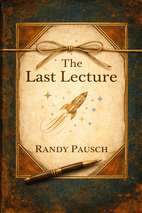
Randy Pausch's The Last Lecture expands his inspirational farewell talk about achieving childhood dreams and living with joy, framed by his terminal cancer diagnosis. It offers poignant life lessons and personal anecdotes for anyone seeking perspective on purpose and resilience.
Feature
Insta.Page
Blinkist
Shortform
Summary Depth
Full Chapter-by-Chapter
15-min overview
Section-by-section guides
Audio Narration
✓
✓
✓
Visual Mindmaps
✓
✕
✕
AI Q&A
✓
✕
✕
Quizzes
✓
✕
✕
PDF Downloads
✓
✕
✓
Price
$89.99/yr
$146/yr (PRO)
$199/yr
*Competitor data last verified July 2026.
1 Page Summary
Randy Pausch's The Last Lecture is a poignant and inspirational work born from a unique academic tradition and profound personal circumstance. The book expands upon a lecture Pausch, a computer science professor at Carnegie Mellon University, delivered in 2007 after being diagnosed with terminal pancreatic cancer. Framed around the hypothetical question "What wisdom would you impart to the world if you knew it was your last chance?", the lecture and subsequent book transcend a mere farewell. Instead, they form a vibrant guide to living, focusing on achieving childhood dreams, enabling the dreams of others, and seizing every moment with joy and determination.
The core concepts of the book are presented through personal anecdotes and straightforward advice. Pausch emphasizes the importance of overcoming "brick walls"—not as barriers, but as opportunities to prove how badly you want something. He advocates for fundamentals, hard work, and perseverance, often illustrated through his work in virtual reality and as a Disney Imagineer. Key themes include the power of gratitude, the value of honesty and integrity, and the crucial role of having fun. A central, moving thread is his desire to leave a tangible legacy of love and lessons for his three young children, whom he would not see grow up.
The lasting impact of The Last Lecture lies in its universal accessibility and emotional resonance. It became a global phenomenon, with the lecture video viewed millions of times, and the book a perennial bestseller. Its enduring power is not in its confrontation of death, but in its exuberant celebration of life. Pausch's message—to live purposefully, cherish relationships, and never lose childlike wonder—continues to inspire readers to evaluate their own priorities and pursue their dreams with resilience and joy, solidifying the work as a modern classic on the art of living well.
Introduction
Overview
The chapter opens with a stark and personal engineering problem: the author has ten tumors in his liver and only months to live. Faced with this prognosis, he frames his remaining time not as a cause for self-pity, but as a challenge to be solved. His primary mission is clear—to be with his family and prepare them for life without him. Yet, a deeper, more complex problem emerges: how to impart a lifetime of lessons, values, and stories to his three very young children, who won't have the next twenty years of conversations with their father.
This dilemma leads him to his professional medium: the lecture. He seizes the opportunity of Carnegie Mellon University's "Last Lecture" series, viewing it not as an academic exercise, but as a deliberate act of legacy—a message in a bottle for his children to discover when they are older. On stage, he focused on the joy of life, gratitude, integrity, and other core principles, all while striving to be engaging.
The book itself is presented as an extension of that lecture. To preserve his precious time with his children, he collaborates with writer Jeffrey Zaslow, dictating stories and insights during fifty-three long bike rides undertaken for his health. He openly acknowledges that neither the lecture nor the book is a perfect substitute for a living parent, but he applies an engineer's mindset: doing the best you can with the limited resources available.
The Message in a Bottle
The "Last Lecture" was a calculated and heartfelt performance. The author distinguishes between the surface presentation—an academic talk—and its true, private purpose: a sustained message for his kids. He compares it to the natural act of a painter painting or a musician composing for their family; his lecture was his art form. The videotape of the event becomes the tangible vessel carrying his love and wisdom into the future.
Extending the Conversation
Recognizing the lecture as just a beginning, the book project is born out of necessity and collaboration. The author's daily bike rides for exercise become mobile recording sessions, where he shares his stories and reflections with Jeff Zaslow via headset. This process frames the book's contents as fifty-three additional "lectures," refined through Zaslow's writing. The partnership is a practical solution, allowing him to create this legacy while prioritizing his most limited resource: time spent directly with his family.
An Engineer's Imperfect Solution
He concludes by directly addressing the emotional core of the project. He does not pretend a book can replace a father. Instead, he frames both the lecture and the book through the lens of engineering principles—as the best possible solutions achievable within severe constraints. This reframes the entire endeavor not as a tragedy, but as a creative, loving, and pragmatic response to an impossible situation.
Key Takeaways
Legacy as a Conscious Act: Facing mortality, the author consciously chooses to engineer a legacy for his children, using the tools of his profession.
The Core Message is Joy: Even while dying, the central theme he wishes to impart is the appreciation and joy of life, coupled with enduring values like integrity and gratitude.
Pragmatism in the Face of Limits: The collaboration on the book is a practical strategy to preserve family time, embodying the principle of optimizing limited resources.
Imperfection is Accepted: He acknowledges that no recorded message is a perfect substitute for a living parent, but argues that doing one's best with what remains is a worthy and loving endeavor.
Key concepts: Introduction
1. Introduction
The Personal Challenge: Engineering a Legacy
Facing terminal diagnosis with ten liver tumors and months to live
Framing remaining time as a problem to solve rather than a cause for self-pity
Primary mission: be with family and prepare them for life without him
Core dilemma: how to impart lifetime of lessons to three young children without future conversations
The Last Lecture as Calculated Legacy
Using Carnegie Mellon's 'Last Lecture' series as deliberate act of legacy
Surface presentation as academic talk versus true private purpose for children
Comparing lecture to natural artistic expression for family
Videotape as tangible vessel carrying love and wisdom into the future
Extending the Legacy Through Collaboration
Book project born from necessity to extend conversation beyond lecture
Fifty-three bike rides become mobile recording sessions with writer Jeffrey Zaslow
Practical solution preserving precious family time while creating legacy
Book contents framed as fifty-three additional 'lectures' refined through collaboration
Engineering Principles Applied to Legacy
Acknowledging neither lecture nor book can replace living parent
Applying engineer's mindset: best possible solution within severe constraints
Reframing endeavor as creative, loving, pragmatic response to impossible situation
Optimizing limited resources while accepting inherent imperfection
Core Philosophical Framework
Legacy as conscious, engineered act using professional tools
Central message focused on joy of life despite dying
Doing one's best with remaining resources as worthy, loving endeavor
💡 Try clicking the AI chat button to ask questions about this book!
Chapter 1 - An Injured Lion Still Wants to Roar
Overview
The chapter opens not with grand pronouncements, but with a quiet, profound dilemma. Randy Pausch, a computer science professor, has been asked to participate in a lecture series. Initially framed as a reflection on his "journey," the request takes on immense weight when he learns his pancreatic cancer is terminal. The lecture becomes a potential "last lecture" in the most literal sense. Randy feels a powerful urge to give this talk, seeing it as a final roar—a chance to leave a legacy, say goodbye to his professional community, and perform one last time. However, this desire directly conflicts with the wishes of his wife, Jai, who wants every remaining moment of his time for their young family. The chapter becomes an intimate portrait of a man grappling with mortality, legacy, and love, ultimately finding his answer not in thoughts of dying, but in the foundational dreams of his childhood.
A Family in the Shadow of Goodbye
Randy’s initial excitement about the lecture meets immediate resistance from Jai. Having just moved their family to be near her support network, she views the lecture as a thief of precious, irreplaceable time. Her pain is compounded by the scheduling: Randy would have to travel on her forty-first birthday, their last one together. Randy is torn, committed to honoring Jai’s wishes and lessening her burdens, yet unable to let go of this compelling personal need. The conflict is so profound they bring it to their psychotherapist, Dr. Michele Reiss. In therapy, the depth of their bond is clear, but so is the core of the disagreement: Jai sees a diversion from family, while Randy sees a final, meaningful act of his professional self.
The Lion’s Roar
Confronting Jai’s valid concerns forces Randy to interrogate his own motivations. He admits to a mix of reasons: the desire to prove he is still alive and capable, to perform, and to say a proper farewell. He articulates this with the chapter’s central metaphor: “An injured lion wants to know if he can still roar.” He argues this is about dignity, not just vanity. But he then presents a more persuasive argument for Jai: the lecture as a legacy for their three children, aged five, two, and one. He explains that their memories of him will be faint or non-existent. This recorded lecture could answer their future question, “Who was my dad?” with the external validation of an engaged audience, adding weight to his words in a way a simple home video might not.
The Epiphany in the Waiting Room
With Jai’s reluctant blessing, Randy faces the central creative challenge: what should the lecture actually be about? He definitively rejects making it about cancer or dying. Sitting with Jai in a hospital waiting room, he asks himself, “What makes me unique?” He dismisses the cancer and his various roles, realizing his uniqueness lies in the specifics of his childhood dreams and his extraordinary luck in actually achieving most of them. This flash of insight reframes everything. The lecture becomes a vehicle not for saying goodbye, but for sharing the lessons that enabled his dream-filled life, in hopes of helping others. He immediately emails the new, definitive title: “Really Achieving Your Childhood Dreams.”
Key Takeaways
A “last lecture” transforms from a professional exercise into a profound personal imperative when facing a terminal diagnosis.
The conflict between a dying person’s need for a final, meaningful act and their family’s need for every remaining moment together is a deeply painful and valid tension.
Legacy is often framed for those left behind; here, it is consciously crafted for children too young to remember their father.
The search for a unique message leads away from the disease and toward the foundational passions of a lifetime: childhood dreams.
The ultimate purpose of sharing one’s story is redefined as a way to help others achieve their own dreams.
Key concepts: Chapter 1 - An Injured Lion Still Wants to Roar
2. Chapter 1 - An Injured Lion Still Wants to Roar
The Lecture's Weight: A Terminal Diagnosis Transforms a Request
Randy Pausch is asked to give a lecture series, initially framed as a reflection on his 'journey'
The request becomes a potential 'last lecture' after learning his pancreatic cancer is terminal
Randy feels a powerful urge to give the talk as a final roar—a legacy, goodbye, and performance
This desire creates immediate conflict with his wife Jai's wish for family time
Family Conflict: Time as the Ultimate Scarce Resource
Jai views the lecture as a thief of precious, irreplaceable family time
The scheduling conflict is particularly painful: Randy would travel on her last birthday together
The couple brings the conflict to therapy, revealing their deep bond and irreconcilable perspectives
Jai sees a diversion from family; Randy sees a final, meaningful act of his professional self
The Injured Lion's Motivation: Dignity and Legacy
Randy interrogates his motivations: proving he's still alive, performing, saying farewell
He articulates the central metaphor: 'An injured lion wants to know if he can still roar'
He frames this as about dignity, not just vanity
He presents a persuasive argument to Jai: the lecture as legacy for their three young children
The recorded lecture could answer their future question, 'Who was my dad?' with external validation
Creative Epiphany: From Dying to Dreaming
Randy definitively rejects making the lecture about cancer or dying
In a hospital waiting room, he asks, 'What makes me unique?'
He realizes his uniqueness lies in his specific childhood dreams and achieving most of them
The lecture reframes from saying goodbye to sharing lessons for achieving dreams
He emails the new definitive title: 'Really Achieving Your Childhood Dreams'
Transformed Purpose: Legacy for the Living
The lecture's purpose is redefined as helping others achieve their own dreams
Legacy is consciously crafted for children too young to remember their father
The search for meaning leads away from disease toward foundational life passions
A personal need becomes a vehicle for universal lessons about dream fulfillment
Chapter 2 - My Life in a Laptop
Overview
Randy Pausch, facing a terminal cancer diagnosis, meticulously prepares for what he knows will be one of his final and most important lectures. The chapter details the intense, emotionally charged process of building a purely visual presentation about childhood dreams, a task that strains his family life even as he seeks to leave a lasting legacy. The narrative follows his journey from his home in Virginia to the stage in Pittsburgh, capturing the friction between his urgent professional mission and his personal responsibilities, the support of friends, and the haunting reminders of mortality that surface in everyday interactions.
The Labor of Legacy
For four days in his new, unpacked home, Randy immersed himself in creating a text-free PowerPoint presentation, compiling 300 images of family, students, and symbolic illustrations. His visual approach was intentional, aiming to communicate directly and emotionally. This all-consuming work created tension with his wife, Jai, who wished he would focus on settling their family. Despite her initial plans to stay in Virginia, Randy’s desperate need for her support led her to agree to fly in for the talk, even though it meant he had to leave on her birthday—a painful reminder of the future birthdays he would miss.
A Friend’s Help and a Stranger’s Candor
In Pittsburgh, Randy was joined by his close friend Steve Seabolt, who provided crucial editing advice and brotherly support. Over a diner meal, while reviewing the still-too-long slide deck, a pregnant waitress commented on a photo of Randy’s children. Her candid admission that her pregnancy was “an accident” struck Randy deeply, framing a stark contrast: her accidental beginning of a new life versus his own accidental cancer ending his, leaving his children to grow up without him. This moment underscored the chapter’s central theme of life’s unplanned trajectories.
The Final Hours of Preparation
Alone in his hotel room, battling chemo-induced sickness and spotty internet, Randy wrestled with doubt and continued editing through the night. The morning brought a slight confidence in the talk’s new narrative arc. Jai’s arrival led to a solemn lunch where Steve vowed to help look after her and the children. Despite exhaustion and illness so severe he considered the precaution of an adult diaper, Randy made final cuts to his presentation while lying on his office couch. As the audience began to gather, he rallied himself to collect his props for the walk to the lecture hall, moving toward the monumental hour awaiting him on stage.
Key Takeaways
Legacy requires sacrifice: Creating something meaningful for others can conflict with immediate family needs, demanding difficult balances and understanding from loved ones.
Human connection provides perspective: Frank interactions with strangers, like the waitress, can unexpectedly mirror our deepest personal struggles, highlighting universal truths about life and death.
Endurance is multifaceted: Facing a final, public act involves not just physical stamina through illness, but also emotional fortitude, the acceptance of help from friends, and the relentless pursuit of a coherent message.
Presence is a choice: Despite extreme physical duress and emotional weight, showing up and committing fully to the moment is portrayed as a powerful, deliberate act.
Key concepts: Chapter 2 - My Life in a Laptop
3. Chapter 2 - My Life in a Laptop
The Labor of Legacy
Randy creates a purely visual, text-free PowerPoint presentation with 300 images over four intense days
The all-consuming work strains his relationship with his wife Jai, who wishes he would focus on family
Jai agrees to support him by attending the talk despite it meaning he leaves on her birthday
The visual approach is intentional for direct emotional communication about childhood dreams
A Friend's Help and a Stranger's Candor
Friend Steve Seabolt provides crucial editing advice and brotherly support in Pittsburgh
A pregnant waitress's candid comment about her 'accidental' pregnancy strikes Randy deeply
The interaction creates a stark contrast: her accidental beginning of life versus his cancer ending his
Highlights the theme of life's unplanned trajectories and the children he'll leave behind
The Final Hours of Preparation
Randy battles chemo-induced sickness and doubt while editing through the night alone
Jai's arrival leads to a solemn lunch where Steve vows to help look after her and the children
Despite extreme exhaustion and illness, Randy makes final cuts to his presentation
He rallies himself to collect props and walk to the lecture hall as the audience gathers
Key Themes and Takeaways
Legacy creation requires sacrifice and strains immediate family relationships
Human connections with strangers can unexpectedly mirror our deepest personal struggles
Endurance involves physical stamina, emotional fortitude, and accepting help from friends
Showing up fully despite extreme duress is portrayed as a powerful, deliberate choice
Chapter 3 - The Elephant in the Room
Overview
The chapter captures the intense, vulnerable moments before and during Randy Pausch's now-famous "Last Lecture." It begins with his visible nervousness backstage, observed by his wife, Jai, and moves into the talk itself, where he directly confronts his terminal diagnosis with a blend of stark honesty, humor, and a defiant display of vitality, setting the stage for his central theme of resilience and dreaming.
A Nervous Start and a Symbolic Outfit
As Randy fidgets with his slides at the podium, his avoidance of eye contact reveals the profound emotional weight of the moment. He consciously rejects a formal, professorial appearance. Instead, he wears the polo shirt and name badge of a Walt Disney Imagineer, a deliberate choice to honor a childhood dream fulfilled during a sabbatical. This outfit serves as his armor and a visual thesis statement for the lecture to come.
Confronting "The Elephant in the Room"
After opening jokes, Randy immediately addresses his pancreatic cancer with characteristic bluntness. He displays a CT scan of his liver, titling the slide "The Elephant in the Room" and using red arrows to point out the ten tumors. He acknowledges his three-to-six month prognosis and delivers a foundational mantra: "We cannot change the cards we are dealt, just how we play the hand."
Defying Expectations and Making Practical Plans
Acknowledging that his healthy appearance might seem incongruous with a death sentence, he explicitly states, "I am not in denial." To prove this, he shows a slide of the new house his family has just bought in Virginia. He explains the difficult, practical logic behind the move: to ensure his wife and children would be near extended family support after his death, demonstrating that his optimism is grounded in clear-eyed preparation, not avoidance.
A Defiant Display of Life
To physically bridge the gap between how he looks and what his scans show, Randy declares himself in "phenomenally good health." In a surprising and powerful moment, he drops to the stage floor and begins doing push-ups. The audience's laughter and applause release the collective tension, transforming the room's energy. This act serves as a visceral rebuttal to pity and establishes his chosen identity for the talk—not as a dying man, but as a living, striving individual ready to share his lessons.
Key Takeaways
Directness disarms: Randy neutralizes the room's heaviest anxiety by confronting his mortality head-on with unvarnished facts and humor.
Optimism is not denial: His positive outlook is framed as a conscious choice, backed by pragmatic, difficult decisions made for his family's future.
Symbols matter: The Disney Imagineer uniform is not a costume but a declaration of his core philosophy—the pursuit of childhood dreams.
Actions transcend words: The push-ups are a more powerful statement about his current state of life and determination than any verbal assurance could be.
Key concepts: Chapter 3 - The Elephant in the Room
4. Chapter 3 - The Elephant in the Room
The Prelude: Vulnerability and Preparation
Randy's visible nervousness backstage reveals the emotional weight of the moment
He consciously avoids a formal, professorial appearance
He wears a Walt Disney Imagineer uniform as symbolic armor and a visual thesis
Confronting Mortality with Blunt Honesty
Immediately addresses his pancreatic cancer after opening jokes
Displays a CT scan titled 'The Elephant in the Room' with tumors highlighted
Acknowledges his three-to-six month prognosis directly
Establishes foundational mantra: 'We cannot change the cards we are dealt, just how we play the hand'
Grounding Optimism in Practical Reality
Explicitly states 'I am not in denial' despite his healthy appearance
Shows slide of new family home purchased in Virginia
Explains practical logic: ensuring family support network after his death
Demonstrates optimism is backed by clear-eyed preparation, not avoidance
Physical Defiance and Identity Assertion
Declares himself in 'phenomenally good health' to bridge appearance-reality gap
Performs push-ups on stage as a surprising, powerful demonstration
Transforms room energy through audience laughter and applause
Establishes identity as living, striving individual rather than dying man
You've reached the end of the free chapters
Next chapter: “The Parent Lottery” is locked
Keep reading The Last Lecture — and unlock all 600+ book summaries with audio, mindmaps and AI Q&A.
$0.00 due today · 7 days free, then $89.99/year ($7.49/mo) · Cancel anytime before day 7
Randy Pausch was a computer science professor at Carnegie Mellon University, best known for his inspirational "Last Lecture" titled "Really Achieving Your Childhood Dreams." His expertise lay in human-computer interaction and virtual reality, and he gained widespread recognition after delivering his lecture while battling pancreatic cancer, which was later turned into a bestselling book.
📚 Explore Our Book Summary Library
Discover more insightful book summaries from our collection