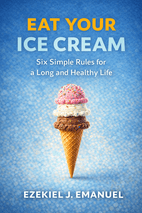
Ezekiel J. Emanuel MD's Eat Your Ice Cream is a personal memoir that translates his father's immigrant journey and resilience into life lessons on savoring joy and confronting mortality, offering a humanistic framework for anyone reflecting on living and dying well.
Feature
Insta.Page
Blinkist
Shortform
Summary Depth
Full Chapter-by-Chapter
15-min overview
Section-by-section guides
Audio Narration
✓
✓
✓
Visual Mindmaps
✓
✕
✕
AI Q&A
✓
✕
✕
Quizzes
✓
✕
✕
PDF Downloads
✓
✕
✓
Price
$89.99/yr
$146/yr (PRO)
$199/yr
*Competitor data last verified July 2026.
1 Page Summary
Eat Your Ice Cream by oncologist and bioethicist Ezekiel J. Emanuel is not a medical text but a personal memoir structured around life lessons drawn from his father, Benjamin Emanuel. The book's central metaphor, captured in its title, advocates for savoring life's simple pleasures and moments of joy, even—or especially—in the face of adversity. Dr. Emanuel recounts his father's remarkable journey as a Israeli immigrant who survived a near-fatal accident, framing his resilience, zest for life, and profound ethical compass as a guiding philosophy for living well and dying well.
The narrative is deeply rooted in the mid-20th century immigrant experience and Jewish cultural values, providing a poignant historical backdrop. Benjamin Emanuel's story—from fighting for Israeli independence to building a new life in America—embodies a specific era of struggle and aspiration. This personal history directly informs the book's exploration of contemporary bioethical dilemmas, a field in which the author is a leading figure, by grounding abstract questions about mortality, healthcare, and quality of life in the tangible realities of a family's experience with illness, aging, and loss.
The lasting impact of the book lies in its accessible, humanistic contribution to conversations about health and mortality. By translating complex ethical principles into relatable family stories and his father's straightforward wisdom, Emanuel provides a framework for readers to consider their own priorities. The work gently challenges the medicalized, often fear-driven approach to death, advocating instead for a life-centered focus on relationships, joy, and meaning, making it a resonant read for anyone grappling with questions of how to live a fulfilling life in the shadow of its inevitable end.
Introduction
Overview
The chapter begins with a party scene where a doctor is peppered with questions about the supposed health benefits of red wine. This leads him to a blunt truth: we're all going to die, and obsessing over marginal health hacks steals the joy and meaning from the life we have. This moment highlights the modern wellness industrial complex—a confusing tsunami of contradictory, often absurd advice that demands immense time and money while offering little real benefit. The real path to a healthy life, the author argues, isn't found in testicle tanning or exotic supplements, but in ancient, straightforward wisdom that modern culture has overcomplicated.
True wellness is built on a simple, manageable framework of six fundamental behaviors: avoiding self-destructive risks, cultivating social connections, staying mentally sharp, eating well, exercising regularly, and getting good sleep. The philosophy is inspired by the world's Blue Zones, where people live long, healthy lives not through obsessive self-monitoring, but by seamlessly weaving balanced, socially rich, and active routines into the fabric of their days. A major obstacle to adopting these simple habits is our reliance on willpower, which is a finite resource that drains under cognitive load, like a long hospital shift. Relying on sheer self-control for change is a recipe for failure.
Instead, the key is to build automatic routines that minimize the need for willpower. This is done through a strategic, four-part process: creating a precise plan with specific details, identifying and outmaneuvering potential triggers for old habits, enlisting social supports for accountability and enjoyment, and incorporating immediate rewards. While there's no magic number of days to form a habit, consistency is crucial; repeating a simple behavior, like exercising, four times a week for about six weeks can solidify it into a lasting routine. The goal is strategic, sustainable change—small, meaningful adjustments like swapping processed foods for whole ones or taking short, regular walks that yield significant health benefits. This path isn't about perfection or deprivation; it allows for occasional indulgences to prevent burnout, aiming to make wellness an unconscious background rhythm to a fulfilling life, not an all-consuming obsession.
The Wellness Information Deluge
The introduction opens with a familiar social scene: the author, a physician, is cornered at a party with questions about the health benefits of red wine. His response highlights the core confusion in modern wellness culture. While he clarifies that alcohol’s benefits are overstated and its risks real, he emphasizes a more crucial point: fixating on marginal dietary adjustments is a distraction from what truly matters for a healthy, meaningful life. He bluntly states the first rule: “We’re all going to die.” The goal shouldn’t be to obsessively chase a few extra minutes of life but to follow straightforward, evidence-based behaviors that make the time we have healthier and more fulfilling.
This exchange sets the stage for diagnosing a broader cultural problem. We are inundated by a “tsunami” of conflicting wellness advice from experts, influencers, and outright hucksters. The advice ranges from the impractical to the absurd—testicle tanning, “rucking,” and teen blood transfusions—creating a landscape where it’s nearly impossible to separate science from speculation. Even well-intentioned sources often fall into the trap of promoting complex, unproven, or marginal interventions, like rapamycin or resveratrol, based on animal studies that don’t translate to humans. The “wellness industrial complex” demands immense time, money, and mental energy, ironically stealing the very life it promises to extend.
The Simplicity at the Core of Health
Amid this noise, the author argues that true wellness is not new or complicated. Its essence is age-old wisdom recognized by ancient Greek, Chinese, and Indian traditions, and by figures like Hippocrates and Aristotle. The modern obsession has strayed from these foundations by overcomplicating physical components (diet, exercise, sleep) and, crucially, neglecting the more impactful social and psychological components.
The book responds to this confusion with a simple, manageable framework. It distills the evidence into six fundamental behaviors that yield maximum benefit with minimal complexity:
Don’t be a schmuck (avoid self-destructive risks)
Talk to people (cultivate social relations)
Expand your mind (stay mentally sharp)
Eat your ice cream (consume healthy food and drink)
Move it! (exercise well and regularly)
Sleep like a baby (get the rest you need)
This approach is designed to be integrated seamlessly into daily life, not to become an all-consuming obsession. The philosophy is modeled on the world’s “Blue Zones,” where people live long, healthy lives not through constant self-monitoring, but by unconsciously building balanced, socially rich, and naturally active routines into the fabric of their days.
The Problem with Willpower
A significant barrier to adopting these simple habits is the common reliance on willpower, which is a finite resource that depletes with use. The author cautions against quick-fix programs and motivational mantras, emphasizing that sustainable change requires repetition until a behavior becomes automatic habit.
Research illustrates this challenge. Studies on hospital handwashing show compliance declines as healthcare workers experience cognitive fatigue during their shifts. Similarly, experiments where participants performed mentally taxing tasks found they were subsequently more likely to choose immediate financial rewards over larger, delayed ones. MRI scans linked this to reduced activity in the brain’s executive function center. The lesson is that willpower is drained by cognitive burden, making it harder to maintain new wellness behaviors. The key to lasting change, therefore, is to design routines that minimize reliance on this exhaustible resource.
The discussion moves from understanding willpower's limitations to practical methods for embedding wellness into daily life without relying on sheer self-control. Research shows that willpower can be depleted, making simultaneous, drastic changes a recipe for failure. Instead, the chapter advocates for a focused, incremental approach, much like Benjamin Franklin’s method of tackling one habit at a time.
A Blueprint for Building Routines
To successfully transition a wellness behavior from initiation to routine, four strategic steps are recommended:
Plan with Precision: Avoid vague intentions. Set a specific goal with a clear start date, time, and location. Writing this plan down reinforces commitment.
Identify and Outmaneuver Triggers: Anticipate situations that could derail your new habit and devise a pre-planned response. For example, replacing an afternoon cookie habit with a healthy snack or a brief walk.
Enlist Social Supports: Partnering with a friend or group creates accountability and makes the activity more enjoyable. Shared routines, like regular runs with a colleague, combine multiple wellness benefits and are more likely to endure.
Incorporate Rewards: Immediate positive reinforcement helps sustain motivation. This can be intrinsic, like the endorphin rush from exercise, or engineered through "temptation bundling"—only allowing yourself a pleasurable activity, like listening to an audiobook, while engaging in the wellness behavior.
The Timeline of Habit Formation
There is no magic number of days to form a habit; it depends on the behavior's complexity and context. However, a study on gym habits provides a useful benchmark: exercising four or more times per week for the first six weeks was key to developing a lasting routine. The emphasis is on consistent repetition and keeping the initial behavior simple to avoid overwhelm.
The Power of Strategic, Sustainable Change
Wellness gains come from strategic adjustments, not microscopic or unsustainable ones. Small but meaningful changes—like swapping processed salad dressing for olive oil or starting with short, regular walks—can yield significant health benefits, such as a reduced risk of dementia. Seeing tangible results from these actions fuels further motivation. Crucially, the path to wellness is not about perfection or total deprivation. Allowing for occasional indulgences, like a slice of homemade cheesecake, prevents resentment and willpower exhaustion. The goal is to integrate wellness behaviors into your lifestyle so they become unconscious background routines, not an all-consuming obsession.
Key Takeaways
Avoid depleting willpower by making one focused change at a time instead of attempting multiple drastic lifestyle overhauls simultaneously.
Establish new habits using a four-step framework: specific planning, trigger management, social support, and immediate rewards.
Consistency trumps intensity; repeating a simple behavior four or more times a week for about six weeks can solidify it into a routine.
Strategic, modest changes in diet and activity can produce substantial health benefits, providing the motivational feedback needed to continue.
Wellness is a lifelong continuum, not a perfect score. Occasional lapses are normal and should not trigger guilt, as sustainable wellness is about overall patterns, not flawless daily execution.
Key concepts: Introduction
1. Introduction
The Modern Wellness Problem
The 'wellness industrial complex' creates confusion with contradictory, often absurd advice
Focus on marginal health hacks distracts from what truly matters for a healthy life
Obsessive pursuit of longevity steals joy and meaning from present life
We face a tsunami of conflicting information from experts, influencers, and hucksters
The Simple Framework for True Wellness
Wellness is built on ancient, straightforward wisdom that modern culture has overcomplicated
Six fundamental behaviors form the core: avoid self-destructive risks, cultivate social connections, stay mentally sharp, eat well, exercise regularly, and get good sleep
Modeled on Blue Zones where healthy living is woven seamlessly into daily routines
Focus on strategic, sustainable change through small, meaningful adjustments
The Willpower Fallacy
Willpower is a finite resource that drains under cognitive load
Relying on sheer self-control for behavior change is a recipe for failure
Sustainable change requires building automatic routines that minimize willpower dependence
The Strategy for Lasting Change
Create precise plans with specific details for new behaviors
Identify and outmaneuver triggers for old habits
Enlist social supports for accountability and enjoyment
Incorporate immediate rewards to reinforce new routines
The Willpower Depletion Challenge
Cognitive fatigue depletes willpower, reducing compliance with healthy behaviors like handwashing.
Mentally taxing tasks make people more likely to choose immediate, smaller rewards over delayed, larger ones.
MRI scans link willpower depletion to reduced activity in the brain's executive function center.
Lasting change requires designing routines that minimize reliance on exhaustible willpower.
Blueprint for Building Routines
Plan with precision by setting specific goals with clear start dates, times, and locations.
Identify and outmaneuver triggers by anticipating derailments and creating pre-planned responses.
Enlist social supports through partnerships or groups to create accountability and enjoyment.
Incorporate immediate rewards, either intrinsic or through 'temptation bundling,' to sustain motivation.
Timeline of Habit Formation
There is no universal magic number of days to form a habit; it depends on behavior complexity and context.
A key benchmark: exercising four or more times per week for the first six weeks helps solidify a gym routine.
Consistent repetition and keeping the initial behavior simple are crucial to avoid overwhelm.
Principles of Strategic, Sustainable Change
Wellness gains come from strategic, meaningful adjustments, not microscopic or unsustainable ones.
Small changes (e.g., swapping processed dressing for olive oil) can yield significant health benefits.
Tangible results from initial actions fuel further motivation for continued change.
Sustainable wellness allows for occasional indulgences to prevent resentment and willpower exhaustion.
The goal is to integrate wellness behaviors into unconscious background routines, not as an all-consuming obsession.
💡 Try clicking the AI chat button to ask questions about this book!
Chapter 1: Don’t Be a Schmuck: Avoiding Self-Destructive Risks
Overview
It all begins with a simple, memorable story from the author's youth, trying to buy his first car. He was so focused on how it looked and drove forward that he completely forgot to check the reverse gear, turning himself into the family joke. This funny but pointed anecdote perfectly introduces the entire chapter's mission: the most powerful step toward wellness isn't about adding a fancy new supplement or trend; it's about stopping the high-impact, irreversible harm we often do to ourselves by overlooking obvious dangers. Before chasing any health goal, you have to stop shooting yourself in the foot.
The first and most critical of these "schmuck moves" is smoking, which steals an average of ten years of life. The chapter acknowledges how brutally hard quitting is but provides a clear, multi-step strategy, emphasizing that struggling doesn't make you a schmuck—giving up does. It also tackles the vaping controversy, concluding that while it might be less harmful than smoking for some adults trying to quit, it is far from safe and has fueled a new public health crisis, especially among youth. The discussion then turns to cannabis, where the real risks lie in chronic, long-term use, which is linked to addiction, serious pregnancy complications, and measurable cognitive decline.
When it comes to alcohol, the chapter navigates muddy waters. It presents the stark fact that health authorities say there is "no safe level," but takes a pragmatic view of the social benefits of an occasional drink with friends. The non-negotiable rules are to never drink alone and to never drive impaired. This leads directly to a stark look at impaired and distracted driving, highlighting how even small amounts of alcohol or a glance at a phone skyrocket your risk of a fatal crash, making the use of a rideshare or simply putting the phone away a life-or-death decision.
Some risks are ever-present, like the sun. While sunlight has benefits, the chapter debunks dangerous myths, firmly stating that skipping sunscreen is not a health strategy and that tanning beds are a unequivocal danger. In contrast, vaccines are presented as one of the clearest ways to remove catastrophic risk, with data showing their immense protective power far outweighs exceedingly rare side effects.
A major theme is the life-saving importance of cancer screening. The chapter strongly advocates for colonoscopies, lung CT scans for smokers, mammograms, and cervical cancer tests, framing them as essential, non-negotiable tools. However, it presents a nuanced, personal critique of PSA screening for prostate cancer, where the risks of overdiagnosis and treatment side effects require careful, individualized consideration and specific timing.
Finally, the chapter examines other hidden pitfalls. It presents compelling data that gun ownership for personal protection statistically increases, not decreases, your risk of death by homicide or suicide. It warns against the illusion of detox cleanses, which offer no benefit and can cause real harm, and contrasts the extreme mortality rates of adventures like climbing Mt. Everest with relatively safer pursuits. The overarching message is that a long, healthy life is built first on a foundation of avoiding these common, self-destructive risks.
A Teenage Lesson in Due Diligence
The chapter opens with a personal story from the author’s youth, detailing his determined quest to buy his first car with $500 of saved bar mitzvah money. Despite his father’s warnings not to be a "schmuck," he and his brother found a seemingly perfect $400 Volvo. Their inspection focused on superficial details—the body, paint, interior, and forward gears—but in their excitement, they failed to check the reverse gear. Only upon arriving home did they discover this critical flaw, leading to a family joke that endures to this day. This experience frames the chapter's core principle: in the pursuit of any goal, especially wellness, it’s easy to be distracted by shiny, attractive options while overlooking fundamental, essential checks that prevent serious, self-inflicted harm.
The Foundational Rule: Avoiding High-Impact, Irreversible Harm
The anecdote transitions into the book's first rule: "Don't be a schmuck." This isn't about eliminating all risk from life, but about consciously avoiding behaviors that carry a high probability of causing serious, irreversible damage—such as death, brain injury, or paralysis—especially when simple precautions can mitigate that risk. The example given is riding an electric scooter; the risk isn't eliminated, but it's responsibly managed by wearing a helmet and avoiding dangerous conditions. The chapter argues that before adopting any new wellness trend, the most impactful action is to stop "shooting yourself in the foot" by ceasing common, high-risk, self-destructive behaviors.
The Paramount Schmuck Move: Smoking
The first and most critical "schmuck move" identified is smoking. The data is stark: a smoker loses an average of 10 years of life, with each cigarette shortening life by about 20 minutes. It’s never too late to quit, with benefits like regaining 9 years of life expectancy if one quits by age 44. The text acknowledges the immense difficulty of quitting due to nicotine's addictive power, illustrated by the story of the author's own mother and President Eisenhower's unique "cold turkey" method. For those trying to quit, a multi-step, evidence-based strategy is outlined: set a quit date, identify and avoid triggers, use nicotine replacement therapy and/or prescription medications, employ distractions like gum, incorporate supportive wellness activities (exercise, sleep), and crucially, enlist social support from friends, family, or organizations. The key message is that struggling with addiction doesn't make you a schmuck, but giving up on quitting does.
The Vaping Controversy
The role of e-cigarettes as a smoking cessation tool is examined with nuance. While some clinical trials, particularly in the UK, suggest vaping can help some smokers quit more effectively than other nicotine replacements, US health agencies have not endorsed it. Real-world studies indicate that for many, vaping becomes additive to smoking rather than a replacement, and may even prolong cigarette use. Furthermore, vaping has created its own public health crisis, acting as a gateway to smoking for youth and exposing users to harmful chemicals, with documented links to conditions like emphysema and negative impacts on learning and memory in young people. The long-term health effects remain unknown. The conclusion is that while vaping might be less harmful than smoking, it is not safe, and initiating vaping—especially for youth—is another potential "schmuck move."
Cannabis: Beyond Recreational Use
With the rise of legalization, cannabis use has increased. The chapter distinguishes between occasional recreational use and chronic use, which is flagged as problematic. Modern weed is much more potent than in the past. Chronic use carries three main risks:
Addiction: An estimated 10% of users become addicted, with higher rates for those who start young.
Pregnancy Risks: Use during pregnancy is associated with serious risks for both mother (hypertension, placental issues) and baby (low birth weight, preterm birth, developmental problems).
Cognitive Decline: Long-term studies show that chronic, long-term users suffer significant IQ decline (averaging -5.5 points), and impairments in memory, learning, and executive function, resembling early cognitive impairment.
Navigating the Alcohol Debate
The chapter presents the complex and often conflicting evidence on alcohol. Heavy drinking, binge drinking, and drinking alone are unequivocally harmful. The debate centers on light to moderate consumption. While some studies suggest a possible cardiovascular benefit for certain adults over 40, major health bodies like the WHO state there is "no safe level" of alcohol consumption due to its direct link to multiple cancers.
The author adopts a pragmatic stance: given that extreme abstinence recommendations are often ignored, and considering the strong social benefits of sharing a drink with friends (a hallmark of healthy "Blue Zones"), an occasional social drink is not condemned. The critical rules are to avoid drinking alone, never drink and drive, and understand that any amount of alcohol impairs judgment and coordination.
The High Costs of Impaired Driving
The text presents a stark picture of the dangers of driving under the influence of alcohol or distraction. Even small amounts of alcohol severely compromise ability; at the federal limit of 0.08% BAC, crash risk increases by 300%. Despite this, drunk driving remains tragically common, causing over 13,000 American deaths annually. The solution is simple: use a rideshare service.
The distraction posed by smartphones is equally perilous, increasing crash risk 23-fold. This behavior is linked to hundreds of thousands of injuries and thousands of deaths each year. A telling correlation is noted: while driving deaths fell for decades, they began rising again around 2014, coinciding with the ubiquity of smartphones. The imperative is clear: put the phone out of reach when driving.
The Sun: A Necessary Risk to Manage
Sunlight offers genuine benefits, from boosting mood-regulating serotonin to enabling vitamin D production. However, the text firmly debunks the idea that skipping sunscreen is a healthy choice. Excessive UV exposure causes deadly melanomas and premature aging. Protective clothing and sunscreen (SPF 30+) can cut melanoma risk by half.
Alarmingly, misinformation on social media has led to dangerous misconceptions, particularly among younger adults, with some prioritizing tanning over cancer prevention. Concerns about sunscreen ingredients like oxybenzone are addressed: the exposure levels in studies are not relevant to human topical use, and mineral-based alternatives are readily available. The author also takes a hard stance against tanning beds, noting they increase melanoma risk by up to 75% for young users while offering zero health benefits.
Vaccines: An Overwhelming Case for Protection
The argument for vaccination is presented as one of the most clear-cut ways to remove risk. Vaccines have virtually eliminated former scourges like smallpox and polio in the U.S., and drastically reduced deaths from diseases like measles, diphtheria, and whooping cough. A provided table underscores how few now die from these preventable illnesses.
The text directly confronts vaccine hesitancy. It acknowledges rare side effects but frames the risk as vanishingly small—far lower than everyday activities like driving. Data on COVID-19 vaccines show they significantly reduced hospitalization and death compared to being unvaccinated. A striking comparison notes that, for children, peanut butter is over 450 times more likely to cause a life-threatening reaction than a vaccine dose.
The Life-Saving Imperative of Cancer Screening
A trend of avoiding routine cancer screenings is highlighted as a major concern. The evidence for several key screenings is laid out:
Colonoscopies are called "well worth the miserable prep," reducing colorectal cancer risk by about 30% and death risk by about 50%.
Low-Dose CT Scans for eligible current or former smokers can reduce lung cancer mortality by 20%.
Mammograms are unequivocally recommended for women aged 45-74 every two years. The debate around starting at 40 is acknowledged, but the 13.1% lifetime risk of breast cancer makes screening essential.
Cervical Cancer Screening via Pap smears and HPV testing is portrayed as so effective that no woman should die of the disease, making declining screening rates especially troubling.
The section concludes with a nuanced, personal critique of PSA screening for prostate cancer. The author, an oncologist, argues the test is "bad" and "overused." He explains that while PSA testing slightly reduces prostate cancer deaths (saving 1 in 1,000 men), it does not reduce overall mortality because men often die from other causes at the same time. The major downsides are overdiagnosis (20-50% of detected cancers would never cause harm) and the significant risks of treatment side effects like impotence and incontinence, coupled with a lifetime of worry. He presents this as a rare case where the decision is not clear-cut and must be weighed carefully by the individual.
The conversation around PSA screening emphasizes timing and personal context. If you decide to undergo testing, beginning at age 55 and stopping by age 70—or when your life expectancy falls below ten years—is crucial. Beyond that point, the benefits of detecting this typically slow-growing cancer are outweighed by the risks of invasive treatments and side effects. It’s also wise to discuss once-in-a-lifetime screenings for conditions like hepatitis C and HIV with your doctor, tailored to your individual risk factors.
The Hidden Dangers of Gun Ownership
When it comes to personal safety, the data presents a stark reality: owning a firearm, except for hunting, substantially increases your risk of death and injury. A comprehensive study in California found that having a gun at home doubles your odds of dying by homicide, with most shootings perpetrated by someone known to the victim, not a stranger. Guns are involved in 55% of suicides and nearly 80% of homicides in the U.S., and tragically, they have become the leading cause of death for children and adolescents. This is exacerbated by the fact that many firearms are stored loaded and unlocked, inviting preventable accidents.
The Illusion of Detox and Drug Perils
Beyond firearms, other common choices undermine wellness. The opioid crisis, along with cocaine and methamphetamine use, led to over 107,000 deaths in 2021, outpacing fatalities from car accidents or chronic diseases. Meanwhile, trends like colonic cleanses and detoxes offer no proven health benefits and carry significant risks. These procedures can cause dehydration, cramping, and diarrhea, disrupt essential gut bacteria, and in severe cases, lead to colon perforation or even death from solutions like coffee enemas.
Calculated Risks in Adventure
Pursuing extreme adventures requires careful risk assessment. Climbing Mt. Everest, for example, has an overall death rate of 1%, but for climbers over 59, it soars to 4%—or 1 in 25. Compared to BASE jumping (1 death per 2,731 jumps) or skydiving (1 per 100,000 jumps), Everest poses a far greater threat, especially as age increases. While skydiving’s risk level is comparable to intense physical activities like marathon running, the extreme odds associated with Everest or BASE jumping may not align with a prudent approach to longevity.
Key Takeaways
Smart Screening: For PSA tests, start at 55 and stop by 70 or when life expectancy is limited; personalize other screenings with your doctor’s guidance.
Firearm Facts: Gun ownership elevates personal risk without improving safety; secure storage is vital to protect against accidents and tragedies.
Avoid Detox Myths: Steer clear of unproven cleanses and illicit substances, which pose serious health hazards without benefits.
Adventure with Awareness: Evaluate mortality rates in risky pursuits—Everest and BASE jumping carry high stakes, while skydiving is relatively safer.
Foundational Wellness: Sidestepping these self-destructive risks is a simple, effective strategy for building a healthier, longer life.
Key concepts: Chapter 1: Don’t Be a Schmuck: Avoiding Self-Destructive Risks
2. Chapter 1: Don’t Be a Schmuck: Avoiding Self-Destructive Risks
The Core Principle: Avoiding Self-Inflicted Harm
Wellness begins by stopping high-impact, irreversible harm, not just adding new trends.
The 'schmuck move' is overlooking obvious dangers in pursuit of a goal.
Manage unavoidable risks with simple precautions (e.g., helmet on a scooter).
Smoking: The Paramount Risk
Steals an average of 10 years of life; each cigarette shortens life by ~20 minutes.
It's never too late to quit (e.g., regain ~9 years by quitting at age 44).
Struggling with addiction isn't the failure; giving up on quitting is.
Evidence-based quitting strategy: set date, avoid triggers, use NRT/meds, get support.
Vaping & Cannabis: Nuanced Dangers
Vaping is less harmful than smoking for some adults quitting, but far from safe.
Vaping has fueled a new public health crisis, especially among youth.
Chronic, long-term cannabis use is linked to addiction, pregnancy complications, and cognitive decline.
Alcohol & Impaired Driving
No 'safe level' of alcohol exists, but social benefits of occasional drinks are acknowledged pragmatically.
Non-negotiable rules: never drink alone and never drive impaired.
Even small amounts of alcohol or a glance at a phone drastically increase crash risk.
Using a rideshare or putting the phone away is a life-or-death decision.
Sun Exposure & Vaccines
Skipping sunscreen is not a health strategy; tanning beds are unequivocally dangerous.
Vaccines are a clear way to remove catastrophic risk; benefits vastly outweigh rare side effects.
Cancer Screening: Essential but Nuanced
Strong advocacy for colonoscopies, lung CTs for smokers, mammograms, and cervical tests.
PSA screening for prostate cancer requires careful, individualized consideration due to risks of overdiagnosis.
Other Hidden Pitfalls
Gun ownership for protection statistically increases risk of death by homicide or suicide.
Detox cleanses offer no benefit and can cause real harm.
E-Cigarettes: A Nuanced and Problematic Cessation Tool
Clinical evidence is mixed; some trials show efficacy for quitting, but US agencies do not endorse it.
Real-world use often leads to dual use with cigarettes, potentially prolonging smoking.
Acts as a gateway for youth and has documented links to respiratory and cognitive harm.
Long-term health effects remain unknown; vaping is less harmful than smoking but not safe.
Initiating vaping, especially for youth, is framed as a potential 'schmuck move.'
Cannabis: Risks of Chronic Use
Modern cannabis is significantly more potent than in the past.
Approximately 10% of users develop addiction, with higher risk for those who start young.
Use during pregnancy is linked to serious maternal and fetal health risks.
Chronic long-term use is associated with significant IQ decline and cognitive impairment resembling early dementia.
Alcohol: A Pragmatic Approach to a Complex Debate
Heavy, binge, and solitary drinking are unequivocally harmful.
Evidence on light-to-moderate consumption is conflicting; some studies suggest possible cardiovascular benefit for older adults, but WHO states there is 'no safe level' due to cancer links.
Author adopts a pragmatic stance, acknowledging social benefits of occasional shared drinks.
Critical rules: avoid drinking alone, never drink and drive, and recognize that any alcohol impairs judgment.
Impaired and Distracted Driving: A Stark and Preventable Danger
Even at the legal BAC limit of 0.08%, crash risk increases by 300%.
Drunk driving causes over 13,000 American deaths annually; the solution is simple: use a rideshare.
Smartphone distraction increases crash risk 23-fold, linked to thousands of deaths and injuries.
The rise in driving deaths since 2014 correlates with smartphone ubiquity; the imperative is to put the phone away.
Sun Exposure: Balancing Benefits with Cancer Prevention
Sunlight has benefits (mood, vitamin D) but excessive UV exposure causes melanoma and premature aging.
Sunscreen (SPF 30+) and protective clothing can cut melanoma risk by half.
Social media misinformation promotes dangerous misconceptions, particularly among youth.
Concerns about sunscreen ingredients are addressed as not relevant to human topical use; mineral alternatives exist.
Tanning beds are condemned, increasing melanoma risk by up to 75% with zero health benefit.
Vaccines: Clear-Cut Protection Against Preventable Disease
Vaccines have virtually eliminated or drastically reduced deaths from former scourges like smallpox, polio, and measles.
Rare side effects exist but are vanishingly small compared to the risks of the diseases they prevent.
COVID-19 vaccines significantly reduced hospitalization and death compared to being unvaccinated.
For children, peanut butter is over 450 times more likely to cause a life-threatening reaction than a vaccine dose.
Cancer Screening: A Critical Defense Against Avoidable Death
Avoiding routine screenings is highlighted as a major and dangerous trend.
Evidence strongly supports the life-saving efficacy of several key screenings (implied from the prompt).
Cancer Screening: A Nuanced Approach
Colonoscopies significantly reduce colorectal cancer risk (30%) and death risk (50%) despite unpleasant preparation.
Low-dose CT scans for eligible smokers can reduce lung cancer mortality by 20%.
Mammograms are unequivocally recommended for women aged 45-74 every two years due to the 13.1% lifetime risk of breast cancer.
Cervical cancer screening via Pap smears and HPV testing is so effective that no woman should die from the disease.
PSA screening for prostate cancer is presented as a complex case where benefits (saving 1 in 1,000 from prostate cancer death) must be weighed against overdiagnosis (20-50% of detected cancers are harmless) and serious treatment side effects.
PSA Screening: Timing and Personal Context
If undergoing PSA testing, begin at age 55 and stop by age 70 or when life expectancy falls below ten years.
Beyond this point, the risks of invasive treatments and side effects outweigh the benefits of detecting this typically slow-growing cancer.
The test does not reduce overall mortality, as men often die from other concurrent causes.
The decision requires careful individual weighing of the lifetime worry and potential for over-treatment against a small reduction in prostate cancer mortality.
Consider discussing once-in-a-lifetime screenings for conditions like hepatitis C and HIV with a doctor based on individual risk.
The Hidden Dangers of Gun Ownership
Owning a firearm (except for hunting) substantially increases personal risk of death and injury.
A California study found having a gun at home doubles the odds of dying by homicide, with most shootings by someone known to the victim.
Guns are involved in 55% of suicides and nearly 80% of homicides in the U.S.
Firearms are the leading cause of death for children and adolescents in the U.S.
Risk is exacerbated by many firearms being stored loaded and unlocked, inviting preventable accidents.
The Illusion of Detox and Drug Perils
The opioid crisis, along with cocaine and methamphetamine use, led to over 107,000 deaths in 2021, outpacing car accidents or chronic diseases.
Trends like colonic cleanses and detoxes offer no proven health benefits and carry significant risks.
Risks include dehydration, cramping, diarrhea, disruption of essential gut bacteria, and colon perforation.
Severe cases, such as from coffee enemas, can even lead to death.
These practices are presented as clear examples of self-destructive risks to avoid.
Calculated Risks in Extreme Adventure
Pursuing extreme adventures requires careful assessment of mortality rates.
Climbing Mt. Everest has an overall death rate of 1%, which soars to 4% (1 in 25) for climbers over 59.
Compared to BASE jumping (1 death per 2,731 jumps) or skydiving (1 per 100,000 jumps), Everest poses a far greater threat, especially with age.
Skydiving's risk level is comparable to intense physical activities like marathon running.
The extreme odds of Everest or BASE jumping may not align with a prudent approach to longevity.
Chapter 2: Talk to People: Cultivating Family, Friends, and Other Social Relations
Overview
We meet the author's parents, who embody a life rich in connection. His father's profound sociability and his mother's generous spirit serve as living proof of Aristotle's notion that we are social animals, with the author crediting their active engagement with others as a key ingredient in their long and contented lives.
This personal observation is backed by powerful science, notably the landmark Harvard Study of Adult Development, which followed lives for 85 years to reach a definitive conclusion: good relationships are the single strongest predictor of both happiness and longevity. This isn't an isolated finding; studies from China, the United States, and elsewhere consistently show that daily social activity and strong friendships slash mortality risk and protect our health. The flip side of this is a stark warning: loneliness is a mortal threat. The 2023 U.S. Surgeon General's report treats it as an epidemic, noting that social isolation can be as deadly as smoking 15 cigarettes a day—a risk that applies to introverts and extroverts alike. We're beginning to understand the biology behind this, as loneliness has been shown to causally increase specific "loneliness proteins" in the blood, leading to harmful inflammation and higher risks of serious disease.
Despite this overwhelming evidence, society is moving in the wrong direction. We have fewer close friends, eat more meals alone, and are caught in what's been called the "Bowling Alone" phenomenon, exacerbated by smartphones and the pandemic. This creates a vicious cycle where social anxiety leads to withdrawal, which further erodes our connection skills.
To counter this trend, the chapter turns to the author's father for a practical blueprint. His approach was built on simple, liberating adages: be an initiator, let curiosity drive the conversation, ask thoughtful questions, and remember that you're not so fragile. He viewed potential rejection not as a personal slight but as likely a reflection of the other person's private burdens, a mindset that makes reaching out far less daunting. Building and maintaining the deep friendships that buffer against loneliness requires real investment—research suggests it takes about 200 hours to become close friends—and consistent, focused attention. This is where our devices become a major barrier, as the mere presence of a smartphone reduces our cognitive capacity and damages the quality of our interactions, making deliberate tech-free zones essential.
The good news is that connection doesn't always require a deep investment. Cultivating even our weak social ties—the brief, friendly exchanges with a barista, neighbor, or stranger in an elevator—provides a measurable boost to well-being and life satisfaction for everyone involved. Ultimately, the chapter frames being social not merely as a self-help strategy but as a form of public health. Each act of connection triggers biological benefits for the giver and receiver, creating a virtuous cycle where strengthening our own health simultaneously enriches our community.
The Author's Parents as Social Exemplars
The chapter opens with a portrait of the author's father, a man of profound sociability rather than spirituality. He possessed an insatiable curiosity about people, effortlessly striking up conversations with strangers in any setting—from neighboring restaurant tables to waitresses—and was always willing to offer help, even informal medical advice. The author believes this innate connectedness was a cornerstone of his father's long, happy life, culminating in a peaceful death at 92 surrounded by family and a community that packed his memorial service.
His mother is presented as a parallel force: an indefatigable organizer for social causes, a refuge for stray adolescents and relatives, and a generous listener. Despite physical limitations at 91, she retains her humor and social spirit, which the author credits as a "key to her longevity and well-being." Together, they embody Aristotle’s idea of humans as social animals.
The Critical Data: Relationships Over Kale
The narrative challenges the modern obsession with physical wellness behaviors (diet, exercise, sleep), arguing they cannot compensate for a deficit in "emotional wellness behaviors"—family, friends, and social relations. It critiques the misconception that solitude, rebranded in gym culture or the "sigma grindset" of social media, is a path to superiority or productivity.
The cornerstone evidence is The Harvard Study of Adult Development, an 85-year longitudinal study that began in 1938 with 724 men. Its definitive conclusion, stated by current director Dr. Robert Waldinger, is that "good relationships are the single strongest predictor of both a happy life and a long life." Warm social connections are more crucial for longevity and happiness than career achievement or physical health regimens.
This finding is reinforced by other major studies:
The Chinese Longitudinal Healthy Longevity Study found daily social activities (like playing mahjong) were most strongly associated with longer lifespans and reduced functional impairment.
The Health and Retirement Study showed friendships led to a 24% reduced mortality risk and lower depression.
A Swedish study indicated fewer social interactions increased 6-year mortality risk by 30%, and an Australian study linked more friends to a 22% decrease in mortality over a decade.
Loneliness as a Mortal Threat
The data converges on a stark reality: loneliness is deadly. The 2023 U.S. Surgeon General's report, Our Epidemic of Loneliness and Isolation, is highlighted as a landmark document. A key meta-analysis it cites found that loneliness increases premature death risk by 26%, social isolation by 29%, and living alone by 32%—making them as harmful as smoking 15 cigarettes a day. This risk is even higher for people under 65.
Crucially, this applies to introverts as well. Research shows that even highly introverted individuals experience increased happiness from socializing and often underestimate how enjoyable it will be. During COVID-19, introverts with strong social support were much happier. The benefits of connection are universal.
The Biology of Connection and Isolation
The text explores how loneliness kills. Social interactions and isolation directly influence physiology:
They affect the sympathetic nervous system (fight-or-flight response), inflammation, and immune response.
A specific study using the UK Biobank identified that loneliness causally increases levels of five specific proteins in the blood. These "loneliness proteins" are linked to increased inflammation, impaired viral defense, and, over a 14-year period, higher risks of cardiovascular disease, stroke, and mortality.
The mechanism is becoming clear: loneliness creates biological changes that cascade into life-threatening conditions.
A Society Moving in the Wrong Direction
Despite this overwhelming evidence, American society is becoming more isolated. Key metrics show a stark decline:
Close friends: In 1990, 63% had 5+ close friends; by 2021, only 38% did.
Those with 0-1 close friends nearly tripled from 7% to 19%.
Meals eaten alone rose from about one-third in 2003 to over half by 2015, with 25% of Americans now eating all meals alone—a 50% increase in two decades.
This trend, termed the "Bowling Alone" phenomenon, was intensified by smartphones and the COVID-19 pandemic, which exacerbated rising social isolation and decreased engagement. The pandemic created a negative cycle: anxiety about socializing leads to withdrawal, which reduces social skills, increases anxiety further, and deepens isolation. Over a third of Americans now say socializing is less important to them.
A Father's Blueprint for Connection
To counter this, the author offers lessons from his supremely social father, centered on overcoming the initial hesitation to engage. His father's four adages were:
"Conversations are good, be an initiator." Assume most people want to connect but are shy.
"Let curiosity drive the conversation." A genuine interest in others makes initiation easy.
"Ask questions and follow-up questions, and affirm the value of the conversation." People enjoy talking about themselves, and engaged listening signals interest.
"You're not so fragile." The risk of a snub is minimal and likely reflects the other person's bad day, not your worth.
Overcoming Social Hesitation
The author’s father offered a liberating perspective on social rejection. When someone seemed disinterested in conversation, he advised against taking it personally. Instead, he practiced charity, assuming the other person was preoccupied with a private struggle. This mindset, coupled with the adage "nothing ventured, nothing gained," allowed him to engage with strangers without appearing intrusive. This philosophy is echoed in Katie Hafner's novel The Boys, where a character is advised that people love to be asked questions about themselves. Researcher Gillian Sandstrom’s personal experiments in talking to strangers—like asking about a cupcake on the subway and learning about ostrich riding—affirmed the transformative potential of these interactions. Emboldened by this, the author adopts a low-stakes approach: initiating conversation on planes or at parties, and being open when others engage, as with an Amtrak conductor with whom a brief book discussion blossomed into a recurring, joyful acquaintance.
The Dunbar Number and Friendship Maintenance
The global epidemic of loneliness underscores the critical need for social connection. Robin Dunbar’s research posits that human brain capacity limits our circle of meaningful relationships to roughly 150 people. Within this number, our social circles are layered: about 5 closest friends/partners, 15 good friends, and 50 acquaintances we’d invite to dinner. Building close friendships requires significant, meaningful investment—approximately 50 hours to move from acquaintance to casual friend, and about 200 hours over six weeks to become close friends. This involves substantive interaction: sharing thoughts, confiding, and joking. Maintaining these bonds requires consistent, frequent check-ins, which can be brief but regular. The author and his brothers, for example, sustain their connection through multiple very short calls each week, using a kind of verbal shorthand born of deep familiarity.
The Smartphone: A Barrier to Connection
Forming and maintaining deep connections requires undistracted attention, a major challenge in the smartphone era. Studies show that the mere presence of a smartphone reduces available cognitive capacity, and its use during social meals increases distraction and boredom while decreasing enjoyment. Parental phone use is also linked to worse cognitive and psychosocial outcomes in young children. In an educational experiment, the author made his university classrooms tech-free, banning phones and laptops. The results included improved exam scores, richer student interactions after class, and higher teaching evaluations. While social media can provide a lifeline for some marginalized individuals seeking connection, it often serves as a poor substitute for in-person relationships and carries significant opportunity costs. Heavy social media use (over two hours daily) is linked to doubled feelings of social isolation, and it correlates with fewer high-quality friendships and plummeting attention spans, making genuine conversation more difficult.
Cultivating "Weak" Social Ties
Beyond close friendships, even minor, transient interactions—known as "weak social ties"—provide a substantial wellness boost. Research demonstrates that simple, intentional interactions, like smiling and chatting briefly with a barista or thanking a cashier, generate positive emotions and greater life satisfaction. These micro-connections reduce feelings of being ignored and foster a sense of belonging. Notably, the benefits are bidirectional; initiating a conversation is an act of generosity that enriches both parties. A study on workplace wellness found that volunteering, which builds social resources, was the only intervention that improved employee well-being, unlike self-focused strategies like mindfulness apps. The author illustrates this with a brief, uplifting exchange about bike-riding in cold weather with a stranger in an elevator. The conclusion is clear: proactively engaging with people during daily routines is a simple, powerful practice that enhances mood, counters loneliness, and strengthens social well-being.
Key Takeaways
Adopt a low-stakes, charitable approach to social initiation; assume disinterest stems from another's burdens, not a personal slight.
Meaningful friendships are built and maintained through substantial, focused time investment and frequent, consistent contact.
Smartphones actively undermine cognitive capacity, relationship quality, and attention spans, making deliberate tech-free zones essential for connection.
Even fleeting, "weak tie" interactions (e.g., with a barista or stranger) significantly boost well-being for both parties by fostering a sense of belonging.
Prioritizing real-world social engagement over digital interaction is a proven strategy for combating loneliness and enhancing life satisfaction.
This final portion of the chapter connects the deeply personal benefits of social connection to a broader, outward-facing principle. It presents a compelling argument that being social isn’t just a self-serving act for personal happiness; it’s a form of public health. The author reframes the familiar adage about “random acts of kindness” not just as a moral imperative, but as a physiological one. When we engage socially—whether with close ties or through brief, positive interactions with strangers—we trigger biological mechanisms that reduce our own stress and improve our well-being. This creates a virtuous cycle: our act of kindness or connection benefits the recipient’s health and happiness, while simultaneously bolstering our own.
The section drives home the point that the boundary between “self-care” and “community care” is beautifully porous. Choosing to be social, to reach out, to offer a kind word, is presented as a dual-purpose strategy. It strengthens the individual’s mental and physical resilience while actively contributing to a healthier, happier social ecosystem for everyone.
Key Takeaways
Social behavior and kindness have documented, science-backed health benefits for both the giver and the receiver, reducing stress and improving well-being.
The concept of “practicing random acts of kindness” is validated not just as a moral good, but as a contributor to public health.
Choosing to be social is framed as a proactive strategy for personal health that simultaneously enriches the community, creating a positive feedback loop.
Key concepts: Chapter 2: Talk to People: Cultivating Family, Friends, and Other Social Relations
3. Chapter 2: Talk to People: Cultivating Family, Friends, and Other Social Relations
The Power of Social Connection: Personal and Scientific Evidence
Author's parents exemplify lifelong happiness through profound sociability and generosity
Aristotle's concept of humans as social animals validated by modern longevity research
Harvard Study of Adult Development: 85-year study shows relationships are strongest predictor of happiness and longevity
Multiple global studies confirm social activity reduces mortality risk and protects health
Social connection framed as public health strategy with biological benefits for all involved
The Loneliness Epidemic: A Modern Health Crisis
2023 U.S. Surgeon General's report declares loneliness an epidemic with mortality risks
Social isolation equivalent to smoking 15 cigarettes daily in health impact
Loneliness increases specific 'loneliness proteins' causing harmful inflammation
Risk applies equally to introverts and extroverts
Society moving in wrong direction with fewer close friends and more solitary activities
Practical Blueprint for Connection: Lessons from a Social Exemplar
Be an initiator in social situations rather than waiting for others
Let curiosity drive conversations and ask thoughtful questions
View potential rejection as reflection of other person's burdens, not personal failure
Recognize you're not fragile - social risks are manageable
Create tech-free zones to enable focused, quality interactions
Investing in Deep Relationships
Building close friendships requires approximately 200 hours of investment
Consistent, focused attention needed to maintain meaningful connections
Smartphones reduce cognitive capacity and damage interaction quality
Deliberate effort required to counter 'Bowling Alone' phenomenon
Deep friendships serve as buffer against loneliness and health risks
The Value of Weak Social Ties
Brief, friendly exchanges provide measurable boost to well-being
Interactions with baristas, neighbors, strangers enhance life satisfaction
Weak ties benefit both giver and receiver biologically
Social connection exists on spectrum from casual to deep relationships
Every act of connection contributes to community enrichment
Correcting Modern Misconceptions About Social Health
Physical wellness (diet, exercise) cannot compensate for social deficit
Solitude rebranded as 'sigma grindset' is misleading and harmful
Emotional wellness behaviors (family, friends) more crucial than career achievement
Social anxiety and withdrawal create vicious cycle eroding connection skills
Connection requires active cultivation, not passive expectation
The Universality of Social Benefits
Social connection increases happiness even for highly introverted individuals.
Introverts often underestimate how enjoyable socializing will be.
During crises like COVID-19, introverts with strong social support were significantly happier.
The benefits of human connection are fundamental and apply to all personality types.
The Biological Cost of Loneliness
Loneliness directly impacts physiology, including the sympathetic nervous system and immune response.
Specific 'loneliness proteins' identified in blood are causally linked to social isolation.
These proteins increase inflammation and impair viral defense.
Over time, these biological changes elevate risks for cardiovascular disease, stroke, and mortality.
Societal Decline in Connection
The number of people with five or more close friends has dropped sharply since 1990.
The percentage of people eating meals alone has risen dramatically, with many now eating all meals alone.
The 'Bowling Alone' phenomenon was accelerated by smartphones and the COVID-19 pandemic.
A negative cycle has emerged where social anxiety leads to withdrawal, which then further erodes social skills and increases isolation.
A Philosophy for Social Initiation
Be an initiator; assume most people want to connect but are shy.
Let genuine curiosity drive conversations with others.
Ask questions and follow-up questions to show engaged listening.
Adopt a resilient mindset: social snubs are rarely personal and often reflect the other person's circumstances.
Overcoming the Fear of Rejection
Practice charitable assumptions about others' disinterest (e.g., they may be preoccupied).
Embrace a 'nothing ventured, nothing gained' approach to social initiation.
People generally enjoy being asked about themselves.
Low-stakes initiations (e.g., on planes, at parties) can lead to meaningful recurring connections.
The Architecture of Friendship
Human cognitive capacity limits meaningful social circles to roughly 150 people (Dunbar's Number).
Friendship circles are layered: ~5 closest, ~15 good friends, ~50 acquaintances.
Building close friendship requires substantial investment: ~50 hours to become casual friends, ~200 hours to become close.
Maintenance of bonds relies on consistent, frequent check-ins, which can be brief but regular.
The Smartphone as a Social Barrier
The mere presence of a smartphone reduces available cognitive capacity.
Phone use during social meals increases distraction and decreases enjoyment.
Parental phone use is linked to worse cognitive and psychosocial outcomes in children.
Heavy social media use (over two hours daily) correlates with doubled feelings of social isolation and fewer high-quality friendships.
The Power of Weak Social Ties
Minor, transient interactions provide a substantial wellness boost comparable to close relationships.
Simple, intentional acts like smiling or chatting briefly with service workers generate positive emotions and greater life satisfaction.
These micro-connections reduce feelings of being ignored and actively foster a sense of belonging in daily life.
The benefits are bidirectional—initiating conversation is an act of generosity that enriches both parties.
Proactively engaging with people during routines is a simple, powerful practice that enhances mood and counters loneliness.
Social Connection as Public Health
Being social is reframed not just as self-serving but as a form of public health with community-wide benefits.
Social engagement triggers biological mechanisms that reduce personal stress while simultaneously improving the recipient's well-being.
Acts of kindness create a virtuous cycle where both giver and receiver experience documented health benefits.
The boundary between 'self-care' and 'community care' is porous—social behavior serves dual personal and communal purposes.
Choosing to be social is a proactive health strategy that strengthens individual resilience while enriching the social ecosystem.
Practical Strategies for Social Engagement
Adopt a low-stakes, charitable approach to social initiation, assuming disinterest stems from others' burdens rather than personal slights.
Create deliberate tech-free zones to counter smartphones' undermining of cognitive capacity and relationship quality.
Prioritize real-world social engagement over digital interaction as a proven strategy against loneliness.
Invest substantial, focused time and maintain frequent contact to build and sustain meaningful friendships.
View brief interactions during daily routines as opportunities for connection rather than transactional exchanges.
Chapter 3: Expand Your Mind: Staying Mentally Sharp
Overview
Benjamin Franklin's later life serves as a powerful model for maintaining mental sharpness, demonstrating that intellectual humility and relentless curiosity can fuel remarkable achievements well into old age. Understanding the brain's aging process is crucial; it involves crystallized intelligence—accumulated knowledge that remains stable—and fluid intelligence—the capacity for novel problem-solving that gradually declines. To counter this, building a robust cognitive reserve through education and continuous learning creates a resilience fund that delays functional impairment.
But reserve alone isn't enough; practicing cognitive maintenance through challenging new activities, like learning a language or mastering complex recipes, keeps the brain agile. Lifestyle choices act as brain medicine: avoiding ultra-processed foods, prioritizing sleep, exercising, and managing cardiovascular health all support cognitive function. Protecting the head from trauma and fostering strong social connections—particularly with friends—provide essential mental stimulation that lowers dementia risk, as seen in studies like Whitehall II.
Retirement introduces a complex dynamic; leaving the workforce can accelerate cognitive decline if it means losing mental engagement. Research shows mixed results, but the impact hinges on job type and post-retirement activities. Retiring from a mentally stimulating role without enriching replacements might be harmful, whereas leaving a taxing job for purposeful pursuits can be beneficial. Benjamin Franklin exemplified this by turning retirement into a period of groundbreaking inventions, showing that planned engagement is key.
Practical strategies for mental sharpness include maintaining social ties, volunteering, pursuing lifelong learning, and tackling creative projects. Finally, accepting some decline as natural allows for thoughtful preparation through legal and medical planning, ensuring dignity and a focus on living fully as one ages.
Benjamin Franklin’s extraordinary later life provides a powerful template for lifelong mental engagement. His achievements from age 70 until his death at 84—securing French aid for the American Revolution, negotiating the Treaty of Paris, inventing bifocals and new maritime tools, and playing a crucial role in the Constitutional Convention—were fueled by relentless curiosity, social connection, and principled action. His self-awareness and openness to changing his mind, as expressed in his convention speech, underscore a foundational ingredient for mental sharpness: intellectual humility and a commitment to growth.
The Science of Cognitive Aging
This inspiring model leads to a critical question: what happens to our brains as we age? Cognitive decline is not uniform. Our mental faculties split into two broad categories:
Crystallized Intelligence: This is accumulated knowledge and overlearned skills—vocabulary, historical facts, driving a familiar route, playing a well-practiced piece of music. This type of intelligence, stored in the brain's neocortex, remains remarkably stable and can even improve with age.
Fluid Intelligence: This is the capacity to think critically, solve novel problems, learn new skills, and process information quickly. It relies on brain processing speed, working memory, and neuroplasticity (the brain's ability to form new connections). These functions begin a gradual decline as early as our 30s and 40s.
This dichotomy explains why an aging relative can seem "sharp as a tack" during familiar routines while struggling with new technologies or complex decisions. The preservation of crystallized intelligence can mask the slower, steady erosion of fluid intelligence.
Building Your Cognitive Reserve
While decline is inevitable, its pace and impact are not predetermined. The concept of cognitive reserve is crucial. Think of it as the brain's resilience fund—the richer and more robust your neural connections are when decline begins, the longer you can function well before impairment becomes noticeable.
Education as an Investment: A higher level of education is strongly associated with better-preserved cognitive function in old age. Learning builds diverse neural pathways, creating a higher baseline of cognitive reserve. Even if the rate of decline is similar, a person with greater reserve takes longer to reach a threshold of functional impairment.
The Danger of Downplaying Education: The chapter argues against contemporary trends that denigrate higher education, noting its profound value for long-term cognitive health, independent of its financial returns.
Practicing Cognitive Maintenance
If cognitive reserve is your savings account, cognitive maintenance is the ongoing "exercise" that slows withdrawals. The key is novelty and challenge, not repetition.
Move Beyond Routines: Passive activities (watching TV) or repetitive puzzles (doing the same type of crossword daily) only reinforce existing pathways. They don't create the broad neural engagement needed to maintain fluid intelligence.
Embrace Novel Information Activities: To truly maintain your brain, you must consistently challenge it with new, complex learning. This includes:
Learning a new language or musical instrument.
Taking continuing education classes on unfamiliar subjects.
Mastering new, intricate recipes in the kitchen (a "wellness trifecta" of mental engagement, nutrition, and social connection).
The effort must be sustained; casual dabbling is insufficient to forge lasting neural connections.
Lifestyle as Brain Medicine
Cognitive health is inextricably linked to overall physical health. Multiple lifestyle factors proven to support wellness also directly slow cognitive decline:
Avoid Ultra-Processed Foods: Studies show that high consumption of these foods (constituting nearly 60% of the average American adult's diet) is linked to a 25% faster decline in executive function and is associated with a higher risk of dementia.
Protect Your Sleep: Persistent insomnia or poor sleep quality in midlife is strongly associated with a later increased risk of Alzheimer's and other dementias. Sleep is critical for memory consolidation and brain maintenance.
Exercise (With a Caveat): While some major studies identify regular physical activity as the strongest predictor of reduced dementia risk, others suggest the relationship may be complex, with cognitive decline sometimes leading to reduced activity. However, the link between chronic physical disease and dementia is unambiguous.
The Heart-Head Connection: There is a clear consensus that cardiovascular health is tightly linked to brain health. Managing chronic conditions like hypertension, diabetes, and heart disease is a critical strategy for preserving mental function.
Protect Your Head: Avoid activities that involve repeated head trauma, such as contact sports, which can lead to Chronic Traumatic Encephalopathy (CTE) and accelerate cognitive decline.
Foster Social Connections: Strong social relationships and engagement are vital for delaying dementia, a point that leads into the next section of the chapter's exploration.
Social Connections as Cognitive Safeguards
Frequent social contact, particularly with friends rather than family, emerges as a powerful deterrent against dementia. The Whitehall II study reveals that more social interaction at age 60 correlates with lower dementia risk later in life, independent of factors like education or marital status. Friendships likely offer greater cognitive benefit because they demand more mental effort—navigating novel conversations and activities—which helps keep the brain agile.
The Retirement Conundrum: To Work or Not to Work?
Retirement, while often celebrated, may inadvertently hasten cognitive decline. Work typically provides a structured environment that challenges the mind through problem-solving, social collaboration, and skill acquisition. The "use it or lose it" principle applies here; without such engagement, brain function can deteriorate. Evidence suggests that retiring earlier, especially before one's 60s, is associated with faster memory decline and increased dementia risk on a population level.
Navigating Conflicting Evidence
Research on retirement's cognitive impact shows mixed results. Some studies indicate that retirement accelerates mental decline, while others find it protective, particularly for those retiring early from physically demanding jobs. A nuanced view reveals that the key lies in the nature of the work left behind and the activities adopted afterward. For instance, countries with policies promoting early retirement, like Belgium and Austria, experience steeper drops in collective cognitive performance compared to nations where people work longer, such as the United States or Switzerland.
Context Matters: Job Type and Post-Retirement Activities
The cognitive consequences of retirement are highly personal. Leaving a mentally stimulating white-collar job might reduce brain engagement, whereas retiring from a repetitive or physically taxing role could free up energy for more enriching pursuits. Post-retirement lifestyle is crucial: filling time with passive activities like excessive TV watching can harm mental sharpness, while volunteering, learning new skills, or maintaining social ties can preserve or even enhance cognitive function. Financial stability also plays a role, enabling access to stimulating experiences like travel or education.
Benjamin Franklin: A Blueprint for Engaged Retirement
Benjamin Franklin's retirement at age 42 exemplifies how leaving the workforce can ignite rather than diminish intellectual vitality. He viewed leisure not as idleness but as "time for doing something useful," channeling his energy into groundbreaking electricity experiments and inventions. His post-retirement contributions earned him international acclaim, demonstrating that retirement planned around purposeful, cognitively demanding activities can yield profound personal and societal benefits.
Practical Strategies for Mental Sharpness
To safeguard cognitive health after retirement, proactively design a lifestyle rich in mental and social stimulation. Prioritize regular contact with friends through clubs, outings, or shared hobbies. Engage in volunteer work that feels meaningful, whether at schools, museums, or community centers. Pursue lifelong learning by taking courses on unfamiliar subjects. Creative projects, like writing a memoir, can also exercise the brain. The goal is to avoid isolation and passivity, instead embracing challenges that keep the mind engaged.
Facing the Inevitable with Preparedness
Accepting that some cognitive decline is a natural part of aging allows for thoughtful preparation. Take practical steps like drafting a will, discussing end-of-life care preferences with family, and completing advance care directives. By clarifying wishes for scenarios like dementia or chronic illness, you reduce future burdens on loved ones and ensure your values guide decisions. This proactive approach frees you to focus on living fully—pursuing experiences that matter, nurturing relationships, and contributing to others' well-being.
Key Takeaways
Friendships are cognitive armor: Regular social engagement with friends, more than family, significantly lowers dementia risk by providing novel mental stimulation.
Retirement requires careful navigation: Leaving the workforce can accelerate cognitive decline, especially if it ends a mentally challenging job and leads to an inactive lifestyle.
Personal context is pivotal: The impact of retirement depends on your job's cognitive demands and how you spend your time afterward; replacing work with enriching activities is essential.
Model engaged retirement after Franklin: Treat retirement as an opportunity for purposeful, intellectually vibrant pursuits that benefit both yourself and your community.
Plan for cognitive vitality: Actively cultivate social connections, continuous learning, and volunteerism to keep your brain sharp.
Prepare for aging with clarity: Address legal and medical plans early to ensure your wishes are respected, allowing you to age with dignity and focus on a fulfilling life.
Key concepts: Chapter 3: Expand Your Mind: Staying Mentally Sharp
4. Chapter 3: Expand Your Mind: Staying Mentally Sharp
The Science of Cognitive Aging
Crystallized intelligence (accumulated knowledge) remains stable or improves with age
Fluid intelligence (novel problem-solving) gradually declines from 30s/40s
This dichotomy explains why familiar tasks feel easy while new challenges are difficult
Building Cognitive Reserve
Cognitive reserve acts as the brain's resilience fund against decline
Higher education builds diverse neural pathways for long-term cognitive health
Greater reserve delays reaching thresholds of functional impairment
Practicing Cognitive Maintenance
Requires novelty and challenge rather than repetitive activities
Examples: learning languages, musical instruments, or complex new skills
Sustained effort is necessary to forge lasting neural connections
Lifestyle as Brain Medicine
Avoid ultra-processed foods and prioritize cardiovascular health
Quality sleep and regular exercise support cognitive function
Protect against head trauma and foster strong social connections
Retirement and Mental Engagement
Leaving mentally stimulating work without replacements can accelerate decline
Transitioning from taxing jobs to purposeful pursuits can be beneficial
Planned engagement is key to maintaining cognitive vitality
Benjamin Franklin's Model
Demonstrated intellectual humility and relentless curiosity in later life
Achieved groundbreaking inventions and diplomatic successes after age 70
Exemplifies how social connection and principled action fuel mental sharpness
Practical Strategies for Mental Sharpness
Maintain social ties and volunteer for community engagement
Pursue lifelong learning through continuing education
Tackle creative projects that challenge cognitive abilities
Lifestyle as Brain Medicine
Ultra-processed foods are linked to faster cognitive decline and higher dementia risk.
Poor sleep quality in midlife is strongly associated with increased Alzheimer's risk.
Cardiovascular health is tightly linked to brain health; managing chronic conditions is critical.
Repeated head trauma from activities like contact sports accelerates cognitive decline.
Strong social relationships are vital for delaying dementia.
Social Connections as Cognitive Safeguards
Frequent social contact, especially with friends, is a powerful deterrent against dementia.
Social interaction at age 60 correlates with lower dementia risk later in life.
Friendships offer greater cognitive benefit by demanding more mental effort and novel engagement.
The Retirement Conundrum and Cognitive Impact
Retirement may inadvertently hasten cognitive decline by removing structured mental challenges.
Early retirement is associated with faster memory decline and increased dementia risk on a population level.
The 'use it or lose it' principle applies to brain function after leaving the workforce.
Navigating Conflicting Evidence on Retirement
Research shows mixed results: retirement can accelerate decline or be protective depending on context.
Countries with early retirement policies show steeper collective cognitive decline.
The key factor is the nature of the work left behind and the activities adopted afterward.
Context Matters: Job Type and Post-Retirement Activities
Cognitive consequences of retirement are personal and depend on job type and replacement activities.
Leaving a mentally stimulating job might reduce engagement, while leaving a taxing role could free energy for enrichment.
Post-retirement lifestyle is crucial: passive activities harm mental sharpness, while volunteering and learning preserve it.
Financial stability enables access to stimulating experiences that support cognitive health.
Benjamin Franklin: A Blueprint for Engaged Retirement
Franklin's retirement at 42 ignited intellectual vitality through purposeful activity.
He viewed leisure as 'time for doing something useful,' leading to groundbreaking experiments.
His example shows retirement planned around cognitively demanding activities can yield profound benefits.
Practical Strategies for Mental Sharpness After Retirement
Proactively design a lifestyle rich in mental and social stimulation.
Prioritize regular contact with friends through clubs, hobbies, and outings.
Engage in meaningful volunteer work and pursue lifelong learning in unfamiliar subjects.
Avoid isolation and passivity by embracing creative projects and new challenges.
Facing the Inevitable with Preparedness
Accepting some cognitive decline as natural allows for thoughtful preparation.
Take practical steps: draft a will, discuss end-of-life care, and complete advance directives.
Clarifying wishes for scenarios like dementia reduces future burdens on loved ones.
This proactive approach frees you to focus on living fully and nurturing relationships.
The Protective Power of Social Engagement
Friendships provide unique cognitive stimulation distinct from family interactions.
Regular social engagement with friends acts as a significant buffer against dementia risk.
Novel conversations and perspectives from friends challenge the brain more than familiar family dynamics.
The Cognitive Risks of Retirement
Leaving the workforce can trigger accelerated cognitive decline if not managed actively.
The risk is highest when retiring from a mentally demanding job without a replacement plan.
An inactive, unstructured lifestyle post-retirement is a major threat to mental sharpness.
Strategies for a Mentally Engaging Retirement
Replace the cognitive demands of work with purposeful, intellectually vibrant activities.
Model retirement after figures like Benjamin Franklin, focusing on contribution and learning.
Integrate continuous learning, volunteerism, and social projects to maintain cognitive vitality.
Proactive Planning for Cognitive Vitality
Actively cultivate and maintain social connections as a core component of brain health.
Design a post-retirement lifestyle that includes structured, enriching mental challenges.
View retirement not as an end, but as an opportunity to redirect mental energy into new domains.
Foundational Planning for Aging with Dignity
Address legal, financial, and medical plans early to reduce future stress and uncertainty.
Clear advance directives allow you to focus on living fully, free from unresolved logistical worries.
Proactive planning provides the security needed to pursue an engaged and fulfilling later life.
Chapter 4: Eat Your Ice Cream: Consuming Healthy Food and Drink
Overview
It begins with a revealing moment on a New York City subway, where the author’s simple explanation of eating vegetables and avoiding soda baffles a tech entrepreneur obsessed with elite diets. This anecdote underscores a widespread myth: that health requires complicated regimens. In reality, America’s obesity crisis stems not from genetics but from a social disease fueled over decades by ultra-processed foods. These engineered products are designed to be hyperpalatable, hijacking brain reward systems similar to addiction, and now make up nearly 60% of the average diet. The chapter argues that fad diets and even breakthrough drugs like GLP-1 agonists often fail because they rely on unsustainable willpower, leading to harmful weight cycling. Instead, success lies in being selective with willpower by making simple, habitual changes.
The most impactful shifts target three areas: eliminating sugary drinks, especially diet sodas that can damage the gut microbiome; transforming snacking by swapping daily treats for fruits or nuts; and reducing ultra-processed junk food, which is energy-dense and linked to chronic diseases. Beware of the illusion of “healthy” packaged snacks, like protein bars, which are often just candy in disguise. On the flip side, incorporating fermented foods such as yogurt or kimchi is an easy win, boosting gut health and reducing inflammation. Dairy, particularly fermented varieties, offers nutrient density and metabolic benefits, despite some debate, and its saturated fats may be unique. Protein is essential, but most people get enough without extreme intake; focus on leucine from sources like eggs and dairy, and consider an “80% vegetarian” approach to reduce meat consumption. Don’t overlook fiber—most Americans are deficient, yet it’s crucial for blood sugar control and satiety—and prioritize unsaturated fats from plants and fish over harmful trans fats or excessive saturated fats.
Carbohydrates are often misunderstood; the key is choosing high-quality carbs rich in fiber, like whole grains and legumes, while limiting potatoes, which studies link to weight gain. Drastically cutting salt from processed foods helps manage blood pressure, and re-evaluating alcohol means limiting intake to zero or one drink daily due to cancer risks and brain health concerns. If affordable, choosing organic reduces pesticide exposure, but it’s not essential. For sweets, strategy over deprivation works: enjoy desserts like dark chocolate or even ice cream occasionally, as some studies hint at benefits from dairy fats, but keep treats mindful. Fundamentally, cooking at home reclaims control over ingredients, while eating together combats loneliness and fosters better choices, especially for families.
When you eat is as important as what you eat. Embracing chrononutrition means having an early, protein-rich breakfast and avoiding late-night meals to synchronize your body’s clocks. Intermittent fasting can activate cellular repair processes, but it’s a tool best used after mastering basics like quitting soda. Finally, the supplement industry is fraught with hype; most pills, including multivitamins, are unnecessary, with exceptions like vitamin D for limited sun exposure or folate for women planning pregnancy. Throughout, the chapter emphasizes balance—building foundational habits around whole foods, connection, and timing, rather than chasing perfection or quick fixes.
The Futility of Fad Diets and Quick Fixes
The chapter opens with a telling encounter at a New York City subway station, where a successful tech entrepreneur assumes the author must be following a secret, elite diet because of his health policy background. This moment highlights a pervasive cultural misconception: that healthy eating requires adherence to a complex, branded regimen. The author clarifies that his approach is simply eating wholesome foods—vegetables, yogurt, nuts—and avoiding sugary sodas, an answer that baffles his acquaintance, who is steeped in the world of Paleo, Keto, and intermittent fasting.
This sets the stage for a critical exploration of America's weight crisis. With over 40% of adults obese and projections suggesting 80% will be overweight by 2050, the consequences are severe, impacting risks for diabetes, heart disease, cancer, and even brain health. This isn't a genetic shift but a social disease, driven over the last sixty years by overconsumption of sugar, salt, carbohydrates, and bad fats, primarily through ultra-processed foods.
These foods are engineered to be "hyperpalatable," hijacking our brain's reward systems in a way researchers compare to substance addiction, with an estimated 14% of adults meeting criteria for food addiction. This biological predisposition, turbocharged by relentless marketing and pricing, has made junk food nearly 60% of the average American's caloric intake.
The chapter then dismantles the promise of diets and new pharmaceutical solutions. While half of Americans have tried diets, most fail because rigid rules exhaust willpower, leading to a regain of weight. Even the remarkable GLP-1 drugs (like Ozempic and Wegovy), which produce significant weight loss and health benefits, have a major flaw: discontinuation rates are over 50% after a year, and people typically regain all the weight and lost health benefits. This pattern of "weight cycling" is itself harmful, linked to dramatically increased risks for sleep apnea, liver disease, diabetes, and heart failure.
The Path Forward: Strategic, Sustainable Changes
Given the failure of willpower-dependent extremes, the author proposes a different strategy: be selective with your willpower by making simple, sustainable changes that become habitual. The highest-impact adjustments target three common dietary habits.
First, eliminate sugary drinks. Sugar-sweetened sodas are the prime offender, delivering about 10 teaspoons of pure sugar and 140 empty calories per can, directly increasing diabetes risk. The chapter delivers a particularly stark warning against diet sodas, citing research that artificial sweeteners like saccharin and sucralose can damage the gut microbiome, impair the body's glucose tolerance, and may paradoxically lead to weight gain. The solution is to quit buying these beverages altogether, removing the need for daily willpower, and hydrate primarily with water, perhaps flavored with lemon.
Second, radically transform your snacking. Snacks now contribute a staggering 500 empty calories per day to the average adult's diet, often from muffins, bagels, and pastries that act like "hypodermics for sugar." The goal is to replace daily, non-nutritive snacking with healthy alternatives like fruit or nuts, reserving high-calorie treats for rare occasions. Cutting out daily sodas and unhealthy snacks alone could reduce intake by 500-600 calories and 50 grams of sugar daily.
Third, identify and reduce ultra-processed "junk food." Using a vivid example, the chapter compares a breakfast of two eggs and whole-grain toast (216 calories, 15g protein, low sugar) with frozen waffles and syrup (295 calories, 4.6g protein, 17g sugar). Ultra-processed foods are energy-dense, linked to higher rates of nearly every major disease, and may cause harm through inflammation and microbiome damage. They dominate supermarkets, but choosing whole, minimally processed alternatives is a cornerstone of long-term health.
The section concludes by noting that simply mastering these three areas—ditching sugary drinks, snacking smartly, and avoiding junk food—can have a transformative impact on calorie intake, sugar consumption, and overall health, without the need for an unsustainable or punishing diet.
The Illusion of "Healthy" Packaged Snacks
The chapter warns that even seemingly sophisticated or wholesome snacks are often nutritional traps. The author confesses to being fooled by marketing, giving his children Pepperidge Farm Milano cookies under the mistaken impression they were a "classy" treat, when in reality they are high in calories, saturated fat, and added sugar with minimal nutritional benefit. This deception extends to the entire category of protein and power bars. While convenient for intense athletic activity, most are "only slightly better than candy bars with a helping of protein," being high in sugar and calories and low in fiber. A comparison table shows that popular bars like Clif, LaraBar, and RXBar can contain as much or more sugar than a Heath candy bar. The advice is stark: view the center aisles of the supermarket as a "junk yard" and consume ultra-processed foods only sparingly.
The Power of Fermented Foods
Shifting to positive steps, the easiest change with significant benefits is incorporating fermented foods. This supports the gut microbiome—the community of trillions of bacteria linked to everything from obesity and diabetes to mental health. Regularly eating foods like kimchi, miso, sauerkraut, yogurt (plain, unsweetened), and kefir introduces beneficial probiotics and prebiotics. A Stanford study found that just one serving per day increased gut microbiota diversity and decreased inflammatory markers. This is a simple, low-cost strategy with substantial potential upsides for long-term health.
The Dairy Debate
Consuming more dairy, particularly fermented forms like yogurt and kefir, is presented as a second positive step, albeit a nuanced one. The dramatic increase in average height among the Dutch is linked to their high dairy consumption, suggesting benefits for growth. Dairy is nutrient-dense, providing protein, calcium, and vitamin B12, and can support muscle maintenance, especially in older adults. It also promotes satiety and helps regulate blood sugar.
The chapter acknowledges respected critics, like Dr. Walter Willett, who point out that high dairy intake doesn't necessarily prevent fractures and may be linked to certain cancers. However, it concludes that in context—especially when replacing junk food—dairy, including full-fat varieties, is beneficial. The saturated fat in dairy appears metabolically unique and may not pose the same cardiovascular risks as other saturated fats.
Protein: Cutting Through the Hype
The modern obsession with high protein intake is scrutinized. While protein is essential, most Americans already get enough. Recommendations are 0.75–1.0 grams per kilogram of body weight for most adults, increasing to 1.0–1.2 grams for those over 60 to combat muscle loss. Endurance athletes or those recovering from illness may need slightly more.
A key concept introduced is the essential amino acid leucine, a "miracle molecule" crucial for muscle building, blood sugar regulation, and appetite control. Excellent sources include animal muscle (meat, fish), eggs, and dairy—the whey liquid in yogurt is a particularly rich source. The author notes it's easy to meet protein needs without excessive meat; he personally follows an "80% vegetarian" diet, consuming less than a quarter of the national average of meat while emphasizing eggs, dairy, nuts, and beans. Processed meats should be strictly limited.
The Critical Role of Fiber
Fiber is positioned as the next major dietary trend, as most Americans get only about half the recommended 30–35 grams daily. It comes in soluble (dissolves in water, slows sugar absorption) and insoluble (adds bulk, acts as a prebiotic) forms. Benefits are substantial: controlling blood sugar, promoting satiety, supporting gut health, and reducing inflammation. High fiber intake is strongly correlated with lower risks of stroke and mortality. Top sources are fruits (berries, pears), vegetables (broccoli, Brussels sprouts), legumes (lentils, beans), nuts, and whole grains.
Understanding Dietary Fats
Finally, the chapter clarifies the complex world of dietary fats, moving beyond the outdated "all fat is bad" dogma:
Trans Fats: Artificially created and dangerous, these have been banned in the U.S. since 2018.
Saturated Fats: Found in butter, red meat, and coconut oil. While not all are equal (dairy saturates may be neutral), consensus holds that overconsumption is harmful.
Unsaturated Fats: These are the beneficial fats, vital for nutrient absorption, cell health, and reducing inflammation. They are found in olive oil, avocados, nuts, seeds, and fish.
A special focus is placed on omega-3 fatty acids, a type of polyunsaturated fat that the body cannot make. They are linked to reduced heart disease risk and can be obtained from fish, flaxseeds, chia seeds, and walnuts.
Key Takeaways
Be deeply skeptical of packaged "health" snacks like protein bars; they are often junk food in disguise.
Regularly eat plain, fermented foods (yogurt, kimchi, sauerkraut) to nourish your gut microbiome.
Include dairy, especially yogurt and kefir, in your diet for its nutrient density and benefits to satiety and metabolism.
Consume adequate protein (paying special attention to leucine), but don't fall for extreme high-protein fads; most people get enough, and excess meat is unnecessary.
Prioritize fiber intake from whole plant foods to manage blood sugar, support gut health, and reduce disease risk.
Favor unsaturated fats (from plants, nuts, and fish) and understand that not all saturated fats are equally harmful.
Unprocessed Carbohydrates and the Fiber Factor
Carbohydrates are often unfairly vilified, largely because of their prevalence in processed junk food. The carbs in cookies, chips, and sugary cereals are quickly digested, causing a rapid spike in blood sugar and insulin—a high glycemic index response that fails to satiate and promotes overeating. Regularly consuming these foods can lead to insulin resistance, increasing the risk of diabetes and heart disease.
The critical distinction between "good" and "bad" carbs is fiber. High-quality carbohydrates, which are rich in fiber, include whole grains, oatmeal (not instant), fruits, vegetables, beans, peas, and lentils. These support stable blood sugar and lasting fullness.
The humble potato, however, occupies a controversial space. Despite being an American staple, long-term studies have identified potato consumption—in any form—as the single food most strongly associated with weight gain over time. While some defend its historical nutritional role, the advice for the modern diet is to limit intake, especially of industrially produced varieties.
The Case for Drastically Less Salt
Excessive sodium intake, primarily from processed and restaurant foods, is a major health concern. While the ideal limit is 1,500 milligrams daily (about 2/3 of a teaspoon), a single serving of canned soup or a fast-food sandwich can contain over half of that. High salt consumption is conclusively linked to high blood pressure and an increased risk of chronic kidney disease.
The solution isn't perfection but progressive reduction. The most impactful steps are cutting back on processed foods and restaurant meals. At home, train your palate by gradually using less salt in cooking; over a few months, your taste buds will adjust, making previously normal foods taste overly salty.
Re-evaluating Alcohol: Less is More
The narrative around alcohol has shifted. While moderate consumption (up to one drink per day) may offer a slight heart benefit for some middle-aged men, the broader evidence is sobering. Alcohol is a known carcinogen, linked to several cancers, and contributes to liver cirrhosis, hypertension, and brain atrophy. Research indicates a linear relationship between alcohol intake and dementia risk, with no truly "safe" level for brain health.
The guidance is to limit consumption to zero or one drink per day, and to ensure that drinking is a social activity rather than a solitary habit, thereby layering in the wellness benefit of connection.
The Organic Question: Risk and Reason
Choosing organic is less about superior nutrition and more about minimizing exposure to pesticides, hormones, and additives used in conventional farming. These chemicals are linked to adverse outcomes in children (like ADHD and reduced cognition) and in adults (such as Parkinson's and cancer). They may also harm gut microbiota.
The primary barrier is cost. The recommendation is pragmatic: if you can afford it, choosing organic reduces potential risks to your health and supports agricultural practices that are safer for farm workers and the environment.
Dessert: Strategy for Sweet Indulgence
Rather than banning sweets, strategize for mindful indulgence. Reserve traditional cakes and cookies for special occasions a couple of times a week. For more regular treats, opt for fresh fruit, nuts, or cheese.
Dark chocolate (over 70% cocoa) can be a healthy dessert choice in small squares, offering antioxidants without the sugar overload of milk chocolate.
Surprisingly, ice cream—specifically varieties without artificial emulsifiers like polysorbate 80—has been associated in studies with unexpected benefits, including a lower risk of insulin resistance and heart problems. The theory points to beneficial dairy fat globules. Enjoy premium ice cream as an occasional, guilt-free treat, but remain mindful of its calorie and sugar content.
The Foundational Importance of Cooking
Eating well is nearly impossible without cooking at home. Relying on processed foods or takeout cedes control over ingredients, salt, and portion size. For those new to cooking, a manageable goal is to try one new recipe per week. Within a year, this builds a repertoire of 52 healthier meals, expands skills, and makes home cooking a sustainable, rewarding habit.
The Vital Practice of Eating Together
Meals are fundamentally social. Shockingly, a quarter of Americans now eat all their meals alone—a trend linked to poorer dietary choices and profound loneliness. Sharing meals, conversely, builds community, trust, and happiness.
This is especially powerful for families. Regular family meals are strongly associated with children eating more fruits and vegetables, having lower risks of obesity and eating disorders, and demonstrating better academic performance and mental health. The key is to be fully present—phones off, ringers silenced—turning shared meals into intentional time for connection.
The Art of Meal Timing
Moving beyond how we eat, the chapter explores when we eat, introducing the field of chrononutrition. Our eating schedule acts as a powerful synchronizer for our body's internal clocks, influencing health in profound ways. Key evidence-based guidelines emerge: eat breakfast, and make it early and substantial. Skipping breakfast is linked to obesity, heart disease, and diabetes, while consuming a protein and fiber-rich meal before 8 a.m. appears to reduce heart disease risk compared to eating later. Conversely, late-night eating is a habit to avoid, as it's associated with obesity and metabolic issues. Finishing dinner before 8 p.m., and allowing a longer overnight fast until breakfast, can help lower the risk of heart disease and stroke.
Navigating Intermittent Fasting
The discussion on timing naturally leads to the popular topic of intermittent fasting. Rooted in decades of research showing lifespan extension in animals under caloric restriction, fasting triggers cellular "maintenance mode." After about 12 hours without food, the body depletes glucose stores and switches to burning fatty acids, activating pathways for DNA repair, reducing inflammation, and recycling cellular components. Human studies, particularly on time-restricted eating (like compressing meals into an 8-10 hour window), show promise for weight loss and improving metabolic health in conditions like diabetes.
However, the science is still evolving. Definitions of fasting vary widely, long-term data is scarce, and benefits can be confounded by other healthy habits. Practically, fasting presents challenges like hunger, irritability, and concentration lapses. The author shares a personal routine of a weekly 24-hour fast, noting that the discomfort diminishes with habit. The crucial takeaway is that intermittent fasting is a complementary tool, not a necessity. For those beginning a wellness journey, willpower is better spent on foundational habits like eliminating sugary drinks. But for experimenters, ensuring a fast lasts beyond 12 hours is key to potential benefits.
Demystifying Dietary Supplements
The chapter concludes with a critical look at the sprawling supplement industry. Freed from stringent FDA regulation since 1994, this market is a mix of potential danger and occasional benefit. Some supplements, like vitamins A and E or beta-carotene, can increase cancer risk. Others may be contaminated.
Beneficial supplements are typically for specific groups: folate for women of childbearing age to prevent neural tube defects; vitamin B12 for vegetarians, vegans, and older adults; and vitamin D for those who don't get regular sun exposure (with 15-30 minutes daily being ideal). For omega-3 fatty acids, supplements can help but should not exceed 1 gram daily due to a potential link to atrial fibrillation.
For the general population, however, most supplements are ineffective. Large studies, like the Physicians’ Health Study II, found multivitamins offered no meaningful protection against heart disease, cancer, or cognitive decline. The hype around compounds like taurine often outpaces the human evidence. The author's bottom line is clear: focus on a few targeted supplements if you fall into a specific group, otherwise view most pills as an expensive placebo.
Key Takeaways
Schedule Matters: Prioritize an early, substantial breakfast and avoid late-night eating to better synchronize your body's circadian rhythms and support metabolic health.
Fasting is a Tool, Not a Mandate: Intermittent fasting can offer health benefits by triggering cellular repair processes, but it requires consistency and is best approached as an experiment after more fundamental dietary habits are in place.
Supplements are for Specific Needs, Not General Health: The vast majority of supplements, including multivitamins, are unnecessary for most people. Exceptions include folate for women planning pregnancy, B12 for those on plant-based diets, and vitamin D for individuals with limited sun exposure.
Context Over Perfection: The final advice reinforces balance—occasional treats are fine, but the core habits of reducing sugary drinks, ultra-processed foods, and excessive meat while enjoying whole foods, fermented items, and shared meals form the foundation of eating well.
Key concepts: Chapter 4: Eat Your Ice Cream: Consuming Healthy Food and Drink
5. Chapter 4: Eat Your Ice Cream: Consuming Healthy Food and Drink
The Problem: Ultra-Processed Foods and Failed Solutions
America's obesity crisis is a social disease driven by ultra-processed foods, not genetics.
Ultra-processed foods are hyperpalatable, hijack brain reward systems like addiction, and comprise nearly 60% of the average diet.
Fad diets fail due to reliance on unsustainable willpower, leading to harmful weight cycling.
Even breakthrough drugs (GLP-1 agonists) often fail long-term due to high discontinuation rates and weight regain.
Core Strategy: Selective Willpower and Foundational Habits
Success requires being selective with willpower by making simple, habitual changes.
Focus on foundational habits around whole foods, connection, and timing, not perfection.
The most impactful changes target three areas: beverages, snacking, and ultra-processed food consumption.
Key Dietary Shifts: What to Reduce or Eliminate
Eliminate sugary drinks, including diet sodas that can damage the gut microbiome.
Reduce ultra-processed junk food, which is energy-dense and linked to chronic disease.
Beware of 'healthy' packaged snacks (e.g., protein bars) often being candy in disguise.
Limit alcohol to zero or one drink daily due to cancer and brain health risks.
Drastically cut salt from processed foods to manage blood pressure.
Key Dietary Additions: What to Prioritize
Incorporate fermented foods (yogurt, kimchi) to boost gut health and reduce inflammation.
Prioritize fiber from whole foods for blood sugar control and satiety; most Americans are deficient.
Focus on high-quality carbs rich in fiber (whole grains, legumes) and limit potatoes.
Choose protein sources rich in leucine (eggs, dairy) and consider an '80% vegetarian' approach.
Prioritize unsaturated fats from plants and fish over trans fats or excessive saturated fats.
The Role of Timing and Context
Practice chrononutrition: eat an early, protein-rich breakfast and avoid late-night meals.
Intermittent fasting can be a tool for cellular repair, but master basics (like quitting soda) first.
Cook at home to reclaim control over ingredients.
Eat together to combat loneliness and foster better choices, especially for families.
Navigating Nuances: Sweets, Organic, and Supplements
For sweets, use strategy over deprivation: enjoy mindful treats like dark chocolate or ice cream occasionally.
If affordable, choose organic to reduce pesticide exposure, but it's not essential.
Most supplements (including multivitamins) are unnecessary; exceptions are vitamin D (for limited sun) and folate (for pregnancy planning).
Three Foundational Dietary Shifts
Eliminate sugary drinks entirely, including diet sodas, due to their direct link to diabetes risk, microbiome damage, and empty calories.
Radically transform daily snacking by replacing high-calorie, non-nutritive options with healthy alternatives like fruit or nuts.
Identify and reduce ultra-processed 'junk food' by choosing whole, minimally processed alternatives to lower disease risk and inflammation.
Mastering these three areas alone can dramatically reduce daily calorie and sugar intake without a punishing diet.
The Deception of Packaged 'Healthy' Snacks
Even sophisticated or wholesome-seeming packaged snacks are often nutritional traps high in calories, sugar, and saturated fat.
Protein and power bars are typically only slightly better than candy bars, being high in sugar and low in fiber despite their healthy marketing.
View the center aisles of the supermarket as a 'junk yard' and consume ultra-processed foods only sparingly.
Gut Health Through Fermented Foods
Incorporating fermented foods is an easy, high-impact change to support the gut microbiome.
Foods like kimchi, miso, sauerkraut, and plain yogurt introduce beneficial probiotics and prebiotics.
Just one serving per day can increase gut microbiota diversity and decrease inflammatory markers.
The Nuanced Case for Dairy
Dairy, especially fermented forms like yogurt and kefir, is nutrient-dense, providing protein, calcium, and vitamin B12.
It may support growth, muscle maintenance, satiety, and blood sugar regulation, particularly in older adults.
While some critics link high intake to certain cancers, in context—especially as a junk food replacement—dairy, including full-fat, appears beneficial.
The saturated fat in dairy may be metabolically unique and not pose the same cardiovascular risks as other sources.
Realistic Protein Needs and Sources
Most Americans already get enough protein; recommended intake is 0.75–1.0 g/kg for most adults, increasing slightly for those over 60.
Leucine, an essential amino acid found in animal muscle, eggs, and dairy, is crucial for muscle building and appetite control.
It's easy to meet protein needs without excessive meat by emphasizing eggs, dairy, nuts, and beans in an '80% vegetarian' pattern.
Processed meats should be strictly limited.
Fiber as a Critical Dietary Component
Most Americans get only half the recommended 30–35 grams of fiber daily, making it a major dietary gap.
Fiber comes in soluble (slows sugar absorption) and insoluble (acts as a prebiotic) forms with distinct benefits.
High fiber intake controls blood sugar, promotes satiety, supports gut health, and is linked to lower stroke and mortality risk.
Top sources are fruits, vegetables, legumes, nuts, and whole grains.
Unprocessed Carbohydrates and Fiber
Carbohydrates are unfairly vilified; the problem lies in their processed, low-fiber forms found in junk food.
High-quality, fiber-rich carbs (whole grains, fruits, vegetables, legumes) support stable blood sugar and lasting fullness.
Regular consumption of low-fiber, high-glycemic carbs promotes insulin resistance, increasing diabetes and heart disease risk.
Potato consumption, in any form, is strongly linked to long-term weight gain and should be limited in the modern diet.
Sodium Intake and Health
Excessive sodium, primarily from processed and restaurant foods, is a major health concern linked to high blood pressure and kidney disease.
The ideal daily limit is 1,500 mg, but a single serving of processed food can contain over half that amount.
The solution is progressive reduction: cut back on processed foods and gradually use less salt in home cooking to retrain your palate.
Alcohol Consumption Re-evaluated
Alcohol is a known carcinogen linked to several cancers, liver cirrhosis, hypertension, and brain atrophy.
Research shows a linear relationship between alcohol intake and dementia risk, with no truly 'safe' level for brain health.
Guidance is to limit consumption to zero or one drink per day and ensure drinking is a social, not solitary, activity.
The Pragmatic Case for Organic
Choosing organic is primarily about minimizing exposure to pesticides, hormones, and additives used in conventional farming.
These chemicals are linked to adverse health outcomes in both children (e.g., ADHD) and adults (e.g., Parkinson's, cancer).
The primary barrier is cost; the recommendation is pragmatic: choose organic if you can afford it to reduce potential risks.
Strategies for Mindful Indulgence
Reserve traditional high-sugar desserts (cakes, cookies) for special occasions only a couple of times per week.
For regular treats, opt for fresh fruit, nuts, cheese, or dark chocolate (over 70% cocoa).
Premium ice cream (without artificial emulsifiers) has been associated in studies with unexpected metabolic benefits and can be an occasional guilt-free treat.
Cooking as a Foundational Habit
Eating well is nearly impossible without cooking at home, which provides control over ingredients, salt, and portions.
A manageable goal for beginners is to try one new recipe per week, building a sustainable repertoire of healthier meals.
This habit expands culinary skills and makes home cooking a rewarding, foundational practice for long-term health.
The Vital Practice of Eating Together
Shared meals combat loneliness and are linked to better dietary choices compared to eating alone.
Regular family meals are strongly associated with improved nutrition, mental health, and academic performance in children.
The key to effective shared meals is being fully present, with devices silenced to foster intentional connection.
The Art of Meal Timing (Chrononutrition)
Eating schedules act as powerful synchronizers for the body's internal clocks, influencing metabolic health.
Eating an early, substantial breakfast (before 8 a.m.) with protein and fiber is linked to reduced heart disease risk.
Avoiding late-night eating and finishing dinner before 8 p.m. can lower risks of obesity, heart disease, and stroke.
Navigating Intermittent Fasting
Fasting triggers cellular 'maintenance mode' after ~12 hours, promoting DNA repair and reducing inflammation.
Time-restricted eating (e.g., an 8-10 hour window) shows promise for weight loss and metabolic health improvement.
Intermittent fasting is a complementary tool, not a necessity; foundational dietary habits should be prioritized first.
Practical challenges include hunger and irritability, but discomfort can diminish with consistent practice.
Demystifying Dietary Supplements
The supplement industry is loosely regulated, with some products posing risks (e.g., increased cancer risk from vitamins A/E).
Most supplements, including multivitamins, are ineffective for the general population in preventing major diseases.
Targeted supplements are beneficial for specific groups: folate for women of childbearing age, B12 for vegetarians/vegans and older adults, and vitamin D for those with limited sun exposure.
Omega-3 supplements should not exceed 1 gram daily due to a potential link to atrial fibrillation.
Foundational Principles for Eating Well
Prioritize balance and context over perfection; occasional treats are acceptable within a healthy pattern.
Core habits include reducing sugary drinks, ultra-processed foods, and excessive meat consumption.
Emphasize whole foods, fermented items, and the social practice of shared meals as pillars of a healthy diet.
Chapter 5: Move It!: Exercising Well and Regularly
Overview
Using the poignant story of his own father's health decline after an injury forced him to stop moving, the chapter underscores a fundamental truth: consistent, lifelong physical activity is a non-negotiable pillar of health. This personal narrative mirrors patterns seen in long-lived communities and stands in stark contrast to a modern reality where most people are largely inactive, a shift linked to dramatically increased risks for heart disease and other ailments since the mid-20th century.
The evidence for moving is overwhelming, offering protection against major diseases, extending life, and boosting brain health. The greatest benefit comes from the simple act of starting, of moving from doing nothing to doing something. When you exercise, your body responds in remarkable ways: your heart builds new protective blood vessels, your metabolism improves, and your muscles and bones become stronger through deliberate stress and repair.
A complete approach to fitness rests on three pillars: aerobic exercise for heart and lung health, strength training to combat age-related muscle loss, and balance and flexibility training for stability and mobility. While some activities like cross-country skiing beautifully combine these elements, others require caution. Golf often provides insufficient intensity, and heavy-contact sports carry a serious risk of repetitive brain injuries and Chronic Traumatic Encephalopathy (CTE).
Official guidelines recommend at least 150 minutes of moderate or 75 minutes of vigorous activity per week, which provides substantial longevity benefits. However, a key insight is the diminishing returns of exercise; doing much more than this yields only minor additional gains, making consistency more important than extreme volume. The pursuit of fitness is not without risk, primarily from injuries, which are common but manageable through precautions like wearing protective gear, warming up, cross-training, and allowing proper recovery. The fear of sudden cardiac death during exercise, while real, is statistically extremely rare and is vastly outweighed by the benefits.
Maintaining consistency is critical because the body's adaptations follow a "use it or lose it" principle; gains in cardiovascular fitness, muscle mass, and metabolic health can fade quickly if exercise stops. Two powerful biomarkers tied to longevity are VO₂ max, a measure of aerobic capacity that exercise can improve, and grip strength, a surprising indicator of overall conditioning and resilience. Ultimately, the goal is to find a sustainable mix of activities you enjoy, performed regularly but not obsessively, to build a foundation for lifelong wellness.
The Personal Cost of Inactivity
The chapter opens with a personal story about the author’s father, nicknamed “Speedy” for his brisk, constant walking throughout his career and active lifestyle of hiking and dancing. His health remained excellent until his 70s, when an injury forced him to slow down. The consequences were severe: weight gain, type 2 diabetes, and eventually a heart attack. This story illustrates a core principle: consistent, lifelong physical activity is foundational to health, and stopping it can lead to a rapid decline. The author notes this “speedy” walking trait appears to run in his family and aligns with the natural movement patterns seen in longevity hotspots like the Blue Zones.
A Nation at Rest
Despite the clear benefits, most Americans are not getting enough exercise. Citing a national survey, only 28% meet recommended activity levels, while 72% are insufficiently active and 25% are almost completely inactive—true “couch potatoes.” This sedentary lifestyle is linked to a host of health risks. The dangers of inactivity have been understood for decades, highlighted by a landmark 1953 study of London bus drivers (sedentary) and conductors (active), which found the drivers had nearly double the risk of dying from heart disease.
Why Moving Matters: The Overwhelming Benefits
The evidence for regular movement is overwhelming. It reduces the risk of major diseases like heart disease, stroke, cancer, diabetes, and dementia. According to the WHO, insufficient activity increases the risk of death by 20-30%. The benefits are accessible to everyone:
Longevity: A study of over 400,000 people in Taiwan found that just 15 minutes of moderate exercise per day was associated with an extra 3 years of life.
Brain Health: For older adults with mild cognitive issues, a regimen of moderate exercise and a healthy diet improved executive brain function by nearly 8 years in follow-up testing.
Holistic Wellness: Exercise also improves sleep, reduces stress, and can strengthen social bonds when done with others.
The author’s direct advice is simple: “Just get off your ass and move around.” The most significant health gains come from transitioning from no activity to some activity.
The Body in Motion: What Exercise Actually Does
When you exercise, your body undergoes beneficial adaptations:
Cardiovascular System: The heart strengthens and grows new blood vessels, creating “collateral” pathways that can protect against heart attacks.
Metabolism: It improves cholesterol profiles, increases cellular sensitivity to insulin for better blood sugar control, and boosts the number and efficiency of mitochondria (cellular power plants) in muscles.
Muscles and Bones: The stress of exercise causes micro-tears in muscle fibers, which then repair to become stronger. Weight-bearing activity similarly strengthens bones, increasing density and reducing fracture risk.
The Three Pillars of Exercise
A complete fitness regimen includes three types of exercise, all important throughout life:
Aerobic Exercise: Strengthens the heart and lungs. Intensity can be gauged by the “talk test”—during moderate activity you should be able to talk but not sing; during vigorous activity, you can only say a few words at a time. The chapter dispels the popular “Zone 2” training hype, noting research shows high-intensity interval training is actually more efficient for mitochondrial growth. The key takeaway is to find cardio you enjoy and do it consistently.
Strength Training: Essential for maintaining muscle mass, which naturally declines with age, especially after 60. This doesn’t require a gym; it can include bodyweight exercises (push-ups, squats), resistance bands, or activities like swimming.
Balance and Flexibility Training: Critical for aging well. Yoga is highlighted as an excellent practice for both. Simple daily stretching routines targeting major muscle groups can also maintain flexibility and balance.
Some activities, like swimming, vinyasa yoga, and especially cross-country skiing, effectively combine two or all three exercise types.
Activities to Approach with Caution
Not all physical pursuits are equally beneficial for long-term wellness:
Golf: When played with a cart, it offers minimal exercise benefit. Even walking the course typically provides only low-intensity activity, insufficient to meet weekly exercise goals on its own.
Heavy-Contact Sports: Football, hockey, rugby, and soccer carry a high risk of repetitive head injuries, leading to Chronic Traumatic Encephalopathy (CTE). Citing alarming studies, the author notes that CTE is linked to emotional disorders, dementia, and a high incidence of suicide and overdose among athletes. He strongly recommends avoiding these sports in favor of alternatives like swimming, volleyball, or baseball, especially for children.
How Much is Enough? (And Is More Better?)
The CDC recommends at least 150 minutes of moderate or 75 minutes of vigorous exercise weekly. Research confirms that meeting these targets significantly reduces mortality risk. While exceeding these recommendations provides additional benefit, it yields diminishing returns; for example, doubling vigorous exercise time beyond the upper guideline only reduced death risk by an additional 4%.
The Diminishing Returns of Exercise and Managing Risks
The data reveals a plateau in the health benefits of exercise. Doubling the minimum recommended amount of vigorous exercise (from 75 to 150 minutes per week) yields only a 4% additional decrease in premature deaths. Similar modest gains are seen with moderate exercise up to 10 hours per week, after which no further mortality improvements are observed. While more exercise isn't harmful, the time commitment becomes significant. The key insight is that the most substantial health leap comes from moving from a sedentary state to some activity. For longevity, the sweet spot is around 75-150 minutes of vigorous exercise or 150-300 minutes of moderate exercise per week; exercising for multiple hours daily doesn't confer extra longevity benefits.
The Inevitable Risks: Injury and Sudden Death
Two primary risks accompany physical activity: injuries and, though rare, sudden death. Injuries are a near-certainty for regular exercisers, with risk varying by activity (e.g., running carries a higher injury risk than walking). The author recounts a serious bicycle accident resulting in fractures and torn ligaments, underscoring that even knowledgeable individuals are vulnerable.
Five Key Precautions to Mitigate Injury Risk
Wear Protective Equipment: Simple gear like helmets is profoundly effective. A meta-analysis of 55 studies shows bicycle helmets reduce serious head injury by 60% and traumatic brain injury by 53%.
Focus on Flexibility and Balance: While the direct link between static stretching and reduced overall injury rates is debated, a consistent practice like yoga improves flexibility and balance and may help prevent exercise-induced injuries without causing harm.
Always Warm Up: A 10-15 minute warm-up increases heart rate and prepares muscles, reducing sports injuries by 36% in some studies. For those at cardiac risk, warming up helps the heart adjust to increased demand, preventing "warm-up angina."
Cross-Train: Varying workouts and allowing recovery days prevents repetitive-motion injuries (e.g., shin splints, runner's knee) by giving specific muscle groups time to heal.
Don’t Rush Recovery: Allowing the body to fully heal after an injury is critical to preventing chronic problems. For example, returning to sport before 9 months post-ACL surgery increases re-injury risk sevenfold. Cross-training with non-injured body parts can maintain fitness during recovery.
Additional practical advice includes informing others of your workout plans, dressing appropriately for conditions, and using reflective gear to be visible.
Understanding the Extremely Low Risk of Sudden Death
Sudden death during exercise, while frightening, is exceedingly rare. For young athletes, the cause is typically a congenital heart defect; for older adults, it's usually a heart attack or arrhythmia. The risk for high school athletes is estimated between 1 in 400,000 to 1 in 900,000. The risk during a marathon is about 1 in 200,000 for a heart attack, and 1 in 500,000 for death—comparable to being struck by lightning over two years. Crucially, the health benefits of exercise overwhelmingly outweigh this minute risk.
The Critical Importance of Consistency
Exercise follows a "use it or lose it" principle. The physiological advantages—from cardiac fitness to muscle mass and blood glucose management—begin to diminish within days of stopping and can be largely lost within weeks, with declines accelerating with age. While skipping an occasional workout is fine, extended breaks lead to rapid deconditioning. The goal is to make aerobic exercise, strength training, and flexibility work a consistent part of your routine.
Two Key Physiological Indicators of Longevity
VO₂ Max: This measure of peak oxygen consumption is a powerful predictor of cardiovascular health and longevity. It naturally declines by about 9% per decade with age, but aerobic exercise can significantly raise it, effectively turning back the biological clock. While lab testing is most accurate, fitness trackers can provide reasonable estimates.
Grip Strength: Surprisingly, grip strength is inversely associated with all-cause mortality, heart attack, and stroke risk, serving as a marker for overall conditioning and frailty. Modern lifestyles have weakened our grip, but it can be improved through general strength training and specific hand exercises.
Key Takeaways
Benefits Plateau: The largest health gain comes from starting to move. Significant longevity benefits are achieved with 75-150 minutes of vigorous or 150-300 minutes of moderate exercise weekly; beyond that, returns diminish.
Injuries are Manageable: While common, injury risk can be reduced through protective gear, warming up, cross-training, proper recovery, and activities that improve balance and flexibility.
Sudden Death is Very Rare: The cardiac risk during exercise is minimal, especially for habitual exercisers, and is vastly outweighed by the benefits.
Consistency is Everything: Do not stop exercising for long periods, as the body's hard-earned advantages fade quickly. Make it a sustainable habit.
Measure What Matters: VO₂ max and grip strength are two potent biomarkers of longevity that can be improved through consistent aerobic and strength training.
Find Your Sustainable Mix: The optimal "cocktail" for lifelong wellness includes regular aerobic activity, strength training, and balance/flexibility work, performed consistently but not obsessively.
Key concepts: Chapter 5: Move It!: Exercising Well and Regularly
6. Chapter 5: Move It!: Exercising Well and Regularly
The Personal Cost of Inactivity
Author's father's story illustrates rapid health decline after injury forced him to stop moving
Consistent lifelong physical activity is foundational to health
Natural movement patterns align with longevity hotspots like Blue Zones
The Sedentary Modern Reality
Only 28% of Americans meet recommended activity levels
72% are insufficiently active, 25% are almost completely inactive
Landmark 1953 study showed sedentary bus drivers had nearly double heart disease risk
Overwhelming Benefits of Exercise
Reduces risk of heart disease, stroke, cancer, diabetes, and dementia
Just 15 minutes daily adds 3 years of life according to Taiwan study
Improves brain function by nearly 8 years in older adults with cognitive issues
Greatest health gains come from transitioning from no activity to some activity
How Exercise Transforms the Body
Heart builds new protective blood vessels (collateral pathways)
Golf, especially with a cart, provides minimal exercise benefit and is insufficient to meet weekly goals.
Heavy-contact sports (football, hockey, rugby, soccer) carry a high risk of repetitive head injuries and CTE.
CTE is linked to emotional disorders, dementia, and a high incidence of suicide and overdose.
The author recommends safer alternatives like swimming, volleyball, or baseball, especially for children.
Optimal Exercise Volume and Diminishing Returns
CDC recommends 150 min moderate or 75 min vigorous exercise weekly for significant mortality risk reduction.
Exceeding recommendations yields diminishing returns; doubling vigorous exercise time only reduces death risk by an additional 4%.
The most substantial health benefit comes from moving from sedentary to some activity.
The longevity 'sweet spot' is 75-150 min vigorous or 150-300 min moderate exercise per week; more does not add extra longevity benefit.
Injury Prevention and Key Precautions
Injuries are a near-certainty for regular exercisers; risk varies by activity (e.g., running higher than walking).
Wear protective equipment: bicycle helmets reduce serious head injury by 60%.
Always warm up for 10-15 minutes; studies show it can reduce sports injuries by 36%.
Cross-training prevents repetitive-motion injuries by varying workouts and allowing recovery.
Do not rush recovery; returning too soon (e.g., post-ACL surgery) dramatically increases re-injury risk.
Understanding and Mitigating the Risk of Sudden Death
Sudden death during exercise is exceedingly rare but frightening.
For young athletes, cause is typically congenital heart defect; for older adults, heart attack or arrhythmia.
Risk estimates: high school athletes (1 in 400,000 to 1 in 900,000); marathon heart attack (1 in 200,000).
The health benefits of exercise overwhelmingly outweigh this minute risk.
The 'Use It or Lose It' Principle of Exercise
Physiological benefits like cardiac fitness and muscle mass begin to diminish within days of stopping exercise.
Extended breaks lead to rapid deconditioning, with declines accelerating with age.
Consistency is crucial to maintain the advantages gained from aerobic, strength, and flexibility training.
VO₂ Max: A Key Longevity Biomarker
Peak oxygen consumption is a powerful predictor of cardiovascular health and longevity.
It naturally declines by about 9% per decade but can be raised through aerobic exercise.
Fitness trackers can provide reasonable estimates, though lab testing is most accurate.
Grip Strength: A Surprising Health Indicator
Inversely associated with all-cause mortality, heart attack, and stroke risk.
Serves as a marker for overall conditioning and frailty.
Can be improved through general strength training and specific hand exercises.
Optimizing Exercise Benefits and Safety
The largest health gain comes from starting to move, with benefits plateauing beyond 75-300 minutes weekly.
Injury risk can be reduced through protective gear, warming up, cross-training, and proper recovery.
The cardiac risk during exercise is minimal and vastly outweighed by the benefits.
Sustainable Exercise Strategy
Consistency is essential to prevent rapid loss of physiological advantages.
The optimal mix includes aerobic activity, strength training, and balance/flexibility work.
Exercise should be performed consistently but not obsessively for lifelong wellness.
Chapter 6: Sleep Like a Baby: Getting the Rest You Need
Overview
Sleep isn't a luxury—it's a biological necessity with profound consequences for your health, safety, and longevity. The chapter dismantles the dangerous myth that sleep is a waste of time, presenting stark evidence that chronic poor sleep dramatically raises the risk for heart disease, obesity, diabetes, and cancer, while shortening lifespan. Beyond physical health, the cognitive toll is severe; being awake for 17 hours impairs function like being buzzed, and an all-nighter is comparable to legal drunkenness, contributing to errors and even major disasters. Critically, consistently sleeping less than five hours a night doubles the risk of dementia, as sleep is when the brain consolidates memories and clears away toxic waste through the glymphatic system.
Understanding your personal sleep needs involves listening to your body, not just an alarm clock. While 7-8 hours is average, individual requirements vary, as do natural chronotypes (being a night owl or early bird), which affect when you feel most alert. The drive to sleep is governed by the buildup of adenosine in the brain, a process caffeine temporarily blocks. However, an over-reliance on sleep trackers can backfire, creating anxiety that ruins sleep quality. This leads to a central, forgiving philosophy for wellness: "Be a Mensch." The pursuit of health isn't about perfection or heroic sacrifice, but about integrating sustainable habits into a balanced life, forgiving yourself for occasional lapses, and consistently returning to your routines.
This philosophy is anchored in three core messages for a meaningful, long life. First, social and mental wellness trump physical wellness. The strongest predictor of longevity and happiness isn't a perfect diet, but warm, supportive relationships and staying mentally engaged. Second, wellness behaviors are interconnected and reinforce each other; good sleep supports a better diet, exercise improves mood, and social connections make healthy habits more enjoyable. Third, and most important, longevity is a means, not an end. A long life is only valuable if it’s filled with purpose and meaning, exemplified by Benjamin Franklin’s model of a useful life devoted to community and constant learning.
To protect that life, the chapter confronts the high cost of bad habits, with cigarette smoking standing as the unrivaled threat, robbing heavy smokers of about 13 years of life. While quitting is powerfully effective, newer alternatives like e-cigarettes are not risk-free and may fail as cessation tools. The narrative also clarifies that no amount of alcohol is considered "safe" by global health authorities, and impaired driving remains a lethal, preventable danger. Other daily risks, from unprotected sun exposure to skipping vaccines and recommended cancer screenings, are examined through a data-driven lens, emphasizing proactive prevention.
The evidence for social connection is overwhelming, with studies like the decades-long Harvard Study concluding that warm relationships are the single strongest predictor of health and happiness. Loneliness carries a mortality risk comparable to smoking 15 cigarettes a day. Yet modern life, dominated by smartphones and social media, is engineered for isolation, undermining the face-to-face interactions we deeply need. Counteracting this doesn’t require a complete overhaul; even small interactions with "weak ties" (like a barista or neighbor) and purposeful activities like volunteering can significantly boost well-being.
Maintaining cognitive vitality is equally crucial. Building cognitive reserve—the brain’s resilience to decline—is fueled by lifelong learning and mental challenge, not just formal education. Diet plays a direct role, with ultra-processed foods linked to faster cognitive decline, while whole and fermented foods support a healthy gut and brain. The transition to retirement can be risky if it leads to a loss of routine and purpose, highlighting the need for planned engagement.
Finally, the proven power of physical activity is foundational. In an era of sedentary jobs, natural movement is a cornerstone of longevity. Exercise prevents chronic disease, boosts mental health, improves sleep, and even builds new mitochondria. While aerobic exercise in Zone 2 offers efficient health returns, strength training is non-negotiable for combating age-related muscle loss. The chapter closes by returning to sleep, offering actionable strategies: prioritize consistency, embrace daytime exercise and a plant-rich diet, create a screen-free bedtime buffer, and view sleep aids and trackers with caution, trusting your subjective feeling of refreshment above all. The ultimate goal is to use these interconnected habits not to chase perfect health metrics, but to build a longer, more connected, and purposeful life.
The High Cost of Ignoring Sleep
The chapter opens with a personal reflection on a pervasive, misguided attitude: that sleep is a waste of time. This mindset was exemplified by a high-school debate partner and has been historically embedded in demanding professions like medicine, where sleep-deprived resident doctors were once the norm.
Sleep's Vital Role in Physical Health
For decades, the essential purpose of sleep was a mystery, leading many to actively try to sleep less. This view is fundamentally incorrect. Evolution would not have conserved a state of vulnerability like sleep if it were not crucial. Modern research confirms that sleep is foundational to wellness and longevity. Poor sleep—characterized by short duration, trouble falling or staying asleep, and reliance on sleep medications—is strongly linked to a higher risk of serious chronic diseases, including heart disease, obesity, type 2 diabetes, and cancer.
Large-scale studies provide stark evidence:
A study of 172,000 Americans found that those with five bad sleep characteristics were over twice as likely to suffer from significant obesity, type 2 diabetes, and heart disease.
A British study of 400,000 individuals linked short sleep (5 hours or less) to a 25% higher risk of overall mortality and a 27% higher risk of dying from cardiovascular disease.
The connection between sleep and disease is partly explained by sleep deprivation's negative impact on the immune system (e.g., reducing flu vaccine effectiveness) and its promotion of metabolic dysfunction, inflammation, and heightened stress responses. Critically, quality sleep is linked to a longer life, with one study associating good sleep with an extra 4.7 years of life for men and 2.4 years for women.
The Cognitive and Safety Consequences of Sleep Loss
Sleep deprivation severely impairs brain function, with effects comparable to alcohol intoxication:
17 hours awake impairs function similarly to a 0.05% blood alcohol level ("buzzed").
24 hours awake (an all-nighter) is akin to being legally drunk (0.1%), impairing balance, speech, judgment, and reaction time.
This impairment leads to poor memory, bad risk assessment, and increased errors. In healthcare, sleep-deprived doctors have a significantly higher odds of reporting medical errors. Major disasters like the Space Shuttle Challenger explosion have been linked to decision-makers suffering from sleep deprivation.
Long-Term Risks to Brain Health
Chronic poor sleep has devastating long-term cognitive consequences. Research shows that consistently sleeping less than 5 hours per night doubles the risk of developing dementia in older adults. Studies following thousands of individuals conclude that poor sleep characteristics are a clear risk factor for cognitive impairment, a finding that applies to teenagers as well as seniors.
Why Sleep is Non-Negotiable for Brain Health
Sleep is essential for three key brain maintenance functions:
Processing & Reorganization: It helps the brain process the day’s experiences and form new neural connections.
Memory Consolidation: It moves short-term memories from the hippocampus into long-term storage in the prefrontal cortex.
Cleaning House: It facilitates the clearance of toxic metabolic waste that accumulates in the brain during the day.
Furthermore, sleep promotes cellular repair and growth throughout the body, including the multiplication of stem cells, which is why children literally grow overnight.
The Mechanics of Sleep Drive: Adenosine, Not Melatonin
The primary driver of sleep is the neurotransmitter adenosine, which accumulates in the brain throughout the day, creating "sleep pressure." Caffeine works by blocking adenosine receptors, preventing us from feeling tired. While helpful for alertness, caffeine and naps (which reduce adenosine) can interfere with the natural drive for nighttime sleep if timed poorly.
Determining Your Sleep Needs and Chronotype
While 7-8 hours is the average need, individual requirements vary. To find your personal need, conduct a weeklong test: go to bed when sleepy (not just tired) and wake without an alarm. After a week, you'll identify the amount of sleep that lets you function alertly all day without stimulants.
It is a myth that older adults need less sleep; they may get less deep sleep and wake more often, but their need does not diminish, and naps may become necessary to meet it.
People also have natural chronotypes—being an "early bird" or a "night owl"—which dictates their optimal sleep/wake timing. Identifying your chronotype (through the same weeklong test) allows you to schedule demanding tasks and social events at your peak functioning times and advocate for a flexible work schedule if needed. Chronotype affects when you sleep, not how much you need.
The Problem with "Perfect" Sleep Data
The section challenges the modern obsession with quantifying sleep through wearables and apps. It argues that the true measure of good sleep is subjective—how refreshed and alert you feel in the morning—not the data on your device. Fixating on achieving "perfect" sleep scores can itself become a source of anxiety, creating a counterproductive cycle that harms sleep quality. The key is to prioritize sleep within your life and follow proven routines, but to ultimately listen to your body's natural cues over the numbers on a screen.
Embracing Imperfection: The "Be a Mensch" Philosophy
This leads to a central, forgiving philosophy for overall wellness: "Be a Mensch." The pursuit of health is not about perfection or "heroic sacrifice." An obsessive, all-consuming focus on wellness can be as detrimental as neglect, generating frustration and anxiety. The goal is to integrate healthy behaviors seamlessly into your life so they become automatic and enjoyable. Occasional lapses—a missed workout, a slice of cheesecake, a late night for a project—are not catastrophic. They are part of a balanced, fulfilling life. Wellness is the cumulative effect of decades of generally good choices, not a single day's scorecard. The message is to forgive yourself for infrequent digressions and consistently return to your routines.
Three Core Messages for a Meaningful, Long Life
The author distills three essential, often overlooked principles for genuine wellness.
First, social and mental wellness trump physical wellness. While diet, exercise, and sleep dominate the popular conversation, cultivating strong social relationships and staying mentally engaged are even more critical for both longevity and happiness. This is supported by the common threads in the lives of supercentenarians, who consistently cite family and friends as their secret, and by studies linking social connection to greater happiness. The modern threat to this is digital distraction; time on screens is time not spent in face-to-face connection, which is irreplaceable.
Second, wellness behaviors are interconnected and reinforce each other. There is a "wholeness" to wellness. The behaviors are not isolated tasks but overlapping parts of a lifestyle that create forward momentum. Exercising with a friend combines social and physical wellness. Cooking a healthy meal for others combines nutrition and connection. Good sleep is supported by daytime exercise and a healthy diet. Each positive behavior makes the others easier to maintain, building a self-reinforcing system for a healthier, happier life.
Third, and most important, longevity is a means, not an end. A long, healthy life is only worthwhile if it is filled with purpose and meaning. The goal is not to simply accumulate years, but to enrich those years with valuable relationships and activities. Obsessively maximizing every health metric at the expense of joy and connection is a mistake. The wellness behaviors should enhance the best parts of your life, allowing you to more fully enjoy the people and pursuits you love for as long as possible.
The Franklin Model: A Life of Usefulness
Benjamin Franklin serves as the ultimate exemplar of this philosophy. He lived a long, healthy, and immensely productive life by focusing on usefulness, not sheer longevity. His recipe involved constant self-improvement, deep devotion to friends and community, and a commitment to making the world better. He founded libraries, hospitals, and scientific societies. He understood that money and pleasure were not ends in themselves, but tools for improving his community. He was also not a perfectionist; he acknowledged his flaws and worked to overcome them. The path to a fulfilling and long life, therefore, is to follow Franklin’s lead: figure out what you want to contribute, who you want to connect with, and how you can be useful. Health and happiness will follow as by-products of that meaningful existence.
Key Takeaways
Listen to your body, not just your sleep tracker. Subjective feeling upon waking is a better gauge of sleep quality than wearable device data.
Pursue progress, not perfection. "Be a Mensch." Forgive yourself for occasional lapses and focus on consistent, sustainable habits over time.
Prioritize people and purpose. Strong social connections and mental engagement are more important for longevity and happiness than perfect diet or exercise.
Understand the interconnectivity of wellness. Healthy behaviors reinforce each other, creating a holistic, self-sustaining lifestyle.
Make longevity about meaning. A long life is only valuable if it is used well. Focus on being useful and cultivating a life filled with relationships and purpose, and health will follow.
The High Cost of Bad Habits
This portion of the chapter confronts the daily choices that significantly shorten and diminish lives, moving from addictive substances to common behavioral risks. It presents a clear-eyed look at the data behind smoking, substance use, and other modifiable dangers.
Tobacco: The Unrivaled Threat
The narrative establishes cigarette smoking as perhaps the single worst habit for longevity, detailing its severe cost: a heavy smoker loses about 13 years of life on average, with each cigarette cutting an estimated 20 minutes from one's lifespan. However, it emphasizes that quitting is powerfully effective, especially if done by middle age. The story of President Eisenhower, who successfully quit his four-pack-a-day habit after a heart attack and lived into his 70s, serves as a historical testament to the benefits of cessation. The text notes that quitting often takes multiple attempts—research suggests 30 or more tries is common—and success may require different strategies for different people.
The Vaping Dilemma
The chapter then tackles the complex issue of e-cigarettes. While some government bodies have endorsed vaping as a cessation tool for adult smokers, the evidence presented here is cautious. Recent studies indicate that e-cigarettes may not effectively help smokers quit long-term and could instead lead to dual use of both products. A major concern highlighted is the role of vaping as a gateway for youth, with data showing adolescents who vape are substantially more likely to transition to smoking traditional cigarettes. Emerging research also points to potential risks for brain health and cardiometabolic conditions from vaping, leading some countries like Australia to implement strict regulations.
Cannabis, Alcohol, and Impaired Judgment
The discussion expands to other substances. For cannabis, increased use following legalization is noted, alongside concerns about impacts on driving safety, pregnancy outcomes, and long-term cognitive function, with one study showing reduced hippocampal volume in long-term users. The section on alcohol presents a nuanced picture: while some observational studies suggest potential cardiovascular benefits from light drinking, authoritative bodies like the WHO state that no level of alcohol consumption is safe for health, clearly linking it to multiple cancers. The stark risks of impaired driving are underscored with sobering statistics: even at the legal BAC limit, crash risk increases dramatically, and alcohol-impaired driving causes one death every 39 minutes. The simple, life-saving advice offered is to use a rideshare service.
Beyond Substances: Sun, Screens, and Vaccines
The scope of risk widens to include everyday behaviors. The critical importance of sunlight for vitamin D and serotonin is balanced against the well-established danger of UV exposure causing skin cancer and premature aging. The chapter debunks sunscreen fears, noting you would have to apply it daily for over 250 years to absorb the amount of chemicals shown to cause effects in rodent studies, and recommends mineral-based alternatives. It strongly warns against the use of tanning beds, which are particularly dangerous for young users.
A firm defense of vaccines follows, contrasting the near-eradication of diseases like smallpox and polio with recent preventable outbreaks, such as a 2025 measles outbreak that led to child deaths. Data is presented showing the dramatic reduction in mortality from vaccine-preventable diseases, and even a potential protective benefit against dementia from the shingles vaccine. The chapter directly addresses vaccine safety, noting the extreme rarity of severe allergic reactions compared to common risks like fatal peanut allergies.
The Critical Role of Cancer Screening
Finally, the focus shifts to proactive prevention through screening. It lags that many adults have fallen behind on recommended screenings, partly due to the pandemic. The text clarifies the evidence for various tests:
Colonoscopy: While a major trial showed it reduced cancer incidence but did not show a statistically significant reduction in death in its initial analysis, it remains a key tool, especially as colorectal cancer rates rise in younger adults.
Lung Cancer Screening: Strongly recommended for high-risk groups (long-term smokers aged 50-80), where it can significantly reduce mortality.
Mammography: Acknowledges the debate over timing but aligns with the updated USPSTF recommendation to start at age 40, emphasizing that the benefit (number needed to screen to prevent one death) is greater for women in their 50s.
HPV Vaccination: Highlights this as a powerful cancer-preventing vaccine but notes that adolescent uptake in the U.S. has stalled at an inadequate 61%.
Key Takeaways
Smoking remains a top threat to longevity, but quitting at any age offers major benefits. Success often requires persistence through multiple attempts.
E-cigarettes are not a risk-free alternative and may pose their own health dangers while failing to reliably help smokers quit.
No amount of alcohol is considered "safe" by global health authorities, and impaired driving is a frequent, preventable cause of death.
Sun protection is non-negotiable for skin health; fears about sunscreen toxicity are overwhelmingly outweighed by its proven cancer-preventing benefits.
Vaccines are among medicine's greatest successes, and declining uptake directly leads to resurgence of dangerous, preventable diseases.
Adhering to recommended cancer screenings is a crucial pillar of preventive health, though the optimal strategy may evolve with new evidence.
The Reality of Preventive Health Screenings
This section challenges conventional wisdom about routine medical screenings, presenting data that questions their universal value. For prostate cancer, research indicates that while PSA testing can reduce mortality, "the absolute mortality benefit was small." Many men die with prostate cancer rather than from it, and the test can lead to unnecessary biopsies with potential side effects like erectile dysfunction. The narrative extends this critical lens to other areas, noting that certain dangers of daily life—like gun ownership, car accidents, and opioid overdoses—present statistically greater risks than some diseases we commonly screen for. It also debunks health fads like colon cleanses, which lack scientific backing and carry real risks.
The Overwhelming Evidence for Social Connection
Shifting from physical health to mental and emotional well-being, the text presents powerful longitudinal data on the life-extending power of relationships. The iconic Harvard Study of Adult Development, tracking lives for over 85 years, concludes that "the people who were happiest and healthiest were not the ones with the most money or most successful careers, but the ones with the warmest relationships." This finding is bolstered by other major studies, including the Chinese Longitudinal Healthy Longevity Survey, which found that socializing monthly or weekly significantly increased the likelihood of becoming a centenarian. The data is stark: lacking social connection is as damaging as smoking 15 cigarettes a day, and loneliness increases mortality risk by 26%.
Critically, this benefit applies to introverts as well as extroverts. While introverts may predict they will dislike social interaction, studies show they too experience boosts in happiness from engaging with others. The biological impact is profound; researchers have identified a specific "protein signature" in the blood of lonely individuals linked to higher morbidity and mortality, highlighting that the health effects are not just psychological but physiological.
The Modern Barriers to Connection
Despite the clear evidence, modern life is engineered for isolation. Americans now have fewer close friends and eat more than half of their meals alone—a trend worsening among younger generations. The section identifies technology, particularly smartphones and social media, as a primary driver of this dislocation. The "mere presence" of a smartphone can reduce cognitive capacity and undermine enjoyment of face-to-face interactions. Heavy social media use is correlated with increased feelings of social isolation, depression, and anxiety, creating a cruel paradox where tools designed for connection actually foster loneliness and shorten attention spans.
Small Interactions and Meaningful Actions Make a Difference
The path to connection doesn't require a complete life overhaul. Research underscores the surprising power of "weak ties"—the mini-conversations with a barista, neighbor, or fellow commuter. These small, polite interactions (greeting, thanking, conversing) reliably boost feelings of belonging and life satisfaction. For more structured engagement, volunteering stands out. A study of British workplaces found it was "the only type of intervention" that improved employee well-being across multiple metrics, likely because it enhances "social resources" and provides a sense of purpose.
Maintaining a Curious, Engaged Mind
Finally, the section links social and cognitive health, using Benjamin Franklin as a model of lifelong engagement. It notes that while some cognitive faculties (fluid intelligence) decline with age, others (crystallized intelligence) can grow, especially with sustained mental challenge and learning. An active, curious mind is presented as a cornerstone of a vibrant, long life.
Key Takeaways
The benefits of some common health screenings, like PSA tests for prostate cancer, are often smaller than perceived and must be weighed against risks of overdiagnosis and unnecessary procedures.
Warm, supportive relationships are the single strongest predictor of long-term health and happiness, surpassing wealth or career success. Loneliness is a severe health risk.
Introverts also gain happiness from social interaction, even if they anticipate otherwise.
Smartphones and social media often detract from real-world connection, reducing cognitive capacity and increasing feelings of isolation.
Meaningful connection can be built through small, daily interactions with acquaintances ("weak ties") and through purposeful activities like volunteering.
Lifelong learning and mental engagement help maintain cognitive vitality as we age.
Building Cognitive Reserve: Education and Lifelong Learning
The text explores the concept of cognitive reserve—the brain's resilience to age-related decline or damage. This reserve is built from two main elements: brain maintenance (the physical health of neural structures) and cognitive reserve itself (the efficiency and flexibility of neural networks). A cornerstone for building this reserve is education. While higher formal education is strongly linked to better later-life cognition, it's often intertwined with socioeconomic advantages. More compellingly, the act of learning itself, at any age, appears to be what's crucial. Engaging in continuing education classes, learning a new language, or playing a musical instrument are all proven methods to strengthen cognitive networks, creating a buffer that allows the brain to compensate for decline and maintain function longer.
Dietary Influences on Brain Health and Longevity
What we eat directly impacts cognitive aging. Research reveals a strong, worrying connection between ultra-processed food (UPF) consumption and faster cognitive decline. These foods, which make up nearly 60% of the average American adult's diet and about 70% of youths' calories, are engineered to be overconsumed and are linked to systemic inflammation and poor gut health. In contrast, diets supporting a diverse gut microbiome, such as those rich in fermented foods, are associated with better health outcomes. The dialogue around specific foods like dairy is nuanced; while full-fat and fermented dairy products show some protective benefits for cardiometabolic health, the overall evidence for high dairy intake is mixed. Furthermore, the modern emphasis on extremely high protein intake, particularly from animal sources, is questioned, as most Americans already exceed requirements and excessive meat consumption is linked to other health risks.
The Complex Role of Retirement in Cognitive Decline
Retirement presents a double-edged sword for cognitive health. While leaving a physically demanding or stressful job can be beneficial, the sudden loss of routine, social engagement, and cognitive challenge that work often provides can accelerate mental decline. This "mental retirement" effect is observed in several studies, which found that verbal memory, in particular, declines faster after retirement. The impact is not uniform, however; those with mentally stimulating jobs or who engage in purposeful activities post-retirement can mitigate the risk. The data suggests that the transition matters more than the act itself: moving from a structured, engaged life to one without cognitive or social purpose appears to be detrimental for the brain.
Key Takeaways
Lifelong learning is non-negotiable for brain health. Formal education helps, but the continuous, active engagement in new and complex mental activities—from languages to music—builds cognitive reserve.
Ultra-processed foods are a major threat to cognitive longevity. Their dominance in the modern diet promotes inflammation and harms gut health, directly correlating with faster cognitive decline.
Retirement requires a plan for cognitive engagement. Leaving the workforce can trigger mental decline if it results in a loss of routine, social connection, and intellectual challenge. Purposeful activity is essential post-retirement.
Dietary trends often outpace evidence. Extreme focus on macronutrients like protein may be misguided, while the benefits of whole, fermented, and minimally processed foods for overall and brain health remain consistently supported.
The Proven Power of Physical Activity
The chapter references the Blue Zones, where longevity is common, noting that natural, consistent movement throughout the day—like walking and gardening—is a cornerstone of those lifestyles. In stark contrast, modern statistics reveal a pervasive inactivity crisis. Only about 28% of American adults meet the combined aerobic and muscle-strengthening activity guidelines, meaning 72% do not. This is exacerbated by the fact that over 80% of jobs are now sedentary, and a large majority of leisure time is spent sitting.
The foundational evidence for exercise’s importance is not new. Seminal research from the 1950s, studying London bus drivers and conductors, established that more active work was linked to lower rates of coronary heart disease. This principle has held true for decades.
The Multifaceted Benefits of Movement
The advantages of regular physical activity are extensive and well-documented. It is a powerful tool for reducing the risk of numerous chronic diseases, including cardiovascular disease, type 2 diabetes, and several cancers. Beyond the physical, exercise positively impacts mental health, helping to alleviate symptoms of depression and anxiety. It’s also a proven, non-pharmacological method to improve sleep quality.
Even small amounts of activity yield significant returns. A meta-analysis suggests that some exercise is far better than none, with research indicating that as little as 15 minutes of moderate activity per day can reduce mortality risk. For cognitive health, studies like the ENLIGHTEN trial have shown that a regimen of diet and aerobic exercise can improve neurocognition in older adults, with benefits persisting at a one-year follow-up.
On a physiological level, exercise works wonders:
It strengthens the heart muscle and promotes the growth of collateral coronary circulation, creating natural bypasses for blood flow.
It improves cholesterol profiles and enhances the body’s sensitivity to insulin, helping to regulate blood sugar.
It stimulates the production of new mitochondria (the energy powerhouses of cells) and places beneficial stress on bones, helping to slow age-related bone loss.
Understanding Exercise Intensity and "Zone 2"
The chapter clarifies how to gauge workout intensity. For aerobic exercise, a simple measure is the "talk test": during moderate activity, you can talk but not sing; during vigorous activity, you cannot say more than a few words without pausing for breath. Heart rate zones offer another metric, with vigorous activity generally reaching 70-85% of your maximum heart rate.
A specific type of training garnering attention is "Zone 2"—steady, conversational-pace exercise that is optimal for building mitochondrial density and cardiovascular efficiency. Research indicates this intensity may provide the best health return "per total hour" of investment.
The Critical Role of Strength Training
While aerobic fitness is vital, the chapter underscores the non-negotiable importance of building and maintaining muscle mass. Muscle tissue naturally begins to decline after age 30, and this loss accelerates significantly later in life. Short periods of inactivity can rapidly decondition muscles. Resistance training is the key countermeasure, essential for keeping people stronger, more functional, and independent as they age.
Activity in Everyday Life: The Case of Golf
Exercise doesn't have to be grim. Activities like golf are highlighted as valuable social-exercise hybrids. A round of golf involves considerable walking (potentially 8-12km) and can provide moderate-intensity physical activity, though the actual cardio benefit depends on whether one walks or uses a cart.
Safety, Injury Prevention, and Recovering from Setbacks
The text addresses the real risks of certain activities, particularly concerning head trauma. A growing body of evidence links repetitive head impacts in contact sports like football and hockey to Chronic Traumatic Encephalopathy (CTE). Studies have found CTE in a high percentage of young athletes exposed to such impacts. The clear recommendation is to wear appropriate protective equipment, like helmets, which are proven to reduce injury severity.
For general injury prevention, the science on static stretching is evolving. While it may not prevent injury as once thought, it remains important for maintaining flexibility. A proper warm-up, however, is strongly supported to prepare the body for exertion and prevent injuries. The chapter also introduces the concept of "warm-up angina," where short bouts of ischemia (like brief exercise) can precondition the heart and protect it during subsequent, more strenuous activity.
Crucially, the chapter warns against returning to sport too quickly after an injury, such as an ankle sprain or ACL tear, as this drastically increases re-injury risk. It also notes that while sudden cardiac events in young athletes are rare, screening and awareness are important.
The Consequences of Stopping
Finally, the chapter reinforces that fitness gains are not permanent. If you stop exercising, the body deconditions. Cardiovascular benefits can begin to diminish in as little as two weeks, and significant declines in VO2 max (a key fitness metric) and increases in blood pressure can occur within a few months. Consistency, therefore, is everything.
The High Stakes of Sleep Deprivation
The data on sleep deficiency paints a stark picture of its dangers. A study tracking over 172,000 US adults linked low-risk sleep patterns to significantly longer life expectancy. Conversely, insufficient sleep is strongly associated with higher all-cause mortality. The cognitive and functional impairments are severe; moderate sleep deprivation can cause performance deficits equivalent to legal alcohol intoxication. Pulling an all-nighter can impair performance as much as having a blood alcohol concentration of 0.10%. This level of impairment has been a contributing factor in major industrial disasters, like the Space Shuttle Challenger accident, and aviation incidents. For long-term brain health, sleep deficiency in older adults is a clear risk factor for incident dementia and all-cause mortality, with seniors sleeping less than seven hours showing signs of increased brain aging.
Sleep's Restorative and Protective Roles
Sleep is not merely passive; it’s a period of intense biological activity critical for restoration. One of its most vital functions is facilitating the brain’s glymphatic system, a waste-clearing process that removes toxic proteins like those associated with Alzheimer’s disease. This nightly "power wash" is essential for cognitive maintenance. Sleep also regulates key hormones and chemicals. It is crucial for growth hormone release, important for cellular repair, and it allows for the clearance of adenosine, a neurotransmitter that accumulates during wakefulness and creates "sleep pressure." Understanding adenosine’s role explains why caffeine, which blocks adenosine receptors, can disrupt sleep if consumed too late in the day.
Actionable Strategies for Better Sleep
The chapter moves from the "why" to the "how," offering practical, research-backed habits. Timing is critical: while short naps (20-30 minutes) before 2 p.m. can be recuperative, napping later can interfere with nighttime sleep. Diet plays a role, with higher daytime intake of fruits and vegetables predicting less disrupted sleep. Regular physical activity is one of the most reliable ways to improve both sleep quality and duration. The pre-sleep routine is also paramount. Creating a buffer zone without screens—opting for a book instead of a phone—helps signal to your brain that it’s time to wind down, avoiding the sleep-disrupting blue light and cognitive stimulation from devices.
Navigating Sleep Aids and Trackers
When sleep is elusive, people often turn to aids, but the chapter advises caution. Over-the-counter antihistamine sleep aids can bring more risks (like next-day drowsiness and confusion) than benefits, and the American Academy of Sleep Medicine does not recommend them for chronic insomnia. Melatonin supplements are poorly regulated, with studies finding significant variability in dosage and even the presence of undisclosed serotonin. Prescription sleeping pills, while effective short-term, carry risks of dependence and side effects. The evidence strongly favors Cognitive-Behavioral Therapy for Insomnia (CBT-I) as a safer and more effective long-term solution. Regarding technology, while consumer sleep trackers have improved, they tend to be inaccurate, particularly at underestimating deep sleep and overestimating wake time. An over-reliance on this imperfect data can lead to "orthosomnia," a condition where anxiety over tracker data ironically creates more sleep problems. The most accurate measure of good sleep remains how you feel during the day.
Key Takeaways
Sleep is non-negotiable for health: Chronic sleep deficiency is a major risk factor for early mortality, cognitive decline, dementia, and impaired immune function.
Consistency and quality matter: Good sleep is defined by consistent duration (typically 7-8 hours for adults), timing, and the restorative deep sleep phases that clear brain toxins.
Habits are powerful levers: A regular schedule, daytime exercise, a diet rich in plants, a screen-free bedtime routine, and wisely timed naps are foundational for sleep health.
Proceed with caution on aids and trackers: Sleeping pills and supplements have significant limitations and risks. CBT-I is the gold-standard treatment for insomnia. Consumer sleep trackers provide interesting but often unreliable data that should not dictate your sense of well-being.
Key concepts: Chapter 6: Sleep Like a Baby: Getting the Rest You Need
7. Chapter 6: Sleep Like a Baby: Getting the Rest You Need
The Essential Nature of Sleep
Sleep is a biological necessity, not a luxury, with profound consequences for health, safety, and longevity.
Chronic poor sleep dramatically increases risk for heart disease, obesity, diabetes, cancer, and shortens lifespan.
Sleep deprivation severely impairs cognitive function; being awake 17 hours is like being buzzed, and an all-nighter is comparable to legal drunkenness.
Consistently sleeping less than five hours a night doubles the risk of dementia, as sleep is when the brain consolidates memories and clears toxic waste via the glymphatic system.
Understanding Personal Sleep Needs
Individual sleep needs vary; while 7-8 hours is average, listening to your body is key.
Natural chronotypes (night owl vs. early bird) affect when you feel most alert.
The sleep drive is governed by adenosine buildup in the brain, which caffeine temporarily blocks.
Over-reliance on sleep trackers can create anxiety and ruin sleep quality.
The Core Wellness Philosophy: 'Be a Mensch'
Health is not about perfection or heroic sacrifice, but integrating sustainable habits into a balanced life.
Forgive yourself for occasional lapses and consistently return to routines.
Social and mental wellness trump physical wellness as the strongest predictor of longevity and happiness.
Wellness behaviors are interconnected and reinforce each other (e.g., good sleep supports better diet, exercise improves mood).
Longevity is a means, not an end; a long life is only valuable if filled with purpose and meaning.
Major Threats to Longevity and Health
Cigarette smoking is the unrivaled threat, robbing heavy smokers of about 13 years of life.
No amount of alcohol is considered 'safe' by global health authorities.
Impaired driving remains a lethal, preventable danger.
Other daily risks include unprotected sun exposure, skipping vaccines, and missing recommended cancer screenings.
The Power of Social Connection
Warm, supportive relationships are the single strongest predictor of health and happiness.
Loneliness carries a mortality risk comparable to smoking 15 cigarettes a day.
Modern life, dominated by smartphones and social media, is engineered for isolation.
Small interactions with 'weak ties' and purposeful activities like volunteering can significantly boost well-being.
Maintaining Cognitive Vitality
Building cognitive reserve—the brain's resilience to decline—is fueled by lifelong learning and mental challenge.
Ultra-processed foods are linked to faster cognitive decline, while whole and fermented foods support a healthy gut and brain.
Retirement can be risky if it leads to a loss of routine and purpose, highlighting the need for planned engagement.
The Foundational Role of Physical Activity
Exercise prevents chronic disease, boosts mental health, improves sleep, and builds new mitochondria.
Aerobic exercise in Zone 2 offers efficient health returns.
Strength training is non-negotiable for combating age-related muscle loss.
Actionable Sleep Strategies
Prioritize consistency in your sleep schedule.
Embrace daytime exercise and a plant-rich diet.
Create a screen-free bedtime buffer.
View sleep aids and trackers with caution, trusting your subjective feeling of refreshment above all.
The Health and Mortality Risks of Poor Sleep
Five bad sleep characteristics double the risk of obesity, type 2 diabetes, and heart disease.
Short sleep (≤5 hours) increases overall mortality risk by 25% and cardiovascular death risk by 27%.
Sleep deprivation weakens the immune system and promotes metabolic dysfunction and inflammation.
Good sleep is linked to significant life extension: +4.7 years for men, +2.4 years for women.
The Acute Cognitive and Safety Impact of Sleep Loss
Sleep deprivation impairs brain function similarly to alcohol intoxication.
17 hours awake impairs function equivalent to a 0.05% blood alcohol level.
24 hours awake impairs function equivalent to being legally drunk (0.1%).
Impairment leads to poor memory, risk assessment, and increased errors in critical fields like healthcare.
Major disasters have been linked to decision-makers suffering from sleep deprivation.
Long-Term Brain Health and Dementia Risk
Chronic poor sleep (<5 hours/night) doubles the risk of developing dementia in older adults.
Poor sleep is a clear risk factor for cognitive impairment across all ages, from teenagers to seniors.
Sleep is essential for brain maintenance: processing experiences, memory consolidation, and clearing toxic waste.
The Biology of Sleep Drive and Individual Needs
Adenosine accumulation creates 'sleep pressure'; caffeine works by blocking its receptors.
Individual sleep needs vary; a weeklong test (sleeping without an alarm) can determine personal requirement.
Older adults' sleep need does not diminish, though sleep architecture changes; naps may become necessary.
Chronotype (early bird/night owl) dictates optimal timing but not the amount of sleep needed.
The Problem with Quantified Sleep and the 'Be a Mensch' Philosophy
The true measure of good sleep is subjective feeling, not data from wearables or apps.
Fixating on 'perfect' sleep scores can create anxiety and harm sleep quality.
Wellness is not about perfection but integrating healthy behaviors seamlessly into life.
Occasional lapses are part of a balanced life; wellness is the cumulative effect of decades of good choices.
Forgive infrequent digressions and consistently return to routines without heroic sacrifice.
The Hierarchy of Wellness: Social and Mental First
Social relationships and mental engagement are more critical for longevity and happiness than diet, exercise, or sleep alone.
Supercentenarians consistently cite family and friends as their secret to a long life.
Digital distraction poses a modern threat by replacing irreplaceable face-to-face connection.
The Interconnected Nature of Wellness Behaviors
Wellness behaviors are not isolated tasks but overlapping parts of a holistic lifestyle.
Positive habits reinforce each other (e.g., exercising with a friend combines social and physical wellness).
This interconnectivity creates a self-reinforcing system that builds forward momentum for a healthier life.
Longevity as a Means to a Meaningful End
The goal is not to simply accumulate years, but to enrich those years with purpose and relationships.
Obsessively maximizing health metrics at the expense of joy and connection is a mistake.
Wellness behaviors should enhance life's best parts, allowing fuller enjoyment of people and pursuits.
The Franklin Model: A Life of Usefulness
Benjamin Franklin exemplifies a long, healthy life focused on usefulness, not just longevity.
His recipe involved constant self-improvement, deep devotion to community, and commitment to bettering the world.
Health and happiness are by-products of a meaningful existence centered on contribution and connection.
Tobacco: The Unrivaled Threat to Longevity
Cigarette smoking is perhaps the single worst habit, costing a heavy smoker about 13 years of life on average.
Quitting is powerfully effective, especially if done by middle age, though it often requires multiple attempts.
Historical examples, like President Eisenhower, demonstrate the life-extending benefits of cessation.
The Vaping Dilemma: Risks and Regulations
Evidence suggests e-cigarettes may not effectively help adult smokers quit long-term and can lead to dual use.
Vaping acts as a gateway for youth, substantially increasing the likelihood of transitioning to traditional cigarettes.
Emerging research points to potential risks for brain and cardiometabolic health, prompting strict regulations in some countries.
Cannabis, Alcohol, and Impaired Judgment
Cannabis legalization has increased use, raising concerns about driving safety, pregnancy outcomes, and long-term cognitive impacts, including reduced hippocampal volume.
While some studies suggest potential cardiovascular benefits from light drinking, global health authorities like the WHO state no level of alcohol consumption is safe, clearly linking it to multiple cancers.
Impaired driving poses a severe risk, with crash risk increasing dramatically even at legal BAC limits; alcohol-impaired driving causes one death every 39 minutes in the U.S.
The chapter offers a simple, life-saving solution for drinking: use a rideshare service to avoid driving impaired.
Beyond Substances: Sun, Screens, and Vaccines
Sunlight is critical for vitamin D and serotonin but must be balanced against the well-established danger of UV exposure causing skin cancer and premature aging.
Sunscreen fears are debunked; applying it daily for over 250 years would be needed to absorb the amount of chemicals shown to cause effects in rodent studies, with mineral-based alternatives recommended.
Tanning beds are strongly warned against, noted as particularly dangerous for young users.
Vaccines are defended as one of medicine's greatest successes, credited with near-eradication of diseases like smallpox and polio, while declining uptake leads to preventable outbreaks and deaths.
Vaccine safety is addressed, noting severe allergic reactions are extremely rare compared to common risks like fatal peanut allergies, and some vaccines (e.g., shingles) may even offer protective benefits against conditions like dementia.
The Critical Role of Cancer Screening
Many adults have fallen behind on recommended cancer screenings, partly due to the pandemic, highlighting a gap in proactive prevention.
Colonoscopy is presented as a key tool, especially with rising colorectal cancer rates in younger adults, though initial trial data showed reduced incidence but a non-statistically significant reduction in death.
Lung cancer screening is strongly recommended for high-risk groups (long-term smokers aged 50-80), where it can significantly reduce mortality.
Mammography timing is debated, but the chapter aligns with starting at age 40 per updated USPSTF guidelines, noting greater benefit for women in their 50s.
HPV vaccination is highlighted as a powerful cancer-preventing tool, but U.S. adolescent uptake has stalled at an inadequate 61%.
Key Takeaways on Substance and Behavioral Risks
Smoking remains a top threat to longevity, but quitting at any age offers major benefits, often requiring persistence through multiple attempts.
E-cigarettes are not a risk-free alternative and may pose their own health dangers while failing to reliably help smokers quit.
No amount of alcohol is considered 'safe' by global health authorities, and impaired driving is a frequent, preventable cause of death.
Sun protection is non-negotiable for skin health; fears about sunscreen toxicity are overwhelmingly outweighed by its proven cancer-preventing benefits.
Vaccines are among medicine's greatest successes, and declining uptake directly leads to resurgence of dangerous, preventable diseases.
Adhering to recommended cancer screenings is a crucial pillar of preventive health, though optimal strategies may evolve with new evidence.
The Reality of Preventive Health Screenings
Challenges conventional wisdom by presenting data that questions the universal value of routine screenings, using prostate cancer (PSA testing) as a key example.
Notes that while PSA testing can reduce prostate cancer mortality, the absolute benefit is small, and many men die with rather than from the disease.
Highlights that screenings can lead to unnecessary procedures (like biopsies) with significant side effects, such as erectile dysfunction.
Extends the critical lens to note that daily dangers (gun ownership, car accidents, opioid overdoses) often present greater statistical risks than some commonly screened diseases.
Debunks health fads like colon cleanses, which lack scientific backing and carry real risks.
The Overwhelming Evidence for Social Connection
Presents powerful longitudinal data, like the 85+ year Harvard Study of Adult Development, showing the happiest and healthiest people are those with the warmest relationships, not the most money or career success.
Other major studies, like the Chinese Longitudinal Healthy Longevity Survey, found that frequent socializing significantly increased the likelihood of becoming a centenarian.
Quantifies the damage of isolation: lacking social connection is as harmful as smoking 15 cigarettes a day.
Loneliness increases mortality risk by 26%, underscoring social connection as a critical pillar of longevity and well-being.
The Modern Barriers to Connection
Modern life is engineered for isolation, with trends showing fewer close friends and more meals eaten alone.
Smartphones and social media are primary drivers of social dislocation, with their mere presence reducing cognitive capacity.
Heavy social media use correlates with increased feelings of social isolation, depression, and anxiety, creating a connection paradox.
Small Interactions and Meaningful Actions Make a Difference
Small daily interactions with acquaintances ('weak ties') reliably boost feelings of belonging and life satisfaction.
Volunteering is a uniquely effective intervention for improving well-being across multiple metrics.
Purposeful activities like volunteering enhance social resources and provide a sense of purpose.
Maintaining a Curious, Engaged Mind
Lifelong learning and mental engagement are cornerstones of cognitive vitality and a vibrant long life.
While fluid intelligence may decline with age, crystallized intelligence can grow with sustained mental challenge.
An active, curious mind helps maintain cognitive function as we age.
Building Cognitive Reserve: Education and Lifelong Learning
Cognitive reserve is the brain's resilience to age-related decline, built through brain maintenance and neural network efficiency.
The act of learning at any age is crucial for strengthening cognitive networks and creating a buffer against decline.
Activities like continuing education, learning languages, or playing instruments build cognitive reserve and maintain function longer.
Dietary Influences on Brain Health and Longevity
Ultra-processed food consumption is strongly linked to faster cognitive decline and makes up most of the average American diet.
Diets supporting a diverse gut microbiome, such as those rich in fermented foods, are associated with better health outcomes.
Extremely high protein intake, particularly from animal sources, is questioned due to existing excess consumption and associated health risks.
The Complex Role of Retirement in Cognitive Decline
Retirement can accelerate cognitive decline due to loss of routine, social engagement, and cognitive challenge.
The 'mental retirement' effect shows verbal memory declines faster after retirement, particularly without purposeful activities.
Those with mentally stimulating jobs or who engage in purposeful post-retirement activities can mitigate cognitive risks.
The Proven Power of Physical Activity
Natural, consistent daily movement (e.g., walking, gardening) is a cornerstone of longevity, as seen in Blue Zones.
Modern society faces an inactivity crisis, with over 70% of American adults not meeting activity guidelines and most jobs being sedentary.
Foundational research from the 1950s established that more active work is linked to lower rates of chronic diseases like heart disease.
The Multifaceted Benefits of Movement
Exercise reduces the risk of chronic diseases (cardiovascular disease, type 2 diabetes, cancer) and improves mental health and sleep quality.
Even small amounts of activity are beneficial; as little as 15 minutes of moderate activity per day can reduce mortality risk.
For cognitive health, combined diet and aerobic exercise regimens have been shown to improve neurocognition in older adults.
Physiologically, exercise strengthens the heart, improves cholesterol/insulin sensitivity, builds mitochondria, and slows bone loss.
Understanding Exercise Intensity and 'Zone 2'
Intensity can be gauged by the 'talk test' (moderate: can talk but not sing; vigorous: cannot say more than a few words).
'Zone 2' training—steady, conversational-pace exercise—is highlighted for optimal mitochondrial and cardiovascular benefits per time invested.
The Critical Role of Strength Training
Muscle mass naturally declines after age 30, accelerating later in life, making resistance training non-negotiable for functional independence.
Short periods of inactivity can rapidly decondition muscles, underscoring the need for consistent strength maintenance.
Activity in Everyday Life: The Case of Golf
Exercise can be enjoyable and social; activities like golf provide valuable hybrid benefits.
A round of golf involves significant walking (8-12km) and can offer moderate-intensity activity, especially if walking instead of using a cart.
Safety, Injury Prevention, and Recovering from Setbacks
Repetitive head impacts in contact sports are linked to CTE; protective equipment like helmets is crucial to reduce injury severity.
While static stretching's role in injury prevention is evolving, a proper warm-up is strongly supported to prepare the body.
The concept of 'warm-up angina' shows short bouts of ischemia can precondition and protect the heart during strenuous activity.
Returning to sport too quickly after injury (e.g., ankle sprain, ACL tear) drastically increases re-injury risk.
The High Stakes of Sleep Deprivation
Insufficient sleep is strongly linked to higher all-cause mortality and shorter life expectancy.
Severe sleep deprivation (e.g., an all-nighter) can impair performance as much as a 0.10% blood alcohol concentration.
Sleep deficiency in older adults is a clear risk factor for incident dementia and increased brain aging.
Sleep's Restorative and Protective Roles
Sleep facilitates the brain's glymphatic system, which clears toxic proteins linked to Alzheimer's disease.
It is crucial for the release of growth hormone, which aids in cellular repair and restoration.
Sleep allows for the clearance of adenosine, a neurotransmitter that accumulates during wakefulness and creates 'sleep pressure'.
Caffeine disrupts sleep by blocking adenosine receptors, explaining why late-day consumption is problematic.
Actionable Strategies for Better Sleep
Time naps wisely: short naps (20-30 minutes) before 2 p.m. can be beneficial, but later naps interfere with nighttime sleep.
Diet influences sleep: higher daytime intake of fruits and vegetables predicts less disrupted sleep.
Regular physical activity is one of the most reliable ways to improve sleep quality and duration.
Create a screen-free buffer zone before bed to avoid blue light and cognitive stimulation, signaling the brain to wind down.
Navigating Sleep Aids and Trackers
Over-the-counter antihistamine sleep aids are not recommended for chronic insomnia due to risks like next-day drowsiness and confusion.
Melatonin supplements are poorly regulated, with significant variability in dosage and potential undisclosed ingredients like serotonin.
Cognitive-Behavioral Therapy for Insomnia (CBT-I) is the safer, more effective long-term solution compared to prescription sleeping pills.
Consumer sleep trackers are often inaccurate and can lead to 'orthosomnia'—anxiety over tracker data that creates more sleep problems.
Key Takeaways on Sleep Health
Sleep is non-negotiable: chronic deficiency is a major risk factor for early mortality, cognitive decline, and impaired immune function.
Consistency and quality are critical, defined by duration (7-8 hours for adults), timing, and restorative deep sleep phases.
Powerful habits include a regular schedule, daytime exercise, a plant-rich diet, and a screen-free bedtime routine.
Approach sleep aids with caution and prioritize CBT-I for insomnia; view tracker data skeptically, as daytime feeling is the best measure of good sleep.
You've reached the end of the free chapters
Chapter 8 is locked
Keep reading Eat Your Ice Cream — and unlock all 600+ book summaries with audio, mindmaps and AI Q&A.
$0.00 due today · 7 days free, then $89.99/year ($7.49/mo) · Cancel anytime before day 7
Ezekiel J. Emanuel is an American oncologist, bioethicist, and senior fellow at the Center for American Progress, known for his foundational contributions to the field of medical ethics. He was a key architect of the Affordable Care Act and is the author of influential works such as "Reinventing American Health Care" and "Which Country Has the World's Best Health Care?". His expertise spans health policy, end-of-life care, and research ethics.
📚 Explore Our Book Summary Library
Discover more insightful book summaries from our collection