Chapter 1: How Electricity Could Replace Your Medications
Chapter 1 of 4
0:000:00
EN
1x
Voice
PDF
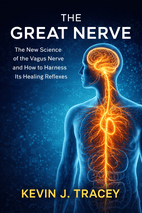
The Great Nerve
by Kevin J. Tracey
What is the book The Great Nerve about?
Kevin J. Tracey's The Great Nerve chronicles the revolutionary discovery of the inflammatory reflex, detailing the scientific journey that established bioelectronic medicine. It is for readers interested in medical breakthroughs and the paradigm-shifting link between the nervous and immune systems.
Feature
Insta.Page
Blinkist
Shortform
Summary Depth
Full Chapter-by-Chapter
15-min overview
Section-by-section guides
Audio Narration
✓
✓
✓
Visual Mindmaps
✓
✕
✕
AI Q&A
✓
✕
✕
Quizzes
✓
✕
✕
PDF Downloads
✓
✕
✓
Price
$89.99/yr
$146/yr (PRO)
$199/yr
*Competitor data last verified July 2026.
1 Page Summary
The Great Nerve by Kevin J. Tracey is a scientific detective story that chronicles the revolutionary discovery of the inflammatory reflex—a direct link between the nervous and immune systems. Tracey, a neurosurgeon and researcher, details his pivotal experiments in the late 1990s and early 2000s that demonstrated how the vagus nerve, a major cranial nerve, can detect inflammatory molecules and send electrical signals to suppress the immune system's overreaction. This work fundamentally challenged the long-held belief that the immune system operated independently, introducing the core concept of a "hard-wired" circuit, akin to a thermostat, that the brain uses to control inflammation in real time.
The book places this discovery within the historical context of medicine's struggle to treat severe, runaway inflammation, as seen in conditions like septic shock and rheumatoid arthritis. Tracey narrates the scientific journey from initial skepticism to validation, explaining how stimulating the vagus nerve with electrodes (a "bioelectronic" approach) could inhibit the production of inflammatory cytokines like TNF. This established the new field of bioelectronic medicine, which aims to treat disease not primarily with drugs, but with targeted nerve signals that modulate specific organ functions.
The lasting impact of this work is profound, opening a new therapeutic frontier. The Great Nerve illustrates how understanding this nerve-immune dialogue has led to clinical trials for treating chronic inflammatory diseases, from arthritis to Crohn's disease, with implantable devices that modulate the vagus nerve. Tracey's narrative underscores a paradigm shift in medicine: the body is an electrically integrated system, and hacking its neural circuits offers a precise, potentially side-effect-limited alternative to broad-acting pharmaceutical interventions.
Chapter 1: How Electricity Could Replace Your Medications
Overview
A profound childhood loss—the author's mother succumbing to a brain tumor—planted a lifelong question about the brain's control over the body’s health. Decades later, this question found a stunning answer in the transformation of a woman named Kelly. After fifteen years of debilitating Crohn’s disease and failed medications, she entered a trial for an implanted device that delivered mild electrical stimulation to her vagus nerve. The results were rapid and dramatic, leading to clinical remission and a life free from medication, symbolized by the gift of her hot pink cane.
Her story is a powerful entry point to a revolutionary idea: that electricity, not just chemistry, could treat our most pervasive illnesses. This forms the core of a new field called bioelectronic medicine. It addresses a critical modern problem: chronic inflammation, which underlies diseases from arthritis to heart disease, is often treated with drugs that carry severe side effects. The breakthrough came with understanding that the nervous and immune systems are not separate. The author's own lab discovered a hardwired inflammatory reflex, where the brain uses the vagus nerve—the master conductor of the body's calming, restorative functions—to directly dial down an overactive immune response.
This overturned medical dogma and revealed a new therapeutic path. Instead of flooding the body with drugs, we can now use precise electrical impulses to "tune" this natural reflex, correcting dysfunctional processes at their source. From a foundational lesson in medical school about the nervous system as a two-way communication network, to the pivotal experiments proving the vagus nerve's immune control, the chapter charts the birth of this new science. It moves from theory to reality, showing how patients in clinical trials are already being treated, and empowers the reader with critical questions about engaging with this emerging option for health and longevity.
A Personal Spark
The author’s lifelong journey into medicine and the nervous system began with a profound childhood loss. When he was five years old, his mother died from a glioblastoma multiforme, a devastating brain tumor. He recalls her final weeks marked by headaches, memory lapses, and a slow disintegration of her motor skills and consciousness—a brutal early lesson in how the brain governs existence. Her death planted a seed, a driving question about the connection between the brain and the body’s health.
Kelly's Story: From Disability to Remission
This foundational curiosity would decades later intersect with the life of Kelly Owens. Diagnosed at thirteen with Crohn’s disease and inflammatory arthritis, Kelly endured fifteen years of debilitating pain, hospitalizations, and ineffective immune-suppressing medications. Steroid treatments led to osteoporosis in her twenties, and flare-ups left her unable to walk, forcing her to abandon her teaching career. By 2014, her doctors were out of options, consigning her to a life dependent on prednisone.
After learning of the author’s research, Kelly and her husband raised funds to move to Amsterdam, where she enrolled in a clinical trial. There, she received a surgically implanted device, similar to a pacemaker, that delivered mild electrical stimulation to her left vagus nerve. The results were transformative. Within weeks, she was walking without a cane. In eight weeks, she achieved clinical remission, began running, and was eventually weaned off all medication. She later gifted the author her hot pink cane—a powerful symbol of her reclaimed life and the potential of this new therapy.
The Premise of Bioelectronic Medicine
Kelly’s case is not an isolated anecdote but a proof of concept for a new field: bioelectronic medicine. Her story highlights the central premise of the chapter: that electricity, delivered via precise nerve stimulation, could one day replace or supplement many powerful medications. Current treatments for autoimmune and inflammatory diseases often carry severe side effects, including FDA “black box” warnings for risks like fatal infection. The author argues that inflammation is now the greatest threat to human longevity, underlying heart disease, stroke, diabetes, neurodegeneration, and cancer.
The discovery that changed everything was the understanding that the brain and immune system are in constant communication via the vagus nerve. This “great nerve” acts as a superhighway, carrying signals that can calm an overactive, damaging inflammatory response. By learning to modulate these natural signals with computer chips and electrical impulses, medicine can potentially harness the body’s own healing reflexes. This approach offers hope for safer, more targeted treatments for the millions worldwide suffering from inflammatory conditions.
The chapter text begins with a poignant, personal memory that illuminates the author's lifelong drive. He recounts the tragic loss of his mother to a glioblastoma when he was five years old, a loss framed by his grandfather’s suggestion that perhaps he could one day “do something about that.” This formative event established his core mission: to produce knowledge to cure disease and prevent suffering in others.
The Nervous System: A Two-Way Street
This personal history seamlessly connects to a foundational lesson from medical school. The human nervous system is explained not as a one-way command center, but as a perpetual, two-way conversation between the brain and body. This involves:
Sensory Input: Nerves gathering data from the body and environment, sending it to the brain.
Motor Output: Nerves carrying signals from the brain back to the body. This output is divided into voluntary actions (like moving a hand) and involuntary, automatic functions (like a heartbeat).
The master regulator of these automatic, life-sustaining functions is the autonomic nervous system. It has two key branches:
The sympathetic ("fight-or-flight") system for arousal and response to threat.
The parasympathetic ("rest-and-digest") system for calm, restoration, and digestion. The vagus nerve is revealed as the crucial linchpin of this calming, parasympathetic network.
The "Great" Wandering Nerve
The text clarifies common textbook facts about the vagus nerve—it’s the tenth cranial nerve, a paired structure, the longest nerve in the body, and its name means "wandering"—but stresses these are not why it truly matters. Historically called "the great nerve," its full potential and mechanisms have remained largely unexplored by conventional medicine, a gap the author’s lab seeks to fill.
A Revolutionary Discovery: The Inflammatory Reflex
The narrative then builds to a paradigm-shifting discovery. For decades, the nervous and immune systems were considered separate, non-communicating entities. This changed during the author's experiments on brain inflammation in rats. His team administered an experimental drug into a rat's brain and found it shut down inflammation throughout the entire body.
The startling mechanism? The vagus nerve.
This proved the existence of a hardwired, two-way inflammatory reflex: the body signals the brain about injury or infection (sensory input), and the brain responds by sending signals back via the vagus nerve (motor output) to actively calm and regulate the immune system's inflammatory response. This discovery, published in Nature, proved the nervous system can be “tuned” and opened the door to intentionally retuning it to treat disease.
The Birth of Bioelectronic Medicine
This discovery of the inflammatory reflex ignited the new field of bioelectronic medicine. The core idea is to use targeted electrical impulses to stimulate specific nerves, like the vagus, to correct dysfunctional biological processes—such as runaway inflammation—without pharmaceuticals. The author recounts retiring from clinical neurosurgery to lead this charge full-time, driven by the conviction that this approach can revolutionize healthcare.
From Lab to Patient: A New Therapeutic Reality
The theoretical is made practical through clinical progress. The chapter highlights patients like Kelly Owens, who entered clinical trials for conditions like rheumatoid arthritis and inflammatory bowel disease. After receiving regular vagus nerve stimulation, many such patients now live normal, medication-free lives. While adoption into widespread medical practice faces hurdles—including institutional inertia and potential disruption to the pharmaceutical industry—FDA-approved devices and ongoing trials prove the therapy's viability.
The section concludes by framing the rest of the book as a guide for readers, posing critical questions they can now ask:
Is there a vagus nerve therapy for my condition?
Can I stimulate it non-surgically?
How do I discuss this with my doctor or join a clinical trial?
How can I optimize my vagus nerve function for overall well-being and longevity?
Key Takeaways
The author’s personal tragedy directly fueled his mission to find cures, culminating in the exploration of the vagus nerve.
The nervous system is a continuous, two-way communication network between the brain and body, with the vagus nerve as a central conductor for involuntary, calming functions.
The landmark discovery of the inflammatory reflex proved the vagus nerve directly controls the immune system, overturning the dogma of separate systems.
This discovery founded bioelectronic medicine: using electronic devices to stimulate nerves and treat disease at its physiological source.
This is not speculative future science; it is a present reality with FDA-approved devices and clinical trials already restoring health to patients without medications.
The reader is empowered to learn about and engage with this new therapeutic option for managing inflammation and chronic disease.
Key concepts: Chapter 1: How Electricity Could Replace Your Medications
1. Chapter 1: How Electricity Could Replace Your Medications
The Personal Spark: A Lifelong Question
Author's childhood loss of his mother to a brain tumor planted a core question about the brain's control over health.
This personal tragedy established a mission to understand and cure disease, preventing suffering in others.
The formative event framed the nervous system not just as anatomy, but as the potential key to healing.
Kelly's Story: Proof of Concept
Kelly suffered from severe, medication-resistant Crohn's disease for 15 years, leading to disability.
She received an implanted device that delivered mild electrical stimulation to her vagus nerve in a clinical trial.
The results were rapid and transformative, leading to clinical remission and freedom from all medication.
Her story is a powerful, real-world symbol of the potential for electricity to replace drugs.
The Core Premise: Bioelectronic Medicine
A revolutionary idea: using electricity, not just chemistry (drugs), to treat pervasive illnesses.
Targets the modern epidemic of chronic inflammation, which underlies many major diseases.
Aims to replace or supplement powerful medications that often carry severe side effects.
Seeks to harness the body's own natural healing and regulatory systems through precise intervention.
The Scientific Breakthrough: The Inflammatory Reflex
Overturned medical dogma by proving the nervous and immune systems are in constant communication.
Discovered a hardwired 'inflammatory reflex' where the brain uses the vagus nerve to dial down immune response.
The vagus nerve acts as a master conductor for the body's calming, restorative functions.
This revealed a new therapeutic path: 'tuning' this natural reflex with precise electrical impulses.
The Nervous System as a Therapeutic Pathway
The nervous system is a perpetual two-way conversation between the brain and body.
It involves sensory input (data to the brain) and motor output (signals from the brain).
This two-way network is the infrastructure that bioelectronic medicine seeks to access and modulate.
By understanding this network, we can correct dysfunctional processes at their source.
From Theory to Reality: The Promise
The field moves from foundational discovery to clinical trials with real patients like Kelly.
Offers the potential for safer, more targeted treatments by working with the body's biology.
Empowers patients and doctors with a new, emerging option for managing health and longevity.
Represents a paradigm shift in how we think about treating chronic disease.
The Autonomic Nervous System: Master Regulator
Controls automatic, life-sustaining bodily functions through two key branches.
Sympathetic branch governs 'fight-or-flight' arousal and threat response.
Parasympathetic branch governs 'rest-and-digest' calm, restoration, and digestion.
The vagus nerve is identified as the crucial linchpin of the calming parasympathetic network.
The Vagus Nerve: Beyond Textbook Facts
Common anatomical facts (tenth cranial nerve, paired, longest, 'wandering') are noted but deemed insufficient to explain its importance.
Historically called 'the great nerve,' its full therapeutic potential has remained largely unexplored by conventional medicine.
The author's research lab aims to fill this critical knowledge gap and unlock its mechanisms.
The Inflammatory Reflex: A Paradigm-Shifting Discovery
Overturned the long-held dogma that the nervous and immune systems were separate, non-communicating entities.
Key experiment: A drug administered into a rat's brain shut down systemic inflammation via vagus nerve signaling.
Proved the existence of a hardwired, two-way reflex: sensory input to the brain about injury/infection, and motor output via the vagus to regulate the immune response.
This discovery, published in Nature, proved the nervous system can be 'tuned' to control inflammation.
The Birth of Bioelectronic Medicine
Founded on the discovery of the inflammatory reflex and the principle of nerve-based control of biological processes.
Core idea: Use targeted electrical impulses to stimulate specific nerves (e.g., the vagus) to correct dysfunctional physiology, like runaway inflammation.
Aims to treat disease at its source without pharmaceuticals.
The author retired from clinical neurosurgery to lead this new field full-time, driven by its revolutionary potential for healthcare.
Clinical Translation: From Theory to Patient Reality
Demonstrated through patient stories (e.g., Kelly Owens) in clinical trials for conditions like rheumatoid arthritis and IBD.
Patients receiving regular vagus nerve stimulation now live normal, medication-free lives, proving therapeutic viability.
FDA-approved devices and ongoing trials confirm this is present-day science, not speculative futurism.
Widespread adoption faces hurdles, including institutional inertia and potential disruption to the pharmaceutical industry.
Empowering the Reader: A Guide Forward
The book frames itself as a practical guide for readers to engage with this new therapy.
Poses critical questions: Is there a vagus nerve therapy for my condition? Can I stimulate it non-surgically?
Encourages proactive discussion with doctors and exploration of clinical trials.
Promotes understanding how to optimize vagus nerve function for overall well-being and longevity.
💡 Try clicking the AI chat button to ask questions about this book!
Chapter 2: The Great Nerve Reveals Itself
Overview
Galen's ancient public dissection of a pig revealed the vagus nerve as a crucial pathway where cutting it silenced the animal, proving the brain controls the body through nerves and shifting the command center from the heart. Today, in modern labs, surgeons use microsurgery and electrodes on mice to listen to the nerve's electrical signals, capturing the ongoing conversation between brain and body with advanced tools. This dialogue became clearer when 19th-century experiments showed that stimulating the vagus nerve slows the heart, thanks to the neurotransmitter acetylcholine, highlighting the balance between the parasympathetic "rest-and-digest" and sympathetic "fight-or-flight" systems. Your resting heart rate mirrors this balance, with higher vagal tone—indicated by a slower pulse—linked to better health and longevity in population studies. Rather than being opposites, these nervous systems cooperate dynamically, like mobilizing for a threat and then restoring calm. Exercise, once thought to suppress the parasympathetic system, actually workouts the vagus nerve, boosting blood flow to the heart and improving overall resilience. Cutting-edge techniques like optogenetics map the nerve's precise wiring, showing specific neurons control functions like breathing without affecting heart rate, debunking the idea of it as a single cable. This precision leads to practical tools: deep, diaphragmatic breathing directly stimulates vagal fibers, enhancing heart rate variability and promoting relaxation. Historically named the "great nerve" for its importance and later the "wandering nerve" for its path, modern science now sees it as a finely tuned system central to health, happiness, and healing.
Galen’s Revolutionary Discovery
The narrative begins with an ancient experiment that fundamentally changed our understanding of the body. The Roman physician Galen, unable to dissect human cadavers, performed a public dissection on a live pig. By cutting a specific branch of the vagus nerve in the animal's neck, he instantly silenced its squeals. This single act demonstrated two revolutionary principles: first, that the brain controls bodily functions by sending signals through nerves, and second, that the larynx (voice box) is the organ of vocalization, controlled by this nerve. This established the brain, not the heart, as the command center of the body and revealed the vagus nerve as a critical communication pathway.
A Modern Laboratory Encounter
Centuries later, the process of studying the vagus nerve continues with similar curiosity but far greater precision. In a contemporary research laboratory, a surgeon performs microsurgery on a mouse under anesthesia. Through a tiny incision viewed under a microscope, the vagus nerve—as thin as a human hair—is carefully exposed alongside the carotid artery. A high-tech electrode is placed underneath it, capable of both stimulating the nerve with electrical pulses and recording the billions of natural signals flowing between the mouse's brain and body. This process, echoing Galen’s pioneering spirit, captures the nerve’s electrical "music" to decode its role in health. The experiment underscores a core truth Galen uncovered: the brain and body are in constant, bidirectional conversation via the vagus nerve.
The Nerve That Slows the Heart
The function of the vagus nerve became even clearer in the 19th century with the work of the Weber brothers. While experimenting with electrical stimulation on frogs, they made a startling observation: stimulating the vagus nerve didn’t excite the heart, it slowed it down, even to a temporary standstill. This revealed a new principle—nerves could inhibit organ function, not just excite it. Decades later, pharmacologist Otto Loewi discovered how. His famous experiment showed that stimulating the vagus nerve causes it to release a chemical—vagusstoff (later identified as the neurotransmitter acetylcholine)—into the heart, which slows its beat. Conversely, stimulating sympathetic nerves releases norepinephrine, which speeds up the heart. This established the balancing act between the "rest-and-digest" (parasympathetic) and "fight-or-flight" (sympathetic) branches of the nervous system.
The Health Signal in Your Pulse
This balance has direct implications for human health. Your resting heart rate is a real-time reflection of the tug-of-war between your vagus nerve (slowing it with acetylcholine) and your sympathetic nerves (speeding it with norepinephrine). Higher vagal tone, indicated by a slower resting heart rate within the normal range (60-100 bpm), is strongly associated with better health and longevity. Large-scale studies, like those from Framingham and France, show that populations with slower average pulses have significantly lower mortality rates from cardiovascular disease and all other causes. While not an absolute predictor for any single individual, a lower resting heart rate is a powerful statistical indicator of a healthier, more resilient physiology nurtured by well-toned vagus nerve activity.
A Dynamic Duo: Sympathetic and Parasympathetic Cooperation
The chapter clarifies that the traditional view of the sympathetic and parasympathetic systems as simple on/off switches is outdated. They engage in a dynamic, cooperative dance. The example of encountering a snarling dog illustrates this beautifully: the sympathetic system mobilizes the body for fight-or-flight, but once the threat passes, the parasympathetic system (led by the vagus nerve) restores calm. This two-system model works in tandem to maintain the body's delicate balance, or homeostasis.
Exercise and Vagal Tone: A Surprising Synergy
Contrary to the old textbook view that exercise shuts down the parasympathetic system, new research reveals that physical activity actually gives the vagus nerve a workout. A pivotal study on sheep running on treadmills used specialized catheters to show that vagus nerve activity increased during exercise. This increased activity boosted blood flow to the heart muscle, allowing it to fill with more oxygenated blood between beats. This demonstrates a synergistic relationship where both systems work together to meet the body's demands. Regular exercise, therefore, improves overall vagal tone—a key indicator of resilience and health.
Mapping the Nerve with Optogenetics
Modern tools like optogenetics are revolutionizing our understanding of the vagus nerve's precise wiring. This technique involves genetically engineering neurons to be sensitive to light, allowing scientists to activate or inhibit specific nerve cells with laser precision. Research using this method on mice has shown that the vagus nerve is not a monolithic cable. Stimulating one specific group of a few hundred vagal neurons can cause breathing to stop, while stimulating a different group causes rapid, shallow breaths—without affecting heart rate or digestion. This proves that specific vagus nerve fibers control specific functions.
A Practical Application: Deep Breathing
This precise mapping has a direct, practical implication: blindly "stimulating the vagus nerve" is not a targeted approach. However, we can voluntarily engage specific parts of it through deep, diaphragmatic breathing. The recommended technique—inhaling through the nose for a count of three and exhaling slowly through the mouth for a count of seven—directly stimulates vagal fibers connected to respiration. This simple act activates the parasympathetic system, slows the pulse, enhances heart rate variability (HRV), and increases vagal tone.
From "Great Nerve" to "Wandering Nerve"
The chapter concludes by reflecting on the nerve's historical journey. Galen named it "the great nerve" for its life-sustaining importance. Centuries later, as anatomists traced its long, branching path through the body, it was renamed the "wandering nerve" (nervus vagus). The author suggests this name may understate its purpose; modern science reveals it as a precisely wired and finely tuned system, central to health, happiness, and healing. The ongoing scientific exploration of its mysteries continues to hold promise for improving human well-being.
Key Takeaways
The sympathetic and parasympathetic nervous systems are cooperative partners, not opposites, working together to maintain balance.
Exercise improves vagal tone, as the vagus nerve remains active during physical activity to optimize heart function and blood flow.
The vagus nerve is not a single unit; it contains distinct groups of neurons that control very specific bodily functions (like breath control) with precision.
Deep, diaphragmatic breathing is a proven, voluntary method to stimulate beneficial vagal activity, enhance parasympathetic tone, and improve HRV.
Scientific understanding of the vagus nerve has evolved from seeing it as a "wandering" pathway to recognizing it as a precisely organized and critical system for holistic health.
Key concepts: Chapter 2: The Great Nerve Reveals Itself
2. Chapter 2: The Great Nerve Reveals Itself
Galen's Revolutionary Discovery
Public dissection of a live pig demonstrated brain controls body via nerves
Cutting the vagus nerve silenced the animal, proving its role in vocalization
Established the brain, not the heart, as the body's command center
Revealed the vagus nerve as a critical communication pathway
Modern Laboratory Techniques
Microsurgery and electrodes capture electrical signals in the vagus nerve
Advanced tools decode the ongoing brain-body conversation
Process echoes Galen's pioneering spirit with greater precision
Reinforces the constant bidirectional communication via the nerve
The Nerve That Slows the Heart
19th-century experiments showed vagus stimulation slows the heart
Revealed nerves can inhibit organ function, not just excite it
Discovery of acetylcholine as the neurotransmitter responsible
Established the balance between parasympathetic and sympathetic systems
Vagal Tone and Health Indicators
Resting heart rate reflects the balance between nervous systems
Higher vagal tone (slower pulse) linked to better health and longevity
Large population studies show lower mortality with slower pulses
Vagal tone serves as a statistical indicator of physiological resilience
Sympathetic-Parasympathetic Cooperation
Systems work as a dynamic duo rather than simple on/off switches
Example: sympathetic mobilizes for threat, parasympathetic restores calm
Two-system model maintains homeostasis through coordinated action
Traditional view of them as opposites is outdated
Modern Scientific Understanding
Optogenetics reveals precise wiring with specific neuron functions
Vagus nerve is not a single cable but a finely tuned system
Practical applications like diaphragmatic breathing stimulate vagal fibers
Central to health, happiness, and healing in contemporary science
Exercise and Vagal Tone: A Surprising Synergy
New research overturns the old view that exercise shuts down the parasympathetic system, showing the vagus nerve remains active.
A study on sheep demonstrated that vagus nerve activity increases during exercise to boost blood flow and oxygen to the heart.
This reveals a synergistic partnership where the sympathetic and parasympathetic systems work together to meet bodily demands.
Regular exercise improves overall vagal tone, a key indicator of physiological resilience and health.
Mapping the Nerve with Optogenetics
Optogenetics uses light-sensitive, genetically engineered neurons to activate or inhibit specific nerve cells with laser precision.
Research on mice proves the vagus nerve is not a monolithic cable but contains distinct groups of neurons for specific functions.
Stimulating one small group of vagal neurons can stop breathing, while another group causes rapid, shallow breaths—without affecting heart rate or digestion.
This precise mapping demonstrates that specific vagus nerve fibers control very specific bodily functions.
A Practical Application: Deep Breathing
The precise mapping of the vagus nerve means blindly 'stimulating' it is not a targeted approach.
We can voluntarily engage specific parts of the vagus through deep, diaphragmatic breathing.
The recommended technique (inhale for 3 counts, exhale slowly for 7 counts) directly stimulates vagal fibers connected to respiration.
This simple act activates the parasympathetic system, slows the pulse, and enhances heart rate variability (HRV) and vagal tone.
From 'Great Nerve' to 'Wandering Nerve'
Galen originally named it 'the great nerve' for its life-sustaining importance.
Later anatomists, tracing its long, branching path, renamed it the 'wandering nerve' (nervus vagus).
Modern science suggests this name may understate its purpose, revealing it as a precisely wired and finely tuned system.
The vagus nerve is now understood as central to health, happiness, and healing, with ongoing exploration promising further improvements to human well-being.
Chapter 3: Your Body’s Healing Reflexes
Overview
It begins with a poignant mystery from a burn unit, where an infant named Janice succumbs to a sudden, catastrophic collapse that defies conventional explanation—no infection, just a swift physiological failure. This haunting event sets the stage for exploring how the body's own protective systems can sometimes turn against it. At the core of this inquiry are the unconscious, automatic processes that keep us alive, known as reflexes. Far more than simple knee-jerk reactions, these are sophisticated circuits that coordinate everything from your heartbeat to digestion, relying on principles like reciprocal inhibition to ensure smooth, balanced function without a single conscious thought.
Imagine enjoying a slice of pizza: your body is already at work, with vagus nerve reflexes priming your digestive system at the first sight or smell, then managing the complex choreography of chewing, swallowing, and nutrient processing. This seamless automation frees your mind to savor the meal, illustrating how life depends on these hidden guardians. The collective aim of all these reflexes is homeostasis—a stable internal environment that emerges from billions of neural connections. Specific vagus-mediated reflexes, such as the baroreceptor reflex that adjusts blood pressure or the diving reflex that conserves oxygen, continuously fine-tune this balance.
But when this reflexive harmony is disrupted, dysregulation sets in, paving the way for disease. Janice's tragedy hinted at an extreme form of this, where the immune system's inflammatory response spirals out of control. The narrative then shifts to the lab, where researchers identify Tumor Necrosis Factor (TNF) as a key player—a molecule vital for healing but lethal in excess. Experiments show that administering TNF can induce fatal shock, echoing Janice's collapse. A decisive study with baboons proves that blocking TNF with an antibody can prevent death from septic shock, revealing that the body's own excessive inflammation, not the bacteria itself, is the killer. This finding revolutionized medicine, leading to anti-TNF therapies for conditions like rheumatoid arthritis.
An unexpected twist emerges when a drug designed to suppress inflammation works only if the vagus nerve is intact, sparking a groundbreaking hypothesis. By electrically stimulating this nerve, scientists discover the inflammatory reflex—a hardwired circuit where the vagus nerve acts as a communication line between the brain and immune system. Sensory fibers alert the brain to inflammatory threats, while motor signals travel back to dampen molecules like TNF, restoring balance. When this reflex falters, inflammation can rage unchecked, contributing to chronic illnesses. This discovery not only unveils a direct neural pathway for controlling immunity but also opens the door to innovative treatments, such as electronic vagus nerve stimulators, blending ancient reflexes with modern science to harness the body's innate healing power.
The chapter opens in a burn unit thirty-nine years ago, where a baby named Janice fights for her life after a scalding accident. Despite her spirit and the team's efforts, she succumbs to a sudden, catastrophic collapse—her blood pressure plummets, her heart races chaotically, and she stops breathing. An intense, hour-long resuscitation employing every advanced procedure available fails to restart her heart. Her death, in the absence of any detectable infection or bacterial toxins, leaves a haunting question: what triggered this fatal physiological failure if not the usual suspect of bacterial poison? The author is left convinced the answer lies hidden within the body’s own inflammatory processes.
The Unseen Symphony of Reflexes
While you read, your brain and nervous system are managing thousands of functions beneath your conscious awareness. You cannot feel the sensory signals from your liver or lungs traveling via the vagus nerve to coordinate insulin release or breathing rate. This seamless, unconscious orchestration is the work of reflexes. These are not just simple knee-jerk reactions but complex, coordinated circuits.
A reflex like the patellar tendon response involves sensory nerves, spinal cord processing, and motor output—all without conscious thought. This is made possible by reciprocal inhibition, where stimulating one muscle group simultaneously inhibits its opposing muscles to create smooth, coordinated movement. This principle of collaboration is fundamental, mirroring the balance between fight-or-flight and rest-and-digest systems.
Reflexes in Action: The Pizza Test
Consider the act of eating pizza. Long before the first bite, the sight or smell activates vagus nerve reflexes, stimulating saliva production and priming the stomach with acid and enzymes. As you chew and swallow, thousands of sensory neurons in your digestive tract send input to the brain stem via the vagus nerve, which triggers thousands of reflexive outputs to keep digestion moving, regulate pancreatic enzymes, and synchronize this work with your heart and lungs. Should you choke, a coughing reflex engages; if you overeat, reflexes work to restore comfort. These automatic processes free your conscious mind to enjoy the meal, demonstrating how life depends on these unseen, protective reflexes.
Homeostasis: The Goal of Reflexive Harmony
About 80% of vagus nerve fibers are afferent—they carry sensory input to the brain. Each fiber is part of a specific reflex circuit, relaying data on everything from blood pressure to nutrient levels. The brain stem integrates this flood of information and sends reflexive motor signals back through the vagus to coordinate organ function. The emergent result of all this reflexive collaboration is homeostasis—the stable internal environment essential for health.
Homeostasis is not coded by a single gene; it is an emergent property that arises from the complex network of billions of neurons and trillions of synapses. It is the balanced state that simple, evolutionarily selected reflexes work together to maintain.
Key Vagus Nerve Reflexes
Several specific vagus-mediated reflexes exemplify this constant balancing act:
The Baroreceptor Reflex: Specialized neurons in arteries detect blood pressure changes. Rising pressure triggers vagus nerve signals to slow the heart and dilate blood vessels, lowering pressure. Falling pressure reduces vagal tone, allowing heart rate and vessel constriction to increase.
The Hering-Breuer Reflex: Stretch receptors in the lungs signal via the vagus nerve to stop inhalation and initiate exhalation, preventing overinflation.
Respiratory Sinus Arrhythmia (RSA): Heart rate naturally increases with inhalation and decreases with exhalation, a vagus-mediated syncopation that optimizes blood oxygenation.
The Diving Reflex: Cold water on the face triggers a vagus nerve response that slows heart rate, suppresses breathing, and redirects blood to vital organs to conserve oxygen.
Dysregulation: When Balance is Lost
The vagus nerve is central to maintaining homeostasis. Disruption of its reflexive circuits leads to dysregulation—an imbalance in the body's internal environment that underpins most disease states. The extreme dysregulation that killed Janice, the author suspects, stemmed from the immune system itself. This tragedy launched a decades-long quest to understand inflammation, not as an exclusively beneficial force, but as a potent physiological process that, when unchecked, can become lethal. The mystery of Janice’s death points toward a fundamental connection between the nervous and immune systems waiting to be discovered.
From Laboratory Discovery to a Lethal Culprit
The chapter shifts to examine how a vital healing process—inflammation—can become deadly when uncontrolled. The narrative centers on Tumor Necrosis Factor (TNF), a cytokine produced by the immune system that is essential for mobilizing defenses and healing. However, the author’s early experiments revealed a dark side: administering TNF directly to a rat caused catastrophic shock, organ failure, and death. The rat’s own body, via this molecule, had killed itself. This was the same mechanism the author suspected killed baby Janice—a fatal overproduction of TNF.
This pivotal “holy-shit moment” established that everyone is capable of inflammatory excess. It led to a critical question: if TNF was the problem, could an antidote be created?
The Baboon Experiment: Proof of Concept
To translate this discovery toward human application, the team designed a decisive experiment using baboons, whose physiology closely mirrors our own. They infected two baboons with a lethal dose of E. coli bacteria to trigger the animals’ own immune systems to overproduce TNF.
One baboon received a control antibody.
The other received a newly crafted “anti-TNF monoclonal antibody.”
The results were starkly different. The control baboon rapidly succumbed to septic shock, its systems collapsing. The baboon protected by the anti-TNF antibody, however, maintained normal heart rate, breathing, and organ function despite the raging bacterial infection in its blood. This proved that the lethal agent was not the bacteria itself, but the body’s excessive TNF response to it. Blocking TNF could maintain homeostasis and prevent death. The publication of these findings in Nature in 1987 set the stage for anti-TNF therapies that now help millions with conditions like rheumatoid arthritis.
An Unexpected Pathway: The Vagus Nerve Connection
While developing an anti-inflammatory drug called CNI-1493, the team made a serendipitous discovery. They found that administering this drug into the brain could suppress TNF production in the body—a phenomenon with no textbook explanation. The mystery was solved when they severed the vagus nerve; without this neural connection, the drug in the brain no longer affected bodily inflammation.
This sparked a groundbreaking hypothesis: the vagus nerve could directly regulate the immune system. To test it, the author electrically stimulated a rat’s vagus nerve before triggering inflammation. The result was a 75% reduction in TNF levels. This was the discovery of the inflammatory reflex—a hardwired, neural circuit where the vagus nerve acts as a sensory and command line for the immune system.
Defining the Inflammatory Reflex
This reflex formalizes the dialogue between the nervous and immune systems:
Sensory Input (80% of vagus nerve fibers): Immune cells detect danger (like microbes or injury) and release inflammatory molecules (e.g., cytokines). These molecules stimulate sensory neurons in the vagus nerve, which relay the “status report” to the brain. This communication generates the feelings of sickness, pain, and fever.
Motor Output: The brain, receiving this information, automatically sends signals back down the vagus nerve to the spleen and other organs. These signals instruct immune cells to slow down and inhibit the production of molecules like TNF, restoring balance.
When this reflex is impaired, inflammation can run amok, contributing to chronic diseases. Therapeutically, this discovery opens the door to using electronic vagus nerve stimulators—already used safely for epilepsy—as a new class of treatment to modulate inflammation without drugs.
Key Takeaways
Inflammation is essential for healing, but when overstimulated, molecules like TNF can cause lethal shock and tissue damage.
The development of anti-TNF monoclonal antibodies proved that blocking this excessive response could save lives, leading to today’s common biologic drugs.
The inflammatory reflex is a neural circuit, primarily conducted through the vagus nerve, that allows the brain to sense and actively suppress systemic inflammation.
This discovery provides a scientific mechanism for the mind-body connection and establishes the vagus nerve as a direct therapeutic target for controlling inflammation.
Key concepts: Chapter 3: Your Body’s Healing Reflexes
3. Chapter 3: Your Body’s Healing Reflexes
The Mystery of Reflexive Failure
Janice's case: fatal physiological collapse without infection, hinting at internal system failure
The central question: what triggers catastrophic failure when not caused by external toxins?
Body's protective systems can turn destructive when dysregulated
The Nature of Reflexes
Complex, unconscious circuits coordinating thousands of bodily functions
More than simple knee-jerk reactions—involve sensory input, processing, and motor output
Rely on reciprocal inhibition for smooth, balanced movement and function
Free conscious mind by handling automatic processes
Reflexes in Daily Life: The Pizza Example
Vagus nerve primes digestion at sight/smell of food
Coordinates chewing, swallowing, and nutrient processing
Sensory feedback loops regulate digestive function
Protective reflexes engage during threats (choking, overeating)
Homeostasis: The Reflexive Goal
Stable internal environment emerging from neural coordination
80% of vagus nerve fibers are afferent (carry sensory data to brain)
Brain stem integrates information and sends reflexive motor signals
Specific reflexes (baroreceptor, diving) fine-tune balance continuously
Dysregulation and Disease
Disrupted reflexive harmony leads to disease pathways
Inflammatory response can spiral out of control (as in Janice's case)
Tumor Necrosis Factor (TNF): vital for healing but lethal in excess
Excessive inflammation, not pathogens alone, can be fatal
The Inflammatory Reflex Discovery
Vagus nerve identified as critical communication line between brain and immune system
Sensory fibers alert brain to inflammation; motor signals dampen immune response
Failure of this reflex leads to unchecked inflammation and chronic illness
Electrical vagus nerve stimulation reveals hardwired neural control of immunity
Medical Implications and Innovations
Anti-TNF therapies developed from understanding inflammatory dysregulation
Electronic vagus nerve stimulators represent new treatment frontier
Blends ancient reflexive pathways with modern therapeutic science
Revolutionized understanding of neural-immune connection
Homeostasis as an Emergent Property
Homeostasis is not controlled by a single gene but arises from the complex network of billions of neurons and trillions of synapses.
It is a balanced state maintained by the coordinated action of simple, evolutionarily selected reflexes.
The vagus nerve is central to orchestrating these reflexive balancing acts.
Key Vagus Nerve Reflexes
The Baroreceptor Reflex: Vagus nerve responds to blood pressure changes by adjusting heart rate and vessel dilation to maintain pressure.
The Hering-Breuer Reflex: Prevents lung overinflation by signaling via the vagus to stop inhalation and start exhalation.
Respiratory Sinus Arrhythmia (RSA): Vagus-mediated heart rate syncopation with breathing to optimize blood oxygenation.
The Diving Reflex: Cold water on the face triggers vagus to slow heart rate, suppress breathing, and conserve oxygen for vital organs.
Dysregulation: The Loss of Balance
Disruption of vagus nerve circuits leads to dysregulation, an imbalance underlying most disease states.
The tragic death of Janice suggested a lethal, unchecked immune response, pointing to a connection between nervous and immune systems.
This event launched a quest to understand inflammation as a potentially deadly process when uncontrolled.
The Lethal Potential of Inflammation
Tumor Necrosis Factor (TNF) is a cytokine essential for healing but can cause catastrophic shock and death when overproduced.
Early experiments showed administering TNF to a rat caused fatal organ failure, revealing everyone's capacity for inflammatory excess.
This discovery raised the critical question of whether an antidote to TNF could be created.
The Baboon Experiment: Validating the TNF Hypothesis
An experiment with baboons infected with E. coli proved the lethal agent was the body's excessive TNF response, not the bacteria itself.
A baboon treated with an anti-TNF antibody maintained normal vital signs and organ function despite the infection.
The control baboon succumbed to septic shock, demonstrating that blocking TNF could preserve homeostasis and prevent death.
This 1987 study in Nature laid the foundation for anti-TNF therapies used today for conditions like rheumatoid arthritis.
Discovery of the Inflammatory Reflex
A serendipitous finding showed that a drug in the brain could suppress bodily TNF production, but only if the vagus nerve was intact.
Electrical stimulation of the vagus nerve in a rat reduced TNF levels by 75%, proving a direct neural-immune connection.
This led to the identification of the inflammatory reflex, a hardwired neural circuit where the vagus nerve regulates immune activity.
Mechanism of the Inflammatory Reflex
Sensory Input (80% of vagus fibers): Immune cells release inflammatory molecules that stimulate vagus sensory neurons, relaying a 'status report' to the brain, generating feelings of sickness.
Motor Output: The brain sends signals back via the vagus nerve to organs like the spleen, instructing immune cells to inhibit molecules like TNF and restore balance.
Impairment of this reflex allows inflammation to run amok, contributing to chronic diseases.
The discovery opens therapeutic avenues for using electronic vagus nerve stimulators to modulate inflammation without drugs.
The Double-Edged Sword of Inflammation
Inflammation is a critical, life-saving biological process for fighting infection and initiating tissue repair.
When overstimulated, inflammatory molecules like Tumor Necrosis Factor (TNF) can cause septic shock, organ failure, and lethal tissue damage.
This established the paradigm that excessive inflammation, not just pathogens, is a direct cause of disease and death.
The Breakthrough of Anti-TNF Therapy
The development of monoclonal antibodies to block TNF proved that inhibiting an excessive inflammatory response could be a life-saving treatment.
This discovery validated inflammation as a direct therapeutic target, moving beyond just attacking microbes.
It led to the creation of modern biologic drugs, revolutionizing the treatment of autoimmune and inflammatory diseases.
Discovery of the Inflammatory Reflex
The inflammatory reflex is a hardwired neural circuit that allows the brain to monitor and actively regulate the immune system in real-time.
This reflex is primarily conducted through the vagus nerve, which senses inflammatory cytokines and sends signals back to the spleen to suppress their production.
It provides a concrete, anatomical pathway for the brain to control bodily inflammation, moving beyond the concept of hormones.
Implications for Mind-Body Medicine
The inflammatory reflex provides a definitive scientific mechanism for the mind-body connection, linking the nervous system directly to immune function.
It establishes the vagus nerve as a physical interface and a direct target for therapies aimed at controlling inflammation.
This discovery bridges neurology and immunology, opening the door to bioelectronic medicine and non-pharmacological interventions.
Chapter 4: The Path to Stimulation and Early Experiments with Epilepsy
Overview
The story of using electricity to treat epilepsy starts by learning to speak the body's own subtle language. To be safe and effective, medical stimulation must carefully imitate the natural, discrete spikes called action potentials that neurons use to communicate, rather than applying a crude, continuous current. By precisely tuning parameters like amplitude, pulse width, and frequency, devices can activate specific fibers within the vagus nerve, initiating a widespread modulation of the body's physiology.
This concept had surprisingly dark and rudimentary beginnings. In the late 1800s, Dr. J.L. Corning's "neck truss" device combined electrical stimulation with artery compression, causing terror and even death in patients, yet it contained the germ of the idea. A clearer scientific signal emerged in 1950s Italy, where researcher Alberto Zanchetti found that stimulating a cat's vagus nerve could abruptly silence epileptic brain waves, though the bulky technology of the era made human application impossible.
The crucial technological leap arrived from an entirely different medical frontier: the heart. The invention of the transistor revolutionized electronics, shrinking room-sized machines into portable units. This innovation, coupled with the tragic inspiration of a power failure, led electrical engineer Earl Bakken to build the first wearable, battery-powered pacemaker. This compact, reliable platform became the essential blueprint for future implantable nerve stimulators.
By the 1980s, the pieces converged. Neuroscientist Jacob Zabara, aware of Zanchetti's work, realized pacemaker technology could be adapted for the vagus nerve. In November 1988, Toney Kincaid, a young man with multiple daily seizures, became the first human to receive an implantable vagus nerve stimulator. The surgery was successful, and after months of careful adjustment, his seizure frequency plummeted from around eighty per day to just a handful, culminating in his first seizure-free day in years. His profound improvement led him to channel his gratitude into founding the Epilepsy Association of North Carolina.
Initial studies with Toney and three other patients yielded encouraging data, with most experiencing significant seizure reduction and only mild, transient side effects. To earn regulatory approval, a larger double-blind trial in Sweden provided robust evidence, showing that high-stimulation groups achieved markedly better outcomes. This led to FDA approval in the 1990s, establishing vagus nerve stimulation (VNS) as a pioneering non-drug therapy for intractable epilepsy.
Today, implanting a VNS device is a routine outpatient procedure with risks comparable to other common medical implants. For many patients resistant to medications, it offers life-changing relief, with a substantial portion achieving at least a 50% reduction in seizures, including children with severe syndromes. Yet, despite its proven effectiveness, the precise mechanism by which VNS quells seizures remains an engaging mystery. Theories abound, from modulating neurotransmitters and calming brain networks to reducing inflammation or fostering neural plasticity. This ongoing puzzle underscores the brain's complexity, while the widespread adoption of VNS has serendipitously expanded scientific understanding, revealing the vagus nerve's profound role in linking the nervous and immune systems and opening new therapeutic horizons.
The Science of Safe Stimulation
While electricity in nature—like lightning—is destructive, harnessing it for medical stimulation requires mimicking the body's own electrical language. The key difference lies between the continuous flow of electric current and the way neurons communicate. Neurons transmit discrete spikes called action potentials, which travel along nerve fibers by the sequential opening of ion channels, much like falling dominoes.
To safely stimulate the vagus nerve, devices use carefully controlled electrical pulses that imitate these natural action potentials. Three parameters are precisely tuned:
Amplitude: The intensity or "volume" of the pulse.
Pulse Width: The duration of each individual pulse, measured in milliseconds.
Frequency: The rate of pulses per second (Hertz), controlling the pacing.
By adjusting these settings, stimulation can be tailored to activate specific types of fibers within the vagus nerve, initiating a cascade of neurotransmitter release across billions of synapses to modulate the body's physiology.
Ghastly Beginnings and a Glimmer of Insight
The notion of using electricity to treat epilepsy has dark, early roots. In the late 1800s, Dr. J.L. Corning used a "neck truss" device to apply prolonged electrical stimulation combined with carotid artery compression. His goal was to slow the heart rate by stimulating the vagus nerve, believing epilepsy was caused by excess brain blood flow. The treatment caused severe side effects—weakness, terror, agony, sobbing, and sometimes death—yet contained the embryonic idea of therapeutic vagus nerve stimulation.
A more scientific foundation was laid in 1950s Pisa, Italy. Researcher Alberto Zanchetti, stimulating a cat's vagus nerve with brief electrical pulses, observed the abrupt disappearance of epileptic brain activity on an EEG. This provided the first direct evidence that vagus nerve stimulation could quiet seizure-related signals in the brain. However, the technology of the time—bulky, vacuum tube-powered generators—made human application impractical.
The Pacemaker Paves the Way
The crucial technological leap came from cardiology, not neurology. In 1952, Dr. Paul Zoll used external electrical stimulation to restart a stopped heart. The subsequent development of the transistor was revolutionary, replacing room-sized devices with small, reliable units that could amplify and switch signals precisely.
The urgent need for a portable power source was tragically highlighted when a baby died during a 1957 power failure in Minneapolis, reliant on a wall-powered pacemaker. Electrical engineer Earl Bakken, inspired by a Popular Electronics article for a transistorized metronome, built the first battery-powered, wearable pacemaker in just four weeks. This innovation directly led to fully implantable devices, creating the technological platform essential for future vagus nerve stimulators.
Converging Paths: The First VNS Patient
By the mid-1980s, the stage was set. Neuroscientist Jacob Zabara, aware of Zanchetti's work, realized pacemaker technology could be adapted for the vagus nerve. He co-founded the company Cyberonics to develop an implantable device with a helix-shaped electrode.
In November 1988, this convergence reached a milestone. Toney Kincaid, a young man suffering from multiple daily seizures due to a brain malformation, became the first human recipient of an implantable vagus nerve stimulator. The surgery, performed by Dr. William O. Bell, involved isolating the left vagus nerve in the neck, coiling the electrode around it, and tunneling the wires to a generator pocket in the chest. This procedure established the modern surgical template for VNS therapy.
Toney Kincaid's surgery concluded without the feared side effects, and his recovery marked a turning point. With his vagus nerve stimulator (VNS) activated and gradually adjusted over nine months, his seizure frequency plummeted from around eighty daily to just a few. A profound moment arrived on July 31, 1989, when he experienced his first full day without a seizure in years. Grateful for this new lease on life, Toney channeled his energy into founding the Epilepsy Association of North Carolina, an organization dedicated to advocacy, education, and support for those affected by epilepsy.
Initial Study Outcomes
The pioneering study involving Toney and three other patients, all of whom had exhausted medication options, yielded encouraging data. Three out of four saw significant improvements: two became entirely seizure-free, one had a 40% reduction, and one showed no change. Side effects were minimal—transient hoarseness, neck sensations, and in one case, hiccups—with no serious cardiac issues noted. These early results hinted at VNS's potential as a viable therapy for intractable epilepsy.
Clinical Validation and FDA Approval
To secure regulatory approval, Cyberonics conducted a larger, double-blind trial in Sweden. Patients received implants and were randomized into high or low stimulation groups. After fourteen weeks, the high-stimulation group achieved a mean seizure reduction of 30.9%, significantly outperforming the 11.3% reduction in the low group. Notably, nearly 40% in the high group saw at least half their seizures disappear. This robust evidence led the FDA to approve VNS for epilepsy in the 1990s, offering a first-of-its-kind non-pharmacological treatment.
Modern Implantation and Risks
Today, implanting a VNS device is a routine outpatient procedure performed under local or general anesthesia. Surgical risks are low, with less than 5% of patients experiencing complications like minor infections, temporary vocal cord weakness, or neck pain. These risks are comparable to those of pacemakers or joint replacements and are often deemed acceptable given the debilitating nature of uncontrolled seizures.
Effectiveness in Real-World Use
With hundreds of thousands of implants worldwide, VNS has cemented its role in epilepsy care. For many patients resistant to drugs, it provides meaningful relief—45–65% achieve at least a 50% drop in seizure frequency. Children with severe syndromes such as Lennox-Gastaut also benefit, experiencing fewer and less intense seizures, which can dramatically improve their quality of life.
Unraveling the How: Theories on VNS Mechanisms
Despite its clinical success, the exact way VNS quells seizures remains a puzzle. Researchers have proposed several theories: it may calm overactive brain areas, adjust neurotransmitter levels (like boosting norepinephrine or balancing GABA and glutamate), or reduce inflammation in the brain. Other ideas include the release of natural opioids, shifts in cerebral blood flow—particularly to the thalamus—or even fostering neural plasticity, where the brain rewires itself to resist seizures. While each theory has merit, no single explanation has won consensus, reminding us that sometimes therapies work before we fully understand why.
Broader Scientific Implications
The widespread adoption of VNS devices has serendipitously provided a unique window into how the vagus nerve influences bodily processes, notably inflammation. This has expanded research horizons beyond epilepsy, exploring connections between neural stimulation and immune response.
Key Takeaways
Vagus nerve stimulation (VNS) offers a life-changing option for epilepsy patients who don't respond to medications, with many achieving significant seizure reduction.
FDA approval was based on rigorous trials showing clear benefits, especially with higher stimulation levels.
The implantation procedure is now safe and commonplace, with risks similar to other medical devices.
Effectiveness spans a broad range, helping both adults and children with various epilepsy forms.
While multiple theories exist—from neurotransmitter modulation to anti-inflammatory effects—the precise mechanism of VNS remains unknown, highlighting the complexity of the brain.
VNS research has inadvertently advanced our understanding of the vagus nerve's role in controlling inflammation, opening new therapeutic avenues.
Key concepts: Chapter 4: The Path to Stimulation and Early Experiments with Epilepsy
4. Chapter 4: The Path to Stimulation and Early Experiments with Epilepsy
The Science of Safe Neural Stimulation
Medical stimulation must mimic the body's natural action potentials, not apply crude continuous current.
Key parameters—amplitude, pulse width, and frequency—are precisely tuned to activate specific nerve fibers.
Stimulation initiates widespread physiological modulation via neurotransmitter release across synapses.
Early and Dark Beginnings (19th Century)
Dr. J.L. Corning's 'neck truss' combined electrical stimulation with artery compression.
Treatment caused severe side effects (terror, agony, death) but contained the germ of therapeutic VNS idea.
Based on flawed theory that epilepsy was caused by excess brain blood flow.
Scientific Foundation in Mid-20th Century
Alberto Zanchetti's 1950s experiments showed vagus nerve stimulation silenced epileptic brain waves in cats.
Provided first direct evidence of VNS anti-seizure effect.
Bulky vacuum tube technology made human application impossible at the time.
Technological Leap from Cardiology
Invention of the transistor enabled miniaturization from room-sized to portable devices.
Earl Bakken built the first wearable, battery-powered pacemaker after a power failure tragedy.
Pacemaker technology became the essential blueprint for future implantable nerve stimulators.
Convergence and First Human Implant
Neuroscientist Jacob Zabara adapted pacemaker technology for vagus nerve stimulation.
In November 1988, Toney Kincaid became first human recipient of implantable VNS.
His seizure frequency dropped dramatically, from ~80/day to a handful, with first seizure-free day in years.
Clinical Trials and Regulatory Approval
Initial studies with four patients showed significant seizure reduction with mild side effects.
Double-blind trial in Sweden provided robust evidence for high-stimulation efficacy.
FDA approval in the 1990s established VNS as pioneering non-drug therapy for intractable epilepsy.
Modern VNS Therapy and Ongoing Mysteries
Today, VNS implantation is a routine outpatient procedure with manageable risks.
Offers life-changing relief for medication-resistant patients, including children.
Precise anti-seizure mechanism remains unknown, with theories involving neurotransmitters, brain networks, inflammation, and neural plasticity.
Technological Breakthrough: The Wearable Pacemaker
A 1957 power failure death highlighted the need for portable power sources in medical devices.
Earl Bakken built the first battery-powered, wearable pacemaker in four weeks, inspired by transistorized electronics.
This innovation created the essential technological platform for future fully implantable devices like VNS.
The First Human VNS Implantation
In November 1988, Toney Kincaid became the first human recipient of an implantable vagus nerve stimulator.
The surgery established the modern surgical template: electrode coiled around the left vagus nerve in the neck, connected to a chest generator.
Kincaid's seizure frequency dropped dramatically, and he experienced his first seizure-free day in years on July 31, 1989.
He later founded the Epilepsy Association of North Carolina, turning his experience into advocacy.
Early Clinical Results and FDA Approval
The initial four-patient study showed significant improvement in three patients, with two becoming seizure-free.
Side effects were minimal (hoarseness, neck sensations, hiccups) with no serious cardiac issues.
A larger Swedish double-blind trial proved efficacy: high stimulation achieved 30.9% mean seizure reduction vs. 11.3% for low stimulation.
This evidence led to FDA approval in the 1990s, establishing VNS as the first non-pharmacological epilepsy treatment of its kind.
Modern VNS Therapy: Procedure and Effectiveness
Implantation is now a routine outpatient procedure with low surgical risk (<5% complication rate).
Risks are comparable to other implantable devices and are deemed acceptable given the severity of uncontrolled seizures.
Real-world data shows 45–65% of drug-resistant patients achieve at least a 50% reduction in seizure frequency.
Children with severe syndromes like Lennox-Gastaut also benefit, experiencing fewer and less intense seizures.
Theories on VNS Mechanism of Action
The exact mechanism by which VNS quells seizures remains unknown, with multiple competing theories.
Proposed mechanisms include calming overactive brain areas, modulating neurotransmitters (norepinephrine, GABA, glutamate), and reducing brain inflammation.
Other theories involve the release of natural opioids, shifts in cerebral blood flow, or fostering neural plasticity.
The clinical success of VNS despite an incomplete mechanistic understanding highlights the complexity of the brain.
Broader Scientific Impact of VNS
Widespread VNS use has provided a unique research tool to study the vagus nerve's influence on bodily processes.
A major serendipitous discovery is the nerve's role in controlling inflammation, opening new therapeutic avenues beyond epilepsy.
VNS research exemplifies how a therapy developed for one condition can expand fundamental understanding of physiology.
You've reached the end of the free chapters
Next chapter: “Beyond Medication: A Healing Reflex for Depression” is locked
Keep reading The Great Nerve — and unlock all 600+ book summaries with audio, mindmaps and AI Q&A.
$0.00 due today · 7 days free, then $89.99/year ($7.49/mo) · Cancel anytime before day 7
Kevin J. Tracey is a neurosurgeon and scientist renowned for his pioneering research on the inflammatory reflex and the discovery of the cholinergic anti-inflammatory pathway. His notable work includes his influential book *Fatal Sequence: The Killer Within*, which details the science of sepsis and inflammation. He serves as the president and CEO of the Feinstein Institutes for Medical Research, where he continues to lead investigations into bioelectronic medicine.
📚 Explore Our Book Summary Library
Discover more insightful book summaries from our collection