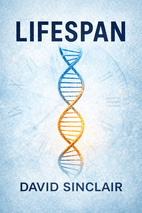
David Sinclair's Lifespan presents a paradigm-shifting argument that aging is a treatable disease, grounded in the Information Theory of Aging. It details the science of longevity pathways like sirtuins and offers actionable advice for anyone seeking to understand and potentially extend their healthspan.
Feature
Insta.Page
Blinkist
Shortform
Summary Depth
Full Chapter-by-Chapter
15-min overview
Section-by-section guides
Audio Narration
✓
✓
✓
Visual Mindmaps
✓
✕
✕
AI Q&A
✓
✕
✕
Quizzes
✓
✕
✕
PDF Downloads
✓
✕
✓
Price
$89.99/yr
$146/yr (PRO)
$199/yr
*Competitor data last verified July 2026.
1 Page Summary
Lifespan: Why We Age—and Why We Don't Have To presents a paradigm-shifting argument that aging is not an inevitable consequence of living but a treatable, and potentially reversible, disease. Harvard geneticist David Sinclair grounds his thesis in the "Information Theory of Aging," which posits that the primary cause of aging is the loss of epigenetic information—the cellular instructions that tell genes when and where to turn on and off. He illustrates this with the elegant analogy of a scratched DVD: the data (our genes) remains intact, but the player (the epigenetic machinery) cannot read it correctly, leading to cellular dysfunction. Sinclair traces the historical scientific understanding of aging, from evolutionary theories to the discovery of longevity genes like sirtuins, which his own research has prominently featured. These genes, activated by cellular stress and nutrient scarcity, act as guardians of the epigenome, promoting repair and metabolic resilience.
The book's core explores the biological mechanisms—sirtuins, mTOR, and AMPK—that constitute what Sinclair calls the "survival circuit." He details how these pathways respond to adversity, such as calorie restriction, exercise, and exposure to hot and cold temperatures, to enhance cellular defense and maintenance. Sinclair then introduces the provocative concept of "aging reversals," citing groundbreaking research in epigenomic reprogramming. Experiments where specific genes (Oct4, Sox2, and Klf4, known as Yamanaka factors) are activated in old cells have successfully reset epigenetic markers, restoring youthful function and even vision in aged mice. This work suggests that the epigenetic "scratches" driving aging might be not only preventable but erasable, fundamentally challenging the notion of a one-way biological clock.
Lifespan has had a profound impact, moving the conversation about aging from fringe life-extension to mainstream geroscience. It bridges complex molecular biology with accessible, actionable advice, recommending practices like intermittent fasting, resistance training, and exposure to temperature extremes to activate longevity pathways. While controversial for its bold predictions and Sinclair's candid discussion of his own use of molecules like NMN and resveratrol, the book has ignited public and scientific interest in targeting aging itself as a unified therapeutic goal. Its lasting contribution is framing aging as the root cause of major diseases and presenting a compelling, evidence-based case that intervening in this process could extend human healthspan, potentially transforming medicine and society.
Introduction: A Grandmother’s Prayer
Overview
The introduction opens not with a sterile scientific proposition, but with a deeply personal story that frames humanity's oldest problem: the relentless and painful decline of aging. The author reflects on a vibrant, adventurous childhood and the profound influence of his grandmother, Vera, who embodied a youthful spirit and cautioned him against growing up. Her difficult final decade, however, became a stark preview of the universal fate he would later witness in his mother's traumatic death. These experiences fuel a central, urgent question: Why must life end this way? He argues that while modern medicine has extended our lifespan, it has failed to extend our healthspan, leading to prolonged periods of suffering. Positioning himself as a guide who has spent decades searching for the "source of the river" of aging, he passionately declares that this fate is not biologically inevitable. The chapter serves as a manifesto, promising that science is on the cusp of treating aging itself as a disease, potentially revolutionizing what it means to be human and offering a future where our vitality can persist for far longer than we ever dreamed possible.
The Spirit of Vera: A Challenge to "Growing Up"
The narrative is anchored by the charismatic figure of the author's grandmother, Vera. A Hungarian refugee and nonconformist, she rejected societal scripts for aging, insisting on being called by her first name and living with the awe and playfulness of a six-year-old. She taught the author to drive erratically "dancing" to the radio and implored him, "Don’t grow up. Never grow up." Her life was a testament to vibrancy, but her final frail, joyless years presented a cruel contradiction. Her death at 92, after a "good, long life" by conventional standards, led the author to a chilling realization: the person she truly was had died long before her body gave out. Her life and decline become the emotional core of the book's mission, transforming a personal loss into a universal challenge against the accepted narrative of decline.
Confronting the "Violent" Reality of Mortality
The author moves from Vera's prolonged fade to the stark, visceral reality of his mother Diana's death. He describes it not as a peaceful transition but as a violent, biological collapse—a "twitching, choking mass of cells" fighting for dwindling energy. This firsthand experience shatters any comforting illusions, leading him to echo filmmaker Claude Lanzmann's warning: "Every death is violent." He then explores how we, as a culture and as individuals, manage this terrifying knowledge. Children grasp the universality of death by age seven but quickly bury the "tragic thought" deep in their subconscious, deferring it to the distant "remote future." This societal repression, he suggests, leaves us profoundly unprepared for the reality when it arrives, making the final chapters of life medically managed ordeals rather than meaningful conclusions.
A Scientist's Genesis: From Childhood Curiosity to a Lifelong Quest
The author traces the origins of his scientific path directly to an insatiable childhood curiosity. Growing up exploring the Australian bush, he was a "stickybeak"—constantly pulling things apart to understand how they worked. A pivotal attempt to find the source of the river behind his home mirrors his later scientific quest: a winding, persistent search for origins. He credits the film Dead Poets Society and its "carpe diem" message with crystallizing Vera's lesson, giving him the drive to fight for youth and vitality. Now a leading genetics professor at Harvard, he positions his labs at the forefront of aging research. He offers the reader a "backstage pass" to the coming revolution, grounded not in wishful thinking but in published research and insider knowledge of breakthroughs still years from public awareness.
A Vision of the Future: Redefining the Human Lifespan
In a compelling conclusion, the author directly confronts the skeptics who believe human lifespan has a fixed ceiling. He acknowledges historical trends where life expectancy increases came from reducing early deaths, not extending the maximum limit. However, he argues that we are at a unique "point of historical inflection." The science of this century, he insists, renders previous dead ends obsolete. He makes a bold declaration: there is no biological law that says we must age. The goal is not just more years, but prolonged vitality—decades of healthy, active life. He envisions a near future where living to 122 is unremarkable and the painful, protracted decline we accept as normal today becomes a relic of the past. Comparing this moment to the dawn of human flight, he asserts that what seems magical is about to become real, fundamentally redefining what it means to be human.
Key Takeaways
Aging as a Personal and Universal Tragedy: The chapter frames aging not as a abstract concept but as a deeply personal source of loss and suffering, illustrated through the poignant decline of the author's grandmother and the violent death of his mother.
Healthspan vs. Lifespan: A critical distinction is made. Modern medicine has increased how long we live (lifespan) but not how long we live well (healthspan), resulting in more years of disease and frailty.
Aging is a Treatable Condition: The author's central, revolutionary premise is introduced: aging should be classified and treated as a disease—the most common one—and is not an inevitable fate.
A Scientific Revolution is Imminent: Grounded in his authority as a leading researcher, the author promises that science is on the verge of breakthroughs that can slow, stop, or even reverse aging, moving these ideas from science fiction to imminent reality.
A Redefinition of Humanity: The coming ability to extend healthy life will represent a fundamental shift in the human condition, comparable to the advent of powered flight, forcing us to rethink everything from personal planning to the structure of society.
Key concepts: Introduction: A Grandmother’s Prayer
1. Introduction: A Grandmother’s Prayer
The Personal Catalyst: A Grandmother's Life and Decline
Vera's vibrant, nonconformist spirit challenged societal scripts for aging.
Her final frail, joyless years presented a cruel contradiction to her lifelong vitality.
Her decline transformed personal loss into a universal challenge against accepted narratives of aging.
The Stark Reality of Biological Decline
The author's mother's death is described as a violent, biological collapse.
Culturally, we repress the knowledge of death, deferring it to a 'remote future'.
This repression leaves us unprepared, making the end of life a medically managed ordeal.
The Core Problem: Lifespan vs. Healthspan
Modern medicine has extended lifespan but failed to extend healthspan.
Prolonged suffering, not just death, is the central problem of aging.
Aging itself is framed as a disease that science may be able to treat.
The Scientific Quest: Origins and Mission
Childhood curiosity and a search for 'the source' mirror the author's scientific path.
Influences from Vera and 'carpe diem' philosophy fuel the drive to fight for vitality.
The author positions himself as a guide offering a 'backstage pass' to the coming revolution in aging research.
A New Vision: The Future of Human Vitality
We are at a 'point of historical inflection' in the science of aging.
There is no biological law that says we must age; prolonged vitality is the goal.
The future envisions living much longer with health, making painful decline a relic of the past.
The Personal Tragedy of Aging
The author's grandmother's decline from a vibrant storyteller to a frail, memory-lost figure serves as the emotional catalyst for the book
Aging is framed as a series of personal losses—of independence, identity, and connection—rather than an abstract biological process
The violent death of the author's mother underscores the fragility of life and the preciousness of healthy time
These personal stories ground the scientific discussion in human experience and urgency
The Flawed Medical Paradigm
Modern medicine treats age-related diseases (cancer, dementia) individually while ignoring their root cause: aging itself
This approach has created a 'longevity paradox' where lifespan increases but healthspan does not keep pace
The current system prioritizes end-of-life disease management over preventative healthspan extension
Aging is the greatest risk factor for nearly all chronic diseases, yet it remains untreated as a condition
Aging as a Treatable Disease
The central thesis: aging should be classified and medically addressed as a disease—the most common one affecting humanity
This represents a paradigm shift from viewing aging as inevitable to viewing it as a malleable biological process
Treating aging would address multiple age-related conditions simultaneously at their source
The author positions this not as science fiction but as an achievable scientific goal based on current research
The Imminent Scientific Revolution
Breakthroughs in understanding cellular hallmarks of aging have created actionable therapeutic targets
Research is advancing toward interventions that can slow, stop, or potentially reverse aspects of aging
The author, as an insider in longevity research, asserts these developments are nearer to reality than commonly believed
This revolution will transform medicine from reactive disease treatment to proactive aging modulation
Redefining the Human Future
Extending healthspan represents a fundamental shift in human existence comparable to historic technological leaps
Society will need to reconsider structures around retirement, careers, relationships, and resource allocation
The ethical imperative: extending healthy life is not about avoiding death but preventing unnecessary suffering
The book positions this transformation as both an individual opportunity and a collective responsibility
💡 Try clicking the AI chat button to ask questions about this book!
Chapter 1. ‘Viva Primordium’
Overview
On a younger, violent Earth, life sparked in warm pools under a toxic sky, where the first protocells competed fiercely. From this struggle emerged Magna superstes, a microbe with a clever genetic circuit that paused reproduction to repair DNA during stress. This ancient survival kit, the author argues, is carried by every living thing today and isn't just a reason we age—it's the fundamental reason. But pinning down a single cause for aging has long puzzled scientists. For centuries, aging was seen as inevitable, but now, much like cancer research decades ago, the field is at an inflection point, seeking a unified explanation.
Evolutionary ideas like antagonistic pleiotropy and the Disposable Soma Hypothesis helped explain why species age differently, yet they didn't reveal the root cause at a molecular level. Early universal theories fell short: proposals blaming DNA damage accumulation, an error catastrophe, or free radicals couldn't fully account for aging's complexity. A key breakthrough came from cloning—animals like Dolly the sheep, created from old cells, lived normal lifespans, proving that irreversible mutations in nuclear DNA aren't the primary driver. This evidence shifted the focus toward a more nuanced model: the hallmarks of aging, a tactical list of symptoms like cellular senescence and mitochondrial dysfunction.
However, these hallmarks describe what happens without explaining why they occur together. The chapter introduces a unifying Information Theory of Aging: aging results not from losing digital genetic information, which remains intact, but from the erosion of epigenetic information—the analog system of chemical markers that tells cells their identity. Over time, "scratches" to this epigenome cause cells to malfunction, manifesting as the hallmarks. Managing this information are ancient longevity genes inherited from primordial ancestors, including sirtuins, mTOR, and AMPK. These genes form a survival circuit activated by beneficial stress, or hormesis, through practices like fasting and exercise. Today, research is advancing toward hormesis-mimicking molecules—drugs that could turn on these defenses, offering potential interventions to slow or reverse epigenetic information loss and extend healthspan.
The Primordial Crucible
The scene is set on a younger, more violent Earth—a waterworld under a toxic sky, devoid of life and oxygen. In warm pools on volcanic islands, a fundamental chemistry begins. Organic molecules, delivered by space debris, dissolve and, through cycles of evaporation and rehydration, form the first RNA strands. These primordial genes soon become encapsulated within fatty acid bubbles, creating the first protocells. A yellow scum of these microscopic entities covers the ponds, competing fiercely in a world of scarce resources.
From this struggle emerges a unique survivor, dubbed Magna superstes ("great survivor"). Its advantage is a clever genetic circuit. All life possesses two key genes: Gene A halts reproduction during hardship, and Gene B produces a protein that silences Gene A when times are good, allowing reproduction. M. superstes possesses a mutated version of the Gene B silencer protein that gains a second function: when DNA is damaged, this protein leaves its post at Gene A to assist in repairs. This automatically switches Gene A on, pausing reproduction until the genome is fixed. This circuit prevents catastrophic cell division with broken DNA, a flaw that would lead to cell death or uncontrolled tumor-like growth.
When a wave of cosmic radiation shreds the DNA of all microbes in a drying lake, this circuit proves decisive. While other organisms blindly reproduce and die, M. superstes hibernates, dedicating all energy to repair. It alone survives to repopulate the world when the rains return. The author argues that every living thing today—plants, fungi, animals, and humans—carries a more advanced version of this ancient survival circuit. It is a primordial toolkit that diverts energy to repair and maintenance during stress, permitting reproduction only in favorable conditions. This ingenious system allowed life to persist for billions of years and even enables humans to live decades past our reproductive years.
However, this survival comes with a profound and specific cost. The author asserts this same circuit, a descendant of those ancient mutations, is not just a reason we age, but the fundamental reason.
A Historical Puzzle: Seeking the "Why"
The claim of a singular cause for aging is startling, even within biology. For much of history, aging was accepted as an inevitable fate, much like cancer was before the 1970s. The discovery of oncogenes revolutionized cancer research, providing targets for treatments like immunotherapy and shifting the paradigm from managing symptoms to seeking a cure. The author positions aging research today as being at a similar inflection point to cancer research in the 1960s: on the cusp of a unified explanation.
Evolutionary theories laid the groundwork. The outdated idea that we age "for the good of the species" was supplanted by the understanding that natural selection's force weakens after the reproductive years. This led to concepts like antagonistic pleiotropy (genes beneficial in youth become harmful in age) and the Disposable Soma Hypothesis (organisms must evolutionarily trade off between investing energy in reproduction or in maintaining a robust body). A mouse, facing high predation, evolves for fast reproduction. A bird of prey, at the top of the food chain, evolves for a longer-lasting body. These theories explain differences between species.
Humans, however, are unique. Through civilization and innovation, we have overcome many of the environmental limits that once constrained our longevity. We are now working to engineer the robustness evolution failed to provide, but to do so effectively requires a fundamental, unified theory of aging—a explanation that works at the molecular level.
Failed Universal Theories
The quest for a universal theory of aging has seen several ambitious but ultimately insufficient hypotheses:
DNA Damage & Mutation Accumulation: Proposed by figures like physicist-turned-biologist Leo Szilard, this theory blamed aging on accumulated genetic damage, such as from radiation. While damage occurs, it causes only a subset of aging's symptoms, not the whole picture.
Error Catastrophe: This idea suggested an accelerating spiral of copying errors in DNA and the proteins that copy it, leading to genetic oblivion. Evidence did not support it.
The Free Radical Theory: Proposed by Denham Harman, this theory blamed aging on oxidative damage from free radicals, especially in mitochondria. While antioxidants became a huge industry, rigorous science showed they did not extend maximum lifespan. The positive effects of antioxidant-rich foods are now understood to work by stimulating the body's own defenses, not by directly mopping up radicals.
A crucial fact contradicts the idea that irreversible nuclear DNA mutations are the primary cause of aging: the success of cloning. An old animal's cell, with a lifetime of accumulated mutations, can be used to clone a new, young, healthy animal. This reset proves the aging information in the original cell's nucleus was not irreversibly lost to mutation. The fundamental cause of aging must lie elsewhere, in a process that is more malleable and reversible.
Cloning Challenges the Mutation Theory of Aging
The chapter builds upon the historical theories of aging by examining a critical piece of modern evidence: animal cloning. If aging were caused by an irreversible loss of genetic information through mutations, cloning an animal from an adult cell should produce an offspring that is already "old." This, however, is not what science shows. While Dolly the sheep’s shortened lifespan fueled media myths about premature aging in clones, detailed analysis revealed she died from a common lung disease without signs of accelerated aging. Furthermore, numerous other cloned species—including goats, mice, and cows—have lived full, normal lifespans.
This demonstrates that the nuclear DNA in an aged animal retains all the digital information needed to create a new, healthy life. The success of cloning provides a powerful argument against the idea that accumulating mutations in nuclear DNA are the primary driver of aging. While mutations do occur, they are not the root cause; the genetic blueprint remains intact.
The Hallmarks of Aging: A New Paradigm
The failure of singular theories like the mutation accumulation model led to a paradigm shift in gerontology. Scientists coalesced around a more nuanced model, identifying eight or nine interconnected "hallmarks of aging." These are:
Genomic instability
Telomere attrition
Epigenetic alterations
Loss of proteostasis
Deregulated nutrient sensing
Mitochondrial dysfunction
Cellular senescence
Stem cell exhaustion
Altered intercellular communication
This framework formed a "tactical manual" for intervention. The consensus held that by individually addressing these hallmarks—for example, clearing out senescent "zombie" cells or bolstering stem cell function—we could slow aging, forestall disease, and extend human healthspans. However, this model described the symptoms of aging without explaining the underlying, universal cause of why these hallmarks occur in the first place.
A Universal Theory: Aging as Information Loss
The chapter proposes a unifying "Information Theory of Aging." It argues that aging is not a loss of digital genetic information (which cloning proves is preserved) but a loss of analog epigenetic information.
Digital Information (The Genome): This is the DNA code (A, T, C, G), a robust and perfectly copyable blueprint that persists throughout life.
Analog Information (The Epigenome): This is the system of chemical markers and proteins, like histones, that package DNA and instruct cells on their identity (e.g., skin cell vs. neuron). It is dynamic, responsive to the environment, but inherently prone to degradation and noise over time, much like a scratched DVD.
The epigenome is the "software" that runs the genetic "hardware." As we age, accumulating "scratches" to this epigenetic software—caused by DNA damage responses, replication errors, and environmental assaults—cause cells to lose their identity and function. This epigenetic noise manifests as the hallmarks of aging. Crucially, because the original digital blueprint remains undamaged, the potential to "polish the scratches" and restore youthful epigenetic information exists.
Longevity Genes and the Path to Intervention
The engines that manage this epigenetic information and respond to stress are ancient "longevity" or "vitality" genes, inherited from primordial ancestors. They form a survival circuit, telling the body to conserve resources and repair itself during times of adversity.
Three key groups of these genes are highlighted:
Sirtuins: Epigenetic regulators that require NAD+ to function. They promote DNA repair, reduce inflammation, improve metabolism, and are linked to broad disease resistance. A decline in NAD+ levels with age reduces sirtuin activity.
mTOR: A nutrient-sensing regulator of growth. When inhibited (e.g., during low protein intake), it slows growth and activates autophagy—the cellular recycling process—promoting maintenance and longevity.
AMPK: The cell's energy sensor, activated by low energy states (e.g., exercise or fasting), which boosts energy production and repair processes.
These pathways can be activated by hormesis—beneficial stress from practices like intermittent fasting, exercise, and temperature exposure. More significantly, science is now developing hormesis-mimicking molecules—drugs that can turn on these longevity defenses without the initial stress, offering the potential for interventions that directly slow or reverse epigenetic information loss.
Key Takeaways
Animal cloning disproves the theory that aging is caused by an irreversible loss of digital genetic information (mutations).
Aging is now understood through a framework of interconnected "hallmarks," which are symptoms of a deeper cause.
The proposed unifying cause is the loss of analog epigenetic information—the degradation of the system that tells cells what to do—while the digital genetic blueprint remains intact.
Ancient "longevity genes" (sirtuins, mTOR, AMPK) manage the epigenetic response to stress and can be influenced by lifestyle (hormesis) and, potentially, by future pharmaceuticals.
Key concepts: Chapter 1. ‘Viva Primordium’
2. Chapter 1. ‘Viva Primordium’
The Primordial Crucible and the Origin of Aging
Life emerged on a violent, toxic Earth where protocells competed in warm pools.
Magna superstes evolved a key genetic circuit: pausing reproduction to repair DNA during stress.
This circuit proved decisive for survival during cosmic radiation events, allowing hibernation and repair.
All modern life carries an advanced version of this ancient survival circuit.
The author argues this circuit is the fundamental, singular reason for aging.
Historical Context: The Search for a Unified Theory
Aging research is at an inflection point, similar to cancer research in the 1960s.
Evolutionary theories (antagonistic pleiotropy, Disposable Soma) explain species differences but not the molecular root cause.
Early universal theories (DNA damage, error catastrophe, free radicals) fell short of explaining aging's complexity.
Cloning evidence (e.g., Dolly the sheep) showed irreversible nuclear DNA mutations are not the primary driver.
The field shifted to descriptive models like the hallmarks of aging, which list symptoms without a unifying 'why'.
The Information Theory of Aging
Aging results from the erosion of epigenetic information, not loss of digital genetic information.
Epigenetic 'scratches' over time cause cells to lose identity and malfunction, manifesting as the hallmarks.
Longevity genes (sirtuins, mTOR, AMPK) manage this information and form an ancient survival circuit.
This circuit is activated by hormesis (beneficial stress) through practices like fasting and exercise.
Research is advancing toward hormesis-mimicking molecules as potential interventions to slow or reverse aging.
The Human Uniqueness and the Need for a Unified Theory
Humans have uniquely overcome environmental limits to longevity through civilization and innovation.
Engineering greater robustness requires a fundamental, unified theory of aging that works at the molecular level.
The goal is to address the robustness evolution failed to provide.
Historical and Failed Universal Theories of Aging
DNA Damage & Mutation Accumulation: Proposed by Leo Szilard; causes only a subset of symptoms, not the whole picture.
Error Catastrophe: Suggested an accelerating spiral of copying errors; lacked supporting evidence.
Free Radical Theory: Proposed by Denham Harman; antioxidants failed to extend maximum lifespan, with benefits coming from stimulating bodily defenses.
Cloning as a Critical Challenge to Mutation Theory
Cloning success proves nuclear DNA from an old animal can produce a young, healthy offspring.
Dolly the sheep's death was from a common disease, not accelerated aging; other clones have lived normal lifespans.
This demonstrates that irreversible nuclear DNA mutations are not the primary driver of aging; the genetic blueprint remains intact.
The Hallmarks of Aging Framework
A paradigm shift from singular theories to a model of 8-9 interconnected hallmarks (e.g., genomic instability, cellular senescence).
This framework serves as a 'tactical manual' for intervention, targeting symptoms like zombie cells or stem cell exhaustion.
It describes the symptoms of aging but does not explain the underlying, universal cause of why these hallmarks occur.
The Information Theory of Aging: A Unifying Cause
Aging is a loss of analog epigenetic information, not digital genetic information (which cloning shows is preserved).
The epigenome is the dynamic 'software' (chemical markers, histones) that instructs cell identity and is prone to degradation over time.
Epigenetic 'scratches' from damage and noise cause cells to lose identity, manifesting as the hallmarks of aging.
The intact digital blueprint (genome) offers the potential to restore youthful epigenetic information.
Longevity Genes and the Survival Circuit
Ancient 'longevity' or 'vitality' genes manage epigenetic information and respond to stress.
These genes form a survival circuit that promotes resource conservation and repair during adversity.
They represent an evolutionary inheritance from primordial ancestors, central to the aging process.
Longevity Genes and Their Functions
Sirtuins are epigenetic regulators requiring NAD+; they promote DNA repair, reduce inflammation, and improve metabolism.
mTOR is a nutrient-sensing regulator; its inhibition (e.g., via low protein) slows growth and activates autophagy for cellular maintenance.
AMPK acts as the cell's energy sensor; it is activated by low energy states (e.g., fasting) to boost energy production and repair.
Declining NAD+ levels with age reduce sirtuin activity, contributing to aging processes.
These genes form a network that manages cellular stress responses and maintenance.
Activation of Longevity Pathways
Hormesis—beneficial stress from practices like intermittent fasting, exercise, and temperature exposure—activates longevity genes.
Science is developing hormesis-mimicking molecules (drugs) to activate these defenses without the initial stress.
These interventions aim to directly slow or reverse the loss of epigenetic information, offering potential for longevity therapies.
Unifying Theory of Aging
Animal cloning disproves that aging is caused by irreversible loss of digital genetic information (mutations).
Aging is understood through interconnected hallmarks, which are symptoms of a deeper, underlying cause.
The proposed root cause is the loss of analog epigenetic information—the degradation of cellular instruction systems—while the digital genetic blueprint remains intact.
Implications for Aging Interventions
Lifestyle factors (hormesis) can influence ancient longevity genes to promote health and longevity.
Future pharmaceuticals (hormesis-mimicking molecules) may provide interventions to slow or reverse epigenetic decline.
This framework shifts focus from genetic mutations to epigenetic maintenance as a key to combating aging.
Chapter 2. The Demented Pianist
Overview
The story of understanding aging didn't begin with a complete map of our biology. In fact, the celebrated "complete" human genome still held vast, mysterious regions of repetitive DNA, hinting that the answers might lie not in a single gene, but in a far more complex system. Early pioneers like Robert Mortimer laid the groundwork by championing a humble model: baker's yeast. This simple organism, sharing most of its genes with humans and aging in a week, became the key to unlocking fundamental truths. A young David Sinclair, joining Leonard Guarente's lab after a fortuitous meeting, turned a setback into an opportunity by studying a yeast version of a rapid-aging disease gene.
In these mutant yeast, the team witnessed a cellular explosion. The structure housing ribosomal DNA fragmented, and a crucial protein named Sir2, part of a class called sirtuins, abandoned its normal job to rush to the damage. This observation sparked a revolutionary idea: maybe broken DNA causes a distraction, pulling these epigenetic regulators away from their posts and scrambling the instructions that tell a cell what to be. This was the seed of the Information Theory of Aging. Imagine the genome as a piano and the epigenome as the pianist, playing the right notes to create a skin cell or a neuron. Aging, then, is like a pianist accumulating mistakes from noise, eventually playing a dissonant song of cellular dysfunction.
The evidence mounted. The team saw genomic chaos in the yeast, and in normal old yeast cells, they found the same destructive circles of DNA that had plagued the mutants. Proving causality, they made young yeast old by inserting these circles. They then showed that extra Sir2 could prevent the damage and extend lifespan. The pattern was clear: DNA breaks act as a siren call, pulling sirtuins away from their gene-silencing duties to manage repairs, leaving a trail of epigenetic noise in their wake. This is the survival circuit—an ancient system that prioritizes immediate repair over long-term maintenance.
This theory, forged in yeast, was powerfully validated in mammals. The team created "ICE" mice, engineered to experience clean DNA breaks on command. Without causing mutations, these breaks triggered the survival circuit, and the mice aged rapidly, becoming frail and epigenetically old. This proved that the epigenetic fallout from the repair process itself, not the DNA damage directly, could scratch the "DVD of life." Yet, nature itself offers hope. Species from bristlecone pines to "immortal" jellyfish and bowhead whales show that extreme longevity is possible, all utilizing variants of this same ancient survival circuit, including genes like FOXO3.
To visualize why we age, picture Conrad Waddington's epigenetic landscape, where a cell's identity is a marble settled in a valley. Over a lifetime, earthquakes of DNA damage jostle the marbles. Each repair mission by sirtuins introduces tiny errors, eroding the valley walls until cells lose their identity and drift into dysfunction. This progressive loss of epigenetic information is the proposed root cause of aging. But crucially, it's not set in stone. When researchers boosted NAD levels to activate the SIRT1 sirtuin in old mice, they witnessed a stunning reversal: new blood vessel growth and restored vitality, like an exercise mimetic. This showed that by supporting the survival circuit, we can potentially push the marbles back toward their proper valleys. The profound implication is that some aspects of aging are reversible, pivoting the conversation from whether we can intervene to whether we should.
The "Complete" Genome That Wasn't
The global announcement in 2003 that the human genome had been fully mapped was premature. Significant gaps remained in the sequence, particularly in vast regions of repetitive DNA once dismissed as "junk." While considered unimportant at the time, this "genetic dark matter" may constitute up to 69% of our genome. Furthermore, early gene-detection algorithms missed thousands of crucial genes shorter than 300 base pairs. The pursuit of a complete genetic map, however, revealed a fundamental truth: there is no single "aging gene." Unlike a specific oncogene for cancer, aging is not caused by a gene; our genes did not evolve for that purpose.
Robert Mortimer and the Humble Yeast
The groundwork for modern longevity research owes much to the unheralded work of geneticist Robert Mortimer. He championed the study of Saccharomyces cerevisiae (baker's yeast), transforming it from a simple fungus into a premier research organism. By freely distributing thousands of mutant yeast strains to scientists worldwide at minimal cost, he catalyzed a research boom. Mortimer and his colleague John Johnston demonstrated in 1959 that mother and daughter yeast cells could have vastly different lifespans, a pivotal insight. Despite a billion years of evolutionary separation, yeast shares 70% of its genes with humans, exhibits similar biological processes, and ages in a week—making it an ideal model for rapid aging research.
A Path to Boston and a Changed Project
Inspired at an international yeast conference, a young David Sinclair was determined to study aging. A fortuitous dinner with MIT's Leonard Guarente, who had recently begun yeast aging research, cemented his path. Sinclair secured a fellowship to join Guarente's lab, but his initial plan to study Werner syndrome—a rapid-aging disease—was upended when another team discovered the responsible gene (WRN) just before his arrival. This setback became an opportunity, redirecting Sinclair to study the yeast equivalent of the WRN gene, known as SGS1.
Giving Yeast Werner Syndrome
By creating yeast mutants with a broken SGS1 gene, the team effectively gave the yeast a version of Werner syndrome. These mutants didn't just die early; they displayed the classic hallmarks of yeast aging: slowed division, increased size, and sterility. Under the microscope, something dramatic was visible: the nucleolus (the region housing ribosomal DNA, or rDNA) appeared to have exploded, its structure fragmented. In response, the vital Sir2 protein—a sirtuin that normally silences genes to maintain cell identity—abandoned its post and migrated to the damaged nucleolus.
The Dawn of a Theory
The observation of Sir2 relocating to repair rDNA damage sparked a moment of revelation. Sinclair theorized that broken DNA causes genome instability, which distracts epigenetic regulators like Sir2. This distraction leads to epigenetic changes, causing cells to lose their identity (like becoming sterile) while they fix the damage. He envisioned a singular, upstream process where epigenetic changes cause aging. This was the foundational insight for what would become the Information Theory of Aging.
The Genome as a Piano
To understand the theory, one must visualize the epigenome's role. If the genome is a piano—with each gene a key—the epigenome is the pianist. It decides which keys are played, how loudly, and in what combination, creating the "music" that dictates whether a cell becomes a skin cell or a neuron. While the piano's condition (the genome) sets limits, the pianist (the epigenome) is in control. Environmental factors and cellular damage can introduce "epigenetic noise," like a pianist hitting wrong notes. Initially minor, this accumulating noise eventually disrupts the harmonious music of cellular function, leading to the hallmarks of aging.
Observing the Chaos
The team's experiments provided striking evidence. Analysis of the mutant yeast's rDNA revealed a state of genomic chaos. Instead of being tightly packed, the DNA was madly unpacking and recombining, showing clear physical signs of instability and fragmentation. This genomic disaster was the disruptive insult that scrambled the epigenetic instructions, pulling Sir2 away from its normal duties and setting the cell on a path to aged dysfunction.
The Confirmation in Normal Yeast
Collecting naturally old yeast cells was a painstaking process, given that a single mother cell is surrounded by millions of descendants by the end of its life. When the rDNA was finally visualized in these normal aged cells, the result was astounding: they were packed with extrachromosomal ribosomal DNA circles (ERCs), identical to those seen in the mutant strains. This was the first substantial confirmation that ERCs weren't just a curiosity—they were a hallmark of aging. To cement causality, a genetic trick was used to insert ERCs into very young yeast cells. Those cells aged prematurely, became sterile, and died young, proving that ERCs don't merely accompany aging; they help cause it.
Sirtuins and Lifespan Extension
With the link between ERCs and aging established, attention turned to the sirtuin protein Sir2. When researcher Matt Kaeberlein added an extra copy of the SIR2 gene to yeast, it prevented ERC accumulation and extended the cells' lifespan by 30%. This demonstrated that genome instability was an upstream cause of aging and that Sir2 played a crucial role in maintaining genomic silence. Further work showed that DNA breaks, like those caused by multiplying ERCs, act as a siren call, pulling Sir2 away from its regular job of silencing mating-type genes to help with repair. This relocation left the mating genes active, leading to sterility—a hallmark of yeast aging—and revealed the first steps of what would be called the survival circuit.
Forging a Unified Theory of Aging
From these foundational yeast experiments, a radical new framework emerged: the information theory of aging. It proposed a cascade where youth gives way to broken DNA and genome instability, which disrupts the epigenome—the system that packages DNA and regulates genes. This loss of epigenetic control leads to a loss of cell identity, cellular senescence, disease, and ultimately death. The profound implication was that aging might be slowed by intervening at any point in this cascade, especially by stabilizing the epigenome against the noise created by constant DNA damage responses.
A Collaborative Symphony of Minds
This period of discovery was fueled by an extraordinary team. Alongside indefatigable mentor Lenny Guarente at MIT, a group of brilliant scientists—including Brian Kennedy, Shin-ichiro Imai, and later researchers like Katrin Chua and Haim Cohen—pushed the field forward. Their collective work showed that the redistribution of Sir2 to repair DNA breaks was a conserved response, that sirtuins in mammals performed similar anti-aging functions, and that over a billion years of evolution, this survival circuit had remained fundamentally unchanged.
The Survival Circuit in Mammals
In mammals, the seven sirtuin genes (SIRT1-7) evolved diverse roles, but at their core, they still function as directors of a cellular disaster response corps. When DNA breaks occur—which happens trillions of times daily in our bodies—sirtuins like SIRT1 and SIRT6 are recruited away from their normal epigenetic duties to coordinate repair. This leaves their usual gene stations unattended, causing epigenetic "noise" where genes switch on or off inappropriately. Over time, with one emergency after another, the sirtuins struggle to return to their posts, cells lose their identity, and the chaos manifests as aging. This model explained why having limiting amounts of sirtuins is key: they must prioritize survival over long-term maintenance.
Engineering the ICE Mouse
To definitively test if epigenomic noise causes aging in a complex organism, the team designed an elegant experiment. They created transgenic mice, dubbed "ICE" mice (for Inducible Changes to the Epigenome), by inserting a DNA-cutting gene from a slime mold, I-Ppol, into their genome. This enzyme was chosen because it cuts DNA at specific, benign locations in non-coding regions, creating breaks without causing mutations. The gene was engineered to be activated only when the mice were fed tamoxifen, allowing precise control over when the DNA damage—and the subsequent sirtuin distraction—would occur.
Aging on Demand
The results were striking. Months after a brief period of tamoxifen treatment, the ICE mice looked and acted decades older than their untreated siblings. At 16 months, they exhibited thinning gray fur, bent spines, cloudy eyes, and frailty—all classic signs of accelerated aging. Epigenetic clocks, which measure biological age through DNA methylation patterns, confirmed they were about 50% older than their chronological age. Critically, this rapid aging was achieved without directly damaging DNA through mutations, shortening telomeres, or harming mitochondria. Instead, it was the epigenetic fallout from the repair process itself—the sirtuins being pulled away from their regulatory duties—that scratched the "DVD of life," corrupting the cell's ability to read its genetic blueprint correctly. This experiment provided powerful evidence that aging can be induced, and potentially reversed, by manipulating information loss in the epigenome.
Longevity Lessons from Nature
The narrative shifts from the abstract to the tangible, beginning with the ancient bristlecone pines of California. These trees, thousands of years old, exhibit "negligible senescence," showing no meaningful cellular decline with age. This defiance of aging is not unique; the freshwater Hydra and "immortal" jellyfish like Turritopsis dohrnii can regenerate completely, effectively resetting their biological clocks. Even closer to us, the Greenland shark may live over 500 years, and bowhead whales have been estimated to live over two centuries. These species challenge the inevitability of rapid aging and suggest that maintaining cellular function for extremely long periods is biologically possible.
The connection to humans lies in shared genetics. These diverse, long-lived species all utilize variants of the same ancient survival circuit. A key component is the FOXO3/DAF-16 gene, a longevity gene first identified in worms. This gene encodes a transcription factor that works with sirtuins to boost cellular defense and repair. Remarkably, specific variants of the human FOXO3 gene are found in long-lived human populations and are associated with greater odds of reaching advanced age. This underscores a universal biological truth: all living creatures share a fundamental, protective cellular network. The central question becomes: if a whale or jellyfish can maintain or reset this circuit to avoid aging, why can't we?
The Epigenetic Landscape of Aging
To understand why we do age, the text introduces Conrad Waddington's "epigenetic landscape," a metaphor for cellular identity. Here, an undifferentiated stem cell is a marble at the top of a hill. As it rolls down and settles into a valley, it becomes a specific cell type (a skin cell, neuron, etc.), guided and held in place by the epigenome—the chemical tags and modifications that control gene expression.
Aging is depicted as the instability of this landscape. Over a lifetime, "earthquakes" like DNA damage from sunlight or radiation repeatedly jostle the marbles. The survival circuit, involving sirtuins, is recruited away from their gene-regulating duties to repair this damage. Each time they shuffle back, small errors are introduced—epigenetic noise. Gradually, the valley walls erode, gravity weakens, and the marbles (our cells) drift into wrong valleys. Cells lose their identity, becoming a confused mix, or "ex-differentiated," leading to dysfunctional tissue. This progressive loss of epigenetic information is, according to the Information Theory of Aging, the root cause of aging and its related diseases.
A Glimpse of Reversal
The chapter concludes with compelling evidence that this process can be influenced. Researchers treated elderly mice (equivalent to 65-year-old humans) with a molecule designed to boost NAD levels, thereby activating the SIRT1 sirtuin. The results were striking: the mice underwent a profound revitalization, developing new capillary networks in their muscles and running ultramarathon distances. This exercise mimetic effect occurred because the activated sirtuins helped stabilize the epigenome—pushing the marbles back toward their proper valleys and restoring cellular identity. This experiment serves as a powerful proof-of-concept: some aspects of aging are reversible. It confirms that by engaging and supporting the ancient survival circuit, we can potentially slow, stop, or even reverse epigenetic decline.
Key Takeaways
Diverse species like bristlecone pines, "immortal" jellyfish, and bowhead whales demonstrate that extreme longevity and negligible senescence are possible in nature, challenging the assumption that rapid aging is inevitable.
All life shares a common ancient survival circuit, with genes like FOXO3/DAF-16 and enzymes like sirtuins playing a conserved role in longevity across the tree of life.
Aging is framed as a loss of epigenetic information. Using Waddington's landscape metaphor, aging occurs because cellular identity (the marble's position) becomes unstable due to cumulative noise from DNA damage and repair cycles.
Groundbreaking experiments show that boosting NAD to activate sirtuins (like SIRT1) can reverse key aspects of aging in mammals, such as vascular decline, by stabilizing the epigenome and restoring cellular function. This provides direct validation for the Information Theory of Aging.
The findings pivot to a pressing, foundational question: if we can intervene in the aging process, should we? This sets the stage for the ethical and practical discussions to follow.
Key concepts: Chapter 2. The Demented Pianist
3. Chapter 2. The Demented Pianist
The Information Theory of Aging
Aging results from epigenetic noise caused by DNA repair distractions
The genome is the piano; the epigenome is the pianist playing cellular identity
DNA breaks act as a siren call, pulling sirtuins away from gene-silencing duties
This creates a survival circuit prioritizing immediate repair over long-term maintenance
Progressive loss of epigenetic information is the proposed root cause of aging
The Incomplete Human Genome
The 2003 'complete' genome announcement was premature with significant gaps
Repetitive 'junk DNA' regions constitute up to 69% of our genome
Early algorithms missed thousands of crucial short genes
There is no single 'aging gene' - aging is not caused by a specific gene
Yeast as a Model Organism
Robert Mortimer championed baker's yeast for aging research
Yeast shares 70% of genes with humans despite billion-year evolutionary separation
Mother and daughter yeast cells can have vastly different lifespans
Yeast ages in a week, enabling rapid experimental results
Mortimer distributed mutant strains worldwide, catalyzing research
Early Experimental Breakthroughs
Studying yeast equivalent of Werner syndrome gene (SGS1) after original plan disrupted
Observed Sir2 protein abandoning normal duties to rush to DNA damage
Found same destructive DNA circles in both mutant and normal old yeast cells
Proved causality by making young yeast old with inserted DNA circles
Extra Sir2 prevented damage and extended yeast lifespan
Mammalian Validation and Reversibility
ICE mice engineered with clean DNA breaks aged rapidly without mutations
Proved epigenetic fallout from repair process, not DNA damage directly, causes aging
Species like bowhead whales show extreme longevity using same survival circuit
Boosting NAD levels activated SIRT1, reversing aging markers in old mice
Demonstrated that some aspects of aging are potentially reversible
The Epigenetic Landscape Metaphor
Cells' identities are marbles settled in valleys of Waddington's landscape
Earthquakes of DNA damage jostle the marbles over a lifetime
Each repair mission introduces tiny errors, eroding valley walls
Cells eventually lose identity and drift into dysfunction
Supporting survival circuit can push marbles back toward proper valleys
Modeling Werner Syndrome in Yeast
Mutating the SGS1 gene in yeast created a model of Werner syndrome, displaying classic aging hallmarks like slowed division and sterility.
The nucleolus housing ribosomal DNA (rDNA) appeared fragmented or 'exploded' in these mutants.
The Sir2 sirtuin protein abandoned its normal gene-silencing duties to migrate to the damaged nucleolus.
The Foundational Insight: Epigenetic Theory of Aging
Sinclair theorized that DNA damage causes genome instability, which distracts epigenetic regulators like Sir2.
This distraction leads to epigenetic changes, causing cells to lose their identity (e.g., becoming sterile).
The core idea emerged: epigenetic changes are an upstream cause of aging, forming the basis of the Information Theory of Aging.
The Genome and Epigenome Analogy
The genome is likened to a piano (genes as keys), while the epigenome is the pianist deciding which keys to play.
Environmental factors and damage create 'epigenetic noise'—like a pianist hitting wrong notes.
Accumulating noise disrupts the harmonious 'music' of cellular function, leading to aging hallmarks.
Evidence of Genomic Chaos in Aging
Mutant yeast rDNA showed physical signs of instability: unpacking, recombining, and fragmenting.
This genomic disaster scrambled epigenetic instructions by pulling Sir2 away from its normal functions.
The disruption set cells on a path to aged dysfunction.
Extrachromosomal rDNA Circles (ERCs) as a Hallmark of Aging
Naturally old yeast cells were packed with ERCs, identical to those in mutant strains.
ERC accumulation was confirmed as a hallmark of aging, not just a curiosity.
Artificially inserting ERCs into young yeast caused premature aging, sterility, and early death, proving causality.
Sirtuins as Guardians of Longevity
Adding an extra copy of the SIR2 gene to yeast prevented ERC accumulation and extended lifespan by 30%.
This showed genome instability is an upstream cause of aging and Sir2 maintains genomic silence.
DNA breaks act as a 'siren call,' pulling Sir2 away from silencing genes (e.g., mating-type genes) to assist repair, leading to sterility.
The Information Theory of Aging Framework
Aging is a cascade: DNA damage → genome instability → disrupted epigenome → loss of cell identity → senescence/disease → death.
The profound implication is that aging could be slowed by intervening at any point, especially by stabilizing the epigenome.
The theory unifies molecular damage with the loss of cellular information and function.
Collaborative Discovery and Evolutionary Conservation
A team including Lenny Guarente, Brian Kennedy, and Shin-ichiro Imai pushed the field forward.
They showed Sir2 redistribution in response to DNA breaks is a conserved response across evolution.
Sirtuins in mammals perform similar anti-aging functions, indicating the survival circuit is over a billion years old.
The Mammalian Survival Circuit
Seven mammalian sirtuins (SIRT1-7) act as directors of a cellular disaster response corps.
When DNA breaks occur, sirtuins like SIRT1 and SIRT6 are recruited from epigenetic duties to coordinate repair.
Their absence from normal posts causes epigenetic 'noise' (genes switching inappropriately), leading to loss of cell identity and aging over time.
Engineering the ICE Mouse
Transgenic ICE mice were created using the I-Ppol enzyme from slime mold to induce DNA cuts in non-coding regions.
The system was activated by tamoxifen, allowing precise control over when DNA damage and sirtuin distraction occurred.
The design isolated epigenetic effects by creating breaks without causing mutations, telomere shortening, or mitochondrial damage.
Aging on Demand
ICE mice exhibited rapid, visible aging—gray fur, bent spines, frailty—months after tamoxifen treatment.
Epigenetic clocks showed they were biologically ~50% older than their chronological age.
Aging was driven by epigenetic fallout from repair, not direct DNA damage, demonstrating information loss as a cause.
Longevity Lessons from Nature
Species like bristlecone pines, Hydra, and Greenland shark show negligible senescence or biological resetting.
All long-lived species share variants of the ancient survival circuit, including the FOXO3/DAF-16 gene.
Human FOXO3 variants are linked to longevity, suggesting aging is not inevitable and can be influenced.
The Epigenetic Landscape of Aging
Waddington's landscape metaphor describes cells as marbles settling into valleys of identity via the epigenome.
Aging results from 'earthquakes' like DNA damage that pull sirtuins away, causing epigenetic noise and drift.
Cells become ex-differentiated, losing identity and function, which drives aging and age-related disease.
A Glimpse of Reversal
Boosting NAD in elderly mice activated SIRT1, leading to capillary regrowth and ultramarathon-level endurance.
This exercise mimetic effect occurred via epigenome stabilization, pushing cells back toward proper identity.
The experiment proves some aspects of aging are reversible by supporting the survival circuit.
Evidence from Nature: Longevity is Not Inevitable
Bristlecone pines, 'immortal' jellyfish, and bowhead whales serve as natural examples of extreme longevity and negligible senescence.
These diverse species challenge the fundamental biological assumption that rapid aging and death are universal and inevitable.
Their existence proves that biological systems can, in principle, maintain themselves and repair damage over vastly extended timescales.
The Universal Ancient Survival Circuit
A conserved set of genes and pathways, like FOXO3/DAF-16 and sirtuins, governs longevity across the tree of life, from yeast to humans.
This commonality indicates that the molecular mechanisms for responding to adversity and promoting survival are ancient and shared.
The circuit is typically activated by stressors (like calorie restriction) to enhance cellular repair and maintenance.
The Information Theory of Aging: Epigenetic Loss
Aging is fundamentally a loss of epigenetic information—the instructions that tell a cell its identity and function.
Using Waddington's landscape metaphor, aging is the marble (the cell) losing its stable position due to accumulating 'noise'.
This epigenetic noise primarily stems from the cell's constant cycle of repairing DNA damage, which inadvertently disrupts the epigenetic packaging of DNA.
Experimental Validation: Reversing Aging in Mammals
Boosting levels of NAD, a vital coenzyme, activates sirtuins (e.g., SIRT1) to stabilize the epigenome.
In mouse models, this intervention successfully reversed key aspects of aging, such as vascular decline and loss of blood flow.
These experiments provide direct, causal proof that aging can be reversed by targeting the epigenetic information loss proposed by the theory.
The Pivotal Ethical Question
The scientific demonstration that we can intervene to slow or reverse aging forces a foundational ethical question.
The chapter transitions from 'is it possible?' to 'should we do it?', setting the stage for subsequent discussion.
This question encompasses practical, societal, and philosophical dimensions about the goals of medicine and the human lifespan.
Chapter 3. The Blind Epidemic
Overview
Imagine a room where the world's leading scientists, once seen as fringe thinkers, gather to declare a fundamental truth: aging is not simply a fact of life but the root cause of nearly all the diseases we fear. This chapter begins with that revolutionary meeting, setting the stage for a profound exploration of why our entire approach to health is backwards. It’s built on a brutal mathematical reality described by the Gompertz Law, which shows our risk of dying doubles every eight years after middle age, creating a firm ceiling on how long we can live.
This isn't just abstract science; it's deeply personal. The story of the author's mother illustrates how the silent process of aging begins long before a diagnosis, turning minor incidents into major crises for older adults. Yet, our medical system remains perfectly structured to fail this challenge. It operates like a game of whack-a-mole, attacking individual diseases like cancer or diabetes in isolated specialties while completely ignoring the deteriorated state—aging itself—that makes the body vulnerable to all of them. Even eradicating a major killer like heart disease would yield disappointingly small gains in lifespan, because other age-related illnesses would swiftly take its place.
The result is the growing healthspan gap. We’ve become adept at adding more years to life but not more life to those years, a failure quantified by metrics like the disability-adjusted life year (DALY), which reveals how many years are lost to poor health. By age 85, people often juggle multiple chronic conditions. The core problem is that aging is the universal risk factor, increasing the likelihood of fatal diseases a thousandfold, yet it’s dismissed as "natural" and inevitable. Through clever thought experiments, the chapter challenges this resignation, asking why we wouldn't fight a slow, universal virus that causes the same suffering.
The conclusion is a call for a paradigm shift. Instead of building dams on every tributary of disease, we must address the source. By redefining aging as a treatable condition and pursuing its root causes through frameworks like the Information Theory of Aging, we can move from managing endless symptoms to creating a future where our later years are defined by vitality, not decline.
A Gathering of Scientific Minds
While London buzzed with football celebrations and political upheaval, a landmark meeting commenced at the Royal Society. Eminent scientists, including Cynthia Kenyon, Thomas Nystrém, Brian Kennedy, and Nir Barzilai, convened to discuss a revolutionary concept: aging as a controllable biological process, not an inevitability. Over two days, presentations on longevity genes in worms, yeast, and mice moved toward a provocative consensus. As summarized by biogerontologist David Gems, the conclusion was that aging is a "disease process" whose symptoms include cancer, heart disease, and Alzheimer's.
The Inevitability of the Exponential Clock
The medical establishment has long avoided classifying aging itself as a disease, instead focusing on its specific pathological outcomes. This obsession with classifying immediate causes of death obscures the foundational role of aging. In 1825, actuary Benjamin Gompertz formulated his "Law of Human Mortality," describing two co-existing causes of death: random chance and an exponential, age-related increase in vulnerability. His model shows that after age 50, the probability of dying doubles approximately every eight years. This mathematical reality creates a stark ceiling on human lifespan, making extreme old age a statistical improbability despite increases in average life expectancy.
A Personal Prelude
The author reflects on his mother's diagnosis with lung cancer at age 50, a consequence of smoking, genetics, and time. While her relative youth aided her survival for two more decades, her story underscores that aging begins long before disease is diagnosed. Molecular changes start early, and physical decline is measurable by mid-adulthood through tests of fitness and resilience. The frailty of aging dramatically amplifies the danger of injuries; a simple fall or a minor foot wound can become a fatal or life-altering event for an elderly person, highlighting aging as our most dangerous adversary.
A Flawed Medical Architecture
Our healthcare system is structured to combat diseases individually—cancer, diabetes, heart disease—in specialized, siloed departments and research labs. This "whack-a-mole" approach, as demographer S. Jay Olshansky describes it, treats each illness as it arises but ignores the underlying condition of aging that makes all of them more likely. Consequently, even monumental successes, like completely eradicating cardiovascular disease, would add only about 1.5 years to average lifespan because other age-related ailments would quickly take its place. We treat the symptoms but not the root cause.
The current approach to medicine is likened to removing single hurdles in a relentless sprint where the obstacles grow higher and closer with each passing year. Curing any one disease, like cancer or heart disease, offers minimal gains in overall lifespan because the risk of all age-related diseases increases exponentially. Between ages 20 and 70, the chance of developing a lethal condition skyrockets a thousandfold, making targeted interventions akin to bailing water from a sinking ship with a teaspoon.
The Healthspan Gap and DALY
While medical advances have extended lifespans, healthspans—the years spent in good health—have not kept pace. Researcher Eileen Crimmins notes that we've reduced mortality more than morbidity, leading to more years lived with disability. This is captured by the disability-adjusted life year (DALY), which quantifies years lost to poor health and early death. The U.S. DALY is a troubling 23 years, highlighting a system that, at best, is stagnant in improving long-term wellness. By age 85, individuals typically contend with four to five diagnosed diseases, plus undiagnosed conditions, underscoring a pervasive decline.
Aging: The Universal Risk Factor
Smoking increases cancer risk fivefold, but aging boosts it a hundredfold by age 50 and a thousandfold by age 70. This exponential rise applies across heart disease, diabetes, dementia, and more. Yet, while societies mobilize against smoking, aging remains overlooked, dismissed as "natural" and inevitable. This perception is entrenched in medical definitions, such as in The Merck Manual of Geriatrics, which labels aging as an irreversible decline simply because it affects everyone. But history shows that diseases once deemed inevitable, like cancer or gangrene, have become treatable—aging should be no different.
Reframing Aging Through Thought Experiments
Imagine a future where a virus called LINE-1 causes slow decline and early death; the world would unite to cure it. In reality, similar "selfish" LINE-1 elements in our DNA may accelerate aging, raising the question: if something harms health, does its origin or prevalence negate it being a disease? Another scenario envisions a family aging decades prematurely, like those with Werner syndrome, which is uncontroversially deemed a disease. If aging itself leads to the same suffering, why not classify it similarly? Perception matters, too: people often feel younger than their chronological age when healthy, suggesting that biological vitality, not years lived, defines quality of life.
Toward a Curative Approach
The conventional focus on individual aging hallmarks—telomere shortening, cellular senescence, etc.—is like building dams on tributaries rather than at the source. The emerging Information Theory of Aging offers a framework to address root causes. By redefining aging as a treatable disease, we can shift from whack-a-mole medicine to transformative interventions that enhance healthspan fundamentally. This isn't about merely prolonging life but ensuring those years are vibrant and disease-free.
Key Takeaways
Aging drives an exponential increase in disease risk, making single-disease cures ineffective for significantly extending healthspan.
Metrics like DALY reveal that improved longevity has not matched gains in healthy years, indicating systemic failure.
Aging is the primary risk factor for most fatal diseases, yet it remains stigmatized as natural and inevitable rather than treatable.
Thought experiments highlight the arbitrariness of defining diseases by prevalence and underscore the potential to combat aging.
A paradigm shift toward treating aging at its source, guided by theories like the Information Theory of Aging, could revolutionize human health.
Key concepts: Chapter 3. The Blind Epidemic
4. Chapter 3. The Blind Epidemic
The Scientific Paradigm Shift
Leading scientists convene to declare aging as a controllable biological process, not an inevitability
Aging is identified as a 'disease process' whose symptoms include cancer, heart disease, and Alzheimer's
Research on longevity genes in model organisms supports the treatability of aging
The Mathematical Reality of Aging
Gompertz Law shows mortality risk doubles every eight years after middle age
Exponential increase in vulnerability creates a firm ceiling on human lifespan
Medical focus on immediate causes of death obscures aging's foundational role
The Personal Impact of Aging
Aging begins long before disease diagnosis with measurable molecular changes
Physical decline becomes apparent through tests of fitness and resilience by mid-adulthood
Frailty dramatically amplifies danger from minor incidents like falls or wounds
The Flawed Medical System
Healthcare operates in siloed specialties treating diseases individually ('whack-a-mole' approach)
Eradicating any single major disease yields minimal lifespan gains due to competing risks
Current approach treats symptoms but ignores aging as the universal risk factor
The Healthspan Crisis
Society adds years to life but not life to years, creating a growing healthspan gap
Disability-adjusted life year (DALY) metrics quantify years lost to poor health
By age 85, people typically juggle multiple chronic conditions simultaneously
The Call for Systemic Change
Aging must be redefined as a treatable condition rather than accepted as 'natural'
Addressing root causes through frameworks like the Information Theory of Aging is essential
Future medicine should target aging itself to create vitality in later years rather than managing decline
The Healthspan-Lifespan Gap
Medical advances have extended lifespans but not healthspans—the years spent in good health.
Researcher Eileen Crimmins notes we've reduced mortality more than morbidity, leading to more years lived with disability.
The Disability-Adjusted Life Year (DALY) quantifies years lost to poor health and early death, with the U.S. at a troubling 23 years.
By age 85, individuals typically contend with four to five diagnosed diseases plus undiagnosed conditions, indicating pervasive decline.
Aging as the Primary Risk Factor
Aging increases cancer risk a hundredfold by age 50 and a thousandfold by age 70, far exceeding risks like smoking.
This exponential rise in risk applies across major diseases including heart disease, diabetes, and dementia.
While societies mobilize against specific risk factors like smoking, aging is overlooked and dismissed as 'natural' and inevitable.
Medical definitions, such as in The Merck Manual of Geriatrics, label aging as irreversible decline simply because it affects everyone.
Historical precedent shows diseases once deemed inevitable (e.g., cancer, gangrene) have become treatable—aging should be no different.
Challenging Perceptions Through Analogy
A thought experiment: if a virus called LINE-1 caused slow decline and early death, the world would unite to cure it; in reality, similar 'selfish' LINE-1 elements in our DNA may accelerate aging.
This raises a key question: if something harms health, does its origin or prevalence negate it being classified as a disease?
Another scenario: a family aging decades prematurely (like Werner syndrome) is uncontroversially deemed a disease; if natural aging leads to the same suffering, why not classify it similarly?
Perception matters: people often feel younger than their chronological age when healthy, suggesting biological vitality—not years lived—defines quality of life.
Shifting from Symptomatic to Curative Medicine
The conventional focus on individual aging hallmarks (telomere shortening, cellular senescence) is likened to building dams on tributaries rather than at the source.
The emerging Information Theory of Aging offers a framework to address root causes rather than symptoms.
Redefining aging as a treatable disease enables a shift from 'whack-a-mole' medicine to transformative interventions that enhance healthspan fundamentally.
The goal is not merely prolonging life but ensuring added years are vibrant and disease-free.
You've reached the end of the free chapters
Next chapter: “Chapter 4. Longevity Now” is locked
Keep reading Lifespan — and unlock all 600+ book summaries with audio, mindmaps and AI Q&A.
$0.00 due today · 7 days free, then $89.99/year ($7.49/mo) · Cancel anytime before day 7
David Sinclair is a renowned biologist and professor of genetics at Harvard Medical School, best known for his research on aging and longevity. His notable works include the bestselling book *Lifespan: Why We Age—and Why We Don't Have To*, and he is a leading expert on sirtuins, NAD+, and epigenetic reprogramming.
📚 Explore Our Book Summary Library
Discover more insightful book summaries from our collection