⚠️ READER ADVISORY: This is a deep-dive summary designed for those who want the full story. Contains spoilers.
What is the book The Water Women about?
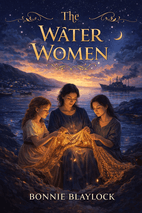
Bonnie Blaylock's The Water Women is a historical novel set in the 1930s American South, following two women from different backgrounds whose converging paths explore female resilience, folk medicine, and the divisions of class and race during the Great Depression.
Feature
Insta.Page
Blinkist
Shortform
The Water Women
✓
✕
✕
Summary Depth
Full Chapter-by-Chapter
15-min overview
Section-by-section guides
Audio Narration
✓
✓
✓
Visual Mindmaps
✓
✕
✕
AI Q&A
✓
✕
✕
Quizzes
✓
✕
✕
PDF Downloads
✓
✕
✓
Price
$89.99/yr
$146/yr (PRO)
$199/yr
*Competitor data last verified July 2026.
1 Page Summary
The Water Women by Bonnie Blaylock is a historical novel set in the 1930s American South, centering on the lives of two women from starkly different backgrounds whose paths converge. The narrative follows Jo, a young woman from a privileged family who is forced to confront the harsh realities of the Great Depression, and Oleta, an African American midwife and healer from the rural "holler" who possesses deep, generational knowledge of the land and its remedies. Their story explores themes of female resilience, the invisible bonds of community, and the stark divisions of class and race during a time of profound economic and social hardship.
Blaylock grounds the novel in the specific historical context of the Tennessee Valley, subtly touched by the nascent TVA projects, and the pervasive struggles of the era—poverty, drought, and the precarious position of women. The "water" of the title serves as a potent symbol, representing both literal sustenance and the fluid, often hidden, channels of power, knowledge, and connection that women navigate. The novel delves into the world of folk medicine and the vital, yet often marginalized, role of women like Oleta as caregivers and keepers of wisdom in their communities, contrasting it with the more structured but distant world of modernizing medicine.
The lasting impact of the novel lies in its quiet celebration of unsung heroism and the forging of unexpected alliances. It is a testament to the strength found in shared womanhood and the idea that survival and hope often flow through the most undervalued conduits. By giving voice to the experiences of women from both sides of a deep social divide, Blaylock creates a poignant exploration of how compassion and shared struggle can bridge seemingly impassable gaps, leaving readers with a reflection on the enduring power of empathy and grassroots knowledge.
Chapter 1
Overview
Allegra arrives alone at the storm-churned Sardinian coast for the traditional first moon of May gathering, a cherished seasonal reunion for her community's women. As she waits for the others, her thoughts linger on her sister Ella's recent wedding and the quiet change it brings, while her deep connection to the sea and her family's sacred duty to harvest the precious byssus from giant mollusks anchors her to this place.
The storm passes as the group of women arrives. Together, they prepare for their swim with familiar rituals, helping one another and reciting lineage prayers in a blend of languages. The chapter closes as they dive beneath the waves to begin their work, united by tradition and purpose.
Allegra finds shelter from the passing storm in a rocky nook, using the quiet moment to check her diving tools and reflect. Her thoughts drift to her sister Ella, who just married and left home, and Allegra feels a pang of worry noting Ella's early pregnancy, remembering the risks of childbirth in their community.
She considers the broader struggles in Italy and the talk of emigration to America, but knows her family will never leave. They are bound to Sardinia by their sacred, generations-old duty to care for the Pinna nobilis mollusks and harvest the byssus threads to weave into cloth, a gift and a craft that connects their Hebrew sisterhood through time.
The clouds break and sunlight returns. Hearing laughter, Allegra sees the other women approaching down the beach and joins them. They gather their baskets behind a familiar rock formation and begin stripping down to their cotton undergarments, their traditional black and white costumes resembling a flock of penguins.
Allegra advises the group to watch for jellyfish dragged in by the storm, comforting the youngest, Gabriella. The women help each other with final preparations, then stand together at the water's edge. In a harmonious blend of Hebrew, Italian, and Nuragic, they recite the names of their maternal lineages, honoring the generations who came before them.
This ritual stirs Allegra's heart, making her feel part of an unbroken, enduring chain. After a final prayer pledging their service, they wade into the sea, float their baskets past the waves, and dive beneath the surface one by one. Allegra takes a deep breath beside her sister Lora and joins them below.
Chapter Highlights
Allegra observes the powerful, sentient nature of the stormy sea but knows its currents are too dangerous for swimming.
She reflects on her sister Ella's wedding and departure, noting with concealed concern Ella's visible pregnancy.
Allegra's family is committed to remaining in Sardinia, rooted by their sacred duty to harvest and weave the byssus from the Pinna nobilis mollusk.
The community of women gathers for the first moon of May, a celebratory seasonal tradition they anticipate all winter.
The group performs a ritual recitation of their maternal lineages in multiple languages, connecting them to generations past and future.
The chapter culminates with the women diving together into the sea to begin their work.
Key concepts: Chapter 1
1. Chapter 1
Solitude at the Storm's Edge
Allegra arrives alone on the storm-churned Sardinian coast for the May gathering.
She takes shelter in a rocky nook, using the quiet to check her diving tools—a moment of practical preparation.
The sea is described as powerful and sentient, its currents acknowledged as too dangerous to enter.
The Weight of a Sister's Departure
Allegra's thoughts linger on her sister Ella's recent wedding and move away from home.
She feels a concealed pang of worry, noting Ella's visible early pregnancy and remembering the risks of childbirth in their community.
This personal change introduces a quiet, familial tension beneath the surface of the ritual.
Anchored by Sacred Duty
Allegra dismisses thoughts of emigration to America; her family is bound to Sardinia.
This bond is their generations-old duty to care for the Pinna nobilis mollusks and harvest the precious byssus threads.
The craft of weaving the byssus cloth is framed as a sacred gift, connecting their Hebrew sisterhood through time.
The Gathering of the Flock
The storm passes, sunlight returns, and laughter signals the arrival of the other women.
They gather behind a familiar rock formation, stripping down to cotton undergarments—their traditional black and white costumes likened to a flock of penguins.
The mood shifts from solitary reflection to communal, anticipatory gathering.
Rituals of Protection and Lineage
Allegra advises the group to watch for storm-driven jellyfish, offering comfort to the youngest, Gabriella.
The women help each other with final preparations in a scene of familiar, supportive ritual.
At the water's edge, they recite their maternal lineages in a harmonious blend of Hebrew, Italian, and Nuragic, honoring the generations before them.
The Unbroken Chain
The lineage ritual stirs Allegra's heart, making her feel part of an enduring, unbroken chain.
This moment solidifies the thematic core: tradition as a living, connective force.
After a final prayer pledging their service, the group is united by shared purpose and history.
The Dive into Purpose
The women wade into the sea, float their baskets past the waves, and dive beneath the surface one by one.
Allegra takes a deep breath beside her sister Lora—a moment of sibling solidarity.
The chapter culminates in this collective, purposeful submersion, leaving the known world behind for the sacred work below.
💡 Try clicking the AI chat button to ask questions about this book!
Chapter 2
Overview
In the serene waters of the protected lagoon, the women of the community embark on the first harvest of the season, gathering byssus from mollusks in a ritual that blends skill with tradition. Allegra, keenly observant and dedicated, navigates the underwater world with growing confidence, even as her thoughts linger on her absent sister Ella. Through the rhythmic work of harvesting and the quiet conversations that follow, the chapter paints a vivid picture of familial bonds, the weight of inheritance, and the subtle anxieties that accompany change.
The Underwater Harvest
The women spread out across the grassy seabed, their movements practiced and efficient as they inspect the field of large mollusks embedded in the softened mud. Allegra watches Danetta instruct Gabriella on the precise wrist twist needed to free the shells without harm, noting with a private smile that Gabriella surfaces for air far sooner than Danetta. This observation sparks Allegra's own memory of her mother patiently training her to build lung stamina, a mental discipline that overcame the instinctive fear of holding breath underwater. Allegra works methodically, hoisting shells to the surface to carefully cut the dark-amber byssus threads, ensuring every precious fiber is collected in her basket before gently replanting each mollusk. Her attention to detail extends to hunting; she spots a camouflaged flounder near the shore, spears it with a clean strike, and earns her mother's praise as they swim back. The catch is a welcome addition to the family table, a tangible reward in a duty where the byssus itself cannot be sold.
On the Shore
Drying off on the shore, Allegra compares her harvest with her older sister Lora. Lora, at twenty-one, is seen as the responsible and prettiest sister, while Ella, now married and on her honeymoon, is described as breezy and fun-loving, more likely to seek amusement than focus on tasks. Allegra reflects on her own identity—the quiet, hardworking one at seventeen, muscular and capable, yet inwardly wondering about her future marriage prospects given the demands of a weaver woman's life. The sisters link arms, heading home with Allegra's flounder still flapping in her basket, and their conversation turns to Ella's absence from this important harvest day.
The Walk Home
As they walk, Allegra expresses sadness at Ella missing the first harvest, even for her new husband Gus. Lora shrugs, suggesting Ella's mind is elsewhere, especially since she hasn't yet taken the water oath that binds them to their calling. Allegra stops abruptly, worried Ella might never take the oath, but Lora calmly states it must be Ella's choice, hinting that marriage and impending motherhood could pull Ella away. Allegra protests, asserting "We're water women," as if their family tradition is immutable, akin to her father's role as a fisherman or other inherited trades. She glances at the familiar, beloved scene around her—the waves, gulls, and laughing women—feeling a deep connection to this life, yet her thoughts repeatedly circle back to Ella's absence, like a tongue probing a missing tooth.
Homecoming
Their father meets them at the top of the path, his warm smile welcoming as he takes their baskets and exclaims over the fresh flounder. His hand resting on Allegra's head fills her with a sense of completeness and solid ground, her body aching pleasantly from the day's labor. She consoles herself that Ella will return soon, but the chapter closes with Allegra's lingering sense of loss, her mind unable to shake the hollow feeling left by her sister's absence.
Chapter Highlights
Harvest Ritual: The women expertly harvest byssus from mollusks in the lagoon, showcasing their diving skills and the careful, sustainable practices passed down through generations.
Allegra's Proficiency: Allegra successfully hunts a flounder, earning her mother's praise and highlighting the dual purpose of their dives—gathering byssus for their vow and supplementing family food.
Sisterly Dynamics: Through conversations with Lora, Allegra's concerns about Ella surface, revealing Ella's potential divergence from their water-woman legacy due to her new marriage.
Foreshadowing Conflict: The discussion of Ella not taking the water oath introduces tension about familial duty versus personal choice, suggesting future relational strains.
Allegra's Inner World: Her reflections on identity, future marriage, and deep attachment to her way of life contrast with her anxiety over Ella's choices, emphasizing themes of tradition and change.
Family Solidarity: The warm reunion with their father reinforces Allegra's sense of belonging, yet the chapter ends on a note of poignant absence, underscoring the emotional impact of Ella's new path.
Key concepts: Chapter 2
2. Chapter 2
The Ritual Unfolds: Byssus and Breath
Women spread across the seabed in a practiced, efficient harvest of dark-amber byssus threads from mollusks.
Allegra observes Danetta teaching Gabriella the precise wrist twist, sparking a memory of her own mother training her to overcome the instinctive fear of holding breath.
The underwater world is serene, a blend of skill, tradition, and mental discipline—the foundational atmosphere of their calling.
A Hunter's Reward: Praise and Provision
Allegra spots and spears a camouflaged flounder with a clean strike, a tangible success beyond the unsellable byssus.
Her mother's praise for the catch reinforces Allegra's growing proficiency and the dual purpose of their dives.
The flounder becomes a symbol of contribution—a welcome addition to the family table, grounding their sacred duty in practical sustenance.
Sisters on the Shore: Measuring Selves and Harvests
Drying off, Allegra compares her harvest with her older sister Lora, the 'responsible and prettiest' one.
Allegra reflects on her identity at seventeen: the quiet, hardworking, muscular sister, inwardly anxious about future marriage prospects amid a weaver's demanding life.
Ella, absent on her honeymoon, is remembered as 'breezy and fun-loving'—a contrast that begins to define Allegra's own place and fears.
The Unspoken Void: Ella's Missing Presence
Allegra expresses sadness that Ella missed the first harvest, even for her new husband Gus.
Lora shrugs, suggesting Ella's mind is elsewhere, especially since she hasn't taken the binding water oath.
The conversation turns the joyful harvest day somber, introducing the weight of an absence that feels like a 'missing tooth.'
A Choice Unraveling Tradition
Allegra stops abruptly, worried Ella might never take the oath. Lora calmly states, 'It must be Ella's choice.'
Lora hints that marriage and impending motherhood could pull Ella away from their legacy.
Allegra protests, 'We're water women,' asserting tradition as immutable as her father's fishing—a declaration already under threat.
The Anchoring Scene and the Hollow Echo
Allegra glances at the beloved scene—waves, gulls, laughing women—feeling a deep, visceral connection to this life.
Yet, her thoughts circle back to Ella's absence, the idyllic moment shadowed by the first crack in her assumed future.
The walk home carries the flapping flounder and a quiet, gathering dread about change.
Solid Ground and the Lingering Shadow
Their father meets them with a warm smile, taking their baskets and exclaiming over the flounder—a moment of pure, welcoming solidarity.
His hand on Allegra's head fills her with a sense of completeness, her body aching pleasantly from honest labor.
The chapter closes not with comfort, but with Allegra's 'lingering sense of loss,' the hollow feeling left by her sister's path, foreshadowing a rift in the family's fabric.
Chapter 3
Overview
The chapter details a pivotal spring and summer in Allegra's life, marked by the rhythms of byssus work, a growing rift with her sister Ella, and a sudden, devastating tragedy. It explores themes of tradition, duty, and the irreversible consequences of both choice and chance.
Allegra, Lora, and their mother settle into the seasonal routine of harvesting and processing sea silk. Their days are filled with diving, washing the threads, and weaving. Ella's absence from this family work is a constant, painful presence. Allegra voices her frustration to their mother, criticizing Ella for abandoning their centuries-old tradition. Her mother offers a gentle but firm perspective, encouraging Allegra to focus on her own path and revealing that Ella is pregnant. This news slightly tempers Allegra's judgment, but her fundamental disagreement remains.
The scene shifts to a chance meeting at the docks some months later. Allegra encounters Ella, who looks different—puffy and flushed—and is shopping for her own household. Their conversation quickly turns tense when Allegra probes about the byssus work. Ella firmly rejects the idea of taking the weaver's oath, describing the tradition not as a proud thread but as a restrictive chain. A heated argument erupts, with Allegra accusing her sister of selfishness while Ella defends her right to choose a different life. The confrontation halts abruptly when Ella places Allegra’s hand on her belly, allowing her to feel the baby move. This profound, joyful moment bridges their divide, but as Allegra begins to apologize, Ella collapses.
Chaos ensues. Allegra screams for help, cradling her sister’s head as vendors rush to fetch a doctor and midwife. Ella is loaded into a cart, and Allegra runs beside it, noticing disturbing details like the tight skin around her sister's ankles. At the doctor’s, the midwife works desperately as Ella suffers seizures. The doctor arrives too late. Ella and her unborn child are gone. In the stunned aftermath, Allegra is haunted by visceral memories—the fish scales in Ella’s hair, the feel of the baby kicking just moments before. Consumed by guilt over their argument, she cannot face Ella’s grieving husband, Gus, or accept her mother’s comfort, believing herself responsible for the tragedy.
Chapter Highlights
Routine and Rift: The chapter establishes the deep, daily connection Allegra and her family have with the byssus work, contrasting it sharply with Ella’s deliberate absence.
A Mother’s Wisdom: Allegra’s mother reveals Ella’s pregnancy and advises Allegra to focus on her own work and path, using the metaphor of the sea living only for the present day.
Market Confrontation: The sisters' ideological clash comes to a head. Ella definitively rejects the weaver’s oath, calling it a “chain,” while Allegra frames it as a sacred duty and honor.
A Moment of Connection: The argument is briefly transcended when Ella lets Allegra feel her baby moving, creating a shared, happy moment.
Sudden Tragedy: Ella collapses immediately after this moment and dies from complications, along with her baby, despite efforts to save her.
Allegra’s Guilt: In the aftermath, Allegra is traumatized and wracked with guilt, believing her harsh words may have contributed to the crisis and unable to accept comfort.
Key concepts: Chapter 3
3. Chapter 3
The Rhythm of the Sea and the Absence in the Loom
Allegra, Lora, and their mother settle into the seasonal routine of harvesting and weaving byssus.
Ella's absence from the family work is a constant, painful presence, a silent rift in their daily rhythm.
The deep connection to tradition is established through the physical acts of diving, washing, and weaving.
A Mother's Counsel and a Sister's Secret
Allegra voices her frustration to their mother, criticizing Ella for abandoning their sacred duty.
Her mother offers a gentle but firm perspective, urging Allegra to focus on her own path, not Ella's.
The revelation that Ella is pregnant tempers Allegra's judgment but does not resolve the fundamental conflict.
Dockside Confrontation: Duty Versus Chain
A chance meeting months later finds Ella looking different—puffy and flushed—shopping for her own household.
The conversation turns tense as Allegra probes about the byssus; Ella firmly rejects the weaver's oath.
Ella frames the tradition as a restrictive 'chain,' while Allegra sees it as a proud thread and sacred honor, leading to a heated argument.
The Bridge of a Kick and the Abyss That Follows
The ideological clash halts when Ella places Allegra’s hand on her belly, letting her feel the baby move.
This profound, joyful moment creates a fragile bridge of connection between the sisters.
As Allegra begins to apologize, the moment shatters: Ella collapses, plunging the scene into chaos.
Screams on the Cobblestones: The Descent into Crisis
Allegra screams for help, cradling her sister’s head as vendors rush to fetch aid.
Ella is loaded into a cart; Allegra runs beside it, noticing disturbing details like the tight skin around Ella's ankles.
The frantic journey shifts the atmosphere from public market chaos to the private terror of impending loss.
The Silent Room: A Double Death
At the doctor’s, the midwife works desperately as Ella suffers seizures; the doctor arrives too late.
The medical efforts fail. Ella and her unborn child are pronounced gone.
The scene transitions from frantic action to a stunned, hollow silence, heavy with irreversible consequence.
Haunted by Life: The Anatomy of Guilt
Allegra is haunted by visceral, cruel memories: the fish scales in Ella’s hair, the feel of the baby kicking moments before.
Consumed by guilt over their final argument, she believes her harsh words caused or contributed to the tragedy.
She cannot face Ella’s grieving husband, Gus, or accept her mother’s comfort, isolating herself in a prison of self-blame.
Chapter 4
Overview
A year after Ella's death, Allegra has begun to adjust to the weight of her grief, finding small pleasures in her daily life on the isolated island of Sant’Antioco. A routine trip to the market is interrupted by the appearance of a handsome, unfamiliar young fisherman, leading to an unexpected and flustered encounter that blossoms into a tentative, sweet connection.
A Year of Stewardship
The chapter opens in the lingering aftermath of loss, with Allegra and her family finding a painful rhythm in their work as stewards of both the sea and their sorrow. Allegra creates a small byssus pouch to hold mementos of Ella—a lock of hair and the five fish scales—carrying her sister’s memory as a beacon of caution and love. While the stone of grief remains, Allegra learns to move with its weight, rediscovering simple joys like the sun or the taste of an oyster.
The Island and a Stranger
The setting of Sant’Antioco is established: a remote, tight-knit community where Allegra’s Jewish family lives apart from the main town, close to the byssus cove. On an errand for her mother, Allegra’s attention is captured by a young man cleaning his blue and white fishing trawler at the quay. Their eyes meet just as he hauls himself into his boat, catching her staring and offering a knowing nod. Flustered, Allegra retreats into Signor Sanna’s dry goods store.
In the Market
Inside the familiar shop, Allegra admires the displayed byssus weavings, recognizing the different artists’ styles and thinking fondly of her mother’s masterpiece tapestry. As she collects her groceries, the young man from the harbor enters, buying seada pastries. Signor Sanna introduces them by name, and Allegra, embarrassed, completes her purchase and leaves without looking back, chiding herself for her reaction.
A Pastry and a Question
As Allegra hurries home, the young man, Johann Renda, calls after her and catches up. He admits he has noticed her before and boldly offers to share the seada he bought. He explains he recently moved from Cagliari, drawn by his father’s stories of the island’s magic and beauty. A playful, flirtatious conversation ensues, with Allegra feeling a guilty pang of pleasure thinking of Ella. Before agreeing to let him walk with her, she tests him by asking if he knows about the “water women” weavers, whom some call a magical sect. When he confirms he’s heard the tales, she reveals, “I am one of them.” His response is an immediate and eager grin, and he asks her to lead the way.
Chapter Highlights
Character Development: Allegra is shown navigating her grief, actively remembering Ella while tentatively opening herself to new experiences and connections.
New Introduction: Johann Renda is introduced as a charismatic fisherman new to Sant’Antioco, immediately expressing a clear and bold interest in Allegra.
Key Encounter: The meet-cute at the docks and market leads to their first conversation, characterized by Allegra’s cautious curiosity and Johann’s confident charm.
Cultural Context: The chapter deepens the world-building, detailing the island’s isolation, the display of byssus art, and the community’s perception of the weavers as a near-magical sect.
Significant Revelation: Allegra consciously uses her identity as a byssus weaver as a test for Johann, who passes it without hesitation, setting the stage for their budding relationship.
Emotional Shift: The chapter moves from a tone of reflective sorrow to one of flustered attraction and hopeful possibility.
Key concepts: Chapter 4
4. Chapter 4
The Weight of Grief and the Glimmer of Routine
One year after Ella's death, Allegra and her family have established a painful rhythm as stewards of both the sea and their sorrow.
Allegra creates a byssus pouch to hold Ella's mementos—a lock of hair and five fish scales—carrying her sister's memory as a 'beacon of caution and love.'
She learns to move with the 'stone of grief,' finding small, defiant pleasures in sunlight and the taste of an oyster.
A Stranger on the Quay: The Flustered First Glance
On an errand in the remote, tight-knit community of Sant'Antioco, Allegra's attention is captured by a handsome young man cleaning his blue and white fishing trawler.
Their eyes meet just as he hauls himself into his boat; he catches her staring and offers a 'knowing nod.'
Flustered and embarrassed, Allegra retreats into the familiar sanctuary of Signor Sanna's dry goods store.
Marketplace Tensions: Art, Community, and Proximity
Inside the shop, Allegra admires the displayed byssus weavings, recognizing individual artists' styles and thinking of her mother's masterpiece.
The stranger from the harbor enters, buying seada pastries, and Signor Sanna formally introduces them: Allegra and Johann Renda.
Overwhelmed, Allegra completes her purchase and flees without looking back, internally chiding herself for her reaction.
The Chase and the Confession: A Bold Overture
As Allegra hurries home, Johann calls after her and catches up, admitting he has noticed her before.
He boldly offers to share the seada he bought, explaining he recently moved from Cagliari, drawn by his father's stories of the island's 'magic and beauty.'
A playful, flirtatious conversation begins, sparking in Allegra a 'guilty pang of pleasure' as she thinks of Ella.
The Weaver's Test: Identity as a Threshold
Before agreeing to let him walk with her, Allegra deliberately tests Johann by asking if he knows about the 'water women' weavers, whom some call a magical sect.
When he confirms he's heard the tales, she reveals, 'I am one of them.'
His response is an immediate, eager grin and the request, 'Lead the way,' passing her test and opening the door to their budding connection.
Atmospheric Shift: From Sorrow's Rhythm to Hope's Pulse
The chapter's tone transitions from reflective, weighted sorrow to the flustered, alive energy of attraction.
Johann's introduction represents an external force disrupting Allegra's grief-stabilized world.
The shared recognition of the weavers' near-magical reputation establishes a foundation of intrigue and acceptance for their relationship.
You've reached the end of the free chapters
Chapter 5 is locked
Keep reading The Water Women — and unlock all 600+ book summaries with audio, mindmaps and AI Q&A.
$0.00 due today · 7 days free, then $89.99/year ($7.49/mo) · Cancel anytime before day 7
Bonnie Blaylock is an author and essayist known for her poignant reflections on family, faith, and Southern life. Her work frequently appears in publications like *The Rabbit Room* and *Fathom Magazine*, and she is the author of the book *A Spacious Life*. She draws upon her background as a mother and longtime Tennessee resident to explore themes of grace and everyday beauty.
📚 Explore Our Book Summary Library
Discover more insightful book summaries from our collection