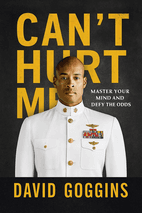
David Goggins's Can't Hurt Me blends a raw memoir with mental toughness strategies, detailing his transformation through extreme endurance challenges. It provides a practical framework for anyone seeking to overcome adversity and push past their perceived limits.
Feature
Insta.Page
Blinkist
Shortform
Summary Depth
Full Chapter-by-Chapter
15-min overview
Section-by-section guides
Audio Narration
✓
✓
✓
Visual Mindmaps
✓
✕
✕
AI Q&A
✓
✕
✕
Quizzes
✓
✕
✕
PDF Downloads
✓
✕
✓
Price
$89.99/yr
$146/yr (PRO)
$199/yr
*Competitor data last verified July 2026.
1 Page Summary
"Can't Hurt Me: Master Your Mind and Defy the Odds" by David Goggins is a raw and inspiring memoir that blends personal narrative with mental toughness strategies. Goggins recounts his traumatic childhood, struggles with obesity, and eventual transformation into one of the world's toughest endurance athletes and a retired Navy SEAL. Central to the book is the concept of the "40% Rule," which argues that most people only tap into 40% of their potential, and pushing beyond perceived limits is key to unlocking extraordinary achievement.
The book is grounded in Goggins' relentless pursuit of self-mastery, emphasizing accountability, resilience, and embracing suffering as a path to growth. He details grueling challenges, including Hell Week (Navy SEAL training) and ultramarathons, to illustrate how mental fortitude can overcome physical and emotional barriers. Historical context is woven in through Goggins' reflections on systemic adversity, including racism and poverty, which he refused to let define his future.
Goggins' lasting impact lies in his unflinching honesty and practical framework for self-improvement. By rejecting victimhood and cultivating a "calloused mind," he inspires readers to confront their own limitations. The book's blend of autobiography and motivational guidance has resonated widely, making it a modern classic in the genre of personal development and mental resilience.
Introduction
Overview
The chapter confronts readers with a provocative question about self-awareness and potential, framing denial as humanity's universal comfort zone. It introduces the author's mission to expose how people unknowingly limit themselves by accepting victimhood, while promising a transformative path forged through his own harrowing experiences. The narrative establishes core themes: rejecting genetic limitations, embracing suffering as fuel, and awakening the "warrior" within through relentless self-mastery.
The Author's Raw Transformation
Born into poverty and relentless racism, the author describes surviving on welfare while enduring physical abuse and depression. He paints visceral imagery of life's "quicksand"—a suffocating cycle of self-destructive choices. His turning point came when he chose to "seek pain" and "love suffering," transforming from someone he calls "the weakest piece of shit" into an unbreakable force. This journey underscores his central argument: no background, however traumatic, is an excuse for complacency.
Humanity's Collective Stagnation
Millions worldwide operate like "dead-eyed zombies," addicted to comfort and blind to their capabilities. The author asserts that habitual self-sabotage is neurologically ingrained, making motivation tactics useless temporary fixes. He stresses that external inspiration "changes exactly nobody," emphasizing that true change requires internal rewiring—a process accessible to anyone willing to abandon excuses.
Debunking Genetic Limits
A pivotal MIT panel discussion reveals academia's belief in fixed "genetic ceilings" for human achievement. When a professor declares mental toughness irrelevant past biological limits, the author challenges this as "bullshit" enabling mediocrity. Drawing from lived experience over theory, he argues that 1% of people consistently shatter perceived impossibilities through sheer will. This moment crystallizes the book's ethos: exceptional results demand exceptional effort.
The Warrior Mindset
Quoting Heraclitus' ancient battlefield analogy, the author identifies humanity's composition: 10% avoid struggle, 80% passively endure, 9% fight valiantly, and 1% become transcendent "warriors." He frames life itself as a war where embracing hardship forges greatness. Becoming the "One Warrior" requires mastering the mind to convert adversity—racism, trauma, failure—into "fuel for metamorphosis."
A Blueprint for Self-Mastery
Positioning his story as a catalyst for change, the author promises an "evolutionary algorithm" to obliterate barriers. Readers will learn to leverage pain, love fear, and relish failure to unlock maximum potential. The chapter closes with a battle cry: true transformation begins by waging war against one's own limitations.
Key Takeaways
Denial is universal: Most people operate at 40% capacity, trapped in comfort zones by neurological habits.
Mastering the mind converts adversity into metamorphic fuel
The Path to Self-Mastery
'Evolutionary algorithm' to obliterate barriers
Leverage pain, love fear, relish failure
Transformation begins by waging war on one's limitations
💡 Try clicking the AI chat button to ask questions about this book!
1. I Should Have Been a Statistic
Overview
Williamsville's idyllic streets in 1981 concealed a nightmare for young David Goggins and his family. While neighbors saw prosperity, behind closed doors Trunnis Goggins ruled through terror—forcing first-grader David into overnight labor at his Skateland roller rink amid prostitution rings and toxic fumes, then hiding bruises from sleep-deprived school days. Violence escalated when Trunnis pistol-whipped David for defending his mother Jackie during a beating, with police dismissing their pleas. Ritualistic belt lashings followed nightly clean-up shifts, trapping them in cycles where Jackie contemplated suicide while David endured bedwetting and festering ear infections denied medical care. Attempts at normalcy, like Cub Scouts, backfired when Trunnis humiliated David at a racetrack before brutal punishment for defiance—fueling David's survival hatred.
Jackie's meticulously planned escape with Betty's guidance finally broke the cycle. After securing a secret credit card, she announced their departure amid Trunnis's vile predictions of failure. Fleeing in their Volvo with bikes strapped back, they evaded his Corvette pursuit via hidden dirt roads to temporary sanctuary. Ninety miles later, car trouble triggered panic until a gas station attendant's oil refill and Betty's remote navigation led them to a compassionate Holiday Inn manager who offered conference room rollaways. Reaching Jackie's Indiana parents at dawn brought hard-won freedom.
Rebuilding in Brazil, Indiana, meant David repeating second grade under Sister Katherine—whose gold-toothed sternness and refusal to label him overcame severe academic delays through patient reading lessons. Jackie's $7/month housing project apartment, retail
The Facade of Paradise Road
Williamsville’s picturesque streets in 1981 masked the brutal reality inside the Goggins household. While neighbors saw a prosperous family—Trunnis in tailored suits, Jackie elegant and composed, and young David and Trunnis Jr. in preppy attire—the truth unfolded behind closed doors. Each morning’s cheerful driveway ritual dissolved instantly into Trunnis’s scowling commands as he retreated to sleep off nightly benders. David, then a first-grader, struggled through school days in a sleep-deprived haze from overnight labor, hiding bruises under long sleeves during recess.
Skateland: The Nightly Grind
The family’s "real life" began each evening at Skateland, Trunnis’s roller rink in Buffalo’s Masten District. David organized skates amid toxic deodorizer fumes at age six, while his brother manned concessions. Jackie cooked dinners in a cramped office, clinging to illusions of normalcy. Trunnis ruled as a tyrant—monitoring profits, controlling Jackie’s finances, and hosting celebrities like Rick James while running prostitution rings. Post-closing, the family scrubbed toilets and scraped gum until midnight, only to collapse beneath the bar’s vibrating floor as Jackie fetched liquor.
Cycles of Violence
One pivotal night revealed the depth of Trunnis’s cruelty. After Jackie confronted him flirting with a sex worker, he beat her brutally. When David intervened, Trunnis pistol-whipped him, leading Jackie to trigger a security alarm. Police dismissed her injuries, siding with Trunnis’s charm and wealth. Beatings became ritualistic: victims stripped, awaited lashes in darkness, and absorbed dozens of belt strikes. Jackie descended into suicidal despair, while the brothers vented rage through violent sparring. David’s bedwetting and festering earaches—denied medical care—symbolized their trapped existence.
Stolen Childhood
Jackie’s attempt to nurture normalcy backfired when she enrolled David in Cub Scouts. Trunnis intercepted them, forcing a trip to Batavia Downs racetrack instead. Humiliated in his uniform amid gamblers, David endured Trunnis’s losses and phlegm-spewing rage. Later, after defiantly criticizing the outing, David suffered a prolonged belt whipping across his back and thighs. Refusing to cry, he internalized hatred as fuel to survive.
(Summary concludes mid-scene with David’s untreated ear injury bleeding onto his mother’s pillow, underscoring the family’s medical neglect and escalating crisis.)
The Escape Plan in Motion
Jackie executed her carefully planned escape from Trunnis with Betty’s guidance. After weeks of pretending to regain his trust, she secured a credit card in her name with his cosignature—her financial lifeline. When Trunnis insulted her during breakfast, Jackie calmly announced her departure. David immediately grabbed trash bags to pack, while Trunnis Jr. hesitated before joining. At their final kitchen table confrontation, Trunnis venomously predicted Jackie would become a prostitute and called his sons "faggots." Jackie left behind fur coats and diamonds, loading essentials into her Volvo with bikes strapped to the back. As they drove off, Trunnis lunged toward his Corvette, but Jackie outmaneuvered him by taking a hidden dirt road to Betty’s garage, where they hid until he left for Skateland.
Breakdown and Resilience
Ninety miles outside Buffalo, the Volvo spewed black smoke, triggering Jackie’s panic. David urged perseverance while Trunnis Jr. suggested turning back. At a gas station, a tearful Jackie called Betty from a payphone. Betty directed an attendant to add oil and guided them to a Holiday Inn in Erie, Pennsylvania. The night manager, seeing their desperation, let them sleep on rollaways in a conference room. Jackie stayed awake guarding their bikes in a coffee shop. The next day, mechanics repaired the car, and they drove overnight to her parents’ home in Brazil, Indiana. Arriving at dawn, Jackie wept with relief—they were finally free.
Building a New Life
For six months, they stayed with grandparents while David repeated second grade at Annunciation Catholic School. Sister Katherine, his stern but dedicated teacher with a gold front tooth, patiently taught him to read despite his severe academic delays. She rejected labels and excuses, embodying the discipline David needed. Meanwhile, Jackie secured a $7/month apartment at Lamplight Manor housing, worked retail, and took college classes. Trunnis sent erratic $25 child support payments, forcing them onto welfare ($123/month) and food stamps—until authorities disqualified them for owning a car. They circumvented this by routing checks through David’s grandmother. When funds hit rock bottom, they counted scavenged coins from mason jars to cover bills, gas, and fast-food burgers. David thrived: he stopped wetting the bed and made friends. Trunnis Jr., however, returned to Buffalo, drawn back into Trunnis’ orbit.
Academic Collapse and Toxic Stress
Third grade shattered David’s progress. Ms. D, his new teacher, scorned his learning delays after standardized tests revealed severe gaps. Unlike Sister Katherine, she demanded conformity over compassion. David developed a stutter and hair loss from stress, becoming the school’s only Black student—and its "dumbest." Ms. D pressured the administration to move him to a "special" school. Jackie compromised: David attended group therapy where he witnessed extreme behaviors (head-banging, urinating in trash cans) and was misdiagnosed with ADHD. A doctor later identified his real issue: toxic stress from childhood abuse. This condition, David explains, rewires developing brains into perpetual fight-or-flight mode, impairing memory and language while increasing lifelong risks of disease, addiction, and violence. Statistics showed abusive households made him 53% more likely to be arrested as a teen. Rejecting Ritalin and therapy, David coped by cheating—copying homework and tests—masking his struggles while cementing his belief he’d never succeed.
Key Takeaways
Escape requires strategy and courage: Jackie’s meticulous planning and Betty’s guidance enabled their flight from abuse, highlighting how resourcefulness can break cycles of control.
Toxic stress has lifelong impacts: Childhood trauma physically alters brain development, creating learning barriers and health risks that extend far beyond youth.
Environment shapes resilience: Sister Katherine’s high expectations fostered growth, while Ms. D’s inflexibility reinforced David’s insecurities—proving that support systems dictate recovery.
Confront your "bad hand": David challenges readers to inventory their personal adversities—abuse, prejudice, self-doubt—and harness them as fuel for transformation.
Key concepts: 1. I Should Have Been a Statistic
2. 1. I Should Have Been a Statistic
The Facade of Normalcy
Williamsville's idyllic appearance masked domestic terror
Public image vs. private abuse: Trunnis's charm concealed violence
David hid bruises and sleep deprivation from school days
Skateland: A Prison of Labor and Abuse
Six-year-old David forced into overnight skate rink labor
Toxic work environment amid prostitution rings
Family scrubbed floors post-closing until midnight
Trunnis controlled finances and Jackie's movements
Escalating Violence and Trauma
Pistol-whipping incident after David defended Jackie
Police dismissed abuse due to Trunnis's status
Ritualistic belt lashings in darkened rooms
Medical neglect: untreated bedwetting and ear infections
Stolen Childhood Moments
Cub Scouts humiliation at Batavia Downs racetrack
Defiance met with prolonged belt whipping
David internalized hatred as survival fuel
The Great Escape
Jackie's secret credit card as financial lifeline
Final confrontation with Trunnis's vile predictions
Dramatic car chase evasion via dirt roads
Temporary refuge at Betty's garage
Journey to Freedom
Car breakdown triggered panic and doubt
Compassion from gas station attendant and Holiday Inn manager
Dawn arrival at grandparents' home in Indiana
Symbolic moment of hard-won liberation
Rebuilding Amid Scars
David repeated second grade with severe academic delays
Sister Katherine's no-nonsense teaching approach
Jackie's $7/month housing project beginnings
Untreated ear injury as metaphor for lingering trauma
Building a New Life
Sister Katherine's disciplined teaching helped David overcome severe academic delays, rejecting labels and focusing on growth.
Jackie's resilience and resourcefulness—balancing work, college, and welfare—kept the family afloat despite financial instability.
David thrived in a stable environment, overcoming bedwetting and making friends, while Trunnis Jr. returned to their father's toxic influence.
The family navigated systemic barriers (welfare disqualification) through creative solutions, highlighting the struggles of escaping poverty.
Academic Collapse and Toxic Stress
Ms. D's harsh teaching exacerbated David's stress, leading to stuttering, hair loss, and a misdiagnosis of ADHD.
Toxic stress from childhood abuse rewired David's brain, impairing learning and increasing lifelong risks of addiction and violence.
David resorted to cheating to mask his struggles, reinforcing his belief that he was destined to fail.
The chapter underscores how trauma manifests in education, with systems often punishing symptoms rather than addressing root causes.
Key Takeaways
Escaping abuse requires strategic planning, courage, and external support, as demonstrated by Jackie and Betty's actions.
Childhood trauma has biological consequences, altering brain development and creating long-term health and behavioral risks.
Adversity can be harnessed as fuel for transformation, challenging individuals to confront and repurpose their struggles.
2. Truth Hurts
Overview
David finds fleeting stability when Wilmoth Irving becomes a father figure, bonding over basketball and restoring hope—until Wilmoth is murdered execution-style on December 26, 1989. This shattering loss plunges David and his mother back into trauma; he witnesses Wilmoth’s blood at the crime scene, while suppressed memories of a child’s gruesome death resurface. Their move to Indianapolis unravels as financial strain forces relocation to rural Brazil, Indiana. There, David faces escalating racism: gunpoint threats on country roads, public humiliation at Pizza Hut, and a death threat with a noose in his Spanish workbook. School officials dismiss these horrors, deepening his isolation.
Rejected from varsity basketball and failing academically, David adopts hip-hop as armor but hits rock bottom—cheating fails on the ASVAB exam, attendance records expose his truancy, and hunger gnaws at him. One raw night, he confronts his reflection, shaves his head, and launches the Accountability Mirror ritual. Through radical honesty, he admits his illiteracy and self-sabotage ("You’re a fucking joke!"). Vowing change, he trades "thug" stereotypes for relentless discipline: pre-dawn workouts, 13-mile fear-facing runs, and transcribing textbooks word-for-word to leap from 4th to 12th-grade reading levels.
Insults from racists become fuel as he passes the ASVAB and graduates, though insecurities linger. He challenges readers to embrace their own mirror confrontations—writing unfiltered truths, breaking goals into micro-steps, and seeking discomfort to destroy excuses. Systemic barriers exist, he argues, but personal accountability unlocks agency: "You are stopping you!" The chapter closes on his Air Force departure, carrying hard-won resilience alongside unresolved shadows.
Wilmoth Irving's Impact
Wilmoth Irving entered David’s life during fourth grade, offering stability after years of poverty and trauma. A skilled carpenter from Indianapolis, Wilmoth’s calm presence allowed David and his mother to "exhale" for the first time. He restored David’s mother’s confidence—making her laugh genuinely and stand taller—and became a steady father figure to David. Their bond centered on basketball: Wilmoth coached David’s skills, from defense to jump shots, forging trust without overt affection. After years of holidays and birthdays together, Wilmoth proposed, planning for David’s family to join him in Indianapolis.
The Christmas Tragedy
On December 26, 1989, Wilmoth canceled a promised basketball game with David, leaving him disappointed at his grandparents’ Brazil, Indiana home. As Wilmoth drove away, waving his signature crisp wave, it was their last glimpse of him alive. That night, after a men’s league game, he was ambushed in his garage—shot five times in the chest, then executed point-blank between the eyes. His father discovered the body the next morning. When Wilmoth’s mother delivered the news, David’s rage erupted; he punched a refrigerator, denting it. His mother, frantic after a detective answered Wilmoth’s phone, collapsed into denial, recalling a prior non-fatal shooting Wilmoth had dismissed.
Funeral and Unraveling
At Wilmoth’s Indianapolis home, now a crime scene wrapped in police tape, David saw his blood pooled in the garage. His mother stayed overnight there, guarded by an armed relative, while David watched local news loops of their tragedy alone in a spooky house. The trauma resurrected a buried memory: a year earlier, David witnessed a six-year-old crushed by a school bus, his brains smeared beneath the vehicle. Grief paralyzed David’s mother; she slept in armchairs, emotionally vacant. David began sleeping on the floor, fearing "no more falling."
A Fraught Fresh Start
Despite Wilmoth’s death, they moved to Indianapolis. David cheated his way into Cathedral High’s AP classes and made the elite freshman basketball team as point guard. After one year, financial strain forced a transfer to North Central High, where David adopted hip-hop style, skipped school, and mingled with "thugs." His mother, finding him with a rough crowd, moved them back to Brazil. At predominantly white Northview High, David’s baggy clothes and backward hat drew stares—he was now "the first thuggish black kid" many had seen.
Racism and Basketball Failure
During basketball tryouts, coaches forced David into tight "Larry Bird–era" shorts and penalized his city-style trash-talking by benching him. His best friend Johnny made varsity; David barely scraped onto JV. This rejection mirrored escalating racism:
Country Road Threat: Walking home, a redneck pointed a gun at David, screaming, "Niggers! Why the fuck you here?"
Pizza Hut Humiliation: A classmate’s father berated him publicly: "I don’t want to ever see you sitting with this nigger again."
Spanish Class Terror: David found a noose drawing and death threat ("Niger we’re gonna kill you!") in his workbook.
Principal Kirk Freeman dismissed the threat, noting only the misspelling of "nigger."
Isolation and Radicalization
As the only Black student in most spaces, David felt hyper-visible yet invisible. After his grandfather gifted him a car, "nigger" was spray-painted on it—correctly spelled this time. Freeman again offered no solution. David, suspended repeatedly for fighting, turned inward. He devoured Malcolm X speeches daily, finding solace in black nationalism’s rage against oppression, though its deeper philosophies eluded him. The cumulative weight of grief, academic fraud, and violent racism left him drained and isolated, "vulnerable to a world that tracks and judges you."
The author hit rock bottom during junior year with two wake-up calls. First, he failed the Armed Services Vocational Aptitude Battery (ASVAB) with a score of 20—far below the Air Force’s 36-point minimum—after his usual cheating tactics failed when test versions differed. Second, a school letter revealed he’d missed 25% of classes unexcused and held a D average, risking graduation. His mother, emotionally numb after his cousin Wilmoth’s murder, handed him the letter without confrontation when he returned home broke and hungry.
The Accountability Mirror Ritual
Staring into a steam-fogged bathroom mirror that night, he unleashed brutal self-criticism: "You stand for nothing. You read like a third grader. You’re a fucking joke!" Shaving his head and face clean, he vowed to abandon ghetto stereotypes (sagging pants, loud stereos) and embrace discipline. He invented the "Accountability Mirror" ritual: nightly shaves paired with raw self-assessment, writing goals on Post-its stuck to the mirror. Initial targets included mundane tasks ("Make your bed like you’re in the military!") to rebuild self-trust.
Philosophy of Radical Honesty
He argues that transformative change requires unflinching self-truth: "If you’re fat, say you’re fucking fat!" Avoiding discomfort, he insists, perpetuates failure. Racism and systemic barriers exist, but blaming them without self-accountability is surrender: "You are stopping you!" He contrasts his hometown’s denial of racism with Kirk Freeman—a rare local who acknowledged his struggles.
Grinding Toward Change
Senior year became a relentless overhaul:
Physical Transformation: Pre-dawn weightlifting at the YMCA, midnight runs (once 13 miles), and deliberately facing fears—like sprinting down a street where racists once threatened him at gunpoint while dogs chased him.
Academic Surge: A tutor taught him to transcribe textbook pages verbatim for memorization. He studied 6 hours for every 1 hour of tutoring, using flashcards for vocabulary and algebra. His reading level jumped from 4th to 12th grade in six months.
Social Shift: He ate lunch alone, ditching popularity to focus on goals.
Breakthrough and Lingering Shadows
After three attempts, he passed the ASVAB with a 36. Purpose replaced rage: insults from racists became "fuel" as he realized their prejudice reflected their insecurities, not his worth. Graduating with newfound confidence, he left Brazil for the Air Force—but acknowledges his "soft" insecurities followed him.
Challenge #2: Your Turn
He tasks readers with their own Accountability Mirror ritual:
Write raw truths about insecurities and goals on physical Post-its (no digital shortcuts).
Break big goals into micro-steps (e.g., "Lose 2 lbs this week" en route to 40 lbs).
Brutal self-honesty dismantles excuses and ignites change.
Micro-actions (daily discipline) compound into transformation.
Personal accountability unlocks agency despite systemic barriers.
Discomfort (e.g., running in rain) forges resilience.
Physical goal reminders enforce consistency where willpower falters.
3. The Impossible Task
Overview
The narrator navigates midnight Indianapolis streets as an exterminator, masked and anonymous—a stark contrast to his abandoned Air Force dreams. This soul-crushing job mirrors his emotional numbness, reducing life to selling time like a "zombie." Flashbacks reveal his Pararescue training failure: childhood water phobia sabotaged drills like Bobbing, compounded by isolation as the only Black trainee. He quit during a medical hiatus, later admitting fear, not physical limits, drove his surrender. Post-military, he ballooned to 300 pounds, numbing shame with sugar binges and credit-card excess while his marriage crumbled.
A Navy SEAL documentary becomes his ignition point. Watching candidates endure Hell Week’s brutality, he recognizes their inner "fire"—a flame extinguished in himself. A commander’s speech condemning mediocrity feels like a personal indictment. Staring at his obese reflection, he realizes he embodies every detractor’s prediction: unskilled, undisciplined, adrift. For weeks, he relentlessly pitches recruiters for a SEAL chance, facing laughter at his weight—until reservist Petty Officer Schaljo takes his call. At their meeting, sailors gawk at his hulking frame as he steps onto the scale, dreading the Navy’s 191-pound limit.
Schaljo’s challenge—losing 106 pounds while scoring 50+ on the ASVAB’s Mechanical Comprehension section—seems impossible. Doubt consumes him until a roach-infested kitchen job becomes catalytic: cornered by raccoons at a dumpster, he confronts his stagnation. "Was I willing to let my sorry present become a fucked-up future?" Abandoning his gear, he attempts a run but collapses after 400 yards, weeping in self-loathing. Rocky’s revival scene sparks transformation—the fighter’s refusal to stay down mirrors his need to weaponize despair. He dumps his comfort shake, re-laces his shoes, and completes his first mile, shattering perceived limits.
A brutal regimen begins: predawn ASVAB study, two-hour bike-and-swim sessions, gym circuits hitting 1,200 reps, and Spartan meals. He sheds 25 pounds fast, enabling pull-ups and runs in Bates Lites boots. Yet progress exacts a toll: gnawing hunger, deepening depression, and his wife’s ultimatum that she won’t follow him to San Diego. Alone, he reframes anguish as fuel: "My task may turn out to be impossible but at least I was back on a motherfucking mission." Schaljo’s encouragement and Rocky’s soundtrack become lifelines. When he misses one pull-up, he returns at night to redo 250 reps, embracing physical suffering over lifelong regret.
By the ASVAB retake, he’s lost 82 pounds—down to 215—running six miles and swimming two daily. At Fort Harrison, Mechanical Comprehension questions torment him; he guesses on a third. Anxiety drives him back to demand his score: a 65 overall with exactly 50 on Mechanical Comprehension. His scream of "YES!" echoes through the room. Schaljo confirms his SEAL eligibility, but victory sacrifices his marriage. He celebrates not with rest but by training in freezing ponds, running in ice-caked clothes—"from a past that no longer defined me, toward a future
The Midnight Exterminator
Working past midnight, the narrator navigates empty Indianapolis streets to service rat traps at restaurants. Masked and anonymous in his fumigation gear, he moves through industrial kitchens—a far cry from his Air Force aspirations. The job’s solitude mirrors his emotional numbness; he feels like a "zombie selling his time on earth." Though necessary work, it’s a stark contrast to his once-energized self who took pride in even latrine duty during boot camp.
A Dream Deferred
Flashbacks reveal his failed path to becoming a Pararescueman. At 19, he excelled physically but was crippled by water phobia stemming from childhood. Despite teaching himself to swim using Swimming for Dummies, he struggled with negative buoyancy during brutal "water confidence" drills like "Bobbing" and snorkel exercises. As the only Black trainee, isolation amplified his terror. When temporarily sidelined by a Sickle Cell Trait diagnosis, he seized the chance to quit—later admitting fear, not medical limits, drove his decision.
The Weight of Shame
Post-military life spiraled: he ballooned to 300 pounds, hiding his insecurities behind muscle and a menacing appearance. Working night security and later extermination, he numbed himself with sugar binges and credit-card-funded excess. His marriage to Pam—daughter of a man who’d once called him a racial slur—crumbled amid mutual avoidance.
Ignition Point
A documentary on Navy SEALs’ Hell Week jolts him awake. Watching candidates endure mud, cold, and sleep deprivation, he recognizes a "fire" he lacks. The CO’s speech condemning mediocrity feels personal. Staring at his obese reflection, he realizes he’s become everything his detractors predicted—unskilled, undisciplined, and adrift.
The Relentless Pitch
For three weeks, he calls Navy recruiters nationwide, begging for a SEAL shot. Active-duty recruiters reject him; one laughs at his weight. Undeterred, he contacts Naval reservist Petty Officer Steven Schaljo—a recruiter known for finding "diamonds in the rough." Schaljo arranges an immediate meeting. At the office, sailors stare at the hulking newcomer, but Schaljo remains focused. The narrator steps onto a scale, bracing for rejection as he eyes the Navy’s 191-pound weight limit...
Facing the Breaking Point
Schaljo's 106-pound weight loss challenge seemed insurmountable, compounded by a failing 44 on the ASVAB's Mechanical Comprehension section—6 points shy of the SEAL requirement. Doubt consumed the narrator until a nightmarish pest control job became the catalyst for change. Trapped in a roach-infested kitchen with a raccoon ambush at the dumpster, he confronted his stagnant existence: "Was I willing to let my sorry present become a fucked-up future?" Abandoning his gear, he drove home, consumed a comfort shake, then attempted a run—collapsing after 400 yards. Self-loathing crested as tears flowed on his sofa.
Rocky and the Relentless Reset
Watching Rocky’s Round 14 revival sparked a mental shift. The fighter’s refusal to stay down despite brutal punishment mirrored the narrator’s need to weaponize his despair. He dumped the shake, re-laced his shoes, and ran again. Though pain spiked at a quarter-mile, he pushed through to complete his first mile—discovering that perceived limits were often illusions. This ignited a brutal daily regimen:
4:30 a.m. ASVAB study sessions
Two-hour stationary bike workouts while studying
Two-hour swims at Carmel High School
Gym circuits with 500–1,200 reps of high-volume lifts
Spartan meals: one chicken breast, vegetables, and a "thimble" of rice
Within weeks, he dropped 25 pounds, hitting 250—enabling pull-ups, push-ups, and runs in Bates Lites boots.
Battling Demons and Doubt
Progress came at a cost: hunger, depression, and a splintering marriage. His wife Pam declared she wouldn’t join him in San Diego if he succeeded. Alone and mentally frayed, he reframed his anguish as fuel: "My task may turn out to be impossible but at least I was back on a motherfucking mission." Schaljo’s encouragement and Rocky’s "Going the Distance" soundtrack became lifelines. When a single missed pull-up haunted him, he returned to the gym at night, redoing 250 reps. "Either way there would be suffering," he realized—choosing physical pain over lifelong regret.
Triumph and Transformation
By the ASVAB retake, he’d shed 82 pounds (down to 215), running six daily miles and swimming two. At Fort Benjamin Harrison, Mechanical Comprehension questions tormented him—he guessed on 10 of 30. After submitting the test, anxiety drove him back to demand his score. The administrator relented: a 65 overall and exactly 50 on Mechanical Comprehension. The narrator’s screams of "YES!" echoed through the room. Schaljo confirmed his SEAL eligibility, but victory required sacrificing his marriage. He celebrated not with rest, but by training in freezing Indiana ponds, running in ice-caked clothes, "from a past that no longer defined me, toward a future undetermined."
Key Takeaways
Breakthroughs Follow Breakdowns: Hitting rock bottom (roach infestation, failed run) forced a choice between perpetual misery or relentless action.
Embrace Discomfort as Fuel: Physical suffering (hypothermic swims, 1,200-rep circuits) became proof of progress, silencing self-doubt.
No Shortcuts Exist: Every corner cut (one skipped pull-up) was repaid with compounded effort to avoid lifelong regret.
Mind Over Misery: Redefining depression as "confirmation I was no longer aimless" transformed anguish into momentum.
Daily Micro-Battles: Sustainable change starts with doing "one thing that sucks every day"—making beds, pre-dawn runs, or confronting weaknesses.
Challenge #3: List discomforts you avoid (especially beneficial ones). Complete one daily. Post evidence with #discomfortzone #pathofmostresistance #canthurtme.
Key concepts: 3. The Impossible Task
4. 3. The Impossible Task
The Midnight Exterminator
Works anonymous night shifts as an exterminator, contrasting abandoned Air Force dreams
Emotionally numb, describes himself as a 'zombie selling time'
Job's solitude mirrors his internal stagnation
Failed Pararescue Dreams
Water phobia from childhood sabotaged Pararescue training
Struggled with drills like 'Bobbing' as only Black trainee
Quit during medical hiatus, admitting fear—not physical limits—drove surrender
Post-Military Spiral
Ballooned to 300 lbs, numbing shame with sugar binges and spending
Crumbling marriage to Pam amid mutual avoidance
Worked demeaning jobs (security, extermination) to hide insecurities
The SEAL Documentary Catalyst
Navy SEAL Hell Week documentary exposes his lack of inner 'fire'
Commander's anti-mediocrity speech feels like personal indictment
Obese reflection forces confrontation with failed potential
David Goggins is a retired Navy SEAL and one of the world's foremost endurance athletes, renowned for his powerful message of mental toughness and self-discipline. He is the acclaimed author of the #1 New York Times bestseller "Can't Hurt Me," a transformative work that combines his harrowing life story with a call to master the mind. His follow-up book, "Never Finished," further unpacks his philosophy of relentless resilience. Goggins' work has inspired millions to push past their perceived limits and confront their deepest fears. His influential books, celebrated for their raw honesty and actionable strategies, are available on Amazon.
📚 Explore Our Book Summary Library
Discover more insightful book summaries from our collection