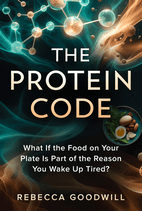
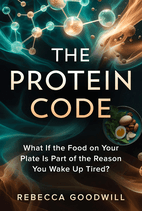
Rebecca Goodwill's The Protein Code reframes persistent fatigue, brain fog, and emotional flatness as biological "supply chain failures" caused by protein deficiency, offering tired people—not fitness enthusiasts—a practical framework to stabilize energy and mood by strategically prioritizing protein.
Feature
Insta.Page
Blinkist
Shortform
Summary Depth
Full Chapter-by-Chapter
15-min overview
Section-by-section guides
Audio Narration
✓
✓
✓
Visual Mindmaps
✓
✕
✕
AI Q&A
✓
✕
✕
Quizzes
✓
✕
✕
PDF Downloads
✓
✕
✓
Price
$89.99/yr
$146/yr (PRO)
$199/yr
*Competitor data last verified July 2026.
1 Page Summary
Based solely on the provided chapter content, this book challenges the common assumption that fatigue is an unavoidable consequence of a busy life. The central thesis is that persistent tiredness, brain fog, and emotional flatness are often not psychological issues or sleep deficits, but biological "supply chain failures" caused by a lack of quality protein. The author reframes protein not as a dieting tool, but as the "primary currency" for the body’s internal economy—the essential building blocks for everything from neurotransmitters and hormones to muscle and immune molecules. When we consume a diet high in sugar and refined carbs, we provide cheap fuel but miss the structural "bricks" required for repair and energy production, leading to a state of chronic, low-level depletion.
The author’s approach is distinctive for blending personal narrative, scientific explanation, and a sharp critique of the food industry. The book opens with a personal confession of exhaustion in a doctor's office and later reveals a raw moment of emotional numbness, connecting these experiences directly to biology. It systematically deconstructs the marketing and psychology behind processed foods, from the "addictive" design of breakfast cereals to the manipulation of taste receptors and appetite signals. The science is grounded in concepts like the protein leverage hypothesis and sleep inertia, while the practical advice is refreshingly blunt and minimal, focusing on removing obstacles (like carrying a fork) rather than adding complex new routines.
The intended audience is specifically tired people, not fitness enthusiasts. The book prioritizes strategies that work when energy is at its lowest, such as establishing a single, stable protein-rich anchor meal for breakfast. Readers will gain a framework for understanding their fatigue as a solvable biological problem rather than a personal failing. They will also learn a practical "reading algorithm" to cut through deceptive food labels and a clear, non-restrictive path to stabilize energy, mood, and appetite by strategically prioritizing protein.
Introduction
Overview
This opening chapter places us in a doctor’s office, where the protagonist, Rebecca, sits across from a physician who seems almost too vibrant. He runs, travels, treks, and collects diplomas—a portrait of tireless wellness that leaves her quietly envious. The scene is clinical yet intimate: lab results flash on the screen—everything normal, as always. But when he looks up and asks, “How do you actually feel?” the familiar script breaks. Instead of the automatic “I’m fine,” she admits the truth: she is exhausted, depleted to the point where even getting to the shower feels like a monumental task. Noise, interruptions, small plan changes—all trigger waves of irritation she doesn’t recognize as herself.
The doctor’s follow-up questions feel deceptively simple: What does a typical day look like? How much do you move? Sleep? Eat? As she speaks, a pattern surfaces—her life is a survival sprint, with rest treated as a luxury she can’t afford. And eating properly, it turns out, is also something she’s been failing at. The chapter ends on that unfinished thought, hinting that the real diagnosis won’t come from blood work but from the story her daily habits tell.
Key Takeaways
The chapter sets up a contrast between external health (normal lab results) and internal experience (chronic exhaustion and irritability).
Rebecca’s admission of feeling “not like herself” marks a turning point from denial to honesty.
The doctor’s simple questions reveal a lifestyle of relentless pressure, where rest and proper nutrition have been sacrificed.
The unresolved sentence about eating properly underscores that the root cause is likely tied to daily habits, not a medical mystery.
Key concepts: Introduction
1. Introduction
The Doctor's Visit
Protagonist Rebecca faces a vibrant, healthy doctor
Normal lab results contrast with her inner exhaustion
She admits feeling depleted and irritable
Revealing Questions
Doctor asks about daily routines and habits
Pattern emerges: life is a survival sprint
Rest treated as a luxury she can't afford
The Real Diagnosis
Root cause lies in daily habits, not medical tests
Proper nutrition has been neglected
Unfinished thought hints at lifestyle-driven issues
💡 Try clicking the AI chat button to ask questions about this book!
1. The Dead Battery Epidemic
Overview
We’ve traded the dramatic collapse of karoshi for a quieter, slower catastrophe—the slow burn of everyday exhaustion. Waking up completely drained has become our baseline, a “Monday morning” so ordinary we no longer question it. Brain fog? Just a bad night’s sleep, right? Society has twisted exhaustion into a badge of honor: if you haven’t burned out at least once, you probably aren’t working hard enough. We’ve been convinced our biological reserves are infinite, and fatigue is a weakness to be suppressed by sheer will. The bar for “healthy” now sits so low that anyone who can make it to the office without collapsing qualifies. We live on credit borrowed from our own biology—and the interest compounds daily.
The Real Numbers Behind the Epidemic
The CDC data from 2022 tells a story that’s easy to undercount. 13.5% of U.S. adults felt “very tired or exhausted” most or every day over three months. That 13.5% doesn’t sound staggering until you do the math: nearly 35 million people—more than the entire population of Texas. Imagine every Texan waking up each morning feeling like they’re already behind. These aren’t fringe cases or complainers; they represent a nation running on fumes, sincerely believing this is just what adult life feels like.
The First Always-On Generation
We’re the first generation wired to be “on” constantly. Pew Research from 2025 found that nearly a third of adults across two dozen countries are online almost constantly. The real damage isn’t the information itself—it’s the switching cost. Every notification, headline, or ping yanks our attention, and the brain burns extra fuel to reset focus. By mid-afternoon, the prefrontal cortex—our executive control center—is basically running on fumes. We expect heroic performance from willpower, yet ignore that the body simply lacks the raw materials to generate energy.
The Energy Audit That Missed the Point
In my first book, Always Tired, I described an “energy audit” focused on locating the leaks: chronic stress overload, hollow sleep, the pace of modern life. That mapping was valuable, but the deeper investigation led somewhere unexpected. Fixing leaks doesn't help when the body lacks the materials to build energy in the first place. You can rearrange your schedule all day, but if there’s no fuel, the system stays stuck in survival mode.
The Two Pillars: Sleep and Nutrition
Recovery for any living organism rests on two fundamental pillars: sleep and nutrition. Everything else—sunlight, noise, exercise, even a toxic boss—matters, but it sits on top of this foundation. Sleep is the body’s primary reset mechanism, yet it remains stubbornly unpredictable. No switch guarantees sleep on demand. The best we can do is prepare the stage. And nutrition? It provides the literal building blocks for energy. Without those raw materials, all the optimization in the world can’t manufacture vitality.
Key Takeaways
Exhaustion has been normalized: 35 million Americans feel drained most days, but we treat it as a personal failing rather than a systemic issue.
Our “always-on” culture incurs heavy switching costs, depleting cognitive fuel long before the day ends.
Willpower alone can’t compensate for missing biological raw materials—energy must be built, not summoned.
Sleep and nutrition are the non-negotiable foundation of recovery; everything else is secondary.
Recognizing the forces shaping our exhaustion is the first step toward rewriting the rules of our own survival.
Key concepts: 1. The Dead Battery Epidemic
2. 1. The Dead Battery Epidemic
The Normalization of Exhaustion
Everyday exhaustion is now seen as normal
Burnout is twisted into a badge of honor
Fatigue is wrongly treated as a personal failing
Society's bar for 'healthy' is dangerously low
The Scale of the Epidemic
13.5% of U.S. adults feel exhausted most days
That equals nearly 35 million people
More than the entire population of Texas
The Always-On Culture Cost
First generation wired to be constantly 'on'
Nearly a third of adults online almost constantly
Notifications cause high cognitive switching costs
Prefrontal cortex runs on fumes by afternoon
Energy Audit Limitations
Fixing leaks doesn't help without fuel
Body lacks raw materials to build energy
System stays stuck in survival mode
The Two Non-Negotiable Pillars
Sleep is the primary reset mechanism
Nutrition provides building blocks for energy
Everything else is secondary to these foundations
Energy must be built, not summoned by willpower
2. The Science of Morning Tiredness
Overview
Imagine your body as a busy warehouse. Night falls, and the day crew clocks out. The maintenance shift arrives—hormones and neurotransmitters—ready to restock shelves, repair cellular damage, and rebuild the molecules that keep you motivated and emotionally steady. They have a tight window, about seven or eight hours. But here's the catch: the night crew can only work with what was delivered earlier. Protein is the supply chain, carrying amino acids to your metabolic warehouses. If those deliveries never showed up—or if the cargo was mostly sugar and refined carbs—the crew shows up to empty shelves. Morning comes, and your brain logs into the system only to see: out of stock. That foggy, heavy-headed feeling isn't a sleep deficit; it's a supply chain failure. No amount of extra sleep can stock an empty shelf.
The Real Reason "Just Sleep More" Doesn't Work
We've all heard the well-meaning advice: "Get more sleep." So you stay in bed for ten hours, yet wake up feeling like you've been wrestling all night. This isn't a mystery—it's sleep inertia, that groggy state when you surface during the wrong stage of your cycle. Extra hours can actually extend the fog instead of clearing it. What matters isn't the hours logged; it's how sleep unfolds. Chronic stress keeps your nervous system hovering near the surface, never sinking into the deep repair stages. On top of that, stress burns through regulatory molecules faster, requiring more raw materials to rebuild. If those materials aren't there, sleep becomes a shallow imitation of rest.
The Tryptophan Traffic Jam
Here's where the science gets interesting. Tryptophan is the essential amino acid your body uses to make serotonin and melatonin—your mood stabilizer and sleep hormone. But it doesn't have VIP access to the brain. It has to cross through transport channels, and it's competing with a gang of larger neutral amino acids: leucine, isoleucine, and valine (the branched-chain amino acids from protein). These BCAAs often outnumber tryptophan, so most of it gets stuck in traffic. Even a protein-rich dinner doesn't guarantee enough tryptophan reaches its destination. The result? You followed all the rules—ate protein, went to bed on time—but still end up with shallow, restless sleep. The switch just won't click.
What's Actively Sabotaging Your Sleep
Alcohol is the most socially normalized sleep disruptor. It suppresses the hormone that tells your kidneys to hold water, causing fluid loss and nighttime bathroom trips. It raises core body temperature and fragments sleep—all before you even consider blood sugar effects. That first-hour sedation is a trick, not a cure.
Sugary drinks (sodas, juice, sweetened lattes) add fluid while triggering insulin responses. They don't hydrate well; they create a dual failure of both sugar management and hydration.
Energy drinks combine caffeine, sugar, and stimulants that mask dehydration and blood sugar chaos. They borrow alertness from tomorrow.
The Hidden Players in Your Morning Fog
The chapter walks through the key molecules involved, from dopamine (motivation) to cortisol (the morning wake-up hormone). Insulin plays a surprising role: after you eat carbohydrates, it helps move certain amino acids into muscles, which can shift the balance and indirectly free up more tryptophan to enter the brain. But if your diet is heavy in sugar and low in quality protein, that carefully coordinated system falls apart. The night crew arrives, clocks in, and stares at empty shelves.
Key Takeaways
Morning tiredness is often a supply chain problem, not a sleep duration problem. Without adequate protein and amino acids, your body can't complete overnight repair.
Sleep quality depends on the deeper stages of rest, not just hours spent in bed. Chronic stress and alcohol prevent you from reaching those stages.
Tryptophan's journey to the brain is easily blocked by competing amino acids from protein. Eating protein alone isn't enough—you need the right balance and timing.
Alcohol, sugary drinks, and energy drinks actively disrupt the restorative processes your body relies on at night.
Recovery begins before you go to bed: what you eat during the day determines whether the night crew has the materials to rebuild.
Key concepts: 2. The Science of Morning Tiredness
3. 2. The Science of Morning Tiredness
Morning Tiredness as Supply Chain Failure
Night crew needs protein deliveries for repair
Sugar and refined carbs leave empty shelves
Morning fog is a supply problem, not sleep deficit
Extra sleep cannot stock empty shelves
Why 'Just Sleep More' Fails
Sleep inertia worsens with extra hours
Chronic stress prevents deep repair stages
Stress burns regulatory molecules faster
Sleep becomes shallow without raw materials
The Tryptophan Traffic Jam
Tryptophan makes serotonin and melatonin
Competing BCAAs block tryptophan entry to brain
Protein-rich dinner doesn't guarantee delivery
Result: shallow sleep despite following rules
Active Sleep Saboteurs
Alcohol fragments sleep and raises body temperature
Sugary drinks cause dual sugar and hydration failure
Energy drinks borrow alertness from tomorrow
All disrupt overnight restorative processes
Hidden Players in Morning Fog
Dopamine and cortisol affect motivation and wake-up
Insulin helps shift amino acid balance for tryptophan
Low-quality protein breaks the coordination system
Recovery depends on daytime food choices
3. The Dark Side of Sugar
Overview
Chapter 3 pulls back the curtain on the multi-billion-dollar illusion we call “breakfast.” It’s not about nutrition—it’s about buying a promise. Cereal boxes don’t sell grain; they sell vitality, speed, and maternal success. The chapter traces how advertisers, especially in the 1940s, weaponized guilt and scarcity to convince working mothers that a bowl of sweetened flakes was the only way to fuel a child’s future. And it worked. Today, the ready-to-eat breakfast industry is a $12 billion behemoth, with most of that money spent on branding, not ingredients. Tony the Tiger and Toucan Sam are the real products. The chapter also reveals how this marketing strategy mirrors the Marlboro Man’s—pairing an addictive substance with an idealized image—and how the USDA Food Pyramid, with its mountain of bread and pasta at the base, cemented this cultural delusion for decades.
The Marketing Machine
The chapter exposes the psychology behind eye-level shelf placement—cereal boxes designed to lock eyes with a five-year-old. This isn’t accidental; it’s a calculated assault on the subcortex. The buzzwords (“Energy,” “Whole Grain,” “Heart Healthy”) act as incantations, drowning out the truth: most of these boxes are sugar bombs dressed as health. The message drilled into generations was simple: skip cereal, and you’re sabotaging your child’s potential. The result? A population that confuses marketing with biology.
The Biology of the Sugar Rollercoaster
Behind the glossy packaging, the body knows the truth. A breakfast built on simple carbs triggers a predictable cascade: a glorious twenty-minute glucose spike that feels like genuine alertness, followed by an insulin-driven crash that leaves you foggy, irritable, and reaching for another fix. The chapter calls this the “False Start.” That initial rush is deceptive—it tricks you into thinking the system is working, while your pancreas is being worked to exhaustion. Over time, the brain loses access to stable energy and learns to survive on perpetual stimulation, bouncing from sugar spike to crash. This is not fuel; it’s a biochemical trap.
The Sugar Tranquilizer
There’s a deeper, more insidious effect: sugar acts as a neurochemical pacifier. When you bite into a donut or sip a sweet latte, dopamine floods the reward center, and serotonin follows—creating a fleeting sense of peace. The world softens. Problems shrink. But this calm is borrowed. It lasts only as long as glucose stays in the blood. Once insulin clears it, the emotional floor drops. The relief is real, but the price is a mood crash that leaves you worse off than before. The chapter frames this as a “master biological key” that unlocks temporary bliss at the cost of long-term metabolic and emotional stability.
Key Takeaways
Breakfast cereal advertising is not about nutrition—it’s about emotional manipulation, targeting children and parental guilt with the same tactics as cigarette ads.
The USDA Food Pyramid institutionalized a carb-heavy diet, training generations to believe grains and sugars are the foundation of health.
A sugary breakfast creates a false energy spike followed by a crash, leading to brain fog, irritability, and increased craving for more sugar.
Sugar triggers dopamine and serotonin release, offering temporary emotional relief that vanishes once blood glucose drops—creating a cycle of dependency.
The real cost is a pancreas forced into overdrive and a brain that loses access to steady, high-quality fuel.
Key concepts: 3. The Dark Side of Sugar
4. 3. The Dark Side of Sugar
The Marketing Machine
Cereal boxes sell vitality and maternal success, not nutrition
Advertisers weaponized guilt to target working mothers in 1940s
Eye-level shelf placement is a calculated assault on children
Buzzwords like 'Whole Grain' mask sugar bombs as health
The Biology of the Sugar Rollercoaster
Simple carbs trigger a 20-minute glucose spike then insulin crash
The 'False Start' tricks you into thinking the system works
Pancreas is worked to exhaustion over time
Brain loses stable energy and learns to survive on stimulation
The Sugar Tranquilizer
Sugar floods dopamine and serotonin for fleeting peace
Calm is borrowed and vanishes when insulin clears glucose
Mood crash leaves you worse off than before
Creates a cycle of dependency on temporary emotional relief
Institutionalized Carb-Heavy Diet
USDA Food Pyramid cemented grains and sugars as foundation
Marketing mirrors Marlboro Man's pairing of addiction with image
Breakfast industry is a $12 billion branding behemoth
Tony the Tiger and Toucan Sam are the real products
The Real Cost of Sugar Dependency
Pancreas forced into overdrive from constant glucose spikes
Brain loses access to steady, high-quality fuel
Population confuses marketing with biology
Emotional and metabolic stability sacrificed for temporary bliss
You've reached the end of the free chapters
Next chapter: “Sugar Cravings and The Way Out” is locked
Keep reading The Protein Code — and unlock all 600+ book summaries with audio, mindmaps and AI Q&A.
$0.00 due today · 7 days free, then $89.99/year ($7.49/mo) · Cancel anytime before day 7
Rebecca Goodwill is a bestselling author and expert in emotional intelligence and interpersonal communication, best known for her practical guide *The Kindness Effect*. With a background in clinical psychology, she translates complex behavioral science into accessible advice for fostering empathy in everyday life. Her work has been featured in major wellness publications and corporate training programs worldwide.
Frequently Asked Questions about The Protein Code
What is The Protein Code about?
The book explores the hidden epidemic of chronic exhaustion, arguing that it stems not from lack of sleep or willpower but from a fundamental protein deficiency in modern diets. It traces how processed foods and marketing have hijacked our natural hunger signals, and offers a science-backed approach to restoring energy and metabolic health by prioritizing protein. Drawing on personal experience and research, it provides practical strategies for building habits that stabilize blood sugar, curb sugar cravings, and support cognitive and emotional well-being.
Who is the author of The Protein Code?
Rebecca Goodwill is the author, drawing from her own personal journey of chronic fatigue and recovery. The book opens with a revealing doctor's visit where she admits to feeling exhausted and depleted, setting the stage for her investigation into the biological and dietary roots of energy loss. Her writing blends personal narrative with scientific explanation, making complex concepts accessible to tired readers.
Is The Protein Code worth reading?
Absolutely. This book offers a refreshingly clear and practical roadmap for anyone struggling with persistent fatigue, brain fog, or unexplained irritability. It cuts through common myths about sleep and willpower, revealing how simple dietary changes—especially around protein timing—can transform your energy and mood. The advice is grounded in real science and presented without gimmicks, making it a valuable resource for reclaiming your vitality.
What are the key lessons from The Protein Code?
The most crucial lesson is that protein is a biological lever: when you eat enough, appetite stabilizes and energy surges, while deficiency drives overeating and fatigue. Another key insight is that sugar cravings are not a character flaw but a predictable biological program that can be outsmarted by eating protein 30 minutes before the craving hits. Finally, the book emphasizes that building a stable morning protein anchor (30-40 grams within the first hour) can steady blood sugar all day, reduce late-afternoon crashes, and prevent evening overeating.
📚 Explore Our Book Summary Library
Discover more insightful book summaries from our collection