As an Amazon Associate, we earn from qualifying purchases.
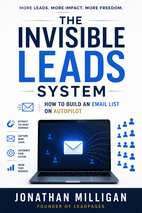
What is the book The Invisible Leads System about?
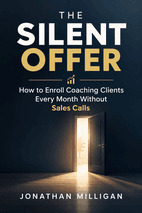
Jonathan Milligan's The Invisible Leads System provides a step-by-step Facebook ad framework for creators, coaches, and authors who are tired of grinding on social media with little list growth. It replaces guesswork with a repeatable, low-cost system that delivers subscribers on autopilot.
Feature
Insta.Page
Blinkist
Shortform
Summary Depth
Full Chapter-by-Chapter
15-min overview
Section-by-section guides
Audio Narration
✓
✓
✓
Full access to all 700+ summaries
✓
✓
✓
Visual Mindmaps
✓
✕
✕
AI Q&A
✓
✕
✕
Missing a book? Request it, usually live within 48h
✓
✕
✕
Quizzes
✓
✕
✕
PDF Downloads
✓
✕
✓
Send to Kindle
✓
✓
✓
Price
$89.99/yr
$146/yr (PRO)
$199/yr
*Competitor data last verified July 2026.
1 Page Summary
You don’t have a motivation problem—you have a visibility problem. That’s the central conviction of Jonathan Milligan’s The Invisible Leads System. The book argues that organic reach on social media is dead, and the old advice to “just show up and post consistently” is a rigged game designed to make you pay for attention. Milligan’s solution is a shift in identity: stop being the bucket brigade who hauls water one post at a time, and instead turn on a faucet. The core of the system is a simple Facebook lead ad—a machine with four parts (campaign, ad set, ad, and instant form)—that runs on autopilot for as little as $20 a day, delivering subscribers while you sleep, work, or take a real vacation. The book also expands this “invisible” philosophy to other platforms, showing how an Amazon book with a free bonus can pay you to build your list, and how a YouTube video with a matched lead magnet becomes an evergreen door that keeps opening.
What makes the book distinctive is its relentless focus on specificity over complexity. Milligan argues that the algorithm no longer needs manual demographic targeting; your copy is the targeting. The key is naming one real person so clearly that your ad feels like a conversation they’ve been waiting to have. He provides a step-by-step formula for writing that copy (the “Avatar-First Ad”), a five-email story arc to turn cold leads into warm relationships, and a simple one-page “Ad Prescription Sheet” that tells you exactly which lever to pull when a metric goes red—without panicking. The entire system is designed to replace guesswork with a repeatable, diagnosis-driven process, and Milligan includes companion videos and templates to walk readers through the technical setup so they never have to hold it all in their heads.
The intended audience is any creator, coach, author, or online business owner who has been grinding away on social media with little list growth to show for it. The book is especially for those who feel overwhelmed by the technical side of ads or fear they aren’t “ready” yet. Milligan speaks directly to that fear, sharing his own story of seven months of paralysis at a call center and the scrappy early failures (getting hacked, wasting ad spend) that taught him the system. What readers will gain is not just a set of tactics, but a new identity: someone who owns a machine rather than chases results. The book’s deepest message is that leads were never the point—they are simply the proof that you’ve built a system that makes you visible to the people who needed you all along.
Introduction
Overview
You don’t have a motivation problem—you have a visibility problem. That’s the core message that kicks off this introduction, and it’s meant to stop you in your tracks. The author speaks directly to the quiet fear that creeps in when you’ve done everything you’ve been told: post, engage, create, repeat—and your email list still barely budges. That fear isn’t a sign you’re failing; it’s a sign you’re playing a rigged game. Organic reach on social media is dead, and no amount of consistency will revive it. The platforms aren’t malicious, but their business model requires you to pay for attention. The strategy you were handed—just show up and grow—was never designed to work for you once the algorithms changed.
The author shares a personal story from early in their online journey—a time when they followed every expert’s advice and still saw almost no list growth. That experience led them to become a “crash test dummy,” testing everything until they found a simpler path. They present a vision: waking up to new subscribers you never had to chase, taking a weekend off and coming back to a hundred fresh names. That’s not a fantasy. It’s a faucet you can turn on with the right system.
That system is called The Invisible Leads™ System, built on four straightforward parts: First, identify the Right Person so Facebook’s AI can find them for you. Second, build the Right System—a machine that lives on Facebook and takes about twenty minutes to set up. Third, deliver the Right Welcome, a five-day story sequence that warms up cold subscribers. Fourth, track the Right Numbers—just four simple metrics coded green, yellow, and red, so you always know your next step.
The introduction also sets an important boundary: this is a book you work, not just read. Skimming it might feel productive, but real change comes from running tiny experiments. The author promises real stories from real people, not fabricated case studies, and offers a free companion workshop to help you implement the exercises and checklists. The closing invitation is simple: turn the faucet on, because your message can’t change a life if it never reaches anyone.
Key Takeaways
Low email list growth is rarely a discipline problem; it’s a visibility problem caused by dying organic reach.
The traditional advice to “post consistently” no longer works because social platforms require payment for reliable reach.
The Invisible Leads System has four components: Right Person, Right System, Right Welcome, and Right Numbers.
The system operates on autopilot once set up—no daily posting or constant engagement required.
Real change comes from taking action, not just reading; treat the book as a series of small experiments.
A free workshop (including exercises, checklists, and custom GPTs) is available to support implementation.
Key concepts: Introduction
Introduction
The Core Problem
You have a visibility problem, not a motivation problem
Organic reach on social media is effectively dead
Platforms require payment for reliable attention
Consistency alone won't revive your email list growth
Author's Personal Journey
Followed expert advice but saw almost no list growth
Became a 'crash test dummy' testing alternatives
Discovered a simpler path to consistent subscribers
Found a faucet system, not a fantasy
The Invisible Leads System
Identify the Right Person for Facebook's AI
Build the Right System in about twenty minutes
Deliver the Right Welcome with a five-day story sequence
Track the Right Numbers using four simple metrics
How to Use This Book
This is a book you work, not just read
Real change comes from running tiny experiments
Includes real stories, not fabricated case studies
Free companion workshop supports implementation
The Invitation
Turn the faucet on for autopilot subscriber growth
No daily posting or constant engagement required
Your message can't change a life if unreachable
System operates once set up with minimal effort
💡 Try clicking the AI chat button to ask questions about this book!
1. The Faucet You Haven't Turned On
Overview
A few weeks ago, I took a real break. No work. No posting. No emailing. When I got home, I opened my laptop and saw 102 new people had joined my email list while I was eating nachos on the beach. Nothing fancy happened. I wasn't running a complicated funnel with a team of experts. Just one simple ad at $20 a day, running on autopilot while I napped in the sun.
That's what this whole thing is about. Growth that doesn't depend on how hard you hustle. Growth that comes from a system, not from burning yourself out.
Meet the Faucet
Most creators build their list by hauling water one bucket at a time. A post today, an email tomorrow, a reel over the weekend. It works, but only as long as you keep carrying. Stop hauling, and the water stops flowing. You are the pump.
A lead ad is a faucet. You do the plumbing once—connect the pieces, turn the handle—and water flows whether you're working or not. While you sleep. While you're on vacation. While you're too tired to carry another bucket.
This is the shift: stop being the bucket brigade, and turn on a faucet that runs without you.
Your Real Problem Isn't Your Offer
After coaching hundreds of writers, speakers, and coaches, I've noticed something. Most people think they need a better course, a slicker website, or a smarter sales script. Almost never true. You already have the knowledge, the experience, something good that can help people. What you don't have is enough eyeballs on it.
That's a visibility problem. And it's fixable. Probably the easiest problem on the list.
Once you can add twenty, thirty, forty new leads a day, everything else gets easier. Books sell more. Workshops fill faster. Your calendar fills up. Nothing changes without visibility first. I've watched people show up convinced their offer is broken, only to turn on the faucet and see everything shift in two weeks. The offer didn't change. Just the number of people seeing it.
You are not behind because you lack talent. You're behind because not enough people can see you yet. That's the variable we're about to fix.
Organic Reach Is Dead—and That's by Design
The old advice—just show up, post consistently, be patient—is broken. Not because you did it wrong, but because the platforms rewrote the rules. Organic reach, the free kind where your followers actually see your posts, is mostly gone. The platforms rebuilt the game so your message only travels when you pay for it.
You could post every day for a year and barely grow your list. Not because you're lazy. Because the road you were told to walk on was closed the whole time.
So we stop fighting the free game. Instead, we use the platform's own paid tools, on purpose, in the simplest way possible. And here's the relief: this doesn't have to be scary or perfect. Treat everything like a tiny experiment. Turn it on, watch what happens, learn. Failure isn't a person, it's an event. You're not risking your identity running a small ad for a week—you're just gathering feedback.
The Most Expensive Ad Takes People Away
If you've spent money on Facebook ads and felt burned, I get it. I've done it too. The breakthrough came when I learned the difference between ad types.
Most people run ads that point to a sales page or a landing page on their own website. They pay Facebook to send people off Facebook. That's the most expensive kind of ad you can run, by design. Facebook doesn't want you taking people away, so they charge more for it.
The ad we're building does the opposite. It keeps people right there on Facebook. No landing page to build, no opt-in page to design. Someone gives you their email inside Facebook, the platform hands them your free gift, and they're on your list. Low tech, effective. If the words "landing page" or "sales funnel" make your stomach tighten, exhale. We're not building any of that.
Do Less, But Better
The biggest danger for online creators isn't laziness. It's scatter. Too many platforms, too many ideas, too many plates spinning while none of them really turn.
The solution is something I call the Five Ones:
One person you serve
One core product everything leads to
One path people follow to purchase
One platform where you get found
One period of time to get good at it
This book focuses on two of those: the person and the platform. When you stop trying to do everything and pour yourself into one simple system, momentum shows up. Not because you did more, but because you finally did less, better.
Where to Start
Take fifteen minutes right now. Write down your current email list size. Set a 30-day goal, a 90-day goal, and a one-year goal. For reference, creators who reached their first $100k typically had lists around 4,000 to 5,000 people. Then name your one platform for the next 90 days: Facebook lead ads.
That's the starting line. Everything else builds from here.
Key Takeaways
Your slow growth isn't a motivation problem—it's a visibility problem, and visibility is fixable
Organic reach is mostly dead by design, so stop fighting the free game and use paid tools simply
Focus beats scatter: one person, one product, one path, one platform, one period of time
Key concepts: 1. The Faucet You Haven't Turned On
The Faucet You Haven't Turned On
The Faucet vs. Bucket Brigade
Growth from systems, not hustle
Lead ads run on autopilot like a faucet
Stop being the pump; let water flow without you
Your Real Problem: Visibility
Better offers aren't the fix; more eyeballs are
Adding 20-40 leads daily changes everything
Talent isn't lacking; visibility is the variable
Organic Reach Is Dead by Design
Platforms rewrote rules; free reach is gone
Stop fighting the free game; use paid tools
Treat ads as tiny experiments, not identity risks
The Right Ad: Keep People on Facebook
Off-platform ads are expensive by design
No landing pages or opt-in pages needed
Collect emails inside Facebook simply and cheaply
Do Less, But Better: The Five Ones
Scatter is the danger, not laziness
One person, one product, one path, one platform
Focus on person and platform for 90 days
Set list goals: 30, 90, and 365 days
2. Know Your Buyer Better Than They Know Themselves
Overview
The core insight in this chapter isn’t about a fancy tool or a secret ad platform trick—it’s about the singular power of naming one real person so clearly that your copy feels like a conversation they’ve been waiting to have. The author illustrates this with a live call where he typed a random hobby into a copy generator, got back a line that could only belong to a specific collector, and watched a room full of coaches do the same for wildly different audiences—from cancer patients to gardeners to stuck leaders. The result was always the same: when the buyer was specific, the copy came alive. When it was vague, it fell flat. That’s the anchor of this whole system. The magic was never the tool. It was the specificity.
Name one person, not everyone
There’s a natural fear that narrowing your focus will shrink your audience. It feels risky, like you’re leaving money on the table. But the logic works the other way. Facebook’s AI needs a clear target to lock onto. If your copy is generic—“Hey, you”—nobody stops. If it calls out the collector who keeps losing money on bad grades, the algorithm goes out and finds more people exactly like that. Specificity doesn’t shrink reach; it makes reach accurate. And every person who opts in teaches the AI a little more about who wants what you offer. Start vague, and the algorithm learns the wrong lessons. Your costs climb, and your results feel random. Sharp focus is the safer bet, not the risky one.
The former you is often your buyer
Where do you find that one person? You might be closer than you think. For many of us, the ideal buyer is who we used to be—the version of yourself standing ten years behind on the same path, wrestling with the same doubts and fears before you found your way through. When that’s true, speaking to them is almost effortless. You’re not guessing at their pain. You lived it. The author shares his own story: a burned-out teacher who felt stuck, so he speaks to people who want to build something of their own. It lands because it’s honest. If your own story doesn’t match, pick a client you’ve already helped. Picture one real person who came to you stuck and left transformed, and speak to the version of them that first showed up. Either way, the goal is a flesh-and-blood person, not a faceless crowd.
Speak the problem better than they can
Here’s a principle that changes everything: people don’t trust you because you list your credentials. They trust you when you describe their problem better than they can describe it themselves. Imagine reading something that names exactly what you’ve been feeling—the thing you couldn’t quite put into words. Your first thought is, “That’s me. How did they know?” And right behind it comes, “This person must have the answer.” That’s the shift you’re aiming for: not to impress, but to show you understand. When you articulate someone’s frustration, quiet fear, or secret hope more clearly than they can, you earn instant trust. Underneath every buyer is a human being, and the person who makes them feel seen becomes the guide they want to follow.
Congruence beats cleverness
There’s a quiet cost to getting the buyer right but the offer wrong. I call it congruence: the buyer you name, the pain you describe, and the free gift you offer all have to point at the same person. If you call out the Christian woman tired of never feeling like enough and then offer a gardening guide, the connection breaks. The right person clicks, feels confused, and leaves—and you paid for that click. But when Laura targeted women who’d been through traumatic seasons and offered a book about flourishing after adversity, everything matched. Her leads came in at pennies, and people replied saying it was exactly what they’d been searching for. Clever copy is overrated. Congruent copy pulls. Before you spend a dollar, ask: does my buyer, my message, and my gift all point at the same human? If not, fix the alignment first. No amount of clever wording can rescue a mismatch, and every click without congruence is money down a bucket with a hole in it.
The Casting Call Sheet
To lock all this in, the author offers a fifteen-minute exercise called the Casting Call Sheet. You’re casting the lead role in your ad.
Name your one person. Write one sentence that’s specific enough they’d recognize themselves. “The Christian woman tired of never feeling like enough” beats “women who want peace.”
Describe their current pain. In their words, not yours.
Cast the transformation. Where do they want to go? What does the after look like?
Add a timeframe. Thirty days, ninety days—a clear outcome with a clock feels real.
Check for congruence. Does the person, pain, and free gift all point at the same human? Adjust until they do.
Write it by hand if you can. The act forces clarity. This one page becomes the foundation for everything that follows.
Key Takeaways
A specific buyer is what makes Facebook’s AI accurate. Naming one person attracts everyone like them.
Your best avatar is often who you used to be—speak to the earlier version of yourself or a past client you helped.
Describe the problem better than they can, and ensure your person, pain, and gift all point at the same human being.
Key concepts: 2. Know Your Buyer Better Than They Know Themselves
Know Your Buyer Better Than They Know Themselves
The Power of Specificity
Name one real person, not everyone
Specificity makes Facebook's AI accurate
Narrow focus doesn't shrink reach, it sharpens it
Vague copy teaches AI wrong lessons, raising costs
Finding Your One Person
Your ideal buyer is often who you used to be
Speak to the earlier version of yourself
Or pick a past client you already helped
Target a flesh-and-blood person, not a crowd
Earning Trust Through Understanding
Describe their problem better than they can
People trust you when you make them feel seen
Articulate their frustration, fear, or secret hope
Understanding beats listing credentials
Congruence Over Cleverness
Buyer, pain, and gift must point at same person
Mismatched offer breaks trust and wastes money
Congruent copy pulls; clever copy is overrated
Fix alignment before spending any ad dollars
The Casting Call Sheet Exercise
Name your one person in a specific sentence
Describe their current pain in their own words
Cast the transformation with a clear timeframe
Check congruence across person, pain, and gift
3. The Avatar-First Ad
Overview
The most important marketing lesson I've learned is this: great ad copy isn't a talent you're born with—it's a formula you can follow. This chapter proves it with Christine's story. She had fifty-nine email subscribers she'd worked hard for, and then she ran one ad using this formula. Within a week, she added forty-eight more at about a dollar each. Her secret? One opening line that named exactly who she was talking to: "New book for the Christian woman who's tired of never feeling like enough." The words did the work. And they can do the same for you.
Step 1: Name the Role
Your first line does double duty. It stops the right reader and tells Facebook's algorithm exactly who to find. One sentence. As specific as possible. Christine named "the Christian woman who's tired of never feeling like enough." Laura named "the woman who smiles at everyone, says she's doing fine, and then sits alone wondering if she'll ever feel like herself again." Notice neither one says "women" or "people who want peace." They name a specific person in a specific moment.
A quick tip: work your free gift into this opening. "New book," "new checklist," or "new guide" tells the reader instantly what they're getting. Name the gift and the person in the same breath.
Step 2: Cast the Dream
People don't opt in for information. They opt in for a destination. So name the after. Where are they now? Where do they want to be? Christine's readers wanted peace without earning it. Laura's wanted to recognize themselves in the mirror again.
Add a timeframe whenever you can. "In the next ninety days." "In thirty minutes a day." A clear outcome with a clock attached feels achievable. It turns a vague wish into something they can picture on a calendar. The bigger and clearer the gap between where they are and where they want to be, the more they want to close it.
Step 3: Answer the "Even If"
This is often the part that does the real persuading. Every buyer has a little voice saying, "This won't work for someone like me." Your job is to name those objections out loud and dissolve them using the phrase "even if."
For a coach: "Even if you don't have a website, even if you don't have a big following, even if you have no idea where to start." Stack your buyer's top three doubts and knock them down one by one. When a reader sees their exact hesitation written on the screen, and then sees you wave it away, they think, "Maybe this actually could work for me." That thought earns the click.
Don't worry about making these lines pretty. Say the true thing plainly. That beats clever every time.
Step 4: Remove the "Without"
The last part names the hard things they don't want to do and takes them off the table. Every buyer has a list of dreads: posting on social media every day, cold messaging strangers, waiting until everything is perfect. You remove those.
Laura's ad promised transformation "without vague inspiration that fades by Friday, without a five-year therapy timeline, and especially without abandoning the woman you're quietly becoming." You're not just promising a result. You're promising the result minus the parts they hate. That's a powerful combination.
Step 5: Pick the Lead Magnet and Imitate Before You Innovate
Choose the best free thing you already have—a book, checklist, guide, or mini course. Make it look real with a simple mockup. A clean image of the thing makes it feel tangible, and tangible makes people want it.
And remember the rule: imitate before you innovate. Don't stare at a blank page trying to be original. Take the proven formula, drop in your person and your gift, and launch. Originality can come after you have results.
Key Takeaways
Great ad copy is a formula, not a talent: Role, Dream, Even If, Without.
The objections and "without" lines do most of the persuading because they answer the reader's doubts before they can click away.
Choose the best free gift you already have, imitate the proven template, and launch before you try to get original.
Key concepts: 3. The Avatar-First Ad
The Avatar-First Ad
The Core Formula
Great ad copy is a formula, not a talent
Christine gained 48 subscribers in a week using it
Formula: Role, Dream, Even If, Without
Step 1: Name the Role
First line stops the right reader and targets algorithm
Name a specific person in a specific moment
Work your free gift into the opening line
Step 2: Cast the Dream
People opt in for a destination, not information
Name the gap between where they are and want to be
Add a timeframe to make the outcome feel achievable
Step 3: Answer the 'Even If'
Name and dissolve buyer's top three doubts
Use 'even if' to wave away objections
Say the true thing plainly, not cleverly
Step 4 & 5: Remove 'Without' and Launch
Remove hard things buyers don't want to do
Choose the best free gift you already have
Imitate the proven template before innovating
You've reached the end of the free chapters
Next chapter: “The Machine With Four Parts” is locked
Keep reading The Invisible Leads System — and unlock all 700+ book summaries with audio, mindmaps and AI Q&A.
$0.00 due today · 7 days free, then $89.99/year ($7.49/mo) · Cancel anytime before day 7
Jonathan Milligan is an author and productivity expert known for his work in helping individuals design intentional lives. He wrote *Your Message Matters* and *The 4 Disciplines of Execution* for creatives, drawing on his background as a coach and blogger. Milligan's expertise centers on goal-setting, time management, and overcoming overwhelm to achieve meaningful work.
Frequently Asked Questions about The Invisible Leads System
What is The Invisible Leads System about?
The book provides a step-by-step lead generation system that replaces the grind of constant social media posting with automated, ever-flowing pipelines. It explains why traditional organic reach strategies fail and how to set up a 'faucet' using Facebook ads, Amazon books, and YouTube videos that generate email subscribers around the clock. The core framework includes a four-part ad machine, a five-day story arc to warm leads, and simple metrics to diagnose performance. The goal is to transform from a bucket carrier to someone who owns a self-sustaining system.
Who is the author of The Invisible Leads System?
Jonathan Milligan is the author, a marketing expert who started his own online journey frustrated and stuck after following every expert's advice with little growth. He became a 'crash test dummy,' testing strategies until he discovered a simpler, more automated approach to building an email list. His teaching is grounded in real-world experience, including personal stories of failure and success, and he now shares his proven system with others.
Is The Invisible Leads System worth reading?
Yes, it’s absolutely worth reading because it offers a practical, actionable system that actually works while you sleep. The author dismantles the myth that you need to hustle harder — instead, he shows how to set up a lead generation machine that runs on autopilot, even while you’re on vacation. The book is filled with real examples, simple frameworks, and a clear prescription for fixing ads when they falter, making it a valuable resource for any creator or business owner tired of invisible growth.
What are the key lessons from The Invisible Leads System?
The most important lesson is to stop hauling water one bucket at a time with organic posts and instead turn on a lead ad 'faucet' that runs automatically. Another key takeaway is to name one specific buyer in your ad copy — Facebook’s AI reads that copy and finds the exact audience, making manual targeting obsolete. The five-day story arc teaches you to build trust through emails before selling, while the 'ad prescription' gives you a one-page sheet to know exactly which lever to pull when a metric goes red. Finally, the book shows how Amazon books and YouTube videos can become passive lead engines that pay you to grow your list.
📚 Explore Our Book Summary Library
Discover more insightful book summaries from our collection