As an Amazon Associate, we earn from qualifying purchases.
What is the book The Personal Branding Playbook about?
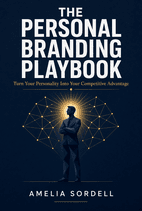
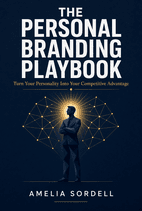
Amelia Sordell's The Personal Branding Playbook argues that everyone already has a personal brand formed through unnoticed impressions, and offers a four-part strategy—goal, audience, content, distribution—for taking deliberate control of it. Written for professionals, founders, and executives who post safely yet get no traction.
Feature
Insta.Page
Blinkist
Shortform
The Personal Branding Playbook
✓
✕
✕
Summary Depth
Full Chapter-by-Chapter
15-min overview
Section-by-section guides
Audio Narration
✓
✓
✓
Full access to all 700+ summaries
✓
✓
✓
Visual Mindmaps
✓
✕
✕
AI Q&A
✓
✕
✕
Missing a book? Request it, usually live within 48h
✓
✕
✕
Quizzes
✓
✕
✕
PDF Downloads
✓
✕
✓
Send to Kindle
✓
✓
✓
Price
$89.99/yr
$146/yr (PRO)
$199/yr
*Competitor data last verified July 2026.
1 Page Summary
Amelia Sordell's The Personal Branding Playbook argues that everyone already has a personal brand—formed through countless small impressions, many of which happen when we aren't paying attention—and that the real work is taking deliberate control of it rather than leaving it to chance. A personal brand cannot be invented as a fiction, the way a corporate brand might be; it has to be built from who someone actually is. Sordell frames the effort around a strategy with four interlocking parts—goal, audience, content, and distribution and engagement—with the goal placed first because every tactic can be reverse-engineered from it. She connects this to a clear "why," arguing that likes and follower counts are poor destinations that can rise while confidence falls, and that alignment with one's genuine self shows up as flow: easier idea generation, inbound opportunities, and confidence as the deepest return on years of brand building.
What makes the book distinctive is its insistence on personality as a competitive advantage and its rejection of "vanilla" branding. Sordell argues that safe, forgettable content attracts no one, while a distinct flavour works as a filter—pushing away the people you don't want and pulling in the ones you do—and that criticism and disagreement are useful signals rather than failures. She reframes audience-building as finding friends rather than followers: hard-sales content repels, whereas resonance built through stories, mistakes, and shared experience leads people to buy from someone they feel connected to. She urges readers to name the one thing they want to be known for, balancing expertise (what people buy) with story (why they buy it from you), and treats content as abundant raw material drawn from everyday life, with cornerstone long-form pieces feeding everything else. The book extends beyond posting into visual brand—what you wear and how you carry yourself—and into distinguishing a community you talk with from a following you talk at. Systems, not inspiration, drive growth: Sordell cites operating numbers of 150 or more content pieces a month and one to two hours a week, with a working ratio of one-tenth content to nine-tenths consistency and volume, and describes brand equity compounding like a high-interest account.
The intended audience is professionals, founders, executives, and business owners who are told to build a personal brand but produce noise instead of traction—people who post competently and safely yet get nothing back. Readers will gain a practical framework for defining their goal and audience (including reaching busy decision-makers through what Sordell calls "the ring of influence"), a method for choosing what to be known for and by whom, and a system for producing consistent content without burnout or overthinking. They will also take away a realistic picture of the returns: meaningful views and engagement, speaking and podcast opportunities, and inbound revenue built over years rather than virality. Sordell closes by arguing that as AI makes feeds sound alike, real human presence and in-person relationships matter more than ever—what counts now is not what you know but who knows you—and that AI can inform and structure content but cannot supply a recognizable human voice.
1 Reputation at scale
Overview
Every impression you leave is formed in a moment you may not even notice, and there are far more of those moments than you can be present for. The reach you want and the attention you can give in person move at different speeds.
A dinner date can expose a personal brand in an hour. The man was attentive to his companion and ignored the waitress, never acknowledging her. The woman noticed, and they did not meet again. The same applies to clients and to the barista. A personal brand already exists; the work is to take control of it.
Taking control is the key. The date was not malicious, just unaware. Deliberately making eye contact and saying thank you shapes the impression left behind. Social media turns this from one-to-one into one-to-many relationships, letting reputation scale. As a recruiter, the author was set a target of 100 calls a day, but only about three in 100 became meaningful relationships. Online, reach can approach one million people in 24 hours rather than 100 calls and roughly four real conversations.
Personality cannot be invented
A personal brand is not a separate fiction invented like a corporate brand. It is tied to personality, so everyone already has one. Reframing personal branding as one-on-one interaction at scale changes the internal question from "what if they do not like me?" to "I will be fine if they do not." That shift grounds both a strong brand and self-esteem.
This is strategic marketing, not ego. Attention is the scarce currency, and intentional behavior aligns actions with a desired outcome. The book says that when two people are on the same wavelength, the effect doubles. It treats emotional states as frequencies and says authenticity is the highest, 400 times stronger than love. An authentic exchange, in person or online, doubles that effect. The examples offered are:
the author's following
Steven Bartlett's podcast downloads
Elon Musk's fame
Loved or hated, all are read as authentic.
Four components
First impressions form in one-tenth of a second, according to the book. The four components of a personal brand are:
How you look.
How you act.
What you know.
What you believe.
Looks shape the first impression; actions must back it, because a good first impression without integrity or authenticity closes the door it opened. Knowledge is lived experience Google cannot supply. Beliefs and values make people buy into the person and repel the wrong people. Accountability runs through all four.
Price and legacy
Two identical water bottles cost $0.99 in a supermarket and $4.99 at an airport, because people pay more for what feels rare. Personal branding places you at the airport: fewer like you, more demand. Give knowledge away without gatekeeping, because people trust those who teach them. Gallup found, according to the book, that 70% of decisions are emotional, so authentic relationships are harder to break than contracts. A drill is bought for the hole, not the drill.
Examples of late or self-directed reputation building:
Colonel Sanders founded KFC in his sixties.
Picasso networked and died wealthy.
Van Gogh had a smaller network and died penniless.
Self-promotion is not a dirty word. Social media is a distribution channel, not a verdict, and the first rule is to post despite fear.
Five rules for posting
The rules for putting yourself out there are meant to be acted on, not admired. The first is blunt: post the thing and accept that most of it will land imperfectly or barely at all. The second is to be fully willing to live with the consequences of being yourself. Personality works like a magnet, drawing the people you want and pushing away the ones you don't, which functions as a pre-built filter against spending energy on people who neither want nor deserve it. Being disliked by some people is a real source of power; refusing to be hated by people you don't like means you cannot expect to be loved by the ones you do.
The third rule is not to take criticism personally. The author is mocked regularly for appearance, for what he says, for who he is, and is told he is ugly, stupid and lacking credibility. None of it is true, so there is nothing to be upset about. He qualifies this by noting he publishes roughly 150 pieces of content a month and it rarely happens, but when it does he genuinely doesn't care, in life or online. The reasoning is that no one else's opinion of you deserves more trust than your own opinion of yourself, and as the main character of your own story you should stop handing screen time to poor supporting acts.
The fourth rule is that finished beats flawless. Hours spent polishing a perfect post can end with 70 people seeing it before the feed replaces it. Perfection doesn't exist, so write the post and return to rule one. The fifth is that the message outranks the medium. Steven Bartlett's content has gone out with spelling mistakes and nobody concludes he is an idiot, because readers, listeners and buyers trust the message more than they judge the delivery. A typo is not ideal and a spelling tool is a reasonable investment, but imperfection is human, and that humanity is part of what makes content endearing.
Unfiltered
A follower once asked which app would filter her face in video. The answer was to ask why she would want to. The fear behind the question is understandable, but the worse outcome is meeting someone in person who fails to recognise you. The author's own weekly YouTube vlog is often filmed with no make-up, in old tracksuit bottoms, walking around his house. He could style himself carefully every time; he doesn't want to. He is intentional about what he shares and about the perception he crafts, but that perception has to stay human. Nobody has ever written to say they loved the message but wished for more make-up. Filtering waters a person down, and the entire point of a personal brand is to stand out.
Being fully yourself and visible attracts genuine people, and that is where opportunity sits. The instruction that closes the chapter is to put a camera in your face and get to work.
Key Takeaways
Act as though every small exchange, from a client to the barista, is being broadcast at scale; that is where a reputation is built or lost.
Start from the personality you already have instead of assembling a separate persona, or the gap between the two will close the doors a good first impression opened.
Give your knowledge away rather than gatekeeping it, and let a distinct, minority point of view do the work of raising what you are worth.
Publish the unfinished version now, and treat being disliked by part of the audience as the filter that saves your energy for the people who actually want you.
Drop the beautifying filter and the endless polishing pass; a message that arrives with a human face and a typo still persuades, while a watered-down one is simply forgettable.
Key concepts: 1 Reputation at scale
1 Reputation at scale
Reputation Scales Through Unseen Moments
Every impression forms in unnoticed moments; you can't be present for all.
Personal brand exists already; work is to take control of it.
Social media turns one-to-one interactions into one-to-many, scaling reputation.
Online reach can hit a million in 24 hours vs. 100 calls yielding ~4 conversations.
Authenticity Is the Foundation
Personality cannot be invented; a personal brand is tied to who you are.
Reframe branding as one-on-one interaction at scale to build self-esteem.
Authenticity is the highest frequency, 400 times stronger than love.
Strategic marketing, not ego: attention is the scarce currency.
Four Components of Personal Brand
How you look shapes the first impression in one-tenth of a second.
How you act must back up the first impression with integrity.
What you know is lived experience Google cannot supply.
What you believe attracts the right people and repels the wrong ones.
Price and Legacy Through Scarcity
Personal branding places you at the airport: fewer like you, more demand.
Give knowledge away without gatekeeping to build trust.
70% of decisions are emotional; authentic relationships are harder to break.
Self-promotion is not dirty; post despite fear—Colonel Sanders, Picasso vs. Van Gogh.
Five Rules for Posting
Post the thing and accept imperfection; most content will barely land.
Be willing to live with consequences; being disliked by some is a source of power.
Don't take criticism personally; your opinion of yourself matters most.
Finished beats flawless; message outranks medium—typos don't make you an idiot.
Unfiltered Authenticity
Filtering waters you down; the point of a personal brand is to stand out.
Fear of being unrecognized in person outweighs the desire to filter.
Share intentionally but stay human—no make-up, old tracksuit bottoms.
Nobody ever wished for more make-up; they connect with the message.
Authenticity as a Reputation Strategy
Being fully yourself and visible attracts genuine people and opportunity.
Start from your existing personality, not a separate assembled persona.
The gap between persona and self closes doors a good first impression opened.
💡 Try clicking the AI chat button to ask questions about this book!
2 Defining your why
Overview
Personal branding looks measurable: likes, followers, shares. Those numbers can rise while confidence falls and opportunities stay out of reach, leaving no clear sense of what the whole effort is for. The harder question is what should guide the work when the visible signals are not the point.
Alignment shows up as flow. When a personal brand strategy matches who someone actually is, sharing feels exciting, ideas arrive easily, and the energy attracts inbound leads, PR, podcast invitations, speaking slots, even TV. Confidence is the deeper return: after four or five years of brand building, it is the greatest achievement, ahead of any single opportunity. The aim is not virality or 10,000 likes but the right attention. With a clear why, results feel nearly effortless and referrals and tags start arriving.
The cost of chasing metrics
Likes are a useful KPI and a poor destination. They do not pay bills, create opportunities, teach much, or make anyone feel loved, and chasing them can lead somewhere harmful. The author's own history is blunt: as a younger person, an eating disorder was reinforced by posting photos after weight loss and receiving compliments from strangers. Social media did not cause the disorder, but it sustained the cycle by tying worth to continued validation. With 250,000 followers, the route was caring about who followed and whether the content was valuable and authentic. The dating analogy helps: early dates are spent wondering whether the other person likes you; only later do you ask whether you like them. Five people saying they want to know more would be exciting, not disappointing.
Why is not a goal
Why is the vision. Goal is the mission, the thing that must happen. The author's why is to inspire people to accept the consequences of being themselves, love the skin they are in, and reach their potential with confidence. One goal is helping 1 million people build a personal brand; another is financial freedom, enough to collect kids from school without work worry and travel with people they love. KPIs follow reach, audience profile, stages, podcasts, interviews, and events. Earlier versions of the why were really goals:
Persuading a CEO that personal branding was the route to inbound business.
At 11 Investments, attracting employees and business through personal branding.
At Klowt, getting paid to do work they loved.
The deeper why emerged about 18 months before the book, after five years of active brand building. That delay is normal. The why catches you when motivation fails, and the work is described as 10% content, 90% consistency in posting it. It also points to core messaging.
The mission statement exercise
A mission statement should hold the big why and the core goal. Specificity matters: becoming senior marketing manager at Nike is stronger than becoming a marketing manager, and helping 1 million people build a personal brand is stronger than helping people. The prompts are:
What do you value most? Name five non-negotiables, but describe how they show up. Not "family," but wanting a wife to think you are a good person and be proud. Ask what needs to happen to feel you are doing a good job, or what friends value in you.
What are you most passionate about? List five things that bring joy, work-related or not, such as gardening or following a football club.
What are your most significant professional and personal goals? Picture the best version of yourself. If values are bedtime with kids and a proud wife, passions are Arsenal and a family beach holiday, and skills are sales and closing big deals, a sales director role with late US calls may not fit. Consulting or fractional Sales Director work could restore control and shift the why.
What do others see as your greatest strengths? Ask friends, family, and colleagues for three to five, because self-criticism hides strengths. Articulate and inspiring might point to speaking; a strong writer might choose articles or books instead of forced video. A stack of skills makes someone unique, the $4.99 airport water rather than the $0.99 supermarket bottle.
What legacy do you want? Not what you leave at death, but what you are known for, what people say when you are not in the room, how they introduce you. The author's legacy is people saying she changed their lives after seeing her on stage, and feeling confident enough to build their own brand.
Then write: I will [action] by [skills] to [desired result]. Example: create an inspiring podcast for people interested in psychology, to help them use science-based learning and everyday habits to transform their lives. If it does not excite you, redo it. The mission statement sits at the top of the personal branding pyramid.
Get out of your own way
The first obstacle is social fear: people imagine friends screenshotting their posts and laughing in a WhatsApp group. The author's friends thought LinkedIn posting was weird; later they asked for advice and came to speaking gigs. Some early comments stung, but investment in a better life outweighed them, and real friends supported the work from the first post. Mockery often says more about the mocker's own limits than about the person posting. Strengths feedback from others builds the confidence to begin. The why then becomes the basis for brand strategy.
Key Takeaways
Define your why as a vision and keep it distinct from your goals: a target like a promotion or a client is a mission you complete, while the why is what keeps you posting after motivation runs out.
Answer the five mission statement prompts on values, passions, goals, others' view of your strengths, and legacy, then compress them into "I will [action] by [skills] to [desired result]" with a named role, number, or audience rather than a generality.
Collect three to five strengths from friends, family, and colleagues before you begin, since self-criticism hides the very abilities that make your content distinct, and build your format around them.
Treat a handful of people wanting to hear more as the result worth pursuing, and reassess any pull toward volume metrics against whether the work is authentic and useful to the audience you actually want.
Publish steadily rather than perfectly, and read mockery as a comment on the limits of the person dishing it out; real friends back the work from the first post.
Key concepts: 2 Defining your why
2 Defining your why
Alignment Over Metrics
Likes and followers can rise while confidence falls
A clear why makes results feel nearly effortless
Confidence is the greatest return after years of building
Aim for the right attention, not virality
The Cost of Chasing Validation
Likes are a useful KPI but a poor destination
Chasing validation can reinforce harmful cycles
Shift from 'do they like me?' to 'do I like them?'
Five genuine fans beat 10,000 empty likes
Why vs. Goal
Why is the vision; goal is the mission that must happen
Early 'whys' are often really goals in disguise
The deeper why can take years to emerge
Why catches you when motivation fails
The Mission Statement Exercise
Combine the big why with the core goal
Be specific: name the role, number, or outcome
Answer five prompts: values, passions, goals, strengths, legacy
Format: I will [action] by [skills] to [result]
Know Your Values and Passions
Name five non-negotiables and how they show up
List five things that bring you joy
Align goals with values, passions, and skills
Mismatched roles may require reshaping the why
Leverage Strengths and Legacy
Ask others for three to five strengths; self-criticism hides them
A stack of skills makes you unique
Define what you want to be known for
Legacy is how people introduce you when you're not there
Get Out of Your Own Way
Social fear imagines friends mocking your posts
Real friends support the work from the first post
Mockery often reflects the mocker's own limits
Strengths feedback builds confidence to begin
3 What is a good brand strategy?
Overview
Everyone is told to build a personal brand, yet most efforts produce noise instead of traction. The hard part is not choosing tactics but knowing what a strategy has to do before any of them can work.
A good personal branding strategy has four parts:
Goal.
Audience.
Content.
Distribution and engagement.
The goal comes first because every tactic can be reverse-engineered from it. Without it, no audience can be identified, and without an audience there is no basis for choosing what to discuss online. Personal branding also reaches beyond posts into meetings and emails; reputation matters online and offline.
Start with the goal
Sordell's own goal is financial freedom. Her route is paid speaking, so she puts "speaker" in her LinkedIn headline, records gigs, cuts them into micro-content, pitches herself onto podcasts, and posts the clips so event organisers think of her. Klowt needs more clients, so she targets C-suite executives at FTSE and Fortune companies and founders of scale-ups and SMEs.
The ring of influence
Executives are busy and often not online looking for help, so she also addresses their assistants and adjacent staff, which she calls the ring of influence. An executive assistant saw her TikTok, forwarded it to her boss, and he signed a $100,000 contract with Klowt. McDonald's uses the same logic with the Happy Meal: a cheap children's meal and toy influence children, who then influence parents to visit and buy more.
Content must adapt
Content must be agile enough to react to news but consistent enough that there is always something to post. Sordell publishes about 150 pieces a month, and when inspiration fails she reposts, remixes and reuses old content that performed well. She does not blame an algorithm change: when LinkedIn reduced the reach of her videos, she changed her approach. Iteration is necessary because platforms and formats keep shifting.
Friends, not followers
A large following is not influence. A creator with 250,000 TikTok followers built on Harry Potter clips could not monetise them because people followed the films, not him. Sordell advised him to appear in the content and offer commentary. The aim is friends, not followers: show vulnerability and personality so people connect with the person, not just the post. She discusses her mistakes because they create recognition and referral.
Decide what you want to be known for
The centre of the strategy is the one thing someone wants to be known for. That core message should not change, though it must be translated for each platform. Sordell's message is personal branding, while the format shifts from LinkedIn to TikTok to Instagram. Copying Steven Bartlett, Gary Vee or Sordell may produce traction but not a personal brand, because the story and reason behind it are not transferable. Sarah, an HR consultant with just under 3,000 LinkedIn followers, enters as a case of bringing a distinctive perspective to a field assumed dull.
Putting the heart back in HR
Sarah set out to separate herself in a field most employees and founders believe they already understand. Her motivation was personal: a spell in a toxic workplace left her determined to stop others going through the same thing, and she wanted to affect both the people inside the organisations she advises and the founders and leaders who hire her. The obstacle was HR's image as the department you call only when someone needs to be fired. Finding the balance took several one-to-one sessions. The message they settled on was that she was restoring the heart to HR and reinventing its "lame reputation", which allowed her to position herself as an alternative to traditional HR, the opposite of what people expect.
The subject matter stayed conventional: onboarding, offboarding, hiring, firing, contracts and the rest of what a business owner genuinely needs and generally finds dull. Seen through the reinvention lens, it came across as fun, human and often sassy. That combination worked. Work began in 2022, and by late 2023 the account carried 22,000 LinkedIn followers, many of them the kind of connection that behaves like friendship rather than audience. The content passed 10 million views and converted into business, paid speaking engagements included. Once a personal brand reaches that point it generates further content opportunities, such as the speaking work, which push the reach wider again and multiply the connections.
Click moments
Strategy becomes far simpler once the why is clear. Seeing the destination is what makes it possible to plot the road from where you stand, so the route is reverse-engineered from the finish rather than assembled from the starting point, the way a satnav works backwards from the address you typed in. The thing not to lose along the way is the personal element, because nobody chooses to follow a perfectly polished robot. A downloadable exercise for identifying that click moment accompanies the book.
Key Takeaways
Fix the goal first and work backwards from it, so that the audience, the topics and the channels all follow from the destination rather than being assembled from whatever you happen to enjoy posting.
Target the people who can open doors and the people standing beside them, since busy decision makers often hear about you through an assistant or colleague long before they hear about you directly.
Keep producing on a schedule by reusing and reshaping material that already landed, and treat a drop in reach as a signal to change your approach rather than as an excuse.
Settle on one core message and adapt how you deliver it on each platform, never importing someone else's story, and keep your own personality and mistakes in view so people connect with a person rather than a feed.
Key concepts: 3 What is a good brand strategy?
3 What is a good brand strategy?
Start with the Goal
Fix the goal first; reverse-engineer audience, content, and channels from it.
Sordell's goal: financial freedom via paid speaking; Klowt's goal: more clients.
Without a goal, no audience can be identified or content chosen.
Target the Ring of Influence
Reach decision-makers and those around them (assistants, adjacent staff).
An assistant forwarded a TikTok, leading to a $100,000 contract.
McDonald's Happy Meal: influence children to influence parents.
Content Must Adapt and Iterate
Be agile to react to news but consistent to always have something to post.
Repurpose, remix, and reuse old high-performing content when inspiration fails.
Treat algorithm changes as signals to change approach, not excuses.
Friends, Not Followers
Large following ≠ influence; followers must connect with the person.
Show vulnerability and personality; discuss mistakes to create recognition.
Aim for connections that behave like friendship, not just audience.
Decide What You Want to Be Known For
Settle on one core message that doesn't change; translate it per platform.
Don't copy others' stories; your story and reason are not transferable.
Sarah's 'heart in HR' message turned dull topics into 22,000 followers and business.
4 Challenge the norm
Overview
Plenty of people pour time, money and energy into building a visible brand and still get nothing back. What they post is competent, safe and instantly forgettable, which is not the same as posting something worth following. The harder question is how to stand out when standing out means some people won't like it.
Personal branding fails when it is vanilla: safe, forgettable and unlikely to be anyone's first choice. The stronger position is to bring a distinct personality and accept that some people will prefer another flavour. Raspberry ripple does not worry that some people dislike it, because someone else loves it; vanilla cannot make that claim. With millions posting online, a brand that avoids taking a position will not get noticed. Critics will appear, but disagreement is useful. A personality works like a filter: it pushes away the people you do not want and pulls in the ones you do. Even Mother Teresa attracted accusations of self-interest, and Ryanair has built a brand by mocking its customers and owning that it is not for everyone.
Flavour has to be deliberate. A bland post will be forgotten or never seen, so it must answer why it exists without a separate explanation. At Klowt, the Klowt filter is a simple test for whether a post is worth publishing. Flavour can be data or an opinion that goes against the crowd, but it must be owned. Content should build and protect a reputation, so before publishing, ask whether the post builds the reputation you want. If yes, post it; if no, do not.
Being authentic does not mean telling everyone everything. A no-fly list is a short set of subjects to avoid, made before starting, and it differs for everyone. Her own list includes her children's faces, where she lives, and her politics.
A follower once greeted her on the Tube as if he knew her, then messaged on LinkedIn to say he had followed her for years. That relationship was built through content, even though what he sees is roughly 10% of her life. Content is just the tip of the iceberg. Timing matters: Robbie Williams explored addiction and infidelity in a 2023 Netflix documentary later in his career, while a 2022 CEO who posted a crying selfie on LinkedIn drew backlash and made about 200 employees question his leadership. The issue was oversharing for attention.
Seven fatal flaws block a personal brand: overthinking it; thinking you have to be "smart" to be valuable; not knowing who your audience is; not knowing which channel or channels to post on; not engaging with others; inconsistency; and trying to talk about everything.
Overthinking turns a seven-second post into hours of work; done well beats perfect, because perfect is procrastination. Intelligence is not value: communicate complex ideas simply, and test whether a 12-year-old could understand. A client wanted to be known as both a social media expert and a football coach but could not name his audience. There is no best channel, only the one where your audience spends time; she built on LinkedIn alone for three years before adding other platforms.
Personal branding is a conversation, not a broadcast, so failing to engage with other people leaves a structural gap. Content should let readers see themselves in the message, and that requires replying to comments and joining other people's conversations. Engagement has to be given before it can be expected.
Make a list of thought leaders, influencers and people whose audiences overlap with the people you want to reach; they need not be in your industry. Comment on their posts daily. A practical prompt is a calendar entry at posting time for 10 to 15 minutes of engaging with other people's work.
The 10 * 3 rule turns that into a routine: find 10 thought leaders and influencers in your space, find 10 recent posts from those people to comment on, and spend 10 minutes commenting on 10 different posts.
Building a personal brand is 10% great content and 90% consistency in posting it. Chasing every new trend or topic stops you from building momentum. Keep the message steady and vary the mediums used to carry it. Test and iterate, learn what works on each platform, but protect the heart of the message and the rhythm of sharing it. The gym comparison makes the point: nobody gets the body they want after three weeks, and content builds the same way. Nearly 12 months of posting passed before real momentum arrived; after that came millions of views a month.
There is no need to have an opinion on everything. Talk about the one thing you want to be known for, which keeps the audience clear and prevents the trap of covering every subject. Even within that topic, a post does not have to say everything. Caveating and answering every perspective can leave no room for anyone else to comment. Start a conversation rather than having one alone. If there is more than one idea, make multiple posts. Saying too much overcomplicates the message.
The Klowt Kontent Sandwich applies to written and video content. The first piece of bread is the hook, what people see before the deeper message. The filling is the context, the expansion of the hook. The second piece of bread invites a response with a question such as "what do you think?" or "agree?".
That call to conversation works because it gives the audience a role. Personality belongs in the brand, but sharing details still needs judgment about impact, and anything that does not help meet the goal is not worth posting.
Choose a clear point of view and accept that it will turn some people away; a brand that nobody can disagree with is a brand nobody will seek out. Set your private limits before you post, then apply one test to every piece: will this make people see you the way you intend? If not, leave it out. Publish on the one platform your intended audience already uses, and put out a rough post today rather than a perfect one next month. Spend ten minutes a day commenting on posts by people who reach the audience you want, and do that before you expect them to engage with you. Keep your core topic and posting rhythm fixed, split extra ideas into separate posts, and end each one with a question that gives readers something to answer.
Key Takeaways
A safe, vanilla brand gets ignored. Bring a distinct personality and accept that some people won't like it, because disagreement filters out the wrong audience and pulls in the right one.
Every post should pass one test: does this build the reputation you want? If not, don't publish it.
Personal branding is 10% great content and 90% consistency. Keep your core topic and posting rhythm steady, and give it months, not weeks, before expecting momentum.
Engagement is a conversation, not a broadcast. Spend ten minutes a day commenting on other people's posts before you expect anyone to engage with yours.
Stick to the one topic you want to be known for, split extra ideas into separate posts, and end each post with a question that invites a response.
Key concepts: 4 Challenge the norm
4 Challenge the norm
Why Vanilla Brands Fail
Safe, forgettable content gets ignored; distinct personality stands out
Critics are useful: personality filters out wrong audience, attracts right one
Even Mother Teresa faced criticism; Ryanair thrives by not being for everyone
Deliberate Flavour
Every post must answer why it exists without explanation
Use the Klowt filter: does this build the reputation you want?
Flavour can be data or contrarian opinion, but must be owned
Authenticity with Boundaries
Authentic ≠ oversharing; create a no-fly list of off-limit topics
Content is the tip of the iceberg—audience sees only ~10% of life
Timing matters: oversharing for attention backfires (e.g., crying selfie)
Seven Fatal Flaws
Overthinking, thinking you must be 'smart,' not knowing audience
Not knowing channel, not engaging, inconsistency, talking about everything
Done well beats perfect; communicate complex ideas simply
Engagement as Conversation
Personal branding is a conversation, not a broadcast
Use the 10*3 rule: 10 influencers, 10 posts, 10 minutes daily
Give engagement before expecting it; reply to comments
Consistency Over Perfection
Brand is 10% great content, 90% consistency in posting
Keep message steady, vary mediums; test and iterate
Momentum takes ~12 months; avoid chasing every trend
Focused Messaging & Structure
Talk about one thing you want to be known for; don't opine on everything
Leave room for comments; start a conversation, don't have it alone
Use Klowt Kontent Sandwich: hook, context, call to conversation
You've reached the end of the free chapters
Next chapter: “5 Finding friends not followers” is locked
Keep reading The Personal Branding Playbook — and unlock all 700+ book summaries with audio, mindmaps and AI Q&A.
$0.00 due today · 7 days free, then $89.99/year ($7.49/mo) · Cancel anytime before day 7
plus sales tax where applicable
More ways to explore The Personal Branding Playbook
Amelia Sordell works as a podcaster, speaker, and influencer, and she created Klowt, which the text describes as the UK's leading personal branding agency. Her first role was in marketing as a Recruitment Marketing Specialist, where she came to see how much an individual's personal brand can matter to a company and that people place more trust in people than in companies. She began developing her own personal brand in 2018, and her online following has grown to more than 250,000 people. Klowt, which she founded, has reached million pound status, works entirely through inbound business, and builds personal brands for entrepreneurs, executives, and founders around the world.
Frequently Asked Questions about The Personal Branding Playbook
What is The Personal Branding Playbook about?
This playbook walks through the full process of taking control of the reputation you already have, from defining your why and building a four-part strategy around goal, audience, content and distribution, to creating content consistently and turning a following into a real community. It covers standing out instead of being vanilla, deciding what you want to be known for, shaping a visual brand, and building systems that make 150 or more pieces of content a month possible in just one to two hours a week. Along the way it explains how brand equity compounds like a high-interest savings account, with examples from Klowt's growth to 110 million views and $4 million in inbound revenue.
Who is the author of The Personal Branding Playbook?
Amelia Sordell is a personal branding expert and recruiter-turned-founder who built her own brand around paid speaking, LinkedIn content and practical advice for founders and executives. Her company, Klowt, has grown largely through her daily posting, and she hosts the Branded by Amelia Sordell podcast, where she interviews people with strong personal or company brands. She draws on her own experience to explain how reputation scales, how to avoid chasing metrics, and how to build a brand that reflects who you actually are.
Is The Personal Branding Playbook worth reading?
It is a practical, no-nonsense guide for anyone who is posting consistently but seeing little return, because it explains why competent, safe content gets ignored and what to do instead. The advice is grounded in real numbers and firsthand experience, from a recruiter's 100-calls-a-day target to 110 million views and $4 million in inbound revenue, so the systems and ratios feel achievable rather than theoretical. Readers come away with a clear framework for strategy, content and community that they can start applying immediately.
What are the key lessons from The Personal Branding Playbook?
Your personal brand already exists, so the work is to take deliberate control of it across every interaction, online and offline. Start with a clear goal and a defined audience, then decide the one thing you want to be known for rather than covering everything you can do. Be distinctive rather than vanilla, because a deliberate personality filters out the wrong people and attracts the right ones, and focus on resonance and relationships instead of hard selling or chasing likes. Treat the brand as a high-interest account: post consistently at volume, build systems and cornerstone content so the next post is always possible, and turn a following into a community you talk with rather than at.
📚 Explore Our Book Summary Library
Discover more insightful book summaries from our collection