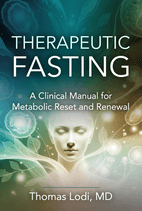
Thomas Lodi MD's Therapeutic Fasting defines true fasting as complete abstinence from all calories for a minimum of 24 hours, guiding readers through distinct metabolic phases toward deep cellular repair. It provides a year-long framework of weekly and seasonal fasts, emphasizing rigorous safety protocols, pre-fast preparation, and structured refeeding. This manual is for individuals seeking a medically-informed, structured approach to metabolic health and systemic renewal, not casual dieters.
Feature
Insta.Page
Blinkist
Shortform
Summary Depth
Full Chapter-by-Chapter
15-min overview
Section-by-section guides
Audio Narration
✓
✓
✓
Visual Mindmaps
✓
✕
✕
AI Q&A
✓
✕
✕
Quizzes
✓
✕
✕
PDF Downloads
✓
✕
✓
Price
$89.99/yr
$146/yr (PRO)
$199/yr
*Competitor data last verified July 2026.
1 Page Summary
This book redefines fasting as the strict, complete abstinence from all calories and nutrients—water only—for a minimum of 24 hours, a state distinct from time-restricted eating or meal-skipping. Dr. Lodi’s central thesis is that this true fast triggers a profound physiological shift, where the body transitions from burning external glucose to metabolizing internal fat stores and producing ketones. By days nine to eleven, this process culminates in what the author calls “metabolic surgery”: the body actively breaks down non-essential, damaged, and dysfunctional tissues, recycling them into energy and raw materials for cellular renewal. The book maps this journey across distinct metabolic phases and provides a year-long framework of one-day weekly fasts and longer seasonal fasts aligned with equinoxes and solstices.
The author’s approach is distinctive for its rigorous, clinical safety focus and its holistic integration of lifestyle factors. Dr. Lodi provides a comprehensive manual that addresses every aspect of the fasting process, from strict exclusion criteria for unsafe candidates, to pre-fast dietary preparation designed to stabilize glucose-insulin volatility, to the precise management of water and mineral balance. Crucially, he presents fasting not as an isolated event but as part of a continuous cycle with sleep and movement, dedicating detailed chapters to normalizing cortisol rhythms through light exposure and preserving muscle mass through specific, low-energy activity. The book’s value lies in its actionable protocols, including clear monitoring guidelines, a multi-phase refeeding strategy to prevent dangerous refeeding syndrome, and practical tools for managing the psychological hurdles of early fasting.
The intended audience is individuals seeking a medically-informed, safe, and structured approach to therapeutic fasting for metabolic health and systemic renewal. The book is not for casual dieters but for those prepared to commit to a serious practice under appropriate conditions, with many protocols requiring direct medical supervision for certain health profiles. Readers will gain a detailed roadmap for executing a fast safely, a deep understanding of the physiological mechanisms at play—including the crucial distinction between ketosis and ketoacidosis—and the knowledge of how to integrate fasting as a recurring pillar of long-term health maintenance. The manual transforms fasting from a mysterious deprivation into a predictable, navigable, and powerful tool for deep cellular repair.
Chapter One: What is Fasting
Overview
Fasting is not skipping breakfast or eating within an eight-hour window. It is the complete abstinence from all calories and nutrients for a minimum of twenty-four hours—and only water passes your lips. The word “water fasting” is actually redundant; true fasting already means nothing but water. Any shorter period is simply time-restricted feeding or meal-skipping, and though those practices have their own benefits, they do not trigger the deeper physiological shift that defines fasting.
What happens during that shift is remarkable. Your liver stores glucose as glycogen, and when you stop eating, it releases that stored sugar to keep your blood levels stable. Meanwhile, your body starts converting fat and a small amount of amino acids into glucose. Once glycogen runs out, fat metabolism takes over. Fatty acids are mobilized, producing ketones and glycerol—alternative fuels for your body and, partially, your brain. By days nine to eleven, your brain is running mostly on ketones, which means your liver no longer has to work so hard making glucose from protein. At that point, the body turns its attention to breaking down non-essential, damaged, or dysfunctional tissues, recycling them into energy and raw materials for renewal. This state of elimination, repair, and remodeling continues as long as you have enough fat reserves to sustain metabolism. That is fasting physiology.
If those reserves fall too low, the body starts consuming essential tissues and organs. That is starvation. The difference is not a matter of degree but of metabolic intent: one is renewal, the other is collapse.
This manual outlines six supervised fasting durations—3, 7, 10, 21, 30, and 41 days—with guidance on safety, monitoring, and proper refeeding.
Regenerate, Rejuvenate, and Procreate
Fasting activates two complementary processes: autophagy (rejuvenation at the cellular level) and stem cell activation (regeneration of entire systems). They begin during the fast but peak at different stages.
Rejuvenation through Autophagy
Think of autophagy as your body's internal cleaning crew. It identifies and recycles damaged parts—misfolded proteins, broken mitochondria—into raw materials for new components. The trigger starts around 24 to 48 hours, when glycogen depletion signals the shift to fat burning. This metabolic stress cranks up autophagy to clear out accumulated cellular junk, the kind linked to every chronic degenerative condition. By 48 hours and beyond, the cleaning goes deep. Fasting-induced autophagy has been shown to improve cardiac function and protect against age-related decline.
Regeneration via Stem Cell Production and Activation
While autophagy scrubs and repairs existing cells, stem cell production births new ones. Significant stem cell regeneration begins around the third day, becomes dominant from day twenty-one onward, and actually peaks during refeeding. Prolonged fasting stimulates hematopoietic stem cells to proliferate, essentially resetting your immune system when you start eating again. The gastrointestinal tract benefits too—fasting increases intestinal stem cells, repairing and renewing the entire GI lining.
The Crucial Role of Refeeding
Here is the key insight: rejuvenation (cleaning) happens during the fast, but regeneration (rebuilding) is completed after you resume eating. Fasting protects stem cells; proper refeeding restores their youthful capacity, leading to the formation of new tissues, not just refurbished ones.
Procreation
The chapter includes a brief, provocative note on procreation: conception can occur whether or not the parents are optimally healthy. But when two vibrant, robust individuals come together, they produce a child whose potential we have rarely observed—because, historically, such optimal states have been too uncommon to provide reliable data.
The Physiology Was Always There
Early clinicians observed these transitions long before modern science gave them names. Isaac Jennings, M.D. (1788–1874) pioneered medically supervised water fasting, viewing it as complete physiological rest necessary for healing. Reverend Sylvester Graham (1794–1851), of Graham cracker fame, founded the Natural Hygiene movement, advocating fasting and healthy living. Russell Trall, M.D. (1812–1877) opened the first residential water cure institution in the United States in New York in 1844, seeing fasting as a way to redirect energy inward for repair. And Herbert M. Shelton, D.C., N.D. (1895–1985) fasted more than 40,000 people over fifty-three years at his Health School in San Antonio, with supervised fasts often lasting ten days to two weeks, and extending to sixty days or more in severe cases.
All of them noted the same pattern: in the first three days, hunger fades as the body shifts from digestive activity to internal repair. Over weeks, they documented autolysis (self-digestion of damaged tissues), organ repair, and the body's remarkable ability to sustain itself on endogenous reserves far longer than conventional medicine believed possible.
Natural Hygiene stands apart from all other healing systems—conventional, naturopathic, alternative—because it involves no interventions. Others ask, “What should we give or do to change the body?” The Natural Hygienist asks, “What should we stop so the body can function as it already knows how?” Fasting, in this view, is not a treatment. It is a period of physiological rest during which the body's own restorative intelligence operates without interference.
Contemporary research now confirms what these clinicians observed: a state of ketone dominance, reduced growth signaling, and cellular renewal. It reads like a miracle—yet it is not a miracle. It is nature operating at its highest expression.
Ultimately, while modern discussions focus on physiology, the premodern purpose of fasting was spiritual: to refine the mind and body as preparation for growth that transcends the physical.
Key Takeaways
True fasting means no calories for at least 24 hours; shorter periods are time-restricted feeding, not fasting.
Fasting physiology begins when glycogen is depleted, shifting the body to fat metabolism and ketone production, which fuels the brain and spares muscle.
Autophagy (cellular cleaning) starts around 24–48 hours and deepens over time; stem cell regeneration peaks during refeeding.
Fasting and refeeding work together: cleaning happens during the fast, rebuilding after it.
Natural Hygiene views fasting as removing interferences so the body can heal itself—no interventions, just physiological rest.
The benefits extend beyond the physical to harmonizing body, mind, and spirit.
Key concepts: Chapter One: What is Fasting
1. Chapter One: What is Fasting
Defining True Fasting
Complete abstinence from all calories for 24+ hours
Only water passes your lips; 'water fasting' is redundant
Shorter periods are time-restricted feeding, not fasting
Fasting triggers a deeper physiological shift than meal-skipping
Fasting Physiology: The Metabolic Shift
Liver depletes glycogen stores within 24-48 hours
Body converts fat into ketones and glycerol for fuel
Brain runs mostly on ketones by days nine to eleven
Body recycles damaged tissues into energy and raw materials
Fasting vs. Starvation
Starvation consumes essential tissues and organs
Difference is metabolic intent, not degree of deprivation
Fasting is renewal; starvation is collapse
Fasting safe as long as sufficient fat reserves remain
Cellular Rejuvenation via Autophagy
Autophagy recycles damaged proteins and mitochondria
Triggered by glycogen depletion around 24-48 hours
Clears cellular junk linked to chronic diseases
Improves cardiac function and protects against aging
Leads to formation of new tissues, not just repairs
Historical and Philosophical Foundations
Pioneers like Jennings, Graham, Trall, and Shelton observed patterns
Natural Hygiene asks what to stop, not what to give
Fasting is physiological rest for innate healing
Premodern purpose was spiritual refinement beyond the physical
💡 Try clicking the AI chat button to ask questions about this book!
Chapter Two: The Phases of a Therapeutic Fast
Overview
The journey of a therapeutic fast unfolds through distinct metabolic phases, each carrying its own signature experiences and physiological shifts. Rather than a single, uniform experience, fasting is a dynamic process where the body transitions from dependence on external fuel to harnessing its internal reserves for energy, repair, and regeneration. Understanding these phases is crucial, because it transforms what could feel like deprivation or confusion into a predictable, navigable process. The boundaries between phases are fluid, shaped by individual biology, body composition, and metabolic flexibility, but the general arc remains remarkably consistent across most people.
Phase 1: The Transition from External Fuel to Internal Reserves (Days 1-3)
This is the initiation, and for many, the most challenging frontier. The first day is a psychological hurdle, where the mind can easily whisper, "I'll start tomorrow." Days two and three introduce you to the "monster"—an appetite that feels relentless, using both subtle and not-so-subtle persuasion. It conjures memories of family dinners, replays mom's advice about never skipping a meal, and presents vivid fantasies of desired foods. This period is marked by waves of appetite, food fantasies, restlessness, mild fatigue, and occasional headaches. These are not signs of weakness; they are the body learning to rely on its internal fuel for the first time in perhaps a lifetime.
The biological shift is orchestrated by two pancreatic hormones: insulin and glucagon. Insulin has been the dominant actor, escorting glucose into cells and storing excess as glycogen and fat. As fasting begins, glycogen stores are progressively depleted, insulin levels fall, and glucagon rises to break down both glycogen and fat, releasing glucose into the blood. Your glucose levels decline daily while ketone production begins its slow ascent. The Glucose-Ketone Index (GKI) starts to fall, marking the early, tentative steps toward fuel switching. By the end of these three days, the metabolic groundwork is laid. For most people, completing this transition marks the beginning of a profound subjective and physiological shift, where appetite begins to subside and internal stability starts to emerge.
The Day 3-4 "Weakness" Phenomenon
A nearly universal experience occurs around the third or fourth day: a distinct sense of weakness. This is not a signal to eat, but rather a temporary lag between fuel systems. Think of it as a metabolic gap: glycogen is essentially depleted, and ketones are rising but haven't yet fully reached all tissues. The brain still relies heavily on glucose, while muscles are temporarily "under-fueled." Compounding this, insulin levels have dropped significantly, signaling the kidneys to excrete sodium. Where sodium goes, water follows, leading to a temporary reduction in circulating blood volume. This produces lightheadedness, fatigue, and a heavy, listless sensation.
This phase is mercifully short-lived—typically a day, or at most two. Within that window, ketone utilization becomes efficient, gluconeogenesis (the production of glucose from amino acids) stabilizes, and the body settles into a steady, internal fat-fueled metabolism. The sense of weakness fades, replaced by a calm, sustained energy and clarity of mind. This transient weakness is the final farewell to the old system, a brief moment where the bridge between glucose dependence and ketone adaptation is fully crossed.
Phase 2: Ketone Dominance and Appetite Quieting (Days 3-7)
As lipolysis accelerates, the liver converts released fatty acids into ketone bodies, which become the primary fuel for most organs. Ketone levels rise steadily while glucose stabilizes in the low-normal range. Insulin and growth signaling decline, and protein breakdown drops significantly. The GKI now falls into moderate ketosis. What was previously interpreted as "hunger" disappears entirely. Energy becomes steady rather than fluctuating, mood stabilizes, and mental clarity often sharpens. You are now operating fully on internal reserves, and the experience of fasting becomes physically and psychologically easier, more stable, and even pleasant. Daily measurement of glucose and ketones provides objective confirmation of this transition.
Phase 3: Systemic Repair and Remodeling (Days 7-21)
With fat as the dominant fuel source for an extended period, the body becomes more efficient at using it. Cellular recycling processes continue but at a higher level, becoming more selective. The body now shifts its energy and resources toward maintenance and repair. Damaged proteins are recycled, inflammation declines, and unnecessary, inefficient tissue is gradually broken down and repurposed. Blood pressure that was previously high begins to lower, and insulin sensitivity increases. Many chronic symptoms begin to diminish. Sustained low GKI values in the 4-7 range reflect deep therapeutic ketosis, where active repair physiology is fully engaged. This phase represents the first true therapeutic threshold—the point where you could feel you've completed the preparation and the fast truly begins.
Phase 4: Selective Recycling and Completion Phase (Days 21-40+)
The body is now fully adapted to fat and ketone metabolism. What defines this phase is full-on autolysis: the ongoing, selective breakdown of damaged and unnecessary tissues, including cysts, arterial plaques, and even benign and malignant tumors. Parasites, which have been deprived of their primary food sources and subjected to an increasingly hostile environment, are also targeted. As internal fuel reserves (fat) gradually decline, ketone levels may plateau and slowly decrease. The overall metabolism is stable and efficient. Tracking glucose and ketones will show a slowly increasing GKI while remaining within therapeutic ranges. Some people experience the return of a gentle, natural hunger, often accompanied by the tongue returning to a pink color—both signals that the fast is approaching its physiological completion.
A Note About Parasites
Water-only fasting creates an inhospitable environment for parasites by depriving them of simple carbohydrates and sugars, reducing their growth and reproductive capacity. Additionally, the fully developed autophagy can locate and eliminate organisms that are not usual inhabitants of a healthy human physiology. Fasting has been shown in animals to decrease adult worms (helminths) and reduce their egg production. However, some parasites can become dormant and reactivate after long periods, and their eggs are remarkably resilient. This is why very prolonged fasts of 21-45 days can be particularly effective, and why repeating such fasts annually can make it extremely difficult for parasites to persist in significant numbers.
Key Takeaways
Fasting unfolds through four predictable phases, each with distinct physiological and subjective experiences. Understanding these phases transforms fear into a navigable journey.
The first three days are typically the most challenging, marked by appetite, food fantasies, and mild fatigue. This is a metabolic transition, not a sign of failure.
The Day 3-4 "weakness" phenomenon is a temporary lag between glycogen depletion and full ketone adaptation. It passes quickly and is not a reason to break the fast.
By Day 7, appetite quiets, energy stabilizes, and mental clarity often improves as the body fully transitions to fat-based metabolism.
Therapeutic repair and remodeling begins around Day 7 and intensifies, with selective breakdown of damaged tissues, reduced inflammation, and improved metabolic markers.
Prolonged fasts (21-40+ days) target cysts, plaques, tumors, and parasites through deep autolysis and an increasingly hostile internal environment.
Monitoring glucose and ketones (GKI) provides objective confirmation of metabolic phase transitions and therapeutic depth.
Key concepts: Chapter Two: The Phases of a Therapeutic Fast
2. Chapter Two: The Phases of a Therapeutic Fast
Metabolic Transition (Days 1-3)
Most challenging phase with appetite surges
Body shifts from external to internal fuel
Insulin falls, glucagon rises, ketones begin
Glucose-Ketone Index (GKI) starts declining
Day 3-4 Weakness Phenomenon
Temporary lag between glycogen depletion and ketones
Phases shaped by individual biology and body composition
Metabolic flexibility affects transition speed
General arc remains consistent across people
No strict cutoff dates between phases
Objective Monitoring Tools
Daily glucose and ketone measurements confirm shifts
Glucose-Ketone Index tracks therapeutic depth
Low GKI indicates active repair physiology
Data transforms confusion into predictable process
Chapter Three: Exclusion Criteria
Overview
Before starting a water fast, you must know not only what it takes to succeed but also what will prevent you from safely reaching your goal. This chapter lays out the hard stop conditions—physiological, medical, and medication-related—that either rule out fasting entirely or demand direct medical supervision. The message is clear: fasting is a powerful tool, but it is not for everyone, and ignoring exclusion criteria can turn a restorative practice into a dangerous gamble.
Absolute Exclusion: Do Not Fast Without Direct Medical Supervision
The first category covers conditions where the body simply lacks the capacity to handle the metabolic demands of fasting. Children under eighteen, the frail elderly, anyone with active heart failure, kidney insufficiency or failure, third spacing (fluid accumulation in body cavities), advanced illness requiring continuous care, type 1 or insulin-dependent type 2 diabetes—all of these are non-negotiable red flags. The reasoning is physiological: fasting alters fluid balance, electrolyte levels, cardiac load, and the kidneys’ clearing duties. When those systems are already compromised, fasting amplifies the stress in ways that can turn critical within hours.
Ketoacidosis vs. Normal Ketosis
A key distinction is drawn between safe and dangerous ketone levels. High ketones with low or normal glucose are exactly what a fast is supposed to produce—no alarm needed. High ketones with high glucose, however, require immediate medical attention and a stop to the fast. The rule: always measure glucose and ketones together. Normal fasting ketosis is stable; ketoacidosis is progressive. If you’re unsure, recheck after fifteen to twenty minutes, but don’t wait if glucose is also elevated.
Additional Absolute Exclusions
Beyond the major medical conditions, several other situations completely rule out unsupervised fasting. These include:
Specific digestive issues (gastroparesis, achalasia, active peptic ulcers)
Pregnancy or active breastfeeding
A history of eating disorders—especially anorexia, bulimia, or binge eating. Even if the physiological framework is sound, the psychological demands require clinical support beyond what a manual can provide.
Severe malnutrition or a BMI below 18.5. Without sufficient metabolic reserves, the body has nothing to draw on, and fasting can cause severe compromise.
Active infection, sepsis, or acute inflammatory illness. The immune system needs fuel to mount a response; fasting removes that substrate.
Recent major surgery (within eight to twelve weeks) or open wounds, active tissue healing, or bone healing. Refeeding requires proper timing and nutrients—fasting during repair prevents that.
Medication conflicts, especially any drug that must be taken with food.
Immediate Warning Signs to Stop
Even if you meet all the entry criteria, your body may still send signals that something is wrong. The chapter lists unmistakable signs that require immediate medical attention: severe dizziness or fainting, chest pain or irregular heartbeat, confusion or disorientation, and severe muscle cramps or extreme weakness. These aren’t normal side effects—they’re the body saying the fast needs to end.
Relative Exclusion: Proceed Only with Medical Supervision
Some conditions don’t rule out fasting completely, but they make it riskier and require careful oversight. Controlled high blood pressure on medication that can’t be fully weaned is one—fasting lowers blood pressure, and the combination can cause dangerous hypotension. Gout or a history of significant uric acid elevation, a history of cardiac arrhythmia, severe GERD or Barrett’s esophagus—all need more monitoring than the standard protocol provides. And finally, if there’s genuine uncertainty about whether fasting is safe, that uncertainty itself is a signal. Resolve it with a qualified clinician before starting.
Medications That Must Be Weaned Under Medical Supervision
Medication management is a major section. Many drugs cannot be simply stopped the day before a fast—they must be tapered under supervision to avoid rebound effects or acute instability. The chapter lists specific classes:
Corticosteroids (prednisone, hydrocortisone, dexamethasone) must always be tapered.
Blood pressure medications, especially beta-blockers and central agents like clonidine, carry rebound risks.
Diabetes medications (insulin, sulfonylureas, metformin) need careful adjustment.
Antidepressants, anti-anxiety agents, sleep aids, and opioid pain medications all have withdrawal risks.
Heart rhythm and rate control drugs (verapamil, diltiazem, amiodarone) can destabilize cardiac function if stopped abruptly.
Thyroid hormone replacement is case-dependent—some people may need a taper, others may need to continue.
The principle: medications that affect adrenal function, blood pressure, glucose regulation, the central nervous system, or cardiac rhythm should generally be tapered. If a drug cannot be temporarily discontinued—even slowly—and its use would interfere with fasting physiology, then a water fast is not appropriate. In that case, a prolonged juice cleanse may be a safer alternative.
Key Takeaways
Fasting is not safe for everyone. Absolute exclusions include children, the frail elderly, heart failure, kidney failure, advanced illness, type 1 or insulin-dependent diabetes, and recent surgery or infection.
High ketones alone are not dangerous—high ketones with high glucose are the emergency signal. Always check both.
Some conditions (gout, arrhythmia history, controlled hypertension on meds) require medical supervision but don’t rule out fasting entirely.
Many medications must be tapered under a doctor’s guidance before fasting; abruptly stopping can be dangerous.
If you have any doubt about your safety, resolve it with a qualified clinician before even considering a water fast.
Key concepts: Chapter Three: Exclusion Criteria
3. Chapter Three: Exclusion Criteria
Absolute Exclusions: Do Not Fast Without Medical Supervision
The days leading up to a fast are not just a countdown—they are an active, strategic preparation phase that can make the difference between a smooth experience and a risky one. Chapter Four emphasizes that this window should be treated with the same seriousness as the fast itself, typically lasting a minimum of seven to fourteen days, though some individuals may need a month or more. The length depends entirely on your health profile, medication use, and psychological readiness. The core message is clear: rushing into a fast without proper groundwork is like setting sail without checking the weather or your vessel’s hull. This chapter provides a comprehensive roadmap for that preparation, anchored by a detailed medical evaluation checklist designed to ensure safety and physician collaboration.
The Preparation Window: Why Seven to Fourteen Days?
This period isn’t arbitrary. It’s the minimum time required to safely address the most common obstacles that arise when shifting from a regular eating pattern to full water-only fasting. For someone taking multiple medications, the body needs time to adjust dosages or discontinue certain drugs under medical supervision. For anyone with a chronic condition—diabetes, hypertension, kidney issues—the liver, kidneys, and heart must be assessed for their ability to handle the metabolic demands of fasting. The author stresses that for those with complex health histories, a month or longer may be necessary. The key is listening to your body and your physician, not just the calendar.
The Pre-Fast Medical Evaluation Checklist
This is the heart of the chapter, presented as a tool you can literally share with your doctor. It’s organized into several critical domains, each with specific lab tests and assessments.
Medication Review: List every current medication, then identify which ones may need reduction or discontinuation (especially blood pressure meds, diabetes drugs, and diuretics). A safe weaning schedule must be established—this is not something to guess at.
Liver Function: Tests like AST, ALT, bilirubin, and alkaline phosphatase give a baseline for how well your liver can process toxins and manage ketone production.
Kidney Function: BUN, creatinine, and eGFR are essential because fasting alters fluid and electrolyte balance. You need to know your kidneys can handle the shift.
Electrolytes and Metabolic Status: Sodium, potassium, chloride, bicarbonate, and magnesium levels must be stable. Imbalances can cause serious complications during a fast.
Cardiac Assessment: Both sitting and standing blood pressure and heart rate readings help detect orthostatic issues. An EKG may be indicated for those with heart concerns.
Nutritional Status: Body weight, recent changes, signs of malnutrition or muscle wasting, and optional serum albumin. The body needs adequate reserves to fast safely.
General Stability: Can you hydrate independently? Are you cognitively clear? Do you have any acute illness or infection? These are non-negotiables.
Physician Involvement: The physician must be notified, agree with the evaluation and preparation, and a follow-up plan should be established.
Working With Your Physician
The chapter doesn’t assume your doctor will automatically be on board. It acknowledges that many physicians are unfamiliar with fasting or may be hesitant. If your doctor is unwilling to support you due to lack of knowledge or safety concerns, the advice is direct: consult another physician who understands fasting and is willing to assist. This isn’t about doctor-shopping—it’s about finding a partner who can properly supervise the weaning process and monitor your health. The checklist is designed to make that conversation easier, giving your doctor a clear framework rather than abstract requests.
The Psychological and Lifestyle Piece
Though the checklist focuses on medical metrics, the chapter also hints at the importance of mental preparation. The fourteen-day window gives you time to gradually reduce caffeine, sugar, and processed foods, which eases the transition. It’s also a chance to practice drinking water at regular intervals, to get comfortable with mild hunger, and to set your intention. The author’s tone suggests that this preparation is as much about building confidence as it is about passing lab tests.
Key Takeaways
Preparation should last at least 7–14 days, longer if you have medical conditions or take medications.
A thorough medical evaluation is essential—use the provided checklist to guide your doctor.
Medication weaning must be done under professional supervision; never stop critical drugs abruptly.
Liver, kidney, cardiac, and electrolyte status must be confirmed stable before starting a fast.
If your current physician is unwilling or unfamiliar with fasting, seek a second opinion from a fasting-informed practitioner.
Thomas Lodi, MD is a board-certified physician and integrative oncologist known for his expertise in combining conventional and alternative cancer treatments. He is the founder of An Oasis of Healing, an Arizona-based center that emphasizes nutritional and lifestyle interventions alongside medical care. Dr. Lodi is the author of *The Cancer Kill Code* and speaks widely on metabolic approaches to cancer care.
Frequently Asked Questions about Therapeutic Fasting
What is Therapeutic Fasting about?
The book provides a comprehensive guide to therapeutic water fasting, defining it as complete abstinence from all calories for at least 24 hours. It covers the metabolic phases the body goes through, from glycogen depletion to fat burning and ketosis, and explains how fasting triggers cellular repair and removal of damaged tissues. The author details essential preparation steps, safety criteria, monitoring techniques, and a structured refeeding protocol to avoid complications. It also outlines long-term fasting cycles for sustained health, distinguishing true hunger from conditioned appetite.
Who is the author of Therapeutic Fasting?
Dr. Thomas Lodi is a medical doctor who has developed a detailed, science-based approach to therapeutic fasting. His expertise in physiology and metabolism is evident in the book's precise explanations of how the body transitions during a fast and how to safely navigate the process. He emphasizes medical supervision for certain populations and provides practical protocols based on clinical experience.
Is Therapeutic Fasting worth reading?
Absolutely—this book stands out because it goes beyond trendy diet advice to explain the deep physiological mechanisms of true fasting, supported by clear phases and safety guidelines. It offers actionable protocols for preparation, monitoring, and refeeding that can make the difference between a successful fast and a dangerous one. For anyone serious about using fasting for long-term health and cellular renewal, this is an essential, no-nonsense resource.
What are the key lessons from Therapeutic Fasting?
The most important lesson is that true fasting means water only for at least 24 hours, triggering a metabolic shift where the body burns fat and produces ketones while recycling damaged cells. Proper preparation—including dietary changes, sleep alignment, cortisol regulation, and mineral balance—is critical for a smooth transition into the fast. Monitoring vital signs and understanding the distinct phases of a fast helps ensure safety and effectiveness. Finally, the refeeding phase is as important as the fast itself, requiring a gradual reintroduction of food to prevent refeeding syndrome, and long-term health benefits come from regular weekly fasts and seasonal longer fasts.
📚 Explore Our Book Summary Library
Discover more insightful book summaries from our collection