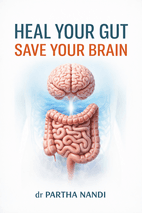
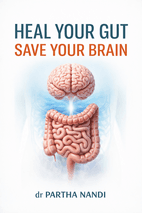
What is the book Heal Your Gut, Save Your Brain about?
Dr Partha Nandi's Heal Your Gut, Save Your Brain presents the gut-brain connection as central to neurological health, offering a practical five-pillar plan to heal the gut and address issues from brain fog to depression. It is for anyone seeking a root-cause approach to cognitive and digestive wellness.
Feature
Insta.Page
Blinkist
Shortform
Summary Depth
Full Chapter-by-Chapter
15-min overview
Section-by-section guides
Audio Narration
✓
✓
✓
Visual Mindmaps
✓
✕
✕
AI Q&A
✓
✕
✕
Quizzes
✓
✕
✕
PDF Downloads
✓
✕
✓
Price
$89.99/yr
$146/yr (PRO)
$199/yr
*Competitor data last verified July 2026.
1 Page Summary
Heal Your Gut, Save Your Brain by Dr. Partha Nandi presents a compelling argument for the gut-brain axis as a central pillar of overall health, particularly neurological well-being. The book synthesizes contemporary scientific research to illustrate how an imbalanced gut microbiome—influenced by modern diets, stress, and environmental toxins—can contribute to systemic inflammation. This inflammation, in turn, is identified as a key driver behind a host of brain-related issues, from brain fog and anxiety to more serious conditions like depression and Alzheimer's disease. Dr. Nandi positions this understanding within the context of a healthcare landscape that has historically treated the gut and brain as separate systems, advocating for a more integrative, holistic approach to medicine.
The core of the book provides a practical framework for healing, centered on Dr. Nandi's "5 Pillars of Wellness": removing harmful agents, replenishing with essential nutrients, repairing the gut lining, reinoculating with beneficial bacteria, and rebalancing lifestyle factors. Readers are guided through an elimination diet to identify food sensitivities, strategies for reducing exposure to toxins, and protocols for incorporating probiotics, prebiotics, and healing nutrients like glutamine. This actionable plan is framed as a direct response to the modern epidemics of chronic digestive and cognitive disorders, offering a clear path to address root causes rather than merely managing symptoms.
The lasting impact of the work lies in its empowering, preventative message. By demystifying complex science and providing a structured, step-by-step protocol, Dr. Nandi equips readers to take proactive control of their health. The book challenges the conventional silos of medical specialization, making a persuasive case that cognitive longevity and mental clarity are profoundly dependent on digestive health. It serves as both a practical manual for personal transformation and a significant contribution to the growing body of literature advocating for functional and integrative medical principles.
Searching for Answers
Overview
The chapter opens with the author's deeply personal story of her father, a brilliant scientist and inventor, suffering a devastating stroke. This life-altering event, which occurred without obvious warning despite his generally healthy lifestyle, launched the author's decades-long quest to understand what could have been done to prevent it. This search eventually led her to the revolutionary, yet underappreciated, connection between gut health and brain health.
The Gut-Brain Axis: A Two-Way Street
For years, the scientific understanding of the gut-brain axis was one-directional: the brain commanded the gut. The author explains how recent research has flipped this script, revealing that the trillions of microbes in our intestines—our microbiome—actively communicate with and influence the brain. This complex network of nerves and biochemistry affects cognition, memory, and motor control. The rise in neurological disorders like stroke, Alzheimer's, and Parkinson's has brought this connection into sharp focus, with studies showing strong links between these conditions and the state of the gut microbiome.
The Modern Lifestyle and Neurological Decline
The narrative connects this science to a pressing question: what in our modern lives is fueling this increase in brain disease? The author points to a convergence of well-known risk factors—genetics, environmental toxins, diabetes, obesity, and heart disease—with the emerging factor of poor gut health. This reinforces the idea that brain health is not isolated but deeply intertwined with overall bodily health. The promising conclusion is that influencing one's risk for cognitive decline may be more achievable than once thought, hinging significantly on lifestyle and dietary choices.
A Paradigm Shift from the Human Microbiome Project
The author cites the groundbreaking Human Microbiome Project, which yielded critical insights that shape her practice:
The microbiome's influence on health rivals or surpasses that of inherited genetics.
While unique to each individual, a typical gut hosts about 500 different microbial species.
The specific combination of these species can predispose someone to diseases like diabetes.
Crucially, we can alter our health trajectory by changing our microbiome.
Despite this compelling evidence, the author notes that this knowledge remains on the fringe of mainstream neurology and gastroenterology, positioning her work at the intersection of these fields.
Key Takeaways
The gut and the brain are in constant, bidirectional communication via the gut-brain axis, meaning the health of one directly impacts the other.
A declining gut microbiome is a significant, though often overlooked, risk factor for neurodegenerative diseases like stroke, Alzheimer's, and Parkinson's.
Your microbiome is a powerful determinant of health, potentially more influential than your genes, and it can be changed.
Simple modifications to diet and lifestyle represent a profound, accessible strategy for protecting brain health and preventing cognitive decline.
Key concepts: Searching for Answers
1. Searching for Answers
Personal Motivation: The Father's Stroke
Author's father suffered a devastating stroke despite a healthy lifestyle
This event launched a decades-long quest for prevention
Led to discovery of the gut-brain connection in neurological health
The Gut-Brain Axis Revolution
Scientific understanding shifted from brain commanding gut to bidirectional communication
Gut microbiome actively influences brain function, cognition, and motor control
Strong links exist between gut health and neurological disorders (stroke, Alzheimer's, Parkinson's)
Modern Lifestyle and Brain Disease
Convergence of traditional risk factors (genetics, toxins, diabetes) with poor gut health
Brain health is deeply intertwined with overall bodily health
Cognitive decline risk can be influenced through lifestyle and dietary choices
Human Microbiome Project Insights
Microbiome influence on health rivals or surpasses inherited genetics
Individual gut hosts about 500 different microbial species
Specific microbial combinations predispose to diseases like diabetes
Health trajectory can be altered by changing the microbiome
Core Principles and Applications
Bidirectional gut-brain communication means each directly impacts the other's health
Declining microbiome is a significant overlooked risk factor for neurodegenerative diseases
Microbiome is more influential than genes and can be changed
Diet and lifestyle modifications offer accessible brain health protection
💡 Try clicking the AI chat button to ask questions about this book!
Beyond Nutrition: The Five Pillars
Overview
This chapter introduces a revolutionary approach to gut health that moves far beyond dietary fixes alone. While nutrition is essential, the author—a gastroenterologist—presents a holistic model drawn from both Eastern and Western healing traditions. The core idea is that every aspect of our lives profoundly influences gut function, and by extension, brain health. This is encapsulated in the Five Pillars: Nutrition, Movement, Purpose, Community, and Spirituality. Together, they form a comprehensive framework for well-being, addressing the root causes of imbalance rather than just symptoms.
Nutrition
Though often the primary focus in gut health discussions, nutrition is reframed here as one pillar among equals. The chapter acknowledges that modern diagnostics and medications are crucial for conditions like IBS or lactose intolerance, but emphasizes that mindful eating with the intention of optimal health is non-negotiable. Overconsumption of sugar, refined flours, and fats is highlighted as a common disruptor, but the point is made that diet must work in concert with other lifestyle factors for true gut balance.
Movement
Rather than prescribing intense workouts, the author redefines movement as a natural part of daily life, much like it was for previous generations. The benefits are intuitive, but the insight offered is that consistent, integrated activity—like walking or gardening—is often more sustainable and effective than segmented gym routines. This pillar underscores how physical activity woven into our daily patterns supports digestive and overall health.
Purpose
Here, purpose is described as the compass that gives life direction and meaning, tied to the legacy one wishes to leave. It’s not about specific goals but about having a sense of resolve. The chapter cites compelling research, such as a Rush University study showing that a positive sense of purpose can slow cognitive decline by up to 50 percent in the elderly. This mental and emotional state directly influences gut health, creating a feedback loop between our aspirations and our physiology.
Community
Our social bonds—family, friends, neighbors—are presented as a critical determinant of longevity and health. The chapter notes that strong relationships correlate with better markers like blood pressure, waist circumference, and even gut inflammation. Interestingly, it observes that social networks tend to be wider early and late in life, while midlife often benefits from a few deep, meaningful connections. This pillar illustrates how our interactions nourish us on a biological level.
Spirituality
Spirituality is framed as the inward dimension of purpose and community, a way to find a "still point in the spinning world." Whether through religion, nature, or practices like meditation, it provides a sense of place in the universe. The scientific connection is made clear: spiritual practices reduce stress, thereby calming the fight-or-flight response, which is directly linked to a healthier microbiome and, consequently, a healthier brain.
The Health Hero
Individuals who embody the Five Pillars are called "health heroes." These are people who prioritize a balanced approach to well-being, often motivated by personal experiences with illness. They focus on prevention and commit to the health of themselves and others, understanding that nurturing body, mind, and spirit in tandem is the path to true vitality.
Understanding Probiotics
The chapter includes a brief primer on probiotics, describing them as beneficial bacteria that form a unique "gut fingerprint" for each person. It explains how factors like antibiotics, diet, and pregnancy can disrupt this microbial balance, leading to issues beyond digestion, such as arthritis, allergies, and depression. This underscores the microbiome's central role in the gut-brain connection that the Five Pillars support.
Key Takeaways
Gut health is influenced by a holistic interplay of lifestyle factors, not just nutrition.
The Five Pillars—Nutrition, Movement, Purpose, Community, and Spirituality—work synergistically to support both gut and brain health.
Integrated, daily movement is often more sustainable than isolated exercise routines.
Having a sense of purpose and strong social bonds can slow cognitive decline and improve physiological markers.
Spiritual practices reduce stress, which calms the nervous system and promotes a healthy microbiome.
Embracing the Five Pillars defines a "health hero," someone committed to preventive, balanced well-being.
Probiotics are crucial for maintaining microbial balance, and disruptions can have wide-ranging health implications.
Key concepts: Beyond Nutrition: The Five Pillars
2. Beyond Nutrition: The Five Pillars
The Holistic Framework
Moves beyond dietary fixes to address root causes of gut imbalance
Integrates Eastern and Western healing traditions
Every aspect of life influences gut function and brain health
Five Pillars work synergistically for comprehensive well-being
Nutrition Pillar
One pillar among equals, not the sole focus
Requires mindful eating with intention for optimal health
Modern diagnostics and medications are crucial for specific conditions
Must work in concert with other lifestyle factors
Movement Pillar
Redefined as natural, integrated daily activity
Consistent activity like walking is more sustainable than segmented gym routines
Supports digestive and overall health through daily patterns
Modeled after movement patterns of previous generations
Purpose Pillar
Compass that gives life direction and meaning
Positive sense of purpose can slow cognitive decline by up to 50%
Creates feedback loop between aspirations and physiology
About sense of resolve rather than specific goals
Community Pillar
Social bonds are critical determinants of longevity and health
Strong relationships correlate with better physiological markers
Midlife benefits from deep, meaningful connections
Social interactions nourish us on a biological level
Spirituality Pillar
Inward dimension of purpose and community
Provides a 'still point in the spinning world'
Spiritual practices reduce stress and calm fight-or-flight response
Directly linked to healthier microbiome and brain health
The Health Hero
Individuals who embody all Five Pillars
Prioritize balanced, preventive approach to well-being
Often motivated by personal experiences with illness
Commit to health of themselves and others through holistic practices
Microbiome Foundation
Probiotics form unique 'gut fingerprint' for each person
Disruptions from antibiotics, diet, pregnancy affect microbial balance
Imbalances lead to issues beyond digestion (arthritis, allergies, depression)
Central to gut-brain connection supported by Five Pillars
Living as a Health Hero
Overview
The chapter explores the practical integration of holistic health principles, framing personal well-being as an active, daily practice. It centers on the Five Pillars framework as a guide for moving from merely surviving to truly thriving, emphasizing that balance is dynamic and requires consistent attention. A core theme is the profound, scientifically-supported connection between mental practices like meditation and physical gut health, demonstrating that healing is often a interconnected process. The narrative brings these concepts to life through powerful patient stories, ultimately portraying the "Health Hero" as someone who consciously nurtures all aspects of their being.
Restoring Balance Through the Five Pillars
The chapter establishes that well-being falters when one or more of the Five Pillars is neglected. This framework is presented as a critical diagnostic and therapeutic tool for moving patients beyond managing symptoms toward achieving holistic health. The goal is to identify which specific pillar—whether diet, movement, sleep, stress management, or community/purpose—requires attention to restore systemic balance, particularly for resolving complex gut issues.
The Mind-Gut Connection: Meditation and Prayer
Scientific evidence underscores a powerful two-way communication between the brain and the gut. A study of Tibetan monks revealed that long-term deep meditation significantly altered their gut microbiome, increasing beneficial bacteria and improving metabolic pathways while lowering stress markers like cortisol. Crucially, the benefits are accessible to everyone; a nine-week training program in meditation and prayer was shown to reduce clinical symptoms and inflammation in patients with chronic gastrointestinal disorders like IBS and IBD. This legitimizes mental and spiritual practices as direct interventions for physical gut health.
Beverly’s Journey: A Case Study in Holistic Healing
The case of Beverly, a grieving widow in her fifties, illustrates the framework in action. Her severe digestive symptoms emerged alongside profound emotional loss. Treatment involved medical tests and symptom management, but true healing began with holistic pillar work: daily meditation, gentle yoga, a whole-foods diet with pre/probiotics, and, importantly, finding new purpose and community through volunteering. Addressing her mental, physical, and social pillars simultaneously led to the resolution of her gut symptoms and a dramatic improvement in her anxiety within three months, showcasing the transformative power of integrated care.
A Personal Story: Advocacy and Purpose in Recovery
The author shares the intimate story of their father’s recovery from a devastating stroke, which defied a hopeless initial prognosis. The key was refusing to accept the loss of purpose. While his old purposes were gone, new, small daily goals were created—like mastering a spoon or completing exercises. The family intentionally rebuilt his community of care, including therapists and family. This sustained advocacy and the recreation of purpose and community were fundamental to his recovery, proving that these pillars are vital lifelines even in the most challenging health crises.
Key Takeaways
Optimal health is an active state of balance across the Five Pillars—diet, movement, sleep, stress management, and community/purpose.
The mind-gut connection is a two-way street; practices like meditation and prayer can directly, and beneficially, alter gut microbiome composition and reduce physical inflammation.
Lasting healing often requires addressing the root pillar imbalance, not just the physical symptoms, as demonstrated by Beverly’s recovery through diet, meditation, and newfound purpose.
Purpose and community are non-negotiable components of health; they can be rebuilt in new forms, as seen in the stroke recovery story, and are essential for resilience.
Being a "Health Hero" involves advocacy, perseverance, and the daily practice of nurturing all dimensions of your well-being.
Key concepts: Living as a Health Hero
3. Living as a Health Hero
The Five Pillars Framework for Holistic Health
Well-being falters when one or more of the Five Pillars is neglected
Framework serves as diagnostic tool to move beyond symptom management
Goal is to identify which pillar requires attention to restore systemic balance
Essential for resolving complex gut issues through holistic approach
Scientific Evidence of the Mind-Gut Connection
Two-way communication exists between brain and gut
Long-term meditation alters gut microbiome, increasing beneficial bacteria
Meditation reduces stress markers like cortisol and improves metabolic pathways
Nine-week meditation/prayer program reduces symptoms in chronic GI disorders
Mental/spiritual practices are legitimate interventions for physical gut health
Beverly's Case: Holistic Healing in Practice
Digestive symptoms emerged alongside profound emotional loss
Daily meditation, gentle yoga, and whole-foods diet implemented
Finding new purpose through volunteering was crucial
Integrated care resolved gut symptoms and reduced anxiety in three months
Stroke Recovery: Rebuilding Purpose and Community
Recovery defied hopeless prognosis through sustained advocacy
New small daily goals replaced lost purposes
Intentional rebuilding of community of care was fundamental
Purpose and community are vital lifelines in health crises
Demonstrates pillars can be rebuilt in new forms
Core Principles of Being a Health Hero
Health is active balance across Five Pillars: diet, movement, sleep, stress management, community/purpose
Mind-gut connection allows mental practices to directly benefit physical health
Lasting healing requires addressing root pillar imbalances, not just symptoms
Purpose and community are non-negotiable components of health and resilience
Involves daily practice of nurturing all dimensions of well-being through advocacy and perseverance
Simple and Effective Solutions
Overview
This final section of the chapter reinforces the book's core message of hope and personal agency. It moves from the intimate, personal victory of the author's father to the broader scientific landscape, arguing that simple, evidence-based strategies grounded in gut health can significantly alter the trajectory of cognitive decline.
A Father's Recovery and a Universal Truth
The author concludes the personal narrative of their father’s recovery, noting that while deficits remained, his cognitive and physical abilities were profoundly restored through dedicated, patient work on the Five Pillars. This story underscores a critical principle: healing is incremental and requires time, a difficult concept in a culture demanding instant results. The author emphasizes that these tools are accessible to anyone, even without full support from the medical system, and while not a magical cure-all, the health of the gut is an integral factor in brain health.
The Science Behind the Gut-Brain Link
The discussion transitions to the compelling science that makes this approach credible. It cites striking research, such as the transfer of Parkinson's disease symptoms to healthy mice via gut microbiota, illustrating the direct and powerful influence of the gut on the brain. The chapter acknowledges that while modern imaging has expanded our understanding of the brain, medical specialization often creates silos—a neurologist may not be deeply versed in gut science, and vice versa. The author positions themselves at this intersection, applying gut-focused solutions that consistently improve both digestive and cognitive symptoms in patients.
A New Era of Proactive Health
The text confronts the staggering prevalence of digestive issues, noting that many suffer silently or receive only superficial, temporary treatments. The key shift, it argues, is moving from a generalized, trial-and-error approach to targeted solutions enabled by better diagnostics. This leads to the chapter's empowering conclusion: conditions like Alzheimer's, stroke, and Parkinson's are not inevitable fates dictated by genetics. Cognitive decline is not a mandatory part of aging. Instead, by taking proactive charge of one’s gut health, anyone can become the "health hero" of their own story and alter their potential future.
Key Takeaways
Healing is a process: Meaningful recovery from cognitive or physical decline is incremental and requires patience and consistent effort over time.
The gut-brain connection is powerful and actionable: Scientific evidence, including animal studies, solidifies the gut's significant role in brain health, providing a viable target for intervention.
You can act independently: The simple, evidence-based tools presented are effective and can be implemented even without full endorsement from healthcare providers.
Modern medicine has gaps: Specialization can lead to missed connections between gut health and brain health, making personal education and proactive care essential.
Fate is not fixed: Genetic predisposition does not equal destiny. By proactively managing gut health through targeted strategies, you can significantly influence your cognitive trajectory and avoid assuming a future of inevitable decline.
Key concepts: Simple and Effective Solutions
4. Simple and Effective Solutions
A Father's Recovery and a Universal Truth
Healing is incremental and requires patience, not instant results
Simple tools based on the Five Pillars are accessible to anyone
Gut health is an integral, actionable factor in brain health
Meaningful recovery is possible even with remaining deficits
The Science Behind the Gut-Brain Link
Compelling research shows direct gut influence on the brain (e.g., Parkinson's transfer in mice)
Medical specialization creates silos between neurology and gut science
Gut-focused solutions consistently improve both digestive and cognitive symptoms
The author operates at this critical intersection of disciplines
A New Era of Proactive Health
Move from generalized trial-and-error to targeted solutions with better diagnostics
Cognitive decline is not an inevitable part of aging
Genetic predisposition does not equal destiny for conditions like Alzheimer's
Anyone can become the 'health hero' of their own story through proactive gut care
Empowering Conclusions
You can act independently with evidence-based tools
Personal agency and education are essential due to gaps in specialized medicine
Proactive gut management can significantly alter cognitive trajectory
Hope and personal empowerment are central to changing potential futures
You've reached the end of the free chapters
Next chapter: “1 WHAT HAPPENS IN THE GUT DOES NOT NECESSARILY STAY IN THE GUT” is locked
Keep reading Heal Your Gut, Save Your Brain — and unlock all 600+ book summaries with audio, mindmaps and AI Q&A.
$0.00 due today · 7 days free, then $89.99/year ($7.49/mo) · Cancel anytime before day 7
plus sales tax where applicable
More ways to explore Heal Your Gut, Save Your Brain
Dr. Partha Nandi is a practicing gastroenterologist and the creator of the internationally syndicated health television show "Ask Dr. Nandi." He is a passionate advocate for preventive medicine and empowers his audience through his books, including "Ask Dr. Nandi: 5 Steps to Becoming Your Own #HealthHero," and his widely followed online platforms.
📚 Explore Our Book Summary Library
Discover more insightful book summaries from our collection