What is the book Everything Is Tuberculosis about?
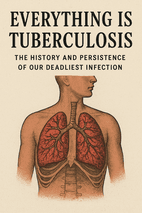
John Green's Everything Is Tuberculosis is a sweeping exploration of how the TB bacterium shaped civilization, infiltrating art, literature, urban design, and economics. It reframes history through a medical lens for readers of interdisciplinary history and the medical humanities.
Feature
Insta.Page
Blinkist
Shortform
Summary Depth
Full Chapter-by-Chapter
15-min overview
Section-by-section guides
Audio Narration
✓
✓
✓
Visual Mindmaps
✓
✕
✕
AI Q&A
✓
✕
✕
Quizzes
✓
✕
✕
PDF Downloads
✓
✕
✓
Price
$89.99/yr
$146/yr (PRO)
$199/yr
*Competitor data last verified July 2026.
1 Page Summary
Everything Is Tuberculosis by John Green is not a conventional history but a sweeping, interdisciplinary exploration of how the tuberculosis bacterium has profoundly and unexpectedly shaped human civilization. Green argues that TB's influence extends far beyond medicine, infiltrating art, literature, urban design, economics, and even our concept of romance. The book traces this path from the "White Plague" of the 19th century—which shaped aesthetics of pallor and fragility—through the sanatorium movement that reconfigured landscapes and social rituals, to the bacterium's role in driving public health innovations and industrial regulations.
The work is deeply rooted in the historical context of the disease's peak mortality, but its central, provocative thesis is that tuberculosis created a cultural and psychological "pathology" that persists long after the infection itself is medically controlled. Green meticulously links the symptoms and experience of TB (wasting, coughing, heightened emotion) to the rise of Romanticism, the archetype of the tragic artist, and enduring narratives about creativity and suffering. He further examines how fear of contagion accelerated urbanization patterns, class segregation, and global migration policies, presenting the microbe as an active, albeit unconscious, agent in human social engineering.
The lasting impact of Green's analysis is its radical re-framing of history through the lens of a single pathogen. By demonstrating how a disease can dictate aesthetic standards, economic structures, and collective behavior, Everything Is Tuberculosis offers a powerful model for understanding the often-invisible biological forces that underpin cultural norms. It challenges readers to consider what other unseen actors might be directing the course of human events, establishing itself as a significant contribution to the fields of medical humanities and the history of ideas.
Introduction: Gregory and Stokes
Overview
This introduction opens with two personal tragedies separated by a century: the death of Gregory Watt from consumption in 1804 and the death of Stokes Goodrich from tuberculosis in 1930. Through these stories, it establishes tuberculosis as a persistent, intimate human scourge and frames the central paradox of the book: we have possessed a cure for TB for decades, yet we allow millions to die from it every year, making it a profound expression of societal injustice.
The chapter juxtaposes the desperate efforts of famed inventor James Watt to save his consumptive son, Gregory, with the author's own family history of loss to the same disease. Watt, despite his genius, could only devise an ineffective nitrous oxide treatment, watching his son waste away. Over a century later, the author's great-uncle Stokes received a definitive TB diagnosis via X-ray, yet even with advanced medical care in a sanatorium, he suffered the same fate. These parallel narratives underscore a painful truth: human ingenuity has mastered incredible feats of engineering and energy but has repeatedly failed to conquer this specific, intimate suffering.
The Modern Paradox of a Curable Disease
The narrative fast-forwards to the present, revealing a staggering contradiction. Tuberculosis, now understood as a bacterial infection spread through the air, has been curable since the mid-1950s. Yet, in 2023, it reclaimed its title as the world’s deadliest infectious disease, killing 1.25 million people. The chapter cites Ugandan physician Dr. Peter Mugyenyi’s poignant formulation about HIV/AIDS to describe the TB crisis: “The drugs are where the disease is not. And where is the disease? The disease is where the drugs are not.” This inequitable distribution of medicine and care is a choice, not an inevitability, and forms the core investigation of the book.
Illness as a Reflection of Human Understanding
The author argues that how a society conceptualizes a disease directly shapes its response and its victims. Historically, TB was attributed to everything from moral failure and demonic possession to poisoned air and dietary mistakes. Today, we correctly understand it as a bacterial infection, but we also recognize it as a "disease of poverty." It thrives in conditions of malnutrition, crowded housing, and weakened immune systems, following the "trails of injustice" that humans have created. The history of TB, therefore, becomes a lens through which to examine human "folly and brilliance and cruelty and compassion."
Key Takeaways
Tuberculosis is a deeply personal and historically relentless killer, claiming lives from all walks of life across centuries, as illustrated by the stories of Gregory Watt and Stokes Goodrich.
A profound injustice defines the modern TB era: we have had a cure for nearly 70 years, yet the disease persists as a leading cause of death globally because that cure is not made universally accessible.
Our understanding of disease shapes societal outcomes. The evolving explanations for TB—from moral failing to bacterial infection—have determined who was blamed, how they were treated, and who lived or died.
Today, TB is a disease of poverty and inequity. Its spread is fueled by malnutrition, crowded living conditions, and co-infections like HIV, making it a direct reflection of societal failures.
The book positions the story of tuberculosis as a fundamental story of human history, revealing our capacity for both monumental innovation and tragic neglect.
Key concepts: Introduction: Gregory and Stokes
1. Introduction: Gregory and Stokes
Parallel Historical Tragedies
Gregory Watt (1804) and Stokes Goodrich (1930) died from tuberculosis despite different eras of medical knowledge
James Watt's ineffective nitrous oxide treatment illustrates early medical helplessness
Even with X-ray diagnosis and sanatorium care, Stokes suffered the same fate
Human ingenuity mastered engineering but failed to conquer this intimate suffering
The Modern Cure-Access Paradox
TB has been curable since mid-1950s but killed 1.25 million people in 2023
Reclaimed title as world's deadliest infectious disease despite available treatment
Dr. Peter Mugyenyi's formulation: drugs and disease exist in separate places
Inequitable distribution of medicine represents societal choice, not inevitability
Disease Conceptualization and Societal Response
Historical explanations ranged from moral failure to demonic possession to poisoned air
Modern understanding: bacterial infection AND 'disease of poverty'
TB follows 'trails of injustice' created by human societies
Disease history reveals human 'folly and brilliance and cruelty and compassion'
Core Themes and Takeaways
TB as persistent, intimate scourge across centuries and social classes
Profound injustice: cure exists but isn't universally accessible
Disease understanding determines blame, treatment, and survival outcomes
TB as reflection of poverty, malnutrition, crowded housing, and weakened immunity
Story of TB as fundamental human history revealing innovation and neglect
💡 Try clicking the AI chat button to ask questions about this book!
Chapter 1: Lakka
Overview
The chapter opens with the author's first, reluctant visit to Lakka Government Hospital in Sierra Leone. While there to study the maternal mortality crisis, he is introduced to the devastating reality of tuberculosis (TB) through the facility and its patients. The narrative centers on a profound, personal encounter with a teenager named Henry, whose condition and circumstances dismantle the author's preconceived notions of TB as a historical disease and reveal the brutal, ongoing crisis of drug-resistant TB, malnutrition, and stigma.
A Reluctant Introduction to a TB Hospital
The author and his colleague Sarah are in Sierra Leone, a country then with the world's highest maternal mortality rate, to document maternal healthcare. On their final day, exhausted and ill, they are persuaded to visit the Lakka hospital, a Partners In Health-supported TB facility. The author admits to knowing almost nothing about TB, having previously considered it a disease of the past.
Meeting Henry: A Boy Who Isn't a Boy
Upon arrival, they are greeted by a cheerful, spindly-legged boy named Henry, who immediately takes the author’s hand. Henry, speaking excellent English, acts as an impromptu guide. He shows the author the lab, where a technician points out TB bacteria in a sample from a patient failing standard therapy. Henry then leads him through the bleak, prison-like wards—poorly ventilated buildings with no electricity or running water, where emaciated men lie on cots.
A Shifting Perception
Charmed by Henry’s resemblance to his own nine-year-old son, the author assumes Henry is a staff member's child. After their tour, he asks a nurse about the "sweet boy." He is shocked to learn Henry is not a little boy but a seventeen-year-old patient, his growth stunted by lifelong malnutrition and further ravaged by TB. Dr. Micheal explains that while Henry’s antibiotics are currently working, the team fears they will ultimately fail—a dire problem.
Seeing the Patient, Not the Child
This new knowledge changes the author’s perception entirely. When he takes Henry’s photo before leaving, he now sees the signs of illness: the yellowed eyes from liver-toxic drugs and the swollen lymph node on his neck. Henry describes the painful, burning injections and the severe hunger that is a side effect of treatment, a cruel paradox when food is scarce.
The Torment of Hunger
The narrative expands to highlight hunger as a central, torturous theme in TB treatment. The author recalls a later conversation under a mango tree with Marie, a survivor who was once so skeletal she couldn't walk. She describes hallucinatory hunger, dreaming of eating mud and sticks. A nurse explains the hospital provides three meals daily, but it's never enough, and food is unfunded by TB treatment programs. This relentless hunger drives some patients to abandon treatment, risking the development of drug-resistant TB.
A Mother's Love and a Nurse's Hope
Henry’s own memoir describes Lakka as a place where "hope and despair intertwined," with scarce food and water. The author learns that Henry is sustained by the love of his mother, Isatu, who visits and brings extra food—a rarity, as most patients are abandoned by families due to the deep stigma of TB. When pressed on Henry’s prognosis, a nurse avoids a direct answer, instead praising his spirit, noting he was called "pastor" at school for his kindness. Her final, poignant statement is a commitment: “We will fight for him.”
Key Takeaways
TB is a Present and Brutal Crisis: The chapter dismantles the idea of tuberculosis as a historical disease, portraying it as a current, devastating illness marked by extreme suffering, complex treatment, and drug resistance.
Human Connection is a Powerful Lens: The author’s understanding of the TB epidemic is framed entirely through his personal encounter with Henry. This relationship makes the statistical crisis viscerally real and emotionally resonant.
Hunger is an Integral Part of the Disease: Treatment reactivates a fierce appetite in patients whose bodies are depleted, yet consistent, adequate nutrition is often unavailable, creating a horrific cycle that can undermine medical care.
Stigma Has Devastating Consequences: The shame associated with TB leads to the abandonment of patients, isolating them physically and emotionally during their most vulnerable time.
Inequity is Not Inevitable: The footnote highlights that Sierra Leone’s maternal mortality rate dropped by over 50% in the years after the visit, serving as a crucial reminder that health disparities can be changed with investment and partnership.
Key concepts: Chapter 1: Lakka
2. Chapter 1: Lakka
Initial Context and Reluctant Introduction
Author's primary mission in Sierra Leone was to study maternal mortality, not TB
Visited Lakka Government Hospital, a Partners In Health TB facility, on final day while exhausted
Author admits to preconception of TB as a historical disease of the past
Encounter with Henry: The Patient-Guide
Henry, a cheerful, spindly-legged teenager, acts as an impromptu guide
He shows the author the lab where drug-resistant TB is visible under microscope
Leads tour through bleak, prison-like wards with no electricity or running water
Author initially mistakes 17-year-old Henry for a young child due to stunted growth
The Harsh Reality of TB Treatment and Suffering
Treatment involves painful, burning injections and liver-toxic drugs
Patients experience severe, hallucinatory hunger as a side effect of treatment
Hospital provides three meals daily but it's never enough; food is unfunded by TB programs
Many patients abandoned by families due to deep stigma of the disease
The Central Paradox: Hunger Undermining Treatment
Treatment reactivates fierce appetite in nutritionally depleted bodies
Inadequate food creates cruel paradox that drives some to abandon treatment
Abandoning treatment risks development of drug-resistant TB
Marie's testimony describes dreaming of eating mud and sticks from hunger
Human Resilience and Institutional Commitment
Henry sustained by mother's love and visits—a rarity among abandoned patients
Nurse avoids discussing prognosis, instead praises Henry's spirit and kindness
Healthcare workers' commitment: 'We will fight for him'
Lakka described as place where 'hope and despair intertwined'
Broader Implications and Takeaways
TB is a present, brutal crisis marked by drug resistance and extreme suffering
Human connection makes statistical crisis viscerally real and emotionally resonant
Stigma has devastating consequences through patient abandonment
Health inequities are not inevitable—Sierra Leone's maternal mortality dropped by 50% with investment
Chapter 2: Cowboys and Assassins
Overview
The chapter explores the surprising and often overlooked ways in which tuberculosis (TB) has woven itself into the fabric of modern history and culture, moving from personal obsession to global connections. It argues that while the disease didn't single-handedly cause major historical events, it acted as a powerful accelerant and catalyst, shaping outcomes from fashion to geopolitics.
From Obsession to Unexpected Connections
After returning from Sierra Leone, the narrator finds themselves unable to stop talking about tuberculosis, spotting its influence in disparate corners of history. This obsession leads to a series of discoveries that illustrate how the disease was more than a medical crisis; it was a social force that directed human movement, economic development, and even political destiny.
The Cowboy Hat’s Consumptive Origin
The chapter opens with a striking example: the invention of the iconic cowboy hat. A young New Jersey hatmaker named John B. Stetson, diagnosed with consumption (TB), followed the prevailing medical advice to seek dry air in the West. He settled in St. Joseph, Missouri, and, as part of a minority that recovers spontaneously, regained his health. Noticing the impracticality of local headwear, he used his skills to design a durable, wide-brimmed hat suited to the frontier—a design that would become the Stetson, or cowboy hat. This story frames the "travel cure" as a mass migration that populated the American West.
TB and the 47th State
This westward migration of "consumptives" directly influenced American politics. New Mexico, a U.S. territory with a predominantly Indigenous and Spanish-speaking population, was repeatedly denied statehood by a skeptical U.S. Congress. To attract more white, English-speaking residents, territorial officials actively marketed New Mexico’s dry climate as a TB sanatorium. The strategy worked; by 1910, TB patients constituted 10% of the population, shifting demographics enough for Congress to grant statehood in 1912.
Sick Boys and a World War
The narrative then shifts to a global stage, examining the role of TB in the assassination of Archduke Franz Ferdinand. Three of the key conspirators from Belgrade—Nedjelko Cabrinovic, Trifko Grabez, and Gavrilo Princip—were nineteen-year-olds dying of tuberculosis. Their terminal illness made them willing martyrs for the Serbian nationalist cause. Their botched assassination attempt, marked by failed bombs, ineffective cyanide, and a wrong turn by the Archduke’s driver, succeeded largely due to Princip’s chance opportunity. All three young men would die in prison from TB, not execution. While TB did not cause World War I, it furnished the desperate, fatalistic agents who lit the fuse.
Key Takeaways
Tuberculosis has been a hidden architect of modern culture, directly influencing iconic symbols like the cowboy hat and demographic shifts that led to statehood for places like New Mexico.
The disease exploited and was shaped by social conditions, such as the belief in the "travel cure" and political prejudices, demonstrating a complex interplay between biology and society.
While TB can be cited as a contributing factor to major historical events—providing the "why" for the actions of certain individuals—history is too complex to be viewed through a single lens. Attributing events solely to disease creates distortion.
The chapter pivots from how TB shaped history to a more critical question: how human culture, bias, and systems of injustice have shaped the relentless path of the disease itself, a theme central to the stories of people like Henry and Isatu in Sierra Leone.
Key concepts: Chapter 2: Cowboys and Assassins
3. Chapter 2: Cowboys and Assassins
Thesis: TB as Historical Catalyst
TB acted as a powerful accelerant and catalyst in modern history, not a sole cause
The disease shaped outcomes across fashion, demographics, and geopolitics
Explores the transition from personal obsession with TB to understanding its global connections
TB was a social force directing human movement, economics, and political destiny
Case Study: The Cowboy Hat
John B. Stetson moved west seeking dry air as treatment for consumption (TB)
His recovery and observation of impractical frontier headwear led to the Stetson design
Illustrates the 'travel cure' as a mass migration force that populated the American West
Shows how medical beliefs directly influenced cultural icon creation
Case Study: New Mexico Statehood
New Mexico used its dry climate as marketing to attract TB patients for demographic shift
By 1910, TB patients constituted 10% of the territory's population
The influx of white, English-speaking residents helped overcome Congressional resistance
TB migration directly facilitated New Mexico's admission as the 47th state in 1912
Case Study: Archduke Ferdinand Assassination
Three key conspirators (Cabrinovic, Grabez, Princip) were dying of TB
Their terminal illness made them willing martyrs for Serbian nationalism
Their failed suicide attempts and the Archduke's wrong turn led to accidental success
All three died in prison from TB, not execution
TB furnished the desperate agents who lit the fuse for WWI, though didn't cause the war
Critical Analysis & Key Conclusions
TB has been a hidden architect of modern culture and political boundaries
Disease exploits and is shaped by social conditions (travel cure beliefs, political prejudices)
History is too complex for single-cause explanations; TB provides 'why' not sole cause
Pivots to examining how human culture, bias, and injustice have shaped TB's path
Chapter 3: Look at Our Railroads
Overview
This chapter challenges the common perception of Sierra Leone as a poor country, arguing instead that it is a nation made poor by design. Through a historical lens, it examines how colonial infrastructure, epitomized by the railroad system, was built solely for resource extraction, not community development. The narrative traces the legacy of this extraction economy from early colonial violence and the slave trade through to the modern civil war, illustrating how this history is woven into the life of one woman, Isatu, and her son Henry.
Colonial Infrastructure: The Railroads That Tell the Story
The chapter begins with a Sierra Leonean physician’s directive: to understand the country's poverty, look at a map of its railroads. These railways, built during British colonial rule, form a telling pattern. They do not connect communities to each other; they connect mineral-rich interior regions directly to coastal ports for export. This infrastructure was the physical manifestation of a system designed for one purpose: to take Sierra Leone’s vast wealth—its diamonds and metal ores—out of the country as efficiently as possible. The author argues that the purported benefits of colonialism, like schools and hospitals, were minimal and intended only to serve the empire's extraction machinery. The evidence is stark: after 150 years of British rule, life expectancy in Sierra Leone was under thirty.
A History of Extraction and Terror
The history of extraction predates formal colonialism. An account from a 1586 voyage describes British merchants destroying a meticulously clean and well-built town simply because they could. This pattern of violence accelerated with the transatlantic slave trade, which devastated the region now known as Sierra Leone. Approximately 400,000 people were kidnapped, social orders were upended, and economic activity was paralyzed by the constant threat of raiding. The story of a boy named Kaw-we-li, kidnapped from a road and likely known only by that location thereafter, symbolizes this profound trauma. The chapter complicates the narrative by noting Sierra Leone’s unique role as a settlement for emancipated people, which led to the culturally diverse Krio community in Freetown. Yet, this diversity emerged from the brutal machinery of the slave trade and colonial resettlement policies.
Isatu's Story: Weaving Joy and War
The narrative then turns to Henry's mother, Isatu, born after independence. Her personal story embodies the nation's complex legacy. The author is careful not to reduce her childhood in a Mende village to mere poverty, instead highlighting the "joy joy joy" and the feeling of being "woven" into a tight social fabric. This stability was shattered by the horrific civil war that began in 1991. For Isatu, the war meant constant displacement, terror, and deprivation, especially while pregnant with Henry. The conflict destroyed her dreams of education and left her, by its end in 2002, a mother of two struggling to survive in a Freetown market. Her resilience and profound faith, expressed in her promise to pray for the author’s family, provide a human counterpoint to the sweeping historical forces.
Key Takeaways
Poverty by Design: Sierra Leone’s current poverty is not natural or inevitable but is the direct result of historical systems built for resource extraction, not human development.
Infrastructure as Legacy: Colonial infrastructure, like railroads, reveals the intent of its builders: to extract wealth, not to build interconnected, sustainable communities.
The Long Shadow of History: The trauma of the slave trade and colonial violence created deep, lasting fractures in society, contributing to vulnerabilities that erupted in modern conflicts like the civil war.
Beyond Simplification: The nation cannot be essentialized as merely "poor"; it is economically, culturally, and religiously diverse, and its people's lives contain multitudes of joy, resilience, and community amidst hardship.
The Limits of Corruption Narratives: While corruption exists, a fundamental lack of financial resources—a legacy of the extraction economy—is a more basic barrier to building functional national systems like healthcare.
Key concepts: Chapter 3: Look at Our Railroads
4. Chapter 3: Look at Our Railroads
Colonial Infrastructure: The Railroads That Tell the Story
Railroads were built solely to connect mineral-rich interior regions to coastal ports for export, not to connect communities
Infrastructure was designed for resource extraction rather than community development or human welfare
Colonial benefits like schools and hospitals were minimal and served only the extraction machinery
After 150 years of British rule, life expectancy remained under thirty years
A History of Extraction and Terror
Pattern of extraction predates formal colonialism, with early accounts showing destructive violence against local communities
Transatlantic slave trade devastated the region, with approximately 400,000 people kidnapped and social orders upended
The story of Kaw-we-li symbolizes the profound trauma of kidnapping and displacement
Sierra Leone's unique role as settlement for emancipated people created the diverse Krio community, emerging from brutal colonial policies
Isatu's Story: Weaving Joy and War
Isatu's childhood in a Mende village was characterized by 'joy joy joy' and being 'woven' into a tight social fabric
Civil war shattered stability, bringing constant displacement, terror, and deprivation, especially during her pregnancy with Henry
Conflict destroyed her educational dreams and left her struggling to survive as a market vendor in Freetown
Her resilience and profound faith provide a human counterpoint to historical forces
Key Historical and Analytical Conclusions
Poverty is by design: result of historical systems built for resource extraction rather than human development
Infrastructure reveals colonial intent: to extract wealth rather than build sustainable, interconnected communities
Trauma from slave trade and colonial violence created lasting societal fractures contributing to modern conflicts
Nation cannot be essentialized as merely 'poor'—contains economic, cultural, and religious diversity with joy and resilience
Fundamental lack of financial resources from extraction economy is more basic barrier than corruption narratives suggest
You've reached the end of the free chapters
Next chapter: “That Wealth Never Warded Off” is locked
Keep reading Everything Is Tuberculosis — and unlock all 600+ book summaries with audio, mindmaps and AI Q&A.
$0.00 due today · 7 days free, then $89.99/year ($7.49/mo) · Cancel anytime before day 7
John Green is an American #1 New York Times bestselling author best known for his emotionally rich young-adult novels such as Looking for Alaska, Paper Towns, Turtles All the Way Down, and The Fault in Our Stars, which was adapted into a successful 2014 film. Born in Indianapolis, Indiana in 1977, he studied English and religious studies at Kenyon College before beginning his writing career. His work has earned major awards including the Michael L. Printz Award and an Edgar Award, and he was named one of Time’s 100 Most Influential People.
Beyond novels, Green is a prominent digital creator: he co-founded the VlogBrothers YouTube channel with his brother Hank, launched the educational series Crash Course, and hosts the podcast The Anthropocene Reviewed. He also writes nonfiction, including his 2025 book Everything Is Tuberculosis. Green lives in Indianapolis with his family.
📚 Explore Our Book Summary Library
Discover more insightful book summaries from our collection