As an Amazon Associate, we earn from qualifying purchases.
What is the book Ferment about?
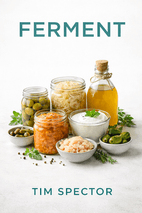
Tim Spector's Ferment explores the science and tradition behind fermented foods like kimchi and kefir, demonstrating their vital role in gut health. This evidence-based guide empowers health-conscious readers and home cooks to safely incorporate fermentation into their diet and culinary practice.
Feature
Insta.Page
Blinkist
Shortform
Ferment
✓
✕
✕
Summary Depth
Full Chapter-by-Chapter
15-min overview
Section-by-section guides
Audio Narration
✓
✓
✓
Full access to all 700+ summaries
✓
✓
✓
Visual Mindmaps
✓
✕
✕
AI Q&A
✓
✕
✕
Missing a book? Request it, usually live within 48h
✓
✕
✕
Quizzes
✓
✕
✕
PDF Downloads
✓
✕
✓
Send to Kindle
✓
✓
✓
Price
$89.99/yr
$146/yr (PRO)
$199/yr
*Competitor data last verified July 2026.
1 Page Summary
In 'Ferment' by Tim Spector, the renowned epidemiologist and author of The Diet Myth and Spoon-Fed turns his scientific lens to the ancient, transformative process of fermentation. The book's central thesis is that fermentation is far more than a food preservation technique; it is a vital pathway to health, a profound connection to our microbial world, and a sustainable culinary practice. Spector argues that consuming a wide variety of fermented foods—from kefir and kimchi to sourdough and kombucha—is one of the most effective ways to nourish our gut microbiome, which in turn is crucial for our immune function, mental health, and overall well-being.
Spector’s approach is characteristically evidence-based and interdisciplinary, weaving together microbiology, nutrition, history, and ecology. What makes 'Ferment' distinctive is its combination of robust scientific explanation with practical, accessible guidance. He demystifies the science behind the beneficial bacteria and yeasts, debunks common myths and fears about home fermentation, and frames the practice not as a trendy diet hack but as a rediscovery of a fundamental human tradition that fosters a healthier relationship with our food and environment.
The book is intended for anyone interested in health, food science, or DIY culinary projects, from curious beginners to seasoned fermenters. Readers will gain a clear understanding of why fermented foods are so beneficial, along with the confidence to safely incorporate them into their diet, whether by selecting better commercial products or starting their own home fermentation projects. Ultimately, 'Ferment' empowers readers to harness this natural process to enhance their personal health and participate in a more resilient and flavorful food culture.
By the Same Author
Overview
This chapter explores the transformative journey of microbes from a humble cabbage in a field to a living, fermented food, and then into the human body. It frames this journey as a dramatic, multi-stage competition where microbes adapt and survive, ultimately creating new beneficial compounds and influencing our health from the gut upwards.
The Microbial Competition Begins
A red cabbage, teeming with a diverse community of microbes from the soil and its journey to the kitchen, is prepared for fermentation. Chopping releases its inner sugars. A variety of microbial "teams" are present, including lactic acid bacteria (LAB), yeasts, moulds, and even viruses called phages that prey on bacteria. Adding salt and massaging the cabbage draws out liquid, creating a brine. Packing the mixture into a jar and sealing it creates an oxygen-poor environment, kicking off a survival contest where only certain microbes will thrive.
The First Fermentation: A Chemical Battle
Sealed in the jar, the microbial game show intensifies. Oxygen-loving microbes, including potential pathogens, are the first to be eliminated by the lack of air and the salt. The surviving, salt-tolerant microbes begin feasting on the cabbage's sugars, multiplying and producing bubbles of carbon dioxide. This activity slowly acidifies the environment with lactic and acetic acid. Within days, the pH drops below 4.5, creating a habitat where only specialised, acid-loving bacteria and yeasts can survive. The aggressive pathogens are now gone, and the safe, tangy sauerkraut is born. This process creates a host of new "postbiotic" chemicals that never existed in the raw cabbage.
Entering the Gut: The Second Fermentation
Eating the sauerkraut launches the microbial survivors into a new, grueling competition within the human digestive system. After a brief stop in the mouth, they face the extreme acidity of the stomach. While many are killed, some persist—protected within cabbage fibres, shrunk to an ultra-small size, or simply hardy enough to withstand the acid, especially in people with lower stomach acidity. The survivors then move into the small intestine, a more hospitable but mysterious zone.
Signals and Sensations in the Small Intestine
In the small intestine, the narrative shifts from brute survival to sophisticated communication. The visiting microbes from the kraut interact with the gut's resident microbial community and specialized gut-lining cells called neuropods. These neuropod cells can sense the microbes and the metabolites they produce, like short-chain fatty acids. They relay this information to the brain in milliseconds, influencing our eating patterns and gut-brain communication. A key proposed benefit of fermented foods may be this ability to "talk to" the immune system and nervous system from this unique vantage point in the small intestine, before the microbial visitors reach the crowded colon.
Key Takeaways
Fermentation is a Controlled Microbial Competition: Making sauerkraut uses salt and an anaerobic environment to engineer a survival contest where beneficial, acid-producing microbes win out over harmful ones, preserving the food and creating new compounds.
Creation of Novel Compounds: The fermentation process generates "postbiotic" metabolites that did not exist in the original raw vegetable, enhancing its nutritional and potential health profile.
Survivors Journey On: A significant number of microbes from fermented food survive the stomach's acid bath, especially if they are protected or in people with reduced acidity, allowing them to reach the intestines.
Gut-Brain Communication: The small intestine is a critical site for interaction, where microbes from food may exert influence by signalling to local immune cells and to the brain via specialised neuropod cells, potentially affecting health and dietary choices.
Key concepts: By the Same Author
1. By the Same Author
Microbial Competition in Fermentation
Salt and anaerobic environment create survival contest
Process transforms raw vegetable into preserved, safe food
Creation of Novel Compounds
Fermentation generates new 'postbiotic' metabolites
Compounds enhance nutritional and health profile
These chemicals never existed in the original vegetable
Survival Through Digestive System
Many microbes survive stomach's extreme acidity
Protection occurs via cabbage fibres or ultra-small size
Survivors reach small intestine for further interaction
Gut-Brain Communication
Small intestine neuropod cells sense microbial metabolites
Signals relay to brain in milliseconds
Influences eating patterns and gut-brain communication
Health Implications
Fermented foods may 'talk to' immune system
Interaction occurs before microbes reach colon
Potential influence on health and dietary choices
💡 Try clicking the AI chat button to ask questions about this book!
Voyage of the microbes – from field to fermenting jar
Overview
This chapter follows the remarkable journey of microbial life, from its origins on a plant in a field through the transformative process of fermentation and into the human body. It illustrates how a simple cabbage becomes a vehicle for complex microbial ecosystems, which are first cultivated in a jar and then embark on a challenging voyage through our digestive system, ultimately contributing to our health in profound and multifaceted ways.
The Microbial World on a Cabbage
A red cabbage in a field is a thriving microbial habitat. Its leaves are colonized by tens of millions of microbes, a diverse community including lactic acid bacteria (LAB) like Lactobacillus, yeasts, moulds, and even specialized viruses called phages. This "motley crew" represents competing teams ready for a survival contest. When the cabbage is harvested, washed, and transported, its microbial diversity is affected but far from eliminated. Chopping the cabbage releases its internal sugars, setting the stage for the fermentation game to begin.
The First Fermentation: A Survival Contest in a Jar
The process begins by massaging salt into the chopped cabbage. The salt draws out water and sugars via osmosis, creating a briny, sugary liquid. This mixture is packed tightly into a jar, submerged in its own liquid to exclude oxygen. The salt and the emerging anaerobic (oxygen-free) environment immediately begin to eliminate oxygen-loving microbes, including potential pathogens. The surviving microbes, primarily LAB, start feasting, producing bubbles of carbon dioxide and acids. Over days, the environment becomes increasingly acidic, killing off less hardy competitors and leaving a safe, tangy, pink sauerkraut teeming with victorious "survivor" microbes and hundreds of newly created postbiotic chemicals.
Journey Through the Digestive Tract
Upon eating the sauerkraut, its microbial cargo faces a new series of extreme environments. Contrary to old assumptions, not all are instantly destroyed by stomach acid. Some are protected within food particles, while others, like ultramicrobacteria or microbes that can shrink, may evade detection. In the small intestine, a more hospitable zone, a crucial interaction occurs: the visiting microbes and their metabolites are sensed by specialized neuropod cells in the gut lining, which send rapid signals to the brain and immune system. This "stop-off" allows the probiotic microbes to reproduce and exert local influence before moving on.
The Final Challenge in the Colon
The surviving microbes and their cabbage raft eventually reach the colon, where they are overwhelmingly outnumbered by the resident gut microbes. Here, they face almost certain destruction. However, even in this hostile territory, they can produce beneficial chemicals like short-chain fatty acids before being consumed. Their ultimate value is twofold: they deliver a pre-digested, nutrient-rich meal that allows the resident microbes to produce more beneficial metabolites, and they send unique signalling molecules that calm the immune system. Genetic studies of stool show that consumers of fermented foods have higher levels of these fermenting microbes, proving they survive, multiply, and influence the gut ecosystem.
Key Takeaways
Fermentation is a microbial transformation: It is a controlled process where salt and anaerobic conditions guide a "survival contest," allowing beneficial bacteria to thrive and create new, health-promoting compounds.
Probiotic microbes are resilient travellers: Modern science shows that many microbes from fermented foods survive the stomach's acidity and actively interact with the body, particularly in the small intestine, challenging the old belief that they are all killed immediately.
Signalling is a primary mechanism: A key benefit of consuming fermented foods may be the signals their microbes and metabolites send to the gut's neuropod cells and immune system, influencing brain and body health long before reaching the colon.
The "double fermentation" amplifies benefits: The first ferment in the jar pre-digests food, making nutrients more accessible to our gut microbes during the "second ferment" in the intestines, enhancing the overall nutritional and health impact.
Benefits extend beyond live microbes: Even dead microbial cells ("zombie microbes") may provide postbiotic health benefits through the chemicals and cell components they leave behind.
Key concepts: Voyage of the microbes – from field to fermenting jar
2. Voyage of the microbes – from field to fermenting jar
Microbial Habitat on the Plant
Cabbage leaves host tens of millions of diverse microbes
Community includes lactic acid bacteria, yeasts, moulds, and phages
Harvesting and chopping releases sugars, setting stage for fermentation
The Jar Fermentation Process
Salt creates briny, anaerobic liquid via osmosis
Lactic acid bacteria thrive, producing acids and carbon dioxide
Process generates hundreds of new postbiotic chemicals
Survival Through Digestion
Not all microbes are destroyed by stomach acid
Some are protected within food particles or can shrink
Microbes interact with neuropod cells in small intestine
This sends rapid signals to brain and immune system
Impact in the Colon
Visiting microbes are outnumbered by resident gut flora
They produce beneficial short-chain fatty acids before consumption
They deliver pre-digested nutrients for resident microbes
They send immune-calming signalling molecules
Key Health Mechanisms
Signalling to neuropod cells is a primary benefit
Double fermentation amplifies nutritional impact
Benefits extend beyond live microbes to postbiotics
Fermented food microbes survive and influence gut ecosystem
Meet the fermenters
Overview
Imagine a hidden world where life unfolds at breakneck speed, with entire generations living, feeding, and transforming their environment in mere minutes. This is the realm of the microbes that drive fermentation, a process where exponential growth can turn a handful of grains into trillions of organisms in a day, creating a vibrant ecosystem that eventually stabilises as resources dwindle. A groundbreaking 2024 study peeled back the curtain on this universe, tripling the number of known food microbes and revealing that while only about 3% of our gut's species come from food, that small fraction is incredibly influential. It even showed we can acquire new microbes, like Lawsonibacter from coffee, directly from our diet.
This transformation is carried out by a diverse cast of characters. Lactic Acid Bacteria (LAB) like Lactobacillus are acid-producing workhorses in yogurt and sauerkraut, while specialists like Acetobacter create vinegar and Propionibacterium gives Swiss cheese its holes. They work alongside yeasts for bread and alcohol, and moulds like koji for soy sauce and miso. Even viruses often play a helpful role by maintaining balance. These microbes frequently form cooperative communities, most famously in a SCOBY (Symbiotic Culture of Bacteria and Yeast), which is a living, breathing biofilm that brews kombucha and can be resilient enough to craft into leather.
Navigating the benefits of these foods means understanding the family of biotics. Probiotics are the live microorganisms themselves, found in ferments and supplements. They are fed by prebiotics, the dietary fibres that act as fertiliser for good gut bacteria. Combined, they create synbiotics, a synergistic pairing like yogurt and berries. A newer frontier is postbiotics—the health-boosting compounds or even dead cells left behind, which offer stable, safe benefits.
Ultimately, fermentation is the microbial transformation of food. By controlling conditions, we encourage specialist microbes to dominate, producing acids and gases that preserve and flavour. Whether the final product contains live cultures or is pasteurized, fermented foods are holistic packages offering a powerful trio: probiotics, prebiotics, and postbiotics, each contributing to our well-being in a dynamic, ancient partnership with the microbial world.
The Fast-Paced Life of Microbes
Microbes live life at an incredible pace, with lifespans that can be measured in minutes. Within these short bursts, they are born, feed, fight, reproduce, and die, leaving behind a legacy through their chemical by-products and cellular remnants. Many have survival strategies like forming hardy spores, allowing them to enter a state of suspended animation for years to withstand harsh conditions. While some spore-formers can cause issues like food poisoning, they are generally not a concern in fermentation, as most Lactic Acid Bacteria (LAB) do not form spores.
The speed of fermentation hinges on factors like temperature and acidity. After an initial adjustment period, fermenting microbes can double their population every ninety minutes. This exponential growth means that starting with just 3 grams of kefir grains (containing around 300 million colony-forming units, or CFUs) can yield an estimated 2 trillion microbes after a single day—a figure that dwarfs the 1-10 billion CFUs typical in a probiotic supplement. This boom eventually busts as nutrients run out or their own acidic or alcoholic by-products become toxic.
A Landmark Study Reveals a Hidden World
Until very recently, the vast universe of food microbes was largely unknown. A landmark 2024 study, analyzing 2,533 different foods, tripled the number of known food microbes. It created a database by sequencing bacterial genes from foods ranging from dairy and kombucha to fermented meats and vegetables, and comparing them to gut samples from 30,000 people.
Key findings include:
The discovery of over 10,000 distinct bacterial genomes, grouped into 1,036 species, with about half being novel—even in well-studied foods like cheese.
Fermented foods tended to share microbes with other ferments, while microbes in non-fermented foods were often more unique to that specific food.
Surprisingly, regular unpasteurized foods showed more microbial diversity than fermented ones, as the fermentation process rapidly eliminates non-adapted species.
Only about 3% of an average adult's gut microbiome species are shared with food microbes. This small percentage, however, punches above its weight in health benefits and is likely more influential in the small intestine.
Our gut microbiome can acquire novel microbes from our diet. A striking example is Lawsonibacter, a microbe found in coffee and present in high levels in coffee drinkers. It can even be transferred to infants via a kiss from a coffee-drinking parent, lying in wait for its preferred food.
Key Players in the Fermentation Process
Hundreds of microbes act as fermenters, playing a crucial, invisible role in transforming food. They range across bacteria, fungi, and even viruses.
Lactic Acid Bacteria (LAB) and Other Bacteria
Lactobacillus: A key group of rod-shaped bacteria that convert sugars to lactic acid, creating an acidic environment that prevents spoilage. They are aerotolerant, prefer warmth, and are found in yogurt, kefir, sauerkraut, and kimchi.
Lactococcus & Relatives: Similar to Lactobacillus but often growing in chains. This group includes Streptococcus thermophilus, a fussy, heat-loving bacterium crucial for commercial yogurt production that often works in a cooperative "buddy system" with other LAB, swapping nutrients like vitamins.
Acetobacter: The bacterium discovered by Louis Pasteur that turns ethanol into acetic acid (vinegar). It requires oxygen, is resistant to acid, and is the reason an open bottle of wine will eventually sour.
Bacillus: A tough, omnivorous, rod-shaped bacterium that can form heat-resistant spores. It is used to transform foods like soybeans into natto, breaking down tough proteins and producing vitamins.
Bifidobacteria: Branch-shaped bacteria dominant in the infant gut, adept at digesting breast milk. They are versatile acid-producers and cooperative team players in fermented dairy.
Propionibacterium: A specialist that feeds on lactic acid produced by other microbes and, in turn, creates the propionic acid, carbon dioxide (which forms the holes), and nutty flavours characteristic of Swiss cheeses like Emmental.
Enterobacteria: A broad group that includes pathogens like Salmonella and E. coli, but also many harmless or helpful species. While some can produce off-smells or cause illness, they are typically killed off by the acidity of a successful fermentation.
Yeasts and Moulds
Yeasts (e.g., Saccharomyces): Single-celled fungi key to producing alcohol and carbon dioxide in bread, beer, and wine. They are tough, can work with or without oxygen, and many types live harmlessly in our guts. They rarely work alone, often forming cooperative teams with bacteria in ferments like kefir and kombucha.
Koji Mould (Aspergillus oryzae): A culturally vital fungus in East Asia used to ferment soy sauce, miso, and sake. It powerfully transforms starches into sugars and releases complex flavours, often working alongside bacteria.
Viruses
Viruses, particularly bacteriophages, are abundant in food and our guts. While they can occasionally disrupt starter cultures by killing bacteria, they more often benefit fermentation by maintaining microbial balance, killing pathogens, and sometimes even enhancing flavour by liberating key enzymes.
SCOBYs and Biofilms
A SCOBY (Symbiotic Culture of Bacteria and Yeast) is not a single organism but a mixed community. In ferments like kombucha and kefir, these microbes produce a tough, gelatinous biofilm that holds the community together, creating a resilient cooperative that withstands environmental changes and outcompetes invaders.
SCOBY and the Team Players
At the heart of kombucha brewing is the SCOBY, a living community that's far more than just a weird, rubbery disk. This symbiotic culture of bacteria and yeast is a cooperative of at least twenty to thirty different bacteria, including lactic acid and acetic acid producers, along with several yeast species. They work together to consume sugars in tea, creating unique flavors, increasing acidity, and producing natural carbonation. To protect themselves, they form a slimy biofilm that eventually allows the colony to reproduce. These microbes thrive in mild temperatures (18-30°C), prefer acidic conditions, avoid direct sunlight, and, while mostly anaerobic, appreciate occasional air exposure to vent excess gases. Remarkably, a SCOBY can live for years in the fridge, growing thicker and even tough enough to be crafted into leather-like materials. Similar mixed colonies include kefir grains, where yeast and bacteria build a protective solid structure to live on.
Navigating the World of Biotics
The terminology around microbes in food can be confusing, especially after international definitions were updated in 2021. Here’s a clearer look at the key terms:
Probiotics are live microorganisms that provide health benefits when consumed in adequate amounts. They're found in fermented foods and supplements, though fermented foods often offer a wider variety of microbes than typical probiotic mixes. Regulatory hurdles in places like Europe make it difficult for manufacturers to use the term "probiotic" without extensive trials, leading some to add minimal minerals to make outdated health claims instead.
Prebiotics are compounds, like certain dietary fibers in plants, that act as fertilizer for your beneficial gut bacteria. In fermented foods, the accompanying carbohydrates—such as cabbage in sauerkraut or lactose in yogurt—can serve as prebiotics. However, labeling products as prebiotics remains challenging, as seen with ZOE's Daily30+ mix, which had to be marketed as a "whole food supplement" in Europe despite clinical evidence.
Synbiotics combine prebiotics and probiotics in a synergistic way, where the prebiotic helps nourish the probiotic. This can be as simple as dipping berries into yogurt, or it can be manufactured into supplements. Foods like sauerkraut and kimchi are natural synbiotics that have existed long before the term was coined.
Postbiotics are a newer concept, defined as preparations of inanimate microorganisms or their components that confer health benefits. This includes dead microbes, cell fragments, or metabolites produced during fermentation. Similar to how some vaccines use inactivated viruses to stimulate immunity, postbiotics can offer health advantages like safety for vulnerable populations, long shelf life, and gut survivability. While live microbes still provide the greatest benefits, postbiotics represent an exciting frontier in functional foods.
What Fermentation Really Means
To tie it all together, fermentation is elegantly summarized in five points:
It's the transformation of food by microbes, altering its structure and taste, both outside and inside our bodies.
Thousands of bacterial species (and some fungi) naturally engage in this process, comprising about 3% of adult gut microbes and over 50% in newborns.
By manipulating conditions like salt, sugar, or oxygen levels, specialist fermenting microbes dominate, producing acids and gases that outcompete others.
Many common foods are fermented then cooked or pasteurized, killing the microbes (e.g., sourdough, beer, coffee, commercial sauerkraut).
Fermented foods are holistic blends of probiotics (live microbes), prebiotics (microbe food), and postbiotics (dead microbes), each contributing distinct health benefits.
Key Takeaways
A SCOBY is a complex microbial community essential for kombucha, capable of long-term survival and even material uses like biodegradable leather.
Understanding biotics—probiotics (live), prebiotics (food for microbes), synbiotics (combinations), and postbiotics (dead or components)—helps navigate health claims and food labels, especially with evolving regulations.
Postbiotics highlight that even non-living microbes can benefit health, offering safer, stable options for diverse populations.
Fermentation is a dynamic process that enriches foods with a trio of beneficial elements: probiotics, prebiotics, and postbiotics, all working together to support well-being.
Key concepts: Meet the fermenters
3. Meet the fermenters
Nature of Fermentation Microbes
Microbes live and reproduce in minutes
Exponential growth creates trillions from few
Communities form resilient biofilms like SCOBY
Key Microbial Players
Lactic Acid Bacteria (LAB) for yogurt, sauerkraut
Yeasts for bread and alcohol production
Moulds like koji for soy sauce, miso
Viruses help maintain microbial balance
The Family of Biotics
Probiotics: live beneficial microorganisms
Prebiotics: dietary fibres that feed microbes
Postbiotics: health-boosting compounds left behind
Diet can transfer novel microbes like Lawsonibacter
Fermented foods share microbes, others are unique
Microbial Growth Dynamics
Population can double every ninety minutes
Growth eventually stops as resources dwindle
Kefir grains can yield trillions in a day
Fermentation Process Essentials
Controlled conditions let specialist microbes dominate
Produces acids and gases that preserve food
Creates holistic package of biotics for health
Microbial Survival Strategies
Some form hardy spores for harsh conditions
Most LAB don't form spores, reducing risk
By-products can become toxic to themselves
Fermenting around the world
Overview
Fermented foods are a timeless thread in the fabric of human history, with around 5,000 varieties gracing tables from every corner of the planet. This chapter reveals how these foods, from miso in Japan to sauerkraut in Germany, are far more than mere recipes; they are testament to our ingenuity in preserving nutrition and enhancing flavor. It traces our profound biological and cultural relationship with fermentation, suggesting it may have shaped our very evolution, while also exploring why some societies, like the British, have let these rich traditions fade.
A Global Culinary Heritage
Virtually every culture has embraced fermentation, tailoring it to local resources and climates. Dairy fermentation flourished early in the Middle East, India, and Europe, giving us yogurt and cheese. In contrast, East Asian cuisines mastered the art of fermenting vegetables, soybeans, rice, and fish, producing staples like kimchi and miso. Across Africa, diverse grains and root crops were transformed into sustaining porridges and drinks. This global patchwork highlights how fermentation was a universal solution for making food safe, stable, and nutrient-rich long before modern preservation methods existed.
Our Ancestral Partnership with Microbes
Our bond with fermented foods may be ancient, possibly predating the use of fire. Some scientists propose that consuming fermented fruits and other foods provided a crucial nutrient boost that supported the rapid expansion of the human brain. Evidence points to our primate ancestors actively seeking out fermented fruits, and genetic studies show that our ability to process alcohol evolved under selection pressure perhaps a million years ago. This suggests we are not just consumers of fermented foods but organisms evolved to thrive with them as a regular part of our diet, a legacy many have overlooked.
The Curious Case of the British Isles
While fermentation traditions remain strong in much of the world, they largely vanished in Britain and its former colonies. Historians link this loss to the early Industrial Revolution and rapid urbanization, which disconnected people from food preservation knowledge. In isolated pockets like Ireland and the Scottish Highlands, traditions persisted. Ulster immigrants brought "bainne clabair" (clabbered milk) to Appalachia, and fermented oat porridge called sowens was a Highland staple until recently. In industrial England, however, milder climates and changing lifestyles reduced the perceived necessity for these practices, leading to a culinary disconnect.
The Twin Engines: Survival and Satisfaction
Our ancestors were drawn to fermentation for two compelling reasons: necessity and delight. Primarily, it was a brilliant method of preservation, turning perishable milk into long-lasting cheese or preventing precious harvests from spoiling. Simultaneously, it catered to pleasure. We developed a taste for the sour and complex flavors signaling beneficial nutrients, and, like our primate relatives, a fondness for the accidental alcohols produced by wild yeasts. This combination ensured that fermentation was as much about enjoying life as it was about surviving it.
Understanding and Overcoming Modern Hesitations
In cultures distant from fermenting traditions, the process can evoke aversion. We're wired to be cautious of moulds and slimy textures, though most microbial transformations in food are harmless. Actual risks are minimal in high-income countries, especially when balanced against the frequent foodborne illnesses from restaurant meals. While rare outbreaks linked to contaminated brine or unpasteurized dairy ferments occur, they are exceptions. Some individuals report sensitivities to histamines or tyramines in aged cheeses or sauerkraut, but for most, these reactions are overstated. Embracing fermentation is, in essence, embracing the same microbial magic that sustains our gut health every day.
Key Takeaways
Fermentation is a global, ancient practice with thousands of varieties, integral to food security and culinary identity across continents.
Humans likely have an evolutionary predisposition for fermented foods, which may have played a role in our cognitive development and shaped our genetics.
Cultural traditions around fermentation can fade due to industrialization and urbanization, as seen in British history, but often survive in isolated communities.
The drive to ferment historically balanced practical preservation with the pursuit of pleasurable tastes and psychoactive effects like alcohol.
Modern fears about fermentation safety are largely misplaced; the health risks are extremely low compared to common foodborne illnesses, and the process mirrors the beneficial microbial activity in our own guts.
Key concepts: Fermenting around the world
4. Fermenting around the world
Global Culinary Heritage
Universal practice across all cultures and climates
Dairy fermentation in Middle East/Europe, vegetables/soy in East Asia
Transformed local grains and roots in Africa
Pre-modern solution for food safety and nutrition
Evolutionary Partnership with Microbes
Bond may predate human use of fire
Fermented foods possibly supported human brain expansion
Genetic adaptation to process alcohol evolved long ago
Humans evolved to thrive with fermented foods
Cultural Loss: The British Case
Industrial Revolution disconnected people from preservation knowledge
Traditions persisted only in isolated pockets like Ireland
Milder climate reduced perceived necessity in England
Led to widespread culinary disconnect from fermentation
Driving Forces: Survival and Pleasure
Primary method for preserving perishable foods
Developed taste for sour flavors signaling nutrients
Attraction to psychoactive alcohols from wild yeasts
Balanced practical necessity with enjoyment
Addressing Modern Hesitations
Natural caution toward molds often misplaced
Actual risks minimal compared to common foodborne illnesses
Some report sensitivities to compounds in aged ferments
Process mirrors beneficial gut microbial activity
You've reached the end of the free chapters
Next chapter: “Health benefits – the latest science” is locked
Keep reading Ferment — and unlock all 700+ book summaries with audio, mindmaps and AI Q&A.
$0.00 due today · 7 days free, then $89.99/year ($7.49/mo) · Cancel anytime before day 7
Tim Spector is a British epidemiologist and professor of genetic epidemiology at King's College London, best known for his research on twins and the gut microbiome. He is the author of several popular science books, including "The Diet Myth" and "Spoon-Fed," which explore the connections between food, genetics, and health. His work challenges many conventional dietary beliefs and emphasizes personalized nutrition.
📚 Explore Our Book Summary Library
Discover more insightful book summaries from our collection