Chapter 1: How Cancer Became Known as a Genetic Disease
Chapter 1 of 4
0:000:00
EN
1x
Voice
PDF
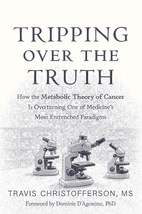
Tripping over the Truth
by Travis Christofferson
What is the book Tripping over the Truth about?
Travis Christofferson's Tripping over the Truth explores cancer as a metabolic disease, tracing the history from Otto Warburg's discoveries to modern metabolic therapies. It's for readers interested in oncology's paradigm shifts and alternative treatment strategies beyond conventional genetics.
Feature
Insta.Page
Blinkist
Shortform
Summary Depth
Full Chapter-by-Chapter
15-min overview
Section-by-section guides
Audio Narration
✓
✓
✓
Visual Mindmaps
✓
✕
✕
AI Q&A
✓
✕
✕
Quizzes
✓
✕
✕
PDF Downloads
✓
✕
✓
Price
$89.99/yr
$146/yr (PRO)
$199/yr
*Competitor data last verified July 2026.
1 Page Summary
Tripping Over the Truth by Travis Christofferson explores the revolutionary idea that cancer is primarily a metabolic disease rather than a genetic one, challenging the long-held "somatic mutation theory." The book traces the history of cancer research, highlighting the work of Otto Warburg, who discovered that cancer cells rely on fermentation (the Warburg effect) for energy even in the presence of oxygen. Christofferson argues that this metabolic dysfunction, not genetic mutations, is the root cause of cancer, and he examines why this theory was overshadowed by the genetic paradigm for decades.
The book delves into the resurgence of metabolic approaches to cancer treatment, focusing on therapies like ketogenic diets, fasting, and drugs that target mitochondrial function. Christofferson presents compelling case studies and research to support the idea that restoring metabolic health could be key to combating cancer. He also critiques the limitations of conventional treatments like chemotherapy and radiation, which often fail to address the underlying metabolic dysfunction driving tumor growth.
Tripping Over the Truth has had a lasting impact by reigniting interest in metabolic therapies and encouraging a paradigm shift in oncology. It bridges historical scientific discoveries with modern research, offering hope for more effective, less toxic treatments. The book serves as both a critique of mainstream cancer research and a call to explore alternative, metabolism-focused strategies in the fight against cancer.
Chapter 1: How Cancer Became Known as a Genetic Disease
Overview
The story of cancer’s transformation into a genetic disease unfolds through a tapestry of curiosity, rivalry, and scientific breakthroughs. It begins with an 18th-century surgeon connecting soot to tumors in chimney sweeps—a radical idea that environmental toxins could corrupt the body’s inner workings. Decades later, microscopes revealed chaos within: cancer cells with shattered chromosomes, a disorder dubbed anaplasia, hinting at deeper genetic sabotage. Then came a twist—viruses, once dismissed as irrelevant, were shown to transmit cancer in chickens, proving even invisible invaders could hijack cellular machinery.
Amid these discoveries, Otto Warburg, a relentless biochemist, challenged the growing focus on genes. He saw cancer as a metabolic rebellion—cells fermenting glucose wildly, a phenomenon later called the Warburg effect—even when oxygen abounded. His theory clashed with rising giants: scientists unraveling DNA’s double helix, who viewed life through the lens of molecular code. By the 1960s, genes took center stage. Cancer, it seemed, was written in mutations—errors in DNA caused by toxins, radiation, or even stolen viral genes.
The final act came with a revelation: viruses didn’t carry foreign cancer genes. Instead, they pirated normal ones, like src, mutating them into rogue commands that forced cells to divide endlessly. This exposed proto-oncogenes—dormant threats in every genome—waiting for a trigger. Environmental poisons, viral insertions, or random errors could awaken them, corrupting proteins that once kept growth in check. Warburg’s metabolism-focused stance, once revolutionary, faded as the somatic mutation theory unified the field. Cancer became a story of broken genes, a symphony of DNA gone awry, leaving behind lingering questions about energy, environment, and the delicate balance within every cell.
Soot, Scrotal Sores, and the Birth of Carcinogens
Percivall Pott’s 1775 investigation into chimney sweeps’ scrotal tumors marked a turning point in cancer research. Rejecting the syphilis diagnosis favored by peers, Pott connected the boys’ cancerous lesions to their constant exposure to soot. His nocturnal visits to squalid living quarters revealed that the sweeps slept covered in grime, allowing carcinogenic particles to fester in skin folds. This led to his groundbreaking conclusion: environmental agents could directly cause cancer. Though the term “carcinogen” didn’t yet exist, Pott’s work laid the foundation for the somatic mutation theory, linking external toxins to cellular damage.
Microscopes and Chromosomal Chaos
Rudolf Virchow’s meticulous pathology work shifted cancer from a mystical “humoral imbalance” to a tangible cellular disorder. His student, David Paul von Hansemann, took this further by studying cancer cells stained with newly developed dyes. Unlike the orderly chromosomes in healthy cells, cancer cells exhibited chaotic, fragmented chromosomes. Hansemann theorized that this genetic disarray drove uncontrolled growth, coining the term anaplasia to describe cancer’s reversal of cellular differentiation. His insistence on linking lab observations to clinical behavior bridged pathology and patient care, cementing chromosomal defects as a central cancer mechanism.
Viruses Enter the Cancer Equation
Peyton Rous’s 1909 discovery of a transmissible chicken tumor upended existing cancer theories. After a ranch-hand interlude reshaped his perspective, Rous returned to science and injected filtered tumor material—free of intact cells—into healthy hens. When tumors developed, he proved viruses could cause cancer. This challenged the purely environmental model of carcinogenesis, introducing infectious agents as another trigger. Media frenzy followed, with headlines like “Is Cancer Infectious?” reflecting public anxiety. Rous’s work forced scientists to reconcile how viruses and toxins might both corrupt cellular machinery.
A Scientist’s Dilemma in Wartime
Otto Warburg’s wartime service in WWI intersected with a pivotal letter from Albert Einstein, urging him to abandon the frontlines for the lab. Einstein argued that Warburg’s intellect was too valuable to risk, encapsulating the tension between scientific duty and survival. Though Warburg stayed briefly, this moment foreshadowed his postwar focus on cancer metabolism. His later work on how cancer cells aberrantly produce energy (“the Warburg effect”) would become legendary, but here, amid trenches and influenza, the stage was set for his relentless empiricism.
Warburg's Formative Years and Scientific Ambitions
Otto Warburg’s relentless drive to solve cancer’s mysteries was shaped by a unique confluence of privilege, intellect, and circumstance. Born into an academic dynasty in 1883, he grew up surrounded by scientific luminaries like Emil Fischer, Max Planck, and Albert Einstein—regular guests at his family’s dinner table. His father, a renowned physicist, instilled in him a fierce work ethic, though their relationship remained emotionally distant. Warburg’s early academic path mirrored his father’s, with degrees in chemistry and physics, but he soon pivoted to medicine, driven by a fascination with pathology. By 1911, he’d earned his medical degree while publishing over 30 papers, foreshadowing his prolific career. Despite his momentum, World War I interrupted his cancer research ambitions. After serving as a cavalry officer and surviving severe injuries, he returned to science with singular focus, empowered by a prestigious appointment at the Kaiser Wilhelm Institute, which granted him unparalleled freedom to pursue his work.
The Metabolic Theory of Cancer
Warburg approached cancer through the lens of biochemistry, convinced its origin lay in energy production. Life, he argued, depended on maintaining order against entropy, and cells required constant energy to survive. Normal cells relied primarily on aerobic respiration—efficiently generating energy using oxygen. But Warburg’s experiments revealed cancer cells behaved differently: they fermented glucose into lactic acid even in oxygen-rich environments, a phenomenon later dubbed the Warburg effect. This metabolic shift, he believed, wasn’t a side effect but the root cause of cancer. He theorized that damaged mitochondria—the cell’s energy factories—forced cancer cells to revert to this inefficient, ancient energy pathway. To prove his point, he demonstrated that depriving healthy cells of oxygen could permanently trigger cancerous behavior.
Competing Theories and Scientific Rivalries
While Warburg’s metabolic theory gained early attention, it faced stiff competition. The somatic mutation theory (SMT), combining Pott’s carcinogens and Hansemann’s chaotic chromosomes, posited that genetic damage drove cancer. Meanwhile, Rous’s viral theory lingered, though lack of human evidence weakened its appeal. Critics like George Lenthal Cheatle dismissed Warburg’s findings as descriptive rather than explanatory: “Even if Warburg is completely right, it does not explain why cancer cells grow.” By mid-century, SMT gained traction as molecular biology advanced, offering tools to link mutations directly to cellular dysfunction. Warburg’s insistence on metabolism as the “prime cause” increasingly seemed out of step with a field pivoting toward genetics.
The Dawn of Molecular Biology
The 1953 discovery of DNA’s double helix by Watson and Crick revolutionized biology, shifting focus to genes as life’s “instruction manual.” Researchers deciphered how DNA’s base pairs encoded proteins—the molecules executing nearly every cellular function. This newfound understanding painted the cell as a dynamic, information-driven system, with DNA at its core. As scientists mapped how mutations disrupted protein signaling pathways, leading to unchecked growth, the genetic lens overshadowed metabolic explanations. Warburg’s theory, once groundbreaking, faded into obscurity, dismissed as a curious artifact of cancer’s biology rather than its cause. Yet his observations—the Warburg effect—remained an indelible puzzle, hinting at deeper connections between energy, genes, and disease.
The Central Dogma and Protein Architecture
Proteins are built from amino acids, their sequence dictating their 3D structure and function. Hydrophobic amino acids fold inward to avoid water, while hydrophilic ones remain on the surface. This structural precision allows proteins to perform specialized roles—like insulin receptors or enzymes—despite being made from the same 21 amino acids. DNA’s base-pair sequence determines protein structure through codons (triplets of bases). Messenger RNA (mRNA) acts as a molecular courier, translating DNA instructions into proteins. Francis Crick’s “central dogma” cemented DNA as life’s code, with information flowing unidirectionally from DNA to RNA to protein.
DNA’s Central Role in Cancer Emerges
By the 1960s, DNA’s link to cancer was widely accepted. Frank Horsfall’s 1963 speech highlighted that cancer’s heritable nature pointed to genetic dysfunction. Yet mysteries lingered: How did DNA changes cause cancer? Were viruses inserting rogue genes, as Peyton Rous’s research suggested? The viral oncogene hypothesis proposed ancient viral DNA lurked in our genomes, activated by carcinogens. Alternatively, the provirus hypothesis argued viruses inserted new DNA during infections. Both theories left gaps, but DNA’s centrality was undeniable.
Warburg’s Last Stand: A Metabolic Theory in a Genetic Age
In 1966, Otto Warburg, the Nobel-winning biochemist, defiantly reiterated his metabolic theory of cancer at a Nobel laureate meeting. He claimed cancer arose from damaged mitochondrial respiration, forcing cells to ferment sugar—a theory dismissed by peers now fixated on DNA. Warburg’s stubbornness and legacy earned him respect, but his ideas seemed outdated. His death in 1970 appeared to mark the end of metabolic theories, leaving DNA as the field’s sole focus.
Varmus and Bishop: Unraveling the Viral Connection
Harold Varmus, a literature-turned-science prodigy, partnered with Michael Bishop to study Rous sarcoma virus (RSV). They isolated src, RSV’s cancer-causing gene, and made a startling discovery: src wasn’t a foreign viral gene. Using radioactive probes, they found src homologs in chickens, fish, mammals, and humans. The viral gene was a mutated version of a normal cellular gene—a proto-oncogene hijacked and altered by the virus.
The src Gene: A Viral Thief in the Genome
Varmus and Bishop confirmed RSV’s src was a distorted copy of a gene already present in all animals. The viral version lacked regulatory controls, producing a hyperactive kinase protein that incessantly signaled cells to divide. This explained how RSV caused cancer: it corrupted a normal gene critical to cell regulation. The discovery unified viral and genetic theories—carcinogens or viruses could mutate proto-oncogenes into oncogenes, derailing cellular controls.
The Oncogene Revelation: Linking Viruses and Genetics
The src breakthrough revealed cancer’s genetic roots. Viruses acted as genetic pirates, stealing and mutating host genes or inserting altered versions back into DNA. This clarified how carcinogens like tar or radiation worked: they damaged DNA, creating oncogenic mutations. Warburg’s metabolic theory faded as the genetic paradigm solidified. Varmus and Bishop’s work bridged virology and genetics, showing cancer was fundamentally a disease of corrupted DNA—a misstep in the code of life.
The Proto-Oncogene Paradigm
Varmus and Bishop’s groundbreaking work revealed that proto-oncogenes—normal genes regulating cell growth—could transform into cancer-causing oncogenes through mutations. These genes, once seen as harmless, now appeared as latent threats embedded in human DNA. Environmental carcinogens, tumor viruses, or random errors could activate them, triggering uncontrolled cell division. This discovery reframed cancer as a disease rooted in genetic sabotage, where mutated genes produced defective proteins that disrupted cellular order.
Unifying the Evidence
The integration of Rous’s viral theory into the somatic mutation theory (SMT) marked a pivotal shift. Viruses, once dismissed as fringe contributors to cancer, were now understood to act by inserting their genetic material into host cells—activating proto-oncogenes in the process. This reconciled decades of conflicting research, transforming fragmented theories into a cohesive explanation. Siddhartha Mukherjee likened the moment to watching a “puzzle solve itself,” as chaotic chromosomal abnormalities (like those observed by Hansemann) became logical outcomes of genetic disruption.
The Final Piece of the Puzzle
Watson and Crick’s discovery of DNA’s structure provided the foundation, but Varmus and Bishop’s work exposed cancer’s genetic blueprint. Their findings clarified how mutations corrupted cellular machinery, leading to unchecked proliferation. Francis Crick’s reflection on the “sudden enlightenment” of scientific breakthroughs captured the zeitgeist: decades of confusion gave way to clarity, with the SMT explaining previously inexplicable phenomena. By the 1970s, the theory solidified as dogma, overshadowing alternative explanations like Warburg’s metabolic hypothesis. Opposition faded, and the scientific community embraced genetics as cancer’s central cause.
Key Takeaways
Proto-oncogenes are latent genetic “land mines” that, when mutated, drive uncontrolled cell growth.
Viral carcinogenesis was reconciled with the SMT, showing viruses act by altering host genes.
Varmus and Bishop’s work unified fragmented cancer theories, cementing genetics as the field’s cornerstone.
The SMT’s dominance sidelined competing theories, shaping cancer research for decades.
Key concepts: Chapter 1: How Cancer Became Known as a Genetic Disease
1. Chapter 1: How Cancer Became Known as a Genetic Disease
Early Discoveries Linking Environment to Cancer
Percivall Pott's 1775 study connected soot exposure to scrotal tumors in chimney sweeps
First evidence that environmental toxins (carcinogens) could directly cause cancer
Laid groundwork for the somatic mutation theory
Microscopic Revelations of Genetic Chaos
Rudolf Virchow and David Paul von Hansemann shifted cancer from humoral theory to cellular disorder
Discovered fragmented chromosomes in cancer cells (anaplasia)
Linked chromosomal disarray to uncontrolled cell growth
Viral Origins of Cancer
Peyton Rous proved viruses could transmit cancer (1909 chicken tumor experiment)
Challenged purely environmental cancer models
Introduced infectious agents as cancer triggers
Otto Warburg's Metabolic Theory
Proposed cancer as a metabolic disease (Warburg effect: fermentation despite oxygen)
Clashed with genetic-focused theories emerging from DNA research
Work interrupted by WWI but later gained prominence
Genetic Unification of Cancer Theory
Discovery of proto-oncogenes (e.g., src) showed normal genes could become cancerous
Viruses found to hijack and mutate cellular genes rather than introduce foreign ones
Somatic mutation theory became dominant, framing cancer as a disease of DNA errors
Warburg's Background and Influence
Raised in an academic dynasty with exposure to Einstein, Planck, and Fischer
Shifted from physics/chemistry to medicine, driven by pathology
Post-WWI work at Kaiser Wilhelm Institute fueled his cancer metabolism research
The Metabolic Theory of Cancer
Warburg believed cancer originated from dysfunctional energy production in cells.
Cancer cells ferment glucose into lactic acid even in oxygen-rich environments (Warburg effect).
Warburg theorized damaged mitochondria forced cells into inefficient fermentation.
Demonstrated that oxygen deprivation could permanently induce cancerous behavior in healthy cells.
Competing Theories and Scientific Rivalries
Somatic mutation theory (SMT) posited genetic damage as the driver of cancer.
Warburg’s metabolic theory was criticized for not explaining why cancer cells grow.
SMT gained dominance as molecular biology advanced, sidelining metabolic explanations.
Rous’s viral theory lacked human evidence but persisted as a competing idea.
The Dawn of Molecular Biology
Discovery of DNA’s double helix shifted focus to genes as life’s 'instruction manual.'
Mutations disrupting protein signaling pathways were linked to unchecked cell growth.
Warburg’s metabolic theory faded, though the Warburg effect remained an unsolved puzzle.
The Central Dogma and Protein Architecture
Proteins’ 3D structure and function are determined by amino acid sequences.
DNA’s base-pair sequence dictates protein assembly via mRNA translation.
Crick’s 'central dogma' established DNA → RNA → protein as biology’s core principle.
DNA’s Central Role in Cancer Emerges
By the 1960s, cancer’s heritable nature pointed to genetic dysfunction.
Viral oncogene hypothesis suggested ancient viral DNA could trigger cancer.
Provirus hypothesis proposed viruses inserted new DNA during infections.
Both theories reinforced DNA’s centrality in cancer despite unanswered questions.
Warburg’s Last Stand: A Metabolic Theory in a Genetic Age
Warburg defiantly reiterated his mitochondrial damage theory in 1966.
His ideas were dismissed as the field embraced DNA-focused explanations.
His death in 1970 marked the decline of metabolic theories in cancer research.
Varmus and Bishop: Unraveling the Viral Connection
Discovered src, a cancer-causing gene in Rous sarcoma virus (RSV).
Revealed src was a mutated version of a normal cellular gene (proto-oncogene).
Viral oncogenes hijacked and corrupted host genes to drive uncontrolled division.
The Oncogene Revelation: Linking Viruses and Genetics
src discovery unified viral and genetic theories of cancer.
Carcinogens and viruses both mutated proto-oncogenes into oncogenes.
Solidified cancer as a disease of corrupted DNA, ending Warburg’s metabolic paradigm.
The Proto-Oncogene Paradigm
Proto-oncogenes are normal genes that regulate cell growth but can transform into cancer-causing oncogenes through mutations.
Mutations can be triggered by environmental carcinogens, tumor viruses, or random errors in DNA replication.
This discovery redefined cancer as a disease of genetic sabotage, where defective proteins disrupt cellular order.
Unifying the Evidence
Rous’s viral theory was integrated into the somatic mutation theory (SMT), showing viruses activate proto-oncogenes by inserting genetic material into host cells.
This reconciliation transformed fragmented cancer theories into a cohesive genetic explanation.
Chromosomal abnormalities, once seen as chaotic, were now understood as logical outcomes of genetic disruption.
The Final Piece of the Puzzle
Varmus and Bishop’s work built on Watson and Crick’s DNA discovery, exposing cancer’s genetic blueprint.
The SMT became dogma by the 1970s, overshadowing alternative theories like Warburg’s metabolic hypothesis.
Scientific opposition faded as genetics was universally accepted as the central cause of cancer.
Key Takeaways
Proto-oncogenes act as latent 'land mines' that, when mutated, drive uncontrolled cell growth.
Viral carcinogenesis was explained by the SMT, showing viruses alter host genes to cause cancer.
Varmus and Bishop unified cancer theories, cementing genetics as the foundation of oncology.
The SMT’s dominance sidelined competing theories, shaping cancer research for decades.
💡 Try clicking the AI chat button to ask questions about this book!
Chapter 2: Chemotherapy and the Gates of Hell
Overview
The chapter traces cancer treatment’s turbulent evolution from a wartime accident to a scientific revolution haunted by ethical quandaries. It opens with an eerie twist of fate: Allied soldiers in World War II exposed to mustard gas during the Bari harbor bombing suffered collapsed immune systems—a grim observation that unlocked chemotherapy’s potential. Researchers soon weaponized the toxin’s DNA-damaging power against tumors, but early victories with nitrogen mustard and methotrexate came at a cost. These agents ravaged healthy cells, sparking debates over whether their fleeting remissions justified brutal side effects.
The narrative pivots to the audacious partnership of Emil Frei and Emil Freireich, whose combination therapy trials doubled remission rates but plunged patients into harrowing toxicity. Their VAMP regimen briefly offered hope before collapsing when leukemia cells resurfaced in the brain—a stark reminder of cancer’s adaptability. Yet failure bred innovation: Vincent DeVita’s MOPP protocol cured Hodgkin’s lymphoma by attacking multiple fronts, while Donald Pinkel’s Total Therapy eradicated childhood leukemia by leaving “no sanctuary” untouched, blending spinal injections, radiation, and relentless drug cocktails.
The 1970s brought euphoric federal investment in chemotherapy, epitomized by cisplatin’s success against testicular cancer. But the era’s “carpet bombing” approach soon faced reckoning. Data revealed most treatments merely delayed death, with survivors burdened by long-term damage. Critics condemned the field’s brutality, pushing scientists toward targeted therapies inspired by genetic breakthroughs. Yet early optimism collided with cancer’s maddening complexity—tumors evolved resistance, and “silver bullet” drugs faltered. The chapter closes on a note of tempered hope: chemotherapy’s legacy, forged in suffering and ingenuity, laid the groundwork for precision medicine’s unfinished quest to outsmart evolution itself.
The Bari Disaster and Mustard Gas Exposure
A catastrophic World War II event in Bari, Italy, became the unlikely catalyst for chemotherapy’s discovery. After German bombs struck Allied ships in December 1943, hundreds of soldiers and civilians were exposed to a mysterious oily substance causing blindness, blisters, and death. Lieutenant Colonel Stewart Alexander identified the culprit as mustard gas—secretly stored on the SS John Harvey. Despite Allied efforts to conceal the accident, Alexander collected tissue samples from victims, revealing a critical pattern: severe depletion of white blood cells in lymph nodes and bone marrow.
From Warfare to Medicine: Nitrogen Mustard’s Dual Nature
Yale pharmacologists Louis Goodman and Alfred Gilman recognized mustard gas’s paradoxical potential. Testing nitrogen mustard on mice with lymphoid tumors, they observed dramatic tumor shrinkage. Collaborating with surgeon Gustaf Lindskog, they administered the compound to a terminal lymphoma patient, achieving temporary remission. Though military secrecy delayed publication until 1946, the results ignited hope for systemic cancer treatments. However, the euphoria faded as remissions proved fleeting, and the drug’s brutal side effects—nausea, immune collapse, organ damage—highlighted its crude mechanism: indiscriminately damaging DNA to halt cell division.
Methotrexate and the Chemotherapy Arsenal
Sidney Farber, a pathologist-turned-oncologist, shifted focus to antifolates after folic acid worsened leukemia. Chemist Yellapragada Subbarao’s synthetic folate intermediate, methotrexate, became Farber’s breakthrough. By mimicking folate, methotrexate blocked DNA replication, preferentially killing rapidly dividing cancer cells. Though remissions were brief, the success spurred activist Mary Lasker to lobby for federal funding, leading to the 1955 Cancer Chemotherapy National Service Center. Meanwhile, Gertrude Elion’s 6-mercaptopurine (6-MP) targeted DNA bases, adding another weapon to the growing—but still limited—arsenal.
Combination Therapy and the Yin-Yang Partnership
Emil Frei and Emil Freireich, opposites in temperament but united in vision, pioneered combination chemotherapy. Frei’s cautious empathy balanced Freireich’s audacity, forged through a traumatic upbringing. Their 1957 trial pairing methotrexate and 6-MP doubled response rates compared to single-drug use, validating the antibiotic-inspired strategy of overwhelming cancer with multiple mechanisms. However, intensified toxicity—collapsing blood counts, infections, and organ damage—deepened ethical divides within the medical community.
Ethical Controversies and the Single-Cell Doctrine
Critics like Max Wintrobe condemned chemotherapy as inhumane, arguing it prolonged suffering without offering cures. Freireich countered that terminal patients had nothing to lose. Underpinning the debate was the “single-cell doctrine”: even one surviving cancer cell could reignite disease. This principle demanded aggressive, prolonged treatment to eradicate every malignant cell—a daunting prospect given chemotherapy’s fractional killing effect.
The VAMP Regimen: High Stakes and Higher Risks
In 1961, Frei and Freireich escalated their approach with VAMP—a four-drug cocktail combining vincristine, amethopterin (methotrexate), mercaptopurine, and prednisone. The regimen spread toxicity across biological systems, theoretically sparing patients cumulative damage to any single organ. Initial results were harrowing: children endured near-fatal anemia, infections, and hemorrhaging. Yet the trial’s audacity reflected a desperate gamble—if combination therapy could push patients into remission long enough, a cure might finally be within reach. Skeptics called it madness; optimists saw a flicker of hope in the darkness.
The Collapse of VAMP and a New Strategy
The initial triumph of the VAMP trial unraveled when leukemia cells resurfaced in the children’s cerebrospinal fluid, breaching the blood-brain barrier. Neurological symptoms—seizures, tingling, and headaches—signaled a fatal relapse. Despite eradicating cancer in bone marrow, the brain became a sanctuary for residual cells. Frei and Freireich, devastated by the deaths of children they’d fought to save, left the NCI amid mounting criticism. Their departure marked a turning point, forcing a reckoning with chemotherapy’s limitations and the urgent need for innovative tactics.
Vincent DeVita’s MOPP Gambit
Undeterred by skepticism, Vincent DeVita pivoted to Hodgkin’s disease, a lymphoma with predictable spread but no systemic treatment. His MOPP regimen—a cocktail of nitrogen mustard, vincristine, procarbazine, and prednisone—mirrored VAMP’s aggressive approach. Facing fierce resistance, DeVita argued that action couldn’t wait for scientific understanding: “Therapy could precede understanding.” Patients endured brutal side effects: immune collapse, sterility, and relentless nausea. Yet swollen lymph nodes vanished, and remissions followed. By 1964, MOPP achieved a 60% cure rate, validating combination chemotherapy’s potential—and emboldening researchers to push further.
Donald Pinkel’s Total Therapy: No Sanctuary Left
Donald Pinkel, a polio survivor with a fighter’s resolve, tackled acute lymphoblastic leukemia (ALL) at St. Jude’s. Learning from VAMP’s failure, he targeted the brain directly. Total Therapy combined intrathecal chemotherapy (drugs injected into spinal fluid), cranial radiation, and an eight-drug assault over years. Critics dismissed it as extreme, but Pinkel’s relentless protocol cured 80% of children. His success hinged on leaving “no cancer cell behind,” a philosophy that reshaped oncology—even as it exacted a grueling physical toll.
Nixon’s War and Chemotherapy’s Toxic Heyday
Buoyed by MOPP and Total Therapy, President Nixon’s 1971 “War on Cancer” unleashed funding and optimism. The NCI became a chemotherapy factory, screening thousands of drugs and prioritizing aggressive combinations. Cisplatin, a DNA-wrecking agent, emerged as a “penicillin for cancer,” despite causing hourly vomiting and organ damage. Testicular cancer cure rates soared to 85%, but solid tumors resisted treatment. The era’s mantra—“hit hard, hit first”—masked a grim reality: for most cancers, chemotherapy merely delayed death.
The Backlash: Numbers Don’t Lie
By the 1980s, biostatistician John Bailer’s analysis exposed harsh truths. Despite saving 40,000 lives annually, chemotherapy only benefited 4% of cancer patients. Raw death rates had risen 9% since 1950, outpaced by smoking and lifestyle risks. Worse, survivors faced staggering long-term costs: heart disease, secondary cancers, and infertility. Critics like James Watson lambasted chemotherapy as “medieval,” while Bailer faced personal attacks for highlighting its inefficacy. The data forced a painful admission: prevention and targeted therapies, not brute-force poisons, held the key.
From Carpet Bombs to Guided Missiles
The discovery of oncogenes in 1976 offered hope for precision. Scientists now understood cancer as a genetic disease, driven by rogue proteins. As Harold Bishop noted, these molecules were “targets”—foreign to healthy cells and ripe for interception. The stage was set for a paradigm shift: replacing toxins with drugs designed to dismantle cancer at its molecular roots. Chemotherapy’s “dark age” was ending, but its legacy—of courage, suffering, and hard-won lessons—would shape oncology’s future.
The Dawn of Targeted Therapy
Vincent DeVita’s bold assertion in the early 1990s—that chemotherapy had entered the “age of targeted therapy”—reflected the era’s soaring optimism. Many researchers, buoyed by advances in molecular biology, believed the intricate mechanisms driving cancer would soon be decoded. DeVita, a leading oncologist, predicted that the “major details of carcinogenesis” would be mapped by the decade’s end, paving the way for precision treatments tailored to cancer’s genetic roots. This confidence stemmed from breakthroughs in identifying oncogenes and tumor-suppressor genes, which seemed to promise a straightforward path to drug development.
Unforeseen Complexity
The reality proved far messier. While the 1990s saw early successes, such as imatinib (Gleevec) for leukemia, these were exceptions rather than the rule. Cancer’s ability to mutate, evade treatments, and hijack cellular pathways revealed a labyrinth of biological adaptability. Targeted therapies often worked initially, only to fail as tumors developed resistance. The scientific community began grappling with the sobering truth: cancer was not a single enemy but a shifting constellation of diseases, each requiring bespoke strategies.
Key Takeaways
Optimism vs. Reality: The 1990s’ enthusiasm for rapid breakthroughs in targeted therapy collided with the complexity of cancer biology.
Resistance Challenges: Early successes highlighted both the potential and limitations of targeted drugs, as tumors often evolved to bypass them.
A New Paradigm: The era underscored the need for adaptable, combination therapies and a deeper understanding of cancer’s evolutionary mechanisms.
Key concepts: Chapter 2: Chemotherapy and the Gates of Hell
2. Chapter 2: Chemotherapy and the Gates of Hell
The Bari Disaster and Mustard Gas Exposure
Allied soldiers exposed to mustard gas in WWII suffered immune collapse, revealing its potential for cancer treatment.
Lieutenant Colonel Stewart Alexander identified severe white blood cell depletion in victims.
The accident was initially concealed but became a pivotal moment in chemotherapy's discovery.
From Warfare to Medicine: Nitrogen Mustard’s Dual Nature
Yale researchers Goodman and Gilman repurposed nitrogen mustard to shrink tumors in mice and humans.
First documented remission in a lymphoma patient, though temporary and with severe side effects.
Highlighted the drug's crude mechanism: indiscriminate DNA damage to halt cell division.
Methotrexate and the Chemotherapy Arsenal
Sidney Farber and Yellapragada Subbarao developed methotrexate, blocking DNA replication in cancer cells.
Brief remissions in leukemia patients spurred federal funding for chemotherapy research.
Gertrude Elion's 6-mercaptopurine (6-MP) expanded the early chemotherapy toolkit.
Combination Therapy and the Yin-Yang Partnership
Emil Frei and Emil Freireich pioneered combination chemotherapy, doubling remission rates.
Critics like James Watson called chemotherapy 'medieval,' forcing a shift toward prevention and targeted therapies.
From Carpet Bombs to Guided Missiles
The 1976 discovery of oncogenes reframed cancer as a genetic disease with molecular targets.
Scientists envisioned replacing toxins with precision drugs to dismantle cancer at its roots.
Chemotherapy’s 'dark age' ended, but its legacy of courage and hard-won lessons shaped future oncology.
The Dawn of Targeted Therapy
The 1990s brought optimism that molecular biology would decode cancer’s mechanisms.
Early successes (e.g., imatinib) were offset by tumor resistance and evolutionary adaptability.
Cancer’s complexity revealed the need for bespoke, combination therapies and deeper biological understanding.
Chapter 3: Breakthroughs and Disappointments
Overview
The story of cancer research in the late 20th century unfolds as a clash between forgotten insights and cutting-edge genetics. Otto Warburg’s theory—that broken cellular energy systems drive cancer—was nearly erased from scientific memory by the 1970s, dismissed as outdated amid the rush to study oncogenes. Yet Pete Pedersen, a tenacious biochemist with an unconventional Oklahoma upbringing, revived Warburg’s ideas through meticulous experiments. He proved that aggressive cancers had deformed mitochondria and relied on fermentation—not respiration—to survive. His discovery of hexokinase II (HK-II), a hyperactive enzyme hijacking glucose metabolism, revealed cancer’s metabolic “gas pedal.” While ignored by mainstream researchers, this work unexpectedly birthed PET scans, turning tumors into glowing targets by exploiting their sugar addiction.
The narrative pivots to targeted therapies like Herceptin, which blocked the HER2 protein in breast cancer. Though hailed as revolutionary, its modest survival gains exposed a harsh truth: silencing one genetic driver rarely cured complex diseases. Meanwhile, Pedersen’s protégé Young Hee Ko uncovered HK-II’s darker role—it not only fueled tumors but also blocked cell death. Her relentless pursuit of 3-bromopyruvate (3BP), a molecule that dismantled HK-II, produced stunning lab results: tumors vanished in animals without harming healthy tissue. But translating this to humans collided with institutional resistance, patent battles, and a medical establishment skeptical of metabolism’s relevance.
Ko’s struggle mirrored Warburg’s fall from grace decades earlier. When a desperate father begged her to treat his dying son, an unauthorized trial showed 3BP’s power—and its peril. The drug eradicated the teen’s cancer but couldn’t reverse organ damage from prior treatments. Even as PET scans quietly validated Warburg’s century-old ideas, Ko faced corporate exploitation, diverted funding, and academic gatekeeping. Her shift to entrepreneurship highlighted the gap between scientific promise and real-world delivery—a theme echoing Herceptin’s bittersweet legacy.
Through it all, a pattern emerged: breakthroughs often bloomed in the margins, challenged orthodoxy, then faced systemic inertia. The tension between genetic determinism and metabolic adaptability shaped every discovery, exposing cancer’s complexity. While Herceptin proved targeted drugs could work, 3BP’s unrealized potential whispered a provocative question: What if the key to curing cancer wasn’t in our genes, but in the ancient energy systems Warburg once championed?
The Decline of Warburg’s Legacy
By the mid-1970s, Otto Warburg’s once-revered theory linking damaged cellular respiration to cancer’s origin faced near-total rejection. Sidney Weinhouse’s 1976 review dismissed Warburg’s ideas as “too simplistic,” arguing that decades of research had failed to validate mitochondrial dysfunction as cancer’s root cause. The scientific community, galvanized by Harold Varmus and Michael Bishop’s discovery of proto-oncogenes that same year, pivoted decisively toward genetics. Even Warburg’s former student, Nobel laureate Hans Krebs, acknowledged in a 1981 biography that Warburg’s fixation on metabolism overlooked the emerging consensus: Cancer’s “primary cause” lay in genetic regulation, not energy pathways. Warburg’s legacy seemed consigned to obscurity—a casualty of shifting scientific paradigms.
Pedersen’s Unlikely Journey into Cancer Research
Pete Pedersen’s path to challenging this consensus was anything but conventional. Born in 1939 to a family of Danish-Cherokee heritage in Dust Bowl-era Oklahoma, Pedersen’s early life was marked by resilience. His mother, a chemistry enthusiast denied professional opportunities, instilled in him a passion for science. Despite limited resources, Pedersen and his brother taught themselves chemistry using borrowed textbooks, eventually earning PhDs in biochemistry. By 1964, Pedersen arrived at Johns Hopkins as a postdoctoral fellow under Albert Lehninger, a pioneer in mitochondrial research. Lehninger’s mentorship—and his personal connection to Warburg—ignited Pedersen’s fascination with cancer metabolism, setting him on a collision course with the era’s genetic orthodoxy.
Pedersen’s breakthrough began with a simple question: Why do some tumors grow faster than others? Studying aggressive rat tumors from the National Cancer Institute, he uncovered a striking pattern: The most lethal cancers had half the mitochondria of normal cells, with deformed structures and impaired respiration. These findings directly supported Warburg’s hypothesis—cancer cells relied on fermentation (glycolysis) to compensate for broken respiratory machinery. By 1978, Pedersen’s meticulous cataloging of mitochondrial defects—cup-shaped membranes, missing proteins, erratic lipid content—provided irrefutable evidence of Warburg’s “injured respiration.” Yet, amid the frenzy of oncogene research, his work drew little attention.
Hexokinase II: The Metabolic “Gas Pedal”
Undeterred, Pedersen pressed deeper. In 1977, he and graduate student Ernesto Bustamante identified hexokinase II (HK-II), a hyperactive enzyme hijacking glucose metabolism in cancer cells. Unlike its regulated counterpart, HK-II ignored cellular feedback, forcing glucose into glycolysis at breakneck speed. This explained how cancer cells sustained Warburg’s hallmark fermentation—and why lactic acid, a byproduct, might corrode surrounding tissues to enable metastasis. HK-II’s origins traced to an ancient evolutionary adaptation, repurposed by cancers to fuel unchecked growth. Pedersen recognized its potential as a therapeutic target, but the discovery languished in the shadow of genetic research.
PET Scans: A Diagnostic Silver Lining
Ironically, Pedersen’s HK-II breakthrough found unexpected utility in medical imaging. PET scans, struggling to differentiate tumors from healthy tissue, capitalized on cancer’s glucose addiction. By tagging a glucose analog (FDG) with a radioactive fluorine isotope, clinicians could visualize tumors glowing with metabolic hyperactivity—a direct application of Pedersen’s work. Though the broader scientific community remained fixated on DNA, this diagnostic tool quietly validated Warburg’s century-old insight, saving countless lives through early cancer detection.
Continuity Note: The next section will explore how Pedersen’s foundational work intersected with emerging genetic discoveries, bridging the divide between metabolism and genomics in cancer research.
From PET Scans to Targeted Therapies
The story shifts from PET scans’ diagnostic power to the dawn of targeted cancer treatments. While PET scans visualized cancer’s metabolic addiction, researchers began pursuing drugs to exploit specific molecular vulnerabilities in tumors. HER2/neu—a cell surface receptor overexpressed in aggressive breast cancers—emerged as a prime target. Its discovery bridged academic curiosity and corporate ambition, setting the stage for a groundbreaking therapy.
The Road to Targeted Drugs
Robert Weinberg’s lab discovered the neu oncogene in rats, but its therapeutic potential went unnoticed. Years later, Axel Ullrich at Genentech identified its human counterpart, HER2, and recognized its promise. Unlike most oncogenes hidden inside cells, HER2 sat on the cell surface, making it an accessible target. Ullrich partnered with oncologist Dennis Slamon, who linked HER2 overexpression to aggressive breast cancer. Their collaboration faced skepticism until Slamon’s relentless advocacy and a serendipitous funding lifeline from Revlon shifted the tide.
Genentech’s Pivot
Genentech, initially focused on protein synthesis (e.g., insulin), pivoted to drug development as its pipeline dwindled. Ullrich’s HER2 work aligned with the company’s new direction. Using monoclonal antibodies—custom-made molecules that bind specific targets—the team designed trastuzumab (Herceptin) to block HER2. Lab experiments showed the antibody halted cancer growth, but Genentech hesitated to fund costly trials.
Antibodies as “Magic Bullets”
Monoclonal antibodies offered precision previously unimaginable in cancer treatment. By mimicking the immune system’s targeting ability, Herceptin latched onto HER2 receptors, smothering their pro-growth signals. This approach contrasted sharply with chemotherapy’s “scorched-earth” toxicity. Yet without Slamon’s persistence and Lilly Tartikoff’s fundraising (spurred by her husband’s survival from Hodgkin’s), Herceptin might have languished in development hell.
Clinical Triumph and Public Reception
At the 1998 ASCO conference, Slamon unveiled Herceptin’s trial results: tumor shrinkage rates doubled in HER2-positive patients. Media hailed it as a “revolution,” but the hype obscured nuanced realities. While some patients saw dramatic responses, survival benefits were modest. Critics noted that “tumor shrinkage” didn’t always translate to prolonged life, underscoring the complexity of cancer biology.
A Bittersweet Legacy
Herceptin’s approval marked a paradigm shift, proving targeted therapies could work. Yet its success hinged on decades of foundational science—from Warburg’s metabolism studies to Bishop and Varmus’ oncogene discoveries—and a dash of corporate luck. For patients, it offered hope but also highlighted the gap between scientific progress and curative breakthroughs. As the first targeted drug, Herceptin symbolized both the promise and limitations of the “rational design” era.
Herceptin’s Harsh Reality Check
While Herceptin’s initial success at the 1998 ASCO meeting sparked celebration, its long-term data revealed a sobering truth. Survival gains were modest: a 4-month extension for metastatic breast cancer patients, with incremental absolute survival improvements (2.9% at 4 years, 8.8% at 10 years). For the 15–20% of HER2-positive patients, it was a lifeline—but far from the cure implied by its “targeted therapy” hype. The disconnect between theory (blocking HER2 should neutralize cancer) and reality exposed a critical gap in understanding: If shutting down HER2 didn’t cure patients, cancer’s drivers ran deeper.
The Metabolic Mastermind: Hexokinase II
Pedersen’s decades-long work uncovered hexokinase II (HK2) as a linchpin in cancer’s survival strategy. Unlike HER2, HK2 was universal:
Energy Hijacker: Bound to mitochondria via VDAC, HK2 stole ATP directly from energy factories, fueling cancer’s glucose addiction.
Immortality Enabler: By blocking VDAC, HK2 prevented cytochrome c release, stifling apoptosis. This dual role made HK2 a “hallmark of hallmarks”—present in nearly all cancers.
HK2’s omnipresence contrasted sharply with HER2’s niche role, positioning metabolism as a universal Achilles’ heel.
Young Hee Ko’s Relentless Pursuit of 3BP
Ko, a fiercely dedicated postdoc in Pedersen’s lab, pivoted from cystic fibrosis research to targeting HK2. Rejecting antisense RNA’s limitations, she pursued a Trojan horse strategy:
Petri Dish Dominance: In head-to-head tests, 3BP obliterated chemotherapy staples (doxorubicin, paclitaxel) across 10 cancer types.
Animal Miracles: Rabbits and rats with aggressive liver tumors saw tumors vanish post-3BP, with no harm to healthy tissues. One study showed 19/19 treated rats cured and living full lifespans—a first in Pedersen’s career.
The “Twitchy Molecule” Faces Human Hurdles
Transitioning 3BP to human trials collided with skepticism and institutional roadblocks:
Reactivity Fears: Critics argued 3BP’s instability would cause systemic toxicity, but animal studies disproved this.
Bureaucratic Quicksand: Ko’s 2002 faculty appointment at Johns Hopkins lacked lab space, stifling grant prospects. Pedersen lamented, “The system wasn’t set up for radical ideas.”
Scandal Looms: The section ends ominously, hinting at legal battles and institutional resistance that would plague 3BP’s journey—a stark contrast to Herceptin’s corporate-backed glide to FDA approval.
Key Takeaways
Targeted Therapy’s Limits: Herceptin’s marginal benefits exposed the complexity of cancer biology—blocking one driver isn’t enough.
Metabolism’s Prime Role: HK2’s universal presence in cancers offers a broader therapeutic lens than gene-specific approaches.
3BP’s Promise and Peril: Ko’s breakthroughs highlighted metabolism-targeting potential, but translation to humans faced systemic and ethical landmines.
Innovation vs. Institution: Radical discoveries often clash with academic and corporate infrastructures, slowing progress for unconventional therapies.
The Komen Grant and Broken Promises
Ko’s hard-won Susan B. Komen grant—a pivotal moment in her career—quickly turned sour. Despite a prior agreement promising lab space upon securing the grant, Vice Dean Chi Dang accused her of misleading the foundation in a blistering email copied to multiple colleagues. The accusation hinged on a false assumption: Dang believed the grant required preexisting lab space, a requirement that didn’t exist. Ko, who had spent countless hours assisting Dang’s lab with research overlapping her own, felt betrayed. The conflict exposed systemic favoritism and competition within the institution, with Pedersen later criticizing the flawed structure that pitted researchers against each other.
Legal Battles and Institutional Conflict
The situation escalated when Hopkins demanded Ko undergo a psychiatric evaluation to retain her position—a move Pedersen called a thinly veiled attempt to force her out. Ko refused, fearing professional stigma, and filed a 108-page lawsuit in 2005 alleging discrimination and retaliation. The lawsuit dragged on for over a year, stalling 3BP’s progress. A Baltimore Sun article praising Ko’s work reignited tensions, further alienating her from Hopkins leadership. The settlement in 2006 awarded Ko exclusive rights to her 3BP formulation but left her lab empty and her reputation bruised.
Patent Disputes and a Rival Company
The lawsuit’s resolution split 3BP’s intellectual property: one patent covered intra-arterial delivery (shared with Geschwind, a former lab member Ko accused of minimal contributions), while Ko retained rights to her proprietary formulation. Geschwind capitalized on his patent, founding PreScience Labs to develop 3BP for liver cancer. Despite FDA approval for a Phase 1 trial in 2013, the company struggled to secure funding, leaving Ko’s formulation—critical for stabilizing the reactive drug—unused in mainstream research.
A Desperate Human Trial: Yvar’s Story
In 2008, Ko faced a moral and scientific crossroads when Harrie Verhoeven, a Dutch father, begged her to treat his 16-year-old son Yvar, whose liver cancer had defied all treatments. Ko’s 3BP formulation, refined over years, was untested in humans. After 500 U.S. doctors refused to administer it, she enlisted German radiologist Thomas Vogl, who used transcatheter arterial chemoembolization (TACE) to deliver 3BP directly to Yvar’s tumors. The initial results were staggering: within hours, Yvar regained his appetite. However, rapid tumor death triggered life-threatening ammonia spikes from tumor lysis syndrome. Quick intervention stabilized him, proving 3BP’s potency but underscoring its risks.
Legal vs. Scientific Battles: Ko’s lawsuit highlighted systemic issues in academic research, where control over resources often trumped collaboration.
Human Potential: Yvar’s case demonstrated 3BP’s dramatic efficacy in humans, validating years of preclinical work while exposing the urgent need for controlled trials.
Formulation Matters: Ko’s proprietary method was crucial to 3BP’s function, emphasizing that how a drug is delivered can be as important as the drug itself.
Yvar’s Triumph and Tragic Setback
Yvar’s journey with 3BP appeared to culminate in a medical miracle. After nine treatments, scans revealed his liver tumors had become necrotic, with no active cancer cells detected. His liver even showed signs of regeneration—a groundbreaking outcome. Celebrating his 18th birthday and traveling to Johns Hopkins to share his story, Yvar embodied hope. However, his weakened liver, reduced to 5% functionality, left him vulnerable. A subsequent bout of pneumonia proved fatal, as his body couldn’t process the necessary antibiotics. His death underscored a painful truth: even when 3BP eradicated the cancer, the collateral damage from the disease remained lethal.
The Koch-Watson Controversy
A potential breakthrough with billionaire David Koch’s interest in funding prostate cancer research for 3BP quickly soured. James Watson, Koch’s science advisor, diverted Ko’s data to competitor Lewis Cantley instead of advocating for her work. A tense lunch meeting revealed Watson’s proposal to hand over 3BP research to the Champalimaud Foundation, effectively sidelining Ko and Pedersen. A disastrous seminar at Cold Spring Harbor Laboratory—marked by technical glitches and Watson’s probing for proprietary details—deepened Ko’s distrust. The episode highlighted the cutthroat competition and ethical ambiguities in cancer research funding.
Transition to Entrepreneurship
Frustrated by institutional roadblocks, Ko left Johns Hopkins to found KoDiscovery, LLC, a biotech startup dedicated to bringing 3BP to market. Her relentless work ethic—often logging 18-hour days—reflected her urgency to advance the drug. Collaborating with Pedersen, whose metabolic research underpinned 3BP’s mechanism, Ko navigated FDA protocols and funding challenges. Despite a lowball investment offer, she prioritized retaining control of 3BP, wary of repeating past exploitation.
3BP’s Unrealized Potential
The drug’s broad applicability—targeting 95% of PET-positive cancers—positioned it as a potential game-changer. Yet, securing even $3 million for initial trials stalled, baffling given its low cost compared to conventional therapies. Ko’s focus on rare cancers (like kidney cancer) as a strategic entry point highlighted her pragmatic approach. However, the lack of interest from major investors and advocacy groups underscored systemic barriers to innovation in cancer treatment.
Key Takeaways
Medical Paradox: 3BP successfully eradicated Yvar’s cancer but couldn’t undo the organ damage it caused, emphasizing the need for early intervention.
Funding Battles: Ko’s clashes with Watson and Koch revealed the precariousness of scientific collaboration in profit-driven environments.
Entrepreneurial Grit: Ko’s shift to entrepreneurship underscored her determination to bypass institutional inertia, though funding hurdles persisted.
Revolutionary Potential: 3BP’s mechanism offered a universal cancer treatment framework, yet systemic indifference stalled its path to trials.
Ethical Stakes: The decade-long delay in advancing 3BP highlighted the human cost of bureaucratic and corporate gatekeeping in medical research.
Key concepts: Chapter 3: Breakthroughs and Disappointments
3. Chapter 3: Breakthroughs and Disappointments
Otto Warburg’s Theory and Its Decline
Warburg’s theory linked broken cellular respiration to cancer’s origin
Dismissed as outdated by the 1970s in favor of genetic research
Sidney Weinhouse and Hans Krebs rejected Warburg’s metabolic focus
Proto-oncogene discoveries shifted scientific consensus to genetics
The case validated 3BP’s potential while highlighting the need for controlled clinical trials.
Yvar’s Triumph and Tragic Setback
Yvar’s tumors became necrotic after nine treatments, with no active cancer detected.
His liver regeneration was a groundbreaking outcome, but its minimal functionality left him vulnerable.
His death from pneumonia underscored the lingering risks of advanced cancer damage, even after 3BP’s success.
Key Takeaways
Targeted therapies like Herceptin have limits, while metabolism-based approaches (e.g., HK2 inhibition) offer broader potential.
Institutional barriers and competition often hinder unconventional breakthroughs like 3BP.
Yvar’s case proved 3BP’s efficacy in humans but revealed critical risks and delivery challenges.
Drug formulation and delivery methods are as crucial as the drug itself for therapeutic success.
The Koch-Watson Controversy
David Koch's initial interest in funding 3BP research was derailed by James Watson's interference.
Watson diverted Ko's data to competitor Lewis Cantley, undermining her work.
A disastrous Cold Spring Harbor seminar deepened Ko's distrust due to Watson's probing for proprietary details.
The episode exposed cutthroat competition and ethical ambiguities in cancer research funding.
Transition to Entrepreneurship
Ko left Johns Hopkins to found KoDiscovery, LLC, aiming to bring 3BP to market independently.
She worked 18-hour days to advance the drug, collaborating with Pedersen on metabolic research.
Despite lowball investment offers, Ko prioritized retaining control of 3BP to avoid past exploitation.
3BP’s Unrealized Potential
3BP targeted 95% of PET-positive cancers, positioning it as a universal treatment framework.
Funding hurdles persisted, with even $3 million for initial trials proving difficult to secure.
Ko strategically focused on rare cancers (e.g., kidney cancer) as an entry point, but systemic indifference stalled progress.
Key Takeaways
3BP's success with Yvar's cancer was overshadowed by irreversible organ damage, stressing the need for early intervention.
Ko's clashes with Watson and Koch revealed the fragility of scientific collaboration in profit-driven research.
Her entrepreneurial shift highlighted determination to bypass institutional roadblocks, though funding remained a challenge.
3BP's revolutionary potential was hindered by systemic gatekeeping, delaying a viable cancer treatment.
The decade-long delay underscored the human cost of bureaucratic and corporate barriers in medical innovation.
Chapter 4: Dark Matter
Overview
The late 1990s burst with promise as breakthroughs like the Human Genome Project slashed DNA sequencing costs and ignited hopes for a genetic revolution in medicine. But when researchers turned their focus to cancer, the story grew murkier. Ambitious efforts like The Cancer Genome Atlas (TCGA) revealed chaos where order was expected: tumors from the same organ showed wildly different mutations between patients (intertumoral heterogeneity), within a single tumor (intratumoral heterogeneity), and even across metastatic sites (intermetastatic heterogeneity). This “mutational storm” defied earlier models like Bert Vogelstein’s stepwise theory, which had framed cancer as a logical progression of DNA errors.
Faced with contradictions, scientists scrambled for explanations. Vogelstein likened missing mutations to dark matter—an invisible force shaping cancer’s behavior—while critics questioned whether genes alone held the answers. Larry Loeb’s calculations deepened the mystery: human cells simply didn’t mutate fast enough to explain cancer’s prevalence, creating a glaring paradox. Meanwhile, Charles Swanton’s evolutionary studies found tumors without clear founding mutations, suggesting some cancers might erupt from biological chaos rather than genetic blueprints.
Amidst the confusion, an old idea resurfaced: metabolic dysfunction. Evidence mounted linking cancer to mitochondrial flaws and energy-processing genes, reviving Otto Warburg’s century-old theory. Even skeptics like Robert Weinberg begrudgingly acknowledged metabolism’s role, though debates raged over whether nuclear mutations or cellular energy failures sparked the disease. By the 2010s, the chapter’s central question crystallized: If mutations alone couldn’t explain cancer’s origins, what unseen forces—biological dark matter—were pulling the strings? The search for answers would push science beyond genes, into the shadowy interplay of systems, evolution, and cellular metabolism.
The Biotech Boom and the Human Genome Project
The late 1990s brimmed with optimism as biotech innovations like cloning and genome sequencing fueled visions of medical revolution. The Human Genome Project (HGP), conceived partly to study radiation-induced mutations, evolved into a $3 billion quest to map all three billion DNA base pairs. James Watson’s leadership clashed with debates over gene patenting, but under Francis Collins, the HGP achieved its "rough draft" by 2000. The project’s true legacy lay in slashing sequencing costs—from $500 million in 2003 to $5,000 by 2007—ushering in an era of accessible genetic analysis.
The Cancer Genome Atlas (TCGA) Launches
Buoyed by HGP’s success, researchers turned to cancer. In 2005, the NIH launched TCGA, a global effort to sequence cancer genomes. Parallel private initiatives, like Bert Vogelstein’s lab at Johns Hopkins, joined the hunt. Vogelstein, a math prodigy turned cancer geneticist, had already revolutionized the field by linking p53 mutations to over half of cancers. His earlier work on colon cancer progression—tying genetic mutations to clinical stages—cemented the idea of cancer as an orderly, mutation-driven disease.
TCGA’s Startling Revelations
Early TCGA results shattered expectations. Sequencing breast, colon, and pancreatic cancers revealed no consistent "driver" mutations. Instead, intertumoral heterogeneity—wild variability in mutations between patients—dominated. For example:
2006 breast/colon cancer study: Only a few known oncogenes appeared; no new culprits emerged.
2008 pancreatic cancer study: 24 tumors showed no shared causal mutations, just chaotic patterns.
2013 breast cancer analysis: 28 of 100 tumors had one driver mutation; five had none.
These findings contradicted Vogelstein’s stepwise mutation model, suggesting cancer’s origins lay beyond genes alone.
Vogelstein’s Paradigm Shift
Faced with contradictory data, Vogelstein revised the somatic mutation theory (SMT). He proposed cancer arises not from specific mutations but from dysfunctional biological systems (e.g., cell death, proliferation). For pancreatic cancer, he implicated 12 systems, but critics noted forced correlations—mutations were loosely linked to pathways, not proven causative. A 2008 glioblastoma study deepened doubts: one aggressive tumor had no mutations in the three "essential" systems.
The Unresolved Contradictions
By 2010, TCGA data revealed a "mutational storm" with no clear patterns. Larry Loeb’s review highlighted the disconnect: spontaneous mutation rates didn’t align with cancer’s prevalence. If random DNA errors caused cancer, humans would face tumors "by age 10." The data pointed to an unsettling truth—mutations alone couldn’t explain cancer’s genesis. The hunt for answers would need to look beyond genes.
The Mutation Rate Conundrum
Loeb’s calculations revealed a paradox: the low spontaneous mutation rate in human cells clashed with the high incidence of cancer. Even with over 100 DNA repair genes working to maintain genomic fidelity, cancer’s requirement for multiple mutations (up to twelve) seemed implausible within a human lifespan. One proposed solution—a first mutation disabling DNA repair mechanisms—was critiqued as nonsensical, akin to “hiring corrupt bank tellers.” This left a gap in understanding how mutations could accumulate fast enough to trigger cancer, casting doubt on the Somatic Mutation Theory (SMT).
Heterogeneity’s Therapeutic Nightmare
The Cancer Genome Atlas (TCGA) exposed staggering intertumoral heterogeneity, where mutations varied wildly between patients’ tumors, making targeted drug development nearly impossible. Worse, intratumoral heterogeneity—diverse mutations even within a single tumor—turned treatment into a “game of Whac-A-Mole.” Subclonal populations with unique mutations could evade therapies, leading to relapse. Intermetastatic heterogeneity added another layer, as metastatic sites often harbored up to 20 unique mutations not shared with the primary tumor. These findings underscored cancer’s adaptability and the SMT’s inability to explain its origins.
Vogelstein’s “Dark Matter” Analogy
Vogelstein borrowed the astrophysics term dark matter to describe hidden drivers of cancer. TCGA data showed many tumors had fewer driver mutations than expected (e.g., pediatric tumors with zero to two). Where were the missing mutations? Vogelstein proposed an invisible force—akin to dark matter’s gravitational influence on galaxies—operating beyond genetic mutations. This metaphor highlighted gaps in understanding cancer’s initiation and progression, suggesting non-genetic processes might play a central role.
Swanton’s Evolutionary Insights
Using deep sequencing, Charles Swanton’s team traced tumors’ mutational “family trees.” Surprisingly, some tumors lacked clear founding mutations—the “trunk” events predicted by SMT. Swanton described data so anomalous it was “blowing our minds,” hinting that cancer might not always originate from sequential genetic hits. Instead, tumors could evolve chaotically, with no unifying mutational signature. This challenged the SMT’s clonal origin model and aligned with theories where metabolic dysfunction, not mutations, sparks malignancy.
Metabolic Theory Gains Ground
Mounting evidence linked cancer to metabolism. Mutations in genes like isocitrate dehydrogenase (involved in oxidative energy production) and drugs like metformin (which lowers cancer risk via metabolic effects) pointed to mitochondria’s role. Even Weinberg, a staunch SMT proponent, added “reprogramming of energy metabolism” as a cancer hallmark in 2010. However, he attributed this to oncogenes “reprogramming” metabolism from the nucleus, sidestepping Warburg’s mitochondrial damage theory. Pedersen and others argued this omission ignored decades of evidence tying cancer’s metabolic shift to broken mitochondria.
Key Takeaways
Mutation Math Fails: The low spontaneous mutation rate contradicts SMT’s requirement for multiple hits, creating a paradox.
Heterogeneity Hurdles: Intertumoral, intratumoral, and intermetastatic heterogeneity complicate treatment and challenge genetic determinism.
Dark Matter Mystery: Vogelstein’s analogy underscores unexplained drivers of cancer, possibly non-genetic.
Metabolic Momentum: Genes and drugs linking cancer to metabolism revive Warburg’s theory, though debates persist over mitochondrial vs. nuclear origins.
Evolutionary Chaos: Swanton’s work suggests tumors may lack founding mutations, hinting at alternative origins like metabolic dysfunction.
Key concepts: Chapter 4: Dark Matter
4. Chapter 4: Dark Matter
The Promise and Chaos of Cancer Genomics
Breakthroughs like the Human Genome Project lowered sequencing costs but revealed unexpected complexity in cancer genetics.
Travis Christofferson is a science writer and author renowned for making complex scientific topics accessible to a broad audience. He is best known for his critically acclaimed book, *Tripping Over the Truth: How the Metabolic Theory of Cancer Is Overturning One of Medicine's Most Entrenched Paradigms*, which explores the groundbreaking links between metabolism and cancer. His work is celebrated for its meticulous research and compelling narrative, contributing significantly to public discourse on cancer metabolism and therapeutic strategies. Christofferson's insightful writing has established him as a respected voice at the intersection of science and health. His published books are available for purchase on Amazon.
📚 Explore Our Book Summary Library
Discover more insightful book summaries from our collection