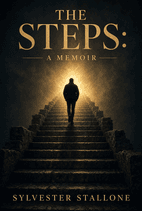
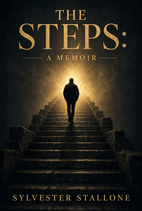
Sylvester Stallone's The Steps: A Memoir recounts his pre-Rocky years in New York—cold-water flats, zoo cage cleaning, relentless rejection—and the screenwriting craft he built by transcribing films. For anyone chasing a creative calling against long odds.
Feature
Insta.Page
Blinkist
Shortform
Summary Depth
Full Chapter-by-Chapter
15-min overview
Section-by-section guides
Audio Narration
✓
✓
✓
Visual Mindmaps
✓
✕
✕
AI Q&A
✓
✕
✕
Quizzes
✓
✕
✕
PDF Downloads
✓
✕
✓
Price
$89.99/yr
$146/yr (PRO)
$199/yr
*Competitor data last verified July 2026.
1 Page Summary
Sylvester Stallone's The Steps: A Memoir is, at its core, a book about persistence in the face of relentless rejection. Drawing on his own early years, Stallone recounts arriving in New York with almost nothing—no contacts, no résumé, no bed—and building an acting life from scratch. The memoir traces his time in Hell's Kitchen cold-water flats, Bowery flophouses, and a dilapidated Sutton Hotel, alongside jobs cleaning lion cages at the Central Park Zoo, working a deli basement, and ushering at the Baronet and Coronet theaters. Throughout, the central question is not whether ambition and effort are enough, but whether he can endure isolation and repeated failure long enough to find a way in. The book's recurring theme is that the real danger is never getting the chance to fail at all, and that the only answer is to keep going—"to go the distance" and refuse to quit when things get hard.
What makes the book distinctive is Stallone's approach: he treats his life as a craft to be studied, not just remembered. He describes learning screenwriting by taping and transcribing movies, watching MASH* seventy-five times, and dissecting why scenes worked or failed. He frames a screenplay as a "giant math problem" and scenes as a "word train," emphasizing that the most important work is cutting—"better words, not more." The memoir details the writing of his Poe screenplay and the long struggle to bring Rocky to the screen, including refusing ever-larger offers to sell the script because he insisted on starring in it. It also candidly covers personal wounds: a partially paralyzed face from forceps at birth, a difficult relationship with his mother and father, his marriage to Sasha, and the loss of people close to him. The narrative culminates with the filming of Rocky, the famous museum steps, and the 1976 Academy Award nominations, framed not as a triumph of winning but as a lesson in self-reliance.
The intended audience is anyone chasing a creative calling against long odds, as well as readers interested in Stallone's personal history and the making of Rocky. What readers will gain is a hard-won perspective: that emotional damage never fully goes away, that fear is only understood by facing it, and that the point isn't to be champion of the world but "to be champion of your own life." The book closes on Rocky Day at the Philadelphia Museum of Art, where a crowd filled the steps in bad weather for a character who never got to choose where he started—offering the memoir's final conviction that anyone can take the hits and keep going.
1: Back in the Kitchen
Overview
A young man arrives in a vast city with no shelter, no contacts, and no clear path. He has to build an acting life from nothing. Ambition and effort aren't the problem. The real question is whether he can handle that much isolation long enough to find a way in.
Ten hours on a plane and two hours on a bus ended at the Port Authority Bus Terminal. Heat and noise hit at once. He had no bed and no one to call in a city of millions. The street signs read Forty-Second and Eighth; his first apartment had been on Forty-Sixth and Ninth.
Hell's Kitchen
He was born July 6, 1946, to a mother who had denied the pregnancy until labor began on a bus. According to the book, forceps in a difficult delivery crushed a nerve, partially paralyzing the left side of his face. He was left with a crooked mouth and a permanent slur.
The apartment was a cold water flat at about fifteen dollars a month, with no hot water. Water was boiled for sponge baths, and plywood over the tub became the kitchen table. His father packed steel wool and a bent tomato can lid into the rat holes.
His father was a barber who wanted to sing but had crippling stage fright, so he trained in women's hair. His mother, a cigarette girl at Billy Rose's Diamond Horseshoe, later told friends she had been the club's star. She had forgotten to divorce her first husband, Tommy, a truck driver from New Jersey, and the discovery brought broken furniture and shouting.
Jackson Heights
He was sent across the river to a boardinghouse run by Mama Hanson, where six bedrooms filled with traveling salesmen, airline stewardesses and drifters. He was the only child there; his parents visited about once a month for an hour.
Back at Port Authority
In the late forties and early fifties, Hell's Kitchen was often murderous, and children learned to walk in the street rather than the sidewalk to avoid being pulled into an alley. He came back to Port Authority for the air-conditioning and a bench, and slept with his arm around his backpack.
Key Takeaways
Poverty here means physical problems you solve one by one.
In Hell's Kitchen, danger changed the rules of ordinary caution. A child was safer in the roadway than on the sidewalk.
His parents each preferred a convenient version of events. One hid a secret first marriage, the other claimed a stardom her friends never witnessed. Both taught him to invent the story of who he was.
Sent across the river to a boardinghouse of salesmen, stewardesses and drifters, he learned that his parents raised him from far away.
The adult return to Port Authority, sleeping with an arm hooked around a backpack, shows the city that formed him offering no bed and nobody to call.
Key concepts: 1: Back in the Kitchen
1: Back in the Kitchen
Arrival in the City
Ten-hour flight and two-hour bus ride end at Port Authority
No bed, no contacts in a city of millions
Street signs read Forty-Second and Eighth
First apartment was on Forty-Sixth and Ninth
Hell's Kitchen Origins
Born July 6, 1946, after mother denied pregnancy until labor
Forceps crushed a nerve, leaving crooked mouth and slur
Cold water flat at fifteen dollars a month, no hot water
Father plugged rat holes with steel wool and can lids
Parents and Their Stories
Father was a barber with crippling stage fright who wanted to sing
Mother was a cigarette girl who claimed she was the club's star
Mother forgot to divorce her first husband, Tommy
Discovery brought broken furniture and shouting
Jackson Heights Boardinghouse
Sent across the river to Mama Hanson's boardinghouse
Six bedrooms filled with salesmen, stewardesses, and drifters
Only child there; parents visited once a month for an hour
Learned his parents raised him from far away
Return to Port Authority
Hell's Kitchen in the forties and fifties was often murderous
Children walked in the street to avoid being pulled into alleys
Came back for air-conditioning and a bench
Slept with his arm around his backpack
💡 Try clicking the AI chat button to ask questions about this book!
2: Home Unsweet Home
Overview
He landed in New York with $80, no map, and no one to call. Sleeping at Port Authority was impossible: muggers, pickpockets, police banging on benches, and crowds at dawn all moving with a purpose he didn't have. On August 18, 1969, a headline reported exhausted rock fans leaving Woodstock. He had no idea what was happening in America. He had spent three of the last five years in Europe, two of them at the American College of Switzerland. He checked Bowery flophouses, but they were full or crawling with rats. So he spent two nights in the alley behind the Terminal Bar, across from Port Authority.
The Sutton Hotel
Nothing downtown worked out, which turned out to be lucky. The action was in the Forties and Fifties around Broadway. The Sutton Hotel on East 56th Street, between First and Second, put him right at the edge of it. Residents urinated in the elevator, defecated in hallways, and used drugs in stairwells. A manager with a cigar and a gun under the counter took $21.80 a week, held mail, and charged a quarter for calls. The room was about seven and a half by eight and a half feet, smaller than the minimum jail-cell size the Bureau of Prisons recommends today, with a bathroom shared by ten transients. It was nirvana: a nook, a home base.
The Yellow Pages
A tattered Yellow Pages opened up show business. He knew he needed an agent. Under Talent, the agents and managers section held about a hundred names. He wrote down the first five and set a plan:
Visit three or four agents or managers each day.
Work through the hundred names over three or four weeks.
Start tomorrow, when his clothes were dry.
Key Takeaways
In a strange city, what matters most about shelter is whether you can stay. A weekly rate and a locked door beat filth, shared plumbing, and a manager with a gun under the counter.
You can land in a country during a moment everyone else will remember and still survive. A headline about a festival you've never heard of shows how far you are from the culture, not what your chances are.
To break into a closed field, start by admitting what you don't have. Without an agent, talent sits idle, and a directory of agents is the first real resource a newcomer has.
A plan built from quotas, daily counts, and a start date turns an impossible industry into a short list you can work through on foot.
Key concepts: 2: Home Unsweet Home
2: Home Unsweet Home
Arrival in New York
Landed with $80, no map, no contacts
Port Authority unsafe: muggers, police, crowds
Spent two nights in alley behind Terminal Bar
Missed Woodstock entirely, unaware of US culture
The Sutton Hotel
East 56th Street placed him near Broadway action
Filthy conditions: urine, drugs, shared bathroom
Manager with cigar and gun charged $21.80 weekly
Tiny room felt like nirvana: a locked door
The Yellow Pages Strategy
Tattered directory listed about a hundred agents
Wrote down first five names under Talent
Planned to visit three or four agents daily
Would work through all names in three to four weeks
Key Takeaways
Shelter matters most when you can stay
Surviving a cultural moment you don't know is possible
Admitting what you lack is the first step in
Quotas and start dates turn impossible fields into short lists
3: Male Pattern Badness
Overview
Sylvester Stallone couldn't get an acting job until someone in charge agreed to look at him. But nobody in charge would look at him until he already had acting jobs. So the door that finally opened wasn't one he would have chosen.
Sylvester Stallone came to New York with no photos and no résumé. The first two agents wouldn't let him past their secretaries. At a third agency, he handed over a fifty-cent photo-booth strip with four poses:
facing forward
looking left
looking right
leaning in with an intimidating stare that stretched his nose
The secretary told him only professional shots would do. He refused to smile for cameras because his crooked mouth made a smile look like a snarl. He thought the strip put him in business. It was worthless.
The Name He Left Behind
The last agent on his list worked out of a West Side walk-up with no secretary, a thick German accent, tiny spectacles, and a desk piled with dog-eared scripts. He asked Stallone who he was. Stallone said Mike. He was born Tyrone Gardenzio Stallone, named by his mother after Tyrone Power. His father changed the birth certificate to Sylvester, the Americanized form of his grandfather Silvestro, the traditional name for a firstborn Italian son. Schoolmates called him Sylvester the Cat, mocking his slurred speech with the cartoon's lisp and its sidekick's catchphrase. Fights led to detention, suspension, and expulsion. He became Mike to avoid conflict.
Apartment 3D
The agent offered him a ten o'clock Brooklyn audition, met him on the subway platform, led him to a dark brick walk-up, and left him at apartment 3D. The director, Ed, was barely five foot seven, thin, curly-haired, bearded, and energetic, wearing a red silk robe with birds. Ed offered sake and wine, asked what made Stallone special, and had him recite Biff's confession about stealing a suit in Kansas City and going to jail. Stallone heard hangers rattling in a closet and pulled out a half-naked man. Ed screamed. Stallone left, suspecting his drink had been laced. He was proud he hadn't done something that could have changed his life.
Key Takeaways
The first thing standing between you and an acting career isn't talent. It's that the people who run the industry won't even let you audition.
Stallone started going by Mike as a kid to avoid getting beaten up. That name stuck with him for years and kept people from knowing who he really was.
Stallone's fifty-cent photo strip got him nowhere because it wasn't a professional headshot. But his bigger problem was that he wouldn't smile for photos at all, and no agent could fix that for him.
An audition in a private apartment with alcohol and a half-dressed man is a sexual proposition. Walking away from it is refusing to be coerced, not missing your big break.
Key concepts: 3: Male Pattern Badness
3: Male Pattern Badness
The Catch-22 of Breaking In
Stallone needed acting jobs to get seen, but needed to be seen to get jobs.
The door that opened was not one he would have chosen.
Industry gatekeepers block access before talent can be assessed.
The Name He Left Behind
Born Tyrone Gardenzio Stallone, renamed Sylvester by his father.
Mocked as 'Sylvester the Cat' for his slurred speech.
Adopted 'Mike' to avoid fights and conflict.
The Fifty-Cent Photo Strip
Submitted a cheap photo-booth strip instead of professional headshots.
Refused to smile because his crooked mouth looked like a snarl.
The strip was worthless, but his refusal to smile was the deeper problem.
Apartment 3D
Agent sent him to a dark Brooklyn walk-up for a fake audition.
Director Ed, in a red silk robe, offered sake and wine.
Stallone found a half-naked man in the closet and left, suspecting his drink was laced.
Key Takeaways
The first barrier isn't talent; it's that industry people won't let you audition.
Going by 'Mike' hid his identity and kept people from knowing who he really was.
Walking away from a sexual proposition is refusing coercion, not missing a break.
4: Lions in Cages
Overview
How does someone keep chasing a calling when every gatekeeper says his looks and voice rule him out, and he's too broke to do anything but take any job that will have him? He never lost the desire. The real question was whether he could keep going long enough to prove them wrong.
Cleaning Cages at the Central Park Zoo
He had sixty dollars left. Rent was $43.60, the subway cost twenty cents, and food ran a dollar or two a day. The math forced him to find work. A sign for the Central Park Zoo led to a job cleaning lion cages, starting right away. The ammonia stench made his eyes water. The lions watched him through the bars and sniffed at him. He felt sorry for them, great animals locked up for no crime. He was grateful his own cage was one he had chosen, and he held the key. Shifts ran from 5:30 in the morning to 3 in the afternoon and left him reeking. He quit after one boiling night.
Advice That Cuts
Agents rejected his look: a slur, drooping eyes, and a deep voice. One told him he would never make it as a lead, suggested tough-guy roles, and said acting was brutal. Pep talks, a habit since he was ten, helped him keep going. A year and a half earlier, he auditioned for Juilliard with a monologue he wrote himself about self-improvement and adversity. John Houseman, the school's founding director, stopped him early and thanked him. There was more to the piece, but Houseman didn't need to hear it. He took away one lesson: people resent difference when they measure it against a standard.
The Fire Someone Else Lights
After Death of a Salesman at the American College, director Dr. David Swanson, who had directed avant-garde shows off-Broadway, told him he had ability and should think about acting. Those words gave him direction and reminded him he wasn't crazy for knocking on agents' doors. He believed that if you want something badly enough, you can take the hits and keep going. Swanson had stoked that fire.
A Headshot and a Night Job
He paid $25 up front to a photographer on Avenue A who looked like Rasputin and posed him as a cowboy holding a used cigarette butt. Walking home, he took a Help Wanted shift at the Dover Delicatessen on Fifty-Seventh Street, 6 p.m. to 2 a.m., which left his days free for agents. With photos on the way and work covering rent, things looked bright.
Key Takeaways
When people judge you against a standard that was never built for you, that's just what being different feels like. Blame the standard, not yourself.
When someone qualified to judge tells you that you're good, that's what turns a private belief into a real direction.
A cage you choose for yourself is not the same as one someone else locks you in. The key matters more than the bars.
Paying for a headshot in advance and working a night shift to keep his days free weren't detours from his ambition. They were the groundwork that made it possible.
Sylvester Stallone is an American actor, screenwriter, and director best known for creating and starring in the Rocky and Rambo franchises. He wrote the screenplay for the original Rocky (1976), which earned him an Academy Award nomination and launched a decades-long career in action cinema. Beyond acting, he has directed several films and remained a prominent figure in Hollywood as both a writer and performer.
Frequently Asked Questions about The Steps
What is The Steps about?
It follows a young man's arrival in New York with almost nothing and his years of rejection, odd jobs, and auditions as he tries to build an acting career. The narrative traces his writing efforts, the creation of Rocky, and the personal relationships and setbacks that shaped him. It also explores themes of perseverance, self-belief, and the cost of chasing a dream.
Who is the author of The Steps?
Sylvester Stallone is the author and central figure, an actor and writer who came to New York with no contacts and later wrote the screenplay that became Rocky. The chapters draw on his early life, including his difficult birth, family tensions, and years of struggle before success.
Is The Steps worth reading?
It's worth reading for its unflinching look at rejection, isolation, and the grind of creative work before any recognition. The book offers a rare, personal window into how one struggling artist turned failure and fear into the drive to create a story that resonated with millions.
What are the key lessons from The Steps?
Key lessons include the importance of perseverance when every door closes, learning self-love in isolation, and treating even menial jobs as a chance to study and grow. The narrative emphasizes discipline, rewriting, and cutting to make work stronger, as well as the courage to step forward before you feel ready. It also suggests that the goal isn't to win everything but to go the distance and refuse to quit.
📚 Explore Our Book Summary Library
Discover more insightful book summaries from our collection