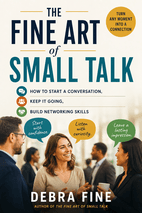
⚠️ READER ADVISORY: This is a deep-dive summary designed for those who want the full story. Contains spoilers.
What is the book The Risk Worth Taking about?
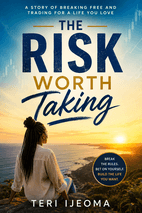
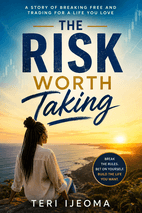
Teri Ijeoma's The Risk Worth Taking blends a fictional story of a burned-out assistant principal with practical trading lessons, teaching readers to evaluate risk through "Granny's Four C's" while covering stop-losses, candlestick charts, and position sizing. Written for those feeling trapped in conventional lives who want financial freedom through deliberate risk-taking.
Feature
Insta.Page
Blinkist
Shortform
The Risk Worth Taking
✓
✕
✕
Summary Depth
Full Chapter-by-Chapter
15-min overview
Section-by-section guides
Audio Narration
✓
✓
✓
Visual Mindmaps
✓
✕
✕
AI Q&A
✓
✕
✕
Quizzes
✓
✕
✕
PDF Downloads
✓
✕
✓
Price
$89.99/yr
$146/yr (PRO)
$199/yr
*Competitor data last verified July 2026.
1 Page Summary
In The Risk Worth Taking, Teri Ijeoma follows Erin, a burned-out assistant principal, as she confronts the devastating loss of her best friend, a toxic boss, and a life built on safety rather than passion. The book’s central thesis is that meaningful transformation requires moving beyond fear to take calculated risks—and that financial freedom is not about luck, but about mindset, skill, and community. Erin’s journey from quitting her job to pursuing full-time trading is framed through “Granny’s Four C’s”: Courage, Clarity, Caution, and Confidence. The core concept is that risk, when managed deliberately, is not recklessness but a path to a life you love, with trading serving as both a literal and metaphorical vehicle for that change.
What distinguishes this book is its blend of narrative and practical instruction. Rather than a dry financial manual, it tells a story woven with real trading lessons—from setting stop-losses and reading candlestick charts to understanding support and resistance through the “Elevator Theory.” The author grounds Erin’s education in emotional reality: the euphoria of early gains, the devastation of a $4,000 loss, and the disciplined recovery that follows. By pairing vulnerability (losing money on a penny stock, hiding under a comforter in shame) with clear, actionable tools (position sizing, reward-to-risk ratios, technical analysis), the book teaches readers that professional trading is as much about managing psychology as it is about strategy.
The intended audience includes anyone feeling trapped in a conventional life and dreaming of more freedom—especially those who have already mastered budgeting but feel stuck when it comes to investing. Readers will gain a framework for evaluating their own “risk worth taking,” practical trading fundamentals, and the understanding that transformation is a process requiring patience, mentors, and self-forgiveness. The book ultimately argues that freedom isn’t a destination you arrive at, but a skill you build—and that the journey itself, with its failures and hard-won lessons, is where the real value lies.
Foreword
Overview
Tiffany “The Budgetnista” Aliche opens The Risk Worth Taking with a vulnerable introduction. She doesn’t pretend to have a spotless financial past. Instead, she shares her own costly missteps—losing her first home to foreclosure and being scammed out of a large investment before turning thirty—to show that even seasoned financial educators grapple with fear and doubt. This honest foundation sets the stage for why she sought out Teri Ijeoma as a mentor and why this book matters. The chapter then shifts to the author’s own acknowledgments, revealing the community effort behind the book’s creation and reinforcing the theme that transformation rarely happens alone.
From Fear to Trust: Tiffany’s Financial Wounds
Tiffany admits that for years she avoided investing altogether. After being burned, she stuck to the safe lanes she knew well: budgeting, saving, and helping others get good with money. Playing it safe, however, also meant playing small. She came to realize that while budgeting empowers, investing—when done wisely—is what truly builds lasting wealth. The turning point came when she accepted she didn’t have to figure everything out by herself. What she needed was a guide who could walk her through her fears, understand the heart work behind money decisions, and teach with patience and clarity.
Why Teri Ijeoma? The Teacher Behind the Book
Tiffany describes first connecting with Teri in 2020, quickly recognizing her as someone reshaping the financial education space rather than just occupying it. Teri’s background as a former assistant principal shines through in her teaching: she doesn’t just do, she teaches; she doesn’t just teach, she empowers. Over fifteen years, Teri went from trading to supplement her travel budget to mastering strategies that changed her life entirely. Tiffany has personally watched Teri make millions trading stocks and, more importantly, teach others to do the same with kindness and humility. That combination of expertise and empathy made Teri the natural choice when Tiffany was ready to reenter investing.
A Parable of Transformation: Erin’s Story
This isn’t your typical investing book filled with dry definitions and intimidating jargon. Instead, Teri has written a parable—a story that blends fiction with real-world lessons. Through the protagonist Erin, readers see their own burnout, doubts, and eventual transformation as she learns to trade a life she loathes for one she loves. Erin feels real because she reflects all of us who have questioned whether the life we’re living is really the one we want. As her journey unfolds, so does the reader’s belief that change is possible. The lessons are woven into the story, so by the final page, you not only understand investing fundamentals but feel empowered to act.
The Deeper Lesson: Investing in Yourself
Tiffany emphasizes that investing isn’t just about candlesticks and charts. It’s about courage, mindset, and rewriting the stories we’ve been told about money. The most significant investment you’ll ever make is in yourself. This book dares readers to ask: What if the life you want is just one risk away? Financial education, at its core, is about dignity, choices, and purpose. Teri’s guidance is rooted in real-world wisdom, not theory, because she has lived both the highs and lows. This book can be the moment you choose differently—a chance to invest in yourself and look back five years from now with no regrets.
Author’s Acknowledgments
Teri Ijeoma’s acknowledgments round out the chapter, revealing the village that helped bring this book to life. She thanks those who nudged her toward authorship, the editorial partners who sharpened the message, the beta readers who brought authenticity to voices and dialogue, and her Trade and Travel team who held the company steady while she wrote. She also credits her mother for reading the final chapters with love and precision. The acknowledgments underscore a central truth of the book: taking a risk is rarely a solo act.
Key Takeaways
True financial growth often requires facing past wounds and seeking trusted guidance.
The most effective financial teachers combine expertise with empathy and a gift for simplifying complexity.
Storytelling can make investing concepts accessible and emotionally resonant, moving readers from fear to action.
Investing is as much about mindset and self-trust as it is about technical strategies.
No meaningful transformation happens in isolation; community and support are essential.
Key concepts: Foreword
1. Foreword
From Fear to Trust: Tiffany’s Financial Wounds
Tiffany avoided investing after costly missteps like foreclosure
Teri reshapes financial education with empathy and clarity
Her background as an assistant principal empowers teaching
She mastered trading over 15 years with humility
Tiffany saw Teri help others replicate her success
A Parable of Transformation: Erin’s Story
The book uses a parable, not dry definitions
Protagonist Erin reflects readers' burnout and doubts
Lessons are woven into the story for emotional resonance
Readers learn fundamentals and feel empowered to act
The Deeper Lesson: Investing in Yourself
Investing is about courage, mindset, and rewriting money stories
The most significant investment is in yourself
Financial education is about dignity, choices, and purpose
Teri’s guidance comes from real-world highs and lows
Community and Support in Transformation
Acknowledgments reveal the village behind the book
Beta readers and team brought authenticity to the story
Teri’s mother read final chapters with love and precision
Taking a risk is rarely a solo act
💡 Try clicking the AI chat button to ask questions about this book!
Chapter 1: How Did I Get Here?
Overview
Erin is in her car, belting out a self-motivating anthem during her morning commute to Morningside Elementary. This ritual—singing until she truly believes it's going to be a good day—is her armor against the relentless demands of her role as an Assistant Principal. But the armor cracks when she finally checks her phone and discovers her best friend Stephanie has died from a severe allergic reaction to medication. The news hits her in waves: shock, denial, guilt over not returning Stephanie's call the night before, and the brutal realization that their late-night conversations are gone forever.
A Morning Routine Shattered
Erin's carefully constructed facade nearly crumbles right there in the parking lot. She's late for the mandatory Morning Huddle—a meeting her boss, Principal Peter, treats with religious seriousness. When she slips in through the back door, he publicly humiliates her in front of the entire staff. Erin slaps on a fake smile, grateful that her eyes don't betray the tears she's just cried. Her colleague Sarah notices something's wrong, but Erin can't bring herself to share the devastating news. Not now. Not here. She's learned to push bad news aside, throw on a smile, and pretend everything is fine.
The Weight of a Toxic Workplace
Principal Peter emerges as pure nightmare fuel—the kind of boss who weaponizes his insecurity against anyone more qualified than him. Erin has more degrees and credentials, and Peter resents her for it. He micromanages relentlessly, from criticizing microwaves in the staff lounge to demanding uniform white thumbtacks on the bulletin board. He even threatened to put her on a performance improvement plan for being late. Erin considers telling him about Stephanie's death but quickly realizes Peter would weaponize her vulnerability rather than offer empathy. He has the emotional intelligence of a pencil.
Breaking Point on a Bathroom Floor
When Peter finally leaves her office, Erin escapes to the restroom, sinks to the cold tile floor, and lets the tears come. She sobs into her hands, muffling the sound, praying no one hears her gut-wrenching cries. In that moment, she's tormented not just by grief but by the bitter realization of how she ended up here. She had canceled a two-week trip to Thailand with Stephanie because Peter insisted principals couldn't take summer vacation. That time is forever lost. On paper, she has everything she's supposed to want. Yet here she is, suffocating on a bathroom floor, imagining her tombstone reading: ERIN WAS A RULE FOLLOWER.
The Loop of Burnout
Erin pulls herself together, wipes the running makeup from her eyes, and dives back into superwoman mode. But one thought loops endlessly through her mind: There must be more to life than this. Her journal entry from that day captures it perfectly—the burn-out, the feeling of being sold a dream that's no longer possible, and the desperate need to get out.
Key Takeaways
Grief doesn't pause for professional obligations, yet Erin's workplace demands she perform normalcy without empathy or support
Toxic leadership manifests in petty micromanagement and public humiliation, not just major conflicts
The cost of overachievement can be hollow—accumulating credentials and titles doesn't guarantee fulfillment
Erin's bathroom breakdown marks a turning point: she can no longer pretend the system she's trapped in is working
The chapter establishes the central question driving the rest of the book: Is there a way out, and what does it take to find it?
Key concepts: Chapter 1: How Did I Get Here?
2. Chapter 1: How Did I Get Here?
Shattered Morning Routine
Erin's self-motivating car ritual
News of Stephanie's death from allergic reaction
Guilt over missed call the night before
Public humiliation by Principal Peter at Morning Huddle
Toxic Workplace Dynamics
Principal Peter resents Erin's superior credentials
Micromanagement over thumbtacks and microwaves
Peter would weaponize vulnerability, not offer empathy
Emotional intelligence of a pencil
Breaking Point on Bathroom Floor
Sobs on cold tile, muffling cries
Regret over canceling Thailand trip with Stephanie
Tombstone thought: ERIN WAS A RULE FOLLOWER
Realization of hollow overachievement
The Loop of Burnout
Pulls together into superwoman mode
Looping thought: There must be more to life
Journal entry captures burn-out and lost dream
Desperate need to escape the system
Central Question of the Chapter
Grief demands performance of normalcy without support
Toxic leadership in petty humiliation, not just conflict
Credentials and titles don't guarantee fulfillment
Is there a way out, and what does it take?
Chapter 2: How Do I Break Free?
Overview
Erin is still reeling from Stephanie’s death when Sarah slips into her office and refuses to accept a simple “I’m fine.” What starts as a quiet confession about Peter’s cruelty and her own breakdown on the restroom floor quickly turns into something more unsettling: Sarah suggests Erin might be holding on to the wrong things—a job that drains her, a boss who weaponizes her dedication, and a life that feels more like survival than living. The conversation plants a seed, but Erin isn’t ready to water it. Not yet.
Later that night, alone with her grief and a journal Stephanie gave her, Erin lets herself answer Sarah’s dangerous question: If money were no object, what would you be doing? The answer—full-time trading, world travel, freedom—feels like a betrayal of everything safe and sensible she’s built. But then a nightmare forces her to confront the cost of staying still: she’s in a burning house, and she doesn’t run.
The Weight of Grief and a Toxic Workplace
Erin tries to hide behind color-coded whiteboards and piles of worksheets, but Sarah sees right through her. Once the door closes, Erin admits the truth she’s been swallowing all day: she found out her best friend died, broke down in the bathroom, and then had to sit through another meeting with Peter without being able to say a word about it. “If you can’t share real grief with your boss, the environment is toxic”—and Sarah knows it.
Sarah doesn’t just offer sympathy; she names the pattern. Peter will always single Erin out. The cycle of criticism and tears isn’t a bad week—it’s her normal. And Erin, exhausted and grieving, can’t argue.
A Friend’s Honest Mirror
When Sarah tells Erin she’s “too good for this job,” Erin feels offended at first. How insensitive to suggest quitting when her life feels like it’s crumbling? But Sarah keeps pushing. She points out that Erin lights up when she talks about trading stocks—that three-mile run where she couldn’t stop explaining her latest investing podcast. “You’re clearly not happy here. So why not move on?”
Erin’s defenses are strong. She lists all the reasons trading full-time is impossible: no health insurance, too risky, not enough research. But Sarah counters each one with a blunt truth: “This job is risky. Peter will always make your life a living hell. And is insurance worth languishing in a job where you can’t even tell your boss that your friend died?”
The question lands. Erin realizes she’s been fighting for Peter’s approval when she should be fighting for her own happiness.
Rediscovering a Passion for Trading
Through Erin’s internal reflection, we learn her history with the stock market. It started with a high school summer program that showed her how companies turn value into shares, but she walked away thinking investing was only for the wealthy. College professors reinforced the message: buy index funds, hold until retirement, don’t try to time the market.
Then grad school changed everything. Her friend Andrew was paying his tuition by actively trading individual stocks. He debunked every excuse she’d been taught: lower risk means lower returns, control feels better than passive hope, taxes exist no matter what. Inspired, Erin started listening to podcasts and taking workshops, trading became her secret rebellion against Peter’s grip on her paycheck.
Now, with Sarah’s encouragement, she’s forced to admit the obvious: trading is the only part of her day that makes her feel alive.
The Dream That Won’t Let Her Settle
Alone on her couch, journal open, Erin writes the life she would live if fear weren’t in the driver’s seat. She would trade full-time, master the markets, and earn enough to travel the world. She would taste new cuisines, learn languages, revisit the freedom she felt studying abroad in Spain. She would stop living by obligation and start living by desire.
But the moment she puts down the pen, doubt floods in. Her wins so far have been small—groceries, not rent. Is she really ready to risk everything? She closes the journal, turns off the lamp, and cries herself to sleep.
That’s when the nightmare comes: a burning house, smoke filling her lungs, a strange calmness washing over her as images of bucket-list destinations flash by—places she will never see. She doesn’t run. She sits down and accepts the end. The regret is suffocating.
She wakes gasping, hands on her chest, and the question burns brighter than ever: Am I alive, or just surviving?
Key Takeaways
Grief exposes what’s already broken. Erin’s friend’s death didn’t create her unhappiness; it revealed how long she had been tolerating a toxic workplace and a life on hold.
The people closest to you often see your potential before you do. Sarah’s honesty stung because it was true—Erin had been fighting for the wrong thing.
Trading isn’t just a hobby; it’s a signal. The only time Erin feels alive is when she’s taking control of her own finances. That passion points toward a possible future.
“If money were no object” is a dangerous question—and it’s meant to be. Answering it honestly forces you to confront the gap between the life you’re living and the one you actually want.
Staying in a burning house because you’re afraid of the cold is still a choice to burn. Erin’s dream makes it literal: she has to decide whether she will run—or sit down and accept the flames.
Key concepts: Chapter 2: How Do I Break Free?
3. Chapter 2: How Do I Break Free?
Grief Exposes a Toxic Workplace
Erin hides grief behind color-coded whiteboards
Sarah sees through Erin's 'I'm fine' facade
Peter's criticism cycle is Erin's toxic normal
Grief reveals long-tolerated unhappiness
A Friend's Honest Mirror
Sarah says Erin is 'too good for this job'
Erin lights up only when talking about trading
Sarah counters every excuse with blunt truths
Erin fights for Peter's approval, not her own happiness
Rediscovering a Passion for Trading
Trading started with a high school program
College taught passive investing, not active trading
Friend Andrew debunked every excuse Erin learned
Trading is Erin's secret rebellion against Peter
The Dream Life Without Fear
If money were no object: full-time trading and travel
She would taste cuisines and learn languages
Doubt floods in after writing her dream
Small wins feel insufficient for big risks
The Burning House Dream
Nightmare: trapped in a burning house
Bucket-list destinations flash by unvisited
She sits down and accepts the end calmly
Wakes asking: Am I alive or just surviving?
Chapter 3: The Risk Formula
Overview
Erin reaches her absolute breaking point when her boss, Peter, tries to block her from attending a friend's funeral. Instead of backing down, she quits on the spot—calling him out for wanting a lackey and a punching bag rather than an assistant principal. The adrenaline disappears the second she gets in her car, replaced by nausea over the sudden reality of no paycheck, no benefits, no safety net.
Driving without a destination, she tunes the radio and catches a preacher describing her exact situation: an airplane stuck on the runway, meant to take off but refusing to move. She ends up at her grandmother's apartment. Granny doesn't scold her—she celebrates, wrapping her in a hug and declaring her free. But the fragile confidence nearly shatters when Erin's mother, Lynn, calls with a flood of worries about having no plan, no backup, and the stock market being gambling. Granny grabs the phone, shuts down the doubt, and hangs up. Then she reveals why she stayed silent all those years: some truths only stick when we discover them for ourselves.
Erin admits that even on Peter's best days, her heart was elsewhere. She confesses her real dream: mastering stock trading and traveling the world, just like she wrote in her journal. Granny urges her to stop playing it safe and treat trading like a business, even suggesting an online travel group so she won't go alone. When Erin asks if chasing her dreams is worth the risk, Granny answers simply: "It sounds like this is the risk worth taking."
With Erin's journal open, Granny shares the wisdom that built her own real estate empire after her divorce, starting with the first three of her Four C's. Courage means doing it scared—fear can ride in the back seat, but courage must drive. Clarity means mastering the basics until you know them cold, whether that's real estate numbers or trading chart patterns. Caution means managing risk, learned the hard way through a hundred-thousand-dollar fixer-upper disaster that taught her to inspect everything and soften the blow when things go wrong. Just as Erin is captivated, Granny refuses to reveal the fourth C. "I'll tell you if you decide you're brave enough to take the risk," she says, changing the subject to demand every detail of the resignation.
As Erin relives Peter's antics with newfound laughter, she realizes Granny has handed her a foundation—not just a recipe. Driving home, full of fried chicken and resolve, she whispers her new mantra: do it scared. Back in her journal, she captures the exact moment she walked out, the temptation to crawl back when her mother offered a substitute teaching safety net, and Granny's surprising celebration. The Four C's become her lens for judging which risks are worth taking: courage, clarity, caution, and the fourth C that must be earned through experience. Granny's own story—losing a fortune on one property and keeping going as a single mom with three kids—gives the framework weight. That resilience is the legacy Erin is drawing from, and "do it scared" now feels like armor. The real danger isn't failing; it's dying with regrets. What she's been doing for fun has been training all along.
The Confrontation with Peter
Erin’s standoff with Peter escalates when he tries to block her bereavement leave for a friend’s funeral. He smugly questions her priorities, but Erin has reached her limit. Instead of backing down, she quits on the spot—calling him out for wanting a “lackey” and a “punching bag” rather than an assistant principal. She emails HR, packs her office, hugs her colleague Sarah, and walks out without looking back. The adrenaline fades quickly once she’s in her car, and nausea sets in: no paycheck, no benefits, no safety net.
From Panic to Providence
Driving aimlessly, Erin tunes the radio and catches a preacher’s voice describing her exact frustration—being an airplane stuck on the runway, meant to take off but refusing to move. She subconsciously ends up at her grandmother’s apartment. The smell of fried chicken and the warmth of Granny’s kitchen offer immediate comfort. When Erin blurts out that she quit, Granny doesn’t scold her—she celebrates. “Praise the Lord! You’re free from that nasty boss!” she exclaims, hugging Erin tight.
Family Push and Pull
Erin’s mother, Lynn, reacts very differently. On speakerphone, she peppers Erin with worries: no plan, no backup, the stock market is gambling, most people lose money. The doubt nearly crushes Erin’s fragile confidence. But Granny grabs the phone, tells Lynn to get ahold of herself, and hangs up. Then she explains why she stayed silent all those years: “Some truths don’t stick unless we discover them for ourselves.” She had watched Erin struggle, but knew Erin had to reach her own breaking point.
The Risk Worth Taking
Erin admits that even on Peter’s best days, her heart was elsewhere. She wanted freedom, not his approval. She confesses her real dream: mastering stock trading and traveling the world, just like she wrote in her journal. Granny’s eyes light up. She urges Erin to stop playing it safe, use the money she already has saved, and treat trading like a business. When Erin fears going alone, Granny suggests finding a travel group online. And when Erin asks, “Is chasing my dreams worth the risk?” Granny answers simply: “It sounds like this is the risk worth taking.”
Granny’s Four C’s (Part One)
With Erin’s journal open and pen ready, Granny shares the wisdom that built her own real estate empire after her divorce. She starts with the first three C’s:
Courage – Do It Scared
“Courage doesn’t mean you’re not scared,” Granny says. “It means you do it scared.” She bought her first property terrified, but staying stuck was scarier. Fear can ride in the back seat, but courage must drive.
Clarity – Master the Basics
Granny insists on digging into fundamentals. For her, that meant understanding real estate numbers, mortgages, cash flow, and building a trusted team of contractors. For Erin, it means researching trading systems, chart patterns, and risk management until she knows them cold.
Caution – Manage Your Risk
Granny shares a painful lesson: she once bought a cheap fixer-upper that became a hundred-thousand-dollar money pit. But that loss taught her to inspect every property top to bottom and assemble reliable experts. “Caution” isn’t about avoiding risk—it’s about softening the blow when things go wrong, so losses don’t sink you.
The Tease of the Fourth C
Erin is captivated, eager for the fourth C. But Granny grins and refuses to share it. “I’ll tell you if you decide you’re brave enough to take the risk,” she says. “Reach back out to me after you’ve learned the first three in your stock trading.” Then she changes the subject, asking for every juicy detail of Erin’s resignation. As Erin recounts Peter’s antics with newfound laughter, she realizes Granny has given her more than a recipe—she’s handed her a foundation. Driving home, full of fried chicken and resolve, Erin whispers her new mantra: Do it scared.
The Moment She Walked Out
Erin’s journal entry captures the exact breaking point. Peter tried to block her from attending Stephanie’s funeral—calling a friend “not family.” That sealed it. She didn’t just quit a job; she named the truth: he wanted a punching bag, not a partner. Then she walked. No dramatic exit, just clarity and finality.
At home, her mother’s reaction was predictable—freaking out, asking about plans and insurance, offering a substitute teaching job as a safety net. The temptation to crawl back was real. But then Granny surprised her. She clapped. She celebrated. She’d been waiting for Erin to figure this out on her own.
The 4 C’s Framework
Granny handed Erin a lens for judging which risks are worth taking. Four principles, but only three revealed:
Courage – “Do it scared.” Fear doesn’t disqualify you; staying stuck is the scarier option.
Clarity – Master the basics first. You can’t build anything without a foundation.
Caution – Manage your risk. Losses won’t sink you if you plan ahead.
C #4 – Withheld. Some lessons must be earned through experience, not explained. It’s a test of commitment.
Granny’s own story gave the framework weight. As a single mom with three kids, she invested in real estate and lost $100,000 on one property. She kept going. That resilience is the legacy Erin is drawing from—and the reason “do it scared” now feels like armor, not just a slogan.
Key Takeaways
Expect fear and doubt (from yourself and others). Their fear reflects their own limitations, not yours.
Find your wisdom keeper—someone who sees your potential even when you don’t.
Master the 4 C’s: Courage, Clarity, Caution, and the earned fourth.
Reframe risk: The real danger isn’t failing—it’s dying with regrets.
Your “side interest” might be your real calling in disguise. What you’ve been doing for fun has been training.
Key concepts: Chapter 3: The Risk Formula
4. Chapter 3: The Risk Formula
The Breaking Point
Peter blocks Erin from attending a funeral
Erin quits on the spot, calls him out
Adrenaline fades to nausea over no safety net
Granny's Sanctuary
Preacher's airplane metaphor resonates with Erin
Granny celebrates Erin's freedom, doesn't scold
Fried chicken and warmth offer comfort
Family Push and Pull
Mother Lynn floods Erin with doubts and worries
Granny shuts down Lynn's negativity firmly
Some truths only stick when discovered alone
The Risk Worth Taking
Erin confesses dream of trading and travel
Granny urges treating trading like a business
Chasing dreams is the risk worth taking
Courage – Do It Scared
Fear rides in back seat, courage must drive
Staying stuck is scarier than taking action
First property bought terrified but necessary
Clarity and Caution
Master basics until you know them cold
Caution learned from $100K fixer-upper disaster
Inspect everything to soften potential blows
The Fourth C and Legacy
Fourth C earned through experience, not told
Granny's resilience as single mom gives weight
Real danger is dying with regrets, not failing
You've reached the end of the free chapters
Next chapter: “Can I Win at This Game?” is locked
Keep reading The Risk Worth Taking — and unlock all 600+ book summaries with audio, mindmaps and AI Q&A.
$0.00 due today · 7 days free, then $89.99/year ($7.49/mo) · Cancel anytime before day 7
Teri Ijeoma is an author and advocate known for her expertise in social justice, reproductive rights, and Black womanhood. Her notable works include the book *The Words of a Woman Who Believes in the Magic of Womankind* and contributions to various platforms exploring identity and empowerment. She has also worked as a writer and speaker, focusing on amplifying marginalized voices through her essays and public engagements.
Frequently Asked Questions about The Risk Worth Taking
What is The Risk Worth Taking about?
The book follows Erin, an assistant principal who quits her toxic job to pursue stock trading while traveling the world with a Nomads program. Through her journey, she experiences devastating losses, learns to manage fear and greed, and discovers the power of technical analysis and emotional discipline. Ultimately, it is a practical and emotional guide to taking calculated risks, protecting against losses, and building the confidence needed to achieve financial freedom.
Who is the author of The Risk Worth Taking?
Teri Ijeoma is a financial educator and mentor who specializes in helping people overcome fear and build wealth through investing. She is highly regarded by Tiffany “The Budgetnista” Aliche, who credits Ijeoma as a guide through her own investing journey. Ijeoma’s approach combines practical trading strategies with the emotional and psychological work needed to take meaningful risks.
Is The Risk Worth Taking worth reading?
Absolutely. This book offers a rare blend of gripping personal narrative and actionable investing advice that makes complex concepts accessible. Readers will learn not only technical trading skills like candlestick charts and support/resistance levels, but also the mindset work needed to recover from losses and stay disciplined. It's a compelling read for anyone who wants to break free from a safe but unfulfilling life and build real wealth.
What are the key lessons from The Risk Worth Taking?
The book emphasizes mastering the four C's: Courage to start despite fear, Clarity to set realistic budgets and goals, Caution to protect against losses with stop-loss orders and proper position sizing, and Confidence gained from learning from mentors and consistent practice. A crucial lesson is that trading is more mental than technical; managing emotions like greed and panic is essential for success. The Elevator Theory of support and resistance provides a clear framework for buying where buyers historically show up and selling where sellers take control. Finally, the best way to recover from a big loss is to step away, focus on something else, and rebuild slowly with deliberate practice.
📚 Explore Our Book Summary Library
Discover more insightful book summaries from our collection