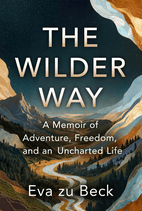
Eva zu Beck's The Wilder Way chronicles her radical departure from a conventional life through extreme physical challenges across Mongolia, Pakistan, and Yemen, arguing that true freedom comes from shedding societal expectations rather than finding a fixed self. Written for readers questioning traditional milestones like marriage and career stability.
Feature
Insta.Page
Blinkist
Shortform
Summary Depth
Full Chapter-by-Chapter
15-min overview
Section-by-section guides
Audio Narration
✓
✓
✓
Visual Mindmaps
✓
✕
✕
AI Q&A
✓
✕
✕
Quizzes
✓
✕
✕
PDF Downloads
✓
✕
✓
Price
$89.99/yr
$146/yr (PRO)
$199/yr
*Competitor data last verified July 2026.
1 Page Summary
Eva zu Beck’s The Wilder Way: A Memoir of Adventure, Freedom, and an Uncharted Life chronicles her radical departure from a conventional life in Brussels—a picture-perfect existence built on inherited dreams, a high-powered career, and a marriage to a brilliant lawyer—after a painful betrayal and subsequent descent into addiction and suicidal thoughts. The book’s central thesis is a rejection of the idea that there is a single, fixed “self” to be found through travel. Instead, Zu Beck argues that the real work lies in shedding societal expectations, learning to embrace uncertainty and solitude, and building a life on one’s own terms, even if that life remains perpetually unfinished. The narrative is built around a series of extreme, often harrowing, physical challenges—trekking to Everest Base Camp with no experience, buying horses in Mongolia for a solo trek, escaping a remote Yemeni island during political turmoil on a cargo ship, and racing across the Arctic—each serving as a crucible for confronting her inner demons and redefining strength.
What makes this book distinctive is its raw, unflinching honesty. Zu Beck does not present herself as a triumphant adventurer but as a deeply flawed human who often feels in over her head, breaking down in tears on Himalayan trails, buying a motorbike she can barely ride, and dealing with the psychological fallout of a viral social media post and a sexual assault. The memoir is structured around vivid, sensory-rich chapters set in specific, unforgiving landscapes—the Mongolian steppe, the Karakoram Highway, the prehistoric island of Socotra—and populated with memorable characters like the elderly Pakistani horseman Pervaiz, the lonely wisdom of an island hermit, and Vilk, the German shepherd puppy she raises in a Land Rover. Above all, the book is distinctive for its refusal to romanticize its journey; it presents burnout, loneliness, and the invasion of personal safety as real, unresolved costs of an uncharted life.
The intended audience is broad, but it will especially resonate with readers who are questioning the traditional milestones of adulthood—marriage, children, homeownership, a stable career—and who feel trapped by the expectation to have a “finished” life. Zu Beck speaks directly to those in the midst of a quarter-life or existential crisis, offering not a blueprint for escape but a thoughtful, messy case study of one person’s attempt to build meaning without God, legacy, or a partner. Readers will gain a visceral, unvarnished look at the price of radical freedom and the hard-won insight that the journey itself—with all its failures, breakdowns, and small awakenings—is the point. As she writes in the epilogue, she never did “find herself,” but she collected something more valuable: an understanding that bravery is not about grand leaps, but about having the courage to question everything, stumble, and keep going.
Prologue
Overview
The author opens with a stark confession: after twenty-eight years, she is truly alone for the first time. Somewhere in the Mongolian wilderness, with a broken packsaddle and a satellite messenger that's stopped working, the reality of her situation crashes down. The admission "I shouldn't be here" hangs in the air, whispered to no one but herself and two unimpressed horses. This is not a scene of triumph but of quiet desperation, where the romantic idea of a solo horse trek has collided with the messy, painful truth of survival.
The Saddle That Broke Everything
The immediate crisis is a busted packsaddle. One of the horses, spooked by a suspicious rock, performed a dramatic buck that sent gear scattering across a thirty-foot radius. Now, with dirt-caked fingernails and growing frustration, the author struggles with impossibly tight leather strings. The scene is almost comical in its misery: a grown person groaning, kicking the saddle down a hill, then shouting at horses who respond with what can only be described as judgment. The horses know. They see someone in over their head, and they're not impressed.
The Weight of Unpreparedness
Beyond the broken gear, the chapter reveals the deeper cracks in the adventure. The body is battered—a purple bruise from a horse bite, aching muscles from long days riding and longer nights tending camp. The mind buzzes with questions that never seemed important before: Are the horses fed and watered? Is the direction right? Are those clouds bringing a storm? Is someone following? The casual planning of the trip didn't account for the constant vigilance that solo wilderness travel demands. Men, wolves, and bears were on the list of anticipated threats. The quieter, grinding challenges of daily survival were not.
Forging Bravery from Despair
Yet beneath the frustration and physical pain, something shifts. After retrieving the saddle and starting the repair work again, a calmer determination settles in. The author chose this solitude for a reason, and that choice carries meaning. The final realization cuts through: bravery isn't something you stumble upon. It's not waiting by the side of the road. It has to be forged, deliberately and painfully, out of fear, doubt, and the kind of despair that makes you kick a broken saddle down a hill. This is the moment where the adventure transforms from a test of endurance into something more profound.
Key Takeaways
Isolation reveals unpreparedness: Planning for dramatic dangers (wolves, bears) doesn't prepare you for the grind of daily survival in the wilderness.
Small failures can feel monumental: A broken saddle becomes a symbol of everything going wrong, but it's also where resilience starts to build.
Bravery is a deliberate creation: It's not found but forged from the raw material of fear and doubt.
The horses know: Sometimes the most honest feedback comes from those who don't have the capacity to lie.
Key concepts: Prologue
1. Prologue
The Breaking Point
Alone in Mongolian wilderness after 28 years
Broken packsaddle and failed satellite messenger
Romantic adventure collides with survival reality
Horses judge her obvious unpreparedness
Unforeseen Challenges
Busted saddle from spooked horse's dramatic buck
Impossibly tight leather strings and frustration
Body battered with bruises and aching muscles
Constant vigilance for daily survival, not just threats
The Grind of Solitude
Casual planning missed relentless daily demands
Questions about horses, direction, weather, safety
Quiet challenges harder than wolves or bears
Physical pain and mental exhaustion accumulate
Forging Resilience
Calm determination replaces frustration after repair
Choice of solitude carries deeper meaning
Bravery forged from fear, doubt, and despair
Adventure transforms from endurance to profound growth
Key Insights
Isolation reveals true unpreparedness for daily grind
Small failures become symbols of resilience
Bravery is deliberately created, not stumbled upon
Honest feedback comes from those who cannot lie
💡 Try clicking the AI chat button to ask questions about this book!
Chapter One: The Day I Left It All Behind
Overview
The chapter opens on a rainy March afternoon in London, with the author and her mother driving to Heathrow Airport. Their conversation reveals the sheer audacity of what’s about to happen: a twenty-six-year-old woman with no hiking experience is flying to Nepal to trek to Everest Base Camp, then on to Pakistan—all to meet internet friends she’s never met in person. Her mother’s questions are measured, but the tension is palpable. The author tries to sound casual, but the weight of what she’s doing sits heavy in the car. Behind them, a massive purple backpack holds everything she owns for an indefinite journey. Her designer wardrobe has been donated or stored; her wedding dress is now in her mother’s closet. She’s leaving behind a life that felt like a lie.
The Cliché She Never Wanted to Be
Standing in front of Terminal 3, watching business travelers, families, and honeymooners glide past, the author suddenly sees herself through a new lens: a recovering perfectionist and people-pleaser in a quarter-life crisis, opting for a one-way plane ticket instead of therapy. It feels hackneyed and contrived. She envies the people who know exactly why they’re traveling. All she knows is that she’s desperate to escape the pain that has been following her through London. She has no real plan beyond a month in Nepal, a dangerous airport landing, and a hope that the mountains will offer something she can’t name.
The Goodbye and the Weight
Her mother hugs her, offers a safety net (“you can always come back and live with me”), but the author is determined not to return to a city haunted by her mistakes. She struggles under the weight of the purple backpack—a literal and figurative burden she’ll have to manage alone from now on. A final video is taken: blue jeans, white Converse sneakers, a light gray canvas shirt—backpacker-core meets Steve Irwin. She waves goodbye and heads for the escalator, wondering how you can find yourself when you don’t even know what you’re looking for. The only certainties are a window seat, warnings about Kathmandu food poisoning, and a craving for momos.
Key Takeaways
The author is fleeing a painful past in London, not simply seeking adventure.
Her decision is impulsive and risky: no hiking experience, meeting strangers from the internet, traveling to high-risk countries.
She feels like a walking cliché but is too desperate to care.
The giant purple backpack symbolizes both her escape and the weight of starting over.
Her mother’s quiet concern underscores the uncertainty of what lies ahead.
Key concepts: Chapter One: The Day I Left It All Behind
2. Chapter One: The Day I Left It All Behind
The Painful Escape
Fleeing a painful past in London
Leaving behind a life that felt like a lie
Desperate to escape haunting mistakes
The Impulsive Plan
No hiking experience, flying to Nepal
Meeting internet strangers in person
One-way ticket instead of therapy
The Cliché Struggle
Feels like a cliché quarter-life crisis
Envious of travelers with clear purpose
No real plan beyond hope in mountains
The Symbolic Backpack
Purple backpack holds everything she owns
Literal and figurative burden to manage
Designer wardrobe donated or stored
The Uncertain Goodbye
Mother offers safety net to return home
Determined not to return to haunted city
Waves goodbye with only window seat and momos
Chapter Two: Ewa
Overview
Ewa constructed a picture-perfect adult life on a foundation of inherited dreams rather than her own truth. We meet Leo—eight years her senior, brilliant, multilingual, a lawyer with a PhD—and watch as twenty-one-year-old Ewa falls for him completely. He represents everything she never had: stability, success, a clear trajectory. She builds a career at a travel media start-up, climbs the corporate ladder, and together they curate an aspirational existence in Brussels: a beautiful apartment, a sports car, weekends in five-star hotels. But beneath the surface, a dissonance grows. The chapter alternates between this glittering present and Ewa’s past, showing how a childhood marked by upheaval, parental absence, and the pain of being a misfit drove her to seek security at any cost—even if it meant silencing her own desires.
The Pursuit of Security
Ewa’s early life was a study in instability. Born after an accidental pregnancy in 1990s Poland, she watched her parents’ marriage dissolve and her father vanish to the United States and Australia, writing letters she never sent. Her mother moved them from city to city, and by age twelve Ewa had attended six schools. A brief respite in Warsaw ended when they relocated to the UK to join her stepfather. There, the culture shock was brutal: her name mispronounced as “You-wa,” her uniform buttoned wrong, her English stumbling. She found refuge with a group of fellow immigrant misfits—Barbora, Chen, Kiranjit, Mandeep—and in twice-yearly solo flights to visit her father in Hong Kong. Those trips became escapes, windows into a world where she didn’t have to conform.
At home, tension with her stepfather escalated. By sixteen, Ewa was self-harming, carving lines across her wrists as the one thing she could control. A single therapy session yielded a diagnosis of “mild depression, possible bipolar disorder” and no follow-up. Yet her English improved, her grades soared to straight A’s, and she earned a place at Oxford—fulfilling a promise made years earlier to her grandfather, who had told her that studying at Oxford could buy her a pool. But the achievement felt bittersweet; he had passed away before seeing it.
The Fairy Tale Unravels
Leo was the answer to every problem Ewa thought she had to solve. With his PhD, his stable career, his confidence, he seemed like the partner who would deliver the marriage-mortgage-lineage script she believed equaled happiness. She threw herself into planning the “best wedding any of our friends will ever attend”: a custom dress, a Savile Row suit, a palace in the Polish mountains, a Viking stave church. But as the wedding approached, the undertow grew stronger. Long hours at work, the physical distance between London and Brussels, and the question of children pushed them apart. Leo wanted to be a young dad; Ewa realized motherhood was not a fantasy she shared. She stalled on sending invitations. She spent nights in London bars journaling, clawing at the question: Is this what I really want? The answer she unearthed was devastating: she wanted faraway places, books, grand adventures—not the corporate-boss-bitch life she had built.
Walking Down the Aisle
The wedding day arrived. Her father walked her down the aisle of a creaky wooden church. Her dress itched; her makeup felt like a mask. Tears streamed down her face, and everyone else wept too—presumably with joy. Only Ewa knew she was making the biggest mistake of her life. She had mistaken status for fulfillment, believing that a Tiffany ring and business-class flights would erase the insecurity of her childhood. But as she stood at the altar, she understood: the fantasy was never hers. She had accepted other people’s dreams and run toward marriage like another item on a bucket list, never pausing to ask whether she actually wanted to be a wife.
Key Takeaways
Ewa’s drive for security stemmed directly from a childhood marked by parental absence, constant moves, and cultural dislocation.
Her relationship with Leo and her career were attempts to prove she could negotiate life better than her parents had—but she never checked whether the life she was building actually fit her.
The wedding planning became a distraction from deeper questions about children, career, and personal fulfillment.
The chapter illustrates how societal scripts (“marriage, mortgage, lineage”) can feel like destiny until we realize they were never our own.
Ewa’s self-harm and subsequent silence around her doubts reveal the cost of suppressing one’s authentic self in favor of a polished image.
Key concepts: Chapter Two: Ewa
3. Chapter Two: Ewa
Childhood Instability
Accidental pregnancy in 1990s Poland
Parents' divorce, father vanished abroad
Six schools by age twelve
Culture shock in UK, immigrant misfit friends
Driven by Security
Self-harm and depression at sixteen
Straight A's, Oxford promise to grandfather
Leo as symbol of stability and success
Built career at travel media start-up
Fairy Tale Unravels
Wedding planning as distraction from doubts
Long hours, distance, children question
Realized motherhood wasn't her fantasy
Journaling in bars: Is this what I want?
Walking Down the Aisle
Itchy dress, makeup felt like a mask
Tears mistaken for joy by others
Knew she was making biggest mistake
Mistook status for fulfillment
Cost of Suppression
Accepted others' dreams as her own
Never paused to ask if she wanted wifehood
Self-harm and silence around doubts
Polished image hid authentic self
Chapter Three: Notes to a Future Self
Overview
The aftermath of the betrayal was not the explosion expected, but a heavy silence that settled between two heartbroken people. Facing Leo without the catharsis of a fight, all that remained was the stark reality of a future lost. Packing bags and moving to London was an attempt to escape, but the guilt followed, seeping into every crevice of a new life. What began as a “sophisticated” interest in wine quickly became a daily bottle, then a descent into addiction. A friend offered cocaine, and with it came a dangerous illusion of happiness, soon replaced by a relentless loop of self-loathing, cutting, and suicidal fantasies. Journals from this period are filled with scathing letters to the self, while games played on London Bridge—estimating the fall into the water—became constant, secret companions. No one knew the depth of the darkness, because she believed she didn't deserve help; she needed to atone.
A crack of light appeared unexpectedly in a Lisbon fado bar. Listening to a woman sing a lament of heartbreak in a language she didn't understand, the tears came freely, and for the first time in months, something small shifted. Back in London, that faint lift didn't cure her, but it opened a window in her mind: the assumption that success meant big cities was shattered. If this was success, she wanted none of it. Crunching numbers for a budget trip, she discovered her savings matched exactly enough for eighteen months of travel. The thought of leaving her dream job, the company she had helped build from nothing, was terrifying. But her mind was not safe in this life. On New Year’s Eve in Marrakech, journaling over mint tea, she pictured a life of horses and campfires—a spark of desire to do something. Watching the medina’s vibrant chaos, she wrote, “changing my life will not be the end of the world,” and made the decision to leave it all behind.
When she told her roommate, the expected plea to stay never came. Instead, she heard, “I’m so happy for you… and a little bit jealous.” The friend spoke of chi, an innate life force that can fade but never disappears, and urged her to go find it again. Shaking with fear, she realized that humans are not made to merely survive, but to thrive, fail gloriously, and explore. On the first of January 2018, she quit her job, gave notice on her flat, and called her family. Their questions landed like long-range missiles—what about your job, going alone, fixing things with Leo—but her mind was already made up. The silence on the phone said everything. She wrote notes to her future self: ignore whatever stands between dream and reality, walk the roads you don’t know, deprive yourself of the luxury of fear. As the plane lifted off, engines groaning, London’s lights spread beneath her like a galaxy. She loosened her grip on the armrest and thought, Enjoy the ride.
The Silence After the Storm
When Leo and I finally sat down to talk, I braced for an explosion. Instead, we faced each other in heavy silence. My betrayal was an act of self-sabotage; I hadn't been ready for marriage but couldn't admit it, so I drove a train of destruction through the relationship. I wanted his anger to prove he could hurt me too, to absolve me somehow. But there were no harsh words. Just two heartbroken people staring at the future we'd just lost. I packed my things, took a taxi to the train station, and moved to London.
Downward Spiral in London
Guilt seeped into every crevice. I thought about my mistake every hour, my face prickling with shame, stomach cramping, dry-heaving. Soon, a couple of glasses of wine became a bottle a day. I rationalized it as becoming an "oenophile"—a sophisticated hobby—but I was a twenty-six-year-old on the edge of addiction. I drank to fall asleep quickly, to avoid the what-ifs. Then a friend offered cocaine. I grabbed it without hesitation. It made me feel alive, invincible, happy—a dangerous illusion. The next morning I called in sick, then walked to work playing a game: each step hammered a new word into my brain. Ugly. Unthinking. Careless. Pointless.
My journals from that time are filled with scathing letters to myself. I started another game on London Bridge: estimating the distance to the water, wondering if the fall would kill me. I fantasized about throwing myself in front of a double-decker bus, or onto the train tracks. I cut myself with nail scissors and razor blades in hidden places—inner thigh, upper arm, back of calf. The thrill made me feel something other than numbing self-loathing. For months, my mind swung between wanting to obliterate myself and desperate attempts to feel alive. Most of the time I was high, drunk, or hungover. And I kept it all a secret. No one knew how dark my thoughts had become. I didn't deserve help; I needed to atone.
A Crack of Light in Lisbon
My "oenophile" interest led me to an article about Portugal's wine bars. I booked a cheap flight to Lisbon. On my first night, I wandered the Alfama neighborhood's cobblestoned alleys. I ended up in a dark fado bar. A woman in a black dress began to sing—a lament of heartbreak and longing. I didn't understand the words, but she spoke from my soul. I let tears stream down my face, hoping they would wash away the pain. The next morning, something small shifted. "I don't know if it'll last," I wrote. But for the first time in months, I felt a faint lift.
The Seed of an Idea
Back in London, Lisbon hadn't cured me—travel isn't magic. But it opened my mind to leaving. I had always assumed success meant big cities: London, New York, Paris. But if this was success, I didn't want it anymore. I crunched numbers: a cheap breakfast, lunch, dinner, bus fare, hostel bed—I had to Google what a hostel cost. Multiply by eighteen months. The total matched my savings. It was exactly enough for a year and a half of budget travel. But what about my career? The thought of tearing myself from safety—career, money, status—was terrifying. Yet my mind wasn't safe in this life. I convinced myself I could explain the gap to future employers. But leaving my dream job? I had helped build the company from nothing. It was my "baby." But it didn't make me happy. The business would go on without me. My own life wouldn't.
Marrakech and the Decision
On New Year's Eve, I booked a flight to Marrakech. I wanted a no-man's-land, a clean slate. I spent the day journaling, sipping mint tea, picturing a life of riding horses across landscapes, campfires, bare feet in wet grass. For the first time in months, I felt a spark—a desire to do something. Watching the medina's vibrant chaos, I felt small but reassured. "Whatever happens," I wrote, "changing my life will not be the end of the world. Life will go on, like a river flowing." As the sun set, I made my decision: I will leave it all behind and rebuild.
A Surprising Reaction
When I told my roommate Ness about my plan, I expected her to talk me out of it. Instead, she said, "I'm so happy for you... and a little bit jealous." She talked about chi—the innate life force that can fade but never disappears. "If you sense something is missing, you need to go and find your chi again." I latched onto her beliefs. I was shaking with fear, but I knew that staying in London would lead to complete self-annihilation. She sent me a message: "You're stepping into your true self. Enjoy the ride." I realized that humans are not made to merely survive—we are made to thrive, to feel, to experiment, to fail gloriously, to explore. On the first of January 2018, I quit my job, gave notice on my flat, and called my family. Their questions came like long-range missiles: "What about your job?" "You're going alone?" "Can't you fix things with Leo?" But I had already made up my mind.
The silence on the phone said everything. My mother’s housemates asked if I was joining a fight club or launching missiles—there was nothing I could offer them but uncertainty. I didn’t call my father. He had taken Leo’s side, which stung more because he, of all people, had once fled to distant lands himself. The irony wasn’t lost on me: now that the tables were turned, I couldn’t count on him. My mother sighed, understanding but worried. My London housemates simply said they’d miss me.
Later that day, I wrote:
Notes to my Future Self:
Ignore whatever stands between dream and reality
Walk the roads you don’t know
Deprive yourself of the luxury of fear.
Then Heathrow disappeared. The engines rumbled louder, the plane groaned like an elephant rising from a long slumber. The cabin lights flickered and died. My
Key concepts: Chapter Three: Notes to a Future Self
4. Chapter Three: Notes to a Future Self
The Silence After the Betrayal
Heavy silence replaced expected explosive fight
Betrayal was self-sabotage to avoid marriage
No harsh words, just lost future
Packed bags and moved to London
Descent into Addiction
Guilt led to daily wine drinking
Cocaine offered dangerous illusion of happiness
Cutting and suicidal fantasies became secret
Believed she didn't deserve help
Crack of Light in Lisbon
Fado singer's lament brought tears
Felt faint lift for first time in months
Realized big city success wasn't for her
Savings matched eighteen months of travel
Decision to Leave Everything
Pictured life of horses and campfires
Wrote: changing life won't end the world
Quit job and gave notice on flat
Family's questions landed like missiles
Friend's Unexpected Support
Roommate said she was happy and jealous
Spoke of chi as innate life force
Urged her to go find it again
Realized humans need to thrive, not survive
Notes to Future Self
Ignore what stands between dream and reality
Walk roads you don't know
Deprive yourself of luxury of fear
Enjoy the ride as plane lifted off
The Marrakech Decision
Booked flight to Marrakech for a clean slate
Journaled and pictured a life of adventure
Felt a spark of desire for the first time
Decided to leave everything behind and rebuild
You've reached the end of the free chapters
Next chapter: ““I Don’t Have It in Me”” is locked
Keep reading The Wilder Way — and unlock all 600+ book summaries with audio, mindmaps and AI Q&A.
$0.00 due today · 7 days free, then $89.99/year ($7.49/mo) · Cancel anytime before day 7
Eva zu Beck is a Polish-born travel writer, video journalist, and adventurer known for her solo overland journeys and coverage of remote, conflict-affected regions. Her notable works include the book "The Road to Ashina," documenting a solo overland journey through Central Asia and Pakistan, alongside her popular YouTube series exploring places like Kurdistan, Afghanistan, and the Sahara. With a background in international relations and journalism, she focuses on human stories and cultural resilience from the world's least-traveled areas.
Frequently Asked Questions about The Wilder Way
What is The Wilder Way about?
This is a raw, unflinching memoir of self-destruction and radical reinvention, following a woman who abandons a picture-perfect life in London after her marriage collapses. She plunges into a series of extreme solo journeys—from trekking to Everest Base Camp with no experience, to riding horses across Mongolia, living with a family in Pakistan's mountains, and escaping a remote Yemeni island during political turmoil. Along the way, she confronts addiction, assault, viral internet fame, and debilitating burnout, ultimately rejecting the myth of 'finding yourself' in favor of a more honest, grounded understanding of identity and belonging.
Who is the author of The Wilder Way?
Eva zu Beck is a Polish-born adventurer, former travel media professional, and popular YouTuber who documented her solo journeys across some of the world's most remote regions. Her writing draws directly from her personal experiences—including a failed marriage, a quarter-life crisis, and years of nomadic living in a beat-up Land Rover with her German shepherd, Vilk. She is known for her refusal to romanticize travel, instead offering a brutally honest look at the physical and emotional toll of a life on the move.
Is The Wilder Way worth reading?
Absolutely. This isn't another glossy travel memoir—it's a deeply honest account of what happens when you leave everything behind and still struggle to find peace. The author's willingness to share her darkest moments (addiction, suicidal thoughts, burnout, assault) makes the eventual breakthroughs feel earned and relatable. Anyone who has ever questioned their place in the world or felt trapped by a life that looks perfect on paper will find a kindred spirit here.
What are the key lessons from The Wilder Way?
Real bravery isn't about thrill-seeking; it's about having the courage to question everything you believe and to stumble and get back up. Loneliness is not the same as solitude—solitude can be a profound freedom when chosen, while loneliness comes from having no choice. The search for a 'finished' self is a myth; instead, we collect small, hard-won truths from each experience. Ultimately, community and self-acceptance matter more than romantic love or external validation.
📚 Explore Our Book Summary Library
Discover more insightful book summaries from our collection