As an Amazon Associate, we earn from qualifying purchases.
⚠️ READER ADVISORY: This is a deep-dive summary designed for those who want the full story. Contains spoilers.
What is the book The Date about?
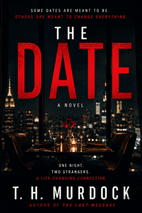
T. H. Murdock's The Date follows actor Miles Deverill after his acquittal for murder, as a stalker's voice-cloned messages and escalating threats force him and his inner circle into a psychological battle in New Zealand. Told through multiple unreliable perspectives, this twist-driven thriller is for fans of morally complex suspense who enjoy questioning truth until the final page.
Feature
Insta.Page
Blinkist
Shortform
The Date
✓
✕
✕
Summary Depth
Full Chapter-by-Chapter
15-min overview
Section-by-section guides
Audio Narration
✓
✓
✓
Full access to all 700+ summaries
✓
✓
✓
Visual Mindmaps
✓
✕
✕
AI Q&A
✓
✕
✕
Missing a book? Request it, usually live within 48h
✓
✕
✕
Quizzes
✓
✕
✕
PDF Downloads
✓
✕
✓
Send to Kindle
✓
✓
✓
Price
$89.99/yr
$146/yr (PRO)
$199/yr
*Competitor data last verified July 2026.
1 Page Summary
This psychological thriller follows Miles Deverill, a successful actor who has just been acquitted of murdering Caira Kennedy, a woman he met on a dating app. The verdict should mark the end of his ordeal, but the nightmare merely shifts shape. As Miles attempts to rebuild his life, he becomes the target of a stalker who sends taunting, voice-cloned audio messages from the dead woman and orchestrates a campaign of psychological terror. The story is told through a rotating cast of close friends and family—his loyal sister Polly, his old-money friend George, the aspiring YouTuber Reubyn, and his defence witness Elis—each carrying their own secrets and resentments. The narrative structure moves between the tense present-day events in New Zealand and flashbacks to the trial itself, slowly revealing the cracks in Miles's story and the complex dynamics of his inner circle.
The author's distinctive approach lies in the novel's tense, cinematic structure and its deep dive into the psychology of suspicion and privilege. The narrative unfolds with the rhythm of a thriller, gradually tightening its grip as the group travels to a remote New Zealand forest, where the stalker's threat becomes visceral and deadly. The book is notable for its unreliable narrator structure—the reader is given access to multiple characters' perspectives, each filtering events through their own biases and agendas. The central mystery isn't just who is threatening Miles, but whether the charming protagonist is truly innocent or simply a skilled performer who has fooled everyone, including the jury. The novel culminates in a shocking reveal that reframes the entire story, demonstrating that the most dangerous predators are often the ones hiding in plain sight.
This book is intended for readers of psychological suspense and twist-driven thrillers who enjoy morally complex protagonists and stories that keep them guessing until the final pages. Fans of Gillian Flynn's Gone Girl or Paula Hawkins's The Girl on the Train will appreciate the novel's exploration of how public perception, class privilege, and social media shape—and distort—the truth. Readers will gain a tense, propulsive experience that examines themes of justice, performance, and the dangerous gap between the person we present to the world and the person we truly are, while also delivering the visceral satisfaction of a tightly plotted mystery with a devastating final twist.
Prologue
Overview
Caira waits by the window of her basement flat, sipping a second glass of Sauvignon Blanc and watching the slice of street visible above the stone stairway. She can see only the tops of vehicles and the lower legs of pedestrians—their shoes, specifically—and she finds she can infer a great deal about someone from their footwear. The next pair of shoes she sees might belong to her date.
He's a few minutes late, but that's fine. Caira wouldn't normally let someone pick her up from her flat for a first date, but they've been chatting for a while and she's stalked him thoroughly on social media. He seems harmless. He's too young for her, really, but this is the stage she's at with internet dating. After filtering out the obvious red flags—the carp-holders, the shirtless narcissists, the straight-to-Snapchat adulterers, the gym bros, the smileless men hiding under caps and shades, the ones listing traits they don't want in a "female," the "apolitical" (extremely right-wing), the "purebloods" (anti-vaxxers), and the "no drama" types (gaslighting bastards)—the talent pool has shrunk to more of a puddle. She's nearly had it with dating apps anyway; using them feels soulless and transactional. But meeting someone organically isn't happening either. So she lied about her age—only by a year, she'll be upfront about being forty on the date—and widened the age criteria to fifteen years either side: twenty-four to fifty-four. That's how she ended up matched with Miles, who seems perfect if she discounts the fact he is twenty-nine.
Movement. A man stops directly outside her place. A smart pair of Oxfords—promising. The ample broguing on the wingtip speaks of a man at the bolder end of traditional. The newness of the shoes tells her he has disposable income and takes pride in his appearance. Caira likes these shoes. Now they're making their way down the steps to her flat. She suffers a micro panic about her own clothes—are they too old, too mumsy? She's wearing a simple black outfit with a leopard-print scarf to prove she's not a complete bore. It's fine, she tells herself.
Her nerves burst and disappear at the sight of him. He's holding a rose—a first. It makes her laugh. She suddenly feels far too old to be dating this sweet summer child, but also, really, who cares? They're both adults and can do what they like. She's allowed to have fun. God knows she needs it after the week she's had.
Caira grabs her warmest coat and walks with him to the Olive Tree, a restaurant just around the corner. The waiting staff have probably noticed she's had dates here before. They sit at a table by the window. It's busy—noisy and warm—and a sheen of condensation gathers where the glass meets the freezing December air outside. Caira asks Miles what he does for a living and pretends to look surprised when he tells her he's an actor. Of course, she knows this already—she googled him as soon as she found out his full name. His IMDb credits are mostly minor roles in TV dramas, and she wonders if he'll oversell himself to impress her. But he's modest, explaining that he's just starting out and taking any job he can to gain experience. He doesn't mention that he's also modelled, according to his profile on Starlight Casting—though it's easy to believe. He is too pretty in the candlelight. His skin is boyishly unblemished and smooth, his brown eyes sparkly and brand new. Being with him would feel like making the first cut into a perfectly iced and beautiful cake—and that always feels wrong, however satisfying it's meant to be.
Curiously, though, Caira doesn't want the night to end. It's her who suggests going across the road for another drink. Closing time sneaks up on her like a fun-spoiling teacher clanging a bell. She lets him walk her home. There's no harm in that; he already knows where she lives, and he's done nothing tonight to change her assessment of him as completely harmless.
This one was fun. Really fun. In many ways, it's been the perfect first date. But it's difficult to imagine it leading anywhere. Even in a late-night haze, she can't escape the fact that he is practically—and noticeably—too young for her.
They stop on the street outside Caira's flat. Miles wraps his arms around himself, the soft curls over his forehead trembling in the cold wind. Caira asks if he'll be all right getting home, and winces inwardly as soon as the words leave her mouth—she sounds like his mother. He says he'll get an Uber, his teeth chattering on the words. She feels a need to wrap her arms around him—not a sexual urge, but a nurturing one, a simple desire to warm him up.
"Why don't you come inside?" The words are out before she's had a chance to consider if that's a good idea. Just while you wait for your Uber, she adds. He flashes a smile and says okay, thanks.
Caira descends the stone stairway, with him following close behind. Normally, she wouldn't dream of inviting someone in on a first date. But it's freezing, and it's only for a few minutes. And, honestly, what's the worst that could happen?
Key Takeaways
Caira judges people by their shoes and uses that to size up her date before meeting him.
She has grown cynical about online dating after filtering out many red flags.
She lied about her age and widened her search criteria, leading to a match with a younger man.
The date with Miles goes well, but she feels the age gap is too big for a real relationship.
Despite her better judgment, she invites him inside after the date.
Key concepts: Prologue
Prologue
Caira's Character and Observations
Judges people by their shoes from her basement window
Inferring details about her date from his Oxfords
Feels insecure about her own age and appearance
Online Dating Cynicism
Filters out many red flags from dating apps
Finds the talent pool reduced to a puddle
Lied about her age to widen search criteria
The Date with Miles
Miles arrives with a rose, making her laugh
He is modest about his acting career
Caira enjoys the date more than expected
Age Gap Concerns
Miles is 29, noticeably younger than her 40
She feels maternal rather than romantic toward him
Doubts the date can lead to a real relationship
Inviting Him Inside
She suggests another drink to extend the night
Invites him in while he waits for an Uber
Rationalizes it as harmless despite her usual caution
💡 Try clicking the AI chat button to ask questions about this book!
Chapter 1: Eleven Months Later Miles
Overview
Miles sits at a table in a plain white room. The AirPods in his ears play an audiobook, but the words stopped registering at least an hour ago. His head is already full of noise—there comes a point when the brain pulls up the drawbridge under too much stress. His toes fidget inside his shoes; what’s left of his fingernails drum the table. Opposite him, David, his solicitor, taps away on a laptop. The only other objects in the room are a couple of disposable coffee cups and Miles’s duffel bag—the most dreadful bag he has ever packed.
Weeks earlier, when they first entered this room, David explained the lack of bolted furnishings and objects: a precaution. Nothing could be used as a weapon. They were taking precautions, Miles instantly realized, against people like him—people who enter this place with their character in the grey purgatory between innocent and guilty.
David frowns at his phone, then waves to get Miles’s attention. Miles’s heart kick-starts. He pulls his earphones out. “What is it?”
“There’s been a knock,” David says. “From the jury. They want to communicate something to the judge. It’s probably just a question. Eleanor has gone to find out.”
Miles sits up straight, pulling the fingers of his left hand. “Could it be a verdict?”
“It would be very quick. But yes, it could be.”
“And if they’ve reached a verdict this quickly then it’s probably a good thing for us,” David adds, adjusting his spectacles, straightening his navy tie. He’s almost as fidgety as Miles. “Try to stay positive.”
Miles stares at the bare white wall. He looks down at his bag—clothes, books, toiletries, a list of phone numbers—packed on advice in case he’s remanded in custody. He almost refused to pack it. Doing so added real, tangible weight to the possibility he might be found guilty. He has been doing his best not to believe it could genuinely happen. He has read about miscarriages of justice, but it doesn’t seem possible—not in this day and age, not in a developed country, not for someone like him. But now it’s undeniably possible, because he has packed a bag for it.
He stares at the door, waiting for his barrister. Restless, fidgeting, knitting his fingers together, jiggling his knees. Then he hears it: faint at first, the clacking of heels in the corridor. The sound grows steadily louder, then stops. A tap on the door, and Eleanor strides in, dressed in her wig and gown.
“Hi, Miles.” She gives him a half-smile—he gets a lot of those lately, smiles of goodwill and sympathy, because there is sod all to genuinely smile about. She asks how he’s doing. He says he’s good.
But this time Miles sees something on her face he didn’t notice earlier. Her make-up is always perfect, but today it’s applied more heavily, especially around the eyes, her skin with a matt glow. It knocks his heart up another gear; he knows there’s only one reason anyone puts make-up on that thick—they’re about to go on camera, or they think they might be.
Eleanor sits, the smile gone, lips pressed into a straight line. “It appears things have progressed a little faster than we’d expected.” She reminds him what she told him: if it’s good news, take it with good grace, no whooping or punching the air. There’s a family in there who have lost their daughter, their sister—he can’t be seen celebrating, no matter how relieved he might be.
“Wait, are you telling me they’ve made a decision?” Miles needs her to say it.
“That’s right. We’ll be going back into court soon. The jury has reached a unanimous verdict.”
Key Takeaways
Miles is waiting in a bare room for the jury’s verdict, packed and ready in case he is remanded in custody.
The room has no bolted objects as a precaution against defendants who might use them as weapons.
David, the solicitor, warns that a quick verdict could be good news, but Miles struggles to stay positive.
Eleanor, the barrister, arrives with heavier makeup than usual, signaling she expects to be on camera.
The jury has reached a unanimous verdict, and Eleanor reminds Miles to show no celebration out of respect for the victim’s family.
Key concepts: Chapter 1: Eleven Months Later Miles
Chapter 1: Eleven Months Later Miles
Waiting for the Verdict
Miles sits in a plain white room, anxious and fidgeting
His solicitor David taps on a laptop nearby
The jury has a question, possibly a verdict
David warns a quick verdict could be good news
The Packed Bag and Fear of Guilt
Miles packed a duffel bag in case of remand
Packing made the possibility of guilt feel real
He struggles to believe a miscarriage could happen to him
The bag adds tangible weight to his fear
The Barrister's Arrival
Eleanor enters in wig and gown with a half-smile
Her heavy makeup signals she expects to be on camera
Miles notices her strained expression
She confirms the jury has reached a unanimous verdict
Precautions and Atmosphere
Room has no bolted objects as a weapon precaution
Miles realizes precautions are against people like him
The room feels like a purgatory between innocent and guilty
Disposable coffee cups are the only other objects
Final Instructions and Respect
Eleanor reminds Miles to show no celebration
The victim's family has lost a daughter or sister
Miles must take good news with good grace
He is told no whooping or punching the air
Chapter 2: Miles
Overview
Miles no longer sits; he paces around the small space. He's asked to be alone, and he won't see another soul until it's time to go back into court. It all comes down to this. What's about to follow is both the beginning and the end. If it goes his way, the curtain falls on the grim drama his life has become this last year. If it goes against him, it's a life sentence—an actual prison, with iron bars and paedophiles and plastic plates. Eleven months is a long time when there's a murder charge hanging over you, and the words you are hereby charged give the brain the jolt it needs to start grappling with a new reality. Once you've started thinking about the unthinkable, it becomes very thinkable indeed, and Miles has been given a long time to think.
His mind travels back to the week last year when everything changed. Last December, life was normal—better than normal. He'd just been booked for the biggest job of his career, was planning a trip to New Zealand, and had a date lined up. One night changed everything. Before that date, he'd never met Caira Kennedy. Now their names are inextricably linked in the most awful way. There were so many tiny twists of fate that combined to blow his entire existence to pieces. He's gone over it plenty of times—what if he'd made different plans, what if he'd swiped left, what if he hadn't offered to walk her home—and concluded that his date with Caira was always likely to happen, almost preordained.
She was gorgeous. Her profile picture—the same image later used in articles about her murder—showed her at a restaurant table, in half-profile, smiling broadly. She gave him her address, which was unusual, and told him to pick her up. He opted for a single rose. It was just before seven on a cold winter's evening when he arrived at her street under a dark and cloudless sky. The restaurant was only a few minutes' walk away.
The date went well. All of Miles's dates go well. Caira liked him—there was no doubt. They sat at a small table in a busy bistro, conversation rumbling all around. Her eyes shimmered and she spoke with animated energy. She had a keen thirst for wine, and they put away two bottles. As a result, Miles can't remember their conversation verbatim, but Caira spoke about her job with an intensity that was unforgettable. Social work was no cakewalk, she said. Some days she came home and spent the evening in tears, but it was all worth it—to make a real difference in someone's life, safeguarding vulnerable children from harm. The longer she went on about the vital nature of her work, the more aware he became of the triviality of his own. He felt faintly winded by shame.
She asked what he did. They discussed his work, and then the conversation switched to where they went to school. Caira's eyes widened when he said Holvine College. She had questions about the investigation published in The Times—was it true what the whistleblowers said about systemic abuse? Miles told her as much as he knew; he'd never been a boarder, that side of school life wasn't really known to him. After the meal, they went to a pub for more drinks and stayed until midnight. Then he walked her home. The temperature had dropped, their breath smoking on the December air. When they reached her apartment, she asked him if he wanted to come in and warm up while he waited for his Uber. Naturally, he said yes.
As for what happened next—there's only one living person who knows the truth about that. That's why it's been argued in court for the last month.
It was the day after the date when everything started to move fast. Miles was still mildly hungover when the police turned up in the early evening. Then began the impossible series of events: a chain of sickening experiences no person should ever have to go through. It started with what the police described as a chat, progressed to interviews and legal advice and no-comment answers. There were swabs inserted, fingerprints taken, accusations levelled. You are hereby charged. A court appearance, the ceremonious removal of his anonymity, the media reports. A committal hearing, a plea hearing, a pre-trial hearing, and months of barely bearable waiting—all leading here, all built up to a three-week trial that will decide the course of his future.
Any minute now, he goes back into the courtroom. Once again, everyone focuses on Miles. Once again, they all stare, weighing it up, wondering whether he murdered her. Only, this time, the jury gives them an answer. Throughout the trial, the seven men and five women have all appeared to have doubts about his innocence. Even his family have doubts, he is sure of it—just the faintest hairline in an otherwise solid wall of belief and support, but the crack still shows. There is only one person in that room who knows for sure whether he did it, and that is Miles.
There's a light tap on the door. Miles stops his pacing. He waits for a moment, tries to slow his breathing, then opens it. In the doorway is David, wearing another of those patronising half-smiles. Miles never wants to see another of those as long as he lives.
‘Okay, Miles, are you ready? It's time to go back into court.’
Key Takeaways
Miles is waiting to hear the jury's verdict in his murder trial, pacing alone in a small room before being called back to court.
He reflects on the night he met Caira Kennedy on a date, which ended with him walking her home and going inside her apartment.
The morning after the date, police arrived and began a chain of events leading to his arrest, charge, and trial for her murder.
Miles believes only he knows the truth about what happened that night, and even his family has shown faint doubts about his innocence.
Key concepts: Chapter 2: Miles
Chapter 2: Miles
The Verdict Awaits
Miles paces alone before returning to court
Outcome means freedom or life sentence
Eleven months of thinking about the unthinkable
Only Miles knows the truth of that night
The Fateful Date
Miles met Caira Kennedy on a winter evening
Date went well with wine and conversation
Caira spoke passionately about social work
Miles felt shame about his trivial job
Twists of Fate
Small choices led to catastrophic outcome
Miles wonders if it was preordained
He offered to walk her home after midnight
She invited him inside to warm up
The Aftermath
Police arrived the next evening
Chain of arrests, charges, and hearings began
Swabs, fingerprints, and media exposure followed
Three-week trial now reaching its end
Doubt and Isolation
Jury appears uncertain about his innocence
Even his family shows faint cracks of doubt
Miles is the only one who knows the truth
He dreads the patronizing half-smiles of others
Chapter 3: Elis
Overview
The jury’s verdict is the most charged moment of the trial, and we are squarely inside Elis’s head. The oak-panelled courtroom is thick with unease—whispers, shuffling papers, the press bench packed with reporters who have been feasting on Miles’s fall from grace. Elis sees it all with a mix of loyalty and dread, knowing that the same good looks and privilege that made Miles a tabloid dream defendant are now what the public wants to watch crumble. But Elis knows a different Miles: a decent bloke, not a deviant. The tension breaks when the foreman says “Not guilty.” Relief floods Elis, even as he hears the sobs of Caira’s family. Outside, the media circus resumes, and Miles delivers a measured statement before being whisked away—his brief, genuine smile caught by a hundred cameras.
The Weight of the Room
The courtroom is a character in its own right—dusty, old-book smell, high ornate ceiling, designed to unsettle. The press bench is packed because Miles ticks every cliché of the perfect fall-from-grace story: well-spoken, expensively educated, impossibly good-looking. Elis observes how the reporters scribble faster whenever the prosecution tries to steer things toward something sordid, because they have no real motive. The tension is visible in small movements—Miles’s barrister shuffling papers, the security guard in his polyester shirt, Miles himself with his hair combed to death and his face pinched from weight loss. The court artist’s sketch looked like a caricature, and that’s how people treat him: not as a real person.
The Friend in the Dock
Elis and Miles met on a police procedural shoot in Manchester during the pandemic. They clicked instantly—similar personalities, same city (Bristol), a bond forged over evenings in a hotel when everything else was closed. Elis never really fit in with the lads at school; Miles was different. Now, watching his friend in the dock, Elis feels a shiver of recognition: it could so easily be him up there. The jury files in, the judge enters, and the room goes silent. The clerk asks the foreman if they’ve reached a verdict. “Yes.” One word, and Elis’s spine tingles. Then come the beats: guilty or not guilty. “Not guilty.” The floor seems to dissolve under Miles. Elis’s mouth falls open. On one side, Miles’s family embraces; on the other, Caira’s family lets out guttural sobs. Elis feels a mix of relief and sympathy, but the relief wins. The prosecutor looks pissed off. Good.
The Aftermath on the Pavement
Outside, a media swarm awaits—satellite trucks, cameras poised, photographers jostling for position. Miles steps out flanked by his legal team, his lips pressed into a demure smile. He reads a short statement: thanks the jury, expresses condolences to Caira’s family, and says what everyone wants to hear—that he hopes the real killer is found. Then he’s led to a waiting car. Reporters shout questions. Elis hesitates, unsure what to say. George, Miles’s old schoolmate, rushes over and throws an arm around him. For a split second, Miles smiles—a broad, unguarded grin of pure relief—and the camera shutters explode, capturing that one vulnerable moment before he can wipe it away.
Key Takeaways
The chapter establishes Elis as a deeply loyal friend who sees Miles as human, not a headline.
The verdict scene is visceral: the “simple word” yes sends a shiver, and the “not guilty” feels like the room losing density.
Elis’s empathy for Caira’s family is genuine but secondary to his relief—a morally messy but honest emotional collision.
The final image of Miles’s fleeting smile, devoured by cameras, underscores the media’s hunger for vulnerability, not redemption.
Key concepts: Chapter 3: Elis
Chapter 3: Elis
The Verdict
Jury foreman says 'Not guilty'
Relief floods Elis as tension breaks
Caira's family sobs in grief
Prosecutor looks angry at outcome
The Courtroom Atmosphere
Oak-panelled room thick with unease
Press bench packed for Miles's fall
Reporters scribble at sordid details
Miles looks gaunt from weight loss
Elis's Loyalty to Miles
They met on a police procedural shoot
Bonded over evenings in Manchester hotel
Elis sees Miles as decent, not deviant
Shiver of recognition: could be him
Media Circus Aftermath
Satellite trucks and cameras swarm outside
Miles reads measured statement of thanks
Reporters shout questions as he leaves
Fleeting smile captured by cameras
Moral Complexity of Relief
Elis's relief wins over sympathy for family
Empathy for Caira's family is genuine
Morally messy but honest emotional collision
Media hungers for vulnerability, not redemption
You've reached the end of the free chapters
Next chapter: “Polly” is locked
Keep reading The Date — and unlock all 700+ book summaries with audio, mindmaps and AI Q&A.
$0.00 due today · 7 days free, then $89.99/year ($7.49/mo) · Cancel anytime before day 7
T. H. Murdock is an author and behavioral scientist known for exploring the intersection of psychology, technology, and modern communication. Their notable works include *The Attention Trap* and *Digital Narcissism*, which examine how digital environments shape human behavior and relationships. With a background in cognitive neuroscience and media studies, Murdock’s writing bridges academic research and accessible insights for a general audience.
Frequently Asked Questions about The Date
What is The Date about?
The story follows Miles Deverill, a man acquitted of murdering his date Caira Kennedy, who then faces a relentless stalker. Set against a trip to New Zealand with friends, the narrative alternates between flashbacks of the trial and the escalating tension in the present. As the group becomes trapped in a remote forest, old resentments and secrets surface, leading to another shocking death. The novel is a psychological thriller that explores the aftermath of accusation, the fragility of trust, and the hunt for a hidden tormentor.
Who is the author of The Date?
T. H. Murdock is the author of this psychological thriller. The book weaves together courtroom drama, suspense, and a remote setting to create a tense narrative about a man fighting to clear his name while being hunted by an unknown adversary.
Is The Date worth reading?
Yes, it is a gripping and tightly plotted thriller that keeps you guessing until the final chapters. The dual timelines of the trial and the New Zealand trip create constant suspense, and the characters are complex enough to make you question everyone's motives. Fans of twisty mysteries will appreciate the slow-burn reveal of the stalker's identity and the book's exploration of how far people will go for perceived justice.
What are the key lessons from The Date?
The book illustrates how a public accusation, even after acquittal, can permanently tarnish a person's life and relationships. It also shows that the people closest to you may harbor hidden resentments or secrets that can surface under pressure. The story emphasizes that justice is not always served in a courtroom, and that unresolved trauma can drive someone to extreme actions. Ultimately, it is a cautionary tale about the dangers of jumping to conclusions and the importance of confronting the truth, no matter how uncomfortable.
📚 Explore Our Book Summary Library
Discover more insightful book summaries from our collection