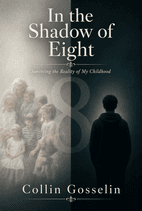
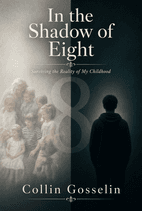
Collin Gosselin's In the Shadow of Eight traces how a family's private life became a television product through Discovery Health specials and Jon & Kate Plus 8, detailing the household hierarchy, isolation, and institutionalization that followed. Written for memoir readers and those concerned with reality TV ethics and child advocacy.
Feature
Insta.Page
Blinkist
Shortform
Summary Depth
Full Chapter-by-Chapter
15-min overview
Section-by-section guides
Audio Narration
✓
✓
✓
Visual Mindmaps
✓
✕
✕
AI Q&A
✓
✕
✕
Quizzes
✓
✕
✕
PDF Downloads
✓
✕
✓
Price
$89.99/yr
$146/yr (PRO)
$199/yr
*Competitor data last verified July 2026.
1 Page Summary
Collin Gosselin's In the Shadow of Eight: Surviving the Reality of My Childhood argues that a family's private life can be converted into a television product before the children on screen are old enough to consent, and that the deeper harm lies not in the cameras themselves but in what happens when performing for those cameras becomes a child's everyday existence. Tracing the arc from the Discovery Health specials and Jon & Kate Plus 8 through the family's move to TLC and the rebrand that followed, Gosselin shows how a household came to run like a production even when cameras were off—schedules tightening into orders, a hierarchy of favorites and scapegoats, and a child's role treated as something to be corrected whenever he stepped outside it. The book's central thread is the cost of that arrangement: a boy who learned to hide the evidence of harm at home, who was pulled from school in fourth grade and isolated, whose brief respites—working at a neighboring farm, the attention of a homeschool teacher—could vanish without explanation, and who at eleven saw his room as a holding cell and escaped through a window.
What distinguishes the book is its method: Gosselin reconstructs his experience with concrete, domestic detail rather than spectacle. A cameraman coiling cables in a red-carpeted bedroom, a game of sardines in a gated yard, a cabinet door that becomes "evidence that accidents do not exist in the house," a birthday at Fairmount Behavioral Health System that passes with no celebration, origami folded from earned points and later crushed into a garbage bag, a blue button-down and tie bought at Target for a long-awaited visit. The narrative follows him through twenty-one months in a locked facility, a transfer to B-Pod among older residents, a move to George Junior Republic, a return home where an outside story about him was already circulating, high school exposure and collapse, a Navy discharge he fought through a second psychiatric evaluation, and finally a life at twenty-two that is no longer assigned by producers, doctors, or parents. The closing chapters widen the frame, warning that the pressure now reaches children through social media, YouTube, and TikTok, and insisting that children need room to grow, err, and discover identity without being turned into a product—and that a photograph can preserve a moment while hiding the life around it, so that the real struggle is ownership of the story.
The intended audience includes readers of memoir and child-advocacy nonfiction, those interested in the ethics of reality television and family branding, and anyone concerned with how institutions—psychiatric facilities, schools, the military—treat young people whose records precede them. What readers gain is not gossip but a ground-level account of how systems that were meant to protect a child moved slower than the danger he lived in, and how speaking up could make the account against him stronger. The book's payoff is the recovery of a voice that was taken, offered with the hard-won understanding that leaving the place that shaped you is not the same as leaving what it taught you, and that freedom requires choosing your own terms.
1 America’s Favorite Family
Overview
A family’s private life can be turned into a TV product before the children on screen are old enough to say yes or no. The real problem isn’t just the cameras in the house. It’s what happens when performing for those cameras becomes a child’s everyday life.
Production days often started before breakfast. Crews showed up with cameras, lights and cables, and the kitchen, living room and bedrooms became sets. When Jon & Kate Plus 8 premiered in 2007, the network promoted the family nonstop, and strangers treated them like close friends. The earliest memory of filming is ordinary: at three, in a red-carpeted bedroom in Elizabethtown, watching the cameraman Charlie, nicknamed Meatball, coil cables after a long day. Adults with cameras and boom mics were as constant as siblings.
In 2006 the family lived on Dauphin Avenue in Reading, Pennsylvania. Discovery Health filmed a one-hour special, Surviving Sextuplets and Twins, when the sextuplets were about fifteen months old. Its ratings led to a second special about their mother's tummy tuck, which did even better, and then to a series. Their father suggested the title Jon & Kate Plus 8. Filming began, and the family moved to a brick house in Elizabethtown. The crew, including Travis on audio and Neal, later a producer, played with the children and broke the fourth wall.
By the third season, Discovery Health's limited cable reach pushed them to move to TLC, which wanted the show's audience. Cameras were always rolling, and the family moved to a larger house in Wernersville when the sextuplets were four. The children asked whether the crew and their toys would come too.
According to the book, no laws then protected children on reality television, and the network was reportedly earning nearly $186 million a quarter from the family. In one first-season scene, their father tried to wake Cara while a camera sat inches from her face. Their mother ran both house and set. The children were expected to behave, act happy and smile; if one showed distress, she leaned in and hissed "Smile." Crew members and producers quieted when she entered.
The show didn’t start as a show: one special’s ratings created the demand that turned a household into a recurring series.
Camera crews became so ordinary to the children that being filmed felt like just being a kid — and that is what was really lost.
Each success bought a larger production, a wider network and a bigger house, while the children who never agreed to any of it dealt with the upheaval.
Cheerfulness was a job requirement rather than a mood, enforced by a parent who ran the set the way she ran the home.
With no law then governing children on reality television, the adults decided how much of a childhood could be recorded.
Key concepts: 1 America’s Favorite Family
1 America’s Favorite Family
From Special to Series
2006 Discovery Health special on sextuplets led to a second special and then a series.
Father suggested the title Jon & Kate Plus 8.
Ratings created demand that turned a household into a recurring show.
Cameras as Everyday Life
Crews arrived before breakfast; home rooms became sets.
Children saw cameras and boom mics as constant as siblings.
Being filmed felt like just being a kid—and that normalcy was lost.
Escalating Production and Upheaval
Success brought a move to TLC, larger houses, and constant filming.
Network reportedly earned nearly $186 million a quarter from the family.
Children never agreed to the upheaval of moves and production.
Enforced Cheerfulness
Children were expected to behave, act happy, and smile.
Mother enforced smiles with a hiss when distress showed.
Cheerfulness was a job requirement, not a mood.
No Legal Protection
No laws then protected children on reality television.
Adults decided how much of a childhood could be recorded.
Camera inches from a child's face in a first-season scene.
💡 Try clicking the AI chat button to ask questions about this book!
2 The Rebrand
Overview
Fame brought money and attention, and the family took it without seeing what they were giving up. The real question was whether any part of their new life could stay private.
The Move to TLC
The move from Discovery Health to TLC expanded the audience from 19 million households to 90 million, and the family’s income rose with it. In September, the parents bought a house in Wernersville for $660,000 in cash, three times the size of the old one, with gates, a pool, seven bathrooms, and landscaping placed to block views from the road. The move was a barrier. At the old house, photographers could see through the windows, and strangers treated the front door like an exhibit. In the new yard, the children played sardines: one hid, the others searched, and when someone found the hider they silently squeezed in beside them. Rules kept everyone inside the fence and away from the barn and woods. The game encouraged kids to find each other, not to stay alone.
The Rebrand
The upgrades reached the garage: the old Dodge bus became a Mercedes-Benz Sprinter, the family sedan gave way to a sports car and a luxury SUV. The most public change was their mother’s uneven blond haircut, which went viral as a symbol of a mom who runs things and marked the point when she went from everyday mom to TV character. Production doubled to two crews. The family’s roles split:
Their mother came alive on camera.
Their father moved through it like a job he had accepted but never sought.
The children felt used and unloved.
The Privacy Paradox
Inside the house, nothing was private; outside, privacy was enforced. Paparazzi became the P people, with the mother calling them dangerous and the father calling them ordinary workers. When the children sprayed a driveway group with water guns, no one got angry, and the paparazzi turned out to be far less frightening than the family had been told.
The Departure and the Lawsuit
The divorce announcement episode drew record ratings and showed their mother as the steady, overwhelmed parent. Their father soon refused to film; onscreen this was "stepping back," but he simply stopped coming, and without Jon the series could not continue. TLC sued for breach of contract. To Larry King on CNN he called filming "not healthy" for the children and said he wished they had never done the show. Their mother said his priority was himself, hers the children. Six months after the split went public, he settled: a six-figure payment to TLC and giving up his right to stop them working. The network argued filming supported the family.
Kate Plus 8
The final Jon & Kate Plus 8 aired November 2009, and cameras resumed for Kate Plus 8, filmed through summer 2010 and premiered in August. The show made their mother the solo center, replaced the bouncy theme with a sleeker one, and shifted from routines to planned trips and projects. Longer blond extensions completed the polished reintroduction. Publicly their father became the reckless deadbeat; at home the kids heard a version in which he had chosen to leave.
Visitation and Resistance
Two months after he moved out, visitation began at his apartment fifteen minutes away in Wyomissing. The contrast was immediate: bags of Hubba Bubba gum, pool friends, no schedule. Later, at a cabin in Robeson Township twenty minutes from the big house, they built forts, roasted marshmallows, watched movies, and stayed up because no one filmed bedtime. If he had abandoned them, why did his house feel like the only place they could have fun? Collin kept that question quiet. From five to nine, resistance grew: talking back, snarky comments, refusing to smile on cue. Their mother called it acting out over the divorce; it felt like pushing back against something he had not consented to and could not escape. When scooters were bought for every sibling, Collin pedaled a bike alongside them.
Key Takeaways
The bigger gated house kept photographers and strangers away, but the same TV success that paid for it made the family more publicly owned than ever.
On camera their mother became a recognizable character and the children became performers, and their discomfort was folded into the show instead of treated as a boundary.
Privacy inside the house collapsed while privacy outside was enforced, and the kids could see the contradiction when people labeled dangerous stayed calm about being soaked.
When their father tried to stop filming, he got a lawsuit and a settlement, showing that leaving the show was not treated as a real choice and that no adult secured the children a way out.
After the split, the show presented their mother as the steady parent and their father as the absent villain, while visitation told the children a different story: the house without cameras was where ease and fun were possible, and their growing resistance followed from that gap.
Key concepts: 2 The Rebrand
2 The Rebrand
The Move to TLC
Audience expanded from 19M to 90M households, income rose
Bought $660K gated house with pool, 7 bathrooms, privacy landscaping
New house kept photographers and strangers away
Children played sardines, encouraged finding each other, not isolation
The Rebrand
Luxury upgrades: Mercedes Sprinter, sports car, SUV
Mother's viral haircut marked shift from mom to TV character
Production doubled to two crews
Roles split: mother came alive, father detached, children felt used
The Privacy Paradox
Inside the house nothing was private; outside privacy was enforced
Paparazzi called dangerous by mother, ordinary workers by father
Children sprayed paparazzi with water guns; no one got angry
Paparazzi proved far less frightening than family had been told
The Departure and the Lawsuit
Divorce announcement episode drew record ratings
Father refused to film; TLC sued for breach of contract
He called filming 'not healthy' for children on Larry King
Settled: six-figure payment to TLC, gave up right to stop filming
Kate Plus 8 and Visitation
Kate Plus 8 made mother solo center; father portrayed as deadbeat
Visitation at father's apartment: gum, pool friends, no schedule
At cabin: forts, marshmallows, movies, no filmed bedtime
Children's resistance grew: talking back, refusing to smile on cue
3 Getting with the Program
Overview
A family can look like a team on TV while running as a hierarchy at home, and a child has to live with that gap every day. For him, the hard part was what happened when the role stopped fitting and every attempt to step outside it got treated as the thing that must be corrected.
The Household as a Production
The family show made his mother a tabloid fixture and a cultural figure, with appearances on:
Today
Good Morning America
The View
Dancing with the Stars
TLC built the series around her image as a newly single mother starting over, and the tabloids played it up. After his father left, decisions became orders. Schedules tightened, routines grew stricter, and the house ran like a production even when cameras were off. Steve, officially the bodyguard, was always at her side, less like staff and more like the adult closest to her. On TV, it looked like a single mother and eight children working as a team. Inside, it felt like a hierarchy with favorites and scapegoats.
Correction, Resistance, and the Barn
His mother's anger did not stop at words. She yanked his ear, slapped him across the cheekbone with an open palm, and punished him harder than the others, especially when he refused to film, smile, or perform. The bruises faded, but the lesson stayed. He learned to feel one mistake away from losing ground and came to believe he was the problem. At his father's house, a friend called Biker Dan showed up with a huge box of Dunkin' Donuts Munchkins. Sugar was basically banned at his mother's house except when filming, and gifts of candy or cookies were thrown away after visitors left, so he ate until he was sick and still thought it was worth it. His resistance was quiet: he did not smile on cue, avoided cameras, and once wandered off during an Easter egg hunt with the German shepherd, Shoka. His mother kept telling him he needed to "get with the program." The barn, where he and his brothers cared for fifty-something chickens, was a refuge, a place where no one told them where to stand or how to act. They hauled water, collected eggs, blasted a wasp nest with a hose, and sometimes threw eggs at each other, then cleaned up in fear of getting caught.
Nightmares and the Protection of Being Seen
After his father left, nightmares returned: he ran through hallways, fumbled with locks, and hid, but cameras always found him, sliding into rooms and reframing him into position. Yet when crew or staff were around, his mother acted lenient, and he learned that being watched, even from a distance, offered protection. The quiet days without witnesses were the ones he feared.
Christmas and the Cut-Off
One Christmas, his mother gave him the Lego Ferrari F40 he had wanted, then took back only his presents and said he could earn them back one at a time for good behavior. He never opened the box. The favoritism was never named but was visible: siblings were trusted and given room, while he was watched and corrected. By nine, she no longer trusted him to keep the household's secrets, and she ended his visits to his father's house. On a Friday when he was waiting to leave, she told him his father no longer wanted to see him. He believed he had ruined something. Later he watched his siblings go, heard about their father's girlfriend Colleen, and repeated criticisms of his father that felt like loyalty and survival.
The Room Project
At ten, the show filmed "The Room Project," moving the children into new rooms. He shared a basement bedroom with Aaden and Joel for about a week, a slumber-party feeling, until his mother moved him to an air mattress in the unfinished basement among cleaning supplies, freezers, and the egg refrigerator. The space had once been the interview room for Jon & Kate Plus 8. It had no walls or door. He came to see the move as planned rather than spontaneous. On a night when siblings gathered on his mother's bed, she handed out gumballs to each of them and skipped him, then sent him downstairs. He cried on the air mattress, remembering the warmth and laughter above.
Key Takeaways
When a family becomes a TV production, it does not stop being a hierarchy when the cameras go off. The team on screen depends on favorites, scapegoats, and strict schedules behind the scenes. Punishment in private and leniency in front of crew teach a child that being watched is safer than being alone, and the barn's unwatched freedom becomes the one place that matters. Taking back a wanted gift and cutting off visits does more than punish. It makes the child believe he caused the loss, and it turns repeated criticism of the absent parent into a survival habit. Moving a child to an unfinished basement with no walls or door, then leaving him out of a sibling ritual upstairs, was not a temporary inconvenience. It was a demotion, and everyone in the house could see it.
Key concepts: 3 Getting with the Program
3 Getting with the Program
The Household as a Production
Family show built around mother's image as newly single mom
After father left, decisions became orders and routines stricter
On TV: team of single mother and eight children
Inside: hierarchy with favorites and scapegoats
Correction and Resistance
Physical punishment for refusing to film, smile, or perform
Learned to feel one mistake away from losing ground
Quiet resistance: not smiling on cue, avoiding cameras
Mother insisted he needed to 'get with the program'
The Barn as Refuge
Cared for fifty-something chickens with brothers
Place where no one told them where to stand or how to act
Unwatched freedom contrasted with controlled house
Chores and play without surveillance or correction
Surveillance and Punishment
Nightmares of cameras always finding and reframing him
Mother acted lenient when crew or staff were around
Being watched offered protection from private punishment
Christmas gift taken back; visits to father cut off
Demotion to the Basement
Moved from shared bedroom to air mattress in unfinished basement
Space had no walls or door, once the interview room
Excluded from sibling gumball ritual, sent downstairs
Demotion visible to everyone in the house
4 What Happened to Your Ear?
Overview
A child who has learned to hide the evidence of harm is asked a direct question by someone with the power to act. The answer could bring help, or it could follow him home. What happens when the people meant to protect him move slower than the danger he lives in?
Fault, Not Accident
A cabinet door falls off its hinges, and the accident becomes evidence that accidents do not exist in the house. Only fault exists, and it belongs to Collin. His mother drags him across the room by the ear, spanks him with a red plastic serving spoon, and takes his birthday money to replace the door. Ear grabbing is routine. A sharp pull can become a slap to the same side of his face, leaving bruises that fade just before new ones arrive. He learns to angle himself away and hide the marks. His brother's ear is once injured by a pull, but the household treats this as ordinary correction. Being noticed always comes with pain.
The Question at School
In fourth grade, around age nine, Collin's ear is hot, tight, and swollen. He keeps his head tilted at school until his teacher kneels beside his desk and asks quietly what happened. He freezes, then says his mother yanked his ear. The teacher takes him to Mrs. Daley, the counselor. Mrs. Daley waits, asks gentle questions, and lets silence stretch. For a moment Collin imagines relief. Maybe telling brings help. Maybe someone will say he does not have to go back. He does not know the words foster care or investigation. He imagines his father coming for him and being believed without having to prove anything else.
The Interview and the Watcher
Children and Youth Services arrives about a month later, after Collin has healed. His mother gets him ready to sit with his siblings and greets two women with a warm, friendly act. Marianne, a woman whose son attends school with them, questions Collin alone. Through a narrow opening in the double doors, his mother watches. Collin weighs his options. If he tells and the workers leave without action, he stays in the house. He answers no when asked whether anything at home concerns him, then keeps his face blank through softer, open-ended questions. CYS returns over the next year, but he speaks with them only that once. Later his father receives paperwork for fourteen complaints against his mother. She knew how to put on a show and stay just inside the lines; to the system she was untouchable. Telling had not brought rescue. It had shown Collin how alone he was.
Shut In
After the school disclosure, his mother pulls him from school and says people are asking questions. She bars him from the Lego table, which his brothers Aaden and Joel continue to use. She has a contractor wall off the basement corner around his air mattress. The space has no door he can open from inside and no toys. He has a mattress, a pillow, books, and a small high window. Two cameras watch the mattress and doorway, connected to a baby monitor carried by his mother or passed to a nanny. He must call through the cameras to use the bathroom. He eats after his seven siblings, alone at the long table. The bolts sound louder than everything. When the family's new show, Kate Plus 8, reduces day-to-day filming, he feels less safe because no witnesses remain. His mother's daily verbal attacks and physical blows, along with her stories to siblings and outsiders, make him the troubled child. Being cut off does two things. It makes him small and teaches him to swallow his questions. It also makes his hearing sharper, so he learns to read the house by sound and to notice where allies will not be. He takes in her version of him. He believes he is the problem. He stops asking for help. He learns to take up little space. He understands that no one is coming to interrupt this. His life becomes closed in.
Key Takeaways
A child who is blamed for every mishap learns to hide the evidence instead of expecting things to be fixed.
A report to a teacher or counselor does not guarantee rescue; investigators can arrive, ask questions, and leave the child in place.
An abuser who can act warm in front of authorities can stay just inside the lines, so complaints and paperwork do not by themselves equal safety.
Being closed in does more than shrink a child; it also makes him notice every sound and every missing witness.
Once a child accepts the household's version of him as the problem, he stops asking for help and learns to take up as little room as possible.
Key concepts: 4 What Happened to Your Ear?
4 What Happened to Your Ear?
Fault and Punishment
Accidents are treated as deliberate faults, always blamed on Collin.
Ear grabbing is routine, escalating to slaps and bruises.
He learns to hide marks and angle away from blows.
Being noticed always brings pain.
The School Disclosure
Teacher notices swollen ear and asks quietly what happened.
Collin freezes, then admits his mother yanked his ear.
Counselor Mrs. Daley listens gently, giving him hope of rescue.
He imagines his father coming for him and being believed.
The Failed Investigation
CYS arrives a month later, after Collin has healed.
Mother acts warm and watches through door crack as he is questioned.
Collin denies concerns, fearing no action and staying in the house.
Later, fourteen complaints are filed, but mother remains untouchable.
Isolation and Control
Mother pulls him from school, bars him from Lego table.
Basement corner walled off with air mattress, no door, cameras.
He must call through cameras to use bathroom, eats alone after siblings.
Reduced filming means fewer witnesses, making him feel less safe.
Internalized Blame and Survival
Mother's verbal attacks and stories make him the troubled child.
He believes he is the problem and stops asking for help.
He learns to take up little space and swallow his questions.
Isolation sharpens his hearing; he reads the house by sound.
You've reached the end of the free chapters
Next chapter: “5 Conditional Love” is locked
Keep reading In the Shadow of Eight — and unlock all 600+ book summaries with audio, mindmaps and AI Q&A.
$0.00 due today · 7 days free, then $89.99/year ($7.49/mo) · Cancel anytime before day 7
Collin Gosselin is an American television personality best known for appearing on the reality series Jon & Kate Plus 8, which documented the lives of his family's octuplets and sextuplets. He gained additional public attention through interviews discussing his experiences growing up in a large reality-TV family and his relationship with his parents. His background centers on his upbringing in a high-profile family rather than literary or professional authorship.
Frequently Asked Questions about In the Shadow of Eight
What is In the Shadow of Eight about?
This memoir follows a childhood lived in front of cameras, from the earliest filming days of a hit family reality show through adolescence spent in locked facilities. It describes how performing became a child's everyday life, how discipline at home turned into ear-pulling, spanking and restraint, and how being pulled out of school in fourth grade left him isolated. After an escape attempt at eleven, he was taken by ambulance to a psychiatric hospital where he spent roughly two years, then moved to a residential program before finally returning to his father. The later chapters cover high school, a military enlistment cut short by discharge, the fight to overturn it through a new evaluation, and the slower work of building an ordinary life in college.
Who is the author of In the Shadow of Eight?
The author is Collin Gosselin, one of the eight children whose family became a television franchise, and he writes from the inside as someone who lived through the filming, the institutional stays and the aftermath. His account draws on memories stretching back to age three, along with letters, evaluations and court-related paperwork. Now in his early twenties, he writes as a college student majoring in finance who is still weighing a future in the military.
Is In the Shadow of Eight worth reading?
It is worth reading because it turns a familiar celebrity story into a clear-eyed look at what happens to children when a household becomes a production, told by someone who was too young to consent. Beyond the reality-TV angle, the book is a gripping account of institutional life, labeling, and the difficulty of being believed when speaking up can make your situation worse. Readers who care about child welfare, family estrangement or recovery will find it candid and hard to put down.
What are the key lessons from In the Shadow of Eight?
Children can be turned into a television product long before they are old enough to agree, and once a family becomes a brand, kids may start measuring their own worth by how useful they are to the machine. The book shows how easily a household can look like a team on camera while running as a hierarchy with favorites and scapegoats behind closed doors. It also warns that institutions meant to help can decide who a child is, and that protesting only makes the file against you thicker. In the end, ordinary consistency, daily attention and family meals did more for healing than forced therapy sessions, and reclaiming your own story takes deliberate effort.
📚 Explore Our Book Summary Library
Discover more insightful book summaries from our collection