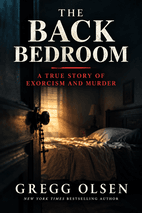
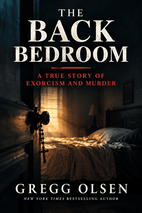
Gregg Olsen's The Back Bedroom reconstructs the 1976 Yakima exorcism-murder of three-year-old Davey Weilbacher, tracing how self-proclaimed prophet Leon Cunningham drew vulnerable followers into escalating control and violence. For true crime and coercive-control readers.
Feature
Insta.Page
Blinkist
Shortform
Summary Depth
Full Chapter-by-Chapter
15-min overview
Section-by-section guides
Audio Narration
✓
✓
✓
Visual Mindmaps
✓
✕
✕
AI Q&A
✓
✕
✕
Quizzes
✓
✕
✕
PDF Downloads
✓
✕
✓
Price
$89.99/yr
$146/yr (PRO)
$199/yr
*Competitor data last verified July 2026.
1 Page Summary
Gregg Olsen's The Back Bedroom: A True Story of Exorcism and Murder examines how a self-proclaimed prophet named Leon Cunningham transformed his Yakima home into a private church and drew vulnerable followers into a closed world of escalating control. What began with selling televisions and radios as "distractions" and predicting the end times curdled into the belief that three-year-old Davey Weilbacher was possessed by a demon. Over fifty-nine days in 1976, the household beat the child twice daily under Leon's direction, sealing his body in the back bedroom after he died, convinced he would rise as "Seth" on the third day. The book's central thesis is that sincere faith, isolation, and unquestioned authority can make ordinary people participate in torture and conceal a death—and that the law's eventual reckoning left the deeper moral questions unresolved.
Olsen's approach is immersive and character-driven, reconstructing events through the eyes of those inside the house: Tina Cunningham, the young daughter-in-law who smuggled vodka to her mother-in-law and later testified for the prosecution; Gary Cunningham, the only household member besides Velma who refused to join the beatings; and Velma herself, whose faith shattered when she finally fled to Seattle. The narrative resists easy caricature, showing how loneliness, poverty, and a longing for belonging made Leon's promises feel like a safe place to land, and how moments that might have been warnings—a Marine father's twenty-hour drive to check on his son, burns left on stove burners, bruises on an infant's feet—were explained away by people who had already decided what was real.
The book is suited to readers of true crime, cult and coercive-control narratives, and stories about the psychology of belief under pressure. What readers gain is not simply an account of a crime but a granular view of how a group can talk itself into cruelty one small step at a time, and of the aftermath: manslaughter and assault convictions, appeals that pared sentences to roughly five years for the women and ten for Leon, and survivors like Tina who still carry the memory of a boy she insists was never possessed.
Prologue
Overview
Most of the people in that house went to prison for what they did, but one walked free. She visits, she carries a guilt that never fades, and she keeps the truth buried. The past is real, and so is the silence.
An Ash Cloud and an Expected End
Mount Saint Helens erupted in the spring of 1980, turning day to night over Yakima, which took five inches of ash. Some read God's judgment into it. For a small group in the visitors' room at the women's prison near Gig Harbor, the end they had anticipated, and killed for, had come.
The Weekly Visits
Tina Cunningham, twenty-five, drove fifteen minutes from Port Orchard nearly every week for over four years, often with her husband Gary. She came to see her mother-in-law Velma, her sister-in-law Carolyn, and two church members, Lorre Edwards and Debbie Weilbacher, all imprisoned over what happened to Debbie's son, Davey.
Smuggled Vodka and Old Guilt
She brought Velma vodka in a baby bottle hidden in a diaper bag; Velma, once a teetotaler, had become an alcoholic after believing her husband Leon's prophecy that Judgment Day was near. Tina also came out of guilt over the cramped house where they prepared for the end. Shame is like an IED in the sand: it may never go off, but it stays. Later years brought:
divorce
drug arrests
homelessness
Fifty years on, she said what happened in that house was real.
Key Takeaways
A natural disaster arriving on schedule can be taken as confirmation rather than coincidence by people already braced for the end, which is exactly how the ash over Yakima landed.
A prophecy that fails does not scatter the group that carried it; the ties persist in prison visiting rooms, in marriages, and in years of accumulated obligation.
The heaviest cost fell on people who never chose the belief, including a daughter-in-law who kept making the drive out of guilt over the crowded house where the preparations happened.
Vodka in a baby bottle, followed by divorce, addiction and homelessness, measures what the certainty left behind, and the participant who still calls that house real shows these movements are weighed by their wreckage rather than by whether the prediction came true.
Key concepts: Prologue
Prologue
The Ash Cloud as Confirmation
Mount Saint Helens erupted in spring 1980, darkening Yakima with five inches of ash
Some saw God's judgment in the eruption
For the imprisoned group, the anticipated end had finally come
Tina's Weekly Prison Visits
Tina Cunningham, 25, drove fifteen minutes nearly every week for over four years
She visited her mother-in-law Velma, sister-in-law Carolyn, and two church members
All were imprisoned over what happened to Debbie's son, Davey
Smuggled Vodka and Guilt
Tina hid vodka in a baby bottle inside a diaper bag for Velma
Velma became an alcoholic after believing Leon's Judgment Day prophecy
Tina came out of guilt over the cramped house where they prepared
The Long Wreckage
Shame is like an IED in the sand: it may never go off, but it stays
Later years brought divorce, drug arrests, and homelessness
Fifty years on, Tina said what happened in that house was real
Failed Prophecy, Enduring Ties
A failed prophecy does not scatter the group that carried it
Ties persist in prison visiting rooms, marriages, and accumulated obligation
The heaviest cost fell on those who never chose the belief
💡 Try clicking the AI chat button to ask questions about this book!
Chapter One
Overview
A woman walks into a sheriff's office to report a death in her own home. She talks about faith and family. The police want evidence and law. Someone has to decide what to do when a man says God's word matters more than the law.
The Report
On September 19, 1976, Velma Cunningham walked into the Yakima County Sheriff's Office. She was forty-five and the mother of seven. With her was a pastor from a different church than her husband Edward Leon Cunningham's. Davey, a three-year-old, was dead in the back bedroom, she told the deputy. He had been possessed by the Devil.
The Call
Earlier she phoned Leon from a son's home near Seattle. Things were not right, she said, and God wanted her to speak to the police. Leon told her she would pay for her unbelief. He answered only to God, and the police hardly mattered.
What Came Before
The Exorcist had made possession talk familiar. The house also held Carolyn, the couple's daughter, twenty-seven; Lorre Edwards, twenty, and her son Brian, three; and Debbie Weilbacher, twenty, and her son Davey.
Fifty-nine days had passed since Davey died. By Leon's account, God had told him the Antichrist was about to return and the family needed to prepare. That preparation began in the fall of 1975.
Key Takeaways
Velma Cunningham needed a pastor from outside her husband's church to challenge Leon Cunningham's control. Leon Cunningham believed God's word outranked civil law, so the sheriff's office meant nothing to him. Nearly two months passed between the child's death and the official report. No one outside the household had checked in during that time. Other adults and children lived in the Cunningham home, so what happened there involved everyone in the house, not just one family.
Key concepts: Chapter One
Chapter One
The Report
Velma Cunningham reports child's death to sheriff on September 19, 1976.
She is accompanied by a pastor from a different church than her husband's.
Three-year-old Davey was dead in the back bedroom, possessed by the Devil.
Leon's Defiance
Leon tells Velma she will pay for her unbelief.
He answers only to God, not the police.
He believes God's word outranks civil law.
The Household Context
Fifty-nine days passed between Davey's death and the official report.
Other adults and children lived in the Cunningham home.
Leon claimed God told him to prepare for the Antichrist's return.
Chapter Two
Overview
Leon Cunningham turned his home into a church, and for people who felt lost, it felt like a safe place to land. But the comfort came with control. The household eased real loneliness while slowly changing what its members believed was true. The outside world grew distant, and the family's rules took over.
The Yellow House
Leon Cunningham worked at a fruit plant and preached without a formal church. He lived at 621 South Twelfth Street, near the Yakima County fairgrounds. He urged neighbors to come to his home church and be saved from eternal damnation. He warned that the end times were coming and that God had told him the Antichrist would return. Nobody accepted.
The Household
The household held Leon and Velma, their adult children, three other young women, and three children.
Carolyn was devoted to her father.
Gary, twenty-one, returned from the military with his wife, Tina, and baby, Gaspar. Leon wanted them under his roof.
Lorre Edwards had dated Gary at fifteen and bore their son, Brian, at seventeen. The two stayed when he joined the army in 1973.
Debbie Arrives
Debbie Bossert Weilbacher married the boy next door, David Weilbacher, on March 21, 1972. David was eighteen and serving with the marines in Vietnam when he learned by telegram that their son, Davey, had been born. Debbie asked him if he had been unfaithful. He admitted it happened once. She could not let it go. She packed up Davey and returned to Yakima to wait for the divorce.
The Home Church
Her friend Lorre invited her to the Cunninghams' home church. Lorre had used drugs and seemed lost. By fall 1975, Debbie was eating with the family and attending services that ran late into the night. She told them she had considered suicide, and the family said God would save her. At nineteen, she saw Leon and Velma as parents, and they invited her and Davey to move in.
The Prophecy
Leon's prophecy held them together: the coming terror would not touch those who believed in Christ and whose names were in the Lamb's Book of Life. The household came to see nonbelievers as zombies, the walking dead. His two weekly services multiplied tenfold over time, with gospel records, shared meals, and shared chores. Everyone had a role before the move God would signal. The same words repeated like a dripping faucet: something was coming.
Key Takeaways
The home church grew not by persuading skeptics but by taking in people whose own families had already failed them.
Leon promised rescue from the coming terror, and that promise met a deep need to belong. Obeying the group started to feel like the only sane choice.
The group called outsiders the living dead. That made any disagreement feel like a spiritual crisis, and leaving feel the same as damnation.
Leon's authority rested on repetition and readiness, not on any prediction that came true. Endless services and assigned roles kept everyone preparing for a signal that never came.
Key concepts: Chapter Two
Chapter Two
Leon Cunningham's Home Church
Turned home into church; preached without formal church.
Warned of coming end times and Antichrist.
Neighbors rejected his message.
The Cunningham Household
Included Leon, Velma, adult children, three young women, three children.
Carolyn devoted to father; Gary returned with wife and baby.
Lorre Edwards stayed with son Brian after Gary left.
Debbie's Arrival and Integration
Married David; he admitted infidelity; she left with son Davey.
Friend Lorre invited her to home church.
At nineteen, moved in; saw Leon and Velma as parents.
The Prophecy and Control
Promised safety from coming terror for believers.
Nonbelievers seen as zombies; disagreement felt like spiritual crisis.
Authority based on repetition and readiness, not fulfilled predictions.
Key Takeaways
Church grew by taking in people failed by their own families.
Promise of rescue met deep need to belong; obedience felt sane.
Leaving equated with damnation; endless preparation for a signal that never came.
Chapter Three
Overview
A warning comes in that a child may be hurt. Every adult who could confirm it denies it. The father drives twenty hours, sees nothing he can point to, and goes home. Months pass before he learns how much was hidden.
David Weilbacher is a Marine in his early twenties, stationed in Yuma, Arizona. He gets a call from Herm Bossert, his ex-father-in-law. Herm says one of Debbie's sisters saw bruises on Davey, David's son. David trusted the sisters, but the report makes no sense. He drives twenty hours to Yakima, where Debbie and Davey have moved in with the Cunninghams.
The Visit
At the Cunninghams, David is told Debbie and Davey are not there. He goes to his former in-laws, where Debbie is staying. She is colder and evasive, and David later learned she had used drugs. She says Davey is fine, that kids fall, and that any bruises came from a playground stumble. David insists on taking Davey. Herm abruptly sides with Debbie and calls it a misunderstanding.
Aftermath
When David sees Davey, he finds no bruises. He holds Davey, wonders whether a boy belongs with his mother, and returns to Yuma the next day. Months pass before he talks to anyone. Calls fail to reach Debbie. He hears Davey's living situation is strained and that Herm and his wife want custody, while Debbie opposes them. David wonders what Debbie told Herm to change his stance.
Key Takeaways
A relative's warning can be real, and a parent still may not be able to prove it, especially when the other parent dodges questions and the child looks fine.
A grandparent who raises the alarm can later wave it off, which shows how family loyalty can make someone ignore the original warning.
A father who believes a son belongs with his mother can ignore direct warnings and step away from a situation that is still not resolved.
When a parent without custody loses contact, a custody fight among relatives can go on while the child's daily life stays hidden from the person most able to help.
Key concepts: Chapter Three
Chapter Three
The Warning and the Journey
Herm Bossert calls David: sister saw bruises on Davey
David trusts the sisters but finds the report confusing
He drives twenty hours to Yakima to investigate
The Visit and Denials
Debbie is cold and evasive, later learned she used drugs
She claims bruises came from a playground fall
Herm abruptly sides with Debbie, calls it a misunderstanding
Aftermath and Doubts
David sees no bruises, wonders if a boy belongs with his mother
He returns to Yuma the next day and months pass in silence
He hears Davey's living situation is strained and custody is disputed
Key Takeaways
A relative's warning can be real but unprovable when the child looks fine
A grandparent who raises the alarm may later wave it off
A father may ignore warnings if he believes a son belongs with his mother
A custody fight can hide the child's daily life from the parent most able to help
You've reached the end of the free chapters
Next chapter: “Chapter Four” is locked
Keep reading The Back Bedroom — and unlock all 600+ book summaries with audio, mindmaps and AI Q&A.
$0.00 due today · 7 days free, then $89.99/year ($7.49/mo) · Cancel anytime before day 7
Gregg Olsen is a #1 New York Times bestselling author known for his work in the true crime genre, with notable books including *If You Tell* and *The Night of the Party*. Based in the Pacific Northwest, he has also written historical fiction and novels for young adults, drawing on his background as a journalist and investigator.
Frequently Asked Questions about The Back Bedroom
What is The Back Bedroom about?
This true-crime account examines Leon Cunningham's home church in Yakima, Washington, where he claimed God's direct authority over his family and followers. It traces how three-year-old Davey Weilbacher was declared possessed, subjected to ritual beatings, and left dead in a sealed back bedroom in 1976. The narrative follows family members like Tina and Gary Cunningham as they are drawn into the group, begin to doubt, and face the consequences of obedience and silence. It also covers the trial, convictions, and the long aftermath for those involved.
Who is the author of The Back Bedroom?
Gregg Olsen is the author. This work reconstructs the events inside the Cunningham household and the legal case that followed Davey Weilbacher's death, drawing on the perspectives of family members and participants.
Is The Back Bedroom worth reading?
It is worth reading for its haunting, detailed portrait of how faith, control, and group pressure can lead people to justify cruelty. The narrative centers voices like Tina Cunningham's, showing the guilt and fractured loyalty that linger long after the legal system has finished.
What are the key lessons from The Back Bedroom?
One key lesson is that leaders who claim direct divine authority can distort reality and isolate followers from outside help. The account shows how the need to belong, fear of damnation, and gradual escalation can make people participate in or tolerate terrible acts. It also warns that silence and conformity carry their own moral weight, as seen in the lasting guilt of those who went along. Even after convictions and appeals, the story suggests that courts cannot fully resolve the question of what is owed to a child like Davey.
📚 Explore Our Book Summary Library
Discover more insightful book summaries from our collection