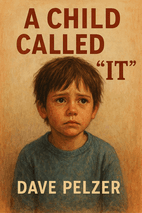
Dave Pelzer's A Child Called It details his horrific childhood abuse and survival, serving as a pivotal memoir for raising public awareness. It is a stark, firsthand account for readers seeking to understand the realities of child abuse and resilience.
Feature
Insta.Page
Blinkist
Shortform
A Child Called It
✓
✕
✓
Summary Depth
Full Chapter-by-Chapter
15-min overview
Section-by-section guides
Audio Narration
✓
✓
✓
Visual Mindmaps
✓
✕
✕
AI Q&A
✓
✕
✕
Quizzes
✓
✕
✕
PDF Downloads
✓
✕
✓
Price
$89.99/yr
$146/yr (PRO)
$199/yr
*Competitor data last verified July 2026.
1 Page Summary
Dave Pelzer's memoir A Child Called "It" details the horrific and prolonged abuse he suffered at the hands of his mother from roughly ages 4 to 12, making it one of the most recognized firsthand accounts of child abuse in the late 20th century. The book focuses on the extreme physical and psychological torture he endured, including starvation, forced ingestion of chemicals, and brutal punishments, all while being dehumanized and referred to as "It" rather than by his name. Set primarily in the 1970s in Daly City, California, the narrative starkly contrasts the outward normalcy of a suburban family with the private, systematic cruelty occurring within the home, highlighting the isolation and powerlessness of an abused child before mandatory reporting laws were widely enforced and understood.
The memoir's historical significance lies in its role in breaking the silence surrounding severe child abuse, bringing a once-private family matter into public discourse. Published in 1995, it emerged during a period of growing awareness about family violence and trauma, giving a visceral voice to survivor experiences. Pelzer's account underscored critical failures in the systems meant to protect children, as teachers and administrators were slow to intervene despite visible signs of his deteriorating condition, a reflection of the societal reluctance at the time to intrude on family privacy.
The lasting impact of A Child Called "It" is profound, having become a staple in school curricula, social work training, and public awareness campaigns about child welfare. It sparked national conversations, empowered other survivors to speak out, and remains a harrowing testament to human resilience. While the book has faced some scrutiny regarding the extremity of its details, its core contribution as a catalyst for empathy, education, and advocacy in the fight against child abuse remains undeniable, cementing its place as a pivotal work in memoir literature and child protection advocacy.
1. The Rescue
Overview
The morning of March 5, 1973, begins with the young narrator, David, desperately trying to finish his chores in the kitchen to earn breakfast. He is caught by his mother, who strikes him in the face. He has learned to play a part—acting submissive and crying “mock defeat” to avoid escalating her violence and, most importantly, to secure the scant food he is given. His breakfast is the leftover milk and bits of cereal from a brother’s bowl. His mother then drives him to school, threatening that his Uncle Dan will “take care of me” tomorrow, a threat David secretly doubts. She instructs him to tell people he “ran into the door” to explain his injuries.
The School Examination
Because he is late, David must report to the school office. The nurse performs their now-routine examination, recording his bruises, his chipped teeth, and the old scar on his stomach from where his mother stabbed him. She gently challenges his “accident” stories, showing him on a clipboard that he used the same excuse the previous week. During the exam, the nurse hugs him, a moment of profound warmth and comfort that David wishes could last forever. He is then sent to class.
The Intervention
Summoned from his English class, David is led into the teachers’ lounge where a group of adults awaits: the principal Mr. Hansen, several teachers, the school nurse, and a police officer. Terrified, he initially denies stealing anything, but they assure him they are there to help. With gentle encouragement, he breaks down and confesses the truth about the abuse at his mother’s hands, though he still insists the stabbing was an accident. The adults listen solemnly, and David is excused while they deliberate. He is given a cafeteria lunch and cookies, eating ravenously, confused and fearful about what will happen next.
A New Path
The police officer takes David to the station. In a pivotal moment, the officer calls David’s mother, informing her that David will not be coming home and is now in the custody of juvenile authorities. After the call, they drive away from Daly City. Seeing a highway sign proclaiming “THE MOST BEAUTIFUL HIGHWAY IN THE WORLD,” the officer turns to David and says, “you’re free.” David, clutching his box of cookies, leans back in the seat as a tear rolls down his cheek, internally whispering, “I’m free?”
Key Takeaways
The chapter establishes the extreme physical and psychological abuse David suffers at the hands of his mother, centered on control and starvation.
David has developed sophisticated survival mechanisms, including feigned submission and a fierce internal will to live.
A group of school officials and a police officer conduct a careful, documented intervention, risking their jobs to save him.
The rescue is finalized with a phone call severing his mother’s custody, leading to David’s first tentative realization of freedom.
Key concepts: 1. The Rescue
1. The Rescue
Morning Routine of Abuse
David performs chores to earn a meager breakfast of leftover milk and cereal scraps
He endures a blow from his mother and feigns submission to avoid further violence
His mother threatens him with Uncle Dan and instructs him to lie about his injuries
The scene establishes a pattern of control, starvation, and psychological manipulation
School Examination and Documentation
The school nurse conducts a routine, documented examination of David's injuries
She gently challenges his 'accident' stories by showing previous records
David experiences a rare moment of warmth and comfort during the nurse's hug
The examination provides official evidence of ongoing physical abuse
The Intervention and Confession
David is brought before a group of school officials and a police officer
Initially terrified, he is reassured and confesses the truth about his mother's abuse
He maintains the stabbing was an 'accident,' showing lingering self-protection
The adults listen solemnly, demonstrating a coordinated, risk-taking effort to save him
The Rescue and Realization of Freedom
The police officer calls David's mother to sever custody
David is placed in the care of juvenile authorities and driven away from Daly City
Seeing a highway sign, the officer tells David, 'you're free'
David leans back with a tear, internally whispering 'I'm free?'—a tentative first step toward liberation
💡 Try clicking the AI chat button to ask questions about this book!
2. Good Times
Overview
A Family Portrait
The narrator paints a vivid picture of an idyllic, loving childhood in 1960s Daly City, describing his family as the real-life "Brady Bunch." He recalls a modest home with a view of the Golden Gate Bridge and a life where he and his two brothers felt cherished. His father, Stephen, a San Francisco fireman, is remembered as a strong, affectionate man who called him "Tiger." His mother, Catherine Roerva (referred to as "Mom"), is depicted as the radiant, determined heart of the household, whose love and creativity shaped their world.
The Glow of Motherly Love
The mother’s character is illustrated through detailed anecdotes. She is a perfectionist in housekeeping and gardening, and a gifted, inventive cook who turned meals into educational experiences, like a full Chinese-themed night after a trip to Chinatown. She is shown as a natural teacher, using everyday events—like a cat giving birth—to impart lessons on life. Her actions are driven by a deep desire to create magic and surprise for her family, even painting steps while ill just to please her husband.
Seasons of Magic
The family’s joyful rhythm is encapsulated in their holiday traditions. Halloween involves searching for the "Great Pumpkin" and finding gifts under pillows. Christmas is an elaborate, all-consuming celebration where the mother decorates the entire house, orchestrates tree-trimming, and leads neighborhood tours to see lights. The narrator describes falling asleep to Christmas lights and Bing Crosby, and the overwhelming excitement of Christmas morning, noting a poignant moment when his mother cried tears of happiness at the sight of her "real family."
Adventures and Security
Weekends and vacations provided consistent adventure and bonding. Day trips to Golden Gate Park and its Steinhart Aquarium were common, with the mother softly alleviating the narrator's childhood fears. Spring picnics and summer camping trips were meticulously planned by her. The most cherished destination was the Russian River, where days were filled with swimming lessons, exploration, and serene family moments. The chapter culminates in a powerful memory of watching a sunset by the river, where the narrator, held tightly by his mother, felt an ultimate sense of safety, warmth, and love.
Key Takeaways
The chapter establishes an almost idealized childhood defined by attentive, creative parenting and a strong sense of familial security and joy.
The mother is portrayed as the dynamic, loving architect of this happiness, whose dedication to creating wonder and education for her children is central to the narrator's positive memories.
This detailed foundation of "good times" creates a stark, intentional contrast with the trauma that follows, heightening the emotional impact of the memoir.
The narrator’s sense of identity and belonging is deeply rooted in these early, protected experiences with his family.
Key concepts: 2. Good Times
2. Good Times
A Family Portrait
Idyllic childhood in 1960s Daly City, described as the real-life 'Brady Bunch'
Father Stephen remembered as a strong, affectionate San Francisco fireman
Mother Catherine Roerva depicted as the radiant, determined heart of the household
Modest home with a view of the Golden Gate Bridge where brothers felt cherished
The Glow of Motherly Love
Mother as a perfectionist in housekeeping and gifted, inventive cook
Turned meals into educational experiences (e.g., full Chinese-themed night)
Used everyday events like a cat giving birth to teach life lessons
Driven by deep desire to create magic and surprise for her family
Seasons of Magic
Halloween traditions included searching for the 'Great Pumpkin' and gifts under pillows
Christmas was an elaborate celebration with full-house decorations and neighborhood tours
Mother cried tears of happiness at Christmas seeing her 'real family'
Falling asleep to Christmas lights and Bing Crosby created overwhelming excitement
Adventures and Security
Weekends included day trips to Golden Gate Park and Steinhart Aquarium
Mother meticulously planned spring picnics and summer camping trips
Russian River was the most cherished destination for swimming and exploration
Powerful memory of sunset by the river where narrator felt ultimate safety and love
Foundation of Childhood
Establishes an almost idealized childhood defined by attentive, creative parenting
Creates stark contrast with later trauma, heightening emotional impact
Mother portrayed as dynamic architect of family happiness and wonder
Narrator's identity rooted in these early, protected experiences with family
3. Bad Boy
Overview
Fear has fully replaced affection in the space between mother and son. What began as ordinary discipline has hardened into a system of humiliation, violence, and psychological warfare that the boy must now learn to outthink in order to stay alive. In this section, the child’s identity is deliberately reshaped around one phrase: “bad boy.” By the end, he discovers a small but vital source of power, not in the adults around him, but in his own ability to think, plan, and refuse to break.
Mother’s cruelty escalates in stages. The “corner treatment” gives way to the “mirror treatment,” where she smashes his face against the glass and forces him to chant, “I’m a bad boy!” while staring at his own reflection. The punishment is no longer about correcting behavior; it is about branding him with shame. His brothers, who once acted as small lifelines by asking if he could come out and play, now avert their eyes and keep their distance, not because they do not care, but because they know that acknowledging him could make them targets too. He begins to understand that in this house, survival often means pretending he does not exist.
At the same time, Mother’s daily life deteriorates. While Father is at work, she lies on the couch in her bathrobe, drinking and watching television, rising only to use the bathroom, reheat leftovers, or bark orders. Her voice changes from nurturing to something harsh and venomous, and the boy learns to read her mood by her clothing. If she emerges in a nice dress with her hair done and makeup on, he can breathe for a day. If she stays in the bathrobe, he knows terror is coming.
A new ritual of torment appears in the form of endless “searches” for things she claims to have lost. At first, all the boys are forced to scour the house, but eventually he alone is singled out. Sent to the dark garage beneath the house, he trembles at every scream from above, knowing that any mistake will be blamed on him. When he once forgets what he is supposed to be looking for and timidly asks, she smacks him so hard that his nose gushes blood, then shoves a torn napkin up his nostril and orders him back downstairs. In his loneliness, he begins to fantasize about finding the missing item, imagining a fairy-tale reunion where she hugs him and the family lives happily ever after. Reality never grants him that wish. Instead, she repeats that he is an “incompetent loser,” and the phrase sinks into his bones.
The contrast between Mother when Father is home and when he is gone becomes stark. When Father is around, she dresses nicely, seems more relaxed, and the house feels safer. The boy clings to his father like a shield, following him to the garage, drying dishes beside him, sitting at his feet while he reads. In those moments, he believes that as long as he stays close, nothing bad can happen. Then one morning, Father kneels, grips his shoulders, and tells him to be a “good boy,” while Mother stands behind with folded arms and a grim smile. The boy reads the message in his father’s eyes: he is already seen as “bad.” An icy chill runs through him. He wants to hug his father, to hold on, but the man stands and walks out without another word. The unspoken alliance between them feels broken.
For a short while after this warning, things seem calmer. The family has a daily rhythm: the boys play, Mother turns on cartoons at 3 p.m., and for the parents, that hour signals “Happy Hour.” The kitchen counter transforms into a bar lined with bottles, fancy glasses, lemons, limes, and cherries. The boy watches his parents dance, laughing and holding each other close, and he tries to bury the bad memories under these scenes of apparent happiness. He hopes this version of his parents might last. It does not.
The violence returns with greater force. On a Sunday while Father works a 24-hour shift, Mother storms down the hall, drunk and wild-eyed. His brothers scatter, but he is trapped in his chair. She advances with arms raised, breath reeking of booze, and begins to punch him relentlessly. He tries to shield his face, but she knocks his hands away. When he finally manages to raise his left arm, she grabs it, loses her balance, and something in his shoulder pops. Pain shoots through him. She hears it too, but simply lets go and walks away as if nothing happened.
At dinner, his arm hangs useless. His fingers twitch, but the limb is numb and lifeless. He tries to plead with his eyes, but she ignores him, then sends him to bed early and orders him to sleep in the top bunk, which he never uses. In the morning, she wakes him with a rehearsed explanation: he “rolled out of the top bunk.” She suddenly plays the concerned mother, driving him to the hospital. When she tells the doctor her story, the boy can see in the man’s eyes that he does not believe it. Still, fear keeps him silent. At home, she embellishes the lie for Father, adding that she tried to catch him before he hit the floor. The boy sits in her lap, listening to her invent this heroic version of herself, and understands that something is deeply wrong with her. Yet he also knows that if he ever tells the truth, the next “accident” will be worse.
School becomes his refuge. Away from Mother, he is energetic and free, racing across the playground, making friends, and soaking in the feeling of being liked. He collects “happy face” papers from his teacher and feels proud. That fragile sense of worth is shattered one afternoon when he comes home and is thrown into Mother’s bedroom. She announces that he is being held back from first grade because he is a “bad boy” who has shamed the family. He is confused; his schoolwork is good, his teacher seems to like him. None of that matters. She bans him from television “forever,” withholds dinner, piles on chores, and after beating him again, sends him to stand in the garage until bedtime. The message is clear: any success he finds outside the home will be twisted into another reason to punish him.
The isolation deepens when, on the way to a family camping trip, he is abruptly dropped off at Aunt Josie’s house with no explanation. Watching the station wagon drive away, he feels hollow and unwanted. He tries to run away from his aunt’s home to find his family, driven by a strange, painful desire to be with Mother despite everything. He is caught, and Aunt Josie reports his attempt. The next time Father works a 24-hour shift, Mother unleashes her fury. She smacks, punches, and kicks him until he collapses. He tries to explain that he ran away because he missed her and the family, but she refuses to hear him. When he attempts again, she rushes to the bathroom, grabs a bar of soap, and shoves it down his throat. From that moment, he is forbidden to speak unless spoken to. Even his voice is now a punishable offense.
Returning to first grade the next year brings a bittersweet advantage. He already knows the material and is quickly labeled the class genius. His brother Stan is now in the same grade, and at school they are close companions, playing together at recess. But at home, they both understand the rule: Stan must not acknowledge him. Their bond is allowed only in the outside world, never under Mother’s roof.
One day he hurries home, excited to show Mother a school paper. Instead of praise, he is dragged into her bedroom and confronted with a new humiliation. She claims to have received a letter from the North Pole stating that he is a “bad boy” and that Santa will not bring him any gifts. She rants that he has embarrassed the family yet again. He stands in a daze, trapped in a nightmare of her making, hoping she might somehow wake up and remember she is his mother. Christmas confirms the cruelty. Under the tree, he finds only two small paint-by-number sets, both from relatives. When Stan bravely asks why Santa brought him so little, Mother lectures that Santa only rewards “good boys and girls.” The boy catches Stan’s sorrowful glance and knows his brother sees through the charade.
Even on Christmas Day, his punishment continues. He must change into work clothes and do chores while the others enjoy the holiday. Cleaning the bathroom, he overhears an argument between his parents. Mother is furious that Father “went behind her back” to buy him the paintings. She insists she alone controls discipline for “the boy” and accuses him of undermining her authority. As the argument drags on, the boy can tell Father is losing. Each word from his father seems to push Mother further into rage, and the child senses that whatever protection he once had is slipping away. He is becoming more isolated, even from the one adult who occasionally tried to shield him.
A few months later, Mother becomes a Cub Scout den mother. When other boys come to the house, she treats them like royalty. They tell him how lucky he is to have such a wonderful mom. He never answers, but inside he wonders what they would think if they saw what she is really like when the door closes. Her performance as the perfect mother does not last long. When she gives up the den mother role, he is quietly relieved, because it means he can attend meetings at other boys’ homes, where he can briefly exist as a normal child.
One Wednesday, he comes home to change into his Cub Scout uniform and finds the house empty except for Mother. Her expression tells him immediately that he is in danger. She slams his face into the bedroom mirror again, then drags him to the car. On the drive to his den mother’s house, she calmly describes what she will do to him when they return. He scoots as far away from her as he can on the front seat, but she reaches across, clamps his chin, and forces his face toward hers. Her eyes are bloodshot, her voice almost inhuman. At the den mother’s door, he runs ahead, crying, and tells the woman he has been a bad boy and cannot attend the meeting. She smiles kindly and says she hopes to see him next time. He never does. That brief moment of adult kindness is swallowed by what awaits him at home.
Back in the kitchen, Mother orders him to strip naked and stand by the stove. He shakes with fear and shame. She announces his “crime”: she claims she has driven to school to watch the boys at recess and that she saw him playing on the grass, which she has strictly forbidden. He insists he never did, certain she is mistaken. His reward for telling the truth is a punch in the face. Then she turns on the gas burners. She tells him she read about a mother who made her son lie on a hot stove and declares that she will show him what “hell” is like.
Terror floods him. His mind goes blank, his legs wobble. He wants to vanish. Instead, he feels her hand clamp his arm like a vise and thrust it into the orange-blue flame. His skin feels as if it explodes. He smells burning hair and scorched flesh. He fights, but cannot break free. When he finally collapses to the floor, he tries to cool his arm by blowing on it. Mother mocks him, sneering that it is “too bad your drunken father’s not here to save you.” Then she orders him to climb onto the stove and lie on the flames so she can watch him burn.
He refuses, sobbing and stomping his feet in panic. She keeps pushing him toward the burners. In that moment, a crucial shift happens inside him. Instead of only feeling terror, he begins to think. He realizes that the longer he can keep himself off the stove, the better his chances of surviving. He knows his brother Ron will soon return from his scout meeting, and he has learned that Mother rarely behaves this bizarrely when anyone else is present. Time becomes his ally. He glances at the kitchen clock, watching the second hand crawl. To stall her, he starts asking whining questions, anything to distract and delay her. The tactic enrages her, and she begins to punch him around the head and chest. The blows are brutal, but he understands something new: as long as she is hitting him, she is not burning him alive. Pain becomes a lesser evil.
At last, the front door bursts open. Ron is home. Relief surges through him. Mother’s face drains of color. She knows she cannot continue. For a brief moment, she freezes. He seizes that instant, grabs his clothes, and bolts to the garage, where he dresses quickly and presses himself against the cold wall. At first he whimpers, then a realization settles in: he has beaten her, at least this once. He bought himself a few precious minutes and used them to survive. For the first time, he feels a flicker of victory.
Standing alone in the damp, dark garage, his body trembling with fear and cold anger, he makes a vow. He will use any tactic he can think of to outmaneuver her. He will think ahead. He will not cry like a helpless baby. He will never again beg her to stop. He licks his burned arm to soothe the pain, wanting to scream, but he refuses to give her the satisfaction of hearing him. He stands as tall as he can, listening to her upstairs praising Ron and assuring him she never has to worry about him becoming like David, “a bad boy.” The label remains, but inside, something fundamental has changed. He has discovered that his mind, his will, and his refusal to break are weapons she cannot fully control.
Key Takeaways
Mother’s discipline transforms into systematic emotional and physical abuse, centered on branding him as a “bad boy.”
The boy’s brothers distance themselves publicly to avoid becoming targets, deepening his isolation.
Father’s presence temporarily shields him, but Father’s failure to confront Mother and his eventual capitulation leave the child largely unprotected.
School offers a brief refuge where he is valued and successful, but Mother twists even his achievements into reasons for punishment.
Major incidents, including the shoulder injury and the stove-burning episode, reveal Mother’s willingness to inflict serious harm and lie to authorities and family.
The stove incident marks a turning point: the boy consciously begins to use strategy, delay, and mental toughness to survive, vowing never again to give his mother the satisfaction of seeing him beg.
Key concepts: 3. Bad Boy
3. Bad Boy
Systematic Psychological Warfare
Discipline escalates into humiliation, violence, and psychological branding
The 'mirror treatment' forces him to chant 'I'm a bad boy' while staring at his reflection
Punishment shifts from correcting behavior to instilling permanent shame
Brothers distance themselves for self-preservation, increasing his isolation
Mother's Deterioration and Rituals of Torment
Mother's daily life decays: she lies in a bathrobe, drinks, and watches TV
Her clothing signals her mood (bathrobe = terror, nice dress = temporary safety)
Forced 'searches' for lost items become solitary torment in the dark garage
She reinforces his identity as an 'incompetent loser' through repeated verbal abuse
Father's Complicity and Broken Alliance
Mother presents a safer, nicer facade when Father is home
The boy clings to Father as a protective shield during these moments
Father explicitly warns him to be a 'good boy' while Mother watches approvingly
The boy realizes Father sees him as 'bad' and their unspoken alliance is broken
Escalating Physical Violence and Medical Deception
Mother's drunken attack dislocates his shoulder while Father is away
She invents a false 'fell from bunk bed' story for the hospital and Father
The doctor recognizes the lie but fear keeps the boy silent
He understands that telling the truth would lead to worse 'accidents'
School as Refuge and Sabotaged Success
School provides freedom, friendship, and positive reinforcement
He earns 'happy face' papers and feels genuine pride in his achievements
Mother falsely claims he's being held back as a 'bad boy' who shamed the family
She punishes his external success to maintain control and reinforce his 'bad' identity
Emerging Self-Preservation Strategies
He learns to read subtle cues (clothing, mood) to predict danger
Fantasy provides temporary escape from loneliness and pain
He discovers his own ability to think, plan, and refuse to completely break
Silence becomes a survival tool when confronting authority figures like the doctor
Isolation and Abandonment at Aunt Josie's
He is unexpectedly dropped off at his aunt's house during a family trip, feeling hollow and unwanted.
He attempts to run away to find his family, driven by a painful desire to be with his mother.
His attempt results in severe punishment: a violent beating and having soap shoved down his throat.
He is permanently forbidden to speak unless spoken to, losing even his voice.
School as a Sanctuary and Home as a Prison
He excels academically in first grade, being labeled the class genius.
At school, he and his brother Stan are close companions, playing together at recess.
At home, their bond is forbidden; Stan must not acknowledge him under Mother's roof.
The contrast between his school identity and home reality deepens his isolation.
The Cruelty of Christmas and Maternal Control
Mother invents a letter from the North Pole declaring him a 'bad boy' undeserving of Santa's gifts.
On Christmas, he receives only two small gifts from relatives while others are lavished with presents.
He is forced to do chores in work clothes while the family celebrates.
He overhears an argument where Mother asserts sole control over his discipline, isolating him further from Father's dwindling protection.
The Cub Scout Charade and Public vs. Private Persona
Mother becomes a den mother, treating other boys like royalty to cultivate a perfect public image.
Other boys tell him how lucky he is, deepening his private anguish over her true nature.
When she gives up the role, he is relieved to attend meetings elsewhere and experience normalcy.
Her performance cracks when she violently prevents him from attending a meeting, revealing her cruelty to an outsider who fails to intervene.
The Stove Incident: A Turning Point in Survival
Mother falsely accuses him of playing on grass at recess and punishes him by forcing him to strip naked.
She turns on the gas burners, citing a story of a mother who made her son lie on a hot stove.
She thrusts his arm into a flame, burning his skin and hair, while mocking his father's absence.
Faced with the demand to lie on the flames, his survival instinct shifts from terror to strategic thinking.
He learns to stall by asking questions, accepting brutal punches as the lesser evil to avoid being burned alive, using time as an ally until his brother returns.
The Stove Incident as a Turning Point
The boy's strategic delay in dressing buys him crucial time until Ron's arrival interrupts the abuse.
He experiences a flicker of victory, realizing he has outmaneuvered his mother for the first time.
The physical pain of the burn is soothed privately, refusing to give his mother the satisfaction of hearing his distress.
Internal Vow and Psychological Shift
He vows to use foresight, strategy, and mental toughness as survival weapons against his mother.
He resolves never again to cry or beg, rejecting the role of a helpless victim.
He recognizes that his mind, will, and refusal to break are resources she cannot fully control.
The Permanence of the 'Bad Boy' Label
Mother reinforces the label to Ron, contrasting him with David to maintain her narrative.
Despite the unchanging external label, the boy's internal identity and strategy have fundamentally shifted.
The label serves to justify her abuse while isolating him within the family structure.
Isolation and the Garage as a Sanctuary
The cold, dark garage becomes a temporary refuge where he can regroup and plan.
His physical trembling from fear and anger underscores his solitary struggle.
This isolation forces self-reliance, cementing his decision to fight back mentally rather than physically.
4. The Fight for Food
Overview
Trapped in a home where violence is routine, the narrator finds even school offers no refuge as his mother weaponizes hunger itself. Denied food and wearing the visible marks of neglect, his desperate thefts from classmates only tighten the vicious cycle of punishment and further deprivation, reducing him to a dehumanized slave confined to the basement. A concerned teacher's intervention is expertly twisted by his mother into a story of a pathological liar, securing the school’s complicity and crushing his last hope for outside help. The abuse reaches a new nadir during a family vacation, severing all past happiness associated with it.
With every avenue closing, his struggle for survival becomes increasingly perilous and degrading. He graduates from stealing lunches to scrounging spoiled scraps from the garbage and executing risky grocery store raids, each failure met with escalating cruelty. The ultimate humiliation comes when he is forced to eat his own vomited food, an act that finally shatters his last bond of trust with his passive father. Banished to sleep in the garage, his world shrinks to a cold cot, sustained only by fantasies and a doomed scheme to beg from neighbors—a gamble that collapses when he accidentally knocks on his mother’s friend’s door.
What follows is not an immediate beating, but a campaign of psychological torment. His mother becomes a silent, smiling shadow, stretching his fear to a breaking point over hours and days, aiming to break his spirit through exhaustion and uncertainty. The physical punishment, when it arrives, is a terrifying, intimate act of chemical torture: she forces him to swallow ammonia as his father watches with complicit silence, an indifference that deepens the betrayal.
Yet, within this absolute control, flickers of defiance remain. Through secret, tiny acts—like spitting out soap or savoring stolen frozen scraps—he reclaims slivers of dignity. In his mind, those meager bites become a king’s feast, proving that even amidst profound dehumanization, the resilience of the human spirit can assert itself in the smallest, most vital ways.
Escalating Hunger and Failed Schemes
With school no longer offering an escape from violence at home, it becomes a different battleground. The narrator is visibly deteriorating—wearing torn, smelly clothes and bearing untreated bruises. Mother systematically denies him food, leading to constant, gnawing hunger that invades even his dreams, where fantastical meals remain perpetually out of reach.
The Cycle of Theft and Punishment
This desperation forces him to steal food from classmates' lunch pails. He becomes a known thief, an outcast hated by his peers. Each report from the school principal leads to intensified beatings and further food deprivation at home, creating a vicious cycle. His status within the family erodes completely; he is referred to only as "The Boy," forbidden from family activities, and treated as a slave confined to the basement.
A Teacher's Intervention and Its Aftermath
His second-grade teacher, Miss Moss, notices his alarming state and reports her concerns. Mother masterfully manipulates the principal, presenting herself as a concerned parent dealing with a child who hurts himself for attention. She secures the school's compliance to ignore his stories. This victory emboldens her and devastates the narrator, filling him with a sense of hopeless emptiness.
The Russian River and a New Depth of Cruelty
During a family vacation, Mother's abuse reaches a new horrific peak. As punishment for making noise, she forces his face into his baby brother’s soiled diaper and attempts to make him eat the feces, only stopping when the rest of the family returns. This event severs the last remnants of the location’s former happy associations for the family.
Survival Strategies Beyond School
Returning to school as a total pariah, he devises a risky plan to steal from a local grocery store during lunch. Though terrified and self-conscious, overwhelming hunger drives him to execute it. This begins a pattern of occasional success and inevitable failure, each discovery leading to severe punishment. With school avenues closing, he turns to scavenging food scraps from the kitchen garbage, a tactic his mother soon sabotages by spoiling food or adding ammonia.
The Cafeteria Theft and Ultimate Humiliation
His final major scheme involves stealing frozen hot dog lunches from the school cafeteria. When Mother discovers this, she forces him to vomit into the toilet. She then preserves the vomit as evidence for Father. Later, she forces the narrator, under her direct supervision and Father's passive watch, to eat the regurgitated food from a bowl. This act of complete degradation breaks the last bond of trust with his father. As further punishment, he is made to sleep under the kitchen table on newspapers, a space he begins to learn how to use for meager shelter.
Descent into the Garage and a Failed Gambit
Banished to the garage, the narrator's world shrinks to a cold army cot and a gas heater. He develops a survival posture, curling tightly to conserve warmth, and escapes through nighttime fantasies of safety and love. These fantasies eventually fuel a desperate plan: to beg for food on his morning run to school, using a concocted story about a lost lunch box. For weeks, the sympathy of neighborhood women sustains him, until the day he knocks on the door of one of his mother’s friends. The lie collapses, filling him with a dread that colors his entire day, transforming his run home into a death march under a betrayingly cheerful sun.
The Psychological Torment
The anticipated immediate beating does not come. Instead, his mother initiates a campaign of psychological warfare. She shadows his every chore, a silent, smiling presence reflected in the windows, stretching his fear to a breaking point over hours. This constant, uncertain pressure drains him emotionally and physically. He is kept prisoner in the garage, exhausted to the point of hallucination, his mind unraveling as he imagines horrific degradations. Her strategy is clear: to break his spirit completely before delivering a final, physical punishment.
Ammonia and Complicit Silence
The punishment, when it finally comes, is bizarre and brutal. In a dark, quiet kitchen, his drunken mother forces him to swallow a tablespoon of ammonia. The effect is instantaneous and terrifying—his throat seizes, cutting off all air. As he pounds the floor, dying, she watches before finally slapping his back to dislodge the blockage. The next night, she repeats the torture as a demonstration for his father, who watches with lifeless indifference. The narrator’s body is ravaged; his tongue is scraped raw, a physical testament to his suffering and his lucky survival.
Small Defiances and Stolen Moments
Though the ammonia torture ceases, other cruel "games" with Clorox and dish soap continue, leading to humiliating, degrading accidents. Yet, within this absolute control, the narrator finds tiny spaces for resistance. He once secretly spits out a mouthful of soap, feeling a triumph "as though I had won the Olympic Marathon." His greatest, most regular defiance becomes sneaking minuscule bits of frozen food from the garage freezer. In these dark, stolen moments, he transforms the scraps into a feast, using his imagination to crown himself a king, reclaiming a shred of dignity and selfhood.
Key Takeaways
Psychological Torture as a Weapon: The mother’s most potent tool is not immediate violence, but prolonged psychological terror, designed to break willpower through uncertainty and exhaustion.
The Brutality of Indifference: The father’s passive witnessing of the ammonia attack is a form of complicity that deepens the narrator’s isolation and betrayal.
Imagination as a Survival Tool: Fantasy remains a critical lifeline, used both for emotional escape (imagining a warm bed) and for reclaiming dignity (transforming stolen scraps into a king’s feast).
The Resilience of the Human Spirit: Even in the most dehumanizing circumstances, the narrator’s spirit finds ways to assert itself through small, secret acts of defiance and self-preservation.
Key concepts: 4. The Fight for Food
4. The Fight for Food
Systematic Weaponization of Hunger
Mother denies food as a primary tool of control and punishment
Constant physical hunger invades even dreams and thoughts
Visible neglect through torn clothes and bruises marks his deterioration
Reduction to dehumanized status as 'The Boy', confined to basement
Failed Survival Strategies and Escalating Cycles
Theft from classmates' lunches leads to school reports and intensified home punishment
Risky grocery store raids provide occasional success but inevitable discovery
Scavenging spoiled scraps from garbage becomes necessary for survival
Each failed scheme results in more severe punishment and deprivation
Crushing of External Intervention
Teacher Miss Moss notices alarming state and reports concerns
Mother manipulates school authorities by framing narrator as pathological liar
School's complicity secured through mother's convincing performance
Last hope for outside help destroyed, creating profound hopelessness
Ultimate Humiliation and Broken Bonds
Forced to eat vomited food under mother's supervision and father's passive watch
Final bond of trust with father shattered through his complicit silence
Banished to sleep under kitchen table on newspapers, then to garage
Russian River vacation incident: forced face into soiled diaper, severing past happiness
Psychological Warfare and Silent Terror
Mother becomes silent, smiling shadow after failed begging scheme discovery
Campaign of psychological torment stretches fear over hours and days
Aims to break spirit through exhaustion, uncertainty, and anticipation of punishment
Chemical torture: forced to swallow ammonia as ultimate act of control
Flickers of Defiance and Resilience
Secret acts like spitting out soap or savoring stolen scraps reclaim dignity
Mental transformation of meager bites into king's feast
Nighttime fantasies of safety and love provide psychological escape
Human spirit asserts itself through tiny acts of resistance amidst dehumanization
Complete Isolation and Shrinking World
Banished to garage with only cold army cot and gas heater
Develops survival posture of curling tightly to conserve warmth
Failed begging scheme with neighbors collapses when knocking on mother's friend's door
Transformation of run home into 'death march' under betraying cheerful sun
Psychological Warfare and Exhaustion
The mother employs prolonged psychological terror instead of immediate physical punishment
She shadows the narrator constantly, creating unbearable uncertainty and fear
The strategy aims to completely break his spirit through emotional and physical exhaustion
The narrator reaches a state of hallucination and mental unraveling from the pressure
The Ammonia Torture
The punishment involves forced ingestion of ammonia, causing immediate suffocation
The mother demonstrates the torture to the father, who watches with indifference
The narrator's body suffers severe physical damage, including a scraped-raw tongue
The father's passive complicity deepens the narrator's sense of betrayal and isolation
Small Acts of Resistance
The narrator finds tiny spaces for defiance within absolute control
Secretly spitting out soap becomes a moment of personal triumph
Stealing minuscule bits of frozen food becomes a regular act of rebellion
These small acts help preserve a sense of self and dignity
Imagination as Survival Mechanism
The narrator transforms stolen food scraps into imaginary feasts
Fantasy allows him to reclaim dignity by imagining himself as a king
Imagination serves as both emotional escape and psychological resistance
This mental tool helps counteract the dehumanizing effects of abuse
Patterns of Continued Abuse
After ammonia torture ends, other cruel "games" with chemicals continue
These lead to humiliating accidents that further degrade the narrator
The abuse follows a pattern of psychological breaking followed by physical punishment
The mother maintains absolute control through varied forms of torment
You've reached the end of the free chapters
Next chapter: “While Father Is Away” is locked
Keep reading A Child Called It — and unlock all 600+ book summaries with audio, mindmaps and AI Q&A.
$0.00 due today · 7 days free, then $89.99/year ($7.49/mo) · Cancel anytime before day 7
Dave Pelzer is an American author and motivational speaker best known for his memoir *A Child Called “It”*, one of the most harrowing and influential accounts of child abuse ever published. Born in 1960 in Daly City, California, Pelzer endured severe mistreatment throughout his childhood before being rescued by authorities at age 12. His series of memoirs chronicles his journey from trauma to resilience, inspiring millions of readers worldwide. Today, Pelzer continues to write, lecture, and advocate for child welfare, personal growth, and the power of perseverance.
📚 Explore Our Book Summary Library
Discover more insightful book summaries from our collection