David Goggins's Never Finished delves deeper into the mental battles for resilience, sharing raw stories to illustrate how embracing discomfort breaks barriers. It challenges readers to push beyond self-imposed limits, ideal for anyone seeking to overcome adversity and cultivate an unbreakable mindset.
Feature
Insta.Page
Blinkist
Shortform
Summary Depth
Full Chapter-by-Chapter
15-min overview
Section-by-section guides
Audio Narration
✓
✓
✓
Visual Mindmaps
✓
✕
✕
AI Q&A
✓
✕
✕
Quizzes
✓
✕
✕
PDF Downloads
✓
✕
✓
Price
$89.99/yr
$146/yr (PRO)
$199/yr
*Competitor data last verified July 2026.
1 Page Summary
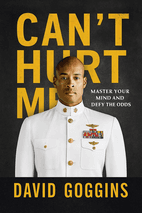
Never Finished: Unshackle Your Mind and Win the War Within - Clean Edition by David Goggins is a powerful follow-up to his bestselling Can’t Hurt Me, delving deeper into the mental and emotional battles that shape resilience. Goggins, a former Navy SEAL and ultramarathon runner, shares raw, unfiltered stories from his life to illustrate how embracing discomfort and relentless self-discipline can break mental barriers. The book emphasizes the concept of the "40% Rule," suggesting that most people only tap into a fraction of their potential, and challenges readers to push beyond self-imposed limits.
Set against the backdrop of Goggins' grueling military and athletic career, the book explores themes of accountability, perseverance, and the importance of a "calloused mind." Unlike traditional self-help guides, Goggins rejects shortcuts, arguing that true growth comes from enduring suffering and confronting personal weaknesses head-on. His no-excuses philosophy is rooted in his own struggles with obesity, poverty, and racial discrimination, making his message universally relatable yet intensely personal.
The lasting impact of Never Finished lies in its unapologetic demand for self-mastery. Goggins’ approach isn’t about motivation but about cultivating an unbreakable mindset through daily discipline. By reframing pain as a catalyst for growth, the book inspires readers to redefine their limits and take ownership of their lives. It’s a brutal yet transformative read for anyone seeking to overcome adversity and achieve extraordinary goals.
Warning Order
Overview
The chapter "Warning Order" presents a military-style directive for personal transformation, framing life as a continuous special operations mission. Authored by retired Navy SEAL David Goggins, it establishes a non-negotiable framework for overcoming limitations through relentless self-confrontation and discipline.
Situation: The Battlefield Within
Your current reality is constrained by societal expectations and internal barriers. These invisible walls—fear, complacency, and self-doubt—form the "enemy" blocking your potential. Acknowledging this confinement is the starting point for liberation.
Mission: Breaking Barriers
Your objective is twofold: shatter perceived limitations and venture into uncharted mental territory. This requires actively redefining what’s possible, turning every challenge into an opportunity to expand your capabilities beyond conventional boundaries.
Execution: The Path to Self-Mastery
Immerse and Implement: Read this book cover-to-cover, internalize its principles, and rigorously test every strategy. Repeated application is critical—each cycle sharpens skills and accelerates growth.
Embrace the Struggle: Expect profound discomfort. Success demands confronting painful truths and pushing beyond known limits. Treat every "Evolution" (challenge) as a lesson revealing your true identity and potential.
Commit to Perpetual Growth: Self-mastery has no finish line. Continuous improvement is the mandate—complacency is sabotage.
Classified: The Unseen Work
True transformation occurs in solitude. Integrity is measured by your effort when unobserved. Private discipline—maintaining standards without external validation—fuels lasting breakthroughs.
Command Authority
Goggins, signing as "Chief, U.S. Navy SEALs, Retired," underscores this as an operational directive. The chain of command is clear: you answer to your highest self.
Key Takeaways
Barriers are psychological: Societal and self-imposed limits can be dismantled through conscious warfare.
Growth requires discomfort: Embracing pain and repetition forges resilience.
Accountability is solitary: Your private efforts determine authentic transformation.
Mastery is infinite: The mission never concludes—relentless iteration defines excellence.
Key concepts: Warning Order
1. Warning Order
The Battlefield Within
Your current reality is constrained by societal expectations and internal barriers.
Fear, complacency, and self-doubt form the 'enemy' blocking your potential.
Acknowledging confinement is the starting point for liberation.
Mission: Breaking Barriers
Shatter perceived limitations and venture into uncharted mental territory.
Redefine what’s possible by expanding capabilities beyond conventional boundaries.
Turn every challenge into an opportunity for growth.
Execution: The Path to Self-Mastery
Immerse and implement: Read, internalize, and rigorously test every strategy.
Embrace profound discomfort—confront painful truths and push beyond limits.
Commit to perpetual growth; complacency is sabotage.
The Unseen Work
True transformation occurs in solitude and private discipline.
Integrity is measured by effort when unobserved.
Private discipline fuels lasting breakthroughs.
Command Authority
This is an operational directive—you answer to your highest self.
The chain of command is clear: relentless self-accountability.
Mastery is infinite; the mission never concludes.
Key Takeaways
Barriers are psychological and can be dismantled through conscious warfare.
Growth requires embracing pain and repetition to forge resilience.
Accountability is solitary—private efforts determine authentic transformation.
Mastery is infinite—relentless iteration defines excellence.
💡 Try clicking the AI chat button to ask questions about this book!
Introduction
Overview
The chapter opens by defiantly rejecting the self-help genre, arguing that surface-level improvement tactics fail to address deep personal disconnection. It introduces belief—not hope—as the core force capable of reigniting human potential, illustrated through a harrowing rat experiment and the author’s own journey from physical and emotional wreckage. Framing life as an uphill climb requiring relentless resilience, it positions the book as a "boot camp for your brain" designed to forge unshakeable conviction through practical mental drills.
Critiquing the Self-Help Industry
The author dismisses typical self-help as ineffective hype, comparing it to a "bottomless pit" of temporary fixes. He asserts that real transformation requires rewiring severed connections within one’s heart, mind, and soul—moving beyond incremental improvement to fundamental rebirth. This sets the stage for his alternative: cultivating belief as a primal, enduring driver of evolution.
Richter’s Rat Experiment and the Power of Belief
Dr. Curt Richter’s study placed rats in water-filled cylinders. Initially, they drowned within minutes, but after brief rescues, survivors swam for 60+ hours. While popular interpretations credit hope, the author argues belief fueled their endurance—a gritty certainty of survival honed through adapting techniques and growing resilience. He contrasts this with hope’s fleeting nature, likening the latter to a flimsy rope incapable of anchoring climbers on life’s treacherous mountain.
Belief’s Two Tiers
Surface-level belief—the common "believe in yourself" mantra—crumbles under exhaustion. True belief emerges only through resilience: pushing past pain, fatigue, and doubt until discovering an inner wellspring of certainty. This deeper belief eliminates hesitation, forging an unbreakable conviction that one will prevail through persistent effort.
The Author’s Transformation
Born with heart defects and sickle cell trait, raised amid toxic stress and learning disabilities, the author faced "minimal potential." By age 24, he chose to fight daily doubt, tapping into belief that fueled two decades of perseverance. His accomplishments stem not from innate advantage but from excavating and maximizing buried potential—a testament to belief’s power to defy expectations.
Modern Dissatisfaction and the Urgency for Change
Many feel an unfillable void, attempting to soothe it with material possessions or social media dopamine hits. This breeds a "virus of dissatisfaction," leaving people feeling "lesser than" and trapped in toxic thought cycles. The author emphasizes that escaping this requires desperation-level commitment—ignoring external opinions to reconnect with the primal drive to evolve.
Introducing Evolutions
Rejecting theory, the author positions himself as a "practitioner" of mental transformation. Each chapter concludes with an "Evolution": military-inspired drills comprising hard truths, philosophies, and actionable strategies. These exercises aim to sharpen readers’ mental resilience, framing the book as a wake-up call to confront obstacles and unlock latent power.
David Goggins receives the Americanism Award surrounded by veterans, yet feels unworthy, haunted by a past of abuse, failure, and self-doubt. He traces his pain to childhood trauma under his violent father, Trunnis, and embarks on a raw journey to confront him. Visiting their old home in Buffalo, sensory triggers like bass vibrations flood him with horrific memories. At Denny's, Trunnis's drunken insults nearly provoke violence, but in that charged moment, Goggins realizes his quest isn't about justice—it’s an excuse to blame others for his own shortcomings. He sees Trunnis as broken, not the root of his suffering; the true poison is his refusal to own his choices.
Driving away, he silences comforting inner voices and accepts brutal truths: his thin skin and quitting habits must die. This sparks an epiphany—human resilience is like seeds clawing through barren soil toward light. He rejects the "Haven of Low Expectations" and commits to relentless growth through pain. This awakening fuels his future Navy SEAL trials and ultramarathons, proving trauma can forge unparalleled grit. Later, at the VFW convention, he credits his mother’s tough love—forcing him to "pick himself up"—for his resilience. The award brings humility but also isolation; without military camaraderie, he faces the unknown alone. Embracing this, he resolves to become the warrior who "sharpens his sword alone", finding strength in solitude. True transformation, he learns, springs from radical accountability, confronting darkness without blame, and forging resilience through autonomous struggle beyond validation.
Receiving Honor Amidst Inner Turmoil
David Goggins sits in a Kansas City convention center, surrounded by combat veterans at the 2018 VFW National Convention. He’s there to receive the prestigious Americanism Award—an honor previously given to his hero, Senator John McCain. Instead of pride, he feels mystified, questioning how someone "born a loser" like himself could stand alongside such icons. As speakers address the crowd, Goggins mentally revisits his traumatic past: his father’s brutal abuse, fleeing to racist Indiana, cheating through school, failing military dreams, and becoming a 300-pound exterminator. He searches his memories for the catalyst that transformed him into a man of honor but finds none.
Confronting the Devil
Haunted by numbness stemming from childhood survival mechanisms, Goggins realizes his life hinges on confronting his abusive father, Trunnis. Driving to Buffalo, New York, he battles internal voices: one justifying his victimhood ("It’s not your fault"), and another demanding accountability ("It is your responsibility"). Arriving at his childhood home—unchanged since his family’s escape—he finds Trunnis aged and diminished, sparking doubt about his own memories. But when bass from Trunnis’ nightclub reverberates through the building, Goggins relives harrowing scenes of his mother’s suffering and his own terror. Rage propels him upstairs to witness Trunnis drinking and flirting, confirming the man’s cruel essence.
The Denny’s Revelation
At a late-night Denny’s meal, Trunnis drunkenly insults Goggins’ mother and grandparents. Goggins nearly attacks him but halts when Trunnis cowers under his glare. In that moment, Goggins uncovers his true motive for the trip: not self-improvement, but a desperate hunt for someone to blame for his failures. He realizes Trunnis—though a broken, abusive man—isn’t the flaw in his existence. The real flaw is Goggins’ refusal to own his choices. Driving away, he silences his "nurturing" inner voice and accepts brutal truths: his thin skin, quitting habits, and excuses must end.
Awakening Resilience
Alone on the highway, Goggins embraces full accountability. He visualizes human resilience as seeds fighting toward light despite barren soil—symbolizing his own path from "darkness" to self-determination. He rejects the "Haven of Low Expectations" and resolves to pursue relentless growth, knowing it demands pain and zero guarantees. This epiphany ignites an "unleashed force" that later drives him through Navy SEAL training, ultramarathons, and record-breaking feats. By confronting his past, Goggins begins transforming into "the grittiest human being ever to find light where there was none."
Key Takeaways
Accountability as Liberation: Blaming external circumstances perpetuates failure; true transformation starts by owning your choices.
Confronting Trauma: Facing the source of pain—even when it reveals uncomfortable truths—is essential to break cyclical suffering.
Resilience Over Excuses: Growth requires rejecting victimhood and embracing discomfort, turning adversity into fuel for self-mastery.
Inner Voices at War: The battle between self-justification and self-responsibility defines personal evolution.
The Catalyst of Clarity: Accepting harsh realities ("swallowing reality") unlocks untapped potential, redirecting a life of defeat into one of unprecedented resilience.
The VFW Convention Revelation
During his acceptance speech at the VFW Convention, the author emotionally credits his mother for fostering his resilience by never assisting him when he fell—forcing him to "pick himself up" after setbacks. This approach shaped his relentless pursuit of growth beyond "good enough," transforming adversity into fuel for self-evolution. The award, though a crowning achievement for many, leaves him humbled yet acutely aware of his new reality: without the military’s structured camaraderie, he now walks "into the unknown" alone.
The Solitary Warrior’s Resolve
Rejecting external validation, the author embraces isolation as his forge. The adage "iron sharpens iron" no longer applies; instead, he commits to being the warrior who "sharpens his sword alone." This symbolizes his deliberate choice to sustain rigorous self-improvement without external pressure, viewing solitude not as a void but as the ultimate arena for honing unparalleled strength.
Key Takeaways
Resilience Through Autonomy: Overcoming challenges without reliance on others builds unshakeable self-reliance.
Beyond External Validation: True growth stems from internal drive, not accolades or peer pressure.
Solitude as Strength: Embracing isolation transforms it into a disciplined space for continuous self-refinement.
Key concepts: 1. Maximize Minimal Potential
3. 1. Maximize Minimal Potential
Receiving Honor Amidst Inner Turmoil
Goggins feels unworthy of the Americanism Award despite his achievements.
Reflects on a traumatic past of abuse, failure, and self-doubt.
Questions how a 'born loser' could stand among icons like John McCain.
Searches for the catalyst of his transformation but finds no clear moment.
Confronting the Devil: Facing Childhood Trauma
Goggins realizes he must confront his abusive father, Trunnis, to move forward.
Visits his childhood home, triggering vivid memories of violence and fear.
Internal battle between victimhood ('It’s not your fault') and accountability ('It is your responsibility').
Witnesses Trunnis’ unchanged cruelty, confirming the past’s lingering scars.
The Denny’s Revelation: Blame vs. Accountability
Trunnis’ drunken insults nearly provoke Goggins to violence, but he stops himself.
Realizes his trip was not about justice but an excuse to blame others for his failures.
Acknowledges Trunnis is broken but not the root of his suffering—his own choices are.
Silences comforting inner voices and accepts brutal truths about his weaknesses.
Awakening Resilience: The Path to Self-Mastery
Embraces full accountability, visualizing resilience as seeds fighting toward light.
Rejects the 'Haven of Low Expectations' and commits to relentless growth through pain.
Epiphany fuels future feats (Navy SEALs, ultramarathons) by transforming trauma into grit.
Learns true strength comes from autonomous struggle, not external validation.
The VFW Convention Revelation: Solitude and Strength
Credits his mother’s tough love ('pick yourself up') for his resilience.
Award brings humility but also isolation—without military camaraderie, he faces the unknown alone.
Resolves to 'sharpen his sword alone,' finding strength in solitude.
Recognizes transformation requires radical accountability and confronting darkness without blame.
Key Takeaways
Accountability as Liberation: Owning choices breaks the cycle of blame and failure.
Confronting Trauma: Facing pain’s source is essential to end cyclical suffering.
Resilience Over Excuses: Growth demands rejecting victimhood and embracing discomfort.
Inner Voices at War: Self-justification vs. self-responsibility defines personal evolution.
Catalyst of Clarity: Accepting harsh truths redirects defeat into unprecedented resilience.
The Solitary Warrior’s Resolve
Rejecting external validation to embrace isolation as a forge for self-improvement
Commitment to self-reliance: sharpening one's abilities without external pressure
Viewing solitude as a disciplined space for continuous refinement and strength
Internal drive as the foundation for true growth, beyond accolades or peer influence
Transforming isolation into an arena for unparalleled personal development
Detachment from external dependencies to cultivate inner strength
Autonomy as a catalyst for sustained personal and professional growth
Beyond External Validation
True progress stems from intrinsic motivation, not external approval
Rejecting societal benchmarks to define success on one's own terms
Focusing on internal metrics of achievement rather than peer comparisons
Solitude as Strength
Embracing isolation as a deliberate strategy for self-mastery
Transforming loneliness into a productive, disciplined mindset
Using solitude to refine focus, clarity, and unwavering determination
Evolution No. 1
Overview
The chapter opens with an analogy from emergency medical services (EMS), where responders face life-threatening situations during the "golden hour"—a critical 60-minute window to save trauma victims. Paramedics prioritize immediate threats using the ABC protocol (airway, breathing, circulation) but risk being derailed by visually shocking "distracting injuries" (e.g., a gruesome leg wound) that obscure more lethal internal issues. This framework sets the stage for exploring how psychological traumas—like abuse, neglect, or tragedy—act as similar distractions, preventing individuals from addressing core issues that dictate their survival and growth.
The Author’s Distracting Injuries
After 15 years in EMS, the author reflects on his own life, comparing his fixation on childhood trauma—physical abuse, racism, and neglect—to a medic obsessing over a non-fatal injury. By age 24, he was emotionally paralyzed, dwelling on his father’s violence and his isolation. This mindset nearly cost him his dream of becoming a Navy SEAL; he was severely overweight and had to lose pounds rapidly through extreme diet and exercise. Only when he shifted focus from his past to actionable change did he recognize his self-imposed narrative of isolation was a distortion.
The Universality of Distraction
The author observes that countless others are similarly trapped by their "distracting injuries." These range from childhood wounds (bullying, loss) to adult crises (divorce, bankruptcy, assault). Such pain often fosters entitlement or self-pity, allowing people to justify stagnation. He warns that clinging to victimhood creates a "forgiving curve" for personal failure, where individuals demand apologies or reparations before moving forward—a mindset that only deepens paralysis.
The Skydiver Analogy
Victims of unresolved trauma are likened to a skydiver fixated on a tangled parachute while ignoring their backup chute and plummeting altitude. Fear of cutting away the primary chute (symbolizing old pain) delays lifesaving action until it’s too late. The author admits he was this skydiver for years, prioritizing resentment over his own agency.
The Path to Liberation
He stresses that freedom requires self-driven action, not external validation. His father never apologized, yet he reclaimed power by humanizing his abuser as "a mortally flawed piece of crap" and breaking the cycle himself. Life’s opportunities, he argues, have invisible expiration dates; windows close without warning. Forward momentum is nonnegotiable, and excuses like "I’m only human" surrender progress to chaos. The chapter closes with a rallying cry: discard distractions, focus on growth, and fight relentlessly.
Key Takeaways
Distractions Kill Progress: Fixating on past trauma obscures actionable solutions, much like EMS distractions hide critical injuries.
Agency Over Apology: Waiting for others to "fix" your pain guarantees stagnation; liberation is self-directed.
David Goggins is a retired Navy SEAL and one of the world's foremost endurance athletes, renowned for his powerful message of mental toughness and self-discipline. He is the acclaimed author of the #1 New York Times bestseller "Can't Hurt Me," a transformative work that combines his harrowing life story with a call to master the mind. His follow-up book, "Never Finished," further unpacks his philosophy of relentless resilience. Goggins' work has inspired millions to push past their perceived limits and confront their deepest fears. His influential books, celebrated for their raw honesty and actionable strategies, are available on Amazon.
📚 Explore Our Book Summary Library
Discover more insightful book summaries from our collection