What is the book Success Unshared is Failure about?
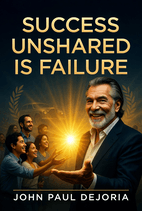
John Paul DeJoria's Success Unshared is Failure presents a personal creed that real success is measured by how much one brings others along, sharing stories from building Paul Mitchell and Patrón from nothing. Written for entrepreneurs and anyone seeking a life of purpose beyond profit, it offers hard-won lessons in compassionate capitalism, philanthropy, and leaving a legacy defined by generosity.
Feature
Insta.Page
Blinkist
Shortform
Summary Depth
Full Chapter-by-Chapter
15-min overview
Section-by-section guides
Audio Narration
✓
✓
✓
Visual Mindmaps
✓
✕
✕
AI Q&A
✓
✕
✕
Quizzes
✓
✕
✕
PDF Downloads
✓
✕
✓
Price
$89.99/yr
$146/yr (PRO)
$199/yr
*Competitor data last verified July 2026.
1 Page Summary
This book is built on a simple yet profound philosophy that John Paul DeJoria learned from his mother: Success Unshared is Failure. The book is less a traditional business memoir and more a personal creed, arguing that real success isn't measured by wealth or accolades, but by how much one brings others along. DeJoria frames this as a moral and emotional necessity, asserting that hoarding good fortune—whether money, knowledge, or opportunity—leads to emptiness, while sharing it expands one's positive energy. This principle guided the creation of his billion-dollar companies, John Paul Mitchell Systems and Patrón, which were designed from the start to be built with and for their communities—hairdressers, distributors, and employees alike.
DeJoria’s approach is distinctive for its raw honesty and focus on character over charisma. He shares his journey from a childhood of scarcity and a mother’s wisdom, through early setbacks like homelessness and a failed marriage, to building a company with just $700. The book emphasizes scrappy resourcefulness, the power of facing rejection, and the importance of "compassionate capitalism." He avoids typical business platitudes, instead offering hard-won lessons on everything from the art of the sales pitch to the strategic value of hiring from the gut and eliminating middle management. A significant portion of the book is dedicated to his philanthropic and even diplomatic work—from restoring coral reefs in Barbuda and bringing water to the Navajo Nation, to leveraging his credibility as a businessman to facilitate meetings with figures like Muammar Gaddafi and Kim Jong-Il.
The intended audience is broad, encompassing entrepreneurs, aspiring business leaders, and anyone interested in a life lived with purpose beyond profit. Readers will gain not just a set of business principles but a compelling model for integrating philanthropy and personal ethics into a career. DeJoria demonstrates that success is a cycle of giving, creating loyalty, and building systems—like the 360-year trust protecting John Paul Mitchell Systems—that outlast any individual. The ultimate takeaway is an invitation to embrace kindness, share one's good fortune, and live with joy, leaving a legacy defined not by wealth, but by the simple truth that "a lot of people had better lives because he was here."
Foreword
Overview
Mark Victor Hansen, the legendary co-creator of Chicken Soup for the Soul, opens this foreword by drawing a striking metaphor: John Paul DeJoria transforms life’s tragedies into triumphs the way a caterpillar becomes a butterfly. Hansen first met JP in the mid-90s through a mutual friend, and their connection was immediate—both grew up as sons of immigrant parents with barely enough, selling greeting cards at age nine and running newspaper routes. That shared hunger fueled an entrepreneurial fire that led each man from humble beginnings to extraordinary success.
Hansen recalls visiting JP’s Malibu Beach home, where they shared a shot of Patrón tequila and swapped stories. Back then, Hansen knew JP only as the smiling face from Paul Mitchell commercials. But that afternoon, he discovered a kindred spirit: a man who launched a billion-dollar hair care company with just $700 and a co-founder, then later built Patrón into a global tequila empire. What struck Hansen most was not the wealth, but what JP did with it.
A Giver First
JP’s personal mantra—Success Unshared is Failure—became the book’s title, and Hansen watched it play out in real time. He saw JP restore hurricane-ravaged Barbuda by rebuilding coral reefs and creating jobs for displaced residents. He heard from Malian leader Yeah Samake about how JP’s water projects were feeding entire villages. In Austin, Texas, JP partnered with a homeless outreach program that not only fed people but guided them back to employment—so effective it became a model for other cities.
Hansen describes JP as having “such an enormous spirit, that the universe responds equally, and in kind, to the largess of the goodness he embodies.” That spirit earned JP the Horatio Alger Award for Distinguished Americans, an honor presented at the U.S. Supreme Court and shared by Hansen himself—yet another uncanny parallel in their intertwined journeys. The award recognizes individuals who rose from poverty and gave back extravagantly; Horatio Alger has granted over $265 million in scholarships through its members.
Why This Book Matters
Hansen closes the foreword with a simple but profound observation: there are givers and takers in life, and John Paul DeJoria is a master giver. He frames JP not as an exception but as an example—proof that white-hot desire and relentless dedication can lift anyone from nothing. The pages that follow, Hansen promises, are filled with dramatic stories of adversity turned into advantage, offering a template for living “to your fullest expression of joy and success.”
Key Takeaways
Shared roots fuel shared drive: Hansen and DeJoria both came from immigrant, low-resource backgrounds that sparked an early entrepreneurial instinct—selling cards, delivering papers, hustling door-to-door.
Success is only meaningful when shared: JP’s core philosophy—Success Unshared is Failure—is not a slogan but a lived practice, demonstrated through reef restoration, water access projects, and homeless-to-employment programs.
Philanthropy as a natural extension of achievement: JP’s giving is not an afterthought; it’s the logical outcome of his business victories, rewarded by the Horatio Alger Award and the respect of peers.
One person can change entire communities: From Barbuda to Mali to Austin, JP shows what a single, on-purpose human being can accomplish when resources are combined with genuine compassion.
This book is a playbook, not just a biography: Hansen predicts it will become a treasured resource for anyone seeking to replicate JP’s blend of resilience, generosity, and success.
Key concepts: Foreword
1. Foreword
Shared Roots and Entrepreneurial Fire
Both grew up as sons of immigrant parents with barely enough
Sold greeting cards at age nine and ran newspaper routes
Shared hunger fueled entrepreneurial drive from humble beginnings
From $700 to Global Empires
Launched Paul Mitchell with just $700 and a co-founder
Homeless outreach program in Austin became a model for cities
Recognition and Generosity
Earned Horatio Alger Award for rising from poverty
Award presented at U.S. Supreme Court
Horatio Alger has granted over $265 million in scholarships
Uncanny parallels between Hansen and JP's journeys
A Playbook for Triumph
JP is a master giver, not an exception but an example
White-hot desire and dedication can lift anyone from nothing
Stories of adversity turned into advantage fill the book
Offers a template for living to fullest joy and success
💡 Try clicking the AI chat button to ask questions about this book!
Introduction
Overview
The Introduction to Success Unshared is Failure is less a conventional opening and more a personal creed from John Paul DeJoria. He wastes no time laying his cards on the table: the book’s title isn’t just a catchy phrase—it’s the philosophy his mother taught him as a boy, the principle he and his business partner Paul Mitchell built their company on, and the idea that continues to guide him today. DeJoria explains that when you improve your own situation, bringing others along isn’t optional; it’s the very definition of real success. He frames this as a kind of moral and emotional necessity: hoarding good fortune, whether it’s money, knowledge, or opportunity, leads to emptiness. By contrast, sharing expands your reach and your frequency—his word for the positive energy that comes from helping others.
DeJoria then connects this idea directly to how John Paul Mitchell Systems was designed. From day one, the company was built with hairdressers, not just for them. Products were created with their needs in mind, marketing included them, and the company supported them during tough times. Later, when Paul Mitchell Schools launched, students were folded into that same inclusive culture. That vision turned a $700 startup into the largest independently-owned professional hair care company, operating in over a hundred countries. DeJoria calls this his first billion-dollar opportunity, but the real point is that the company’s success was never just about money—it was about building a community of shared purpose.
The Introduction also hints at what’s to come: DeJoria has used his wealth to invest in projects that provide food, water, and environmental solutions, not because they promise returns, but because they “touch his heart.” He insists you don’t need to be rich to live out this philosophy. His mother’s lesson was simple: no matter how bad things seem for you, someone else is facing even greater struggles, and you won’t find real happiness until you find a way to help them. He ends by revealing his own unlikely path—fired three times from the beauty industry before launching JPMS—and credits those failures with shaping both the company and himself. “Faith is real,” he says, grounding the entire introduction in a belief that setbacks can lead to something far greater.
Key Takeaways
Success isn’t measured by what you keep, but by what you share; “success unshared is failure” is both a moral and practical principle.
John Paul Mitchell Systems was built on inclusion—designing products and culture with hairdressers and students, not just for them.
You don’t need wealth to practice this philosophy; helping others can start small, especially when you remember someone always has it harder.
Personal failures (like being fired three times) can become the foundation for extraordinary success if you keep faith and learn from them.
Key concepts: Introduction
2. Introduction
Core Philosophy: Success Unshared is Failure
Title is a personal creed from his mother
Real success means bringing others along
Hoarding fortune leads to emptiness
Sharing expands positive energy and reach
Building John Paul Mitchell Systems
Company built with hairdressers, not just for them
Products and marketing included their needs
Supported hairdressers during tough times
Students folded into inclusive culture
Community of Shared Purpose
$700 startup became largest independent hair care company
Operates in over 100 countries
Success was about community, not just money
First billion-dollar opportunity driven by inclusion
Applying Philosophy Beyond Wealth
Invests in food, water, and environmental projects
Chooses projects that 'touch his heart'
You don't need to be rich to help others
Someone always has it harder than you
Failures as Foundation for Success
Fired three times from beauty industry
Failures shaped both company and himself
Setbacks can lead to something greater
Faith is real and grounding principle
Chapter 1 Believe in Yourself and You Will Succeed
Overview
Chapter 1 introduces the foundation of everything that shaped John Paul DeJoria’s life and career: his mother’s unwavering belief in happiness over wealth, the scrappy lessons of a childhood spent making do, and the early sparks of entrepreneurial spirit. From selling handmade planter boxes as a boy to earning a raise by cleaning better than anyone expected, this chapter is a vivid tour of the experiences that taught him that success isn’t about money—it’s about doing your best, believing in yourself, and helping others along the way.
A Mother’s Wisdom: Happiness Is the Real Wealth
Yvonne Madelo DeJoria raised two boys alone after her marriage ended, often with very little money. One Friday, when their entire fortune was just twenty-seven cents, she told her sons they were rich because the bills were paid, they had each other, and food was in the icebox. That lesson stuck. She taught them to give the bigger half of a cookie to a friend, to help the Salvation Army even when a dime felt like a fortune, and to understand that “success unshared is failure.” These weren’t just words; they became the blueprint for how John Paul would later treat employees, partners, and strangers.
Boys Club, Planter Boxes, and the Thrill of the Sale
At the Variety Boys Club in East L.A., John Paul and his brother Robert discovered the joy of making things. They built a flower planter box, paying twenty-five cents for materials on credit and spending days sanding and varnishing it to perfection. Selling it to a waitress for fifty cents gave them a quarter profit—and a lifelong lesson in quality and hustle. They reinvested their earnings into another box, and another. Around the same time, John Paul became a wildly enthusiastic newspaper salesman, genuinely believing the Los Angeles Examiner had “the best funny papers in the world.” That enthusiasm was contagious, and it taught him that when you love what you do, your excitement sells itself.
A Gang of Pink Rats and a Teacher’s Prediction
The chapter touches lightly on a childhood street gang called the Pink Rats—just kids with push-button knives and a clubhouse tree—and the more serious moment when a high school teacher read a note aloud and declared that John Paul and his friend Michelle Gilliam would never succeed in business. Michelle later became Michelle Phillips of The Mamas & The Papas, and John Paul built Paul Mitchell. Neither let that prediction stick. He reflects that self-belief was the only thing that mattered; they simply needed to “figure out better ways to pass our notes.”
The Cleanest Janitor in the World
At sixteen, working at Stewart’s Cleaners for minimum wage, John Paul cleaned the way his mother had taught him: moving furniture, sweeping under everything, leaving no dust behind. When his boss discovered the spotless area behind a cot—done without anyone watching—he gave the kid a twenty-five-cent raise. The lesson: success isn’t about the title. It’s about being the best darned janitor you can be, because someone will eventually notice.
Friendship and Paying It Forward
A high school friend, Lee Meyer, loaned John Paul a car after an accident, then never blamed him when that car was wrecked too. Lee’s kindness and faith left a deep mark. Years later, John Paul repaid the favor with a new car and a job offer at John Paul Mitchell Systems. The chapter makes clear that the people who believed in him—and those he believes in—are part of the same cycle of trust and generosity.
Key Takeaways
Belief in yourself is more powerful than any teacher’s prediction. Don’t let anyone decide your ceiling.
Do your best even when no one is watching. That’s how you earn raises, respect, and a reputation.
Love what you do, and your passion becomes your best sales pitch.
Success means sharing. Give the bigger half of the cookie; help those with less; never let a dime convince you that giving back isn’t worth it.
Early lessons in quality and hustle stick. Whether it’s a planter box or a janitor’s broom, take pride in the details.
Key concepts: Chapter 1 Believe in Yourself and You Will Succeed
3. Chapter 1 Believe in Yourself and You Will Succeed
Mother's Wisdom: Happiness Over Wealth
Rich with 27 cents when bills paid and food had
Give the bigger half of the cookie to others
Success unshared is failure
Blueprint for treating employees and partners
Early Hustle: Planter Boxes & Newspaper Sales
Built planter boxes on credit for 25 cents profit
Reinvested earnings into more boxes
Enthusiasm for selling newspapers was contagious
Love what you do and excitement sells itself
Defying Predictions: Pink Rats & Teacher's Doubt
Teacher said John Paul and friend would never succeed
Friend became Michelle Phillips of The Mamas & The Papas
Self-belief mattered more than any prediction
Just needed to figure better ways to pass notes
The Cleanest Janitor: Doing Best When Unseen
Cleaned behind furniture no one asked him to move
Boss noticed spotless area and gave 25-cent raise
Success is being best at whatever job you have
Someone will eventually notice your effort
Friendship & Paying It Forward
Friend Lee loaned car after accident without blame
Years later repaid with new car and job offer
Belief in others creates cycle of trust
Generosity and faith leave lasting marks
Chapter 2 Life's Misfortunes Can Teach You a Lot
Overview
Life’s misfortunes can teach you a lot—and this chapter proves it by taking you through early setbacks that built a foundation for success. It starts in 1962 with a seventeen-year-old who had no money for college, so he joined the Navy. Serving on the USS Hornet, he learned management, teamwork, and how ordinary people achieve extraordinary results together.
Back in civilian life, he bounced through gritty jobs before landing in door-to-door encyclopedia sales for Collier’s. The average salesman lasted three days; he lasted three and a half years. That grind taught him two lessons: be prepared for rejection (the next door might open after a hundred slams), and successful people do what unsuccessful people won’t—like working nights and weekends.
Confidence is great, but cockiness can get you killed. In 1965, during the Watts riots, he and a buddy drove into the chaos to see what was happening. They stashed a rusty shotgun in the car, a cop spotted it, and they ended up in jail. Charges were dismissed, but he walked away determined never to mistake confidence for stupidity again.
Personal life hit rock bottom. He’d gotten married underage with a phony ID, and after a son arrived, his wife drove off, emptied the bank account, and left unpaid rent. Suddenly he and his two-year-old son were homeless, living out of a beat-up 1951 Cadillac, collecting soda bottles for cash, showering at Griffith Park. Too proud to ask family for help, he reminded himself they had a choice—to stay grateful and keep moving.
Kindness arrived from an old junior high buddy, Lee Meyer, a tough biker who offered a room in his mother’s house for twenty-three dollars a month. The biker community became family; the women watched his son while he worked.
Over the next few years he sold dictating machines, photocopiers, life insurance, drove a linen truck. By 1970 he was circulation manager at Time Inc., running a boiler room of fifty cold-callers—and he hated the monotony. When he asked for a promotion, his boss told him to come back when he was thirty-five because he hadn’t been to college. That dead-end moment made him realize he needed growth.
An employment counselor named John Capra suggested the professional beauty industry. “You won’t make much money at first, but it’s wide open, and you’ll have a blast.” That led to a company called Redken. He excelled there—opened schools, broke records, went from sales rep to national manager in eighteen months. His philosophy was treat people the way you want to be treated. That collided with company culture when he objected to using Marmoset monkeys for product tests that had nothing to do with hair. He was fired.
Then came Syntex. He boosted revenues from $8 million to $12 million in a year—and was fired because he didn’t socialize on weekends. Next, the Institute of Trichology gave him a sweetheart deal; he tripled sales. The owners said, “You made more money than the founder. We’re letting you go.” Getting fired three times in six years sounds like a disaster, but he later saw it as heaven-sent. Each job taught him something essential about sales, manufacturing, and marketing that he’d need to start JPMS. Every slammed door became a lesson in what he did wrong and how to keep going.
The core theme is that misfortunes don’t define you; how you face them does. Mistakes are tuition, not tragedies. Trust that life is guiding you somewhere bigger—even if the payoff takes years. And don’t let others’ definitions of “fitting in” stop you from doing what you believe is right. Refusing to play politics or mistreat animals cost him jobs, but it built the character and the company that would come next.
Key Takeaways
Misfortunes don’t define you; how you face them does. Each failure is a stepping stone if you’re willing to learn.
Trust that life is guiding you somewhere bigger. You may not see the payoff for years, but it’s coming.
Don’t let others’ definitions of “fitting in” stop you from doing what you believe is right. JP’s refusal to play politics or mistreat animals cost him jobs, but it built his character and his company.
Key concepts: Chapter 2 Life's Misfortunes Can Teach You a Lot
4. Chapter 2 Life's Misfortunes Can Teach You a Lot
Early Lessons in Resilience
Joined Navy at 17 with no college money
Learned management and teamwork on USS Hornet
Survived 3.5 years in high-turnover encyclopedia sales
Rejection taught persistence and working harder than others
Costly Mistakes and Humility
Drove into Watts riots out of cockiness
Jailed after cop found a rusty shotgun
Learned confidence must not become stupidity
Determined to avoid reckless decisions
Rock Bottom and Unexpected Kindness
Wife left with money, leaving him homeless with son
Lived in a 1951 Cadillac, collected bottles for cash
Too proud to ask family for help
Old friend Lee Meyer offered cheap room and support
Repeated Firings as Hidden Gifts
Fired from Redken for opposing animal testing
Fired from Syntex for not socializing on weekends
Fired from Institute of Trichology after tripling sales
Each firing taught essential skills for future success
Core Philosophy on Misfortune
Misfortunes don't define you; your response does
Mistakes are tuition, not tragedies
Trust life is guiding you toward something bigger
Don't compromise values to fit in with others
You've reached the end of the free chapters
Next chapter: “Chapter 4 Strategies for Sales Success” is locked
Keep reading Success Unshared is Failure — and unlock all 600+ book summaries with audio, mindmaps and AI Q&A.
$0.00 due today · 7 days free, then $89.99/year ($7.49/mo) · Cancel anytime before day 7
John Paul DeJoria is an American billionaire entrepreneur best known as the co-founder of John Paul Mitchell Systems, a global hair care company, and Patrón Tequila. His expertise lies in building iconic brands from the ground up, driven by a passion for sustainability and philanthropy. He is also the author of "Good Company," a memoir sharing his journey from homelessness to success and his leadership philosophy.
Frequently Asked Questions about Success Unshared is Failure
What is Success Unshared is Failure about?
This book chronicles the life and philosophy of John Paul DeJoria, who rose from homelessness to co-found billion-dollar brands like Paul Mitchell hair care and Patrón tequila. Central to the narrative is his mother’s lesson that 'success unshared is failure,' which he applies by prioritizing employee well-being, giving back through his foundation, and engaging in global humanitarian and diplomatic efforts. The book weaves together business strategies, personal setbacks, and unconventional adventures—from negotiating with Muammar Gaddafi to rebuilding coral reefs in Barbuda—to illustrate that real success is measured by how much you share with others.
Who is the author of Success Unshared is Failure?
John Paul DeJoria is a self-made entrepreneur and philanthropist who co-founded two iconic companies: Paul Mitchell hair care products (starting with just $700) and Patrón tequila. Before his success, he experienced homelessness, sold encyclopedias door-to-door, and learned resilience from his mother, who taught him that generosity is always possible. The foreword is written by Mark Victor Hansen, co-creator of Chicken Soup for the Soul, who describes DeJoria as a kindred spirit who transforms life’s tragedies into triumphs.
Is Success Unshared is Failure worth reading?
Absolutely—this book is a rare combination of gritty business memoir and heartfelt call to action. DeJoria’s stories, from sleeping in his car to building a 360-year trust for his company, are both inspiring and practical. It’s a compelling read for anyone who wants to understand that lasting success comes not from hoarding wealth but from lifting others along the way.
What are the key lessons from Success Unshared is Failure?
The most important lesson is that real success means sharing your good fortune—whether money, knowledge, or opportunity—because hoarding it leads to emptiness. DeJoria teaches that you must believe in yourself, do what unsuccessful people won’t (like working nights and weekends), and treat rejection as a stepping stone. He demonstrates that putting people first—employees, distributors, and communities—builds unshakable loyalty, and that giving back through philanthropy often returns far more than you invest.
📚 Explore Our Book Summary Library
Discover more insightful book summaries from our collection