Chapter 1. To Build a Nose: The Dawn of Replacement Body Parts
Chapter 1 of 4
0:000:00
EN
1x
Voice
PDF
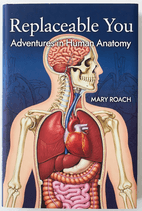
Replaceable You
by Mary Roach
What is the book Replaceable You about?
Mary Roach's Replaceable You is a witty, curiosity-driven tour through humanity's centuries-long quest to rebuild the body, from brass noses and frog-skin grafts to today's stem cells, 3D-printed organs, and pig heart transplants. It's for readers who enjoy science writing with humor and heart, exploring both the remarkable progress and stubborn challenges of replacing what nature gave us
Feature
Insta.Page
Blinkist
Shortform
Summary Depth
Full Chapter-by-Chapter
15-min overview
Section-by-section guides
Audio Narration
✓
✓
✓
Visual Mindmaps
✓
✕
✕
AI Q&A
✓
✕
✕
Quizzes
✓
✕
✕
PDF Downloads
✓
✕
✓
Price
$89.99/yr
$146/yr (PRO)
$199/yr
*Competitor data last verified July 2026.
1 Page Summary
Mary Roach's Replaceable You delves into the surprisingly rich and often bizarre history of prosthetics and replacement body parts, exploring the human quest to overcome physical loss long before the advent of modern technology. The book moves beyond simple artificial limbs, examining historical attempts to replace everything from noses (using leather, silver, or even a flap of skin from the forearm) to bladders (made from rubber or, disastrously, a rooster's crest). Roach situates these efforts within their social and medical contexts, revealing how war, shifting beauty standards, and the limitations of contemporary surgery and materials science drove both desperate ingenuity and remarkable innovation.
The narrative is grounded in Roach's signature style of immersive research and witty prose, as she visits museums, interviews experts, and unearths fascinating anecdotes from medical history. Key concepts include the evolution of prosthetic materials—from wood and iron to vulcanized rubber and modern plastics—and the changing philosophy of replacement, which shifted from merely disguising loss to attempting to restore function. The book also highlights the psychological and social dimensions of wearing prosthetics, questioning what it means for an object to become part of a person's identity and how replacements have been used to help individuals reintegrate into society.
The lasting impact of Replaceable You lies in its humanizing perspective on a field often associated solely with cutting-edge bionics. By illuminating the long, strange, and deeply human struggle to rebuild the body, Roach provides essential context for today's advances in neural interfaces and 3D-printed organs. The book ultimately celebrates resilience and creativity, reminding us that the drive to repair ourselves is a fundamental part of the human story, paved with equal parts tragedy, comedy, and extraordinary determination.
Chapter 1. To Build a Nose: The Dawn of Replacement Body Parts
Overview
This chapter explores humanity's long, inventive, and often startling quest to replace lost or damaged body parts, using the nose as its primary example. It traces a journey from early prosthetics held on with glue to sophisticated surgical reconstructions, revealing a history marked by both brilliant innovation and desperate, sometimes macabre, experimentation. The narrative weaves together advances in materials science, the birth of plastic surgery, and the ethical and practical dilemmas of sourcing living tissue, painting a vivid picture of our enduring drive to restore the human form.
The Prosthetic Nose: A Sticky Problem
The story begins not in a modern hospital, but in a 16th-century duel, where the astronomer Tycho Brahe lost part of his nose. His solution—a brass prosthesis glued in place, which had a habit of falling off—sets the stage for centuries of improvement. The chapter details the evolution of prosthetic noses, from Brahe’s unreliable adhesive to Frank Tetamore’s 1890s design, which used special eyeglass frames and an attached mustache for stability. The parallel development of dentures directly influenced this field, leading to inventions like dentist Robert Upham’s spring-loaded nose, which used compressed springs inside the nostrils to hold it firmly in place. These advancements were fundamentally about finding better materials and more reliable methods of attachment.
Surgical Reconstruction: The Birth of Plastic Surgery
Long before reliable prosthetics, surgeons were attempting to rebuild noses using the patient’s own skin. The chapter reveals that rhinoplasty is an ancient art, with techniques described in India as early as 600 BC. The "Indian method," using a flap of skin from the forehead (still used today as the median forehead flap), was remarkably effective. However, it left a significant scar on the donor site. To avoid facial scarring, 16th-century Italian surgeon Gaspare Tagliacozzi pioneered a technique using a skin flap from the patient’s inner arm. This required the patient to be strapped into a cumbersome harness for weeks, their arm graft literally attached to their face until it established a new blood supply. The chapter notes that Tagliacozzi, though famous, was likely not the first to attempt this; that credit may belong to the lesser-known but hygiene-conscious Bavarian surgeon Heinrich von Pfalzpaint.
Zoografting: Skin from Sheep, Chickens, and Frogs
When a patient’s own skin wasn’t an option, surgeons turned to a radical source: other animals. The chapter details the strange and often failed history of "zoografting." Early attempts involved "pedicle flaps," where a patient was surgically attached to a living animal donor—like a Great Dane or a sheep—by a bridge of skin. These experiments were logistical nightmares and generally unsuccessful. The concept evolved into "free flaps," where pieces of skin were fully removed from the donor. When human donors (often paid volunteers) were scarce, surgeons used skin from young chickens, puppies, kittens, and rabbits, believing youthful tissue had better healing properties. During World War I, frog skin became a popular temporary graft for wounds, prized for its loose, easy-to-use texture and, unbeknownst to surgeons at the time, natural antimicrobial properties. This practice sparked sensational headlines and bizarre theories, like one surgeon’s suggestion that successful grafts created a "new breed" of hybrid human-frog skin.
Modern Context and Enduring Questions
The chapter concludes by bridging this history to modern burn treatment, mentioning institutions like the Sumner M. Redstone Burn Center at Massachusetts General Hospital, which rose to prominence after tragedies like the 1942 Cocoanut Grove fire. It ends by circling back to the primal human experiences that drive this entire medical pursuit: the horror of fire as a destructive force and the deep cultural significance of disfigurement, exemplified by historical accounts of nasal mutilation as punishment. The underlying questions remain: Where does replacement tissue come from, and at what cost?
Key Takeaways
The drive to replace body parts is ancient, motivated by both practical necessity and the social stigma of disfigurement.
Progress in prosthetics (like noses) has historically been driven by parallel advancements in materials science and related fields, such as dentistry.
Rhinoplasty is one of the oldest forms of reconstructive surgery, with techniques developed thousands of years ago that are still in use today.
The history of skin grafting includes a period of radical experimentation with animal donors (zoografting), highlighting the desperate lengths taken to find viable tissue before modern medical understanding.
This entire journey underscores a constant tension in medical progress: the bold, sometimes ethically fraught, pursuit of solutions to profound human suffering.
Key concepts: Chapter 1. To Build a Nose: The Dawn of Replacement Body Parts
1. Chapter 1. To Build a Nose: The Dawn of Replacement Body Parts
The Prosthetic Nose: Evolution of Materials and Attachment
Early prosthetics like Tycho Brahe's brass nose relied on unreliable adhesives
Frank Tetamore's 1890s design used eyeglass frames and a mustache for stability
Dentistry influenced prosthetic design, leading to spring-loaded mechanisms
Advancement focused on finding better materials and reliable attachment methods
Surgical Reconstruction: Ancient Origins of Rhinoplasty
Rhinoplasty techniques date back to 600 BC India (Indian method)
The median forehead flap technique left significant facial scarring
Gaspare Tagliacozzi pioneered using skin from the inner arm with cumbersome harnesses
Heinrich von Pfalzpaint may have preceded Tagliacozzi with hygiene-conscious approaches
Zoografting: Experimental Use of Animal Tissue
Pedicle flaps involved surgically attaching patients to living animal donors
Free flaps used skin fully removed from animal sources when human donors were scarce
Young animals (chickens, puppies) were believed to have better healing properties
Frog skin became popular in WWI for its texture and antimicrobial properties
Modern Context and Enduring Ethical Questions
Historical developments bridge to modern burn treatment centers
The primal human experiences driving reconstruction: horror of fire and cultural stigma
Persistent questions about sourcing replacement tissue and associated costs
Tension between bold medical innovation and ethical considerations
Core Historical Themes in Body Part Replacement
Ancient motivation driven by practical necessity and social stigma of disfigurement
Progress in prosthetics linked to materials science and cross-field innovations
Reconstructive surgery techniques have remarkably ancient origins
History includes radical experimentation highlighting desperate search for solutions
💡 Try clicking the AI chat button to ask questions about this book!
Chapter 2. Gimme Some Skin: Replacing the Human Exterior
Overview
This chapter peels back the layers—both literal and metaphorical—of human skin and the intense medical struggle to replace it after severe burns. Moving from the surprising thinness of our protective exterior to the high-stakes, improvisational world of burn surgery, it explores the history, economics, and cutting-edge science of skin grafts. Through the lens of a Boston burn unit and the personal story of a survivor, the narrative reveals that while technology offers temporary biological dressings, from cadaver skin to fish grafts, the body's own skin remains the irreplaceable gold standard. The journey underscores a profound truth: recovery is as much about the resilience of the human spirit as it is about surgical skill.
The Delicate Craft of Skin Grafting
Human skin is remarkably thin, with the epidermis only about thirty cells deep. In a burn unit, surgeons take grafts a mere third of a millimeter thick to ensure survival through "osmotic imbibition," where the graft drinks plasma until new capillaries grow. The ideal is an autograft—using the patient's own unburned skin. However, with major burns, surgeons quickly run out of donor sites, sometimes resorting to areas like the soles of the feet or scalp. Harvested sites can be reused, but healing takes weeks, creating a critical supply problem.
Temporary Coverings: The World of Biodressings
When a patient's own skin is unavailable, surgeons use temporary coverings called biodressings. These can be allografts (from human cadavers) or xenografts (from other species, like pigs or fish). While the immune system will eventually reject these foreign tissues, they buy crucial time. They protect the wound, reduce fluid loss, minimize pain during dressing changes, and help prevent hypothermia—a real risk for patients who have lost their insulating layer. Historically, grafts from frogs or rabbits did briefly "take" because a major burn temporarily suppresses the immune system, allowing a strange, fleeting interspecies integration.
In the Operating Room
Observing Dr. Jeremy Goverman at work, the process is both methodical and visceral. After sedating a patient burned in an oil furnace explosion, Goverman performs debridement, scraping away dead skin with motions reminiscent of a chef shaving meat. He applies pre-meshed, thawed cadaver skin, stapling it in place to create a pale, fishnet appearance. The tools of the trade—dermatomes for harvesting and meshers for expanding grafts—constantly echo kitchen implements, highlighting the unsettling overlap between surgery and food preparation. Every step, down to the square centimeters of graft used, is documented for billing.
The High-Stakes Market of Skin Substitutes
A vast and profitable industry has grown around skin substitutes, with about seventy products on the market. They range from grafts made from human placentas and embryonic membranes to fish skin and foreskin cells seeded onto collagen. Companies market these products as rich in growth factors, but their clinical superiority is often unclear. As Goverman notes, a simple wound often heals well on its own, and many products are tested on less severe burns. The driving force can be economics: a hospital can bill $1,000 for a fish skin graft versus $10 for a standard foam dressing.
The Long Nightmare of Contracture and Recovery
For third-degree burns, the greatest challenge isn't just covering the wound, but preventing contracture. Without generative cells, the body tries to close the wound by pulling the surrounding skin inward, like a drawstring. This can cause severe disfigurement and limit movement, contorting chins into collarbones or freezing elbows in a bent position. Releasing these contractures is a brutal, iterative process. Surgeons must cut the tightened skin, graft the new wound, and often "rob Peter to pay Paul," taking grafts from one area to repair another, a cycle that can repeat dozens of times over years.
Diana's Story: Fire, Survival, and Grace
The chapter grounds the science in the experience of Diana Tenney, who survived burns on 90% of her body. Her story—a backyard accident involving a chiminea, lighter fluid, and gas—unfolds over a dinner where the quiet at the table speaks volumes. Her recovery involved an induced coma, over 25 surgeries, and the profound trauma of seeing her changed reflection for the first time. Her husband Jerry’s steadfast love, expressed as “It’s just skin… I love you because you're you,” highlights a central theme. Diana’s present beauty and confidence, wearing a sleeveless dress and facing the room, embody a hard-won acceptance that parallels Goverman’s own journey through addiction recovery.
The Future: Gene-Edited Pigs and Personal Parts
Looking ahead, the frontier of replacement is xenotransplantation. Research is focusing on genetically editing pigs to make their organs and skin less likely to be rejected, aiming to create a "personal pig" that could serve as a ready source of compatible tissue—skin, kidneys, hearts. While initial trials have made headlines, the industry remains secretive. The chapter ends on a note of open inquiry, with the author planning a trip to China to explore their advancements in the field, chasing the next potential solution in the endless quest to rebuild the human exterior.
Key Takeaways
Human skin is deceptively fragile, and severe burns create a complex crisis of coverage, infection risk, and fluid loss.
While autografts (using the patient's own skin) are the permanent solution, temporary biodressings from cadavers or animals are lifesaving necessities when donor skin is scarce.
The burn care market is flooded with expensive skin substitute products, but their claimed advantages are often poorly substantiated, and profit motives can influence their use.
The most devastating consequence of deep burns is contracture, where skin tightens and pulls, leading to disfigurement and limited mobility—requiring years of iterative surgeries to correct.
Recovery from catastrophic burns is a testament to surgical skill, immense patient resilience, and often, the power of human connection and acceptance.
The future of replacement parts may lie in xenotransplantation, using gene-edited animals as sources of compatible tissues and organs.
Key concepts: Chapter 2. Gimme Some Skin: Replacing the Human Exterior
2. Chapter 2. Gimme Some Skin: Replacing the Human Exterior
The Nature and Fragility of Human Skin
Human skin is remarkably thin, with the epidermis only about thirty cells deep.
Surgeons harvest grafts a third of a millimeter thick, relying on 'osmotic imbibition' for initial survival.
The patient's own skin (autograft) is the irreplaceable gold standard for permanent coverage.
In major burns, donor sites become scarce, forcing surgeons to use unconventional areas like the soles of feet or scalp.
Healing of donor sites takes weeks, creating a critical supply problem in extensive burns.
Temporary Biological Dressings (Biodressings)
Used when a patient's own skin is unavailable, including allografts (cadaver) and xenografts (e.g., pig, fish).
They buy crucial time by protecting the wound, reducing fluid loss, and minimizing pain.
The immune system eventually rejects them, but a major burn temporarily suppresses immunity.
Historically, grafts from animals like frogs or rabbits saw brief, strange integration.
The Surgical Process and Reality
Involves debridement—scraping away dead tissue—and meticulous application of grafts.
Tools (dermatomes, meshers) and actions often echo kitchen implements, blurring lines between surgery and food prep.
Every step, down to square centimeters used, is documented for medical billing.
The work is methodical, visceral, and high-stakes, as seen in Dr. Goverman's operating room.
The Economics of Skin Substitutes
A vast, profitable industry with about seventy products on the market.
Products range from human placenta and fish skin to foreskin cells on collagen, often marketed for growth factors.
Clinical superiority is often unclear; many are tested on less severe burns.
Economics drive use: a fish skin graft can be billed at $1,000 vs. $10 for a standard foam dressing.
The Challenge of Contracture and Long-Term Recovery
For third-degree burns, the greatest challenge is preventing contracture—skin tightening like a drawstring.
Contracture causes severe disfigurement and limits movement (e.g., chin to collarbone, frozen elbows).
Releasing contractures is a brutal, iterative surgical cycle of cutting and re-grafting.
Surgeons often 'rob Peter to pay Paul,' taking grafts from one area to repair another over many years.
Human Resilience: Diana's Story
Diana Tenney survived burns on 90% of her body from a backyard accident.
Her recovery involved an induced coma and over 25 surgeries, with profound psychological trauma.
Her husband's love—'It’s just skin… I love you because you're you'—highlights a central theme.
Her present confidence embodies a hard-won acceptance, paralleling the surgeon's own journey of recovery.
The Future: Xenotransplantation and Beyond
The frontier is genetically editing pigs to reduce rejection of their organs and skin.
The goal is a 'personal pig' as a ready source of compatible tissue (skin, kidneys, hearts).
The industry remains secretive, with initial trials making headlines.
The quest continues globally, with exploration of advancements in places like China.
The Fragility and Function of Skin
Skin is a vital organ that provides a barrier against infection, regulates temperature, and prevents fluid loss.
Severe burns destroy this barrier, creating a life-threatening crisis of dehydration and sepsis.
The depth and extent of a burn determine the complexity of the medical and surgical response required.
The Hierarchy of Skin Grafts
Autografts, using the patient's own undamaged skin, are the permanent 'gold standard' for coverage.
When donor sites are limited, temporary biologic dressings (allografts from cadavers or xenografts like pig skin) are essential to protect the wound.
The process of 'meshing' autografts allows a small piece of skin to cover a larger area, though it results in a patterned scar.
The Market and Controversy of Skin Substitutes
A lucrative industry has developed around engineered skin substitutes, often marketed as superior to traditional grafts.
Many products lack robust clinical evidence to justify their high cost and claimed advantages over cheaper alternatives.
Financial incentives within the healthcare system can influence the adoption of these expensive products, sometimes ahead of proven methods.
The Long-Term Challenge of Contractures
Deep burns heal with scar tissue that tightens and contracts over time, pulling on joints and facial features.
Contractures cause severe functional impairment (limiting movement) and profound disfigurement.
Correcting contractures is a years-long process requiring multiple, iterative surgeries like Z-plasties to release and rearrange scar tissue.
The Human Dimension of Burn Recovery
Physical recovery is only one part of the journey; psychological and social acceptance are monumental challenges.
The support of community, family, and partners who see beyond the scars is a critical, non-surgical component of healing.
Patient resilience, combined with surgical artistry, can lead to remarkable functional and aesthetic outcomes.
Future Frontiers: Xenotransplantation
Gene-editing technologies like CRISPR may allow for the creation of animals (e.g., pigs) with human-compatible tissues.
This could provide an unlimited, on-demand source of skin and organs, reducing reliance on human donors.
Xenotransplantation represents a potential paradigm shift for all replacement parts, moving from repair to true, compatible substitution.
Chapter 3. Mixed Meats: Humans with Pig Organs, and Pigs with Human Organs
Overview
Facing a desperate shortage of human organs, China is turning to the very animal it farms on an industrial scale: the pig. This chapter explores the high-tech, and sometimes unsettling, quest to use pigs to solve a human crisis. While China produces half the world's pigs in futuristic high-rises, cultural beliefs rooted in Confucianism create a powerful reluctance toward traditional organ donation, fueling the search for alternatives.
One major avenue is xenotransplantation—engineering pig organs for human bodies. Scientists use tools like CRISPR to edit out problematic pig genes, such as the alpha-gal sugar that causes immediate rejection. Early transplants of these modified hearts and kidneys have had limited success, serving only as brief bridges for the terminally ill, but researchers dream of pigs with dozens of edits creating superior, rejection-proof organs. Breeding these medical animals requires extraordinary measures, as seen in isolated designated pathogen-free (DPF) facilities where pigs live in sterile, sealed environments to prevent contamination.
A more radical frontier involves growing human organs inside pigs themselves. This chimera research aims to create a developmental void in a pig embryo and fill it with human stem cells, theoretically growing a genetically matched kidney or heart. While promising for eliminating rejection, it raises profound ethical questions, as human cells can migrate to the pig's brain, blurring the lines of consciousness. Beyond these complex bioengineering feats, the chapter questions why simply encouraging more human donations is so difficult, concluding that deep-seated cultural views of the body as a sacred, intact entity present a formidable barrier.
Amidst these grand schemes, a simpler, elegant solution emerges for specific ailments like Type 1 diabetes: encapsulated pig islets. Here, insulin-producing pig cells are shielded within a porous polymer capsule, allowing them to function while being hidden from the host's immune system, negating the need for harsh drugs or genetic edits. Despite such promising advances, the broader field faces sobering realities. Early clinical trials of transplanted pig organs have often ended in swift failure, revealing that the human body reacts in complex, systemic ways. The quest underscores a fundamental truth: biology is like a spiderweb, where tugging on one thread can send unpredictable vibrations through the entire system.
China’s Pig Dominance and Organ Shortage
The narrative opens by establishing China's overwhelming lead in pig farming—home to half the world's pigs, with operations reaching industrial extremes like 26-story "piggeries" with facial recognition software. This technological prowess contrasts sharply with a critical lag: organ donation. Deeply held Confucian beliefs, which view the body as a sacred gift from one's parents, create a cultural "reluctance" to donate organs, even after death. For decades, this shortage was unofficially addressed by using organs from executed prisoners, a practice that continues under redescribed "voluntary" frameworks. The legal definition of death in China (cardiac cessation, not brain death) further shrinks the donor pool, leaving a desperate need that technology aims to fill.
Engineering Pig Organs for Human Transplants
The proposed solution leverages gene-editing tools like CRISPR. The primary target is a pig surface protein called alpha-gal, which triggers "hyperacute rejection" in humans. Scientists in both the U.S. and China have created "gal-knockout" pigs to overcome this. However, longer-term rejection remains, requiring patients to take immunosuppressants. Currently, pig organs are a last-resort "bridge" therapy. Early transplants of edited pig hearts and kidneys into terminally ill patients have resulted in survival times of only weeks, often due to complications like undetected pig viruses or unexpected organ growth. Despite setbacks, researchers like Shaoping Deng are optimistic, envisioning pigs with dozens of edits that could one day produce organs superior to human ones, perhaps even capable of secreting their own immunosuppressive proteins.
The "Superclean" Pig Farm
A visit to ClonOrgan's designated pathogen-free (DPF) pig facility in Neijiang reveals the extreme measures taken to breed medically viable pigs. The location is isolated, surrounded by orange groves and a river moat, with a government-enforced six-kilometer pig-free radius. The pigs themselves are never directly seen; instead, they are observed via video feed from a sterile control center. The pigs live in antiseptic conditions with HEPA filters, negative-pressure airflow, and twice-disinfected feed. Yet, the video reveals the inherent challenge: despite the rigorous environmental controls, the pigs are still pigs, with the expected messiness of penned animals. The facility underscores the massive infrastructure investment behind xenotransplantation.
The Frontier of Human-Animal Chimeras
The conversation turns to a more radical future: chimerism. Here, the goal is not to transplant a pig organ into a human, but to have a pig grow a human organ inside it. The process involves using CRISPR to delete the genes necessary for a pig to grow a specific organ (like a kidney), creating a developmental "niche." Human pluripotent stem cells—ideally from the intended recipient—are then introduced, filling that niche and growing into a genetically matched human organ within the pig. Researchers like Liangxue Lai have already created pig embryos with kidneys comprising 60-70% human cells. This path promises personally customized organs with minimal risk of rejection, pointing toward a future of "personal pigs" acting as biological incubators.
Ethical and Practical Hurdles
The conversation with researcher Liangxue Lai reveals significant unknowns. The mismatch between human and pig gestation periods is a major biological hurdle, and the process is imprecise—human cells appear not only in the targeted organ but throughout the chimeric animal’s body, including the brain. This raises profound ethical questions about the potential for enhanced animal intelligence or self-awareness, prompting discussions about when different moral standards might apply. Lai notes the low incidence of human cells in the pig nervous system in his work and suggests genetic engineering could prevent neural development, though this introduces new layers of complexity.
The Simpler Solution That Isn't Simple
The narrative questions why the focus is on such complex bioengineering when increasing human organ donation seems more straightforward. In China, changing the law to an opt-out system or using patriotic rhetoric could, in theory, boost donation rates. However, deep-seated cultural beliefs present a formidable barrier. Confucian tenets regarding reincarnation and the need for an intact body in the afterlife, combined with the historical association of organ removal with the punishment of prisoners, make the idea of donation as a gift a difficult concept to establish.
A Promising Alternative: Encapsulated Pig Islets
Yi then presents her own, seemingly simpler work: treating Type 1 diabetes with transplanted pig pancreatic islets. Instead of genetic engineering, her method uses encapsulation. The pig islet cells are housed within a polymer mesh capsule with pores tiny enough to allow insulin, nutrients, and oxygen to pass, but which block the larger cells of the host’s immune system. This eliminates the need for both insulin injections and immunosuppressive drugs. In diabetic monkeys, the method worked for three months, and human clinical trials were imminent. This approach leverages cheap, readily available pig tissue and a clever pharmaceutical engineering solution to a decades-old problem.
The Persistent Web of Complexity
A follow-up email a year later tempers optimism. Early xenotransplants of hearts, kidneys, and livers from genetically modified pigs had largely failed, with patients dying within two months from a systemic reaction, not just hyperacute rejection. Yi offers a poignant metaphor: the human body is like a spiderweb—robust, fragile, and intricately interconnected, where interventions can have unforeseen consequences. The chapter closes by musing on an even more fundamental wish: the ability to simply preserve human organs for longer periods, banking them like blood, and a literary nod to the transformative power of a heart growing in capacity.
Key Takeaways
Creating human organs in chimeric animals faces serious biological obstacles (like gestation mismatch) and unresolved ethical dilemmas regarding animal consciousness.
Increasing human organ donation, while conceptually simple, is thwarted by powerful cultural and historical barriers, particularly in China.
Encapsulation technology presents a promising, less complex alternative for certain conditions like diabetes, using unmodified pig cells shielded from the immune system.
Despite some advances, xenotransplantation remains fraught with failure due to the human body’s complex, interconnected, and often unpredictable systemic reactions.
The quest for organs underscores a recurring theme: in medicine, solving one problem often reveals a chain of others, highlighting the spiderweb-like complexity of biology.
Key concepts: Chapter 3. Mixed Meats: Humans with Pig Organs, and Pigs with Human Organs
3. Chapter 3. Mixed Meats: Humans with Pig Organs, and Pigs with Human Organs
China's Organ Crisis and Cultural Context
China farms half the world's pigs but faces a severe human organ shortage due to cultural reluctance rooted in Confucian beliefs about bodily integrity.
The historical use of organs from executed prisoners created an unofficial supply, now rebranded under 'voluntary' frameworks.
China's legal definition of death (cardiac cessation, not brain death) further limits the potential donor pool.
This shortage drives the technological pursuit of pig-based solutions as an alternative to traditional donation.
Xenotransplantation: Engineering Pig Organs for Humans
CRISPR gene-editing targets problematic pig genes, such as alpha-gal, to prevent hyperacute rejection in human recipients.
Current transplants of edited pig hearts and kidneys serve only as brief 'bridge' therapies for terminally ill patients, with survival measured in weeks.
Complications include undetected pig viruses and unexpected organ growth, revealing complex systemic immune responses.
Researchers envision pigs with dozens of edits to create rejection-proof, even superior, organs that could secrete their own immunosuppressive proteins.
Designated Pathogen-Free (DPF) Facilities
Medical pigs are bred in isolated, sterile environments with extreme biosecurity measures, including HEPA filters and negative-pressure airflow.
Facilities are located in pig-free zones (e.g., a 6-kilometer radius) to prevent disease contamination.
Pigs are monitored remotely via video; their feed is twice-disinfected, highlighting the industrial scale and control required.
These measures underscore the massive infrastructure investment needed to produce clinically viable donor animals.
Human-Animal Chimeras: Growing Human Organs in Pigs
Researchers use CRISPR to delete genes for specific organ development in pig embryos, creating a 'niche' for human stem cells.
The goal is to grow a genetically matched human organ (e.g., a kidney) inside a pig, minimizing rejection risks.
Experiments have created pig embryos with kidneys comprising 60-70% human cells, pointing toward 'personal pigs' as biological incubators.
This approach raises profound ethical concerns, as human cells can migrate to the pig's brain, potentially blurring consciousness.
Alternative Solutions and Systemic Challenges
Encapsulated pig islets offer a simpler solution for Type 1 diabetes by shielding insulin-producing cells in a porous capsule, avoiding both drugs and genetic edits.
Early clinical trials reveal that biology acts like a 'spiderweb'—altering one part causes unpredictable systemic reactions.
The chapter questions why increasing human donations is so difficult, concluding that deep-seated cultural views of the body as sacred present a formidable barrier.
The quest highlights the tension between high-tech bioengineering and the ethical, practical limits of manipulating complex biological systems.
Unresolved Biological and Ethical Hurdles in Chimeras
The mismatch between human and pig gestation periods presents a major biological challenge for organ development.
Human cells appear throughout the chimeric animal's body, including the brain, not just in targeted organs.
This raises ethical concerns about potential enhanced animal intelligence or self-awareness.
Researchers suggest genetic engineering could prevent neural development, but this adds further complexity.
Cultural Barriers to Increasing Human Organ Donation
Increasing human organ donation seems conceptually simpler than complex bioengineering.
In China, cultural beliefs rooted in Confucianism view an intact body as necessary for the afterlife.
Historical association of organ removal with prisoner punishment makes donation a difficult concept.
Even changing laws to an opt-out system faces formidable cultural resistance.
Encapsulation Technology as a Promising Alternative
Encapsulated pig pancreatic islets offer treatment for Type 1 diabetes without genetic engineering.
A polymer mesh capsule allows passage of insulin and nutrients while blocking immune cells.
This eliminates need for both insulin injections and immunosuppressive drugs.
The method proved effective in diabetic monkeys and was nearing human clinical trials.
Systemic Challenges and Biological Complexity
Early xenotransplants of genetically modified pig organs largely failed within two months.
Failures resulted from systemic reactions, not just hyperacute rejection.
The human body is described as a spiderweb—robust, fragile, and intricately interconnected.
Medical interventions often have unforeseen consequences, revealing chains of new problems.
Fundamental Wishes and Concluding Reflections
A more fundamental wish emerges: the ability to preserve human organs longer, like banking blood.
The chapter closes with literary reflection on the transformative power of a heart's capacity.
The quest for organs highlights recurring tension between technological ambition and biological reality.
Each solution reveals new layers of complexity in the spiderweb of human biology.
Chapter 4. Heart in a Box: Creating Ultra-LongLife Organs
Overview
At the University of Michigan's Extracorporeal Life Support Lab, Dr. Bob Bartlett and his team are reimagining how organs can be kept alive outside the body, striving to move past the simple "ice and race" approach to transplantation. In one vivid experiment, surgery resident Wyeth Alexander meticulously removes a pig's heart to test a gentler perfusion pump method, hoping to avoid the tissue damage caused by high-pressure commercial systems. When the heart slips into a dangerous fibrillation, Wyeth calmly defibrillates it back to rhythm, a moment that underscores the precision required in this frontier work.
Connecting the heart to the experimental rig involves cannulation, a tedious process of suturing tubing into its vessels, which spotlighted the persistent problem of blood clotting on foreign surfaces. Bartlett's lab achieved a breakthrough by embedding nitric oxide—a natural anti-clotting agent—into the tubing itself, potentially preventing clots for days without risky anticoagulants. Yet, even with such advances, Bartlett ponders a deeper puzzle: why does an organ on a machine fail within about 48 hours without a connection to a living brain? He hypothesizes a mysterious sustaining hormone, dubbed vitalin, that could unlock indefinite organ preservation if isolated, drawing on examples like brain-dead pregnant individuals whose organs are sustained by a fetal brain.
Bartlett's legacy is deeply tied to ECMO (extracorporeal membrane oxygenation), a life support system that oxygenates blood outside the body, saving lives from premature infants to severe COVID-19 patients. As ECMO becomes more portable, its future might include emergency trucks or home use, allowing patients to recover strength while awaiting transplant. Bartlett sees this as far more practical than fringe ideas like oxygenating through the gut, though researchers continue to explore liquid-based alternatives for niche uses.
The chapter reaches back to historical whimsy, such as a seventeenth-century proposal to use blood transfusions as a cure for melancholy or marital strife, highlighting humanity's enduring itch to tweak biology for betterment. In modern labs, ethical research hinges on understanding animal behavior; for instance, since sheep stress in isolation, one lab features wraparound murals of grazing flocks to mimic a natural environment. Quirky tangents arise, too, like the unrelated origins of Dr. Pepper or the Vitalin trademark now used for pet food, showing how medical terms can wander into everyday culture.
Central to the quest for ultra-long-life organs is the exploration of oxygen-rich fluids, exemplified by the 1966 discovery that liquid perfluorocarbon can hold three times more oxygen than blood. Researchers demonstrated rodents surviving hours while "breathing" this liquid, raising hopes for applications like submarine escape or organ preservation. However, necropsies revealed lung damage with a distinctive "polka-dot pattern," a biocompatibility hurdle that must be cleared. This imagery even connects to medical terminology, where the "polka-dot sign" in X-rays is clarified with photos of polka-dot dresses, blending the familiar with the clinical.
Through it all—from hands-on lab dramas and theoretical hormones to historical anecdotes and oxygen transport experiments—the narrative circles a single, ambitious goal: engineering ultra-long-life organs that could forever change transplantation, weaving together innovation, curiosity, and the relentless drive to cheat biological limits.
The Experimental Heart Lab
The narrative centers on the Extracorporeal Life Support (ECLS) Lab at the University of Michigan, overseen by the "active emeritus" Dr. Bob Bartlett. The lab's core mission is to extend the time an organ can survive outside a body, moving beyond the simple "ice and race" method of transplantation. Bartlett himself embodies this philosophy of valuing function and potential over mere chronology.
A Pig Heart in Distress
A surgery resident named Wyeth Alexander is meticulously removing a pig's heart for an experiment. The goal is to test whether a lower blood flow rate on a perfusion pump might be less damaging than the high-pressure "blast" used by commercial "heart in a box" systems, which can cause swelling and tissue damage. During the delicate procedure, the heart falls into a dangerous arrhythmia—fibrillation—where it quivers uselessly. Wyeth calmly uses a defibrillator to shock the heart back into a normal rhythm, a process he describes as slapping the rebellious muscle cells "across the face" to let the heart's natural pacemaker regain control.
Cannulation and the Clotting Challenge
Once removed, the heart is infused with potassium to stop it from beating independently, a necessary step for connecting it to the experimental rig. Surgeons Wyeth Alexander and Dan Drake then undertake the tedious process of "cannulation," suturing medical tubing into five of the heart's vessels. This highlights a central problem in extracorporeal support: blood clots. When blood contacts foreign surfaces like tubing, it clots almost instantly. Bartlett's lab made a breakthrough by discovering how to incorporate nitric oxide—a substance naturally secreted by blood vessel linings to inhibit platelets—into the tubing itself. This innovation can prevent clots for up to a week, reducing or eliminating the need for risky anticoagulant drugs.
The "Vitalin" Hypothesis
Bartlett shares a more profound mystery his lab is investigating: an organ cannot survive indefinitely on a machine, even if all its basic metabolic needs are met. Evidence suggests a heart needs a connection to a living brain. A heart hooked to another living circulatory system will beat for days, but one on a machine, or in a brain-dead body, fails within about 48 hours. Bartlett theorizes the brain secretes an unknown sustaining hormone, which he has named "vitalin." He cites the example of a brain-dead pregnant person whose organs are sustained by the fetus's brain until delivery, after which they fail. Isolating this hypothetical substance could revolutionize organ banking and transplantation.
ECMO: Bartlett's Legacy and Future
Bartlett is best known for pioneering ECMO (extracorporeal membrane oxygenation), a life support system that oxygenates blood outside the body for patients with failing hearts or lungs. The technology, crucial for premature infants and severe COVID-19 patients, is becoming more portable. Bartlett discusses its future potential in emergency response trucks and even in homes, allowing critically ill patients to rest, recover strength, and improve their quality of life while awaiting transplant—all while breathing without their own lungs. He dismisses an alternative idea of oxygenating through the gut (enteral ventilation via anus) as impractical compared to the efficiency of the lungs, though other researchers are pursuing liquid-based versions for niche medical use.
Historical Proposals and Medical Anecdotes
The chapter references a 1932 account by Leo Zimmerman and Katharine Howell of Johann Elsholtz, a seventeenth-century physician who proposed blood transfusions as a cure for melancholy—and even as a remedy for marital discord. This historical snippet illustrates the enduring, if sometimes fanciful, human desire to harness biology for personal improvement and healing.
Animal Insights and Laboratory Practices
Quirky anecdotes pepper the narrative, such as a 1917 newspaper note on a goat that suckled herself, highlighting natural behaviors. Similarly, the text explains that sheep, as herd animals, experience stress in isolation, which inspired a laboratory down the hall to feature wraparound murals of grazing sheep. This attention to animal psychology underscores how research environments are tailored to reduce stress and improve scientific outcomes.
Trademarks and Tangential Trivia
A digression into the origins of Dr. Pepper—unrelated to the physician William Pepper of Philadelphia—and the Vitalin trademark, now used for pet food in the UK, serves as a playful reminder. It shows how medical names and terms can drift into popular culture or commerce, sometimes obscuring their original scientific context.
Oxygen Transport and Experimental Challenges
Central to this section is the 1966 experiment by researchers Leland C. Clark Jr. and Frank Gollan, who discovered that liquid perfluorocarbon holds up to three times more oxygen than blood. They demonstrated that rodents submerged in and "breathing" this liquid could survive for hours, raising hopes for applications like submarine escape or organ preservation. However, necropsies revealed lung damage characterized by a "polka-dot pattern" of red areas, highlighting significant biocompatibility challenges. This work is pivotal for understanding oxygen-rich fluids in the context of sustaining organs outside the body, a key theme in developing ultra-long-life organ technologies.
Medical Terminology and Imagery
The narrative whimsically connects the experimental lung damage to the "polka-dot sign" seen in vertebral hemangiomas on X-rays. A seminal paper on this sign even includes a photograph of a polka-dot dress for clarity, illustrating how medical terminology often draws on familiar imagery to describe complex phenomena.
Key Takeaways
Historical medical ideas, like using blood transfusions to alter temperament, reveal humanity's long-standing ambition to engineer biological solutions, even if initially impractical.
Effective animal research depends on understanding species-specific behaviors, as seen in lab designs that mimic natural environments to reduce stress and enhance ethical practices.
Perfluorocarbons offer remarkable oxygen solubility, holding promise for technologies like organ preservation systems, but tissue damage issues, such as the "polka-dot pattern" in lungs, must be overcome for safe application.
Medical discoveries and terminology frequently intersect with everyday culture, from trademarks to visual signs, emphasizing the interdisciplinary and often serendipitous nature of scientific progress.
Key concepts: Chapter 4. Heart in a Box: Creating Ultra-LongLife Organs
4. Chapter 4. Heart in a Box: Creating Ultra-LongLife Organs
The Experimental Heart Lab & Core Mission
Dr. Bob Bartlett's lab aims to move beyond 'ice and race' organ preservation
Focus on extending organ survival outside the body using perfusion systems
Testing gentler, lower-pressure perfusion to avoid tissue damage from commercial systems
Technical Challenges in Organ Perfusion
Cannulation: tedious surgical process of suturing tubing into organ vessels
Blood clotting on foreign surfaces is a persistent major problem
Breakthrough: embedding nitric oxide into tubing to prevent clots naturally
Managing organ viability requires precise control of rhythm and pressure
The Vitalin Hypothesis & Brain-Organ Connection
Bartlett hypothesizes a mysterious sustaining hormone called 'vitalin'
Organs fail after ~48 hours without connection to a living brain
Theory inspired by brain-dead pregnant individuals sustained by fetal brains
Potential key to unlocking indefinite organ preservation if isolated
ECMO Technology & Future Applications
Bartlett's legacy tied to extracorporeal membrane oxygenation (ECMO)
ECMO oxygenates blood outside body for various medical conditions
Future includes portable systems for emergency trucks or home use
Enables patients to recover strength while awaiting transplantation
Liquid Oxygen Transport Research
Liquid perfluorocarbon can hold 3x more oxygen than blood
Rodents survived hours 'breathing' this liquid in 1966 experiments
Potential applications: submarine escape and organ preservation
Biocompatibility hurdle: causes lung damage with 'polka-dot pattern'
Historical Context & Ethical Considerations
Historical whimsy: 17th-century blood transfusions for melancholy/marital strife
Ethical research requires understanding animal behavior (e.g., sheep stress)
Medical terms wander into culture (Vitalin trademark now used for pet food)
Blending clinical precision with human curiosity in medical innovation
Ultimate Goal: Engineering Ultra-Long-Life Organs
Weaving together innovation, curiosity, and drive to cheat biological limits
Creating organs that could survive indefinitely outside the body
Transforming transplantation medicine through sustained organ viability
Integrating multiple approaches: perfusion, anti-clotting, hormonal support
The "Vitalin" Hypothesis
Organs cannot survive indefinitely on machines even with perfect metabolic support, suggesting a need for a connection to a living brain.
Bartlett theorizes the existence of an unknown sustaining hormone, named 'vitalin,' secreted by the brain to maintain organ viability.
Evidence includes hearts failing within ~48 hours on machines but lasting days when connected to another living circulatory system.
A brain-dead pregnant person's organs can be sustained by the fetal brain until delivery, after which they rapidly fail.
Isolating this hypothetical substance could revolutionize long-term organ banking and transplantation.
ECMO: Bartlett's Legacy and Future Applications
Bartlett pioneered ECMO, a life support system that oxygenates blood outside the body for patients with heart or lung failure.
The technology is crucial for premature infants and severe COVID-19 patients and is becoming increasingly portable.
Future potential includes deployment in emergency response vehicles and homes, improving quality of life for patients awaiting transplant.
Bartlett dismisses alternative methods like enteral ventilation via the anus as impractical compared to lung efficiency.
ECMO allows critically ill patients to rest and recover strength while breathing without their own lungs.
Historical Context of Biological Engineering
A 1932 account details 17th-century physician Johann Elsholtz proposing blood transfusions as a cure for melancholy.
Elsholtz even suggested transfusions could remedy marital discord, illustrating early ambitions to alter human biology.
This historical snippet shows humanity's enduring desire to harness biology for personal improvement and healing.
Animal Behavior and Research Ethics
Understanding species-specific behaviors is critical for ethical and effective animal research.
Sheep, as herd animals, experience stress in isolation, leading labs to use environmental enrichment like wraparound murals of grazing sheep.
Anecdotes like a 1917 note on a goat suckling herself highlight natural behaviors that inform laboratory practices.
Tailoring research environments reduces animal stress and improves scientific outcomes.
Oxygen Transport and Perfluorocarbon Experiments
In 1966, researchers Clark and Gollan discovered liquid perfluorocarbon can hold three times more oxygen than blood.
Rodents submerged in and 'breathing' this oxygenated liquid survived for hours, raising hopes for applications like submarine escape.
Necropsies revealed significant lung damage characterized by a 'polka-dot pattern' of red areas.
This work highlights both the promise of oxygen-rich fluids for organ preservation and the biocompatibility challenges that must be overcome.
Interplay of Medical Discovery and Culture
Medical terminology often draws on familiar imagery, such as the 'polka-dot sign' from vertebral hemangiomas being used to describe experimental lung damage.
A seminal paper on this sign included a photograph of a polka-dot dress for clarity, showing how science uses everyday references.
Names and terms can drift into commerce, as with 'Vitalin' now being a pet food trademark in the UK, obscuring original scientific contexts.
The origin of 'Dr. Pepper' (unrelated to physician William Pepper) serves as tangential trivia highlighting this cultural crossover.
You've reached the end of the free chapters
Next chapter: “Chapter 5. The Vagina Dialogue: Repurposing Your Parts” is locked
Keep reading Replaceable You — and unlock all 600+ book summaries with audio, mindmaps and AI Q&A.
$0.00 due today · 7 days free, then $89.99/year ($7.49/mo) · Cancel anytime before day 7
Mary Roach is an American author known for her humorous and accessible explorations of scientific and medical oddities. Her notable works include "Stiff: The Curious Lives of Human Cadavers," "Gulp: Adventures on the Alimentary Canal," and "Packing for Mars: The Curious Science of Life in the Void." She combines rigorous research with a witty, engaging style to illuminate often overlooked corners of science.
📚 Explore Our Book Summary Library
Discover more insightful book summaries from our collection