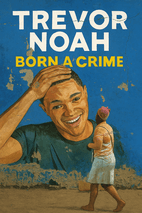
Trevor Noah's Born a Crime recounts his childhood under South African apartheid, using humor and poignant stories to explore identity, systemic racism, and his formidable mother's love. It resonates with readers interested in memoirs, history, and universal tales of resilience.
Feature
Insta.Page
Blinkist
Shortform
Summary Depth
Full Chapter-by-Chapter
15-min overview
Section-by-section guides
Audio Narration
✓
✓
✓
Visual Mindmaps
✓
✕
✕
AI Q&A
✓
✕
✕
Quizzes
✓
✕
✕
PDF Downloads
✓
✕
✓
Price
$89.99/yr
$146/yr (PRO)
$199/yr
*Competitor data last verified July 2026.
1 Page Summary
Born a Crime is a memoir by comedian Trevor Noah that explores his childhood growing up in South Africa during and immediately after apartheid. The book's title refers to the fact that Noah was born to a Black Xhosa mother and a white Swiss father, a union that was literally a crime under the country's brutal racial segregation laws. Through a series of poignant and often humorous personal essays, Noah uses his unique position as a mixed-race child—a person who didn't legally belong to any defined racial group—to dissect the absurdities and horrors of institutionalized racism. His narrative is deeply anchored in the complex social engineering of apartheid, explaining how the system meticulously divided people to maintain white minority rule and the lasting psychological and cultural scars it created.
The heart of the book is Noah's relationship with his formidable, devoutly religious mother, Patricia Nombuyiselo Noah, whose fierce independence, resilience, and ingenious strategies to raise him in a society designed to destroy their family form the memoir's emotional core. Her defiance of the regime and her unwavering determination to give Trevor a life beyond the prescribed boundaries for a "colored" child are central themes. Noah recounts their life in the townships of Johannesburg with vivid detail, describing poverty, violence, and the daily negotiations of identity, while also highlighting moments of joy, love, and the unifying power of language—a tool he mastered to navigate between different racial groups.
The lasting impact of Born a Crime lies in its accessible, human-scale portrayal of a monumental historical injustice. It transcends a simple autobiography to serve as both a primer on apartheid's mechanics and a universal story about the power of a parent's love and the struggle to find one's place in the world. By framing heavy historical context within disarmingly funny and deeply personal stories, Noah makes the legacy of systemic racism tangible and underscores how its structures of division and inequality persist long after the laws themselves have changed. The book stands as a testament to survival, humor as a form of resistance, and the complex journey toward self-definition.
Chapter 1: Run
Overview
Trevor Noah kicks off with a jarring memory from age nine, debunking Hollywood fantasies of car ejections through his own brutal experience. This moment is rooted in the rhythm of his childhood Sundays, dominated by his family's intense religious devotion. Their week revolved around church, with Trevor observing the blend of his mother's fervent Christianity and his grandmother's traditional spirituality—a mix that highlighted the colonized nuances of their faith. Sundays were a marathon, hauling across Johannesburg to three distinct services: the flashy, Jumbotron-led Mixed church, the efficient and affluent White church where Trevor devoured Bible stories as his only action movies, and the grueling yet dramatic Black church where pastors battled demons under the sun.
The journey was always an epic slog, but one Sunday it hit a snag when their unreliable orange Volkswagen Beetle wouldn't start. Trevor hoped for a day off, but his mother's stubborn faith interpreted the breakdown as the Devil's work, overriding his logical plea that God might be suggesting rest. Her command to be silent shut down any dissent, setting the stage for her unwavering will. This toughness was familiar; she was a disciplinarian who'd chase him through streets, even rallying neighbors by yelling "Thief!"—a personal dynamic that mirrored her fearlessness in the face of South Africa's political violence. While white areas celebrated a "Bloodless Revolution," Black communities endured horrific proxy wars, with Trevor recalling charred bodies and burning blockades navigated by his mother's resolute belief that "If God is with me, who can be against me?"
Exhausted after their church circuit, they found themselves stranded late at night, forced to rely on the dangerous minibus system. Accepting a ride from a stranger sparked a violent confrontation, leading them onto a minibus with a hostile Zulu driver who hurled sexist and tribal insults at Trevor's Xhosa mother. As threats escalated, the driver sped off into the darkness, declaring he'd teach them a lesson. With eerie calm, Trevor's mother whispered a plan to jump at the next light, but Trevor had fallen asleep. At the intersection, she yanked the door open and threw him onto the road, then leaped out herself, curled around his baby brother.
The painful crash woke Trevor, disoriented until his mother's scream of "Run!" ignited an instinctual sprint for survival—skills honed from years of chaotic chases through their township. They outpaced their stunned pursuers, collapsing bruised and bleeding at a petrol station. As adrenaline faded, Trevor confronted her in shock, blurting out that she'd thrown him from the car, only to be met with her frustrated retort: "Why didn't you jump?" This clash melted into a deeper debate about faith while waiting for the police. Trevor, furious, argued the whole ordeal was a mistake stemming from ignoring God's initial warning—the broken-down car. His mother saw it as divine protection, part of a grand plan. Their standoff broke with Trevor's weary joke about Jesus meeting them at home next time, revealing how humor and love became their shield against trauma.
This personal tale of survival is framed by the chilling reality of apartheid, which Noah unpacks as "perfect racism"—a coldly engineered system built over centuries through colonization, mineral exploitation, and studied oppression. By comparing it to the combined horrors of Native American removal, slavery, and segregation, he clarifies how this meticulously crafted machine of control manufactured the everyday dangers Trevor faced. The chapter closes by dedicating these lessons to his mother, whose courage and philosophy forged his identity, tying the intimate story to the vast historical forces that shaped it.
A Stubborn Faith and a Broken-Down Beetle
Trevor Noah immediately challenges the Hollywood fantasy of effortlessly surviving a car ejection, contrasting it with his own painful, real-life experience at age nine. He anchors this memory to a Sunday, a day synonymous with church in his childhood. His family's devotion was intense, with church activities occupying at least four nights a week. Trevor observes how his deeply Christian mother and his more traditionally spiritual grandmother represented different facets of their colonized religious identity. He humorously critiques the double standard in how indigenous spiritual practices were labeled "primitive" while white Christian miracles were seen as "common sense."
His Sundays were a marathon of three distinct churches. Mixed church was the modern, suburban Rhema Bible Church, a "Christian karaoke" experience with a Jumbotron and a charismatic ex-bodybuilder pastor. White church was the affluent, efficient Rosebank Union, where Trevor excelled in Sunday school, treating the dramatic stories of the Old Testament as his only approved action movies and superhero tales in a pop-culture-starved home. Black church, often his grandmother’s Methodist congregation, was an endurance test—hours long in the blazing sun, but with the compelling payoff of watching pastors violently cast out demons.
The journey between these churches was an "epic slog" across Johannesburg from their home in Eden Park. This particular Sunday began with a critical obstacle: their unreliable, bright-orange Volkswagen Beetle wouldn't start. Trevor hoped this would cancel the grueling day, but his mother’s stubborn faith interpreted the breakdown as the Devil trying to阻止 them. After a brief, logical debate where Trevor tried to argue that God might be telling them to rest, his mother shut him down with the Xhosa command "Sun’ghela," signaling the conversation—and any dissent—was over.
A Mother's Discipline and a Nation's Violence
Trevor illustrates his mother’s formidable nature through their "Tom and Jerry" dynamic. She was a disciplinarian who would chase him through the streets, even yelling "Thief!" to mobilize the neighborhood against her own son when he misbehaved. This context establishes her as a force of will, a trait that extended beyond parenting. He then juxtaposes this personal history with the brutal political violence of post-apartheid South Africa in the early 1990s. While white South Africa experienced a "Bloodless Revolution," Black communities were engulfed in proxy wars between political factions, resulting in horrific violence like necklacing. Trevor recalls seeing a charred body and regularly navigating riots and burning tire blockades with his mother, who remained fearlessly resolute, believing "If God is with me, who can be against me?"
The Ride That Turned to Flight
Forced to use minibuses—the dangerous, unregulated transit system run by competing gangs—Trevor and his mother complete their church circuit. Exhausted, they are stranded late at night outside white church. After a long wait, they accept a ride from a stranger, which immediately provokes a violent reaction from a rival minibus driver and his crony. After defending the Good Samaritan, they board the minibus, now the only passengers.
The Zulu driver becomes enraged, hurling sexist and tribal insults at Trevor’s Xhosa mother, calling her a promiscuous "slut" for traveling alone with her children. His threats escalate until he declares, "tonight you're going to learn your lesson," and speeds off into the night. With chilling calm, Trevor’s mother whispers a plan to jump at the next intersection, but the exhausted boy has already fallen asleep. At the traffic light, she acts: yanking the door open, she throws Trevor out onto the road, then leaps out herself, curled protectively around baby Andrew.
The Run for Survival
The painful crash to the pavement jolts Trevor awake. Disoriented but seeing his mother already on her feet screaming “Run!,” his instincts take over. He compares it to the animalistic survival knowledge learned from township police raids. They sprint away, their years of chaotic chases through Eden Park now serving a deadly serious purpose. The pursuers, stunned, quickly give up. Bruised and bleeding at a petrol station, the adrenaline fades and Trevor confronts his mother in shock, realizing she had tried to warn him. His final, bewildered question—"You just threw me out of the car!"—meets her frustrated reply: "Why didn't you jump?"
The Aftermath and an Argument of Faith
Exhausted, bleeding, and waiting for the police, the emotional tension between Trevor and his mother shifts from survival to theology. He is furious at being thrown from the car, while she frames their narrow escape as an act of divine protection. This sparks another of their classic debates about God’s will. Trevor, with a child’s exasperated logic, insists the entire harrowing ordeal was a mistake, arguing that if his mother had truly listened to God’s initial warning (the car that wouldn’t start), they would have been safe at home. His mother counters with her unwavering belief that everything is part of a divine plan. The standoff breaks only when Trevor delivers a perfect, weary punchline: “Look, Mom. I know you love Jesus, but maybe next week you could ask him to meet us at our house.” Their shared laughter in that grim moment becomes a profound testament to their bond and their chosen method of survival—finding humor and love amidst the pervasive fear.
The System Behind the Fear
The chapter then pulls back from this intimate scene to deliver a concise, powerful history lesson. It frames apartheid not as a random or simple prejudice, but as “perfect racism”—a meticulously engineered system. The summary traces its roots from the 1652 Dutch colonization, through British rule and the discovery of mineral wealth, to the Afrikaner nationalist movement. It reveals the chilling pragmatism of the system: the government actively researched global models of oppression to build “the most advanced system of racial oppression known to man.” For an American audience, Noah crystallizes its nature by comparing it to the simultaneous experience of Native American removal, slavery, and segregation all applied to one group. This contextualizes the constant danger of Trevor’s childhood, showing the specific, violent society his mother’s quick thinking navigated.
Key Takeaways
The relationship between Trevor and his mother is characterized by deep love, fierce debate, and resilient humor, which becomes their primary tool for coping with trauma.
The chapter contrasts a personal, visceral story of danger with a clear, historical explanation of the apartheid state, showing how systemic racism directly impacted everyday life.
Apartheid is presented as a deliberate, “perfected” system of control, built over centuries and through international study, designed to subjugate the Black majority for economic and political power.
The final, dedicatory line—“For my mother. My first fan. Thank you for making me a man.”—ties the chapter’s events together, crediting her courage and philosophy as the foundation of his identity.
Key concepts: Chapter 1: Run
1. Chapter 1: Run
The Rhythm of Religious Sundays
Church dominated the family's week, with activities on at least four nights
Trevor observed the blend of his mother's fervent Christianity and his grandmother's traditional spirituality
The religious identity reflected colonized nuances, with indigenous practices labeled 'primitive'
Sundays involved a marathon journey to three distinct church services across Johannesburg
The Three Churches of Johannesburg
Mixed church: Modern Rhema Bible Church with Jumbotron and charismatic ex-bodybuilder pastor
White church: Affluent, efficient Rosebank Union where Bible stories were Trevor's only action movies
Black church: Grueling Methodist services with dramatic demon-exorcising under the sun
Stubborn Faith vs. Logical Reasoning
The broken-down orange Volkswagen Beetle presented a potential reprieve from the Sunday marathon
Trevor's mother interpreted the breakdown as the Devil's work, not God's suggestion to rest
Her command 'Sun'ghela' (be silent) shut down dissent and demonstrated her unwavering will
This moment established the pattern of faith overriding practical concerns
A Mother's Fearlessness in Dangerous Times
Trevor's mother was a disciplinarian who would chase him through streets yelling 'Thief!'
Her personal toughness mirrored her approach to South Africa's political violence
While white areas celebrated 'Bloodless Revolution,' Black communities endured proxy wars
She navigated charred bodies and burning blockades with resolute faith in divine protection
The Minibus Confrontation and Escape
Stranded late at night, they accepted a ride that turned violent with tribal tensions
A hostile Zulu driver hurled sexist and tribal insults at Trevor's Xhosa mother
As threats escalated, the driver sped off declaring he'd teach them a lesson
Trevor's mother executed a dangerous escape plan by throwing them from the moving vehicle
The Survival Sprint and Aftermath
Trevor's mother's scream of 'Run!' ignited an instinctual sprint for survival
Their escape skills were honed from years of chaotic chases through their township
The aftermath revealed conflicting interpretations: Trevor saw it as a preventable mistake, his mother as divine protection
Humor and love became their shield against trauma in the wake of the ordeal
Apartheid as the Historical Frame
Noah frames the personal story within the context of 'perfect racism'
Apartheid was a coldly engineered system built over centuries through colonization and exploitation
The system manufactured the everyday dangers Trevor and his family faced
It combined the horrors of Native American removal, slavery, and segregation into one meticulously crafted machine
A Mother's Legacy and Philosophy
The chapter is dedicated to Trevor's mother, whose courage forged his identity
Her philosophy 'If God is with me, who can be against me?' guided her through danger
The personal tale is tied to vast historical forces through her example
Her approach blended faith, humor, and fierce protection as survival tools
A Mother's Discipline and a Nation's Violence
Trevor's mother is a formidable disciplinarian, using extreme tactics like mobilizing the neighborhood to chase him.
Her personal strength is juxtaposed with the brutal political violence in Black townships during South Africa's transition.
While white South Africa experienced a 'bloodless revolution,' Black communities suffered proxy wars and atrocities like necklacing.
Trevor's mother navigates this pervasive danger with fearless religious resolve, believing divine protection is absolute.
The Ride That Turned to Flight
Forced to use dangerous, gang-run minibuses, Trevor and his mother accept a ride from a stranger, sparking violent retaliation.
A Zulu minibus driver, after they board, unleashes a torrent of sexist and tribal insults at Trevor's Xhosa mother.
The driver's threats escalate to a declaration that he will teach them a 'lesson,' speeding off into the night with them as captives.
With chilling calm, Trevor's mother devises an escape plan to jump at an intersection, ultimately throwing Trevor from the moving vehicle.
The Run for Survival
Jolted awake by being thrown onto the road, Trevor's survival instinct kicks in upon hearing his mother's scream to 'Run!'
Their chaotic chases through their neighborhood (their 'Tom and Jerry' dynamic) prepared them for this life-or-death sprint.
The pursuers quickly give up, leaving them bruised and bleeding at a petrol station as adrenaline fades.
Trevor confronts his mother in shock over being thrown out, while she is frustrated he didn't jump as instructed.
The Aftermath and an Argument of Faith
In the aftermath, their tension shifts from survival to a theological debate about divine will and protection.
Trevor, with childlike logic, argues the ordeal was a mistake caused by ignoring God's initial warning (the car not starting).
His mother counters with her unwavering belief that everything, including their escape, is part of a divine plan.
The standoff breaks with Trevor's weary, humorous plea for Jesus to 'meet us at our house' next time, leading to shared laughter that reinforces their bond.
The System Behind the Fear
The chapter provides a historical frame, defining apartheid as 'perfect racism'—a meticulously engineered system of oppression.
It traces its roots from 1652 Dutch colonization through British rule and Afrikaner nationalism, fueled by mineral wealth.
The government actively researched global models of oppression to build 'the most advanced system of racial oppression known to man.'
For an American audience, Noah crystallizes it as the simultaneous experience of Native American removal, slavery, and segregation applied to one group.
Core Themes and Dedication
The mother-son relationship is defined by deep love, fierce debate, and resilient humor as tools for coping with trauma.
The narrative contrasts a personal survival story with a historical explanation, showing apartheid's direct impact on daily life.
Apartheid is presented as a deliberate, perfected system designed for the economic and political subjugation of the Black majority.
The chapter's dedicatory line credits his mother's courage and philosophy as the foundation of his identity: 'For my mother. My first fan. Thank you for making me a man.'
💡 Try clicking the AI chat button to ask questions about this book!
Chapter 2: Born a Crime
Overview
The chapter opens with Trevor Noah's explanation of his birth as a literal crime under South Africa's apartheid regime. Born to a black Xhosa mother and a white Swiss-German father, his very existence defied the Immorality Act, a law prohibiting sexual relations between races. He frames his birth not just as a personal beginning but as a profound political act that exposed the illogical foundation of institutionalized racism.
The Architecture of Apartheid
Noah details the rigid racial classifications—white, black, colored, and Indian—and the brutal geographical and social engineering that enforced them. He explains that unlike the "one-drop rule" in America, South Africa created a separate "colored" category for mixed-race people. The state's obsession with policing racial boundaries included police squads dedicated to catching interracial couples, with violent, disproportionate consequences typically falling on the black partner.
Patricia Noah: A Rebel's Calculated Risk
The narrative shifts to the fearless character of Trevor's mother, Patricia. Defying the limited roles for black women, she secretly trained as a typist, exploiting minor reforms to secure a white-collar job. Her rebellion extended to illegally living in downtown Johannesburg (Hillbrow), a "white area," by disguising herself as a maid and learning survival tactics from Xhosa prostitutes. Her mindset is captured in her explanation: she didn't consider the ramifications of having a mixed child because if she had, she would never have done it.
An Unconventional Family's Formation
In the liberal, integrated enclave of Hillbrow, Patricia befriended a quiet Swiss expat named Robert. Their relationship, built on companionship and a sense of safety, led to Patricia's direct proposal: she wanted a child, and she wanted Robert's sperm, with no strings attached. After initial refusal, he agreed. Trevor's birth was a clandestine event, with his mother lying about his paternity and tribe on the birth certificate to obscure his true identity. Robert, despite his earlier stance, chose to be involved after Trevor was born.
Navigating a World Where a Child is Contraband
This section details the exhausting, creative logistics required to hide a mixed-race child. Trevor could not be seen in public with either parent. With his father, they had to be indoors; an attempt to walk together in a park ended in a panicked chase. With his mother, they employed elaborate ruses, often using a colored woman as a decoy mother while Patricia pretended to be the maid. In the black township of Soweto, where police were an occupying military force, Trevor was kept a virtual prisoner in his grandmother's house, with the constant fear that he would be seen and taken away.
The Choice to Stay
Trevor reveals that most other mixed families under apartheid chose exile. He expresses a stunned sense of betrayal upon learning this as a teenager, comparing it to discovering a parachute after a fatal fall. His mother's unwavering response defined her character: "This is my country. Why should I leave?" This stubborn refusal to be forced out underscored her lifelong defiance of the system.
A Landscape of Contradictory Beliefs
The chapter concludes by painting the complex spiritual and superstitious backdrop of South Africa, where devout Christianity coexists with a widespread belief in witchcraft, sangomas (traditional healers), and supernatural causality. Noah notes that people could be tried in modern courts for using witchcraft to strike enemies with lightning, illustrating a society where ancient and modern worldviews are constantly intertwined.
Key Takeaways
Under apartheid, a mixed-race child was not just a social taboo but active proof of a crime, making family life a daily act of subterfuge and danger.
Patricia Noah’s character is defined by a unique, pragmatic fearlessness—a willingness to act first and navigate consequences later, which allowed her to systematically break apartheid's rules.
Survival for the family required constant performance: disguises, lies on official documents, and playing prescribed social roles in public to mask their true relationship.
The choice to remain in South Africa, while most in their situation fled, was a conscious act of resistance and claim to belonging by Trevor's mother.
The chapter establishes the foundation of Noah's identity: born into a legal paradox, he was raised inside his own head, an observer learning to navigate multiple worlds that were never meant to coexist.
Key concepts: Chapter 2: Born a Crime
2. Chapter 2: Born a Crime
The Crime of Existence Under Apartheid
Trevor Noah's birth violated the Immorality Act prohibiting interracial relations
His existence was a political act exposing the illogical foundation of racism
Unlike America's 'one-drop rule,' South Africa created a separate 'colored' category
Police squads specifically hunted interracial couples with violent consequences
Patricia Noah: Defiance and Pragmatism
Secretly trained as a typist to secure a white-collar job against expectations
Illegally lived in downtown Johannesburg by disguising herself as a maid
Learned survival tactics from Xhosa prostitutes in Hillbrow
Acted first without considering consequences: 'If I had, I would never have done it'
Formation of an Unconventional Family
Patricia befriended Swiss expat Robert in integrated Hillbrow
Directly proposed he father her child with no strings attached
Trevor's birth certificate contained lies about paternity and tribe
Robert chose involvement after Trevor's birth despite initial agreement
Daily Survival as Contraband
Trevor could not be seen in public with either parent
With father: confined indoors, park visit caused panicked chase
With mother: used colored woman as decoy mother while Patricia pretended to be maid
In Soweto, kept prisoner in grandmother's house to avoid detection
The Defiant Choice to Remain
Most mixed families chose exile under apartheid
Trevor felt betrayed discovering this option as a teenager
Patricia's response: 'This is my country. Why should I leave?'
Refusal to be forced out was an act of resistance and claim to belonging
Contradictory Spiritual Landscape
Devout Christianity coexisted with belief in witchcraft and sangomas
Society blended ancient and modern worldviews
People could be tried in court for using witchcraft to harm enemies
Illustrated the complex cultural backdrop of Noah's upbringing
Chapter 3: Trevor, Pray
Overview
Trevor Noah's childhood unfolds within a world meticulously shaped by apartheid's cruelties, a world held together almost entirely by women. His home in Soweto is a matriarchal realm where his father is a distant figure by law, and the most memorable man is his erratic, often-absent grandfather. Here, the women are the unwavering pillars—his sharp grandmother, his enduring aunt—while men, when present, often strain under the weight of performative masculinity they cannot uphold. In this landscape of female resilience, faith becomes the essential glue. Prayer meetings rotate through the women’s homes, creating a sacred, supportive space, and young Trevor gains a peculiar reputation for having a direct line to "White Jesus," a power his grandmother regularly invokes with the command, "Trevor, pray."
This community is far from a simple ghetto; it is an aspirational one, defined by a defiant, self-determined hustle. A thriving black-market economy of spaza shops and shebeens flourishes alongside the hopeful, brick-by-brick construction of homes and driveways—symbols of a better future—even as residents face the grim, unchanging reality of communal outdoor toilets. This potent mix of profound faith, resilient community, and the constant shadow of hardship culminates in a pivotal, surreal childhood event: the incident of the demon shit. After a young Trevor’s secretive act on the kitchen floor is discovered, his mother interprets it through a lens of witchcraft, sparking a full community exorcism ritual. Terrifyingly, Trevor is placed at the center of the prayer circle and ordered to use his "powerful" prayers to destroy the demon, forcing him into a paralyzing crisis of conscience where his private guilt collides spectacularly with his public spiritual role.
The Matriarchal World of Soweto
Trevor Noah’s formative years were spent in a home and community dominated by women, a direct result of apartheid’s social engineering. His white father was physically separated from the family by law. The most consistent male presence was his grandfather, Temperance—a charismatic, bipolar former boxer known as “Tat Shisha,” whose erratic behavior ranged from chivalrously driving a stranger hours out of his way to challenging his twelve-year-old grandson to a fistfight. His sporadic presence underscored his general absence.
Family Dynamics and Performative Masculinity
Within the household, the women were the constant pillars. His grandmother, Frances Noah, was the sharp-minded matriarch who held the family’s history. His aunt Sibongile was a “powerhouse” who endured, and then forcefully corrected, the ineffectual abuse from her husband, Dinky—a man desperately performing a toxic, patriarchal role he could not sustain. This illustrated a common township contradiction: women were revered in political slogans as the “rock” of the nation, yet were expected to be submissive at home. Trevor observes that the men were often absent—working in distant mines, imprisoned, or in exile—leaving women to hold everything together.
Faith as Foundation and Community Glue
In this context, religion became the central organizing principle. Trevor’s mother explained her resilience by stating, “God is my husband.” Weekly prayer meetings rotated through the women’s homes, creating a powerful, women-only space of song, shared scripture, and lengthy prayers. Trevor, as a child who prayed in English, was believed to have a direct hotline to “White Jesus.” His grandmother would often command, “Trevor, pray,” convinced his prayers were especially potent. These meetings were a cornerstone of social and spiritual support for women grappling with poverty, sickness, and loss.
The Aspirational Ghetto: Life in Soweto
Soweto is described not just as an oppressive prison, but as a place of resilient self-determination. With no formal economy, a thriving black-market system emerged: spaza shops sold food in tiny quantities (two eggs, a quarter loaf of bread) and shebeens (illegal bars) operated out of homes. Housing was built incrementally, brick by brick, over generations. The ubiquitous driveways, built by people who did not own cars, symbolized a defiant, hopeful aspiration for a better future. This stood in stark contrast to the unchangeable reality of communal, fly-infested outdoor toilets.
The Incident of the Demon Shit
The narrative culminates in a vividly recounted childhood memory. To avoid the dreaded outhouse in the rain, a five-year-old Trevor defecated on newspaper on the kitchen floor, unaware his blind great-grandmother, Koko, was sitting nearby. Her heightened senses detected the act, though she couldn’t identify it. After Trevor hid the evidence, the smell led his mother to discover the “turd.” Interpreting it through a cultural lens of witchcraft, she declared the house was cursed by a demon. The community ritual for such a curse required burning the physical object—Trevor’s feces was set ablaze in the driveway—followed by an emergency prayer meeting.
Cornered and terrified, Trevor was thrust into the center of the praying circle and ordered by his grandmother to use his “powerful” prayers to kill the demon. Paralyzed by the belief that his prayers worked, he stammered through a feeble, non-committal prayer, fearing that if he asked God to kill the demon (which was himself), he would be struck dead. The crisis eventually passed, leaving Trevor with a guilty, private apology to God, reinforcing his belief in a divine, paternal presence watching over him.
Failed to generate summary
Key concepts: Chapter 3: Trevor, Pray
3. Chapter 3: Trevor, Pray
The Matriarchal World of Soweto
Apartheid's social engineering creates a female-dominated household and community.
Trevor's white father is physically separated from the family by law.
The most consistent male figure is his erratic, bipolar grandfather, 'Tat Shisha'.
His grandfather's sporadic presence underscores the general absence of men.
Family Dynamics and Performative Masculinity
Women like his grandmother Frances and aunt Sibongile are the unwavering pillars of the family.
Men, when present, often strain under the weight of a toxic, performative masculinity they cannot uphold.
A common contradiction: women are revered as the 'rock' of the nation but expected to be submissive at home.
Men are often absent due to distant work, imprisonment, or exile, leaving women to hold everything together.
Faith as Foundation and Community Glue
Religion is the central organizing principle, with his mother stating, 'God is my husband.'
Weekly, women-only prayer meetings rotate through homes, providing social and spiritual support.
Trevor gains a reputation for having a direct hotline to 'White Jesus' due to praying in English.
His grandmother regularly commands, 'Trevor, pray,' convinced his prayers are especially potent.
The Aspirational Ghetto: Life in Soweto
Soweto is a place of resilient self-determination, not just an oppressive prison.
A thriving black-market economy of spaza shops and shebeens flourishes in the absence of a formal economy.
Homes and symbolic driveways are built brick-by-brick, representing defiant hope for a better future.
This aspirational hustle exists in stark contrast to the grim, unchanging reality of communal outdoor toilets.
The Incident of the Demon Shit
A five-year-old Trevor secretly defecates on the kitchen floor to avoid the outdoor toilet in the rain.
His mother discovers the act and interprets it through a cultural lens of witchcraft, declaring a demonic curse.
This triggers a full community exorcism ritual, with Trevor's feces burned in the driveway.
Trevor is thrust into the center of the prayer circle and ordered to use his 'powerful' prayers to kill the demon.
He faces a paralyzing crisis of conscience, fearing his own prayers will kill him, as he is the source of the 'demon.'
Chapter 4: Chameleon
Overview
Overview
This chapter explores Trevor Noah's early childhood grappling with the complexities of his mixed-race identity in apartheid South Africa. Through a series of personal anecdotes, he illustrates how he was perceived differently by his own family and by society, and how he learned to navigate these perceptions. The narrative follows his journey from a sheltered, privileged position within his black family to a jarring confrontation with institutionalized racial segregation at a new school, culminating in a conscious decision about his own racial identity.
A Privileged Position at Home
A childhood accident—perforating his cousin's eardrum with a matchstick—reveals the starkly different rules applied to Trevor. While his cousins are beaten for the incident, his grandmother refuses to punish him, confessing to his mother, "I don't know how to hit a white child... I'm scared I'm going to break him." He enjoys a system of leniency within his family, a microcosm of broader societal privilege. He recognizes this unfairness but, as a child, chooses the perks (like extra cookies) over challenging the system. He initially internalizes this special treatment as being unique to "Trevor," not yet fully connecting it to his skin color.
An Anomaly in Soweto
In his Soweto neighborhood, where he was one of the only mixed-race children, Trevor was a local curiosity. Children would yell "The white man!" when they saw him; he was used as a landmark for directions. At funerals, his presence would shock mourners, and he was always invited to eat indoors with the family, a place of honor. He initially viewed racial differences simplistically, like types of chocolate, and believed other children who called him "white" had simply confused their colors.
Language as a Bridge and a Shield
Trevor learned that language was the most powerful tool to transcend racial barriers. Growing up in a multilingual household, he became fluent in English, Xhosa, Zulu, Afrikaans, and Sotho. He recounts how his mother used fluent Afrikaans to disarm a racist shopkeeper. Trevor adopted this skill, becoming a "chameleon." By responding to people in their own language and accent, he could instantly dissolve suspicion and make them see him as part of their "tribe." This skill even once saved him from a mugging, as the would-be assailants backed off the moment he spoke to them in fluent Zulu.
The Sheltered Oasis of Maryvale
His mother secured a scholarship for him to attend Maryvale College, an elite, multi-racial private school. In this environment, race seemed irrelevant. Cliques were mixed, and teasing was based on typical childhood traits, not skin color. This experience gave him freedom to explore his identity without limits but also sheltered him from the harsh realities of South African racism. It allowed him to avoid making a choice about his racial identity.
Confrontation with the Real World
This sheltered bubble popped when he transferred to H. A. Jack Primary, a government school. On the first day, he was placed in the "smart" A class, which was predominantly white. At recess, he witnessed stark, self-imposed segregation: white kids and black kids moved in separate groups. He was left stranded in the middle. An Indian classmate, Theesan, rescued him by showcasing Trevor's ability to speak African languages to the black kids. This talent fascinated them and sparked a sense of belonging.
Choosing a Side
Trevor discovered his new black friends were all in the B classes, which were de facto the black classes. He realized the A classes "weren't for me" and requested a transfer. The school counselor actively discouraged him, warning it would harm his future, arguing the B class kids would hold him back. Trevor insisted, choosing friendship and cultural belonging over perceived academic advantage. This moment was his conscious, forced choice: "I chose black." He explains that because he spent his life looking at the black people who raised and surrounded him, that was the identity he internalized.
The Crippling Logic of Bantu Education
The chapter concludes with a historical analysis contrasting two forms of racism. He explains that pre-apartheid missionary education, while paternalistic, created knowledgeable leaders like Nelson Mandela. Apartheid's "Bantu education" was designed to cripple the black mind, teaching only basic skills for servitude. He offers a defining analogy: British racism held out the conditional hope of assimilation ("If the monkey can walk like a man..."), while Afrikaner racism was brutally absolute ("Why give a book to a monkey?").
Key Takeaways
Privilege is internalized early: Even within a loving black family, Trevor benefited from and became comfortable with a system that punished black children more harshly than him for the same actions.
Language can transcend imposed categories: More than skin color, the ability to speak someone's language can instantly change their perception, creating a shared identity and offering protection.
Identity is often a choice forced by circumstance: Trevor could avoid choosing a racial side only while in a sheltered, integrated environment. The real world of apartheid South Africa forced a binary choice, and he chose the culture and community he felt most connected to.
Systems of oppression target the mind: The apartheid regime understood that true control required limiting education. The "Bantu school" system was a deliberate project to stifle intellectual development and maintain subjugation.
Key concepts: Chapter 4: Chameleon
4. Chapter 4: Chameleon
Privileged Position Within the Family
Different rules applied due to his lighter skin color
Grandmother refused to punish him, fearing she would 'break' a white child
Internalized special treatment as unique to 'Trevor' rather than his race
Chose to enjoy the perks of unfairness rather than challenge the system
An Anomaly in Soweto Society
Viewed as a local curiosity and landmark in his neighborhood
Received places of honor at community events like funerals
Initially understood race simplistically, like types of chocolate
Believed children calling him 'white' had simply confused their colors
Language as a Tool for Survival
Multilingual fluency allowed him to transcend racial barriers
Became a 'chameleon' by speaking to people in their own language and accent
Used language to dissolve suspicion and create instant tribal belonging
Language skills once saved him from potential mugging in Soweto
Sheltered Experience at Maryvale College
Multi-racial private school where race seemed irrelevant
Allowed freedom to explore identity without racial limitations
Sheltered him from harsh realities of South African racism
Enabled avoidance of making a definitive racial identity choice
Confrontation with Institutional Segregation
Transfer to government school revealed stark racial divisions
Witnessed self-imposed segregation during school recess
Initially stranded between white and black social groups
Language skills helped bridge gap with black students
Conscious Choice of Racial Identity
Requested transfer from 'smart' A class to predominantly black B class
Chose friendship and cultural belonging over perceived academic advantage
School counselor discouraged transfer, warning it would harm his future
Made conscious declaration: 'I chose black' based on cultural connection
Analysis of Educational Oppression Systems
Contrasts pre-apartheid missionary education with Bantu education
Bantu education designed to cripple black intellectual development
British racism offered conditional assimilation; Afrikaner racism was absolute
Apartheid understood true control required limiting education and opportunity
You've reached the end of the free chapters
Next chapter: “The Second Girl” is locked
Keep reading Born a Crime — and unlock all 600+ book summaries with audio, mindmaps and AI Q&A.
$0.00 due today · 7 days free, then $89.99/year ($7.49/mo) · Cancel anytime before day 7
Trevor Noah is a South African comedian, writer, producer, and former host of The Daily Show. Born and raised in Johannesburg during the final years of apartheid, he uses sharp humor and personal storytelling to explore issues of race, identity, and social justice. His bestselling memoir, Born a Crime, chronicles his unconventional childhood as the mixed-race son of a Black mother and a white father—an illegal union under apartheid law. Noah’s work is celebrated for its wit, insight, and ability to bridge cultures through comedy and honesty.
📚 Explore Our Book Summary Library
Discover more insightful book summaries from our collection